
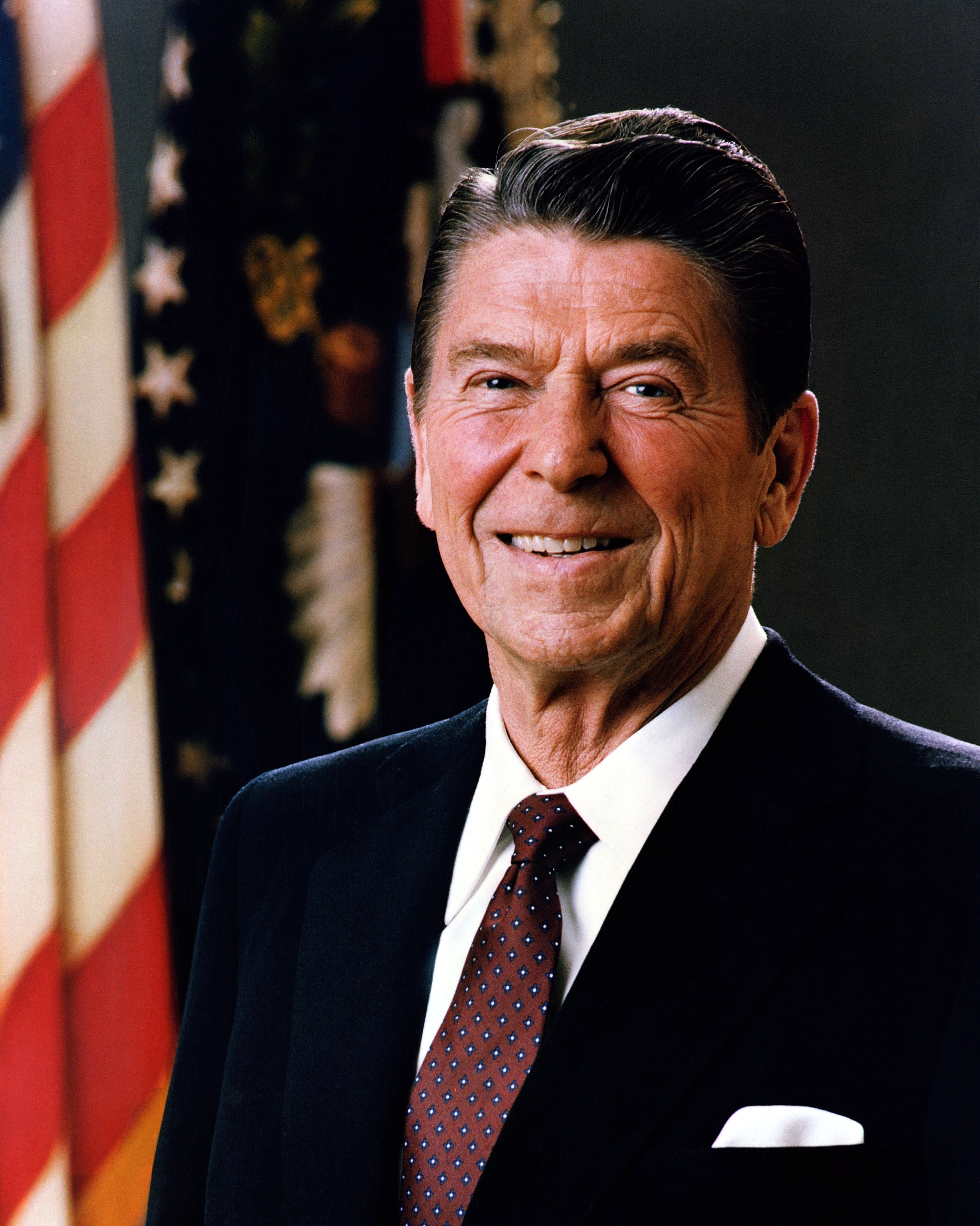
In the Republican primaries in 1980 it was Republican candidate George HW Bush who gave the old Gipper’s economic policy the accurate nickname of “Voodoo Economics.” Then when the Gipper defeated the last American President to have an administration without a war in it, that Voodoo became the things we do.
Banks became predatory, using credit card ploys to turn us into a nation of debtors where wealth defies gravity and trickles upward instead of down. To help that along, Republicans deregulated things, killed off the Savings-and-Loan industry through scandal to reduce competition. Wall Street learned to make greed good by building bubbles that allow profits to inflate them and eventually explode them. When the business moguls at the top of economic food chain went through the Great Depression (the ones who didn’t jump out of windows) they learned there are ways to turn recessions into profitable ventures for the wealthy elite. Income inequality grew fat on the raw meat of recession after recession.
And wars became a popular pastime again. Every president from Reagan onward had to manage a war they either started or inherited from their predecessor.
Gorbachev became the Premiere of the USSR. He attempted to modify Russia with Glasnost, opening up about the Russian past and the contemporary state of Russia’s economy. By opening up the ban on criticism, he caused the USSR to fall and the Cold War basically ended when they fell. Still, Republicans managed to always increase military spending, and use any excuse (in fact, making up some excuses) to declare war on somebody, especially little guys who were easy to beat up and bully. The Gipper did his happy dance and declared that Republicans had defeated evil. And stupid people gave him so much credit that two of the next three Republican Presidents got there with fewer popular votes than their opponents. And this was all okay because some voters count bigger than the rest of us.
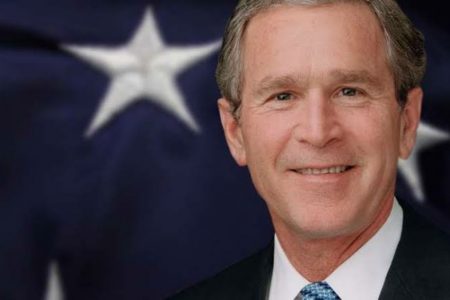
And so the era of elections being decided by angry people and stupid people who want to punish the rest of us began.
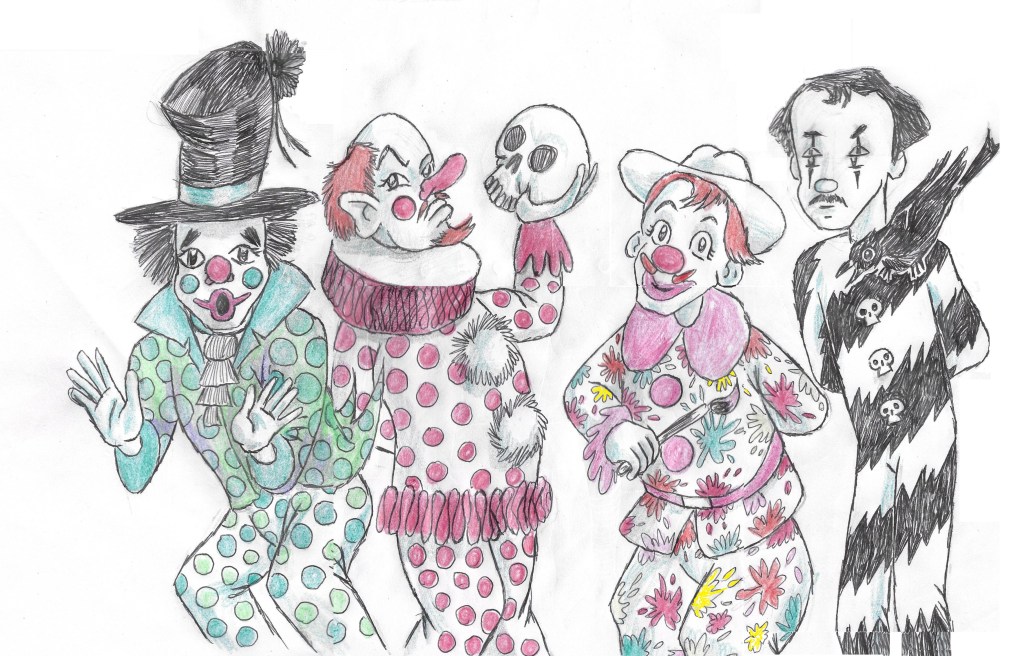
Somehow a rodeo clown from Texas who dodged serving in combat during the Vietnam War became a war President, starting two wars, one against the wrong country. The Republicans deregulated more. Corporations cut down trees in National Forests more. They burned more coal. They fracked up the place and got more oil. And they looted and polluted more and more during the time when we could’ve done something to reverse the worst of climate change. They crashed the economy again. They made more money. They left a mess in the economy for Obama to clean up. And when he cleaned it up, they blamed him for not doing it right, and even for causing it all somehow before he took the oath of office.
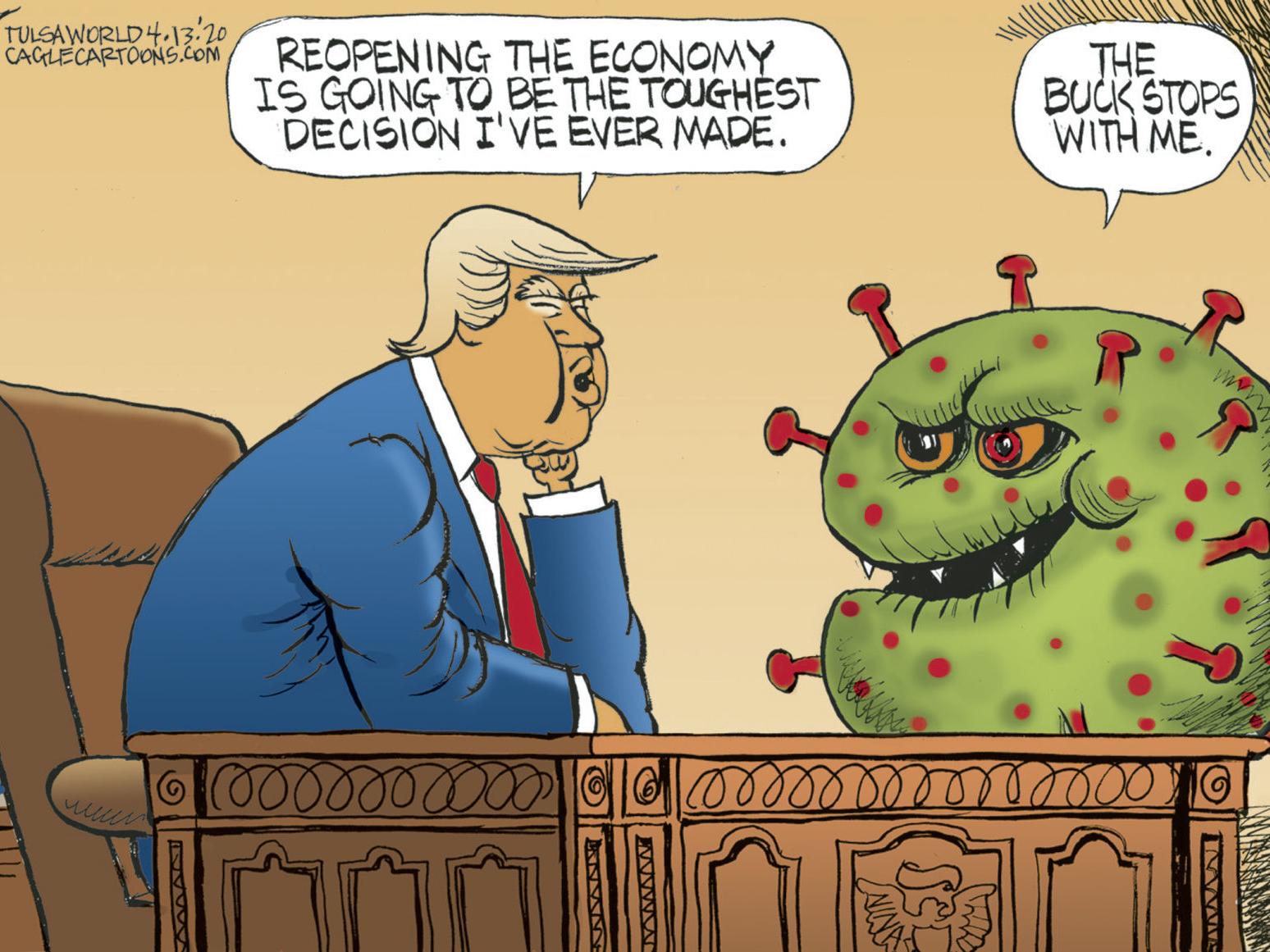
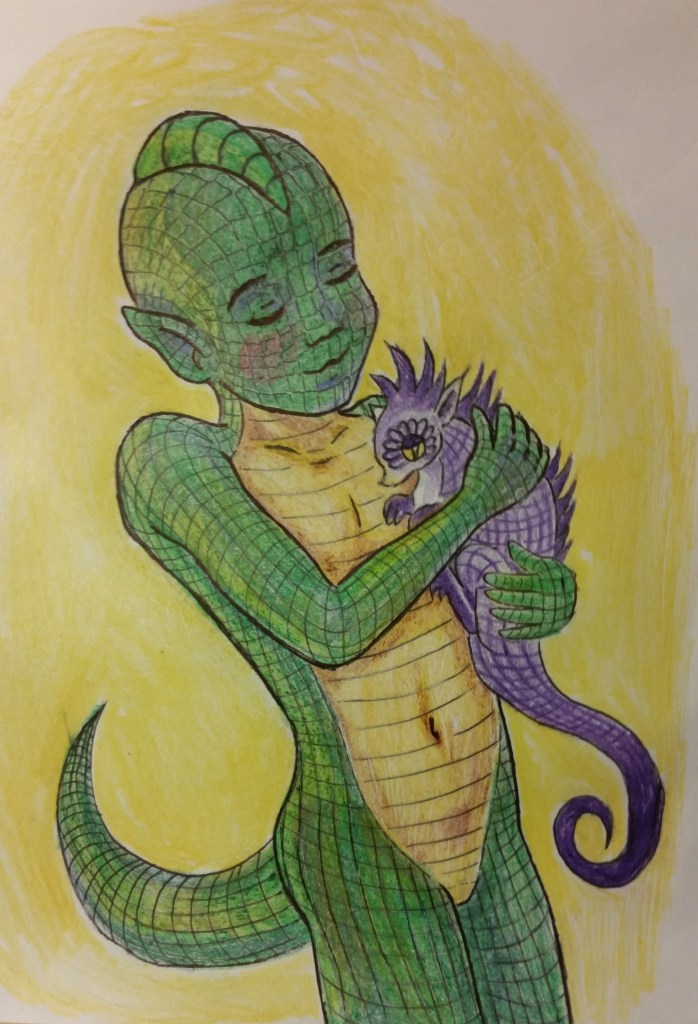
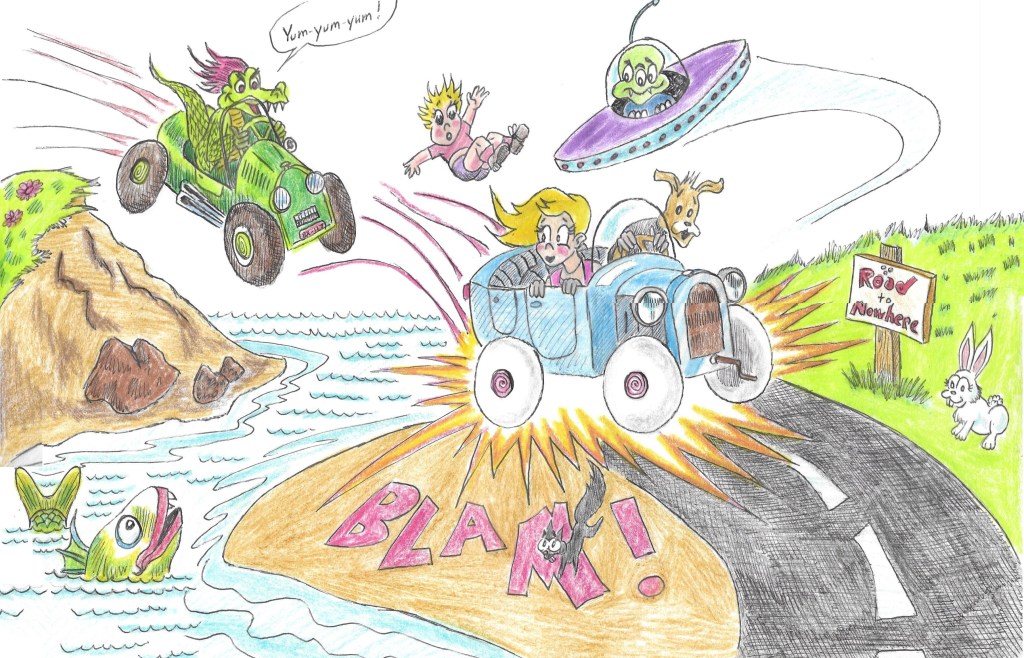
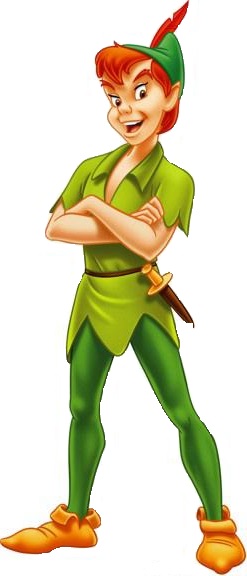
And when Obama was done, and we were hoping we could return to breathing safely in the atmosphere that was quickly overheating and being filled with doodoo smells, the angry and stupid people elected an orange guy (seen above with the green guy he tried to help destroy the world.)
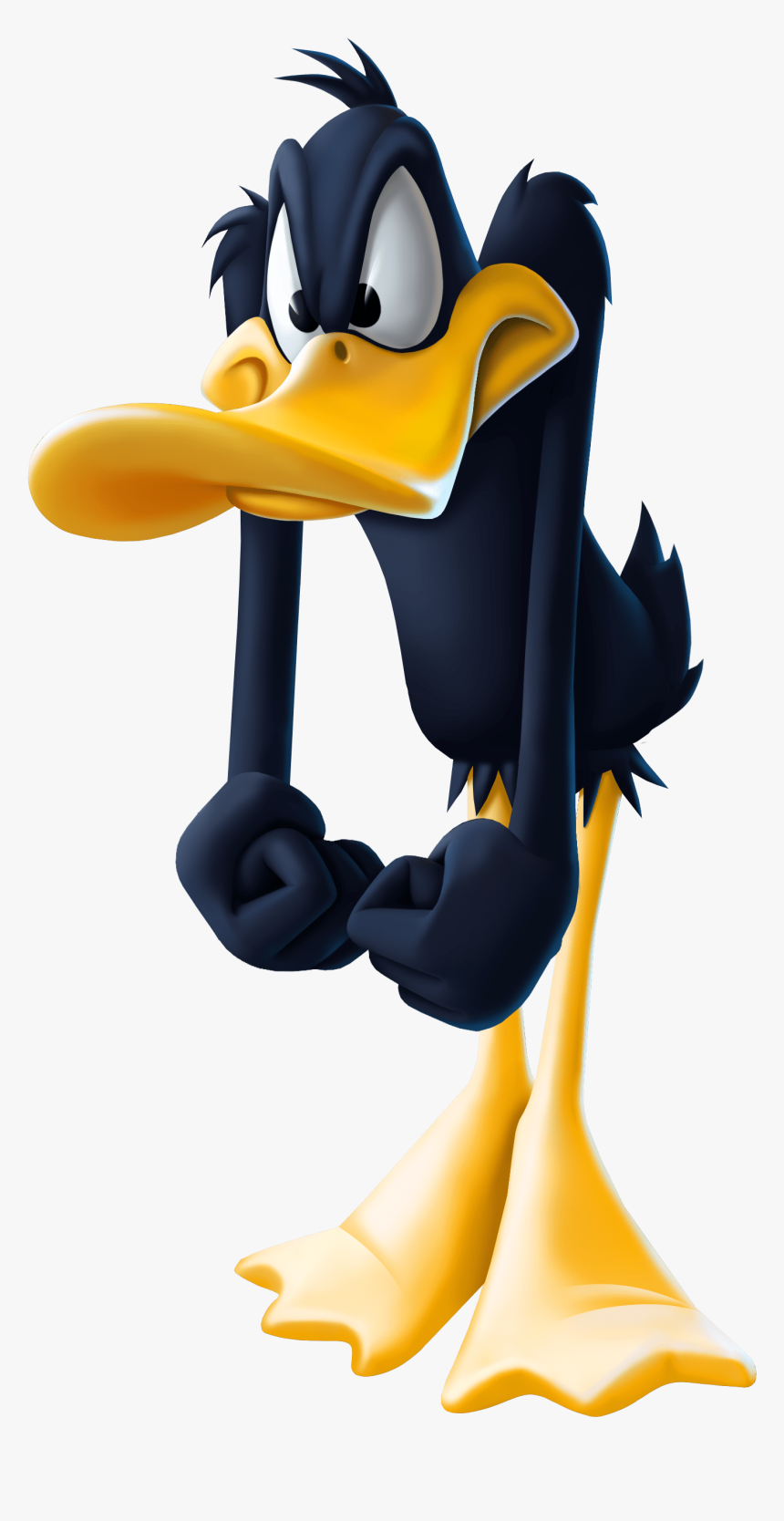
And now I cannot watch the news without getting steamed, or crying over pictures of dead children in Ukraine. And all of this Voodoo doodoo is deep-rooted in the Republican poopoo, growing in horrific power and doodoo smells since the time of Ronny Ray-gun. (Why can’t Star Wars Anti-Missile Systems take out Russian missiles over Ukraine? Did we not pay enough for them?)
If you are wondering why I do less and less political humor anymore, well… It really stopped being funny.





 Catch a Falling Star
Sunday with Salvador
Today I am waxing on about the wonderful, mad, mad, mad genius of surrealist art, Salvador Dali. He was born in 1904 and died in 1989. And that’s really about all that I want to tell you about the physical parameters of his boundlessly creative life. He was alive in this world until I was already thirty-three. So, I got to see him on television and watch video biographies of him and his incredible artwork. Ones that included interviews. And if I get into his public persona, that will eat up the rest of his essay. Instead, I need to talk about his art, and how it modifies and magnifies what I am meant to be.
His most famous painting is the one that most clearly burned the image of melting clocks into our collective memory. He claimed, and others pretend to see it too, that it is a reaction to Einstein’s Theory of Relativity. But when I look at it with the melting mask of Dali himself in the center, I see the artist’s perception of time in the spaces within which creativity moves. Time melts and has no meaning when you are painting and writing from an endless roiling flow of new ideas and notions. Time becomes as irrelevant in that context as the ants on the pocket-watch or the dead tree from which one deflated clock-skin hangs, There is no past or future, only the creative now.
And in that creative now, the artist sees himself. But if you look too closely, the self vanishes into the picture, the currently considered, fascinating work of art.
You see the boy with the hoop and wearing a sailor suit? That symbol, he always claimed, was his lost brother, the one who died before he was born. The one whose death made his parents decide to have another child. Without that brother, Salvador would probably never have existed at all.
And do you see the disappearing bust of Voltaire? Or when you look closely at the slave market in the background, is it simply no longer there? Things that disappear… things that become other things… tricks of perception, the fooling of the viewer’s eye… These are what the artist actually wants you to see. Not the well-portrayed physical reality, but the ghost of the shadow of an idea that’s hard to define.
And then there is the idea of war. Two world wars that took place in the prime of his painterly life.
Life does crazy things to the sensitive, suffering artist, and it shows in his work if not in his public personality.
And consider the artist’s notion of birth and life and death. Narcissus suffers for the sin of love of himself. He becomes petrified with age, a narcissus flower growing from his head, now an egg, the symbol of birth and rebirth.
And here is an exploded portrait of his beloved wife Gala.
All the elements float eternally in the air.
And you can see inside each thing.
Inside the home is the wife and mother.
Inside the mother is the child.
Inside the child is the loaf of bread that keeps him alive.
Does the bread, then, stand in for God himself?
Dali and his work is not simple. It is deeply, incongruously complex. But that is surrealism. That is how it works. Without getting into other complex symbols and such Dali-esque puzzles like burning giraffes, eggs, and Venus De Milo with bureau drawers in her torso, that is how Salvador spends his Sunday with me. An artist beyond time and space, long dead, but still speaking to me. And teaching me beautiful, untold things and stories of things.
Leave a comment
Filed under art criticism, artists I admire, artwork, autobiography, commentary, surrealism
Tagged as art, dali, painting, Salvador Dali, surrealism