
Still being under the weather and filled with sinus head-pain, I decided to go back to a subject I love so much that the post will simply write itself. You know I love Norman Rockwell and his art, and I fervently believe that kind of mass media oil-painting does not put him in a lesser category than Rembrandt or Michelangelo or Raphael or any other painter with a ninja turtle namesake. He is a genius, and though he is not a realist in so many ways, his work is more truthful than practically any other kind of painting. If you are taken by surprise and didn’t know I had this passionate obsession, maybe you should go back and look at this post; Norman Rockwell
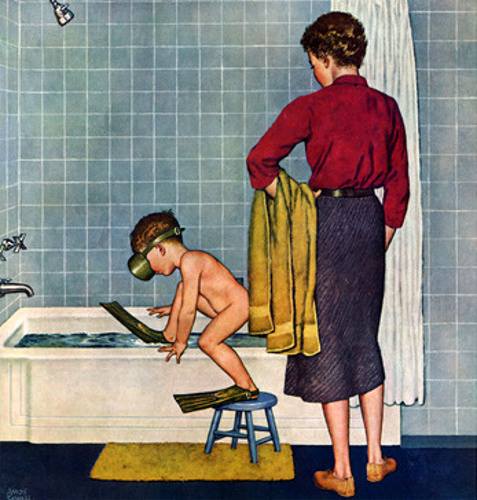
Now that I got that out of my system, here is another Saturday Evening Post artist that is often confused with Rockwell. His name is Amos Sewell.
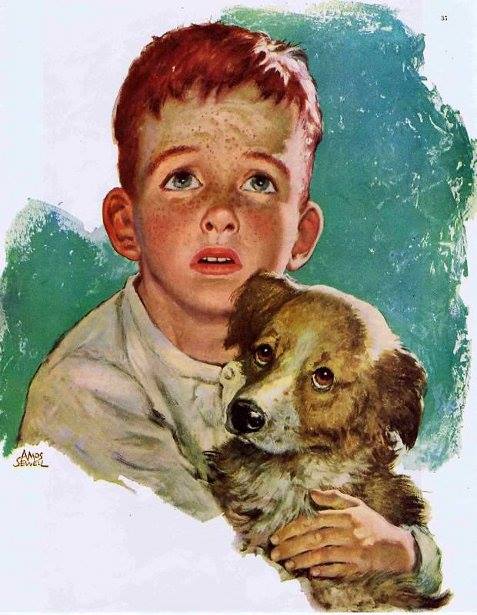
Sewell was an amateur tennis player who was talented enough to win tournaments. He was an employee of Wells Fargo who was headed towards anything but an art career until he decided to make a leap of faith in 1930. He started as an illustrator for Street and Smith pulp fiction, and soon caught the notice of the big-time magazine markets for his art. He published art for Saturday Evening Post, Country Gentlemen Magazine, and Women’s Day.
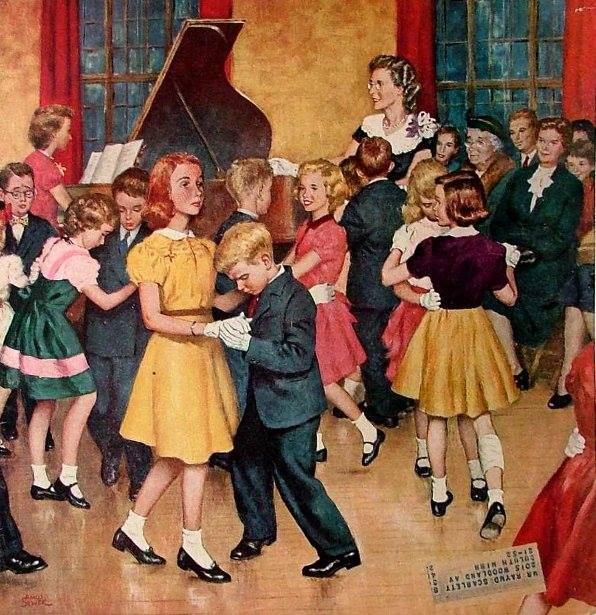
Like Rockwell, he was able to find the funny in everyday scenes, like the dance party to the right. That young man at center stage is trying so hard not to step on the feet of the red-headed girl, that you want to laugh, but can’t because it’s obvious how embarrassed he would be, and the charm of the picture leads you to shun the thought of interrupting. The scene is so real the boy would hear you laughing as you looked at the Post cover.
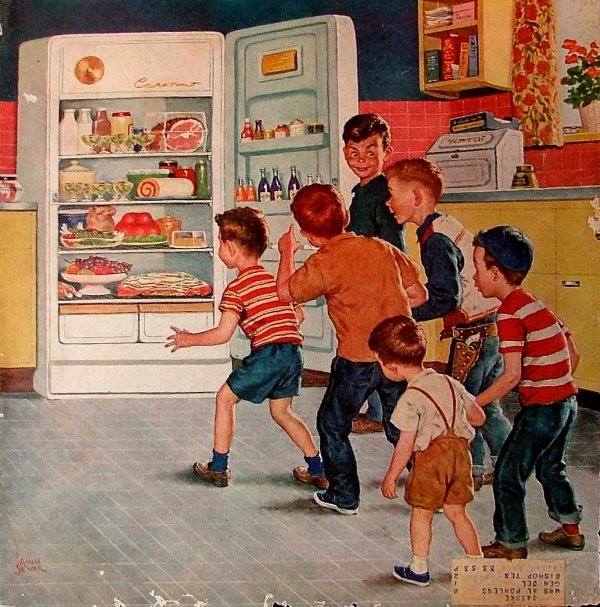
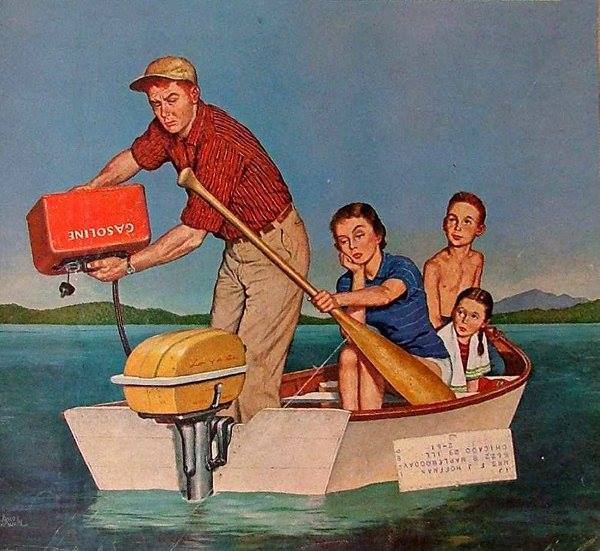
More expert on this kind of art than I am is the Facebook site that I first got turned on to Sewell by. Children in Art History
They can also be found on WordPress. Children in Art History (WordPress)
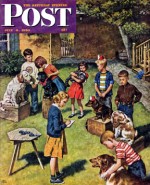
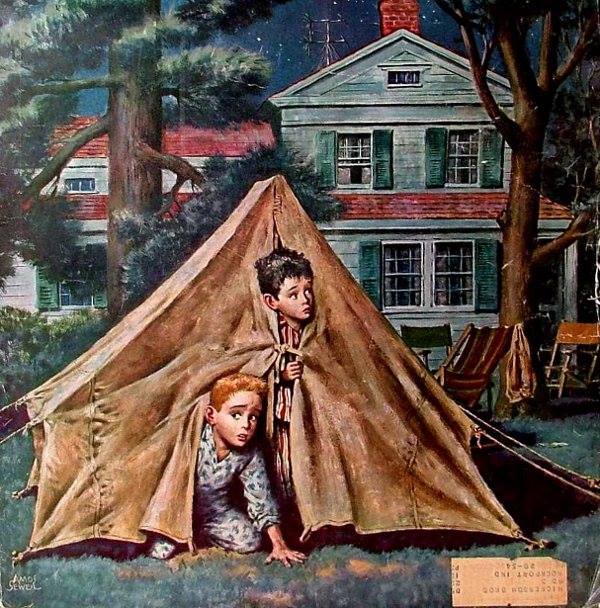
There is no doubt that Amos Sewell belongs in the same pantheon of artists as Norman Rockwell, Thomas Kinkade, or Paul Detlafsen. They are all artists who achieve in their work exactly what I have always striven for. I want to be able to hold the mirror up to our world the way they did. I want to capture both the fantasy and the reality in the subject of everyday family life. I also want to share this work with you because I cannot stand the idea that such artistic ambrosia could one day be forgotten in archives where no one ever looks at it and feels the message in their heart.
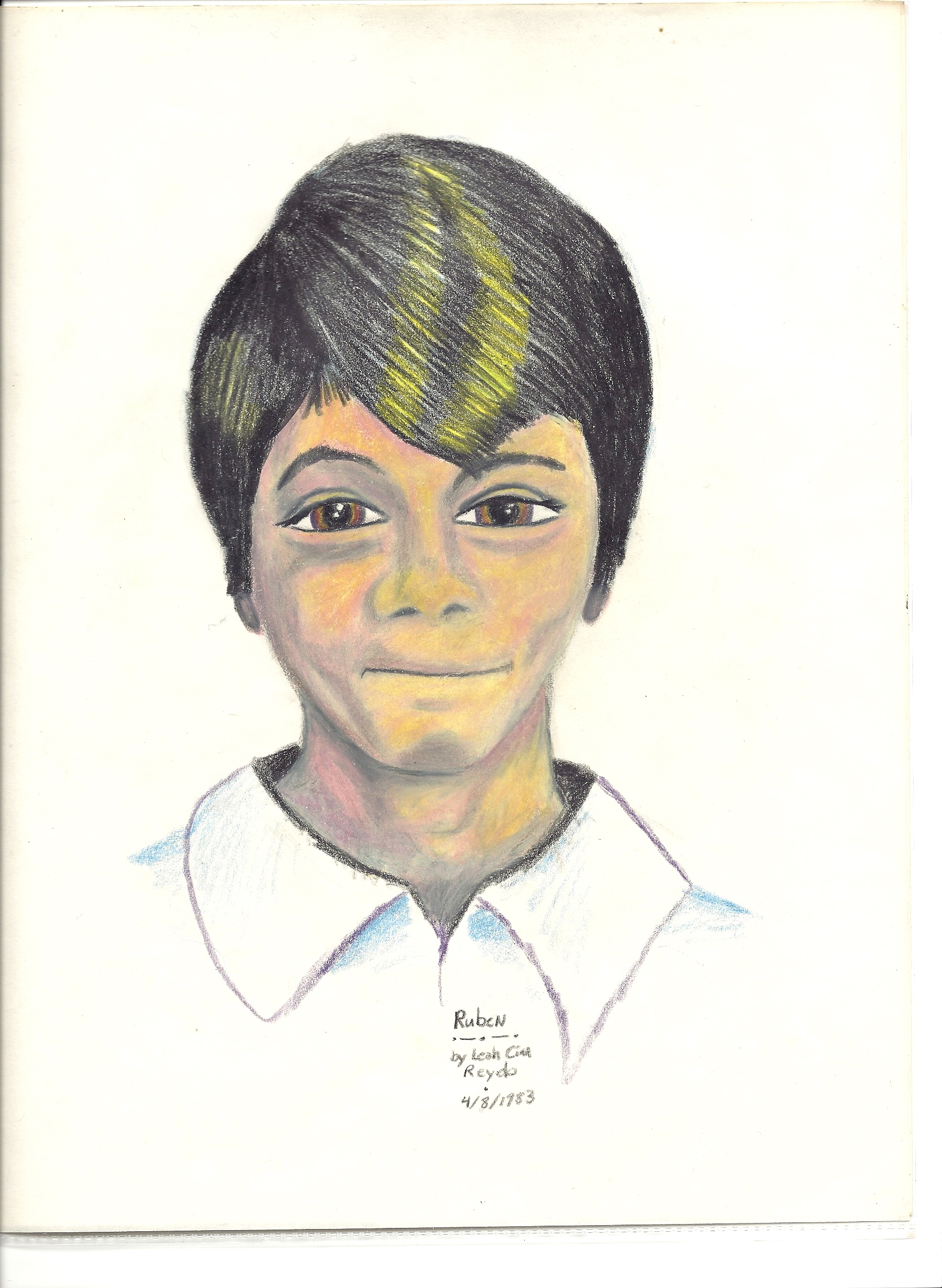
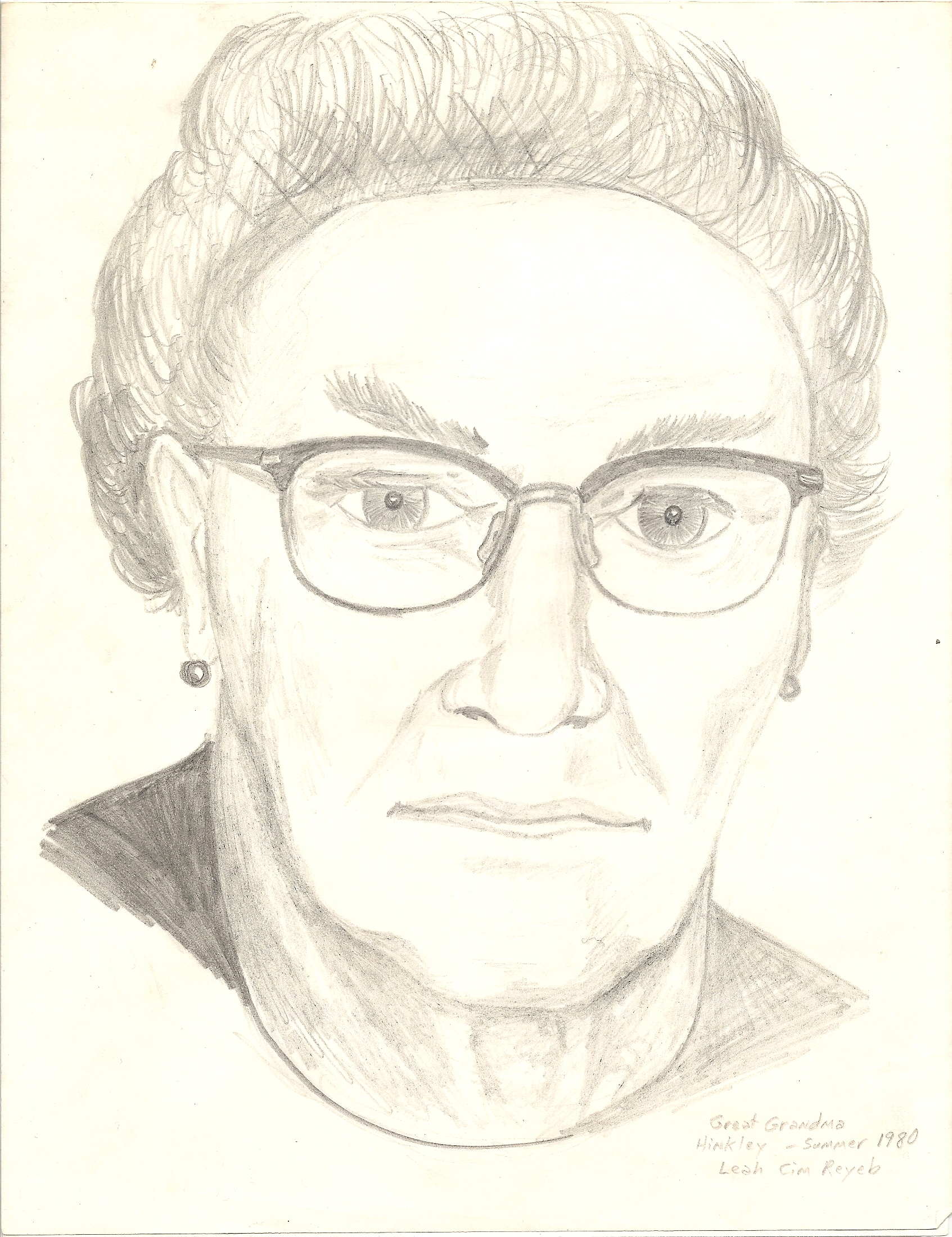
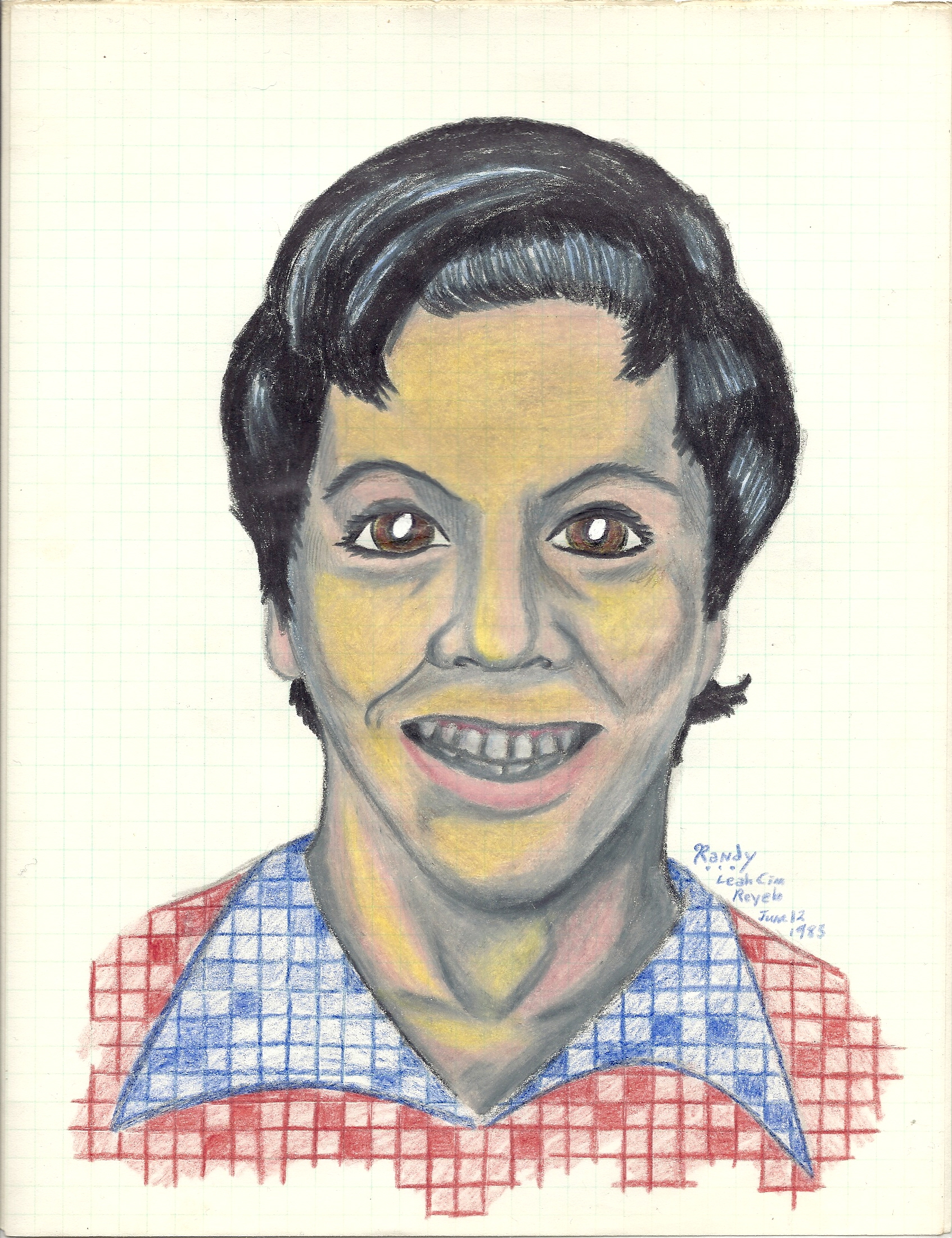
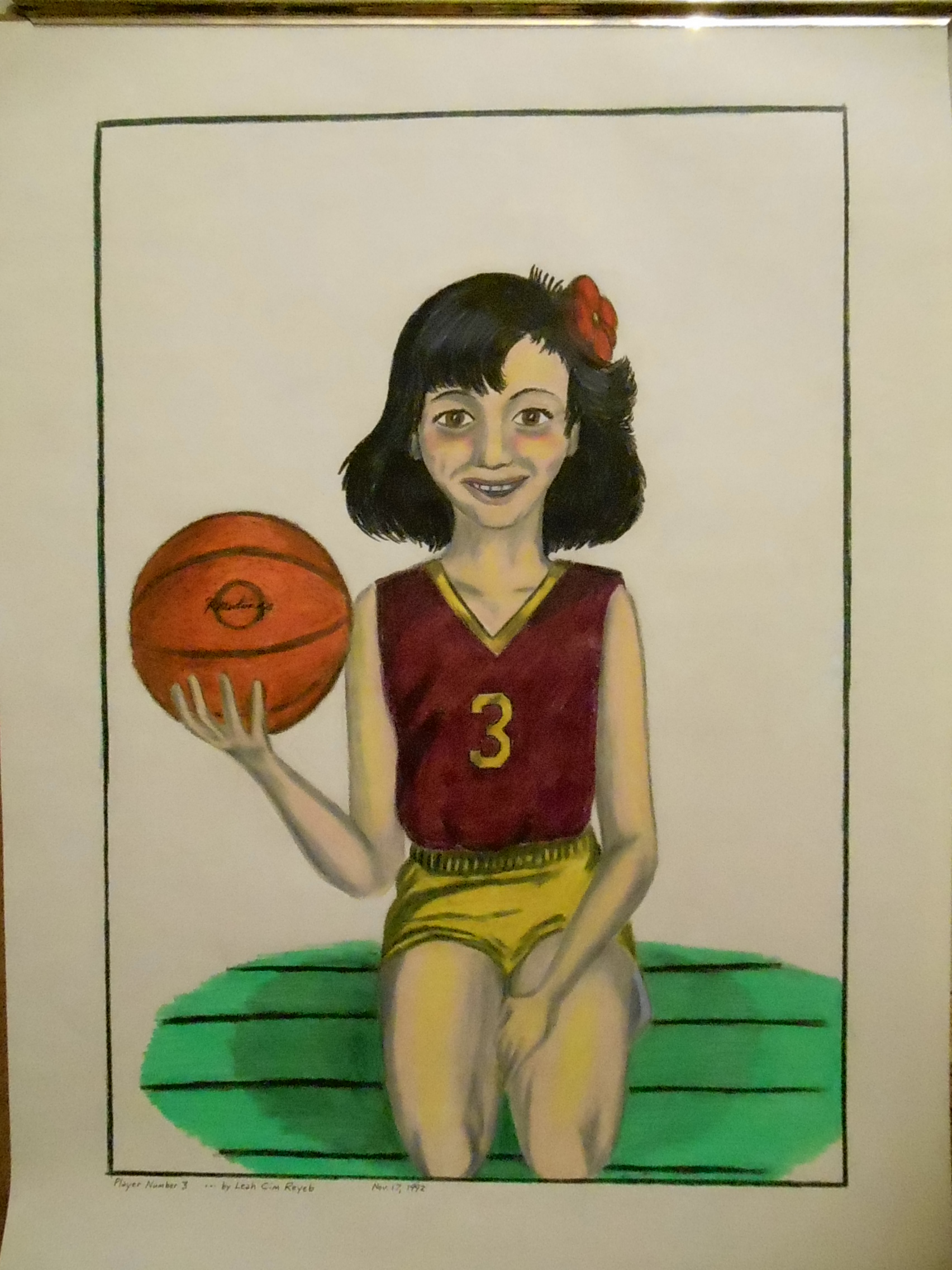


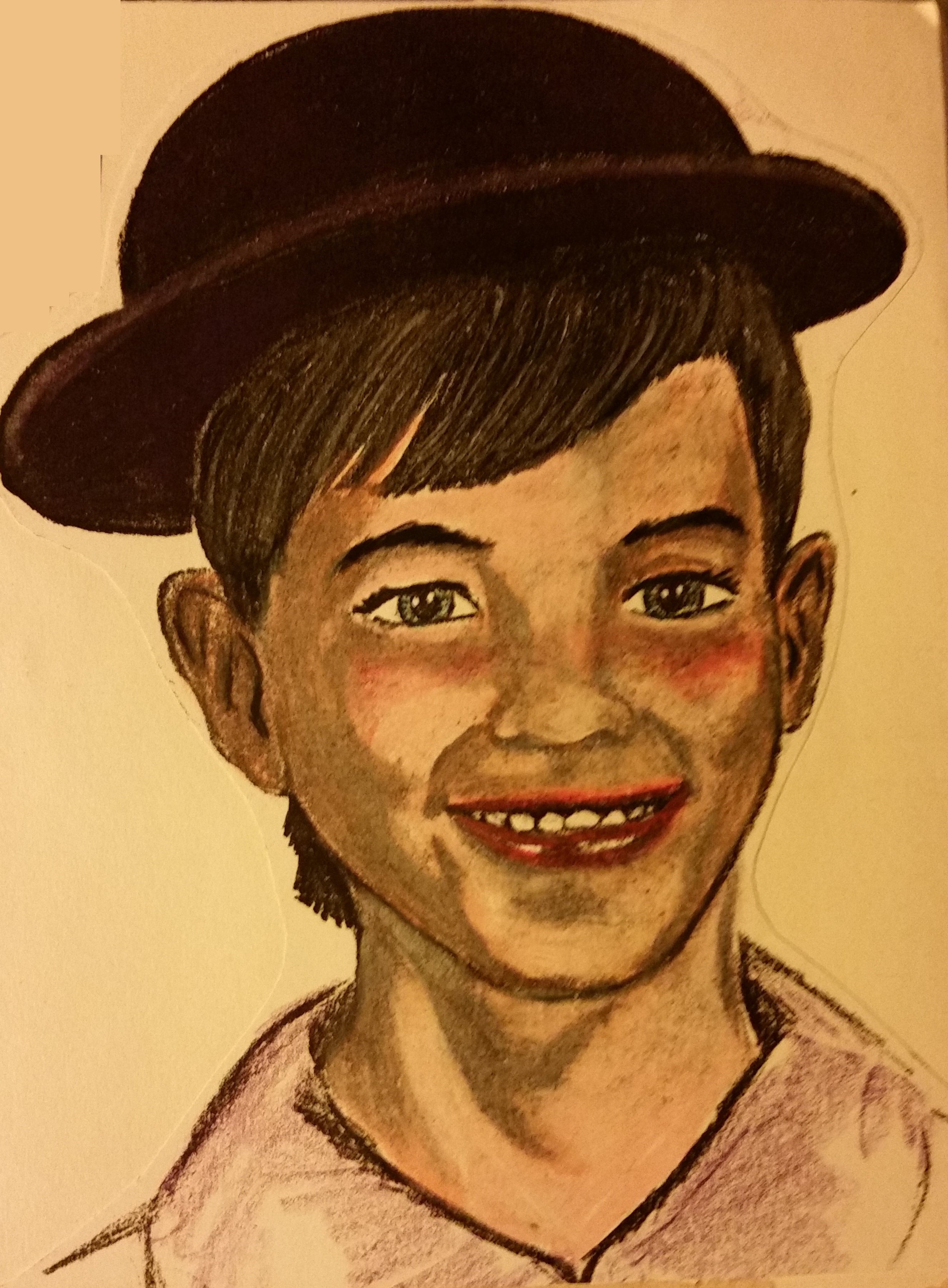
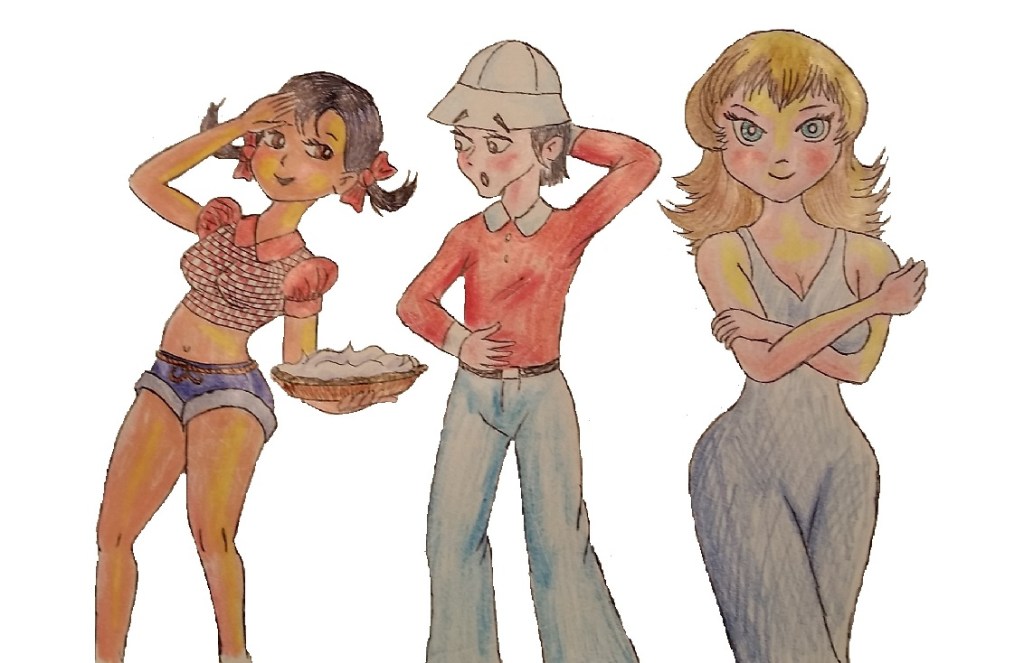
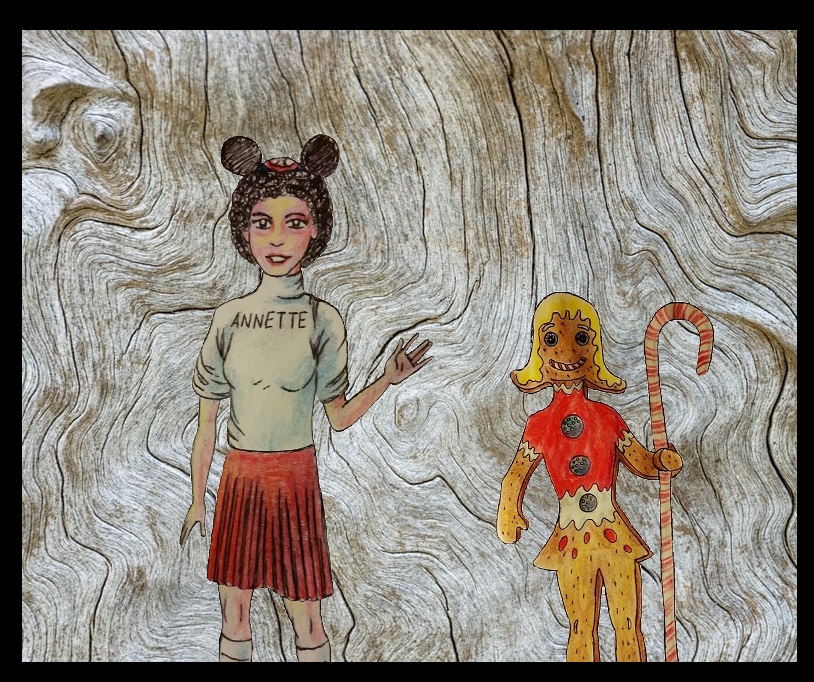
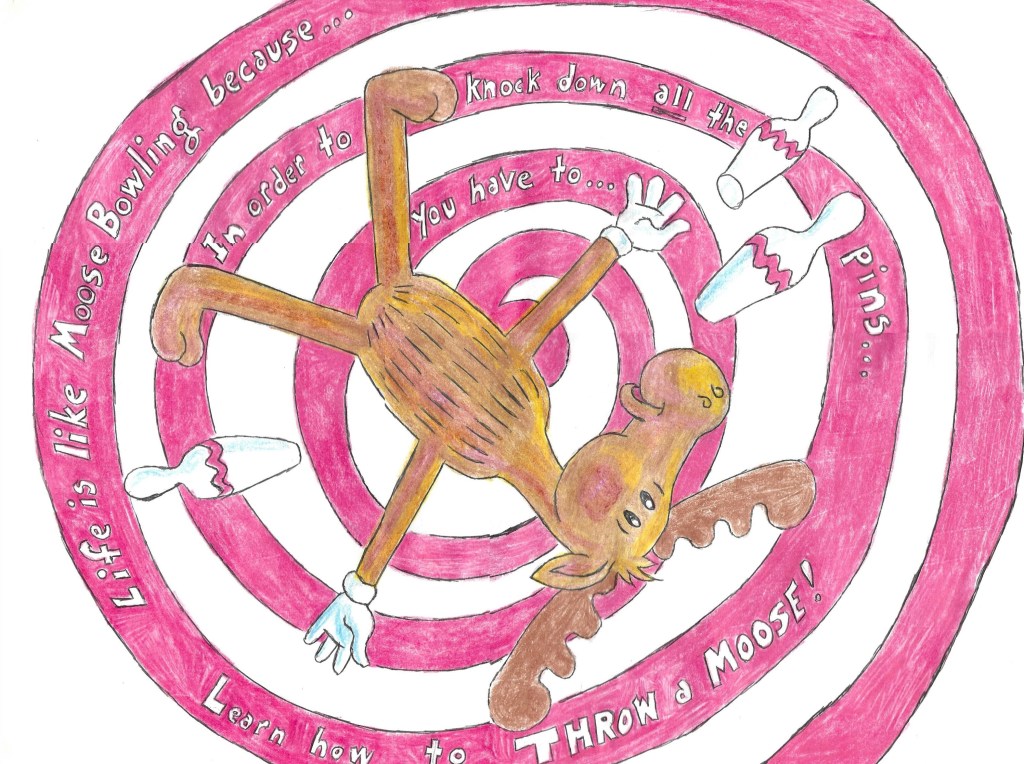
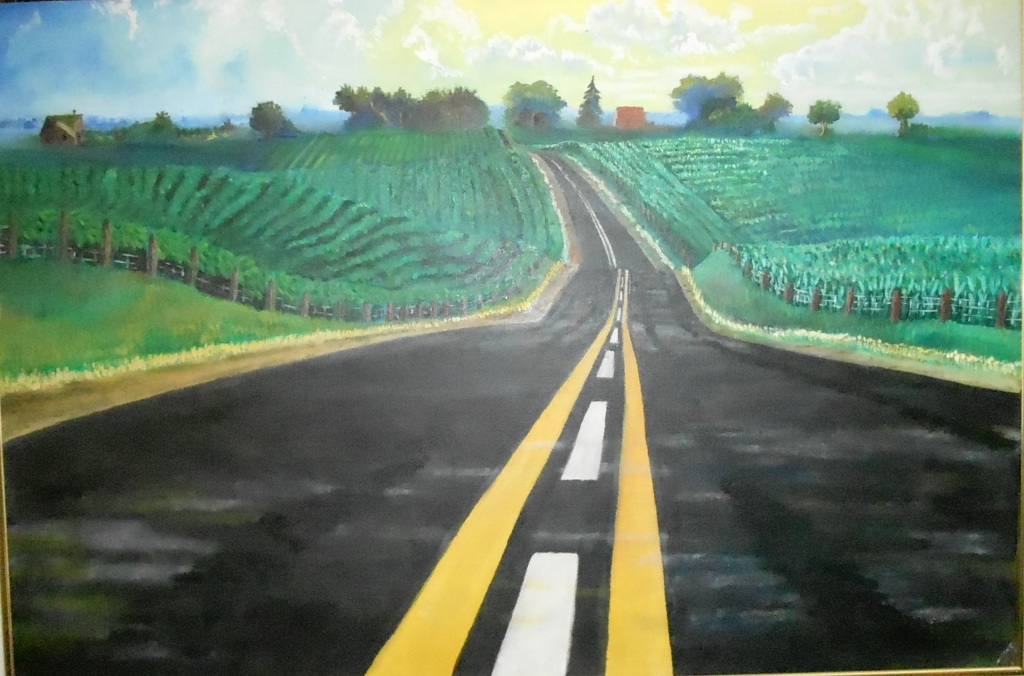
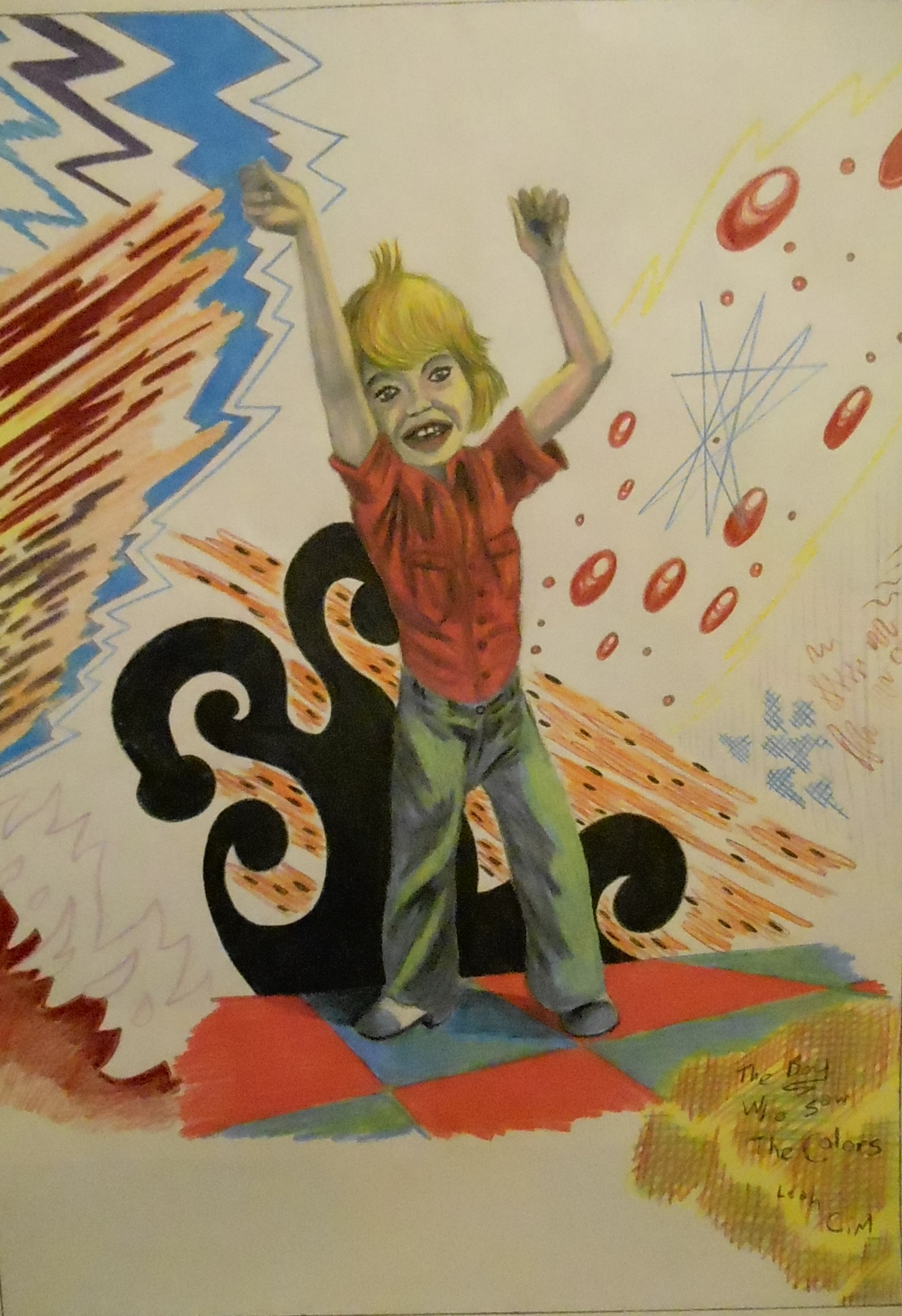
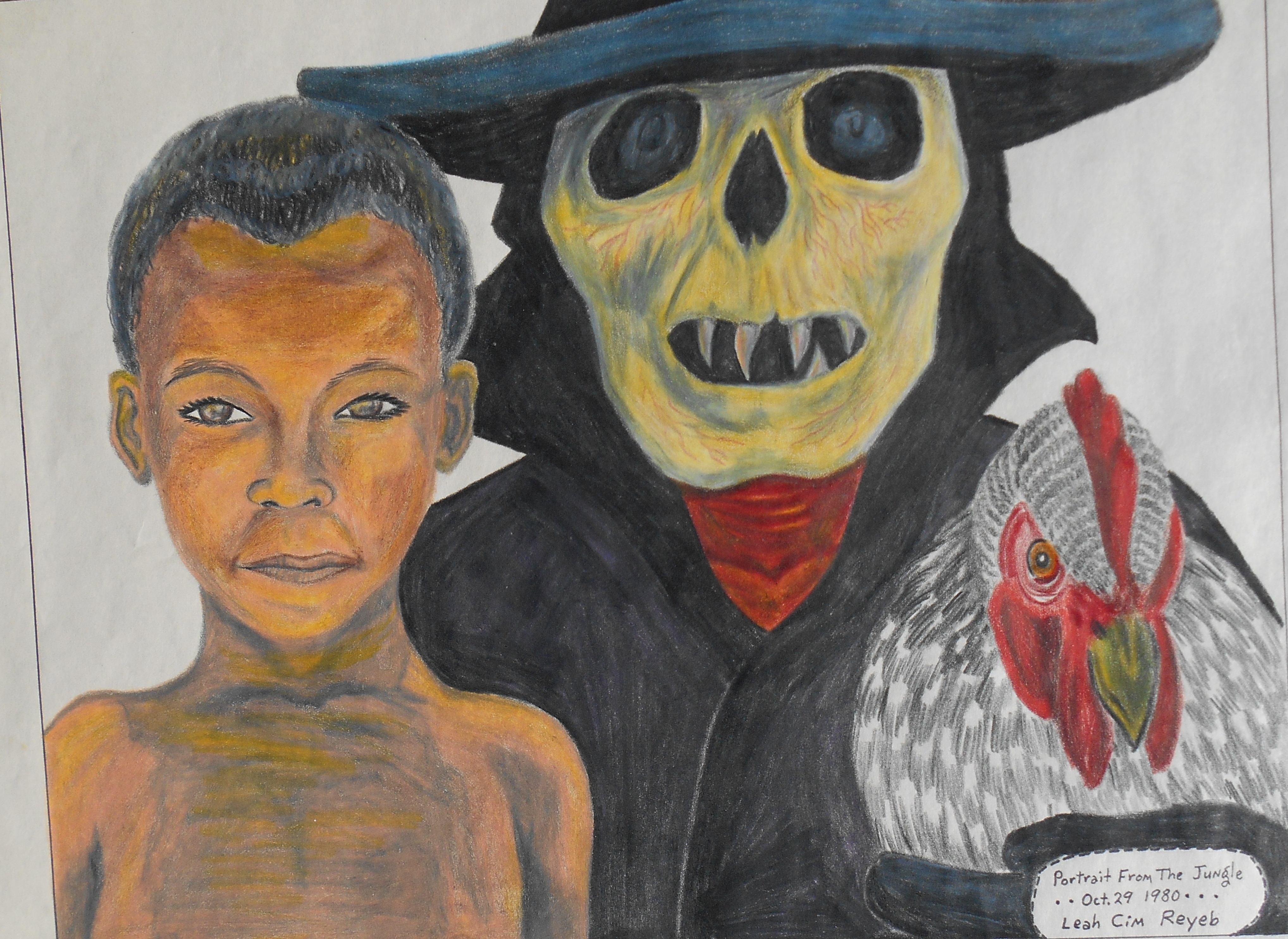
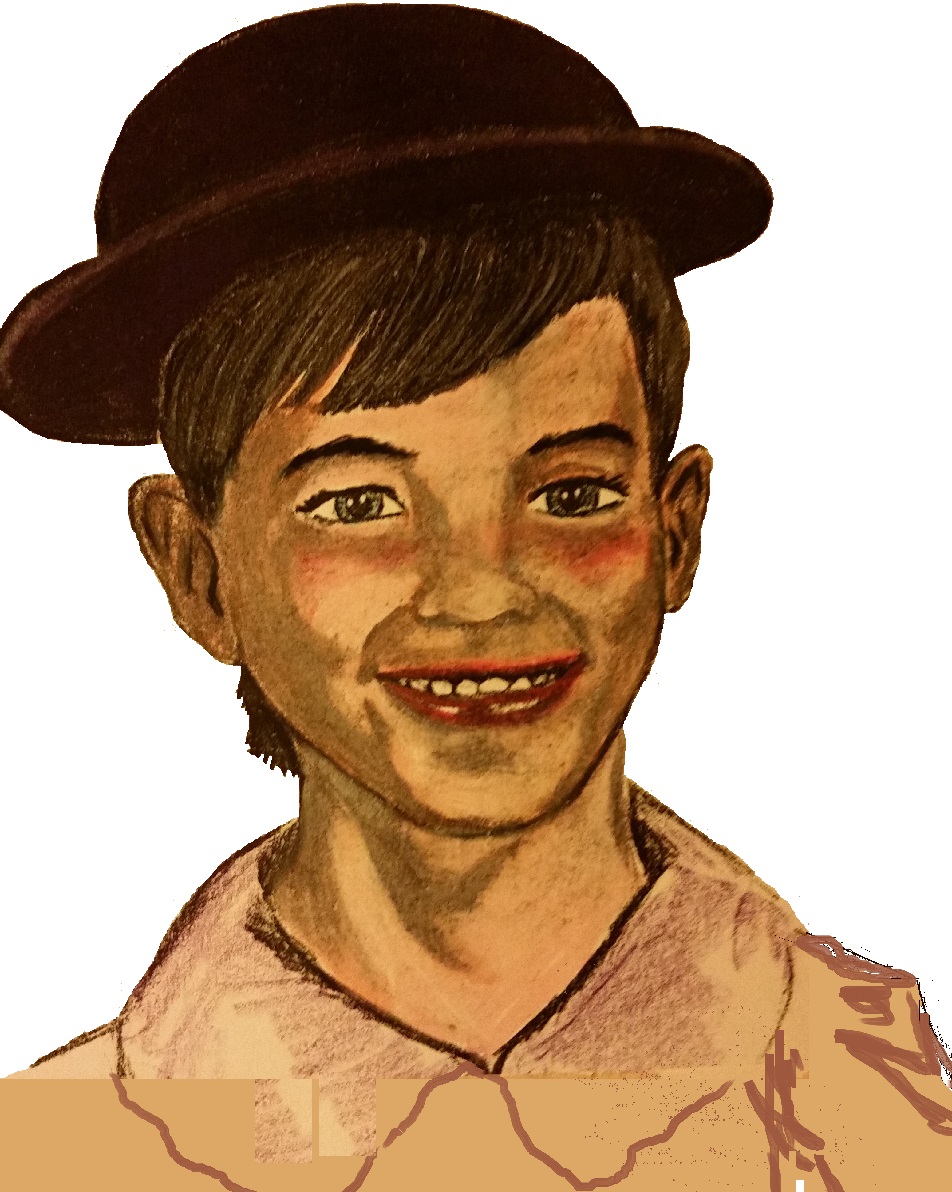

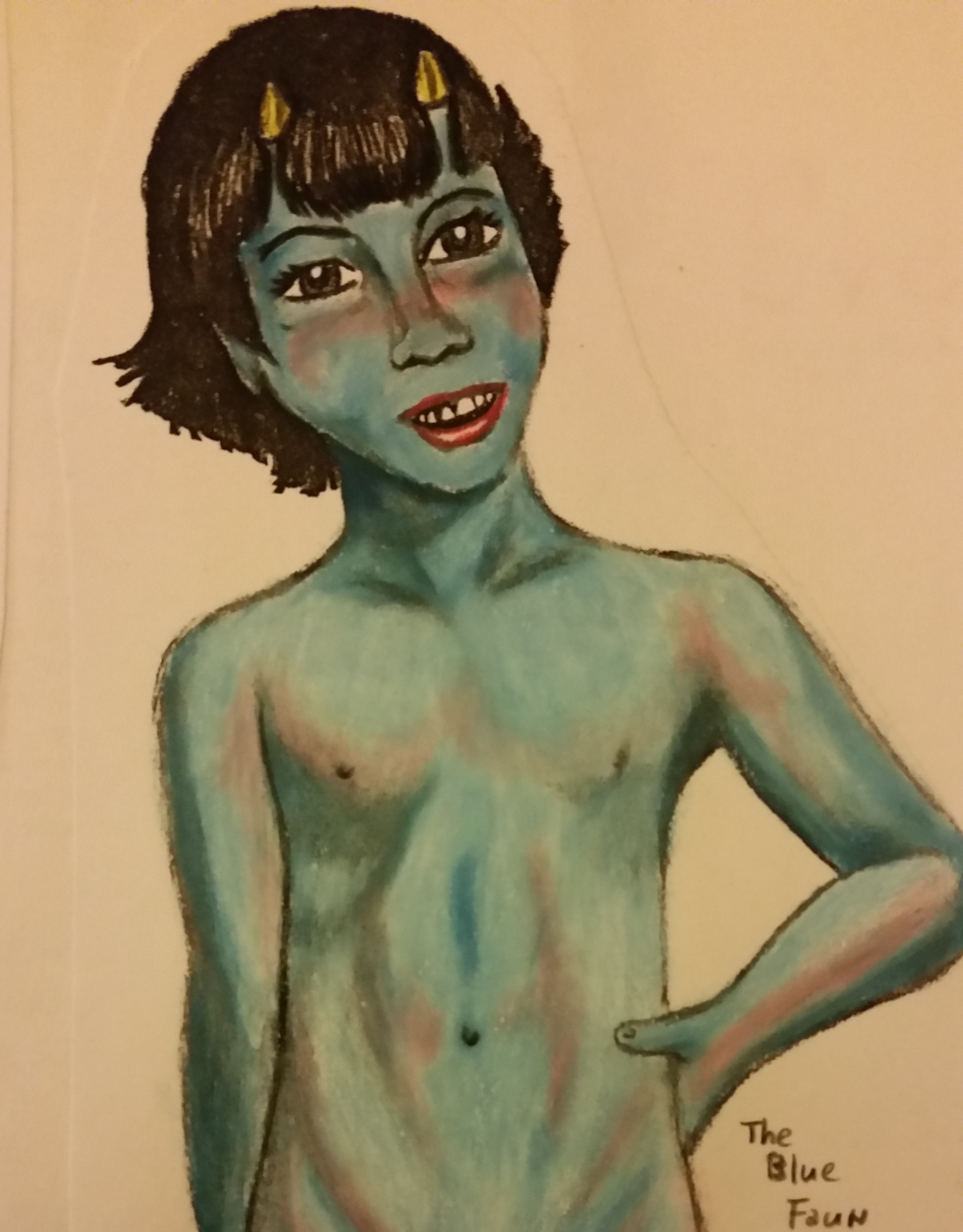










How It Should Be… According to Mickey
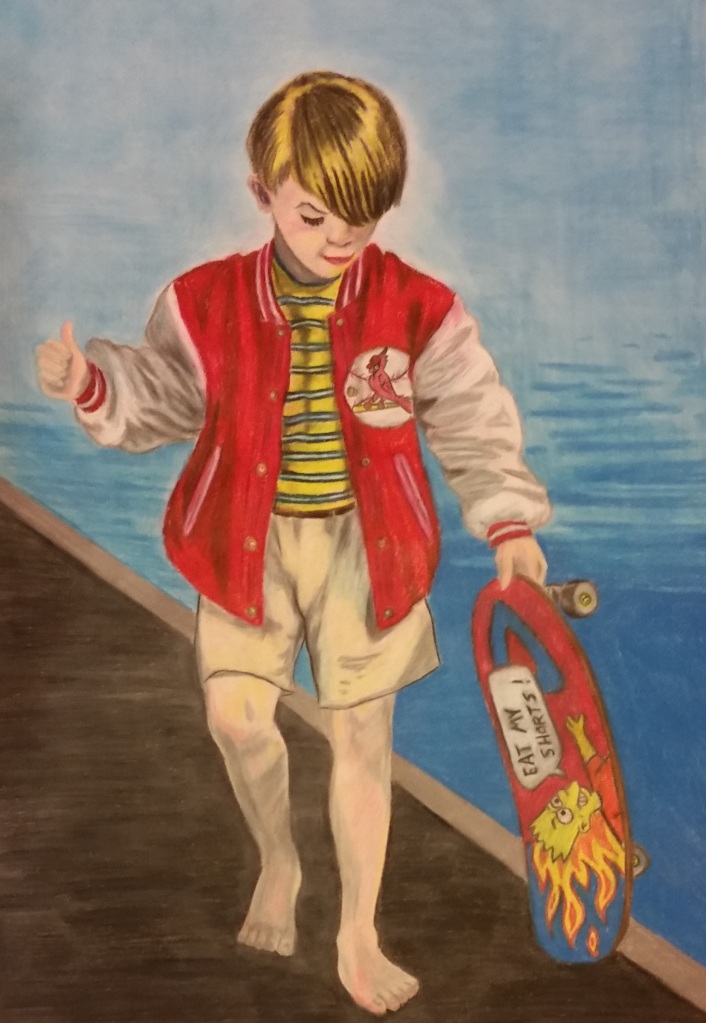
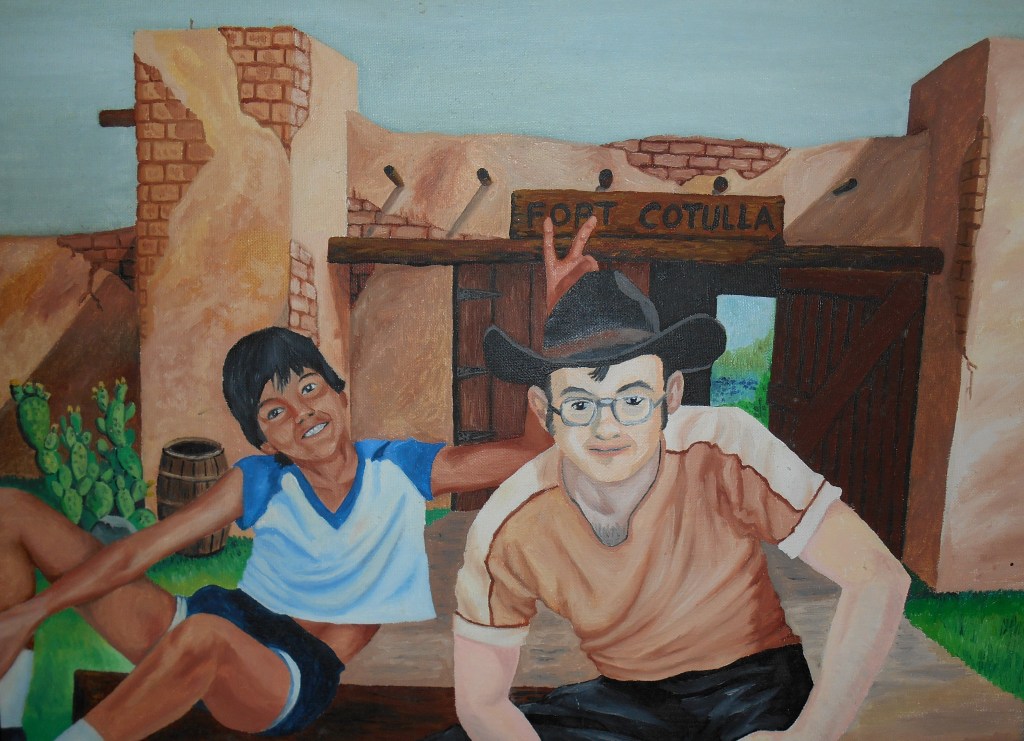
My bicycle was red. It was red and looked just like the ones that Captain Kangaroo had in his commercials that we watched on a black-and-white TV every day before we walked or rode our bicycle to school, across town a whole long seven blocks away. After school I could ride it out a whole mile and a half to Jack’s farm with Bobby and Richard and Mark the preacher’s kid to go skinny dipping in the cold creek in Jack’s South pasture. Jack was younger than any of us except Bobby. And it was a golden age.
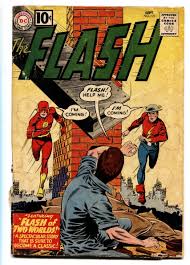
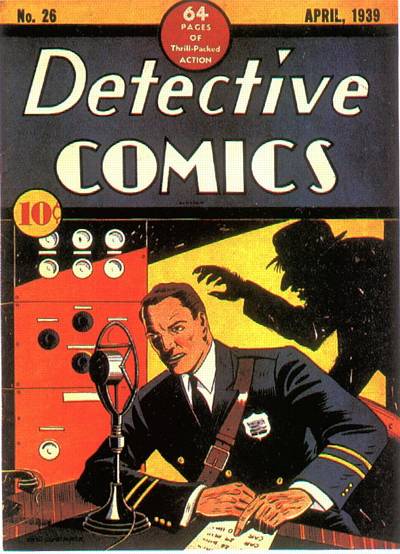
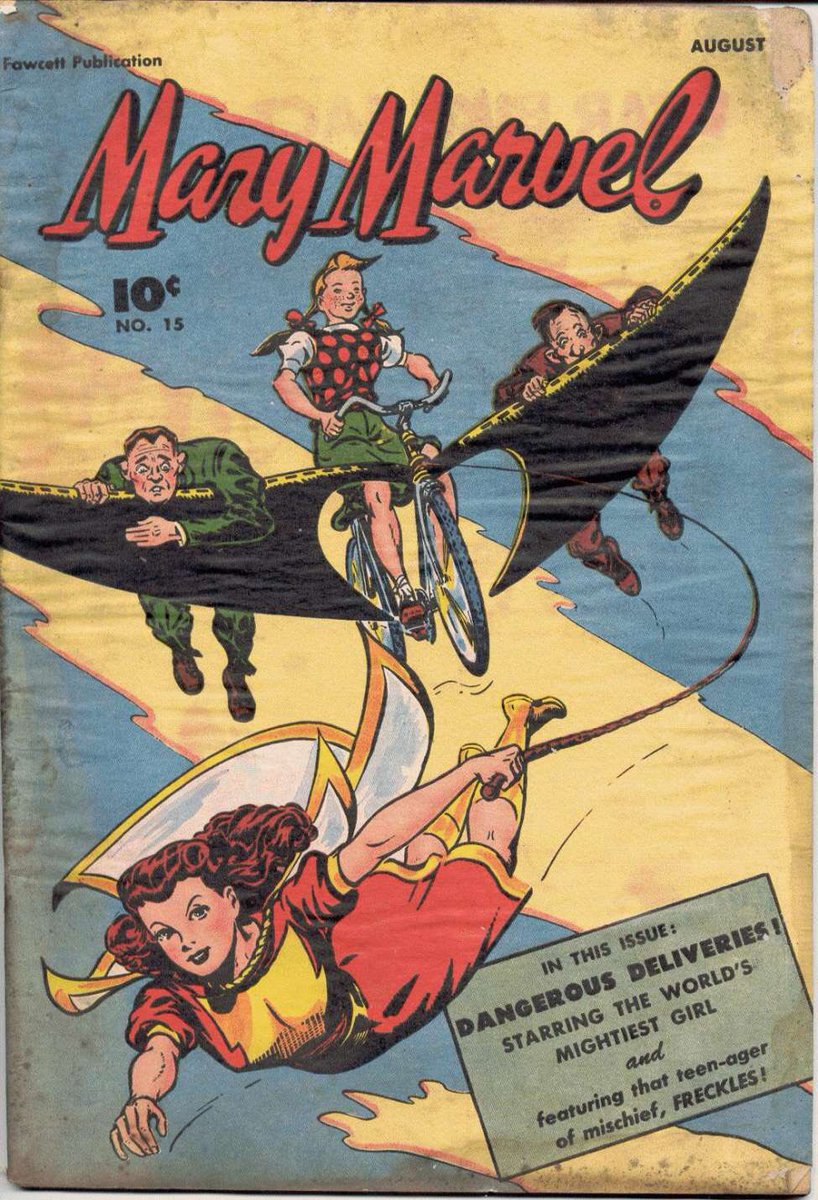
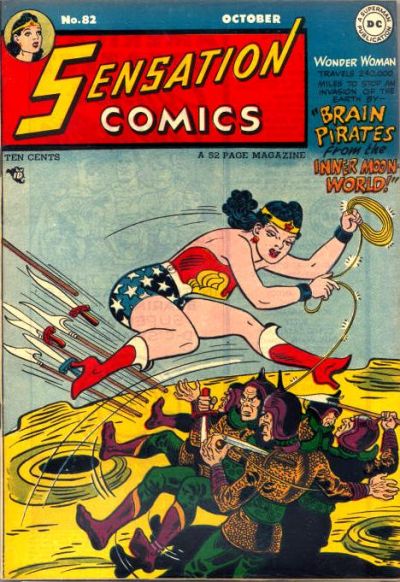
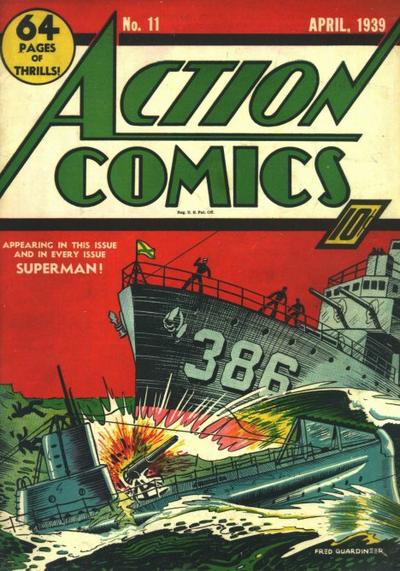
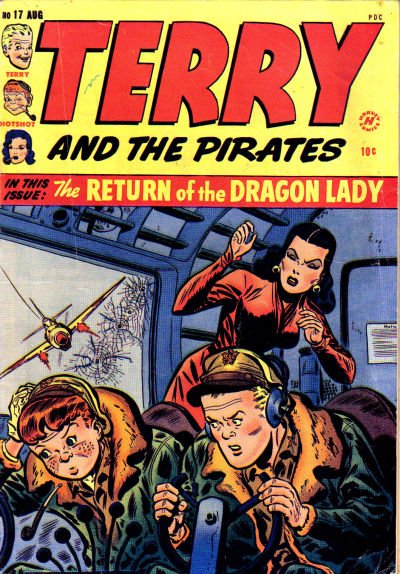
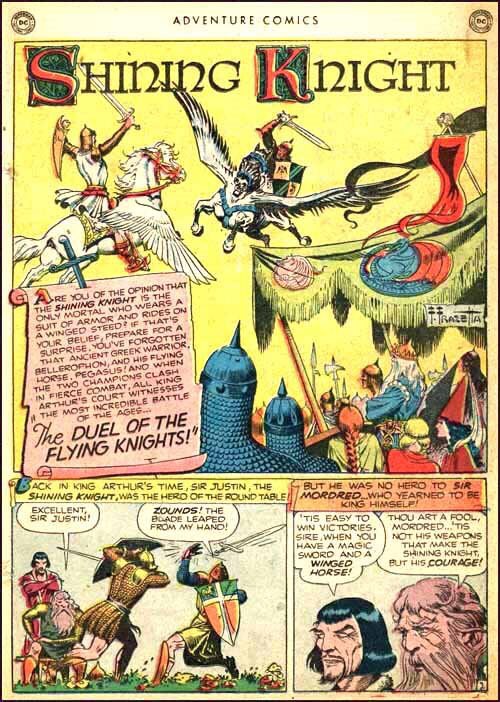
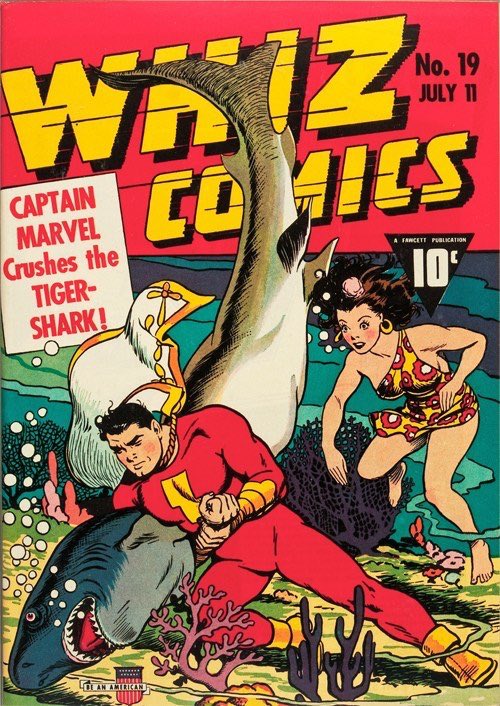
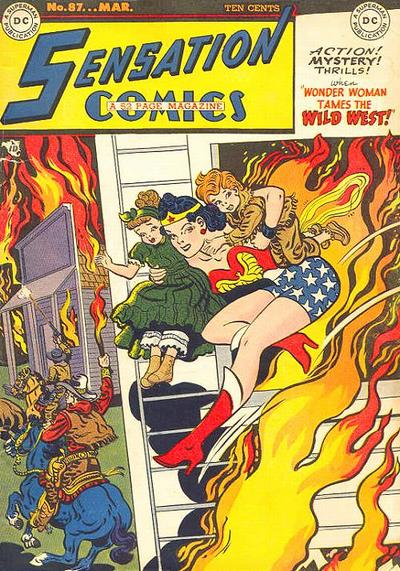
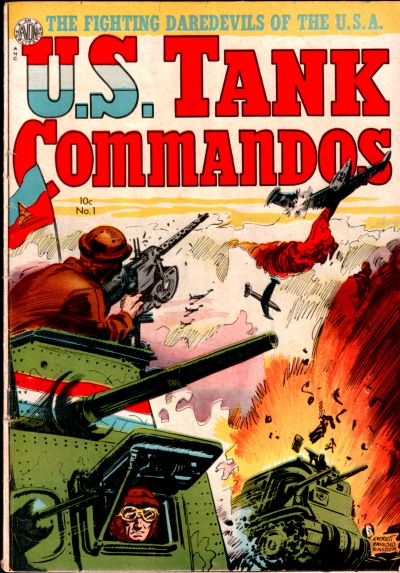
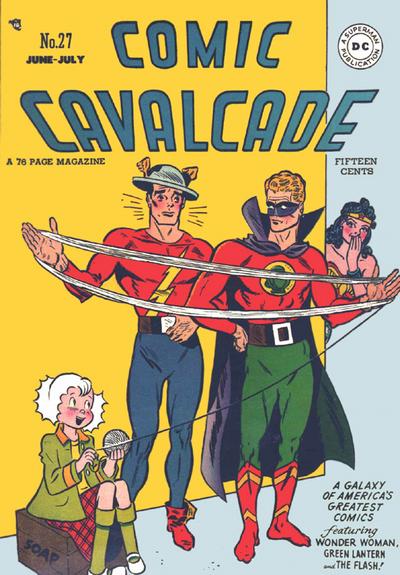
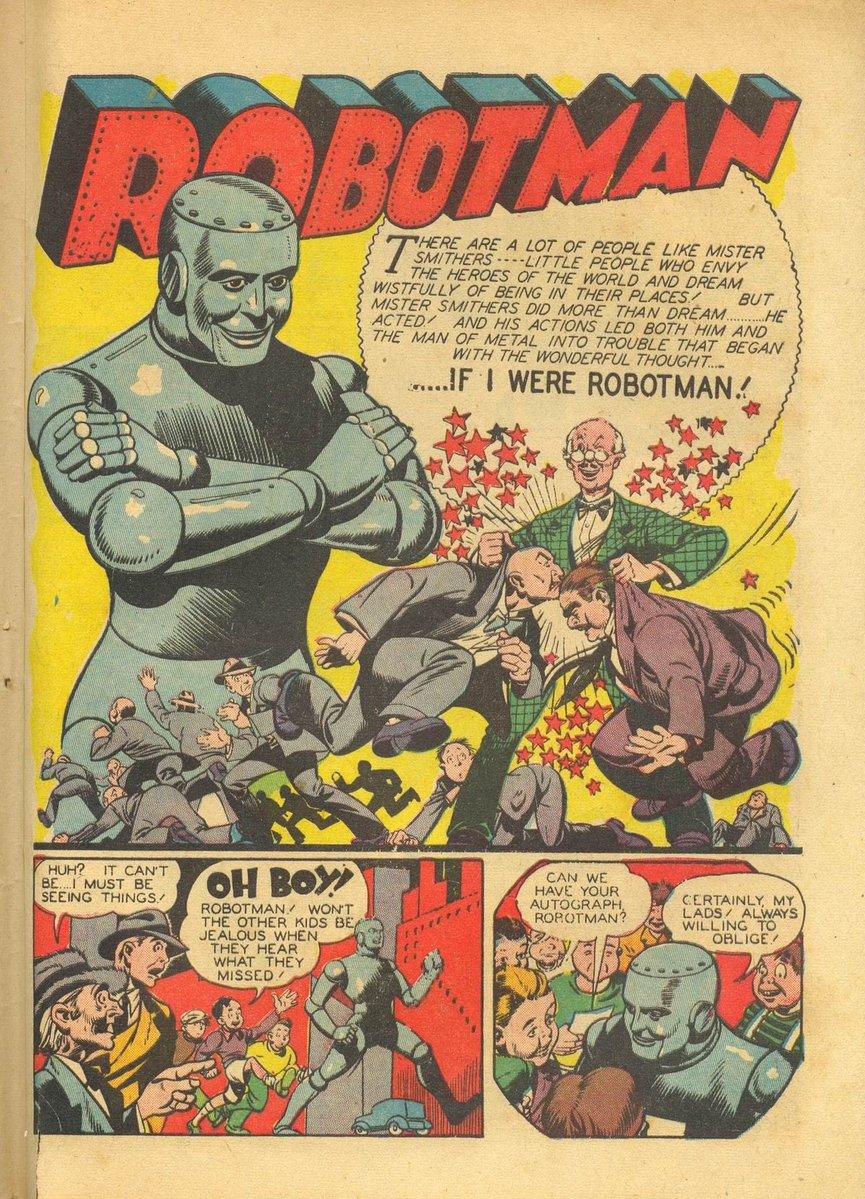
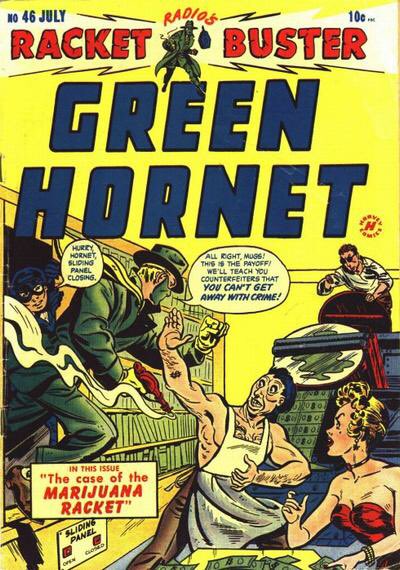
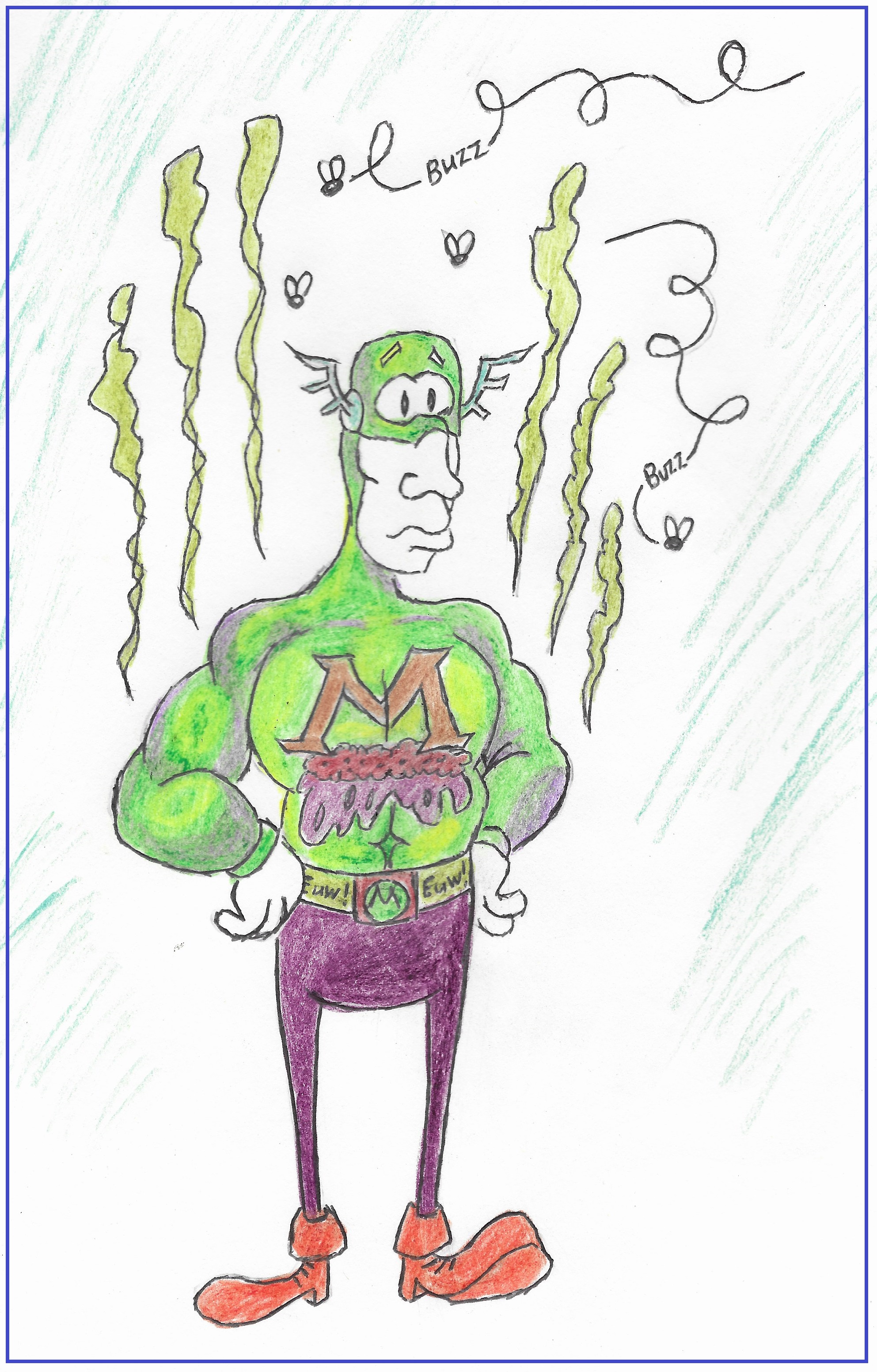
Spiderman comic books and Avengers comic books cost twelve cents to own, but they were forbidden. And as much as we sneaked them and passed them around until they fell apart, usually in Bobby’s hands, we never knew that Dr. Wertham had gone to Congress to make our parents believe that comic books would make us gay and violent. He was a psychiatrist who wrote a book, so even if you didn’t believe him, you had to worry about such things.
I believed in Santa Claus until 1967. And after I found out, I only despaired a tiny little bit, because I began to understand you have to grow up. And adults can lie to you, even if they don’t do it to be mean. And the world is a hard place. And the golden age ended in November of 1963 when JFK was assassinated.
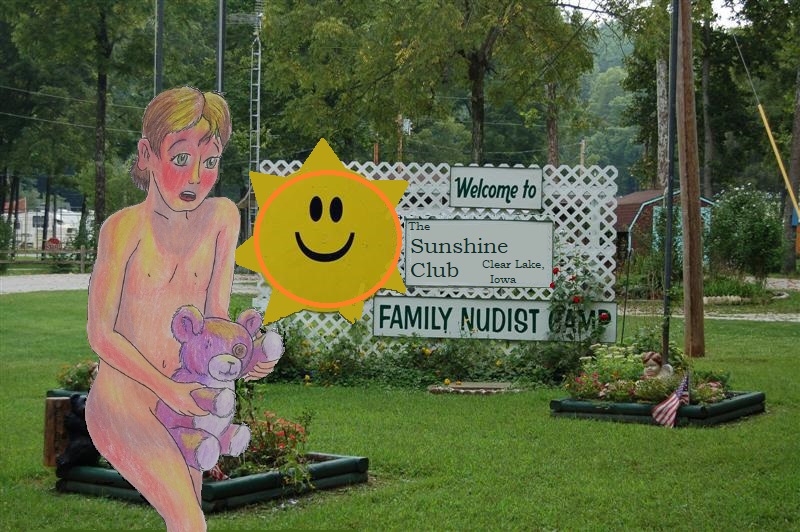
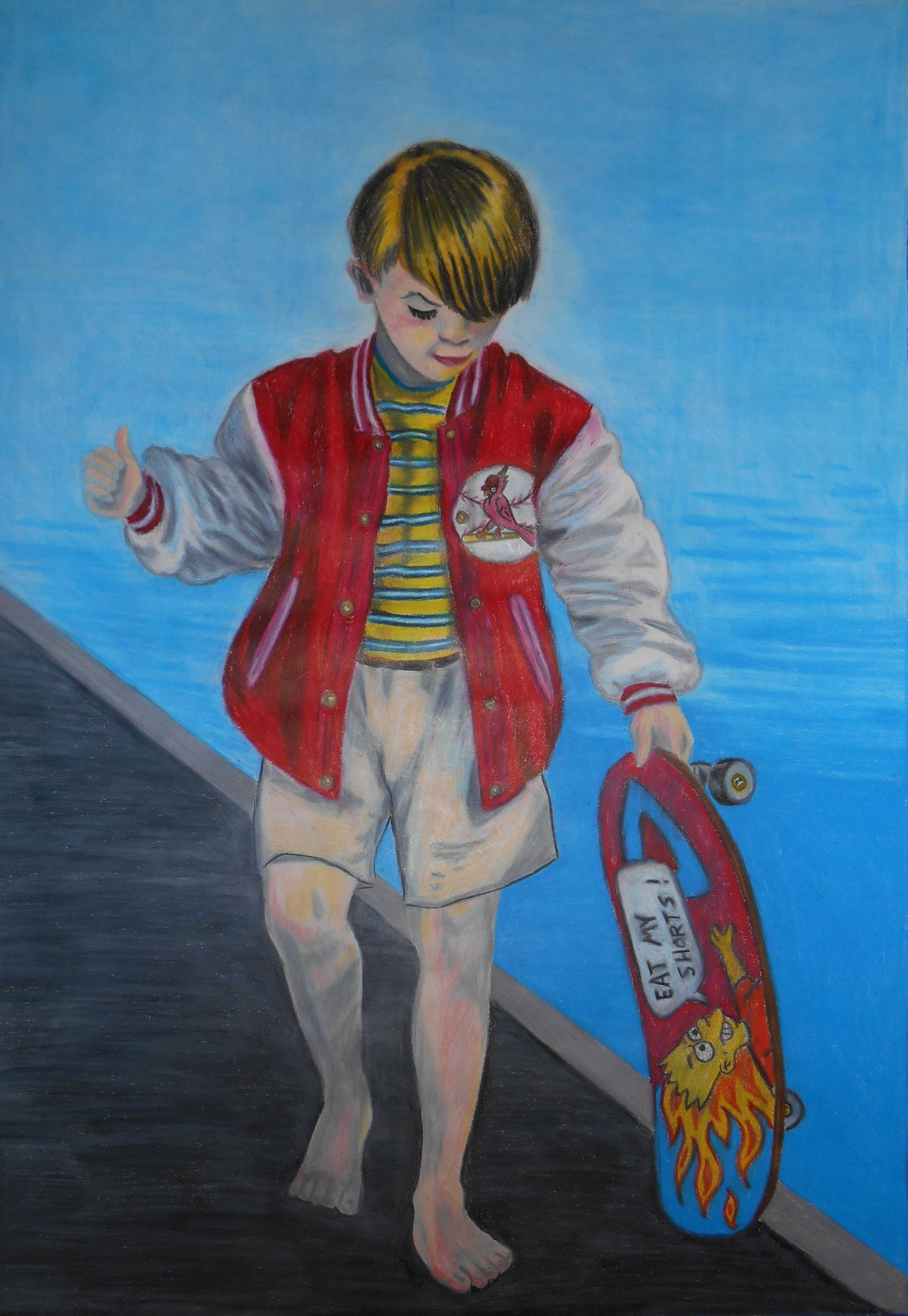
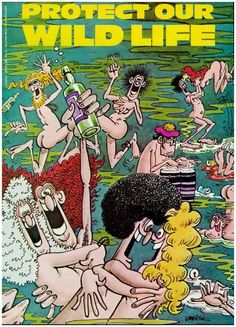
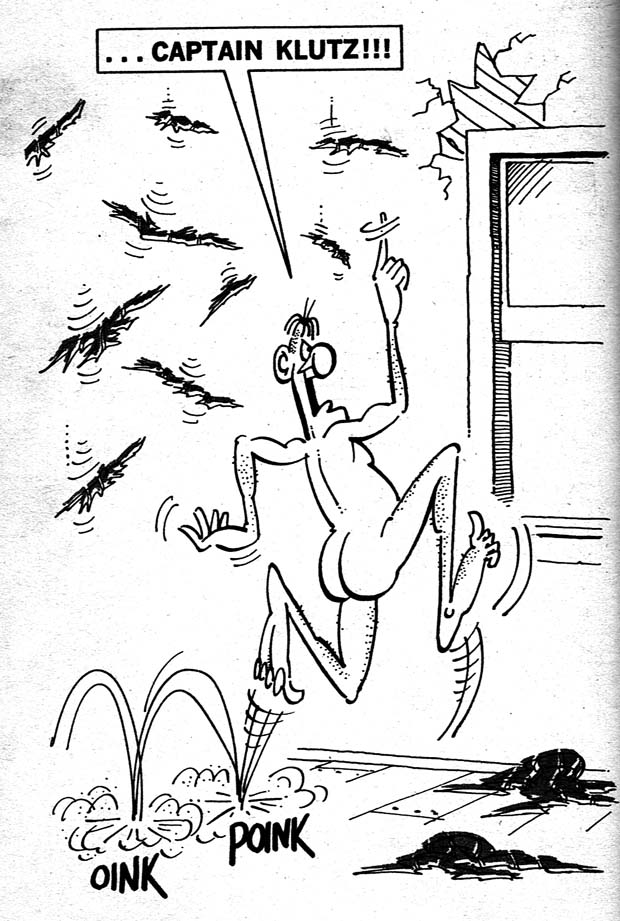
In June of 1968 I rode my bicycle out to the Bingham Park woods, Once there, I took off all my clothes and put them in the bicycle basket, and then I rode up and down the walking paths through the trees with nothing between me and God but my skin. I had a serious think about how life should be. All the while I was terrified that someone might see me. I was naked and vulnerable. A mere two years before that I had been sexually assaulted and was terrified of older boys, especially when I was naked and vulnerable. But I was a fan of the St. Louis Cardinals and Bob Gibson. They were repeated World Series winners. And they beat the Yankees in the series in 1964. And more important than that, cardinals were the little red songbirds who never flew away when the winter came. You don’t give up in the face of hardship. You face the trouble. No matter how deep the snow may pile up.
And in 1969, the first man to walk on the moon showed that a Star Trek world was in reach of mankind. Star Trek was on every afternoon after school. I watched a lot of those episodes at Verner’s house on his family’s black-and-white TV. The Klingons were always bested or beaten because the crew of the Enterprise outsmarted them. You can solve the problems of the universe with science. I know this because of all the times Mr. Spock proved it to me not just by telling me so, but by showing me how you do it. And what you can achieve is greatly enhanced if you work together like Spock and Kirk and Bones… and sometimes Scotty always did.
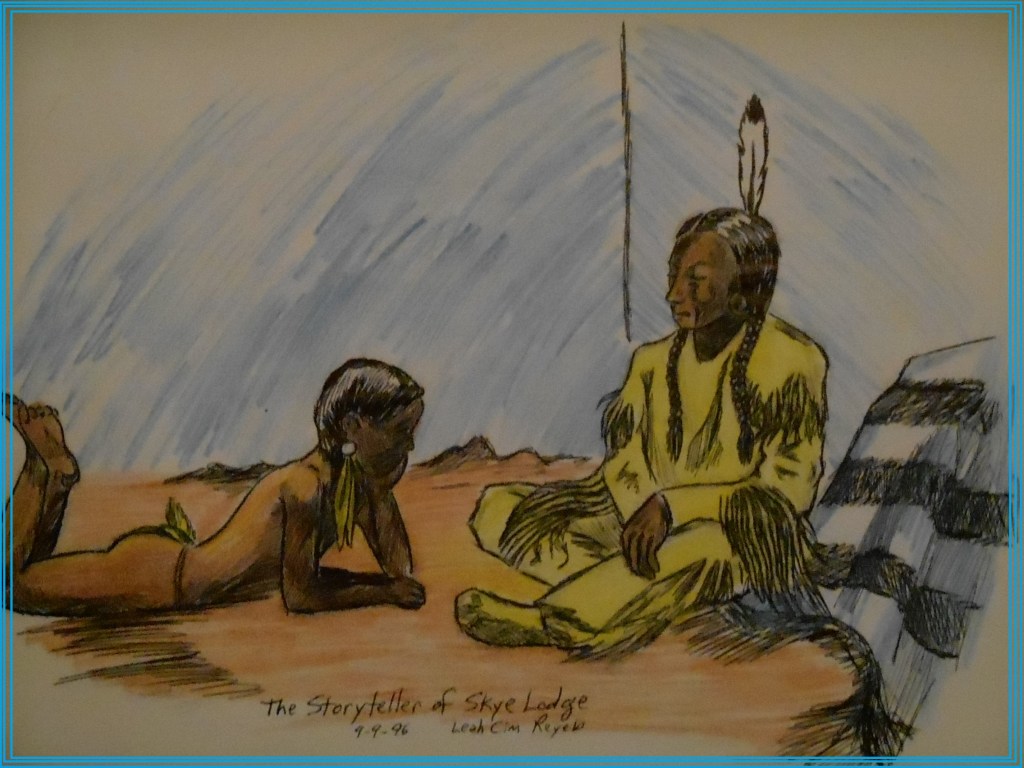
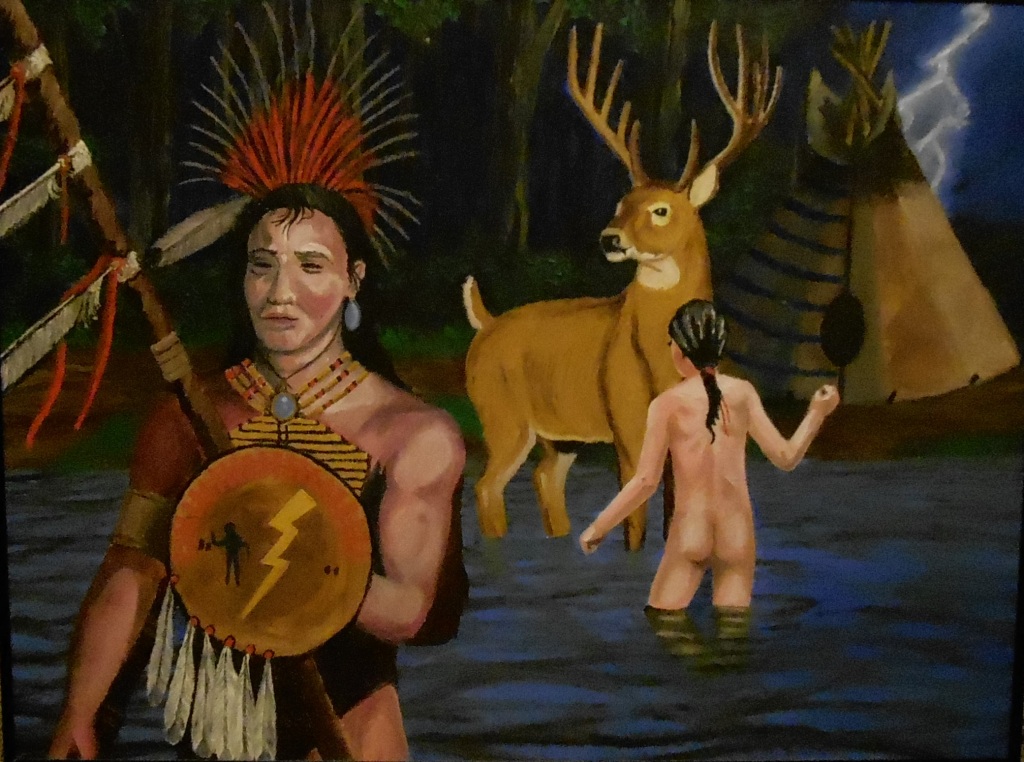
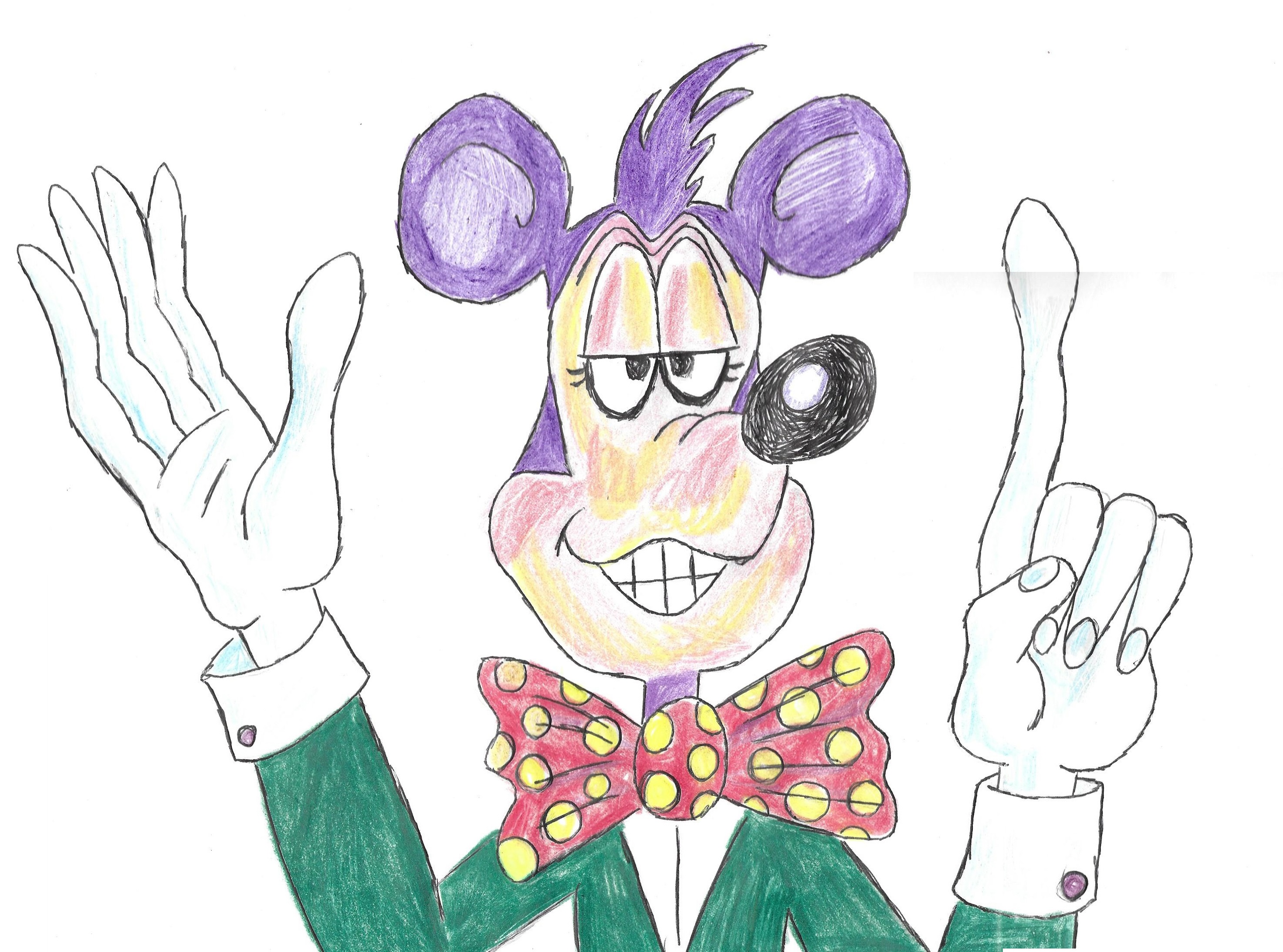
So, what is the way it should be? What did Mickey decide while naked in the forest like a Dakota Sioux shaman on a spirit-quest?
JFK’s 108th birthday was on May 29th. Dr. Wertham has been dead for 44 years. Bob Gibson was 85 when he passed away in October of 2020. Captain Kirk turned 94 in March of this year.
The Golden age is long gone. There is no single set of rules that can clearly establish how it should be now. But I like those ideas of how it should be that I established for myself while naked on a Schwinn Spitfire in a forest long ago.
1 Comment
Filed under autobiography, cardinals, comic book heroes, commentary, humor, inspiration, oldies, Paffooney, philosophy
Tagged as art, books, fear, fiction, golden-age, movies, nakedness, poetry, reading, Star Trek, writing