
I told you recently that I believe that opinions are like onions. Consuming them is good for you. It cleans out the system. It turns little imperfections and poisons into gas and leads you to expel them. Yes, I mean opinions from my stupid old head come out of my mouth in the same way that digested onions form into gas and come out the other end. And keeping them inside (and safe from being argued or made fun of) can poison you and make you insane. So, I need to plant some onions… err, I mean opinions… and you should feel free to sample the stuff in this onion garden and fart back in my general direction if you feel the need.
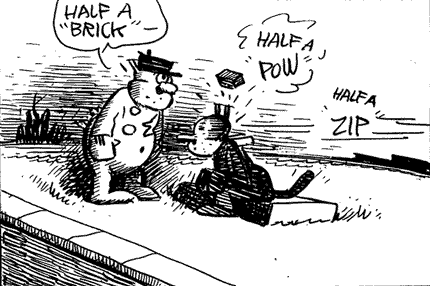
It would be good if you don’t throw bricks.
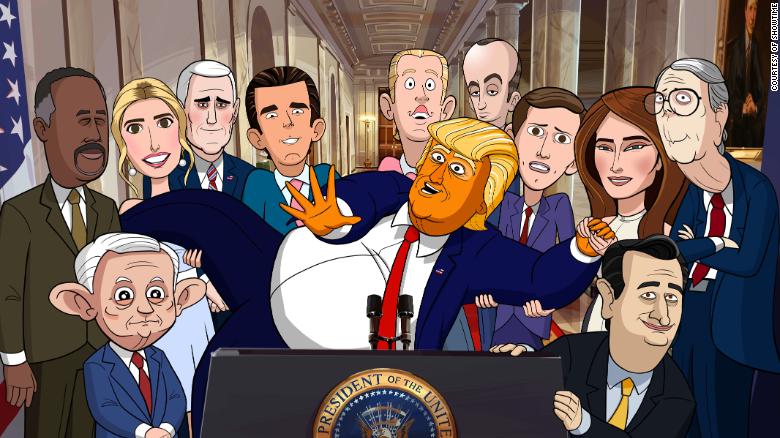
- Donald Trump is going to be our President until he dies. I am not saying I want that to happen. I didn’t want Ronald Reagan or George W. Bush to be President for life either. But bad things happen with the inevitability of thunderstorms and flu season. Fox News has been spreading poisonous onion gas for thirty years as a propaganda service to the corporate masters, and they will continue to provide us only with business-and-crime-friendly leaders who will wring every last penny’s worth of value out of our increasingly valueless souls.
- Human civilization is doomed. We have failed to deal with human-induced climate change for too long, and now the air is turning into methane and carbon dioxide (that’s right, fart gas!), and only the people wealthy enough to create totally sealed environments will survive. We have the innate capacity to solve problems and overcome disaster, but we won’t because President Trump doesn’t want it to be that way. And he says that climate change is a hoax anyway. I think he has held onion gas inside long enough to pickle all his brain cells.
- The Roswell incident was real, and there are aliens living on planet Earth. They will not save us from ourselves, however. President Trump won’t allow that. After all, they are immigrants.
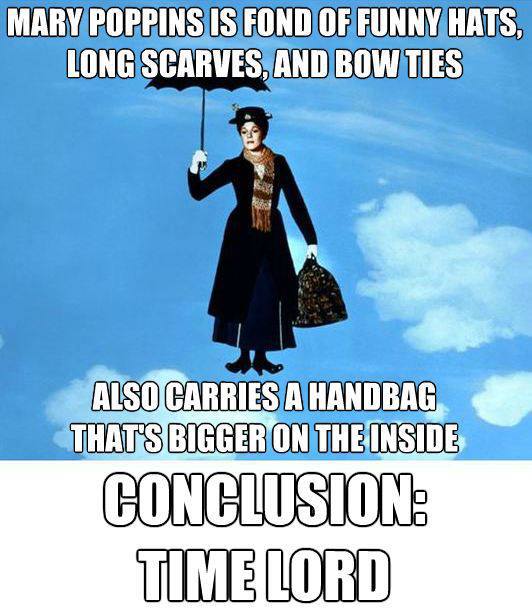
- Doctor Who is the best thing that the British ever gave us. It combines science fiction, fantasy, a goofy sense of humor, and serious charm into a show that can make us think about things in a new way and make us see things from a different point of view. Donald Trump won’t allow him to save us either, even though Great Britain is our very tremendous ally. Foreigners keep us from winning economically.
- Eating onions is better for you than eating cheese. Onions get the gas out. Cheese makes you constipated. The French call cheese “fromage”, but that doesn’t make it any better. Cheese by any other name still can stink like Limburger.
“Once it reaches three months, the cheese produces its notorious smell because of the bacterium used to ferment Limburger cheese and many other smear-ripened cheeses. This is Brevibacterium linens, the same one found on human skin that is partially responsible for body odor, particularly foot odor.”
- So I have now planted some real stinkers in the onion garden. In a just and reasonable world, the debate would now begin. Refute, if you will, dear reader, for that is the very reason that opinions exist, to start a debate. You cannot clear the air of fart gas without at least waving your hand at it.



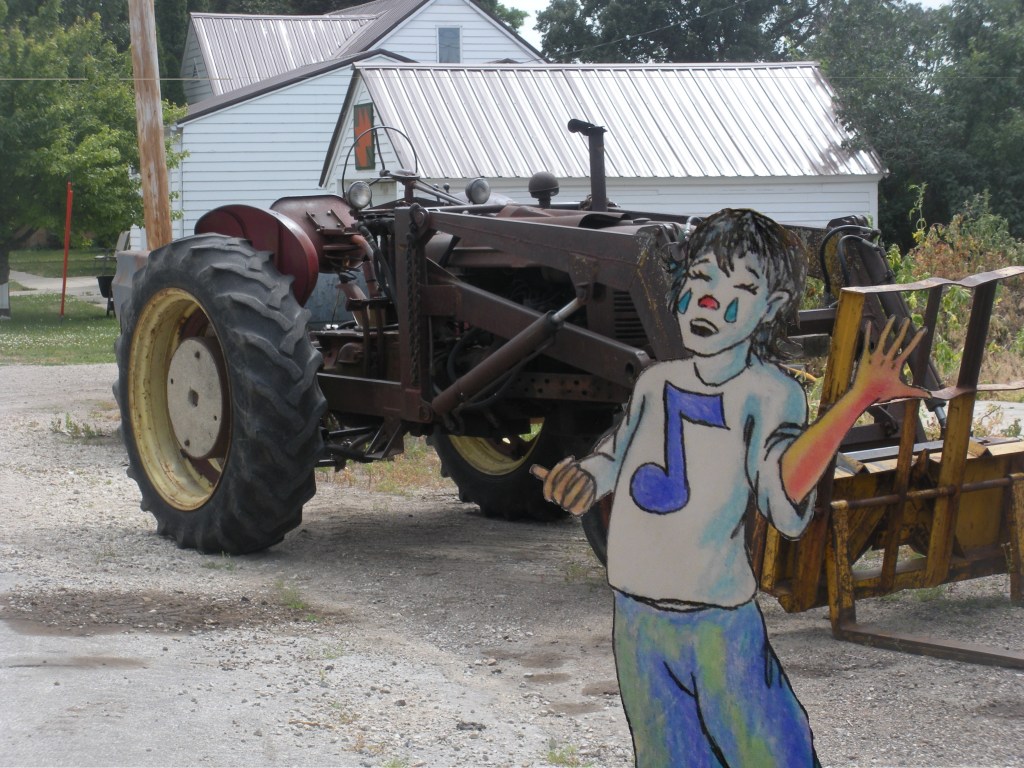


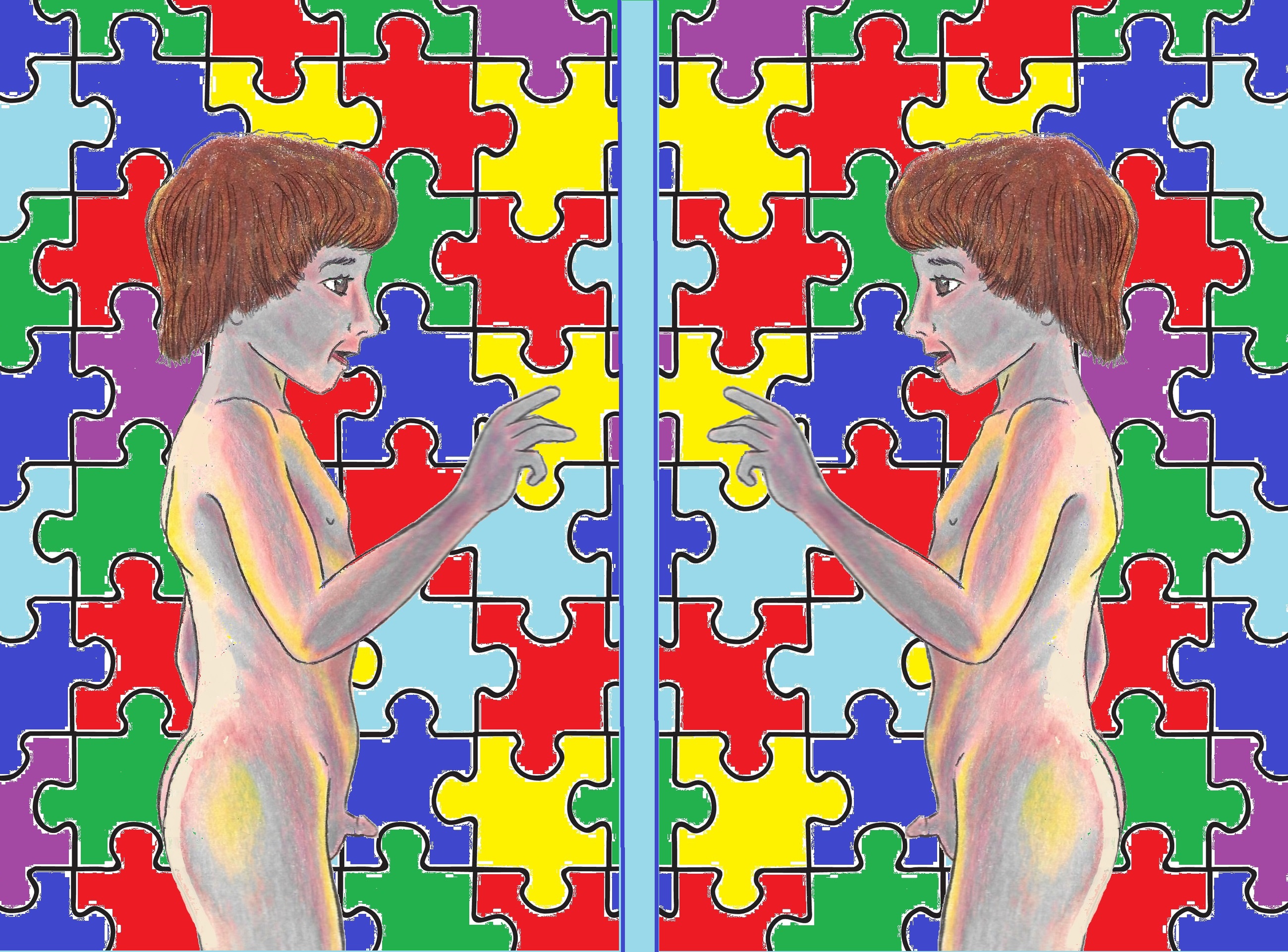






How It Should Be… According to Mickey
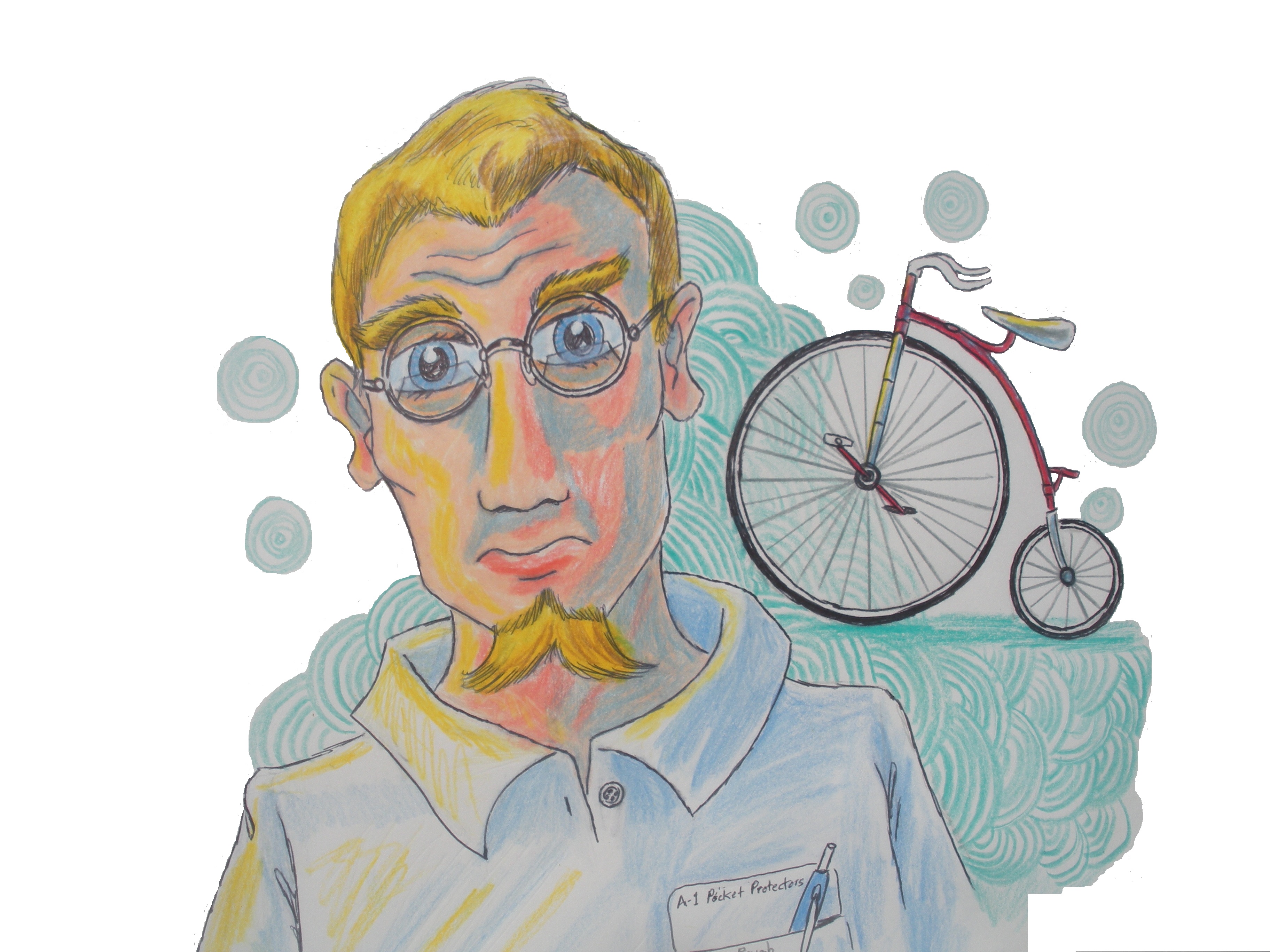
My bicycle was red. It was red and looked just like the ones that Captain Kangaroo had in his commercials that we watched on a black-and-white TV every day before we walked or rode our bicycle to school, across town a whole long seven blocks away. After school I could ride it out a whole mile and a half to Jack’s farm with Bobby and Richard and Mark the preacher’s kid to go skinny dipping in the cold creek in Jack’s South pasture. Jack was younger than any of us except Bobby. And it was a golden age.
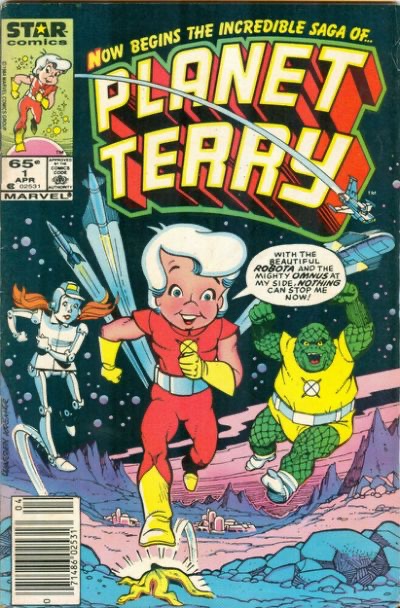
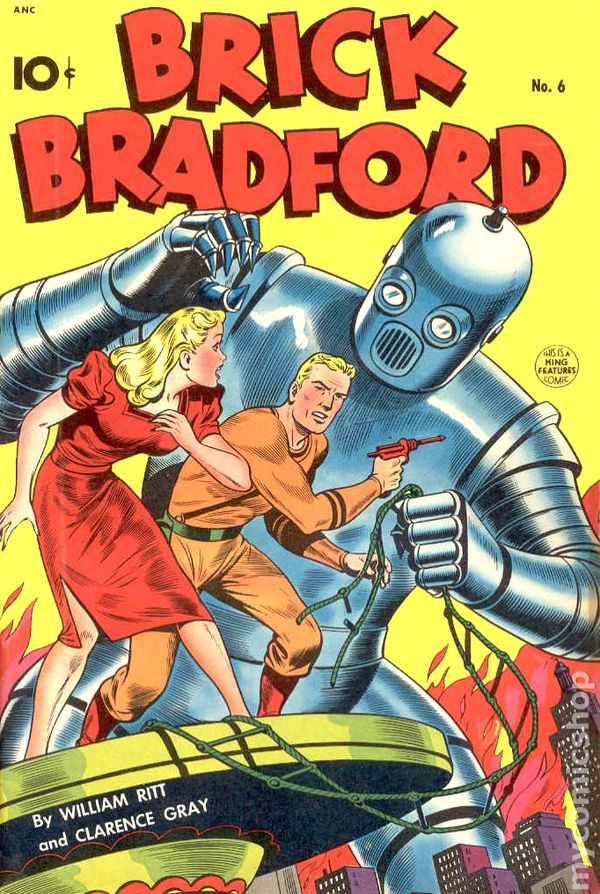
Spiderman comic books and Avengers comic books cost twelve cents to own, but they were forbidden. And as much as we sneaked them and passed them around until they fell apart, usually in Bobby’s hands, we never knew that Dr. Wertham had gone to Congress to make our parents believe that comic books would make us gay and violent. He was a psychiatrist who wrote a book, so even if you didn’t believe him, you had to worry about such things.
I believed in Santa Claus until 1967. And after I found out, I only despaired a tiny little bit, because I began to understand you have to grow up. And adults can lie to you, even if they don’t do it to be mean. And the world is a hard place. And the golden age ended in November of 1963 when JFK was assassinated.
In June of 1968 I rode my bicycle out to the Bingham Park woods, Once there, I took off all my clothes and put them in the bicycle basket, and then I rode up and down the walking paths through the trees with nothing between me and God but my skin. I had a serious think about how life should be. All the while I was terrified that someone might see me. I was naked and vulnerable. A mere two years before that I had been sexually assaulted and was terrified of older boys, especially when I was naked and vulnerable. But I was a fan of the St. Louis Cardinals and Bob Gibson. They were repeated World Series winners. And they beat the Yankees in the series in 1964. And more important than that, cardinals were the little red songbirds who never flew away when the winter came. You don’t give up in the face of hardship. You face the trouble. No matter how deep the snow may pile up.
And in 1969, the first man to walk on the moon showed that a Star Trek world was in reach of mankind. Star Trek was on every afternoon after school. I watched a lot of those episodes at Verner’s house on his family’s black-and-white TV. The Klingons were always bested or beaten because the crew of the Enterprise outsmarted them. You can solve the problems of the universe with science. I know this because of all the times Mr. Spock proved it to me not just by telling me so, but by showing me how you do it. And what you can achieve is greatly enhanced if you work together like Spock and Kirk and Bones… and sometimes Scotty always did.
So, what is the way it should be? What did Mickey decide while naked in the forest like a Dakota Sioux shaman on a spirit-quest?
JFK’s 108th birthday was on May 29th. Dr. Wertham has been dead for 44 years. Bob Gibson was 85 when he passed away in October of 2020. Captain Kirk turned 94 in March of this year.
The Golden age is long gone. There is no single set of rules that can clearly establish how it should be now. But I like those ideas of how it should be that I established for myself while naked on a Schwinn Spitfire in a forest long ago.
1 Comment
Filed under autobiography, cardinals, comic book heroes, commentary, humor, inspiration, oldies, Paffooney, philosophy
Tagged as art, books, fear, fiction, golden-age, movies, nakedness, poetry, reading, Star Trek, writing