I often get criticized for talking to people who are basically invisible, probably imaginary, and definitely not real people, no matter what else they may be.
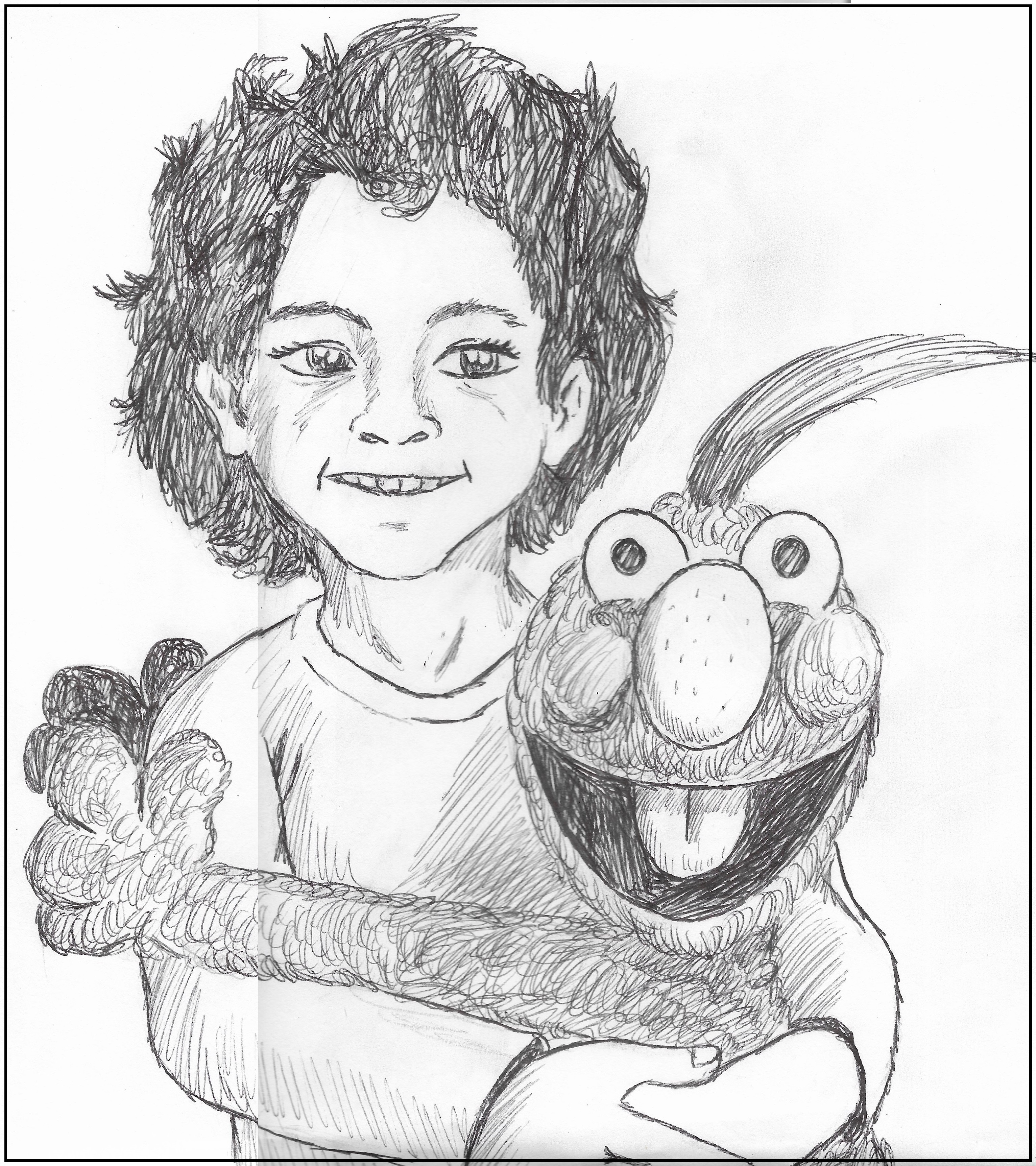
The unfinished cover picture is from the novel The Bicycle-Wheel Genius which I just finished the final rewrite and edit for. All of the characters in that book are fictional. Even though some of them strongly resemble the real people who inspired me to create them, they are fictional people doing fictional and sometimes impossible things. And yet, they are all people who I have lived with as walking, talking, fictional people for many years. Most of those people have been talking to me since the 1970’s. I know some of them far better than any of the real people who are a part of my life.
This slideshow requires JavaScript.
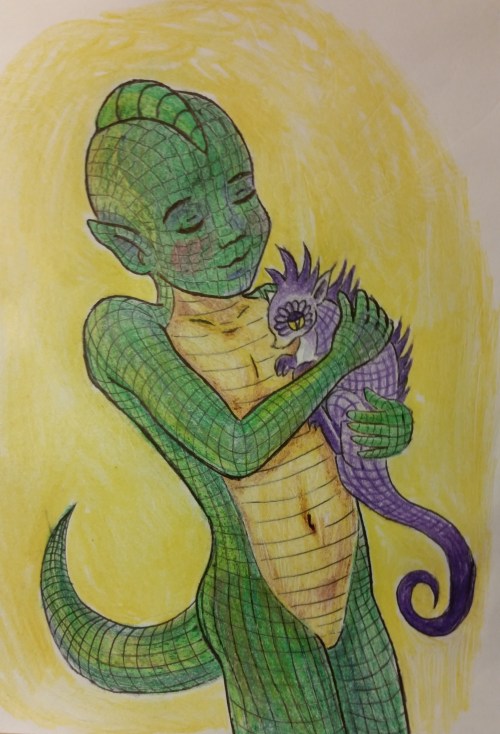
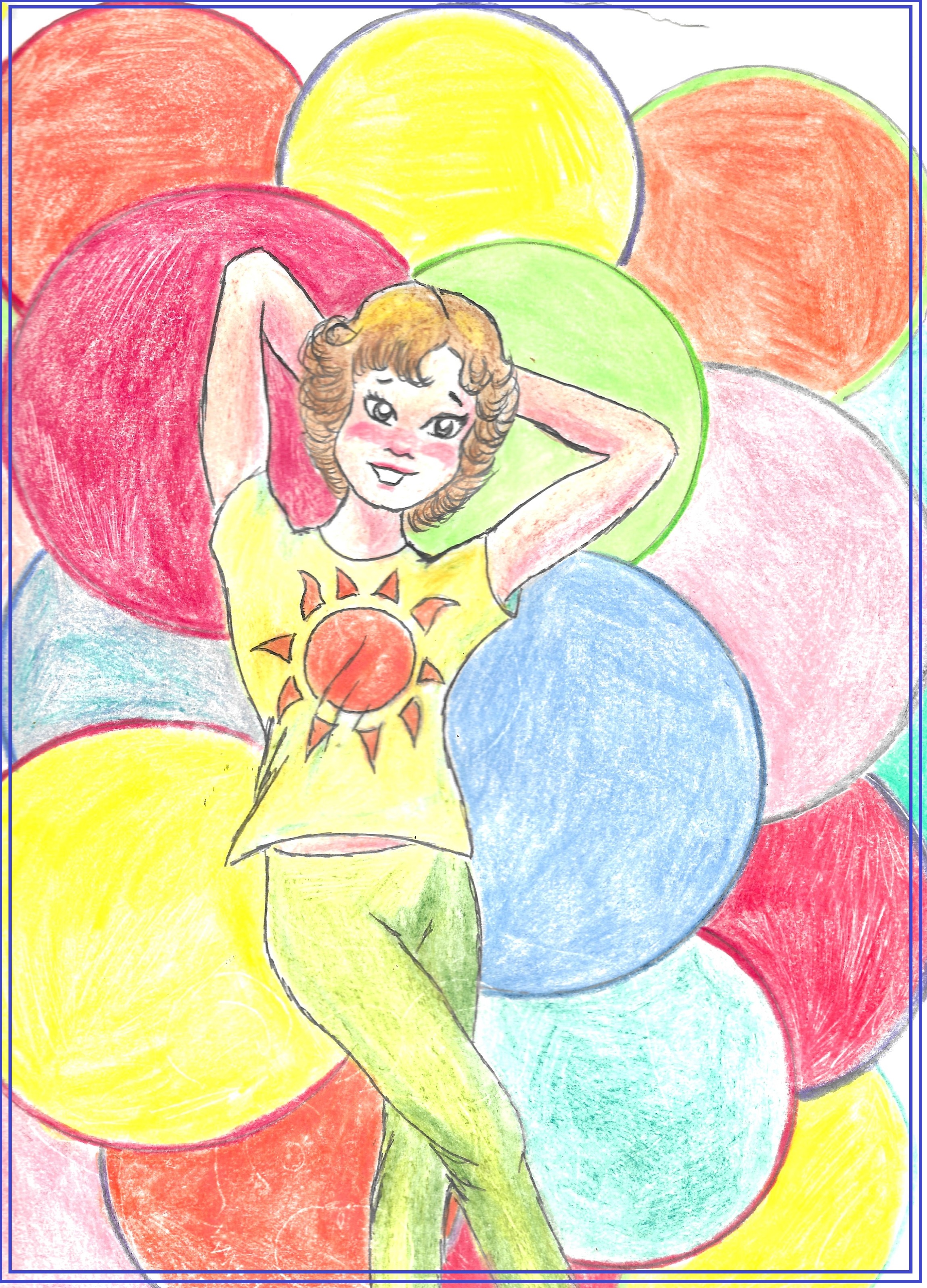
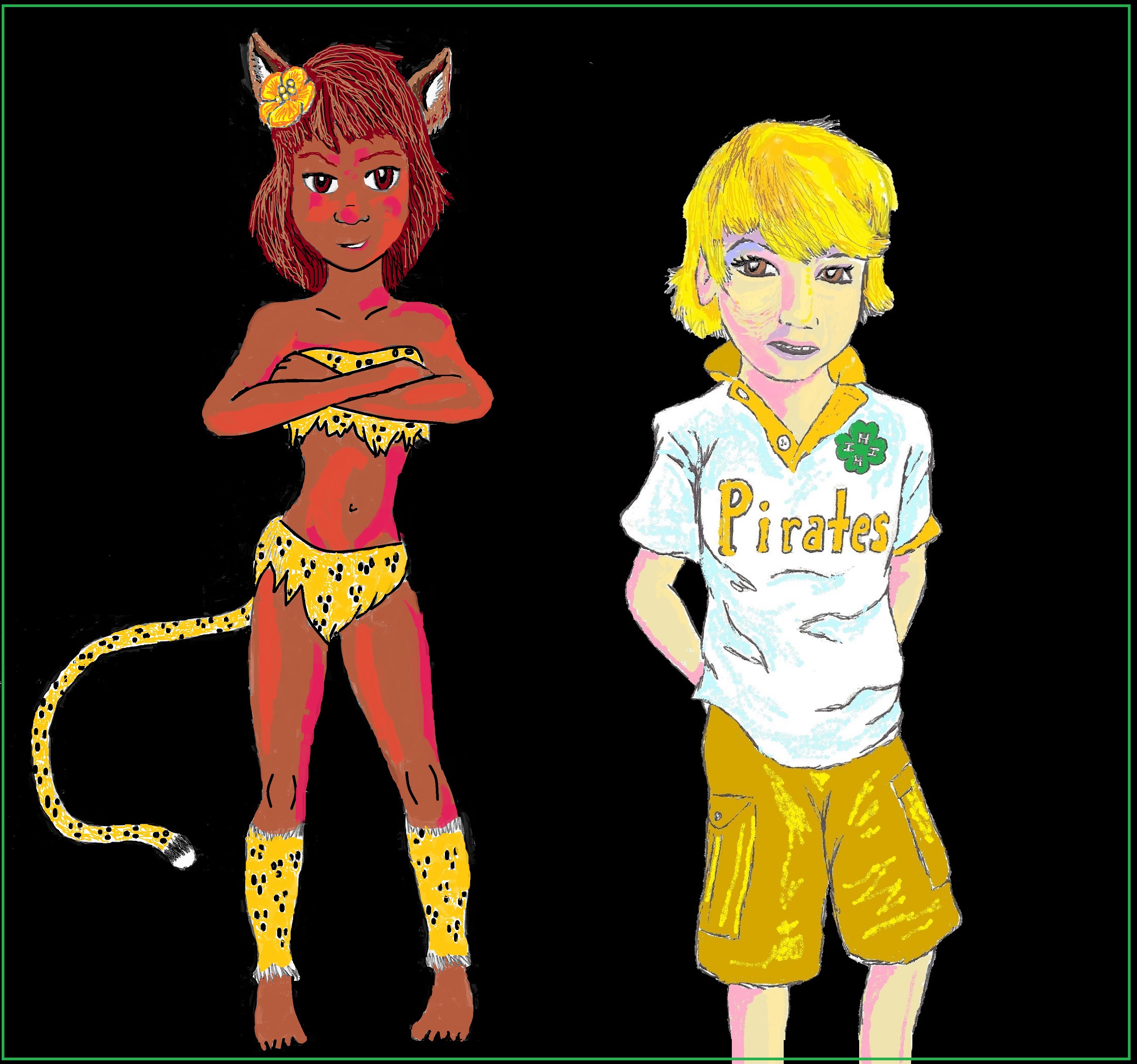
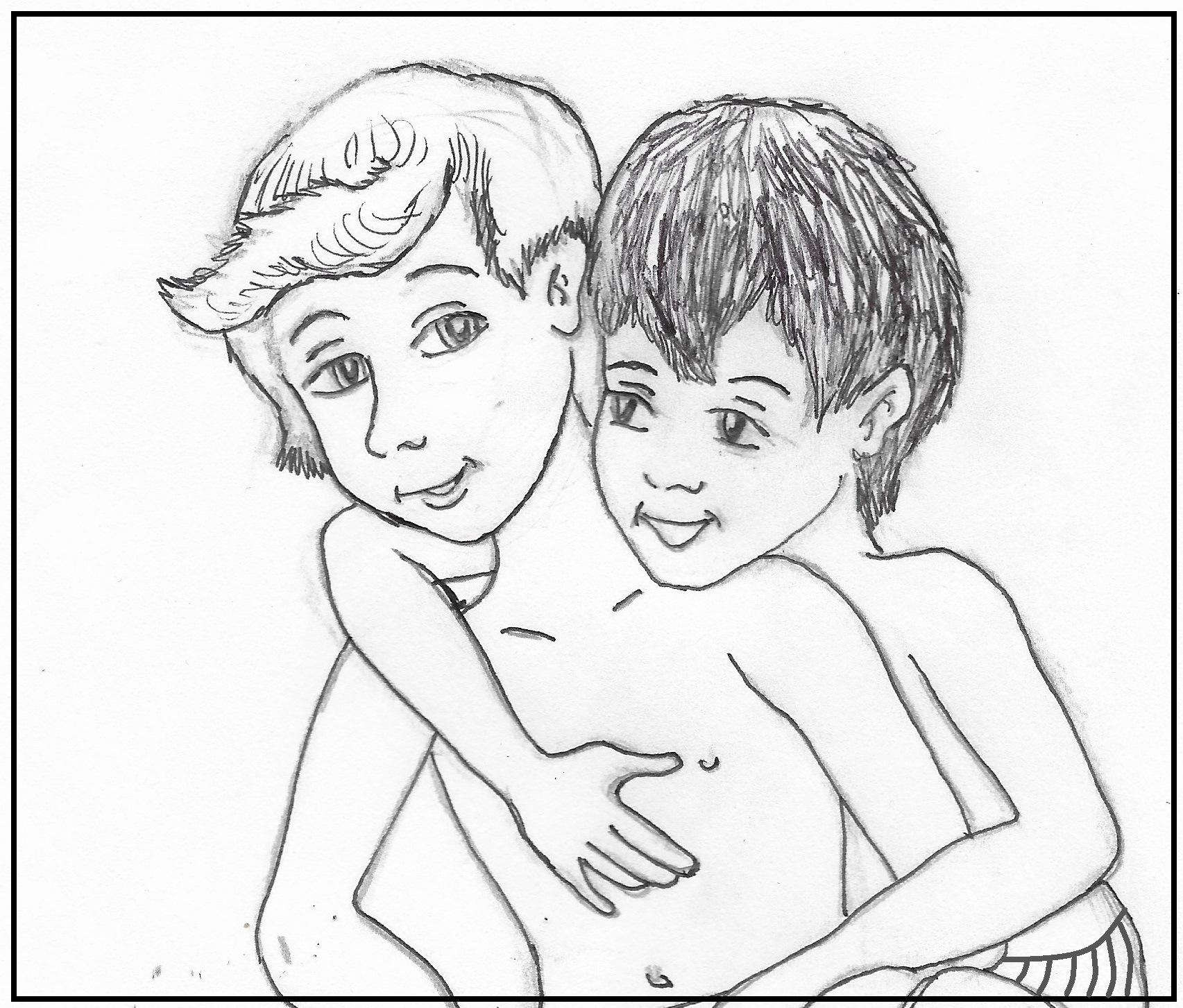
These, of course, are only a few of my imaginary friends. Some I spend time with a lot. Some I haven’t seen or heard from in quite a while. And I do know they are not real people. Mandy is a cartoon panda bear, and Anneliese is a living gingerbread cookie. I do understand I made these people up in my stupid little head.
But it seems to me that the people in the world around us are really no less imaginary, ephemeral, and unreal. Look at the current Presidentumb of the Disunited States. He is an evil cartoon James Bond villain if there ever was one.
Animated cast of OUR CARTOON PRESIDENT. Photo: Courtesy of SHOWTIME
People in the real world create an imaginary person in their own stupid little heads, and pretend real hard that that imaginary person is really them in real life. And of course, nobody sees anybody else in the same way that they see themselves. Everybody thinks they are a somebody who is different from anybody else who thinks they are a somebody too, and really they are telling themselves, and each other, lies about who somebody really is, and it is all very confusing, and if you can follow this sentence, you must be a far better reader than I am a writer, because none of it really makes sense to me. I think everybody is imaginary in some sense of the word.
So, if you happen to see me talking to a big white rabbit-man who used to be a pet white rabbit, but got changed into a rabbit-man through futuristic genetic science and metal carrots, don’t panic and call the police. I am just talking to another fictional character from a book I just finished writing. And why are you looking inside my head, anyway? There’s an awful lot of personal stuff going on in there. Of course, you only see that because I wrote about it in this essay. So it is not an invasion of privacy. It is just me writing down stuff I probably should keep in my own stupid little head. My bad.
So, how do you follow up a thing like starting a new religion like Quackatoonity? Should you follow it up?
I mean, this is Art Day. And I need a theme for Art Day. How about, “Art with no ducks in it?” Well, Ducks are always watching from somewhere. So, I guess that’s a no-go.
Of course, I could always try to prove the “toon” part is real. I am a cartoonist. I do do cartoons. (Haha! He said, “doodoo!” Shows you the level of humor he will sink to.)
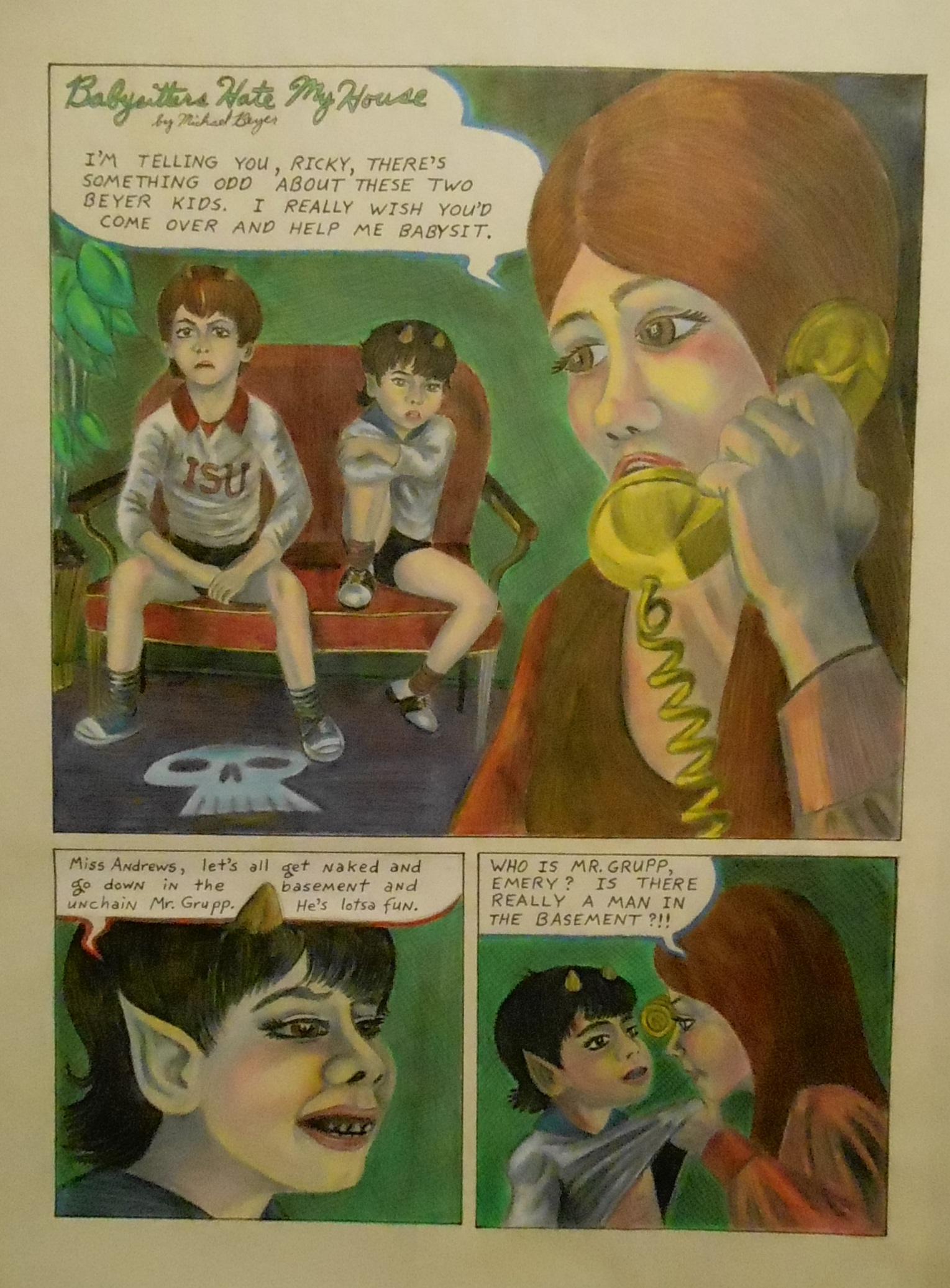
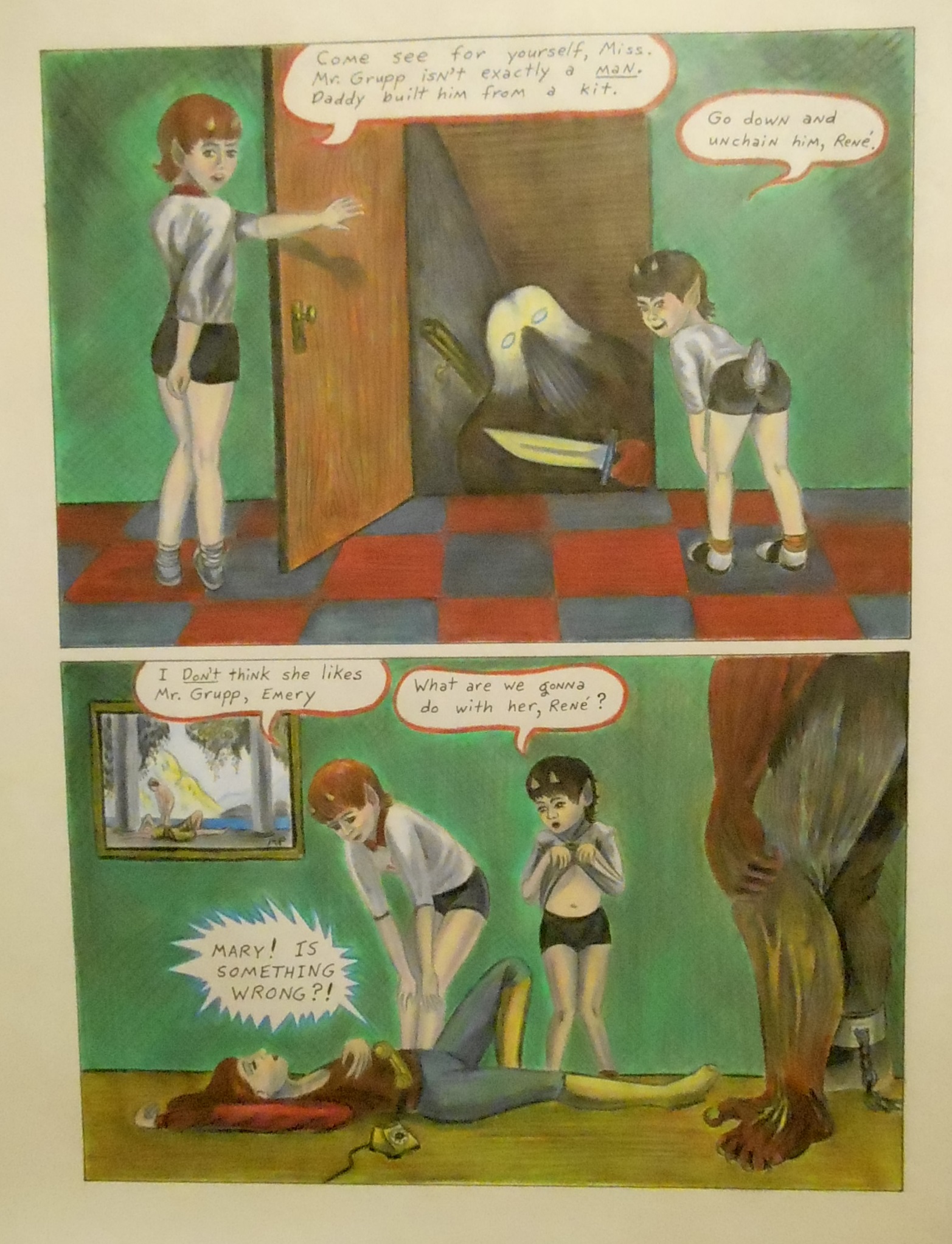
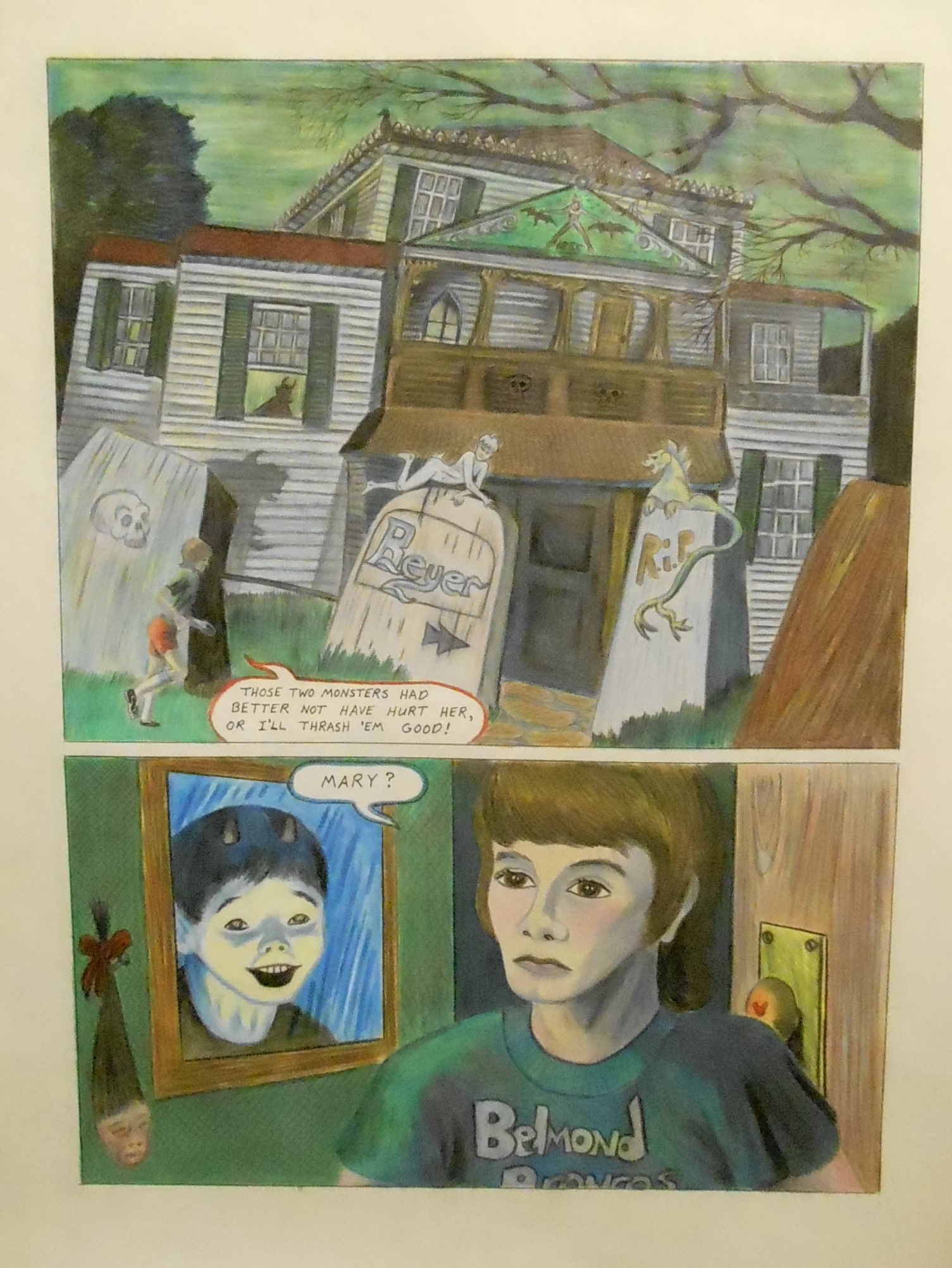
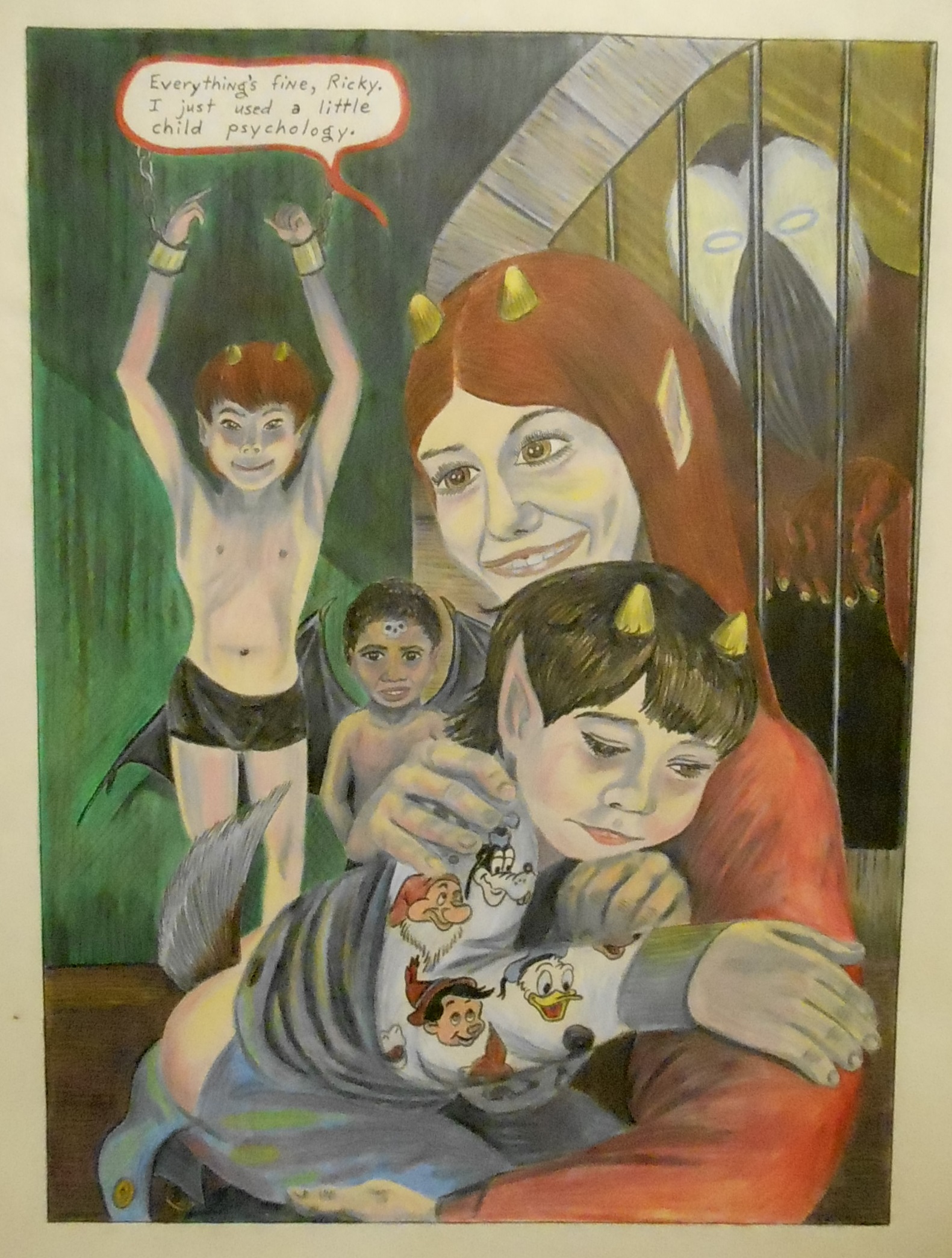
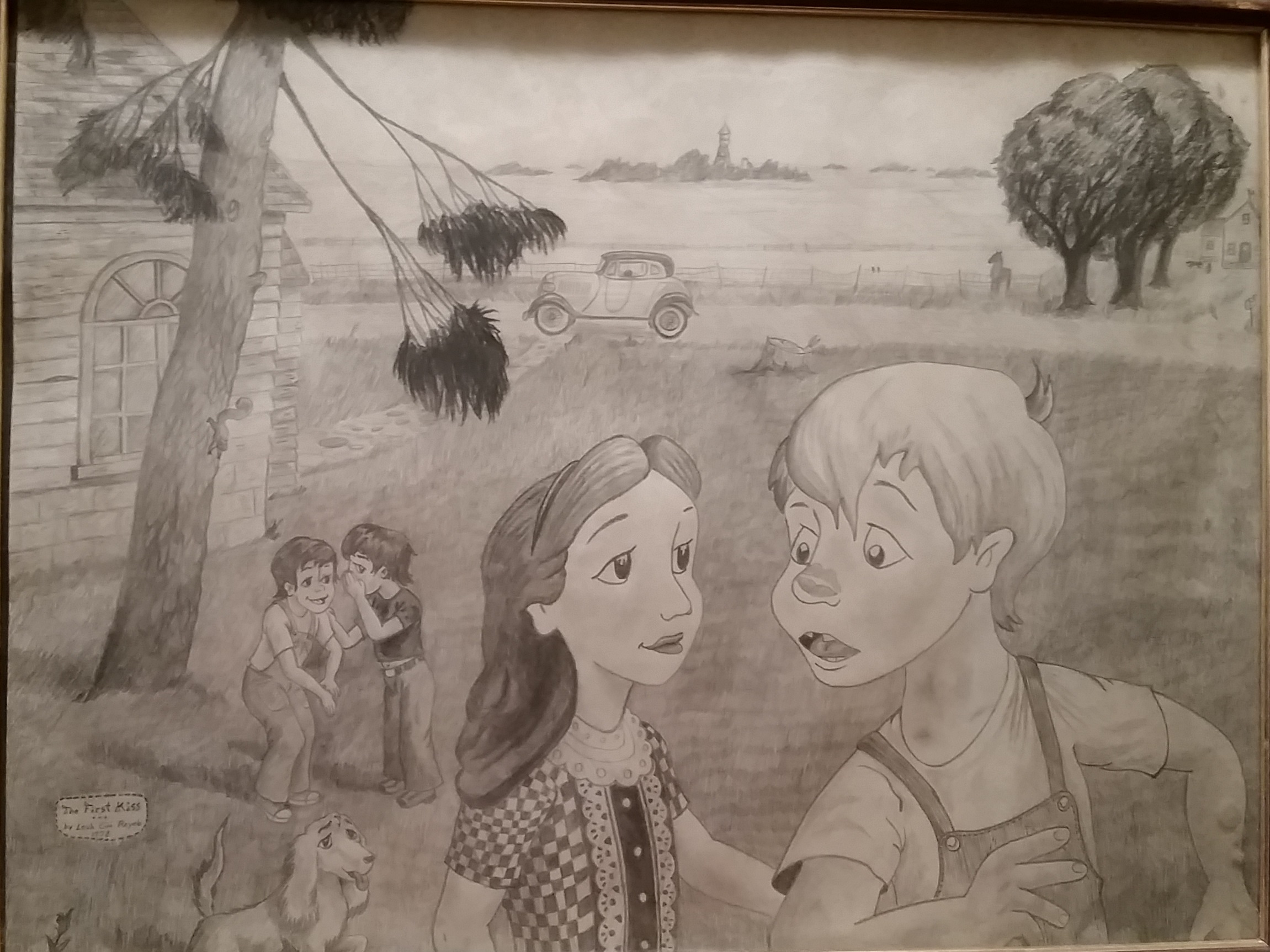
This cartoon is a bit creepy and definitely surreal. This was done more than a decade before I even met my wife. But the two boys seem to be four years apart in age, just like my real-life sons. They do not, however, have visible horns on their heads. This is supposed to be surreal, not photographic.
So, there’s a weird cartoon story for today’s Art Day post on a New Day. And nowhere in sight will you find a duck in it… OH, NO! THERE’S A DUCK IN IT!!! How does Donald do that?
This is artwork from this blog in 2015, a year after I retired from teaching.
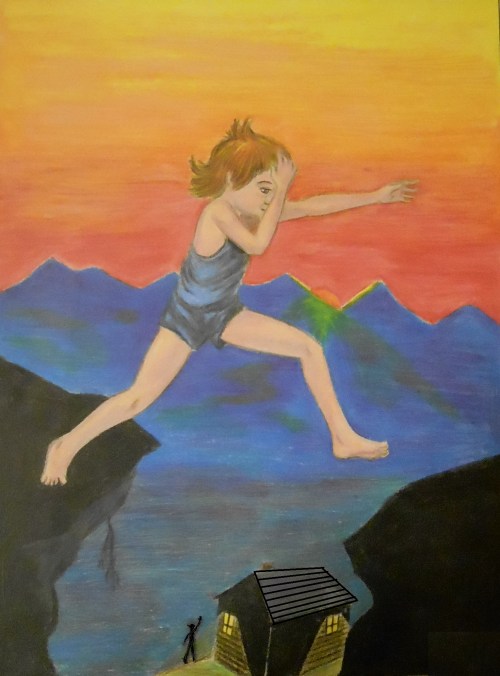
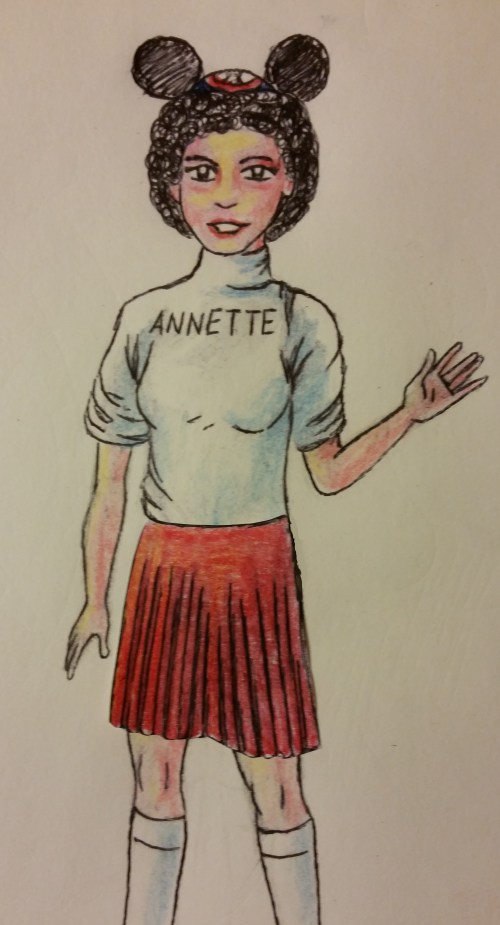
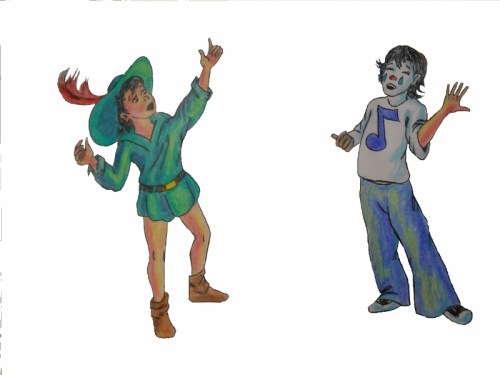
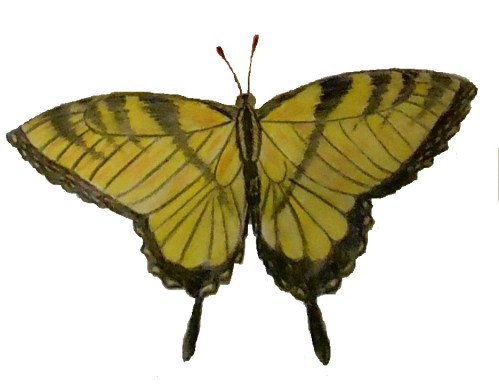
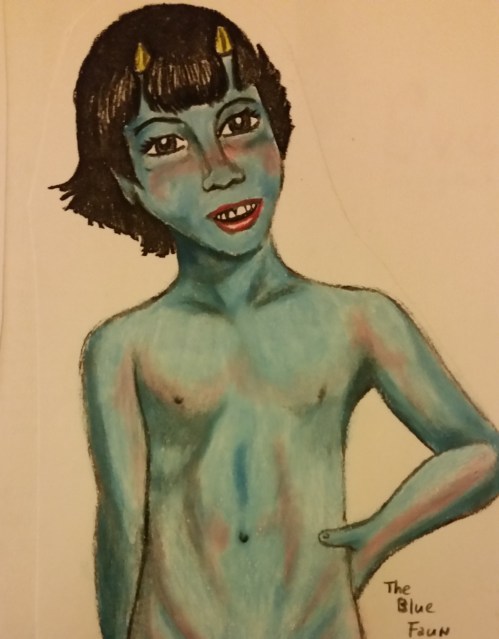
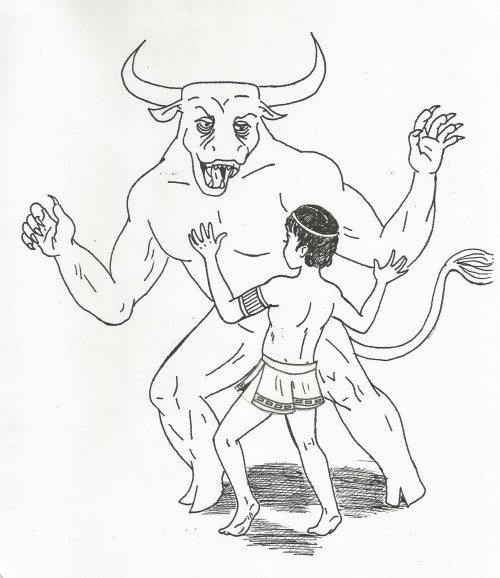
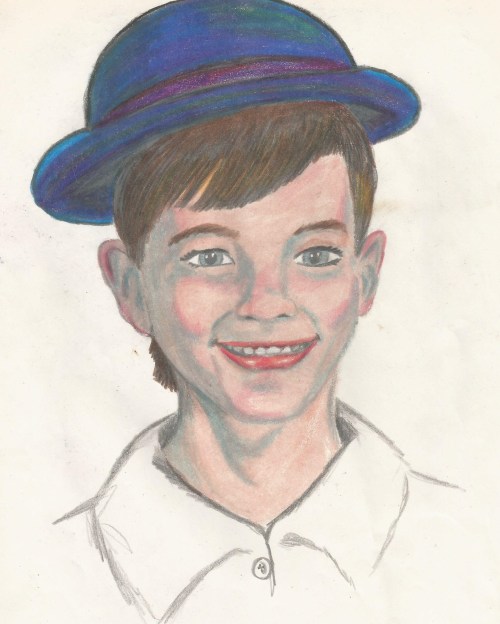
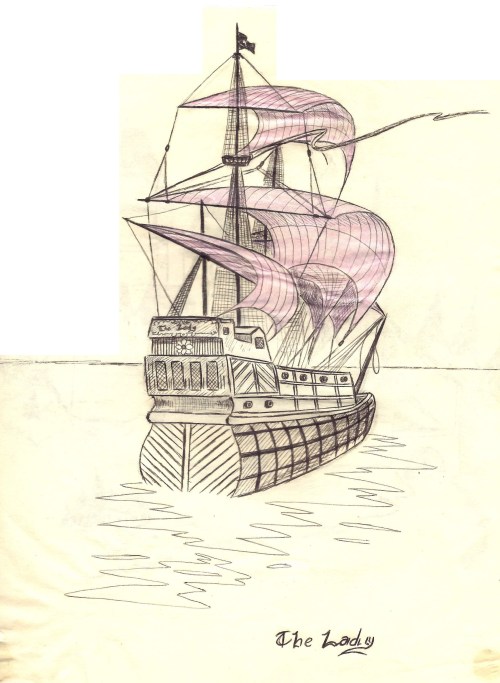
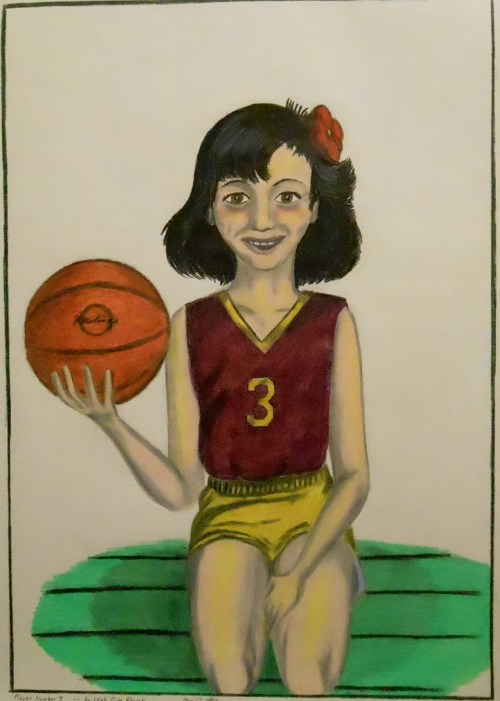
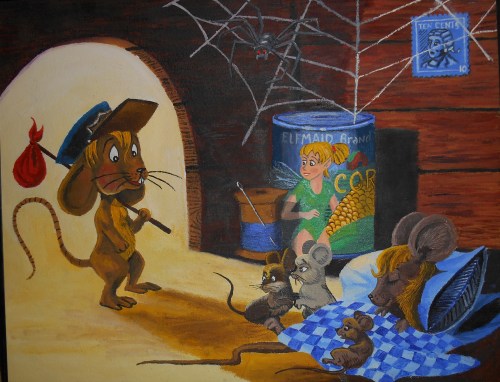
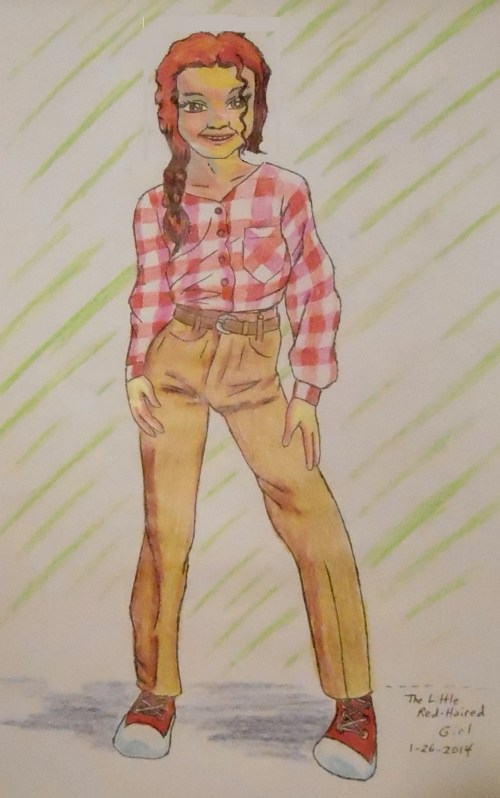
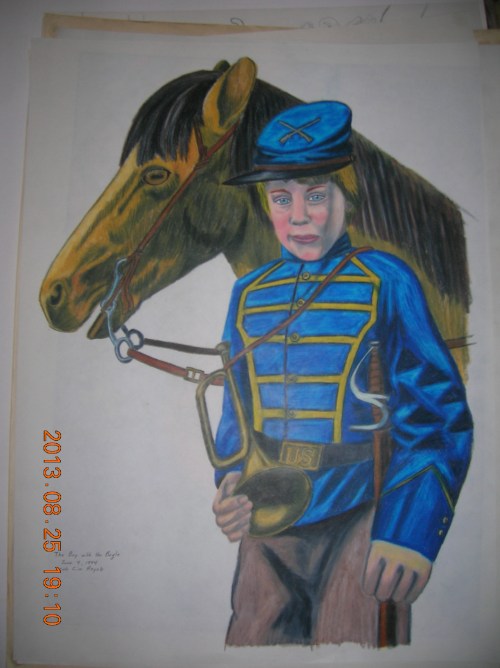
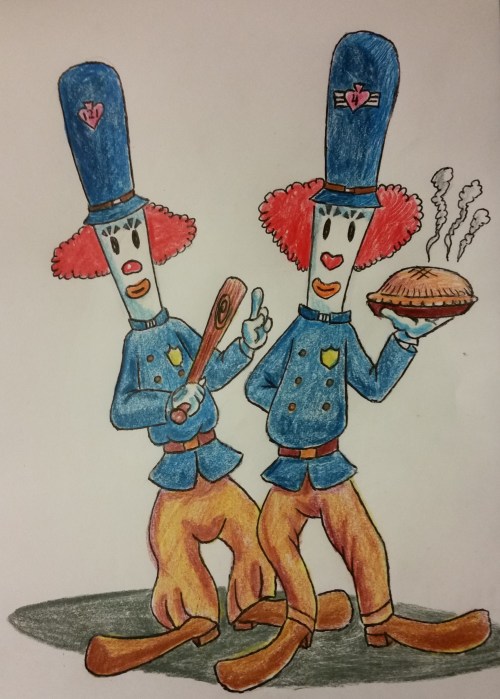
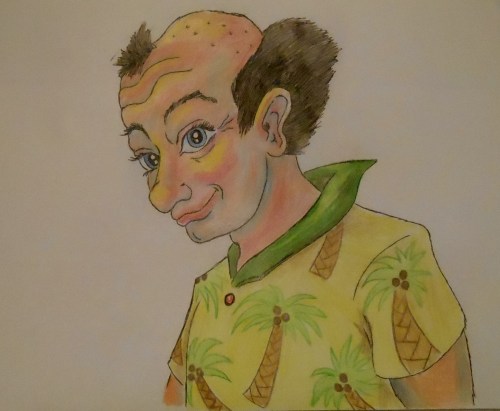
December … The LeapDecember… Annette FunicelloNovember … The SingersNovember … ShannonOctober … Tiger SwallowtailSeptember … oil painting … DefianceThe Blue Faun who represents the lovely melancholy sensuality that informs my wordy little life. August 2015July … Endaemion and the MinotaurJune … Miltie is actually MeMay … The Ship with Pink SailsApril … Player #3April … oil painting … Poppa Comes HomeMarch … The Little Red-Haired GirlFebruary … The Boy and his BugleFebruary … Klown Kops, Pie-whackers brigadeJanuary … Harker Dawes, lovable foolJanuary … Sizzahl the Galtorrian scientist
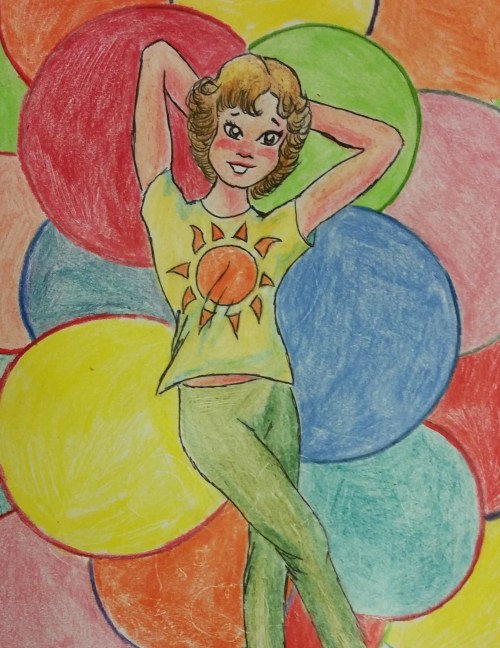
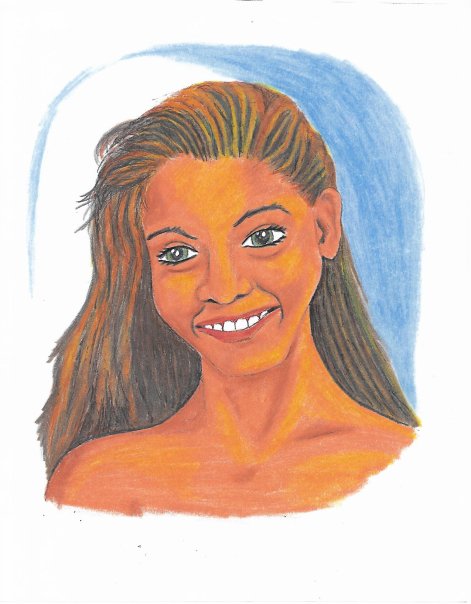
Some of the drawings and paintings I do, I do because they make me happy. I know it’s more noble if I do it to make you, the viewer, happy. But part of making art is that you are making it for your own needs. Art is therapy. Often, art is love. This picture of Shannon (not her real name) makes me happy. She was a student I loved, (only in the legal, Platonic sense.)
This one makes me happy. I drew it on a day I needed to laugh. And I laugh a little even now when I look at it.
This one is also a smirkable smirk-maker.
I drew this on a day when I was lonely.
This one tickles me on many levels.
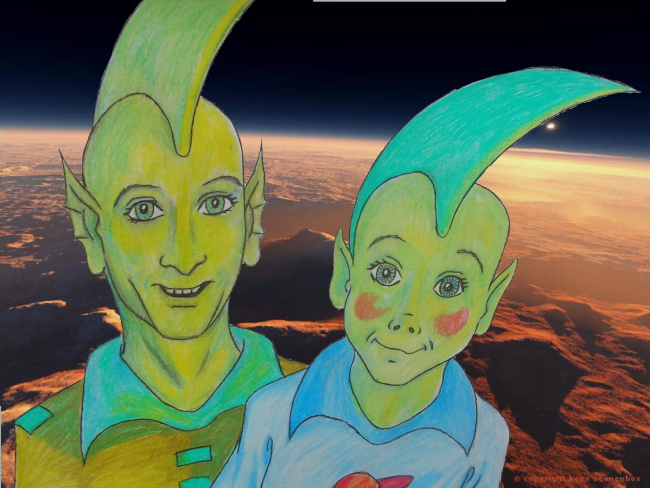
These Telleron, temporary Martians, helped me start my publishing career with the publication of Catch a Falling Star.
…
…
…
And pretty girls can make me happy too.
Especially naked ones.
And I mean drawing them, not what was in your evil mind.
After years of being stored away, I discovered that my mother had hidden a hoard of my old artworks in the upstairs closet in Grandma Aldrich’s house (now my parents’ house).
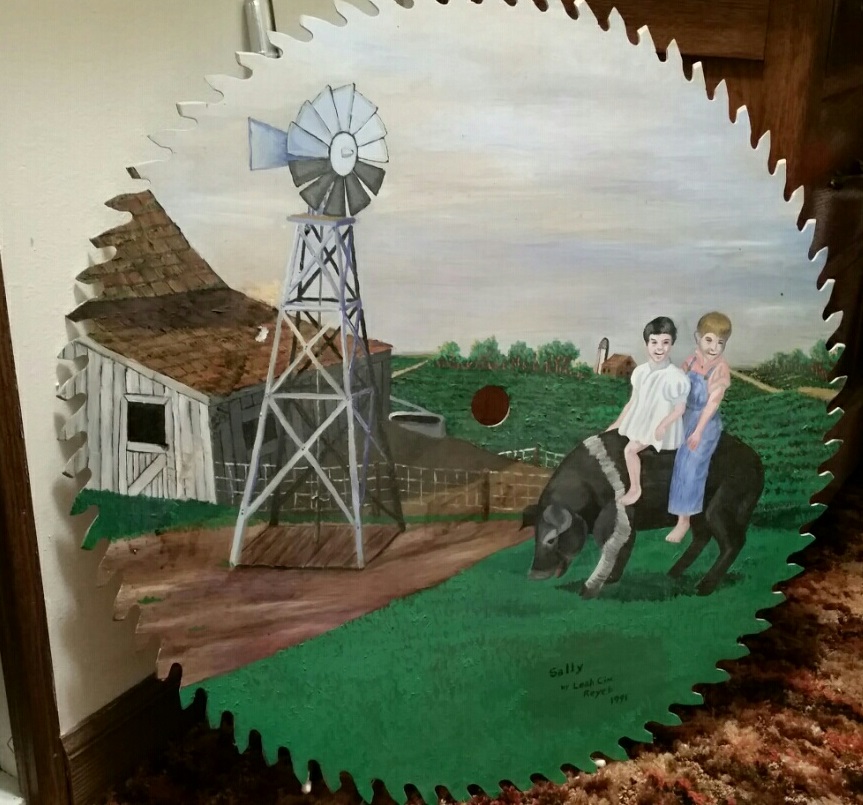
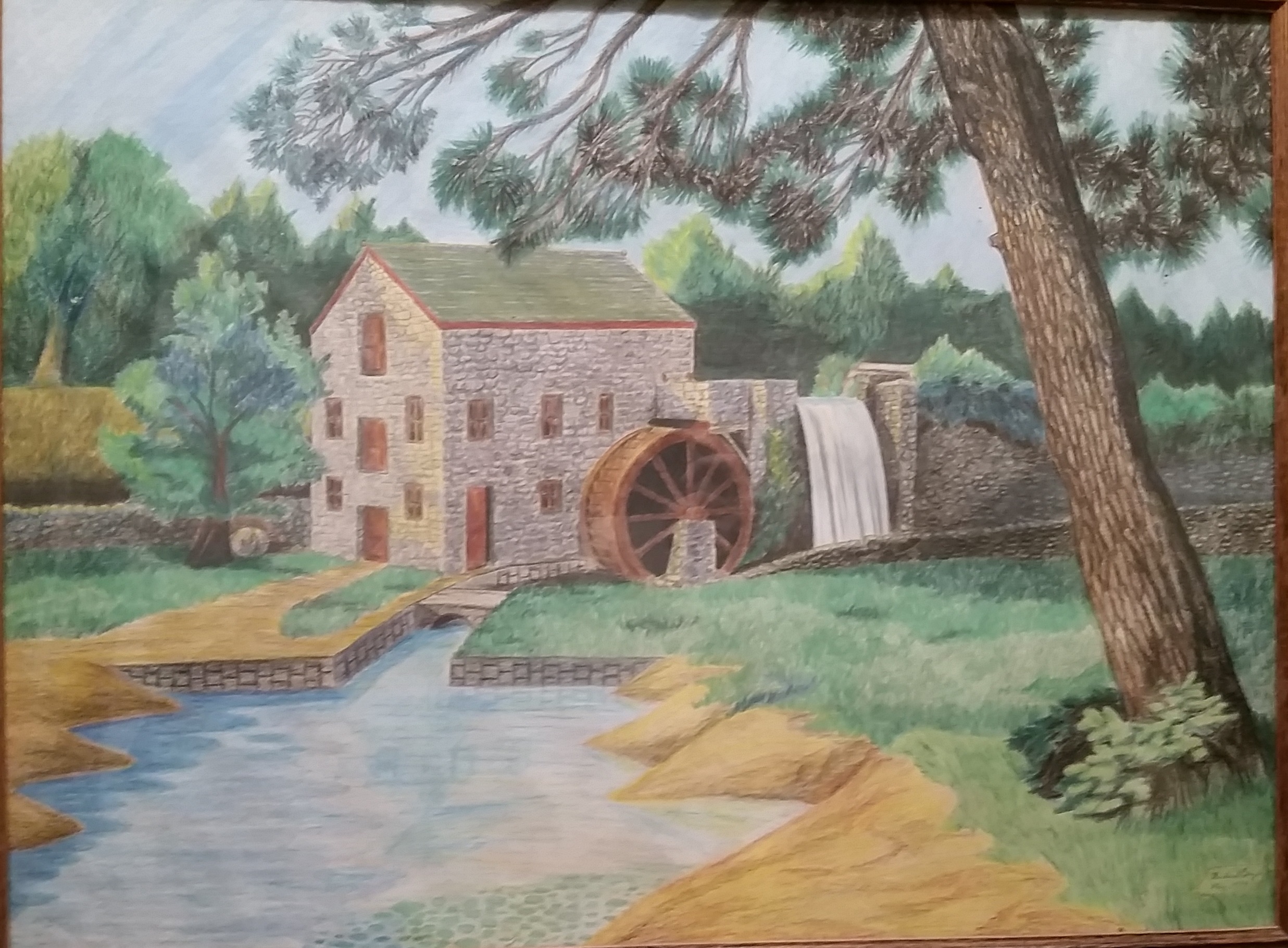
This oil painting was done on an old saw blade at the request of my Grandpa Aldrich. He wanted a farm painting on it, like the one he’d seen in a restaurant during a fishing trip in Minnesota. I chose as the subject Sally the pig. Sally was a hairlip piglet that had to be bottle fed and raised in a box by the stove until later in life she became a favorite pet. Believe it or not, pigs are smarter than the family dog. She became a pig you could ride. And Grandma had taken a precious old photo of my mother and Uncle Larry riding the pig. I used that photo to make this painting. It was also the painting I wanted to find on this trip to Iowa. Searching for it led to finding all the others.
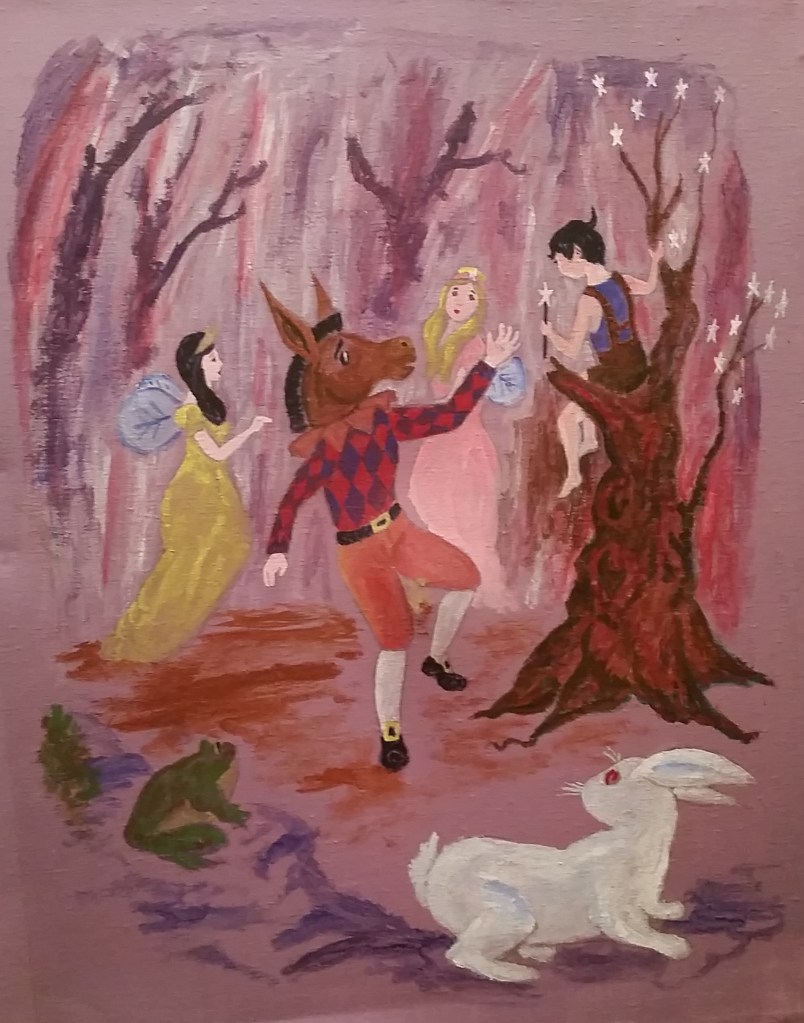
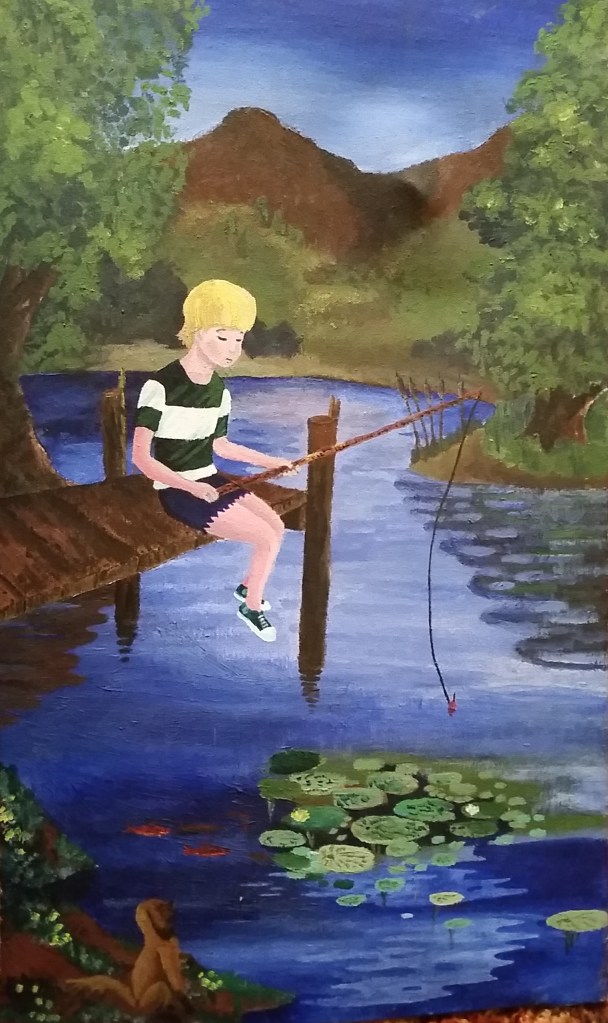
These two are among the earliest paintings I did. They were both done on canvases that I stretched over the frame myself in high school art class. The purple one is a scene from Shakespeare’s Midsummer Night’s Dream. The blue one doesn’t have a title, but you can see what it is. It is an ancient shibboleth water monster lurking under a dock, fishing for young boys to eat.
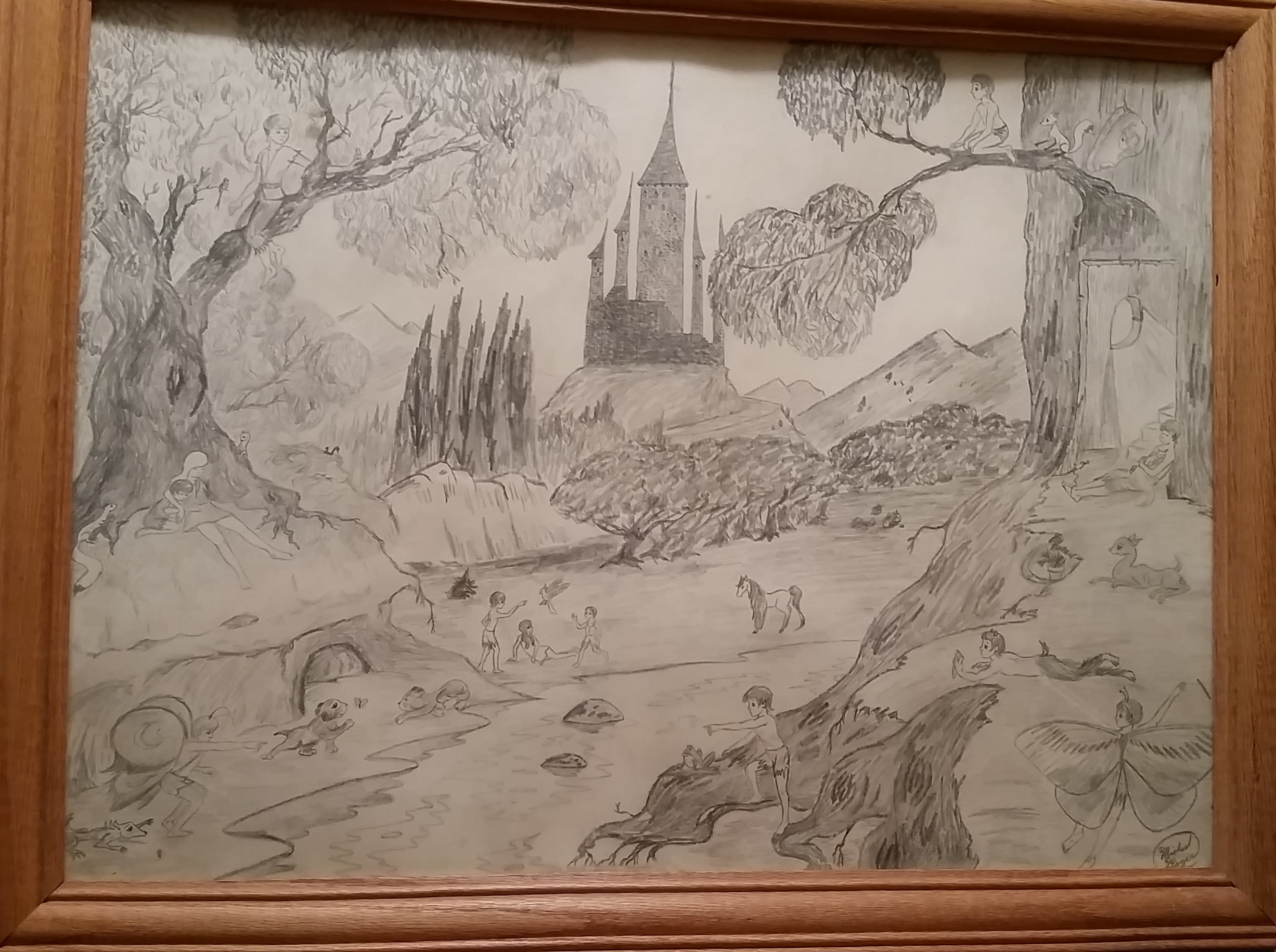
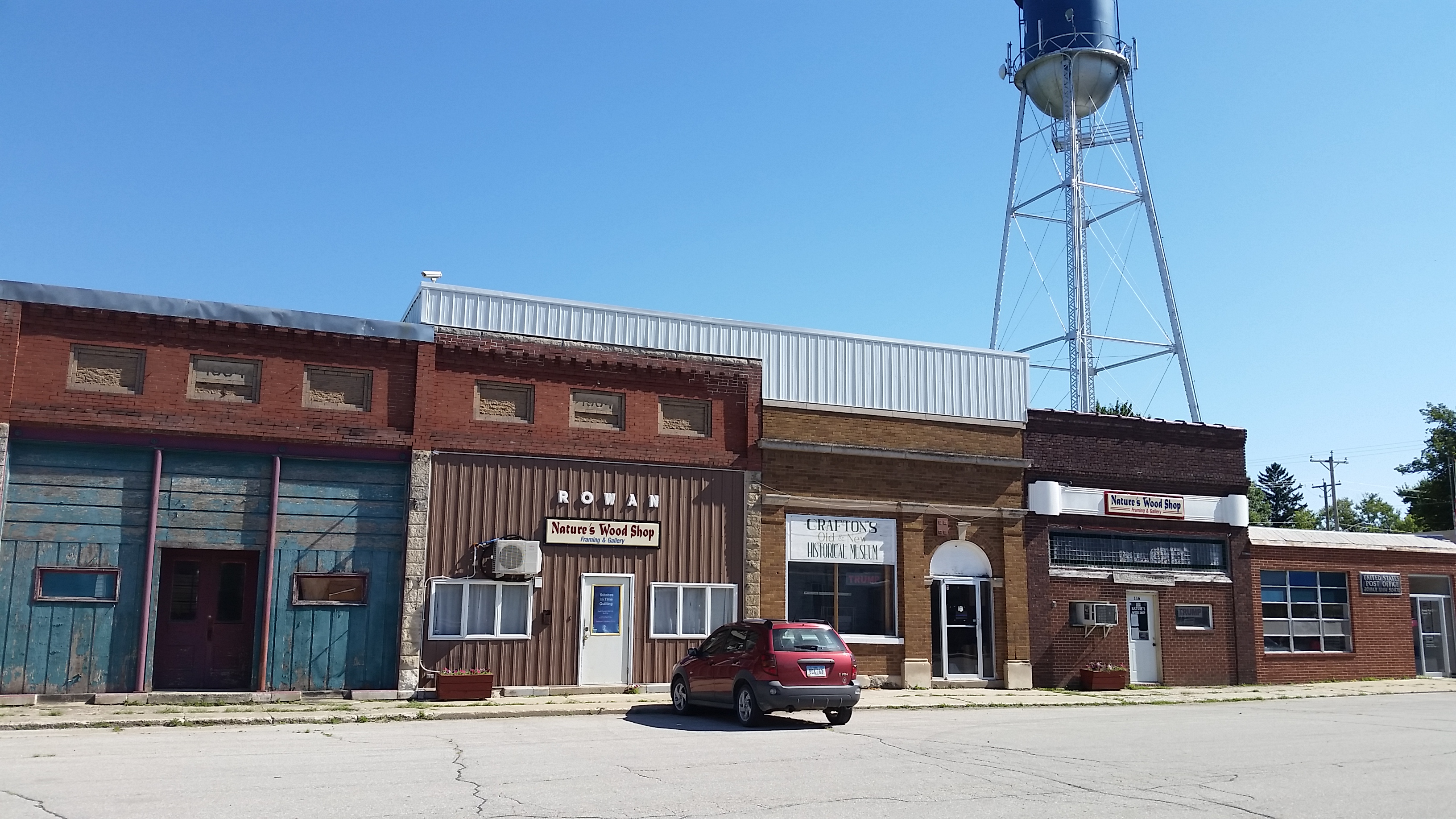
This drawing was done on the front porch in the house in Rowan. It would be years before mom framed it. It is another example of what I could do as a high school kid. In fact, I composed it from art-class sketches I did my senior year in school.
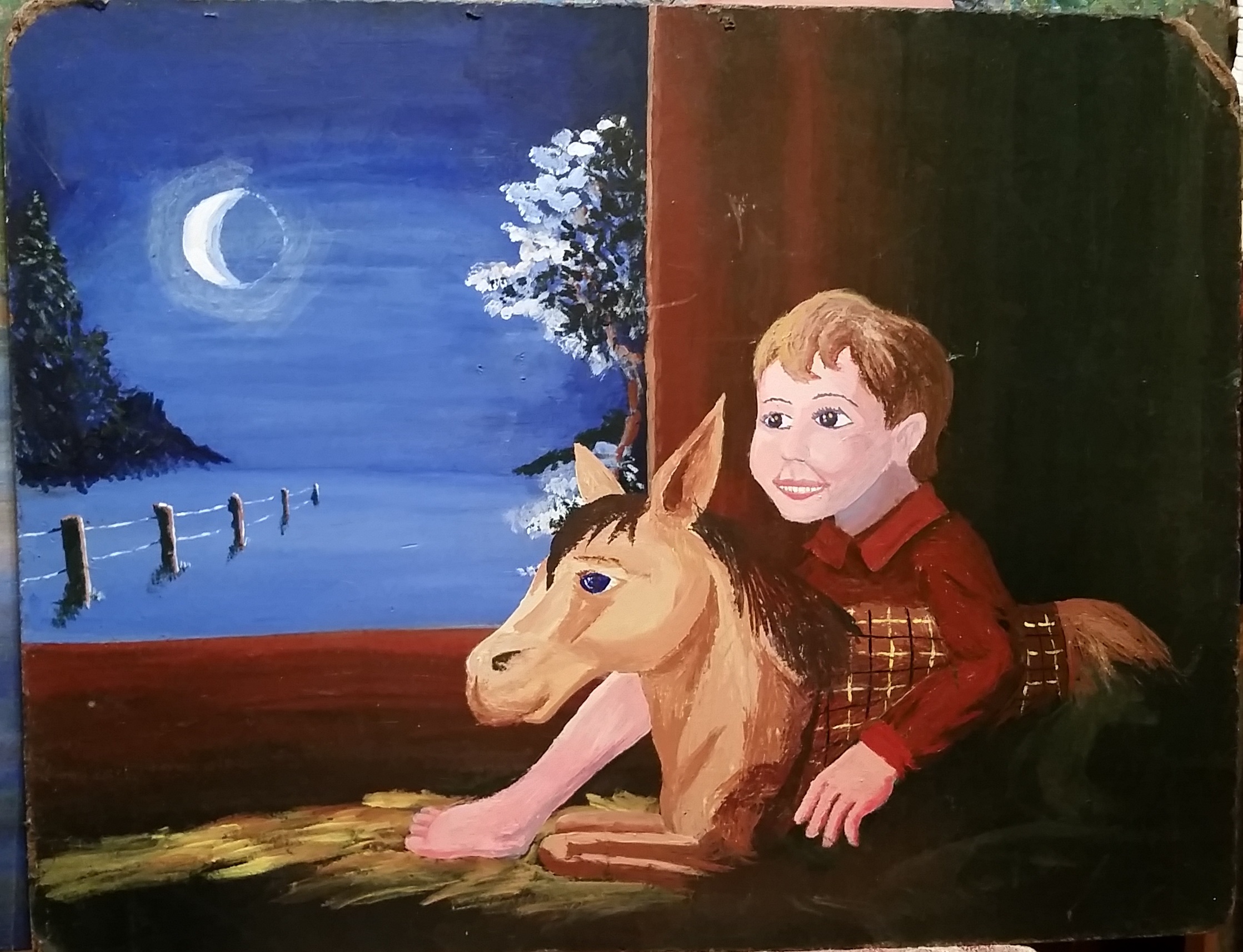
The Boy in the Barn was painted on the remains of an old chalkboard that my sisters, brother, and I had used in grade school.
Grandma Aldrich asked for this picture to hang over the sofa in the farmhouse living room. It stayed there for many years.
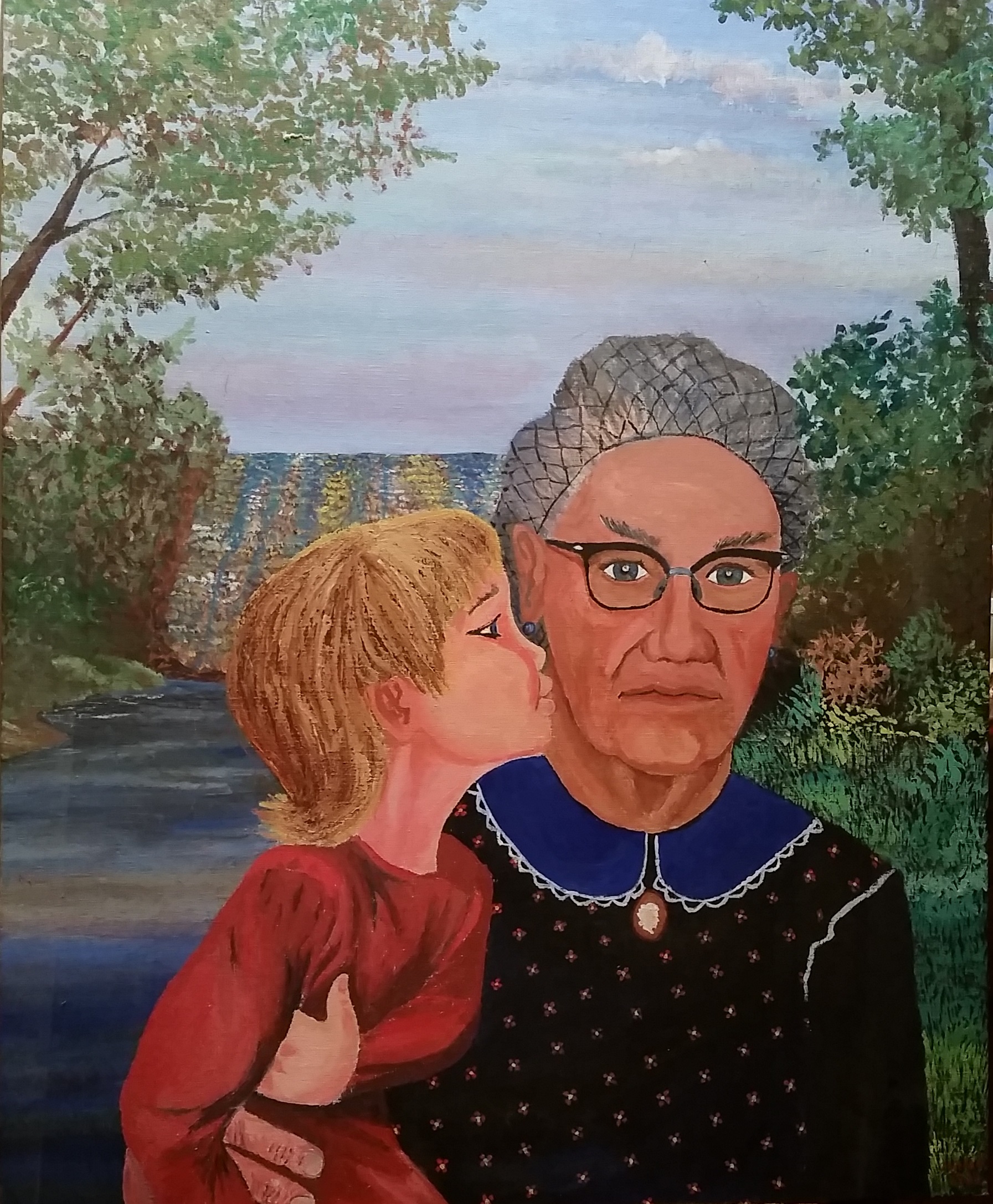
Great Grandma Hinckley passed away in 1980. I created this portrait from a combination of photos and memory. It was too good. It was never hung anywhere because it always made her daughter, my Grandma Aldrich, tear up.
This pencil drawing won a blue ribbon at the Wright County Fair in the late 70’s.
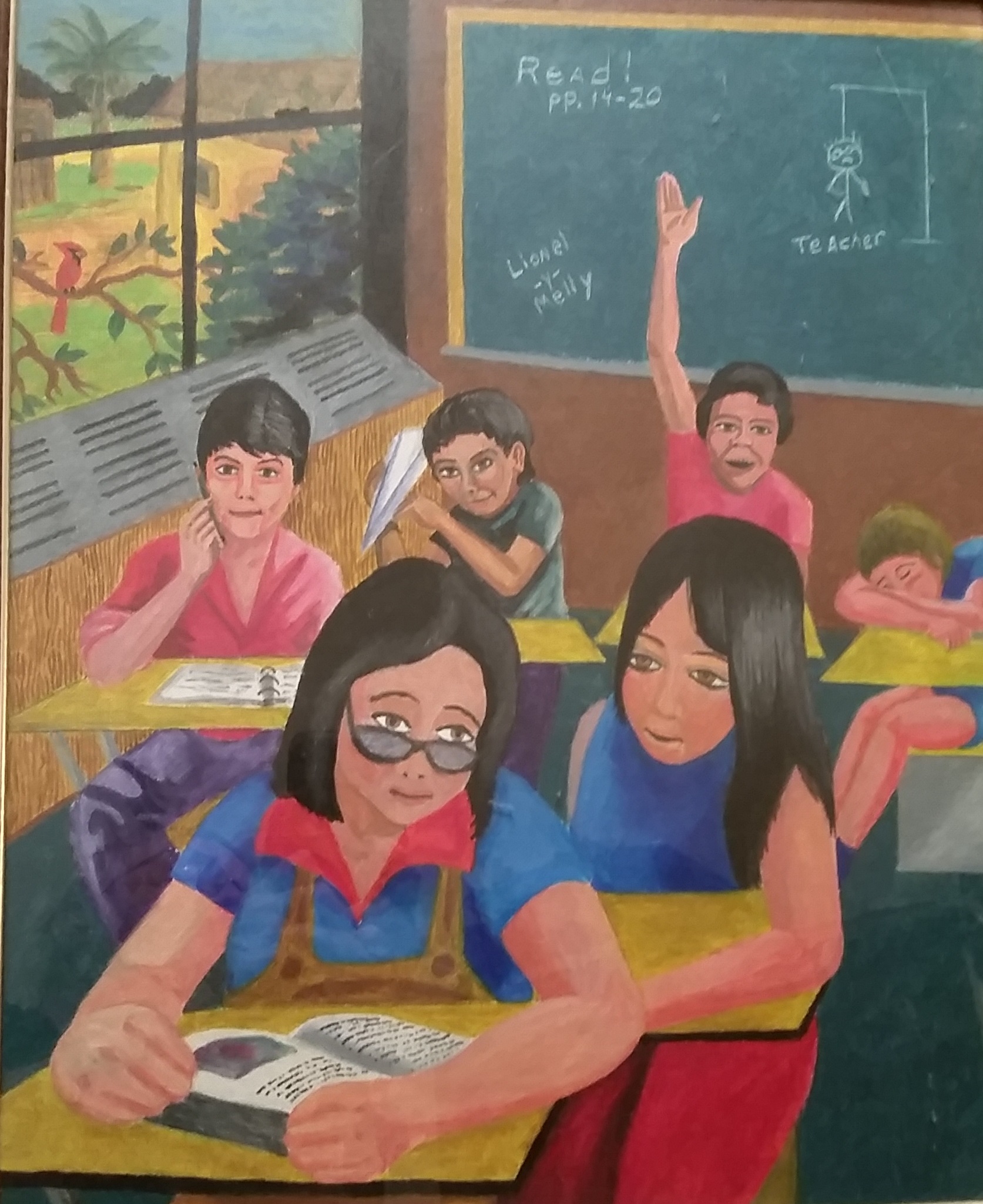
This picture is called First Years are Hard Years. It was painted in 1982 after my first year of teaching at the junior high school in Cotulla, Texas. I painted mostly the good kids. The girl on the lower right would later go on to become a teacher for our school district. I can’t claim to be the one who inspired her, but she did make straight A’s in my class.
This is called Beauty. It is done in oil crayon on canvas. I did it for my mother to hang in the hallway in the house in Taylor, Texas.
So, it turns out, I unearthed art treasures by searching for the one painting.
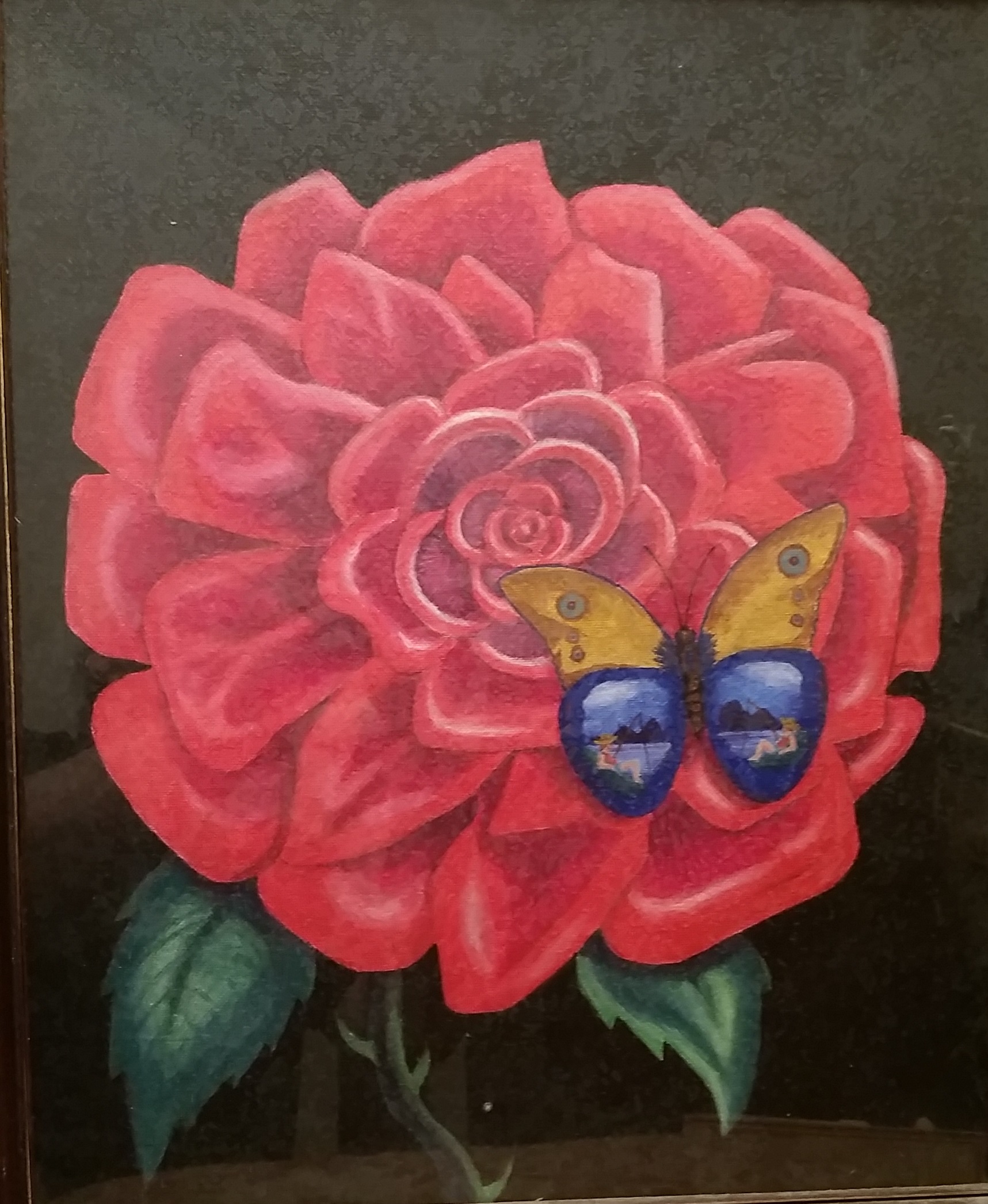
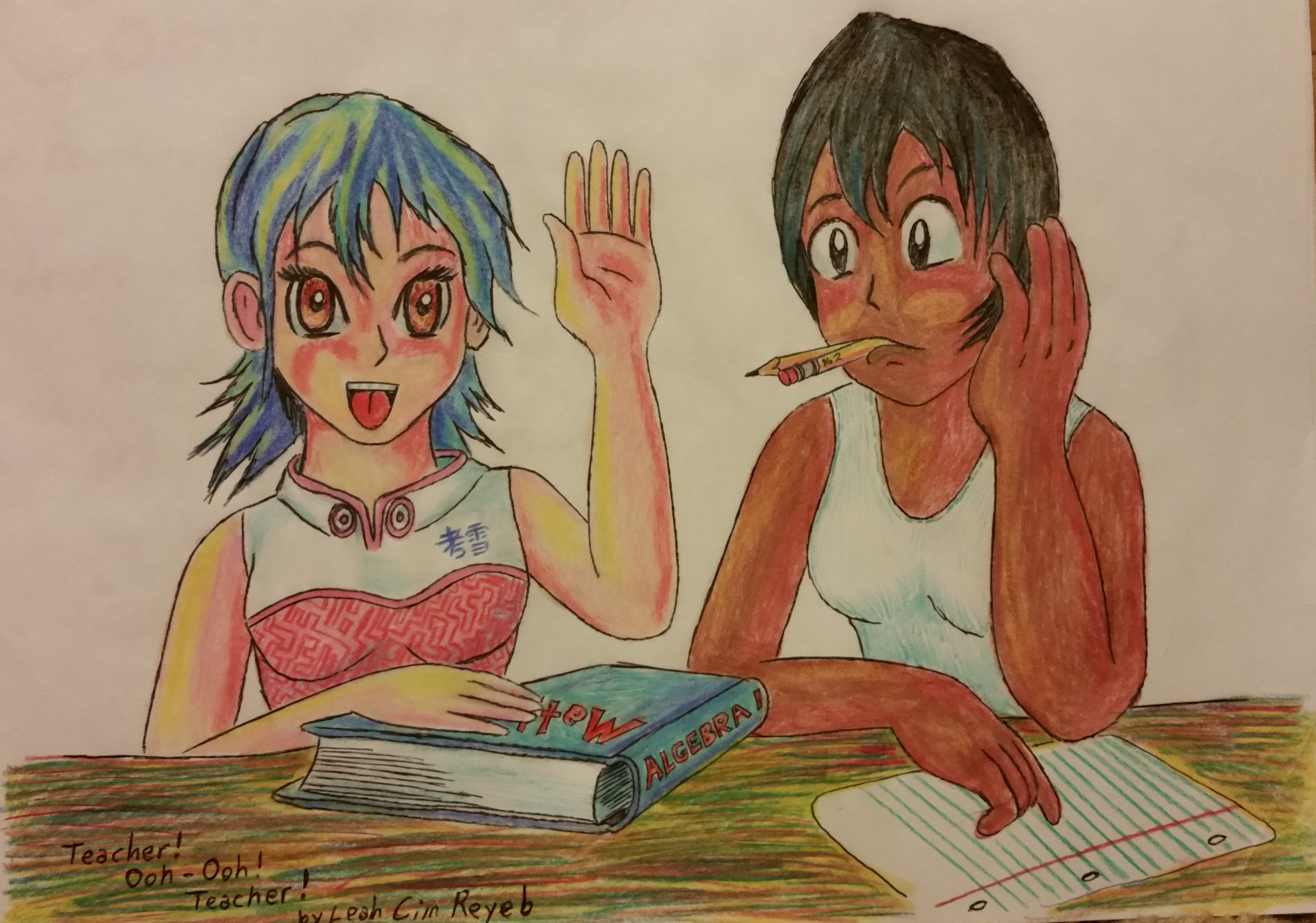
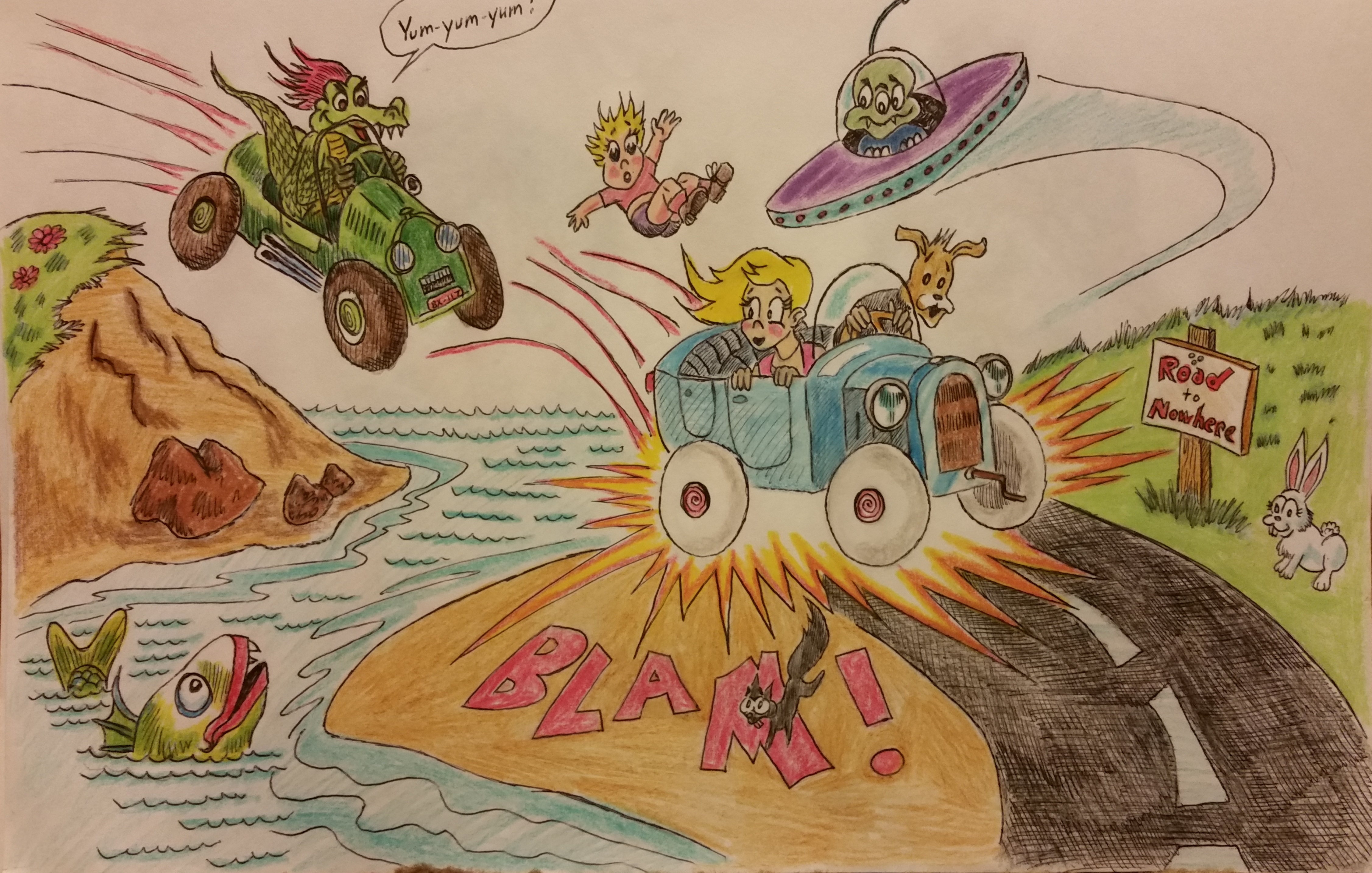
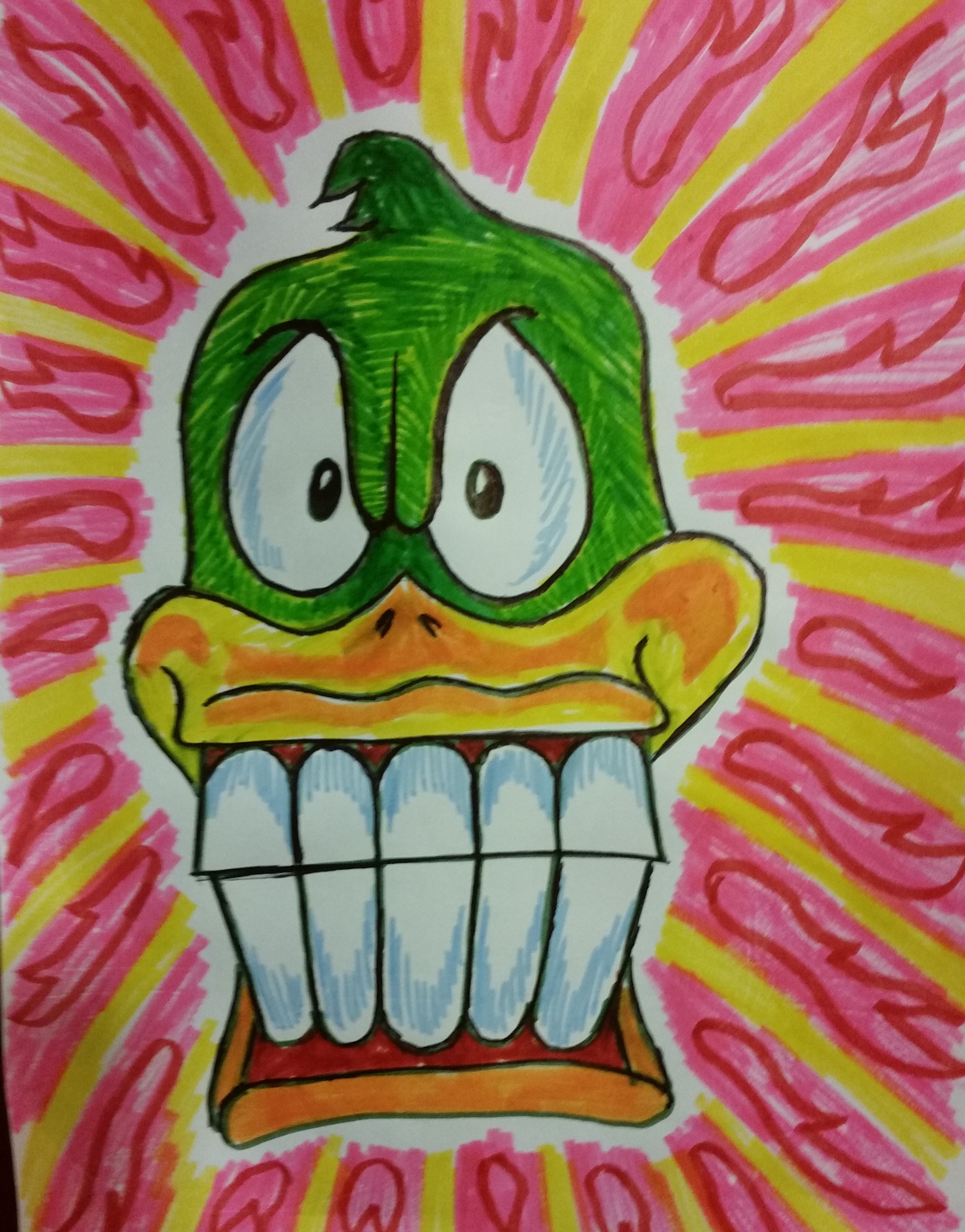
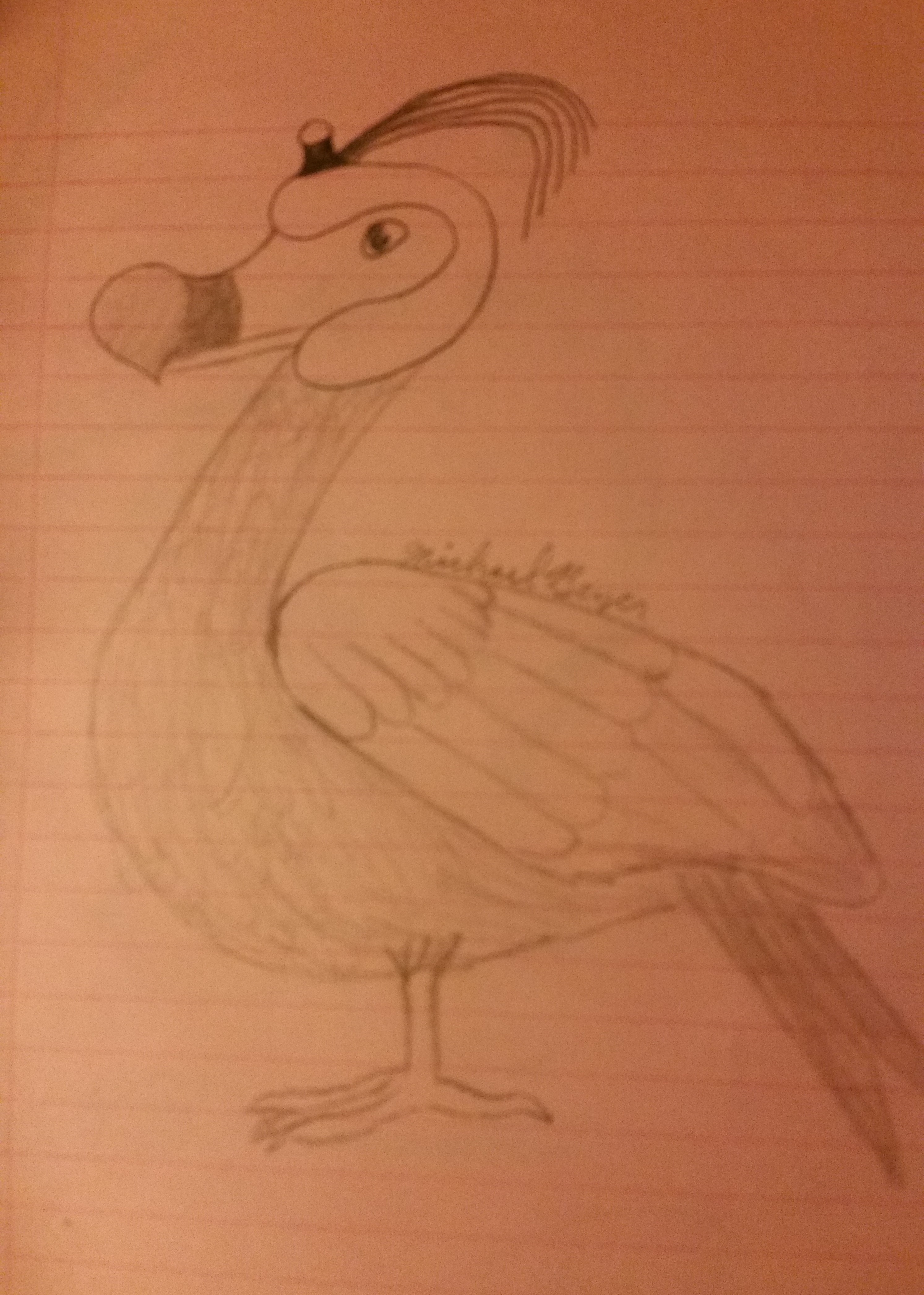
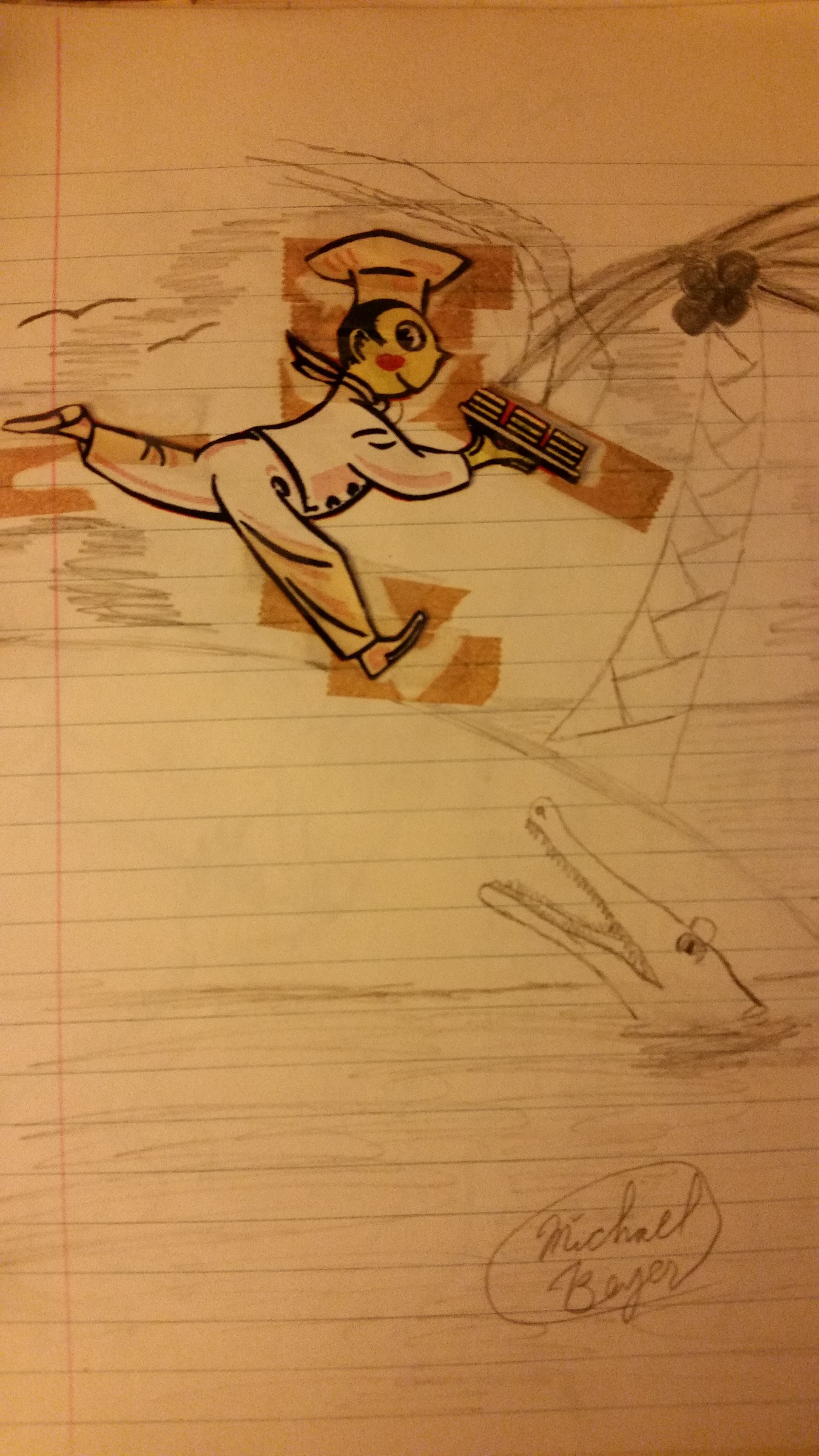
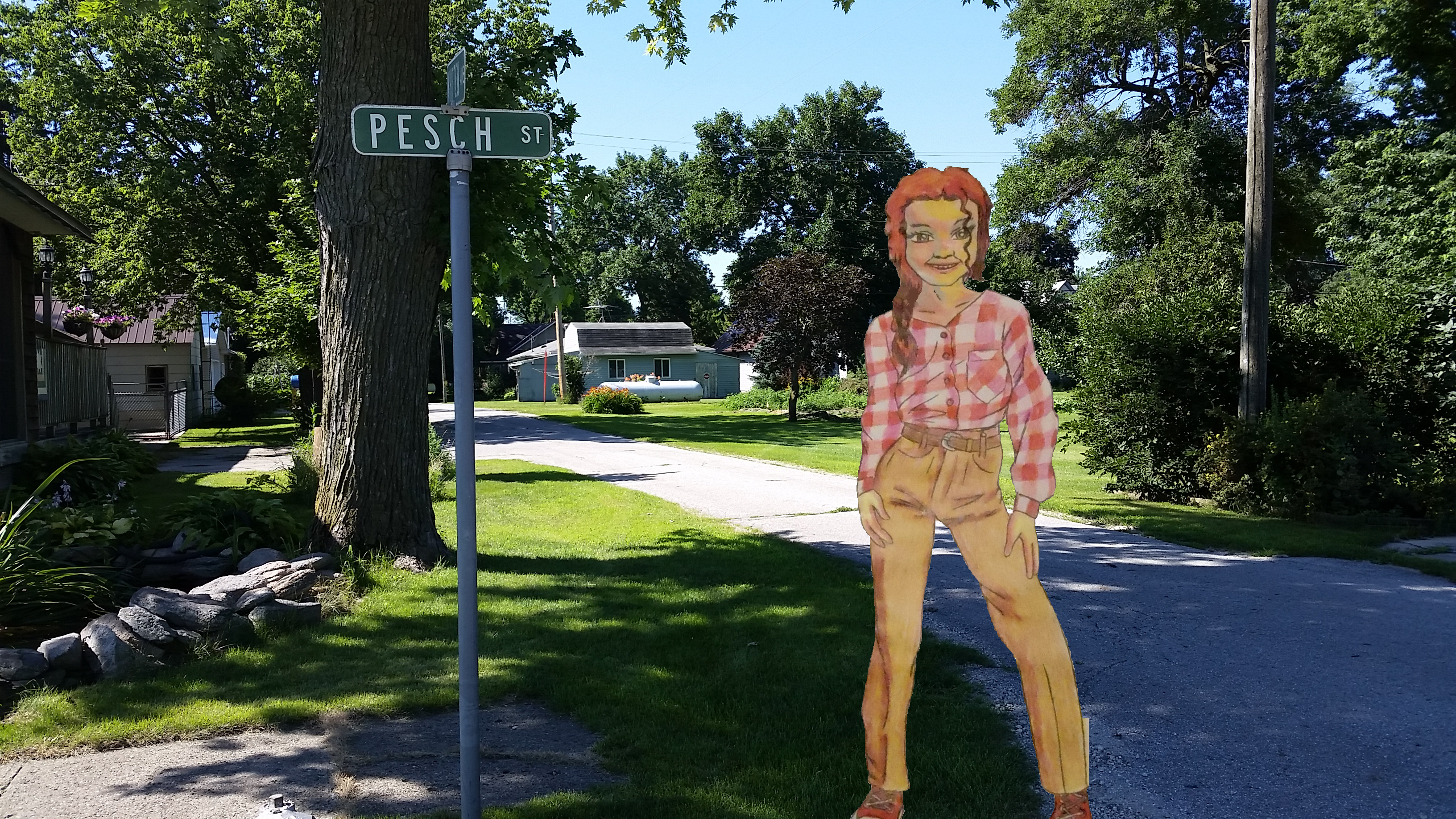
The word for it is Paffooney. I know that is not a real word. It is a Mickian word. Kinda like the word “Mickian”. It is entirely made up gibberish, made up by Mickey, and used to mean an artwork made by the hand of Mickey. So I can’t really explain it. I have to show you what it basically is.
This is a Paffooney. It is inspired by the incredibly unbelievable time in Mickey’s life when they let Mickey be a teacher in Texas. It has no other relationship to reality. Chinese girls in Texas generally do not have manga eyes and blue hair, and while Hispanic girls have been known to eat pencils, they never bring their own notebook paper to class. They always borrow. So there is the basic formula. Colored-pencil nonsense drawn by Mickey and attached somehow to a story.
This Paffooney has a self-explanatory story embedded in it. It is obvious this is the story of an average family car trip in Texas. Notice how they demonstrate the Texas State highway motto of, “Drive friendly”.
And this Paffooney is a Mickian recurring nightmare about a duck with teeth. Silly Mickey, ducks don’t have teeth in real life!
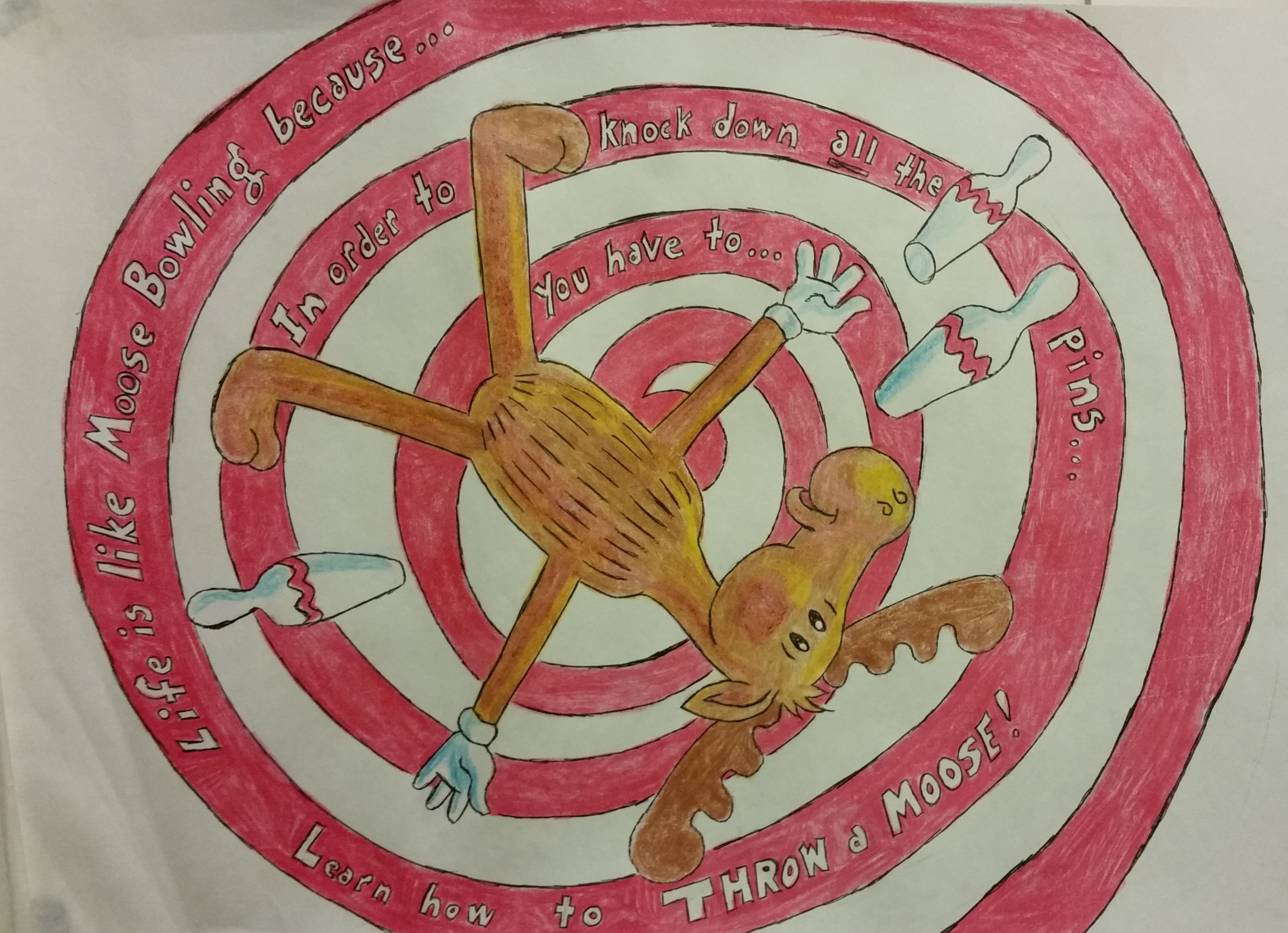
And moose bowling is a Paffooney that needs no explanation… or does it? Well, never mind. I have forgotten what it is for anyway.
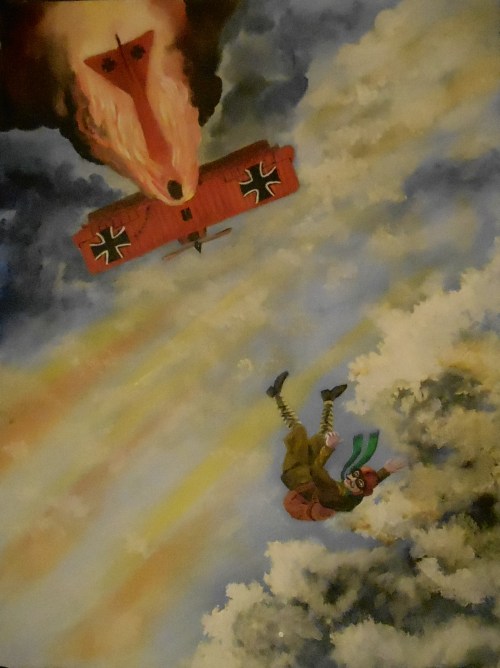
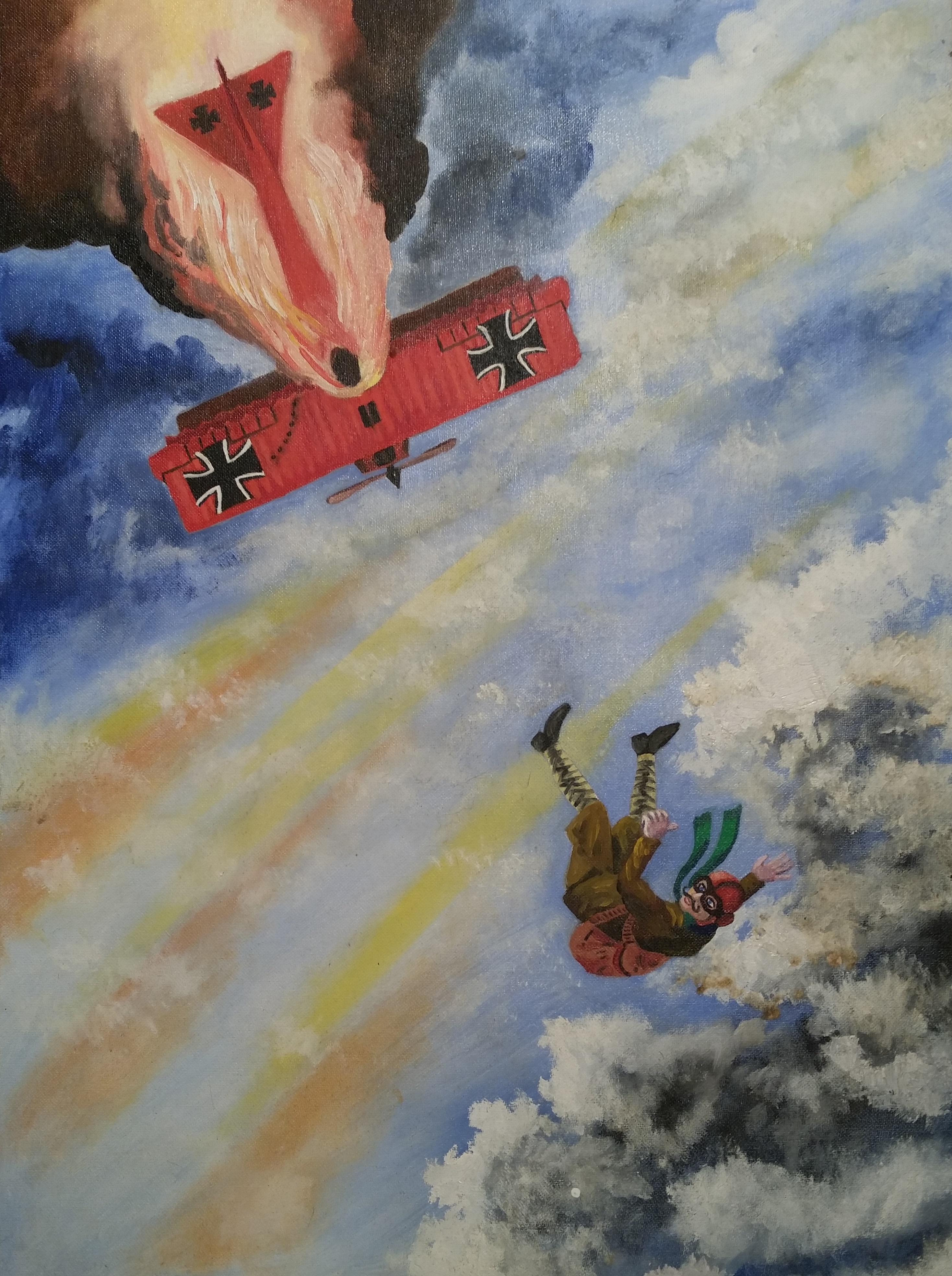
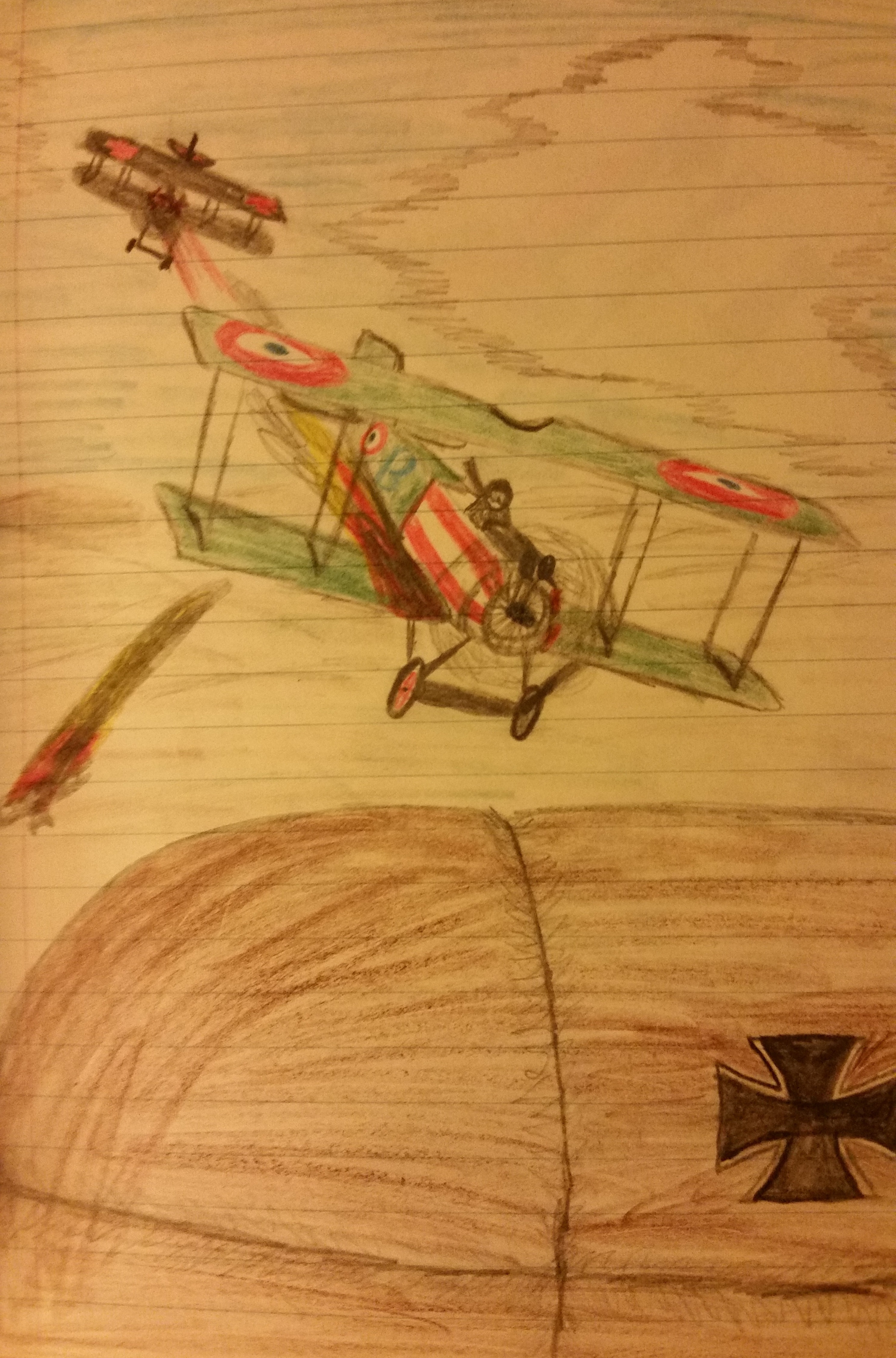
And this oil-painting Paffooney speaks volumes about a philosophy of life. See the pilot giving the viewer a thumbs up? And that isn’t a parachute on his back. They didn’t have parachutes in World War I. It is a message pouch with German war plans in it. I even painted it with a bratwurst sandwich inside for the pilot’s lunch. Don’t I do great detail work? But he will have to eat it quickly before he reaches the ground.
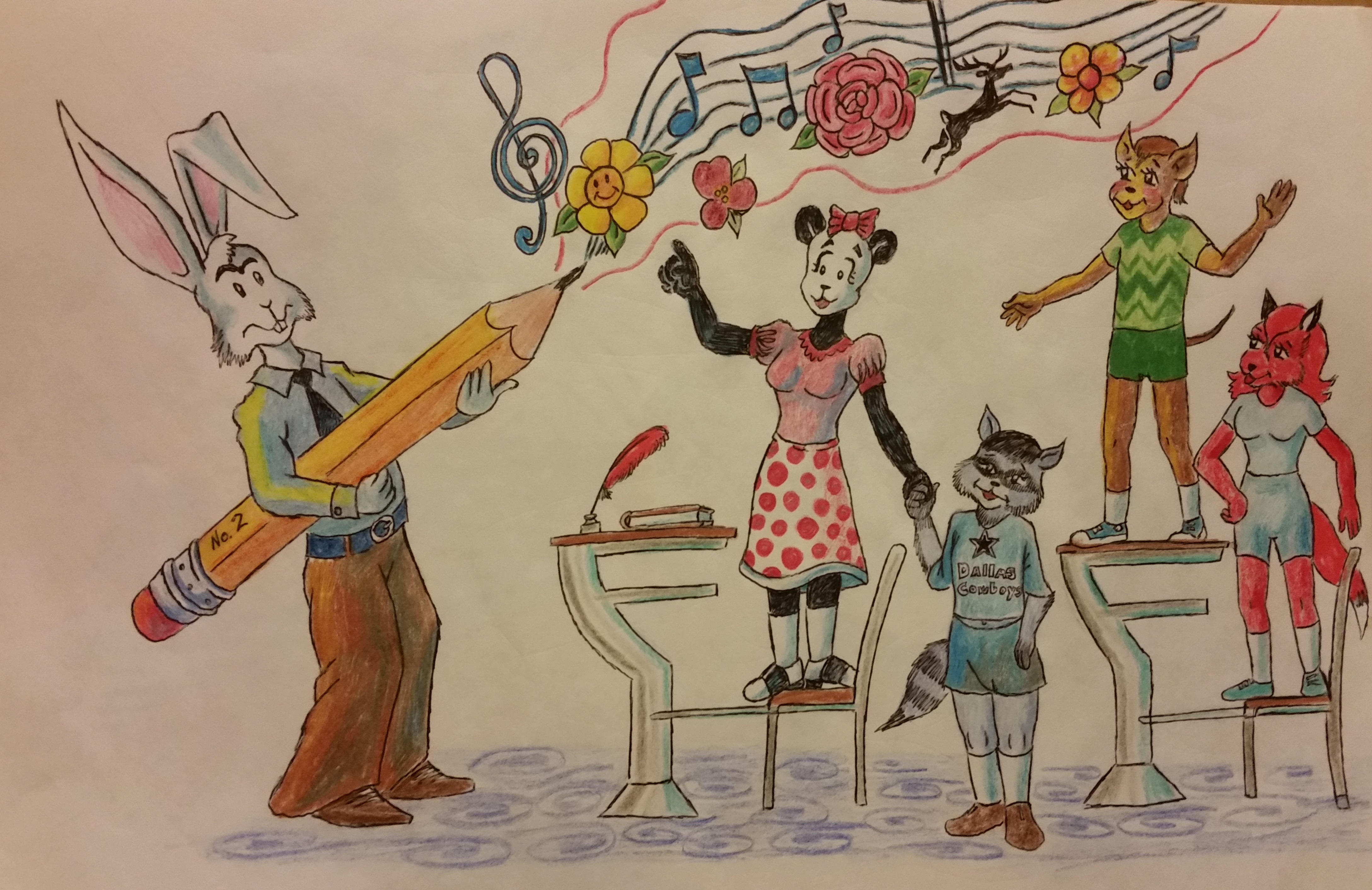
And this is me teaching an ESL class. When you teach English to non-English speakers in Texas, you get to hold the big pencil. And it helps to be a big white rabbit.
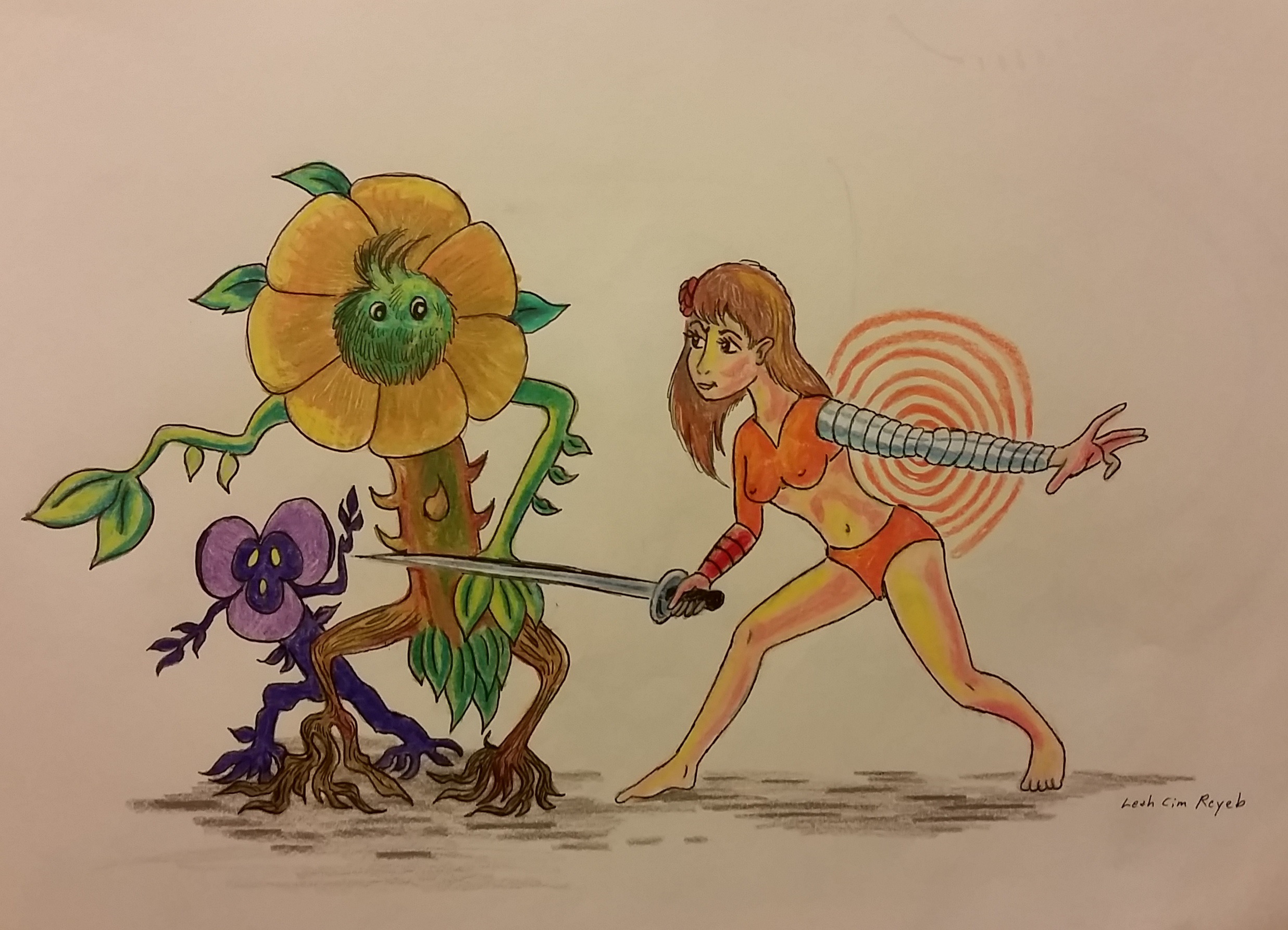
And this is a science fiction Paffooney, although the science is questionable. Don’t doubt that the flower-people of the planet Cornucopia are real, though. And Mai Ling, the psionic space ninja really can elongate her arm to get maximum thrust into her left-handed karate chops.
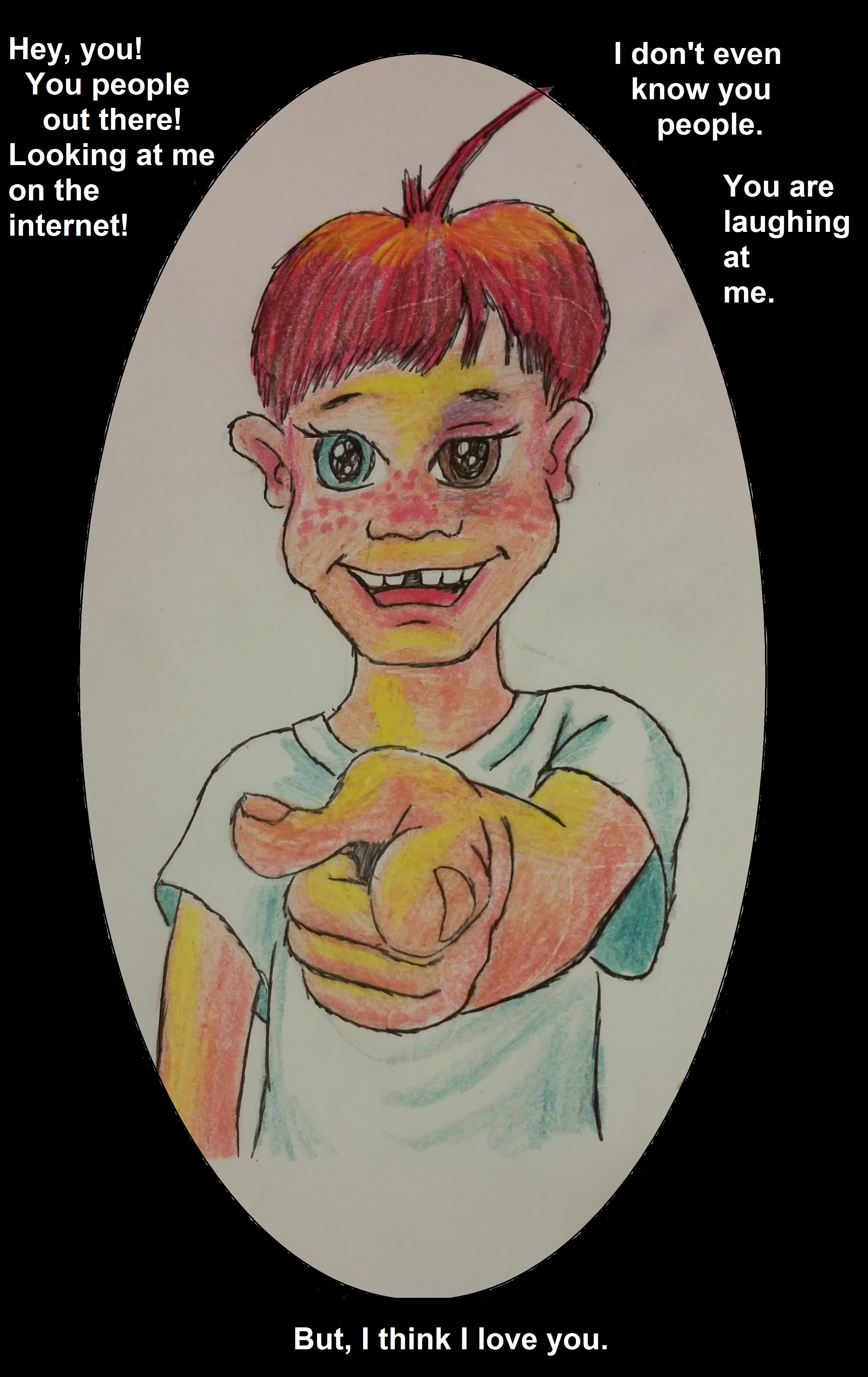
And we end for today with the Paffooney of a stupid boy. He’s not really me. Not really. And I don’t even know who gave him the black eye. So it can’t be me. So maybe he is not so stupid. You can’t say that about somebody you don’t know and is not even you.
So, now do you know what a Paffooney is? No? Me neither. But if you Google images with the words “Beyer Paffooney” you can see a lot more of them. Nobody else uses that word but little ol’ me.
There comes a time when a mind turns inward and begins to learn that self is as complicated and in need of exploration as any African jungle or surface of a distant planet.
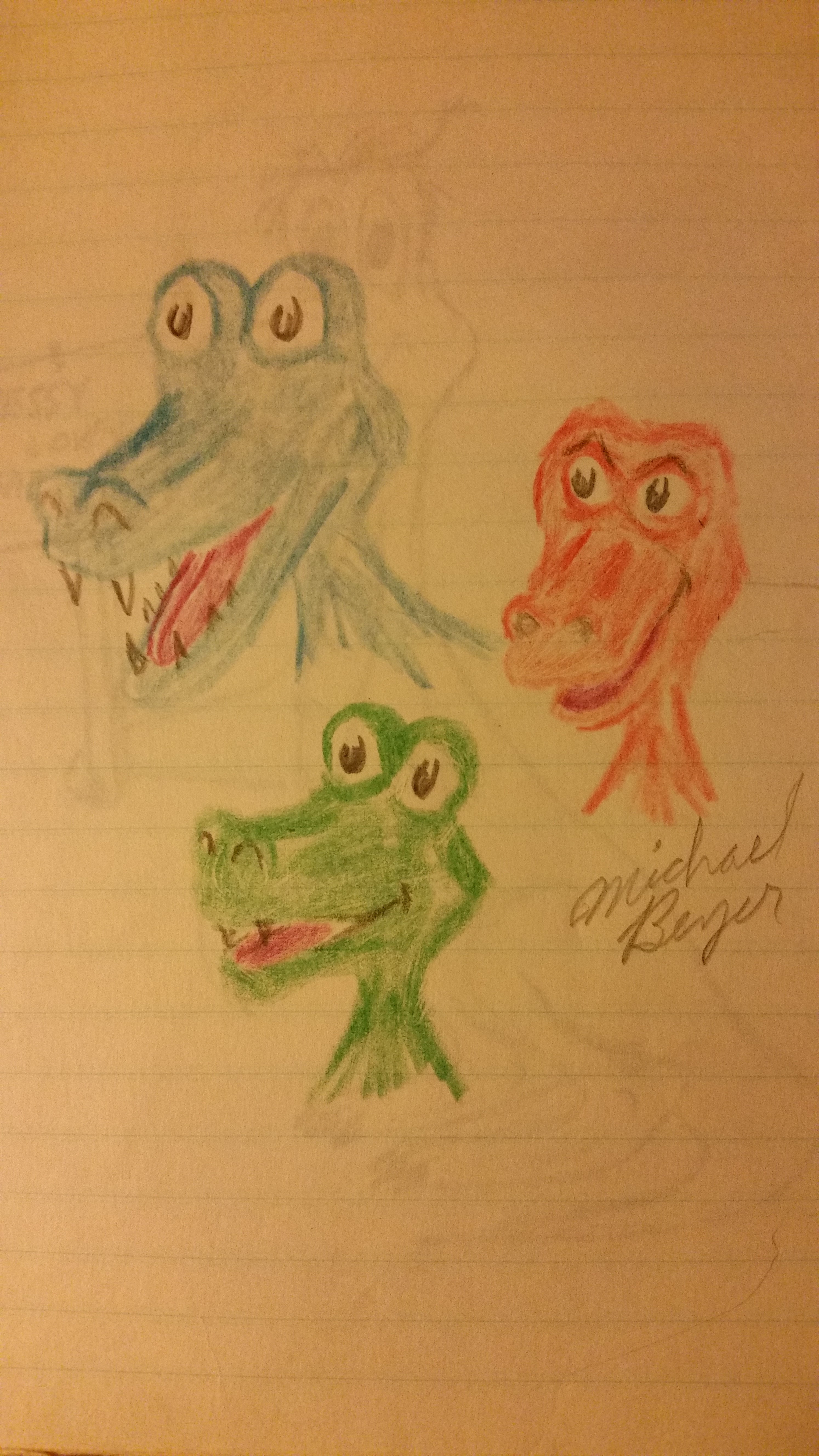
The Paffoonies today all come from my sixth grade school notebook. When that school year ended I owned one book of my own, Rudyard Kipling’s First Jungle Book, the paperback version. I kept my colored pencil drawings in my school notebook, and I kept the notebook in my bedroom to continue to fill it with drawings on notebook paper.
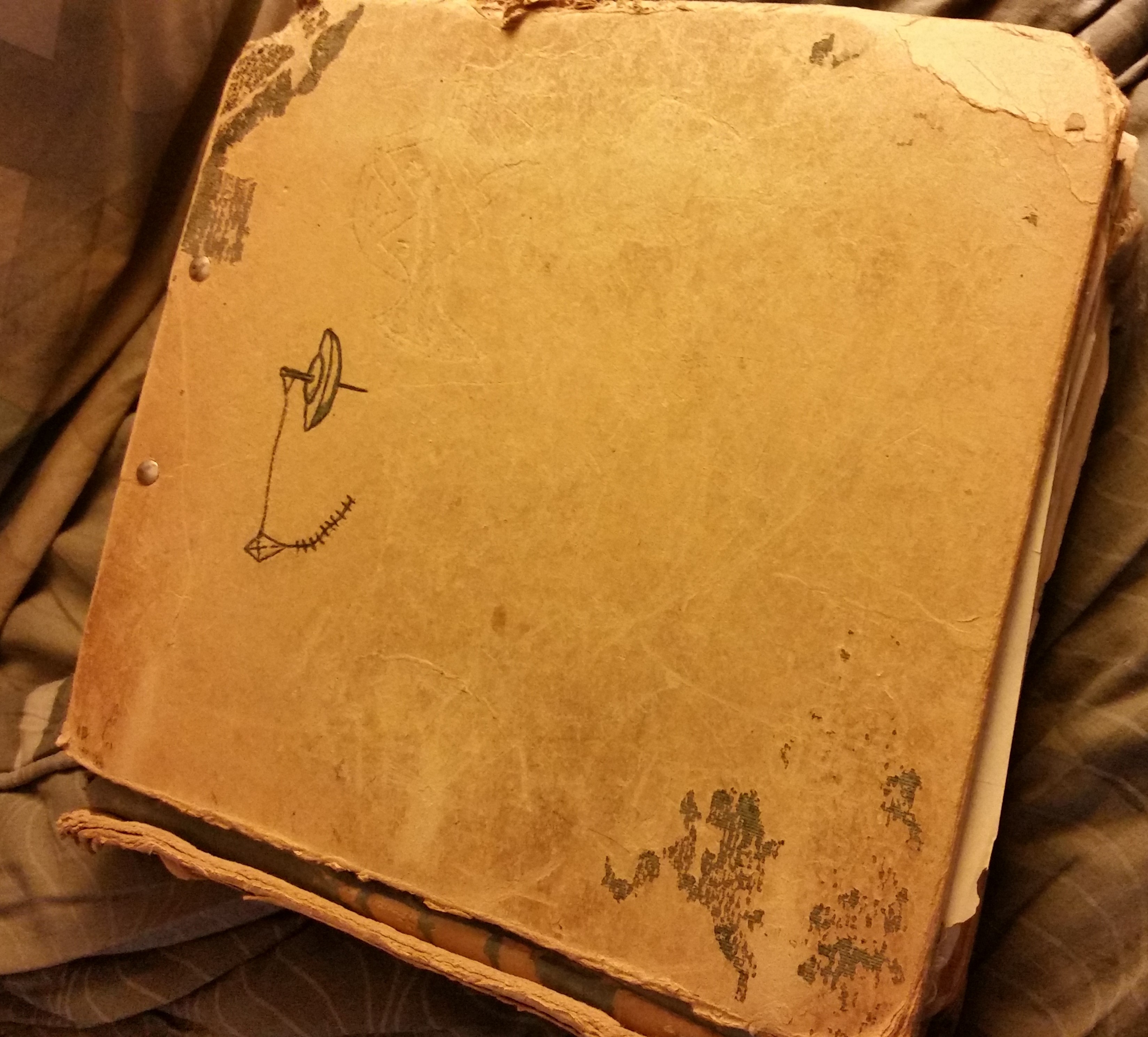
As you can see, the notebook is age-worn and falling apart, but I still have it. It still contains my twelve-year-old artistic visions, the beginnings of who I am as a thinking, drawing, story-telling human being.
At one point I even had a package of pink notebook paper.
So I admit it. I was a dorky, weird child. And I drew a lot of weird pictures at twelve. Now you have some of the evidence.
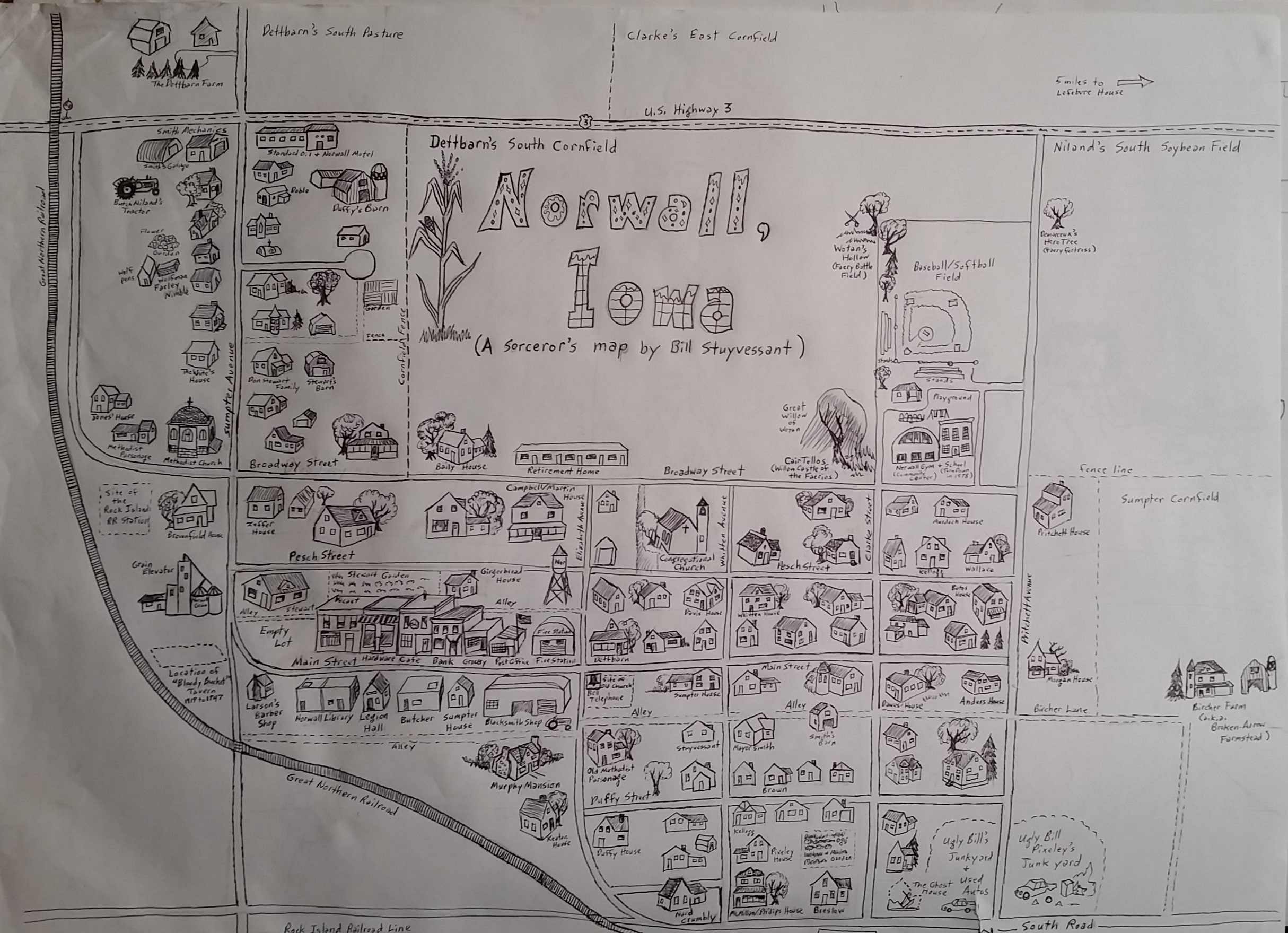
I grew up in a small rural town in North Central Iowa. It was a place that was, according to census, home to 275 people. That apparently counted the squirrels. (And I should say, the squirrels were definitely squirrelly. They not only ate nuts, they became a nut.) It was a good place to grow up in the 60’s and 70’s. But in many ways, it was a boring place.
Yes, there were beautiful farmer’s daughters to lust after and pine for and be humiliated by. There was a gentle, supportive country culture where Roy Rogers was a hero and some of the best music came on Saturdays on Hee Haw where there was a lot of pickin’ and grinnin’ going on. There were high school football games on Friday nights, good movies at the movie theaters in Belmond and Clarion, and occasional hay rides for the 4-H Club and various school-related events like Homecoming.
I lived in a world where I was related to half the people in the county, and I knew at least half of the other half. People told stories about other people, some of them incredibly mean-spirited, some of them mildly mean, and some of them, though not many, that were actually good and actually true. I learned about telling good stories from my Grandpa Aldrich who could tell a fascinating tale of Dolly who owned the part of town called locally “Dollyville” and included the run-down vacant structure the kids all called the Ghost House. He also told about Dolly’s husband, Shorty the dwarf, who was such a mean drunk and went on epic temper tirades that often ended only when Dolly hospitalized him with a box on the ear. (Rumor had it that there were bricks in the box.)
And I realized that through story-telling, the world became whatever you said that it was. I could change the parts of life I didn’t love so much by lying… er, rather, by telling a good story about them. And if people heard and liked the stories enough, they began to believe and see life more the way I saw it myself. A good story could alter reality and make life better. I used this power constantly as a child.
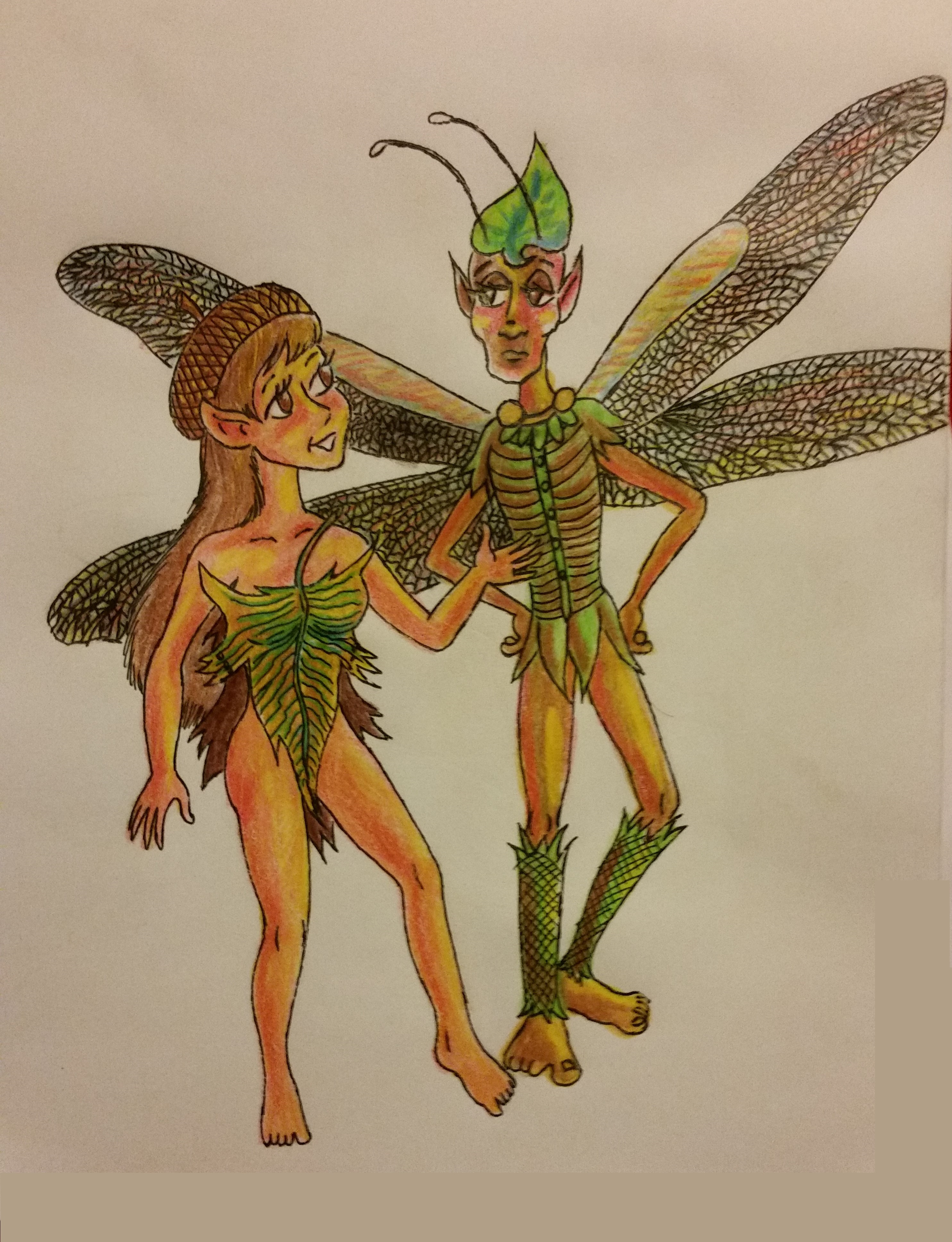
There were invisible aliens invading Iowa constantly when I was a boy. Dragons lived in the woods at Bingham Park, and there were tiny little fairy people everywhere, in the back yard under the bushes, in the attic of the house, and building cities in the branches of neglected willow trees.
I reached out to the world around me as an artist, a cartoonist, and a story-teller and plucked details and colors and wild imaginings like apples to bake the apple pie that would much later in my life feed the novels and colored-pencil pictures that would make up my inner life. The novels I have written and the drawings I have made have all come from being a small town boy who dreamed big and lived more in stories than in the humdrum everyday world.
Some of the drawings and paintings I do, I do because they make me happy. I know it’s more noble if I do it to make you, the viewer, happy. But part of making art is that you are making it for your own needs. Art is therapy. Often, art is love. This picture of Shannon (not her real name) makes me happy. She was a student I loved, (only in the legal, Platonic sense.)
This one makes me happy. I drew it on a day I needed to laugh. And I laugh a little even now when I look at it.
This one is also a smirkable smirk-maker.
I drew this on a day when I was lonely.
This one tickles me on many levels.
These Telleron, temporary Martians helped me start my publishing career with the publication of Catch a Falling Star.
…
…
…
And pretty girls can make me happy too.
Especially naked ones.
And I mean drawing them, not what was in your evil mind.
After years of being stored away, I discovered that my mother had hidden a hoard of my old artworks in the upstairs closet in Grandma Aldrich’s house (now my parents’ house).
This oil painting was done on an old saw blade at the request of my Grandpa Aldrich. He wanted a farm painting on it, like the one he’d seen in a restaurant during a fishing trip in Minnesota. I chose as the subject Sally the pig. Sally was a hairlip piglet that had to be bottle fed and raised in a box by the stove until later in life she became a favorite pet. Believe it or not, pigs are smarter than the family dog. She became a pig you could ride. And Grandma had taken a precious old photo of my mother and Uncle Larry riding the pig. I used that photo to make this painting. It was also the painting I wanted to find on this trip to Iowa. Searching for it led to finding all the others.
These two are among the earliest paintings I did. They were both done on canvases that I stretched over the frame myself in high school art class. The purple one is a scene from Shakespeare’s Midsummer Night’s Dream. The blue one doesn’t have a title, but you can see what it is. It is an ancient shibboleth water monster lurking under a dock, fishing for young boys to eat.
This drawing was done on the front porch in the house in Rowan. It would be years before mom framed it. It is another example of what I could do as a high school kid. In fact, I composed it from art-class sketches I did my senior year in school.
The Boy in the Barn was painted on the remains of an old chalkboard that my sisters, brother, and I had used in grade school.
Grandma Aldrich asked for this picture to hang over the sofa in the farmhouse living room. It stayed there for many years.
Great Grandma Hinckley passed away in 1980. I created this portrait from a combination of photos and memory. It was too good. It was never hung anywhere because it always made her daughter, my Grandma Aldrich, tear up.
This pencil drawing won a blue ribbon at the Wright County Fair in the late 70’s.
This picture is called First Years are Hard Years. It was painted in 1982 after my first year of teaching at the junior high school in Cotulla, Texas. I painted mostly the good kids. The girl on the lower right would later go on to become a teacher for our school district. I can’t claim to be the one who inspired her, but she did make straight A’s in my class.
This is called Beauty. It is done in oil crayon on canvas. I did it for my mother to hang in the hallway in the house in Taylor, Texas.
So, it turns out, I unearthed art treasures by searching for the one painting.






Made-Up People
I often get criticized for talking to people who are basically invisible, probably imaginary, and definitely not real people, no matter what else they may be.
The unfinished cover picture is from the novel The Bicycle-Wheel Genius which I just finished the final rewrite and edit for. All of the characters in that book are fictional. Even though some of them strongly resemble the real people who inspired me to create them, they are fictional people doing fictional and sometimes impossible things. And yet, they are all people who I have lived with as walking, talking, fictional people for many years. Most of those people have been talking to me since the 1970’s. I know some of them far better than any of the real people who are a part of my life.
This slideshow requires JavaScript.
These, of course, are only a few of my imaginary friends. Some I spend time with a lot. Some I haven’t seen or heard from in quite a while. And I do know they are not real people. Mandy is a cartoon panda bear, and Anneliese is a living gingerbread cookie. I do understand I made these people up in my stupid little head.
But it seems to me that the people in the world around us are really no less imaginary, ephemeral, and unreal. Look at the current Presidentumb of the Disunited States. He is an evil cartoon James Bond villain if there ever was one.
Animated cast of OUR CARTOON PRESIDENT. Photo: Courtesy of SHOWTIME
People in the real world create an imaginary person in their own stupid little heads, and pretend real hard that that imaginary person is really them in real life. And of course, nobody sees anybody else in the same way that they see themselves. Everybody thinks they are a somebody who is different from anybody else who thinks they are a somebody too, and really they are telling themselves, and each other, lies about who somebody really is, and it is all very confusing, and if you can follow this sentence, you must be a far better reader than I am a writer, because none of it really makes sense to me. I think everybody is imaginary in some sense of the word.
So, if you happen to see me talking to a big white rabbit-man who used to be a pet white rabbit, but got changed into a rabbit-man through futuristic genetic science and metal carrots, don’t panic and call the police. I am just talking to another fictional character from a book I just finished writing. And why are you looking inside my head, anyway? There’s an awful lot of personal stuff going on in there. Of course, you only see that because I wrote about it in this essay. So it is not an invasion of privacy. It is just me writing down stuff I probably should keep in my own stupid little head. My bad.
Leave a comment
Filed under characters, colored pencil, commentary, goofy thoughts, humor, novel plans, NOVEL WRITING, Paffooney, rabbit people, strange and wonderful ideas about life
Tagged as books, characters, fiction, imagination, the Bicycle-Wheel Genius, writing