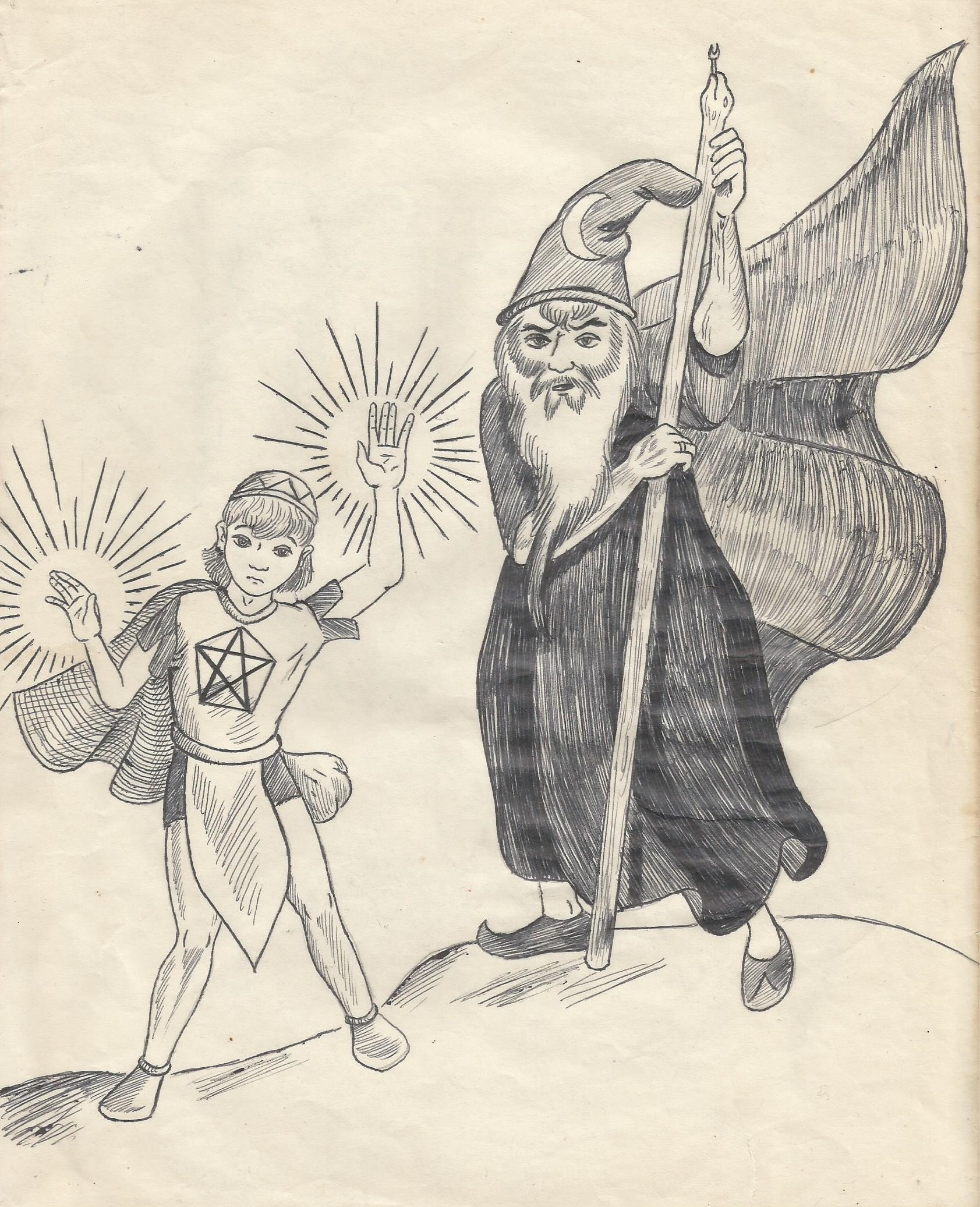
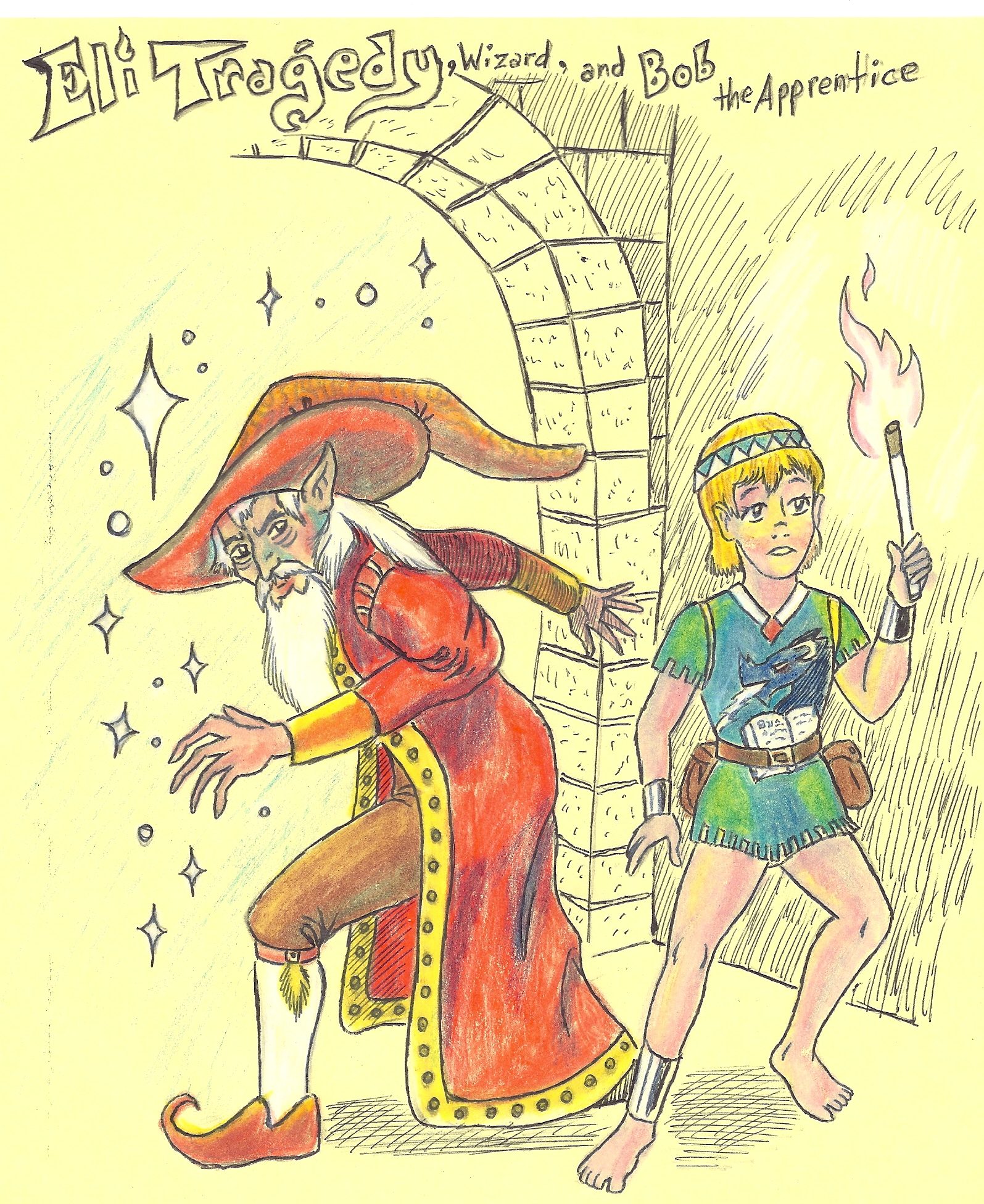
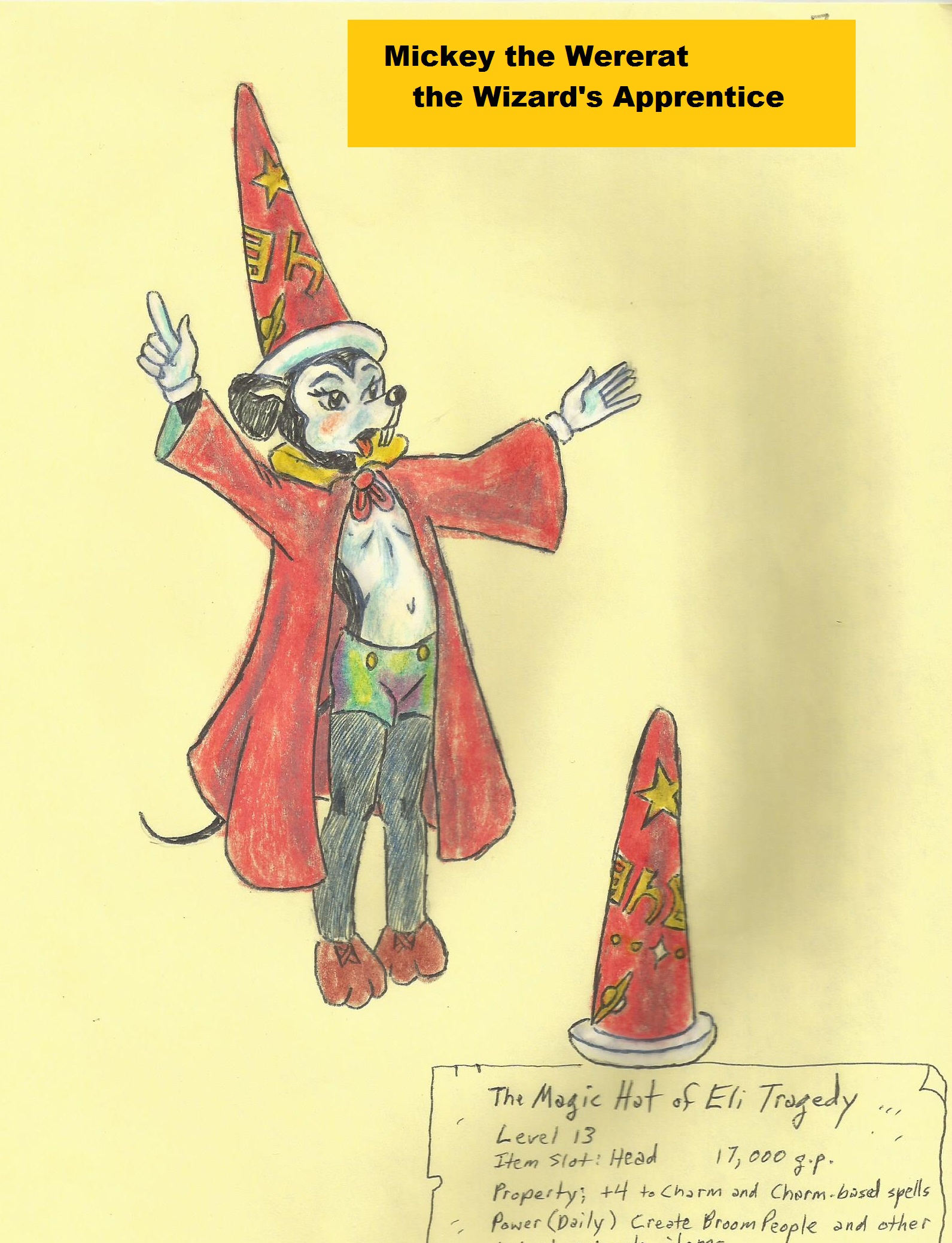
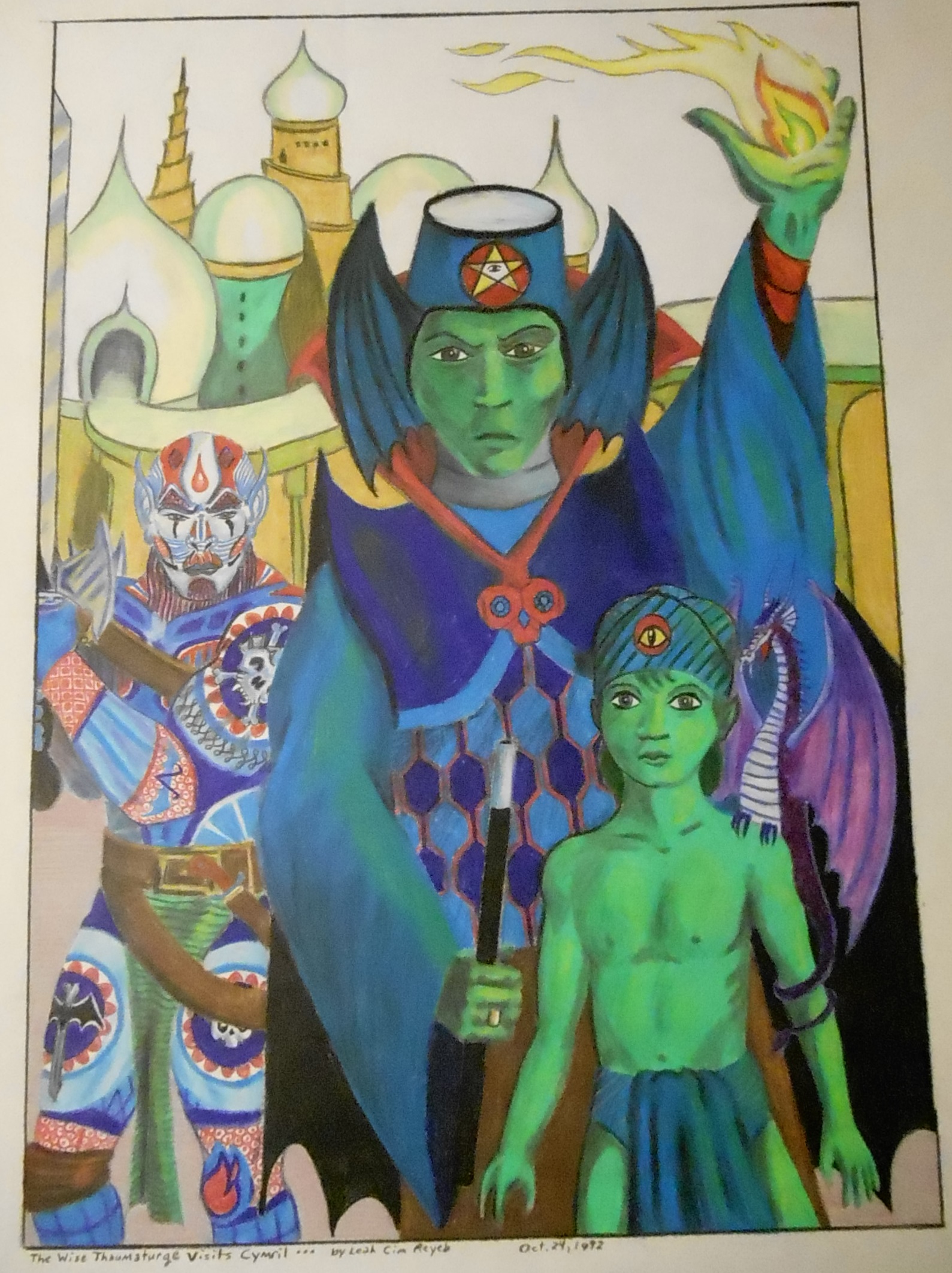
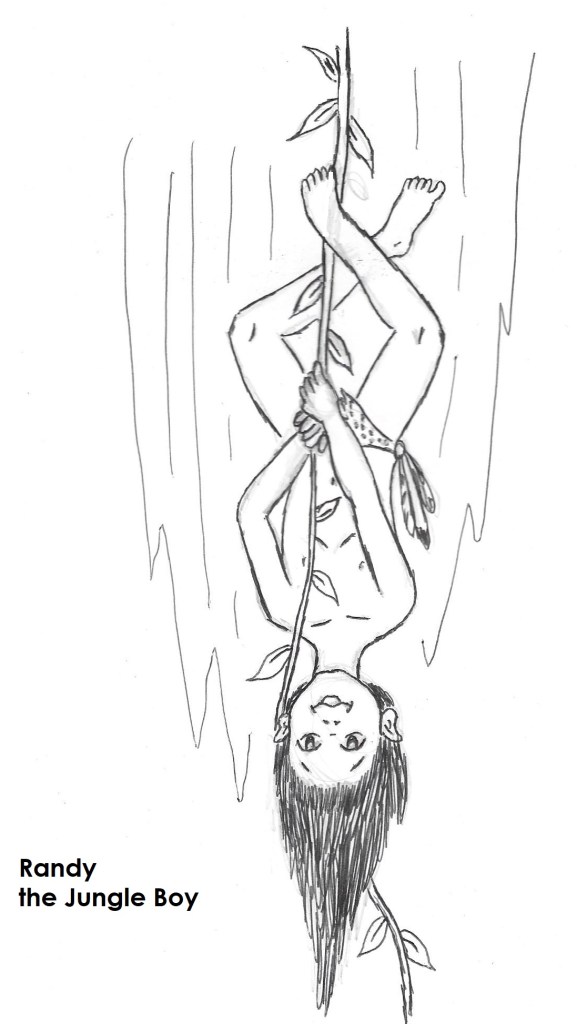
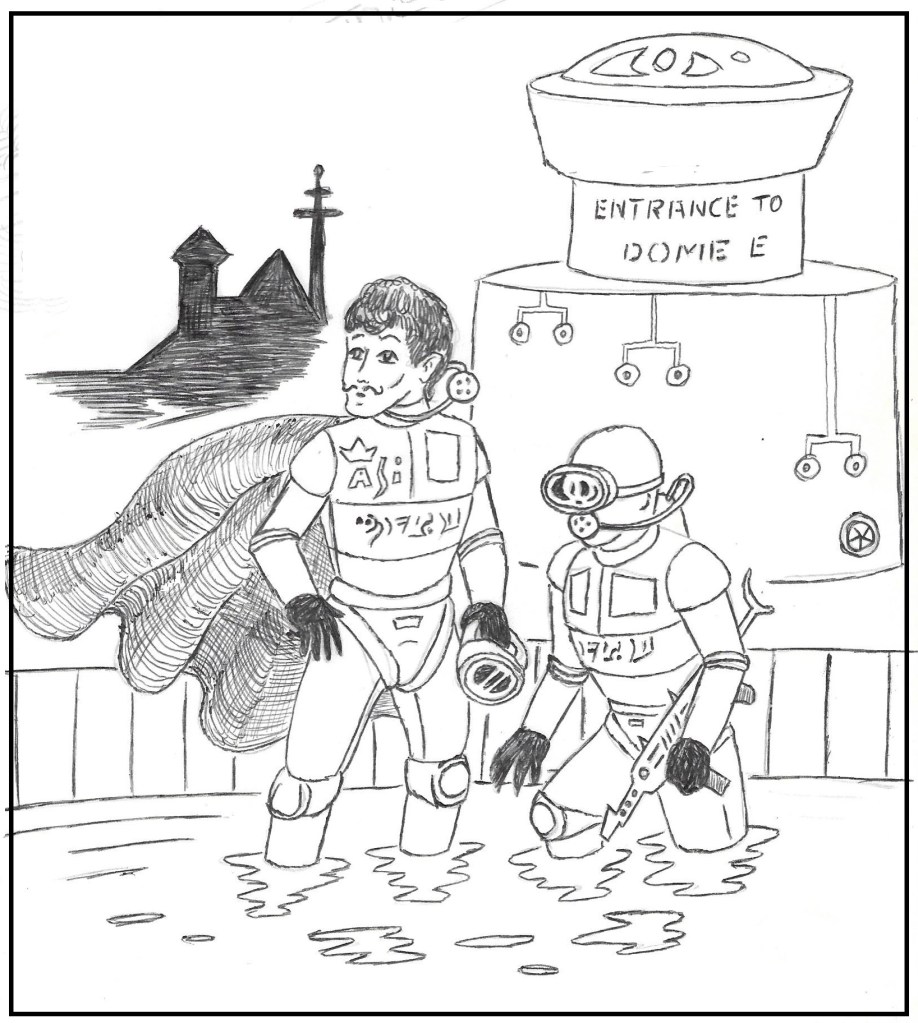
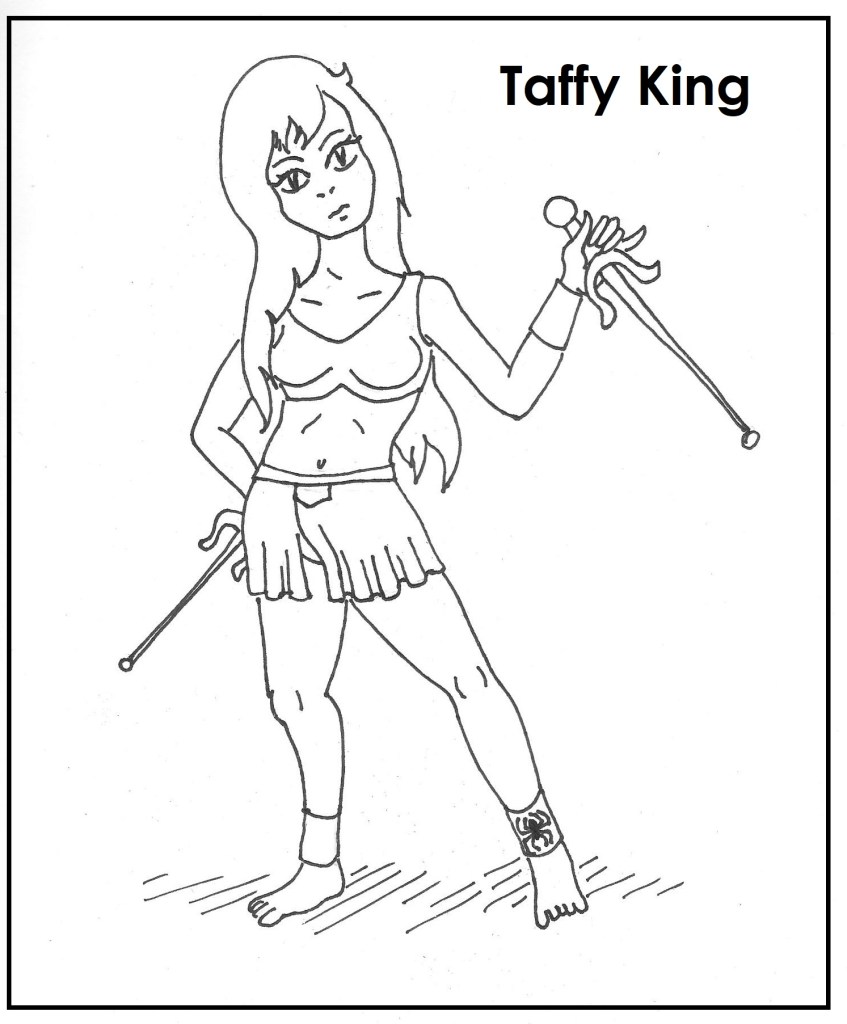
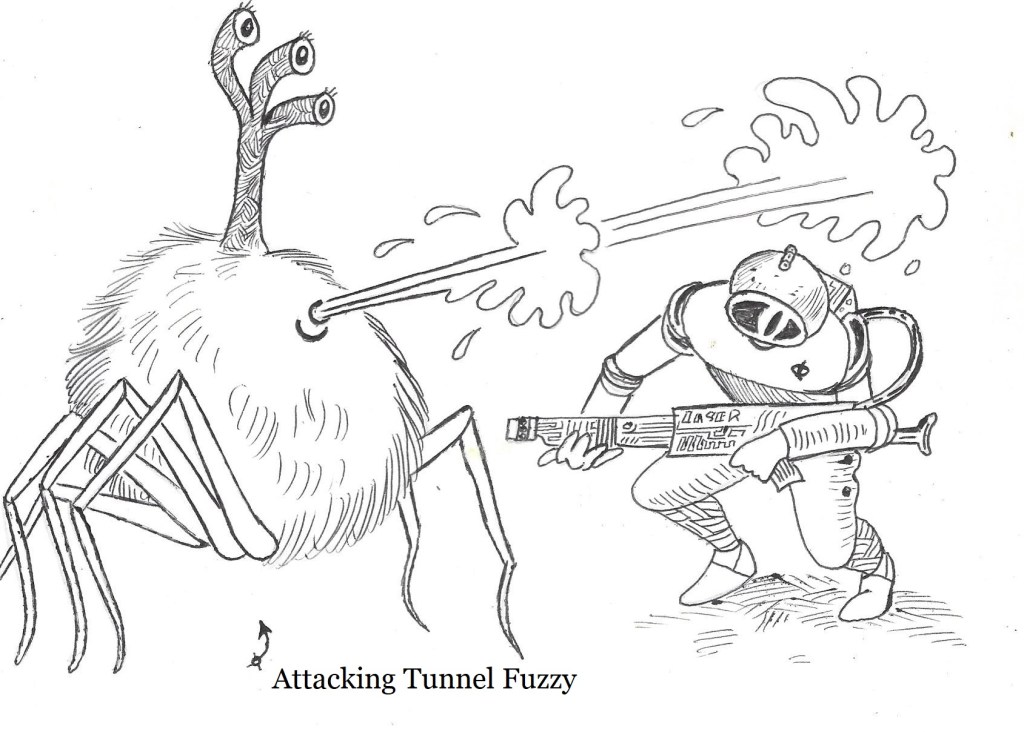
As I am editing and rewriting my first published novel to turn it into a novel series of at least four books, I have been enjoying rounding up and editing old artwork to illustrate it. I have been taking advantage of the fact that you can, after a fashion, plug illustrations into the manuscript and have it come through as acceptably good in the final Amazon publication.
The story comes from adventure logs of a space-fantasy role-playing game called Traveller. I played the game with small handfuls of high school kids whose player characters are now the main characters of the story (after modifications and considerable censorship.
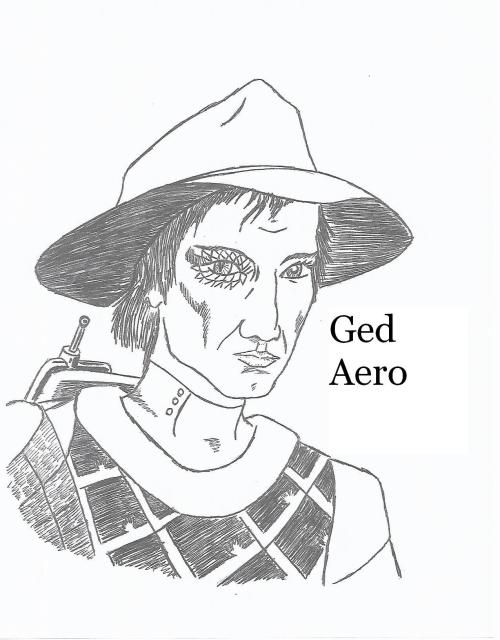
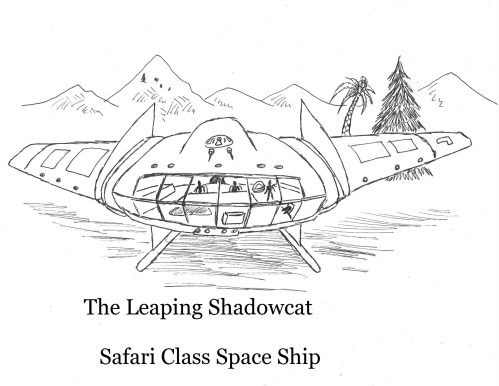
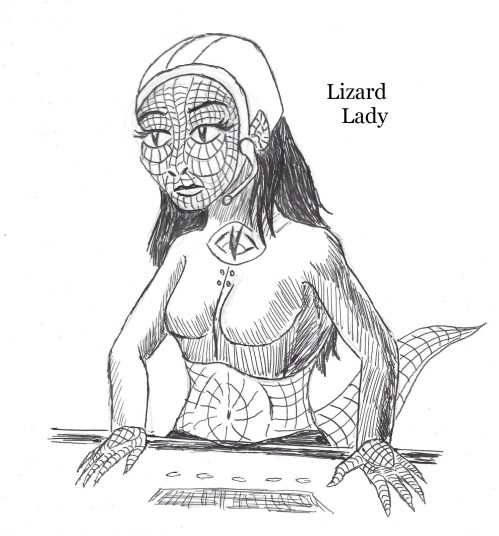
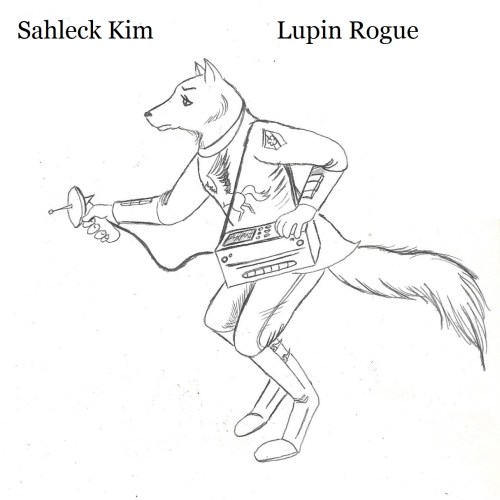
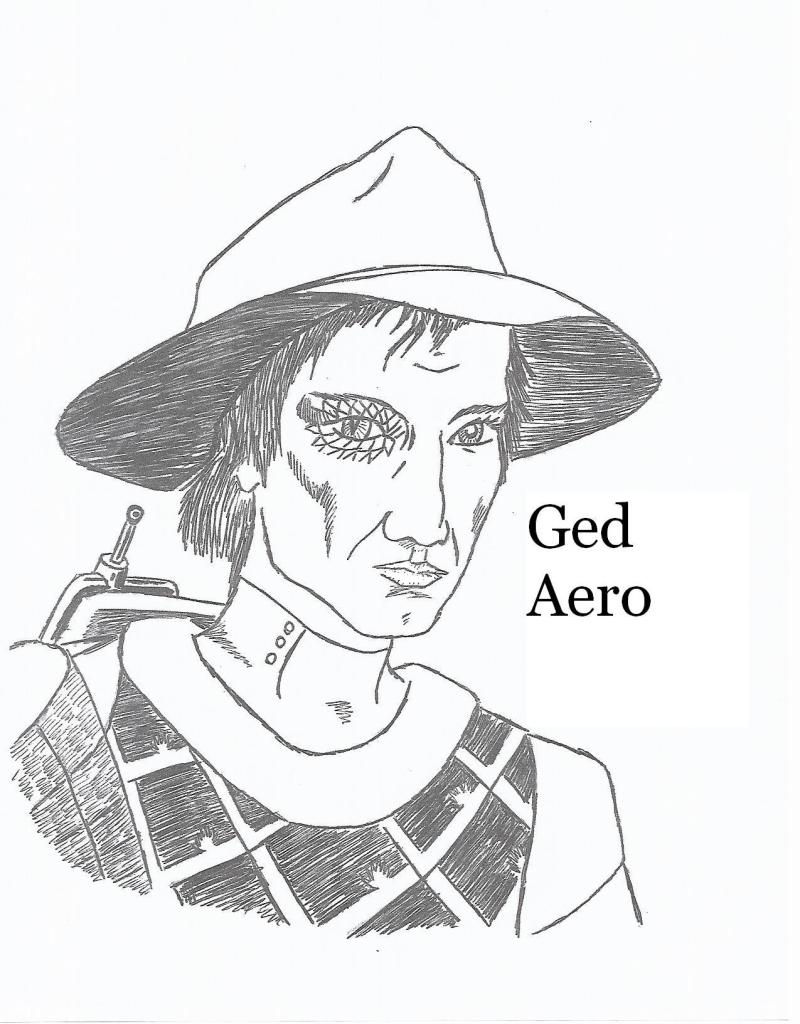
The illustrations, a lot of them, are drawings of the characters that I did in pen and ink back in the 1980’s.
We went through multiple generations of player characters, some of whom were practically immortal, and others that died horrible deaths after a few episodes.
Most of the acting in the RPG was done for humor’s sake, and so my Sci-Fi tale turns out to be more of comedy than anything else.
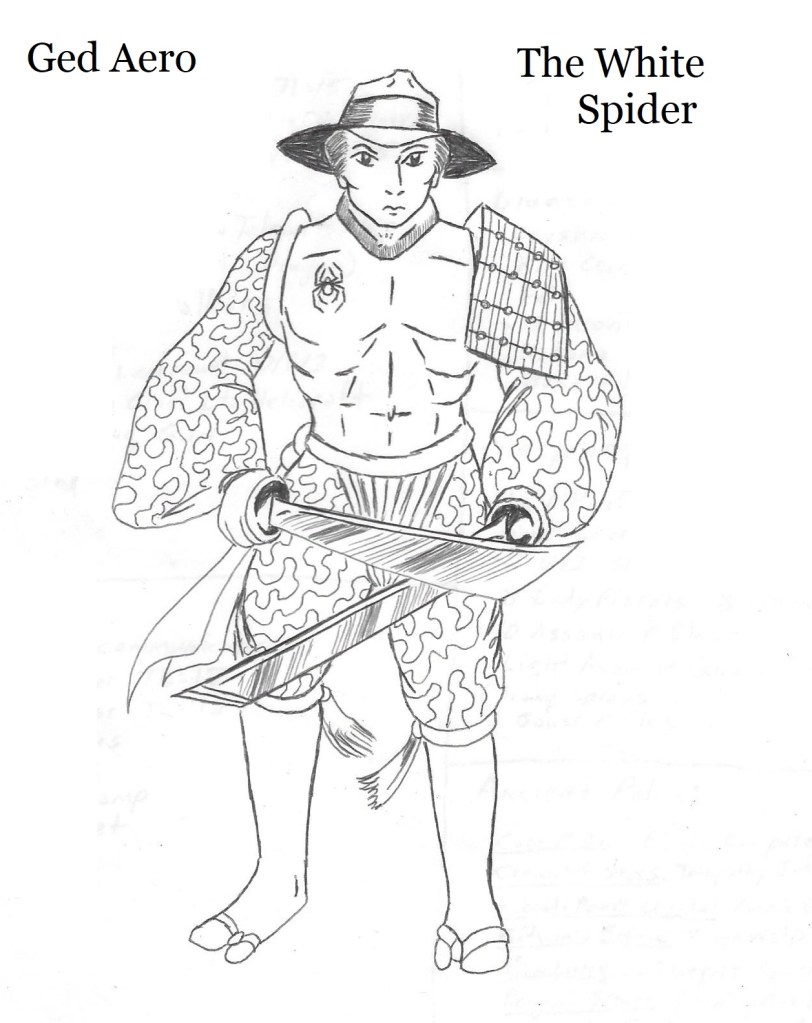
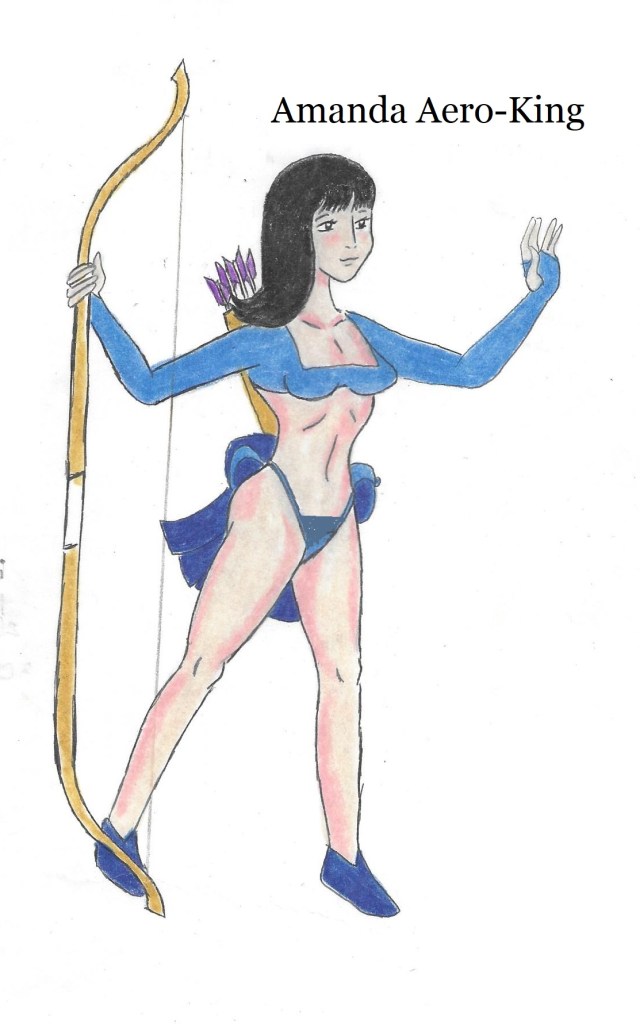
Amanda is Ged’s daughter, though the player was not related to Ged’s player.
Rescuing the novel from the sorry state it was in from being an awkward first attempt at publishing done with a publisher that later had to be sued and put on trial for fraud has been an interesting and rewarding experience. These stories will never be among my best works, but they were definitely a learning experience. And rewriting them is a learning experience itself, living the story all over again with significant changes.
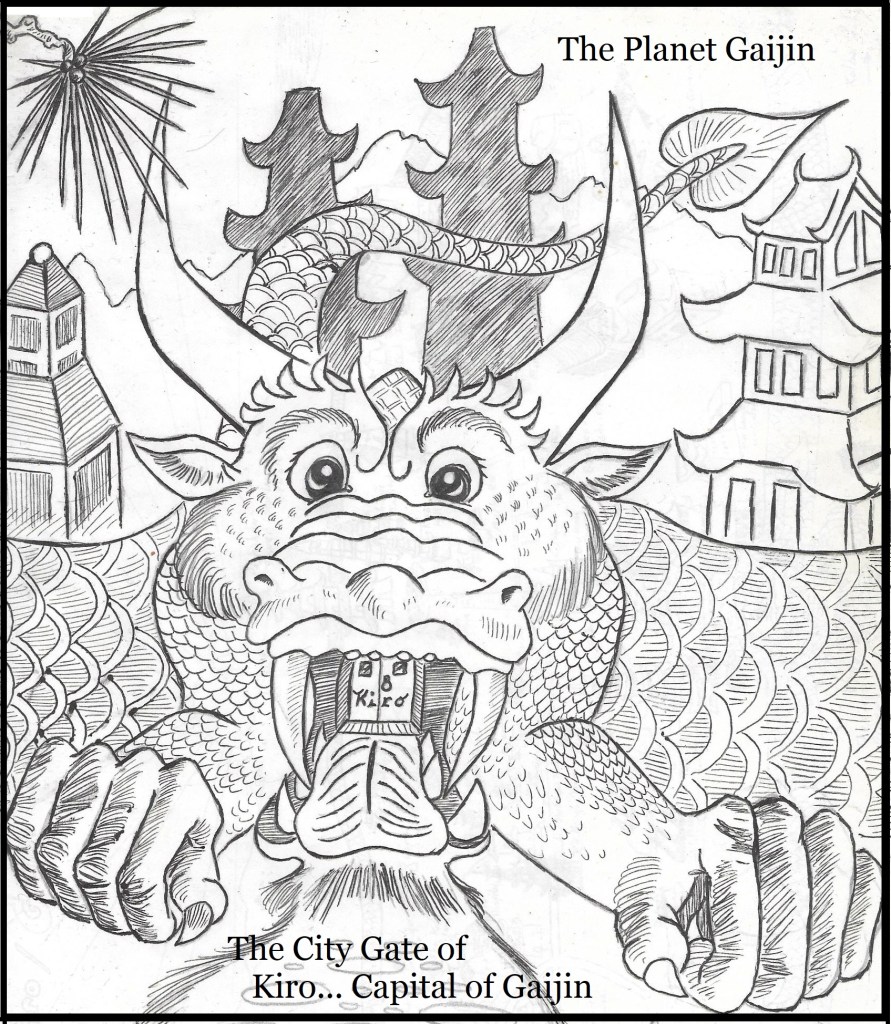
The places are the same, but as a satire, they had to be re-named in many instances, as the planet names and their make-up were copied from other books and movies. But they were rewritten by the players themselves as everything was turned into comedy and farce. Hence, the planet Mongo ruled by Emperor Ming, became the planet Mingo ruled by Emperor Mong. These are obvious references that are re-named in ways that give us a laugh or a wince.
..
”
”
”
”
”
I doubt it is obvious by just looking at these drawings, but by reducing their size, the line drawings are improved to a high degree.
Illustrating AeroQuest has been fun. Maybe, at some point, it will even prove profitable. But ultimately, it is definitely a thing worth doing.
Yes, I am saying the world I live in is a low-budget commercial movie made without literary or artistic pretensions. You know, the kind where movie makers learn their craft, taking big risks with smaller consequences, and making the world of their picture reflect their heart rather than the producer’s lust for money.
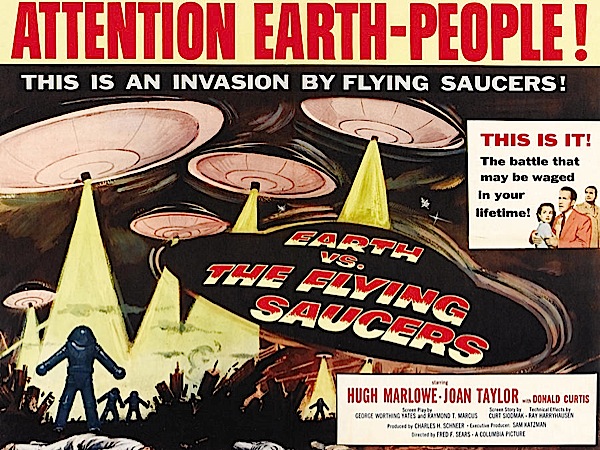
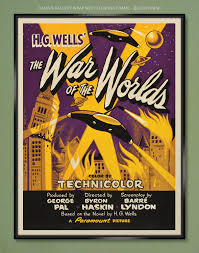
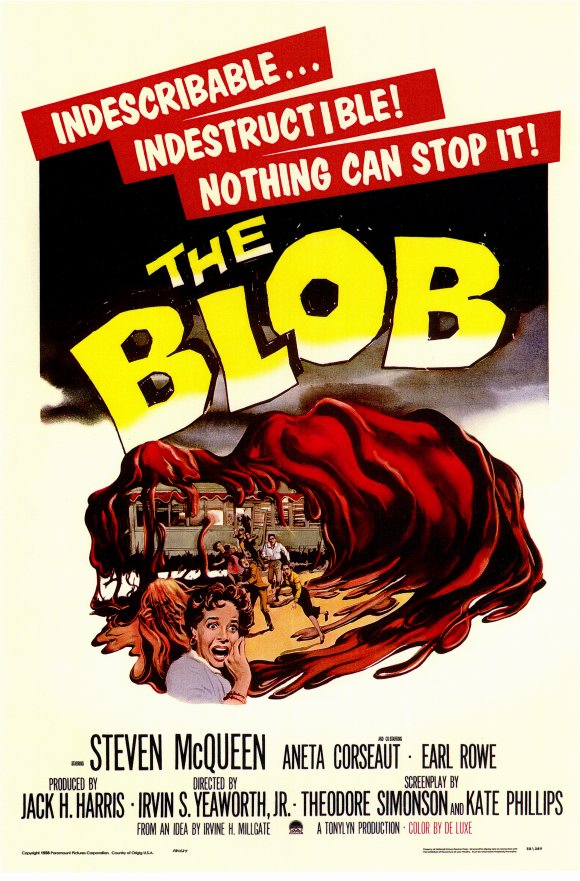
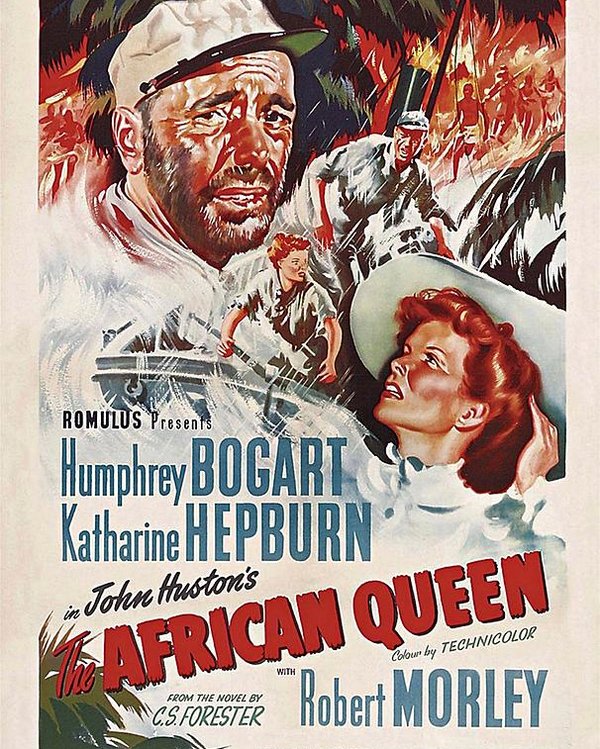
Mostly what I am talking about are the movies I remember from late-night Saturday TV in black and white (regardless of whether or not the movie was made in Technicolor) and the less-risky as well as more-likely-good Saturday matinees on Channel 3. Movies made in the 1950s, 1960s, and early 1970s. They were perfect, of course, for the forbidden Midnight Movie on the show called Gravesend Manor. I had to sneak downstairs to watch it on Saturday nights with the volume turned way down low. (Not that Mom and Dad didn’t know. Well, maybe they didn’t know how many of those I watched completely naked… maybe.)
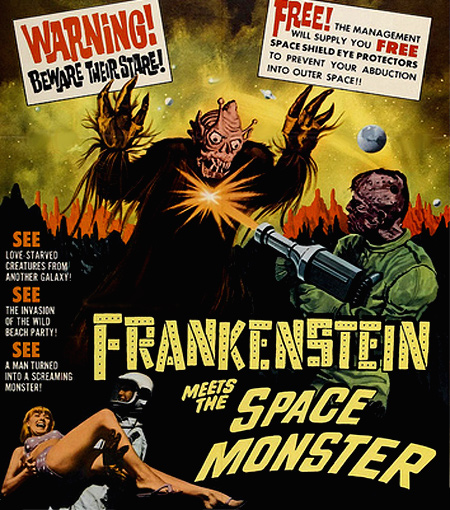
I watched this one when I was twelve, late night on an October Saturday. I had a bed-sheet with me to pull over my head at the scariest parts. Frankenstein was a crashed astronaut brought back to life by the magic of space radiation. He was uglier than sin, but still the hero of the movie, saving the Earth from invading guys in gorilla suits and scary masks (none of which looked like the movie poster.)
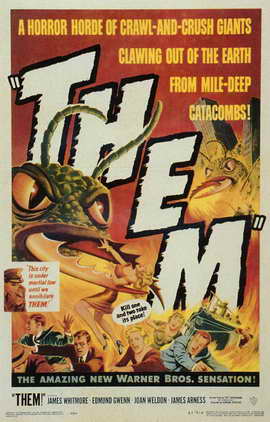
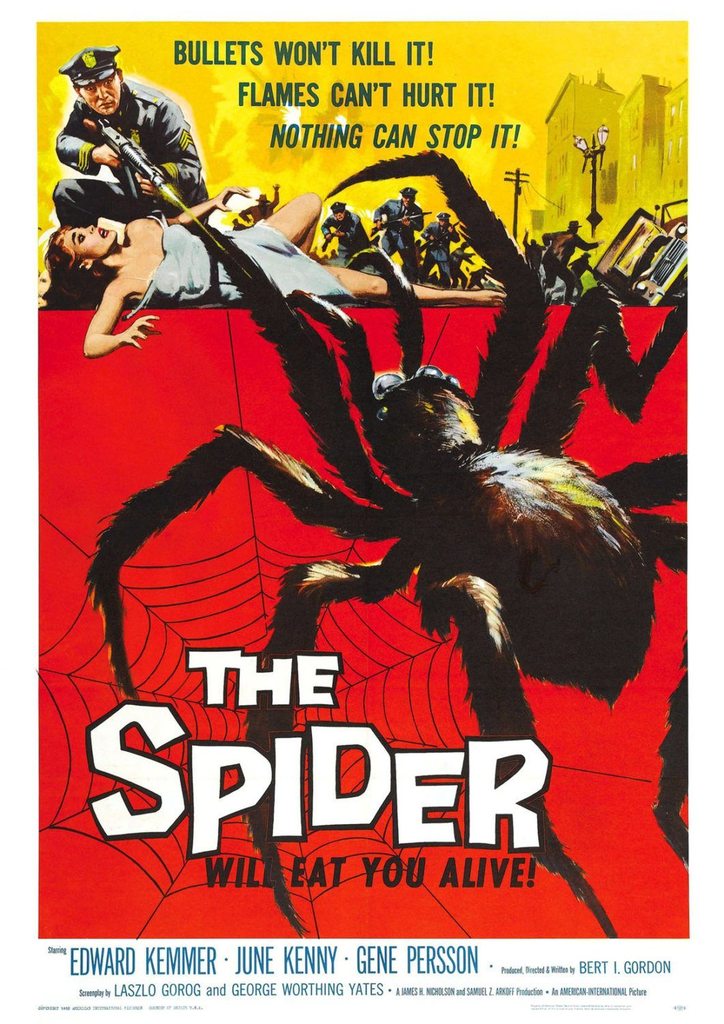
This one, starring James Whitmore, a really good B-Movie actor, was about giant ants coming up from the sewers and the underground to eat the city.
I would end up watching it again twenty years later when I was wearing clothes and not alone in the dark house lit only by a black-and-white TV screen.
I realized on the second viewing that it was actually a pretty good movie in spite of cheesy special effects. And I realized too that I had learned from James Whitmore’s hero character that, in times of crisis, you have to run towards the trouble rather than away from it, a thing that I used several times in my teaching career with fights and tornadoes and even rattlesnakes visiting the school campus looking to eat a seventh-grader or something (though it was a bad idea for the snake even if it had been successful.)
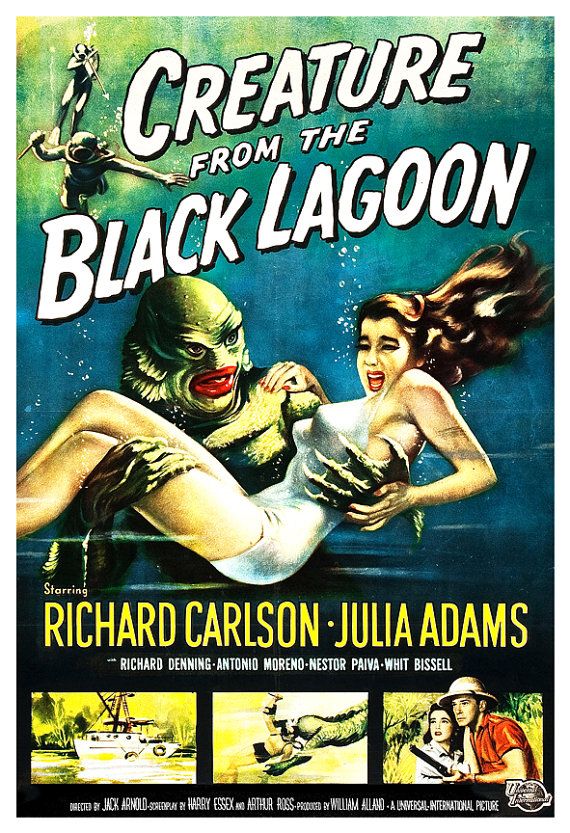
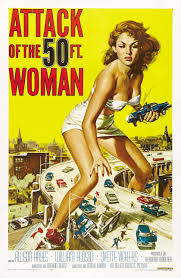
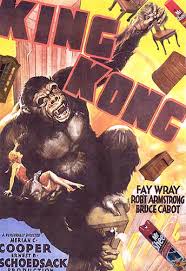
This one, of course, taught me that monsters liked to carry off pretty girls in bikinis. And not just on the poster, either. But it was the hero that got the girl, not the monster. This movie taught me that it sucks to be the monster. Though it also taught me that it was a good movie to take your pajamas off for and watch naked when you are thirteen.
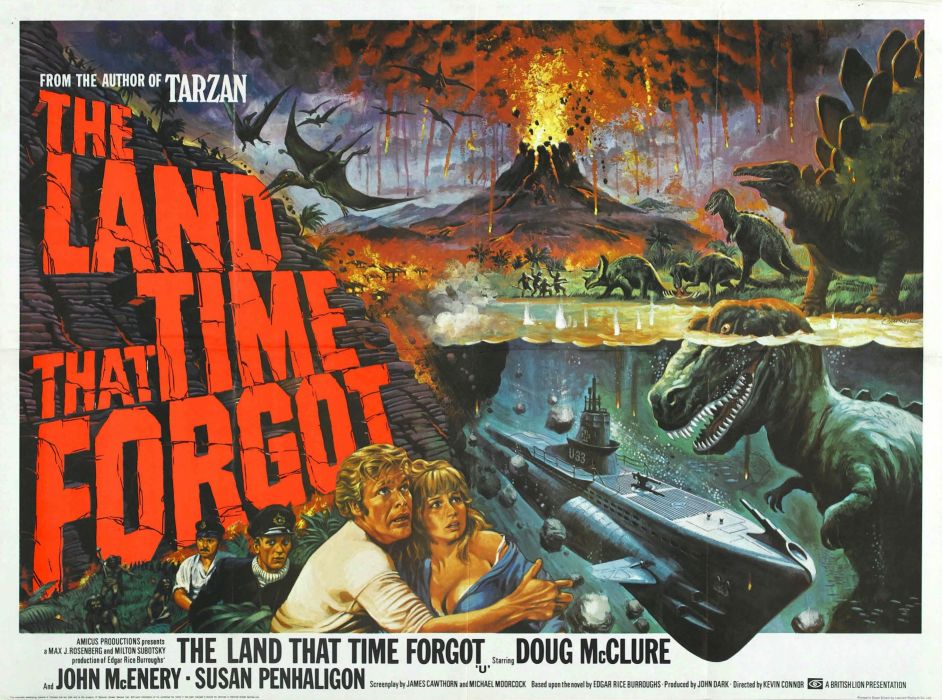
But not all B-movies had to be watched late night on Saturdays. This movie was one of the first ones that I got to go to the movie theater to see by myself. (My sisters and little brother were still too young and got nightmares too easily to see such a movie.) It came out when I was in my teens and Mom and Dad began thinking of me as an adult once… or even possibly twice in a month.
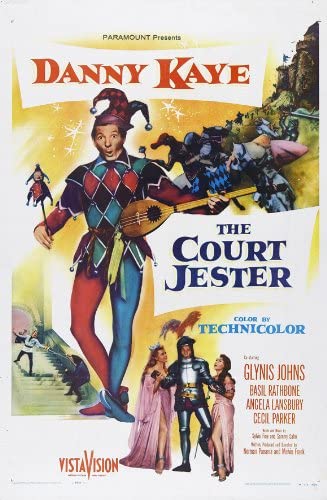
And not all B-movies were monster movies, gangster movies, and westerns. Some, like a lot of Danny Kaye’s movies, were movies my Dad and my grandparents were more than happy to watch with me. I saw this one in both black-and-white and color. And I learned from this that it was okay to take advantage of happy accidents, like a case of mistaken identity, and using your wits, your creative singing ability, and your inexplicable good luck to win the day for everybody but the bad guys armed only with your good sense of humor.
And some of the best movies I have ever seen, judging by what I learned about movies as literature from Professor Loring Silet in his Modern Film Class at Iowa State University, are by their nature B-movies.
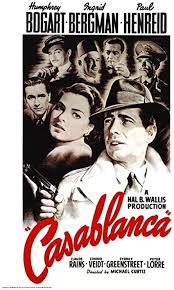
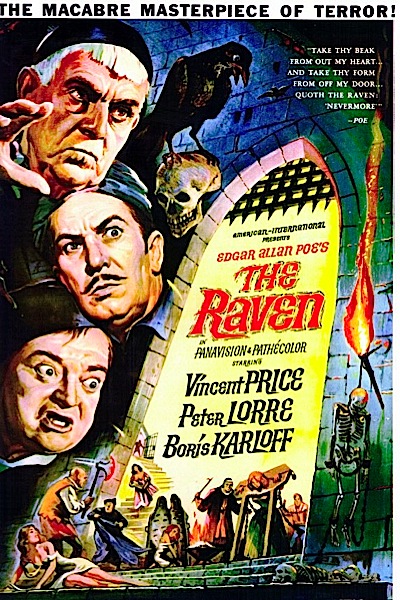
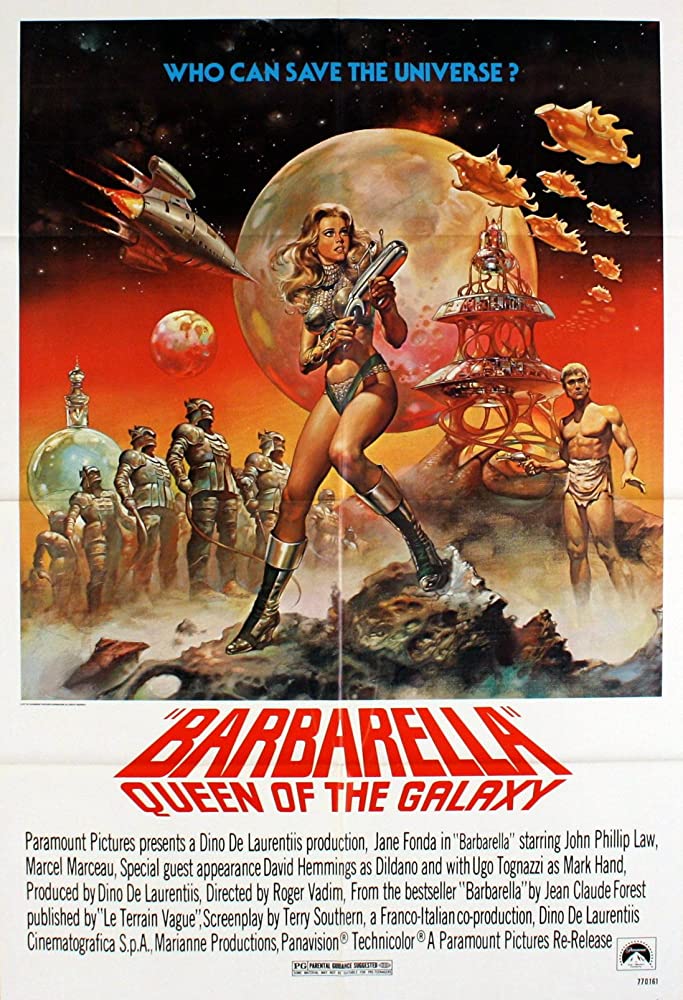
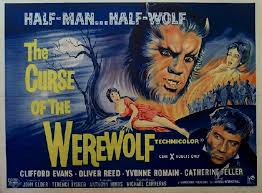
I am using movie posters in this blog post only from movies I have personally seen. (And I admit that not all of them are strictly “good” movies according to Professor Silet, but I like them all.)
Feel free to tell me in the comments if you have seen any of these movies yourself. I am open to all opinions, comments, and confessions.
This one is based on Shakespeare’s The Tempest.
I saw this one in college. You had to be 18 at the time to even buy a ticket.
I actually think that this is one of the best movies ever made. It will always make my own personal top-ten list.
I live in a B-movie world. The production values around me are not the top-dollar ones. But the stories are entertaining. The real-life heroes still run towards the problem. And it still sucks to be the monster. But it has always been worth the price of the ticket. And during my time on Earth here, even in 2020, I plan on staying till the end of the picture. I go nowhere until I see the Best Boy’s name in the end credits. And maybe not even then.
Why did Batman have Robin the Boy Wonder? Not only that, but why Bucky and Captain America? Green Arrow and Speedy? Aquaman and Aqualad? Superman and Krypto the Super Dog? Fredric Wertham, the Seduction of the Innocents and the Comics Code guy, would have you believe that they were there to make young boys turn gay and violent. But that was nonsense, wasn’t it? Better change Krypto for photographer Jimmy Olsen just in case.
But if that was merely nonsense, why was it such a part of the formula?
As a D & D dungeon master, I have my own theory about sidekicks and their function in story-telling.
Young sidekicks were an important part of the stories I told as a game master because the players in my games were mostly adolescent boys themselves. It was the same as the primary readers of Batman comics in the 1950’s of Wertham’s Comics Code. The young hero or adventurer character, most often in the form of a non-player character, was someone they could relate to because of age. They had more in common with the sidekick than the lead hero. It helped to draw them into the story and make it relevant.
As a storytelling device, you often find the young apprentice character in novels written for younger audiences. Think of David Eddings’ Belgariad, or Lloyd Alexander’s Chronicles of Prydain, or Treasure Island by Robert Louis Stevenson. The characters of Garion the youngster in the Belgariad, Taran the young protagonist of Prydain, and certainly Jim Hawkins of Treasure Island.
So, with that realization, I incorporated youthful characters, both boys and girls, as apprentices and student-adventurers.
Initially it proved to be a hard thing. Wizards and sorcerers, according to D & D rules, can take an apprentice once they reach level three. But first-level characters as apprentices are vulnerable because damage done by third level monsters wipes out the meager hit point reserves of a beginner character. After several traumatic deaths of beloved sidekicks, the player characters begin to take steps to protect them better in combat, or quickly learn where to find priests with resurrection spells who work really cheap.
Of course, these characters are useful for more than just creating combat complications. They are really useful for comic relief. The missteps, mistakes, and total botch-jobs that these inexperienced younger characters create can make us laugh, make us sweat a little to correct it, and move the plot forward in interesting ways that I, as the game master, wouldn’t have otherwise planned.
So, hopefully, Mr. Wertham’s ghost isn’t hovering over my D & D game thinking it is all a plot to create a generation of violent, gay youths. Hopefully he can see that it is all a part of a well-established story-telling literary device that actually helps to educate and deepen the understanding of youths. But it is swiftly becoming irrelevant what Wertham’s ghost thinks anyway. I haven’t played D & D for a while now. My sons and daughter now have their own groups of friends, playing under different dungeon masters with different dice. But hopefully, the need for youthful sidekicks will remain.
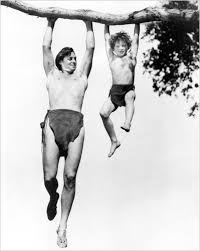
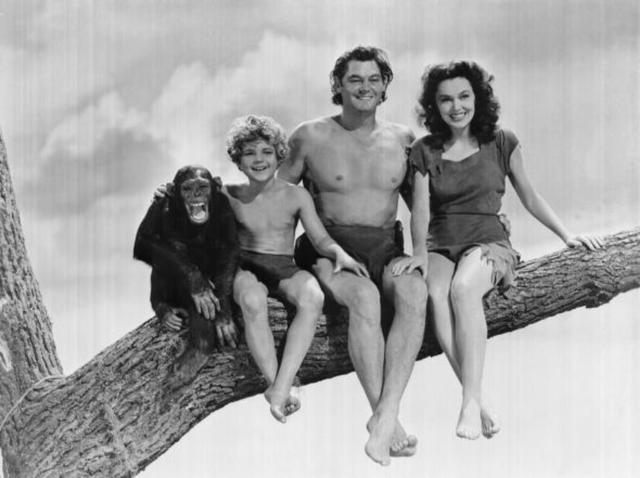
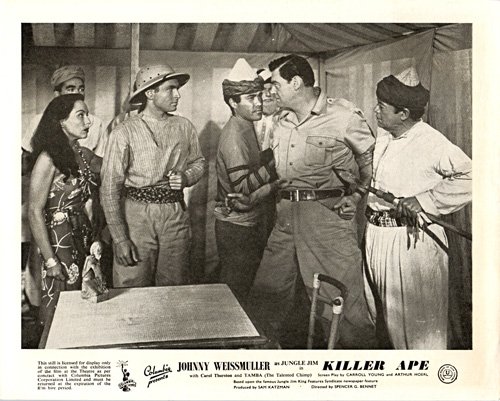
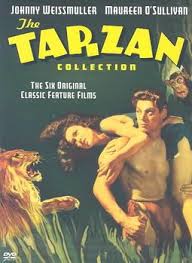
There was a time when Tarzan was one of the ruling heroes of my boyhood fantasies of power and self-fulfillment. And, while Tarzan was a cartoon show on Saturday morning, comics by Burne Hogarth, movies in the theater in color with Mike Henry, or a weekly series on TV with Ron Ely, he was always Johnny Weissmuller to me. Weissmuller who played both Tarzan and Jungle Jim in the Saturday afternoon black-and-white movies.
I have to admit, I didn’t identify with the character of Tarzan as much as I thought of myself like the character “Boy”, played by Johnny Sheffield in movies like “Tarzan Finds a Son”. It was a significant part of my boyhood to imagine myself being like Boy, free from practically all restraints, able to gad about the dangerous jungle nearly naked with monkey pals and no fear. If I got into trouble by believing my skills were greater than they really were, I would save myself with ingenuity, and, barring that, Tarzan would rescue me. And, believe it or not, sometimes there were fixes that Tarzan got into that he needed me and Cheetah to be creative and get him out of. I knew in my heart that one day real life would be like that, especially once I grew into Tarzan and stopped being just Boy. That idea was in my head so loudly that several times I went to Bingham Park Woods, stripped down, and played Boy in the Jungle.
As in the previous essay about Heroes of Yesteryear, I learned important things from Johnny Weissmuller on Saturday TV. He taught me that all you really needed, even in the darkest jungles of Africa, was confidence and courage. You could stand up to any deadly danger without the protection of any armor, practically naked, in fact, if only you had that heroic goodness of heart. The little boy I was then still believes that whole-heartedly even in the aging body of an old man.
So, Tarzan continues to live in my memory, a part of me, an essential part of my education. He is me and I am he. But only in my mind. Me in a loincloth, swinging on a vine now… and probably going splat like an overripe melon on the jungle floor… well, that is too ridiculous to even imagine being real anymore. Yet he lives on in me. And he battles the metaphorical leopard-people of modern life through me. Unarmored. Confident. And unafraid.
Marcus Aurelius was a Roman Emperor, one of the good ones, not like Caligula, Nero, or even Commodus, his son who was emperor after him.
But what made him good? Obviously, the fact that he was beloved by the Roman people, even the senators and the very people who would’ve benefited personally by his failure and demise.
He was a good administrator who benefited the people with public works. He was a good military leader who maintained the Pax Romana until he died in 180 A.D.
Of course, his son, Commodus, blew that all up by being such an incompetent dictator that his own Praetorian Guard assassinated him (as portrayed in the movie Gladiator, though that movie also made him out to be his father’s murderer, of which there is no real evidence)
But my friend Emperor Marcus was so much more than just a good ruler. He was a good man. And this is due almost entirely to the fact that he was a well-known Stoic Philosopher.
He embraced the philosophy of the Greek philosopher and Roman slave Epictetus. Stoicism is the belief that you, as an individual, do not control anything in the outside world to the degree you can control yourself. It is not the things, people, and events around you that matter, since you can’t control those. It is your own set of principles that you have to put in place and adhere to that affect the outcomes in life. In fact, you should view setbacks and roadblocks to your accomplishments not as negative things, but as a learning opportunity. Learn all you can while you may, and at every opportunity. The Stoic welcomes hardship because the overcoming of hardships shapes the man or woman you will become.
I found this philosophy to be the only way forward on some days during my teaching career. I was always more successful in meeting challenges head-on as they arose in front of me. Delaying, making excuses, or running away are all easier to do than that. But those other wimpy tactics never yield the success you can have by defeating your opposition and hardships face-to-face. Of course, you have to remember too that overcoming opposition does not have a selfish quality if you are a Stoic. In fact, you must respect all men, even your enemies. Marcus Aurelius, in response to victory in battle won by having thirsty troops offer a Christian prayer and then have their problem solved by a fortuitous rain storm, told the Senate they must no longer persecute Christians. They were to be considered good Roman citizens, no matter what their religion was.
Marcus Aurelius made it clear in his writings, the Meditations written in Greek, that, “In order to win the day, you must first win the morning.” To him this meant you had to be an early riser, tackling each problem of the day as it came up in the order they happened, morning to night.
So, the Philosopher King’s Quest, by this Stoic philosophy, is managed by first putting yourself right. You must examine your beliefs, test your hypotheses, and prove yourself to yourself before trying to tackle the world.
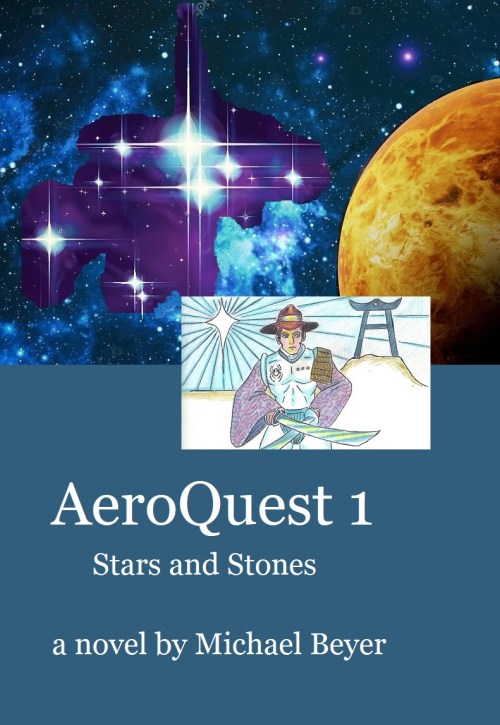
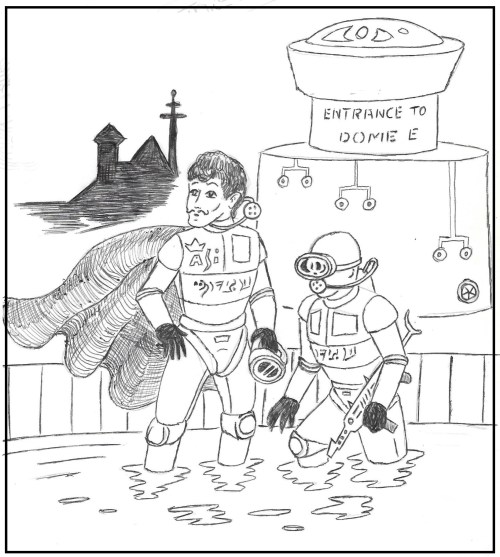
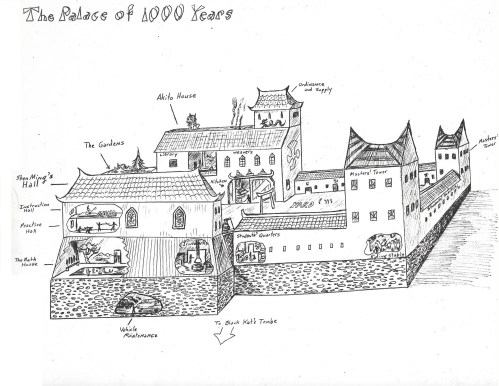
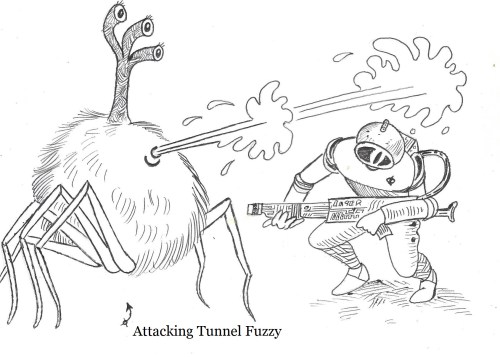
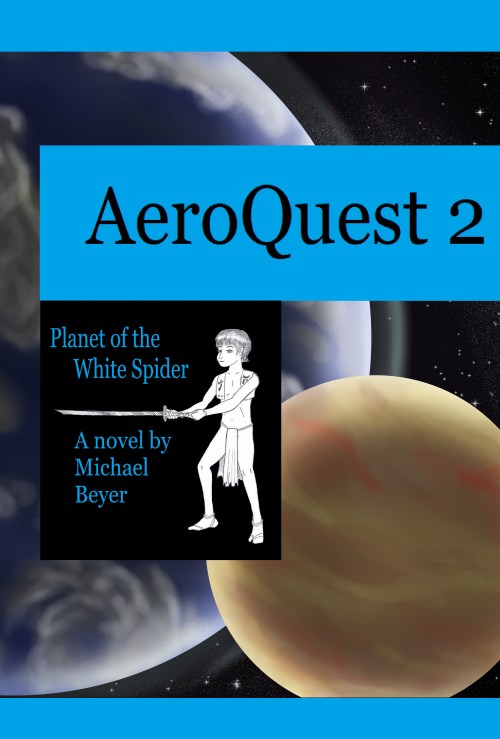
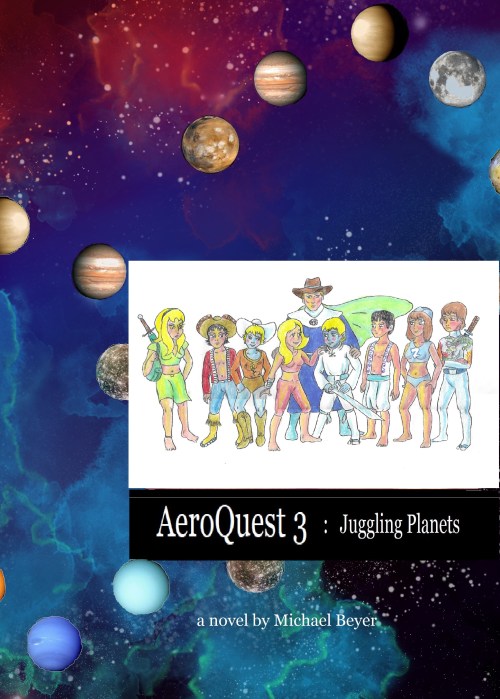
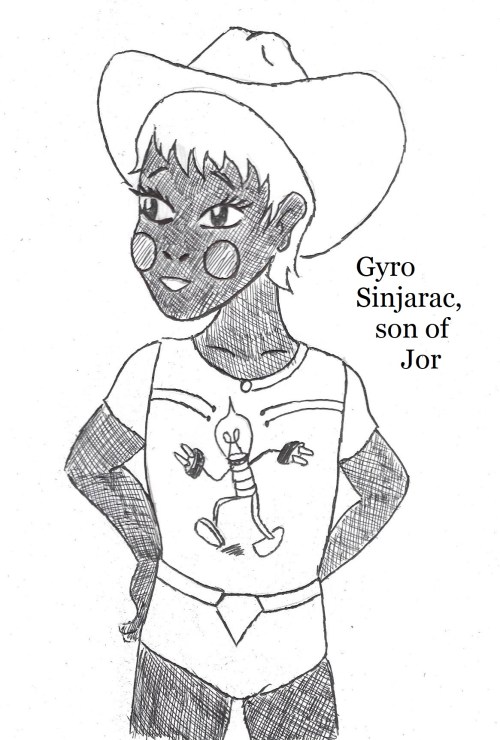
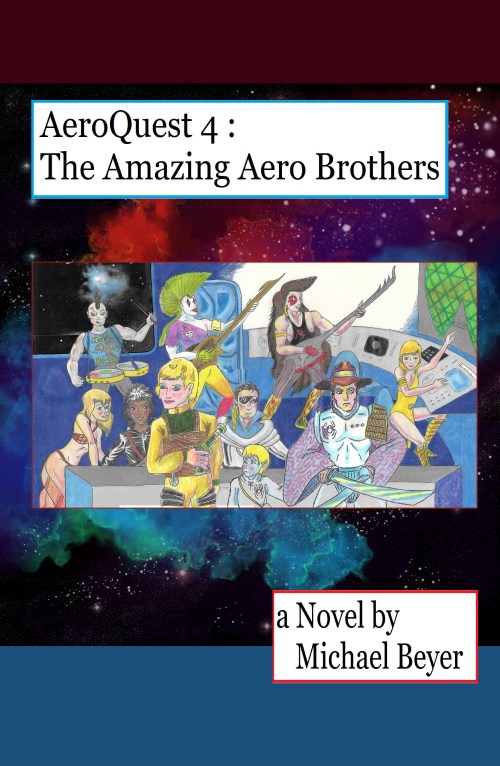
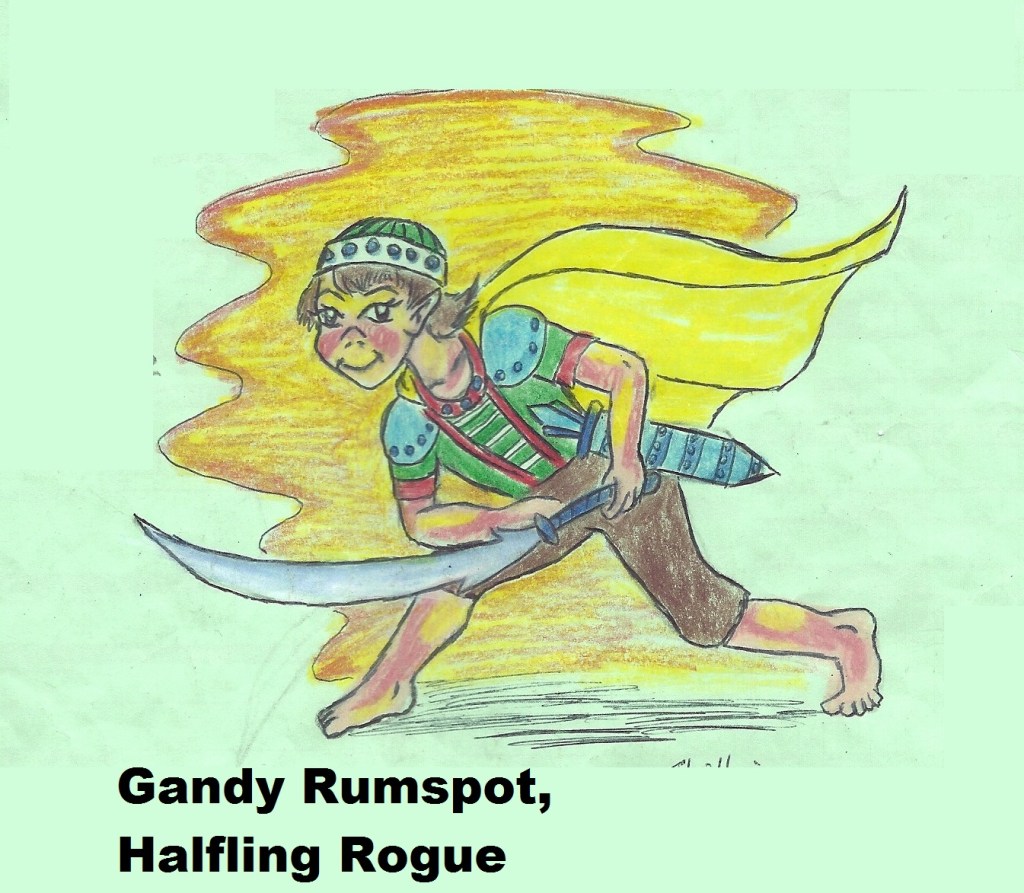
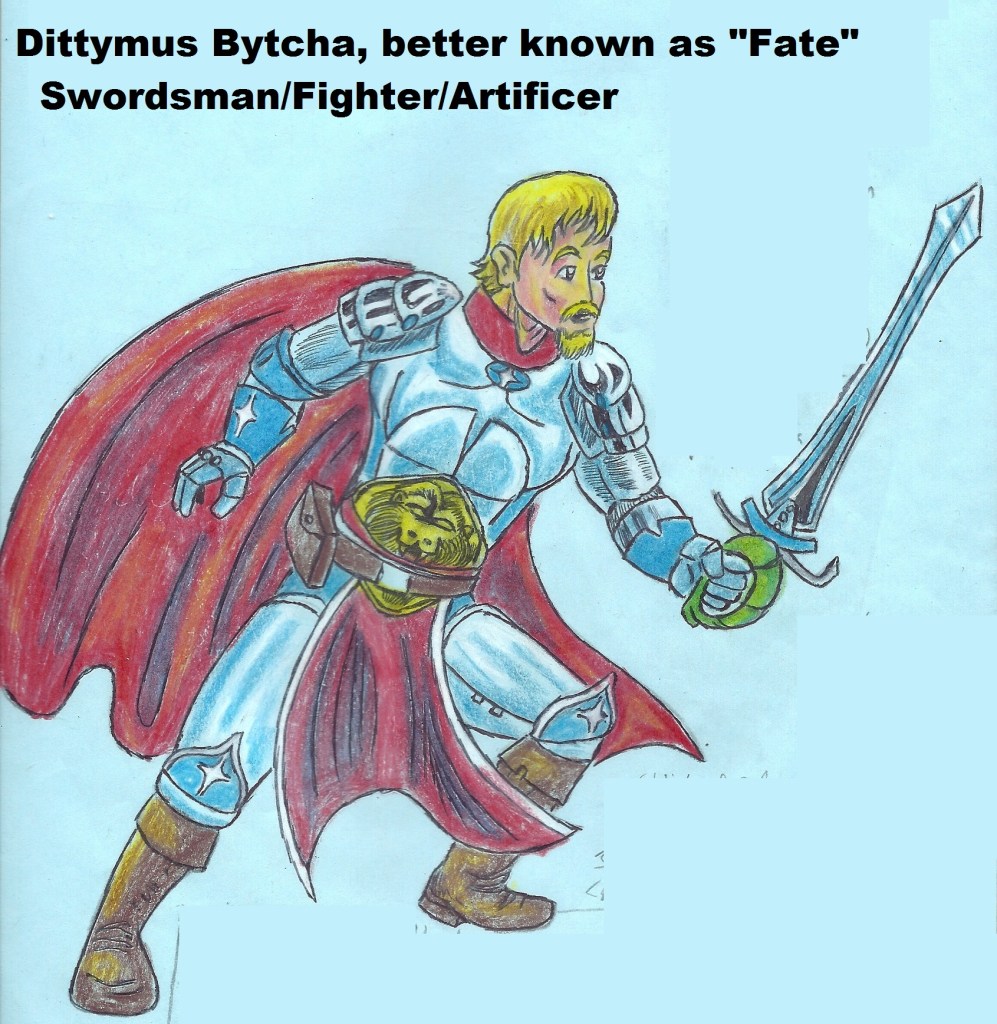
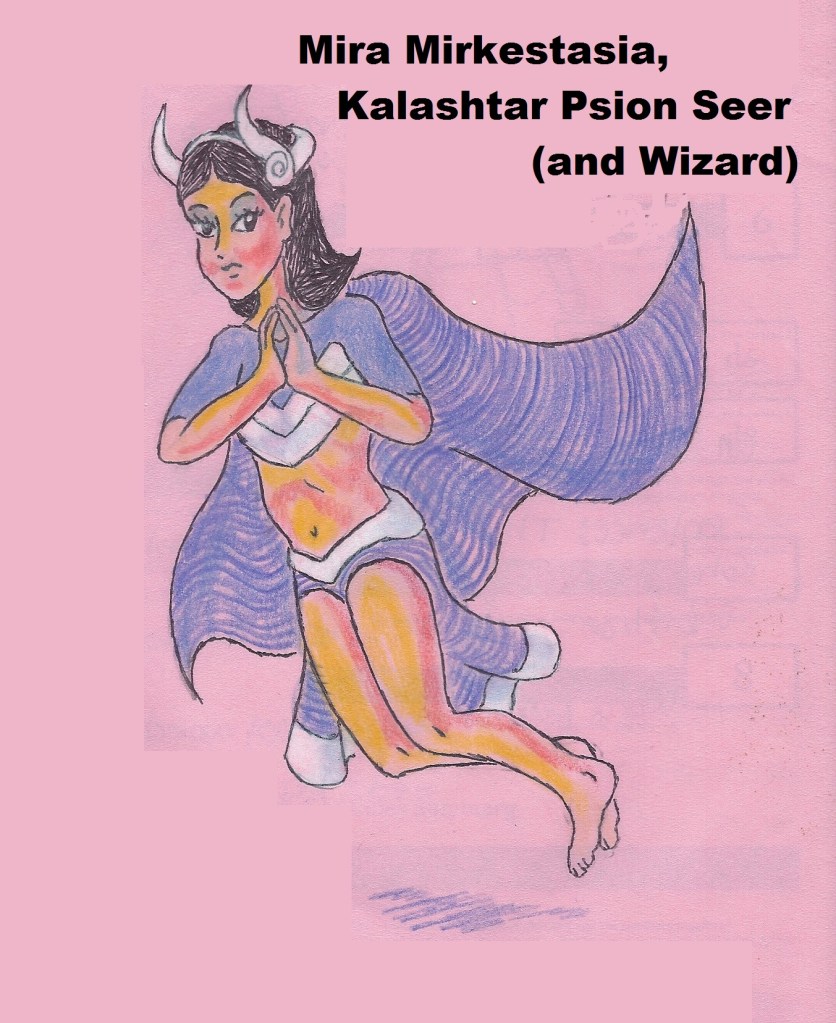
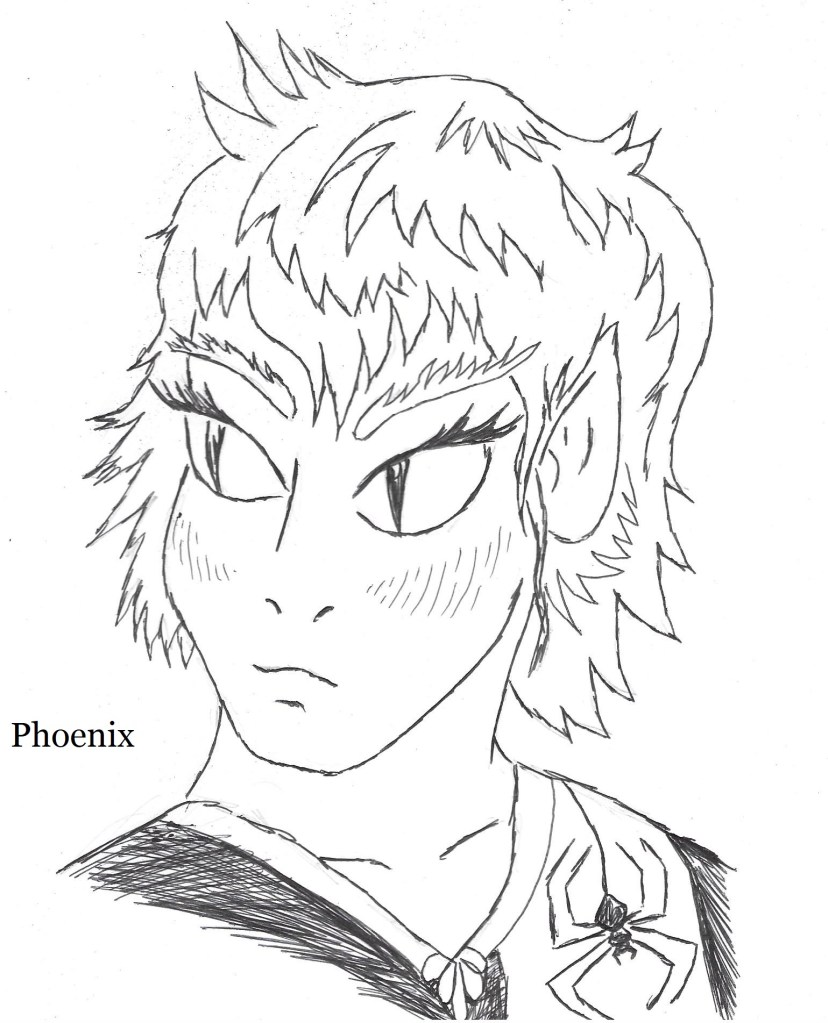
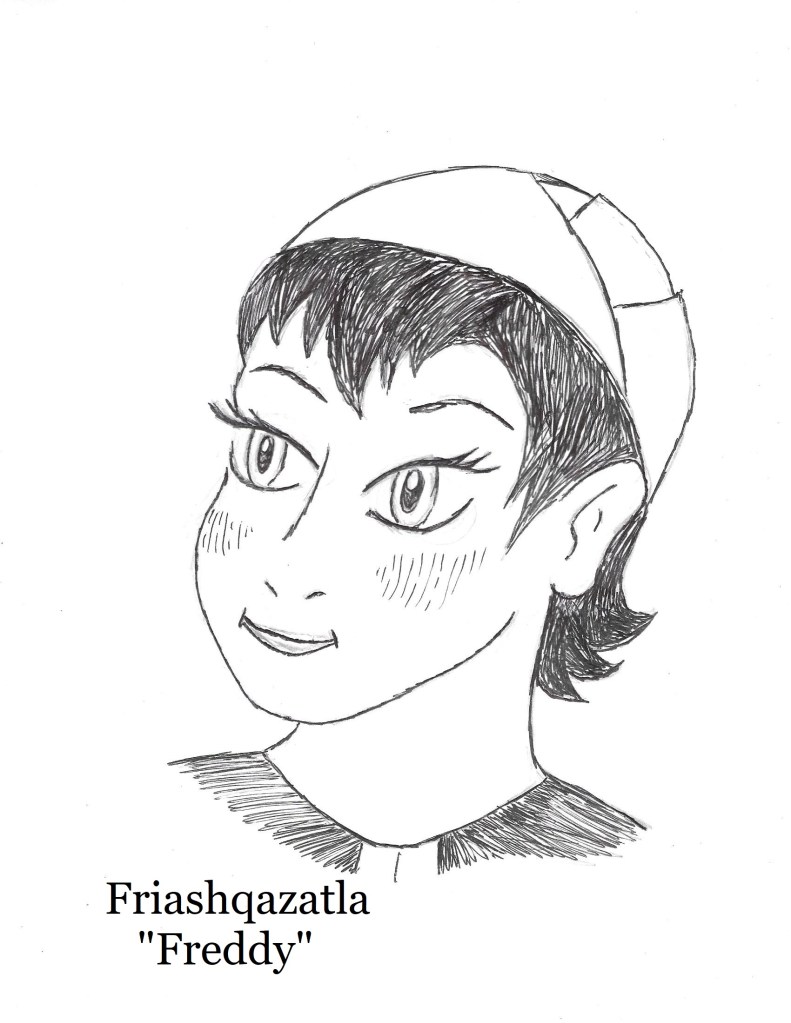
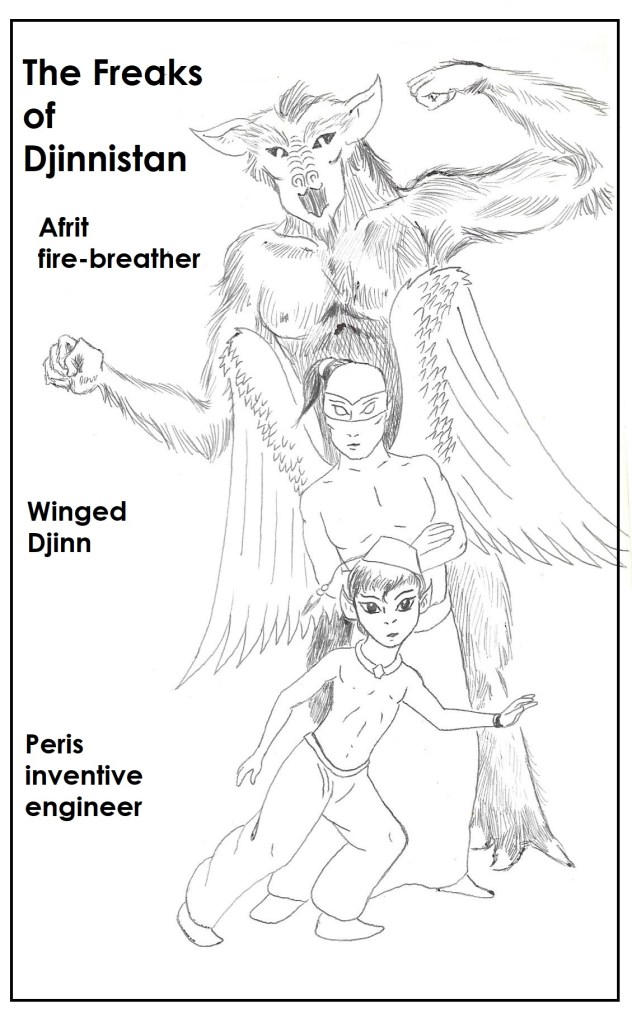
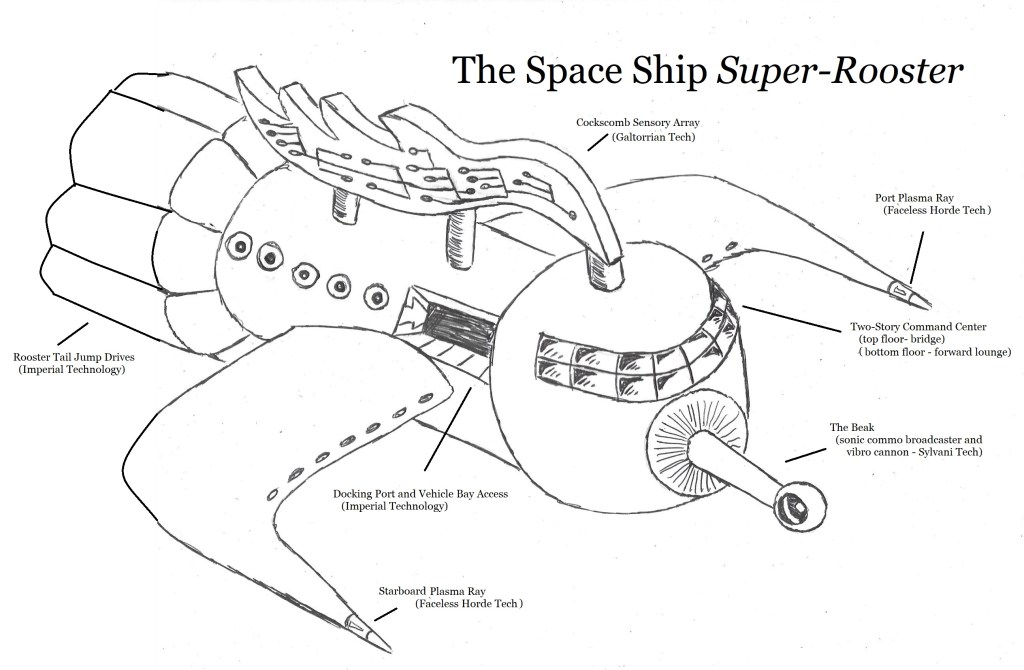
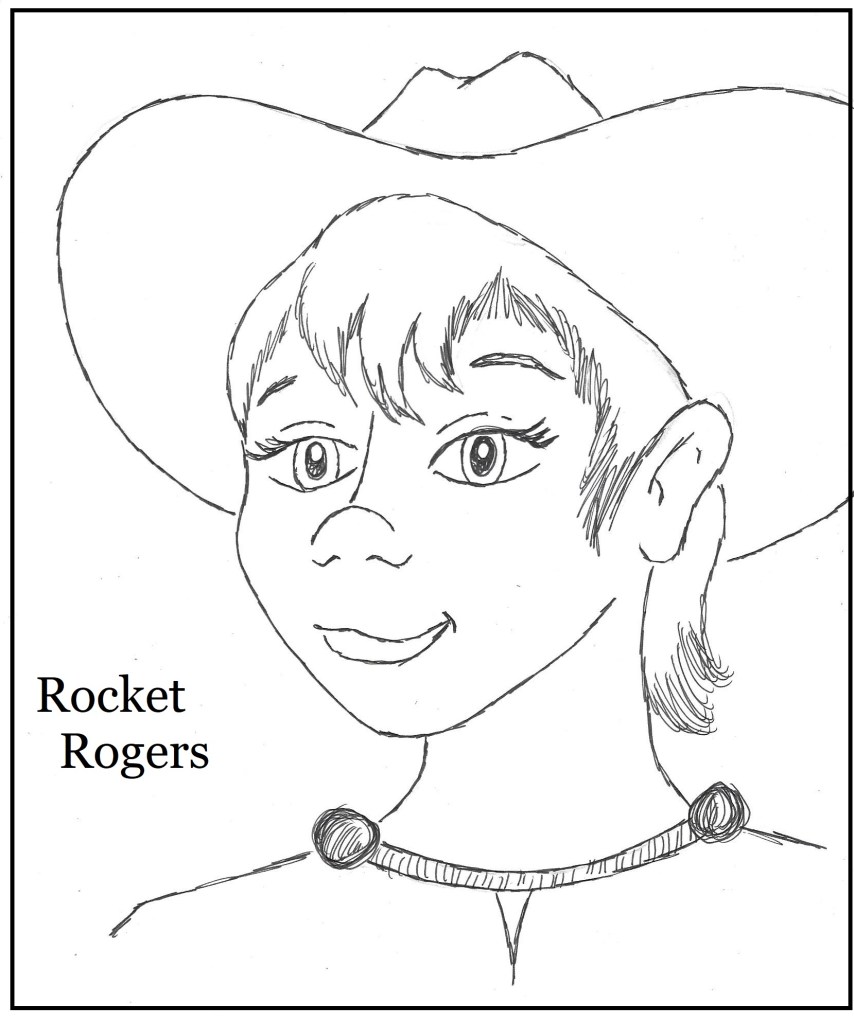
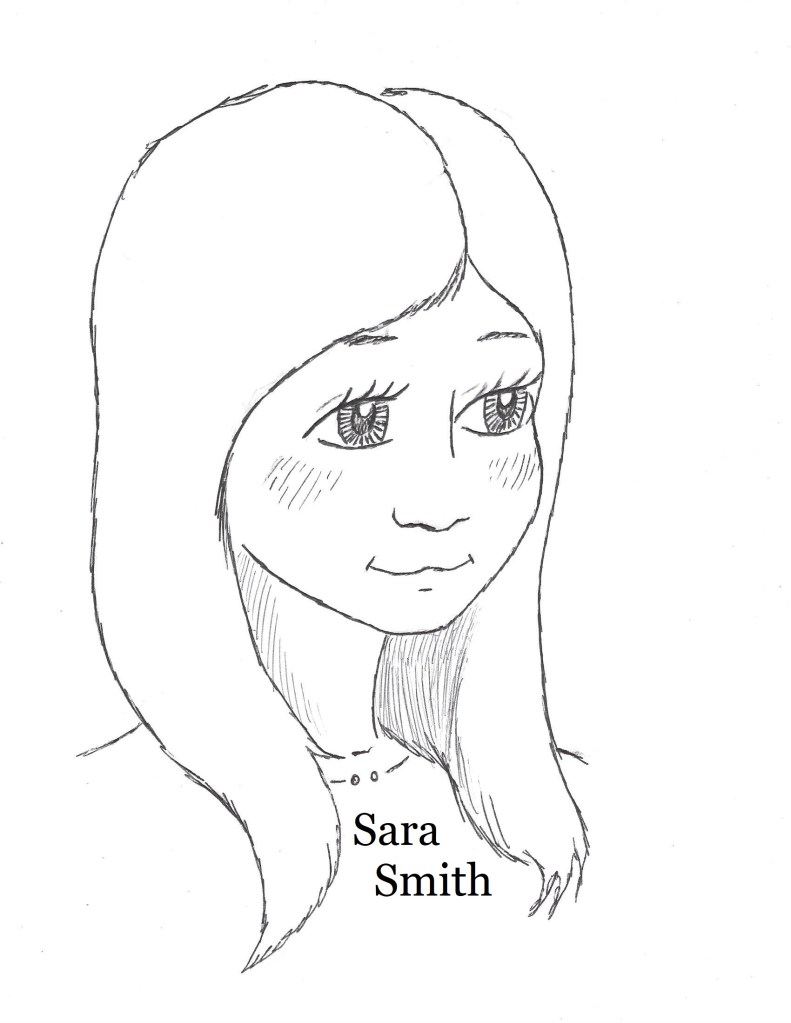
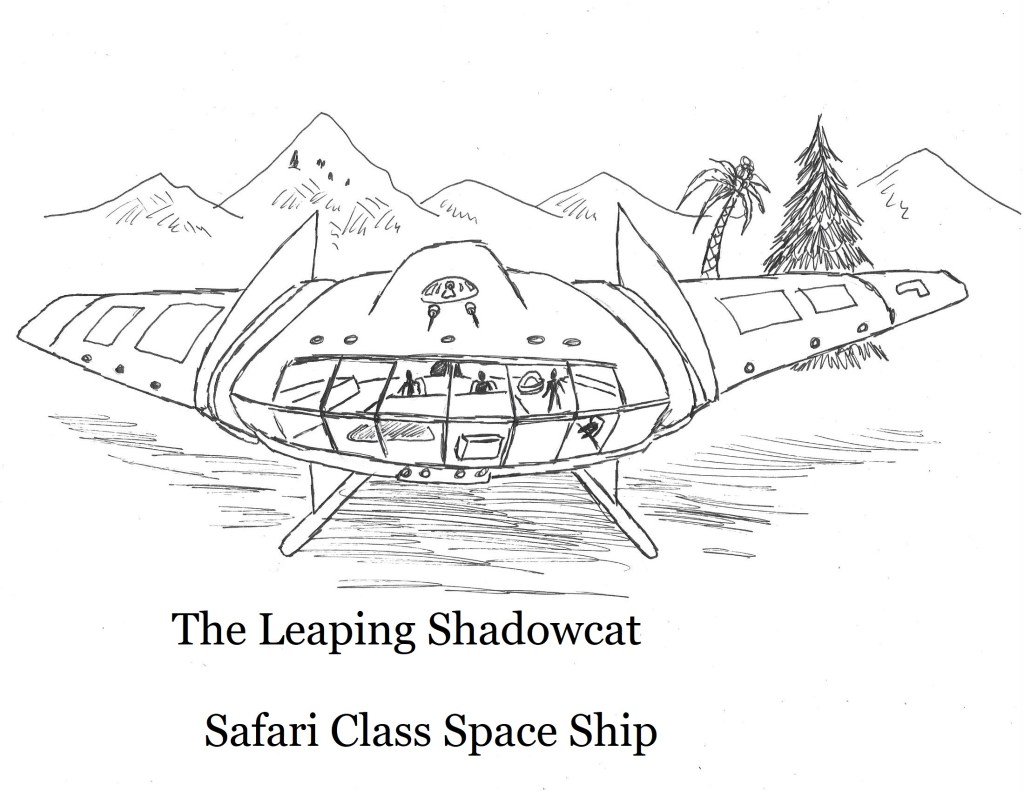
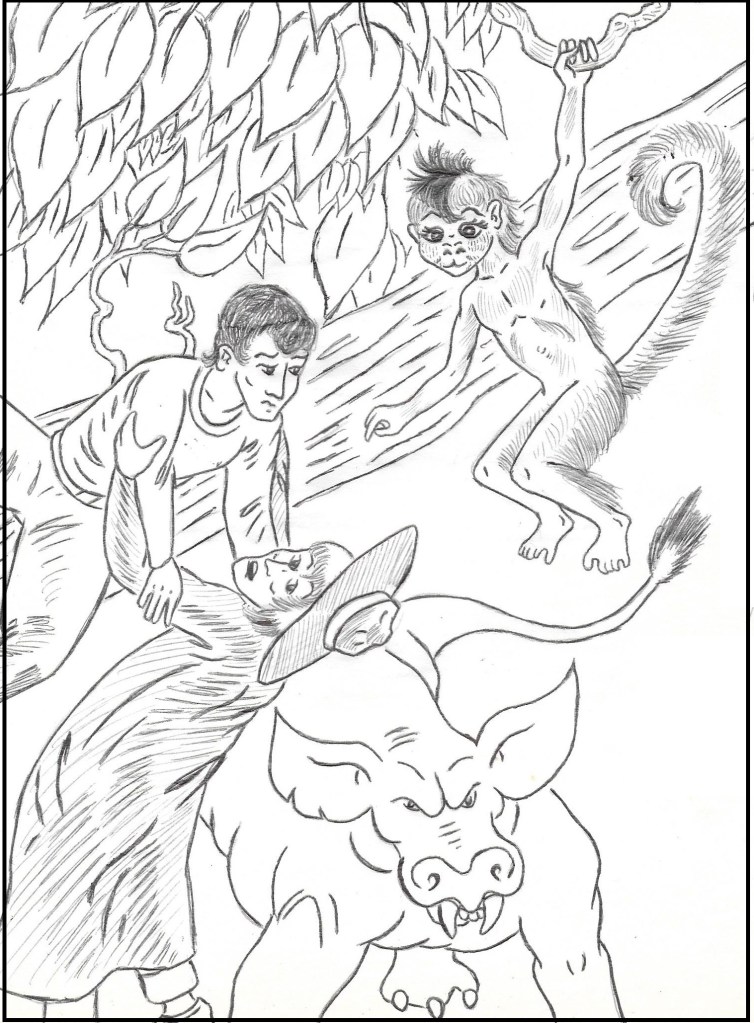
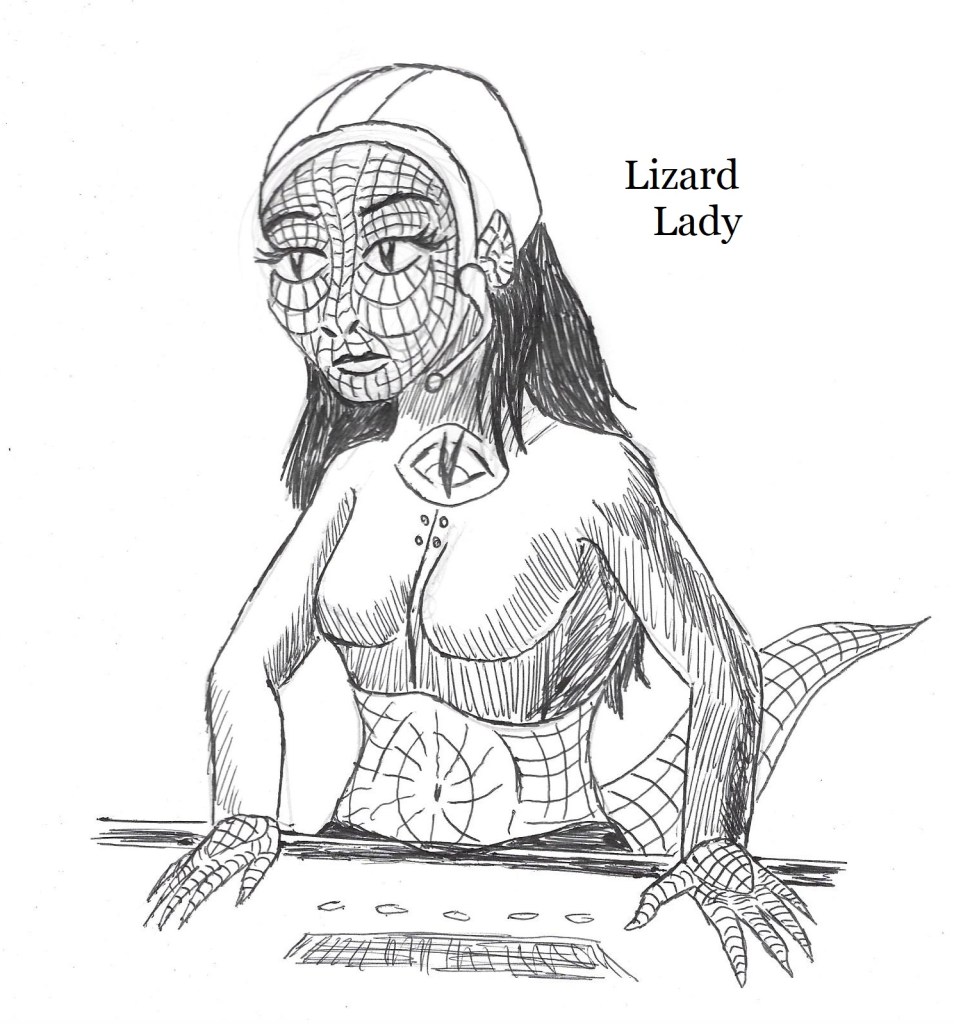
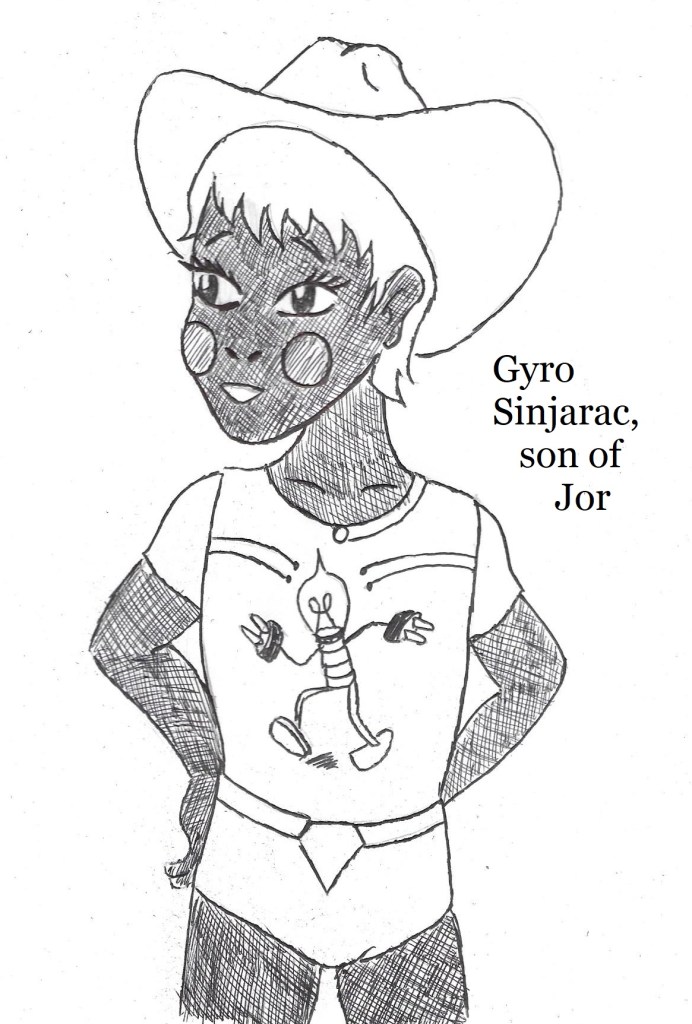
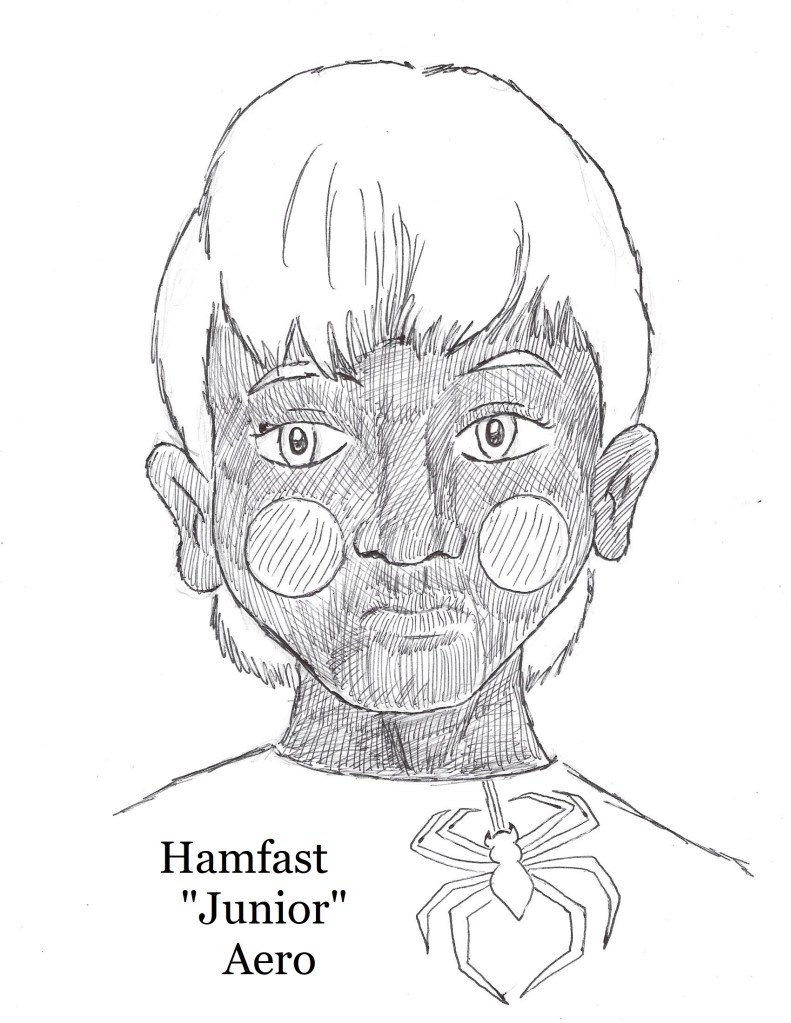
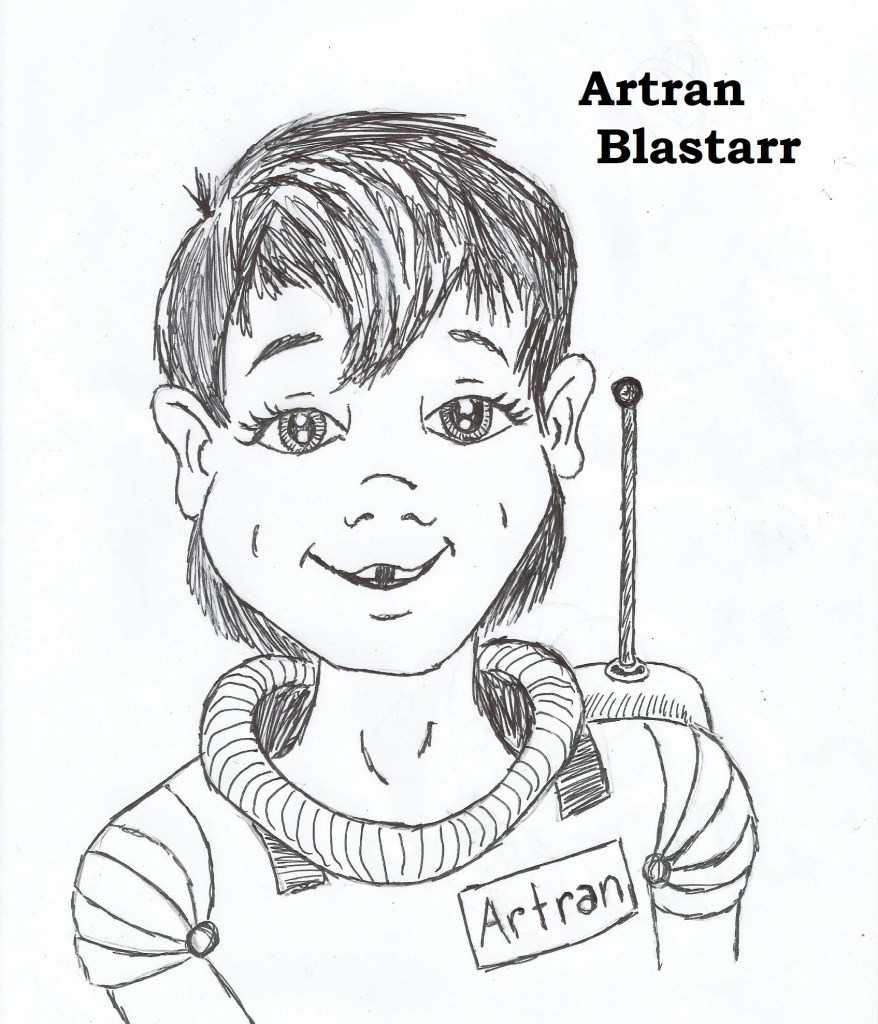
These are the pieces of art and illustrations that are going into the re-writing project of my novel Aeroquest.
I decided to totally rework the novel and illustrate it more fully because it was always supposed to be a science-fiction satire and parody that was more cartoonish than literary.
It is a story about a teacher conquering a space empire. It arose from a science-fiction role-playing game that filled my days in the 1980’s and early 90’s.
It parodies Star Wars, Star Trek, Flash Gordon, Buck Rodgers, Dune, and much more besides. And it includes many of my own wacky inventions about what the future might hold in store.
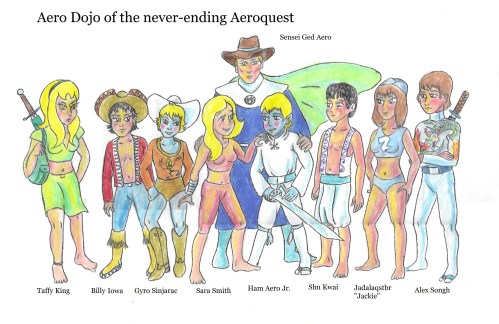
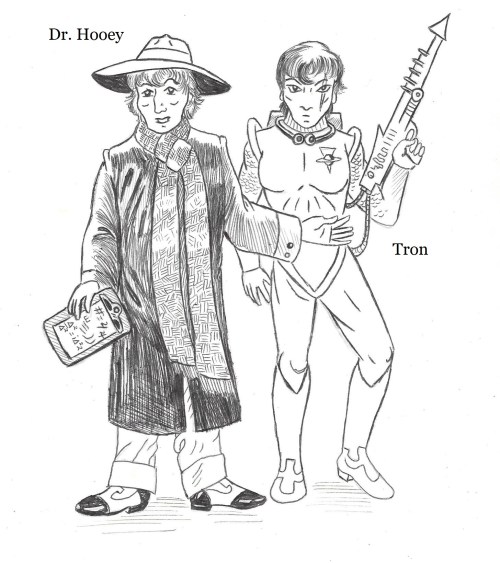
Here is the original teacher in space and some of his first class of students.
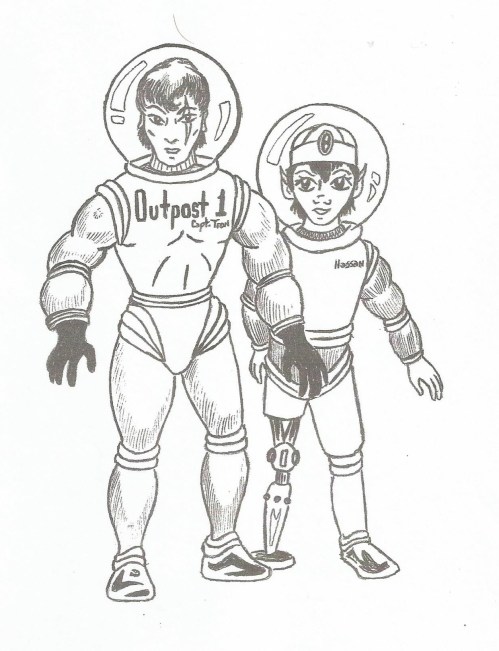
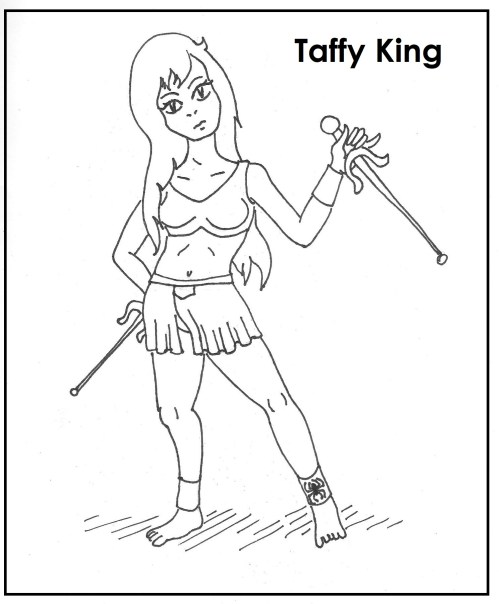
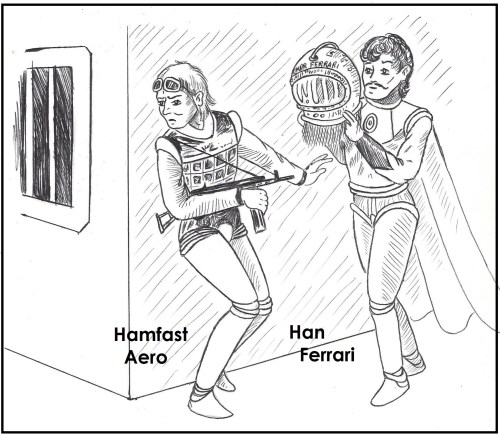
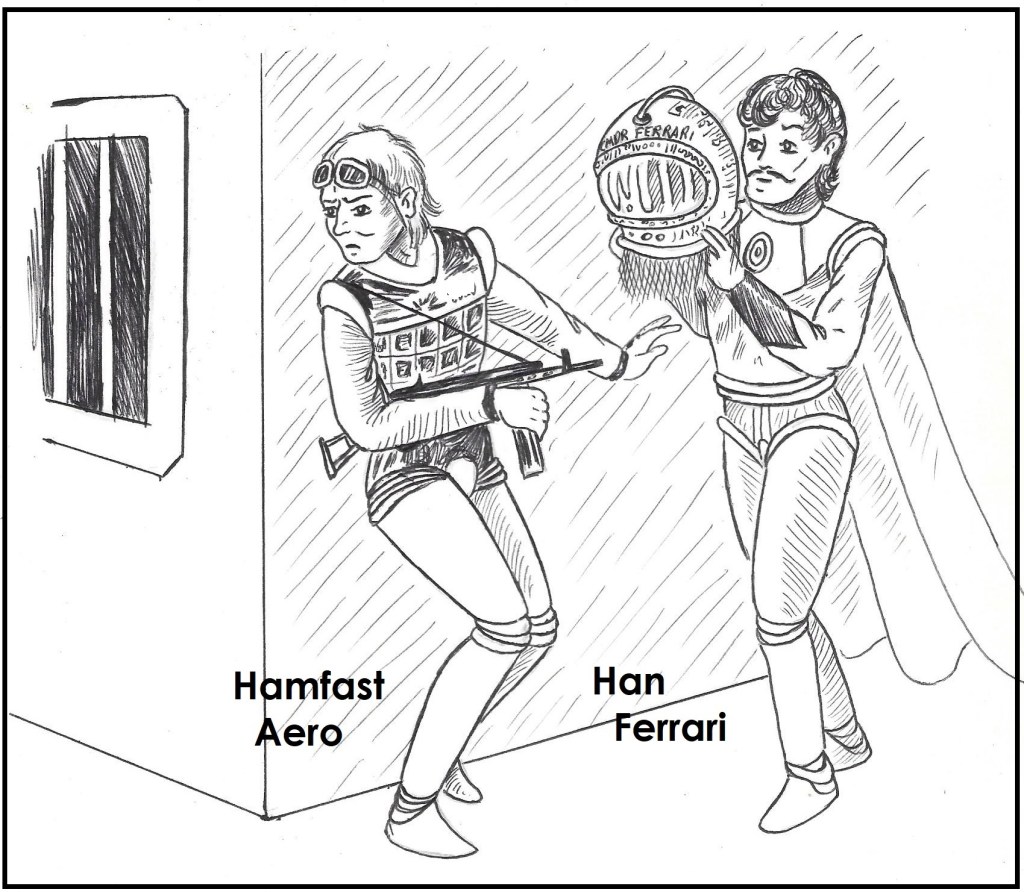
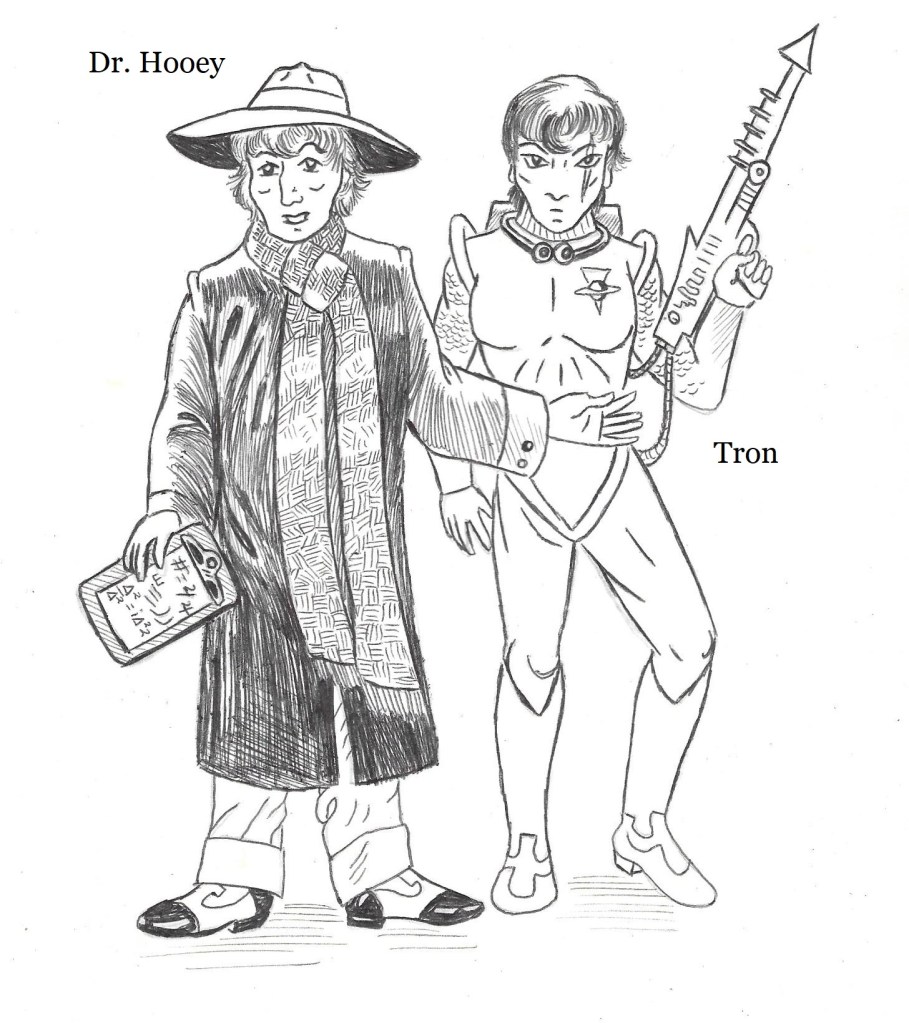
Many of the main characters are based on the actual role-playing characters made up by the boys and young men who played the game with me. Many had to be re-named, however, because, like Tron Blastarr above, they often had movie-character names.
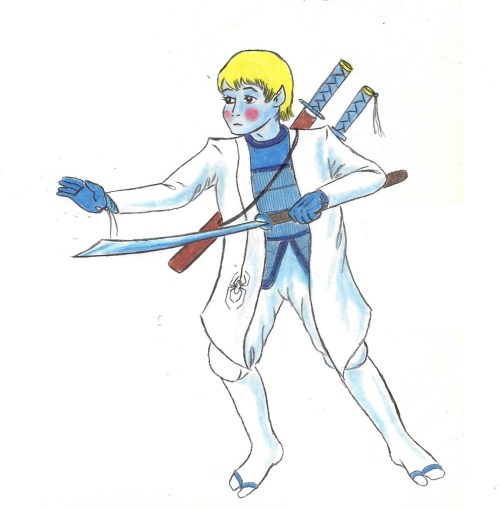
This important character was a parody of Professor X of the X-men, from the comic books and well before the movies.
It was a simple matter to give him psionic powers and transfer him into outer space. Oh, and get him out of the wheel chair too.
The character’s creator was the son of the local high school science teacher.
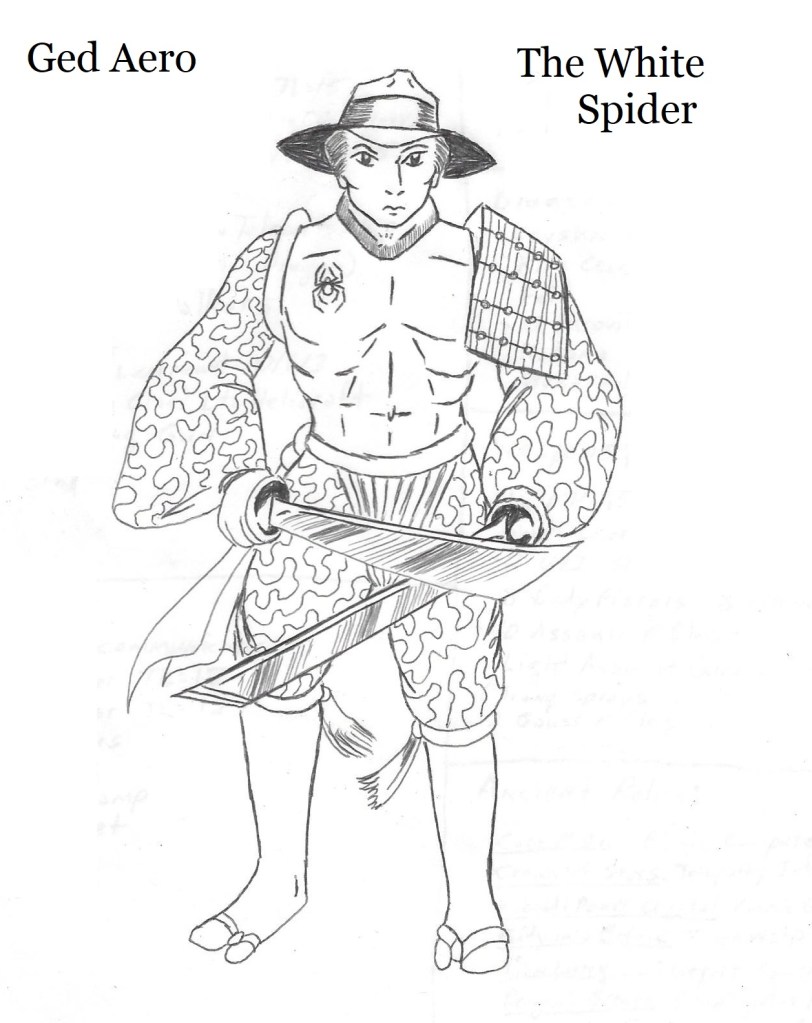
Ninja powers were a thing with teenage boys in the 80’s.
Combat is an important part of the role-playing game.
We became well-versed on weapons and tactics… and how to manipulate the rolls of the dice… by cheating if necessary.
How else do heroes overcome impossible odds?
Two more player characters that play a critical role in the novels.
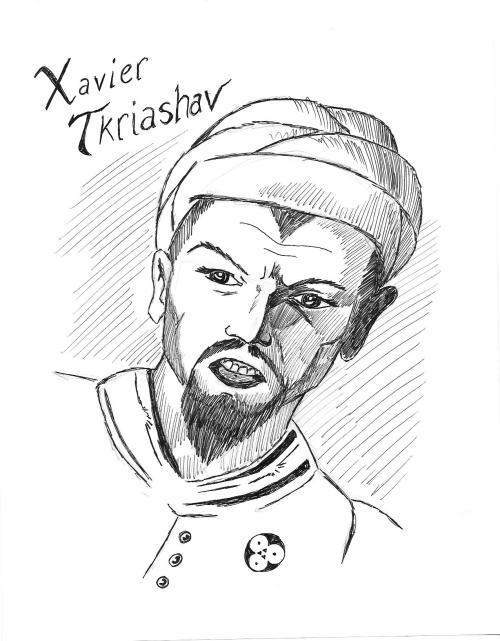
Again with the parody characters that came from player-character ideas stolen from TV and the movies.
Aliens are necessary to this kind of story.
I am near to completing this third novel in the series.
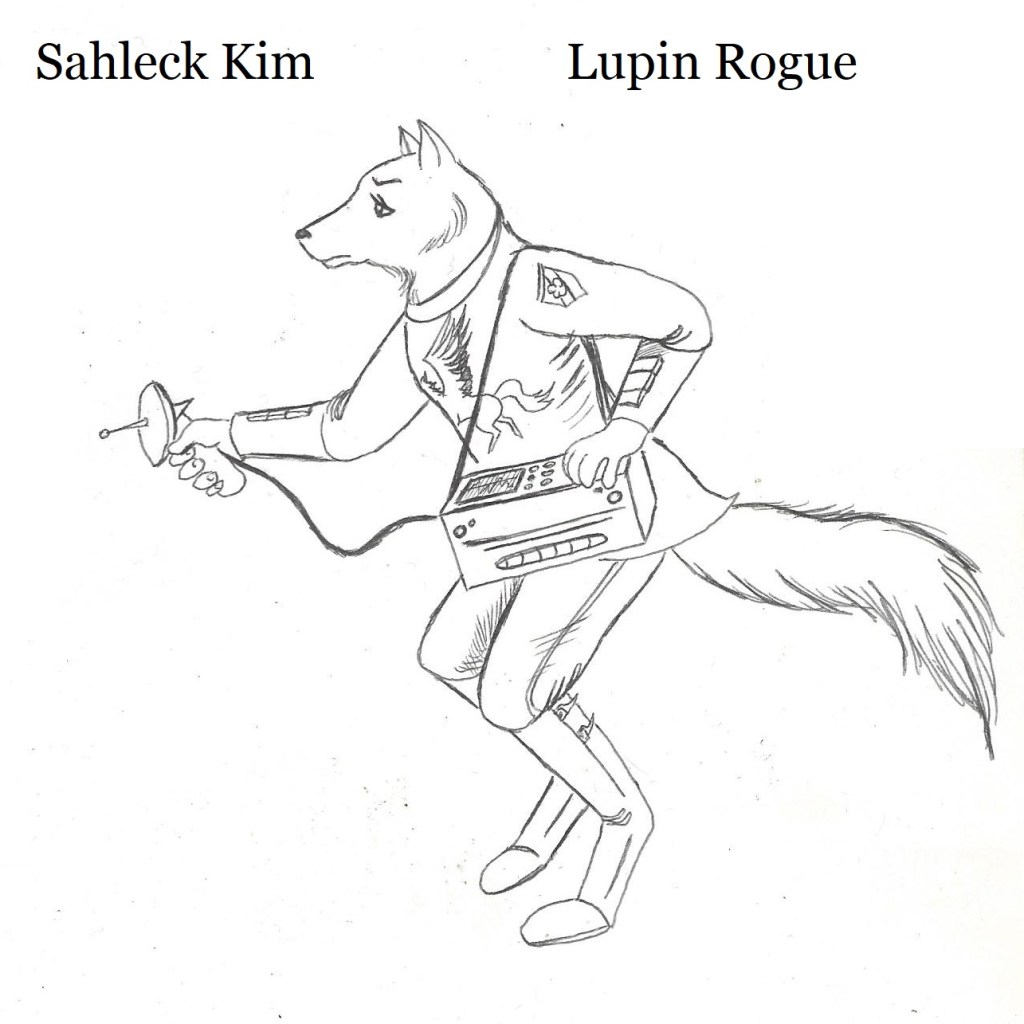
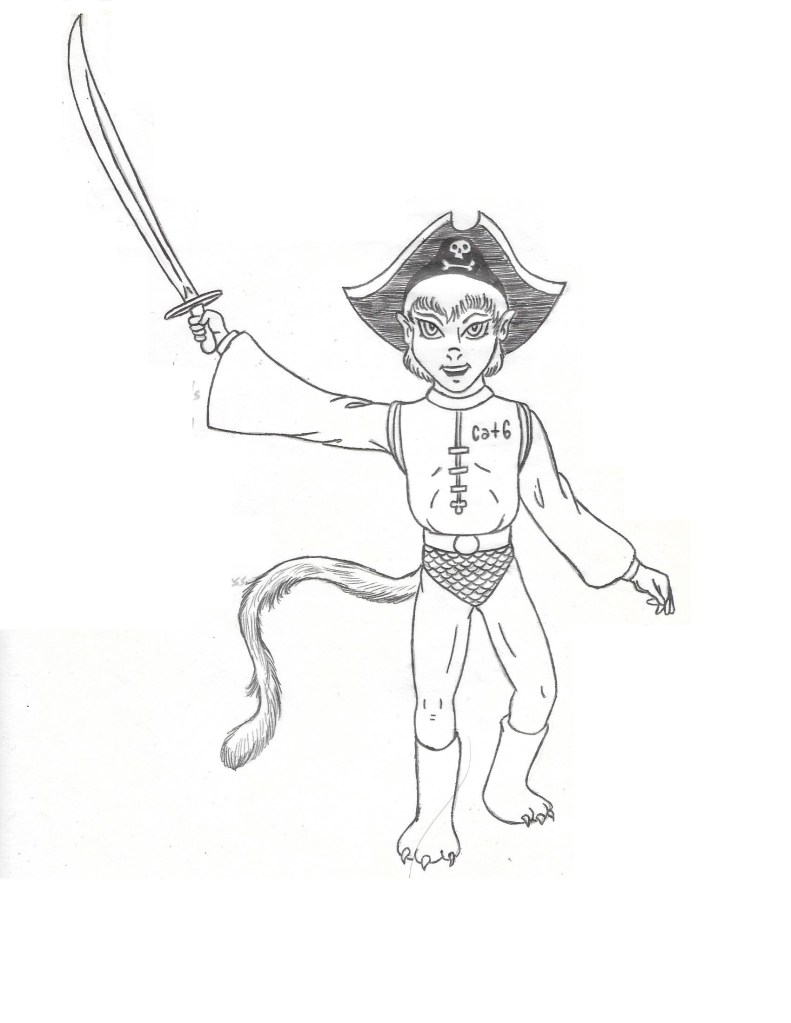
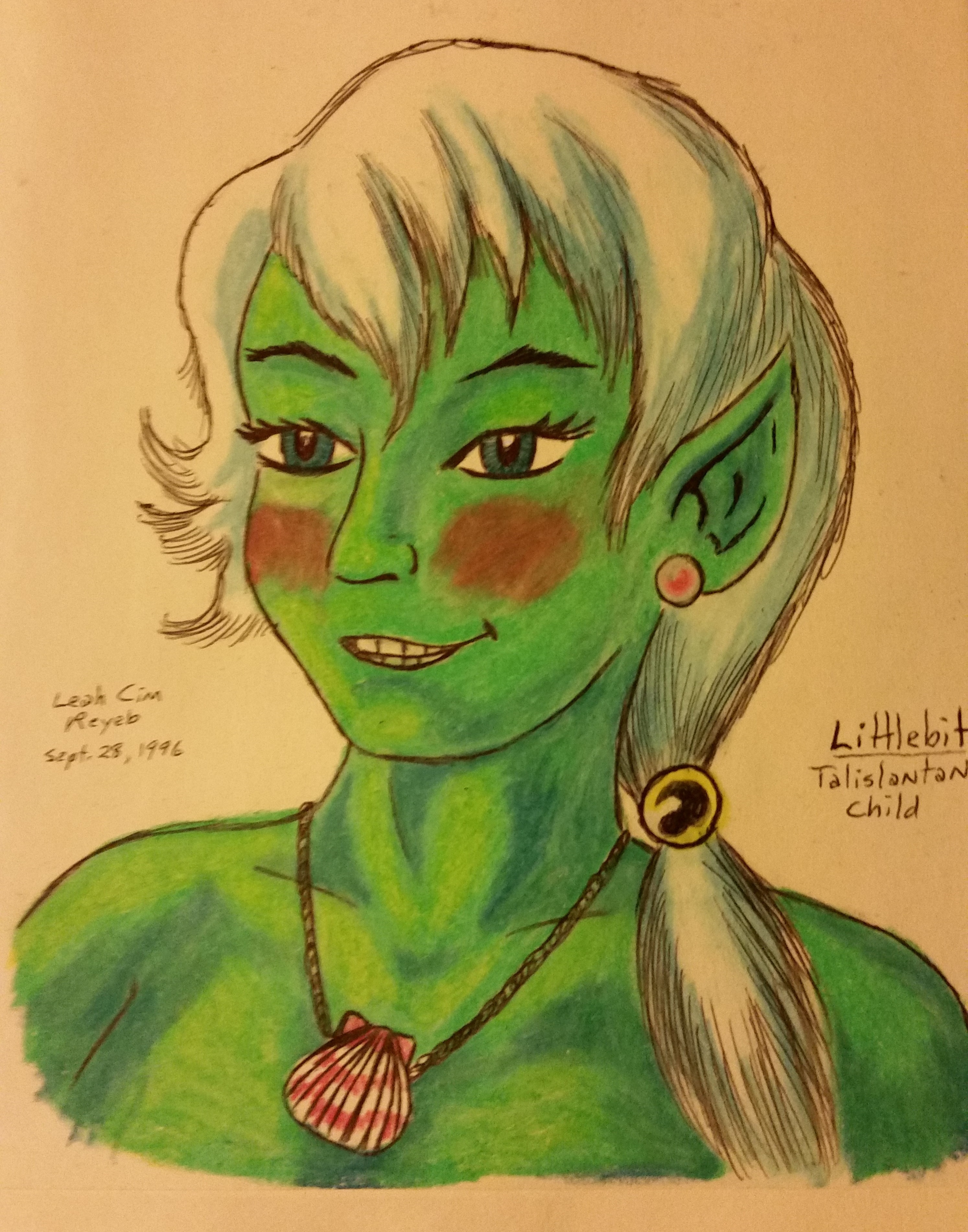
The Nebulon aliens, though very human-like, are blue of skin. That is not easy to depict in a black-and-white drawing.
In Dungeons and Dragons games you are trying to bring characters to imaginary life by getting into their deformed, powerful, or magic-filled heads and walking around in a very dangerous imaginary world. You have to be them. You have to think like them and talk like them. You have to love what they love, decide what they do, and live and die for them. They become real people to you. Well… as real as imaginary people can ever become.
But there are actually two distinct types of characters.
These, remember, are the Player Characters. My two sons and my daughter provide them with their persona, personality, and personhood. They are the primary actors in the stage play in the theater of the mind which is D & D.
But there are other characters too. In fact, a whole complex magical world full of other characters. And as the Dungeon Master, I am the one who steps into their weird and wacky imaginary skins to walk around and be them at least until the Player Characters decide to fireball them, abandon them to hungry trolls, or bonk them on the top of their little horned heads. I get to inhabit an entire zoo of strange and wonderful creatures and people.
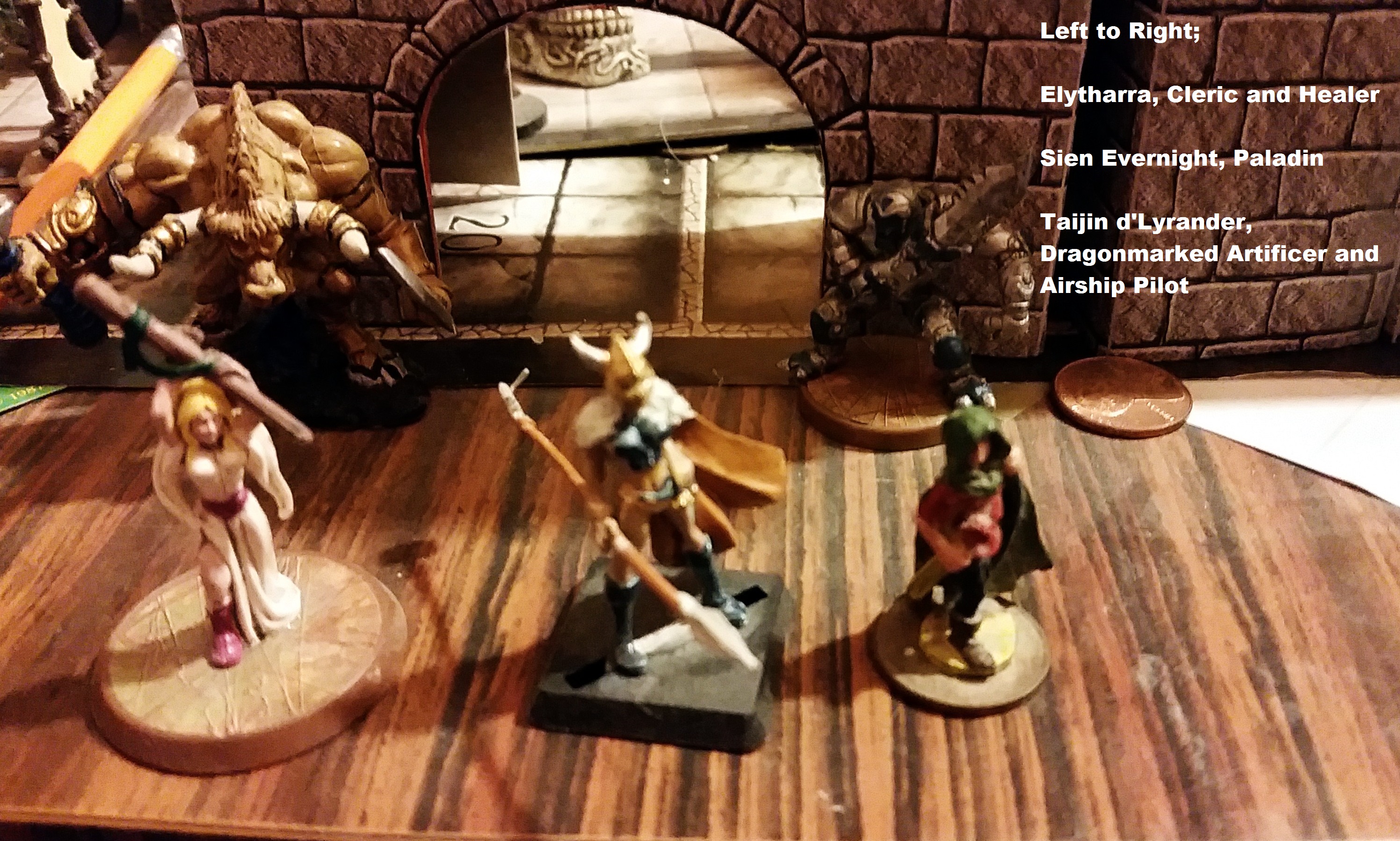
Besides the fact that these Non-Player Characters can easily lead you to develop multiple personality disorder, they are useful in telling the story in many different ways. Some are friendly characters that may even become trusted travel companions for the Player Characters.
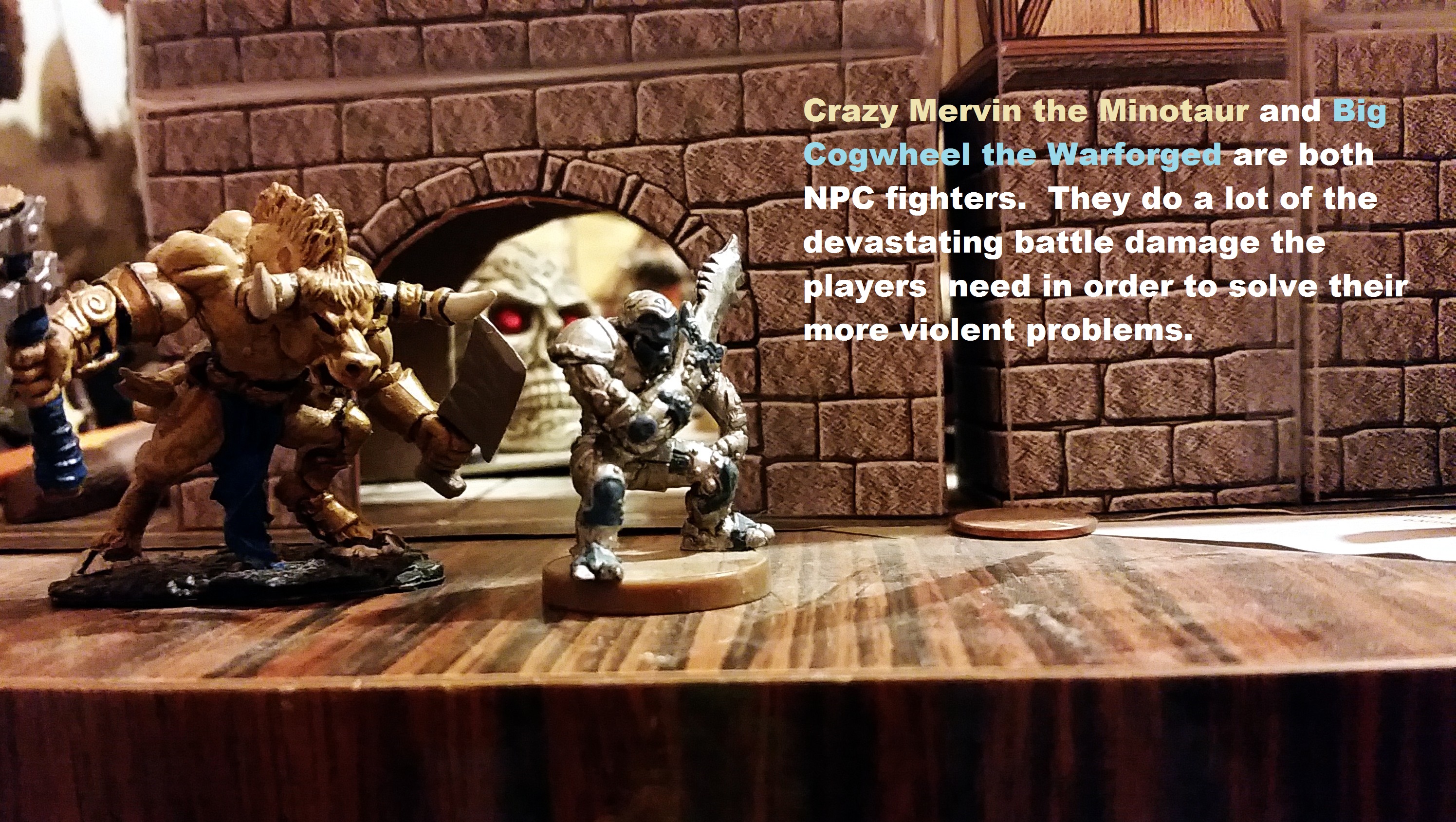
D & D has a battle system based on controlling the outcomes of the roll of the dice with complex math and gained experience. In simpler terms, there is a lot of bloody whacking with swords and axes that has to take place. You need characters like that both to help you whack your enemies and to be the enemies you get to whack. There is a certain joy to solving your problems with mindless whacking with a sword. And yet, the story is helped when the sword-whackers begin to develop personalities.
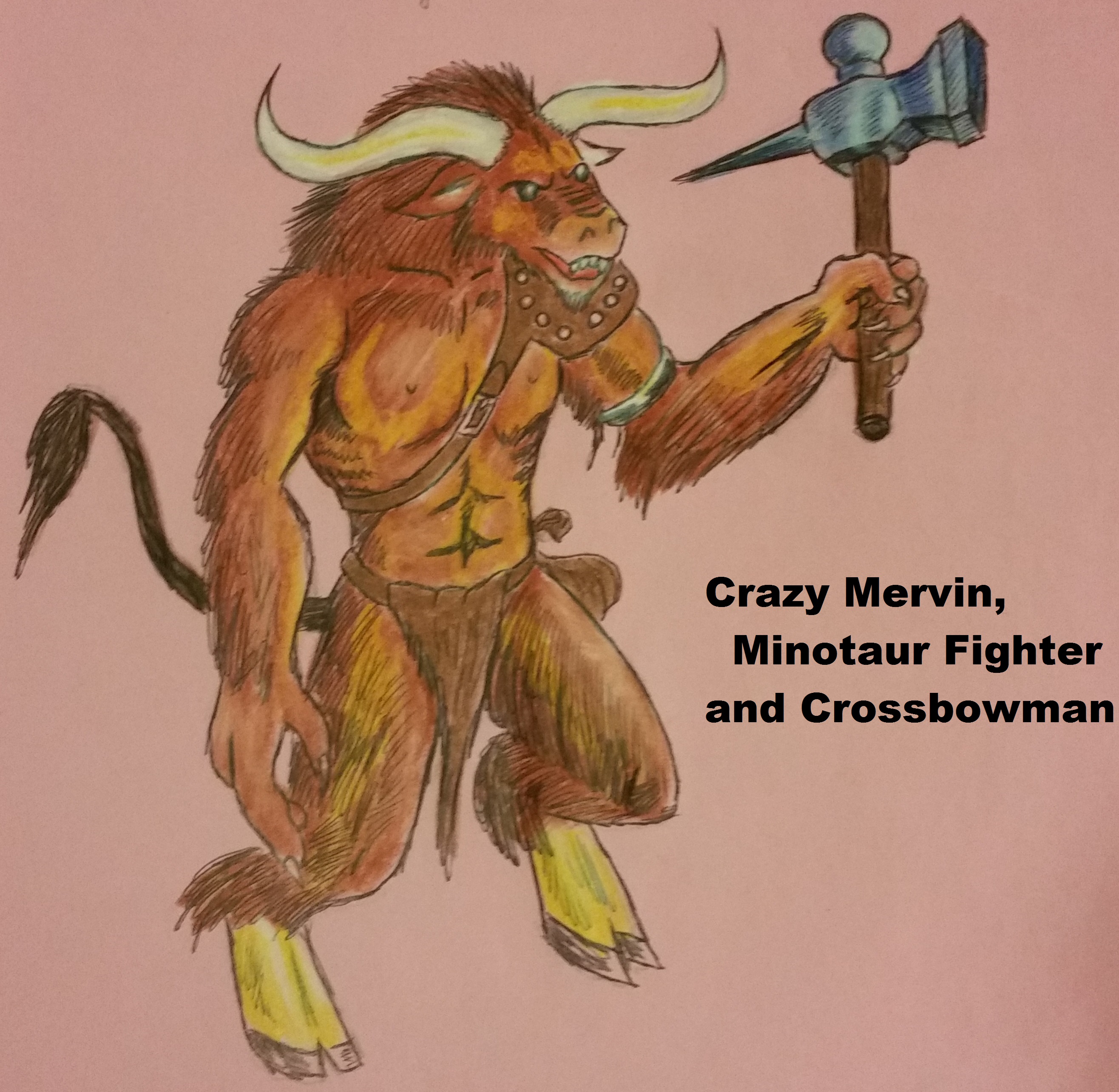
Crazy Mervin, for example, began life as a whackable monster that could easily have been murdered by the Player Characters in passing while they were battling the evil shape-changing Emerald Claw leader, Brother Garrow.
But Gandy befriended him and turned him from the evil side by feeding him and sparing him when it really counted. He became a massively powerful ax-whacker for good because Gandy got on his good side. And stupid creatures like Mervin possess simple loyalties. He helped the players escape the Dark Continent of Xendrick with their lives and is now relied upon heavily to help with combat. He was one of the leaders of the charge on the gate when the Players conquered the enthralled Castle Evernight.
Not every NPC is a whackable monster, however. In the early stages of the campaign the Players needed a magic-user who could read magic writing, use detection spells and shielding spells and magic missiles, and eventually lob fireballs on the bigger problems… like dragons.
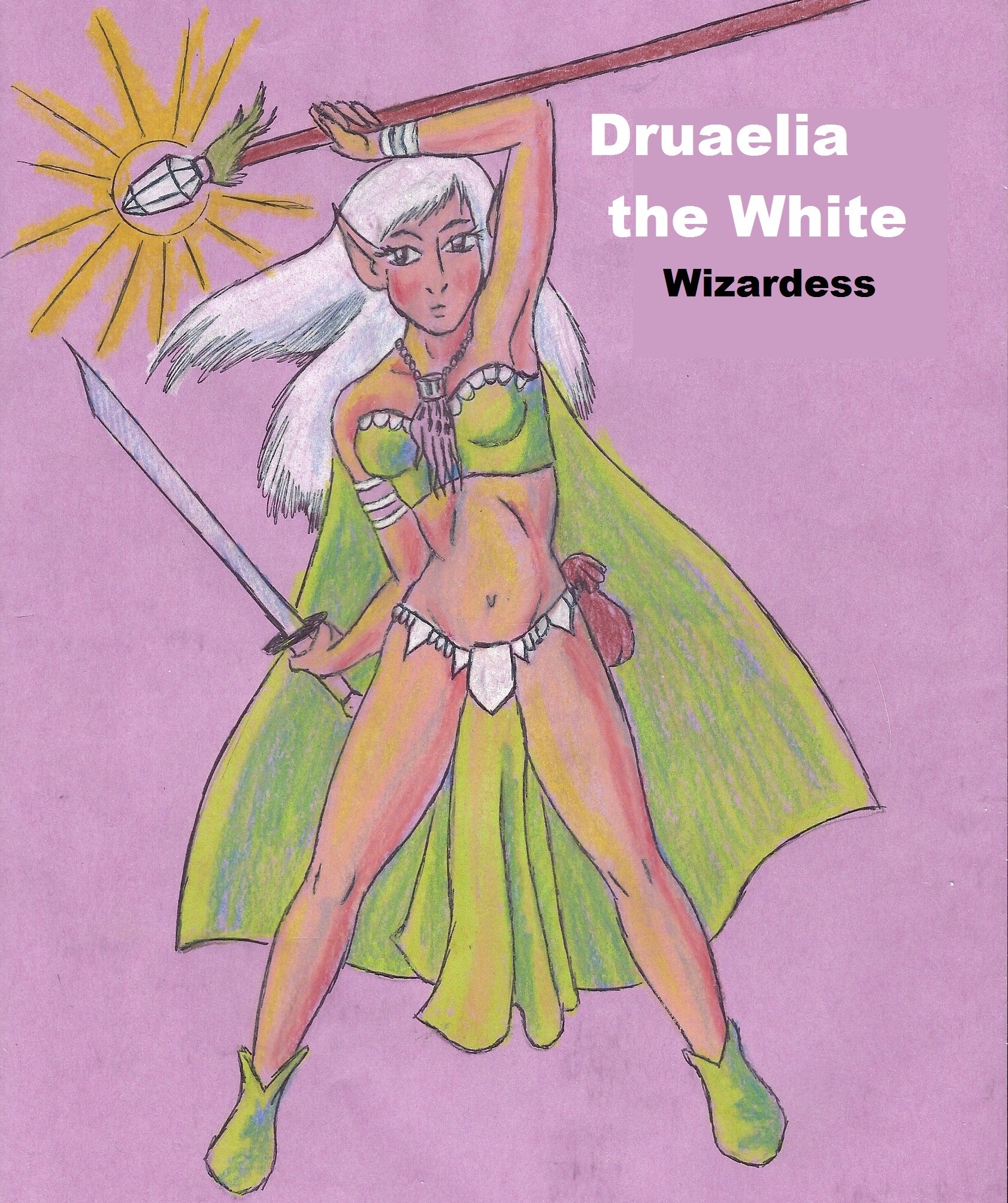
Druaelia was the wizard I chose to give the group of heroes to fulfill these magical tasks. Every D & D campaign requires wizarding somewhere along the way. And Dru was a complex character from the start. Her fire spells often went awry. When Fate used a magic flaming crossbow bolt to sink a ship he was defending, killing the good guys right along with the bad guys, it was with a magic crossbow bolt crafted by Druaelia. Her fire spells went nuclear-bad more than once. She had to learn along the way that her magical abilities tended more towards ice and snow than fire. She learned to become a powerful wielder of cold powers. And while she was comfortable in a bikini-like dress that drove the boys wild because she grew to love the cold, she didn’t particularly like the attentions of men and male creatures that went along with that. More than one random bandit or bad guy learned the hard way not leer at Dru. There are just certain parts of the anatomy you really don’t want frozen.
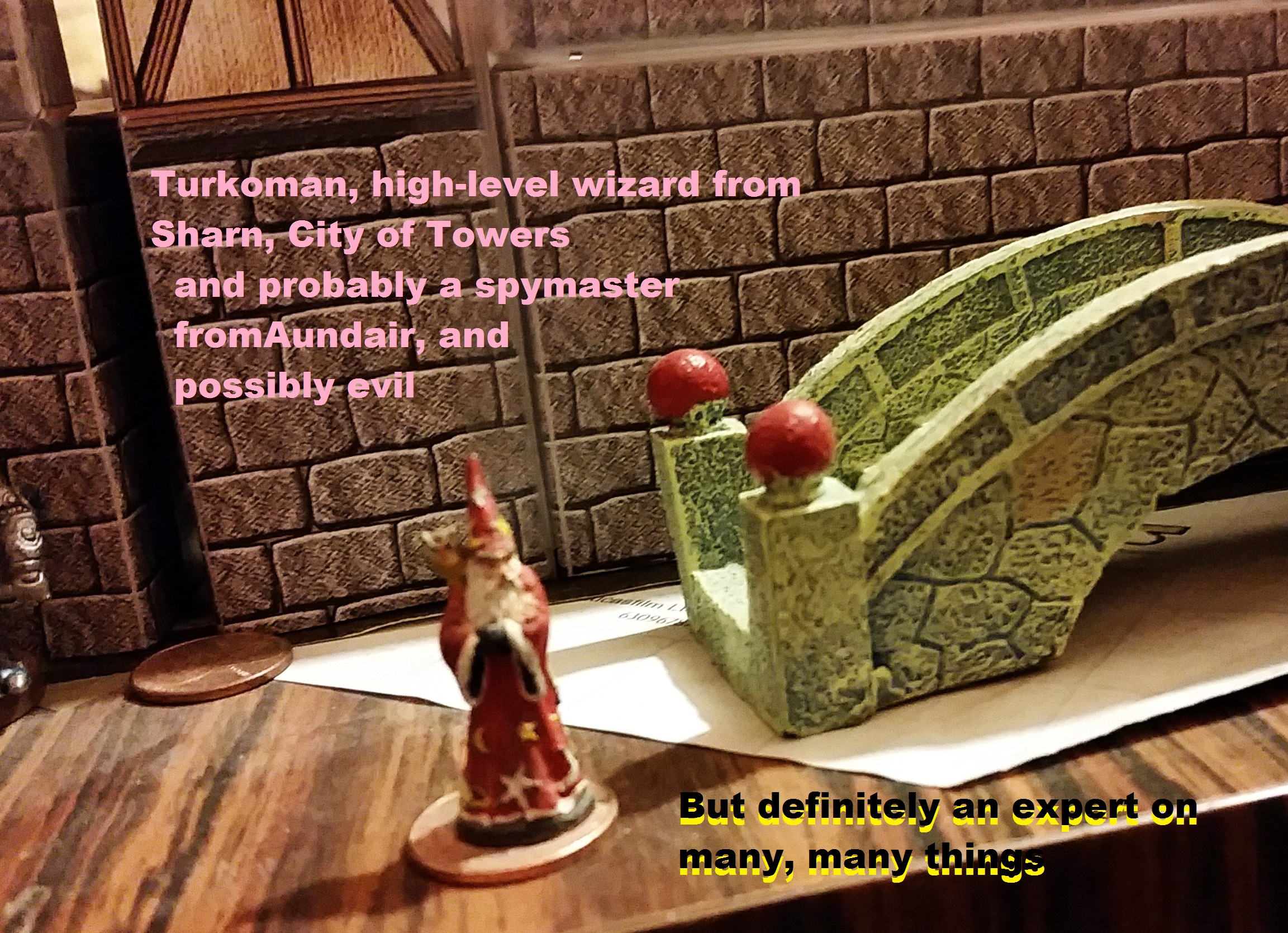
The Player Characters will need all sorts of help along the way, through travels and adventures and dangerous situations. They will meet and need to make use of many different people and creatures. And as Dungeon Master I try hard to make the stories lean more towards solving the problems of the story with means other than mere whacking with swords. Sometimes that need for help from others can even lead you into more trouble.
But as I am now nearing the 800 word mark on a 500 word essay, I will have to draw it all to a close. There is a lot more to say about NPC’s from our game. They are all me and probably are proof of impending insanity. But maybe I will tell you about that the next time we sit down together at the D & D table.
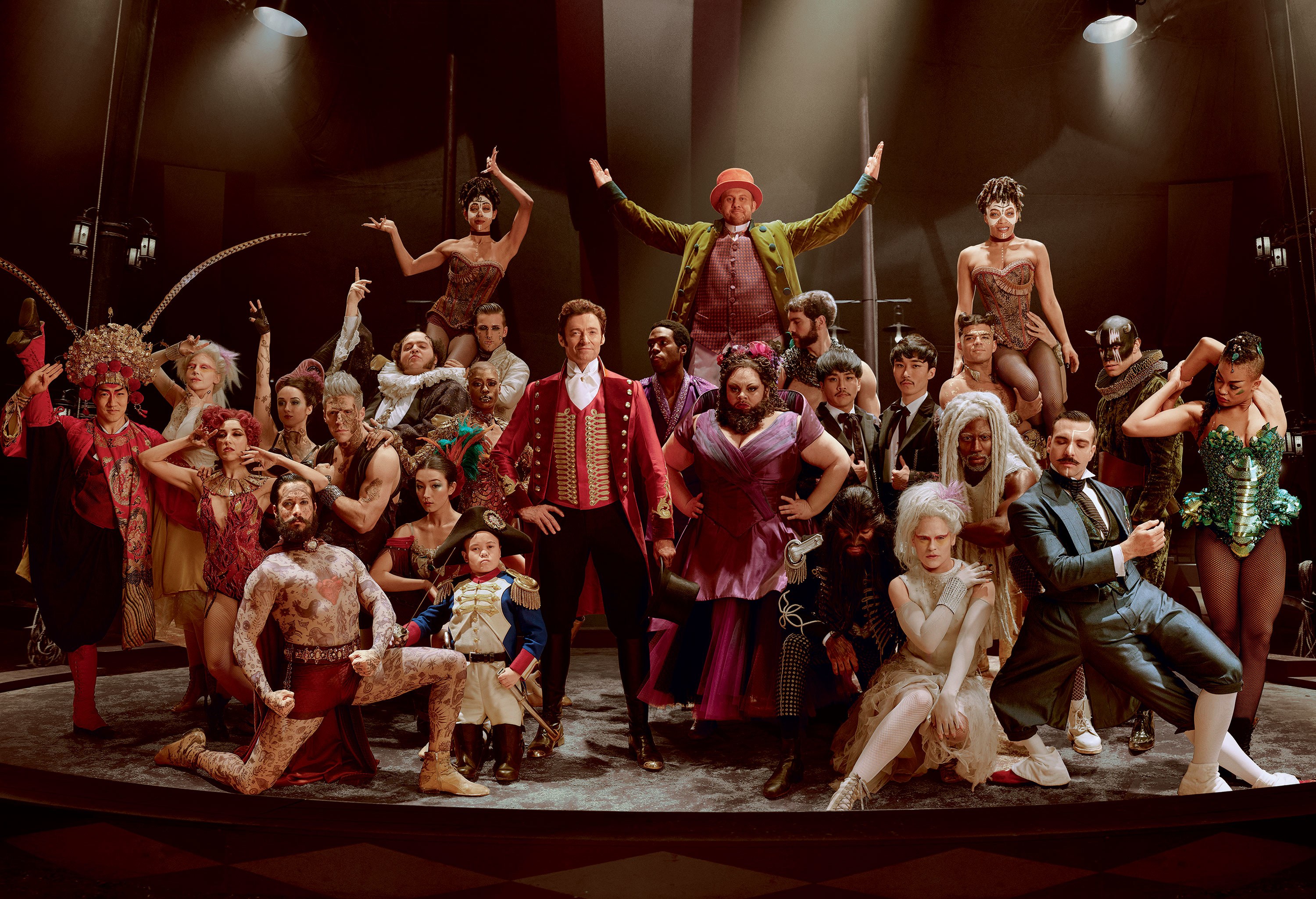
Last night my wife and my daughter the Princess went with me to the movie musical The Greatest Showman at the dollar movie. I was enchanted. My wife laughed at me for how much the movie made me cry. But it was a very touching and timely movie for me because it was about pursuing dreams in spite of economic hardships. The award-winning songs promote with energy and stunning beauty the notion that you should follow your passion no matter the risk, and that choosing to do so will produce rewards as long as family and love are with you and along for the ride.
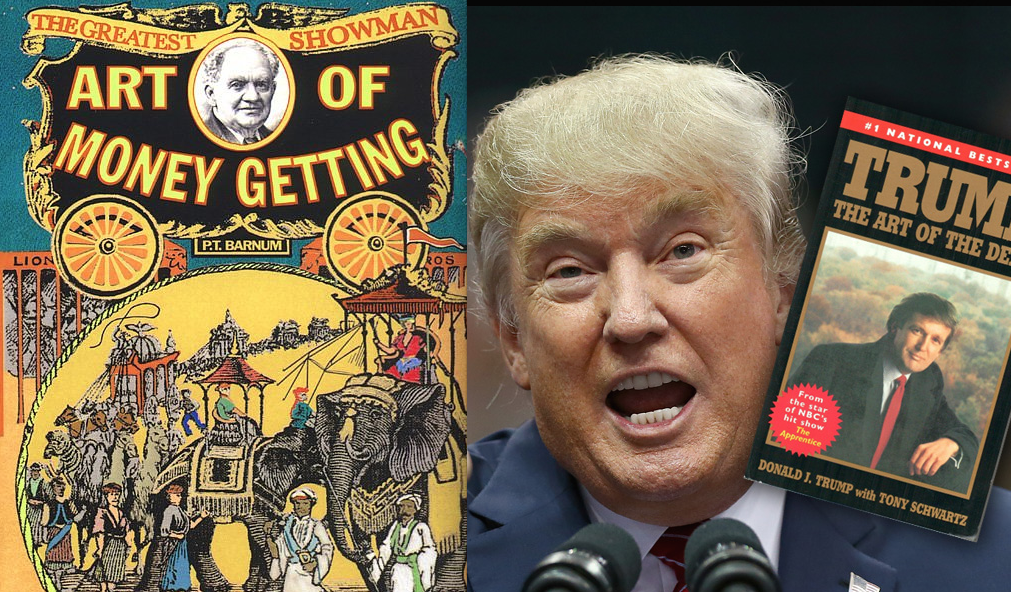
Of course, one has to remember that the whole story is based on the life and work of Phineas Taylor Barnum, a man who is a lot more like Donald Trump than he is Hugh Jackman. I really doubt he could sing and dance the way the movie portrays him. And words like “humbug”, “fraud”, and “exploiter” apply to him in a very real way.
Barnum was actually one of those wheeler dealers who wants to control the story. He actively found ways to alter the public narrative about himself and used criticism to help promote his money-making shows. The idea of bad publicity being just as good if not better than good publicity actually makes its presence felt in at least one scene in the movie. There is ample evidence that more than a little of Barnum’s efforts were aimed at making himself a star.
And although the movie sentimentalizes his exploitation of freaks and special individuals, giving him credit for giving them self esteem and a means to make a good living, that was really only the fictional Barnum created by Barnum’s own media efforts.
The truth of the matter, though far more fascinating than the movie version of Barnum, does not make for a good musical libretto. In the movie the theme of special people outcast from the society because of their uniqueness coming together to support each other in a circus is strongly woven into both the story and the music. The song “This is Me” performed by Keala Settle playing the part of bearded lady Lettie Lutz is a powerful anthem for everyone who feels smaller than they really are because of prejudice, bullying, racism, sexism, or any of the other forms of moronic stupidity that humans are so often guilty of. I have to admit, the song made me cry even as it filled me with joy. The musical score of this movie is one that I intend to listen to again and again and again. It makes the circus seem like an answer to life’s problems. It is the same feeling that I got the first time, and every time, I ever saw the circus with all its clowns and jugglers, acrobats and lion tamers, bare-back riders and elephants. And I knew it was all illusion. All humbug. But it was pure joy worth the price of the ticket never-the-less.
The movie was only rated 56% fresh on Rotten Tomatoes. But I rarely pay attention to things like that. This musical goes into the category with The Sound of Music, The Music Man, Oklahoma!,and Mary Poppins of musicals I can’t live without. Never mind the greedy little man that it is based on. This movie is about big dreams and even bigger achievements. And it is well worth the price.
In the early 90’s, a fellow teacher became acutely aware of the effect the role-playing games I was playing at home after school had on the cognitive abilities of the fatherless boys I was constantly entertaining. She suggested that maybe, if it was working at home with a few students and former students, it could also work in the classroom with all students.
This, of course, was a daunting classroom activity to carry out, but enough of a creative challenge to my story telling abilities that I simply had to try.
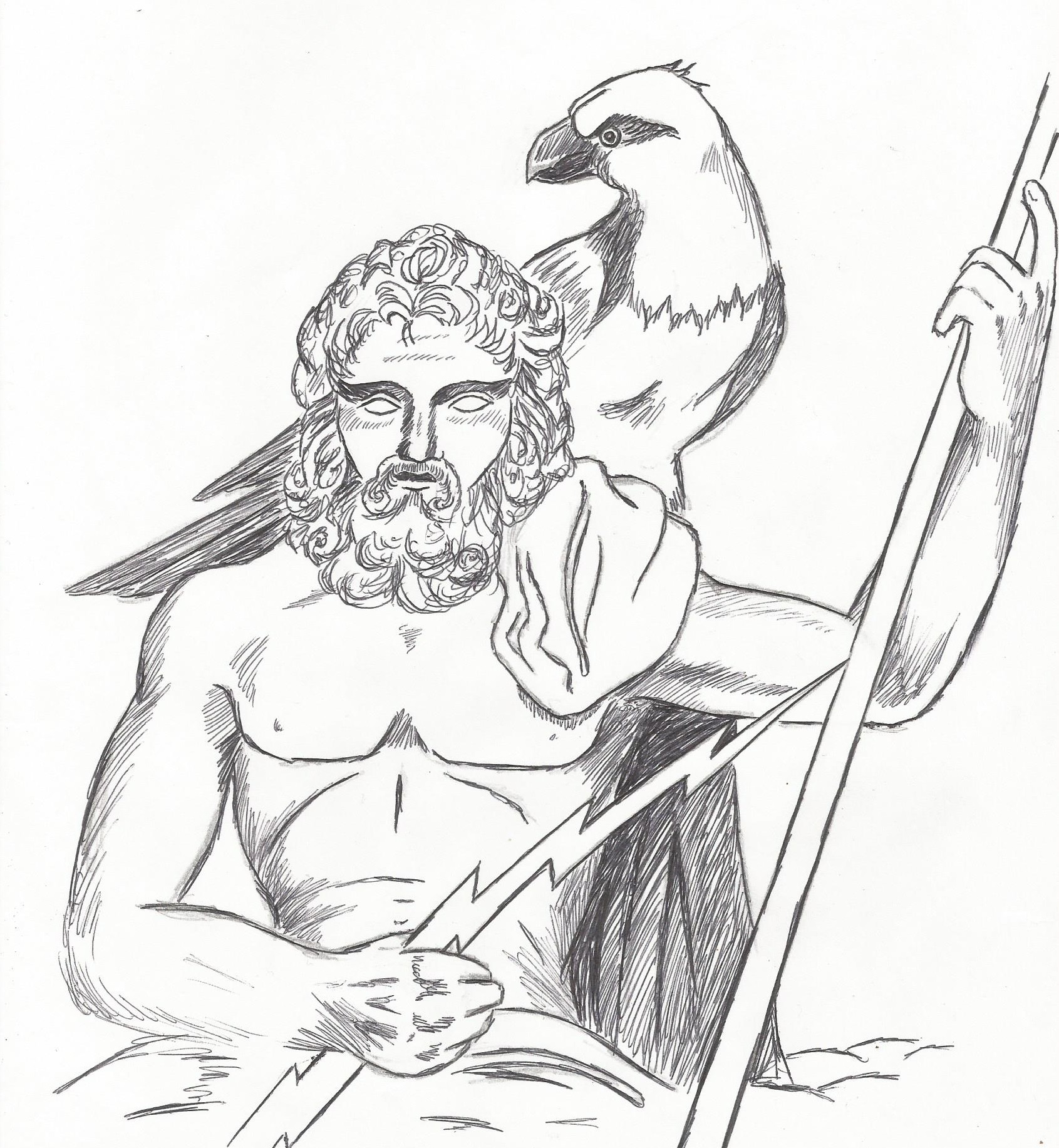
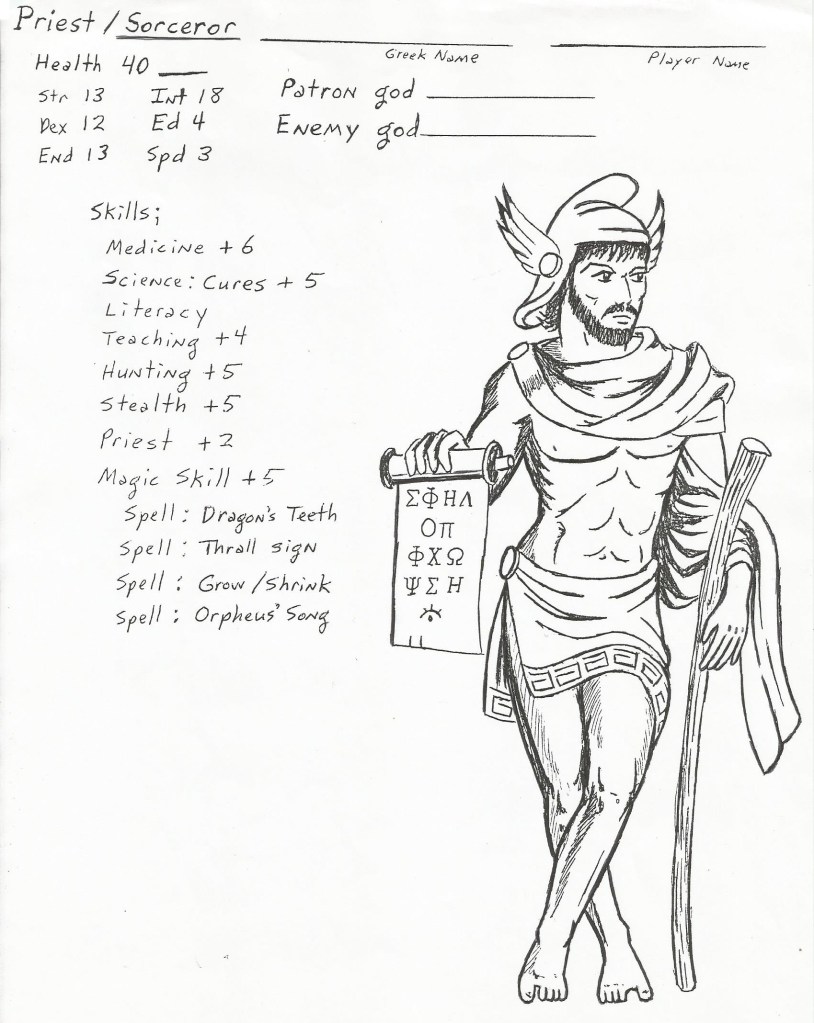
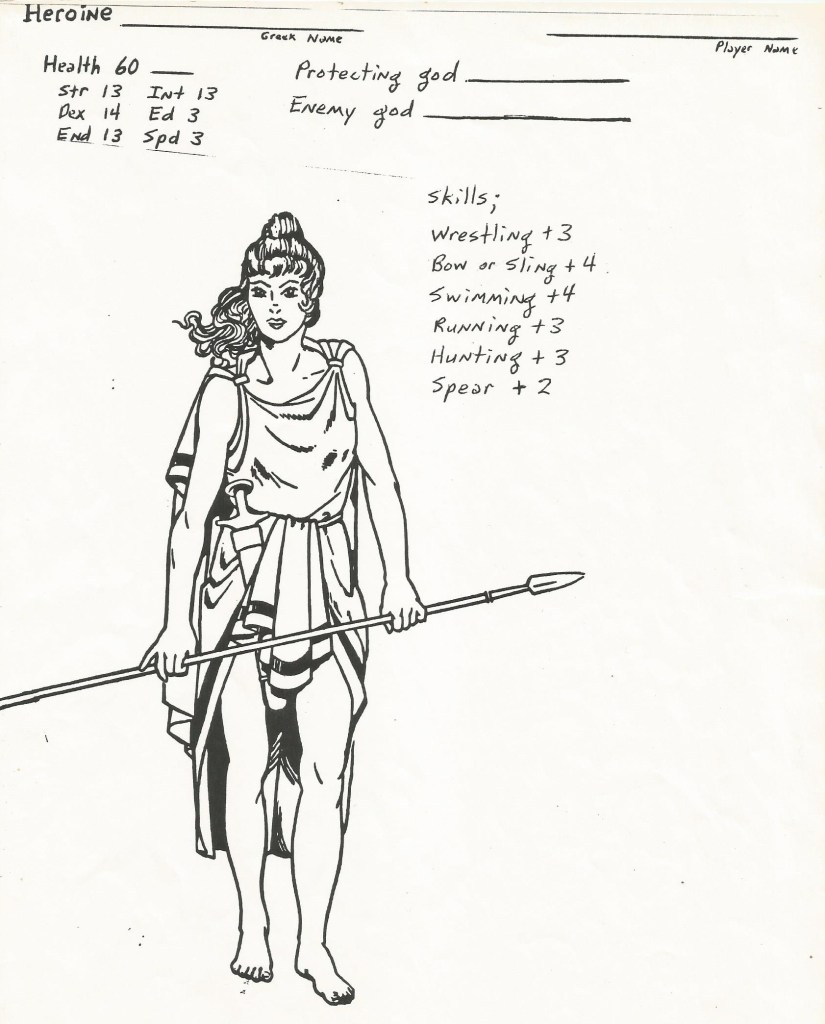
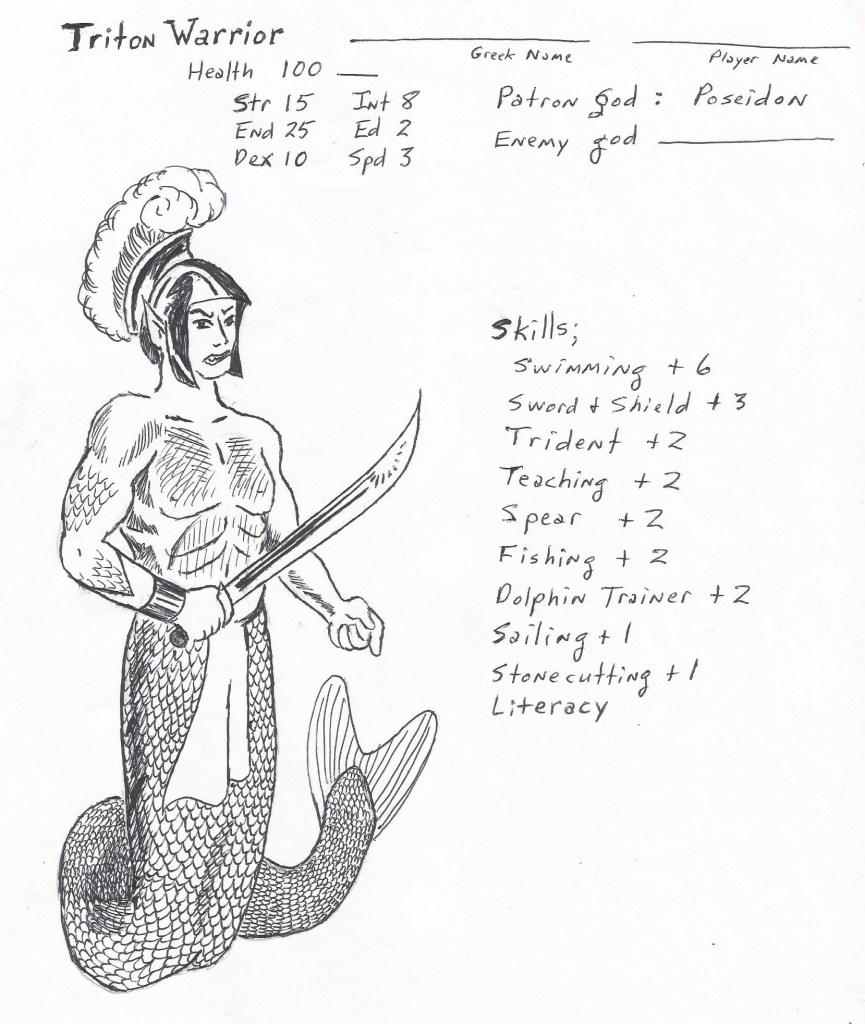
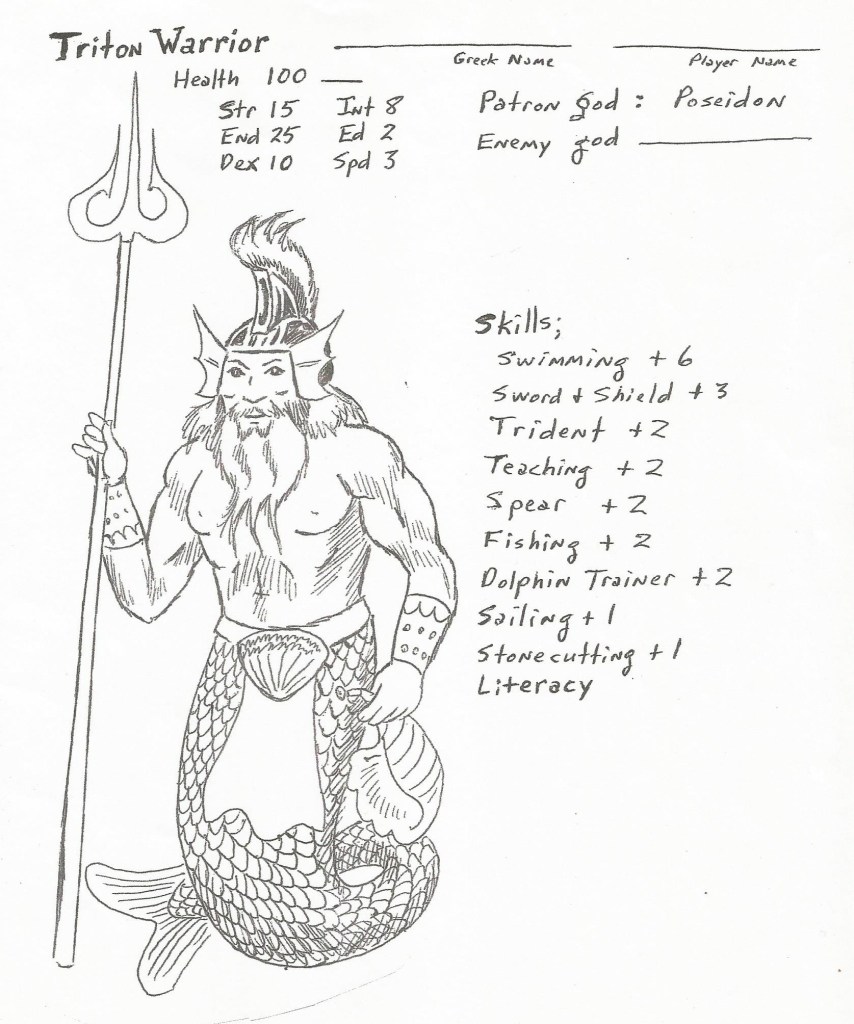
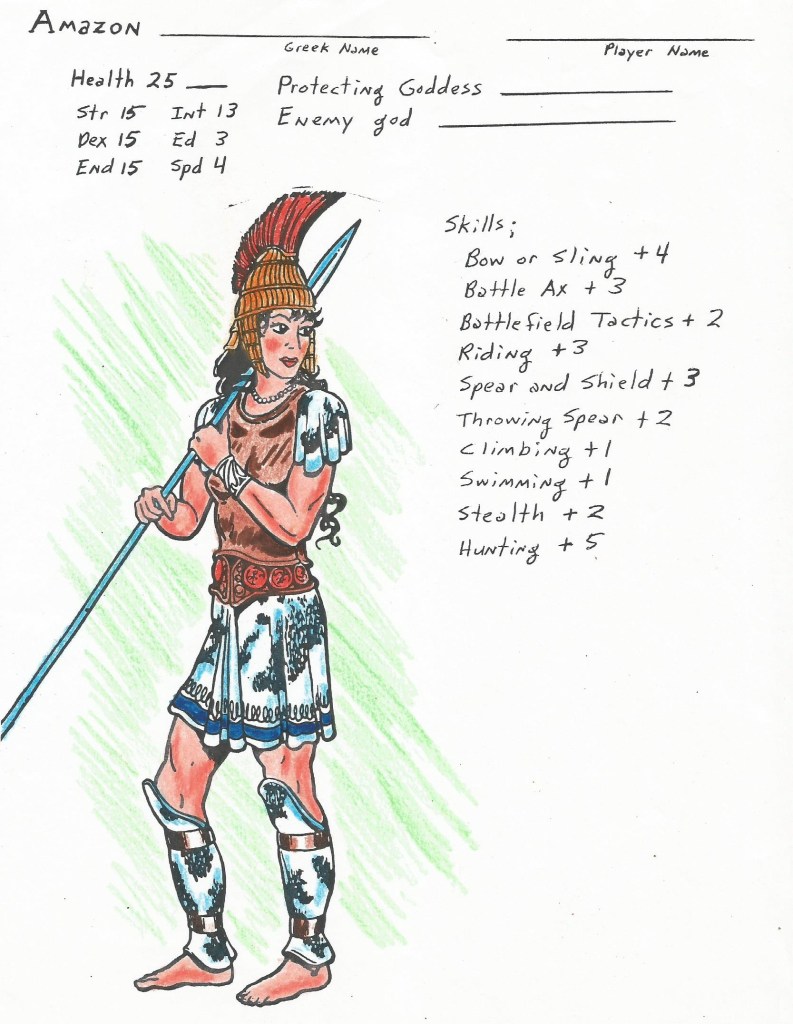
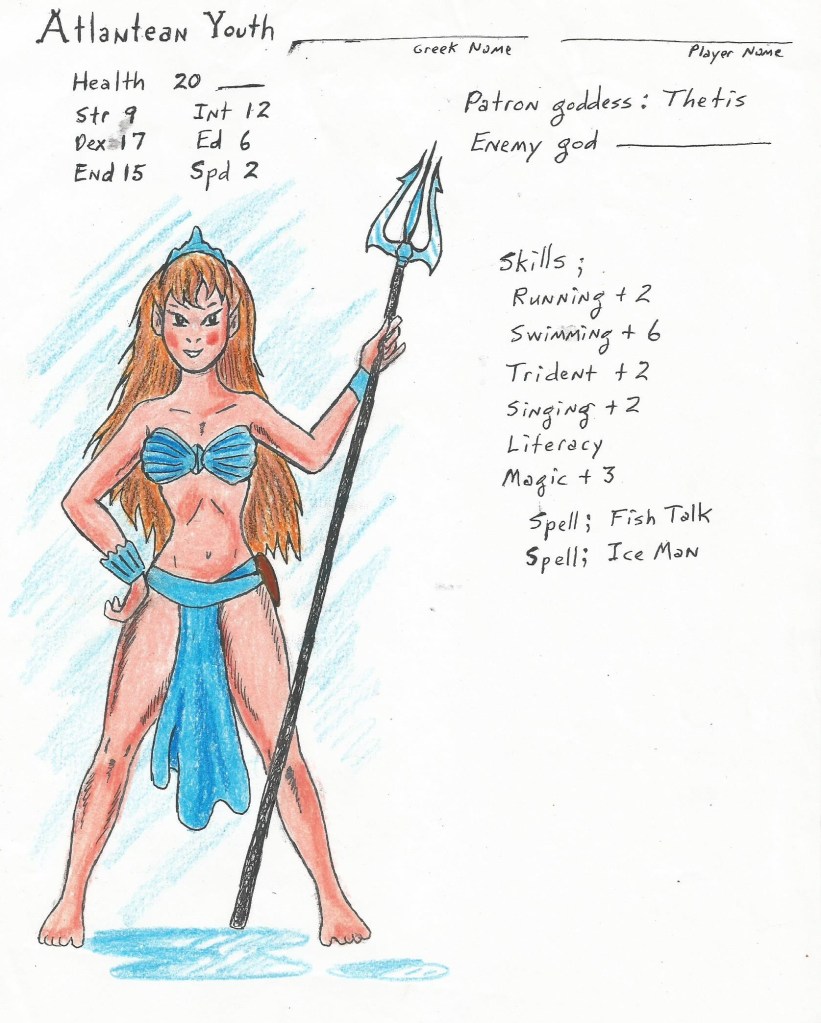
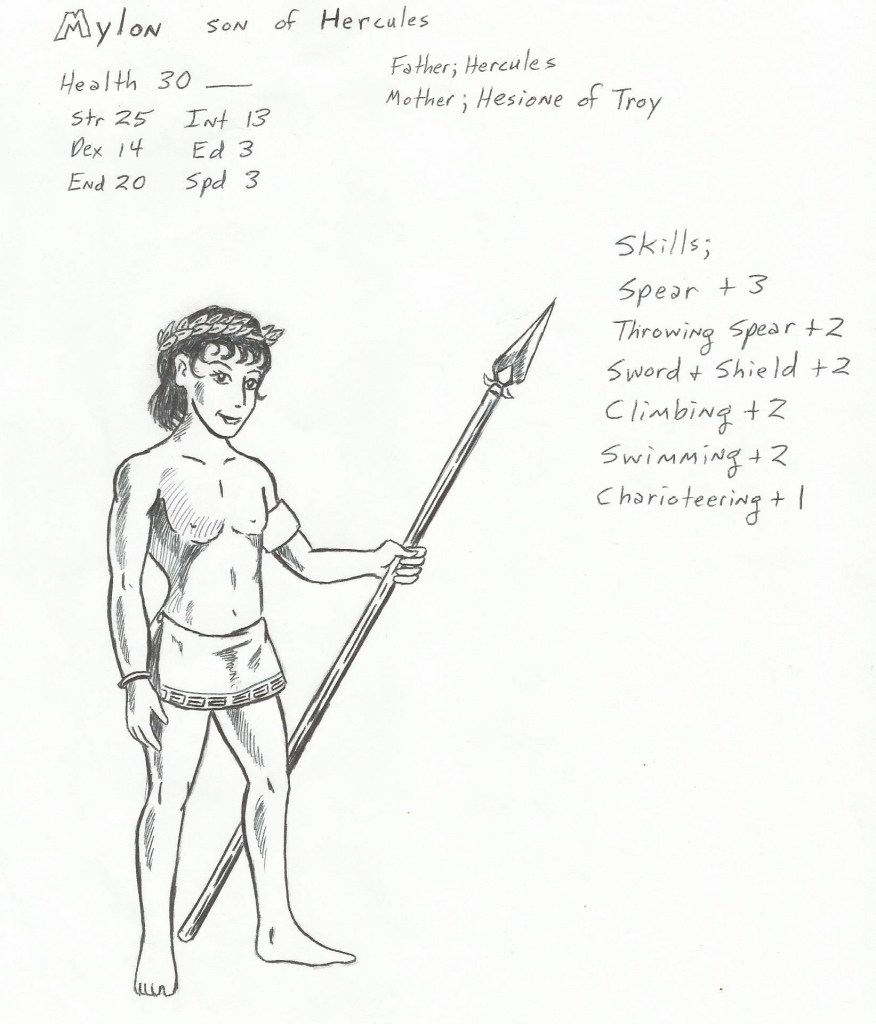
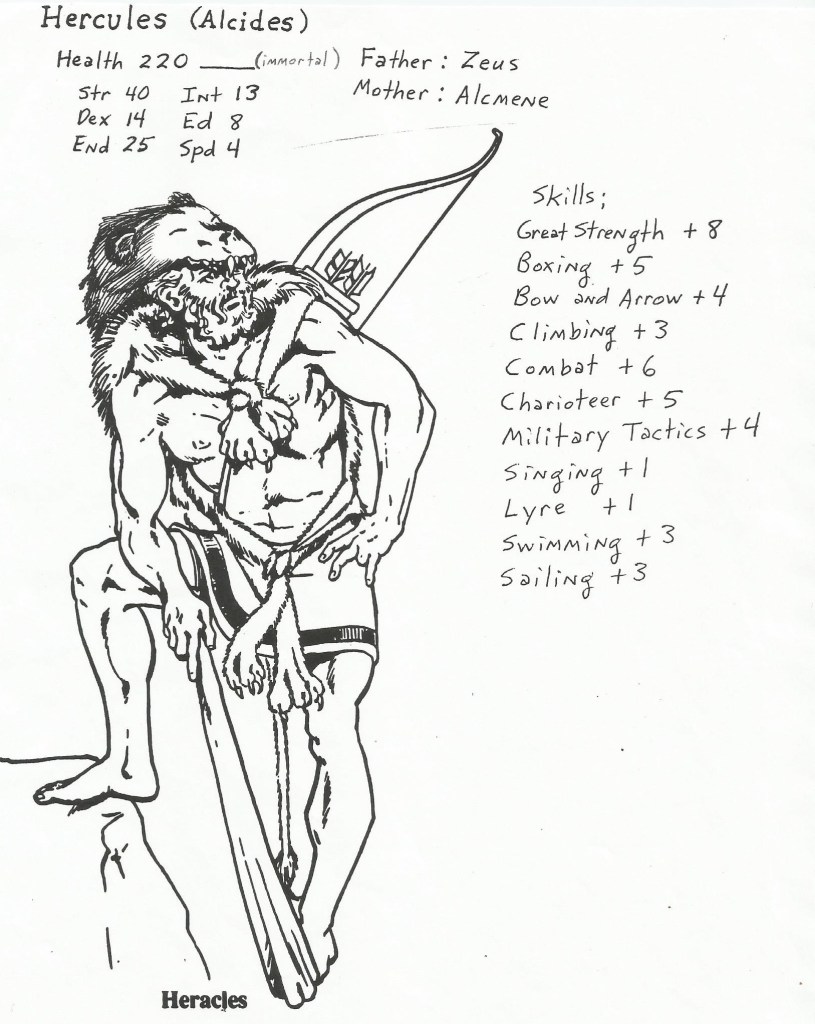
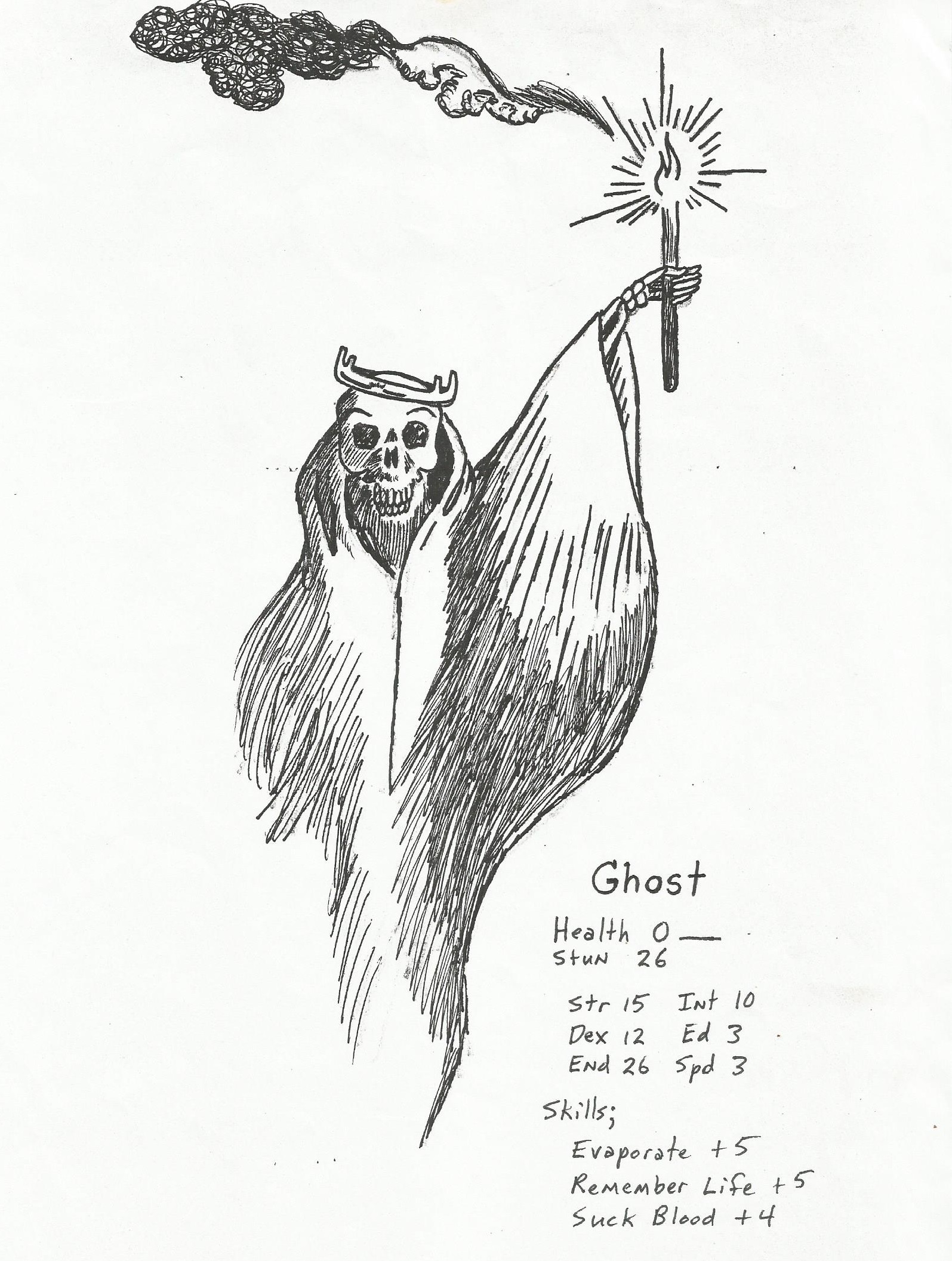
I began with a cheap RPG book about adventuring D&D style with characters from Greek Myth. This was an opportunity not only to play adventure games, but to teach a little bit about history and a lot about mythology.
So I created generic character sheets using my own personal copier, my own copy paper, and my own overhead projector plastic overlays.
I created adventures that could be conducted on the overhead with dice, and each kid had their own set of skills and useful items. We conducted Olympic games and included mythological creatures like Tritons and Centaurs as player characters. We learned about the city of Olympia, the city of Argos, the city of Corinth, Athens, Sparta, and even Atlantis.
I let students draw their character from a hat on strips of paper that contained a boy option and a girl option. I even let students trade for the character they wanted, and we learned negotiating skills along with problem-solving skills.
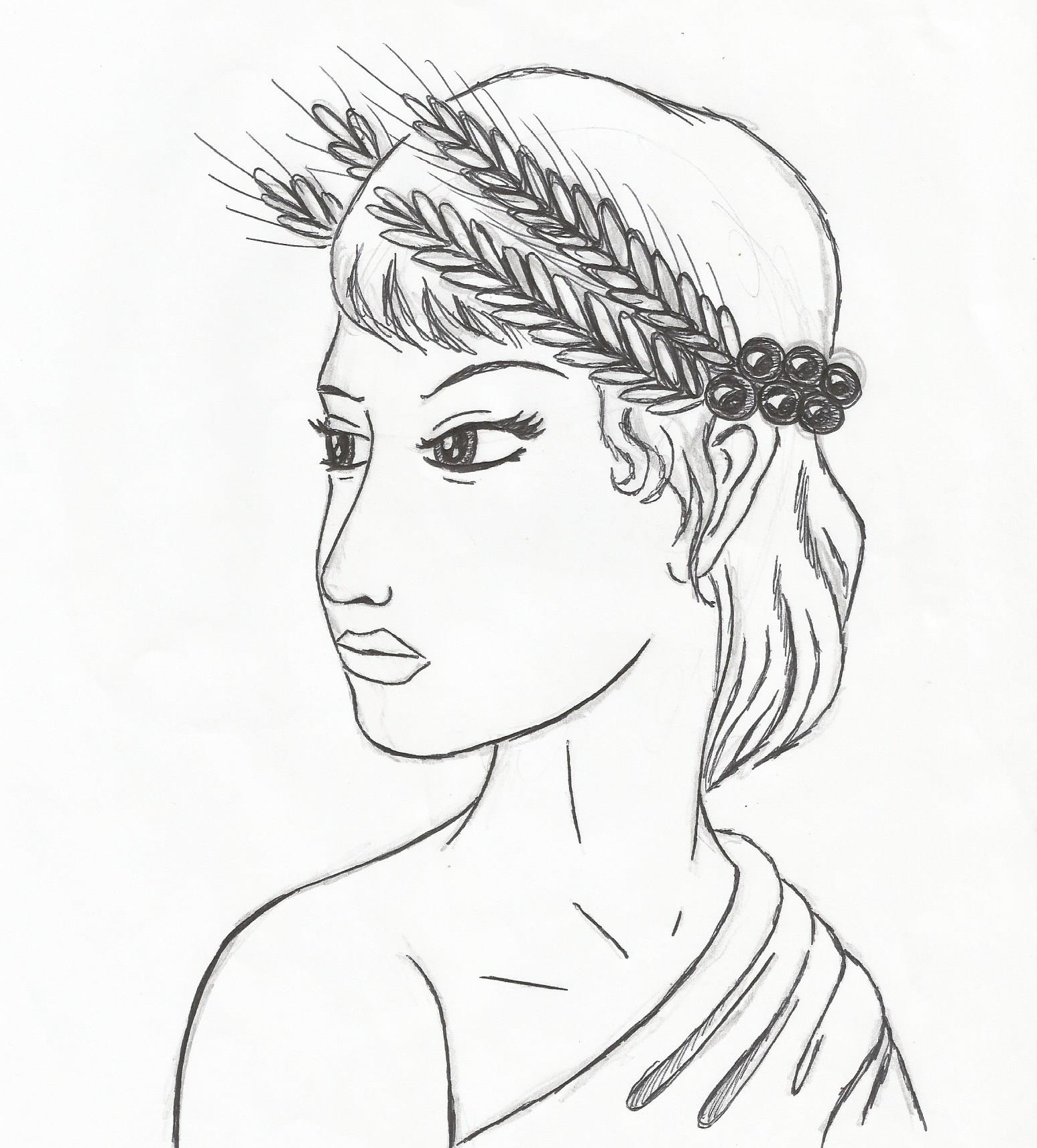
Demeter, goddess of fertility (which you can’t say in a junior high classroom, so goddess of crops and farming)
Most of the stories were driven by a kidnapping where the beautiful daughter of one of the players was kidnapped immediately after the Olympic medals were awarded. The villain would take her to his evil island base, and the players would have to work together to buy or steal a boat. Gods and goddesses could be called on to intervene, and sometimes they actually did. Another storyline began with the sack of Troy, during which the players either murder or witness the death of a young Trojan boy who just happens to be Heracles’ son.
That story took the players on a quest of penance to visit the underworld and retrieve the boy in the same way that Orpheus tried to rescue his lady love, Eurydice. Potentially, Heracles would even join the quest himself if none of the player characters were the actual killer. And, of course, all sorts of encounters with monsters would ensue.
I ended up using about as many of my personal resources as a storyteller and a cartoonist to create those adventures as I had available. But I had students tell me that the week of classroom time spent playing that problem-solving myth game was one of the most memorable learning experiences they ever had. I never tried it with a high school class, only middle school, and then mostly with 7th graders. But I think the experiment was very successful from about 1992 to 2004, and it taught me even more about teaching than it ever taught them about mythology.
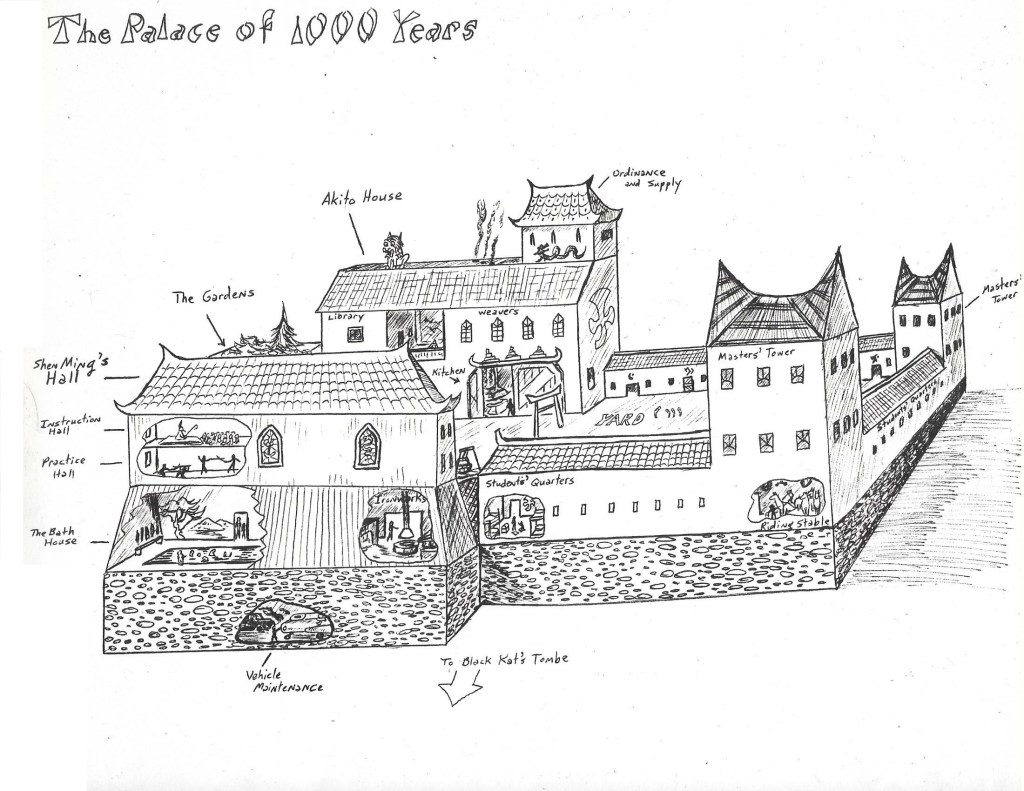
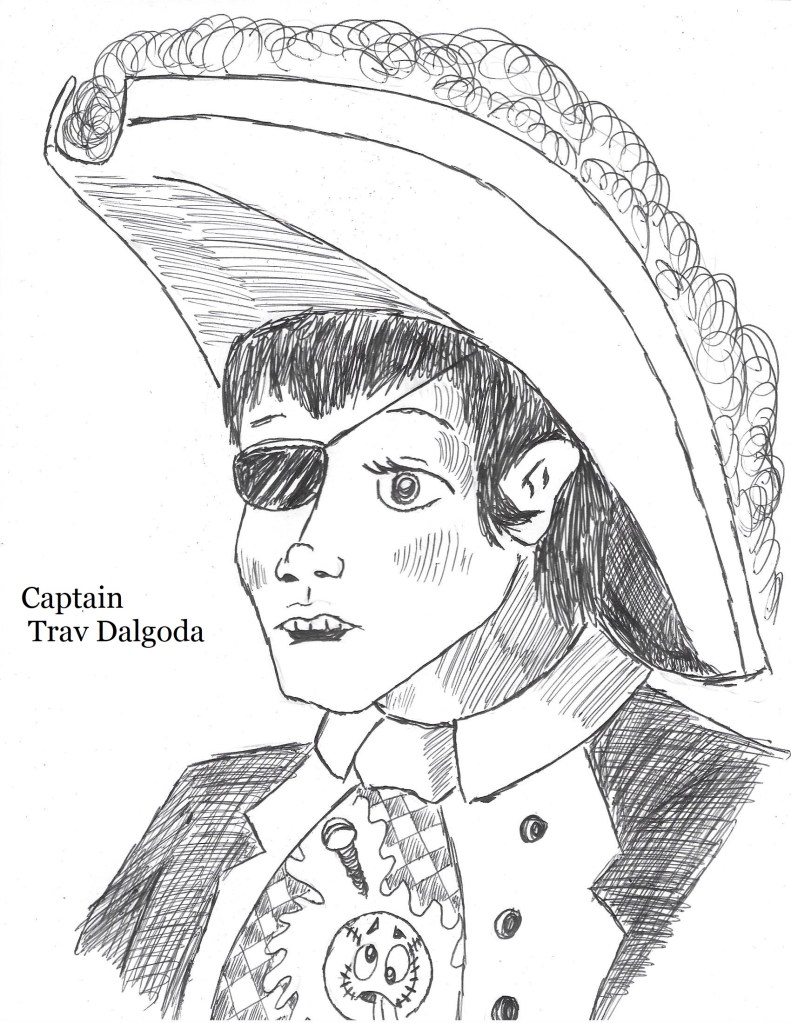
I have been drawing these mock-Star-Wars science-fiction-heroes for thirty years. Some of these are that old. Some of them are new this year. All of them illustrate the adventures that started as a science-fiction-role-playing game and became the series of novels called AeroQuest.





![Clofillia, Josphine [Madame Clofullia, P.T. Barnum's "Bearded Lady of Geneva"]. Daguerreotype by Thomas M. Easterly, 1853. Photographs and Prints Collections. Missouri History Museum. Easterly 321. NS 17387. Scan © 2008, Missouri History Museum.](https://i0.wp.com/catchafallingstarbook.net/wp-content/uploads/2018/04/beardedlady.jpg?w=273&h=154&ssl=1 "beardedlady")





The Philosopher King’s Quest
Marcus Aurelius was a Roman Emperor, one of the good ones, not like Caligula, Nero, or even Commodus, his son who was emperor after him.
But what made him good? Obviously, the fact that he was beloved by the Roman people, even the senators and the very people who would’ve benefited personally by his failure and demise.
He was a good administrator who benefited the people with public works. He was a good military leader who maintained the Pax Romana until he died in 180 A.D.
Of course, his son, Commodus, blew that all up by being such an incompetent dictator that his own Praetorian Guard assassinated him (as portrayed in the movie Gladiator, though that movie also made him out to be his father’s murderer, of which there is no real evidence)
But my friend Emperor Marcus was so much more than just a good ruler. He was a good man. And this is due almost entirely to the fact that he was a well-known Stoic Philosopher.
He embraced the philosophy of the Greek philosopher and Roman slave Epictetus. Stoicism is the belief that you, as an individual, do not control anything in the outside world to the degree you can control yourself. It is not the things, people, and events around you that matter, since you can’t control those. It is your own set of principles that you have to put in place and adhere to that affect the outcomes in life. In fact, you should view setbacks and roadblocks to your accomplishments not as negative things, but as a learning opportunity. Learn all you can while you may, and at every opportunity. The Stoic welcomes hardship because the overcoming of hardships shapes the man or woman you will become.
I found this philosophy to be the only way forward on some days during my teaching career. I was always more successful in meeting challenges head-on as they arose in front of me. Delaying, making excuses, or running away are all easier to do than that. But those other wimpy tactics never yield the success you can have by defeating your opposition and hardships face-to-face. Of course, you have to remember too that overcoming opposition does not have a selfish quality if you are a Stoic. In fact, you must respect all men, even your enemies. Marcus Aurelius, in response to victory in battle won by having thirsty troops offer a Christian prayer and then have their problem solved by a fortuitous rain storm, told the Senate they must no longer persecute Christians. They were to be considered good Roman citizens, no matter what their religion was.
Marcus Aurelius made it clear in his writings, the Meditations written in Greek, that, “In order to win the day, you must first win the morning.” To him this meant you had to be an early riser, tackling each problem of the day as it came up in the order they happened, morning to night.
So, the Philosopher King’s Quest, by this Stoic philosophy, is managed by first putting yourself right. You must examine your beliefs, test your hypotheses, and prove yourself to yourself before trying to tackle the world.
Leave a comment
Filed under commentary, compassion, heroes, Paffooney, philosophy
Tagged as marcus-aurelius, mindfulness, philosophy, stoic, Stoicism