Yesterday an inconvenient internet outage interrupted my fountain of character gushing. So let me splash a couple more on here.
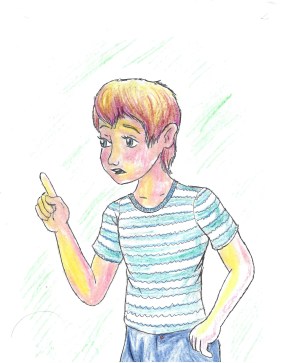
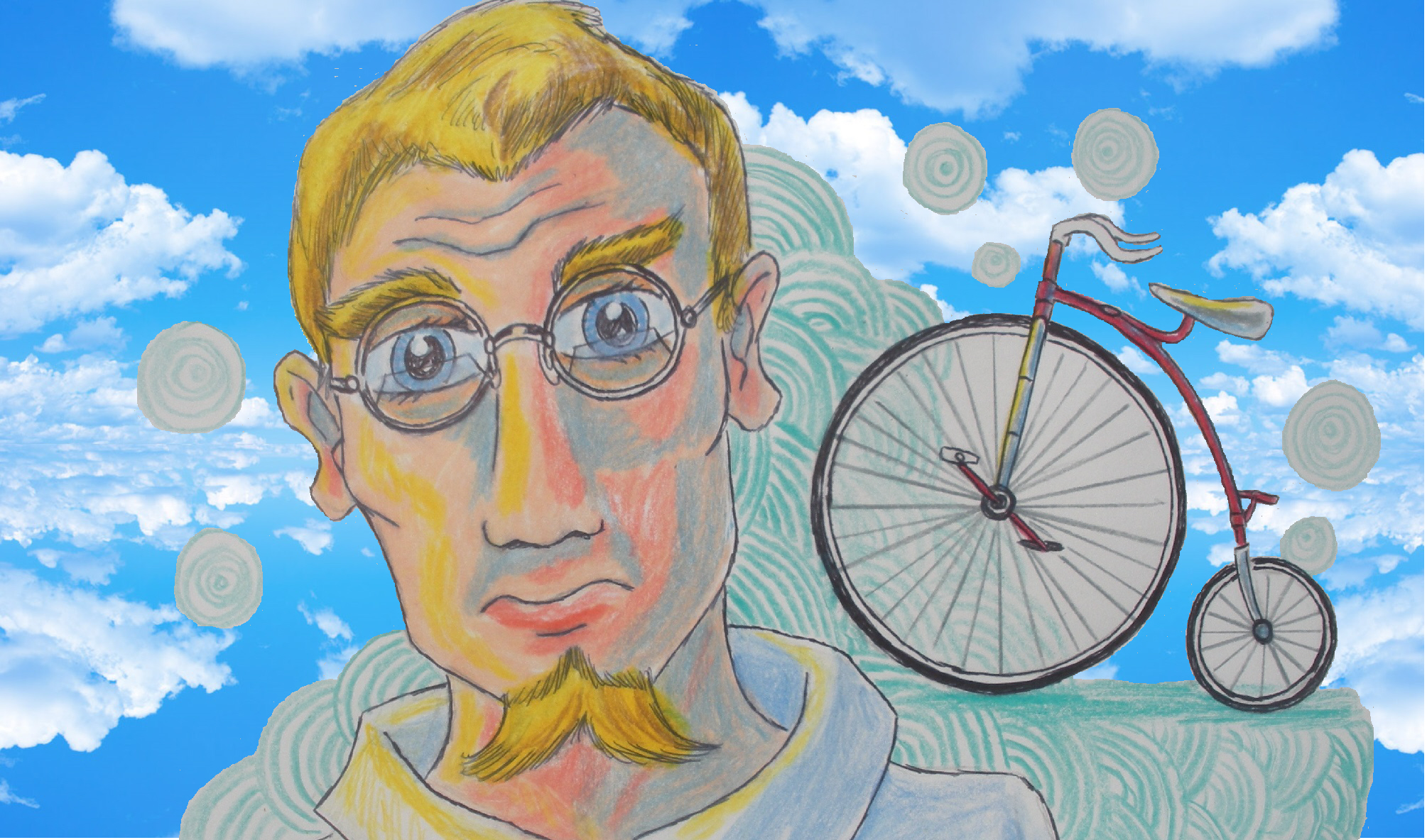
Tim Kellogg
Tim is a school teacher’s son who is sorta, kinda, based on my own oldest son… and maybe a little bit on me. He’s clever, creative, a natural leader, and only slightly evil part of the time.
Tim is a main character in;
Catch a Falling Star
The Bicycle-Wheel Genius
Magical Miss Morgan
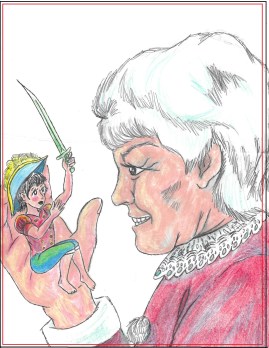
Grandma Gretel Stein
Gretel is a German survivor of the concentration camps who sees and talks to fairies on a regular basis. She also bakes magically delicious gingerbread cookies. And loves to tell stories to those who eat her cookies.
She is a main character in;
Recipes for Gingerbread Children
She is an important character in;
Superchicken
The Baby Werewolf
The Necromancer’s Apprentice
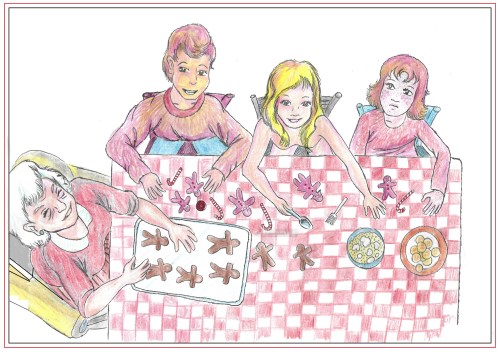
The Primary Cast of Recipes for Gingerbread Children (left to right) Grandma Gretel, the cookie baker, Todd Niland, handsome young farm boy and cookie-eater, Sherry Cobble, nudist and junior high cheerleader, and Sandy Wickham, cookie-eater and Todd Niland’s crush.
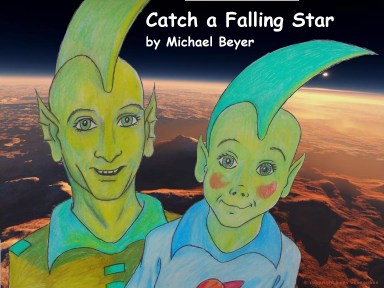
Farbick
He’s the alien Telleron pilot and good guy aboard Xiar’s spaceship who gets shot during the failed invasion of Iowa and helps save the planet in the near future. He’s a main character in;
Catch a Falling Star
Stardusters and Space Lizards
Davalon (re-named David by the couple who adopts him)
Dav is the alien boy accidentally lost on Earth in Catch a Falling Star, and leader of the young explorers in Stardusters and Space Lizards.
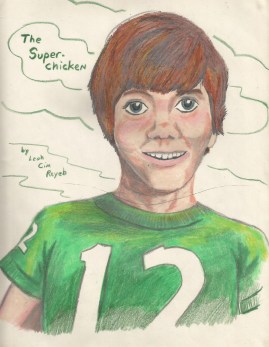
Edward-Andrew Campbell, the Superchicken
It is possible E-A is really me. He bears my high school nickname. He is a boy trying to cope with being the new kid in a tightly-knit little Iowa farm town.
He is the main character in;
Superchicken
I fear I am still a long way from done with referring to characters in my books. But more waits for another day.
I had originally thought to call this post “A Walk with God.” But that would probably offend my Christian friends and alienate my Jehovah’s Witness wife. It would bother my intellectual atheist friends too. Because they know I claim to be a Christian Existentialist, in other words, “an atheist who believes in God.” Agnostics are agnostics because they literally know they don’t know what is true and what is merely made up by men. And not knowing offends most people in the Western world.
But Debussy’s Reverie is a quiet walk in the sacred woods, the forest of as-yet-uncovered truths.
And that is what I need today. A quiet walk in the woods… when no literal woods are available.
I have apparently survived the Covid pandemic. But this pandemic has been hard on me. Having had the Omicron variant, I am left without the strength I once had even though I am fully vaccinated. I have lost the power to be a substitute teacher, a job I love. The loss of the ability to teach in any form still drives me to tears. I am a prisoner in my room at home most days. My soul is in darkness, knowing that the end could be right around the corner. There is so much left to do, to say, to write down for those who come after so they can fail to read any of it and reinforce the cruel irony that informs the universe. I have stories and lessons and morals and meanings to give the world still if only someone is willing to listen.
I am not afraid to die. I have no regrets. But I have been in a reverie about what has been in the past, what might have been, and what yet may be… if only I am granted the time.
And, as always, I feel like I have more writing yet to do. I am about to finish The Education of PoppenSparkle. And I have started He Rose on a Golden Wing, The Haunted Toystore, and AeroQuest 5. And I have stories beyond that to complete if I may.
But the most important thing right now is having time to think. Time for Reverie. And reflections upon the great symphony of life as it continues to play on… with or without me.
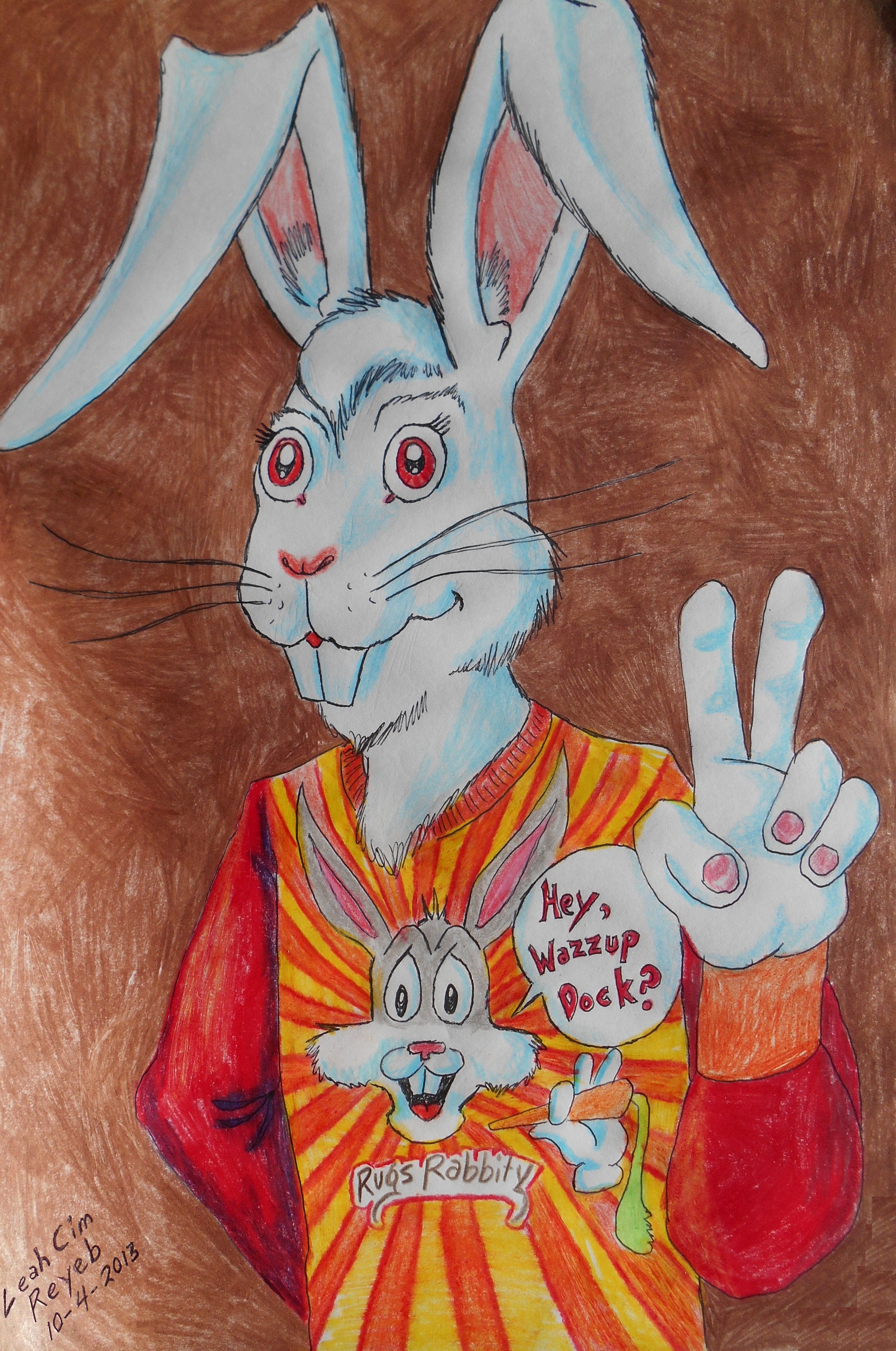
He was once an ordinary pet rabbit, transformed through an accident involving a time-traveler’s alien-created mechanical carrot.
He is a character in;
The Bicycle-Wheel Genius
Mike Murphy and Blueberry Bates (his girlfriend) (She forced me to write that last thing, Mike.)
Mike is a member of the Murphy clan who resides in Murphy Mansion with many other Murphys. Blueberry is the girl who chased him until she caught him and turned him into her boyfriend.
Seen in the novels;
The Bicycle Wheel Genius
Magical Miss Morgan
Catch a Falling Star (only Mike is in that one) (He forced me to write that, Blue)
The Necromancer’s Apprentice (Mainly Blueberry in this one. Mike is only comic relief.)
Valerie Clarke
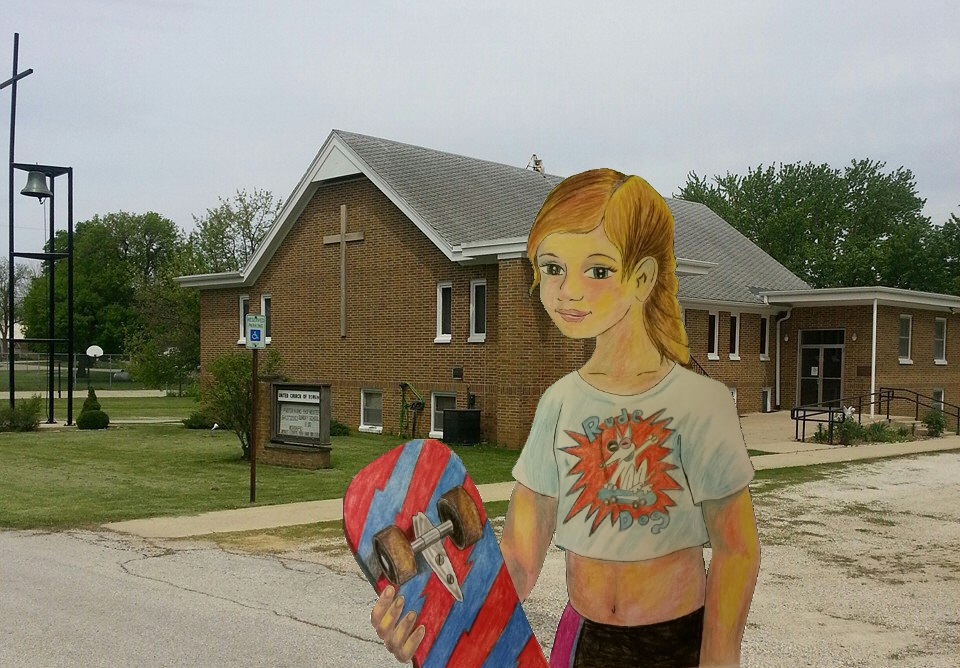
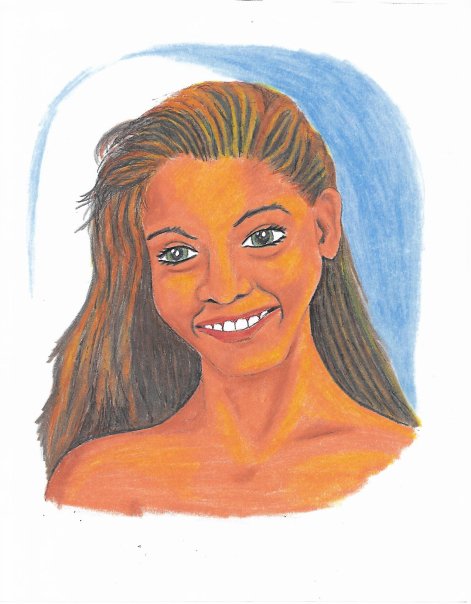
Valerie is a young Iowan farmgirl who lost her father far too soon. She loves skateboards, 80’s music, and boys, especially boys who can sing.
She is a main character in;
Snow Babies
Sing Sad Songs
She is also an important character in;
The Bicycle-Wheel Genius
Sherry Cobble
Sherry and her twin sister, Shelly, look almost exactly alike. They are, with both of their parents, practicing nudists. They love being nude at home on the farm, at the Sunshine Club in Clear Lake, and at school when they can get away with it (which is mostly a matter of girls’ locker rooms.)
Sherry and her twin are important characters in;
Superchicken
Recipes for Gingerbread Children
The Baby Werewolf
The Boy… Forever
A Field Guide for Fauns
Orben Wallace, bicycle engineer
Orben came to Norwall after a tragic fire in his home and laboratory killed his family. He switched from physics to bicycle engineering and opened a new lab where it is rumored that he also created sentient robots, time travel machines, supercomputers, and had relationships with aliens and time travelers. Of course the only physical proof of anything are the bicycles he made.
He is a main character in; The Bicycle-Wheel Genius
He is also an important character in; Catch a Falling Star
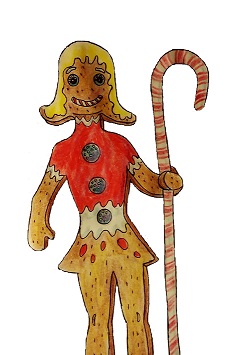
Anneliese Stein
Anneliese is a gingerbread cookie brought back to life through the magical baking skills of her human mother, Grandma Gretel Stein. She was also a human girl in the 1930s and early 1940s who also had, unfortunately, a Jewish father. Okay, I know… I will explain better later.
She is an important character in;
Recipes for Gingerbread Children
The Necromancer’s Apprentice
This will have to be finished another day. I have too many more characters to show you, and my Internet is giving out.
Yes, I am saying the world I live in is a low-budget commercial movie made without literary or artistic pretensions. You know, the kind where movie makers learn their craft, taking big risks with smaller consequences, and making the world of their picture reflect their heart rather than the producer’s lust for money.
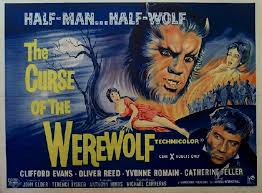
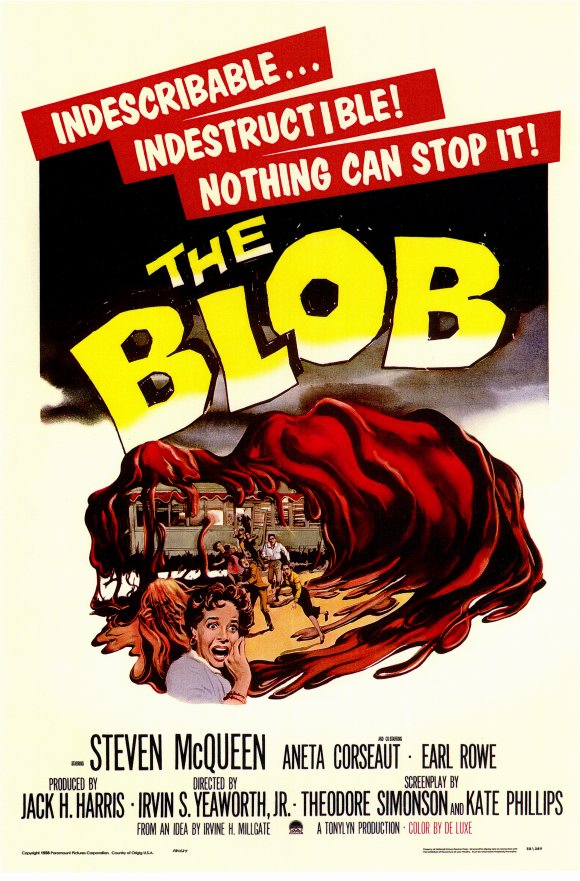
Mostly what I am talking about are the movies I remember from late-night Saturday TV in black and white (regardless of whether or not the movie was made in Technicolor) and the less-risky as well as more-likely-good Saturday matinees on Channel 3. Movies made in the 1950s, 1960s, and early 1970s. They were perfect, of course, for the forbidden Midnight Movie on the show called Gravesend Manor. I had to sneak downstairs to watch it on Saturday nights with the volume turned way down low. (Not that Mom and Dad didn’t know. Well, maybe they didn’t know how many of those I watched completely naked… maybe.)
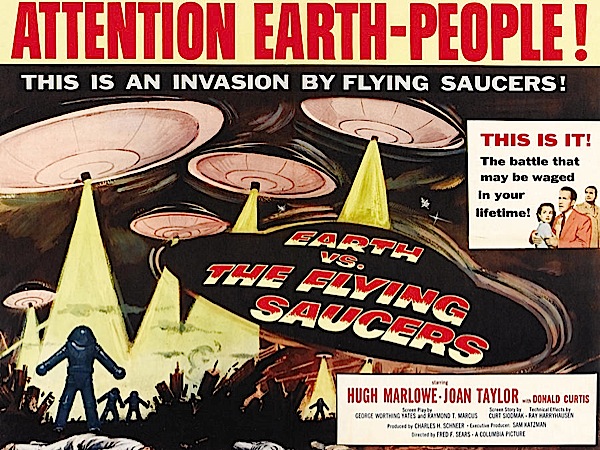
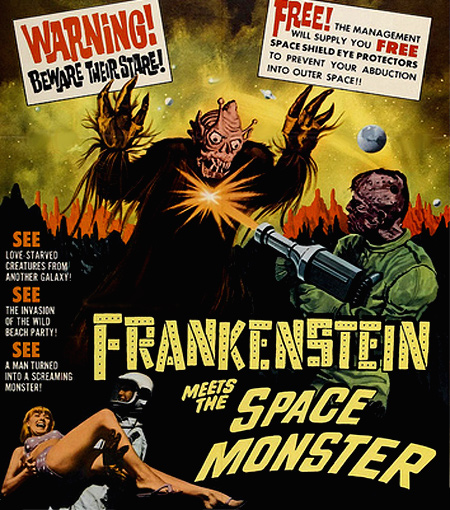
I watched this one when I was twelve, late night on an October Saturday. I had a bed-sheet with me to pull over my head at the scariest parts. Frankenstein was a crashed astronaut brought back to life by the magic of space radiation. He was uglier than sin, but still the hero of the movie, saving the Earth from invading guys in gorilla suits and scary masks (none of which looked like the movie poster.)
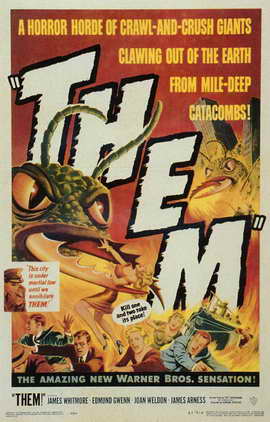
This one, starring James Whitmore, a really good B-Movie actor, was about giant ants coming up from the sewers and the underground to eat the city.
I would end up watching it again twenty years later when I was wearing clothes and not alone in the dark house lit only by a black-and-white TV screen.
I realized on the second viewing that it was actually a pretty good movie in spite of cheesy special effects. And I realized too that I had learned from James Whitmore’s hero character that, in times of crisis, you have to run towards the trouble rather than away from it, a thing that I used several times in my teaching career with fights and tornadoes and even rattlesnakes visiting the school campus looking to eat a seventh-grader or something (though it was a bad idea for the snake even if it had been successful.)
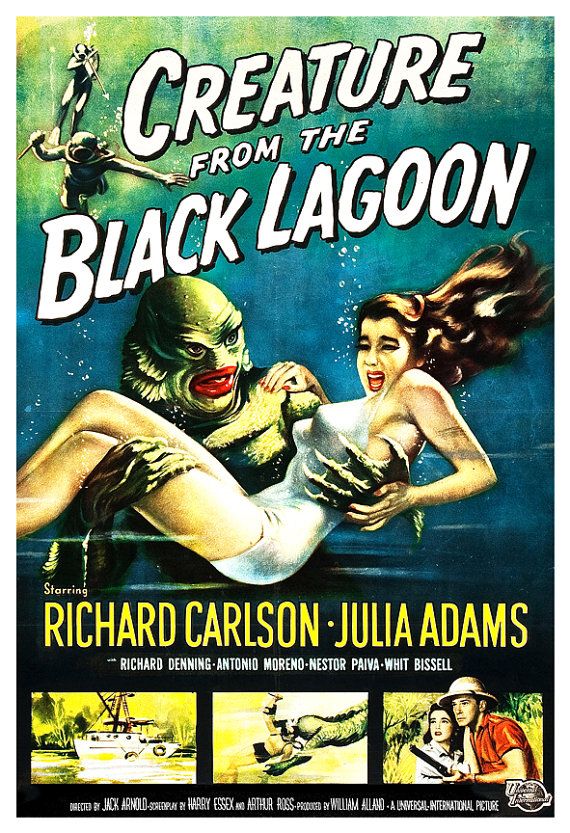
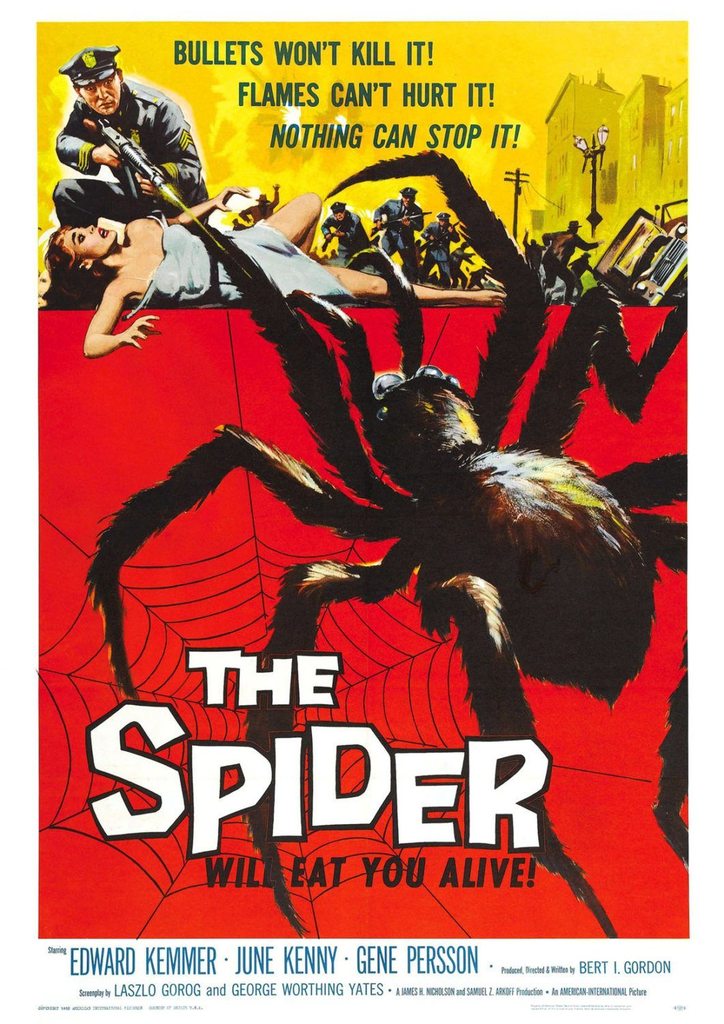
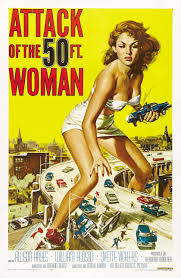
This one, of course, taught me that monsters liked to carry off pretty girls in bikinis. And not just on the poster, either. But it was the hero that got the girl, not the monster. This movie taught me that it sucks to be the monster. Though it also taught me that it was a good movie to take your pajamas off for and watch naked when you are thirteen.
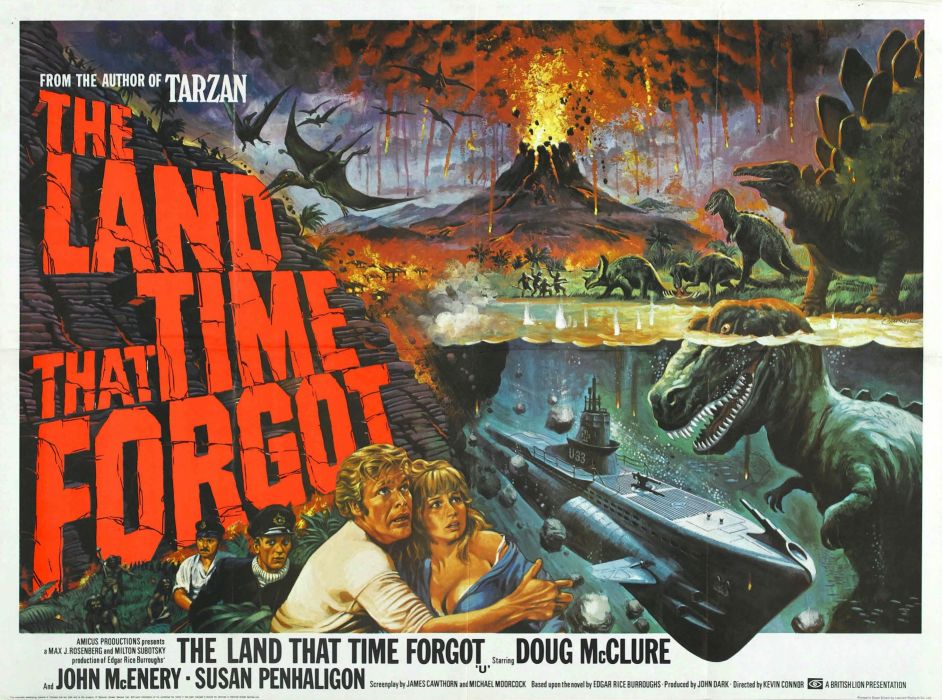
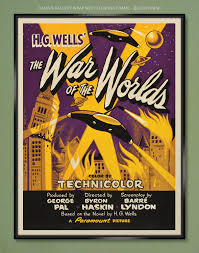
But not all B-movies had to be watched late night on Saturdays. This movie was one of the first ones that I got to go to the movie theater to see by myself. (My sisters and little brother were still too young and got nightmares too easily to see such a movie.) It came out when I was in my teens and Mom and Dad began thinking of me as an adult once… or even possibly twice in a month.
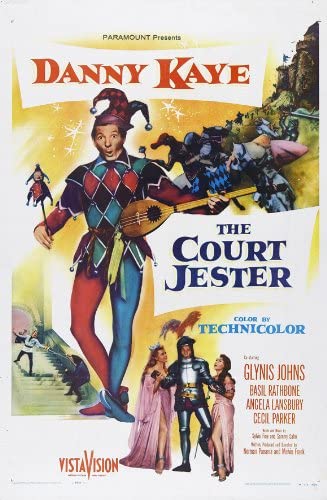
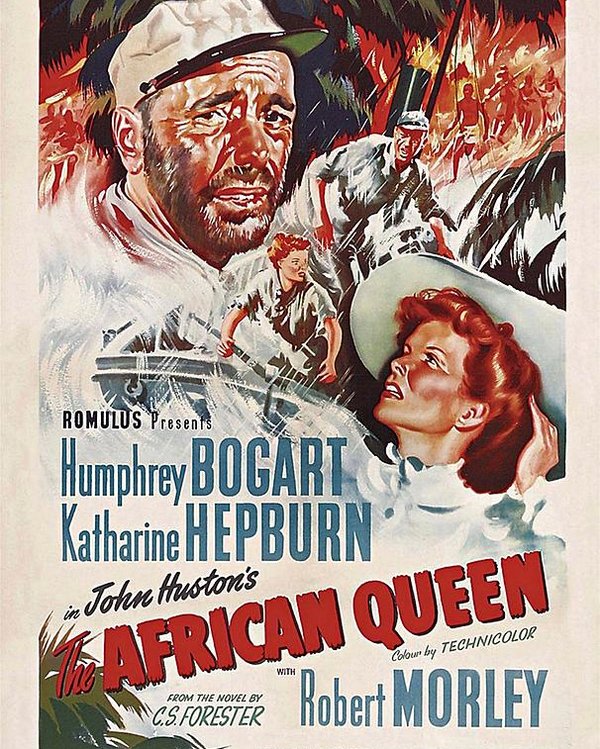
And not all B-movies were monster movies, gangster movies, and westerns. Some, like a lot of Danny Kaye’s movies, were movies my Dad and my grandparents were more than happy to watch with me. I saw this one in both black-and-white and color. And I learned from this that it was okay to take advantage of happy accidents, like a case of mistaken identity, and using your wits, your creative singing ability, and your inexplicable good luck to win the day for everybody but the bad guys armed only with your good sense of humor.
And some of the best movies I have ever seen, judging by what I learned about movies as literature from Professor Loring Silet in his Modern Film Class at Iowa State University, are by their nature B-movies.
I am using movie posters in this blog post only from movies I have personally seen. (And I admit that not all of them are strictly “good” movies according to Professor Silet, but I like them all.)
Feel free to tell me in the comments if you have seen any of these movies yourself. I am open to all opinions, comments, and confessions.
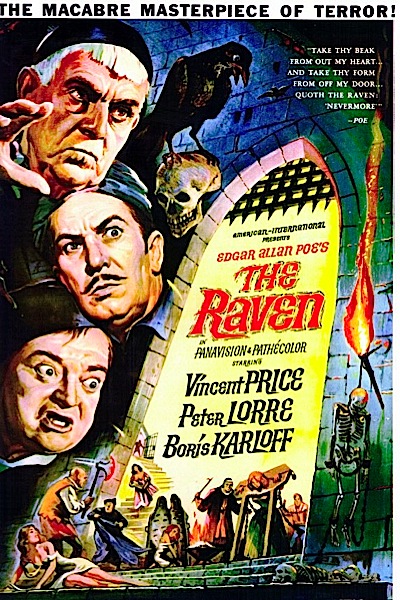
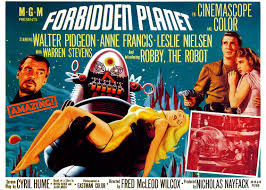
This one is based on Shakespeare’s The Tempest.
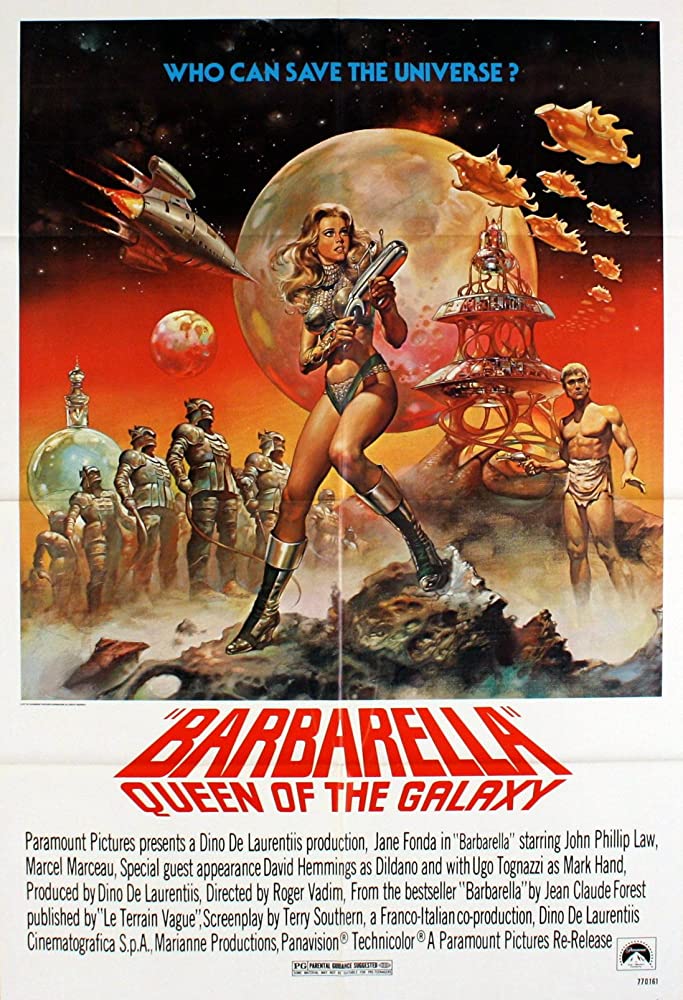
I saw this one in college. You had to be 18 at the time to even buy a ticket.
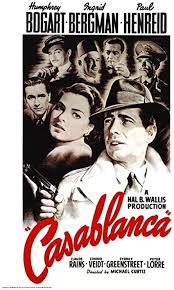
I actually think that this is one of the best movies ever made. It will always make my own personal top-ten list.
I live in a B-movie world. The production values around me are not the top-dollar ones. But the stories are entertaining. The real-life heroes still run towards the problem. And it still sucks to be the monster. But it has always been worth the price of the ticket. And during my time on Earth here, even in 2020, I plan on staying till the end of the picture. I go nowhere until I see the Best Boy’s name in the end credits. And maybe not even then.
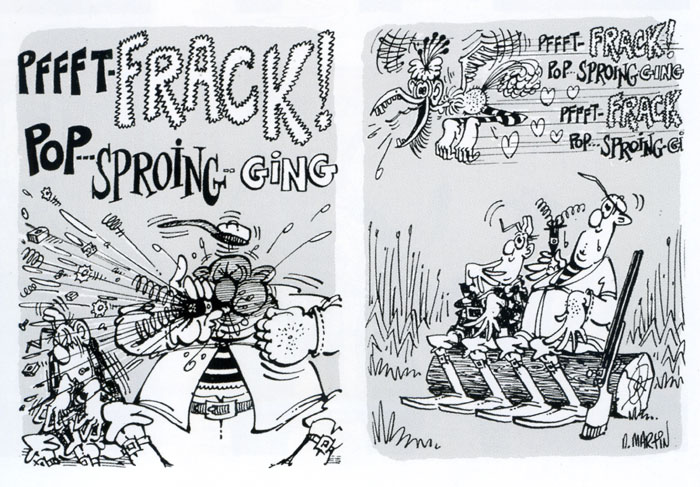
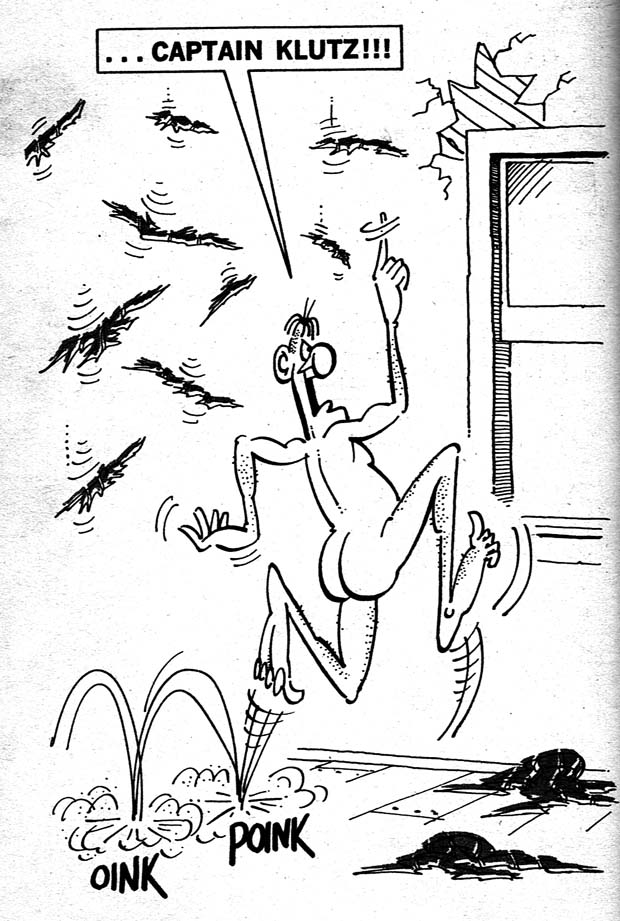
Born in 1931 and lasting in this crazy, mixed-up world until the year 2000, Don Martin was a mixy, crazed-up cartoonist for Mad Magazine who would come to be billed as “Mad Magazine’s Maddest Artist.” His greatest work was done during his Mad years, from 1956 (the year I was born… not a coincidence, I firmly believe) until his retirement in 1988. And I learned a lot from him by reading his trippy toons in Mad from my childhood until my early teacher-hood.
His style is uniquely recognizable and easily identifiable. Nobody cartoons a Foon-man like Don Martin.
The googly eyes are always popped in surprise. The tongue is often out and twirling. Knees and elbows always have amazingly knobbly knobs. Feet have an extra hinge in them that God never thought of when he had Adam on the drawing board.
And then there is the way that Martin uses sound effects. Yes, cartoons in print don’t make literal sounds, but the incredible series of squeedonks and doinks that Martin uses create a cacophony of craziness in the mind’s ear.
And there is a certain musicality in the rhyming of the character names he uses. Fester Bestertester was a common foil for slapstick mayhem, and Fonebone would later stand revealed by his full name, Freenbeen I. Fonebone.
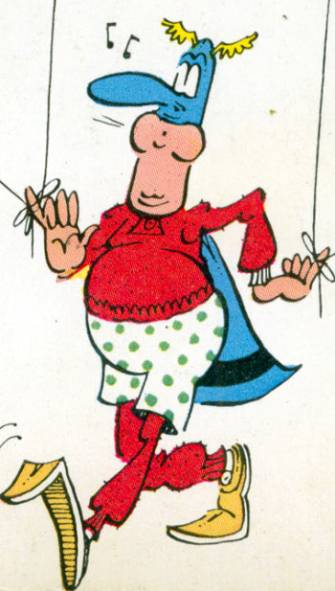
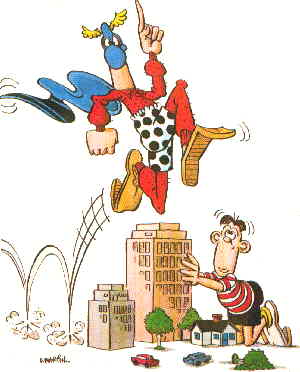
And, of course, one of his most amazingly adventurous ne’er-do-well slapstick characters was the immeasurable Captain Klutz!
Here, there, and everywhere… on the outside he wears his underwear… it’s the incredible, insteadable, and completely not edible… Captain Klutz!
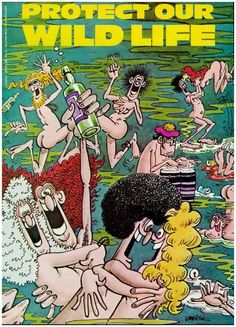
If you cannot tell it from this tribute, I deeply love the comic genius who was Don Martin, Mad Magazine’s Maddest Artist. Like me he was obsessed with nudists and drawing anatomy. Like me he was not above making up words with ridiculous-sounding syllables. And like me he was also a purple-furred gorilla in a human suit… wait! No, he wasn’t, but he did invent Gorilla-Suit Day, where people in gorilla suits might randomly attack you as you go about your daily life, or gorillas in people suits, or… keep your eye on the banana in the following cartoon.
So, even though I told you about Bruce Timm and Wally Wood and other toon artists long before I got around to telling you about Don Martin, that doesn’t mean I love them more. Don Martin is wacky after my own heart, and the reason I spent so much time immersed in Mad Magazine back in the 60’s, 70’s, and 80’s.
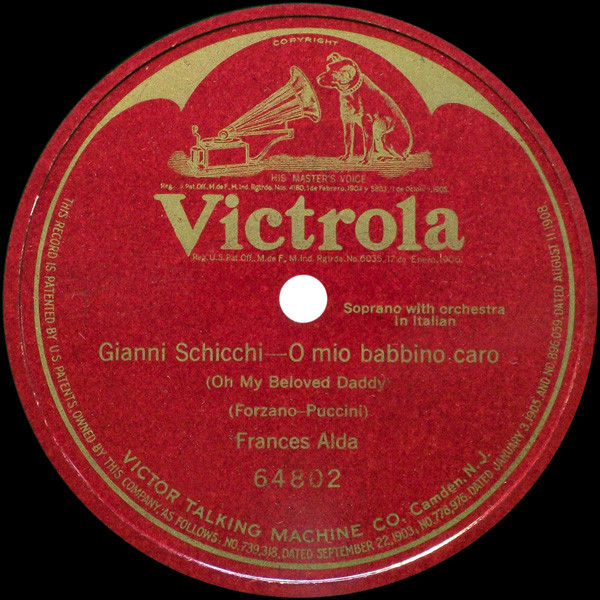
This beautiful song, an operatic aria by Puccini, is from the comic opera Gianni Schicchi. But, more important than that is what the song actually means in context.
In the opera, Gianni Schicchi is a con man intent on swindling a family out of their inheritance and knowing all along that he will be destined to go to hell when he dies. The family is gathered for the reading of the rich man’s will, which is, because this is a comic opera, lost for the time being. Their main concern is for the money, which rumor has it has all been willed to the church. But one among them is actually worthy of inheriting the money, Rinuccio the son of the rich man’s cousin. And, as luck would have it, as it always does in comedies, Rinuccio is the one who, during the manic and desperate search for the will, actually finds it. And assuming he comes out well in the will, he secures a promise from his mother that if he inherits money, he can marry Schicchi’s beautiful daughter Laurretta whom he truly loves.
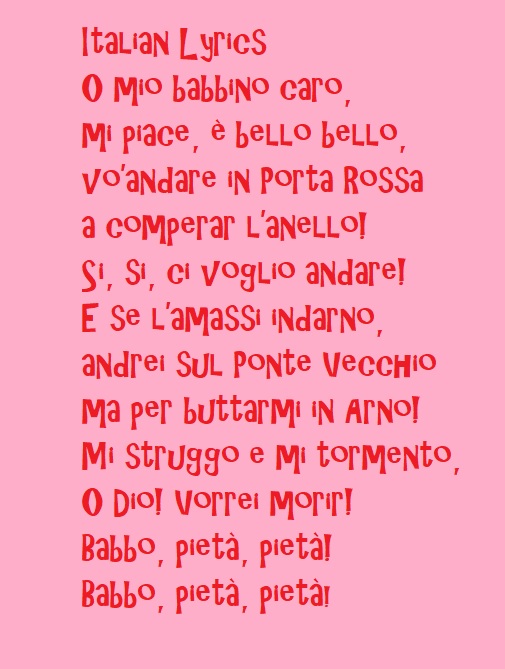
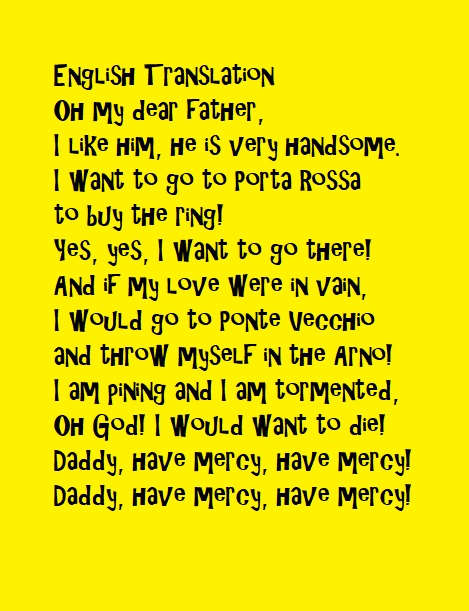
But when he reads the will, he is devastated. The money all goes to a monastery. He begs Schicchi to help him convince the family that he should marry Laurretta anyway. This Gianni Schicchi tries and finds it harder than turning water into wine. So Schicchi is about to give up when Lauretta finally speaks up for herself through the song,
O Mio Babbino Caro (My Beloved Father)
At this point Schicchi is moved by the beautiful song and even more beautiful love his daughter has surprised him with. He not only agrees to help, but executes a bizarre plan, hiding the rich man’s body and pretending to be him come back to life to rewrite the will. Now the will favors Rinuccio, and over the protests of the family, he inherits the money and marries his true love, Schicchi’s daughter. The opera ends with Schicchi singing his case to the audience, telling them in song that going to hell is worth it to aid true love.
And this, then, is the truth of O Mio Babbino Caro.
Love, expressed through the surprise of hidden talent suddenly revealed, is the most persuasive argument there is.
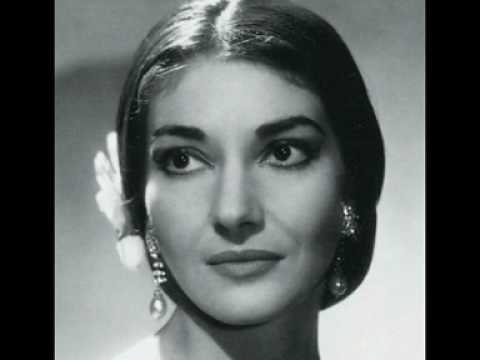
Whether it is the love in the music suddenly discovered in the overwhelming voice of a little girl like Jackie Evancho or Amira Willighagen, or the late great Maria Callas who also sang the role, or even the singer of Puccini’s greatest work who is yet to perform it and make silly old men like me weep for beauty’s sake, the song is the most persuasive argument there is in favor of true love.
That is a thing I desperately want to capture in the novel I am writing now, Sing Sad Songs. Love expressed in music. Love that reverses loss. Love that heals all things. And Love that moves all people. The love that is masterfully sung in O Mio Babbino Caro.
That book is now published and available on Amazon.
I do not claim to be prescient. But like any overly smart and perceptive person, I often see what’s going to happen before it happens. Sometimes it is almost as eerie as a Vincent Price movie. Sometimes eerier. After all, on the 60’s Batman TV show, Price played the ridiculous villain Egghead, and was completely creepy while doing it, but still, you know… Egghead.
One thing that I have to predict about the coming darkness is about politics. I mean, the current Republican administration, where it is decisions by all Republicans all the time, has become nothing more than a monster movie. Not merely a bad monster movie, but a super-creepy-bad monster movie with a gigantic orange rubber rooster as the main monster.
This is what the great orange rooster looks like in black and white.
The reason it is bad is because, basically, to become a member of the Republican Party’s elected elite, you basically have to have your heart removed. Heartless, soulless monsters have a tendency to do things like take away Meals on Wheels for invalid seniors, health-care services from Planned Parenthood, and any hope of ever having affordable health insurance that actually pays for health care.
Senator Ted Cruz is grinning about taking away Obamacare
And now, the monsters who have taken control of the theater are pulling out of the Paris Climate Agreement because… well, apparently clean air isn’t good for decaying, desiccated monster skin and shriveled monster lungs that don’t breathe air anyway.
So here are my predictions for the coming darkness.
What people like me will look like in the future. That’s me in the middle.
I won’t live to see it. My body is breaking down at age 60. My lungs are compromised by years of bronchitis and flu. I am diabetic, so my very body chemistry is betraying me. There is a family history of heart disease. And I have already gone broke once on health care bills that the health insurance people really don’t pay for. (They are in the business of collecting premiums, after all, not making people well.)
What a lovely oxygen-free environment we will have!
As the climate changes take away large parts of our food production and resources, and the sea rises to take away land and major cities, people will be at war increasingly over diminishing resources vital to a population of seven billion souls. Graveyards and unburied bodies will become a part of every monster-movie scene.
Kiss me, Baby!
Love will become more complicated, because people who are selfless and put others before even their own life will die out first. The heartless, selfish, and often stupid ones will have the best chance for survival because they put themselves ahead of everyone else, and so have an unfair advantage over those who are not content with mere survival and exhibit self-sacrificing love.
You’ve never had a friend like me. And I can always eat you later if need be.
So, if you find my black-and-white monster movie post upsetting with the darknesses I am sincerely predicting, please remember, this is a satire post in a humor blog. The way it is supposed to work is that you wake up to the factors that make it upsetting and decide to do something for yourself to change them. Everybody doing a lot of the same little thing to make the world better can move mountains and fly to the moon. Big things don’t happen without everybody taking a hand. Maybe we can dream dreams once again and make some good things come true.
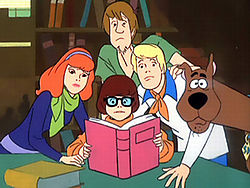
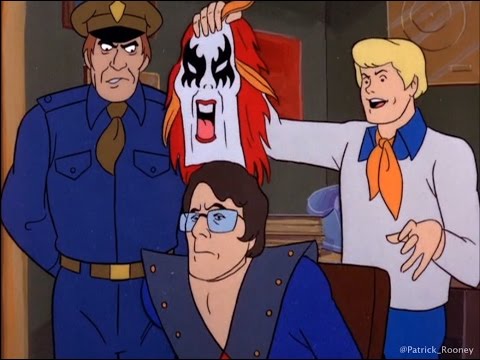
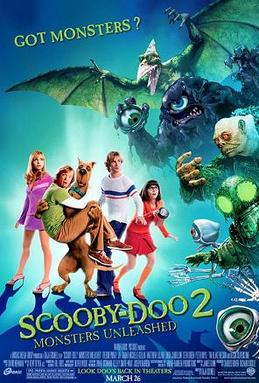
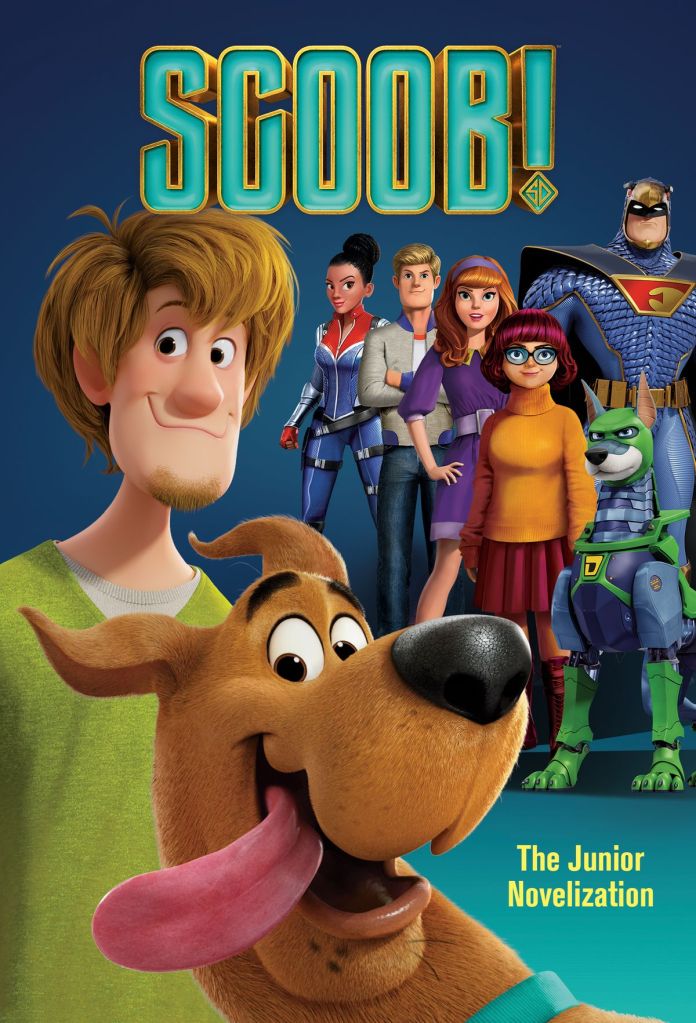
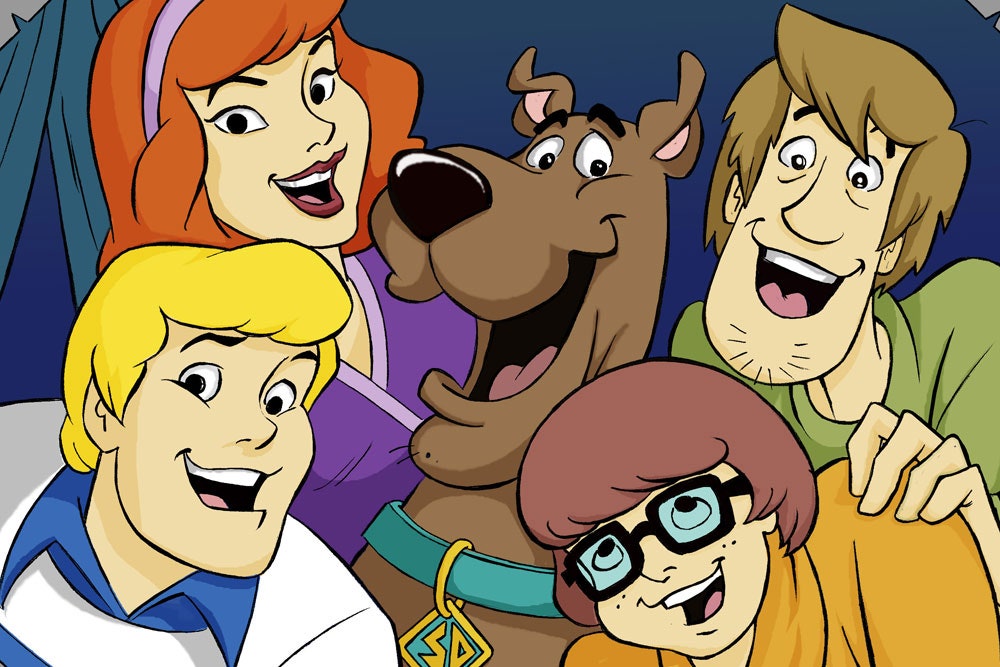
I remember when Scooby Doo, Where Are You? premiered on Saturday Morning Cartoons in 1969. I was thirteen and in the 7th grade. I had been six during the Cuban Missile Crisis of 1962, seven when Kennedy was assassinated in 1963, ten when I was sexually assaulted in 1966, and still twelve when Neil Armstrong walked on the Moon in the Summer of 1969. I was obsessed with monsters, horror comics, 20,000 Leagues Under the Sea, and the Pirates threatening Jim Hawkins in Treasure Island. I knew what fear was. And I was mad to find ways to combat the monsters I feared.
Don’t get me wrong. I was under no illusions that Fred, Daphne, Velma, Norville “Shaggy” Rogers and Scooby Doo were the answer to all my fears as viable heroes and heroines. They were goofballs, all of them, based on the characters I vaguely remembered from The Many Loves of Dobie Gillis. I was aware that Shaggy was just Maynard Krebs in cartoon form (the hippie character portrayed by Gilligan’s Island actor Bob Denver.)
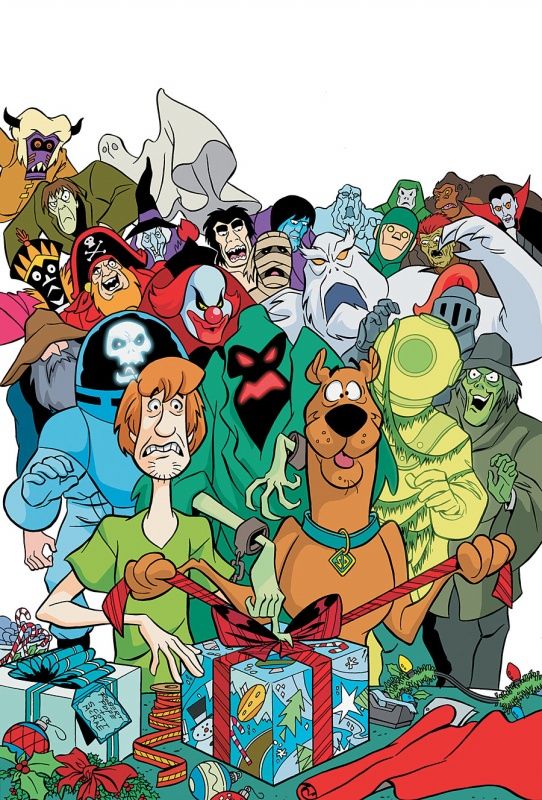
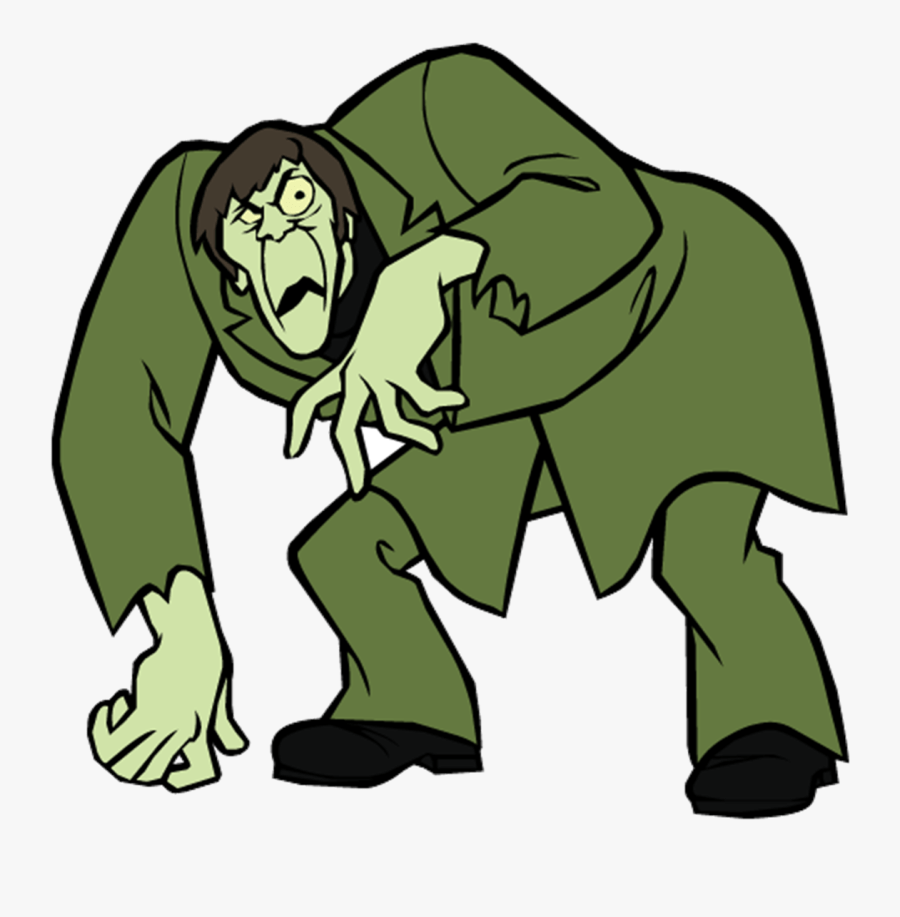
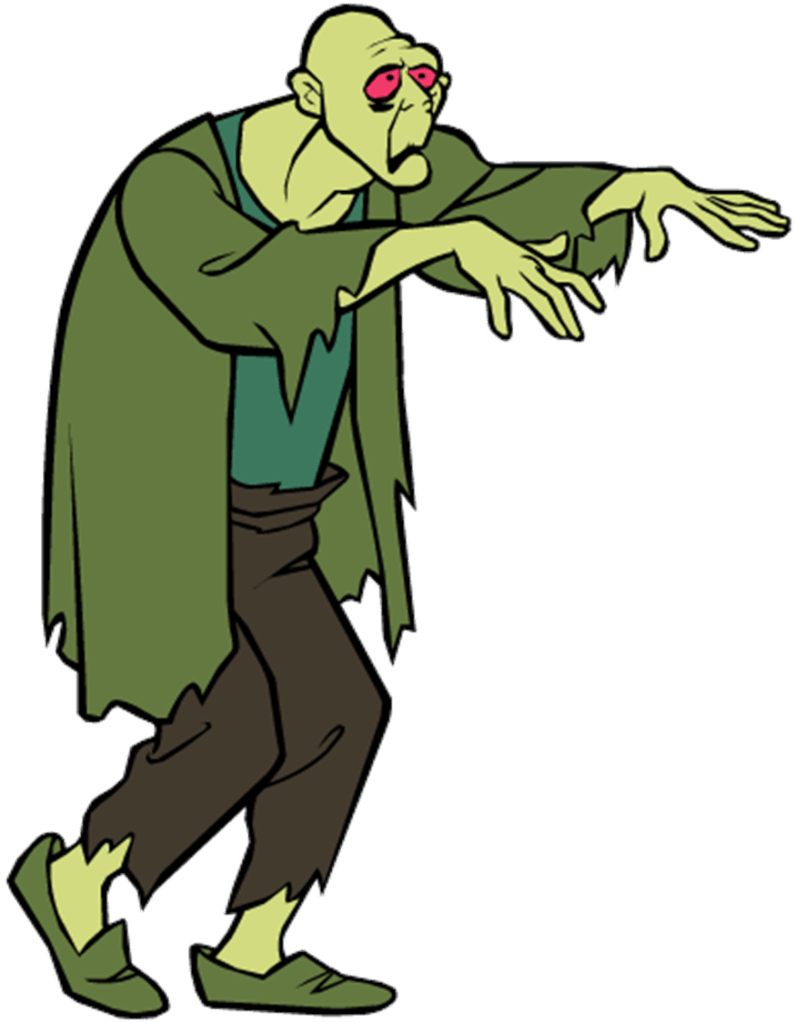
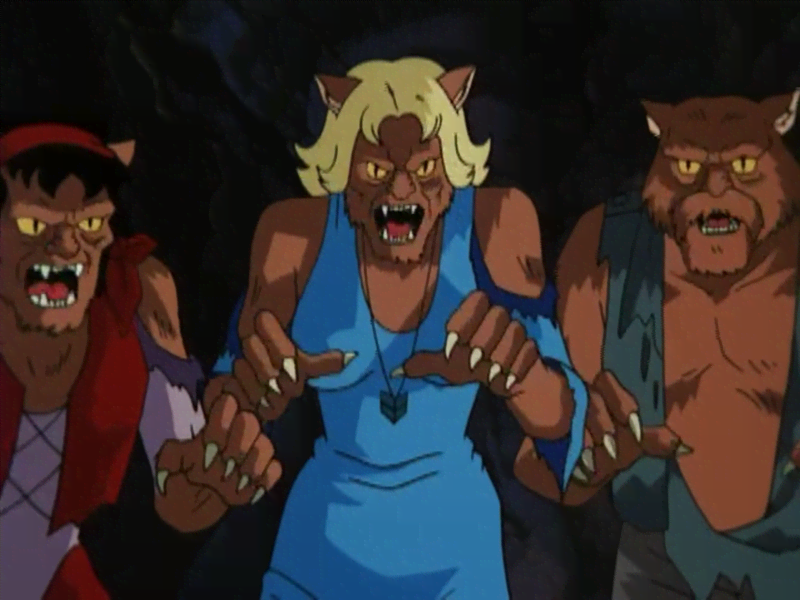
One of the critical things about the show for me was the fact that there was a rational explanation for the monsters. They were men in masks, special effects and projector tricks, or remote-controlled mechanical things.
And the way you overcame them and saved the day was by having Shaggy and Scooby act as bait, cause the traps to get sprung at the wrong time, and then fall on the villains, trapping them under the butt of the talking dog.
Villains and horror could be overcome by laughing at them. They were more likely to be clowns than carnivores. And even if they were carnivores, the teeth were not real.
There was a universal truth in that. Danger and horror and fear were easier to handle when you could laugh in spite of those things.
And to top it all off, those meddling kids and their stupid talking dog were with me my whole life. Those cartoons got remade and spun off so many times that my kids learned to love them as much as I did. And those four meddling kids and that talking dog are still making new stories even now.
Okay, so on the synesthesia tests I didn’t score as a synesthete on the music/color test. But I was extremely synesthetic on the tests for color/months/days of the week. I was a little over the mark on letter/number/colors synesthesia too, but it was more a problem with manipulating the color-selector device when I don’t have a mouse to use on my laptop. The test for music did not test the way I see colors with music. They wanted me to respond to what color each individual note seemed to be, and that isn’t even close to the way I experience it. For me, the perfect description of how synesthesia works for me is Bach’s Tocata and Fugue in D minor as it is depicted in Fantasia.
I was shocked when I first saw it. The colors are wrong for this piece, but the visual experience is almost exactly how I experience music, especially wordless instrumental music. The only problem with this piece is that the overall color schemes are wrong. But this comes about because every synesthete sees the colors differently. And I have no doubt that at least one of the artists who created this had synesthesia. If there were more reds, yellows, and magenta in the opening and more indigo contrasted with silver later, this interpretation would be perfect.
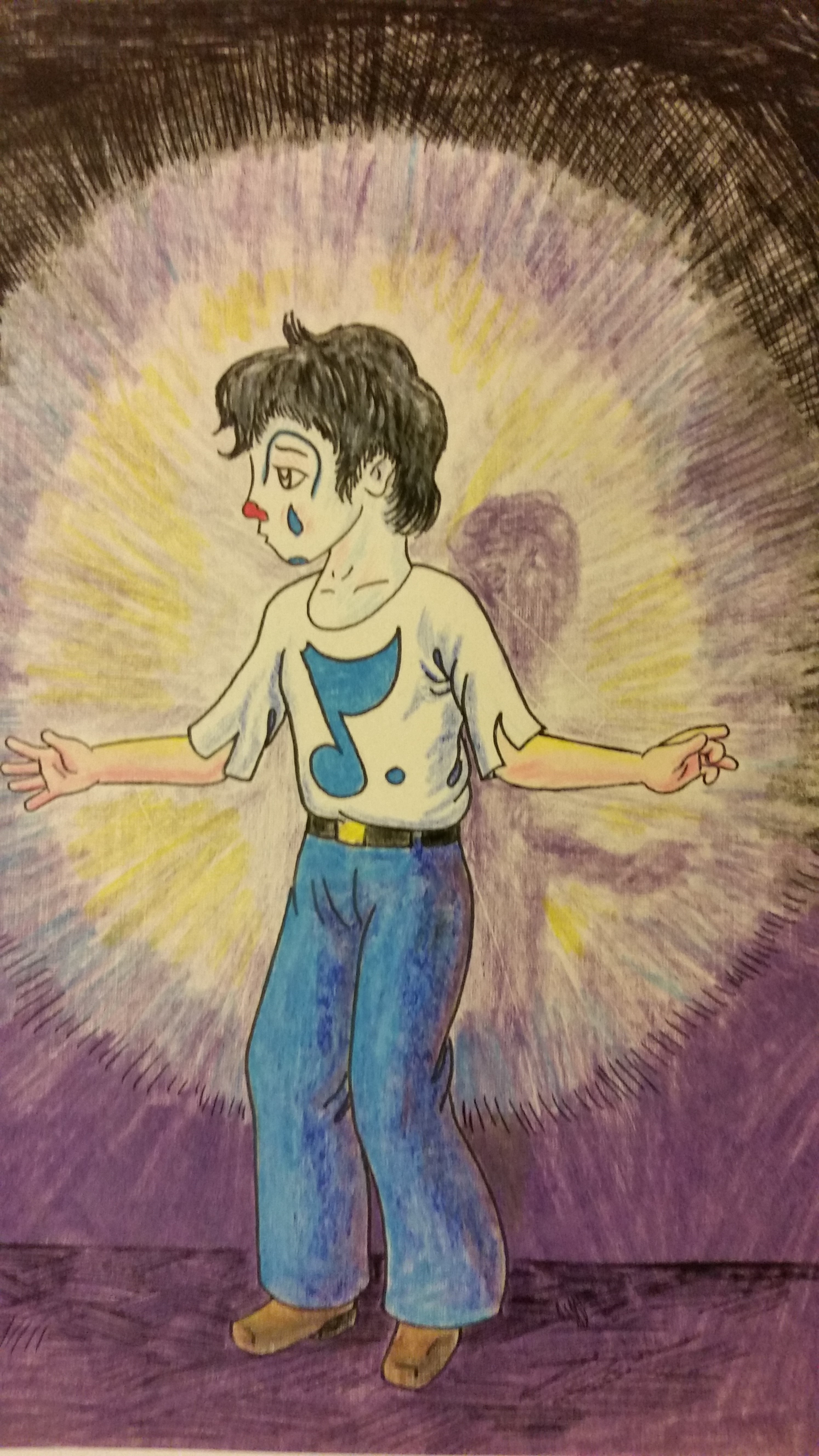
Music synesthetically works in two directions for me. The picture above, called The Wings of Imagination, makes me think of La Mer by Claude Debussy.
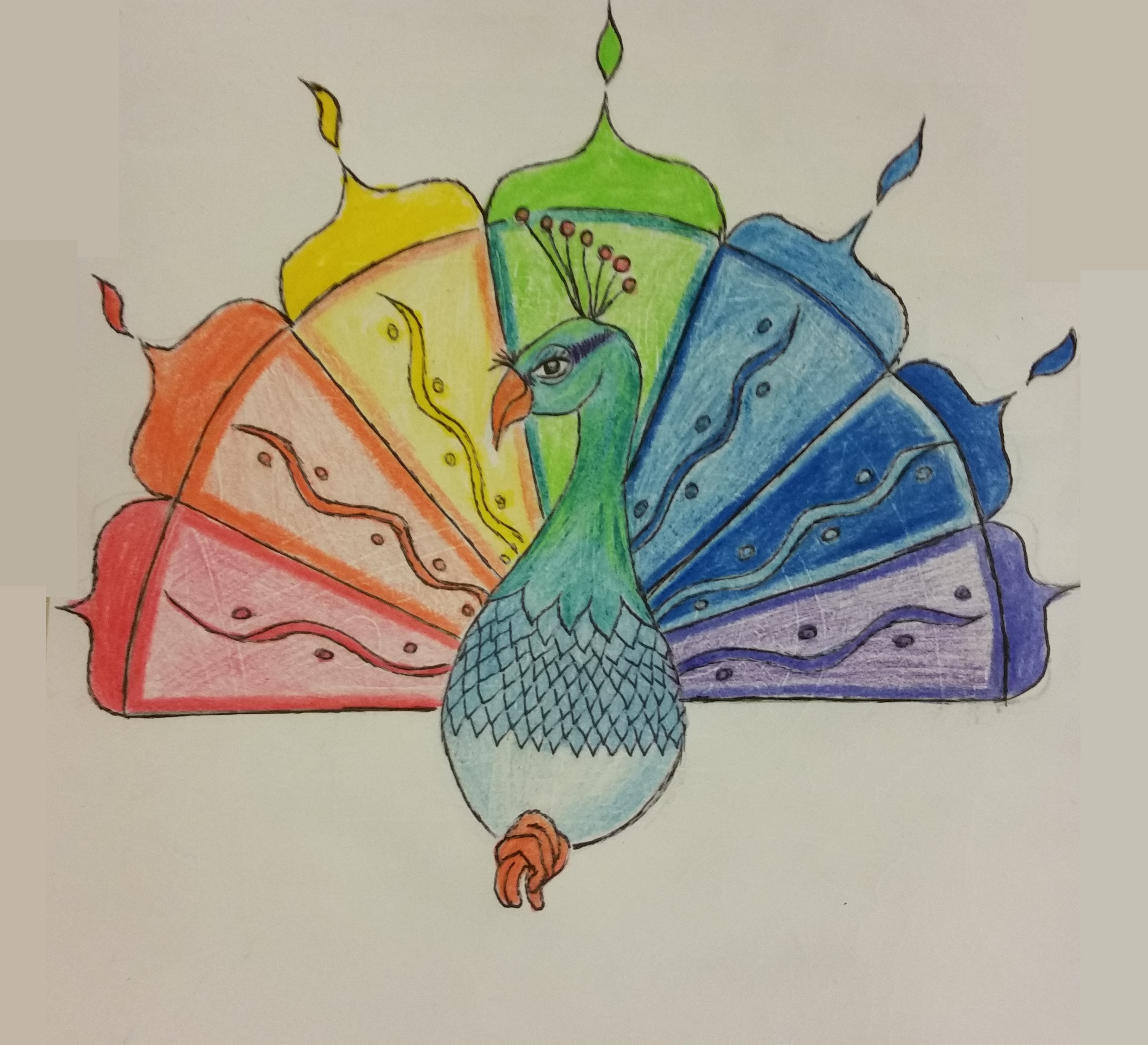
If you listen to the piece, don’t look at the YouTube illustration, look at my picture if you want to see the music the way I do. The following song, Don’t Worry, Be Happy, is a multicolored song that I can best express with the colors in the picture I call Rainbow Peacock.
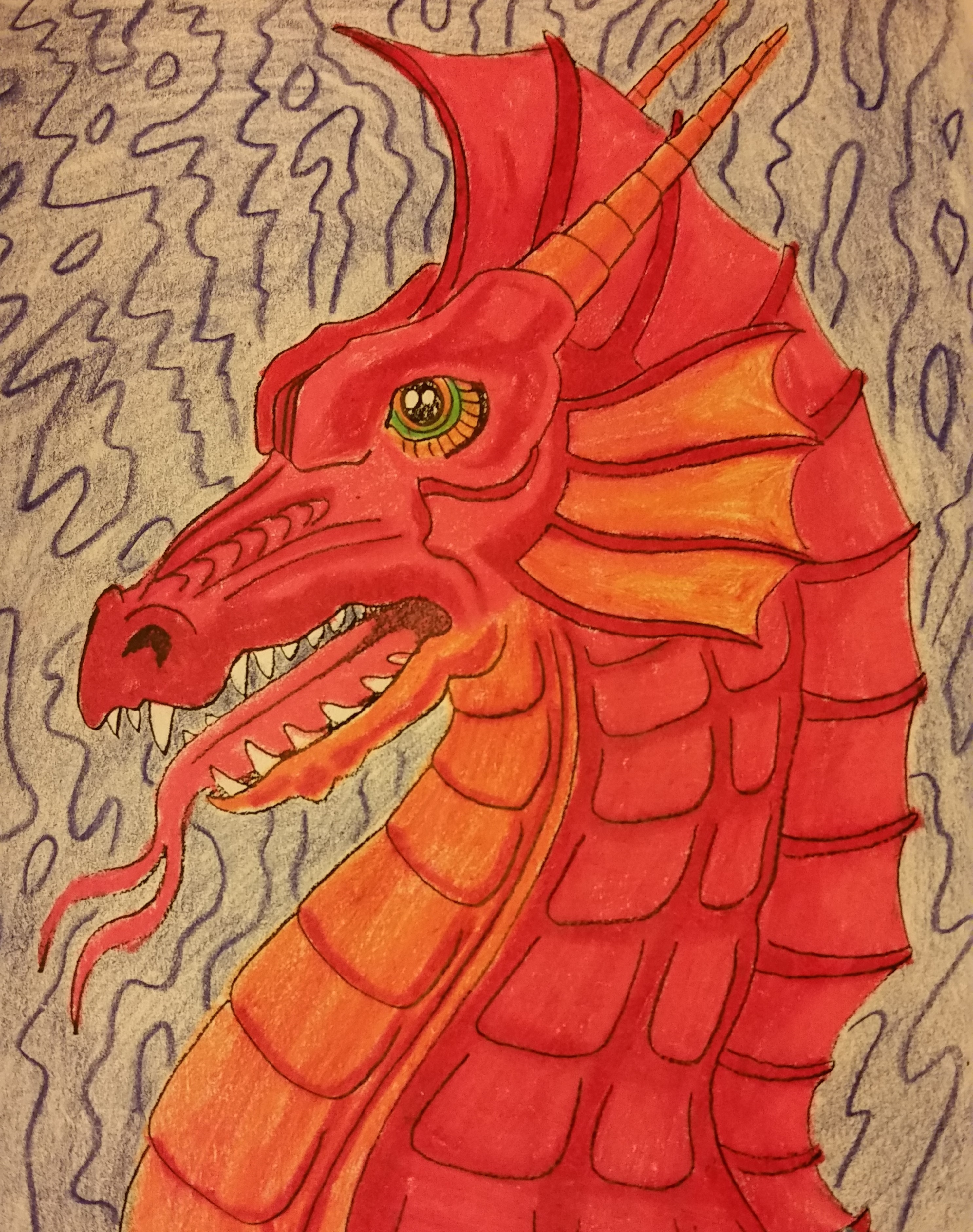
The full range of primary colors together in one picture, or one song, always means completeness, fullness, and happiness to me. If there is absence of one or more of the basic colors from the color wheel, the mood and emotion present in the song or picture is altered to something other than happiness. The Firebird Suite by Igor Stravinsky goes from the indigo and navy blue of fear and confusion to instances of angry red and feverish orange. It would look something like this in the theater of my imagination;
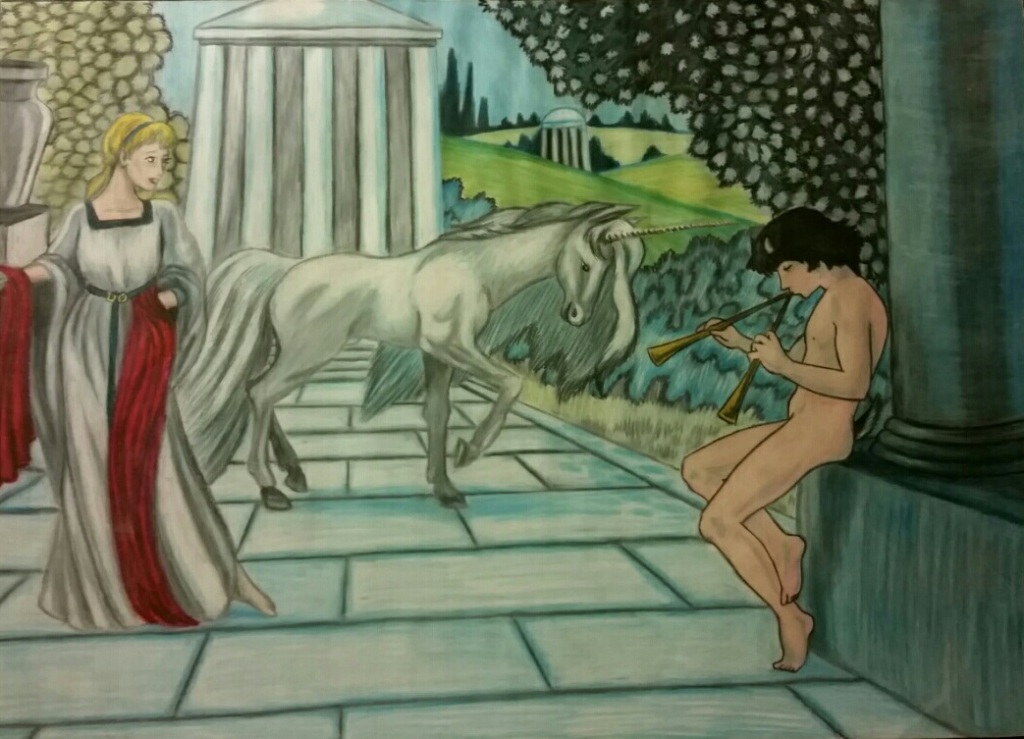
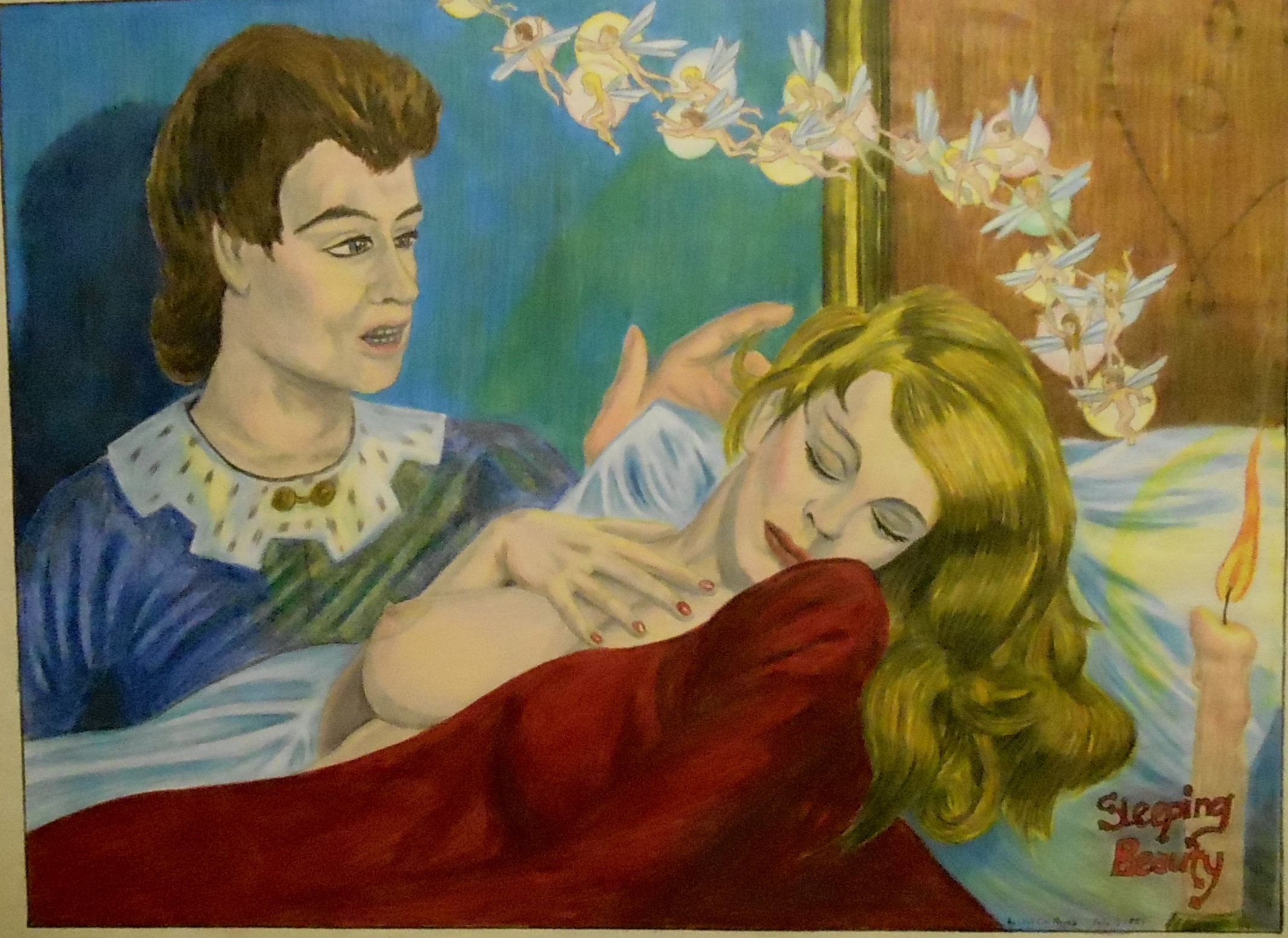
And one of my favorite instrumental pieces of all times, Prelude to the Afternoon of the Faun by Claude Debussy, is full of melancholy and sexual tension, deeply felt vibrations in the depths of my stomach, and would look like my picture Sleeping Beauty with its teal and blue melancholia juxtaposed with candle-lit yellows and wood brown mixed feelings of joy and anxiety.
Now, if you have waded through all of this goofy color-and-music analysis from a source whose sanity is questionable at best, you probably have no earthly idea what any of it has to do with anything. But if you have that aha!-moment and see it all clearly too, then I suspect you probably are a synesthete too. Poor you. It is not a treatable condition. But it is also not a burden. Learn to enjoy it. It resonates in your very soul.
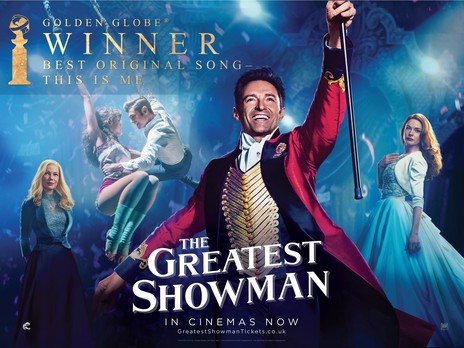
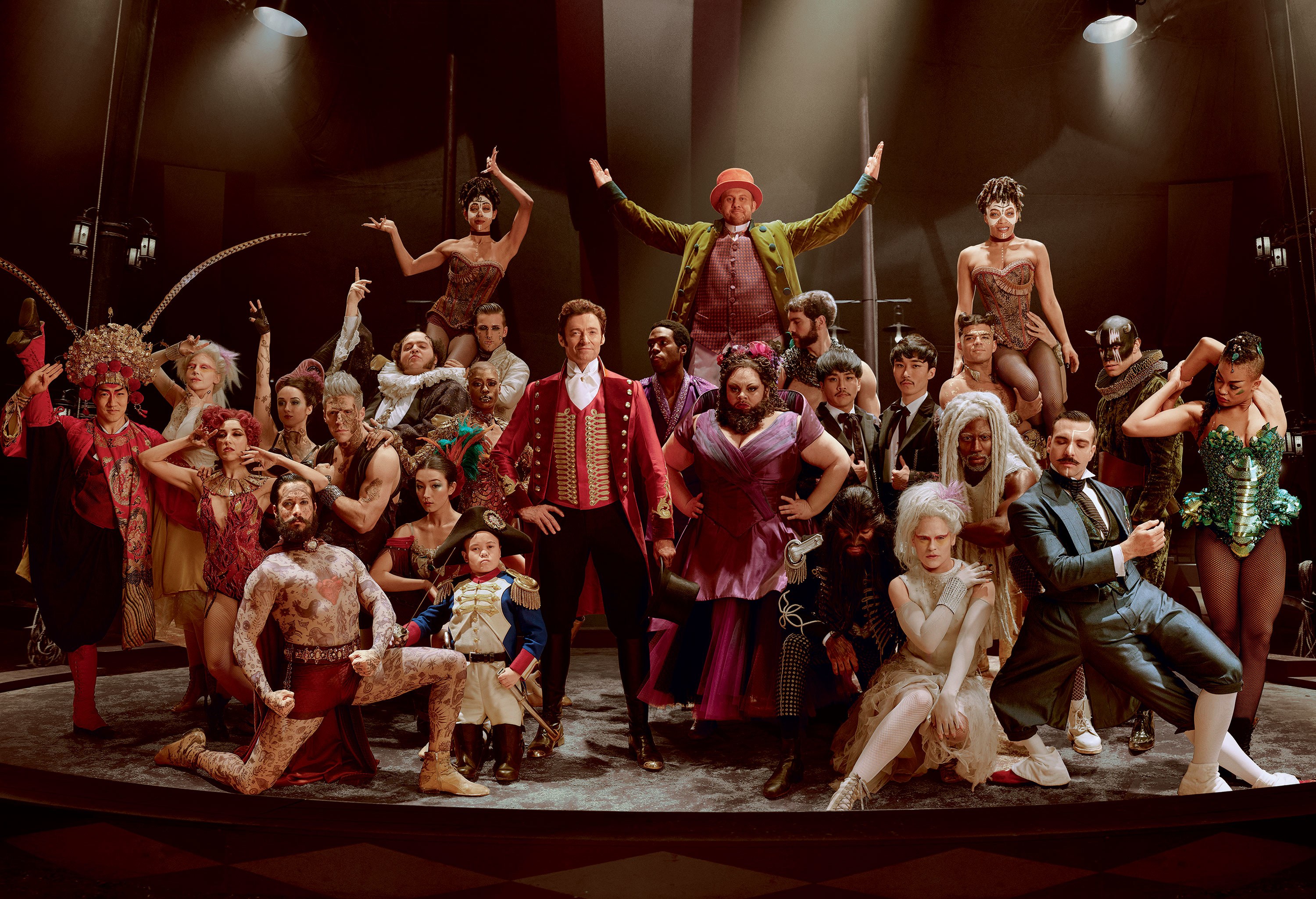
Last night my wife and my daughter the Princess went with me to the movie musical The Greatest Showman at the dollar movie. I was enchanted. My wife laughed at me for how much the movie made me cry. But it was a very touching and timely movie for me because it was about pursuing dreams in spite of economic hardships. The award-winning songs promote with energy and stunning beauty the notion that you should follow your passion no matter the risk, and that choosing to do so will produce rewards as long as family and love are with you and along for the ride.
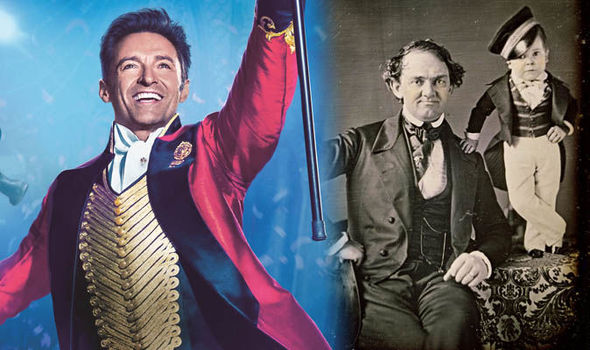
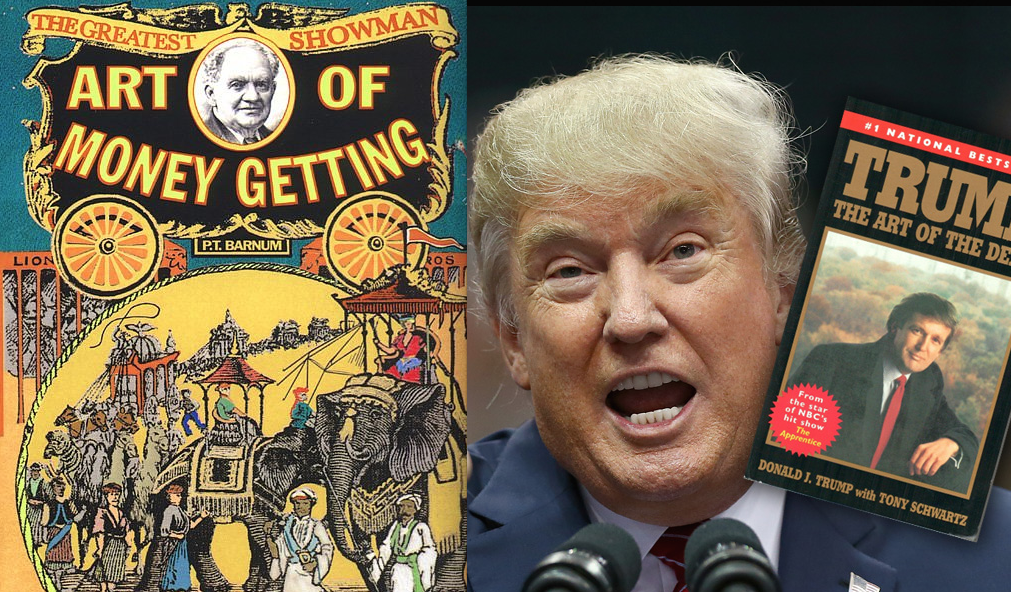
Of course, one has to remember that the whole story is based on the life and work of Phineas Taylor Barnum, a man who is a lot more like Donald Trump than he is Hugh Jackman. I really doubt he could sing and dance the way the movie portrays him. And words like “humbug”, “fraud”, and “exploiter” apply to him in a very real way.
Barnum was actually one of those wheeler dealers who wants to control the story. He actively found ways to alter the public narrative about himself and used criticism to help promote his money-making shows. The idea of bad publicity being just as good if not better than good publicity actually makes its presence felt in at least one scene in the movie. There is ample evidence that more than a little of Barnum’s efforts were aimed at making himself a star.
And although the movie sentimentalizes his exploitation of freaks and special individuals, giving him credit for giving them self esteem and a means to make a good living, that was really only the fictional Barnum created by Barnum’s own media efforts.
The truth of the matter, though far more fascinating than the movie version of Barnum, does not make for a good musical libretto. In the movie the theme of special people outcast from the society because of their uniqueness coming together to support each other in a circus is strongly woven into both the story and the music. The song “This is Me” performed by Keala Settle playing the part of bearded lady Lettie Lutz is a powerful anthem for everyone who feels smaller than they really are because of prejudice, bullying, racism, sexism, or any of the other forms of moronic stupidity that humans are so often guilty of. I have to admit, the song made me cry even as it filled me with joy. The musical score of this movie is one that I intend to listen to again and again and again. It makes the circus seem like an answer to life’s problems. It is the same feeling that I got the first time, and every time, I ever saw the circus with all its clowns and jugglers, acrobats and lion tamers, bare-back riders and elephants. And I knew it was all illusion. All humbug. But it was pure joy worth the price of the ticket never-the-less.
The movie was only rated 56% fresh on Rotten Tomatoes. But I rarely pay attention to things like that. This musical goes into the category with The Sound of Music, The Music Man, Oklahoma!,and Mary Poppins of musicals I can’t live without. Never mind the greedy little man that it is based on. This movie is about big dreams and even bigger achievements. And it is well worth the price.











![Clofillia, Josphine [Madame Clofullia, P.T. Barnum's "Bearded Lady of Geneva"]. Daguerreotype by Thomas M. Easterly, 1853. Photographs and Prints Collections. Missouri History Museum. Easterly 321. NS 17387. Scan © 2008, Missouri History Museum.](https://i0.wp.com/catchafallingstarbook.net/wp-content/uploads/2018/04/beardedlady.jpg?w=273&h=154&ssl=1 "beardedlady")


 Catch a Falling Star
The Darkest of the Coming Darkness
I do not claim to be prescient. But like any overly smart and perceptive person, I often see what’s going to happen before it happens. Sometimes it is almost as eerie as a Vincent Price movie. Sometimes eerier. After all, on the 60’s Batman TV show, Price played the ridiculous villain Egghead, and was completely creepy while doing it, but still, you know… Egghead.
One thing that I have to predict about the coming darkness is about politics. I mean, the current Republican administration, where it is decisions by all Republicans all the time, has become nothing more than a monster movie. Not merely a bad monster movie, but a super-creepy-bad monster movie with a gigantic orange rubber rooster as the main monster.
The reason it is bad is because, basically, to become a member of the Republican Party’s elected elite, you basically have to have your heart removed. Heartless, soulless monsters have a tendency to do things like take away Meals on Wheels for invalid seniors, health-care services from Planned Parenthood, and any hope of ever having affordable health insurance that actually pays for health care.
And now, the monsters who have taken control of the theater are pulling out of the Paris Climate Agreement because… well, apparently clean air isn’t good for decaying, desiccated monster skin and shriveled monster lungs that don’t breathe air anyway.
So here are my predictions for the coming darkness.
I won’t live to see it. My body is breaking down at age 60. My lungs are compromised by years of bronchitis and flu. I am diabetic, so my very body chemistry is betraying me. There is a family history of heart disease. And I have already gone broke once on health care bills that the health insurance people really don’t pay for. (They are in the business of collecting premiums, after all, not making people well.)
As the climate changes take away large parts of our food production and resources, and the sea rises to take away land and major cities, people will be at war increasingly over diminishing resources vital to a population of seven billion souls. Graveyards and unburied bodies will become a part of every monster-movie scene.
Love will become more complicated, because people who are selfless and put others before even their own life will die out first. The heartless, selfish, and often stupid ones will have the best chance for survival because they put themselves ahead of everyone else, and so have an unfair advantage over those who are not content with mere survival and exhibit self-sacrificing love.
So, if you find my black-and-white monster movie post upsetting with the darknesses I am sincerely predicting, please remember, this is a satire post in a humor blog. The way it is supposed to work is that you wake up to the factors that make it upsetting and decide to do something for yourself to change them. Everybody doing a lot of the same little thing to make the world better can move mountains and fly to the moon. Big things don’t happen without everybody taking a hand. Maybe we can dream dreams once again and make some good things come true.
Leave a comment
Filed under angry rant, battling depression, commentary, feeling sorry for myself, horror movie, humor, monsters
Tagged as film, horror, movies, reviews, writing