
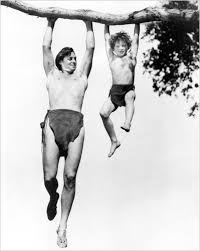
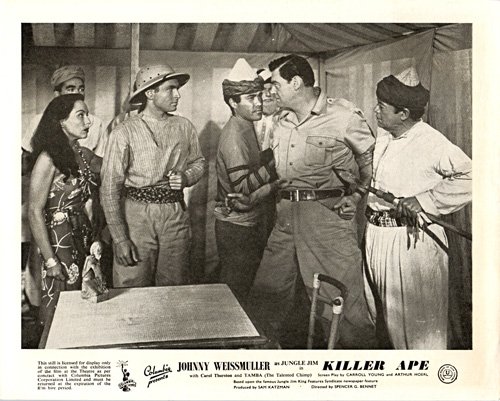
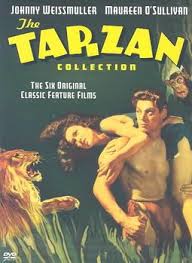
There was a time when Tarzan was one of the ruling heroes of my boyhood fantasies of power and self-fulfillment. And, while Tarzan was a cartoon show on Saturday morning, comics by Burne Hogarth, movies in the theater in color with Mike Henry, or a weekly series on TV with Ron Ely, he was always Johnny Weissmuller to me. Weissmuller who played both Tarzan and Jungle Jim in the Saturday afternoon black-and-white movies.
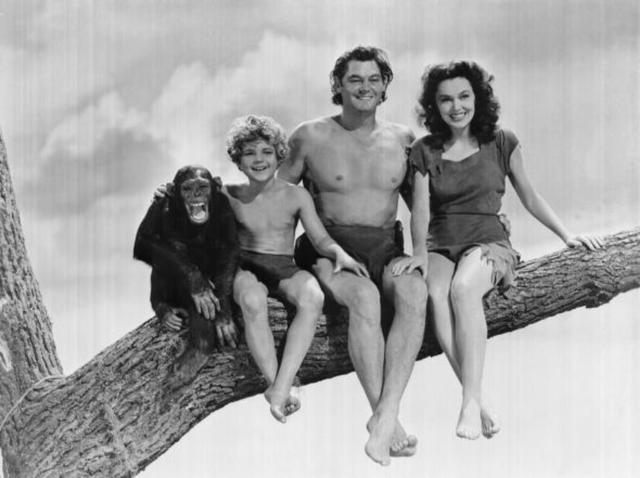
I have to admit, I didn’t identify with the character of Tarzan as much as I thought of myself like the character “Boy”, played by Johnny Sheffield in movies like “Tarzan Finds a Son”. It was a significant part of my boyhood to imagine myself being like Boy, free from practically all restraints, able to gad about the dangerous jungle nearly naked with monkey pals and no fear. If I got into trouble by believing my skills were greater than they really were, I would save myself with ingenuity, and, barring that, Tarzan would rescue me. And, believe it or not, sometimes there were fixes that Tarzan got into that he needed me and Cheetah to be creative and get him out of. I knew in my heart that one day real life would be like that, especially once I grew into Tarzan and stopped being just Boy. That idea was in my head so loudly that several times I went to Bingham Park Woods, stripped down, and played Boy in the Jungle.
As in the previous essay about Heroes of Yesteryear, I learned important things from Johnny Weissmuller on Saturday TV. He taught me that all you really needed, even in the darkest jungles of Africa, was confidence and courage. You could stand up to any deadly danger without the protection of any armor, practically naked, in fact, if only you had that heroic goodness of heart. The little boy I was then still believes that whole-heartedly even in the aging body of an old man.
So, Tarzan continues to live in my memory, a part of me, an essential part of my education. He is me and I am he. But only in my mind. Me in a loincloth, swinging on a vine now… and probably going splat like an overripe melon on the jungle floor… well, that is too ridiculous to even imagine being real anymore. Yet he lives on in me. And he battles the metaphorical leopard-people of modern life through me. Unarmored. Confident. And unafraid.









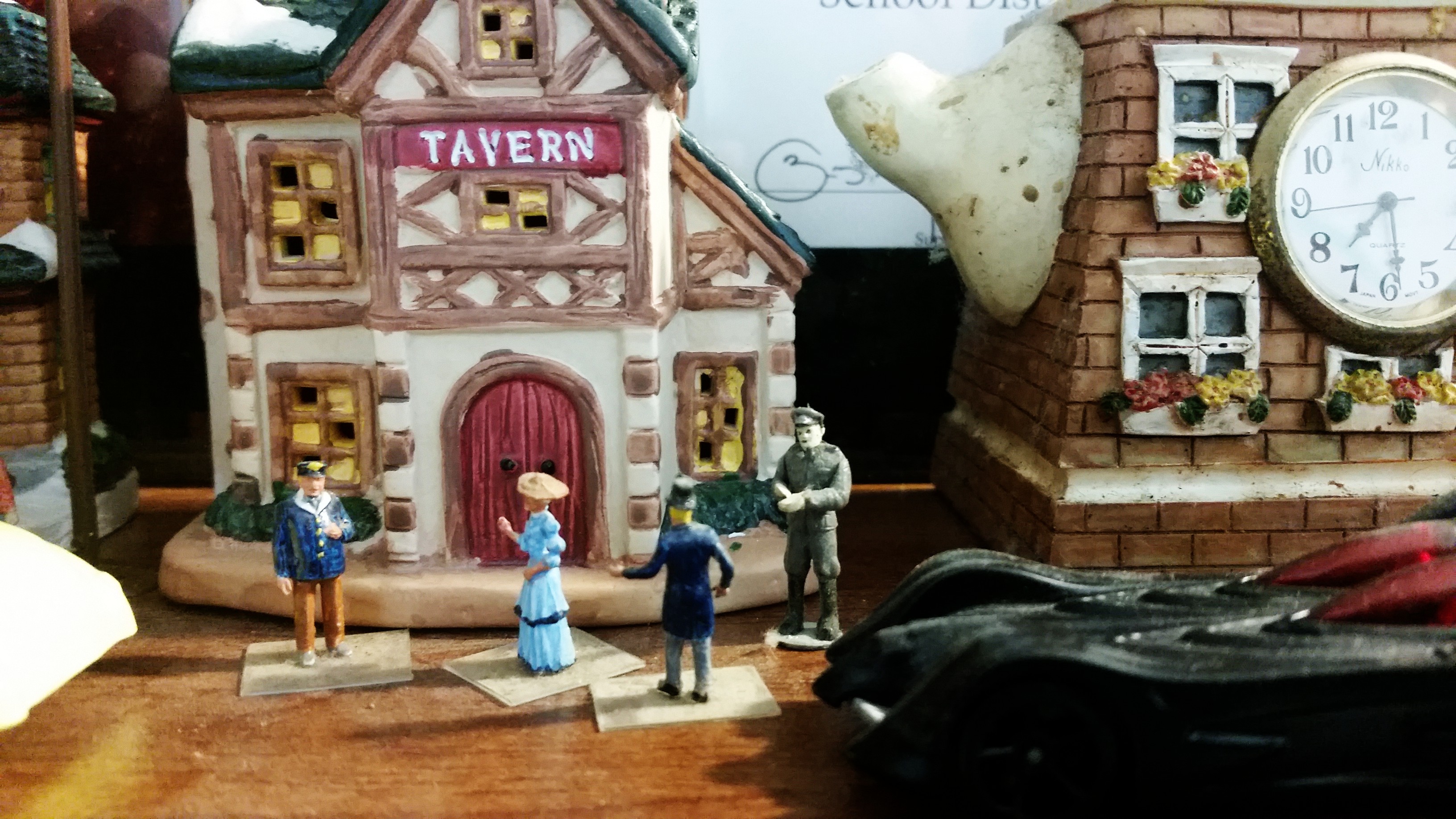
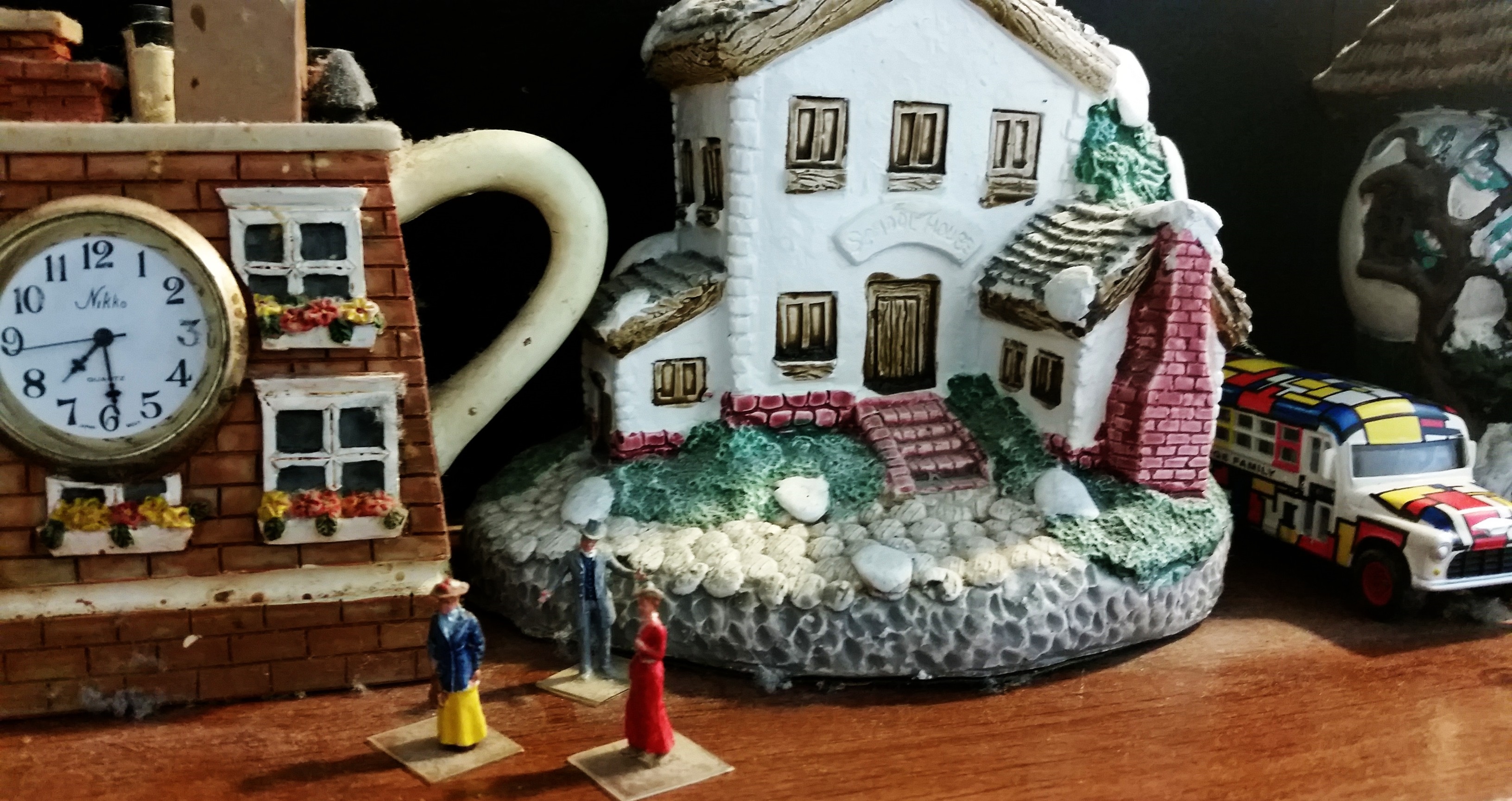
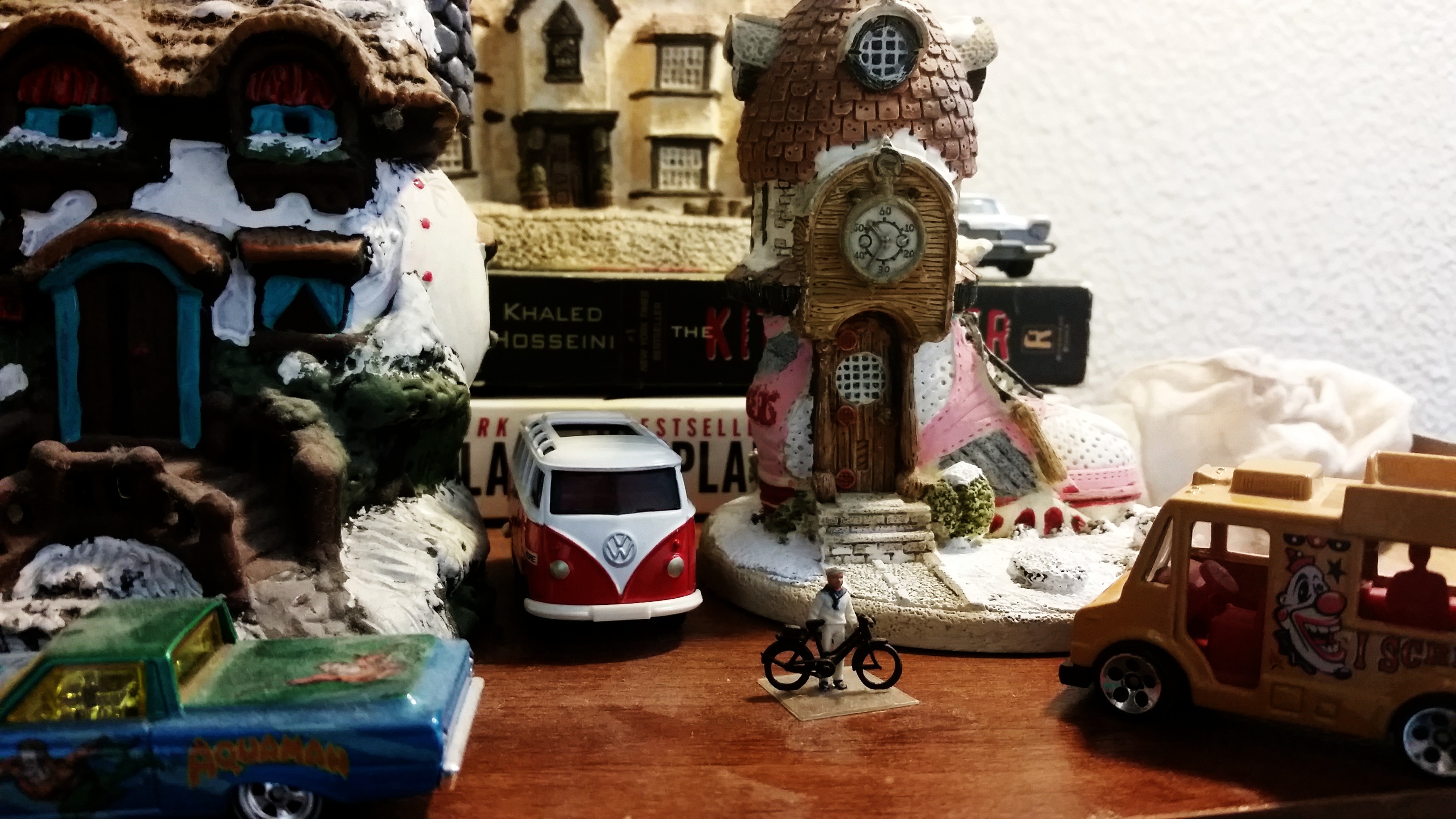
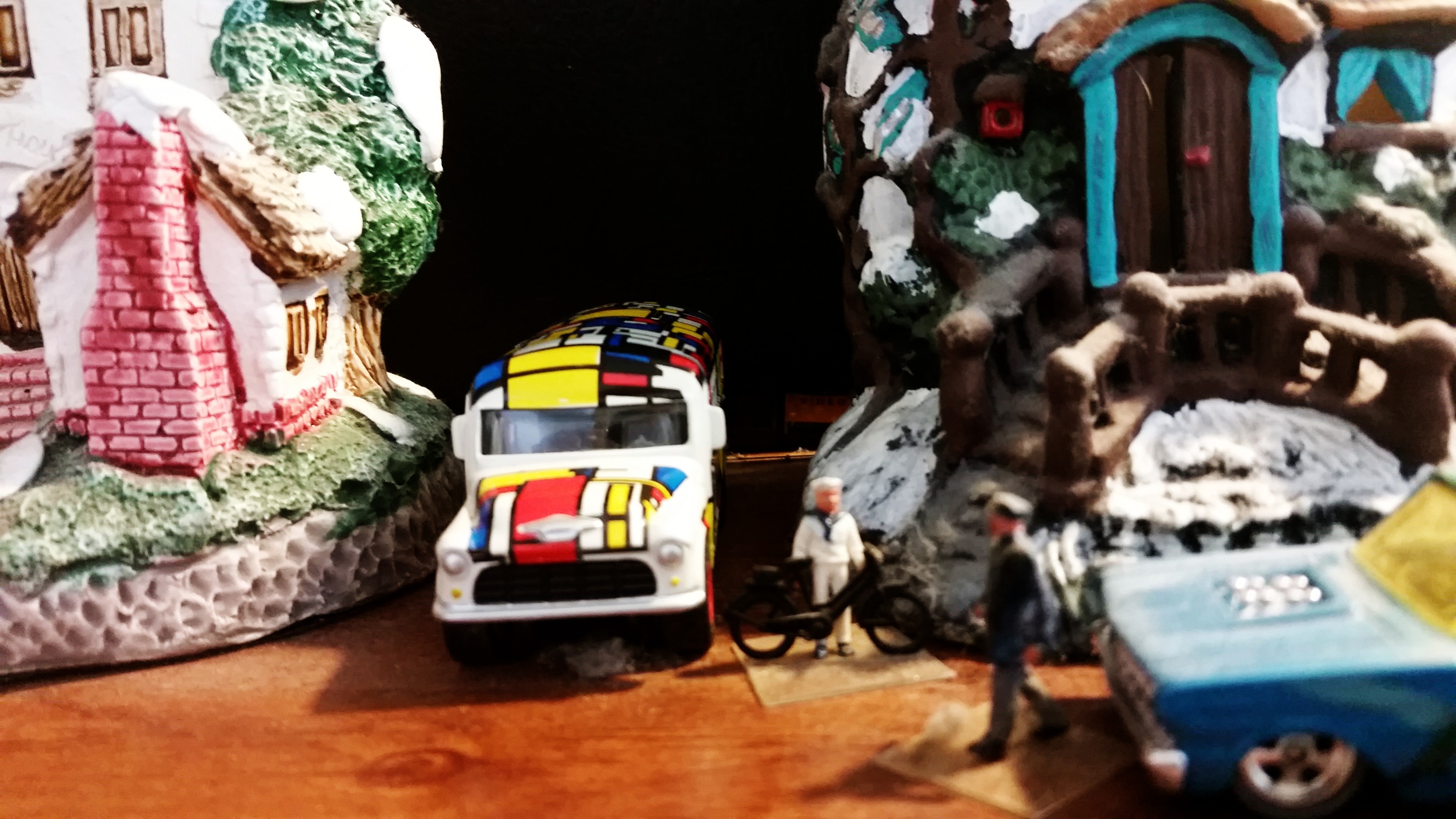 Here’s a view of the front of that same TV bus as it sits between Miss Wortle’s place and Eggbert Egghead’s Egg House. Dabney Egghead is the boy in the sailor suit showing off his brand new velocipede.


Why We Doo
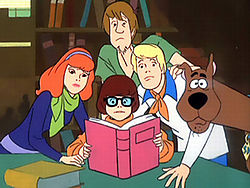
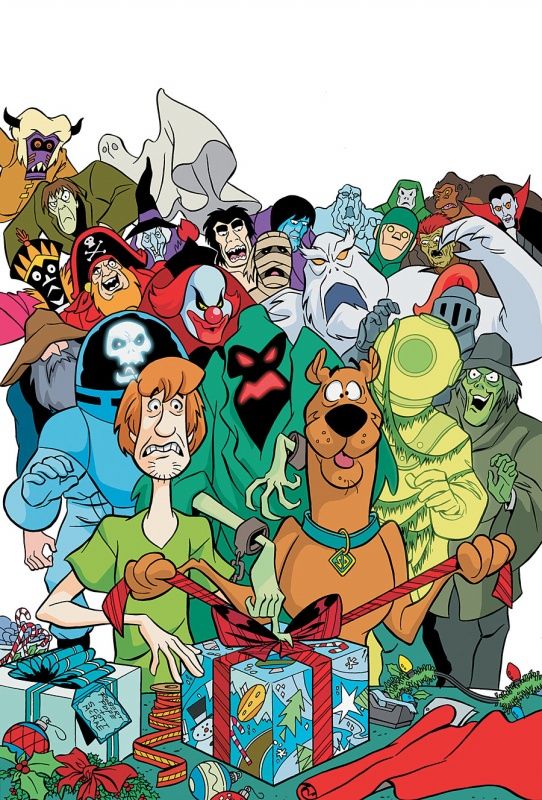
I remember when Scooby Doo, Where Are You? premiered on Saturday Morning Cartoons in 1969. I was thirteen and in the 7th grade. I had been six during the Cuban Missile Crisis of 1962, seven when Kennedy was assassinated in 1963, ten when I was sexually assaulted in 1966, and still twelve when Neil Armstrong walked on the Moon in the Summer of 1969. I was obsessed with monsters, horror comics, 20,000 Leagues Under the Sea, and the Pirates threatening Jim Hawkins in Treasure Island. I knew what fear was. And I was mad to find ways to combat the monsters I feared.
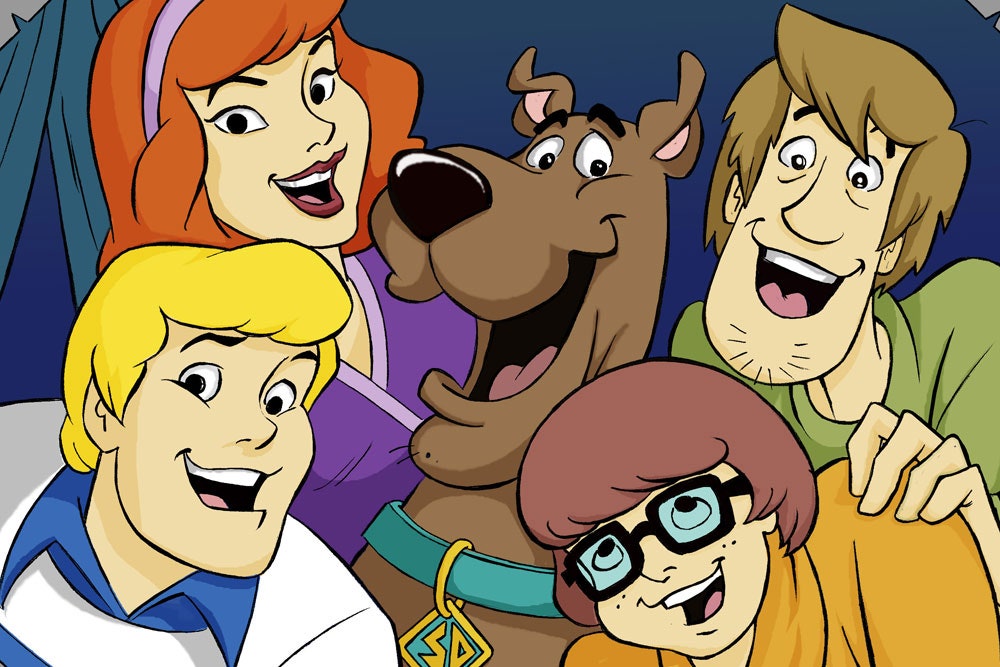
Don’t get me wrong. I was under no illusions that Fred, Daphne, Velma, Norville “Shaggy” Rogers and Scooby Doo were the answer to all my fears as viable heroes and heroines. They were goofballs, all of them, based on the characters I vaguely remembered from The Many Loves of Dobie Gillis. I was aware that Shaggy was just Maynard Krebs in cartoon form (the hippie character portrayed by Gilligan’s Island actor Bob Denver.)
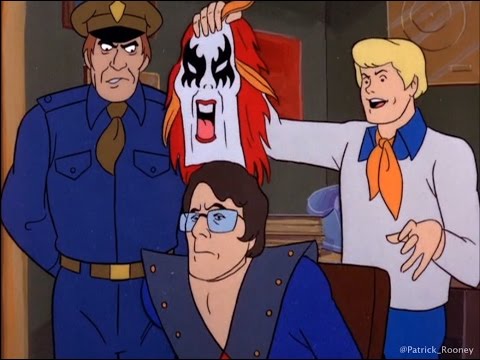
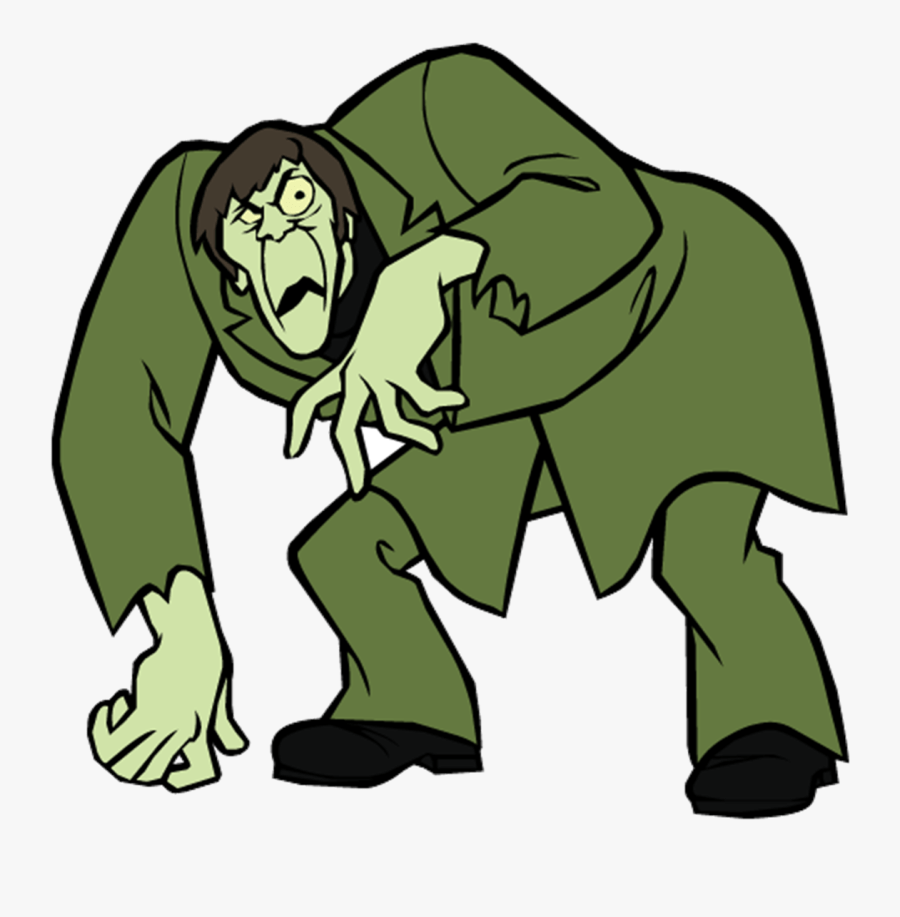
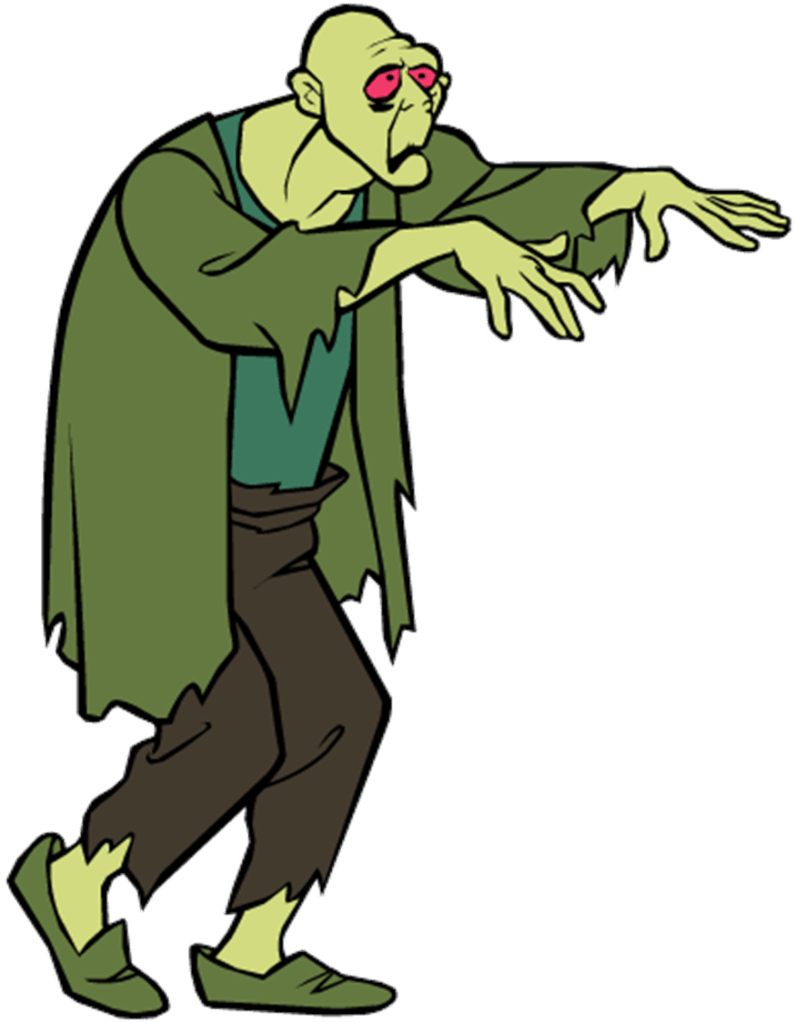
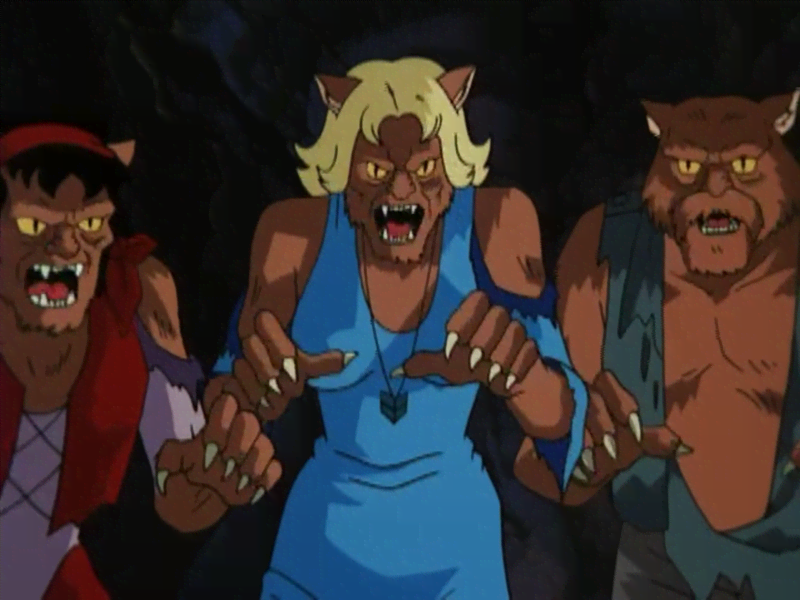
One of the critical things about the show for me was the fact that there was a rational explanation for the monsters. They were men in masks, special effects and projector tricks, or remote-controlled mechanical things.
And the way you overcame them and saved the day was by having Shaggy and Scooby act as bait, cause the traps to get sprung at the wrong time, and then fall on the villains, trapping them under the butt of the talking dog.
Villains and horror could be overcome by laughing at them. They were more likely to be clowns than carnivores. And even if they were carnivores, the teeth were not real.
There was a universal truth in that. Danger and horror and fear were easier to handle when you could laugh in spite of those things.
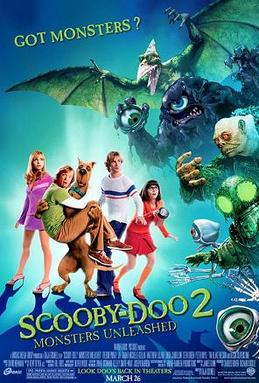
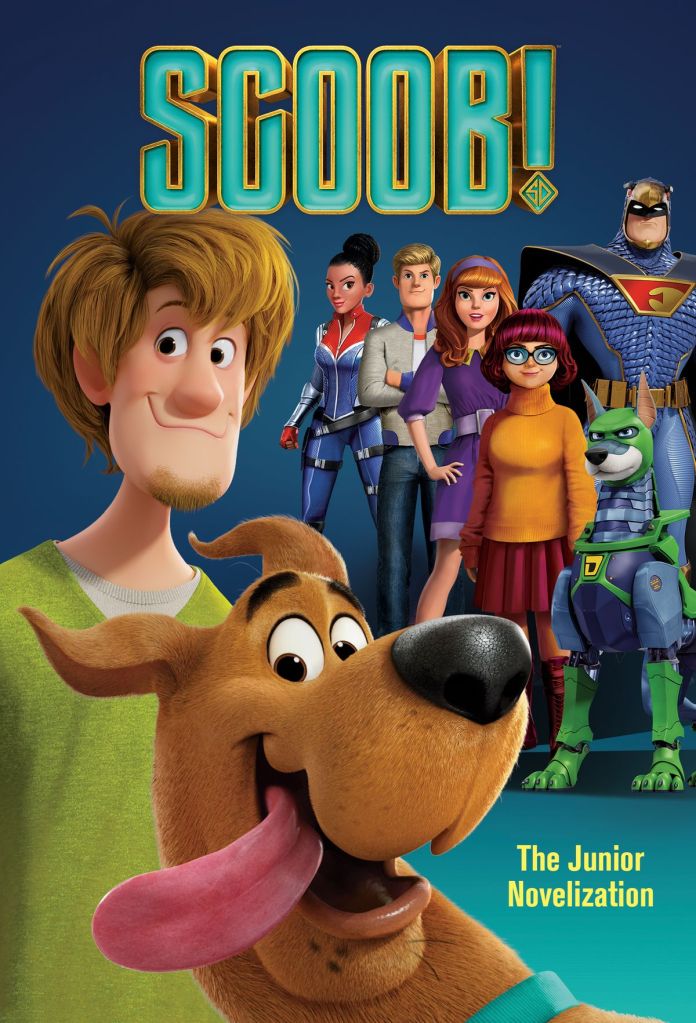
And to top it all off, those meddling kids and their stupid talking dog were with me my whole life. Those cartoons got remade and spun off so many times that my kids learned to love them as much as I did. And those four meddling kids and that talking dog are still making new stories even now.
And that is why we do the Doo!
Leave a comment
Filed under autobiography, cartoon review, cartoons, commentary, humor, monsters, Uncategorized
Tagged as books, hanna-barbera, horror, movies, Netflix, review, reviews, Scooby Doo, writing