

When I was a kid in Iowa in the 1960’s Saturday morning television was the singular source of fuel for the imagination. I loved the various adventure cartoons. Jonny Quest, Space Ghost, Thundarr the Barbarian, and the Herculoids were the source of endless lets-pretend games in Granpa’s grove and in the old barn.


I suppose the characters I envisioned myself being the most often were Zandor and his son Dorno. These two practically naked people lived on a primitive planet that had to constantly be defended from space-faring invaders and free-booters that had ray-gun technology on their side. The only weapons that the practically naked barbarians were able to use against the villains were exploding rocks that were shot out of a slingshot by Zandor and Dorno and Tara, or out of the horn-gun on the head of Tundro the living tank-beast with too many legs. Of course, Igoo the giant rock ape could bop ’em with his big stone fists, or Zok the lightning dragon, could zap them with tail and eye lasers. And Gloop and Gleep, the living Play-Doh blobs, could also always shape themselves into flyswatters or springs or wet blankets, or… well, you have to see it to really get it.


I learned valuable lessons from watching the Herculoids and then pretending to be them. First of all, I learned that back-to-nature, practically-naked barbarians were morally superior to those who solve their problems with technology. I also learned that you can win fights with exploding rocks and yelling, “Zandor! Look out!” at the right time over computerized flying robots with lasers and disintegration rays. There was also the thing about never knowing when an old Space Ghost villain like Brakk or Moltarr was going to show up, and you needed to be ready to defeat them by doing the same things to them that Space Ghost had done to them in previous episodes. And for some reason, bad guys come with a psychological need to capture Tara or Dorno or both Tara and Dorno and put them in cages.

I hope there was nothing psycho-sexual embedded in those old episodes. That would be a terrible thing to do to an impressionable young boy who loved to watch the cartoons. Explain to me again, Alex Toth and Hanna Barbera, why are Zandor, Dorno, and Tara practically naked all the time? Oh, yes, it was a tropical planet. It must have been hot there.
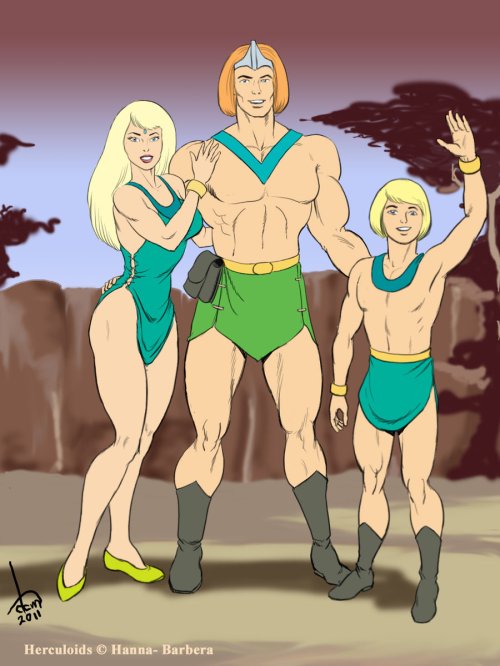
Anyway, I must end this homage now, before I start analyzing how this somewhat bizarre cartoon actually affected me as a child. I loved the Herculoids. I still love them… no matter how goofy and weird they are.
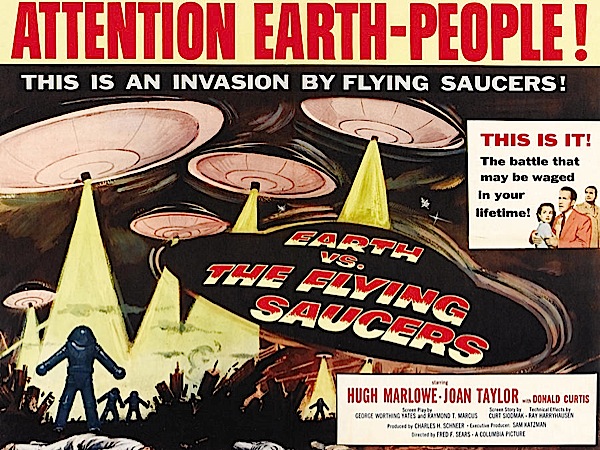
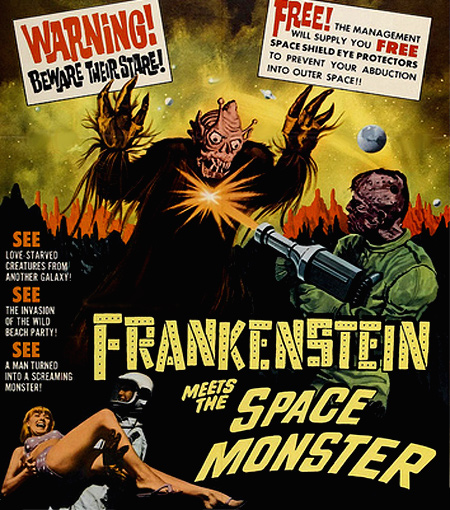
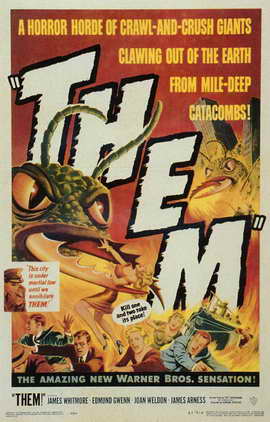
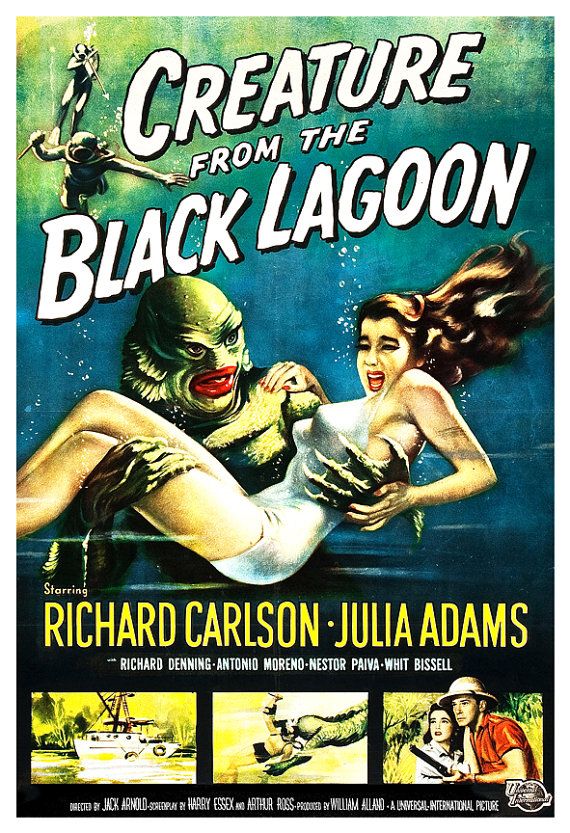
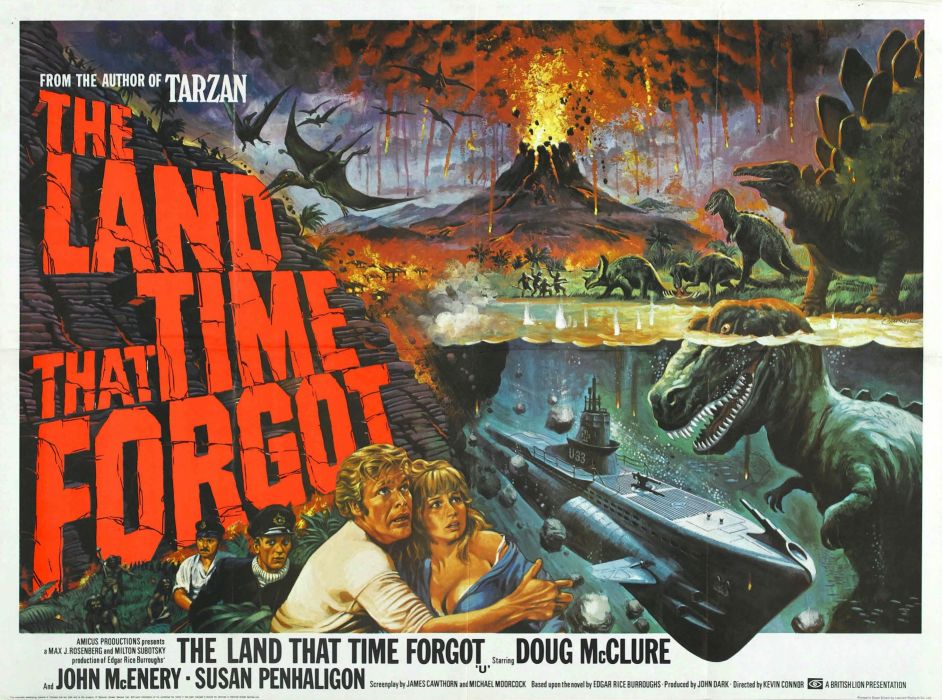
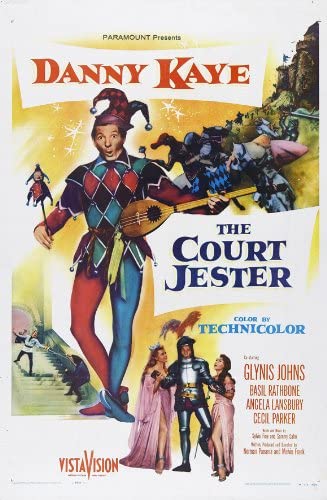
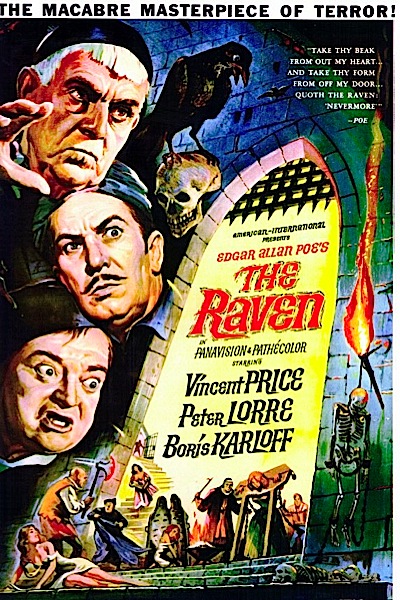
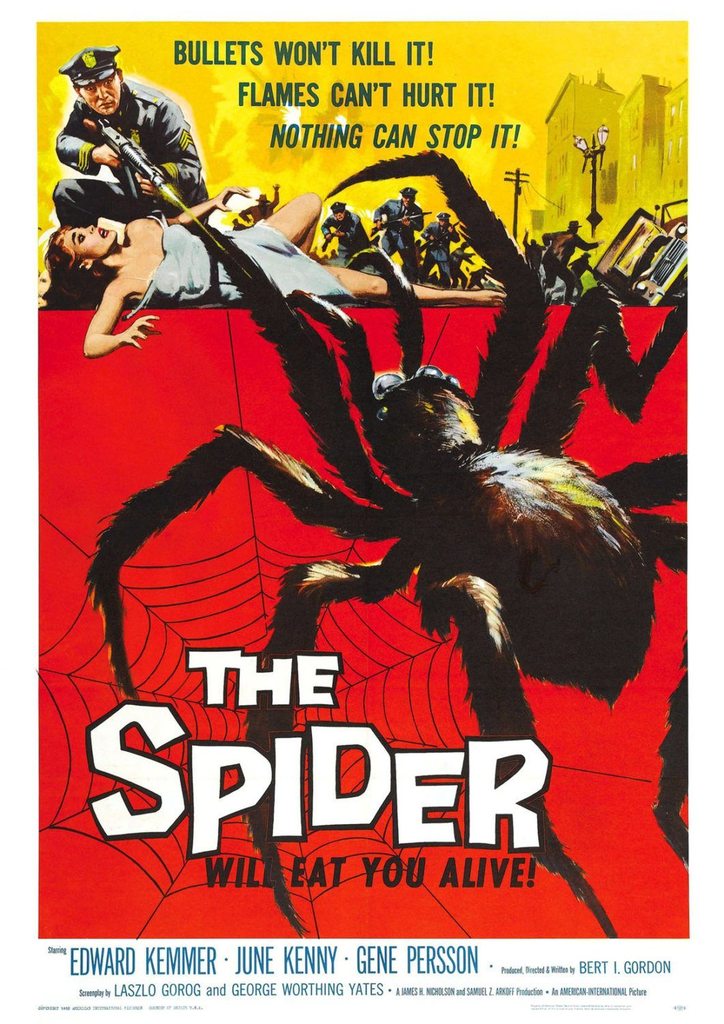
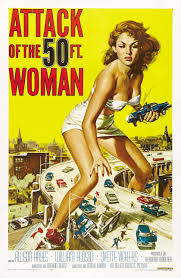
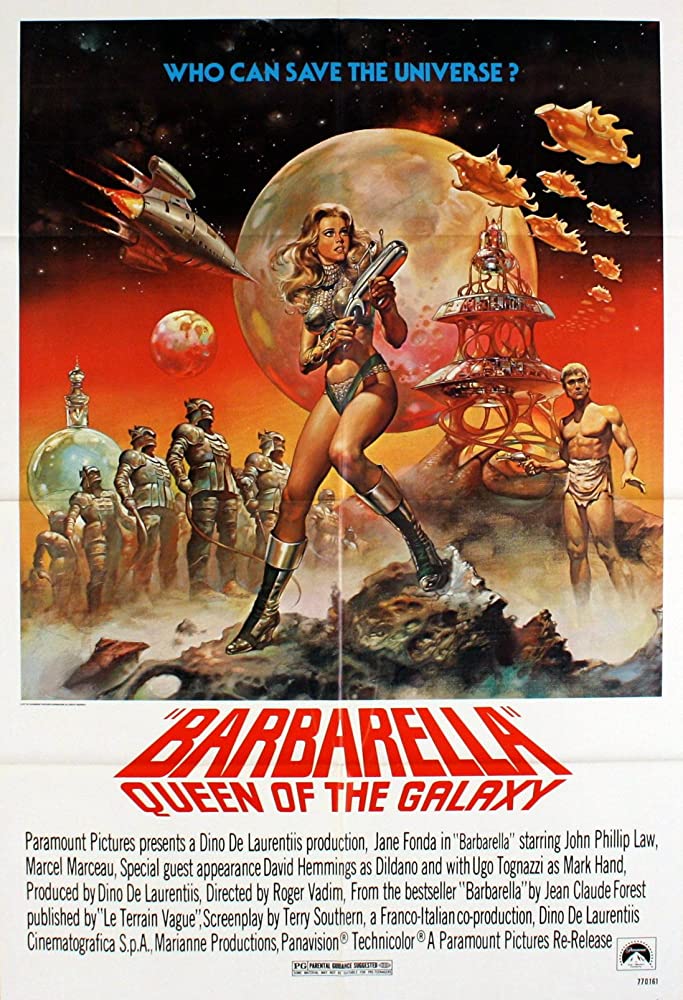
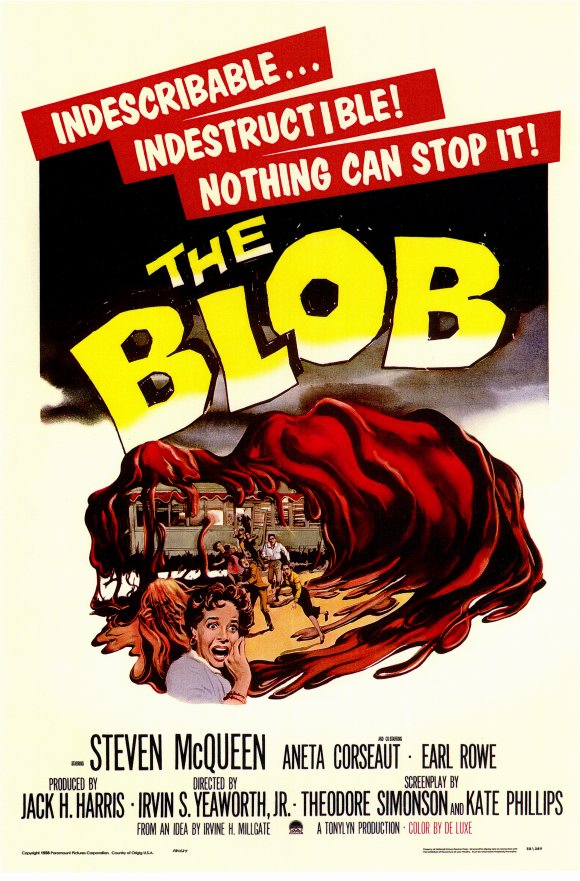
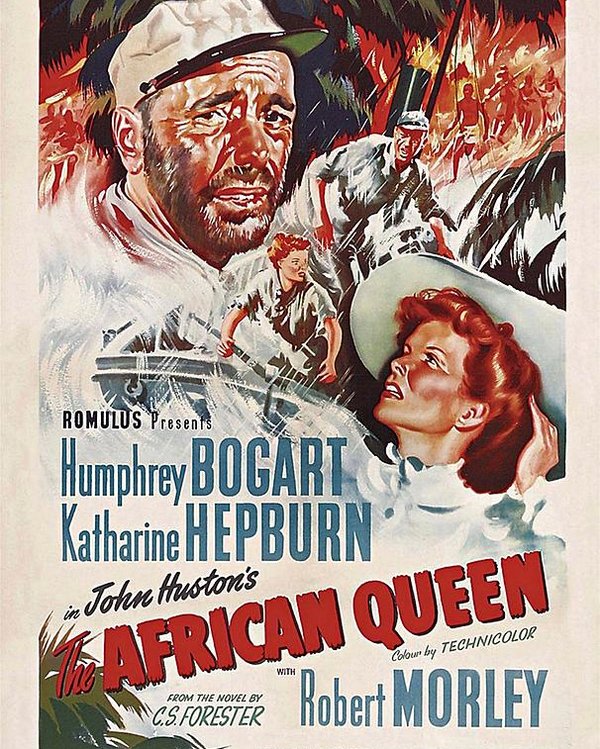
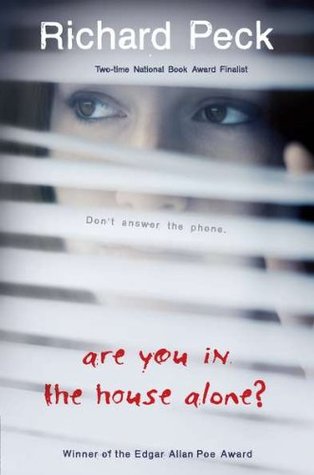


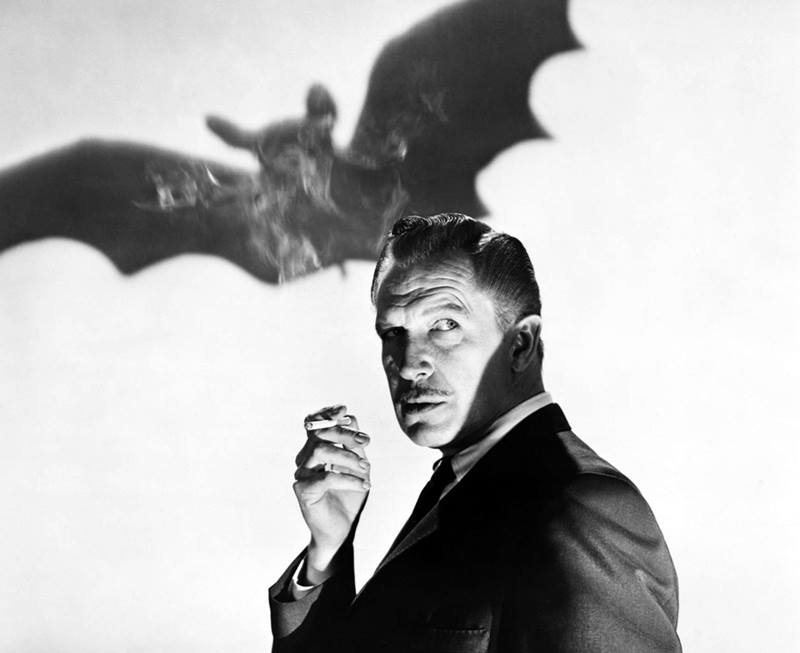
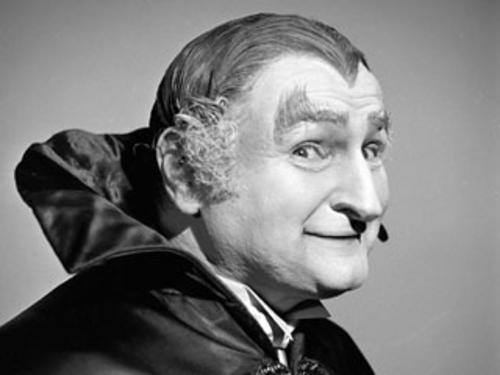
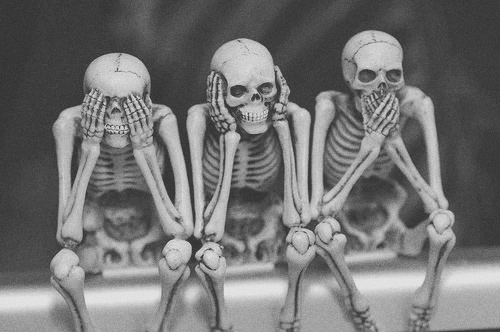
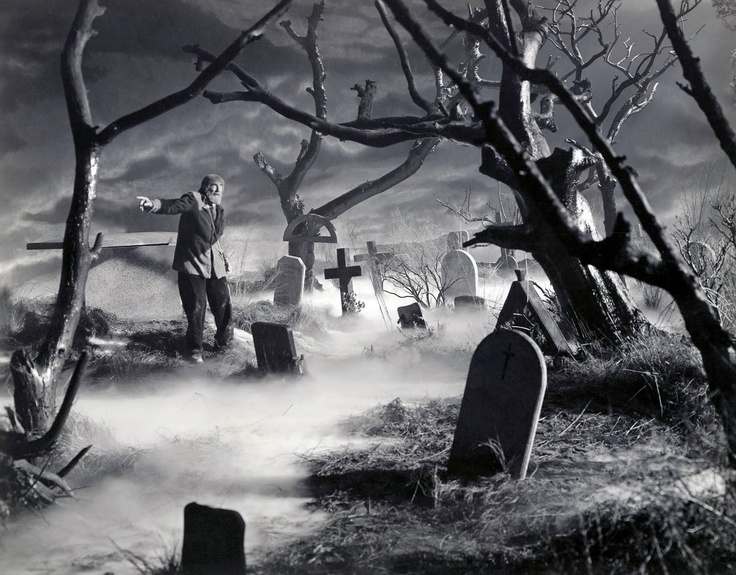
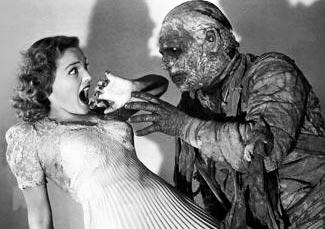
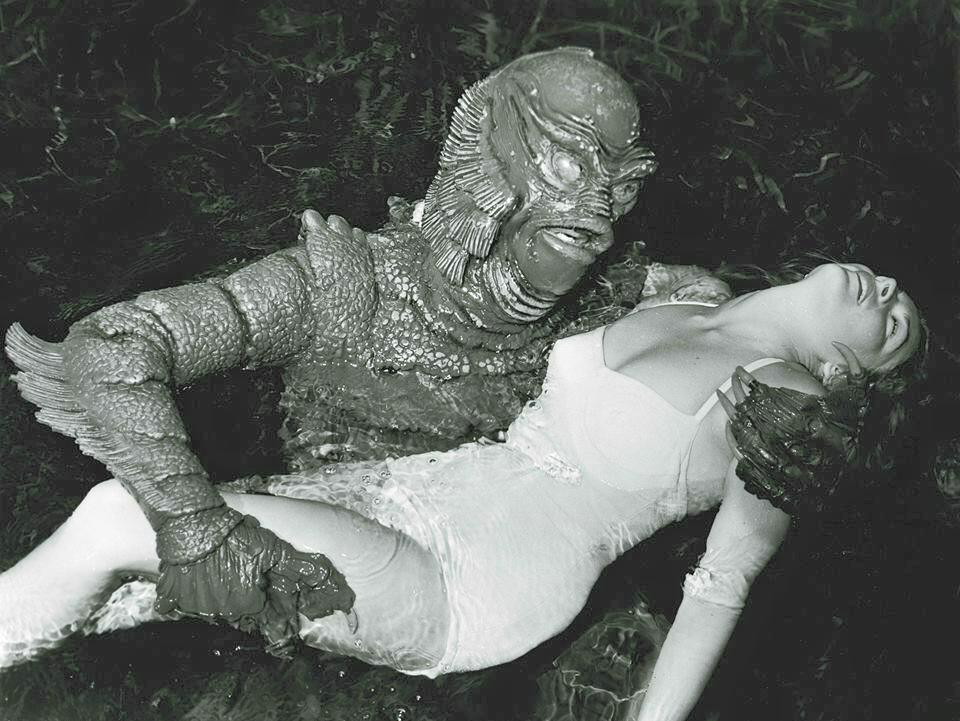
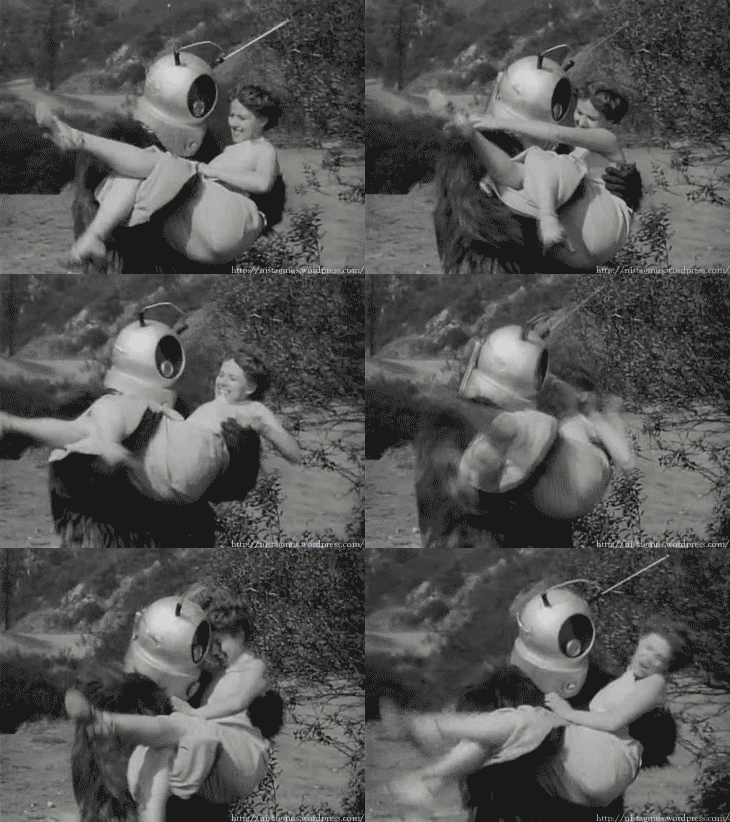
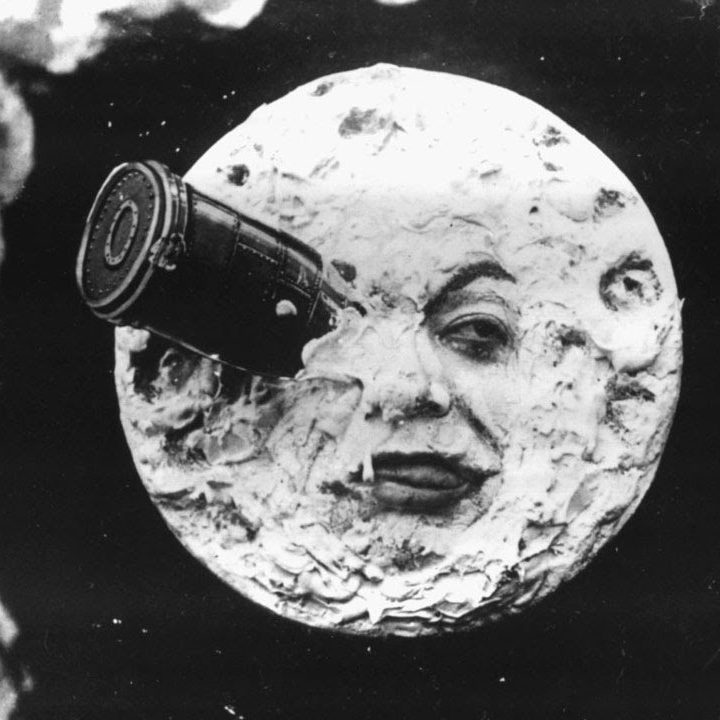
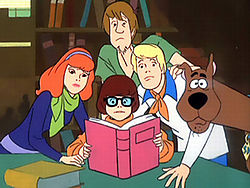
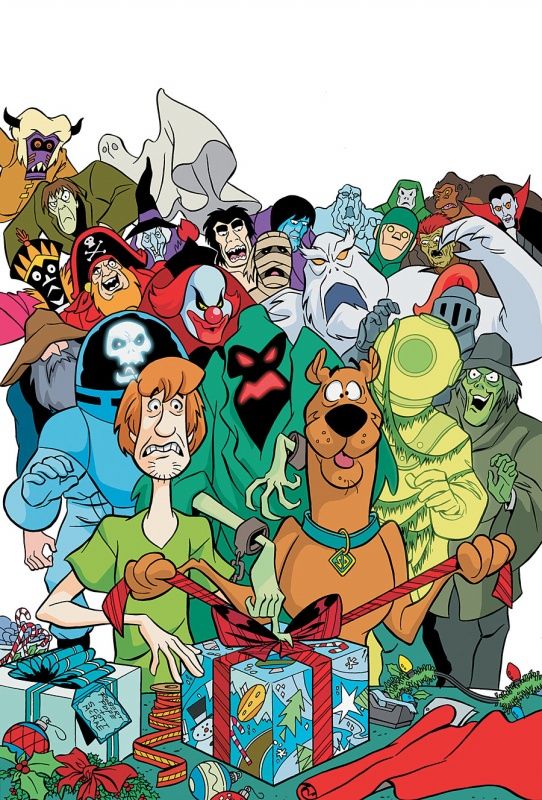
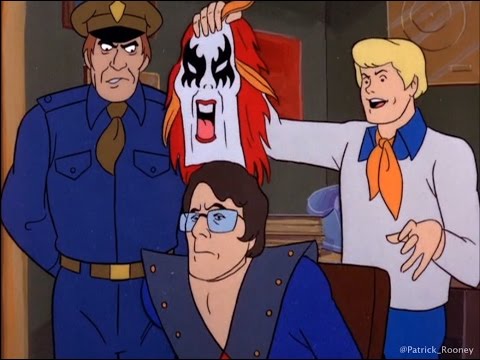
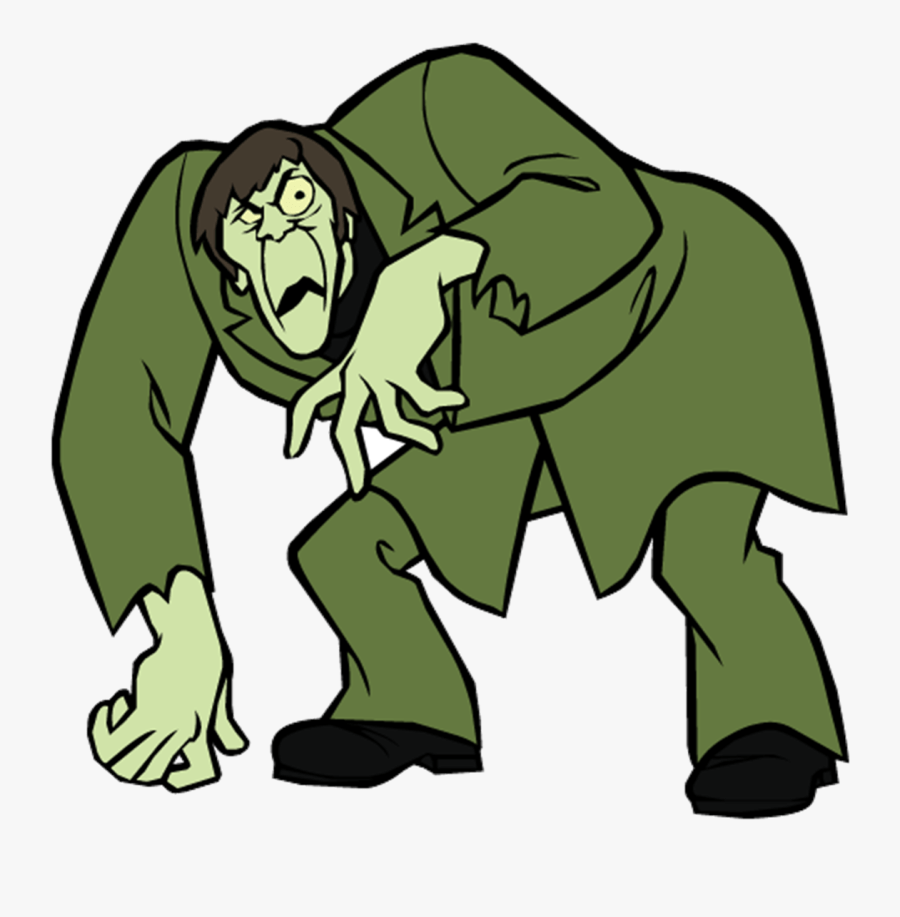
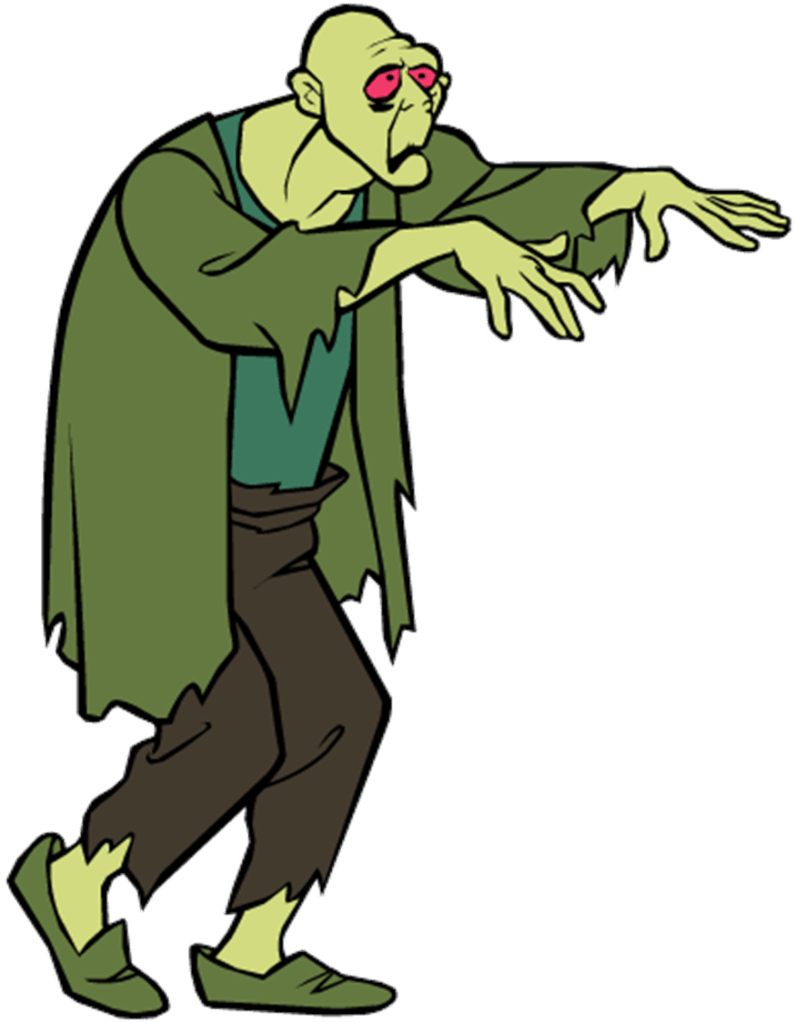
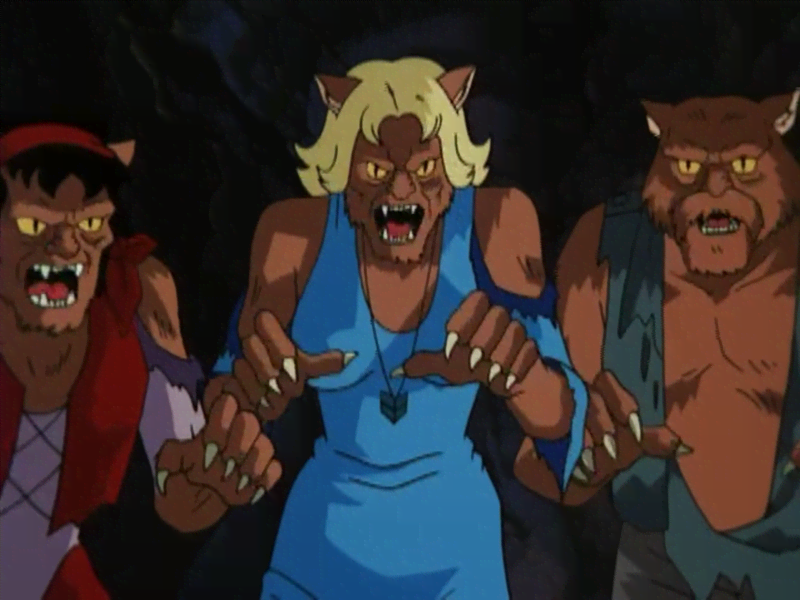




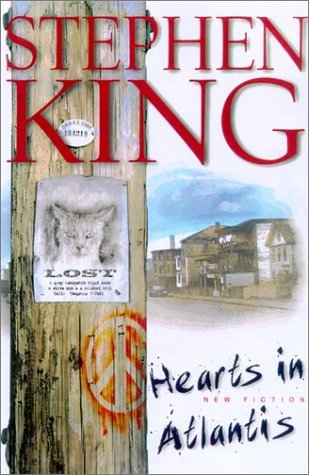

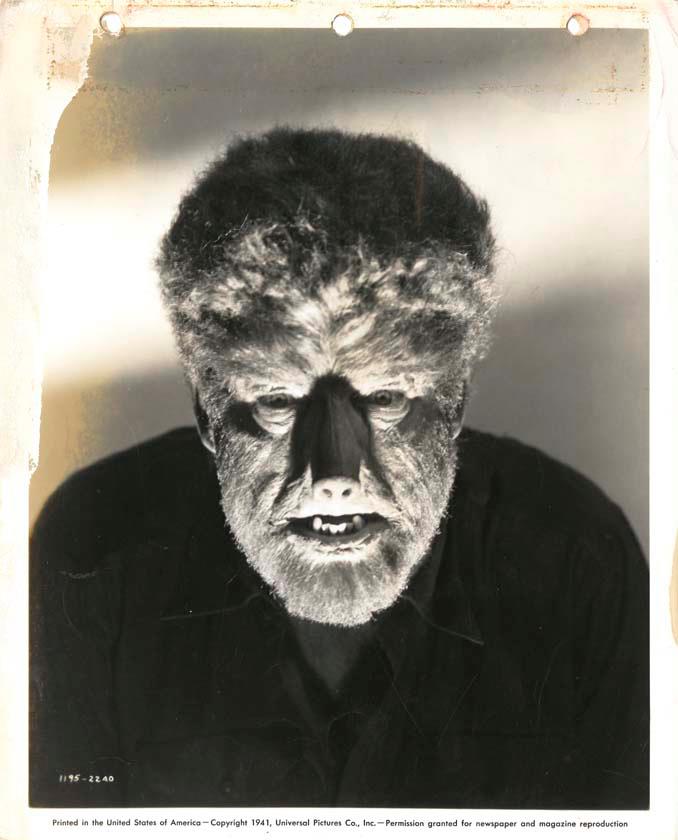
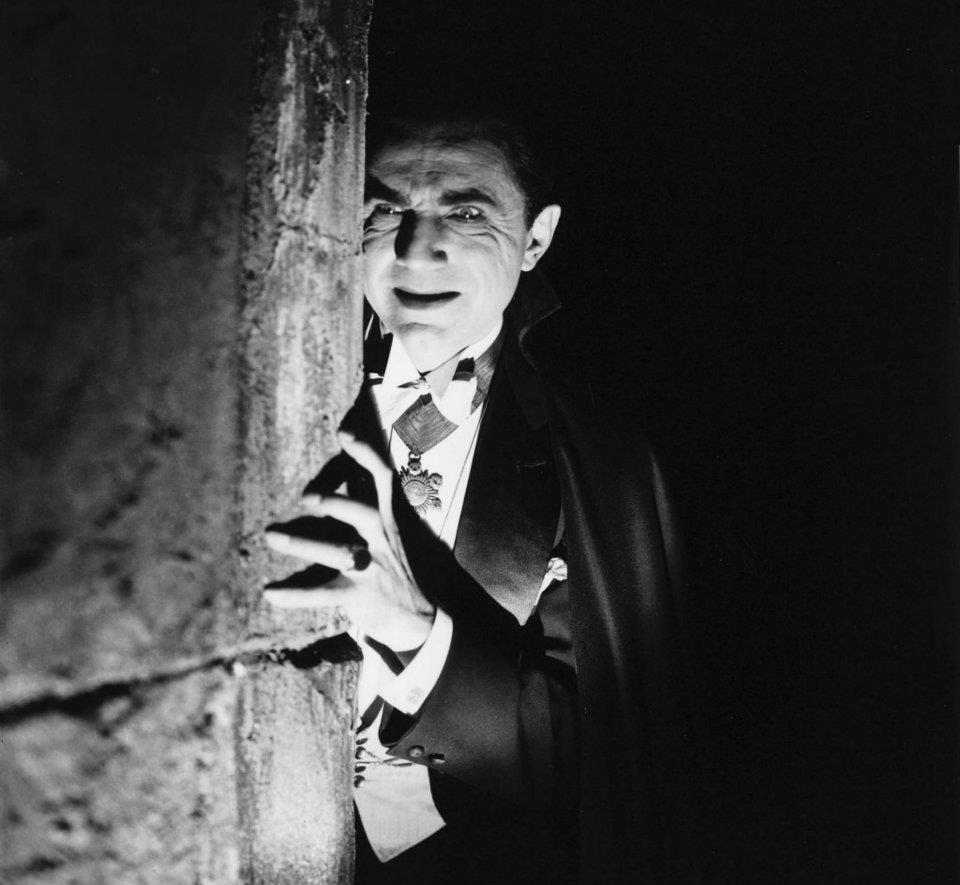
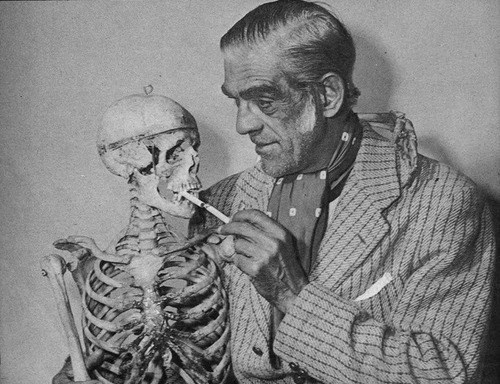
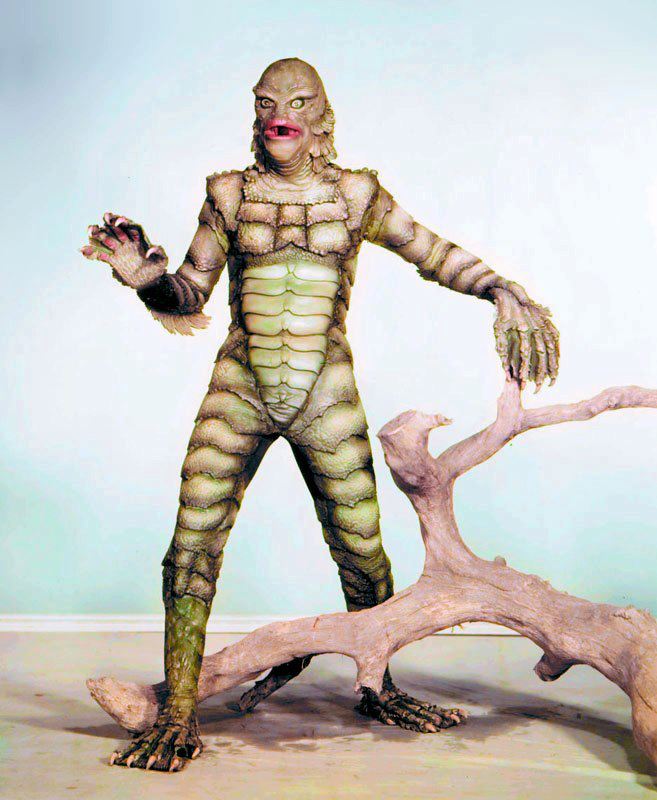
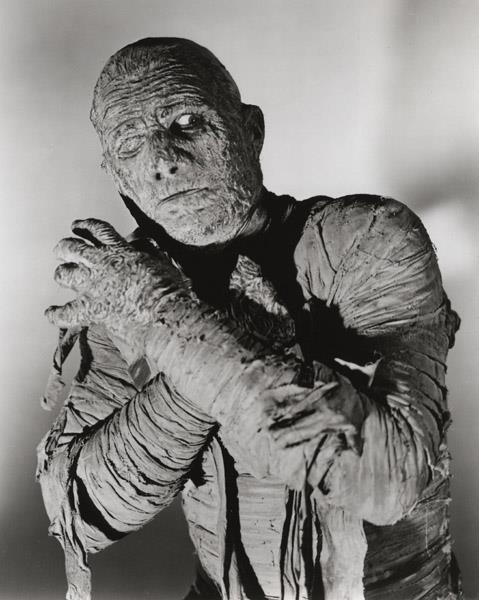
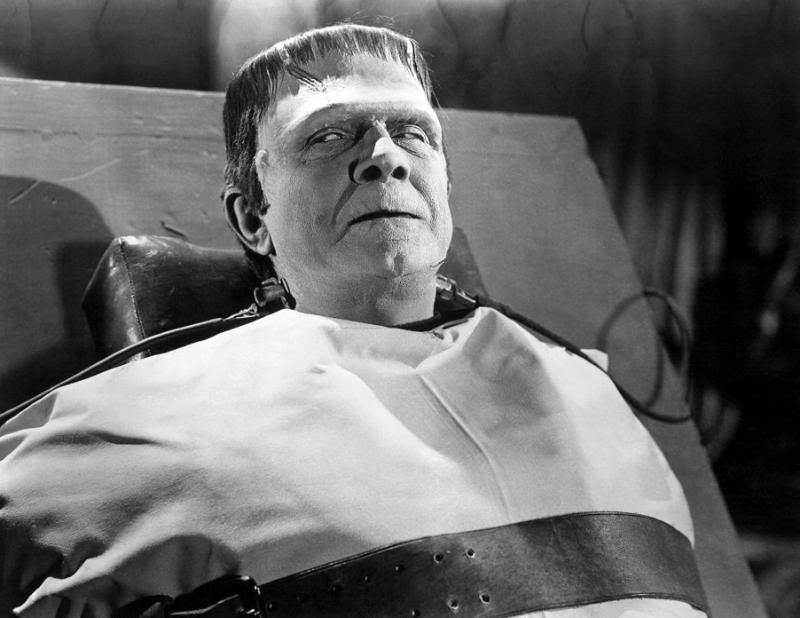 But the thing about monster movies… at least the good ones, is that you can watch it to the end and see the monster defeated. We realize in the end that the monster never really wins. He can defeat the monstrous qualities within himself and stop himself. Or the antidote to what ails him is discovered (as Luke did with Darth Vader). Or we can see him put to his justifiable end and remember that if we should see those qualities within ourselves, we should do something about it so that we do not suffer the same fate. Or, better yet, we can learn to laugh at the monstrosity that is every-day life. Humor is a panacea for most of life’s ills.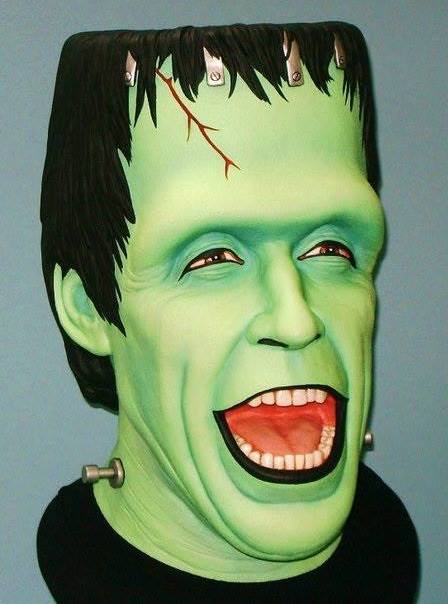


The Case for the Clown
The criminal was led into the courtroom in chains and forced to sit in a box made of metal bars so his influence would not reach out and harm anyone by drawing their sympathy in.
“Mr. Prosecutor,” said the learned judge, “what terrible crime has the perpetrator been charged with?”
“The alleged perpetrator!” objected the defense attorney, a mousy old man who looked like a cross between Santa Clause and Robert E.Lee because of his white beard, stern face, and a twinkle in his eye.
“Shut up please, Mr. Badweather. You will have your turn to speak.” The judge banged his gavel smartly to emphasize the shut-up-ness of his overruling.
“Your honor,” said the prosecutor, “Mister Pennysnatcher Goodlaughs stands accused of being a clown.”
“The people of the State of Texas, home of the free, land of the brave, and place where cowboys can hang their hat on the antlers of a moose they shot in Canada, will prove that Mr. Goodlaughs did willfully, and with malice of forethought, commit acts of supposed humor in order to make people laugh. And we will further prove that in a time of very serious things, he intentionally made light of very serious matters and the very serious men who try to turn those serious things to their exclusive… err, sorry, I mean… everyone’s benefit.”
“Your honor,” said the defense attorney, looking like a cross between Mark Twain and Colonel Sanders, “I would like to request a new venue for this trial. My client will not get a fair trial here.”
“Sir, your stupid request is rejected on the grounds that Mr. Goodlaughs cannot get a fair trial anywhere. We are all conservatives, and are therefore incapable of having a sense of humor. Continue, Mr. Prosecutor.”
“We will show numerous instances of Mr. Goodlaughs putting paint on his face to hide his true features or assume the identity of a character not his own. He has repeatedly used false noses, large shoes, and floppy hats to exaggerate his flaws and scare young children. He repeatedly wears polka-dotted clothing to simulate terrible taste and ridiculous lack of fashion-sense. He employs pratfalls and slapstick humor in his performances, things that, if any school-age child would imitate the behavior, might lead to serious injury or even death. And he has even dared to make fun of our glorious leaders, implying that they make mistakes and may even have hurt people. That they act without thinking about anything but their own pocketbooks. In other words, this clown has knowingly made jokes in order to get people to not take things seriously.”
“Your honor, I object to this jury. I object to the fact that it is made up of fifty percent rednecks and fifty percent kangaroos! My client demands a new, more impartial jury!” cried the defense attorney, looking like a cross between Captain Kangaroo and Ronald Reagan.
“Has anybody noticed?” asked the judge, “that this attorney looks like he could influence this jury unfairly? He looks like two people who could lead the two halves of this jury to the wrong conclusion. Bailiff! Take the defense attorney out back and execute him by firing squad.”
After the entire courtroom heard the gunshots go off, the judge then turned to the prisoner.
“It seems, Mr. Goodlaughs, that the defense’s opening statement is now entirely up to you. Do you have anything to say in your own defense?
“I do, your honor. Ladies and gentlemen, kangaroos and Reagan Republicans of the jury, I submit to you that I have never actually been a circus clown, or wore face paint. Not that I wouldn’t if the opportunity presented itself. I merely claim the right to laugh at anything I think is funny… or can be made funny. Whether I am being what you call a clown, a humorist, a cartoonist, a comedian, a fool, a village idiot, or a witty fellow, I believe I have the right to make light of anything. Life is always better when you can laugh. Especially if you can laugh at yourself.”
“I’ve heard enough,” said the judge. “What say you, jury?”
“Guilty!”
“Yes. And I preemptively waive the prisoner’s right to appeal. Sir, you are guilty, and you shall be executed immediately.”
Everyone in the courtroom breathed a long-awaited sigh of relief.
Leave a comment
Filed under clowns, comedians, commentary, foolishness, humor, insight, Paffooney, pessimism
Tagged as books, clowns, fiction, horror, horror-movies, humor, short story, writing