
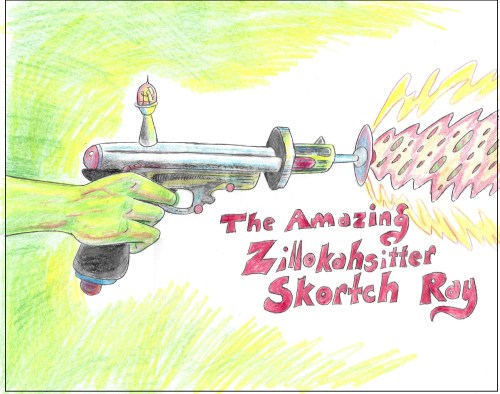
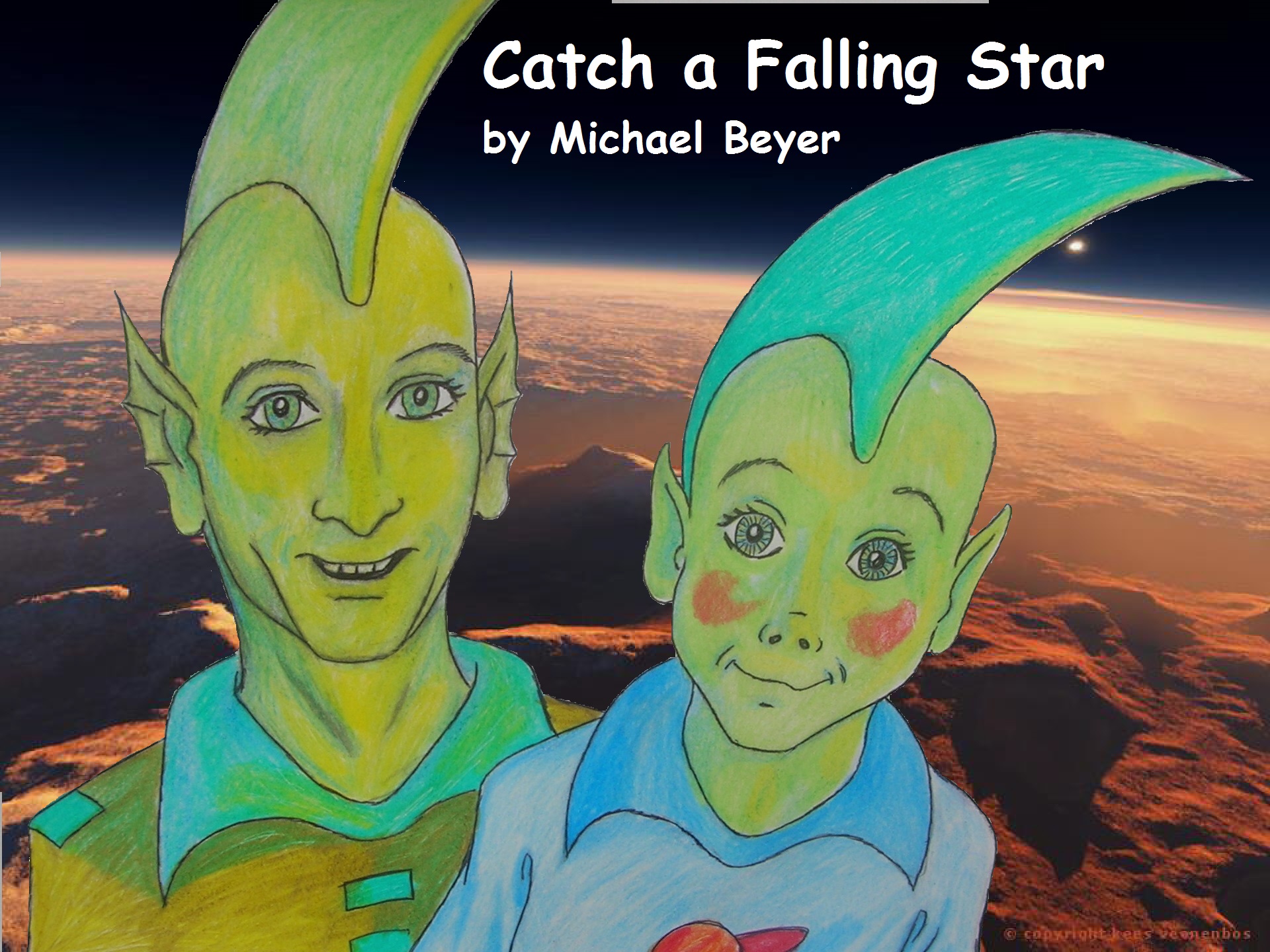
You are probably not going to believe this, but there are certain things you simply cannot safely sell on E-Bay. My first good novel, Catch a Falling Star, took years to write. The research, interviews with survivors, fighting off remaining alien invaders left behind when the Telleron invasion failed, and clean-up of sites and inconvenient witnesses took at least from 1990 to 2012. And then, as part of my marketing-by-blogging strategy for the book, I took a box of leftover skortch pistols and listed them for sale on E-Bay. They turned out to be a very popular item. It took the first skortch ray almost a year to sell for a measly five dollars. It was bought by a woman with a very annoying husband. She apparently bought the item as a joke, thinking it would not actually work as a molecular disintegration weapon. But after she surprised her husband with it and then posted the surprising results on Facebook, I quickly sold out the rest of the 26 pistols in the box and made almost $800. I am told by concerned investigative reporters that crotchety old men, ugly wives, and particularly Dennis-the-Menace-like kids were disappearing all across the Midwest. I also learned that one skortch ray pistol came into the hands of a Republican political operative before the election in 2016. That fact may have accounted for the disappearances of large numbers of registered Democrats in both Michigan and Pennsylvania in the weeks before the election.
I wanted to inform you that I may have done something stupid on E-Bay. Therefore I am re-posting the drawing I did of Studpopper the Telleron demonstrating the firing of an example skortch pistol created by Zillokahsitter Industries on Telleri Prime with Sylvani technology. If you should see one of these in the hands of a spouse that thinks you are grumpy too much of the time, I would suggest an almost instantaneous program of self-improvement. And if you see one in the hands of someone in a red MAGA baseball cap, immediately put on your own red hat and say something inordinately stupid so they will assume you are one of them, and hope they skortch themselves by accident before they get around to skortching you.
Sorry about that. I should’ve thought this whole thing through more carefully beforehand.
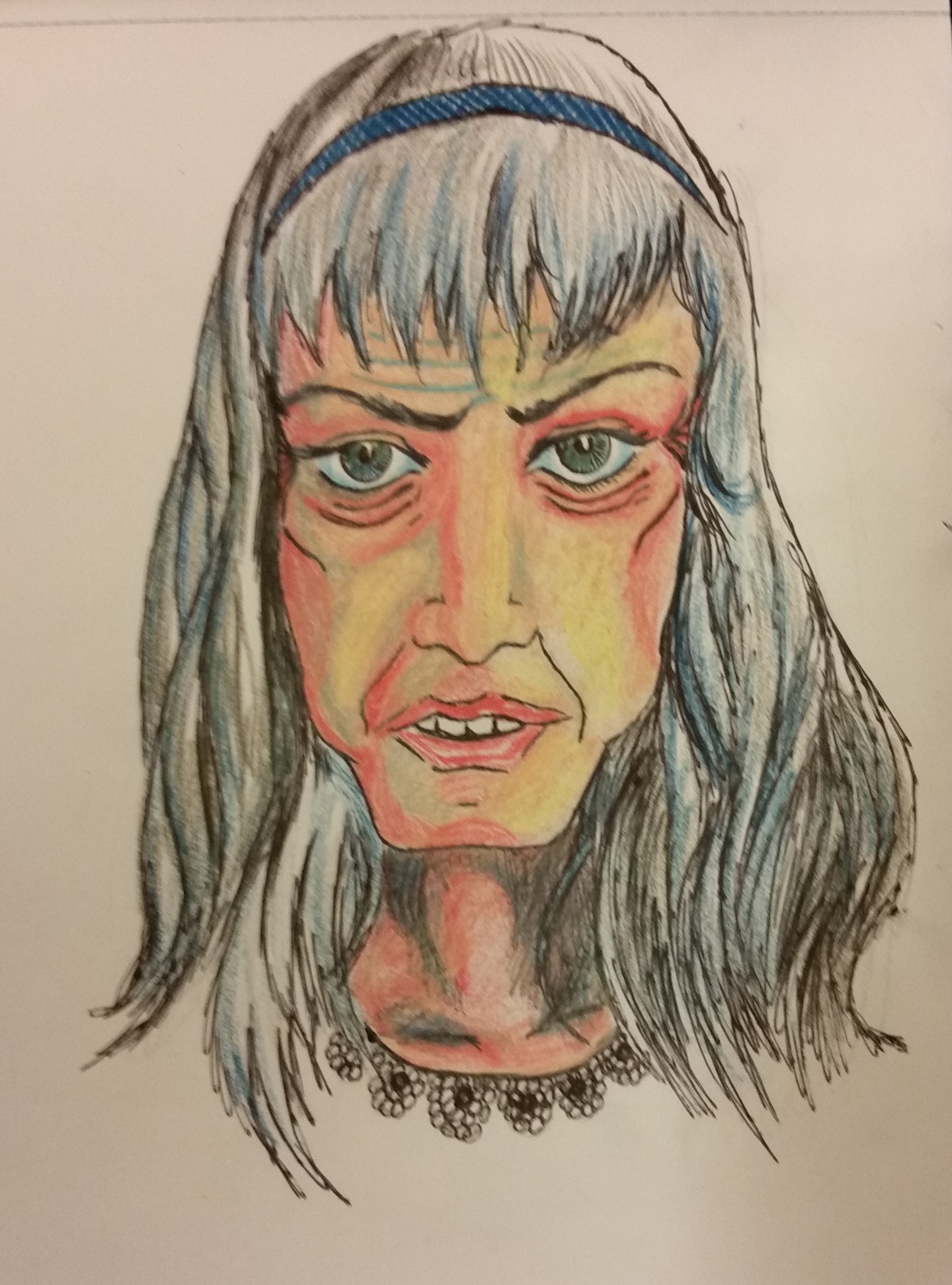
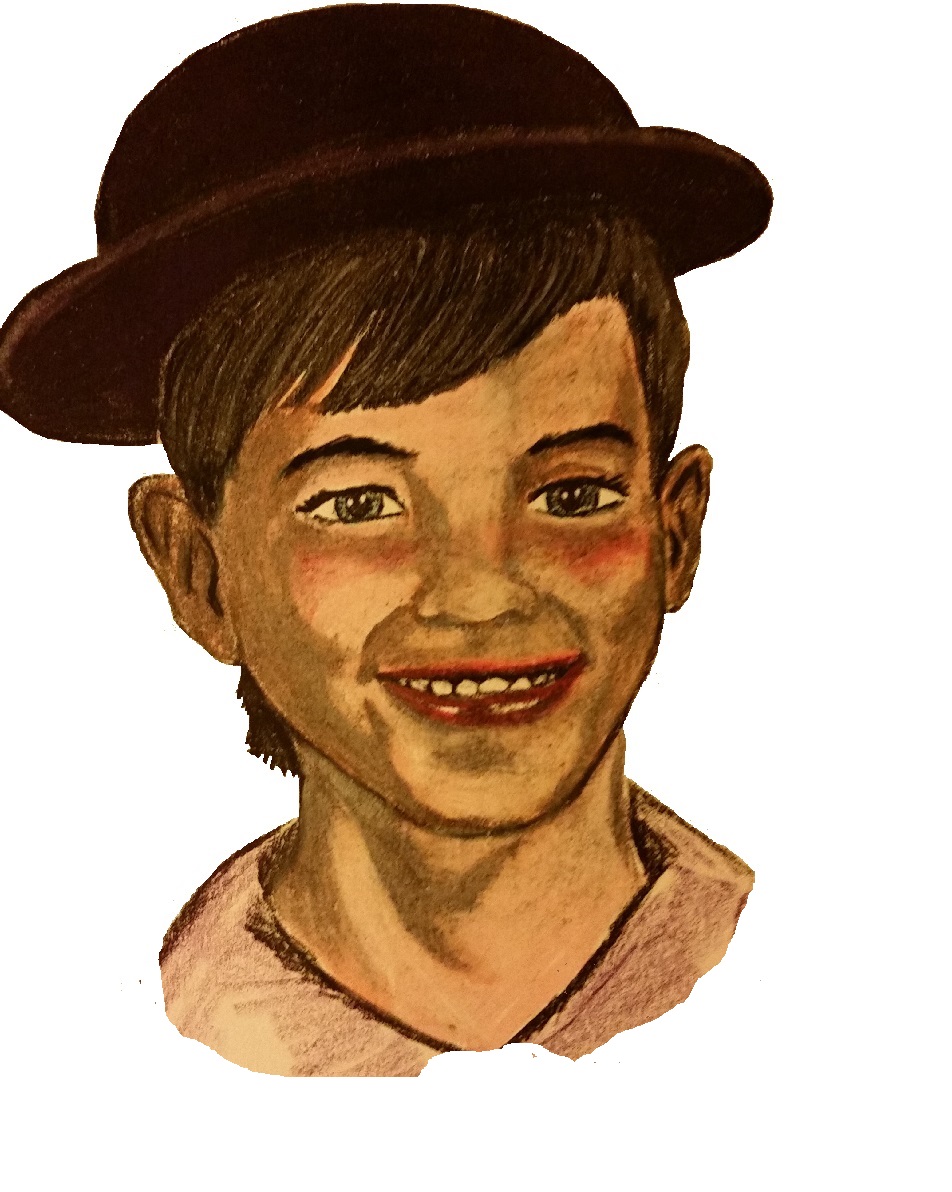
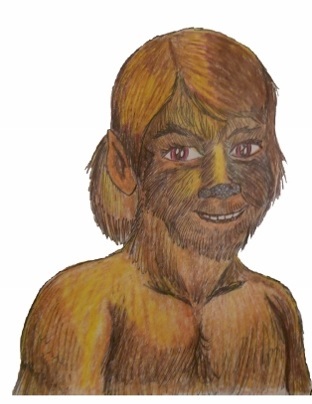
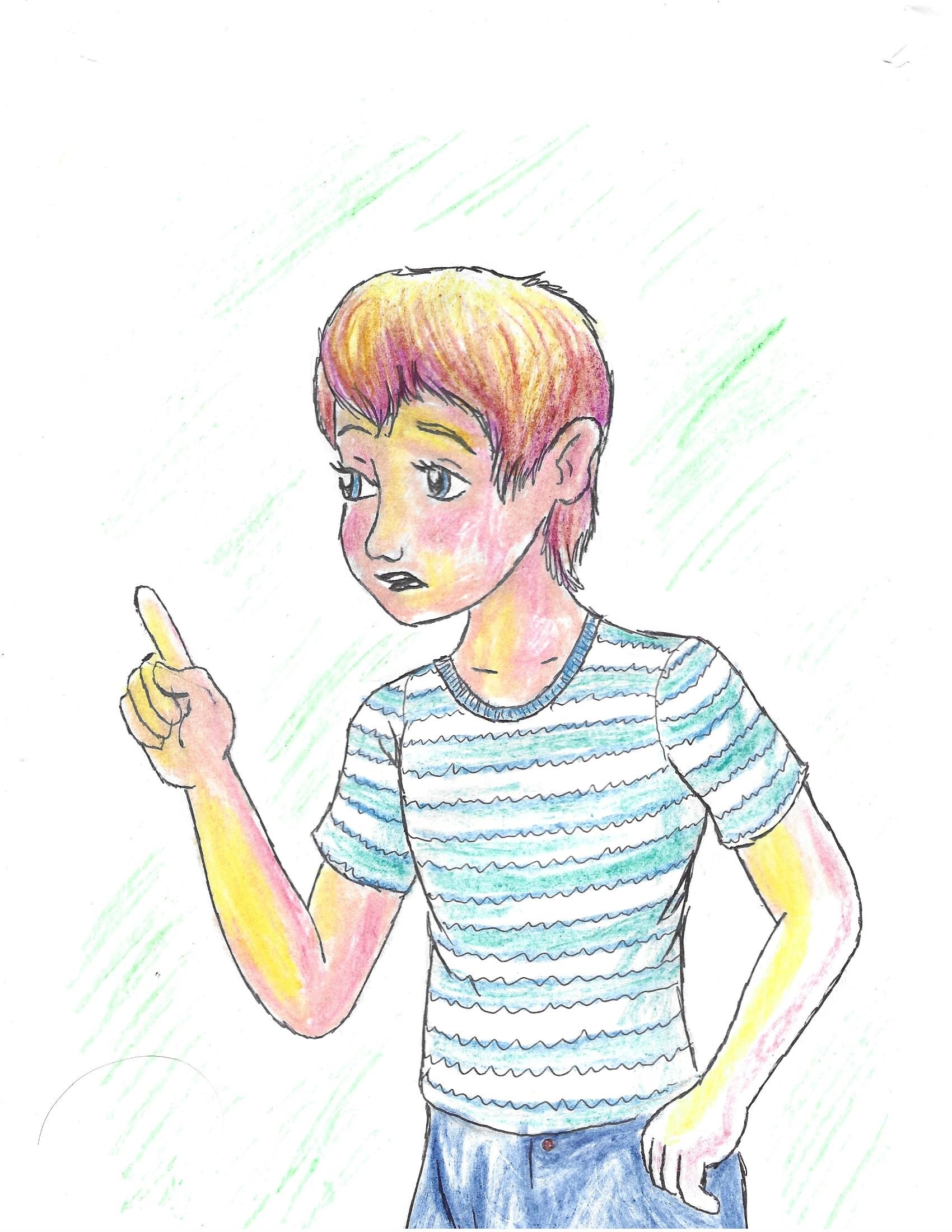
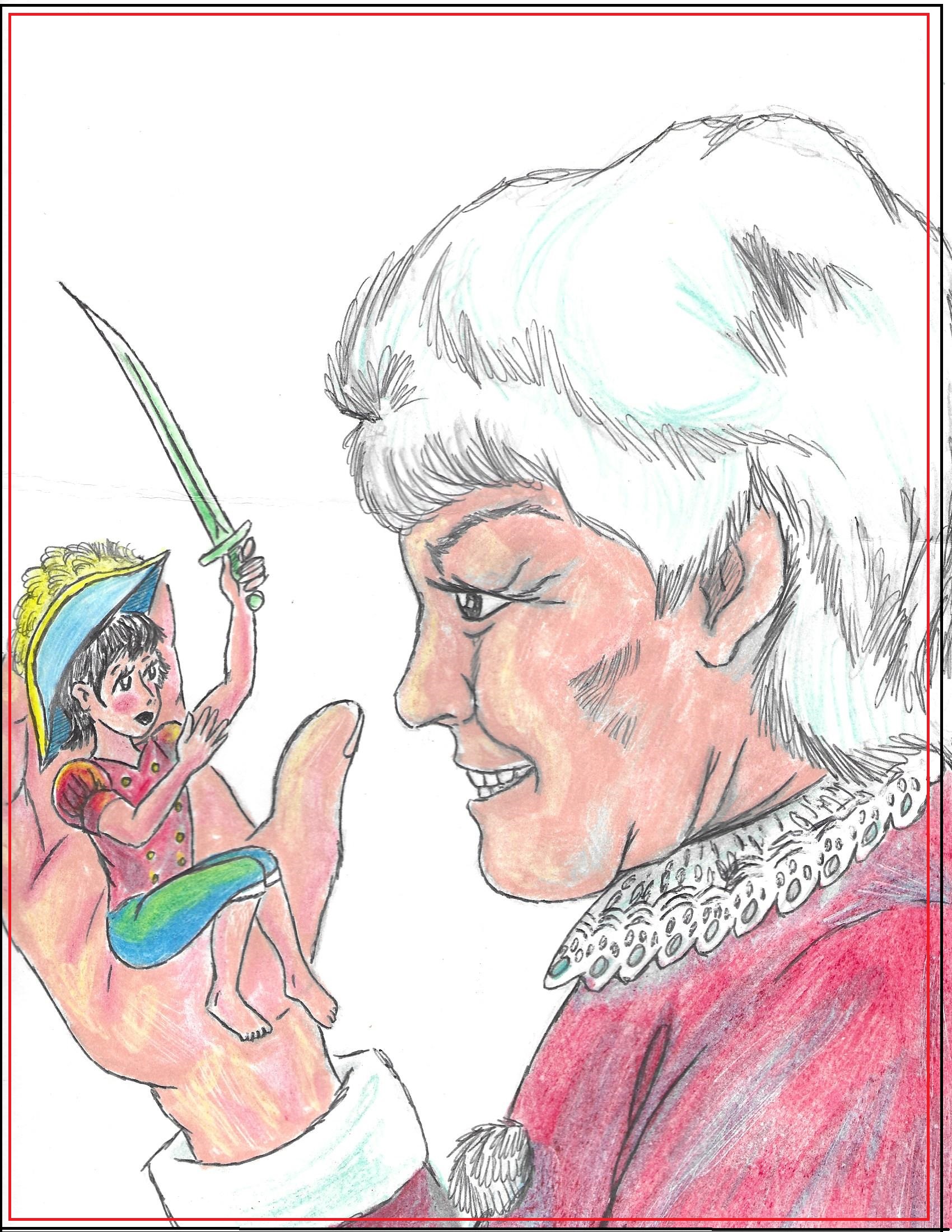
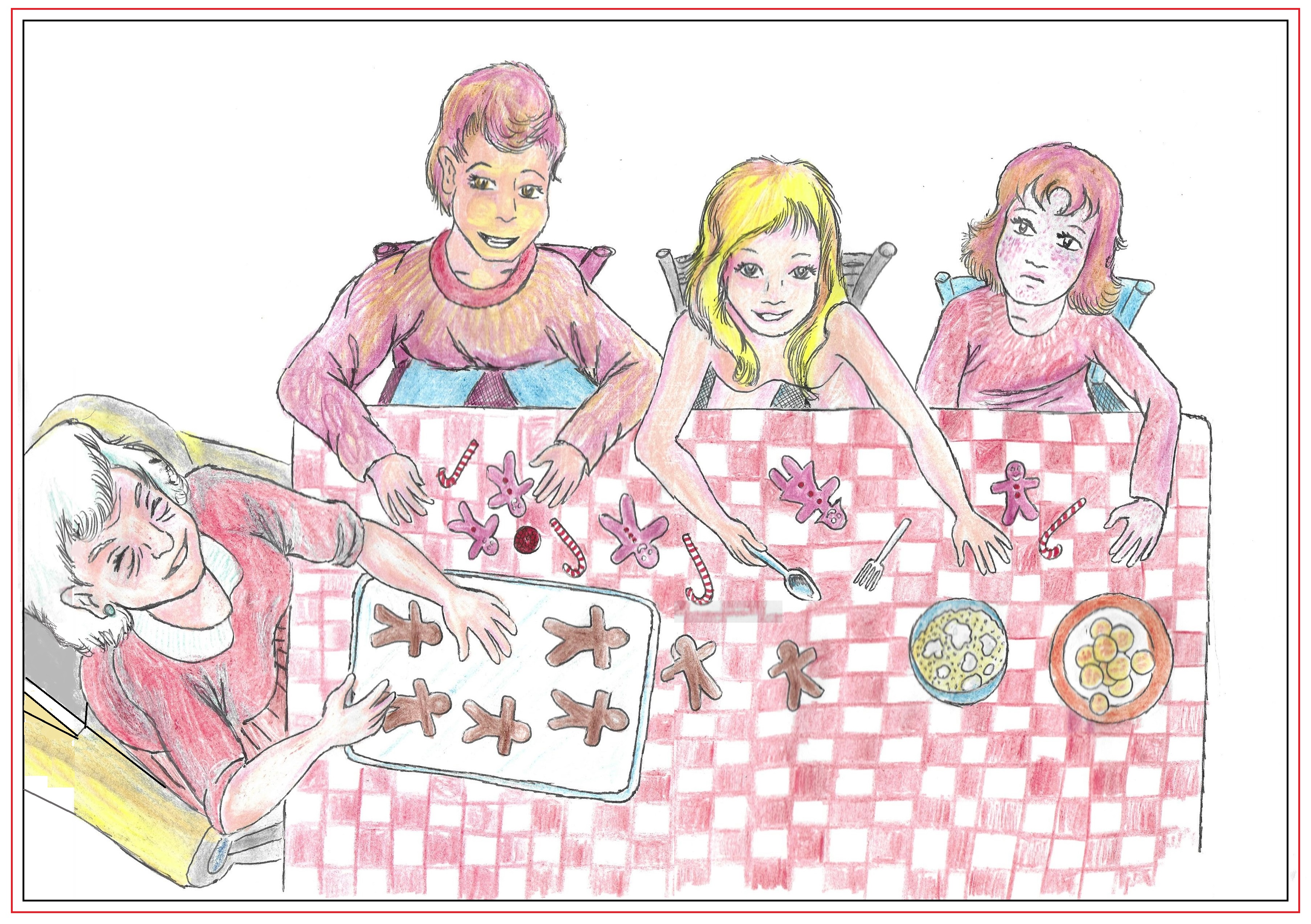
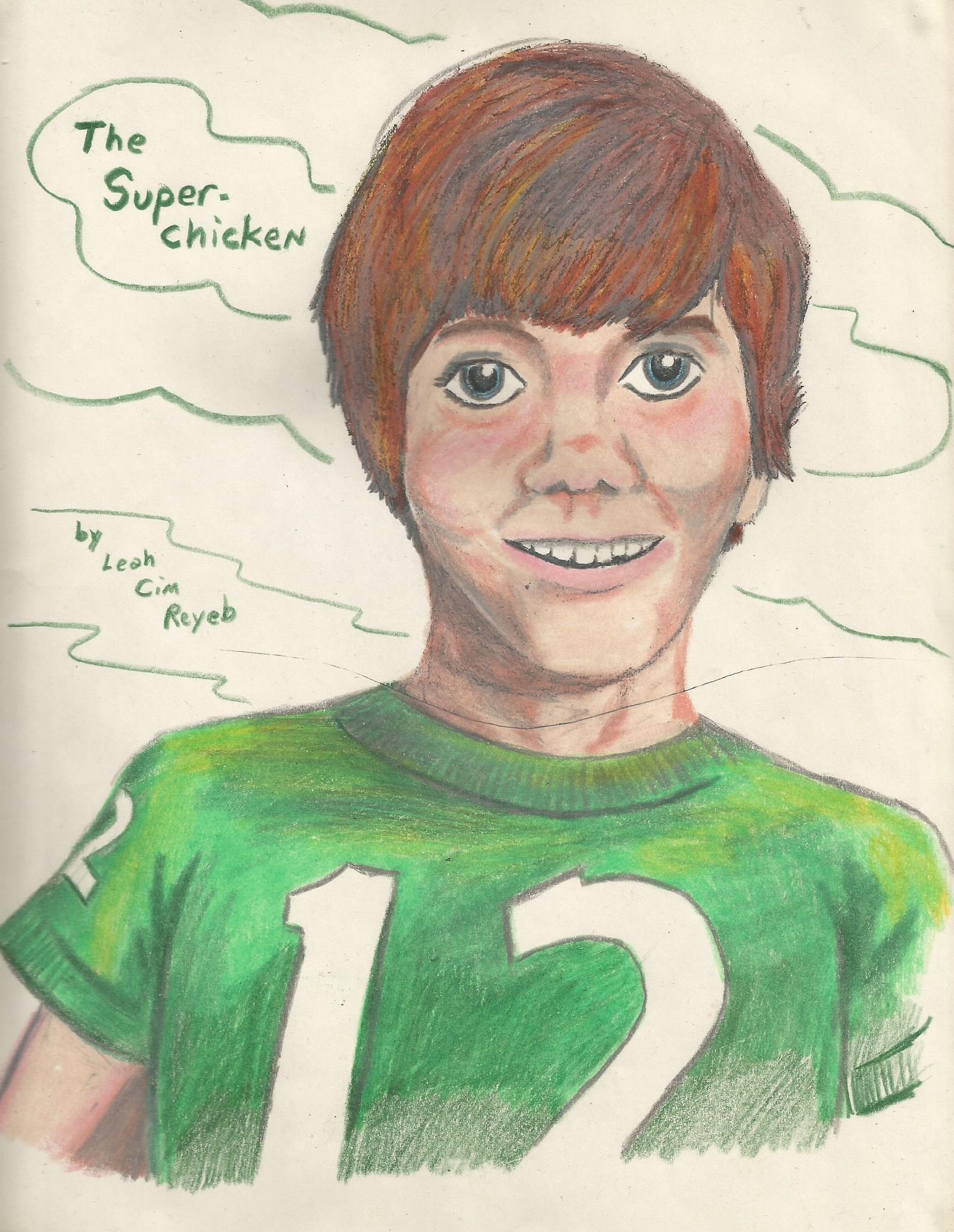


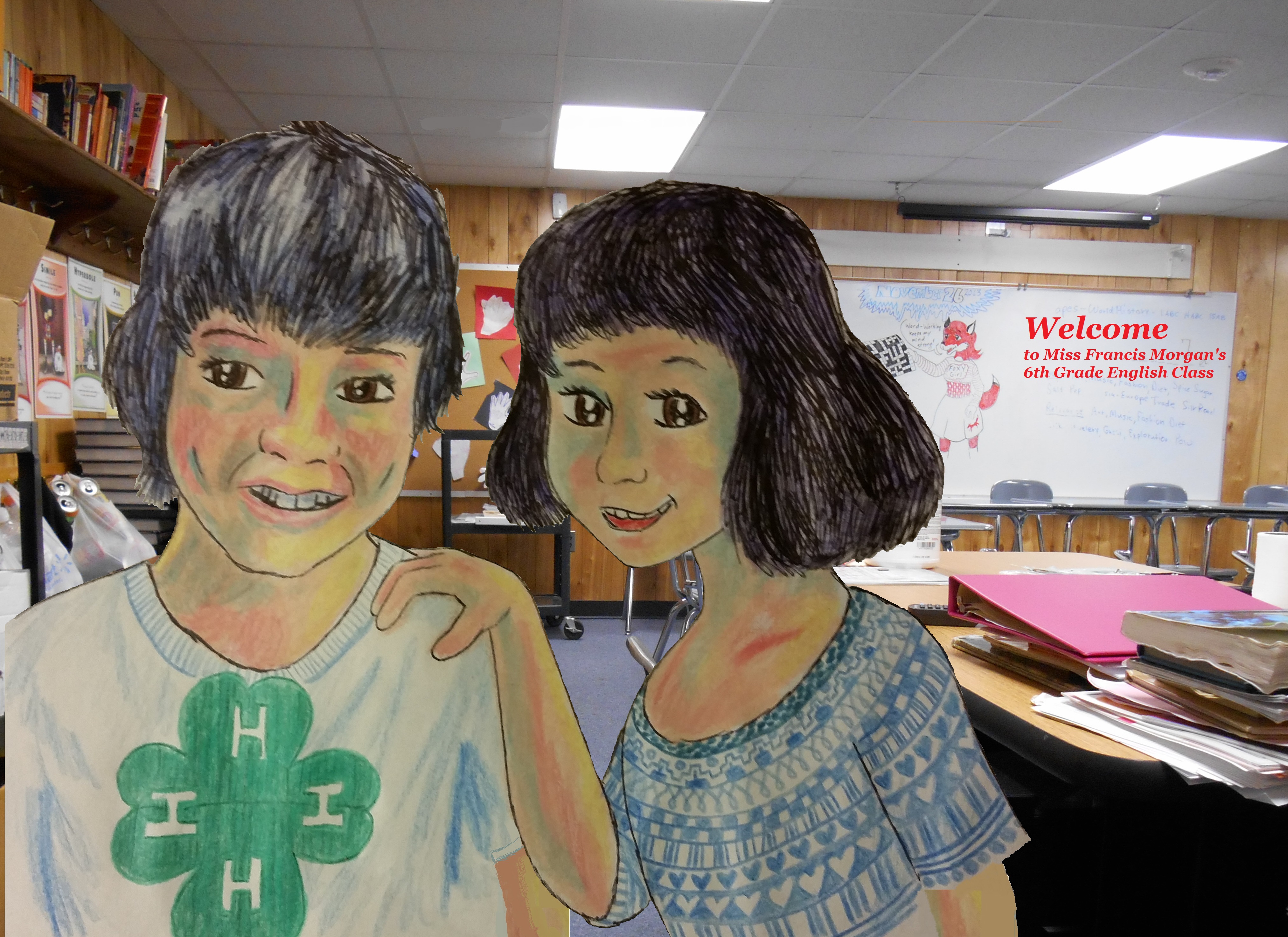
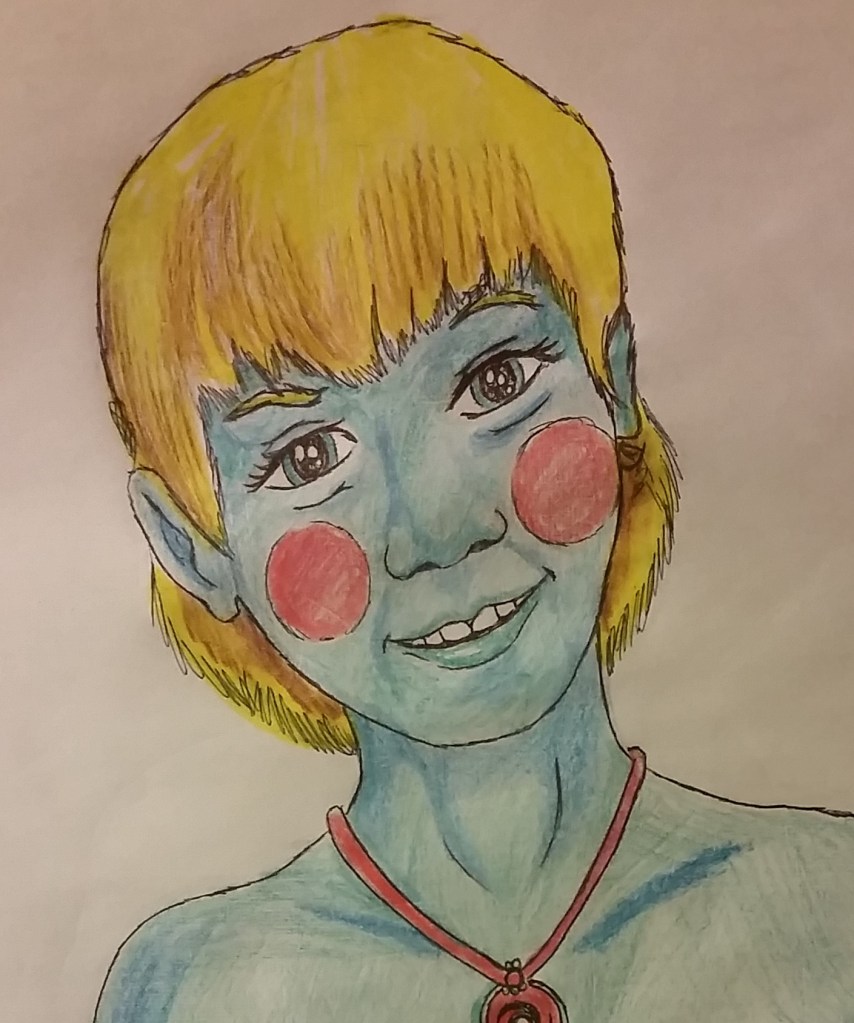
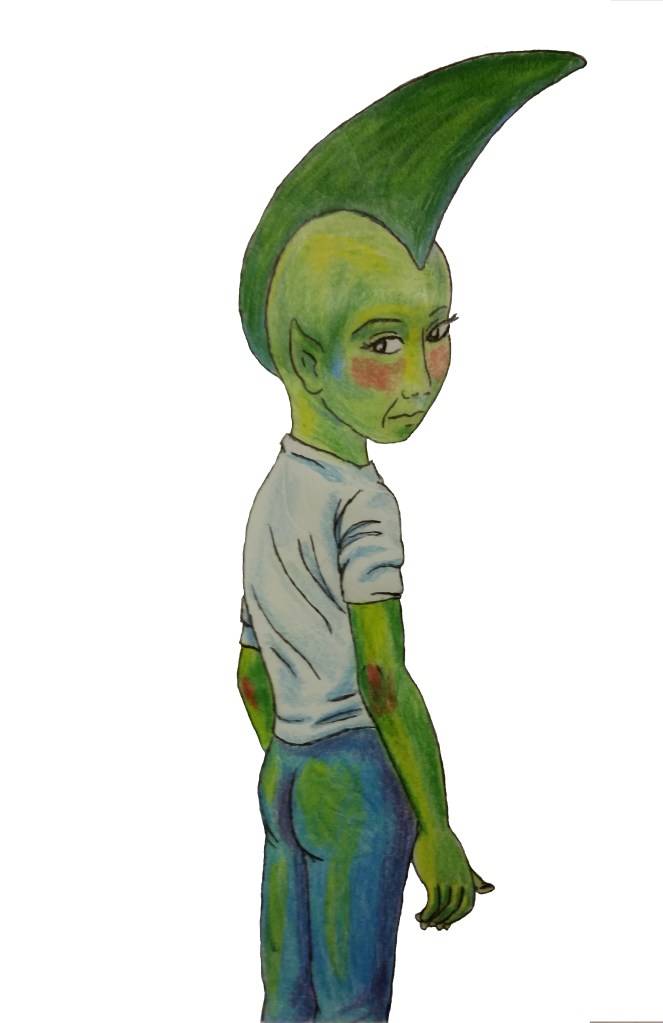





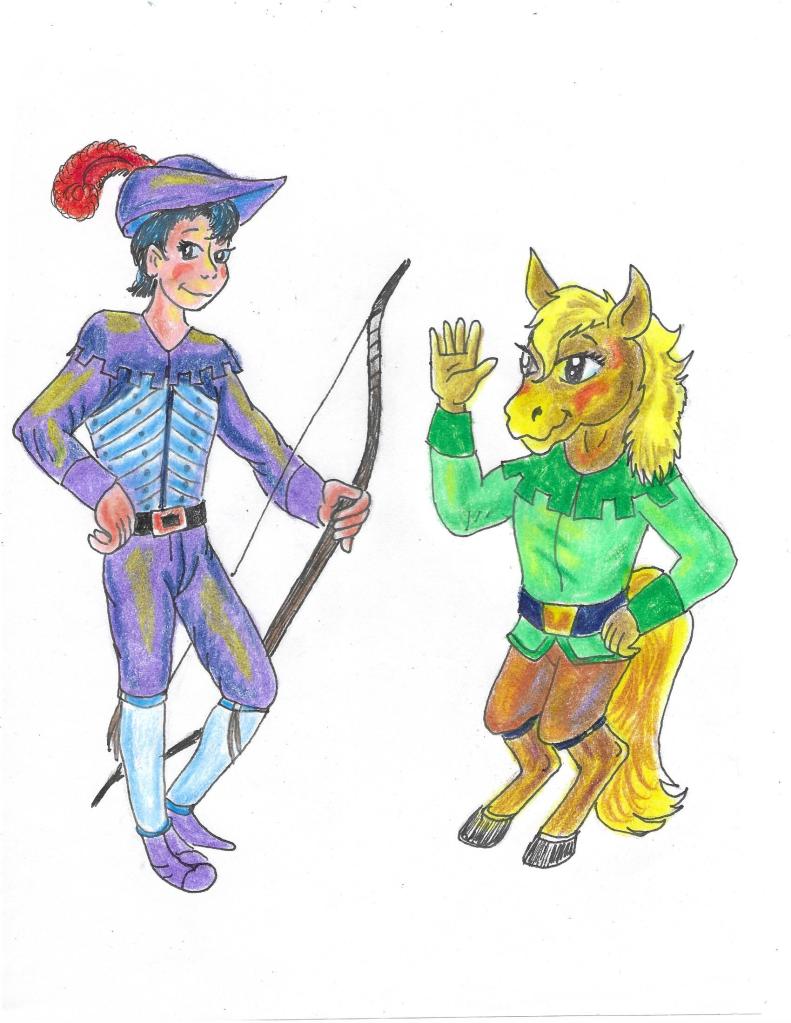
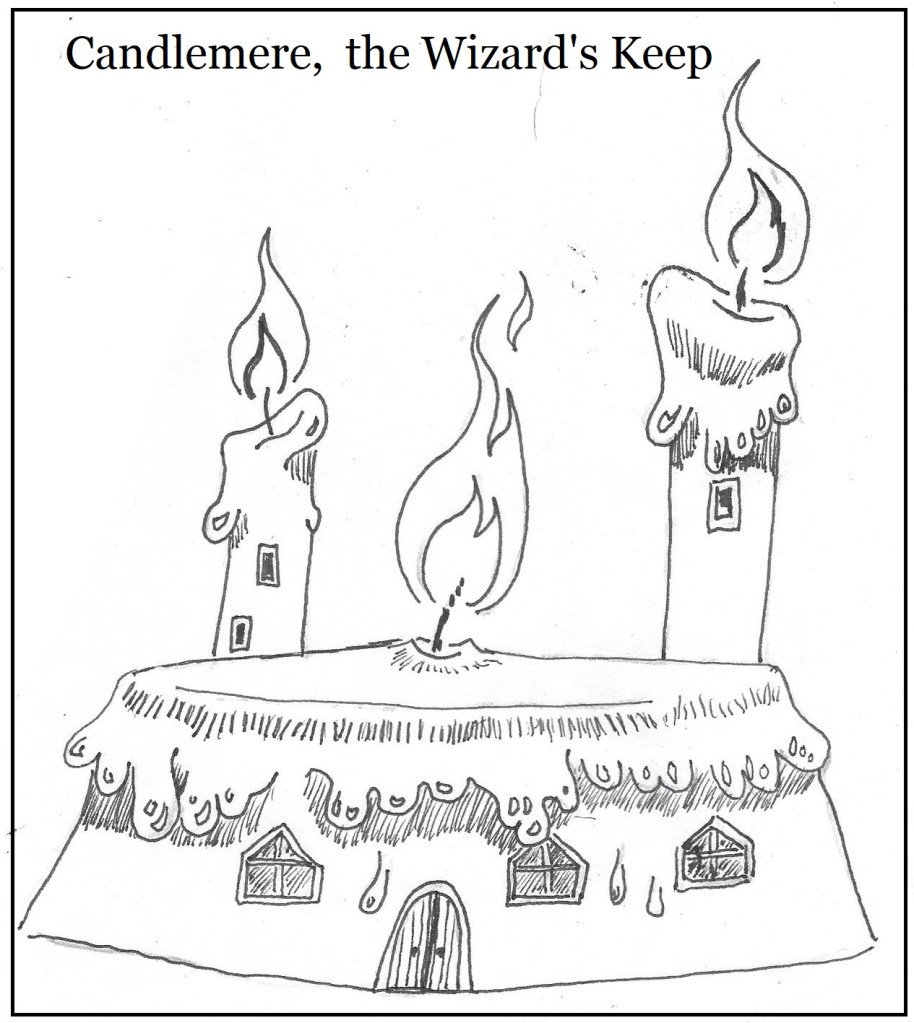
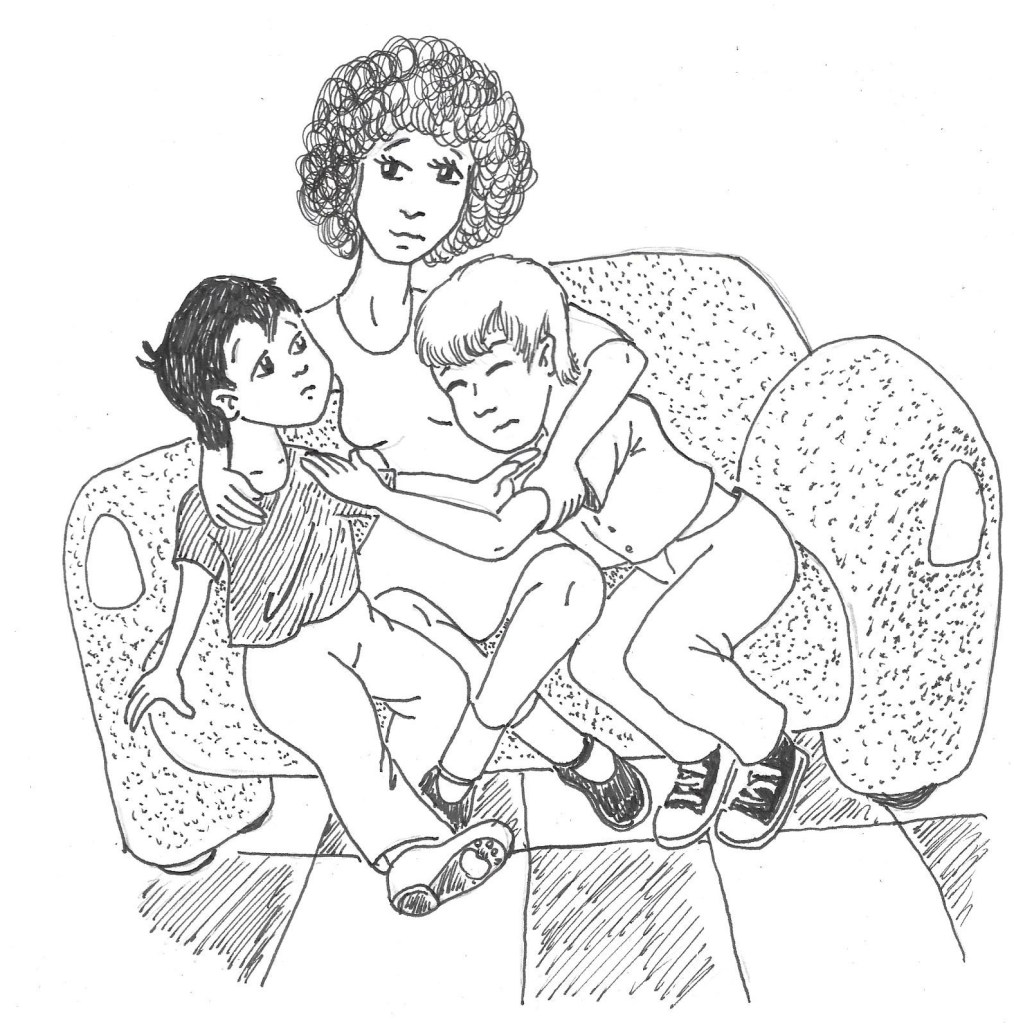
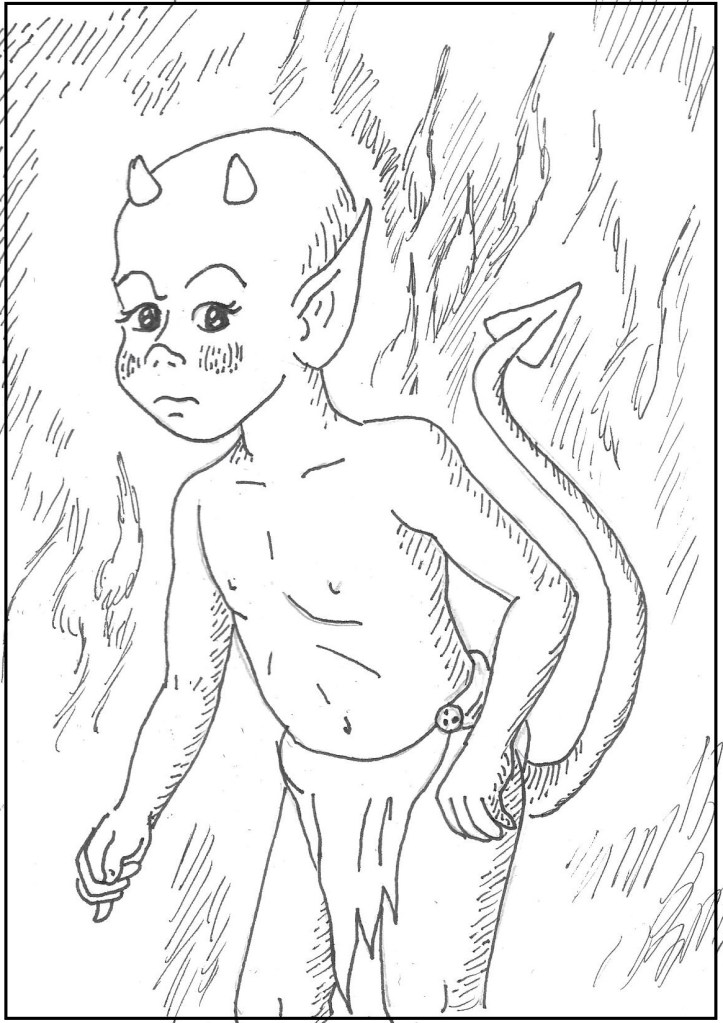



Made-Up People
I often get criticized for talking to people who are basically invisible, probably imaginary, and definitely not real people, no matter what else they may be.
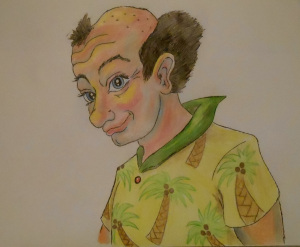
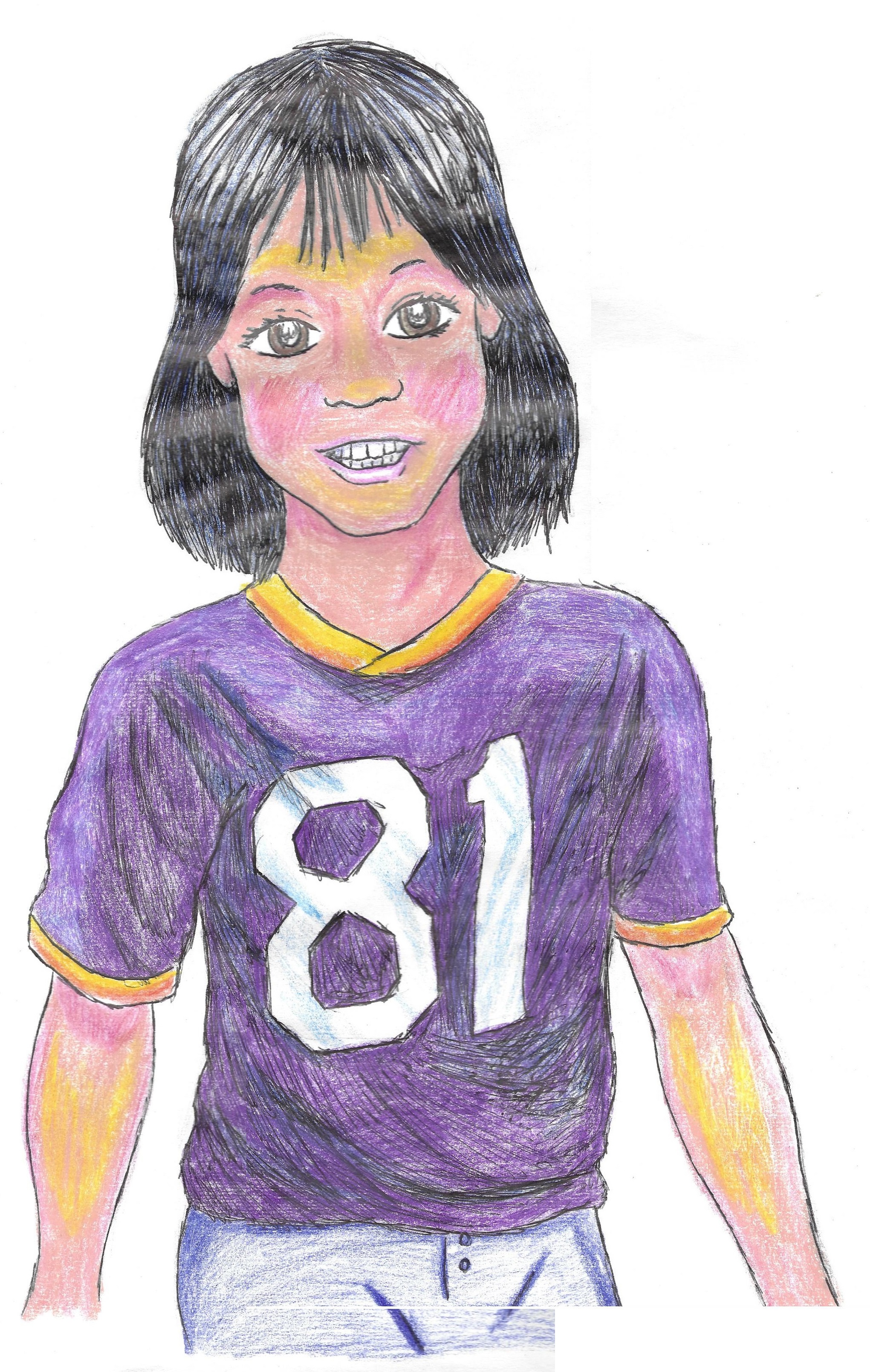
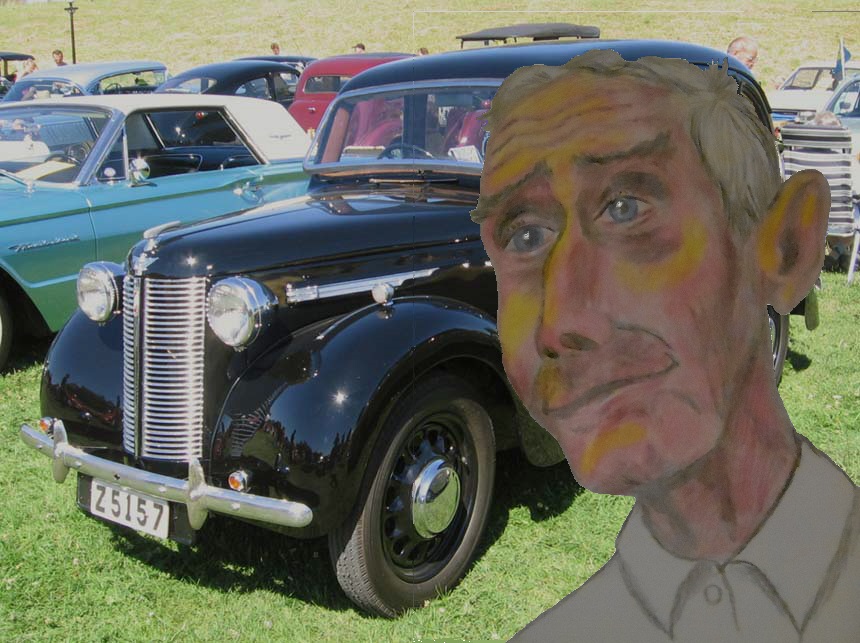
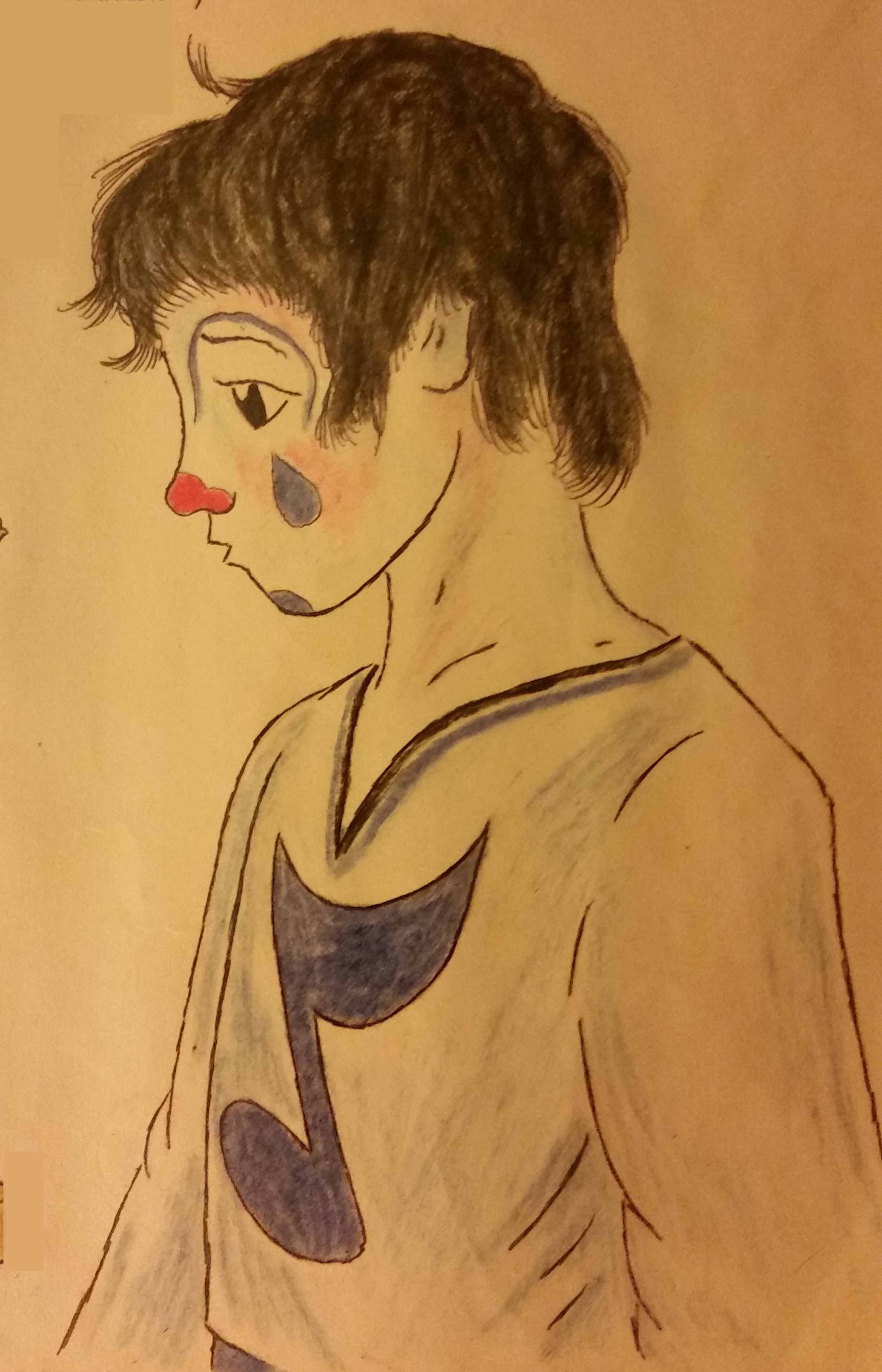
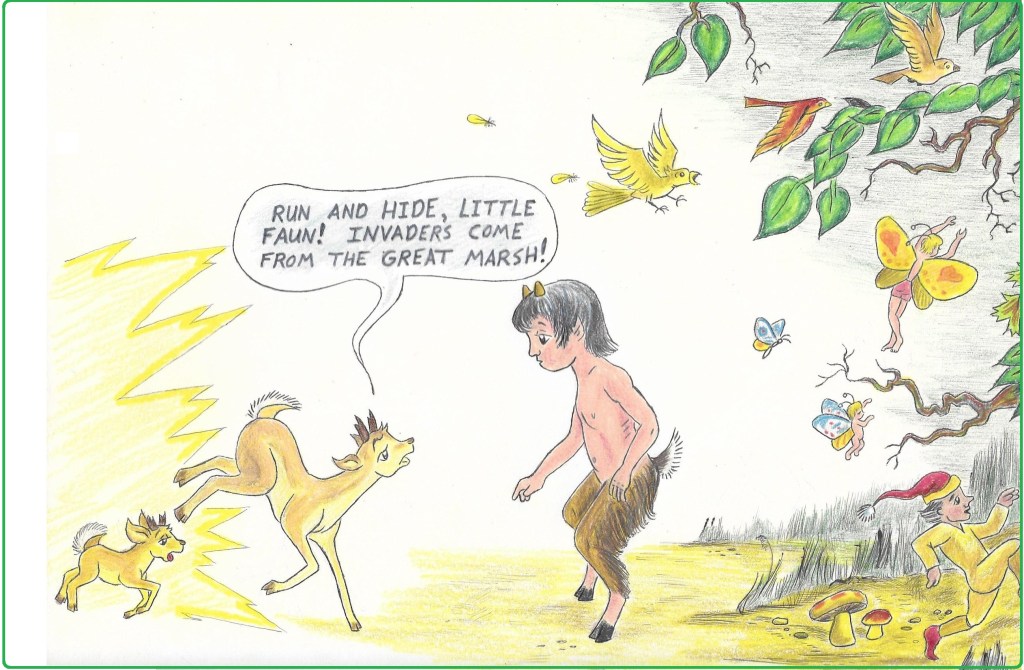
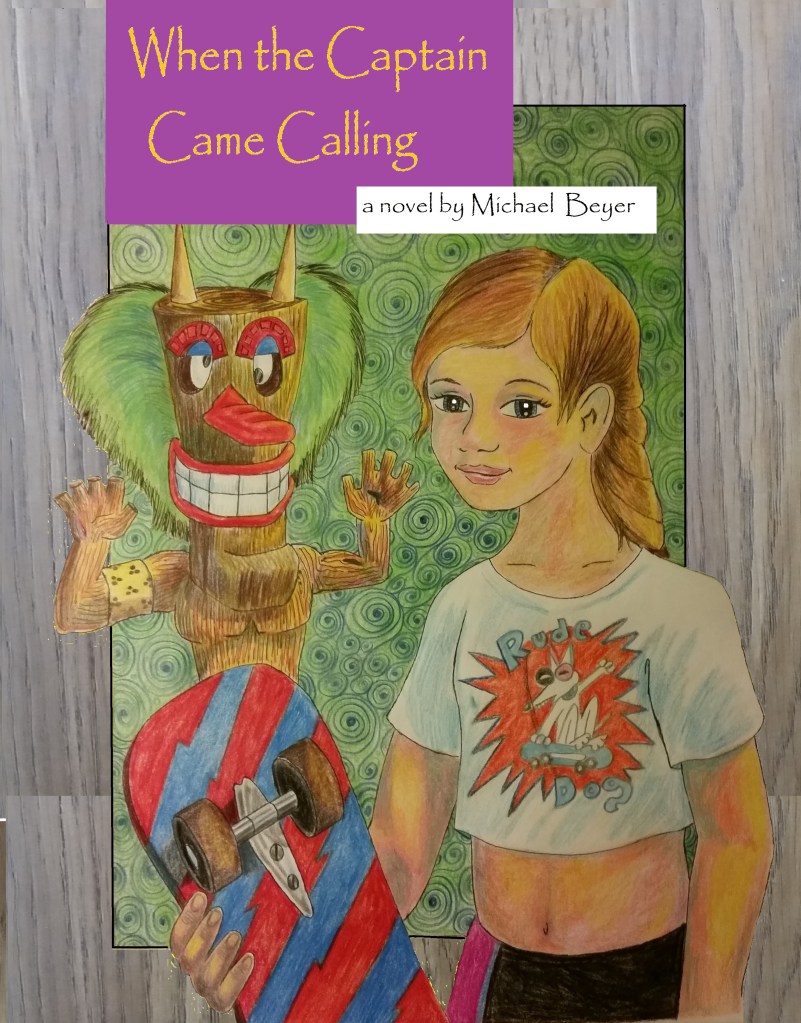
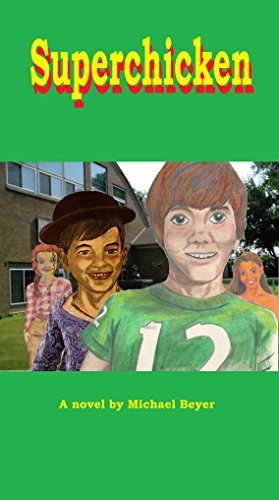
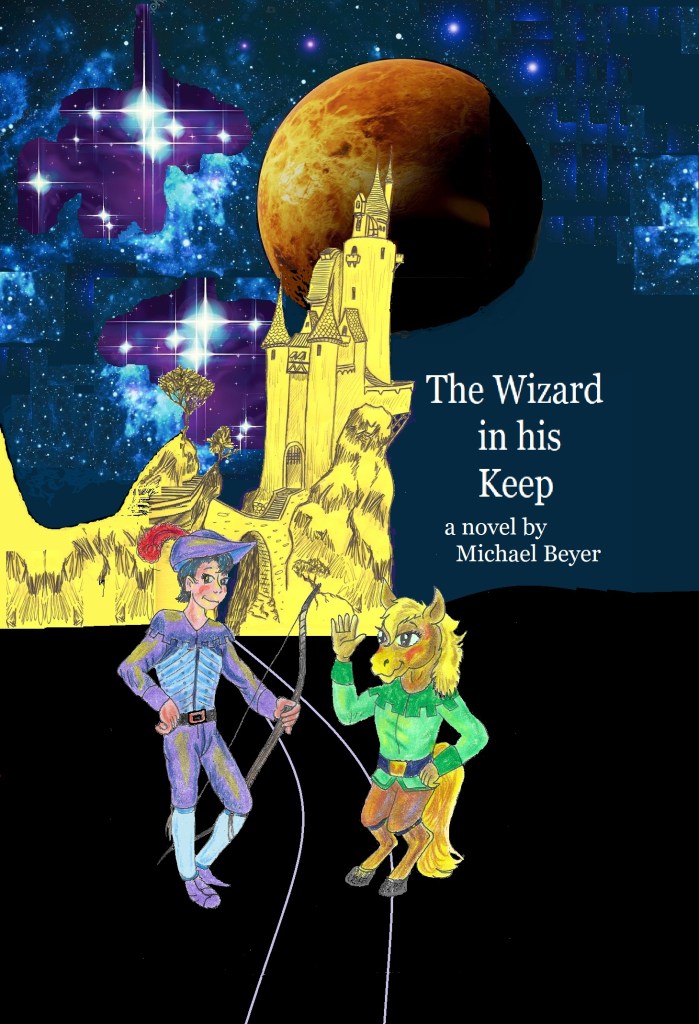
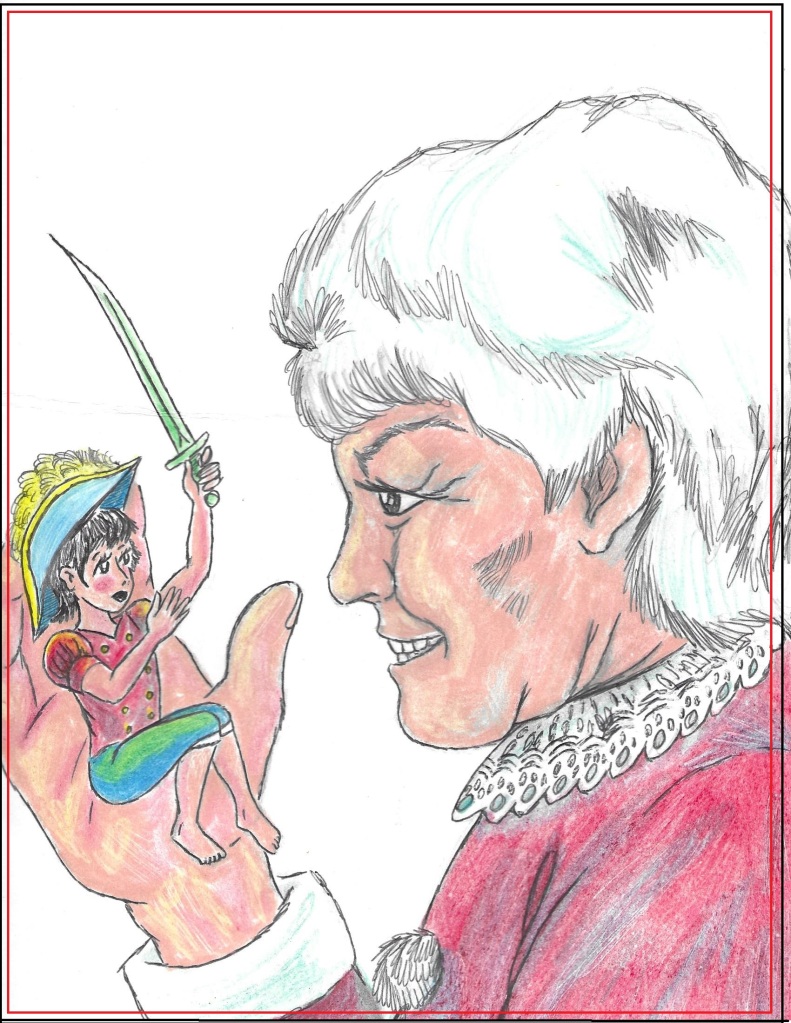
The unfinished cover picture is from the novel The Bicycle-Wheel Genius which I just finished the final rewrite and edit for. All of the characters in that book are fictional. Even though some of them strongly resemble the real people who inspired me to create them, they are fictional people doing fictional and sometimes impossible things. And yet, they are all people who I have lived with as walking, talking, fictional people for many years. Most of those people have been talking to me since the 1970’s. I know some of them far better than any of the real people who are a part of my life.
This slideshow requires JavaScript.
These, of course, are only a few of my imaginary friends. Some I spend time with a lot. Some I haven’t seen or heard from in quite a while. And I do know they are not real people. Mandy is a cartoon panda bear, and Anneliese is a living gingerbread cookie. I do understand I made these people up in my stupid little head.
But it seems to me that the people in the world around us are really no less imaginary, ephemeral, and unreal. Look at the current Presidentumb of the Disunited States. He is an evil cartoon James Bond villain if there ever was one.
Animated cast of OUR CARTOON PRESIDENT. Photo: Courtesy of SHOWTIME
People in the real world create an imaginary person in their own stupid little heads, and pretend real hard that that imaginary person is really them in real life. And of course, nobody sees anybody else in the same way that they see themselves. Everybody thinks they are a somebody who is different from anybody else who thinks they are a somebody too, and really they are telling themselves, and each other, lies about who somebody really is, and it is all very confusing, and if you can follow this sentence, you must be a far better reader than I am a writer, because none of it really makes sense to me. I think everybody is imaginary in some sense of the word.
So, if you happen to see me talking to a big white rabbit-man who used to be a pet white rabbit, but got changed into a rabbit-man through futuristic genetic science and metal carrots, don’t panic and call the police. I am just talking to another fictional character from a book I just finished writing. And why are you looking inside my head, anyway? There’s an awful lot of personal stuff going on in there. Of course, you only see that because I wrote about it in this essay. So it is not an invasion of privacy. It is just me writing down stuff I probably should keep in my own stupid little head. My bad.
Leave a comment
Filed under characters, colored pencil, commentary, goofy thoughts, humor, novel plans, NOVEL WRITING, Paffooney, rabbit people, strange and wonderful ideas about life
Tagged as books, characters, fiction, imagination, the Bicycle-Wheel Genius, writing