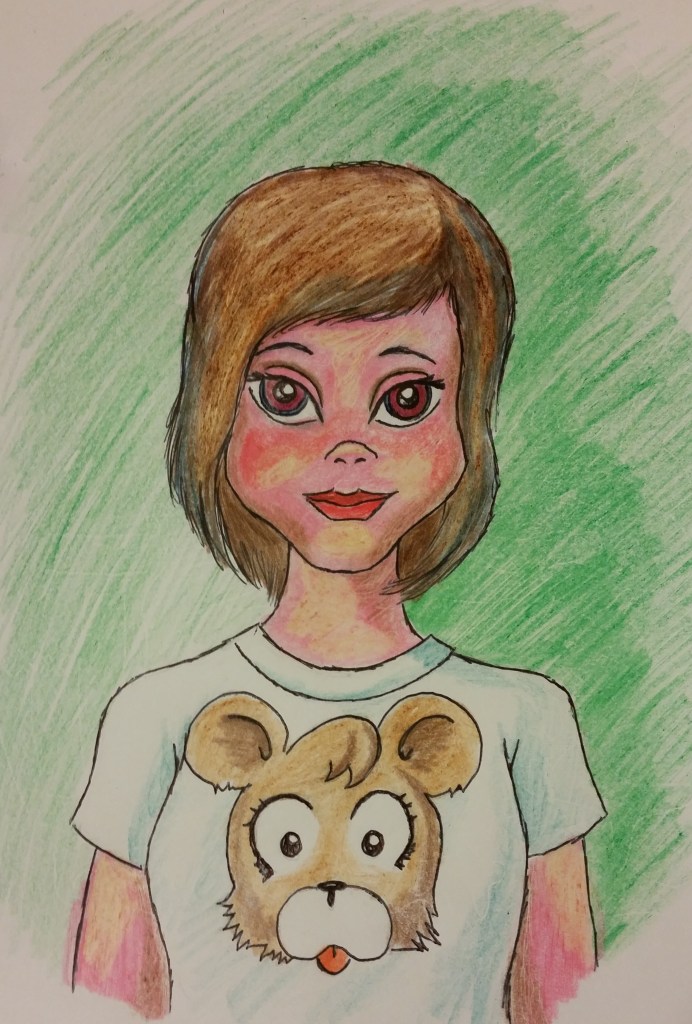
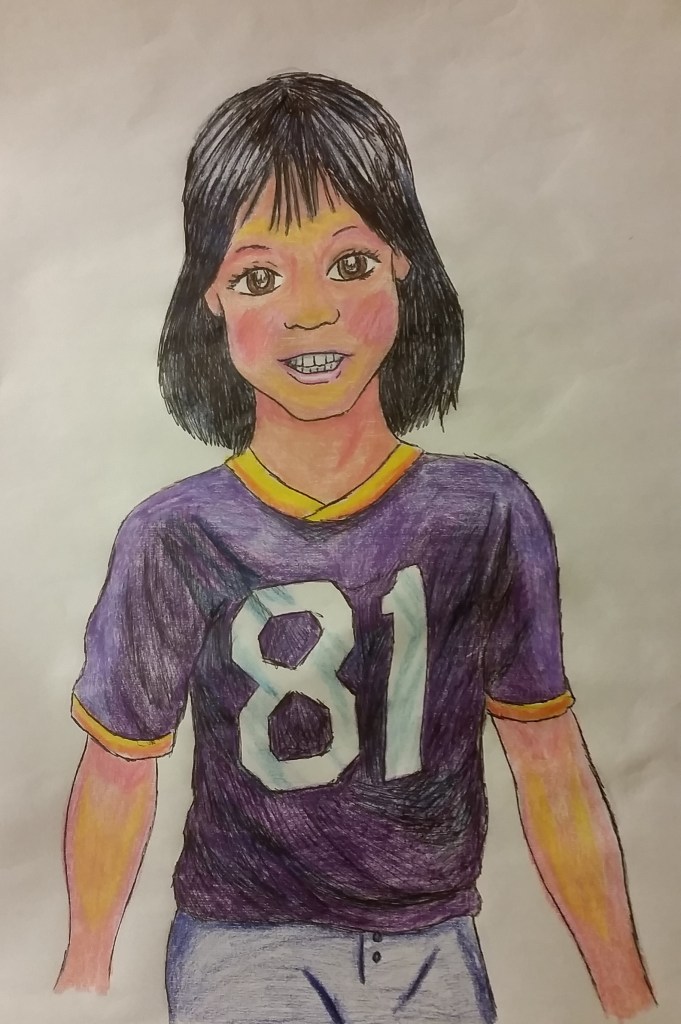
Yesterday an inconvenient internet outage interrupted my fountain of character gushing. So let me splash a couple more on here.
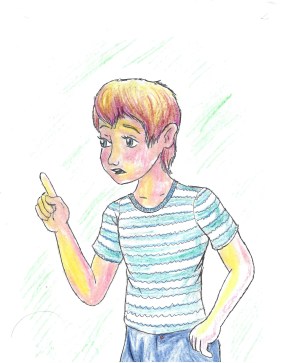
Tim Kellogg
Tim is a school teacher’s son who is sorta, kinda, based on my own oldest son… and maybe a little bit on me. He’s clever, creative, a natural leader, and only slightly evil part of the time.
Tim is a main character in;
Catch a Falling Star
The Bicycle-Wheel Genius
Magical Miss Morgan
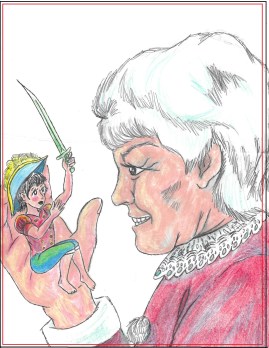
Grandma Gretel Stein
Gretel is a German survivor of the concentration camps who sees and talks to fairies on a regular basis. She also bakes magically delicious gingerbread cookies. And loves to tell stories to those who eat her cookies.
She is a main character in;
Recipes for Gingerbread Children
She is an important character in;
Superchicken
The Baby Werewolf
The Necromancer’s Apprentice
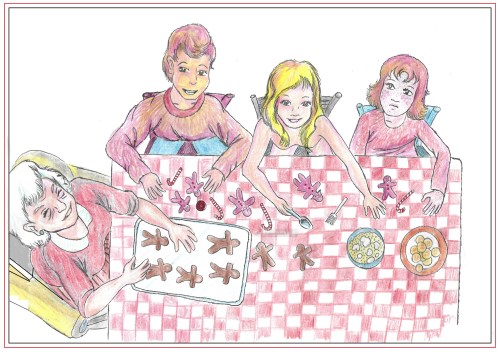
The Primary Cast of Recipes for Gingerbread Children (left to right) Grandma Gretel, the cookie baker, Todd Niland, handsome young farm boy and cookie-eater, Sherry Cobble, nudist and junior high cheerleader, and Sandy Wickham, cookie-eater and Todd Niland’s crush.
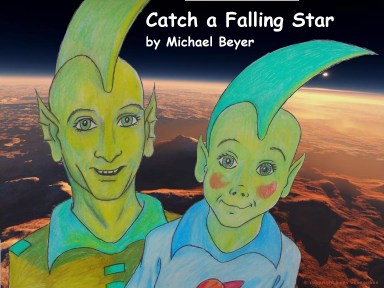
Farbick
He’s the alien Telleron pilot and good guy aboard Xiar’s spaceship who gets shot during the failed invasion of Iowa and helps save the planet in the near future. He’s a main character in;
Catch a Falling Star
Stardusters and Space Lizards
Davalon (re-named David by the couple who adopts him)
Dav is the alien boy accidentally lost on Earth in Catch a Falling Star, and leader of the young explorers in Stardusters and Space Lizards.
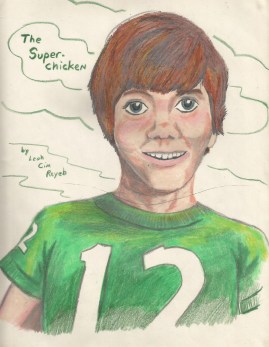
Edward-Andrew Campbell, the Superchicken
It is possible E-A is really me. He bears my high school nickname. He is a boy trying to cope with being the new kid in a tightly-knit little Iowa farm town.
He is the main character in;
Superchicken
I fear I am still a long way from done with referring to characters in my books. But more waits for another day.
As a writer of novels, like all passable to good writers of novels, I read novels. Not just any novels. Novels that are the kind of novels I aspire to write myself.
David Mitchell is one of those novelists who can write the way I want to write. His stories are detailed and yet, compelling enough to follow wherever the story leads you. Characters are vivid and seem to have an actual life beyond the pages of the novel. And there is a chance that you will meet them again in another David Mitchell novel, even if they died in the previous David Mitchell novel you read. He writes across swaths of time and gives the story a sense of history.
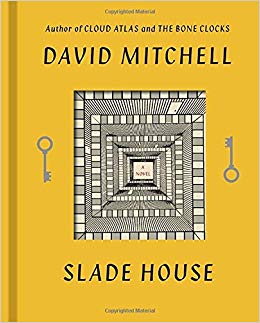
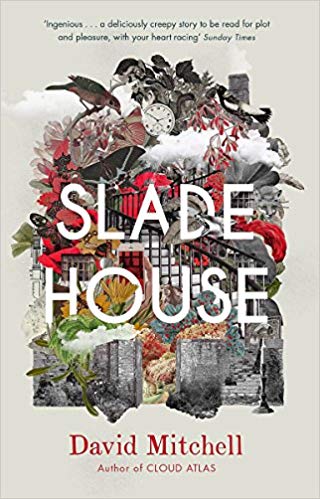
Slade House is basically a haunted house story, a horror story about a house that is itself a sort of ghost. It can only be entered by a single small iron door that only appears in an alleyway every nine years. And every time it does appear, in October of 1979, 1988, 1997, 2006… , at least one somebody will go in and never come out again.
The story is side-linked to the masterpiece Mitchell novel, The Bone Clocks. It is also a plot less convoluted and multifaceted than Bone Clocks and Cloud Atlas, so much easier to follow
David Mitchell is an author I study to learn about writing and storytelling. I don’t copy him. I do take note of his bag of tricks, his writer’s toolbox, so to speak, and I pick up and play with those same tools and magician’s secrets. I would like to suggest that if you truly wish to be a writer of fiction, you must put David Mitchell’s books on your must-read-before-I-die list. If you can’t put Mitchell on that list, then here are a few others on my list; Michael Crichton, Terry Pratchett, Neil Gaiman, Louis L’Amour, Charles Dickens, Thomas Hardy, H.P. Lovecraft, Steven King, Mark Twain, and J. K. Rowling. It should be obvious that these names are all on my list for different reasons. And if you don’t read David Mitchell, there are artisan’s techniques there you can get nowhere else. But you are the reader. And if you have chosen to read this far through this essay, then you are at least fool enough to want to know the things I am telling you in this book review.
As a storyteller, David Mitchell is Rumpelstiltskin. He weaves straw into gold. And if you are canny and careful enough of a reader, you can gain some of that value from his work without giving up your firstborn.
Yes, David Mitchell is a very smart man… a very smart English man. (That isn’t to say that his genius is any less genius than an American Genius. Just that he is a genius who also happens to be English)
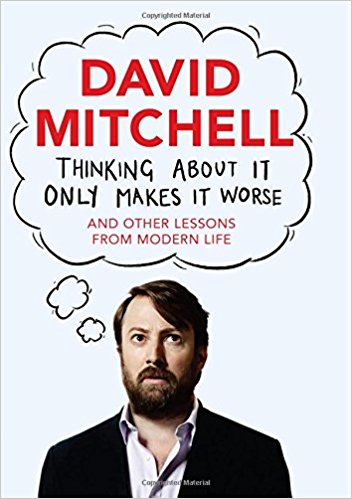
And I, of course, don’t mean this David Mitchell either, though this David Mitchell is also a genius and also from England. I have to tell you, though I have always loved British humor, this particular tongue of silver fascinates me enough to make me binge on hoards of old episodes of “Would I Lie to You?” from the BBC on YouTube. He’s a quick-wit, Brit-wit, smooth-talking bit-wit who can make you laugh even when he’s playing a thick-wit… which he is certainly not.
Yesterday, in Part 1, I tried to convince you that, “You should never take too long a time writing a story” because I have written some twenty-plus-year-long novels that took me forever to write, and I am an unsuccessful writer. So, you should not do things the way I did. (Some might accuse me of trying to use a little too much irony, claiming I am a bit too obscure about what I am actually telling you that you should actually do… But, remember, I advised you not to take advice from Mickey. And you need irony in your diet anyway to avoid irony-poor tired blood.) Therefore I am going to advise you further that, “You should never make your characters too complex and interesting.”
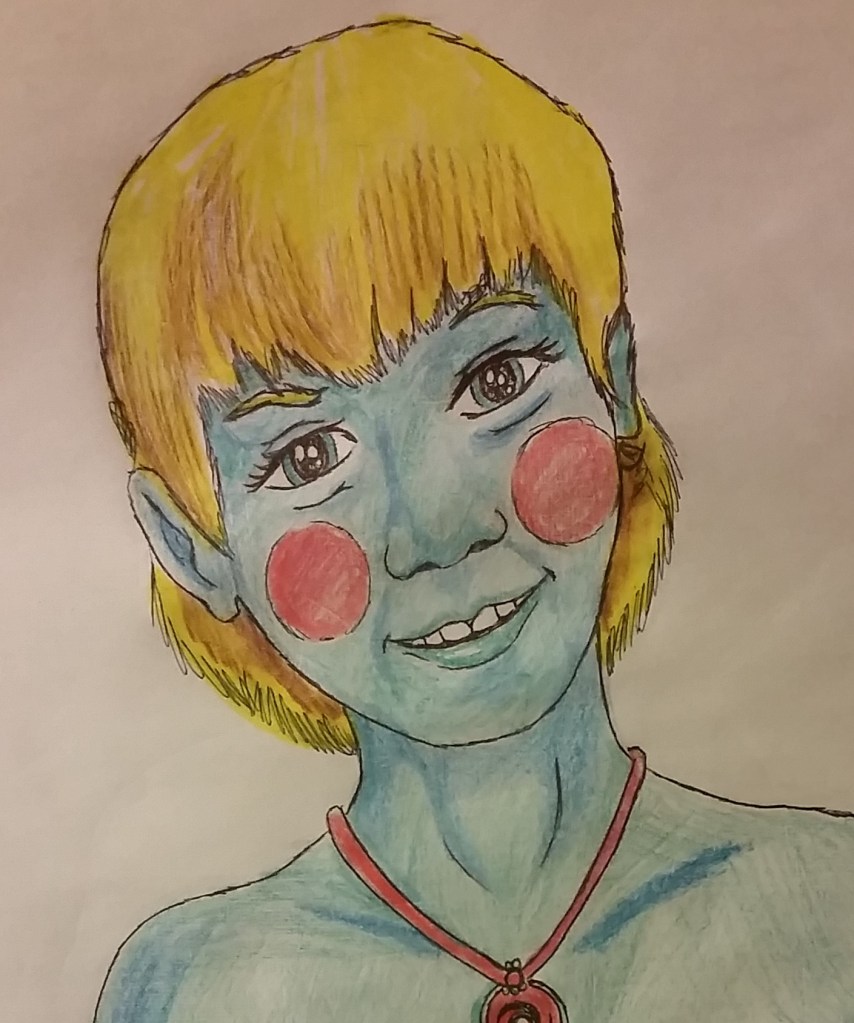
After all, there are Mickian characters that are literally blue with red patches on their cheeks that absorb harmful gamma radiation and make those characters immune to radiation sickness from exposure in deep space. You don’t want to make readers so curious about a character that they waste time reading more and more closely to discover more about that character.
Junior Aero, the alien Nebulon boy in the AeroQuest stories, is just one example. Not only is he a member of an alien race that is belittled as “Space Smurfs” and treated to racial bigotry based on skin color and not being able to speak English at first, but he is also gifted with mental “Psion powers” that allow him to telepathically read computer minds, even the sentient and intelligent ones.
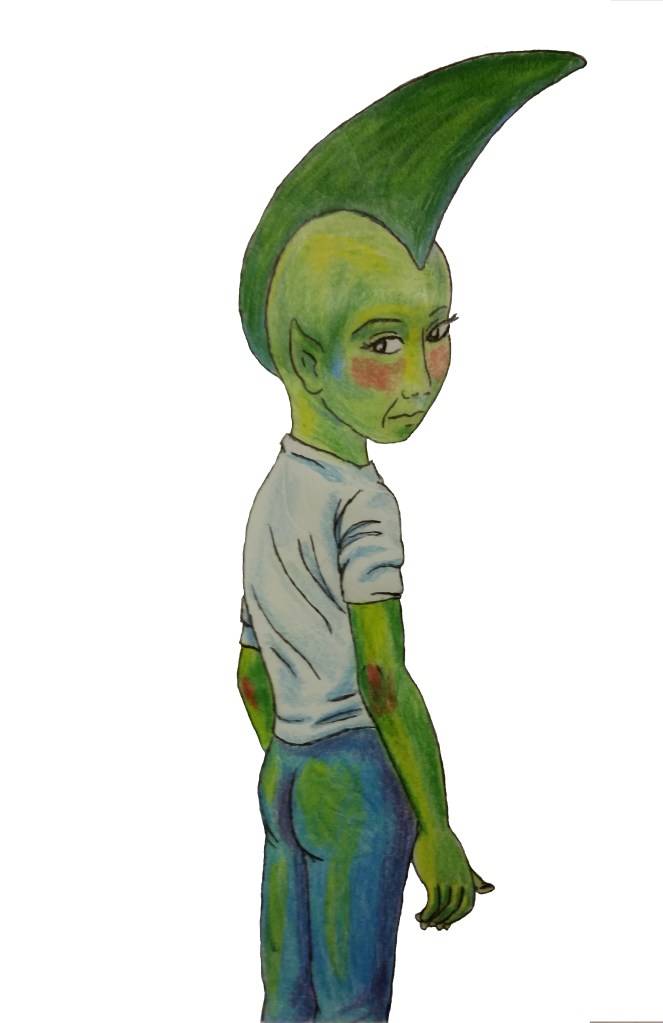
And some of my characters are green with shark-like fins on their heads. They were born on Starships and orbiting artificial satellites like the one going around Barnard’s Star. They are like George Jetson here, named after his father, Xiar’s, favorite Earther cartoon show character from the 60’s. Not only is he a green-skinned amphibious humanoid life-form from a different star system, he learns a lot about himself in the adventure he has in the novel Stardusters and Space Lizards. He goes from being a narcissistic space-pilot wannabe into becoming a humble crash survivor and expedition leader who helps save an entire planet from ecological disaster. And he even gets a girlfriend out of the deal in Menolly, his nestmate and fellow survivor.
Characters like that are far too interesting and developed to be good for your reputation as a serious producer of money-making fiction stories. And you certainly don’t want to waste time on developing the same characters in multiple books.
I used the character of Valerie Clarke in the book When the Captain Came Calling as an eleven-year-old protagonist who loses her father and has to rely on older kids and good friends to save herself from depression and the trash-pits of despair.
I used her again as a main character in Snow Babies, where she befriends a mysterious stranger and also finds a runaway boy who makes her think seriously about life and young love, all in the middle of a deadly blizzard.
She’s also in the book Sing Sad Songs where she learns to negotiate love with a boy who also lost a parent, in fact, both parents and a twin sister, in a car crash that made him a lonely orphan. She not only has to face the loss of her own loved ones, but has to help somebody else to face the same thing, in fact, more than one other somebody.
She’s also a character in The Bicycle-Wheel Genius and Fools and Their Toys.
It is unthinkable to use a character that much and make her grow and change in so many different ways. She should be used only once in a simple and clear way. Like, maybe, Mark Twain’s use of Huckleberry Finn.
Huck, as a character was only used in the books, The Adventures of Tom Sawyer, The Adventures of Huckleberry Finn, Tom Sawyer Abroad, Tom Sawyer, Detective… and… never mind. Forget I even said anything about Huck Finn. In fact, maybe this whole post is so ironic it’s making my story-teller gears all rusty. Never-the-less, let me threaten you with a possible part three.
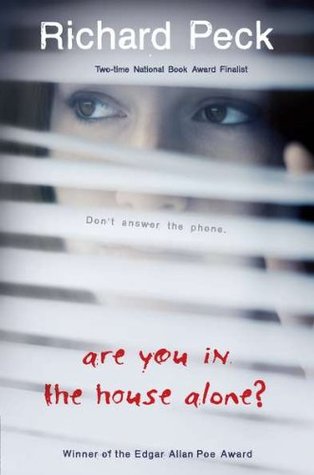
Yes, I read this book. Yes, it scared the poop out of me. Yes, it made me cry. This is a uniquely horrific horror story that is so realistic that you know that it has actually happened in real life somewhere, sometime. Only the names of the characters would be different.
I have a deep abiding respect for Richard Peck as a writer. He earned that with his books A Year Down Yonder and A Long Way from Chicago. Those books made me laugh so hard it blew chocolate milk out of my nose. And, yes, I was drinking chocolate milk at the time. They are so realistic because the people in those stories are real people. I know those people personally. Of course, they have different names in real life.
But Are You In the House Alone? is a very different book from those other two masterpieces. It tears your heart out and eats your liver because it is a first person narrative in the voice of a high school girl being stalked by a sexual predator. Everything that happens to Gail in the high school, at home, and at the house where she babysits is hyper-real with horror movie levels of attention to detail. I don’t wish to be a spoiler for this well-written book, but the narrator does not die in the book and it definitely does not have a happy ending. For anyone who has the amount of empathy I do, and in many ways becomes the narrator-character by reading, reading a book like this can physically hurt. A teacher like me has lived through horrible things like this happening to students before, it even happened to me as a boy, and it adds the slings and arrows of those things being re-lived as you read.
This is not the only book that has ever done this sort of damage to my heart strings. I remember the pain from the conclusion of Dickens’ The Old Curiosity Shop. You root for Little Nell and boo Daniel Quilp. But the bad guy wins. No happy ending can linger in the harp-strings of your memory-feeling song as long as a tragic outcome does. I was there with Scout in that ridiculous costume in the dark when Bob Ewell was attacking her brother Jem in Harper Lee’s To Kill a Mockingbird. That story was filled with wise and laughable things, but the stark horror of that climactic moment nearly wiped all the good feelings away, if not for the heroics of ghostly Boo Radley whose timely intervention brings it all back before the novel ends. It horrifies me to admit it, but I was there, too, in the moment when the boys all turn on Simon on the beach with their sharpened sticks in William Golding’s Lord of the Flies. They mistook him for the monster. I still haven’t fully recovered from that reading trauma.
The thing about books that hurt to read which makes it essential that I never try to avoid them, is that they can add more depth and resonance to your soul than any light and fluffy piece ever could. Life is much more like Lord of the Flies than it is Chitty Chitty Bang Bang. I am sadder but wiser for having read Are You In the House Alone? I am recommending it to other readers like me who don’t so much live to read as they read in order to live. Not because it is easy and good to read, but because it is hard and essential to read. It will hurt you. But it will leave you like it leaves its narrator, damaged, but both alive and purely resolved to carry on.
I have never been an attention-seeker. In the Elysian Fields of modern society, I have never really been the honeybee. I have always been the flower. I had a reputation in high school for being the quiet nerd who ends up surprising you immensely in speech class, at the science fair, or at the art show. I was the one they all turned to when everybody in the conversation had already had their chance to strut and pontificate and say dumb things, and they were finally ready to get the solution to the problem being discussed, or the best suggestion on where to begin to find it.
When I became the teacher of the class instead of the student, I had to make major changes. I had to go from being patient, quiet, and shy to being the fearless presenter, forceful, sharp as an imparter of knowledge, and able to be easily understood, even by the kids whom you couldn’t legally call stupid, but were less than smart, and not in a pleasant Forrest Gump sort of way.
Shyness is only ever overcome by determination and practice. The standard advice given is to picture your audience naked so that you are not intimidated by them. But if your audience is seventh graders, you have to be extra careful about that. They are metaphorically naked all the time, ready at a moment’s notice to explode out of any metaphorical clothing they have learned to wear to cover the things that they wish to keep to themselves about themselves. And while you want them to open up and talk to you, you don’t want the emotional nakedness of having them sobbing in front of the entire class, or throwing things at you in the throes of a mega-tantrum over their love-life and the resulting soap operas of betrayal and revenge. And you definitely don’t want any literal nakedness in your classroom. (Please put your sweat pants back on, Keesha. Those shorts are not within the limits of the dress code.) Calling attention to yourself and what you have to say, because you are being paid to do so, is a critical, yet tricky thing to do. You want them looking at you, and actually thinking about what you are saying (preferably without imagining you naked, which they will do at any sort of unintentional slip or accidental prompting.) The ones who ignore you are a problem that has to be remedied individually and can eat up the majority of your teaching time.
I trained myself to be fairly good at commanding the attention of the room.
But now that I am retired, things have changed. I can still command attention in the room, which I proved to myself by being a successful substitute teacher last year. But I no longer have a captive audience that I can speak to five days a week in a classroom. Now my audience is whoever happens to see this blog and is intrigued enough by the title and pictures to read my words.
Now that I am retired and only speaking to the world at large through writing, I am ignored more than ever before. Being ignored is, perhaps, the only thing I do anymore. It is the new definition of Mickey. Mickey means, “He who must be ignored. Not partially, but wholly… and with malice.”
I put my blog posts on Facebook and Twitter where I know for a fact that there are people who know me and would read them and like them if they knew that they were there. But the malevolent algorithms on those social media sites guarantee that none of my dozens of cousins, old school friends, and former students will see them. Only the single ladies from Kazakhstan and members of the Butchers Union of Cleveland see my posts. Why is this? I do not know. Facebook and Twitter ignore me when I ask.
My books, though liked by everybody who has actually read and responded to them, are lost in a vast ocean of self-published books, most of which are not very good and give a black eye to self-published authors in general. I recently got another call from I-Universe/Penguin Books publishers about Catch a Falling Star, the one book I still have with them. They are concerned that my book, which is on their Editor’s Choice list, is not performing as well as their marketing people think it should. But to promote it, I would have to pay four hundred dollars towards the marketing campaign, even though they are already subsidizing it by fifty percent. They tell me they believe in my book. But apparently not enough to pay for 100% of the promotion.
I have decided to invest in a review service that will cost me about twenty dollars a month. But my confidence is not high. The last time I paid somebody to review a book, they reviewed a book with the same title as mine from a different author. That service still owes me money.
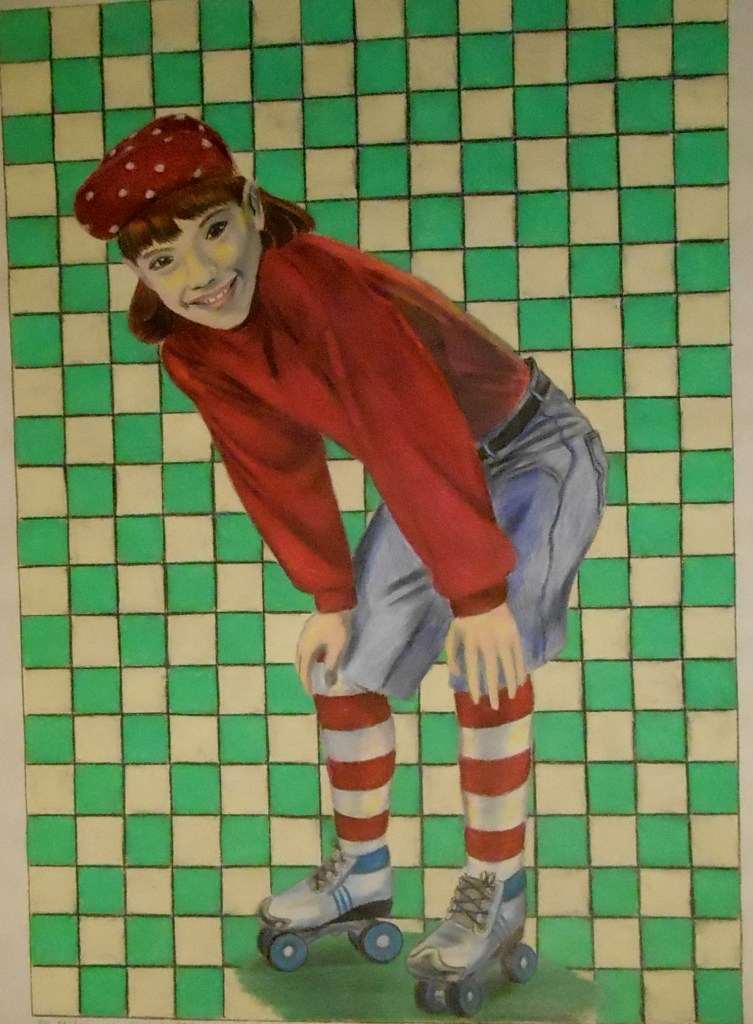
But the only reason it is a problem that I am being thoroughly ignored these days is that an author needs to be read to fulfill his purpose in life. Maybe pictures of pretty girls in this post will help. But, even if they don’t, well, I had their attention once upon a time. And since my purpose as a teacher is already fulfilled, perhaps that will be enough for one lifetime.
Before you go into panic mode, let me clearly state: No college or high school was actually foolish enough to invite Mickey to give the commencement address to its graduates. So, don’t worry about a generation of our youth actually taking to heart the advice Mickey is about to give and ruining our world for the next twenty years. This is just the insane drivel that Mickey would say if some superintendent, principal, or college dean were actually stupid enough to ask.
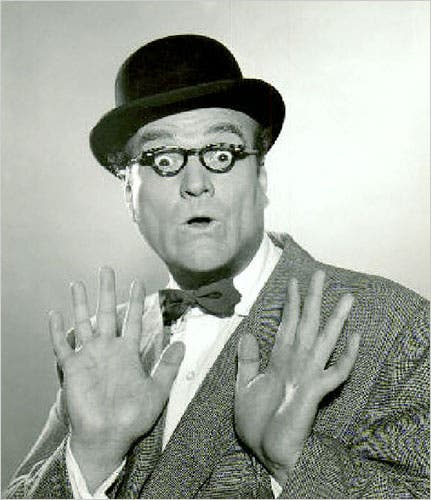
This is not Mickey. It is either George Applebee, or it is Red Skelton pretending to be George, depending on how literal or gullible your brain is.
The most impressive commencement speech I remember from my life in education was given in 1974 by my favorite high school English teacher, Mr. Sorum. He was a gifted speaker and told a mean joke whenever a joke was needed to make the point.
He talked for forty-five minutes about “Taking the next bite of the hot dog.”
Of course, he was talking about a metaphor where the hot dog was a life of being a good citizen and living in service to the greater good. High school graduation, in this speech, was the first bite of the hot dog. Some of us were listening to what Mr. Sorum was actually saying. My second bite of the hot dog was to get an English degree from Iowa State University. My third bite was a teaching degree from the University of Iowa. The fourth was choosing a life of service by being a public school English teacher. So, I followed his advice.
Most of my class, though, took that speech to mean life was all about eating hot dogs. Was I wrong? Do I need to rethink my life?
This is not Mickey either. This is Boris Karloff in makeup having a cigarette, or possibly being Frankenstein’s monster.
If I am going to give advice to today’s graduates, the advice I would have to give is, “For God’s sakes, don’t choose to be a public school teacher! Do you have any idea how hard that job is for how little reward (practically none of it in money?)”
So, what advice do I have for actually doing something with your life that helps with the common good?
The most important one; “After you go to the bathroom, flush! Gol dangit!And afterwards, wash your danged hands!“
You wouldn’t believe what kind of bacteriological nightmares are being placed in your hand daily if you have a job where you are supposed to regularly shake hands.
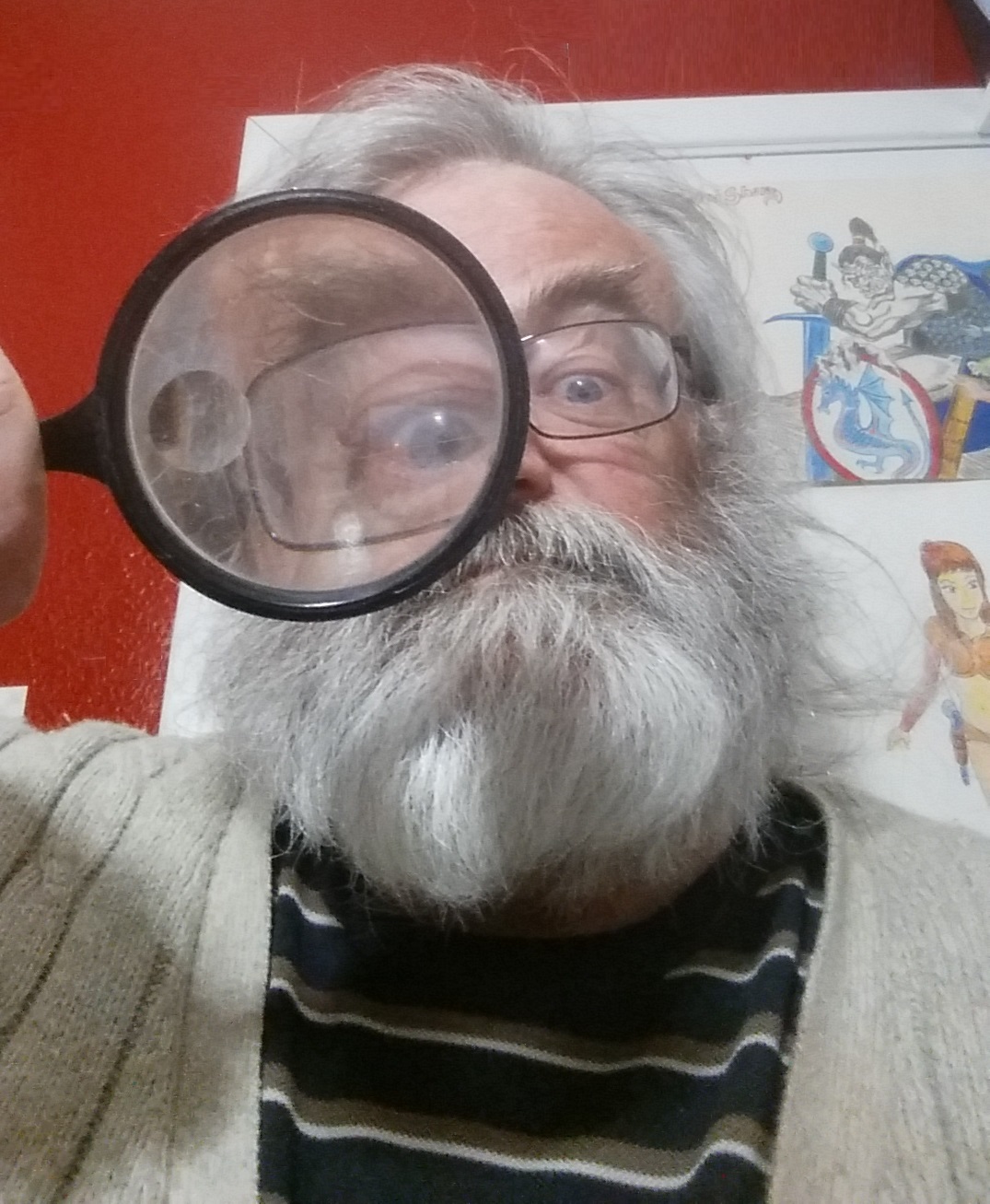
This is Mickey. Or possibly a two-eyed cyclops giving the world the ultimate stink-eye.
Another key recommendation;; “Stop being so gosh-darned ugly!”
Of course, you know that this is not a matter of whether you have a pretty face or you scare rats in dark rooms. This is a matter of behavior. A matter of how many people you hate and treat with scorn and injustice, as well as who you routinely hate, and why you hate them. Hating anyone for any reason is not good for their health and is even worse for yours.
And a final thought about how to improve the world; “Figure out what and who you love in this world. Everyone needs to have something and someone to love and work at sharing your life energy with.” People need other people and they need a purpose, even if they have to forge that purpose out of cardboard, imagination, and thin air.
If, by chance, you can already handle all of these things that idiot Mickey is lecturing you about, especially if these things come naturally to you, then totally ignore that first dumb thing Mickey said. Think seriously about becoming a teacher. What you have we desperately need more of. And with your expertise passed on to others, we might just be able to make more of it.
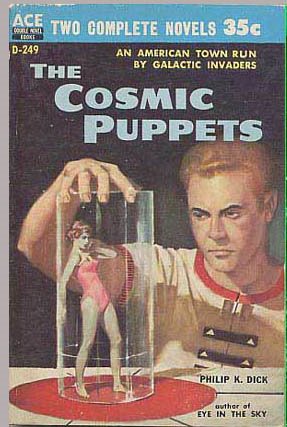
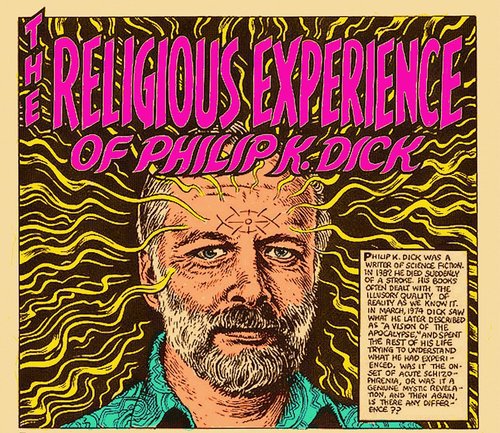
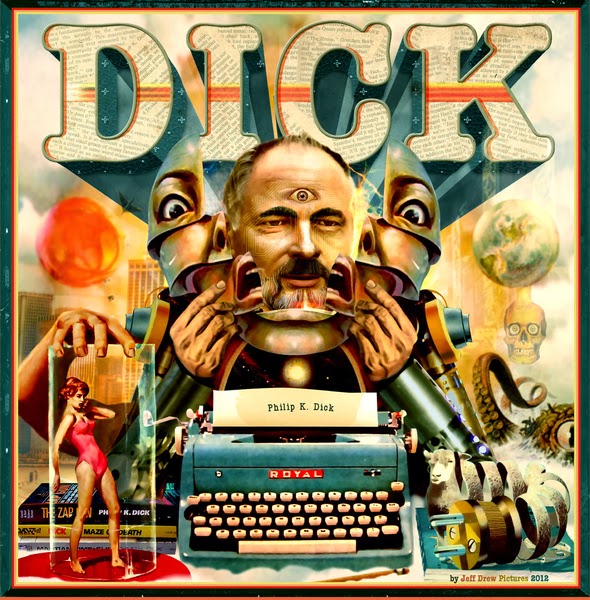
There is a major drawback to being so smart that you can perceive the edges of infinity. It makes you bedbug crazy. I love the science fiction that populated the paperback shelves in the 50’s and 60’s when I was a boy. I love the work of Philip K. Dick. But it leads you to contemplate what is real… what is imaginary… and what is the nature of what will be.
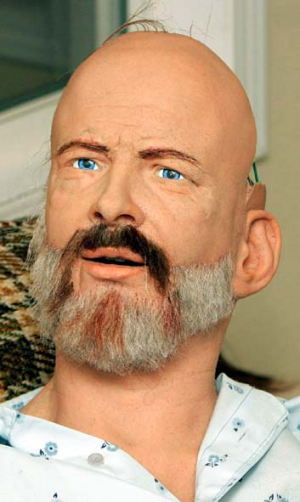
the robot Philip K. Dick who appeared at Comic Con and answered questions
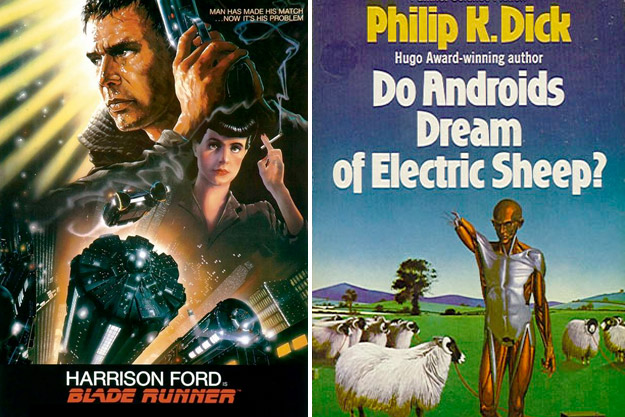
There are numerous ways to investigate life. But it is in the nature of imaginary people to try to find ways to make themselves real. When the replicants in Bladerunner try to make themselves into real people, they must try to create memories that didn’t exist. They try to mirror human life to the extent that they can actually fool the bladerunner into letting them live. Of course, it doesn’t work. They are not real. (Bladerunner is the movie name of Do Androids Dream of Electric Sheep).
It is like that for me as well. Being an imaginary person is difficult. You have to constantly invent yourself and re-invent yourself. By the time you finally get to know yourself, you have to change again so that the anti-android factions don’t destroy you. Although, I think I may not actually be an android.
Does that sound a bit crazy? Well Philip K. Dick’s life story may in fact have led him down the path to really crazy. In 1971 he broke up with his wife, Nancy Hackett. She moved out of his life, and an amphetamine-abuse bender moved in. In 1972, ironically the year I began reading Dick’s work, he fell in love at the Vancouver Science Fiction Convention. That was immediately followed by erratic behavior, a break-up, and an attempted suicide overdosing on the sedative potassium bromide. This, of course, led directly to his 1977 novel A Scanner Darkly.
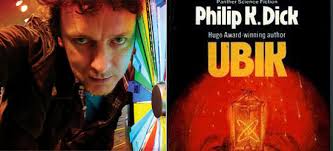
The story is about a police detective who is corrupted by a dangerous addictive drug that takes him down the rabbit hole of paranoia, and being assaulted by the perception of multiple realities simultaneously. His novel Ubik from 1969 is a story of psychics trying to battle groups of other psychics even after they are killed by a bomb. The crazy seems to have been building for a while.
In 1974 he had a transcendental experience when a lady delivering medicine to his door wore a fish-shaped pendant which he said shot a pink beam into his head. He came to believe the beam imparted wisdom and clairvoyance, and also believed it to be intelligent. He would later admit to believing he had been reincarnated as the prophet Elijah.
Imagination has its dangers. It is a powerful thing able to transform reality. Science fiction writers often use their imagination to shape what the future will actually make come into being. But it can also turn your mind inside out. A great science fiction writer like Philip K. Dick can contemplate the nature of reality and turn his own reality inside out. It is a lesson for me, a lesson for all of us. Wait, is that a pink beam of light I see? No, I just imagined it.
The title is taken directly from the poet Dylan Thomas. He was thinking about the death of his father. But, even though my father cannot last much longer either, it is my own mortality that has been weighing heavily on my mind.
I have been thinking a lot about death of late. I am now three years farther along in my retirement than I believed I would be when I retired in 2014. I honestly believed I would not live beyond 2017 with my six incurable diseases. Especially when Banco Americo sued me over medical bills and won, forcing me into bankruptcy, and leaving me unable to pay for insulin for my diabetes or mental health services for family members who needed them as a matter of life or death.
So, I suppose I can be forgiven for reading a lot of life-or-death stories lately, especially the kind that don’t have a happy ending.
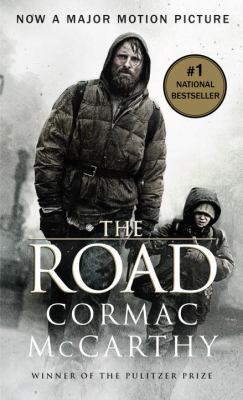
The Road, Cormac McCarthy’s 2006 post-apocalyptic novel, ripped a good half to three-quarters of my soul out. It is about two characters making their way along a road after some unnamed disaster has blasted away most of life on Earth, and that which is left is dying. There is no miracle nor any life-saving solution at the end of the novel. The only grace the reader is allowed is that the character who dies at the end lived as long as possible, motivated only by love, and, by dying, allowed the beloved other character to live beyond him. It is a hard, terrible story to read. But it achieves its goal. It touches your hopeless heart in ways only an award-winning novel can.
The book I just finished reading was a story I originally had to read for an Iowa State University class on Existentialism in Literature. The Nobel Prize-winning author, Albert Camus’s book, The Stranger, is no easier to read than The Road. In fact, it may be even more depressing and dark than the first novel I mentioned. The main character lives as a stranger in a meaningless world and is sentenced to death by a jury because he didn’t cry at his mother’s funeral. The story devastates your compassionate heart and shakes your belief in a benevolent God. And I read it the first time long before I was an atheist who believes in a different form of god. The story is itself cruel. But in the long view, it grants you a certain melancholy sort of peace that can only be had by coming to terms with your place in all of existence.
So, I admit it. I have been obsessing about the end of life far too much. The current pandemic that has us all on the ropes in the boxing match of life has brought me to grips with the fact that, even though the end of life is far closer to now than its beginning, living life is what still matters. I have been spending my shut-in days writing novels about life, and love, and laughter. I have also been talking to relatives by phone and connecting with people through social media, all of which can be done without risk of viral infection. Well… maybe a computer virus.
But I am alive now. And I am living in every manner I can still manage. For now. Because I can. And because it is the right thing to do.
The word for it is Paffooney. I know that is not a real word. It is a Mickian word. Kinda like the word “Mickian”. It is entirely made up gibberish, made up by Mickey, and used to mean an artwork made by the hand of Mickey. So I can’t really explain it. I have to show you what it basically is.
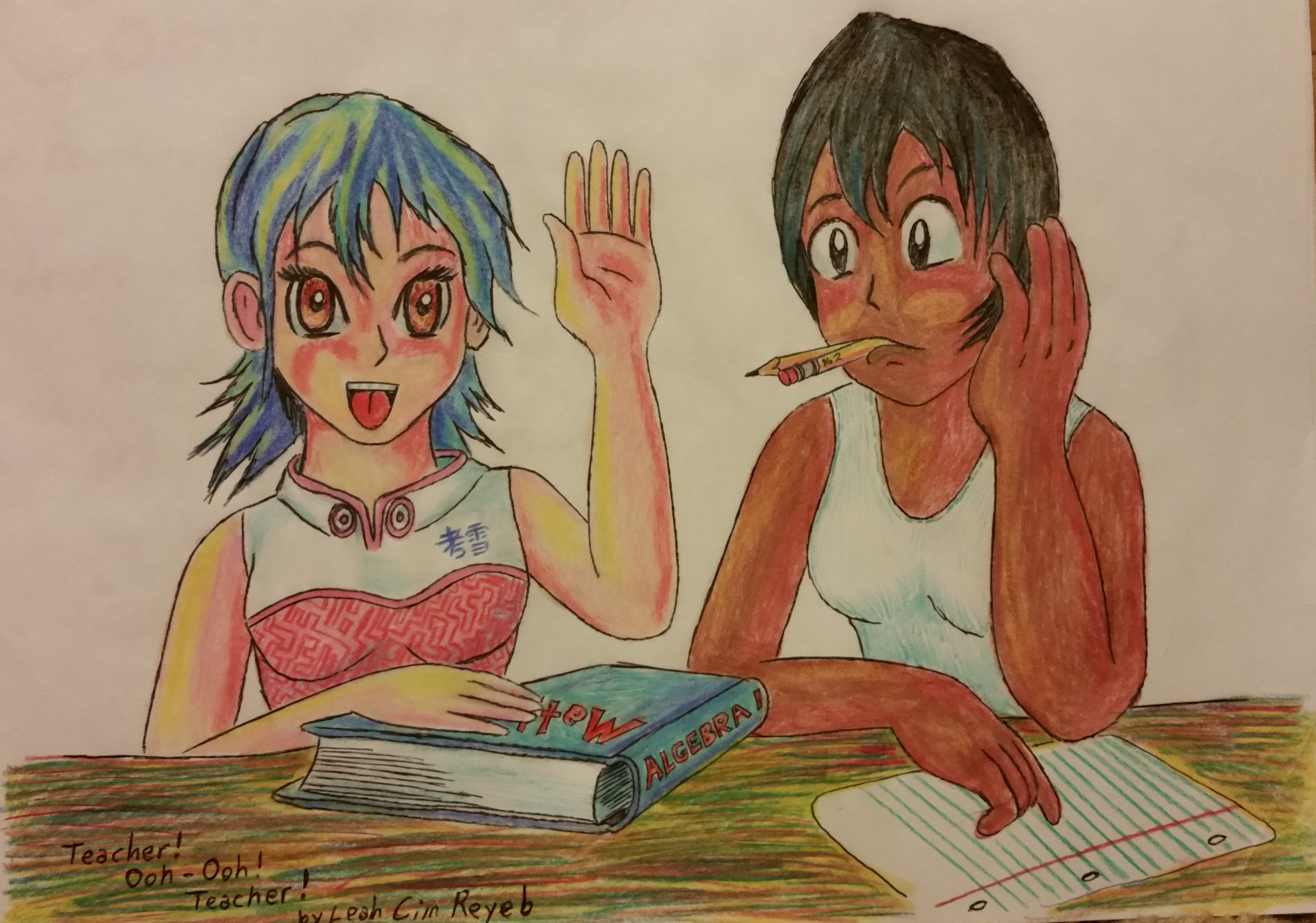
This is a Paffooney. It is inspired by the incredibly unbelievable time in Mickey’s life when they let Mickey be a teacher in Texas. It has no other relationship to reality. Chinese girls in Texas generally do not have manga eyes and blue hair, and while Hispanic girls have been known to eat pencils, they never bring their own notebook paper to class. They always borrow. So there is the basic formula. Colored-pencil nonsense drawn by Mickey and attached somehow to a story.
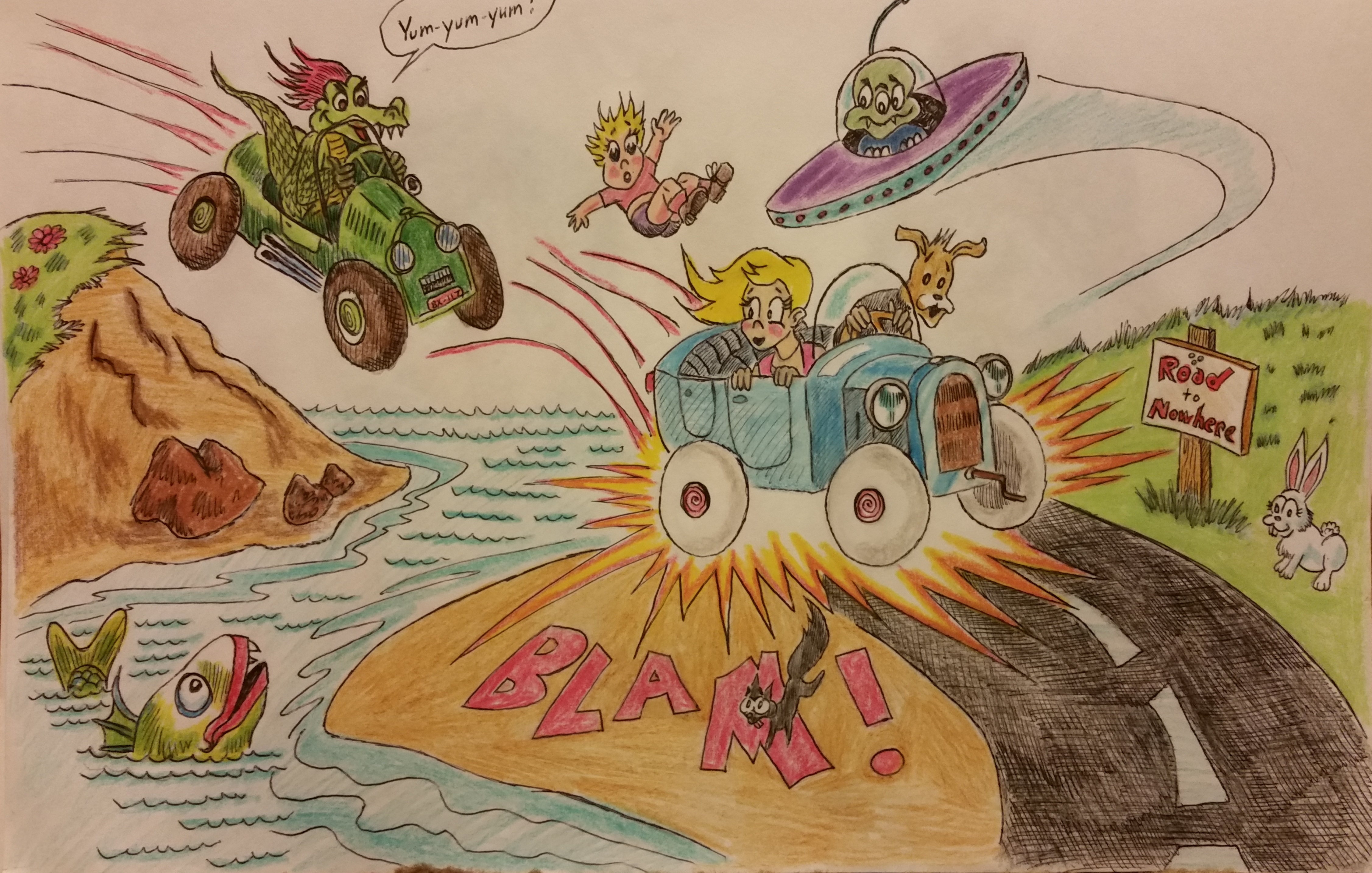
This Paffooney has a self-explanatory story embedded in it. It is obvious this is the story of an average family car trip in Texas. Notice how they demonstrate the Texas State highway motto of, “Drive friendly”.
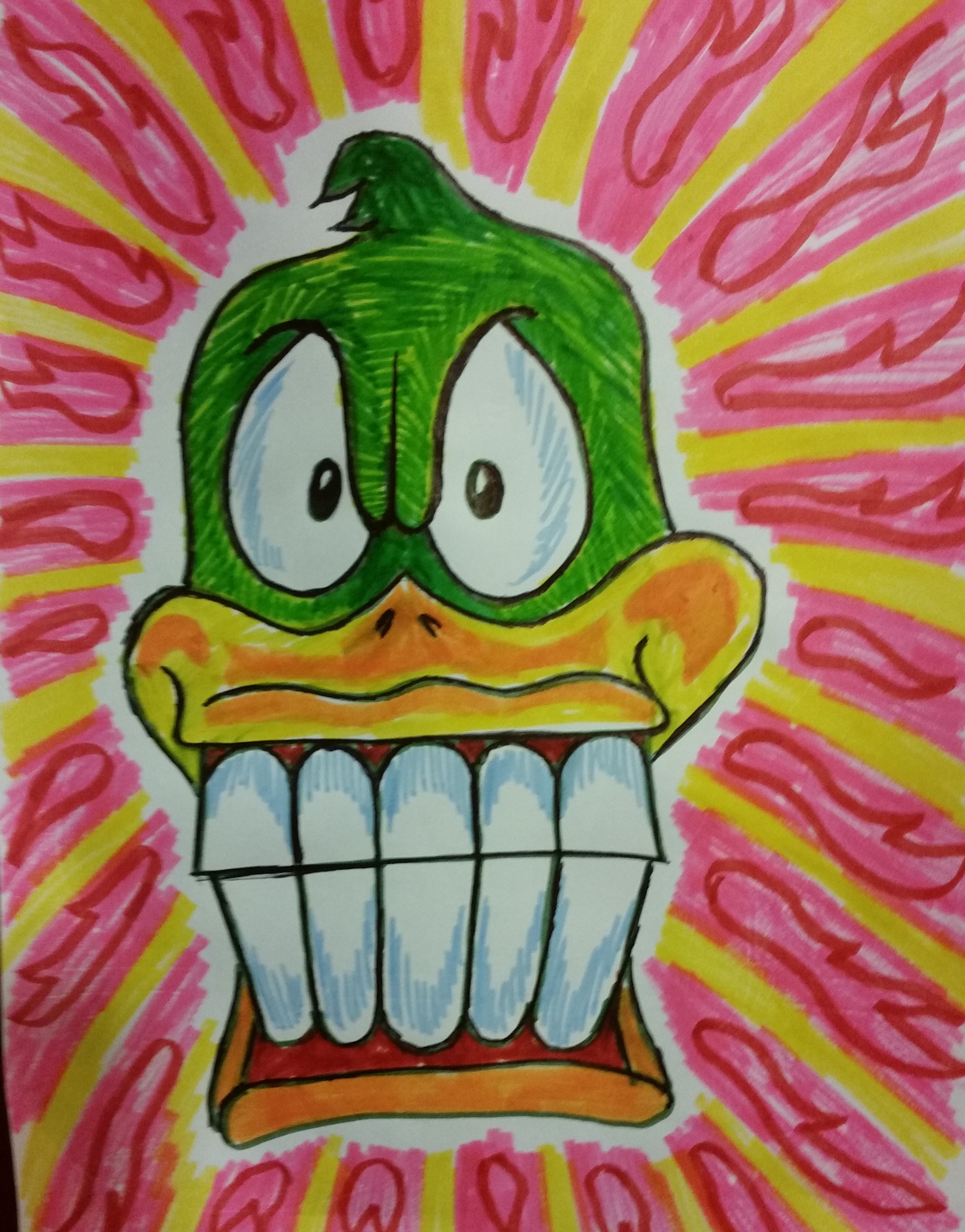
And this Paffooney is a Mickian recurring nightmare about a duck with teeth. Silly Mickey, ducks don’t have teeth in real life!
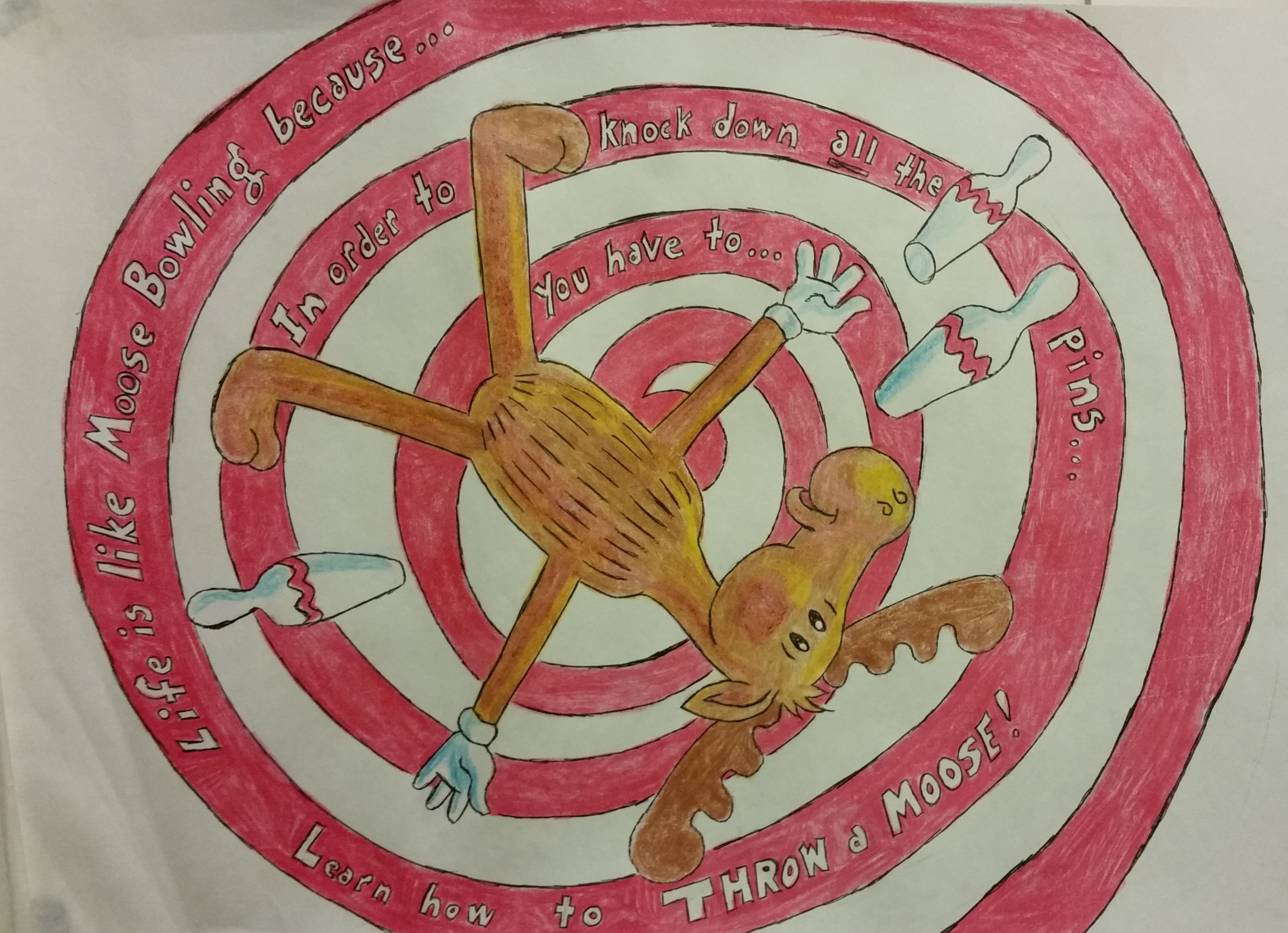
And moose bowling is a Paffooney that needs no explanation… or does it? Well, never mind. I have forgotten what it is for anyway.
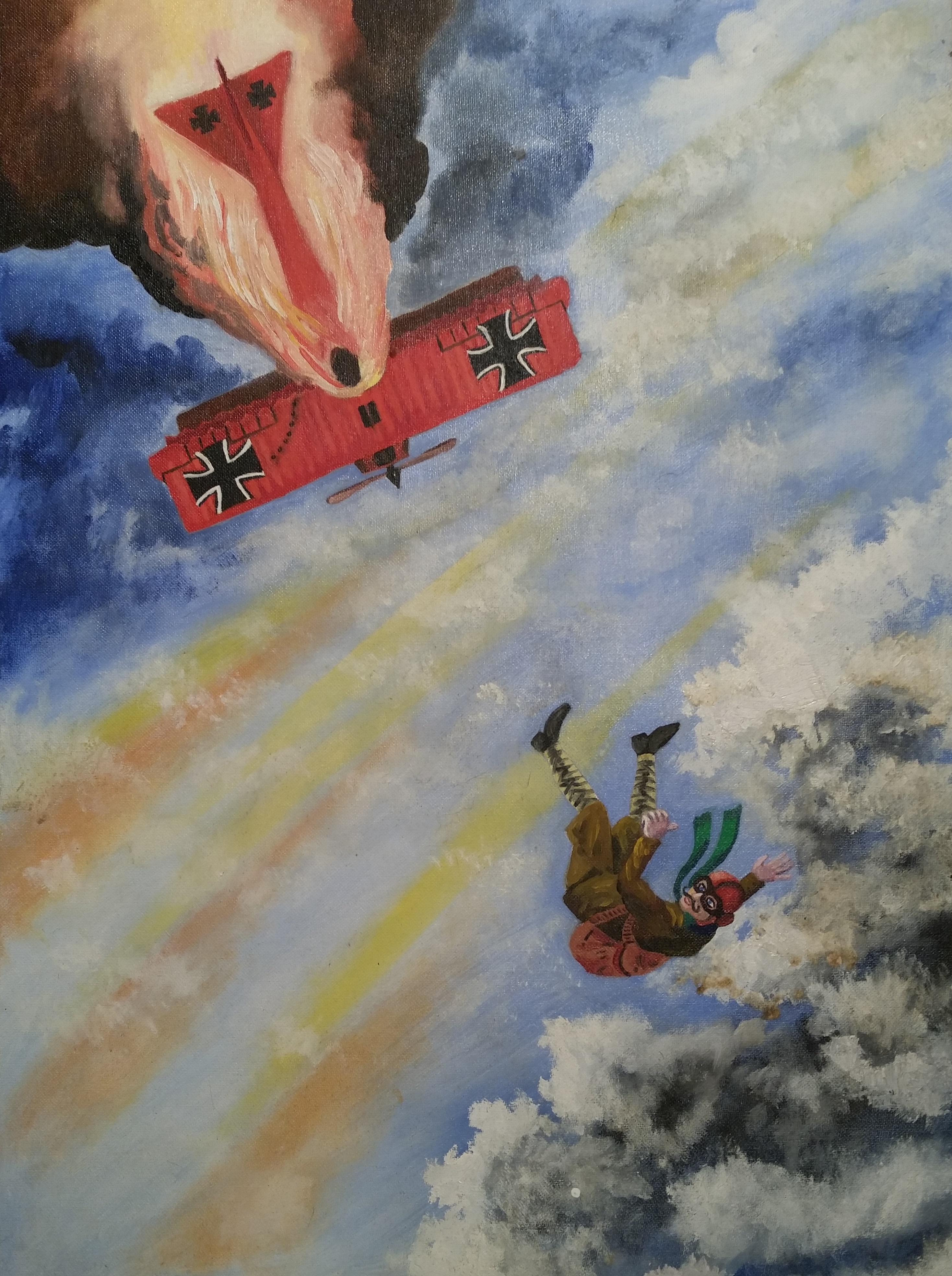
And this oil-painting Paffooney speaks volumes about a philosophy of life. See the pilot giving the viewer a thumbs up? And that isn’t a parachute on his back. They didn’t have parachutes in World War I. It is a message pouch with German war plans in it. I even painted it with a bratwurst sandwich inside for the pilot’s lunch. Don’t I do great detail work? But he will have to eat it quickly before he reaches the ground.
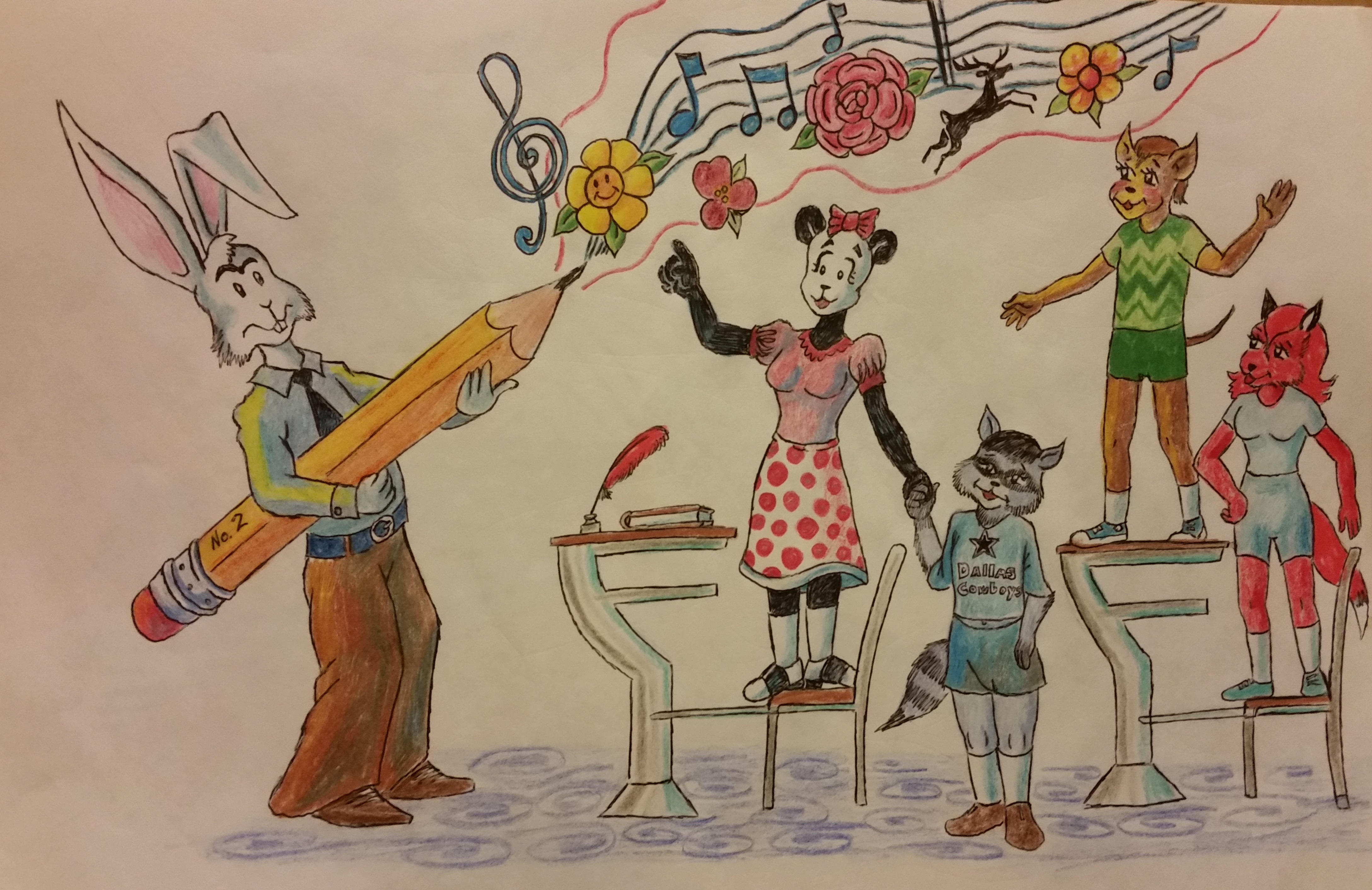
And this is me teaching an ESL class. When you teach English to non-English speakers in Texas, you get to hold the big pencil. And it helps to be a big white rabbit.
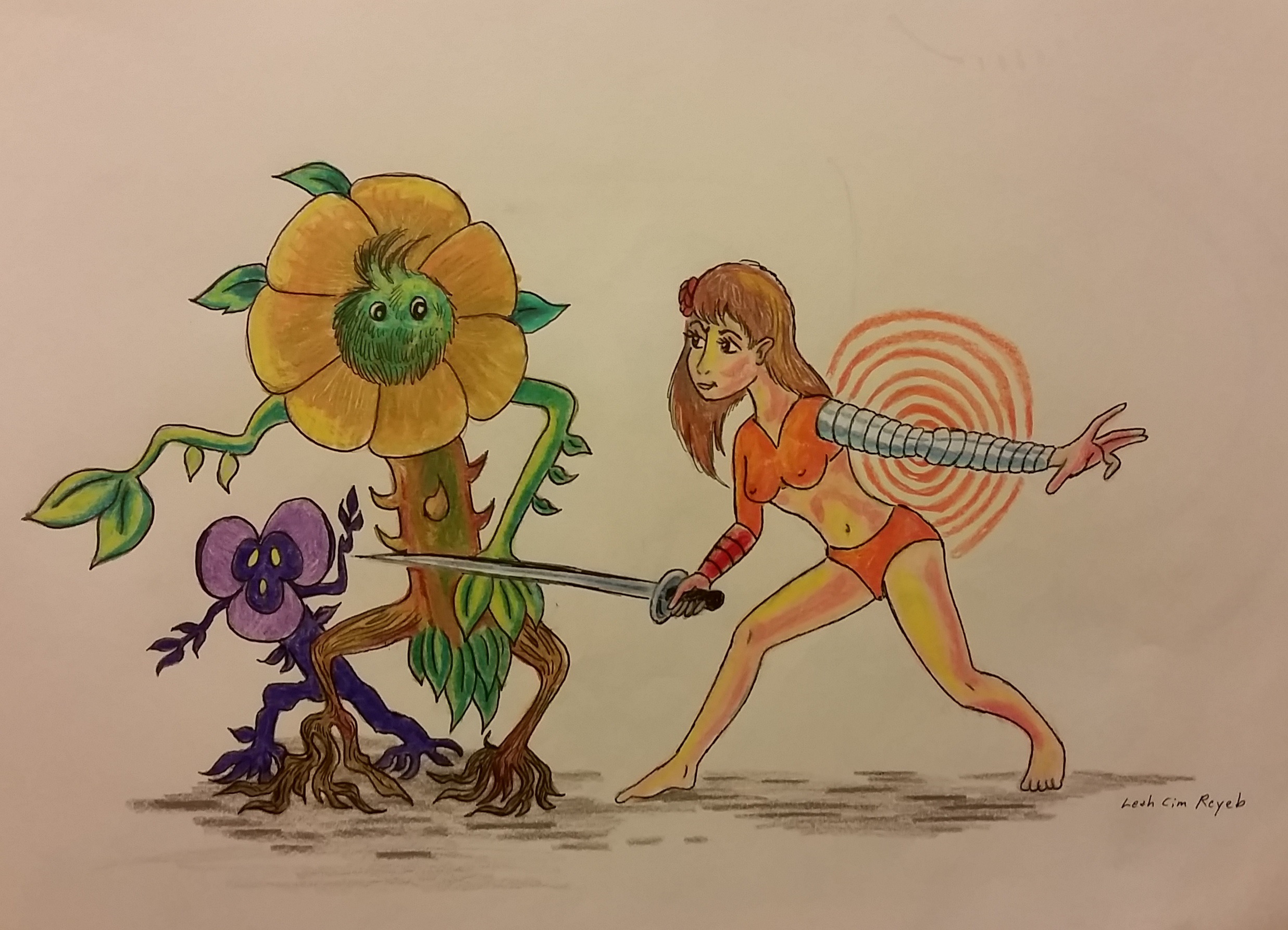
And this is a science fiction Paffooney, although the science is questionable. Don’t doubt that the flower-people of the planet Cornucopia are real, though. And Mai Ling, the psionic space ninja really can elongate her arm to get maximum thrust into her left-handed karate chops.
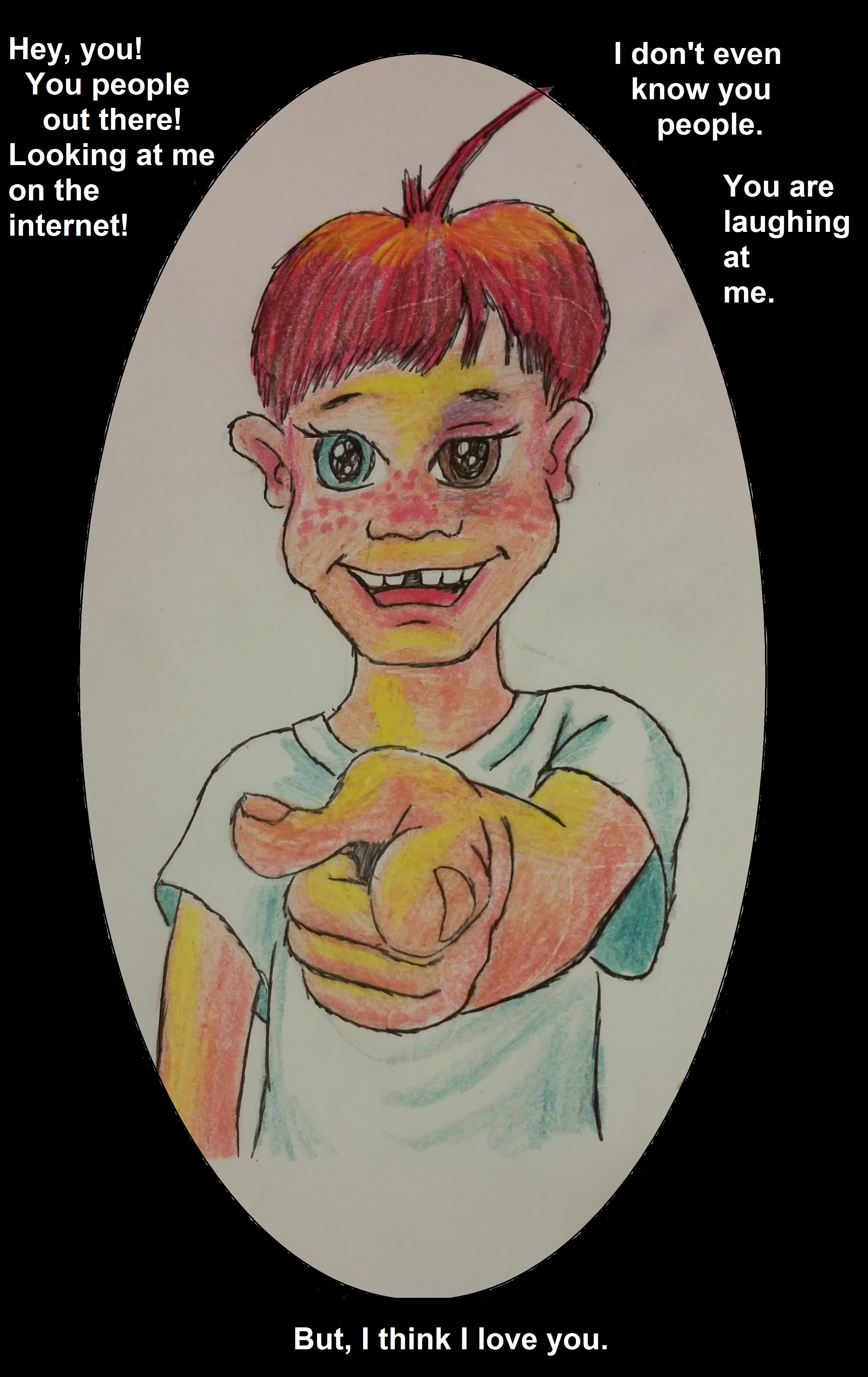
And we end for today with the Paffooney of a stupid boy. He’s not really me. Not really. And I don’t even know who gave him the black eye. So it can’t be me. So maybe he is not so stupid. You can’t say that about somebody you don’t know and is not even you.
So, now do you know what a Paffooney is? No? Me neither. But if you Google images with the words “Beyer Paffooney” you can see a lot more of them. Nobody else uses that word but little ol’ me.