Tag Archives: comics

Comic Book Heroes – A is for Aquaman

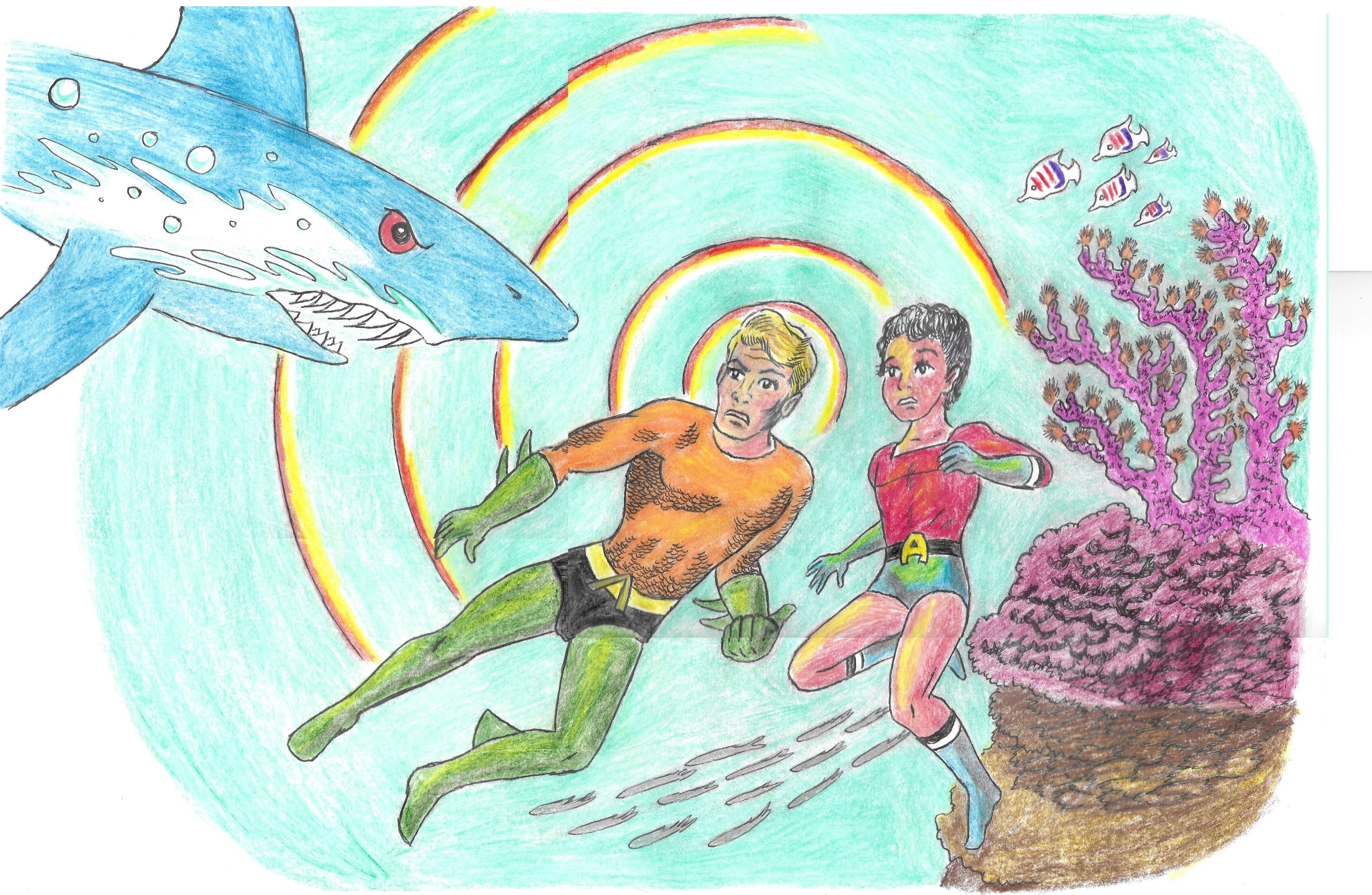
Today’s Paffooney is a tribute to a childhood hero, Aquaman.   I drew the picture from a comic book inspiration source coming from DC Comics in the 1960’s.  Aquaman is a B-level superhero with not nearly so many fans as the big three, Batman, Superman, and Wonder Woman.   He was, however, my second favorite after Spiderman.  He was more important to me than the Avengers.  And this was strange, because I only had the chance to read the sacred comic books in the old barbershop in uptown Rowan.  I only remember about two different issues that I was able to read during the long wait for a haircut.  (Haircuts on Saturday took forever, because all the bald and crew-cut farmers would take forever getting their hair cut.  And they hardly had any hair!   I think the barber cut each hair individually.)
Aquaman and Aqualad would journey together in an incredible undersea world of sea monsters, giant fish, scuba divers, villains like Black Manta, and Mera, a real hot underwater babe.  Topo the octopus could play comic relief by playing musical instruments or getting drunk on old lost kegs of pirate rum.  I became a part of the adventure.  I’m not sure whether I imagined myself more as Aquaman himself, or Aqualad.  Aqualand was dressed all in red and blue, my favorite colors.  I liked his blue swim-trunks.  I myself could never wear swim trunks without a fatal case of embarrassment over my knobby knees and hairy legs.    I admired Aqualad’s smooth and muscled boy-legs, though not without some shame and embarrassment.  Some suggest that the relationship between Aquaman and Aqualad was a homo-erotic thing just like Batman and Robin.   But, hey… NO IT WASN’T!  It was a hero and sidekick that mirrored the complex relationship between a father and son.  My father and I could never talk at any deeper level than Aquaman talked to Aqualad.   Yet my father had super-powers for solving my problems and helping me do things and make things.  Yes, I think I loved Aquaman because he reminded me of my own father in his quiet competence.

Image

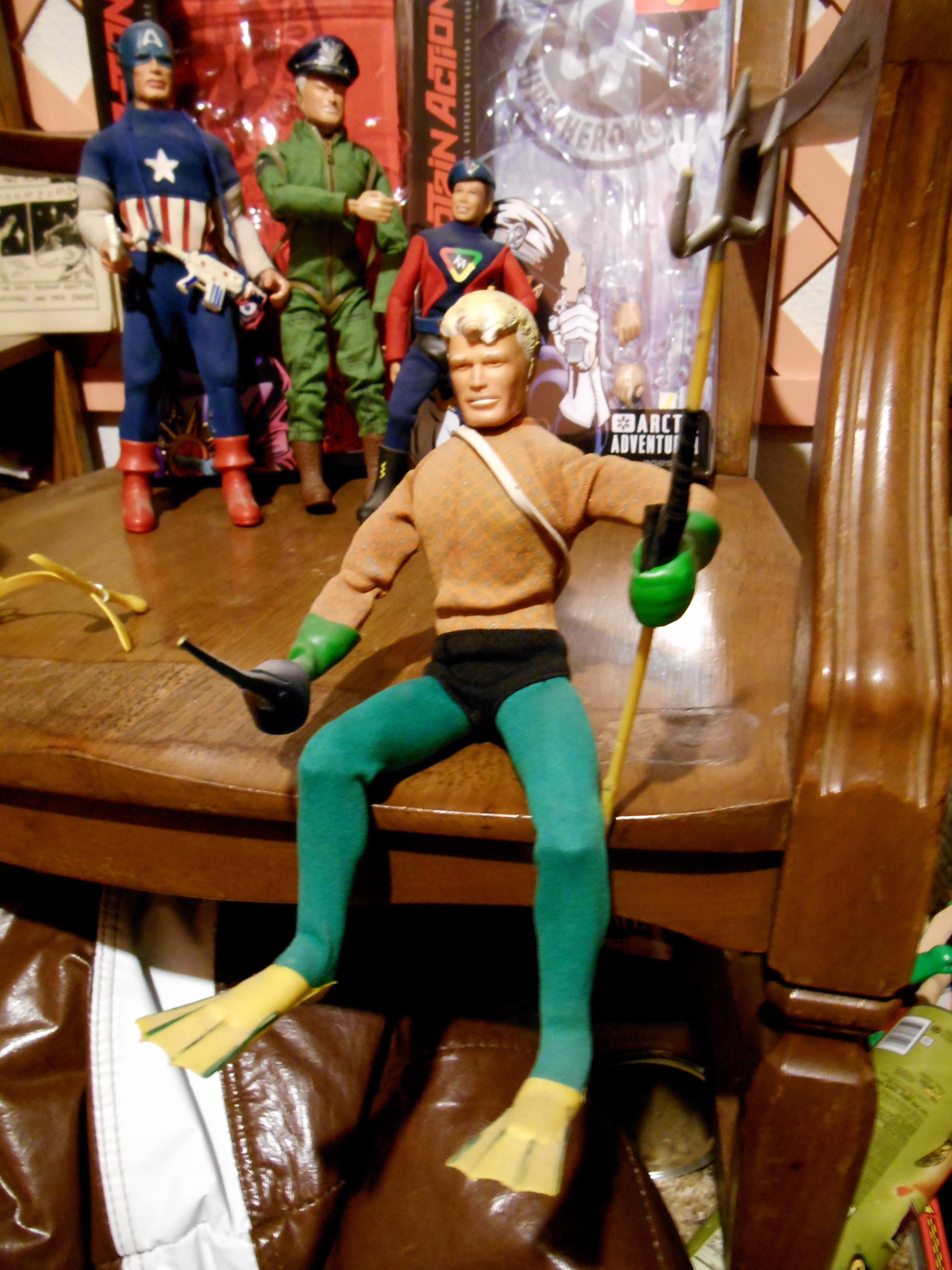
And I had a Captain Action Aquaman costume, a Christmas present and wonderful treasure.  I played with it so much that only the broken trident, mask, and swim fins remain.  The rest was all broken and unraveled and disintegrated from being played with.  The Aquaman in my Captain Action collection has replacement parts in it to make it more complete.  Yes, I spent time and money putting that toy back together so that I might play with it yet again.

So why is the super-powered King of the Sea so important to me?  After all, his super powers are to breathe underwater and telepathically talk to fish.  I think, reading back over this stupid little essay, that the most important theme is the father-son thing.    I never owned a single Aquaman comic book as a kid, but I watched him on Saturday morning TV.  He was one of the Superfriends.  And my father had been in the Navy on Aircraft Carriers.  Yes, Aquaman is my favorite because Aquaman is secretly my father.

Leave a comment

Filed under Uncategorized

The Ultra-Mad Madness of Don Martin

1629093

Born in 1931 and lasting in this crazy, mixed-up world until the year 2000, Don Martin was a mixy, crazed-up cartoonist for Mad Magazine who would come to be billed as “Mad Magazine’s Maddest Artist.”    His greatest work was done during his Mad years, from 1956 (the year I was born… not a coincidence, I firmly believe) until his retirement in 1988.  And I learned a lot from him by reading his trippy toons in Mad from my childhood until my early teacher-hood.

51205-8482-67413-1-don-martin


His style is uniquely recognizable and easily identifiable.  Nobody cartoons a Foon-man like Don Martin.

The googly eyes are always popped in surprise.  The tongue is often out and twirling.  Knees and elbows always have amazingly knobbly knobs.  Feet have an extra hinge in them that God never thought of when he had Adam on the drawing board.

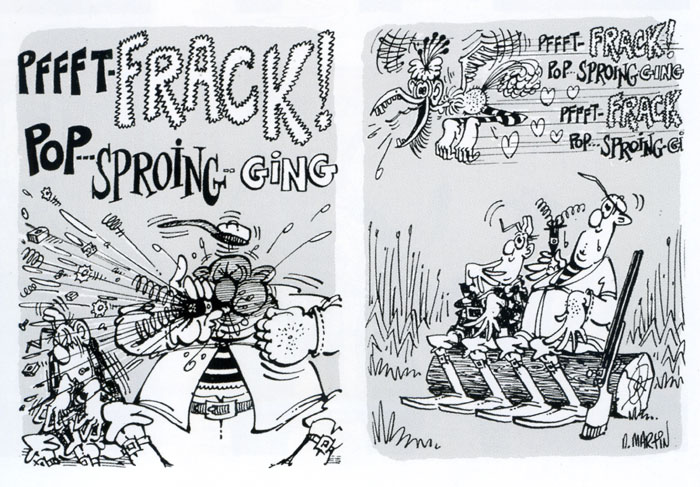
And then there is the way that Martin uses sound effects.  Yes, cartoons in print don’t make literal sounds, but the incredible series of squeedonks and doinks that Martin uses create a cacophony of craziness in the mind’s ear.

don-martin-mad-magazine-june-1969

And there is a certain musicality in the rhyming of the character names he uses.  Fester Bestertester was a common foil for slapstick mayhem, and Fonebone would later stand revealed by his full name, Freenbeen I. Fonebone.

116

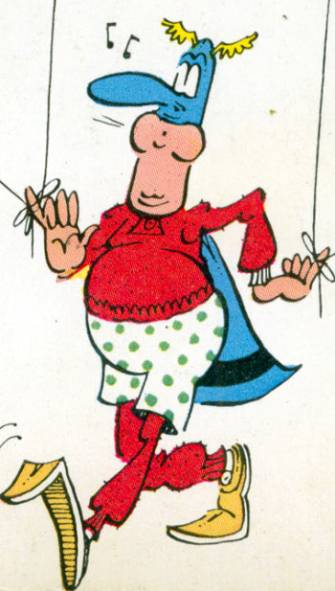
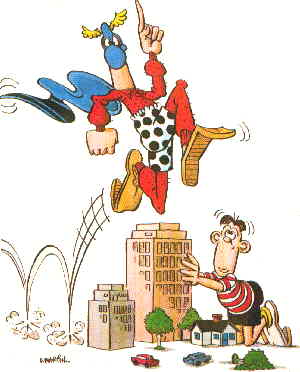
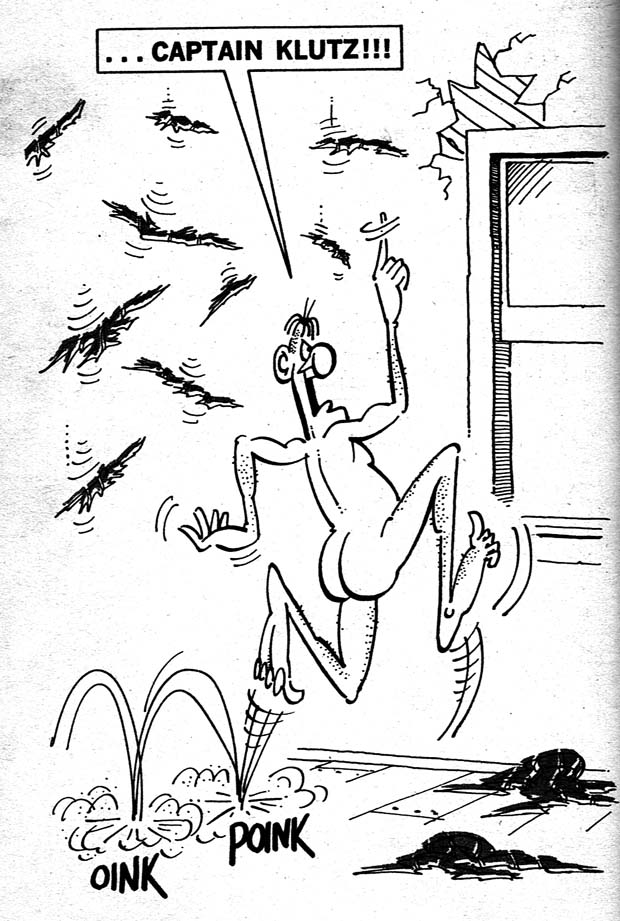
And, of course, one of his most amazingly adventurous ne’er-do-well slapstick characters was the immeasurable Captain Klutz!

Here, there, and everywhere… on the outside he wears his underwear… it’s the incredible, insteadable, and completely not edible… Captain Klutz!

cap_klutz1_bc

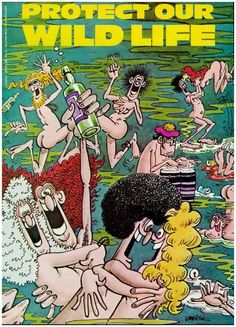
If you cannot tell it from this tribute, I deeply love the comic genius who was Don Martin, Mad Magazine’s Maddest Artist.  Like me he was obsessed with nudists and drawing anatomy.  Like me he was not above making up words with ridiculous-sounding syllables.  And like me he was also a purple-furred gorilla in a human suit… wait!  No, he wasn’t, but he did invent Gorilla-Suit Day, where people in gorilla suits might randomly attack you as you go about your daily life, or gorillas in people suits, or… keep your eye on the banana in the following cartoon.

Kg2GZRM

So, even though I told you about Bruce Timm and Wally Wood and other toon artists long before I got around to telling you about Don Martin, that doesn’t mean I love them more.  Don Martin is wacky after my own heart, and the reason I spent so much time immersed in Mad Magazine back in the 60’s, 70’s, and 80’s.

9ce65a0ded2754c6d00079b1eb772179


Leave a comment

Filed under artists I admire, artwork, cartoon review, cartoons, comic book heroes, goofiness, humor, illustrations

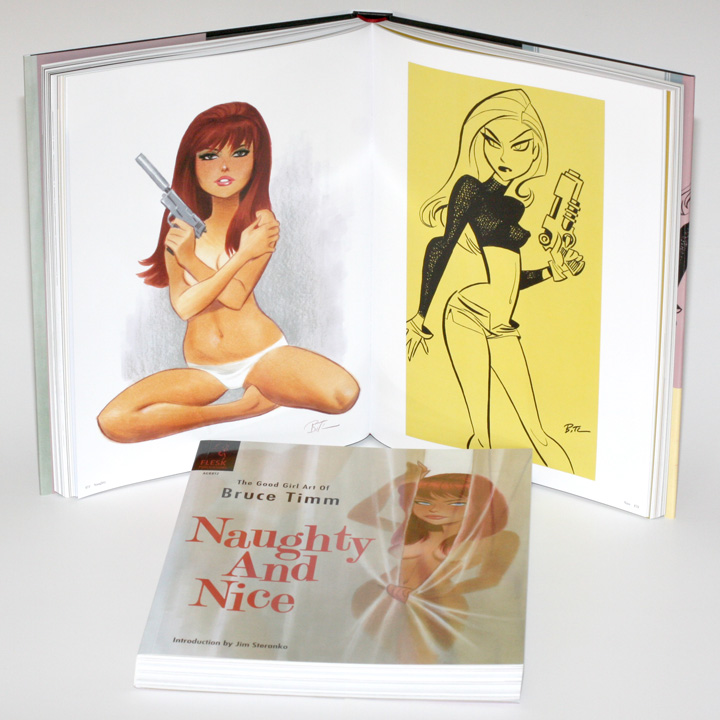
About Bruce Timm

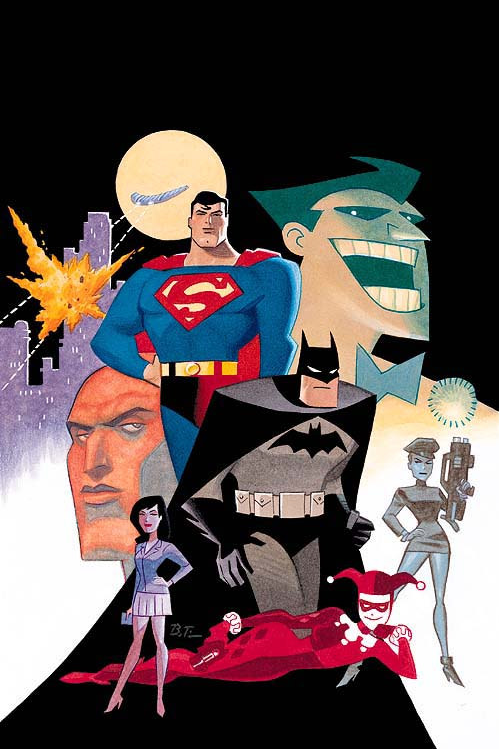
“Today I thought I would tell you about Bruce Timm.”

“Bruce Timm?  Who the heck is he?”

“You know. That artist with that style… you know, the Batman guy.”

“You mean he played Batman?”

“No.  He designed Batman; The Animated Series.”

“Oh, that guy… the guy who draws girls really good.”

“Yes, that’s the one.”

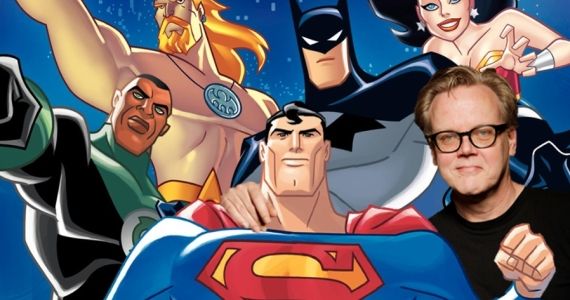
new-justice-league-series-bruce-timm

“He gave all the DC heroes their modern, animated look… their style and flair.  He made them angular, immediately identifiable, and powerful.”

4

“Yeah, I think he not only did the Batman cartoon, all film noir and retro-cool, but the Superman series that followed it, the Justice League, and all the cartoon series and movies that went along with those.”

“But that’s not all he did, either, is it?”

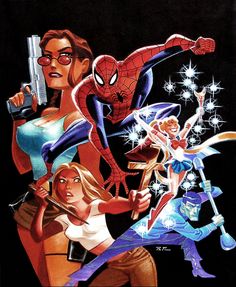
“No, there’s more.  He wanted to be a comic book artist, but before he got into animation, Marvel and DC turned him down.”

25e4094273e0d5a978ef3c3055e68176

“I heard he worked at Filmation for a while.”

“Yes, he got a chance to draw and design characters for Blackstar, Flash Gordon, He-Man and the Masters of the Universe, She-Ra; Princess of Power, and the Lone Ranger.

“Dang!  He was busy.  But only superhero stuff?”

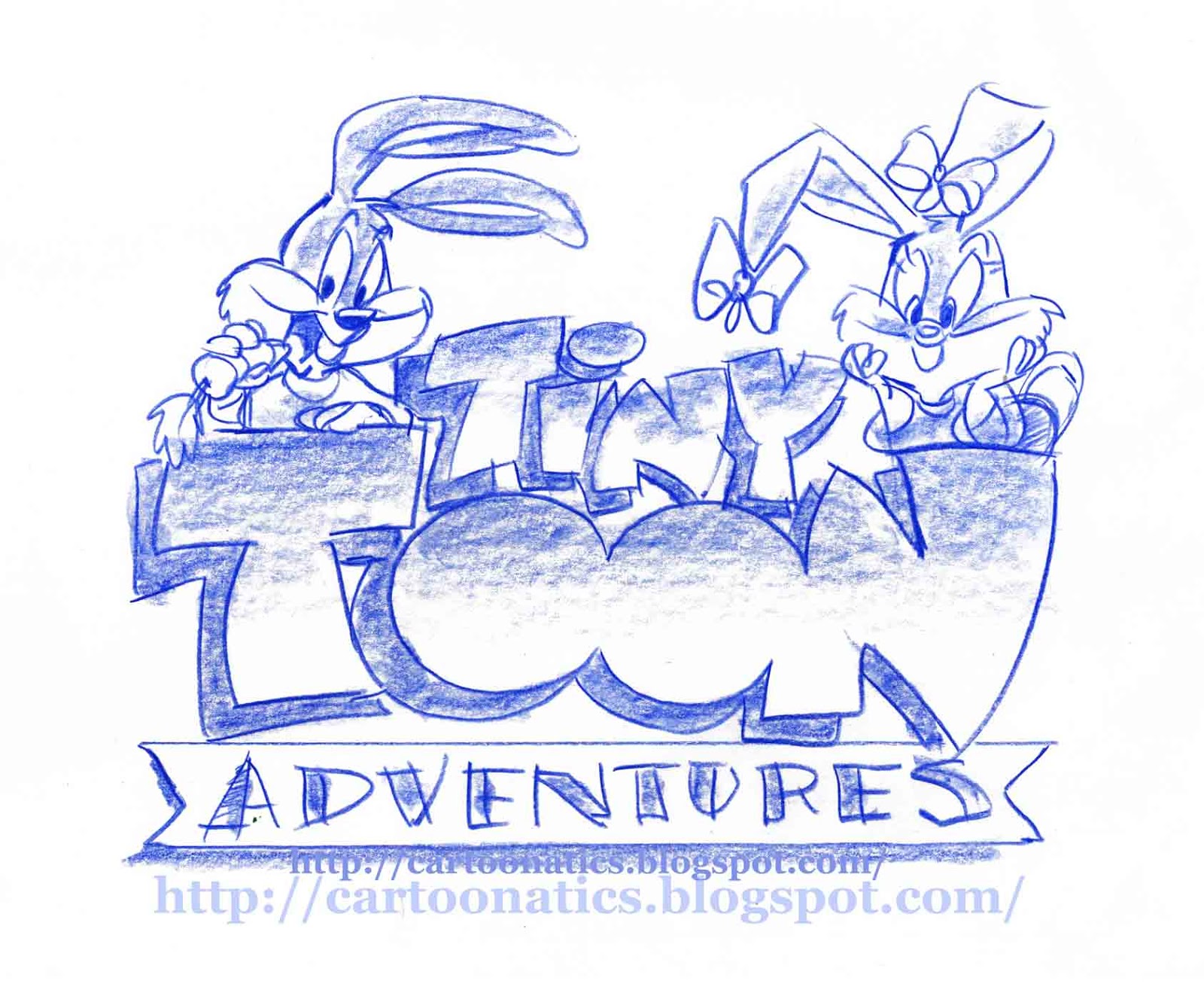
“In 1989 he went to work for Warner Brothers.  He worked on Tiny Toon Adventures.”

“That Spielberg/Bugs Bunny thing?  The one with Buster and Babs Bunny?”

“Yeah, that one, believe it or not.”

gimeno-logo-5-tiny-toons-copy

“Tell me more about the girls.  I want to hear about him drawing girls.  Wonder Woman in Justice League was hot.”

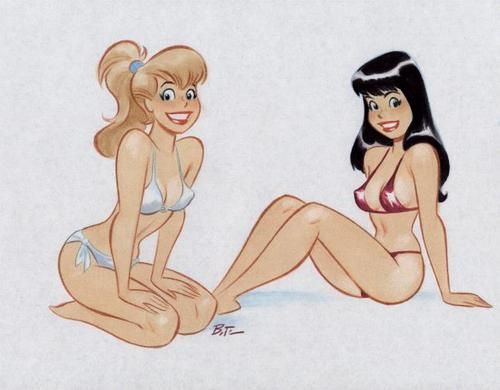
“Showing you is probably better than telling you.  Be prepared to cover your eyes, though.  He liked to draw the female figure nude and semi-naked.”

91a861e9c261d53b1d77a8e929c92401

Betty and Veronica from the Archie comics.

brucee-timm-teaser-2012-b-800

bt-nan-book-pictures-01

“I like how he draws pretty girls.”

“You would.”

“He’s the artist you wish you could be, isn’t he?”

“Pretty much.  He’s about four years younger than me.  If I had gone the comic-book artist route instead of becoming a public school teacher, our careers might’ve been parallel.”

“Except he has talent.”

“Yeah, there’s that.”

Leave a comment

Filed under art criticism, artists I admire, comic book heroes, humor

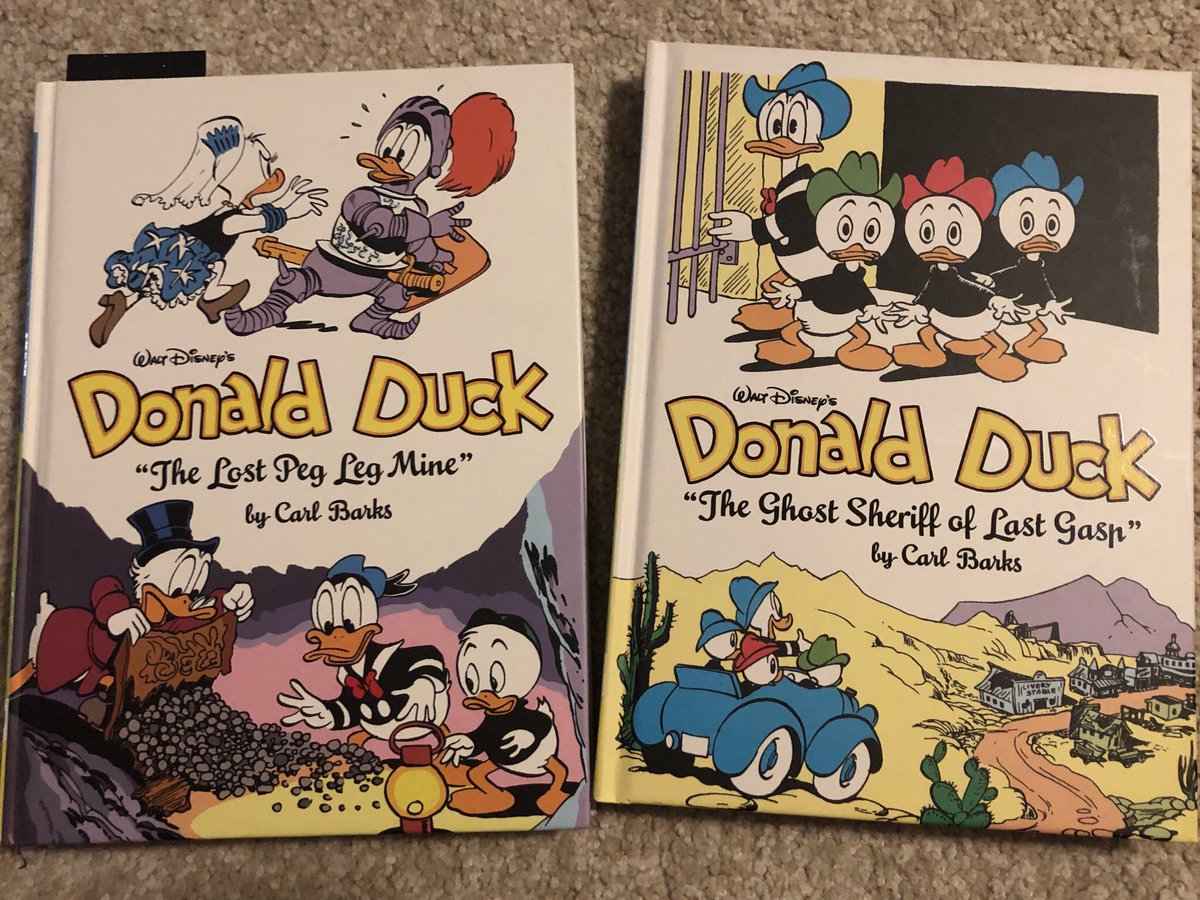
Happy Birthday, Carl Barks

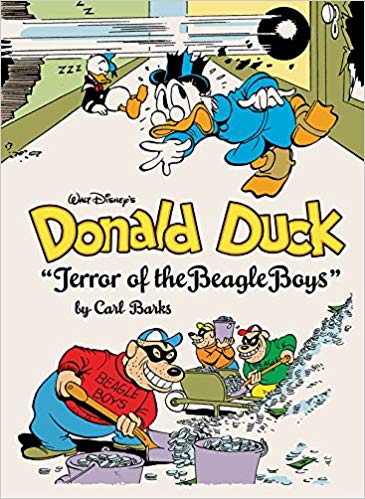
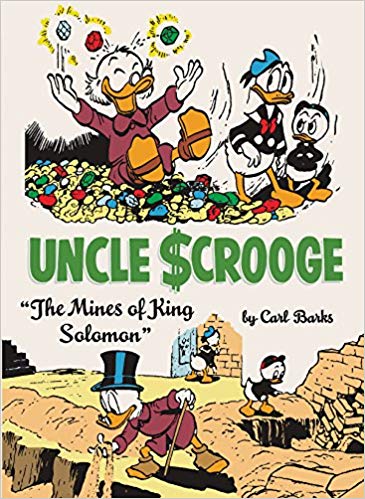
Carl Barks was born on March 27th, 1901. So, Friday will be his 125th birthday. If you have no idea who I’m even talking about, then you were never a kid and a comic book fan in the 1960s. Carl Barks is both Uncle Scrooge’s father and Donald Duck’s stepfather.

Carl is a personal art hero of mine. I grew to adulthood on the adventures of his plucky ducks doing duck adventures in Duckburg. I have written about my devotion to Carl in this blog before. In fact, here is the link; https://catchafallingstarbook.net/2014/09/27/carl-barks-master-of-the-duck-comic/

That’s essentially true. A large part of my character as a junior high school English teacher was based on what I learned about mentoring from Scrooge McDuck and about teaching important facts from Gyro Gearloose.

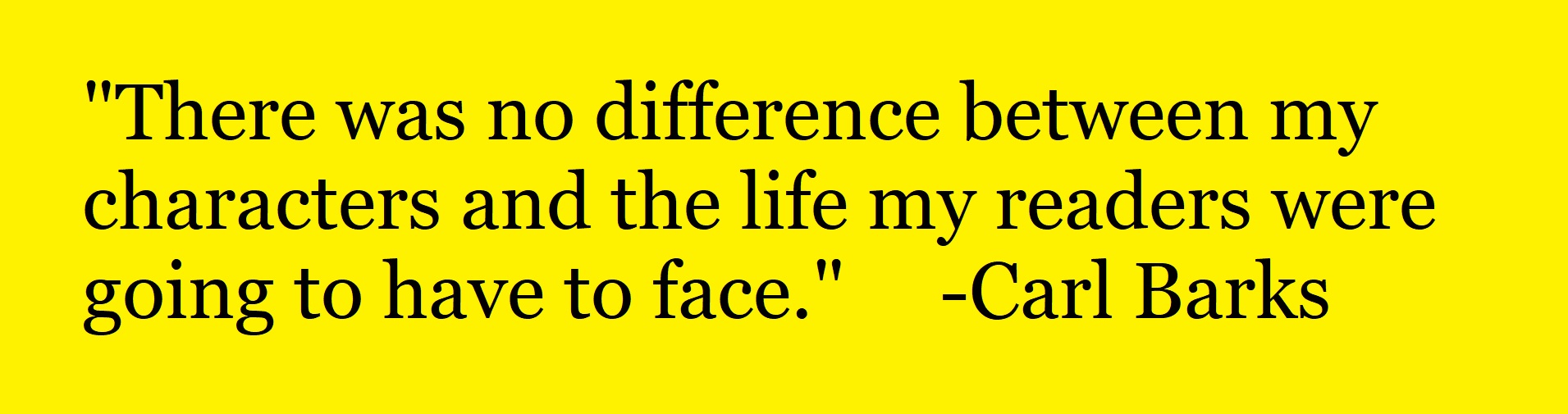
Carl was not immune to criticism. Cartoonists get blowback, a fact of life. But he overcame it with a wry sense of humor and interesting views of how you pursue goals in life. He had a firm sense of fair play and justice. You could get actual morals to the stories in a Carl Barks’ duck cartoon.

The characters were not perfect. They all had glaring flaws, the heroes right along with the villains. Of course, the villains never learned to change their ways, while the heroes often learned to improve themselves by working on the weaknesses, and it wasn’t all about becoming a gazillionaire (a term I think Barks may have invented).

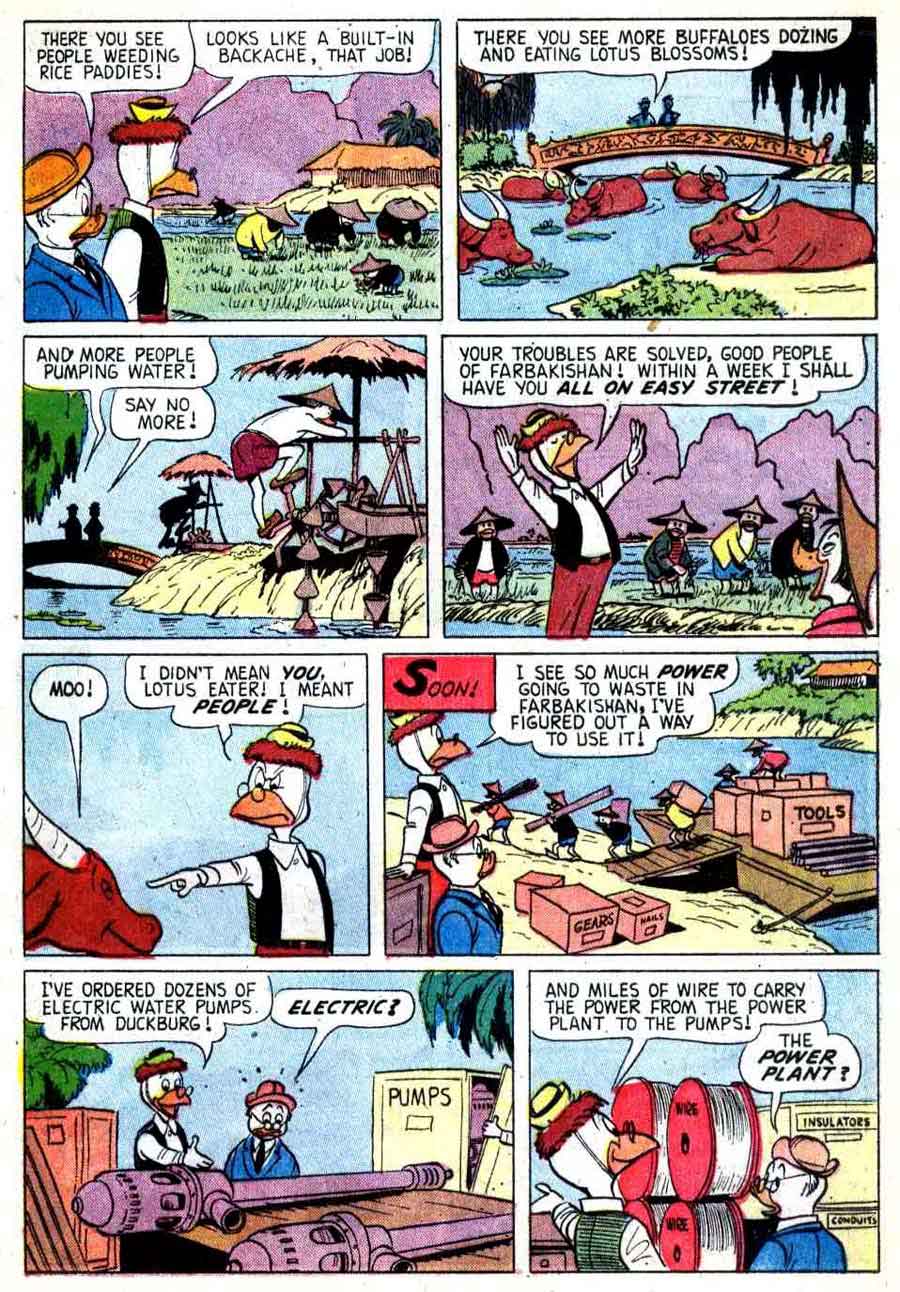
I even learned a good deal about adventure story-telling from Carl Barks’ comic books about Duck people doing ducky stuff that was really about people doing people-y stuff in the real world. Yes, people in the world around me are very Carl Barks’ ducky.

So, happy birthday, Carl. 121 years young. And he’s only been gone from our world since August of 2000. He still talks to me and teaches me through his Duck comics.

Leave a comment

Filed under artists I admire, autobiography, comic book heroes, goofy thoughts, humor

The Ultra-Mad Madness of Don Martin

1629093

Born in 1931 and lasting in this crazy, mixed-up world until the year 2000, Don Martin was a mixy, crazed-up cartoonist for Mad Magazine who would come to be billed as “Mad Magazine’s Maddest Artist.”    His greatest work was done during his Mad years, from 1956 (the year I was born… not a coincidence, I firmly believe) until his retirement in 1988.  And I learned a lot from him by reading his trippy toons in Mad from my childhood until my early teacher-hood.

51205-8482-67413-1-don-martin


His style is uniquely recognizable and easily identifiable.  Nobody cartoons a Foon-man like Don Martin.

The googly eyes are always popped in surprise.  The tongue is often out and twirling.  Knees and elbows always have amazingly knobbly knobs.  Feet have an extra hinge in them that God never thought of when he had Adam on the drawing board.

And then there is the way that Martin uses sound effects.  Yes, cartoons in print don’t make literal sounds, but the incredible series of squeedonks and doinks that Martin uses create a cacophony of craziness in the mind’s ear.

don-martin-mad-magazine-june-1969

And there is a certain musicality in the rhyming of the character names he uses.  Fester Bestertester was a common foil for slapstick mayhem, and Fonebone would later stand revealed by his full name, Freenbeen I. Fonebone.

116

And, of course, one of his most amazingly adventurous ne’er-do-well slapstick characters was the immeasurable Captain Klutz!

Here, there, and everywhere… on the outside he wears his underwear… it’s the incredible, insteadable, and completely not edible… Captain Klutz!

cap_klutz1_bc

If you cannot tell it from this tribute, I deeply love the comic genius who was Don Martin, Mad Magazine’s Maddest Artist.  Like me he was obsessed with nudists and drawing anatomy.  Like me he was not above making up words with ridiculous-sounding syllables.  And like me he was also a purple-furred gorilla in a human suit… wait!  No, he wasn’t, but he did invent Gorilla-Suit Day, where people in gorilla suits might randomly attack you as you go about your daily life, or gorillas in people suits, or… keep your eye on the banana in the following cartoon.

Kg2GZRM

So, even though I told you about Bruce Timm and Wally Wood and other toon artists long before I got around to telling you about Don Martin, that doesn’t mean I love them more.  Don Martin is wacky after my own heart, and the reason I spent so much time immersed in Mad Magazine back in the 60’s, 70’s, and 80’s.

9ce65a0ded2754c6d00079b1eb772179


Leave a comment

Filed under artists I admire, artwork, cartoon review, cartoons, comic book heroes, goofiness, humor, illustrations

Milt Caniff

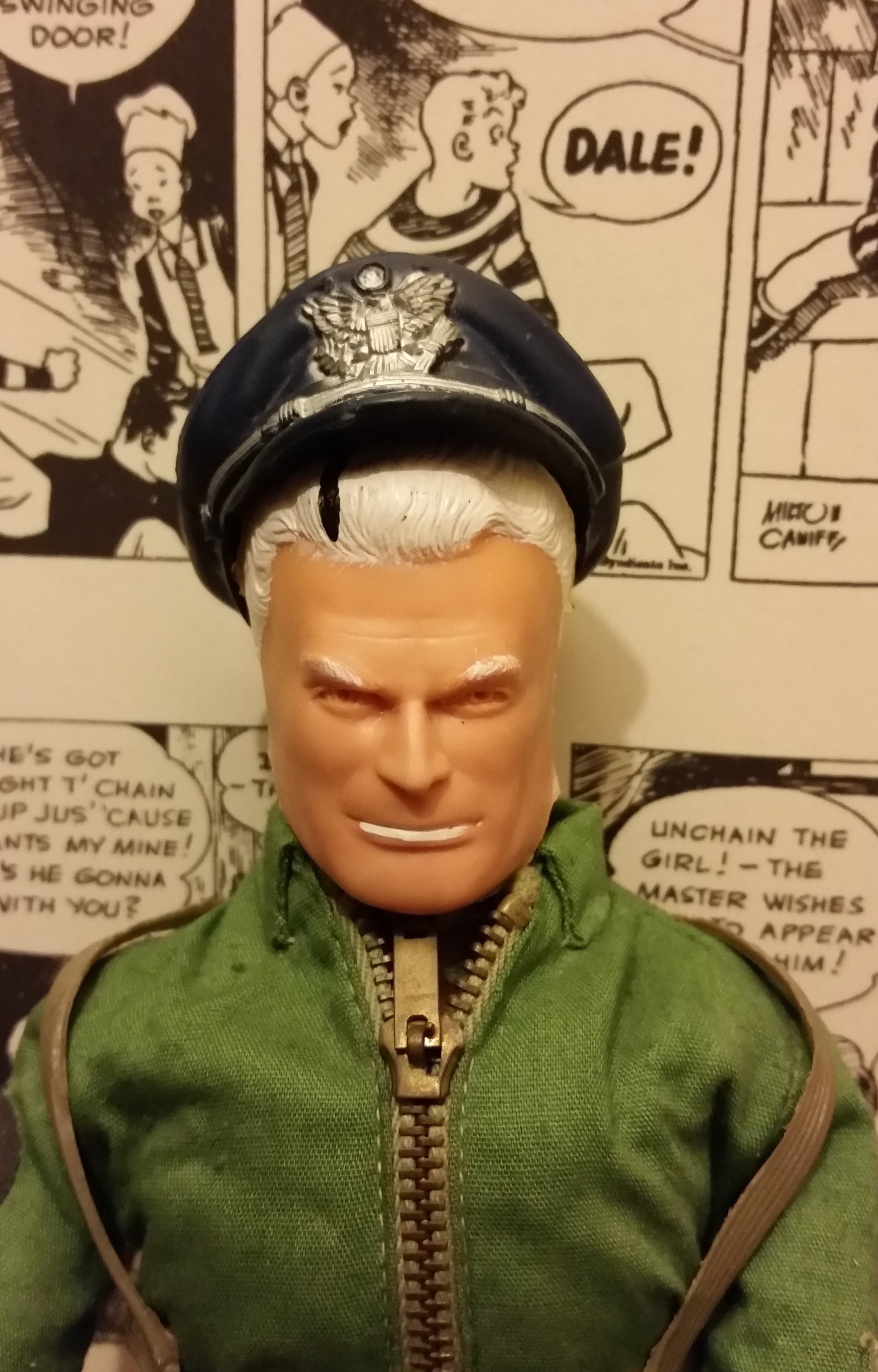
20160319_150610

My 1967 Captain Action Steve Canyon action figure.

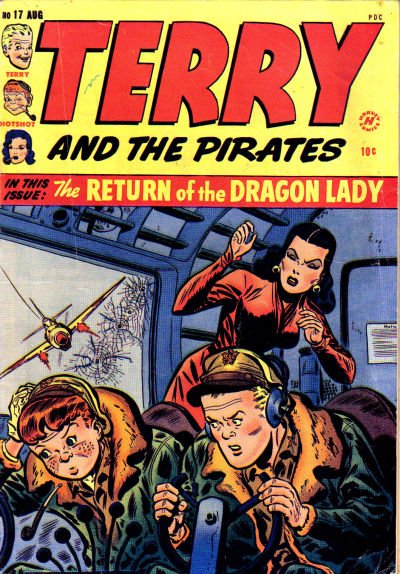
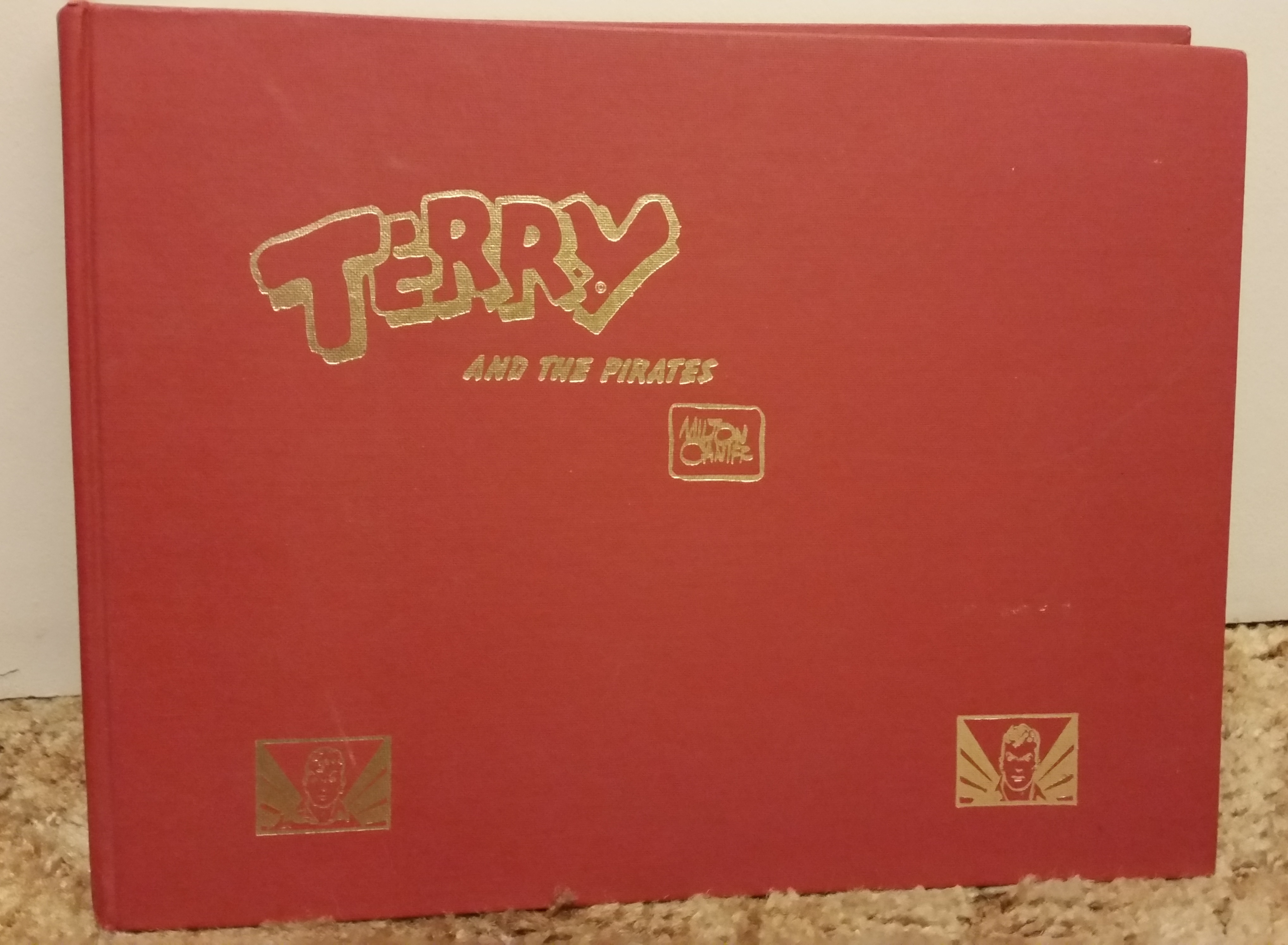
I have always been a deeply devoted fan of the Sunday funnies.  And one of the reasons I read the comics religiously was the work of Milt Caniff.  His comic strips, Terry and the Pirates, Male Call, and Steve Canyon set a standard for the age of action comics and adventure strips.

I read his comics in the 1960’s and 1970’s and always it was Steve Canyon.  But this, of course, was not his first strip.  I would discover in my college years the wonders of Terry and the Pirates.  When Caniff started the strip before World War II, he set it in China, but actually knew nothing about China.  So he did research.  He learned about people who became oriental hereditary pirate families and organizations.  He learned to draw authentic Chinese settings.  His comedy relief characters, Connie and the Big Stoop, were rather racist parodies of Chinamen and were among the reasons that the original strip had to mature into his later work in Steve Canyon.  But perhaps the most enduring character from the strip was the mysterious pirate leader known as the Dragon Lady.

20160319_150434

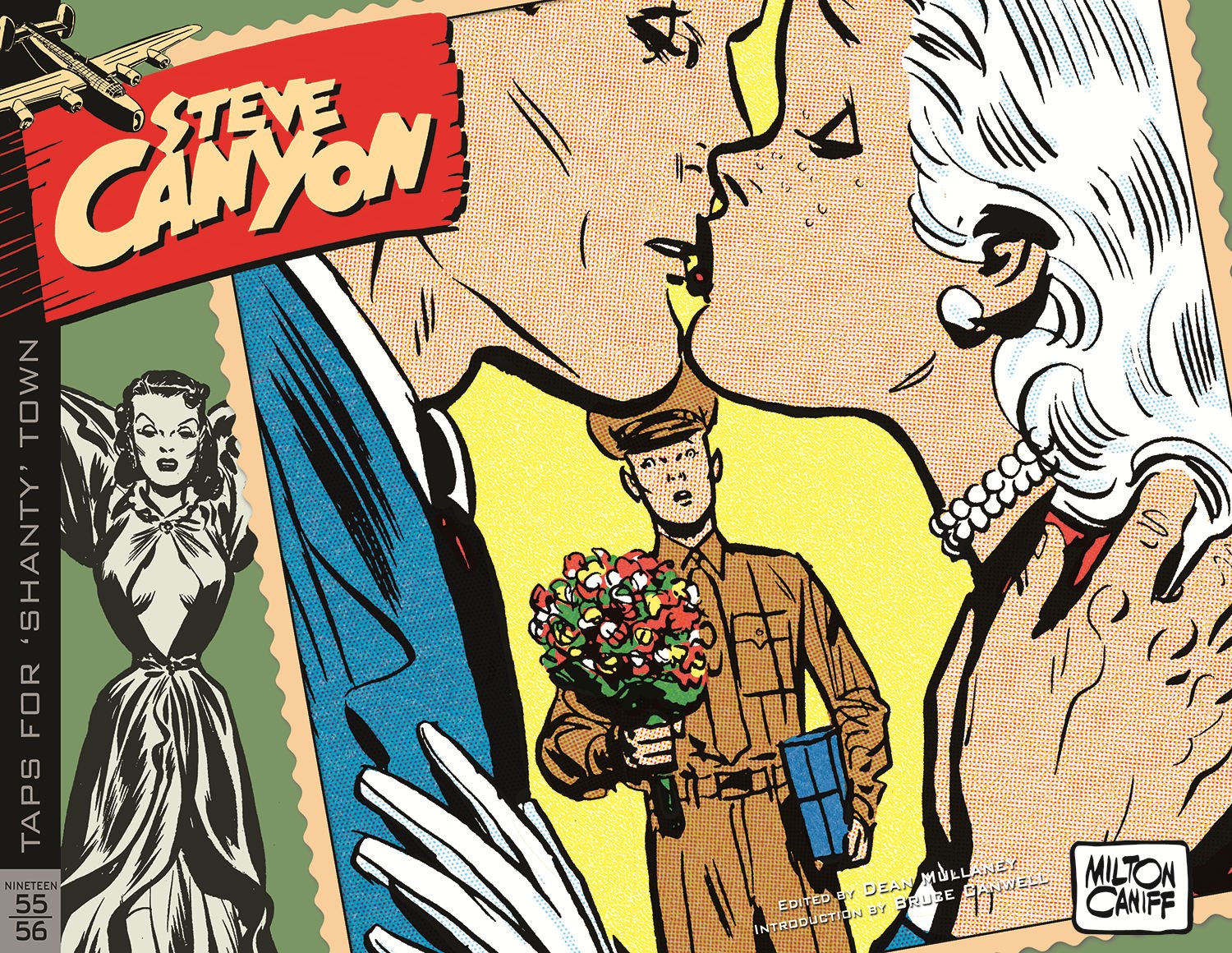
Steve Canyon is a fascinating study in the comic arts.  When he left the Terry and the Pirates strip in 1946, it went on without him.  It was owned by the Chicago Tribune-New York Daily News distribution syndicate, not Caniff himself.  Steve Canyon would change that.  He created it and owned it himself, making Caniff one of only two or three comics artists who actually owned their own creations.  Canyon started out as a civilian pilot, but enlisted in the Air Force for the Korean War and would remain in the Air Force for the remainder of the strip.  Some of the characters in the strip were based on real people.  His long-time friend Charlie Russhon, a former photographer and Lieutenant in the Air Force who went on to be a technical adviser for James Bond films was the model for the character Charlie Vanilla, the man with the ice cream cone.  Madame Lynx was based on the femme fatale spy character played by Illona Massey in the 1949 Marx Brothers’ movie Love Happy.  Caniff designed Pipper the Piper after John Kennedy and Miss Mizzou after Marilyn Monroe.

919SuB6Z59L

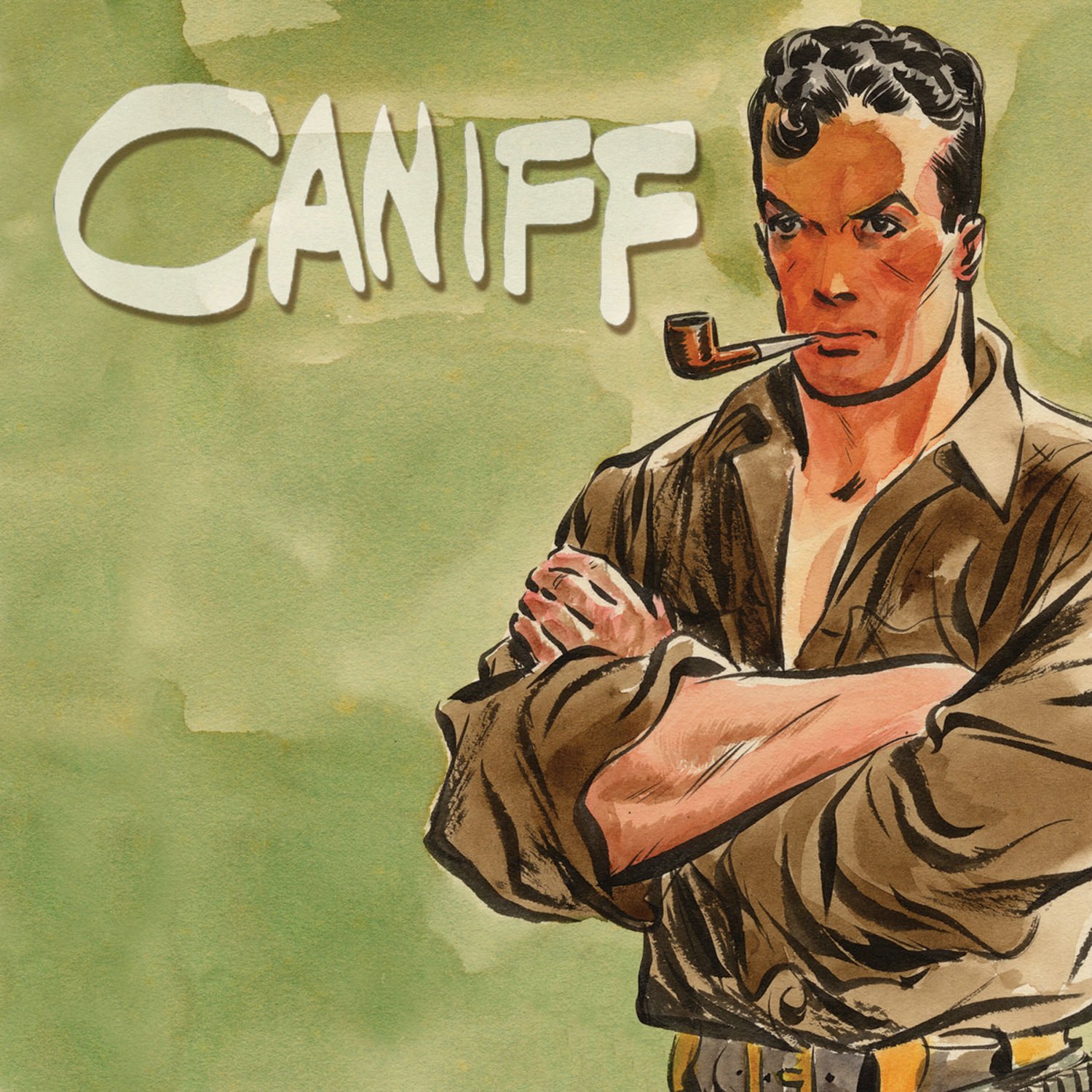
I am not the only cartoonist who was taken with the work of Milt Caniff.  The effects of his ground-breaking work can be seen to influence the works of comic artists like Jack Kirby, Bob Kane, John Romita Sr., and Doug Wildey.  If you are anything like the comic book nut I am, than you are impressed by that list, even more so if I listed everyone he influenced.  Milt Caniff was a cartoonists’ cartoonist.  He was one of the founders of the National Cartoonists’ Society and served two terms as its president in 1948 and 1949.  He is also a member of the Will Eisner Comic Book Hall of Fame.

81rkUIHYHJL

Leave a comment

Filed under action figures, comic strips, commentary, inspiration

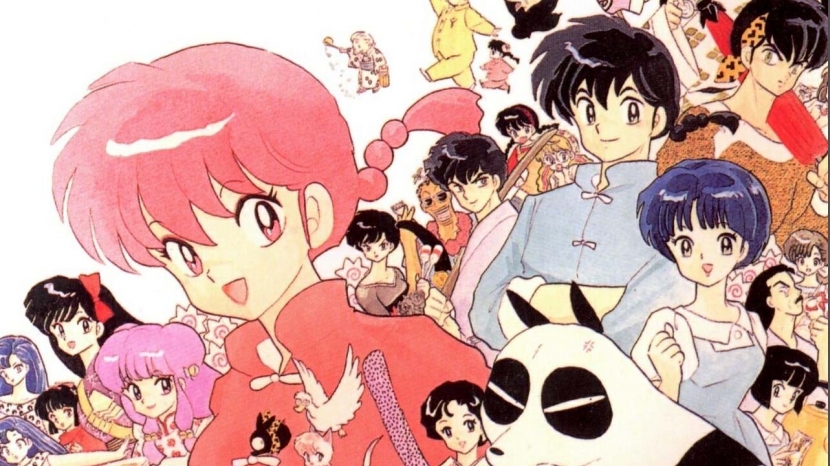
RumikoTakahashi

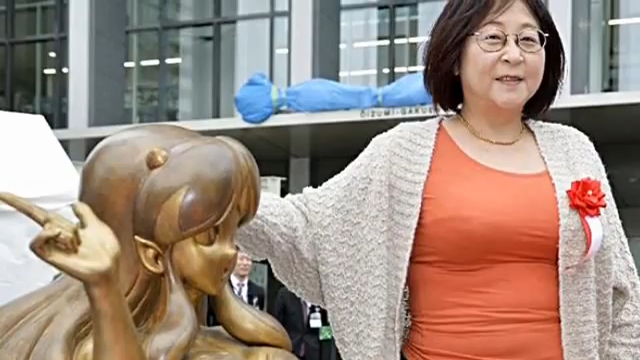
Yesterday I used a Paffooney I had stolen to illustrate my gymnasium adventures, and in the caption I gave credit to the wonderful comic artist I shamelessly copied it from.  The second imitation Takahashi that I did yesterday is now displayed next to it above.  I am now compelled to explain about my goofy, sideways obsession with Anime and Manga, the cartoons from Japan.  I love the art style.  I have since I fell in love with Astroboy Anime as a child in Iowa.  Rumiko Takahashi is almost exactly one year younger than me.  As a cartoonist she is light years more successful than me.  She has been crafting pen and ink masterpieces of goofy story-telling longer than I have been a teacher.

lumstatue1

Her artwork is a primary reason I have been so overly-enamored of the Japanese Manga-cartoon style.  I love the big eyes, the child-like features of even adult characters, the weird poses and still-weirder comic art conventions of this culture from practically a different planet.  She has created comic series that are immensely popular in Japan, and have even put down sturdy roots in this country, especially with young adults since the 80’s.  She is the world’s number one best-selling female comics artist.

Just as we Westerners have to accept numerous ridiculous things to appreciate the stories told in American comics (for instance, brawny heroes running around in tights with their underwear on the outside of their pants, nearly naked ladies with super powers diving into battle next to men encased in armored suits, and talking animals), the Manga-minded must also practice a bizarre form of the willing suspension of disbelief.  In Ranma 1/2, the main character is a boy marshal artist who turns into a girl when splashed with cold water.  Much of the romantic comedy of that work revolves around boys and old men finding themselves in the bath house next to naked young girls.  For some reason that sort of naked surprise causes the boys to spout fountain-like nosebleeds.  In Inu-Yasha the whole thing is about fighting demons with swords.  Inu-Yasha himself is part demon.  Apparently part-demon is a good thing to be.  Japanese villains are spectacularly susceptible to fits of crying rage and tantrums.  And everybody looks more like American white people than orientals.  Oh, and there are talking animals.

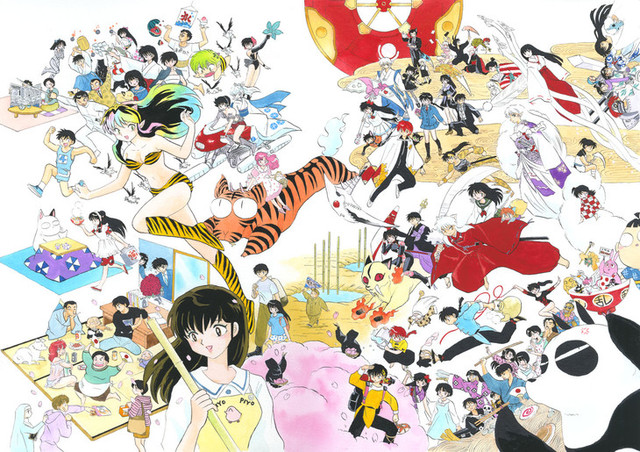
Rumiko is a master of pen and ink.  Here is a sample of of her black and white work.

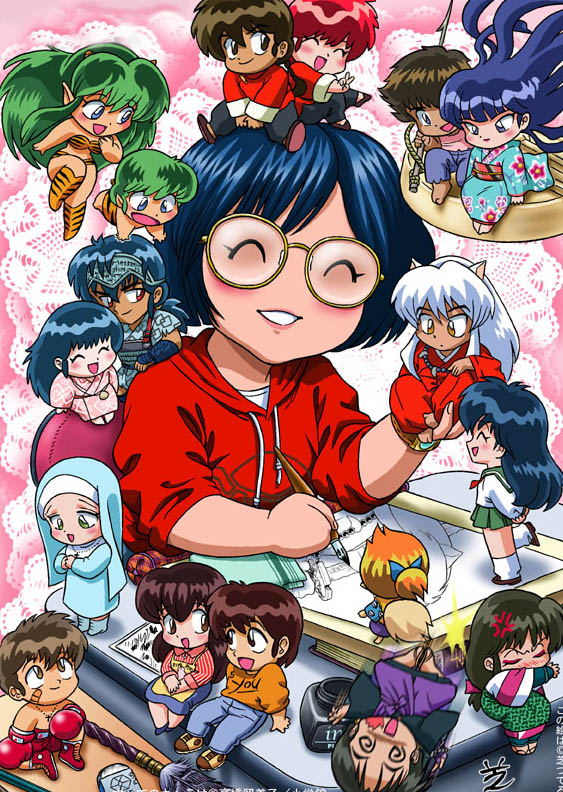
And she does color well too.

6976529_orig

The little people are a special style of Manga character called a Chibi, and all regular Manga characters can turn into one at any moment.

b10674ff244da5bae98e0296cd7e09b41437155319_full

0

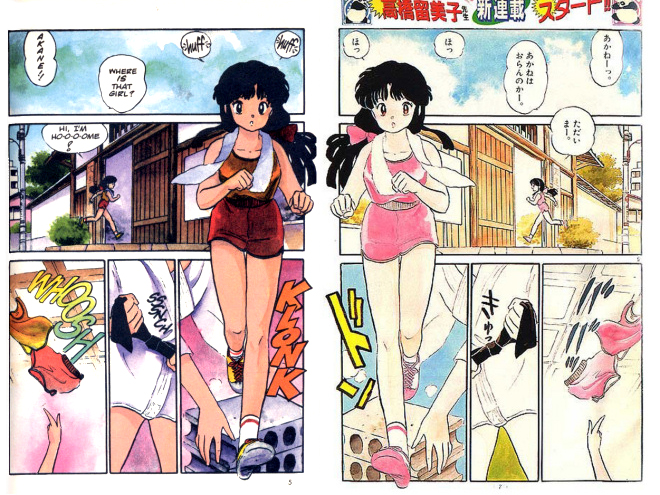
And, of course, to read actual Manga you have to master reading backwards.  Americans read left to right.  The Japanese read right to left.  You have to open a Japanese book in a manner that seems both backwards and upside down.

chapter1large

This illustration shows how American publishers flip Japanese comics to make them more accessible to American audiences.

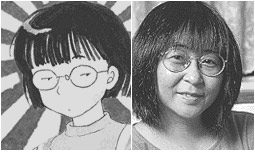
So now, by uncovering the fact that I am addicted to and seriously affected by Japanese cartoons, you have one more bit of evidence to present to a jury in case you decide Mickey needs to be locked up and medicated for a while.  Japanese comics are a world of great beauty, but also a world unto themselves.  It is an acquired taste that has to be considered carefully.  And of all the many marvelous Manga makers, Rumiko Takahashi is the one I love the best.

Rumiko_Takahashi_18050

Leave a comment

Filed under anime, artwork, cartoons, humor, Paffooney

The Ultra-Mad Madness of Don Martin

1629093

Born in 1931 and lasting in this crazy, mixed-up world until the year 2000, Don Martin was a mixy, crazed-up cartoonist for Mad Magazine who would come to be billed as “Mad Magazine’s Maddest Artist.”    His greatest work was done during his Mad years, from 1956 (the year I was born… not a coincidence, I firmly believe) until his retirement in 1988.  And I learned a lot from him by reading his trippy toons in Mad from my childhood until my early teacher-hood.

51205-8482-67413-1-don-martin


His style is uniquely recognizable and easily identifiable.  Nobody cartoons a Foon-man like Don Martin.

The googly eyes are always popped in surprise.  The tongue is often out and twirling.  Knees and elbows always have amazingly knobbly knobs.  Feet have an extra hinge in them that God never thought of when he had Adam on the drawing board.

And then there is the way that Martin uses sound effects.  Yes, cartoons in print don’t make literal sounds, but the incredible series of squeedonks and doinks that Martin uses create a cacophony of craziness in the mind’s ear.

don-martin-mad-magazine-june-1969

And there is a certain musicality in the rhyming of the character names he uses.  Fester Bestertester was a common foil for slapstick mayhem, and Fonebone would later stand revealed by his full name, Freenbeen I. Fonebone.

116

And, of course, one of his most amazingly adventurous ne’er-do-well slapstick characters was the immeasurable Captain Klutz!

Here, there, and everywhere… on the outside he wears his underwear… it’s the incredible, insteadable, and completely not edible… Captain Klutz!

cap_klutz1_bc

If you cannot tell it from this tribute, I deeply love the comic genius who was Don Martin, Mad Magazine’s Maddest Artist.  Like me he was obsessed with nudists and drawing anatomy.  Like me he was not above making up words with ridiculous-sounding syllables.  And like me he was also a purple-furred gorilla in a human suit… wait!  No, he wasn’t, but he did invent Gorilla-Suit Day, where people in gorilla suits might randomly attack you as you go about your daily life, or gorillas in people suits, or… keep your eye on the banana in the following cartoon.

Kg2GZRM

So, even though I told you about Bruce Timm and Wally Wood and other toon artists long before I got around to telling you about Don Martin, that doesn’t mean I love them more.  Don Martin is wacky after my own heart, and the reason I spent so much time immersed in Mad Magazine back in the 60’s, 70’s, and 80’s.

9ce65a0ded2754c6d00079b1eb772179


Leave a comment

Filed under artists I admire, artwork, cartoon review, cartoons, comic book heroes, goofiness, humor, illustrations

Milt Caniff

20160319_150610

My 1967 Captain Action Steve Canyon action figure.

I have always been a deeply devoted fan of the Sunday funnies.  And one of the reasons I read the comics religiously was the work of Milt Caniff.  His comic strips, Terry and the Pirates, Male Call, and Steve Canyon set a standard for the age of action comics and adventure strips.

I read his comics in the 1960’s and 1970’s and always it was Steve Canyon.  But this, of course, was not his first strip.  I would discover in my college years the wonders of Terry and the Pirates.  When Caniff started the strip before World War II, he set it in China, but actually knew nothing about China.  So he did research.  He learned about people who became oriental hereditary pirate families and organizations.  He learned to draw authentic Chinese settings.  His comedy relief characters, Connie and the Big Stoop, were rather racist parodies of Chinamen and were among the reasons that the original strip had to mature into his later work in Steve Canyon.  But perhaps the most enduring character from the strip was the mysterious pirate leader known as the Dragon Lady.

20160319_150434

Steve Canyon is a fascinating study in the comic arts.  When he left the Terry and the Pirates strip in 1946, it went on without him.  It was owned by the Chicago Tribune-New York Daily News distribution syndicate, not Caniff himself.  Steve Canyon would change that.  He created it and owned it himself, making Caniff one of only two or three comics artists who actually owned their own creations.  Canyon started out as a civilian pilot, but enlisted in the Air Force for the Korean War and would remain in the Air Force for the remainder of the strip.  Some of the characters in the strip were based on real people.  His long-time friend Charlie Russhon, a former photographer and Lieutenant in the Air Force who went on to be a technical adviser for James Bond films was the model for the character Charlie Vanilla, the man with the ice cream cone.  Madame Lynx was based on the femme fatale spy character played by Illona Massey in the 1949 Marx Brothers’ movie Love Happy.  Caniff designed Pipper the Piper after John Kennedy and Miss Mizzou after Marilyn Monroe.

919SuB6Z59L

I am not the only cartoonist who was taken with the work of Milt Caniff.  The effects of his ground-breaking work can be seen to influence the works of comic artists like Jack Kirby, Bob Kane, John Romita Sr., and Doug Wildey.  If you are anything like the comic book nut I am, than you are impressed by that list, even more so if I listed everyone he influenced.  Milt Caniff was a cartoonists’ cartoonist.  He was one of the founders of the National Cartoonists’ Society and served two terms as its president in 1948 and 1949.  He is also a member of the Will Eisner Comic Book Hall of Fame.

81rkUIHYHJL

Leave a comment

Filed under action figures, comic strips, commentary, inspiration

RumikoTakahashi

Yesterday I used a Paffooney I had stolen to illustrate my gymnasium adventures, and in the caption I gave credit to the wonderful comic artist I shamelessly copied it from.  The second imitation Takahashi that I did yesterday is now displayed next to it above.  I am now compelled to explain about my goofy, sideways obsession with Anime and Manga, the cartoons from Japan.  I love the art style.  I have since I fell in love with Astroboy Anime as a child in Iowa.  Rumiko Takahashi is almost exactly one year younger than me.  As a cartoonist she is light years more successful than me.  She has been crafting pen and ink masterpieces of goofy story-telling longer than I have been a teacher.

lumstatue1

Her artwork is a primary reason I have been so overly-enamored of the Japanese Manga-cartoon style.  I love the big eyes, the child-like features of even adult characters, the weird poses and still-weirder comic art conventions of this culture from practically a different planet.  She has created comic series that are immensely popular in Japan, and have even put down sturdy roots in this country, especially with young adults since the 80’s.  She is the world’s number one best-selling female comics artist.

Just as we Westerners have to accept numerous ridiculous things to appreciate the stories told in American comics (for instance, brawny heroes running around in tights with their underwear on the outside of their pants, nearly naked ladies with super powers diving into battle next to men encased in armored suits, and talking animals), the Manga-minded must also practice a bizarre form of the willing suspension of disbelief.  In Ranma 1/2, the main character is a boy marshal artist who turns into a girl when splashed with cold water.  Much of the romantic comedy of that work revolves around boys and old men finding themselves in the bath house next to naked young girls.  For some reason that sort of naked surprise causes the boys to spout fountain-like nosebleeds.  In Inu-Yasha the whole thing is about fighting demons with swords.  Inu-Yasha himself is part demon.  Apparently part-demon is a good thing to be.  Japanese villains are spectacularly susceptible to fits of crying rage and tantrums.  And everybody looks more like American white people than orientals.  Oh, and there are talking animals.

Rumiko is a master of pen and ink.  Here is a sample of of her black and white work.

And she does color well too.

6976529_orig

The little people are a special style of Manga character called a Chibi, and all regular Manga characters can turn into one at any moment.

b10674ff244da5bae98e0296cd7e09b41437155319_full

0

And, of course, to read actual Manga you have to master reading backwards.  Americans read left to right.  The Japanese read right to left.  You have to open a Japanese book in a manner that seems both backwards and upside down.

chapter1large

This illustration shows how American publishers flip Japanese comics to make them more accessible to American audiences.

So now, by uncovering the fact that I am addicted to and seriously affected by Japanese cartoons, you have one more bit of evidence to present to a jury in case you decide Mickey needs to be locked up and medicated for a while.  Japanese comics are a world of great beauty, but also a world unto themselves.  It is an acquired taste that has to be considered carefully.  And of all the many marvelous Manga makers, Rumiko Takahashi is the one I love the best.

Rumiko_Takahashi_18050

Leave a comment

Filed under anime, artwork, cartoons, humor, Paffooney