
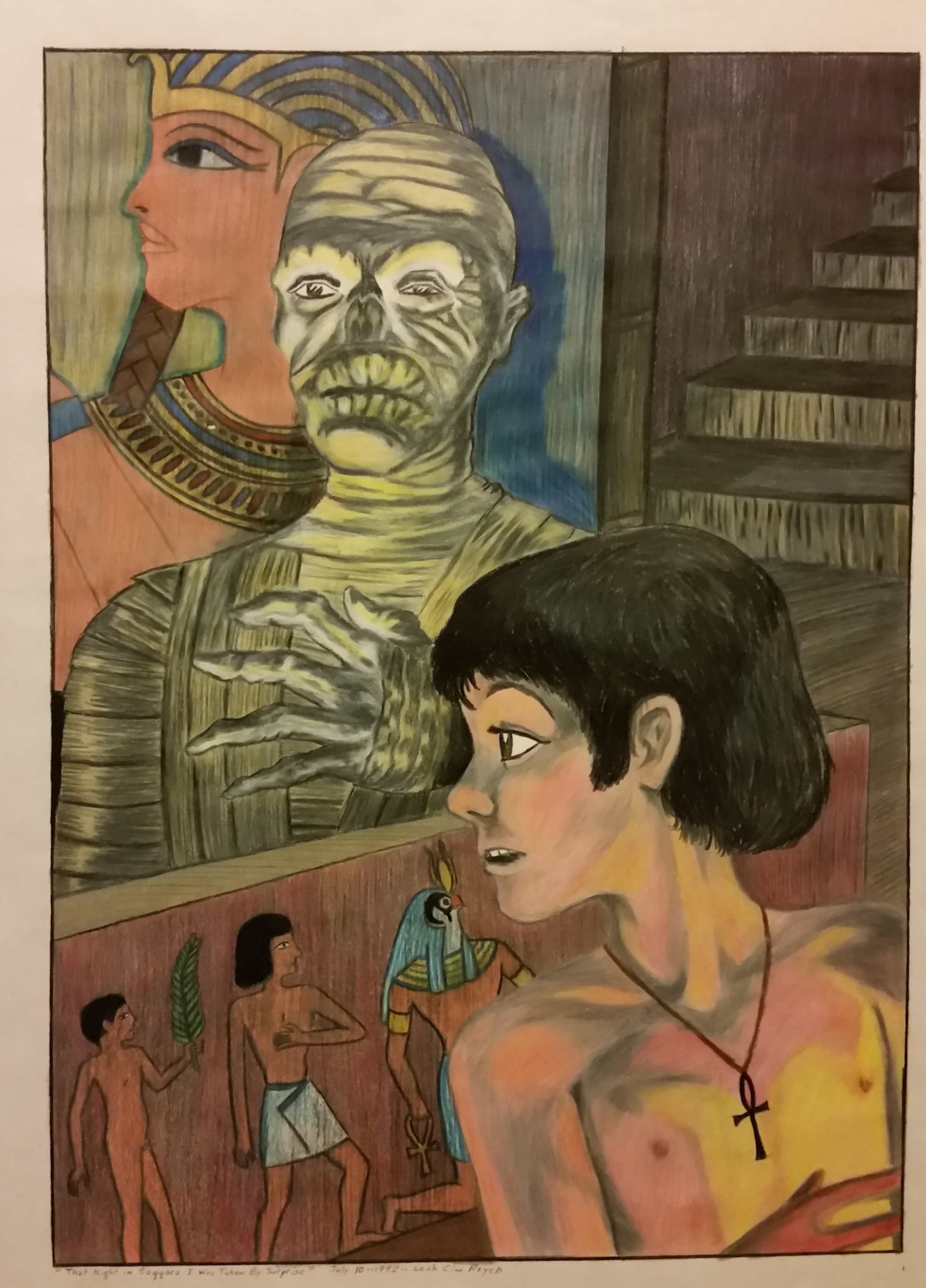
Life is never quite like the way it is in your head. Things you don’t believe are true will constantly surprise you with the reality they belt you over the head with at the most inopportune of times.
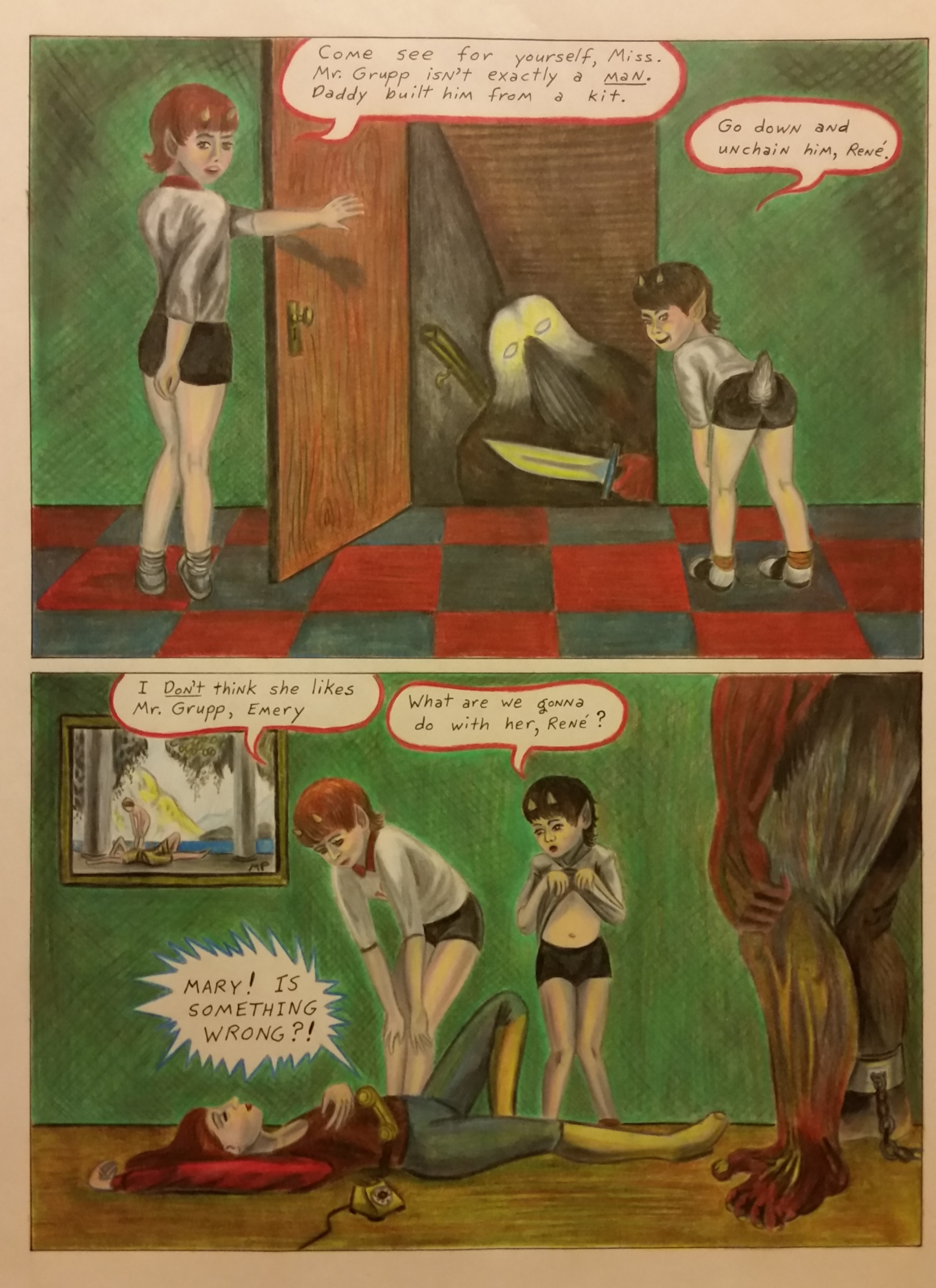
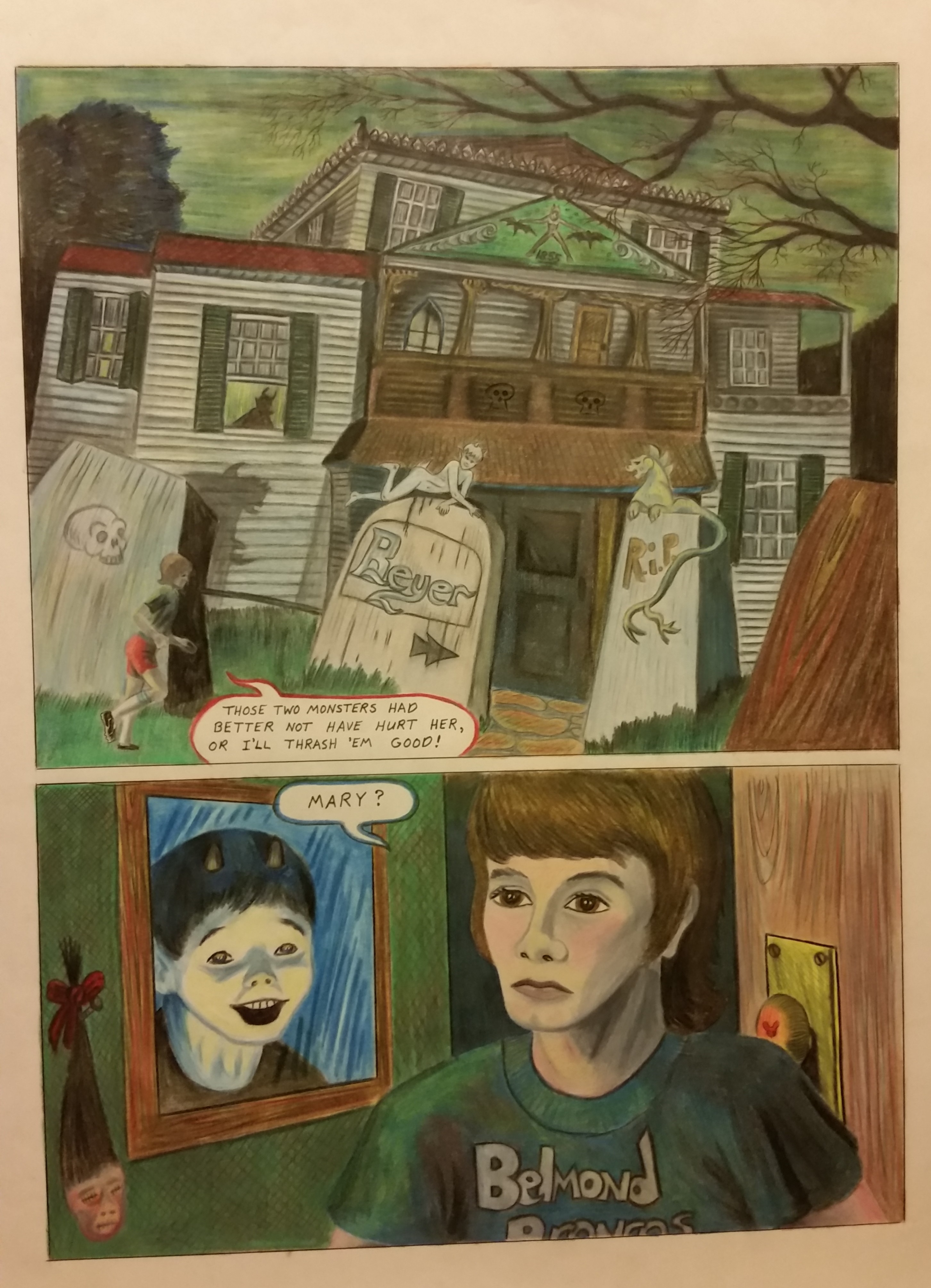
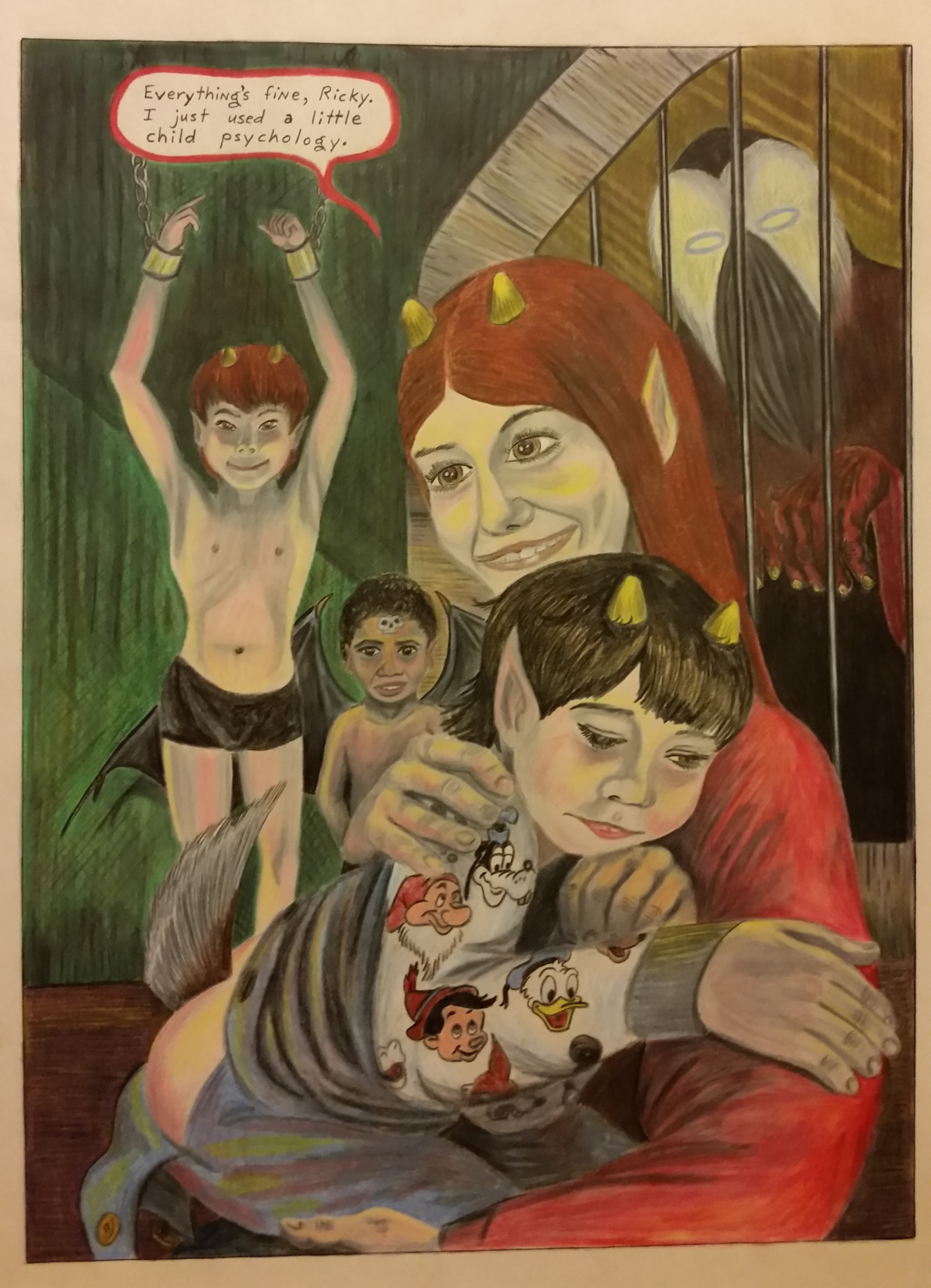
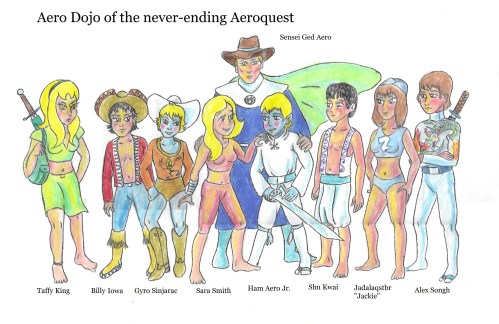
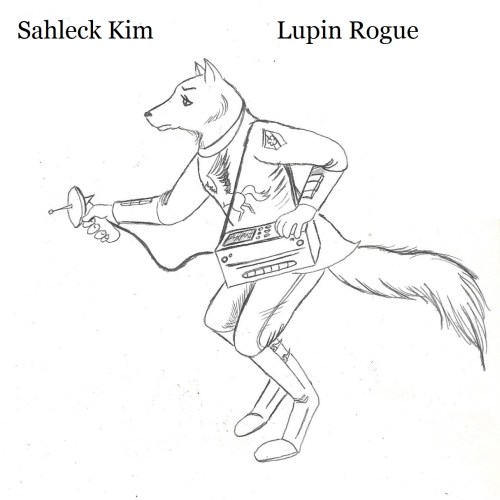
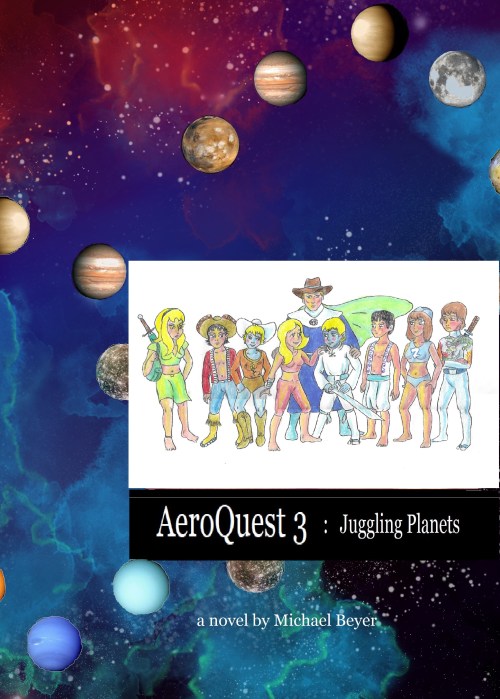
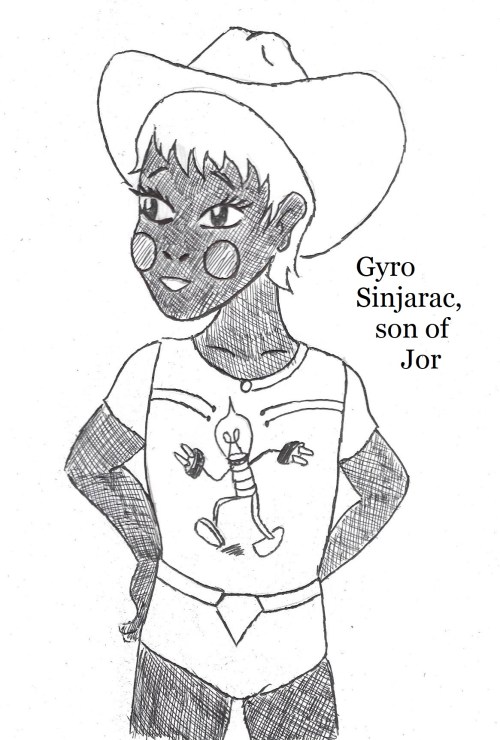
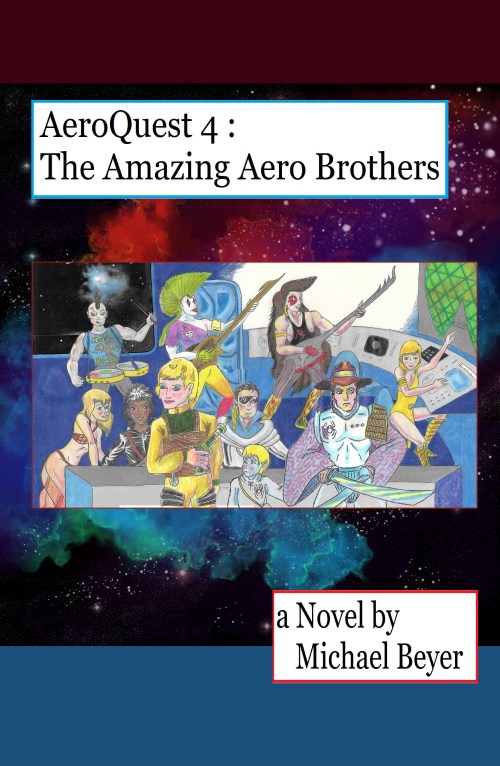
Today’s colored-pencil Paffooney masterpiece is a case in point. I never believed it was possible to take this good of a picture of it. It is a horror movie to try to light this picture so I can snap it with a camera and get a result with no fades or reflected glare. It was created in 1992, when I was really at the height of my colored-pencil cartoonist super-powers. The subtle lighting is so much better than I can convey with the arthritic turkey-claw hands I now use for such artwork. Torchlight in a pyramid is a hard thing to convey. And over time, this picture’s colored-pencil patina has become glossy and difficult to photograph without glare. It has subtle waves in the paper that photograph as shadowy valleys and reveal the two-dimensionality of the piece. You can still see them if you look closely. But it is far better than any previous photo. Go back and check my archives if you don’t believe me… or you wish to be bored to death with old posts that you have somehow managed to dodge before now.
But like Tanis in the Tomb, things always turn out to be surprisingly different in their reality than they were in your little mind’s eye when you went into that dark hole in the ground.
We were discussing this at lunch, my kids and I. We were talking about how Sims 3 portrays reality and how really surprising it can be when you realize that the game has got it right. When I walked all the way to the bottom of the stairs this morning before realizing that I had forgotten my shoes upstairs, I had to turn around and go all the way back upstairs. This, I am told, is exactly how it works in Sims 3. A character in the game cannot turn around on the stairs. If you change your mind halfway down, the character. or avatar I think they like to call them, must go all the way to the bottom to turn around and go back up. So obviously this morning, God was playing Sims 3 and using me as an avatar.
Now, I don’t really like to believe God plays video games with reality… but my son Henry brought up the Rolling Stones as proof. It is common knowledge that Keith Richards is an undead creature, having so completely altered the biochemical make-up of his entire body with drugs that he died in 1988 and still goes on tour because his brain has not yet fully registered the fact that he is dead. My son pointed out that in Sims 3 you can make your avatar all gray or green and zombie-looking and then play the game with your avatar walking around and doing all sorts of stuff without realizing he or she is dead. So, not only Keith Richards, but the entirety of the Rolling Stones, who are all skeletal old druggies who should’ve passed half a century ago, goes to prove that God is playing Sims 3 with the universe. My gasted is totally flabbered! And I hope this glimpse into the unholy truth has not ruined your day.















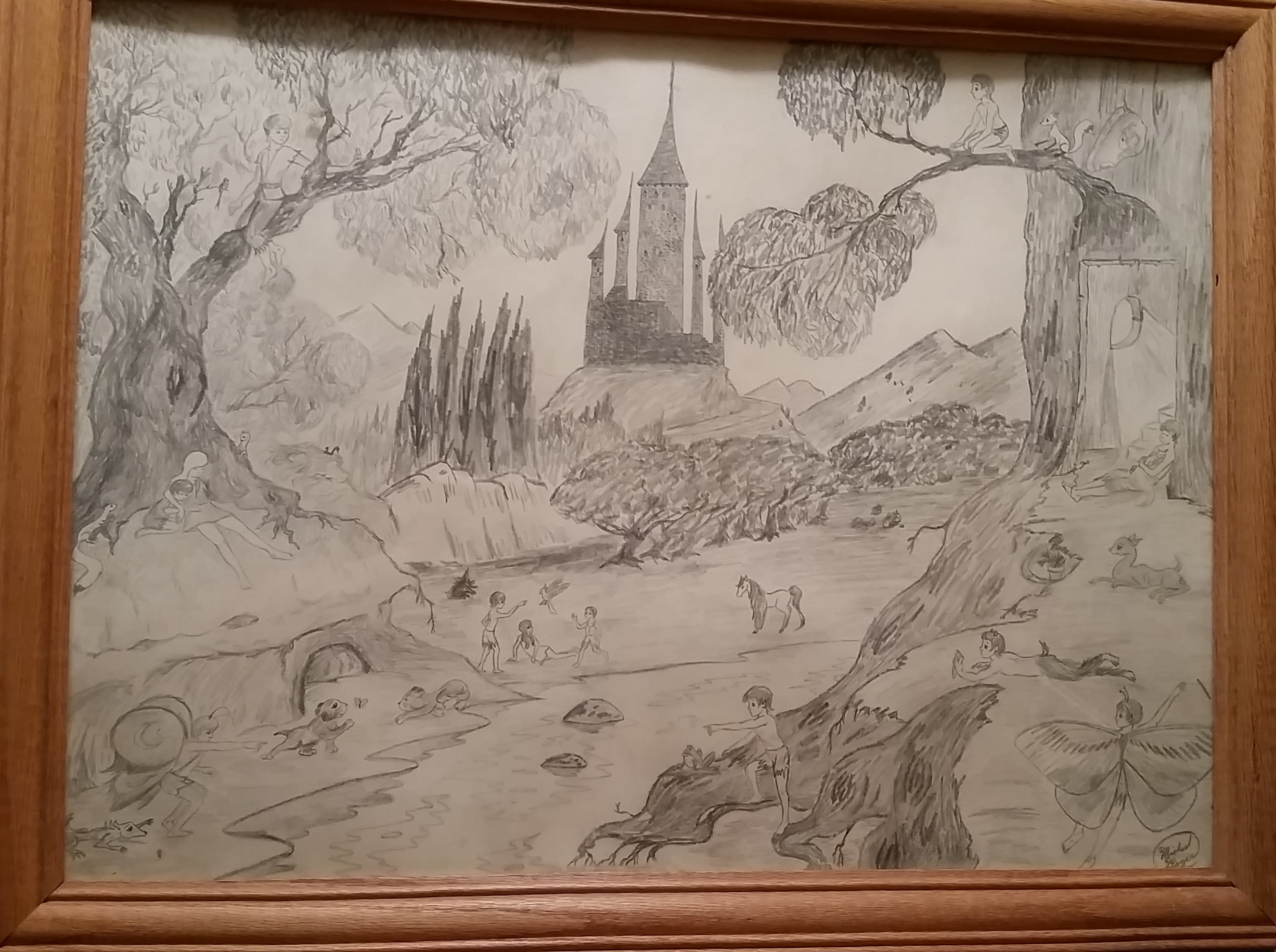
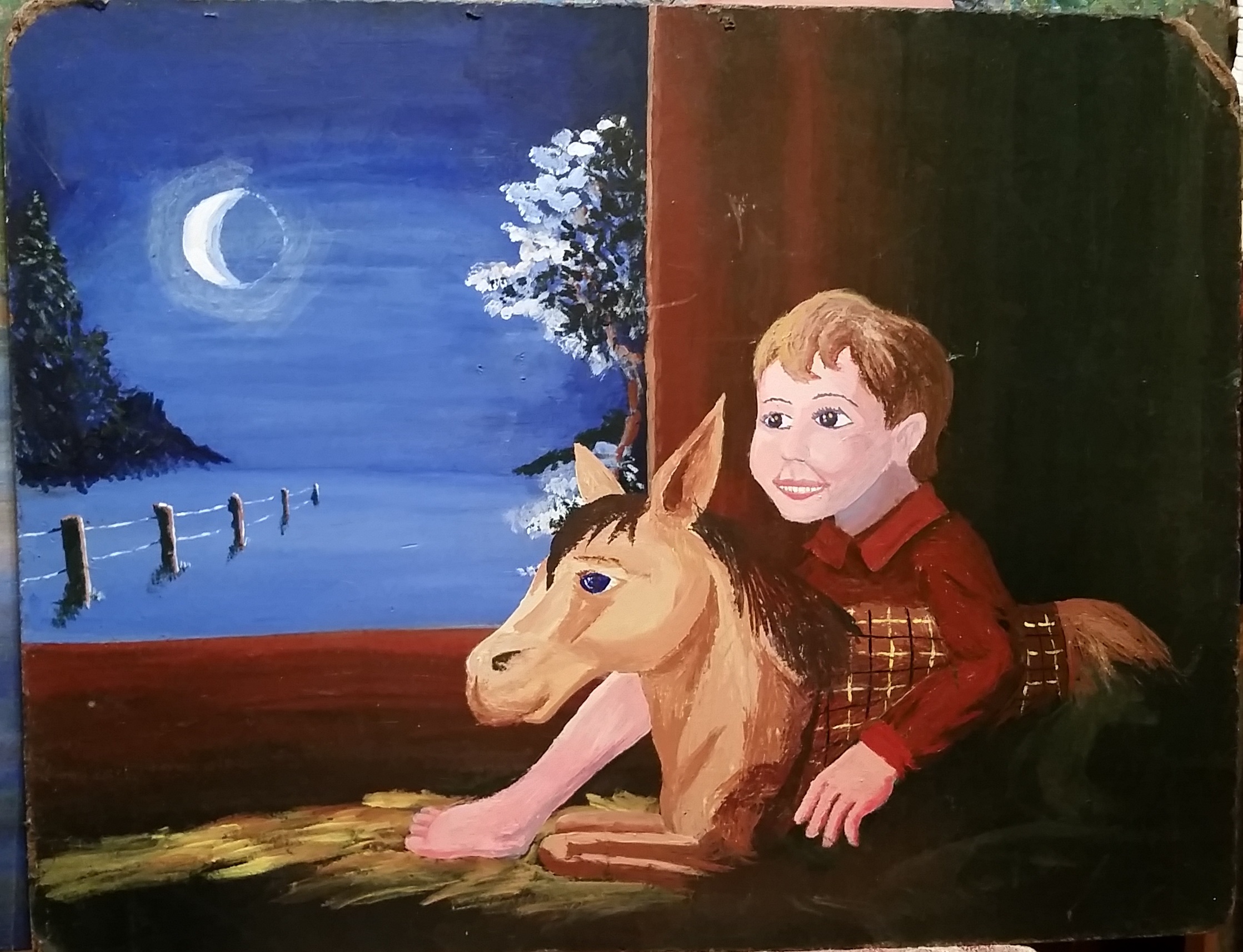
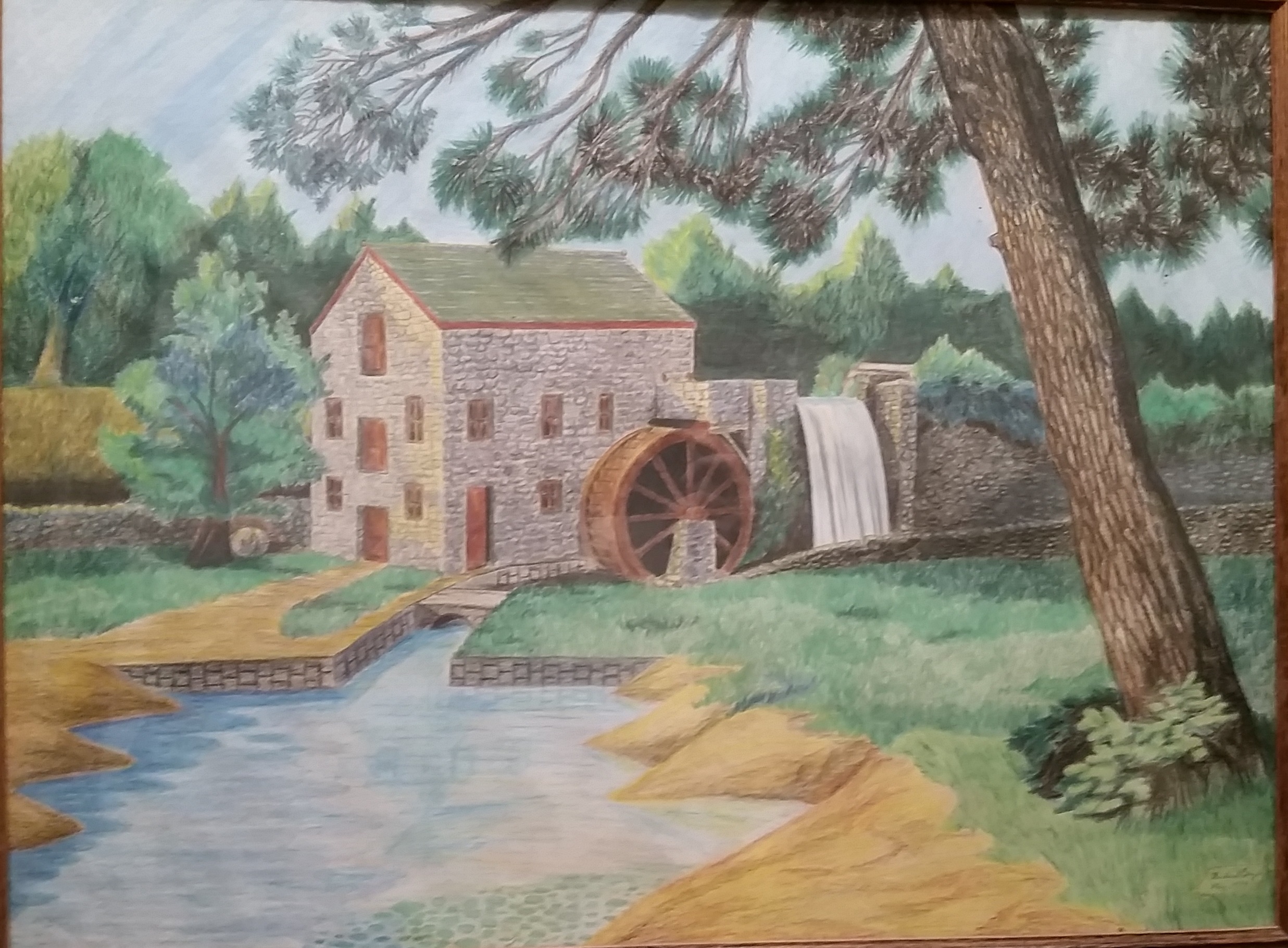
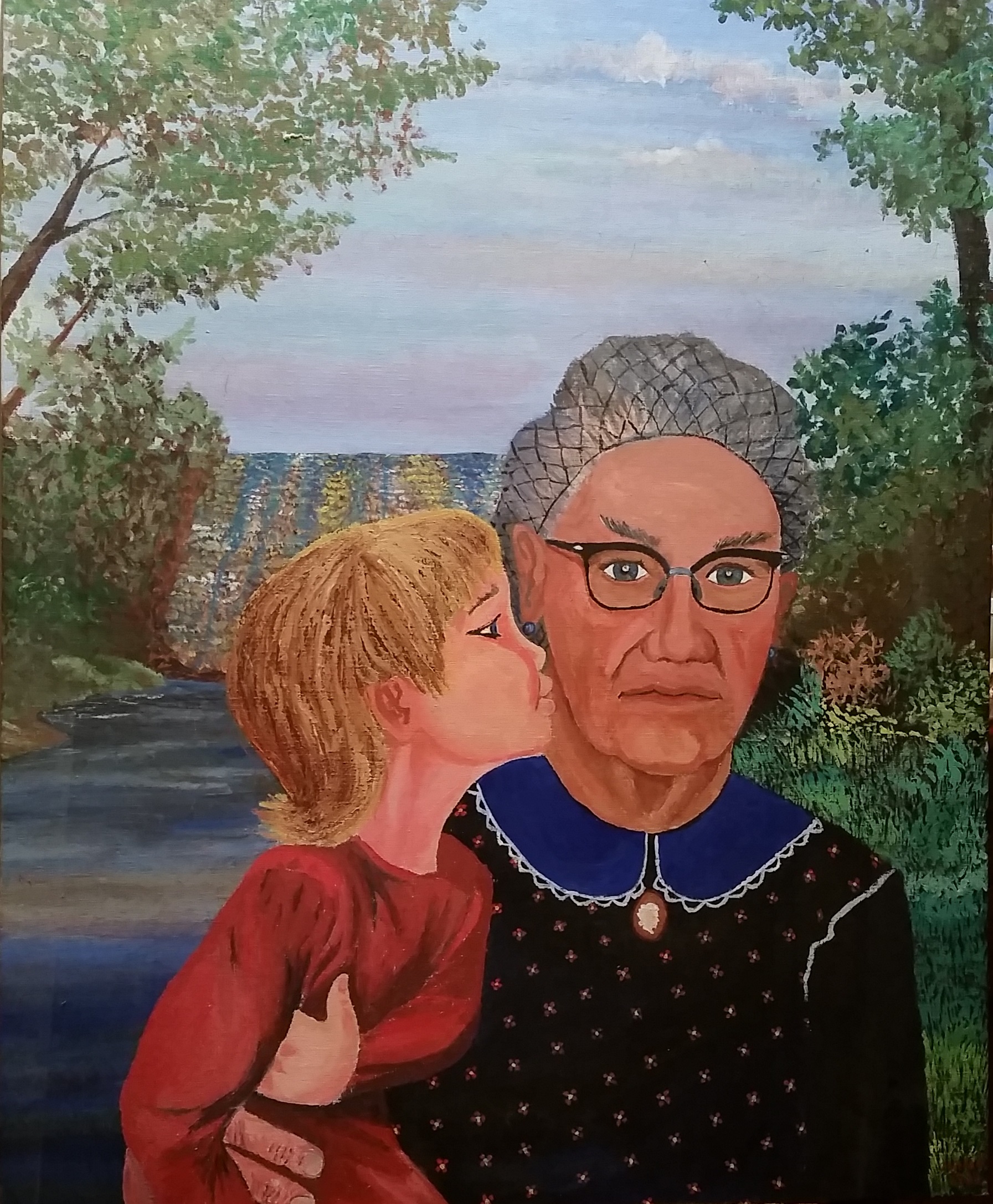




Stuff That Works
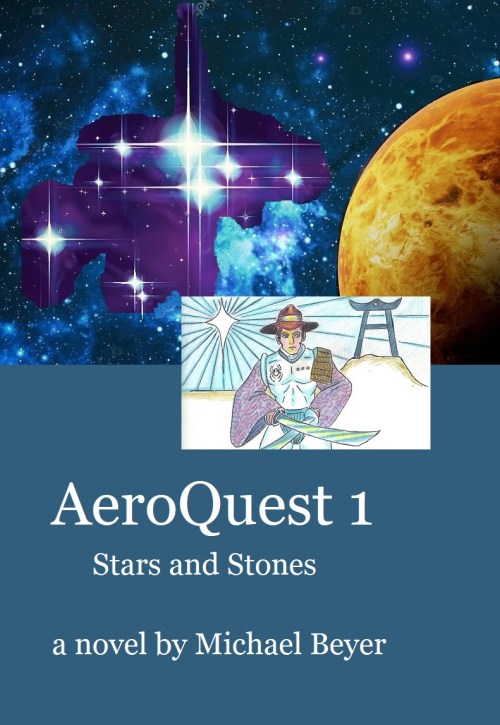
What makes people visit your blog and maybe even click “like”? I should tell you up front, I have no idea how best to navigate the crazy internet. I want to. I have a book to promote. I have ideas and experiences to share. I am a writer and I would like to make something more than excessive heartache out of being one. But how you actually go about it is still a mystery.
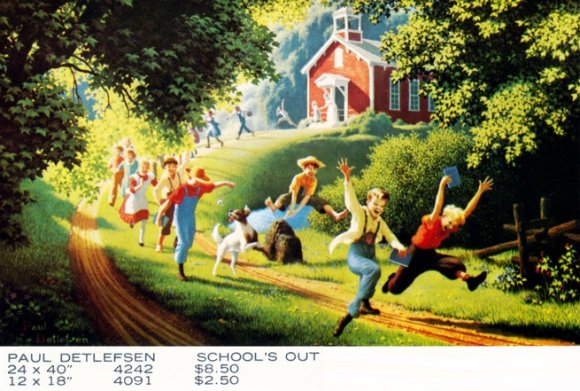
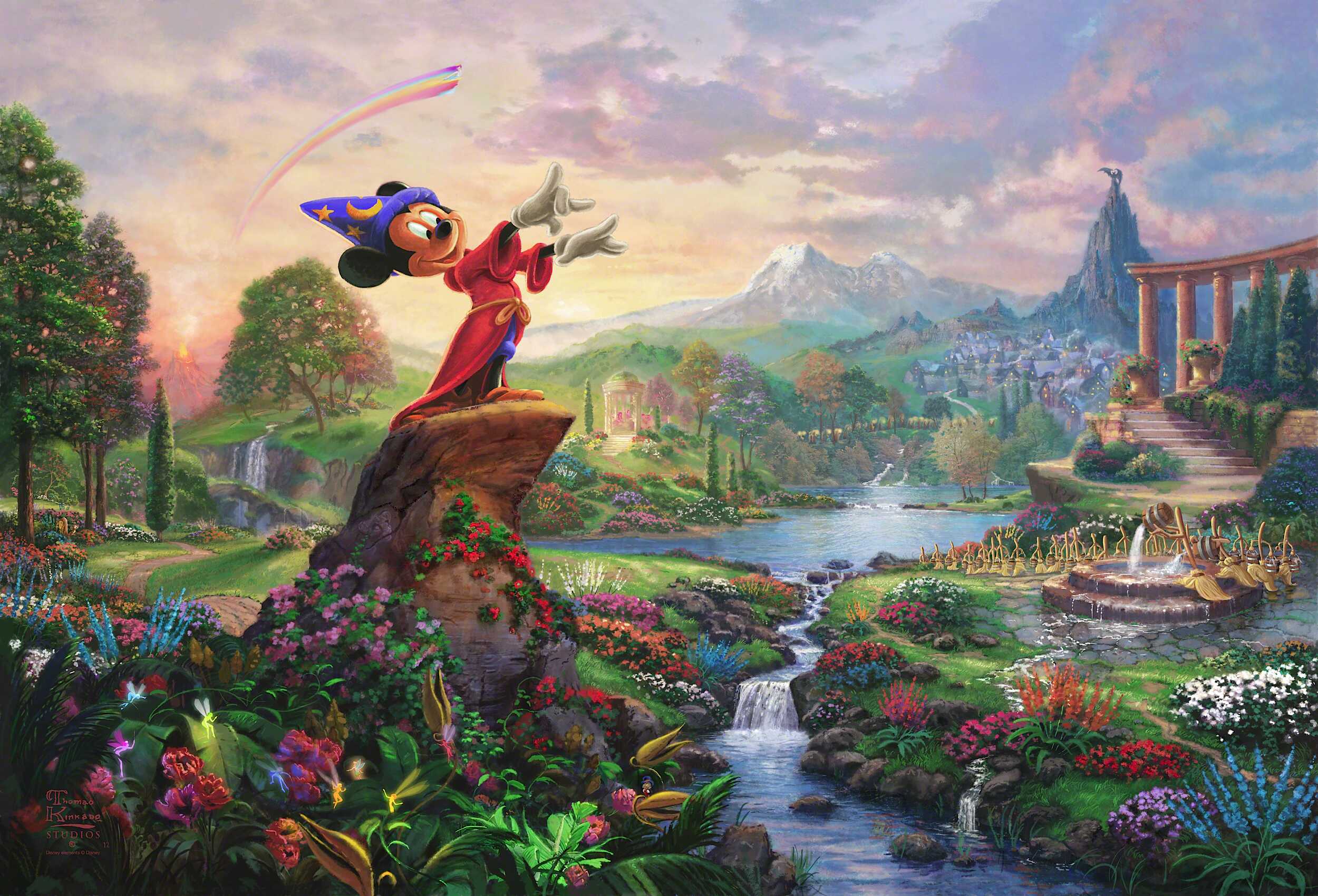
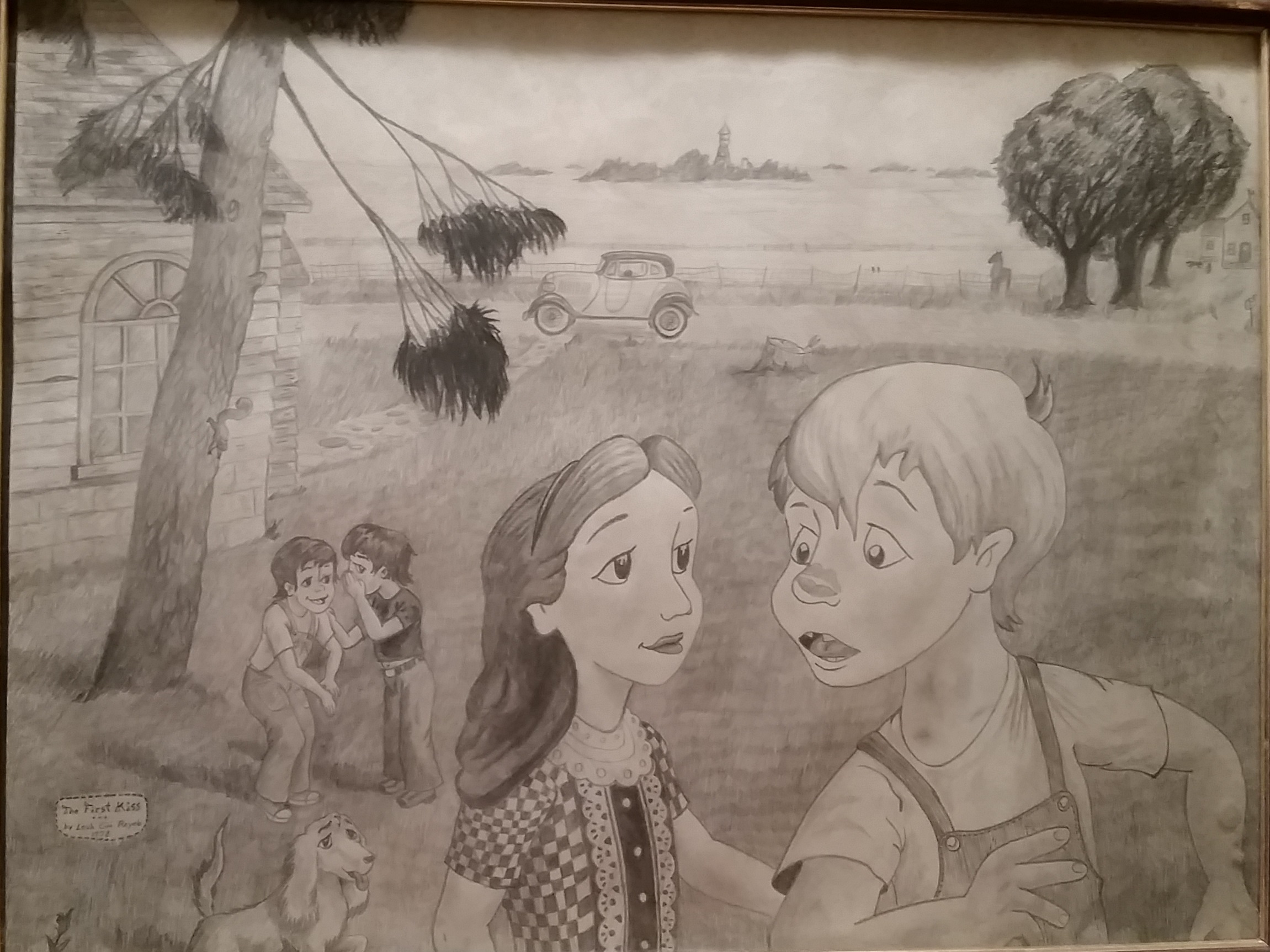
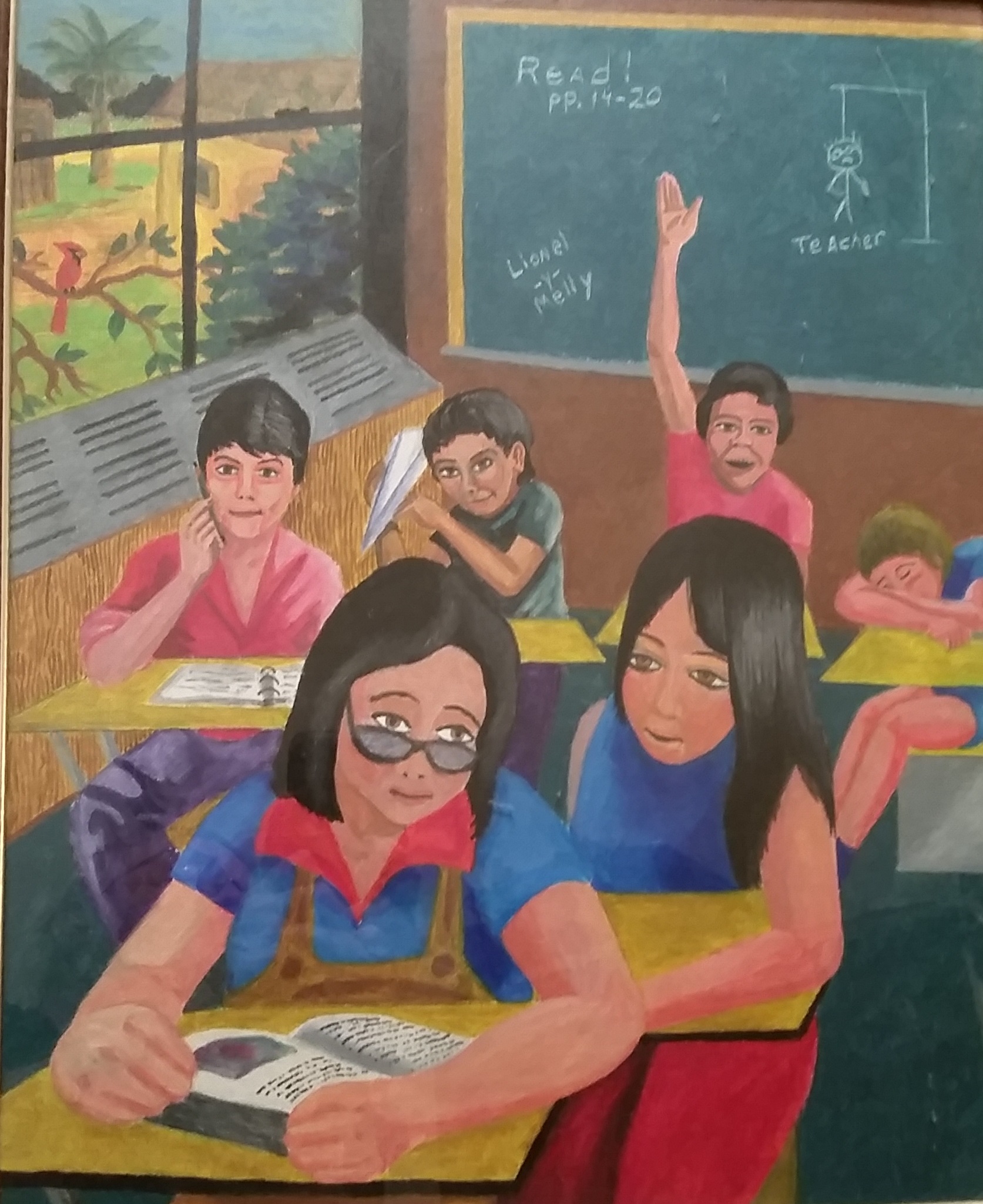
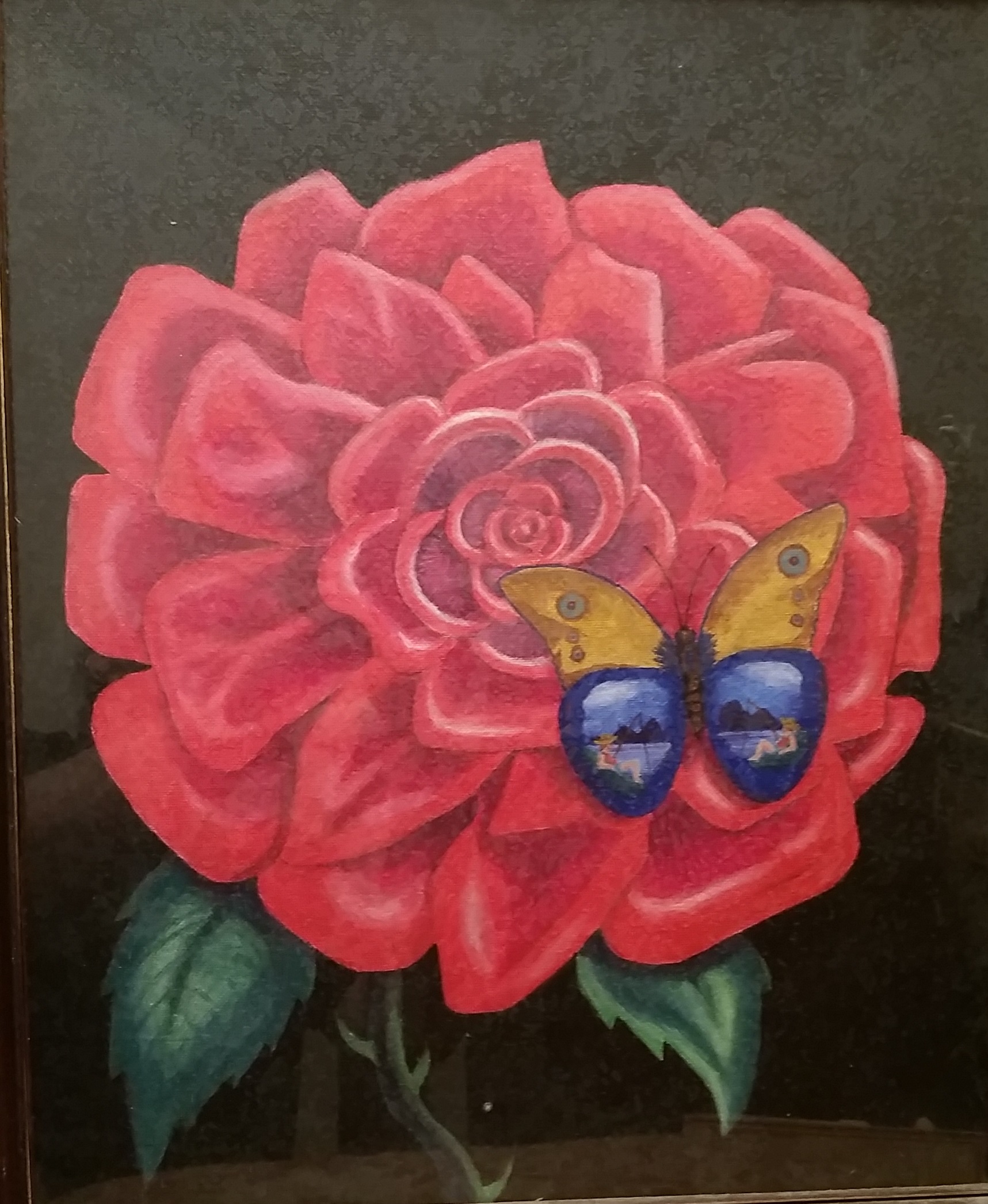
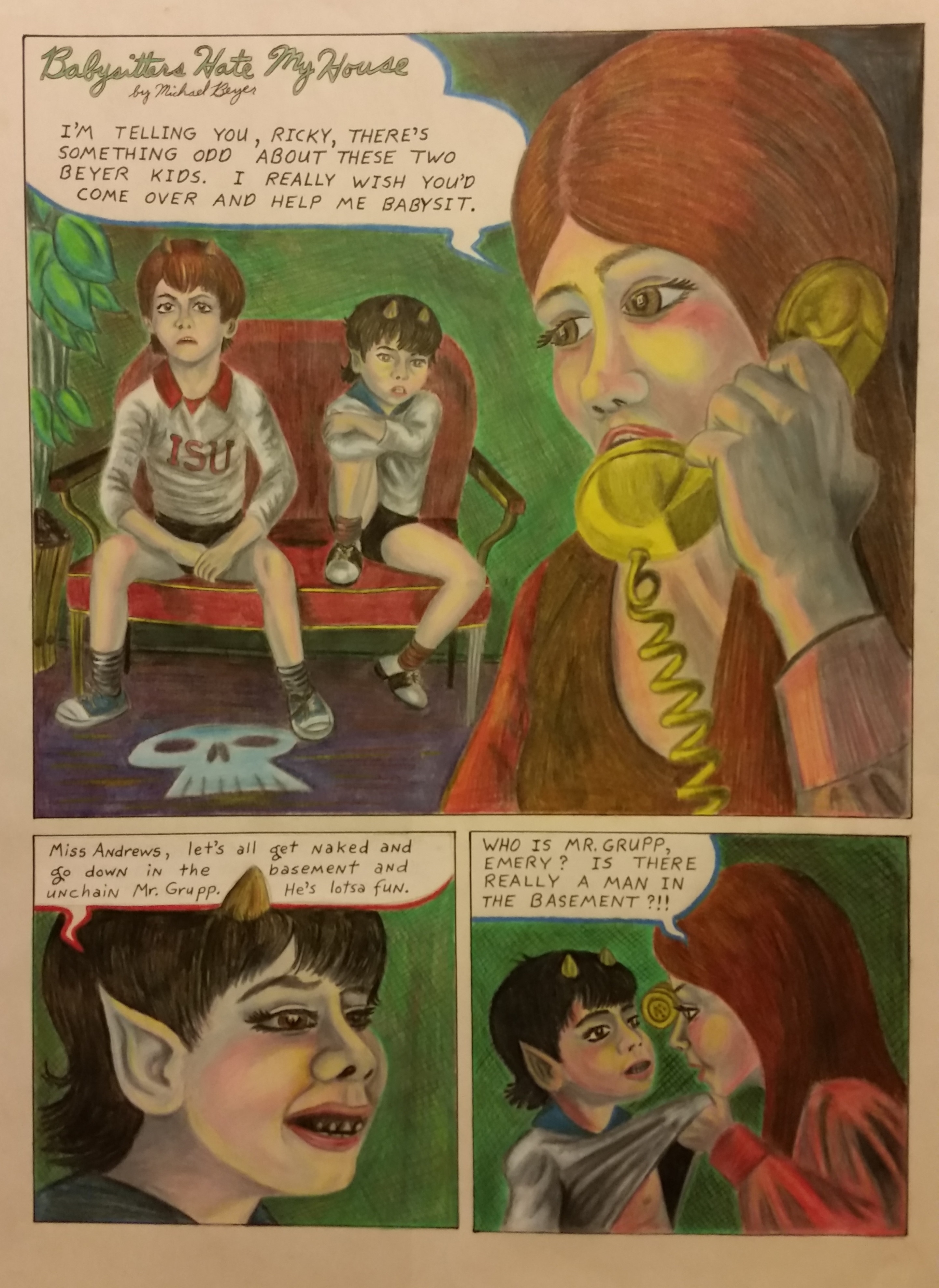
I know what I surf the internet for. I like artwork, especially original artwork. That is why I try to post as much of my own stuff as I can. I am an amateur artist, self-taught with a little bit of college art classes, contact with real artists, and a lot of TV Bob Ross. I surf to find other artists whose stuff catches my eye. I post about artists like Loish, Maxfield Parrish, Paul Detlafsen, and Norman Rockwell. I go to sites like DeviantArt (Example at this link) and follow artists like James Brown and Shannon Maer on Facebook. I help promote their work by sharing as often as I can. Do I worry about copyright violation with my artwork? No. I am long past the point of making a profitable career as an artist. I like having people see my work and if someone decides to claim they are the artist instead of me, I have the real originals and even some pictures of work in progress. The Big Eyes thing will not happen to me.
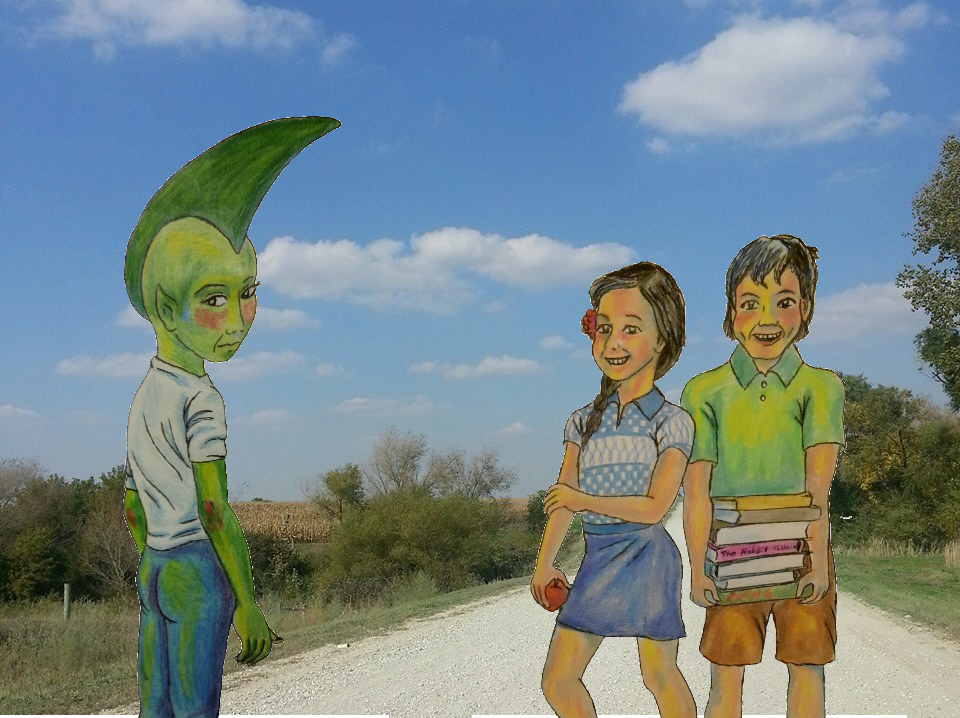
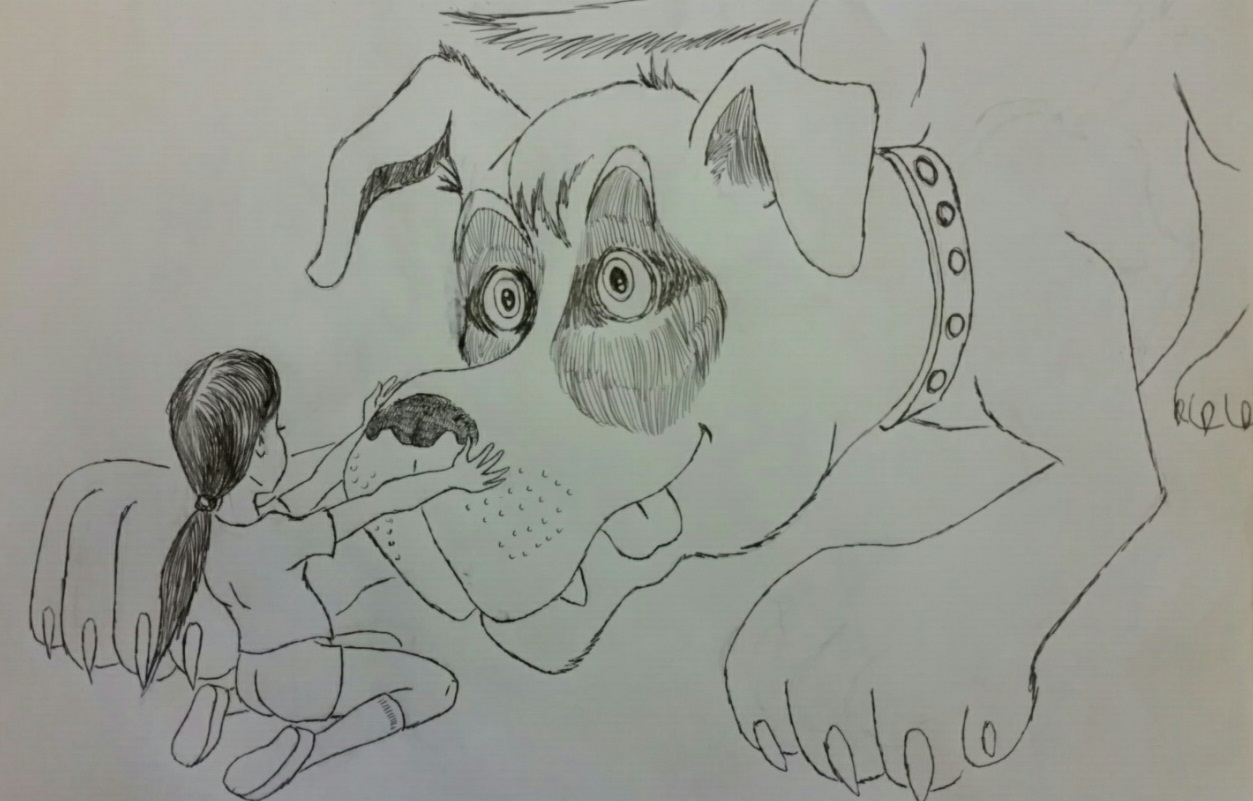
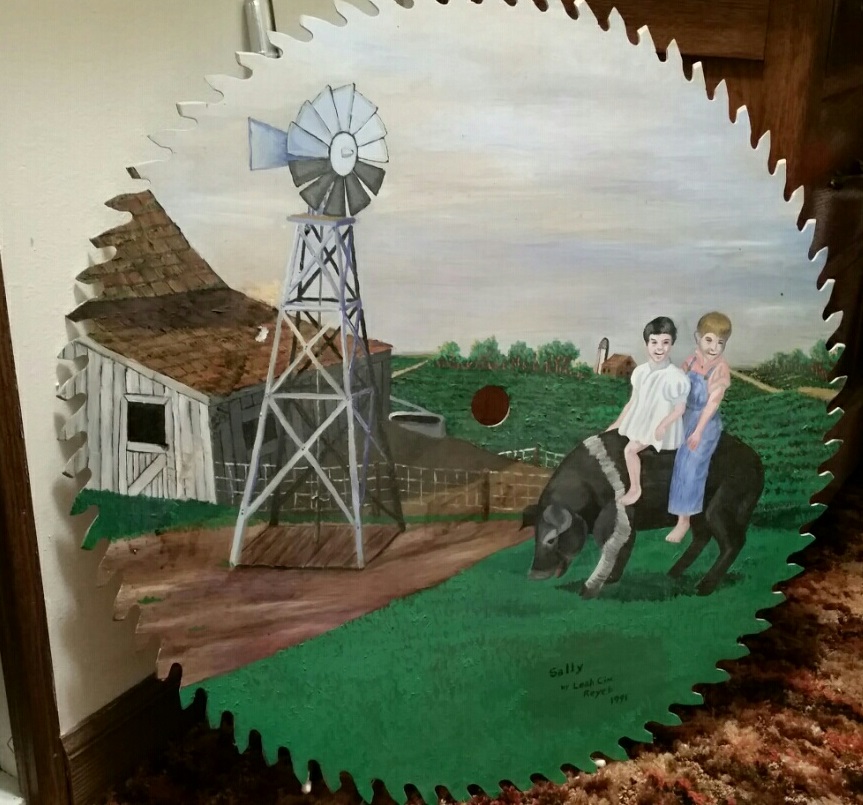
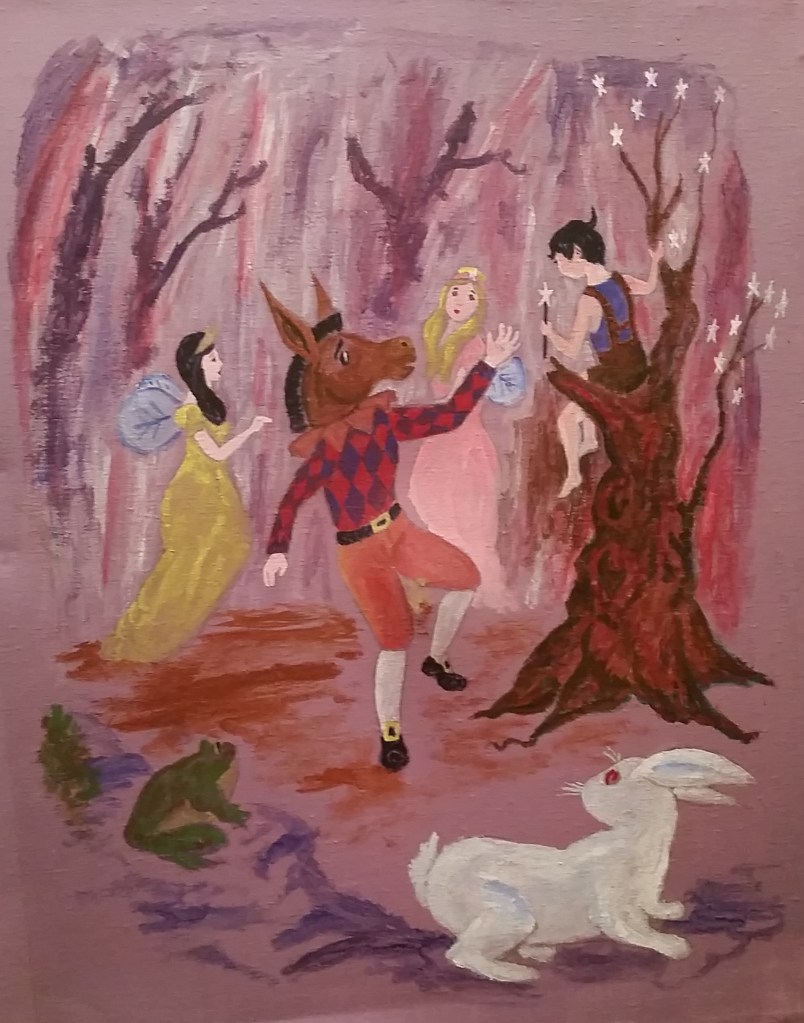
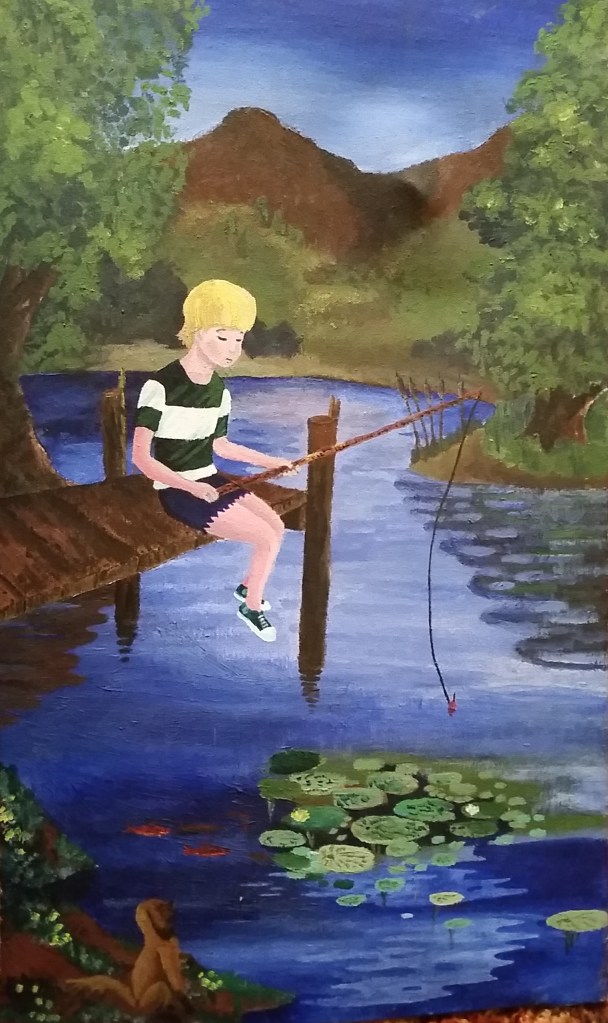
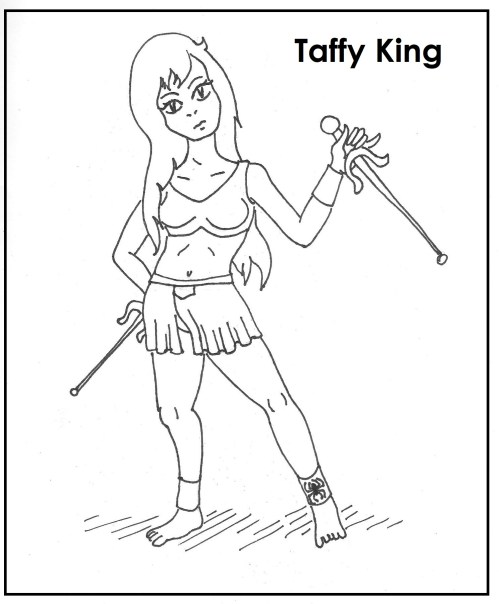
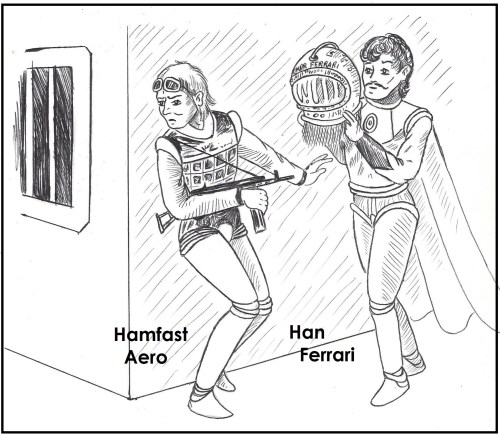
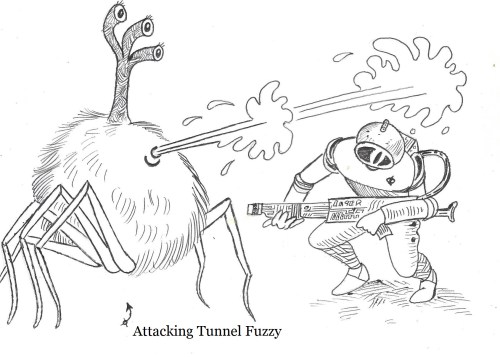
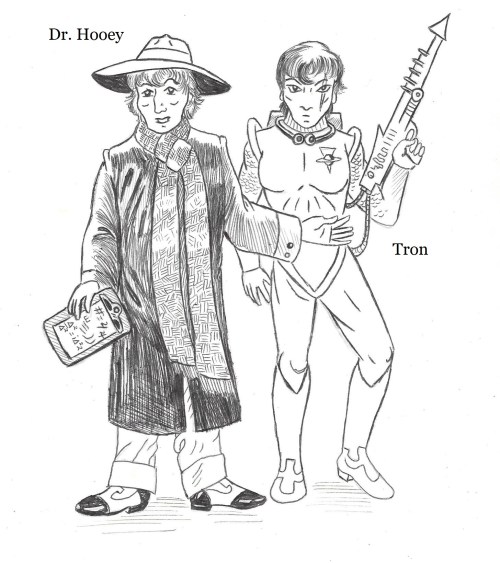
So sharing pictures seems to matter. I got lots of hits from the monster picture post because I used a lot of monster-movie images that people normally search for on the internet. Pictures of pretty girls work too. It doesn’t seem to matter if I drew them or if they are a picture of a relative, those pictures pull people in too.
Pictures of photogenic nieces aid my blogging popularity in a rather noticeable way.
Yes, I do believe I have just intimated that Minnie Mouse is my niece, a daughter of my sister-in-law. Lying is part of blogging. You have to put spin on things and make people understand the things they want to understand more than you need them to see what is really true in the empirical sense.
Being able to put the words “nude” or “naked” in titles or in the tags brings in more views too. Those words get lots of hits on search engines and some of the people who visit my blog looking for that actually read what’s posted. Just because an idea is a little bit naughty, it doesn’t mean only perverts and bad people respond to it.
This is a picture of Rowan Atkinson as Mr. Bean. It is NOT a picture of me.
And it doesn’t hurt to be a little funny now and then. Humor is something I look for in the posts of others. I try to be funny in my posts too… though whether they are hah-hah funny or merely eeuw! funny is debatable. Much of my humor is only intended to raise a smirk or half a smile. I am most satisfied when I make you think, “heh, that’s right, isn’t it.”
This is Millis, not me. He was an actual rabbit that was turned humanoid by a scientist’s experiment with alien technology.
So why is this post called Stuff That Works if, as I am claiming, I really don’t know anything about how blogging works? I may have been a little less than truthful when I made claims. Or maybe I was claiming with a little bit of “tongue in cheek”? I hope I have demonstrated that I do know how. The thing I have yet to wrestle with is WHY. So now I have to get busy and work on that.
Leave a comment
Filed under artwork, autobiography, blog posting, commentary, humor, nudes, Paffooney, surrealism
Tagged as art, artwork, blog, blogging, goofiness, humor, life, nudes, paffooney, philosophy, writing