
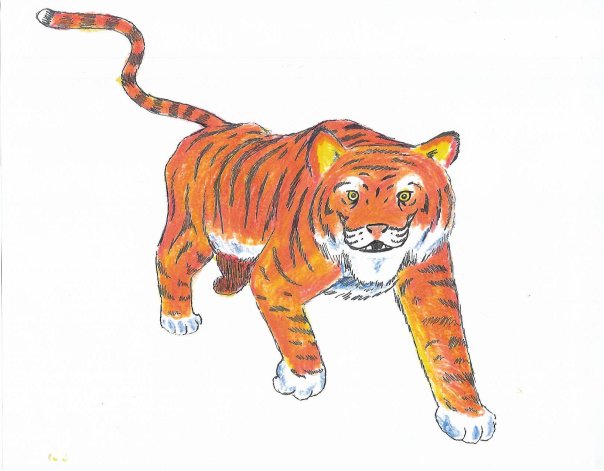
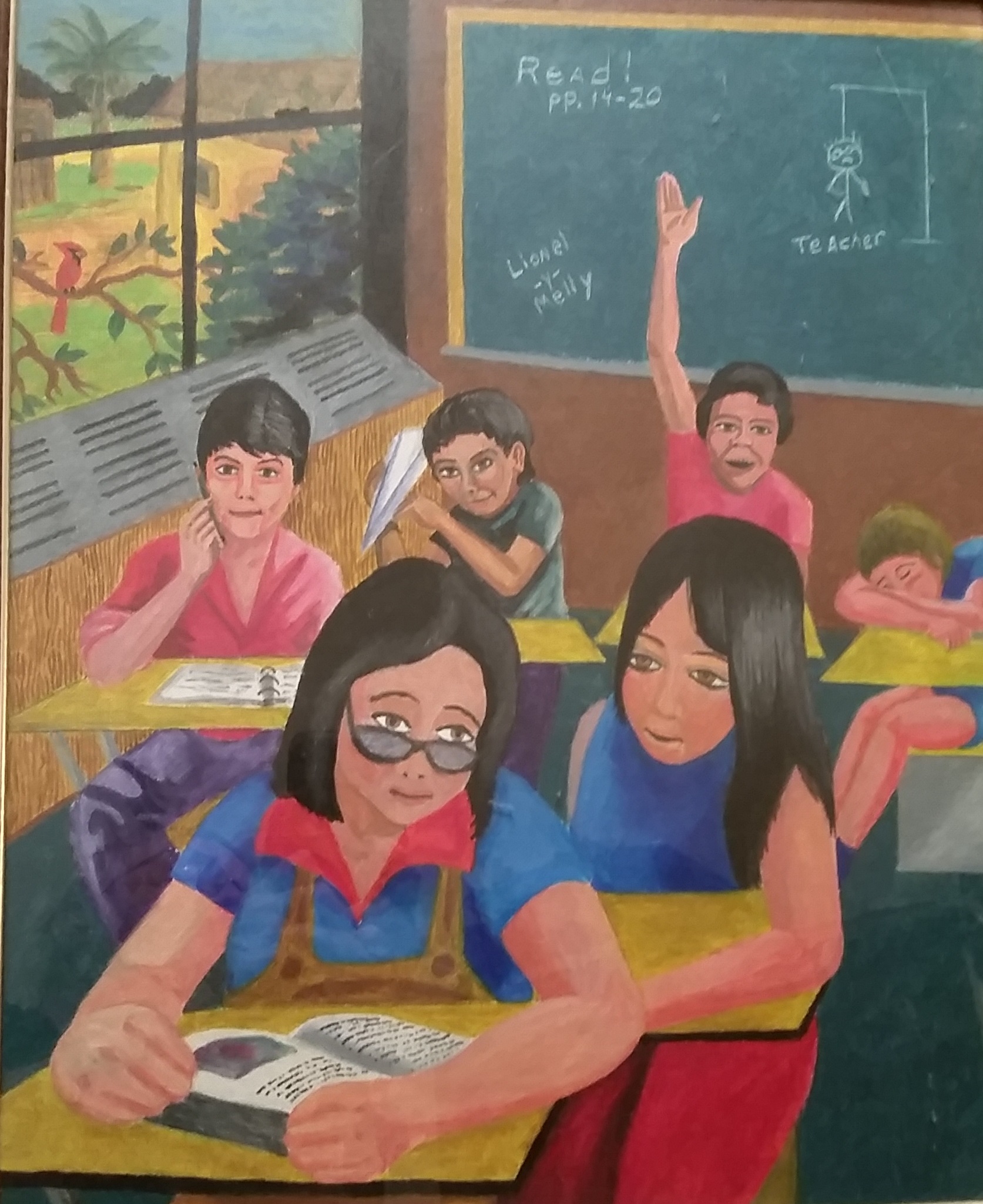
In point of fact, using humor in the classroom is one of the easiest ways I know to become a beloved and effective teacher. But it requires skill. It is like dancing barefoot in a mine field that is littered with pit traps for trapping tigers. See how I linked the title to my opening paragraph there? Kids in the classroom don’t… unless you make it funny. Sometimes they want you to fall in the tiger trap on purpose even though there are punji sticks at the bottom. They want to see what the consequences of the mistake really are so they are not surprised when they immediately make that same mistake.
So, let me tell you about a few of those tiger traps and how to navigate through them.
Poo-Poo Jokes
Yes, one of the unfortunate truths about humor in the classroom is that nothing is funnier to middle school and high school kids than references to sticky brown stuff. (If that last statement made you snicker, then you know that it even goes beyond school.) And it can be a devastating thing on fragile, fledgling egos in a school environment where boys will invariably stick a half-eaten chocolate bar in a back pocket on a hot day even though they are wearing khaki-colored jeans. Over-reacting to a sudden fragrance from one of a number of volatile digestive systems packed into the same small classroom can completely empty the room and imperil the teacher’s job. (Principals don’t appreciate unauthorized leaving of the classroom… so teachers need to quickly learn how to calm-and-continue in an unusually gassy environment.) Of course, the girl leading the lemming rush out of the classroom under gas attack is usually the one who dealt it. But you can’t point that out without crushing some young flower’s petals of self-image. It is necessary to lay down fences of regulation at the beginning of the school year to regulate exactly how brown and sticky a bathroom joke can actually be before it traps you in eternal detention.
Hurt-y Humor
There is the kind of humor that numerous comedians use as their fall-back style, that Don Rickles-esque “Your mama’s so fat that satellites can see her from space”sort of humor. It is also a highly tiger-trappy sort of humor to use in the classroom. Students don’t perform well after being the butt of slappy-face-style put-downs. You don’t want to remind the kid in the back row of how he mixed up the words “pied” and “peed” in last week’s read-aloud right before taking the State science test that will determine his educational future and your next evaluation. So how do you resist the urge to tell the snooty little cheerleader that just told you her mom is going to get you fired that she’s got a tail of toilet paper hanging down from the back of her skirt… when she actually does… and the football player she most idolizes is watching every move she makes with that big, tart and trippy tongue of hers? You take pity on them, and remember that if you break them down into tears in front of their peers you are doing the same thing to them that Bully Bob Beegshout did to you back in high school. Self-deprecating humor is far more effective at defusing a confrontation. You get them to laugh at themselves by making them see themselves in the story you just told on yourself. You can often make them laugh themselves right out of the bad behavior that way. (Oh, and I didn’t point out the toilet paper, but you can wait until someone else inevitably does and karma can balance the universe in that way.)
So, now that I have rolled well past the 500-word goal and still haven’t used up the whole list of tiger traps, I suppose it is time to reveal there will be a follow-up to this post.





Re-bubbling the Old Enthusiasm
It is getting harder and harder to climb the new day’s hill to get to the summit where I can reasonably get a good look at the road ahead. At almost-64, I can see the road ahead is far shorter and much darker than the highway stretching out behind me. It is not so much a matter of how much time I have spent on the road as it is a matter of the wear and tear the mileage has caused.
This weekend I had another depressing free-book promotion where, in five days, I only moved five books, one purchase, and four free books. I have made $0.45 as an author for the month of June.
I was recently given another bit of good advice from a successful author. He said that I shouldn’t be in such a rush to publish. He suggested taking more time with my writing. Hold on to it longer. Polish it and love it more. And now that I have reached sixteen books published on my author’s page, I have basically beaten the grim reaper in the question of whether or not he was ever going to silence me and my author’s voice. I can afford to live with the next one longer.
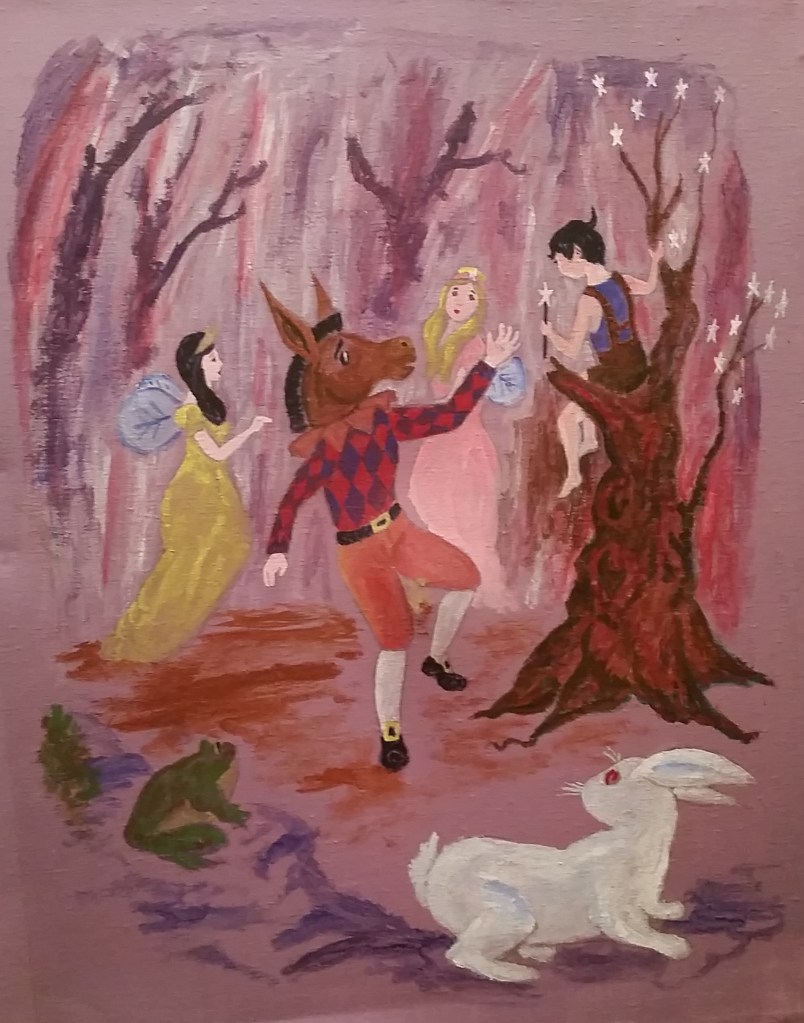
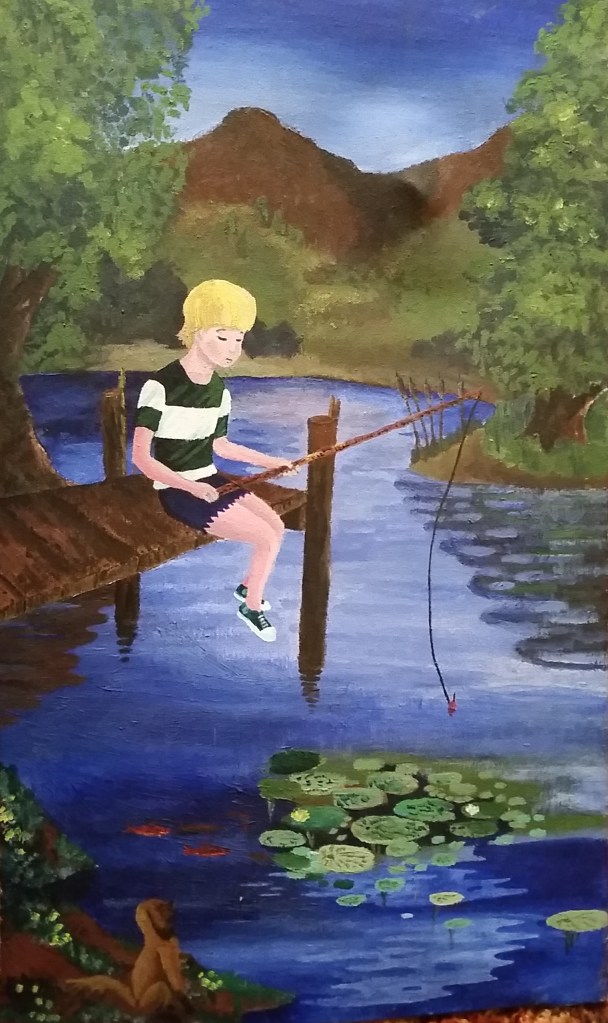
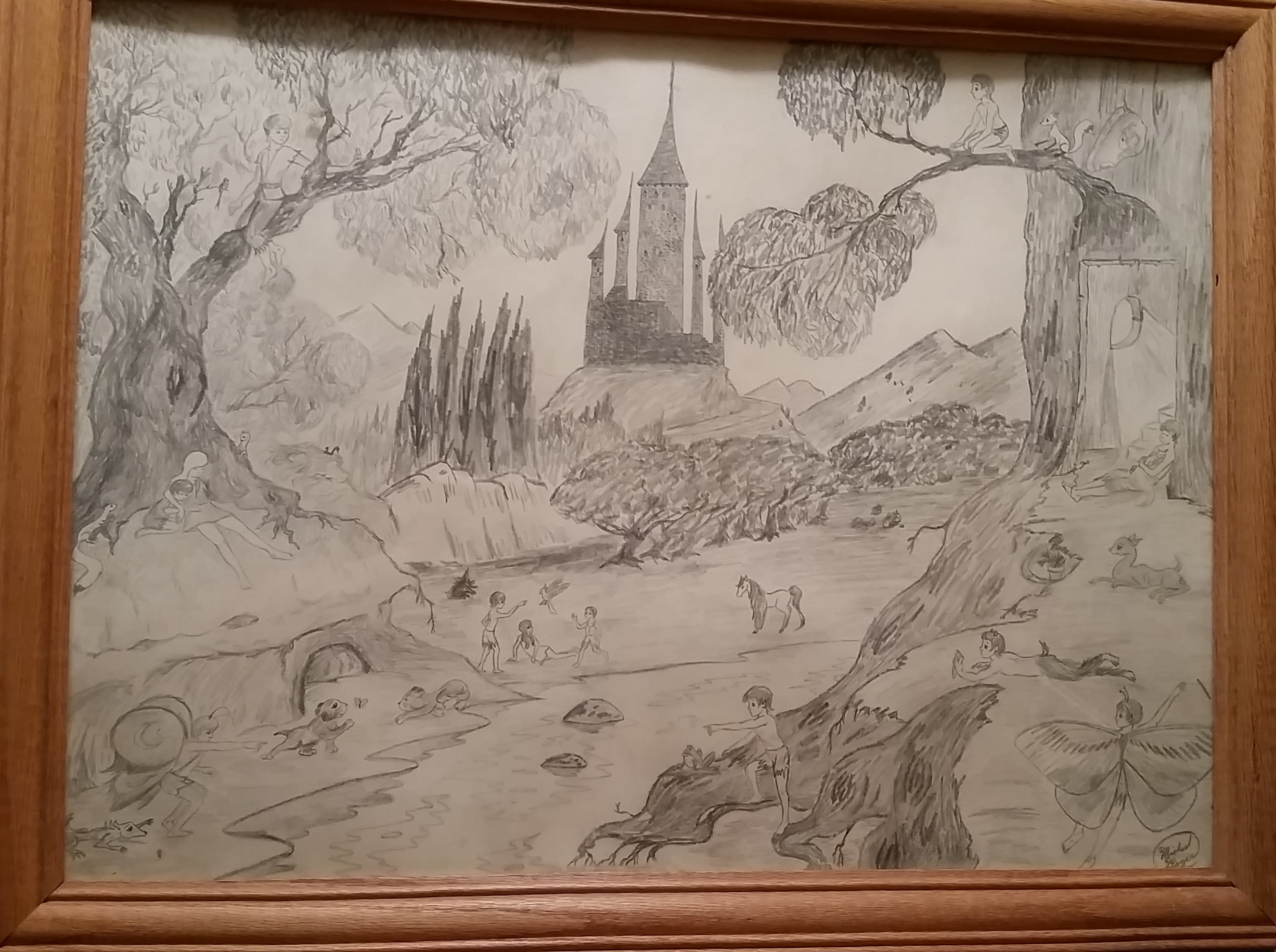
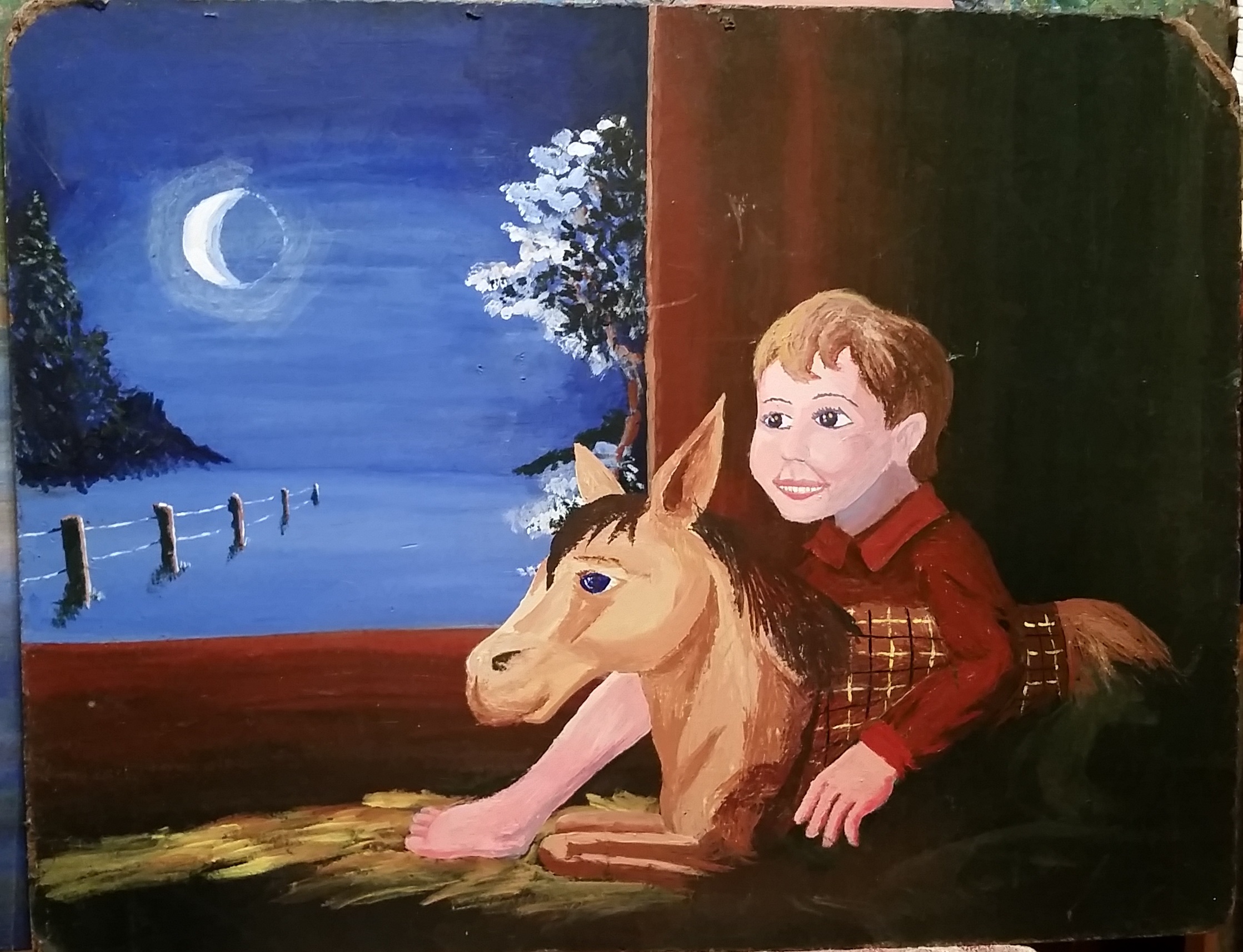
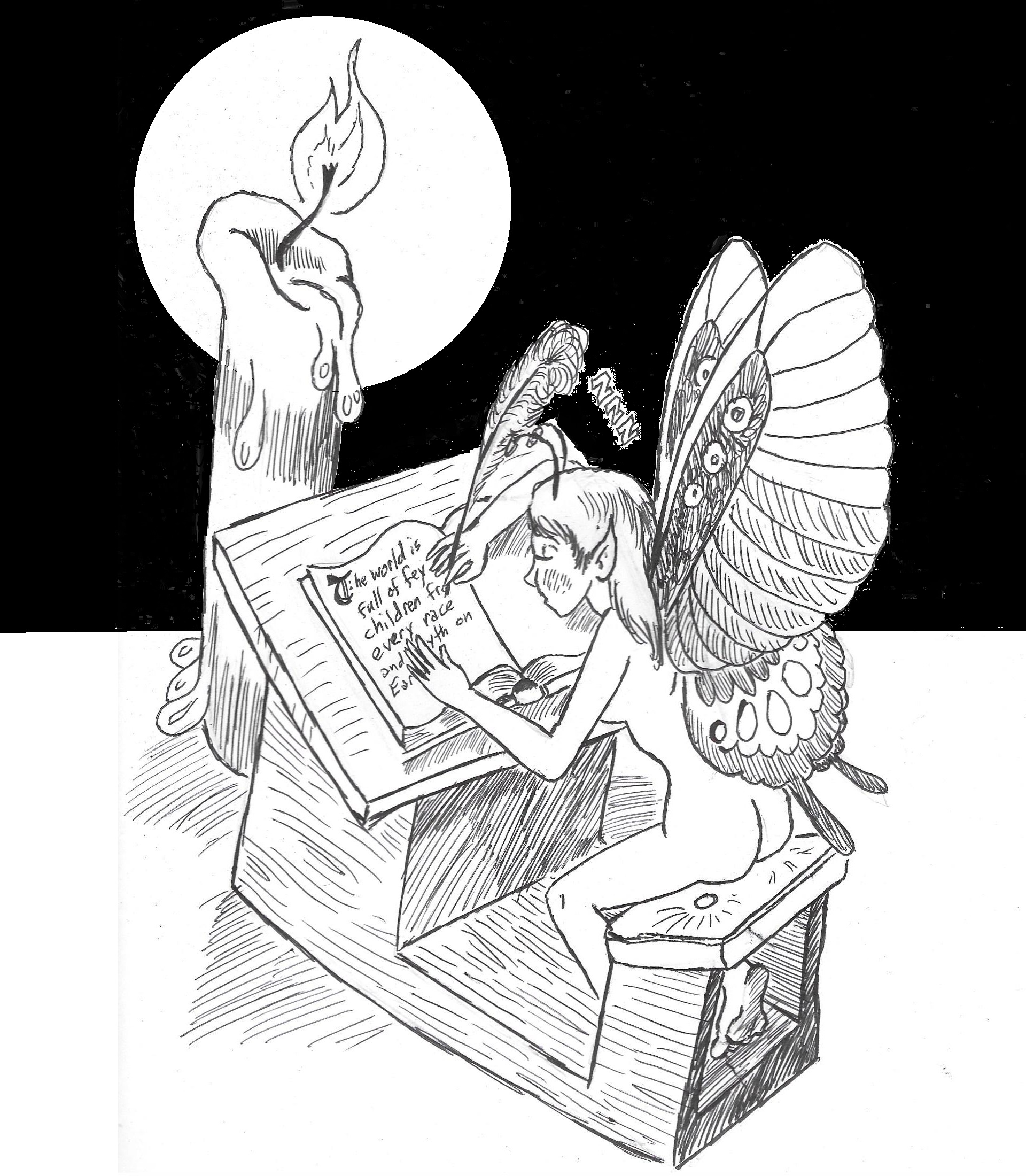
But the last one, A Field Guide to Fauns, practically wrote itself. It went fast from inspiration to publication simply because the writer in me was on fire and full of love and life and laughter that had to boil over into hot print exactly as quickly as it did. The additional writing time afforded me by the pandemic and quarantine didn’t hurt either. Once in print, my nudist friends loved it.
This next one has the potential to boil and brew and pop out of me in the same accelerated way as that last one did. Of course, it has been percolating inside my brain basically since the Summer of 1974. So, this is no rushed job. The Wizard in his Keep is a story of a man who tries to take the children of the sister of his childhood best friend to a place of safety when their parents are killed in a car wreck. But the only safe place he has to offer is in the world of his imagination. A world he has bizarrely made real. And that best friend comes searching for the children. And so does a predator who seeks to do them all grievous harm.
In many ways, it is a story already written.
So, I am rekindling the flame that keeps the story-pot boiling. And more of it is already cooking. And I am recovering from the cool winds of disappointment, as well as the dark storm clouds of the nearing future.
This is now actually a two-year-old post. Both of the books mentioned here are published and available from Amazon. As far as holding on to the books longer, there is no problem with that on Amazon. Editing, improving, and re-publishing a book is actually easier than publishing it the first time. Nothing about this old post has been made untrue by the passage of time. I am still probably the best author of books like these whose published books almost never get read.
Leave a comment
Filed under artwork, autobiography, battling depression, commentary, humor, novel, novel plans, Paffooney
Tagged as author, book review, books, fiction, publishing, writing