
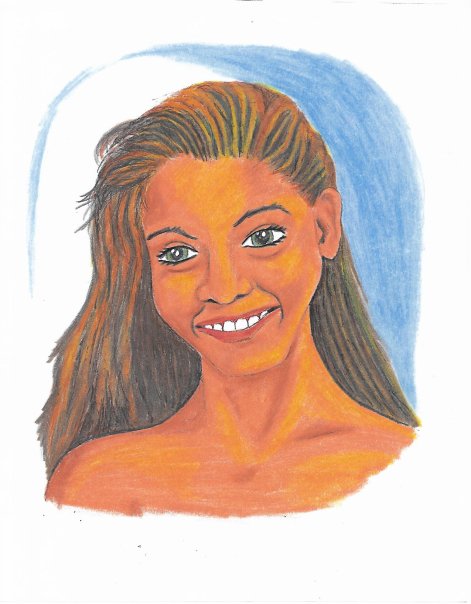
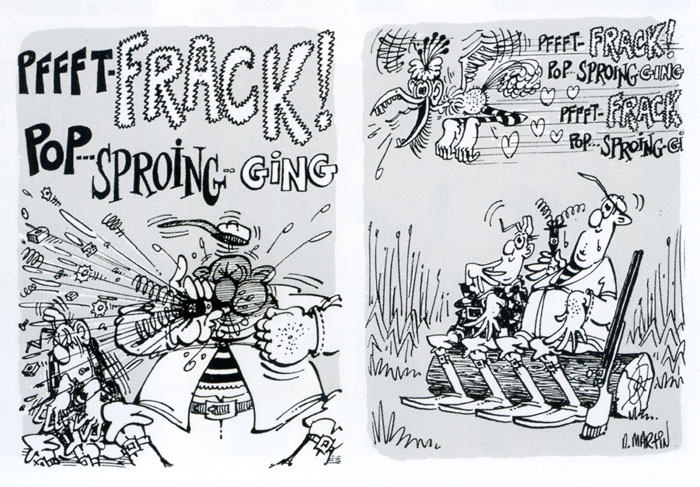
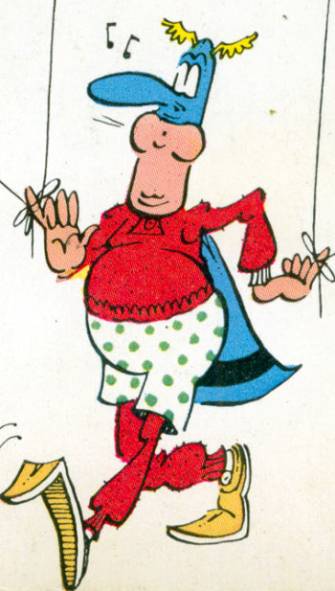
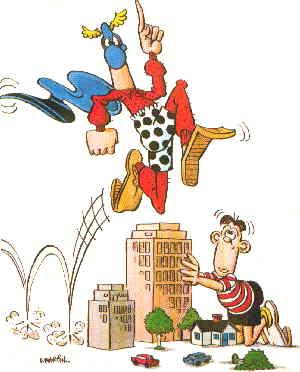
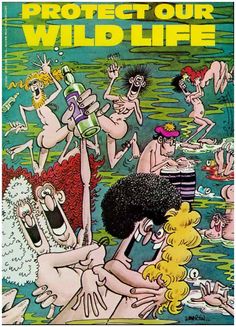
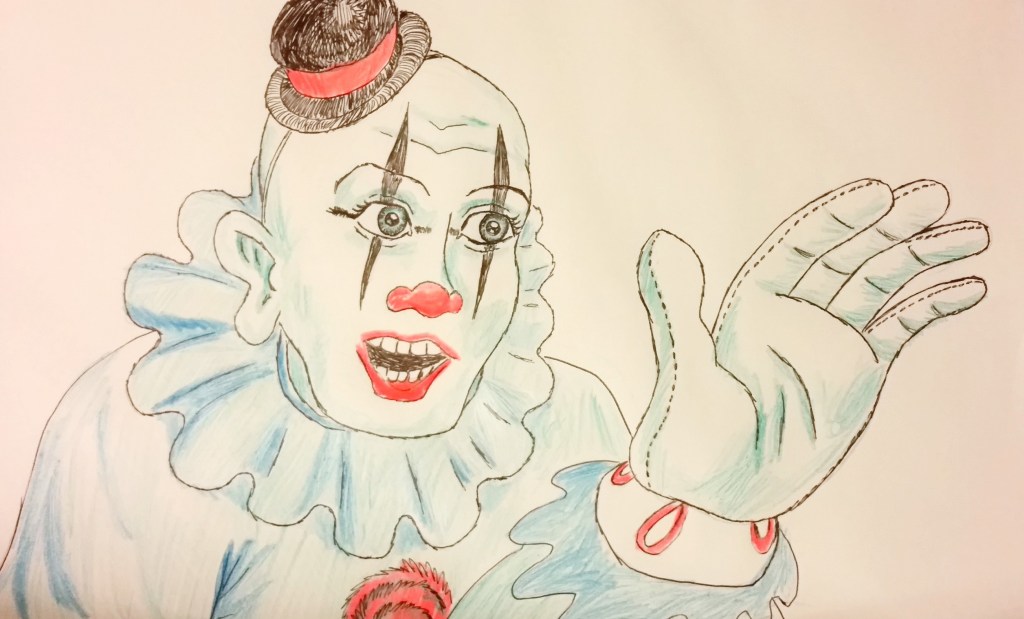
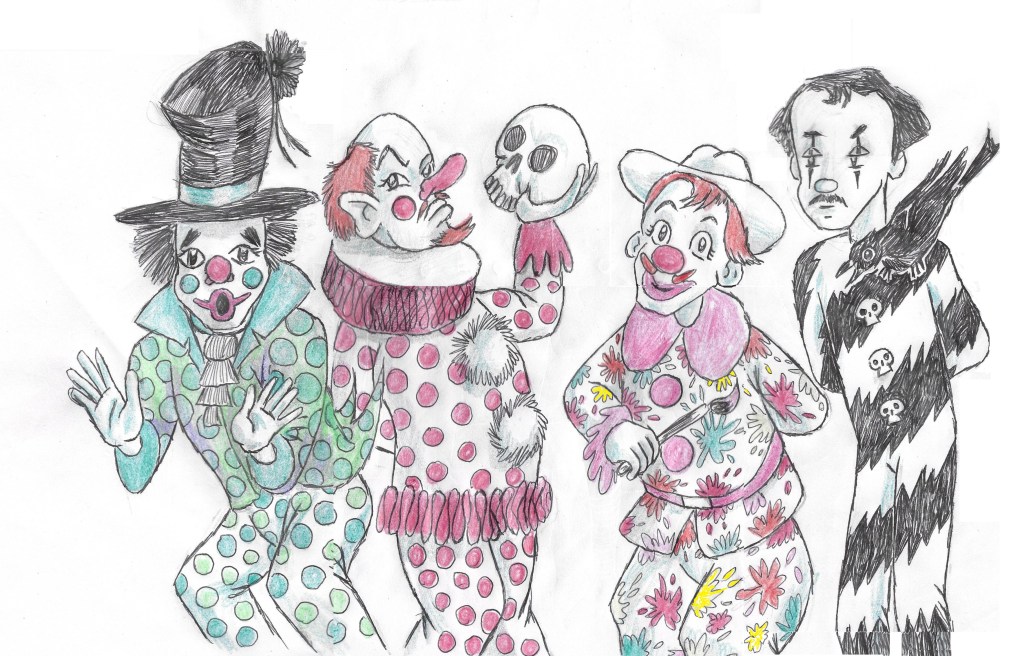
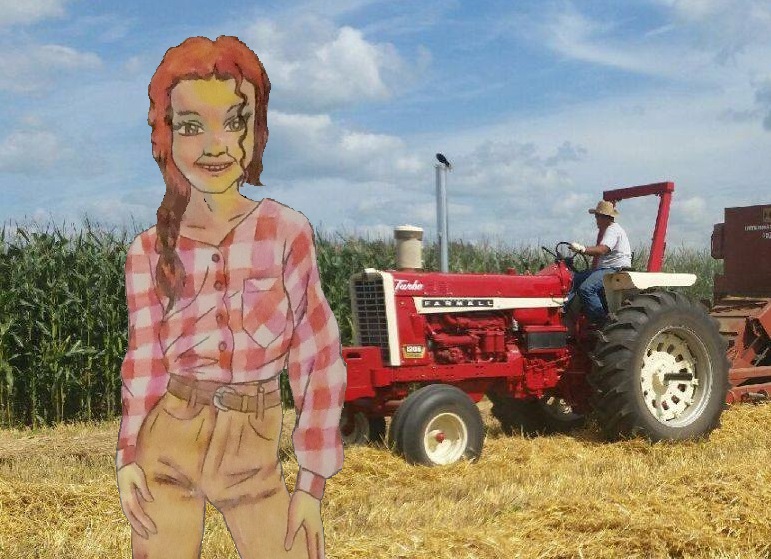
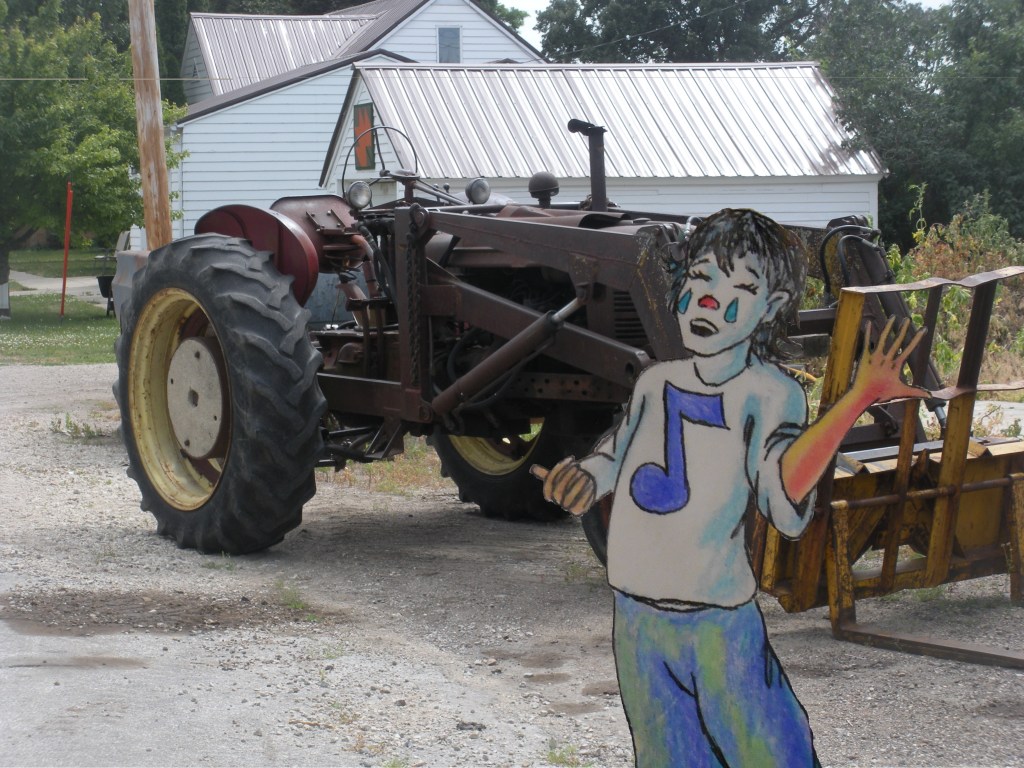
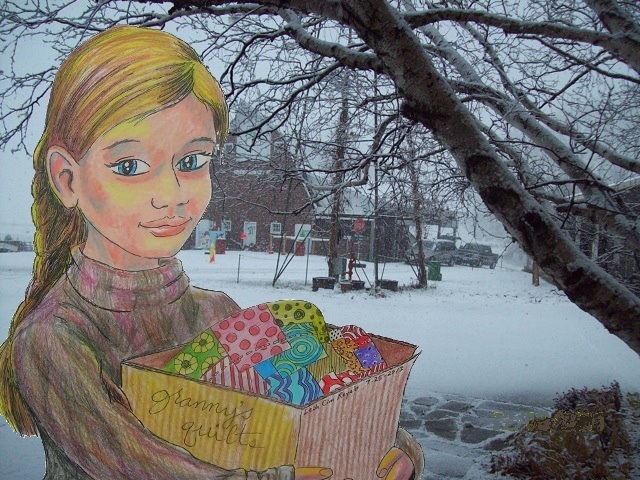
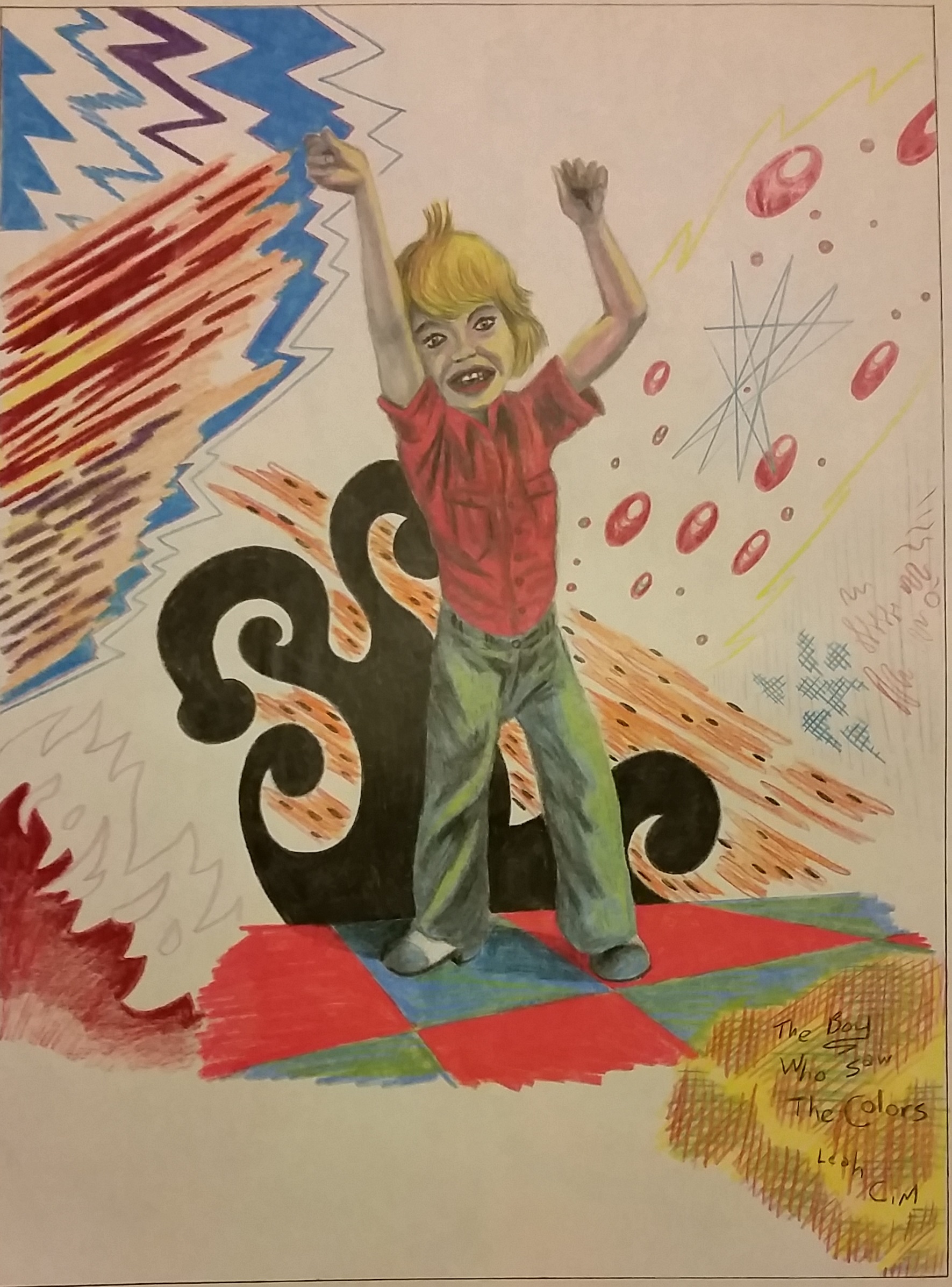
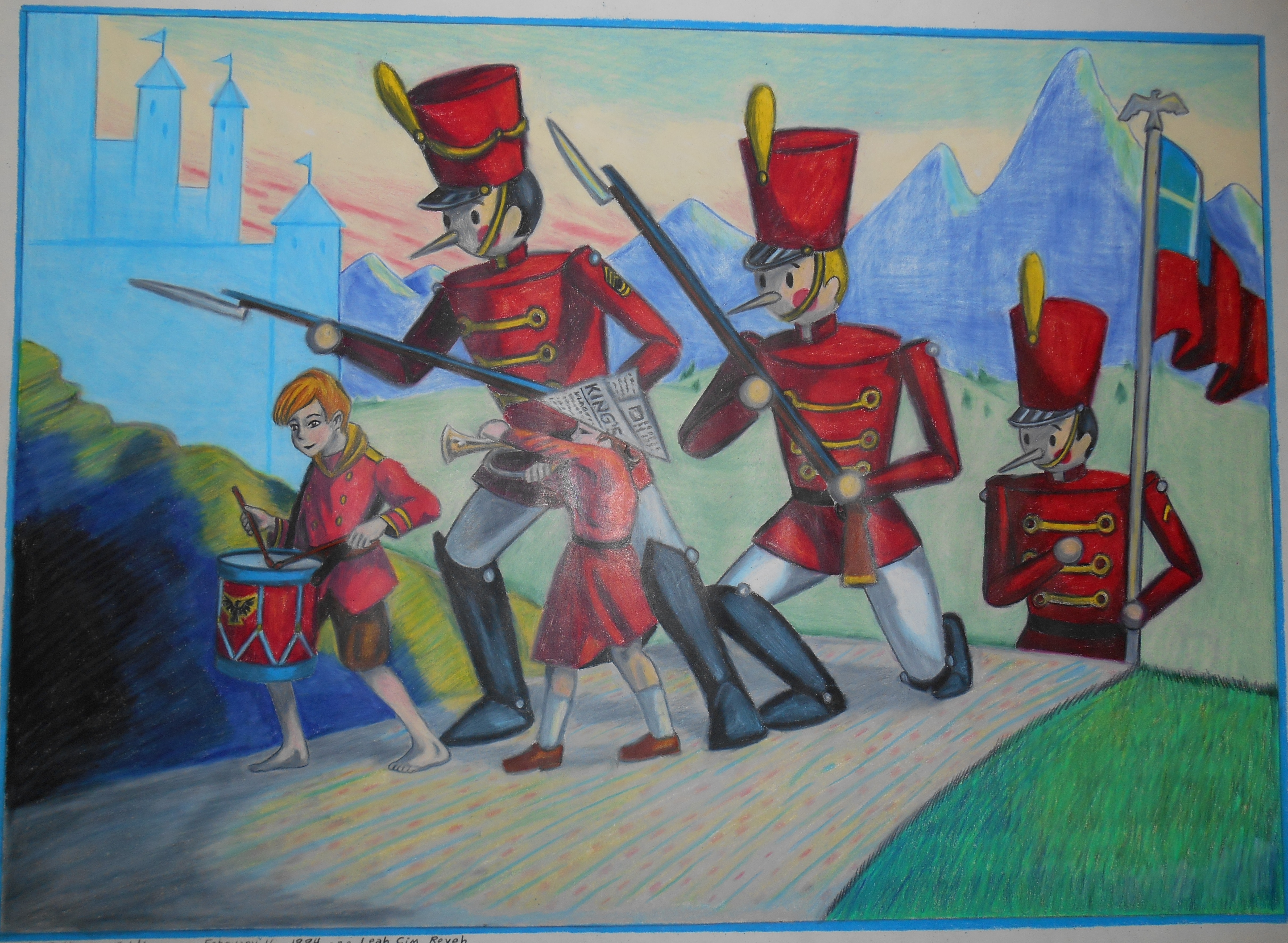
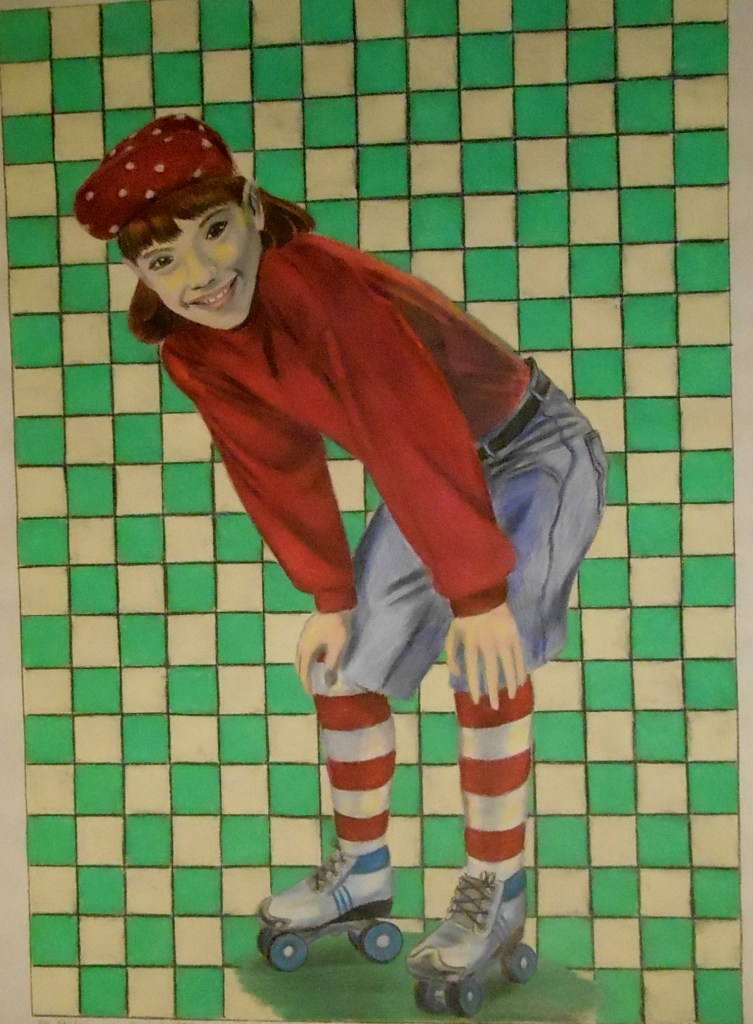
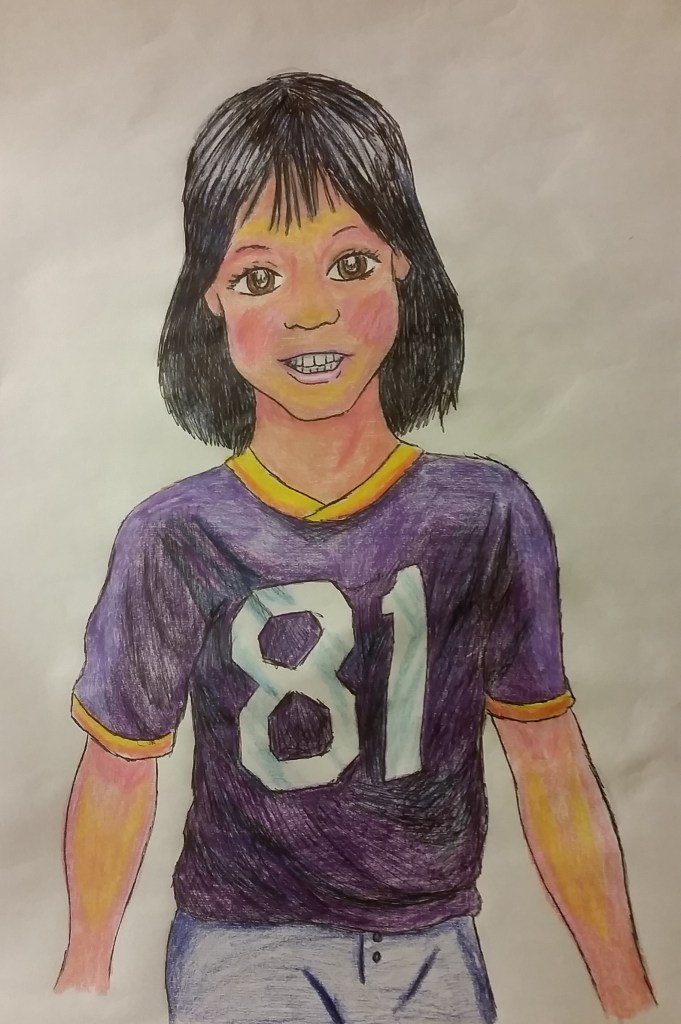
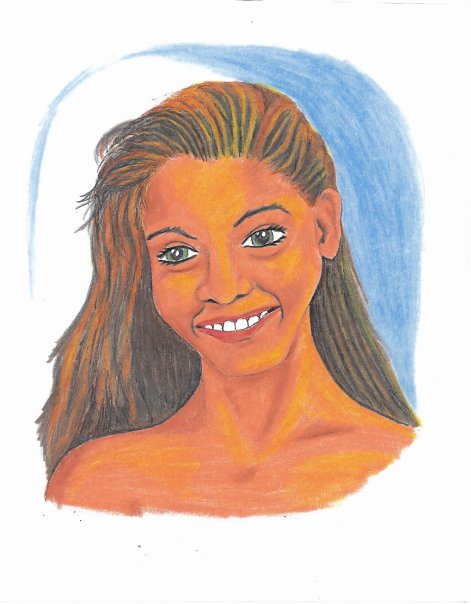
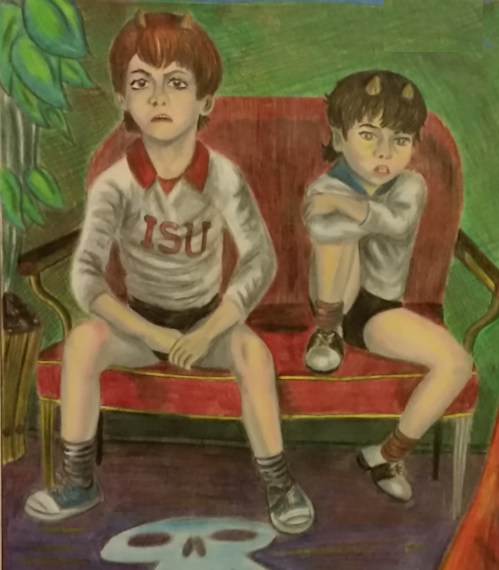
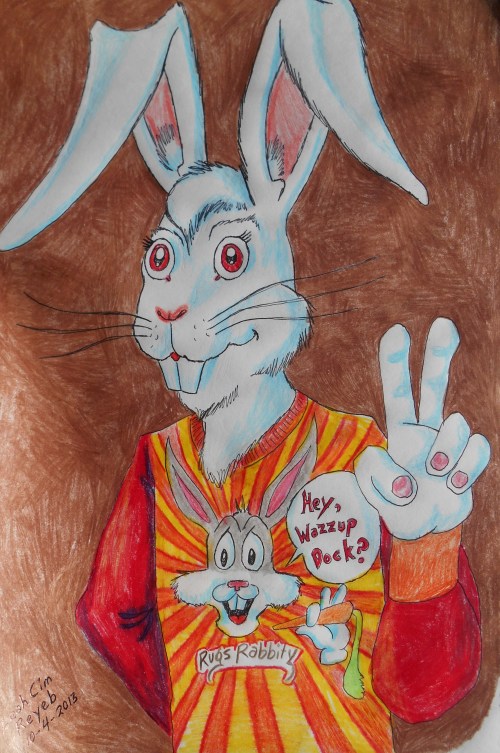
Being an artist is a matter of genetics, luck, and loads of practice. I began drawing when I was only four or five years old. I drew skulls and skeletons, crocodiles and deer on everything. My kindergarten and first grade teachers were constantly gritting their teeth over the marked-up margins of every workbook and worksheet. I drew and colored on everything. I eventually got rather good, drawing in pencil, crayon, ink, and as you see here, colored pencil. I loved to draw the people and things around me. I also drew the things of my imagination. I drew my best girl, Alicia, and I drew the half-cobra half-man that lived in the secret cavern under our house. I drew a picture of the house across the underpass from Grandma Mary’s house. I drew cardinals, and I drew Snoopy cartoons. I drew my sports heroes in football and hockey, Donny Anderson and Gordie Howe. I drew monsters with fangs and fuzzy animals with huge soulful eyes. I still draw and it’s mostly the same things that I drew when I was a child. I will post more of the drawings here in the near future to dazzle you with my talents and ridiculous sense of the absurd.
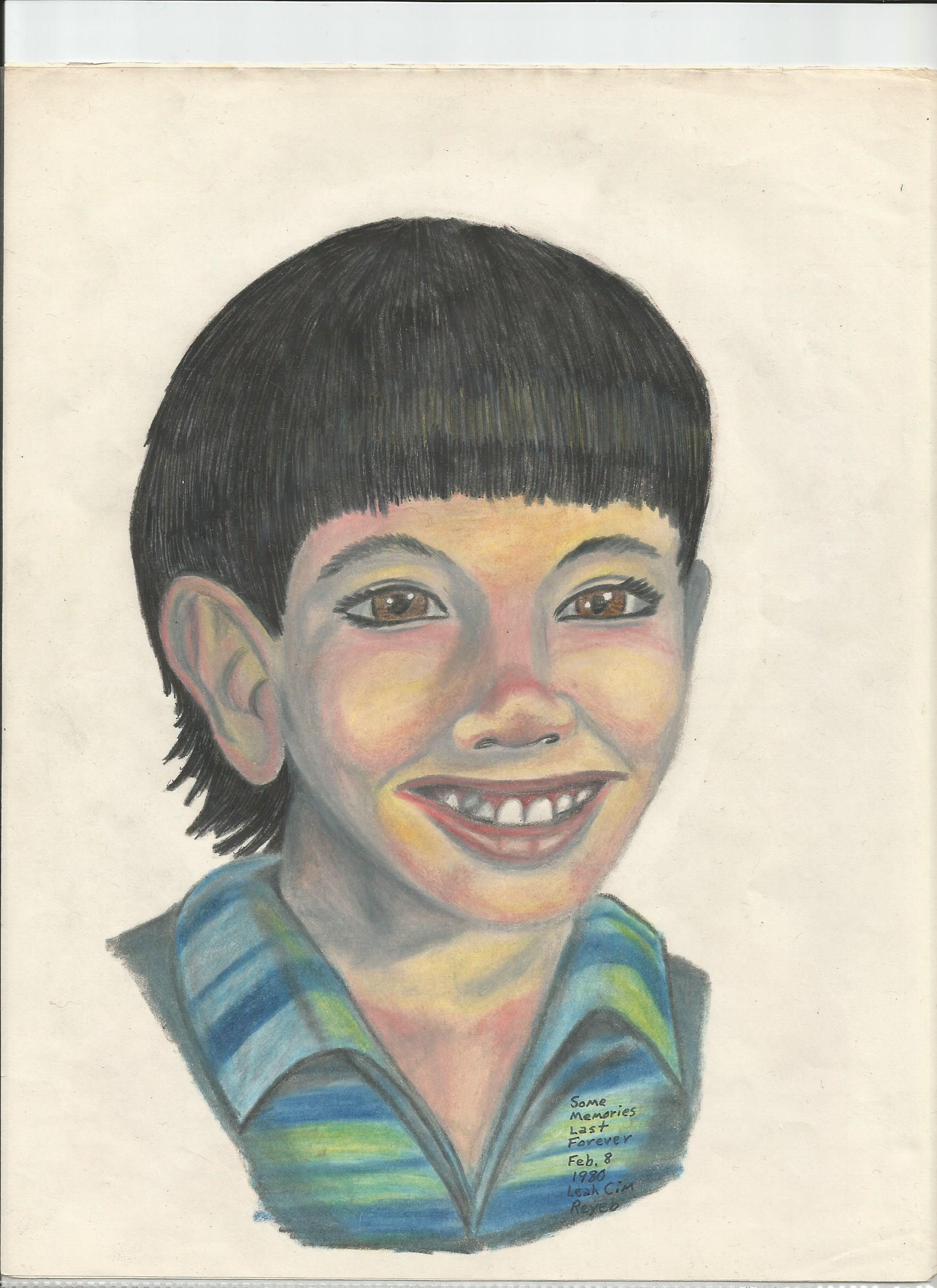
I inherited art talent from my father’s side of the family. He could always draw fairly well, though he only used the talent to draw things he meant to build or create in his workshop. He was a practical man who loved to tinker and make things work in a useful manner. He had no love or need for that which is fanciful and fantastic. I suspect, though, that he encouraged my artistical flights of fancy because it spoke to an unfulfilled portion of his own creative instinct. My Great Aunt Viola was also an artist. She loved to paint flowers on porcelain and create delicate beauty in items like plates and vases. Her art was more fanciful than my Dad’s art, but it still had a certain Midwestern practicality at its roots.
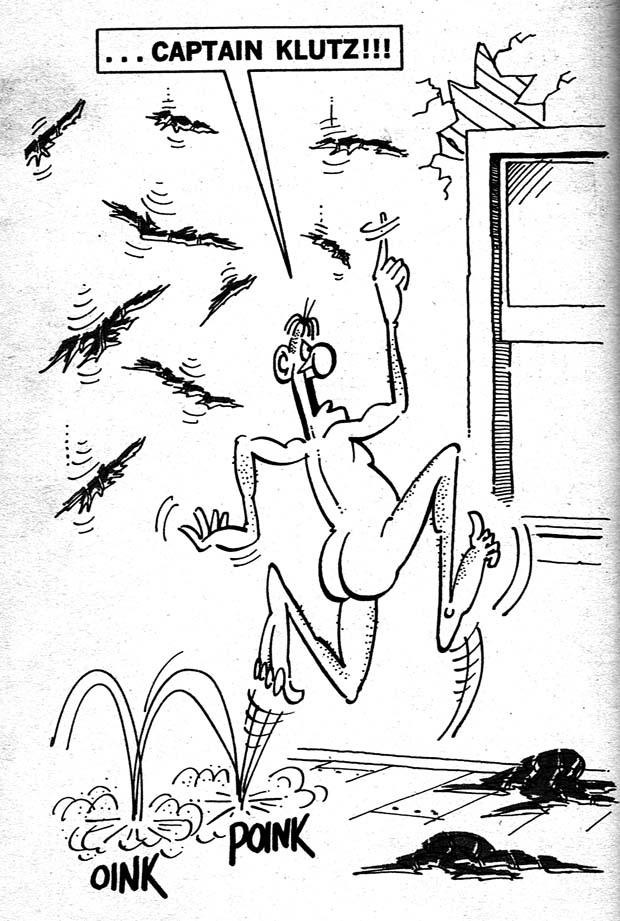
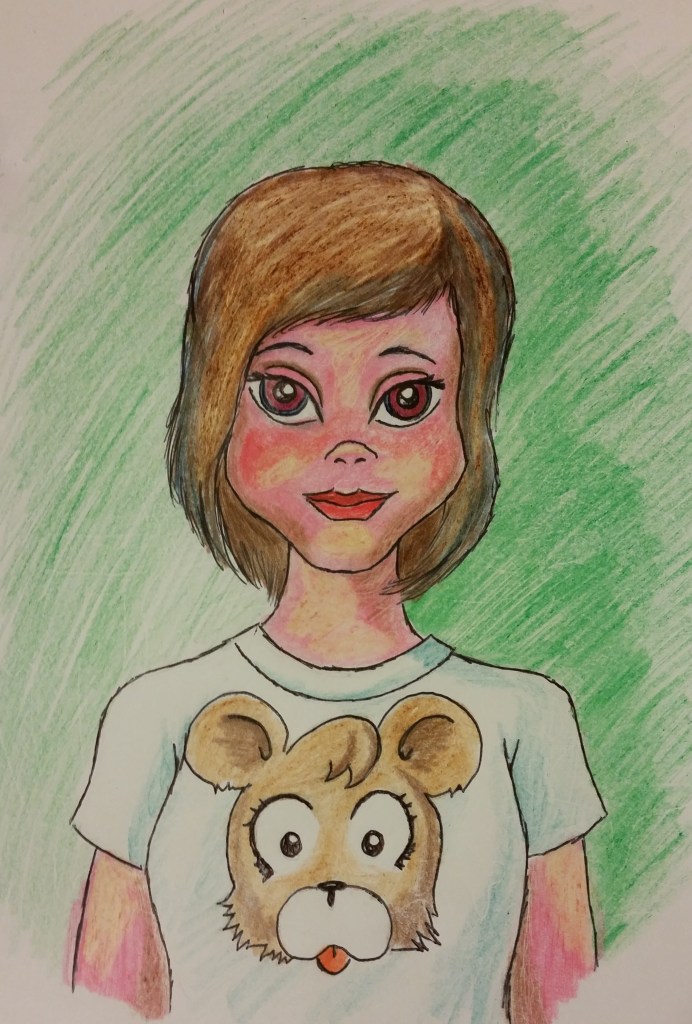
I hoped early on to be a cartoonist or comic-book artist. I loved to draw wildly imaginative things. The first cartoons I created were all about outer space. I wrote stories and drew pictures of Zebra Fleet, a Star-Trek-like space force that kept peace in an area of space inhabited by dog-headed humanoids. It was fanciful and goofy at the same time. Since then I tried my hand at a Cowboys and Indians cartoon strip, built around the massacre of Custer’s command at the Little Bighorn. I researched the Indians of the Dakotah, Crow, Shoshone, and Hidatsa Tribes for my cartoon. I learned to love drawing feathers, totems, magic men, shamans, shirt men, and lovely Indian girls. Nowadays I draw the adventures of weird little Toons from Animal Town and the various strange places in Fantastica. Teenage Panda Girls go out for cheerleading and fail, seeking to wreak revenge on Animal Town. Hairy Bear is a Grizzly with a tiny body and a huge reputation earned by fantastical hair growths and the ability to make large hair-pieces. The Four Bares are a family of bears who live at Newt’s Naturist camp and turn Animal Town upside down when they insist on their right as top-of-the-food-chain predators to go anywhere they like naked. If you are lucky, I will never be a published cartoonist. I made a serious stab at it. I came close in two different job interviews and one major submission, but I have arthritis, and it attacked my hands at just the right time to make me a school teacher instead of a cartoonist.
Drawing has become for me a hobby and a lifestyle all about the color and the symbol. I try to cram as much story and meaning into every figure or picture I do. Each drawing is precious, and I must squeeze as much as I can from each one, because drawing has become so hard to do and is such a rare thing. I lean towards the blue in my cartoons. There is a certain Blue Period about my melancholy work and life. Things turn out wrong at the end of my stories and there is no happily ever after. When the nighttime comes, I have to go to sleep with the urge to draw more. I’ll draw more in the next life, or maybe in my dreams.









Why School Should Be Cool
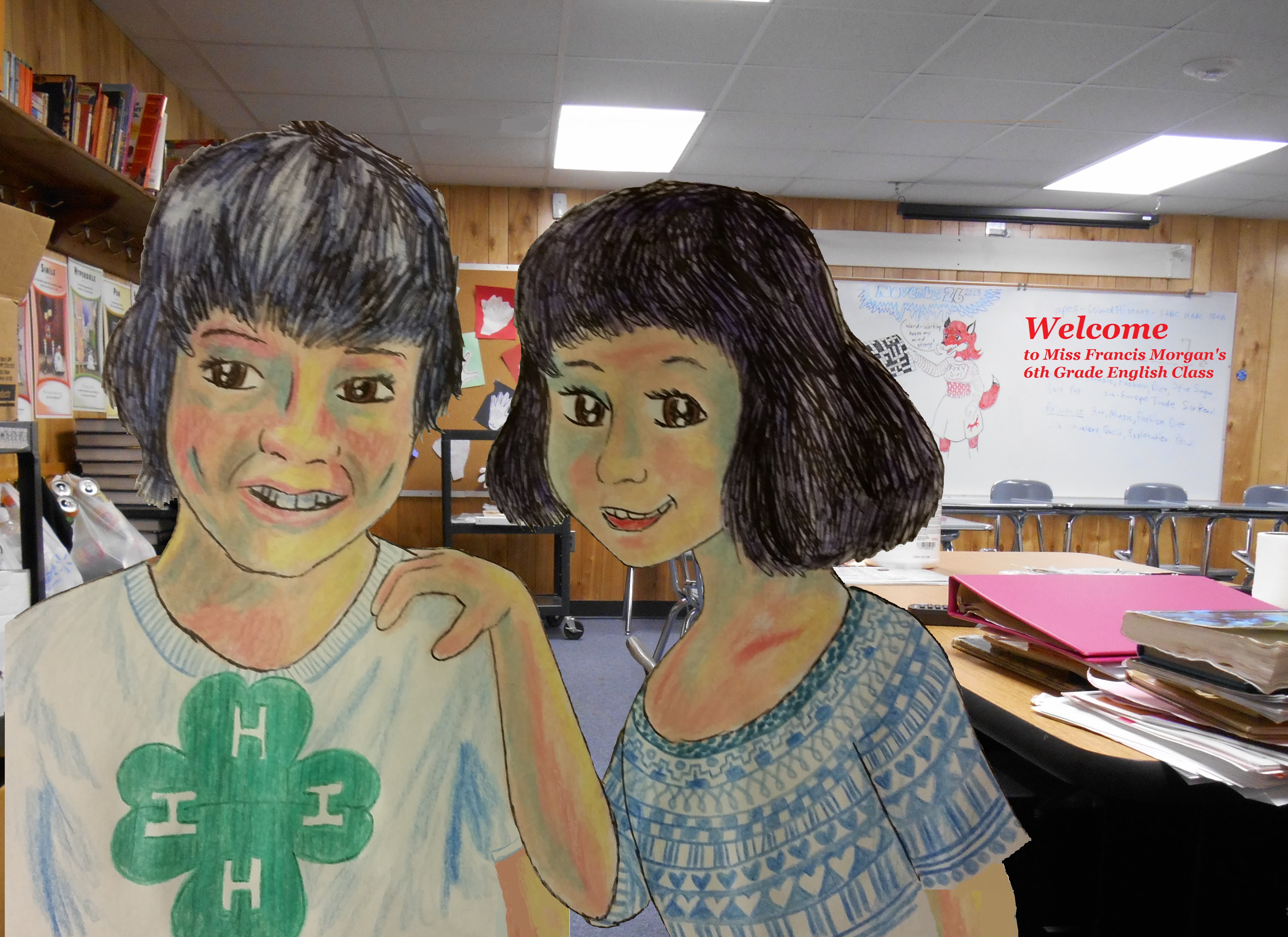
I was a school teacher for thirty-one years, and in spite of the immense amount of brain damage that builds up over time, especially as a middle-school teacher, I think I know what we’ve been doing wrong.
We need to take a look at an education system where things are working better than they are here.
Now, I know you probably didn’t click on the boring video about school. Heck, you probably aren’t even reading this sentence. But I can summarize it and put it in easy-to-understand words. Finland does not have to educate as many poor and disadvantaged kids as this country does. The video gives five ways that Finland does it better, but all of them boil down to the basic notion that the country is more homogeneous and uniformly middle-class than ours is. Still, we can learn things from them.
The first of the five ways that Finland does it better is a difference in government. While U.S. governmental safety-net programs blame people who need food stamps for being lazy (even though some of them work 40-hour work weeks in minimum-wage jobs), Finland gives a huge package to parents of everything they might need as soon as their child is born. As long as the child is in school, the government does many things to support the family’s efforts to educate them. Imagine what we could accomplish here if we invested some of the vast fortune we give to corporations in subsidies into educating poor black and Hispanic children instead. Children have a hard time learning in school when they come to school hungry. If we could only feed them better, the way the Fins do, we would revolutionize our classrooms.
The second point the video makes is the biggest suds-maker every time I get on my teacher’s soap box. They don’t give kids homework and they only give them one standardized test when they leave high school. I have recently covered this topic more thoroughly in a post in which I was able to ridicule Florida governor Rick “Skeletor” Scott. (Boy, did I enjoy doing that.) But I won’t go into all of that again here.
The third thing is respecting teachers. In Finland they treat teachers with the kind of respect that they give to doctors and lawyers. How cool is that? In Texas, calling someone a teacher is an epithet. If a teacher is liked or even loved by their students, administrators are encouraged to keep a closer eye on them to figure out what’s wrong. Students are supposed to hate their teachers and sit all day filling out mind-numbing test-preparation worksheets. Imagine what it could be like if teachers weren’t the scum of the earth. They might actually have students convinced that learning goes on in their classrooms.
The fourth point is that Finland does not try to cram more and more memorized details into young brains so they can spit it all back out on a test. They take students thoroughly into the subject of study, and at a slower, easier pace. They dive deep into the river of learning instead of wade through the wide and shallow parts. All questions get answered. And by that, I mean, student questions, not teacher questions. The learning is student-centered.
Finally, the video states that Finland simply has fewer social ills in their country to get in the way of good quality education. But even though the work is harder in this country, the potential is really there to go far beyond what Finland is capable of. We have a natural resource that is totally untapped in this nation. We don’t develop the minds of a majority of our children in any meaningful way. And I can tell you from having done it, you can teach a poor or disadvantaged child to think. You can give them the tools for academic, economic, and personal success. You can make them into valuable human beings. But you should never forget, they are already precious beyond measure. We just ignore and trash that inherent value. So, the information is out there about how to do a better job of educating our children. We need to follow through.
Here endeth the lesson.
Leave a comment
Filed under angry rant, commentary, education, humor, insight, teaching
Tagged as education, Finland's education system, humor, learning, lessons learned, teachers, teaching, teaching better, writing