There are many ways to tell a story. I have yet to try them all. But I don’t intend to stop trying until I either get a lot nearer, or I am fertilizing the flowers.
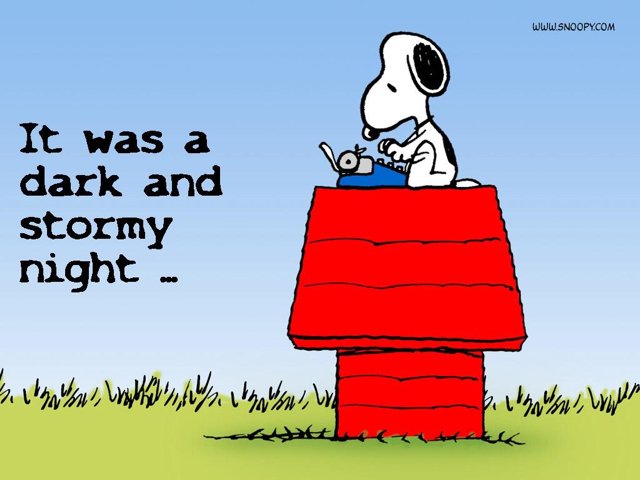
So let’s start with the Snoopy way.
We start with a cliche, and goof it up to make it more interesting.
It was a dark and stormy night…
And that was because the lights went out at George’s house while he was arguing with Mabel. There was lightning involved. Mabel got so mad about George watching football that she stabbed the toaster in a fit of uncontrolled anger. Unfortunately, she stabbed it with a metal fork and it was plugged in. Her hair never stood up so high and never glowed that particular color before. Her eyes shown like car headlights. And she was the main reason it went dark.
Okay, maybe not. Let’s try again.
It was a dork and smarmy knight…
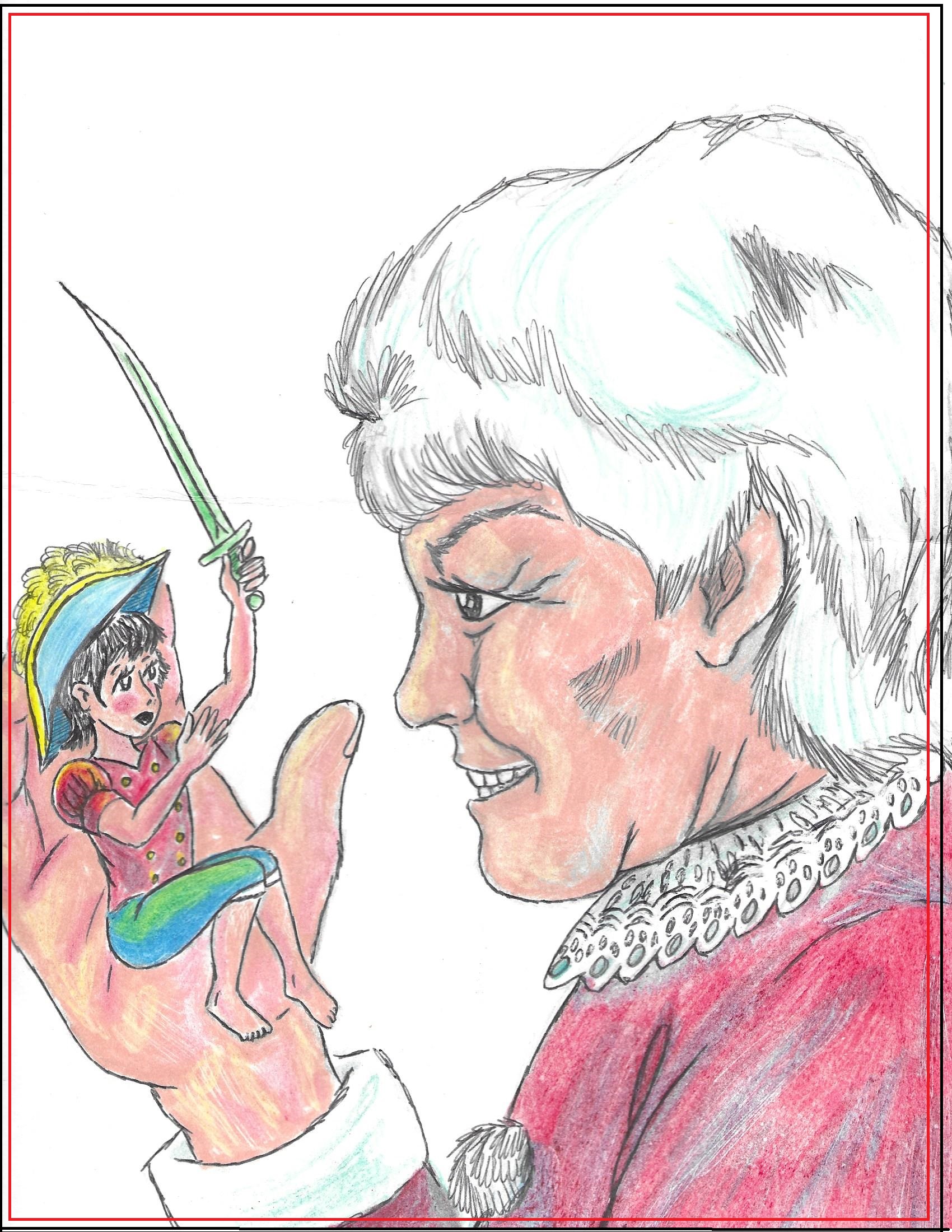
Sir Jiggs Giggly was a knight from King Percy’s Royal Court, but his manners were so bad that he drove all the women away from the court. The other knights all decided that their choices were limited. Either they had to reform Sir Jiggs, or they all had to become gay. So, they went to the wizard. The wizard’s name was Wizzyfritz. And Wizzyfritz had a boy working for him who also happened to be his legal ward. So Wizzyfritz the wizard assigned his Wizzyfritz ward to be the watcher over the wastrel Jiggs. And so, well… that wizard ward was a dork.
Yeah, not this one either.
It was a stark and dormy night…
At Tilbury College in the women’s dormitory, there was a party. There was lots of beer. And the local fraternity decided that when they attended the party, they would show up as streakers and be stark naked. Unfortunately, the Sigma Frakka Pi fraternity were all skinny geeks who wore glasses and had no body hair. So a large number of women in that dorm died laughing.
Nope, that isn’t it either.
Hmmm…. maybe there’s a good reason this particular story-telling method is always shown in a cartoon as part of a joke.
Playing Dungeons and Dragons in Texas during the ’80’s and ’90’s was basically a subversive act. The reason? Fundamentalist Christians actively stepped in and persecuted you for it. It was their sincere belief that a thing that had demons, devils, and dragons in it had to be from Satan. Satan, they reasoned, used a game like that to poison the imaginations of innocent children and turn them to the Dark Side of the Force. Or, rather, the Devil’s side of religion. They were terrified of subtle corruption of the mind, believing that certain patterns of words and ideas could turn goodness into evil. In other words, their religion advocated living in a bubble of non-association with certain words and ideas in order to superstitiously inoculate themselves against badness. They were, of course, not entirely wrong.
Kids playing the game will often develop the desire to play the Dark Side, to be an evil character, to commit evil acts and murder without the hindrance of conscience. That is the reason I wouldn’t let my own kids even consider playing Grand Theft Auto or similar murder, rape, and pillage sort of video games. It is, in fact, possible to desensitize yourself to violence and immoral behavior, and I have serious philosophical doubts whenever anyone tries to tell me that that can be a good thing. My Dungeons and Dragons games always contained a rarely spoken understanding that if you chose to play an evil character you were going to lose everything, because any adventure is solved and overcome by combating evil and siding with the forces of goodness. Paladins with their magical swords of ultimate sugary goodness are always stronger than evil wizards with their wimpy bat familiars and potions in the end.
But leaving out demons and devils was never truly an option. If you never face decisions between good and evil during playtime, what hope do you have of avoiding a life-altering mistake later in life when faced with evil for real. If you are going to make an evil choice, say for instance, committing an act of murder, isn’t it better to learn the consequences of such an act when the murder was killing an imaginary rival wizard for a magic staff you coveted than if you committed that murder in a fit of passion in real life? The fact that the rival wizard’s spirit takes up residence in the staff and finds a way to punish you every time you use it for the remainder of your adventuring life in the game may teach you something you can use when faced with the opportunity to steal for profit and get away with it to make a better decision about what to do.
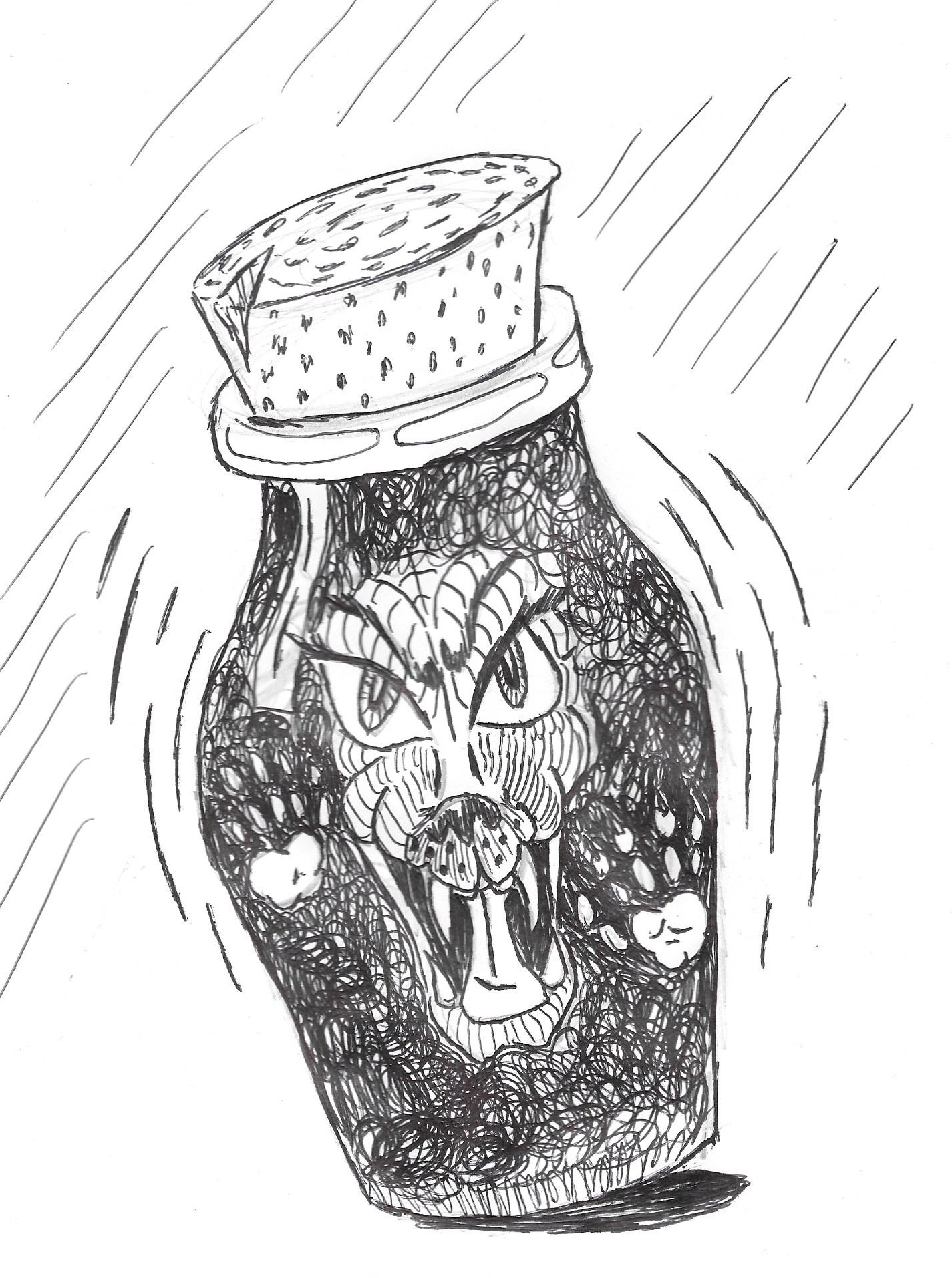
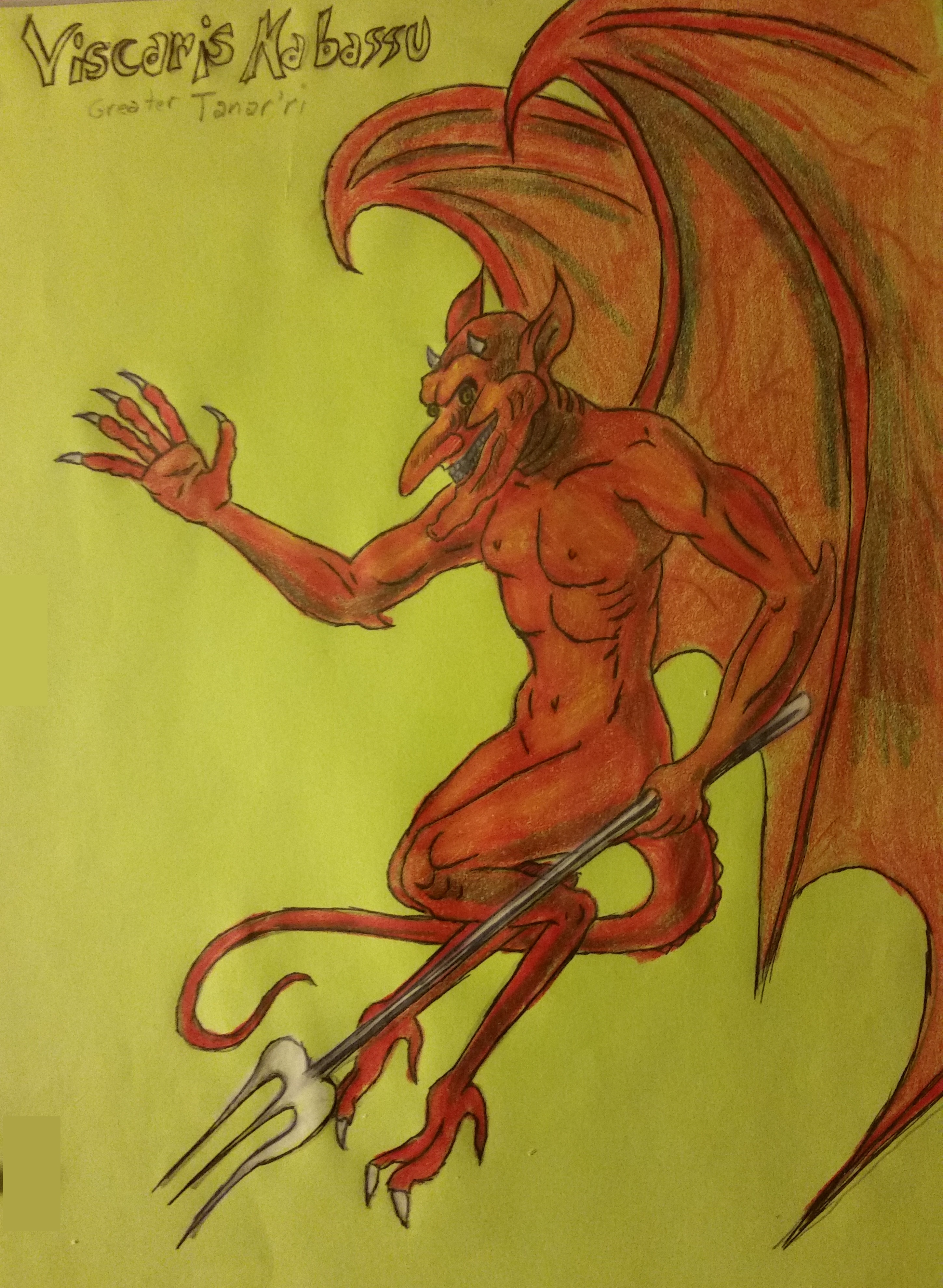
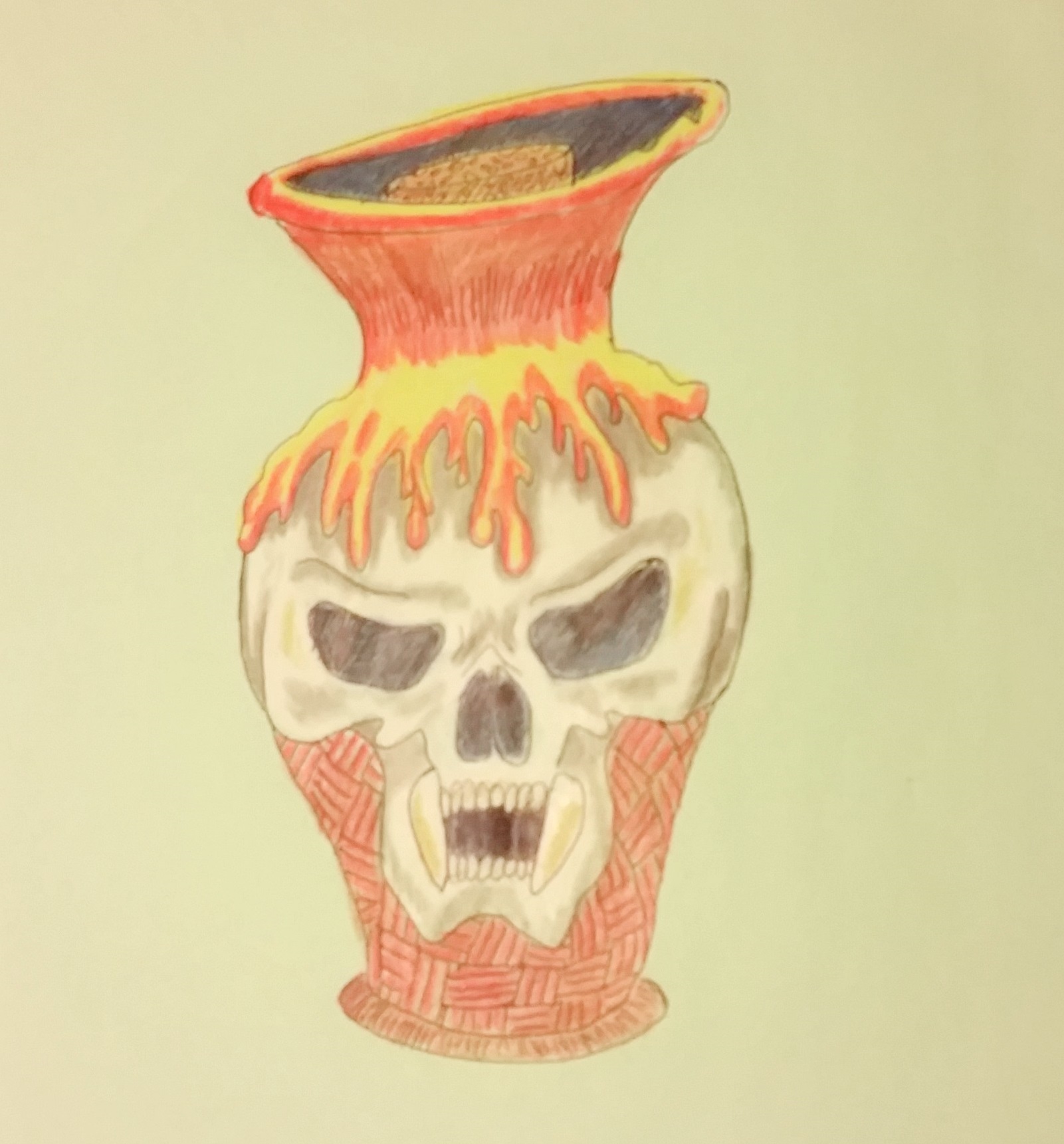
In the Tomb of Death adventure that the three demons illustrated in this post came from, the only solution was to find the weakness in the demon team. Estellia had been ill treated by the other two and deeply resented it. She resented it enough to tell the adventurers’ thief about the brass demon bottle that could be used to magically imprison the demons and then force them to do the bottle owner’s bidding. Viscarus had been using it to control the other two, so only his soul truly needed to be captured. The demon-hearts of the other two were already inside. That story taught several lessons. Manipulative evil can bite you in the neck even if you are the one wielding it. (If only Trump and his cronies had learned that about their own brass demon bottle.)
Evil people don’t see themselves as evil. Often they only see themselves as victims. And it is true in real life that there is goodness in even the most heartlessly evil people. You can find it, appeal to it, and possibly even reach the goodness in their hearts necessary to change them for the better.
I truly believe that those kids who over the years played my story-telling games were better, stronger, and more inherently good because they played my games and learned my lessons. I believe it is true even though there may have occasionally been demons and devils in the stories. And if I believe it strongly enough, it must be true. Isn’t that how faith is supposed to work?
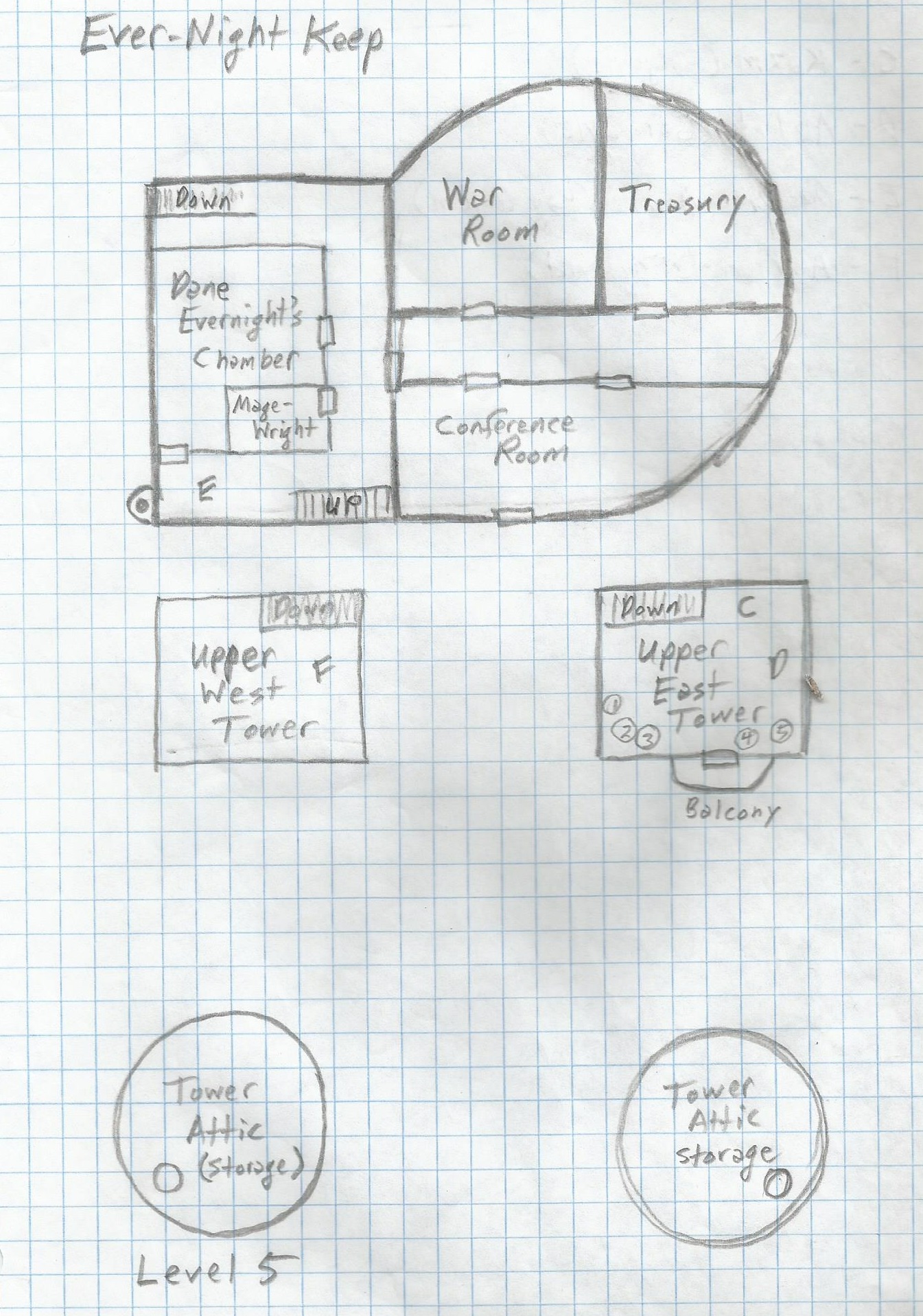
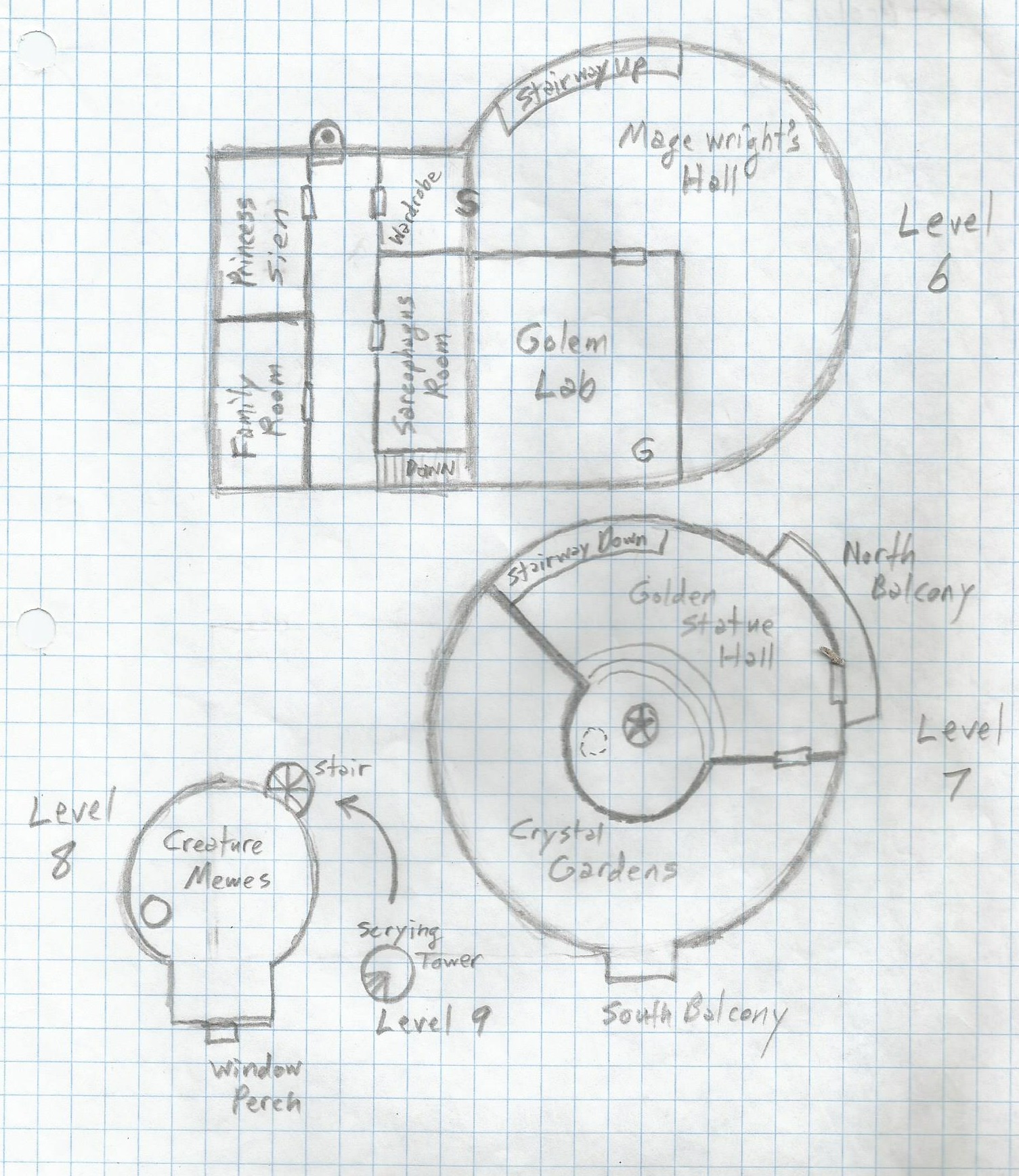
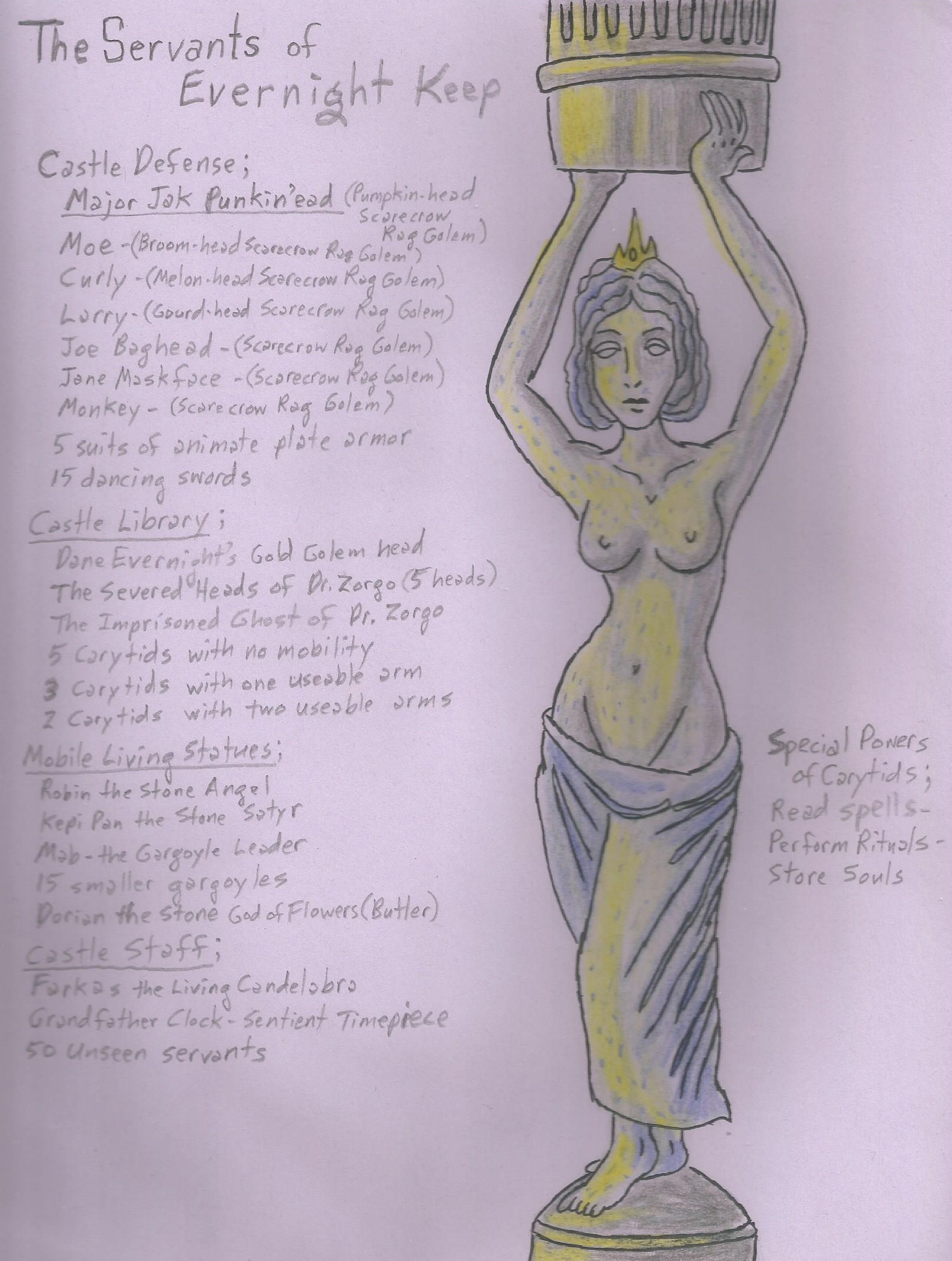
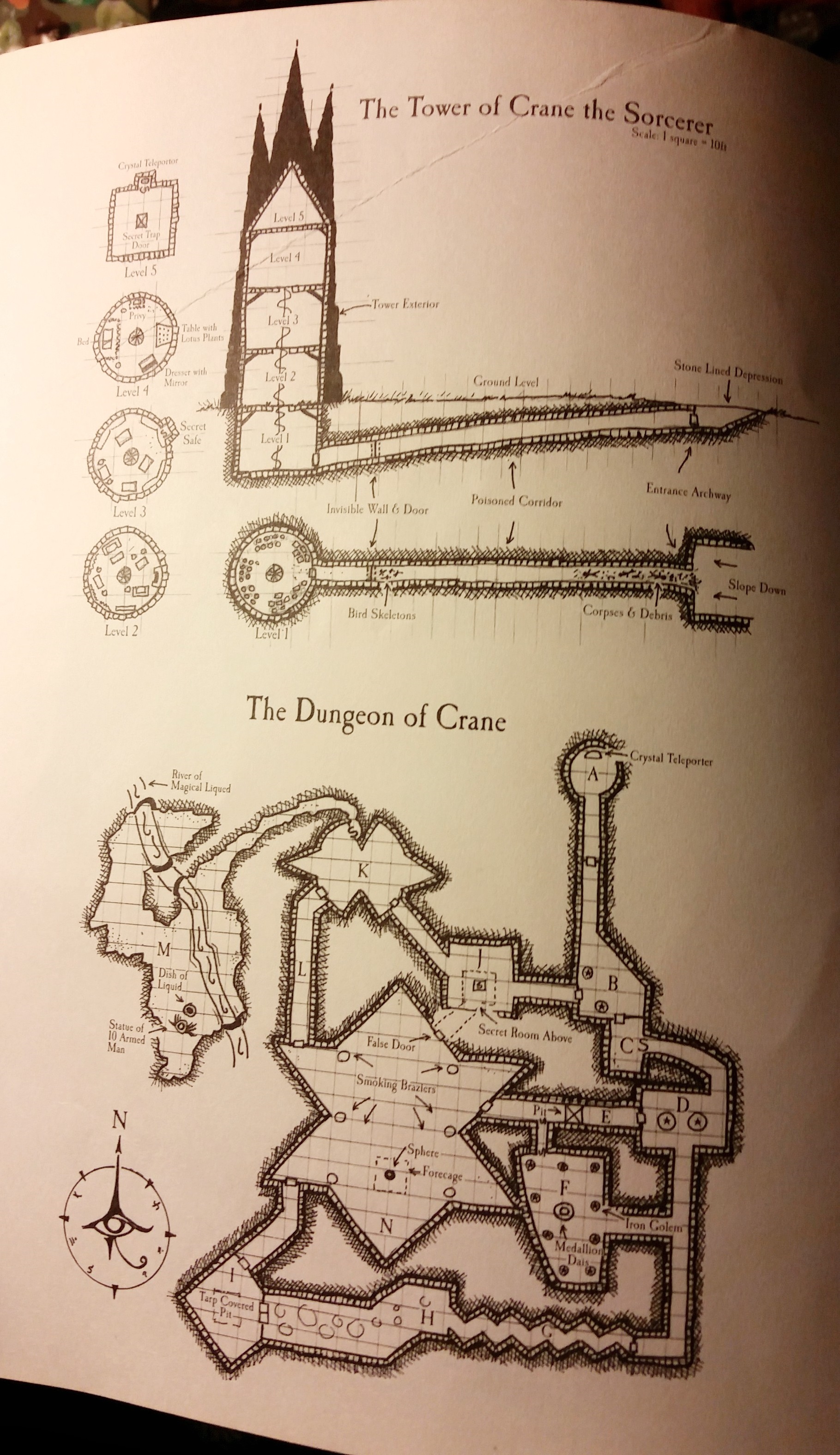
In the mysterious continent of Xendrick, the adventuring party came across a very old abandoned tower. The only way into the tower was a long sloping tunnel that turned out to be trapped and filled with a deadly poison and the numerous corpses of the previous adventuring parties. Of course, if you are a D & D adventurer, such a tunnel is not going to scare you off. It is going to irresistibly pull you in.
After nearly dying on three different attempts to get through the tunnel, Gandy Rumspot, the halfling rogue and thief, realized that it was a poison gas in the tunnel. So he sent Big Cogwheel, the warforged artificial man who didn’t need to actually breathe air, to use his natural immunity to poison to go down and open the tricky invisible door and gain access to the tower.
Voila! On to further tricks and traps. At one point, exploding skeleton warriors animated by necromantic trap spells nearly killed Cog the warforged (by rolling a twenty on an attack roll) and required a miraculous magical repair by Gandy to save him. That left the big metal man with a permanent irrational fear of skeletons.
Along the way, they encountered and had to overcome a bound female demon who had been imprisoned in the tower to keep watch over the property. She was the slave of the Wizard Crane, builder of the tower long ago, who had then gone abroad and died in his semi-noble quest to slay a devil. She told the adventurers a great deal about her former master and her imprisonment, monologuing as villains will before killing and eating the adventurers. She overdid it, though, accidentally revealing the presence in the room of the devil jar that enslaved her, and even more stupidly, revealing how to activate the jar to physically seal her inside like a genii in a lamp.
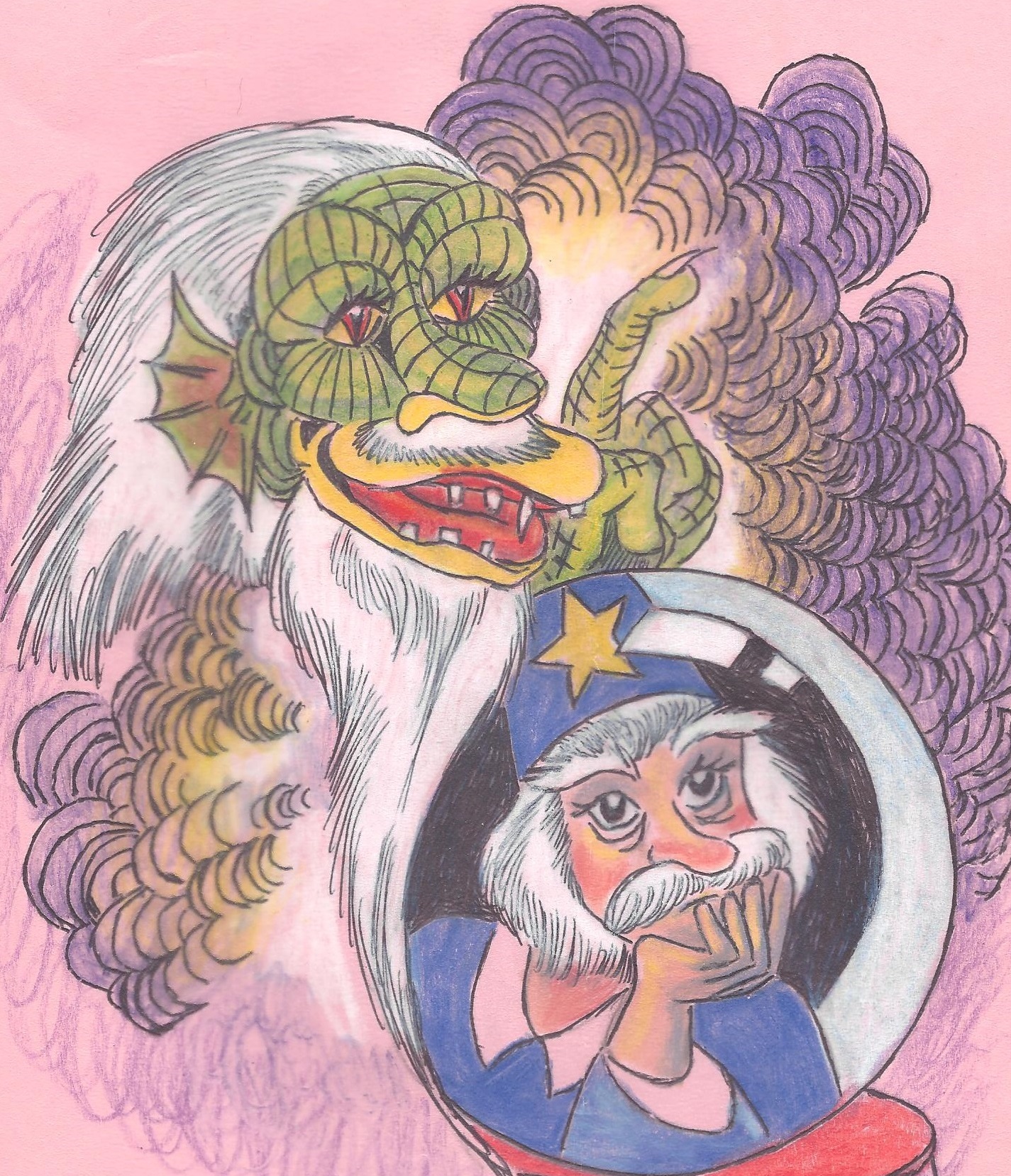
Finally, they found the teleport room in the top of the tower which zapped them to the dungeon under the earth where Crane’s ultimate treasure was kept. It turned out to be a crystal ball which contained all the knowledge, memories, and experiences of Crane himself. In fact, Crane’s entire life up to the point where he left on his fatal adventure took the form of Crane’s imprisoned self, longing to have someone to talk to again after hundreds of years of loneliness. This proved to be a great boon to the magic users in the party, especially the half-elven wizardess Drualia. So that adventure left the adventuring team with more than a mere heap of experience points. It also gained them a crystal ball with an imprisoned sorcerer in it to talk too much and complain too much and teach them exotic and dangerous magic spells.
Like any three-session D & D adventure, this one was probably a lot more entertaining to play than it was to retell, but there it is, complete with the secrets that kept my players thinking about them for more than three weeks.
I told you before that I make a lousy movie critic because I watch anything and everything and like most of it. You don’t believe me? You can look it up through this link; The Uncritical Critic
I hate to tell you this, but it is almost exactly the same for books too.
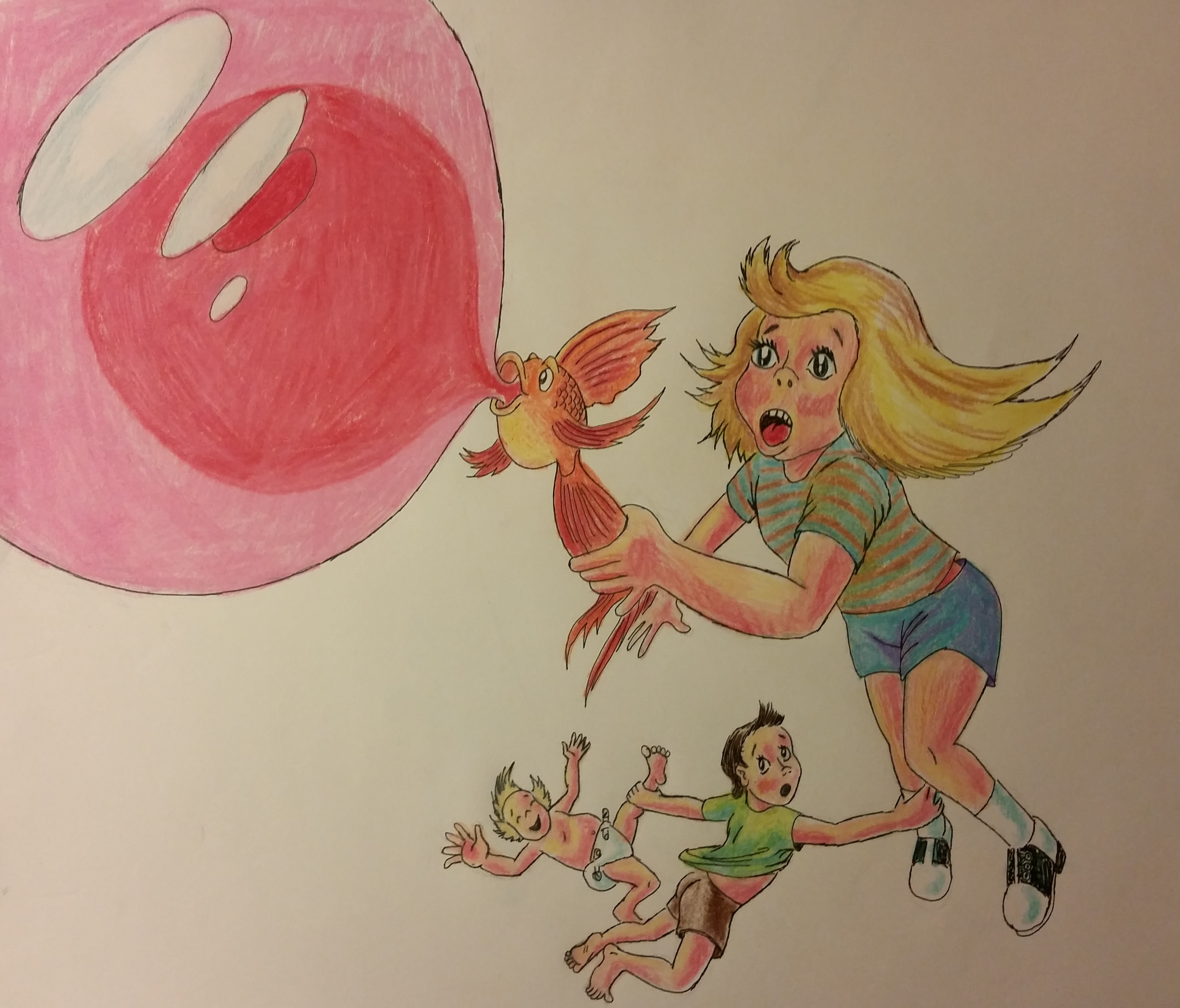
The Paffooney is an illustration for a proposed collaboration on a children’s book. My friend and fellow author Stuart R. West (Stuart’s Blogspot about Aliens) had a story about three kids taking a balloon ride when they accidentally gave the goldfish bubble gum to chew ignoring their mother’s warning that dire consequences would follow. He decided the project was too ridiculous to follow through on, or at least my Paffooney power wasn’t up to making sense of his brilliant literature, and the book did not happen. And I am sorry about that because I couldn’t wait to find out how it turns out. I love weird and wild stories of all kinds. And, unfortunately, I love them uncritically.
So, what kind of books would a goofy uncritical critic actually recommend? Let me lay some bookishness on ya then.
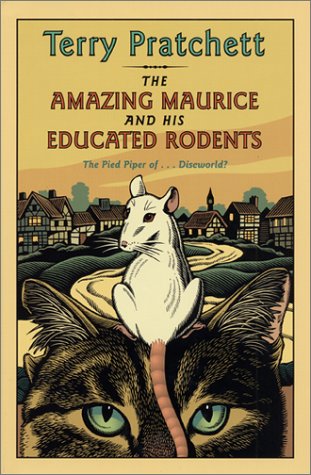
Here is the review I wrote for Goodreads on Terry Pratchett’s The Amazing Maurice and His Educated Rodents.
I have always felt, since the day I first picked up a copy of Mort by Terry Pratchett, that he was an absolute genius at humor-and-satire style fantasy fiction. In fact, he is a genius compared to any author in any genre. He has a mind that belongs up there with Mark Twain, Charles Dickens, and William Faulkner… or down there as the case may well be. This book is one of his best, though that is a list that includes most of his Discworld novels. Amazing Maurice is a magically enhanced cat with multiple magically enhanced mice for minions. And the cat has stumbled on a sure fire money-making scheme that completely encompasses the myth of Pied Piper of Hamlin. In fact, it puts the myth in a blender, turns it on high, and even forgets to secure the lid. It is funny, heartwarming, and changes the way you look at mice and evil cats. This is a book to be read more than once and laughed at for the rest of your life.
You see what I mean? I uncritically praise books that make me laugh and think deeply about things at the same time. It is as if I don’t have any standards at all if something is brilliantly written and makes a deep and influential impression on me.
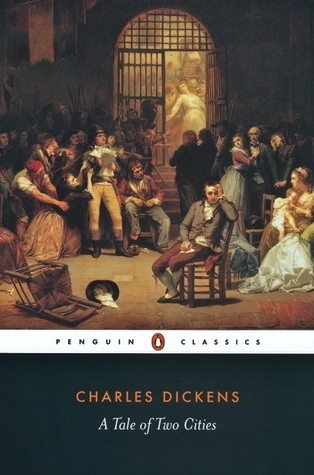
Here’s another book that I love so much I can’t be properly critical when I reread it. A Tale of Two Cities by Charles Dickens. I cannot help but be taken in by the unrequited love the dissolute lawyer Sydney Carton had for the beautiful refugee from the French Revolution, Lucy Manette. Tragic love stories melt my old heart. And I can’t help but root for Charles Darnay as well, even though I know what’s going to happen in Paris at the Bastille because I have read this book three times and seen the Ronald Coleman movie five times. I also love the comical side characters like Jerry Cruncher the grave-robber and hired man as well as Miss Pross, the undefeatable champion of Miss Lucy and key opposer to mad Madam Defarge.
I simply cannot be talked out of praising the books I read… and especially the books I love. I am totally uncritical as a reader, foolishly only looking for things I like about a book. Real critics are supposed to read a book and make faces that remind you of look on my little brother’s face when I had to help him use an outhouse for the first time. (Oh, what a lovely smell that was!) (And I mean that sarcastically!) Real critics are supposed to tell you what they hated about the book and what was done in such a juvenile and unprofessional way that it spoiled all other books forever. That’s right isn’t it? Real critics are supposed to do that? Maybe I am glad I’m not a real critic.
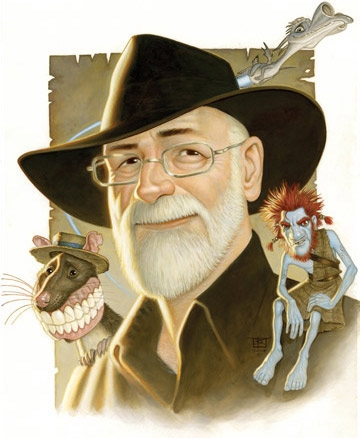
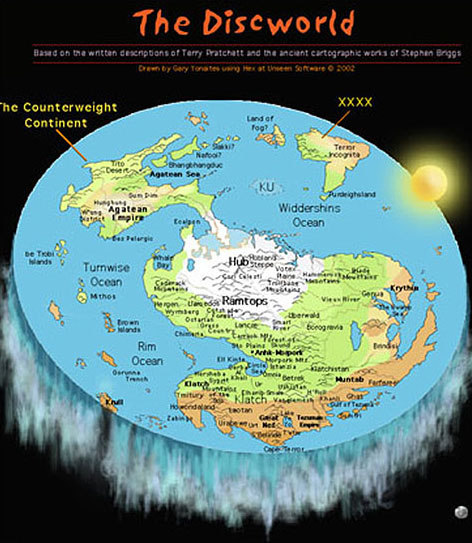
I firmly believe that I would never have succeeded as a teacher and never gotten my resolve wrapped around the whole nonsense package of being a published author if I hadn’t picked up a copy of Mort, the first Discworld novel by Terry Pratchett that I ever encountered. I started reading the book as a veteran dungeon-master at D&D role-playing games and also as a novice teacher, having a world of difficulty trying to swim up the waterfalls of Texas education fast enough to avoid the jagged rocks of failure at the bottom. I was drinking ice tea when I started reading it. More of that iced tea shot out my nose while reading and laughing than went down my gullet. I almost put myself in the hospital with goofy guffaws over Death’s apprentice and his comic adventures on a flat world riding through space and time on the backs of four gigantic elephants standing on the back of a gigantic-er turtle swimming through the stars. Now, I know you have no earthly idea what this paragraph even means, unless you read Terry Pratchett. And believe me, if you don’t, you have to start. If you don’t die laughing, you will have discovered what may well be the best humorist to ever put quill pen to scroll and write. And if you do die laughing, well, there are worse ways to go, believe me.
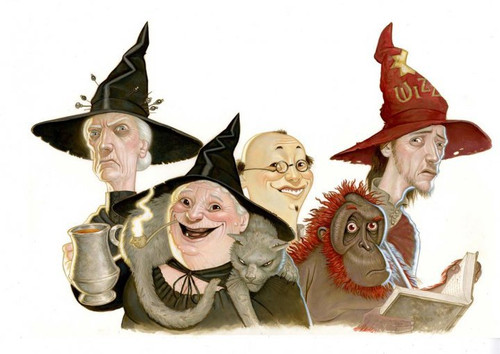
Discworld novels are fantasy-satire that make fun of Tolkien and Conan the Barbarian (written by Robert E. Howard, not the barbarian himself) and the whole world of elves and dwarves and heroes and dragons and such. You don’t even have to love fantasy to like this stuff. It skewers fantasy with spears of ridiculousness (a fourth level spell from the Dungeons of Comedic Magic for those fellow dungeon masters out there who obsessively keep track of such things). The humor bleeds over into the realms of high finance, education, theater, English and American politics, and the world as we know it (but failed to see from this angle before… a stand-on-your-head-and-balance-over-a-pit-of-man-eating-goldfish sort of angle).
Terry Pratchett’s many wonderful books helped me to love what is ugly, because ugly is funny, and if you love something funny for long enough, you understand that there is a place in the world even for goblins and trolls and ogres. Believe me, that was a critical lesson for a teacher of seventh graders to learn. I became quite fond of a number of twelve and thirteen year old goblins and trolls because I was able see through the funny parts of their inherent ugliness to the hidden beauty that lies within (yes, I know that sounds like I am still talking about yesterday’s post, but that’s because I am… I never stop blithering about that sort of blather when it comes to the value hidden inside kids).
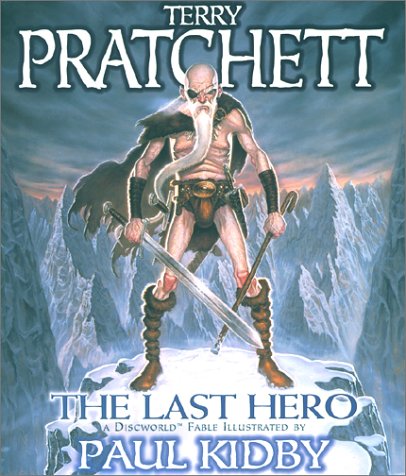
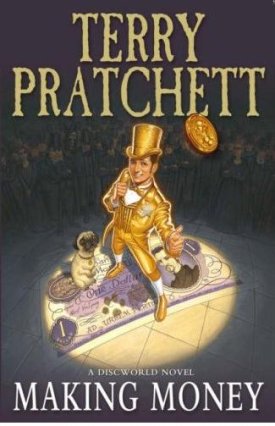
I have made it a personal goal to read every book ever written by Terry Pratchett. And that goal is now within reach because even though he is an incredibly prolific writer, he has passed on withing the last year. He now only has one novel left that hasn’t reached bookstores. Soon I will only need to read a dozen more of his books to finish his entire catalog of published works. And I am confident I will learn more lessons about life and love and laughter by reading what is left, and re-reading some of the books in my treasured Terry Pratchett paperback collection. Talk about your dog-eared tomes of magical mirth-making lore! I know I will never be the writer he was. But I can imitate and praise him and maybe extend the wonderful work that he did in life. This word-wizard is definitely worth any amount of work to acquire and internalize. Don’t take my convoluted word for it. Try it yourself.
I need a quick and cold post for today, so I will turn to the ice wizards of Talislanta.
Viktor, the ice-alchemist, and his son Zoran-viktor are Mirin, a sort of ice-elves who live in the frozen ice-world of the far north. Viktor’s people are cold-resistant enough to wear bikinis in freezing weather (but smart enough not to). So Viktor managed to become the Mirins’ most powerful user of the magic of chemistry by developing hot stuff. In the picture he is brewing a bit of the really, really hot explodie stuff that melts a Mirin bad guy.
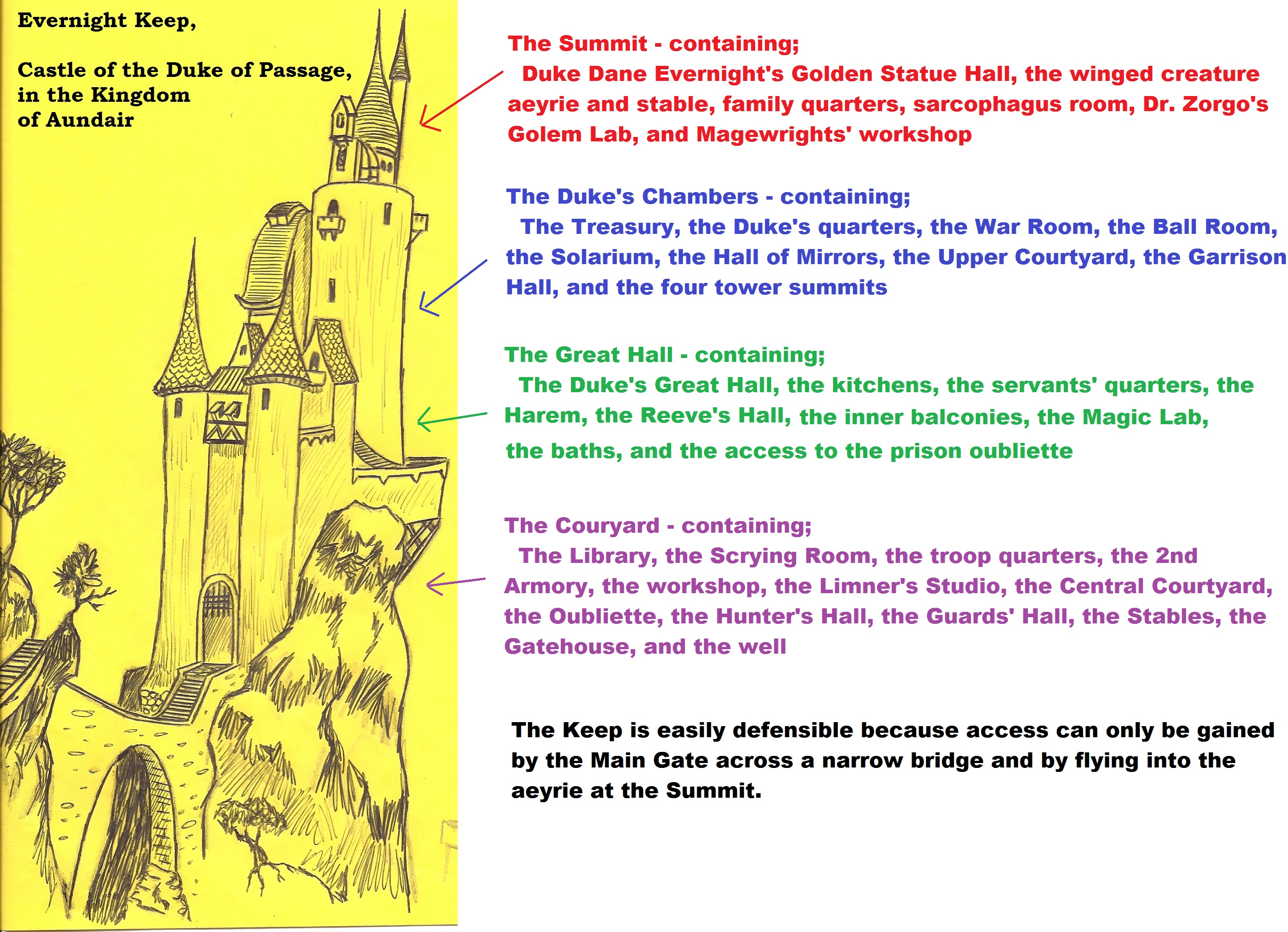
Juan Ruy, the Mirin prince, built many ice castles out of his magical substance known as iron-ice. It was far harder to pierce than steel and impossible to melt with fires less hot than dragon’s breath. With it he built frozen castles vertically to the highest heights. And they still stand, primarily because I haven’t played that particular D & D game for more than two decades.
But this is what I love most about the Dungeons and Dragons game. It is a never-ending game played in worlds of shared imagination where every person at the table adds something to the story. It is interactive, and it retains the unique twists and turns created by the players. I created the scenario. The player behind the character Juan Ruy created the idea of iron-ice that completely changed the story.
Poppensparkle invited Twinklebottom to enter the upper room of Pippen’s Tower in the castle known as Cair Tellos. Poppy’s face revealed great concern as she led Twinkle to the coffee table in what her young husband constantly called Poppy’s Worry Spot.
“So, what’s on your mind today? Why did you so urgently need to see me?” Twinkle said.
“It’s the creator. He’s not been well. And that’s concerning at his advanced age.”
“You mean the Slow One who writes our story? The one our existence depends on? How old is he?”
“He says he is 568 years old, but he writes fiction, so he lies a lot. In faery years he’s 138, so I guess he is probably almost 70 in human years.”
“Goodness, Poppy! If he dies, we all disappear into nothingness.”
“Yes, that’s the way being a faery works. We depend on the fools who believe in us.”
“So, what is wrong with him?”
“In January, one of those two crowns on his molar teeth that broke off during the pandemic got seriously infected. He had both teeth yanked out by a psycho lady dentist who nearly pulled his skeleton out of his body during the extraction of the stubborn infected tooth. He had to take lots of antibiotics and was in a lot of pain. He had trouble eating.”
“That sounds horrible, but survivable. Old Slow Ones go through that sort of thing routinely. The old lady who has dementia and talks to me all the time had all her upper teeth pulled out and something called a denichurr put in its place.”
“Yes, but that wasn’t the end of his health troubles. In the middle of January, he had to pee out four small kidney stones. That hurt an awful lot, and he got seriously infected somehow. He has this weird colon problem called diverticulosis, a condition where the large intestine is full of unexpected pockets that collect extra feces that stops moving and can become infected too.”
“So, he was also full of shit.”
“Um, yes. He had to get a shot of a super-powerful antibiotic in his behind, given to him by a lady nurse. He also needed an antibacterial powder that he had to stir into water, drinking 80 ounces of water or more a day. And he had to take lots and lots of laxatives too. At least seven days worth.”
“So, he got to know the household porcelain well.”
“It makes me glad that faeries are differently made and never have to poop.”
“You and me both, Poppy. So, is he dying?”
“I don’t think so. But I wish I knew how to help. He’s a weird old guy, but likable and funny. And we need him to stay alive and tell our story.”
“I know a dark faery I can consult,” said Twinkle stupidly.”
“Oh, that’s a truly terrible idea!”
An hour later, Twinklebottom sat in Dangerheart’s underground tea room.
“…So, that’s what is wrong with Mickey the creator. Is there anything you can do to help?”
Dangerheart grinned evilly. “I was watching through my crystal ball as the old hag stuck the needle in his butt. I laughed long and hard about that.”
“It isn’t really a crystal ball. It’s a Slow One child’s shooting marble.”
“It lets me scry on foolish mortals like the creator though. And I love seeing him get embarrassed or put through pain. I’m only sorry I didn’t get to see the psycho dentist yank the infected molar out. That would’ve been a hoot.”
“Isn’t there something you can do to help?”
“Well, he already went to the emergency room on Friday and after they scanned him and poked him and took his blood, they found out the infection was gone. They couldn’t do anything more for him with their science stuff. The pee doctor gave him some expensive pills that turn your pee blue. Surely there is no evil magic that I could apply that would be any funnier than that.”
“You think we don’t need to worry about him anymore?”
“I wouldn’t say that. President Pumpkinhead Trump will probably take away his Medicare and that will probably kill him. That should be funny to watch.”
“So, you think we are all doomed? The world will not remember us after our storyteller dies, and we will all fade away into nothingness?”
“Of course, we’re doomed. And you sure use the word So a lot. Or was that sew?”
No, this isn’t some kind of multiple-book book review. This is an ungodly silly claim that I can actually read three books at once. Silly, but true.
Now, I don’t claim to be a three-armed mutant with six eyes or anything. And I am relatively sure I only have one brain. But, remember, I was a school teacher who could successfully maintain a lesson thread through discussions that were supposed to be about a story by Mark Twain, but ventured off to the left into whether or not donuts were really invented by a guy who piloted a ship and stuck his pastries on the handles of the ships’ wheel, thus making the first donut holes, and then got briefly lost in the woods of a discussion about whether or not there were pirates on the Mississippi River, and who Jean Lafitte really was, and why he was not the barefoot pirate who stole Cap’n Crunch’s cereal, but finally got to the point of what the story was really trying to say. (How’s that for mastery of the compound sentence?) (Oh, so you could do better? Really? You were in my class once, weren’t you.) I am quite capable of tracking more than one plot at the same time. And I am not slavishly devoted to finishing one book before I pick up the next.
I like reading things the way I eat a Sunday dinner… a little meatloaf is followed by a forkful of mashed potatoes, then back to meat, and some green peas after that… until the whole plate is clean.
Treasure Islandby Robert Louis Stevenson is the meatloaf. I have read it before, just as I have probably had more meatloaf in my Iowegian/Texican lifetime than any other meat dish. It’s pretty much a middle-America thing. And Treasure Island is the second book I ever read. So you can understand how easy a re-read would be. I am reading it mostly while I am sitting in the high school parking lot waiting to pick up the Princess after school is out.
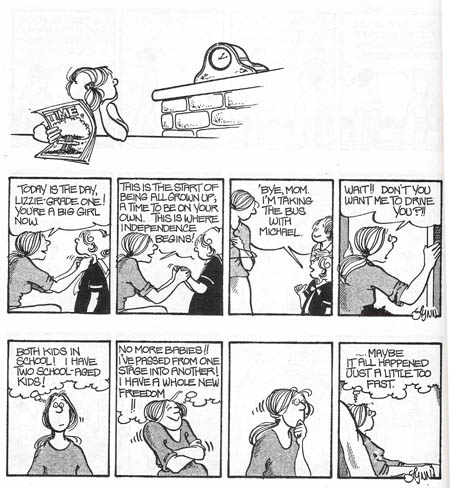
Lynn Johnston’s For Better or Worse is also an old friend. I used to read it in the newspaper practically every day. I watched those kids grow up and have adventures almost as if they were members of my own family. So the mashed potatoes part of the meal is easy to digest too.
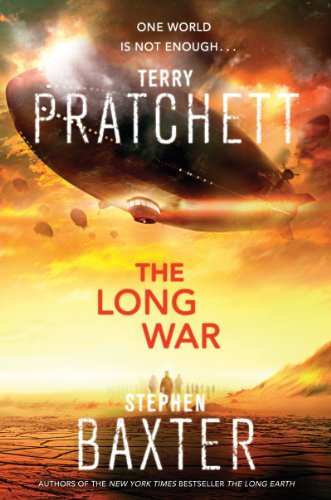
So that brings me to the green peas. Green peas are good for you. They are filled with niacin and folic acid and other green stuff that makes you healthier, even though when the green peas get mashed a bit and mix together with the potatoes, they look like boogers, and when you are a kid, you really can’t be sure. Terry Pratchett and Stephen Baxter wrote this book The Long War together. And while I love everything Terry Pratchett does, including the book he wrote with Neil Gaiman, I am having a hard time getting into this one. Parts of it seem disjointed and hard to follow, at least at the beginning. It takes work to choke down some of it. Peas and potatoes and boogers, you know.
But this isn’t the first time I have ever read multiple books at the same time. In fact, I don’t remember the last time I finished a book and the next one wasn’t at least halfway finished too. So it can be done. Even by sane people.
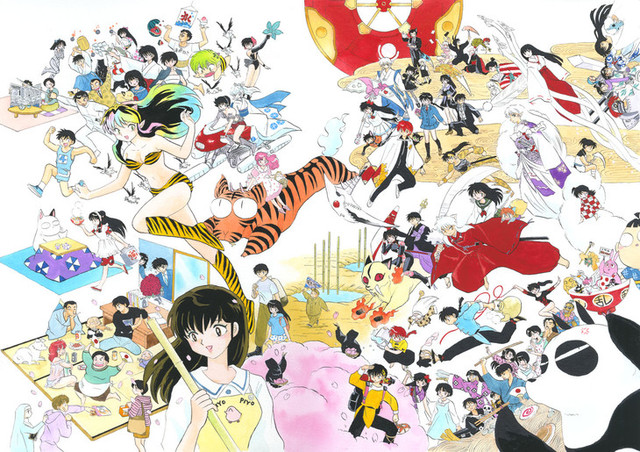
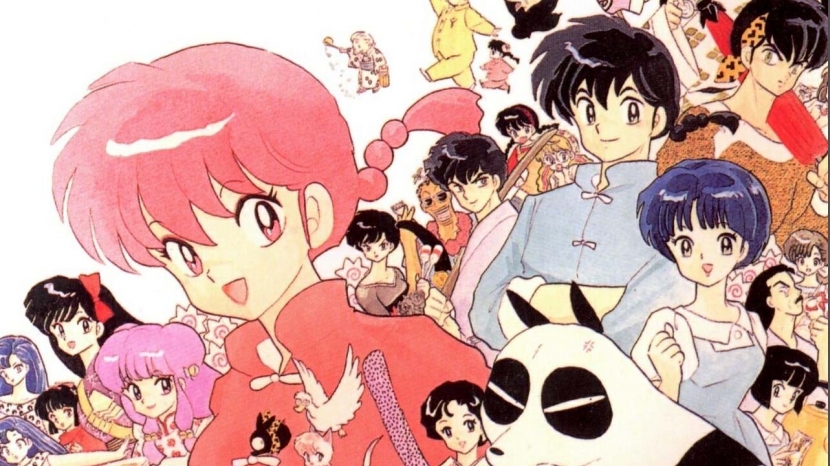
This is an art exercise, making a drawing imitating the manga style of Rumiko Takahashi, the greatest female comics artist of all time.
This is a second shameless plagiarism and imitation of Rumiko Takahashi by Mickey the Manga Wannabee.
Yesterday I used a Paffooney I had stolen to illustrate my gymnasium adventures, and in the caption I gave credit to the wonderful comic artist I shamelessly copied it from. The second imitation Takahashi that I did yesterday is now displayed next to it above. I am now compelled to explain about my goofy, sideways obsession with Anime and Manga, the cartoons from Japan. I love the art style. I have since I fell in love with Astroboy Anime as a child in Iowa. Rumiko Takahashi is almost exactly one year younger than me. As a cartoonist she is light years more successful than me. She has been crafting pen and ink masterpieces of goofy story-telling longer than I have been a teacher.
Her artwork is a primary reason I have been so overly-enamored of the Japanese Manga-cartoon style. I love the big eyes, the child-like features of even adult characters, the weird poses and still-weirder comic art conventions of this culture from practically a different planet. She has created comic series that are immensely popular in Japan, and have even put down sturdy roots in this country, especially with young adults since the 80’s. She is the world’s number one best-selling female comics artist.
Just as we Westerners have to accept numerous ridiculous things to appreciate the stories told in American comics (for instance, brawny heroes running around in tights with their underwear on the outside of their pants, nearly naked ladies with super powers diving into battle next to men encased in armored suits, and talking animals), the Manga-minded must also practice a bizarre form of the willing suspension of disbelief. In Ranma 1/2, the main character is a boy marshal artist who turns into a girl when splashed with cold water. Much of the romantic comedy of that work revolves around boys and old men finding themselves in the bath house next to naked young girls. For some reason that sort of naked surprise causes the boys to spout fountain-like nosebleeds. In Inu-Yasha the whole thing is about fighting demons with swords. Inu-Yasha himself is part demon. Apparently part-demon is a good thing to be. Japanese villains are spectacularly susceptible to fits of crying rage and tantrums. And everybody looks more like American white people than orientals. Oh, and there are talking animals.
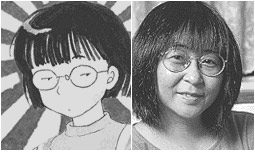
Rumiko is a master of pen and ink. Here is a sample of of her black and white work.
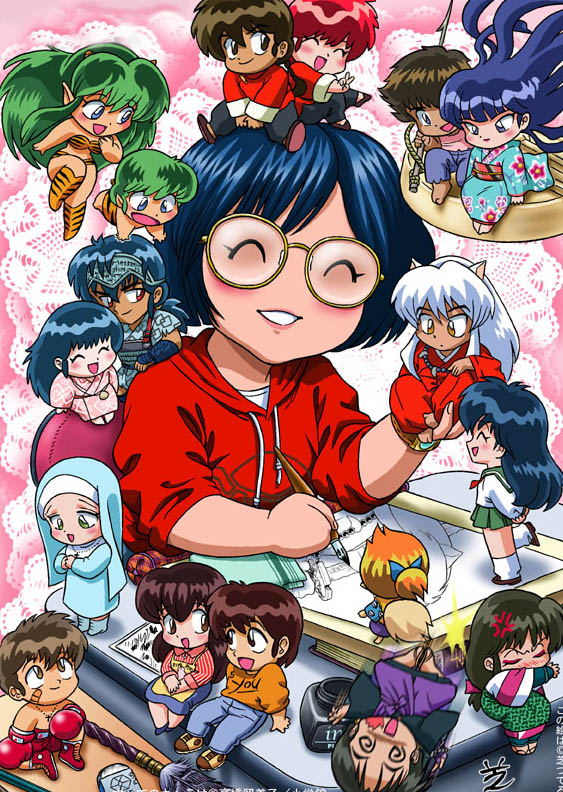
And she does color well too.
The little people are a special style of Manga character called a Chibi, and all regular Manga characters can turn into one at any moment.
And, of course, to read actual Manga you have to master reading backwards. Americans read left to right. The Japanese read right to left. You have to open a Japanese book in a manner that seems both backwards and upside down.
This illustration shows how American publishers flip Japanese comics to make them more accessible to American audiences.
So now, by uncovering the fact that I am addicted to and seriously affected by Japanese cartoons, you have one more bit of evidence to present to a jury in case you decide Mickey needs to be locked up and medicated for a while. Japanese comics are a world of great beauty, but also a world unto themselves. It is an acquired taste that has to be considered carefully. And of all the many marvelous Manga makers, Rumiko Takahashi is the one I love the best.
We have across the street from our house an extensive green-belt park. It meanders through the city along a controlled and, often, brick-walled creek. It is really a portion of the city’s drainage system that prevents more of the horrible flooding that occurred in Texas cities in the 1980’s and 1990’s, As you can see, if you need to exercise for your heart-and-joint health, it is a perfect spot for a nice, long walk and think. So, today I am thinking about what I walked and thought about.
Mini-Wizards
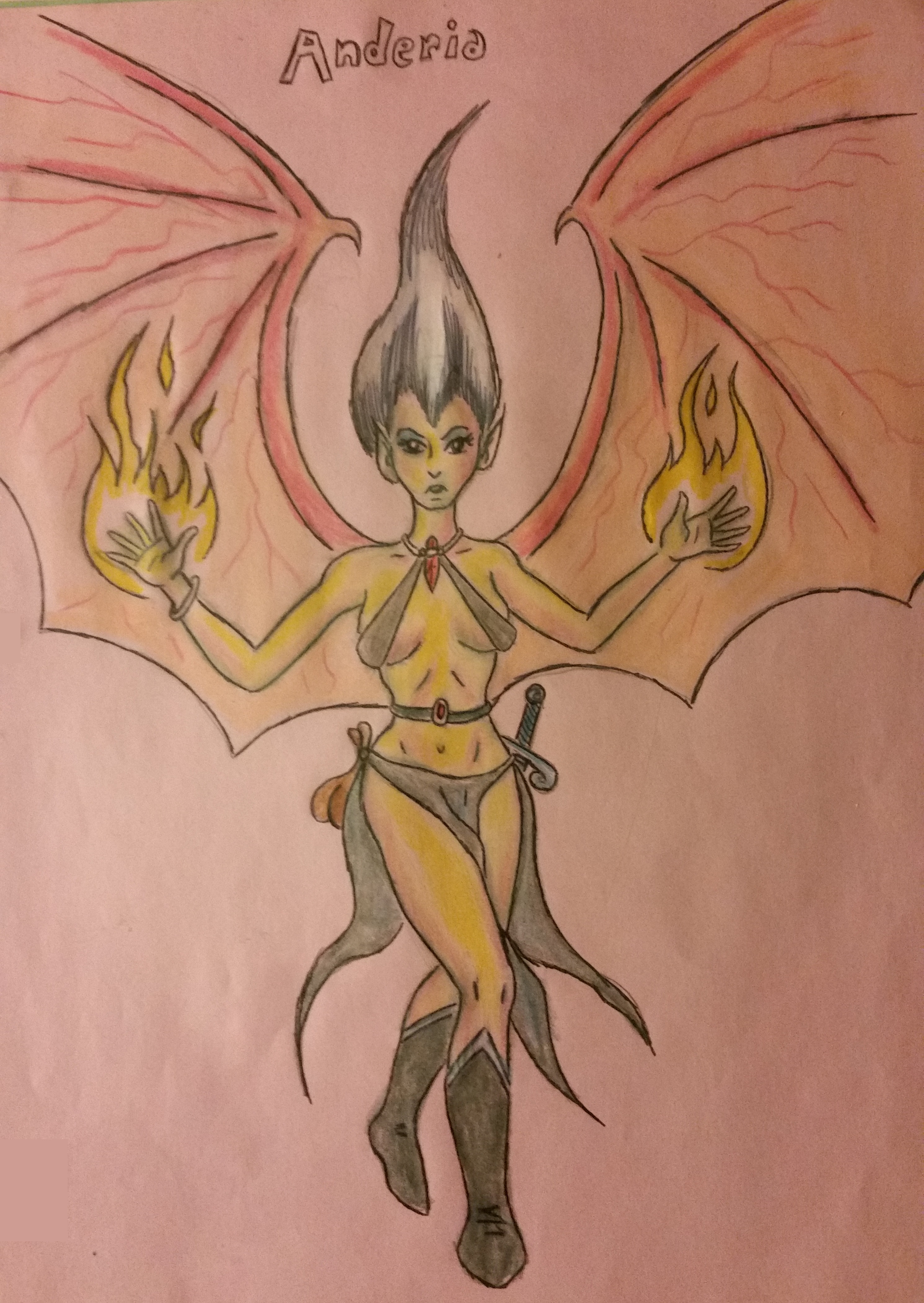
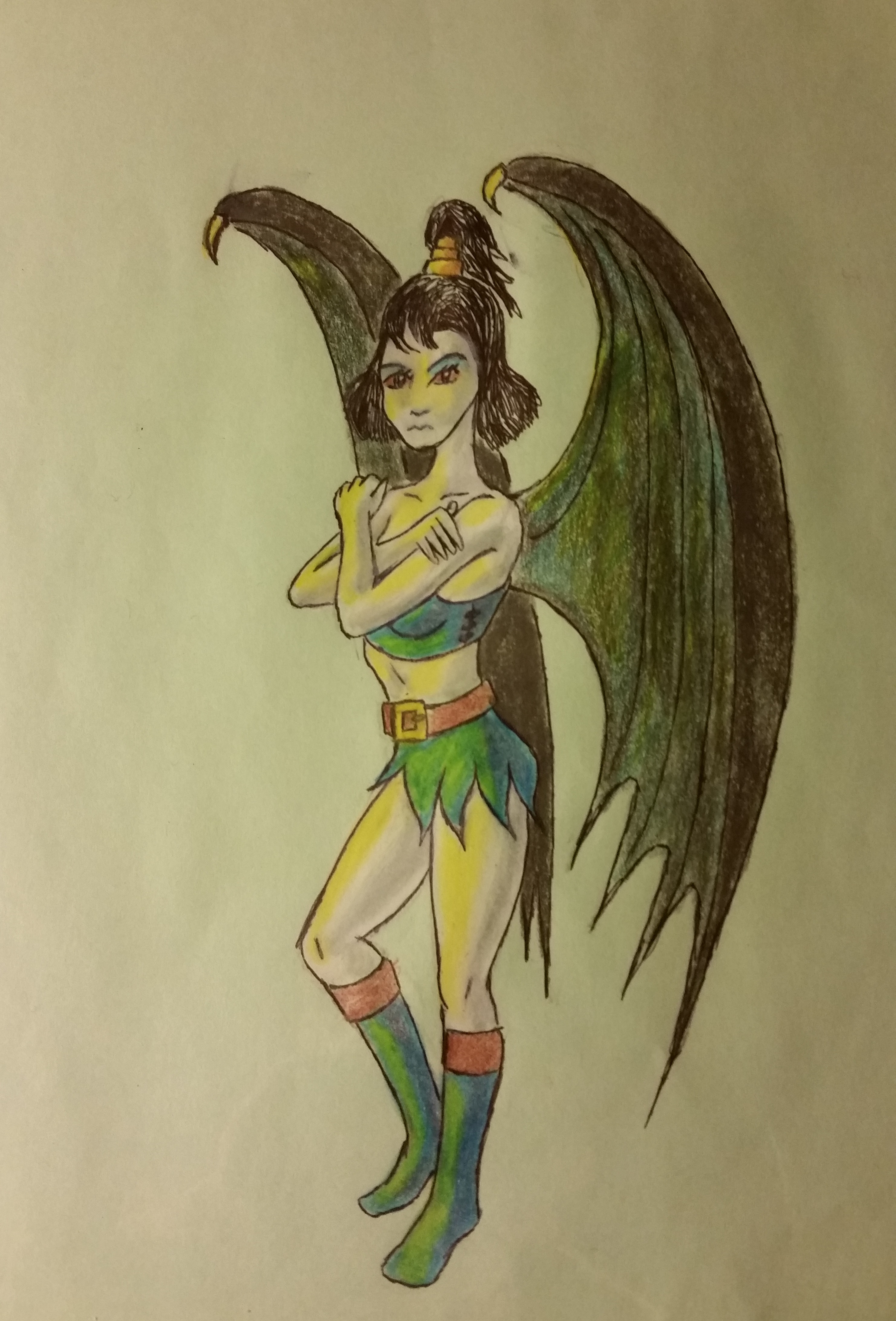
I started my walk thinking about my current work in progress. It is called The Necromancer’s Apprentice. And it is a story about a fairy society filled with tiny, three-inch-tall magical people. They live in a castle-city made from a living, hollow willow tree. The city is under attack by an evil Necromancer (a death-wizard) who wants something unknown from the wizards in the city. Eli Tragedy is a sorcerer representing the good guys. He has two apprentices already, quiet Bob and chaotic Mickey the were-rat. And he captures the necromancer’s apprentice, and instead of killing her like his superiors want, he makes her into his own third apprentice. He’s a good wizard because he helps students learn and values them as people. The bad guy is the opposite. He is evil because he’s focussed on his own power and wealth, and he’s wasteful of the lives and suffering of others. So, in many ways, he is like a Republican politician in the real world.
The Great Books You Have Read Make You Who You Are
So, I began thinking about what the necromancer’s favorite great work of literature is. Obviously, it would be former Speaker of the House Paul Ryan’s favorite book, Atlas Shrugged. In that book, the hero John Galt asserts the notion that only certain people, creative types like himself and Ayn Rand and, presumably, Paul Ryan have the right to design the proper life for everybody. And they are capable of doing anything and getting away with it for the reason that it is in the best interests of everybody, even if it kills the poor and other lesser people.

This recognized classic book of fiction supporting a selfish philosophy is the reason why we have things like Reaganomics, Trump tax cuts, and border walls. The perfect explanation to certain readers of, “All the reasons why I should turn to evil.” It obviously is a book read and loved by not only Paul Ryan, but other important weasels in charge of everything like Senator Ted “Cancun” Cruz, Senator Mitch “Turtle Man” McConnell, and former Presidential Advisor Steve “The Human Sweat-stain” Bannon.
A good wizard (or Sorcerer) would have read and been influenced more probably by some of the great books of Uncle Boz, um, I mean, Charles Dickens. His is a much gentler and more generous philosophy which finds value in forlorn and mislaid individuals like Sydney Carton, Oliver Twist, Nicholas Nickleby, or Tiny Tim. I know these books of magic are the ones I choose to battle evil wizards in my own life.
So, if great books made me, perhaps I can write my great book with heroes influenced by Dickens and villains influenced by Ayn Rand.
The Final Turn of the Park’s Sidewalk
As I head homeward from my walk in the park, I have two things gained from the exercise. My legs and back are very tired. And my head is boiling over with things I need to write.down.