
The audience has begun to actually form. My stories are being read and evaluated as a good thing. It could really take off if only I had the power to fan the flames of reading and liking the kind of stories I create. But so many things threaten to literally break my legs. Tornado season is here, and our house is so poorly defended that the insurance company threatens to take away the expensive coverage we have been paying for. Mango-flavored Hitler is creating a tsunami of economic waves of crash and failure. My worldly wealth may be taken away to feather the nests of all the Trump-approved grifter birds. Banko Merricka no longer has my accounts, but they have a reputation for re-collecting already-paid debts.
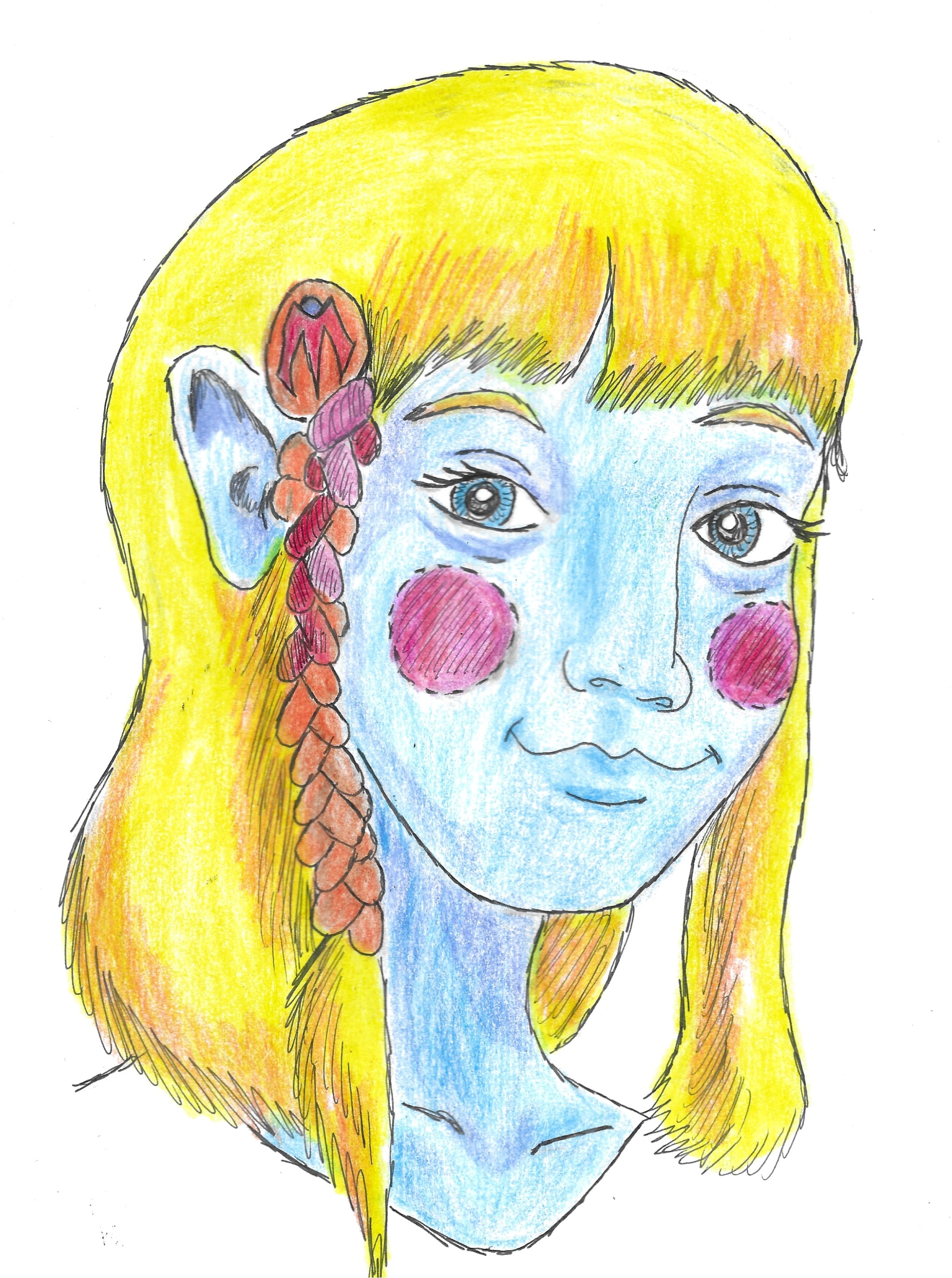
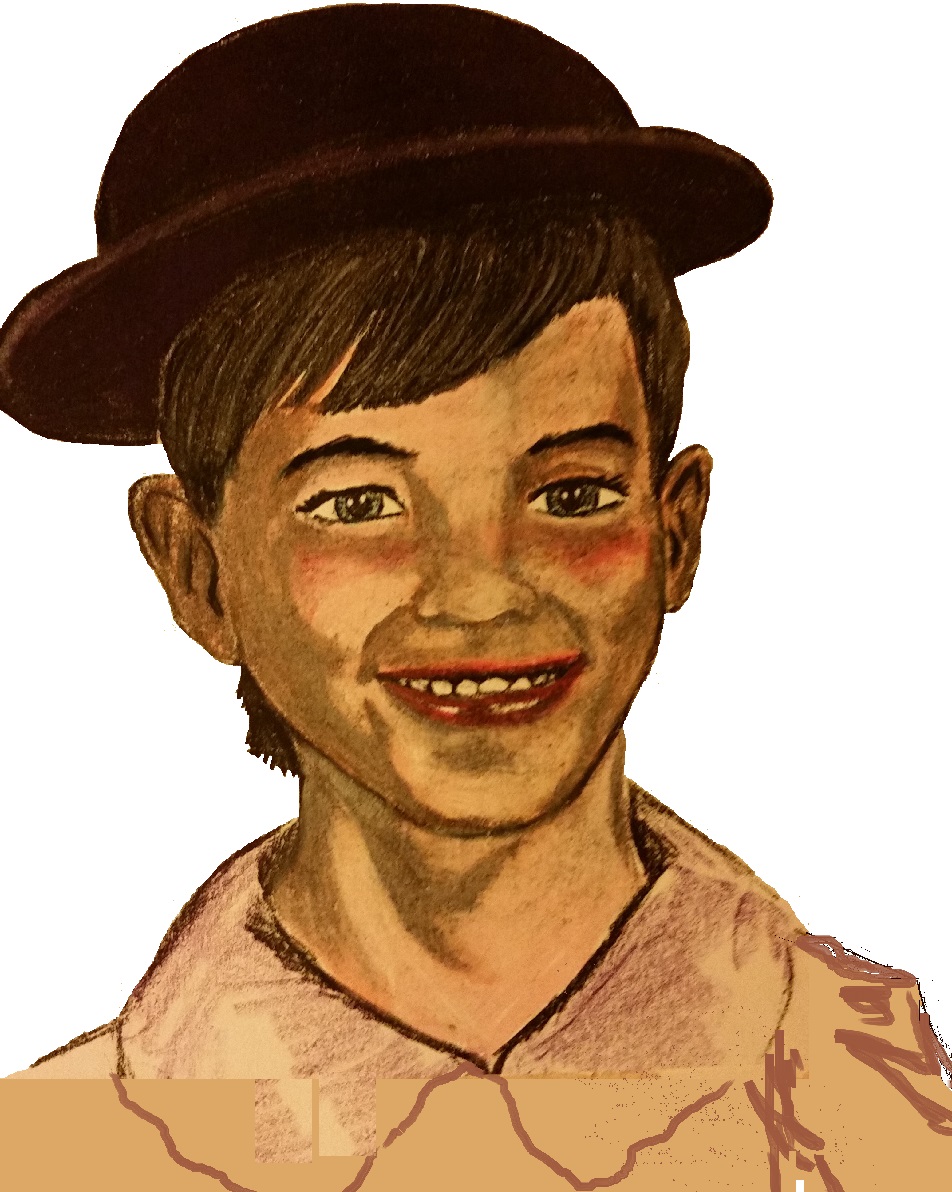
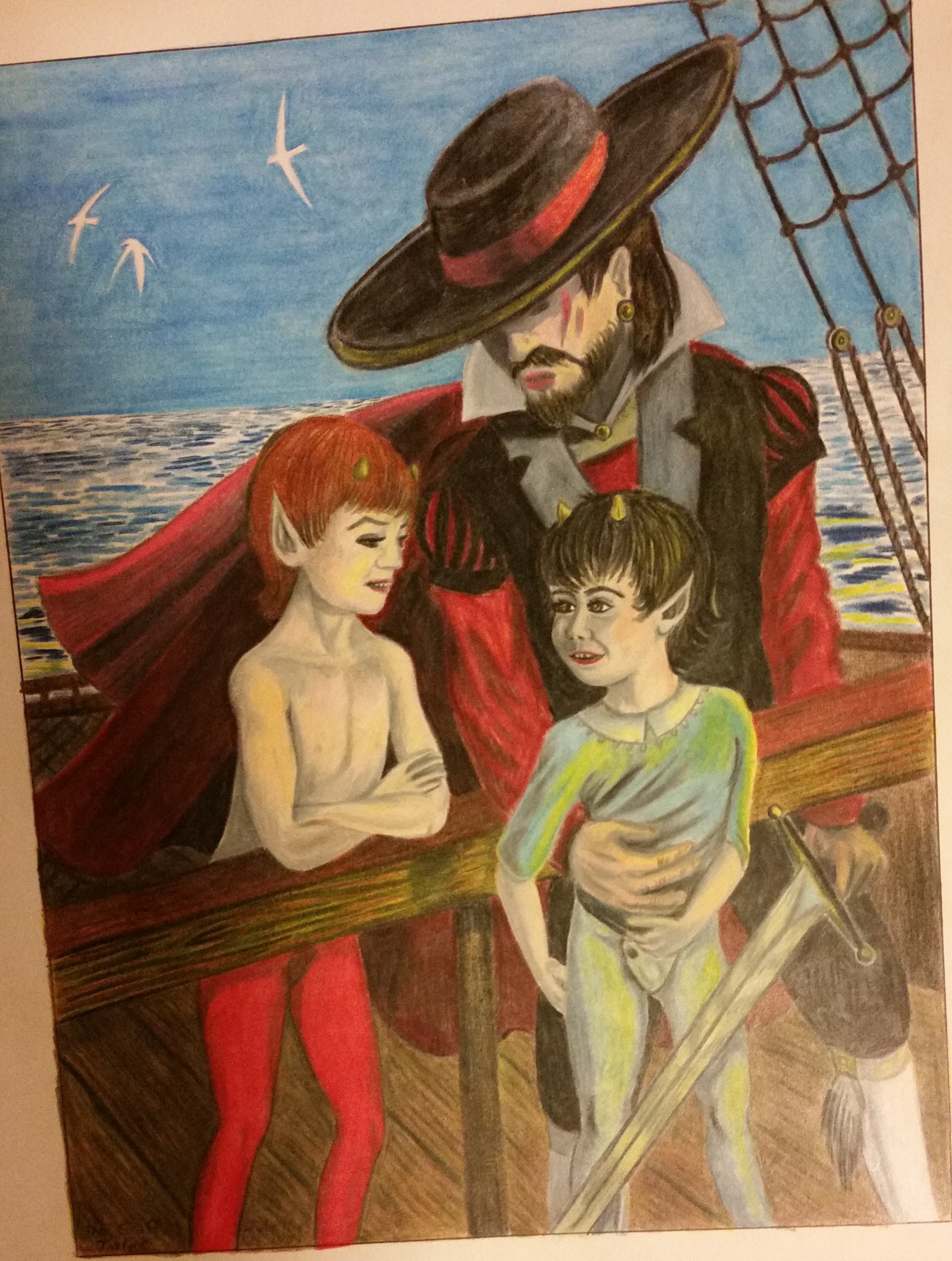
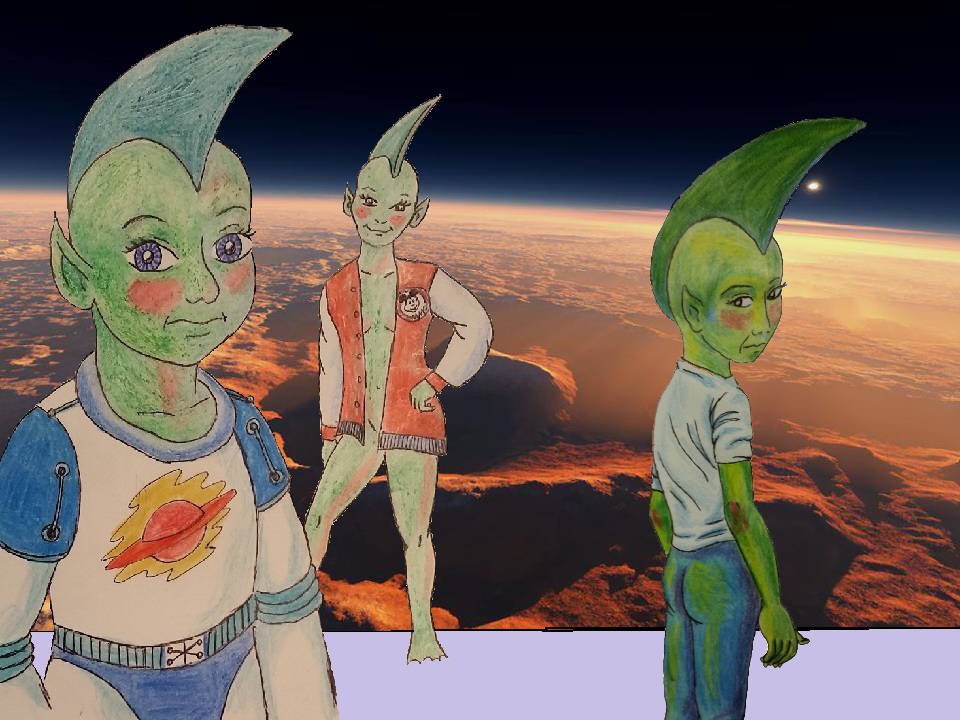
If I can continue filmmaking in the theater of my imagination, I should produce a few more books. The one that is now done and edited twice is Cissy Moonskipper Meets the Nebulons. It is the second book in the Cissy Moonskipper’s Travels series of science fiction novellas. Cissy meets the blue-skinned race that produced Suki Vorranac (pictured above), Cissy’s pilot, rescued from pirates in the first book. All that is left to accomplish is the publication step.

I also have half a manuscript of the above novel created already. The Haunted Toy Store is a break from my usual interconnected stories. It tells of people’s weird encounters with a decrepit old toy store that never seems to sell any of its antique toys. It turns out that the toys they do sell are the customers they lure in, bought by a customer base of dead people who need to play with human souls to try to solve their ghost problems.
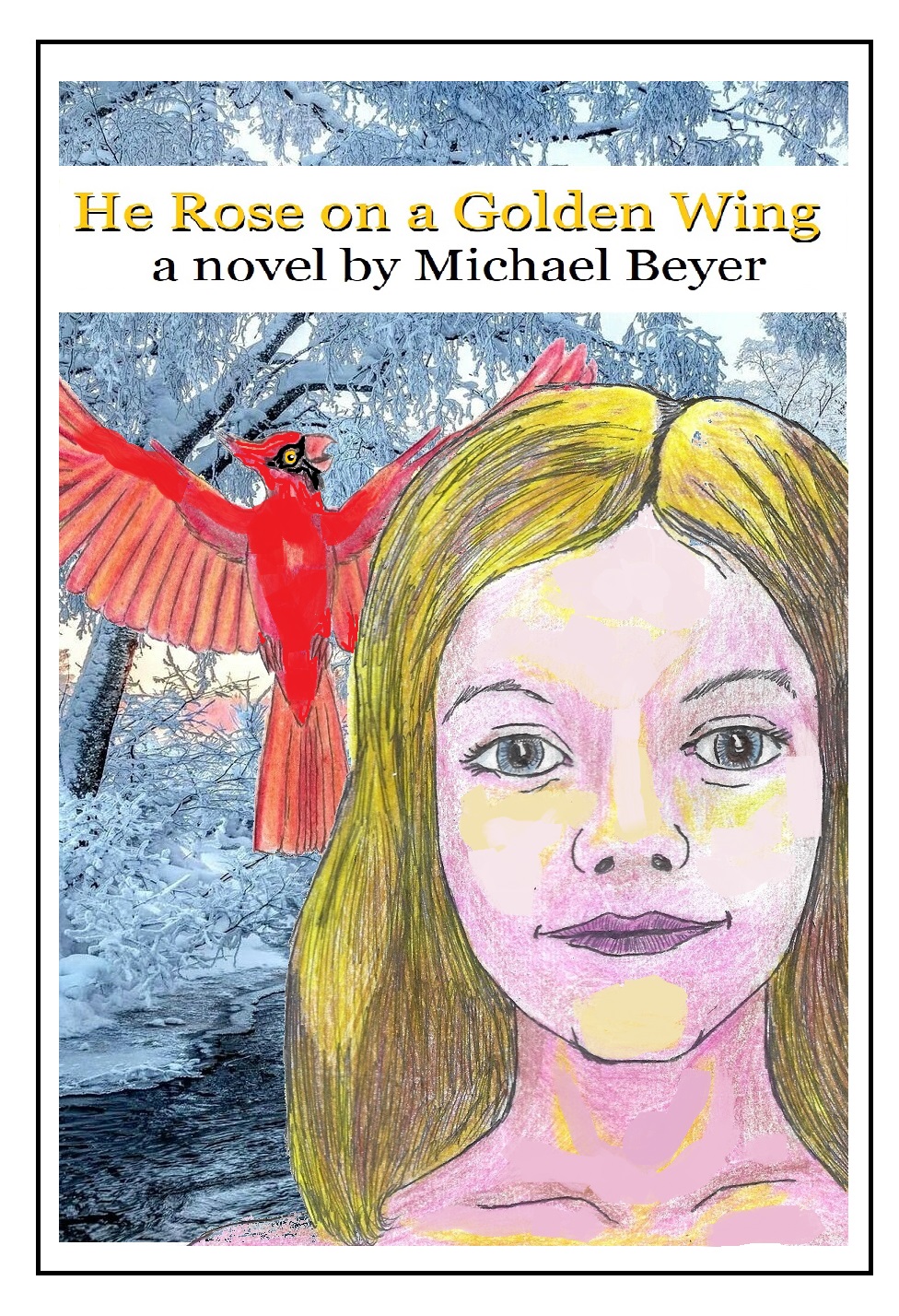
I also have this book well underway as a manuscript that’s about one-fourth of the way through a longer-than-usual story that weaves together the loose ends of several previous Hometown Novels. He Rose on a Golden Wing is a story originally titled Valerie in Darkness. It is about teenagers working as a group to overcome their collective traumas.
If I can do it, I will publish these books before I die. The show must go on… if possible. Don’t wish me a broken leg because that may well happen.


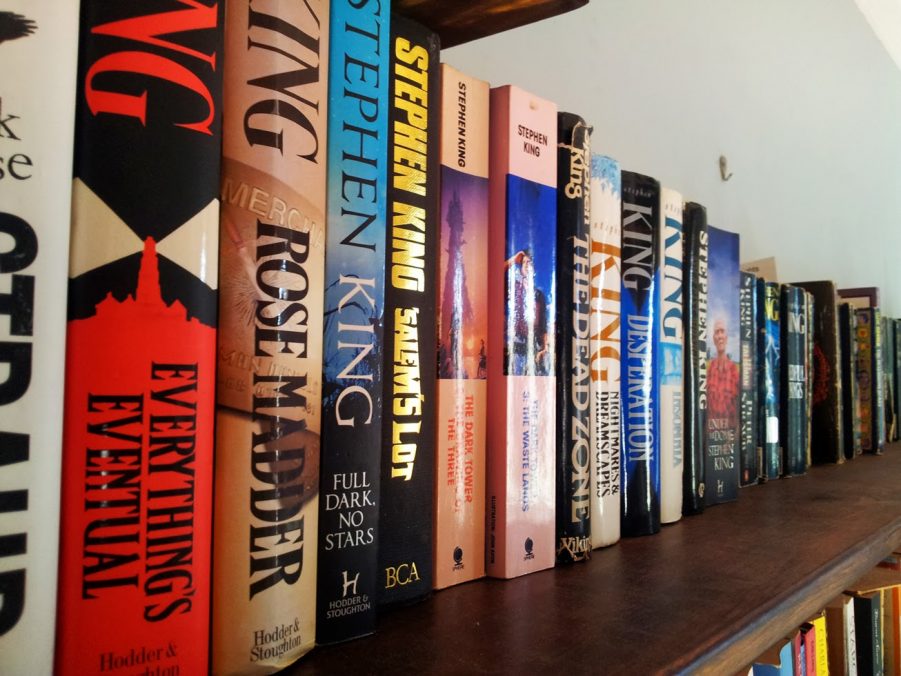


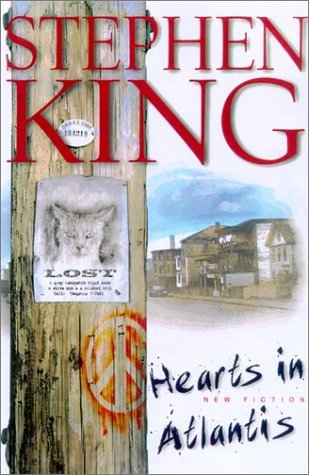

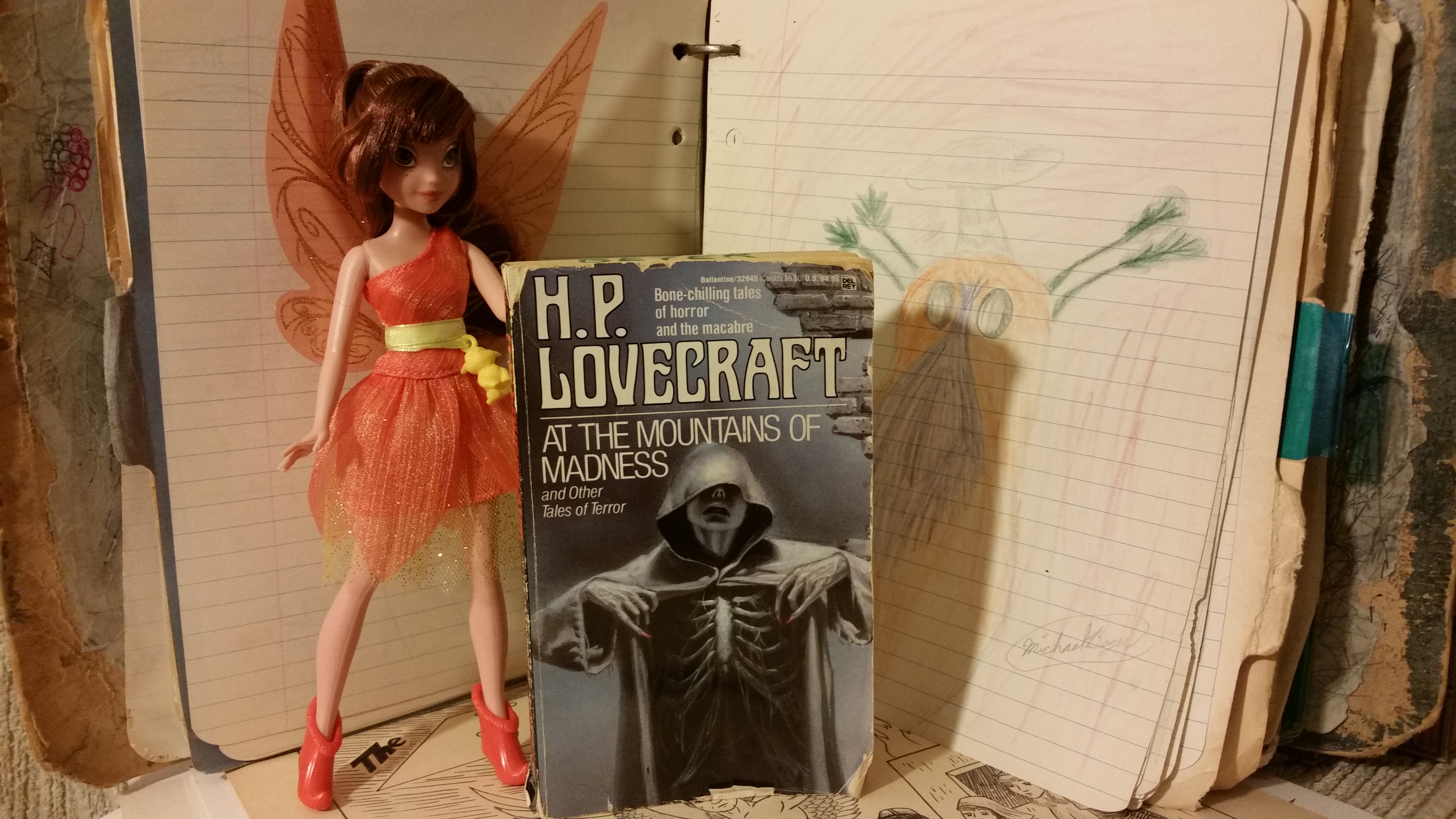
 Of course, authors create characters. Even autobiographers create characters. Carl Sandburg could no more make his words into Lincoln than a bird can make its tweets into a cat. Sandburg can, however, help us to understand Lincoln as Carl Sandburg understands the words that are Lincoln.


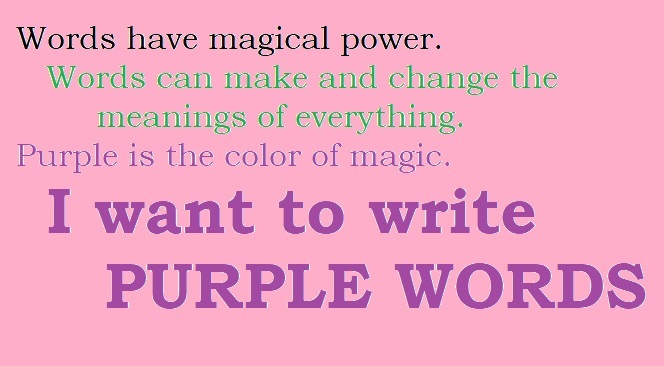
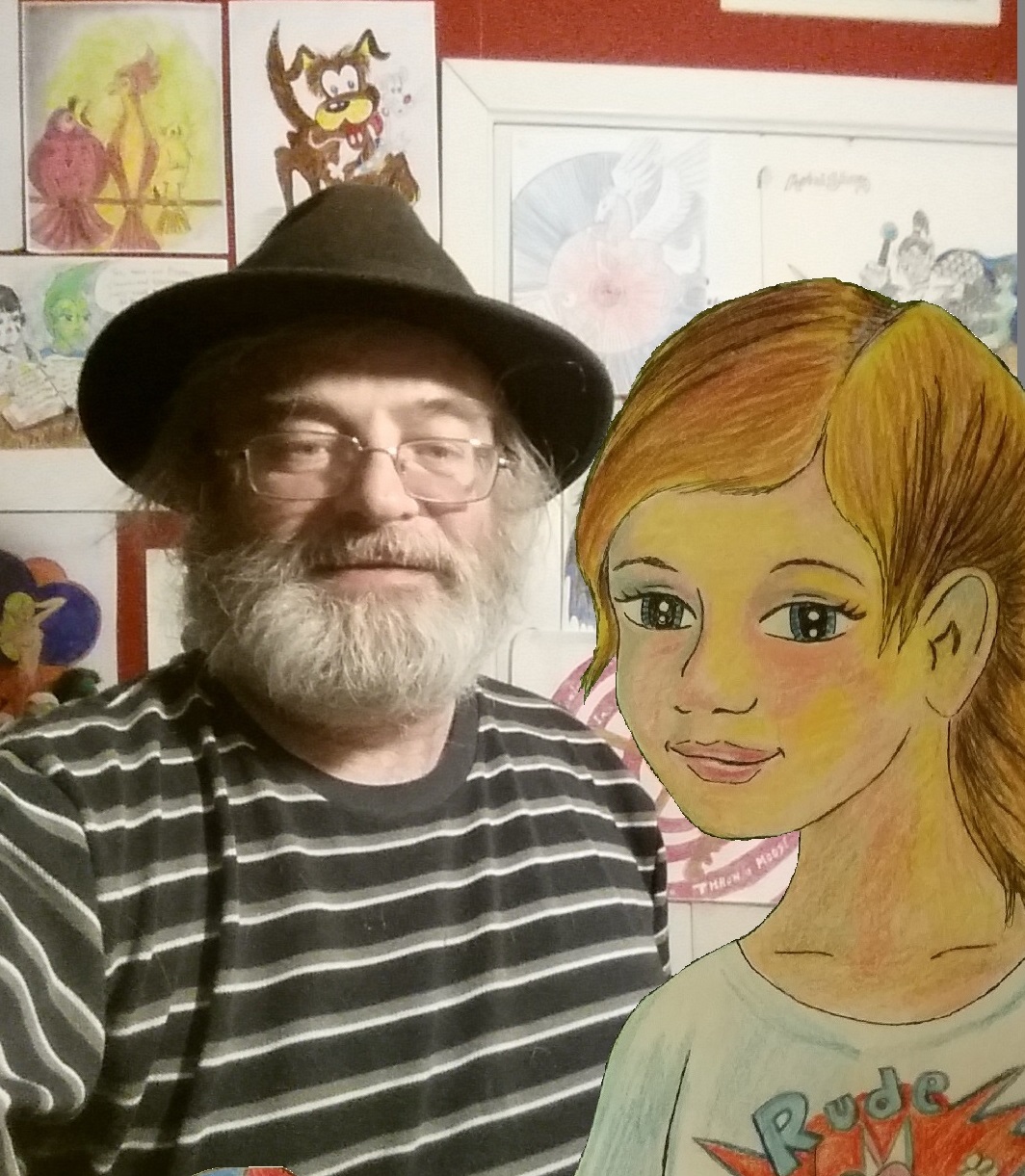
 I, too, have not lived a particularly happy life. But I was always the “teacher with a sense of humor” in the classroom, and students loved me for it. Funny people are often not happy people. But they make themselves out of funny words because laughter heals pain, and jokes are effective medicine. And so I choose to write comedy novels. Novels that are funny even though they are about hard things like freezing to death, losing loved ones, being humiliated, being molested, and fear of death. Magical purple words can bring light to any darkness. I am the words I choose to write in my own story. The words not only reveal me, they make me who I am. And it is up to me to write those words. Other people might wish to do it for me. But they really can’t. The words are for me alone to write.
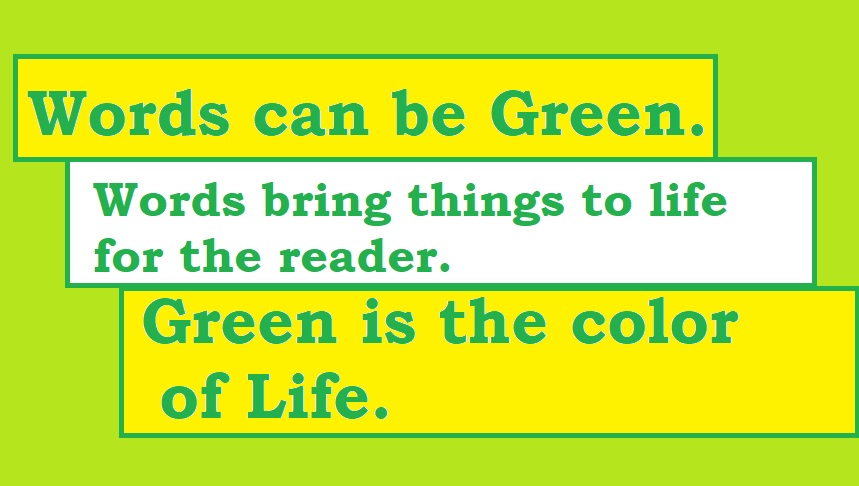 And so it is imperative that I write my words in the form of my novels, my essays, and this goofy blog post. I am writing myself to life, even if no one ever reads my writing.


 Catch a Falling Star
Finding My Voice
As Big MacIntosh welcomes more little ponies into my insanely large doll collection, I have been reading my published novel Snow Babies. The novel is written in third person viewpoint with a single focus character for each scene. But because the story is about a whole community surviving a blizzard with multiple story lines criss-crossing and converging only to diverge and dance away from each other again, the focus character varies from scene to scene.
Big MacIntosh finds himself to be the leader of a new group of My Little Ponies.
In Canto Two, Valerie Clarke, the central main character of the story, is the focus character. Any and all thoughts suggested by the narrative occur only in Valerie’s pretty little head. Canto Three is focused through the mind of Trailways bus driver Ed Grosland. Canto Four focuses on Sheriff’s Deputy Cliff Baily. And so, on it goes through a multitude of different heads, some heroic, some wise, some idiotic, and some mildly insane. Because it is a comedy about orphans freezing to death, some of the focus characters are even thinking at the reader through frozen brains.
The ponies decide to visit Minnie Mouse’s recycled Barbie Dreamhouse where Olaf the Snowman is the acting butler.
That kind of fractured character focus threatens to turn me schizophrenic. I enjoy thinking like varied characters and changing it up, but the more I write, the more the characters become like me, and the more I become them. How exactly do you manage a humorous narrative voice when you are constantly becoming someone else and morphing the way you talk to fit different people? Especially when some of your characters are stupid people with limited vocabularies and limited understanding?
The ponies are invited to live upstairs with the evil rabbit, Pokemon, and Minions.
I did an entire novel, Superchicken, in third person viewpoint with one focus character, Edward-Andrew Campbell, the Superchicken himself. That is considerably less schizophrenic than the other book. But it is still telling a story in my voice with my penchant for big words, metaphors, and exaggerations.
The novel I am working on in rough draft manuscript form right now, The Baby Werewolf, is done entirely in first person point of view. That is even more of an exercise of losing yourself inside the head of a character who is not you. One of the first person narrators is a girl, and one is a werewolf. So, I have really had to stretch my writing ability to make myself into someone else multiple times.
I assure you, I am working hard to find a proper voice with which to share my personal wit and wisdom with the world. But if the men in white coats come to lock me away in a loony bin somewhere, it won’t be because I am playing a lot with My Little Ponies.
Leave a comment
Filed under commentary, goofiness, humor, insight, NOVEL WRITING, photo paffoonies, self portrait, strange and wonderful ideas about life, writing, writing humor
Tagged as art, books, My Little Pony, News, Snow Babies, technology