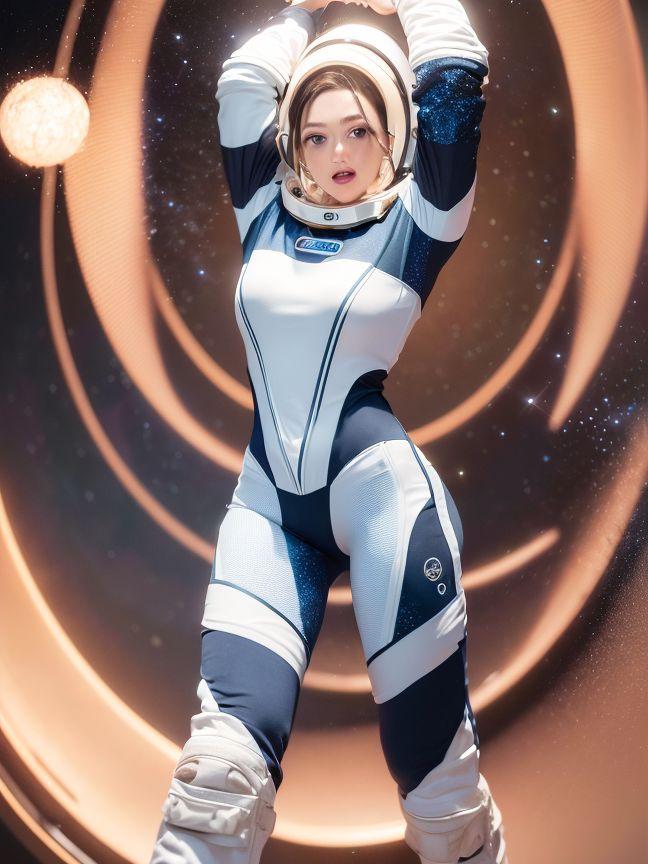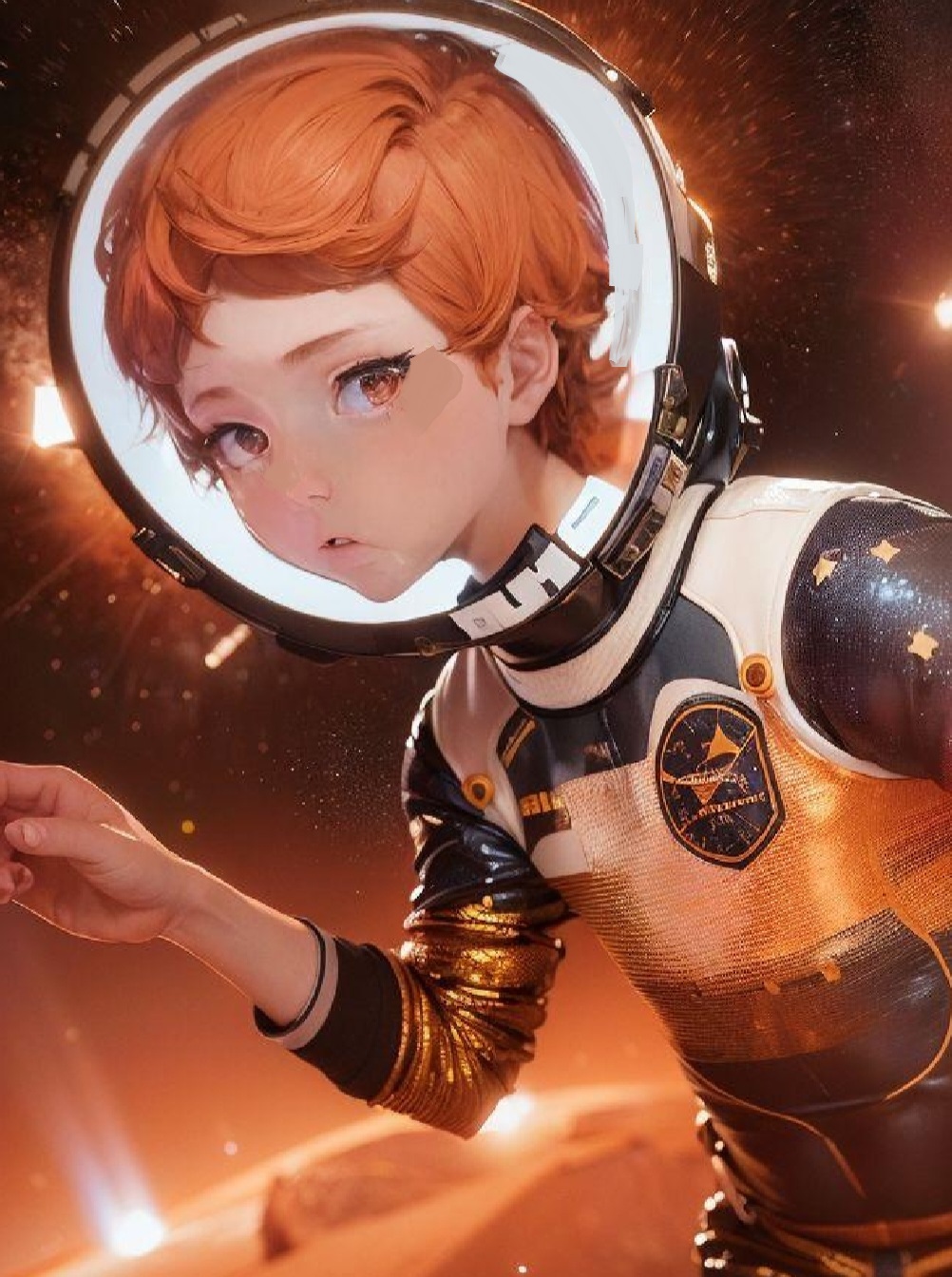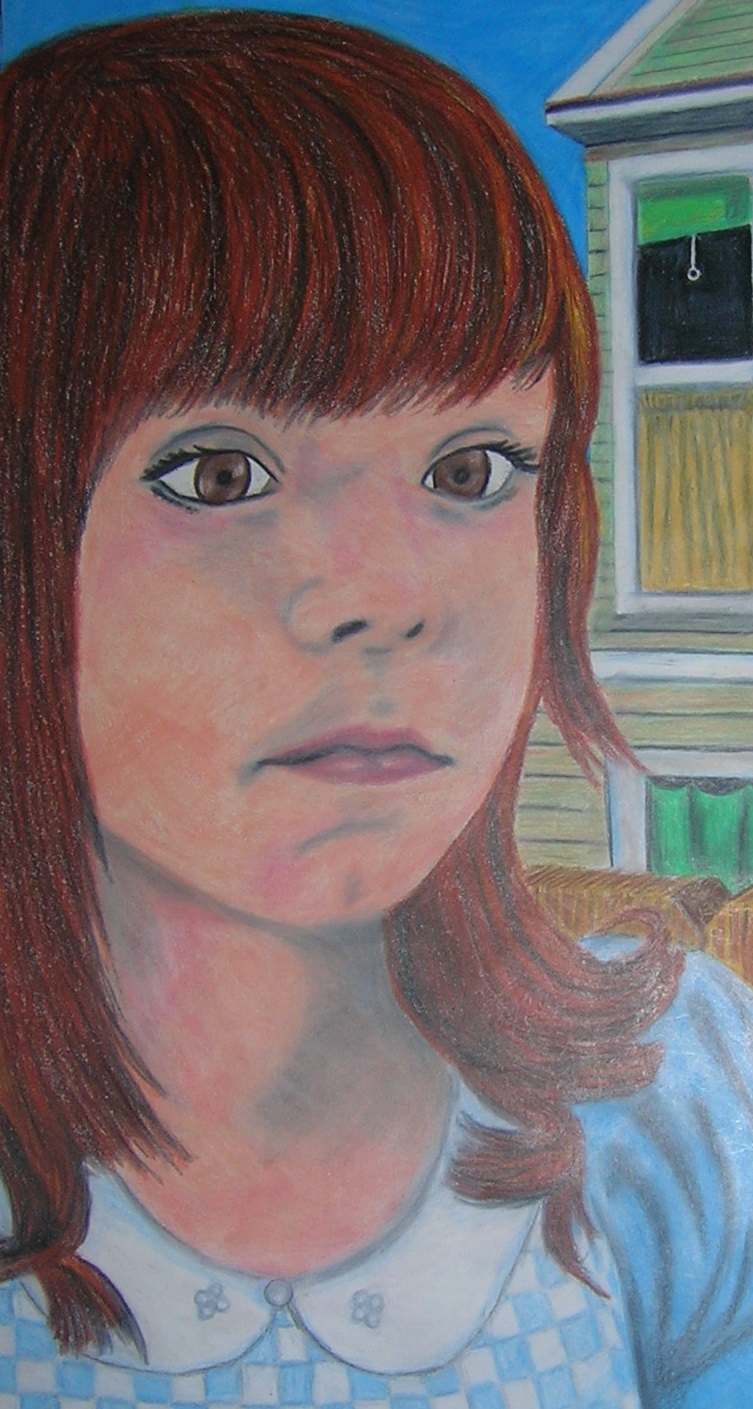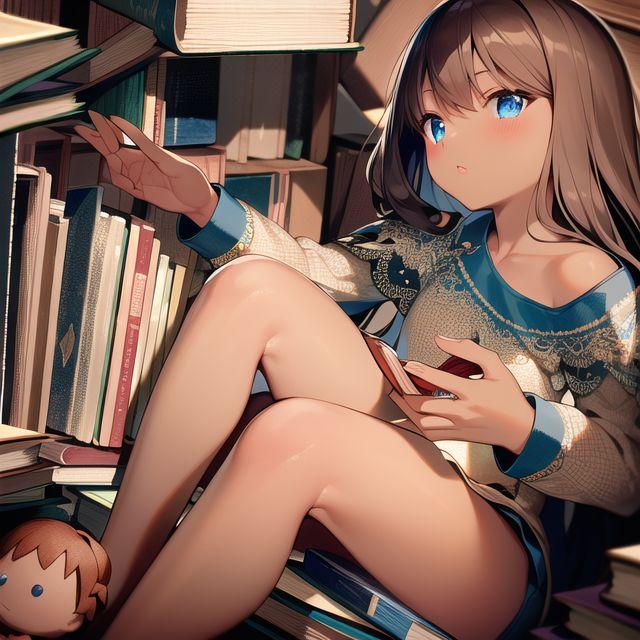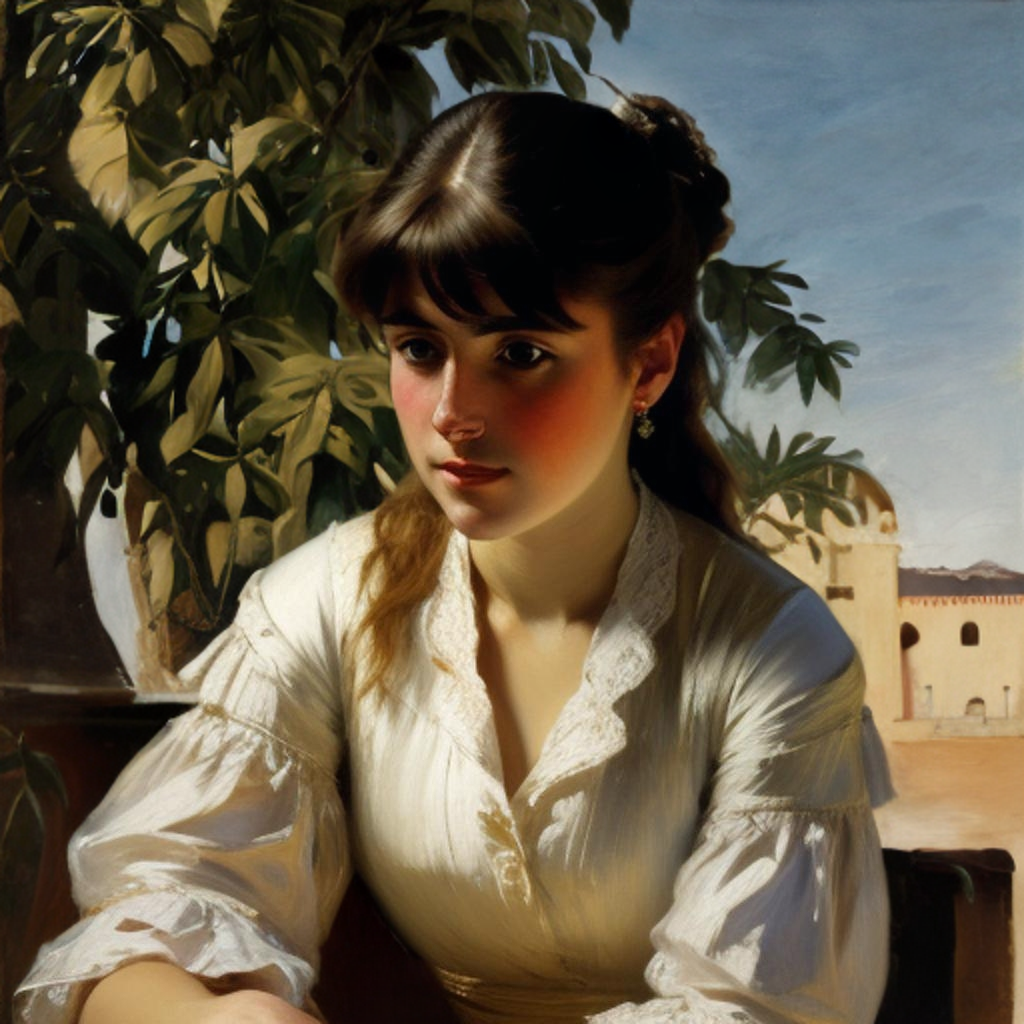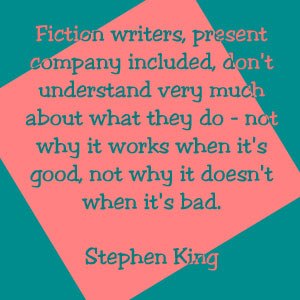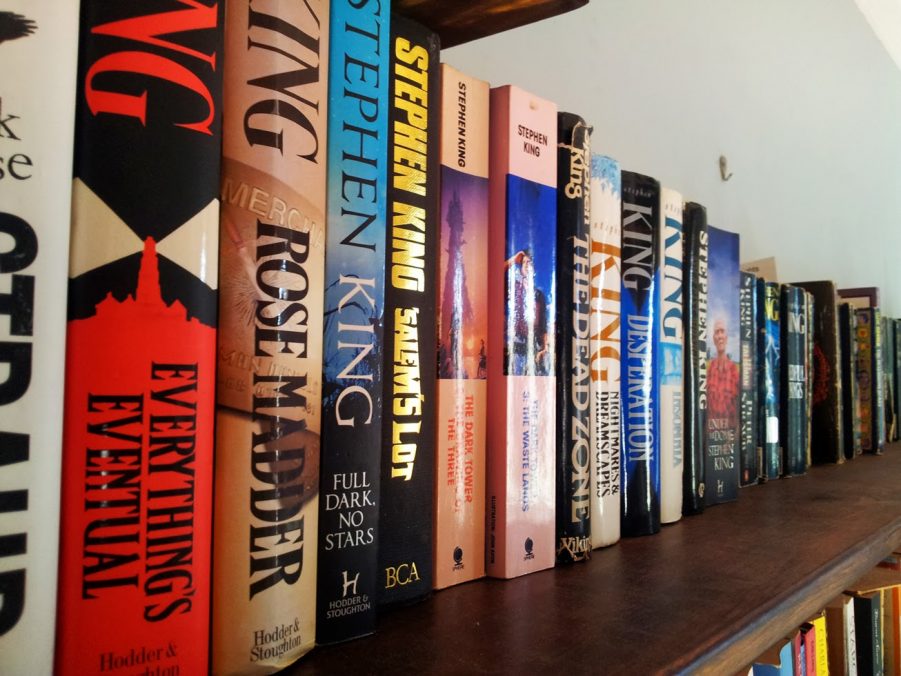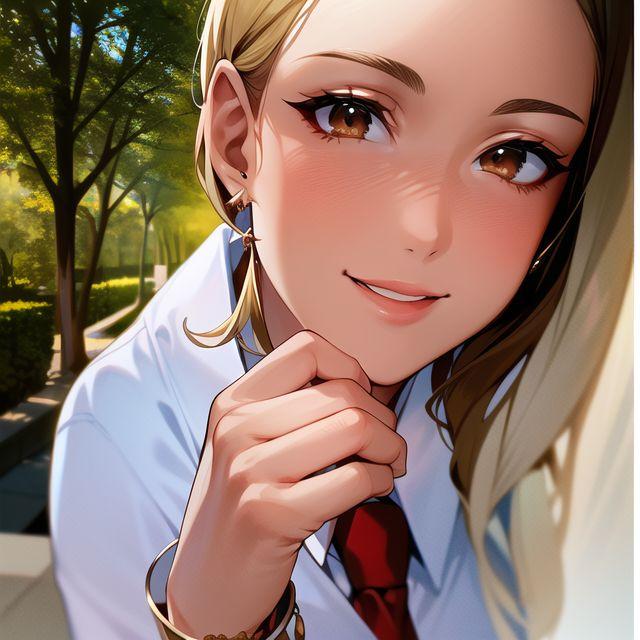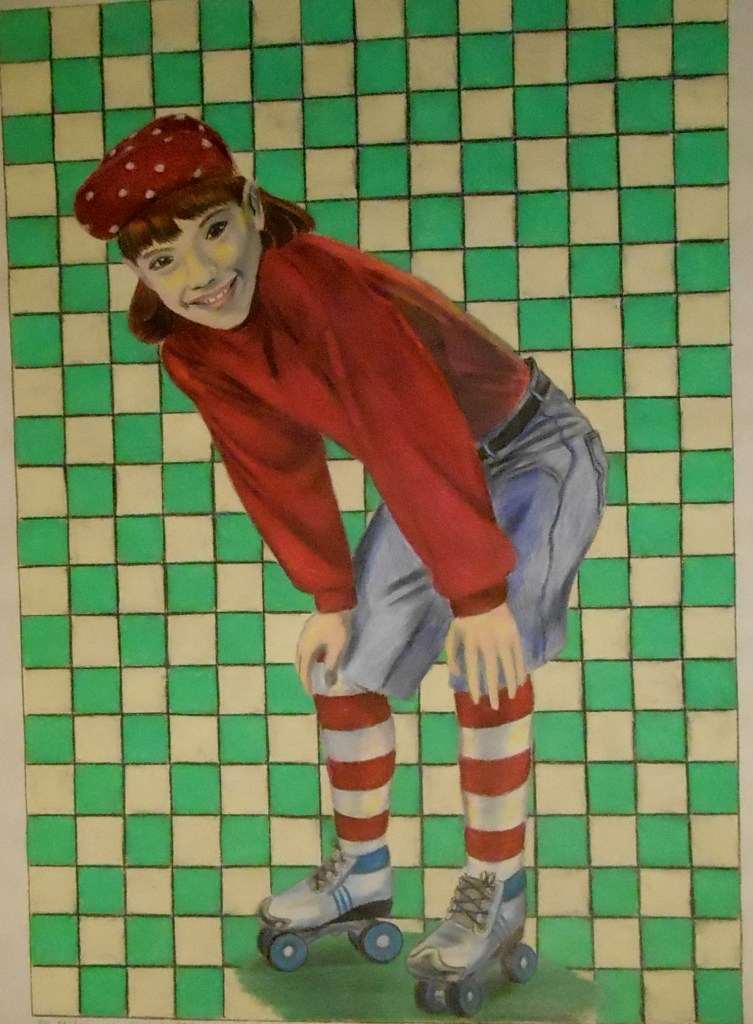
Of all the lead characters in stories I have created, I think Valerie Clarke is the most important. She is really the first creation I ever crafted that seemed to step off the pages and come to life. I have already lost count of the number of times she has appeared in one of my stories, both the published ones and the ones still being written. She is a character who has loved and lost.
This story is an example of that;
The second book I am going to offer a link to is more like an origin story. It is not the first story I published with Valerie in it, but it is the story where Val is the youngest I have yet to portray her.
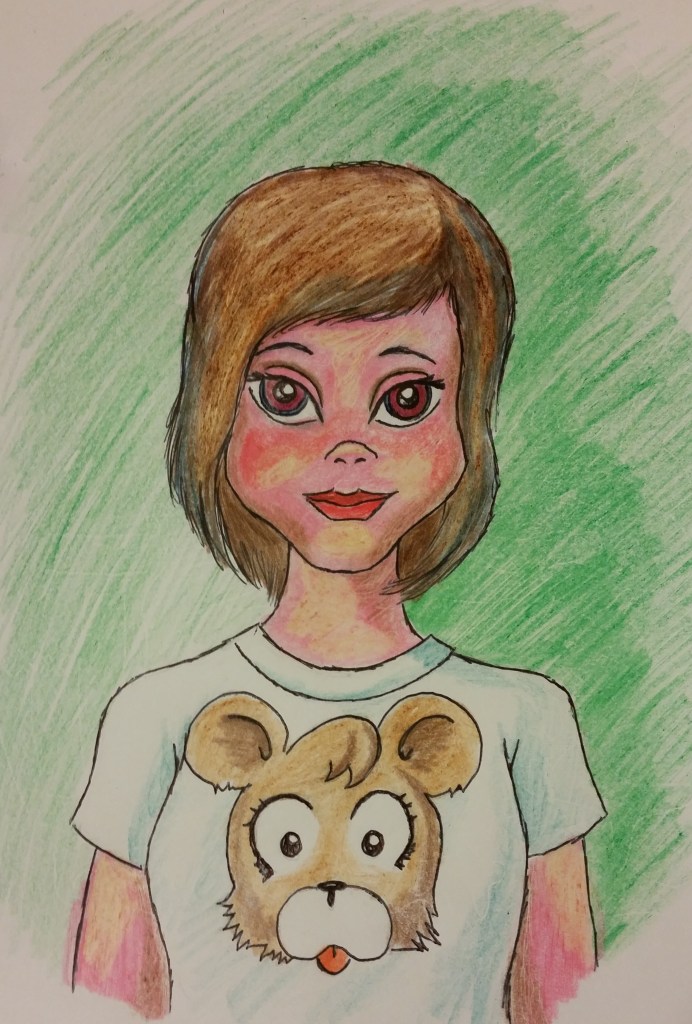
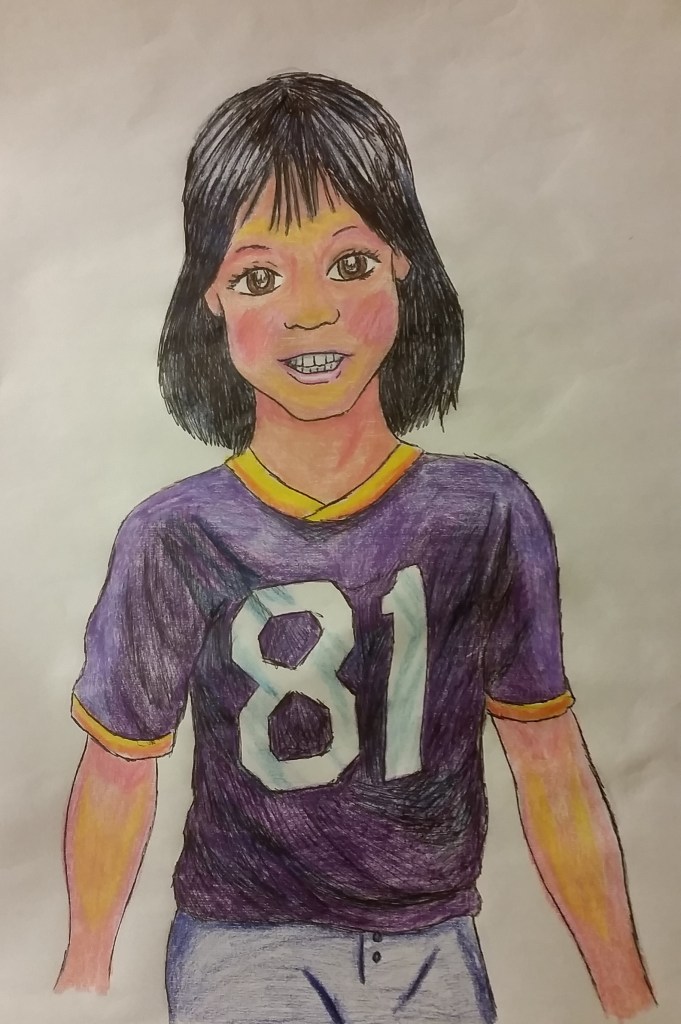
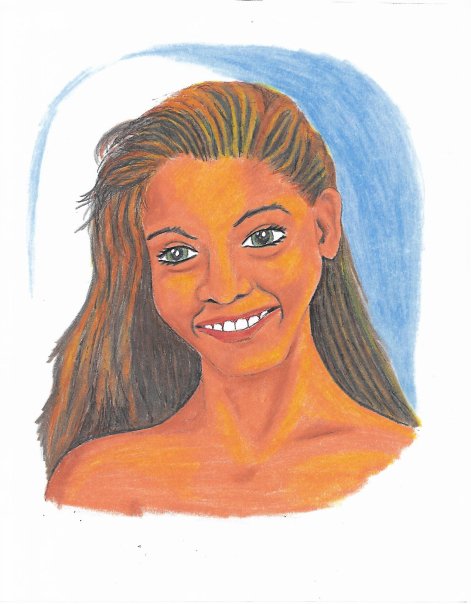
This is a better illustration of her than the first Paffooney attached to this post. Val has blue eyes. Sasha, the real-life former student I based the character on, is the one who had brown eyes.
Snow Babies is the book that I consider my masterwork, the best thing I have ever written. There are several main characters in this sprawling story, but Valerie is probably the most important among them. It is a group survival story about a killer blizzard in a small Iowa town.
I don’t expect you to read all of these books. But I certainly won’t mind if you do. You will see how the character grows and develops in these three stories. The chronological order is, first, The Captain Came Calling. Second is Snow Babies. And Sing Sad Songs is third.
Up until now I have been doing little but writing stories and working on getting a lot of them into a published form. Admittedly a self-published form. For the most part, I am the only reader who knows how good my writing is. Well, there’s an editor from I-Universe who thinks I am as good as many authors on the best-seller lists. Not better than… as good as. And the editorial and marketing staff at PDMI Publishing (a publisher now out of business for over eight years) know how good my novel Snow Babies is. And a lot of nudists here, in England, in France, and in Germany know how good Recipes for Gingerbread Children is. But my reputation is tiny and the splash I have made is limited to puddles.
If the literary agent I have been talking to actually gets my book Catch a Falling Star republished by a major publishing house, things will change for the better. However, the current marketplace still puts most of the burden on the authors to promote and make their books succeed. The only difference would be having an agent on my side instead of me doing it all with no one on my side.
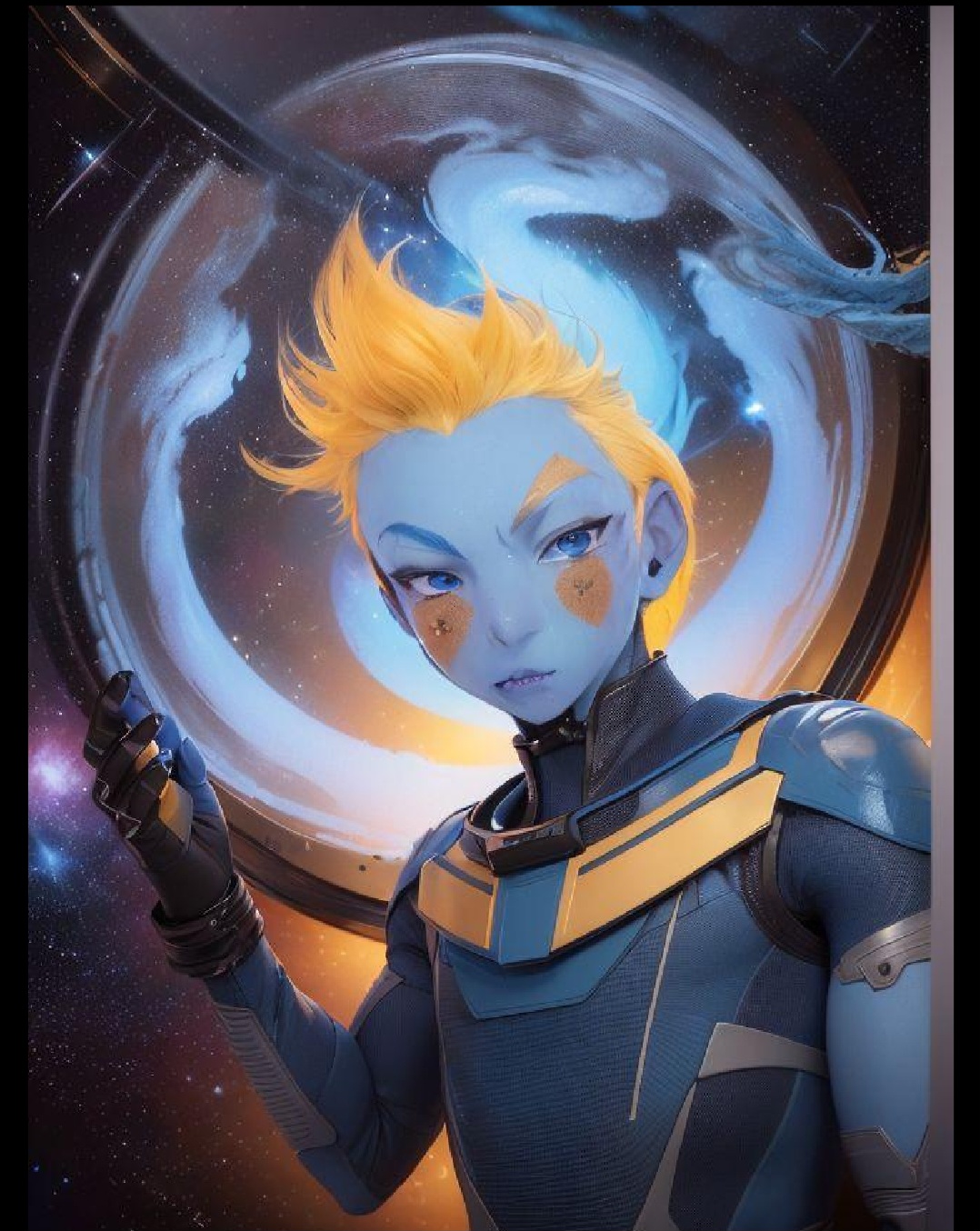
Most of the best writing I have done includes strongly realized female characters. Particularly Valerie Clarke, the female protagonist of Snow Babies. Good writing builds on previous writing. I may have already written the best things I am capable of writing. But as I continue to write, I can deepen characters that already have been established. And I can add new ones. For example, the character depicted in the Paffooneys of this post is Charlotte Robbins. She is a complex young lady with an anger management problem. She is also Valerie Clarke’s hated rival, one who beats her out for head cheerleader, but only because Valerie quits cheerleading in her senior year. She is destined to become Valerie’s best friend somehow in the course of my manuscript He Rose on a Golden Wing.
Of course, none of that happens if one of my health problems croaks me before my 70th birthday. I don’t mean to end on a downward note when everything has been looking up. But there it is, in spite of myself.
After a year-long post-Covid publishing drought, I am back in the page-making storyteller business once again. This post is about recent publication accomplishments, evidencing some pride in a comeback.
The poetry book is finished and will be published within a month (knock on wood, barring sudden unexpected death, prison time, or Armaggedon battles.) I have never thought of myself as a poet. But now I seriously think of myself as one of the worst poets in the history of the world.
This book was my only appearance on a best-seller list anywhere at any time as it made the number one spot on Amazon’s hottest-selling newly published books on two separate days in its first week of publication. It is about nudism and naturism, so it is the nudist community on X, formerly Twitter, that I have to thank for its achievement.
This book, the 4th in the AeroQuest series was published just this month, and it has already sold two copies and a whole bunch of KENP pages read. It has been a couple of years since book 3 of this series, so some readers have been waiting for it for a while.
This book, published during the pandemic has also been getting attention from readers, making it the most popular title on my author’s page.
And this book, a fairytale, is the most ignored book I have recently published. I think it is an excellent comedy adventure that even has some illustrations with nude fairies in them. But nothing is ever truly sure-fire.
I am now hoping that the interest in my books will begin to really pick up. I am talking to an agent for the first time about my book, Catch a Falling Star. I could actually be going places this time.
The word for it is Paffooney. I know that is not a real word. It is a Mickian word. Kinda like the word “Mickian”. It is entirely made up gibberish, made up by Mickey, and used to mean an artwork made by the hand of Mickey. So I can’t really explain it. I have to show you what it basically is.
This is a Paffooney. It is inspired by the incredibly unbelievable time in Mickey’s life when they let Mickey be a teacher in Texas. It has no other relationship to reality. Chinese girls in Texas generally do not have manga eyes and blue hair, and while Hispanic girls have been known to eat pencils, they never bring their own notebook paper to class. They always borrow. So there is the basic formula. Colored-pencil nonsense drawn by Mickey and attached somehow to a story.
This Paffooney has a self-explanatory story embedded in it. It is obvious this is the story of an average family car trip in Texas. Notice how they demonstrate the Texas State highway motto of, “Drive friendly”.
And this Paffooney is a Mickian recurring nightmare about a duck with teeth. Silly Mickey, ducks don’t have teeth in real life!
And moose bowling is a Paffooney that needs no explanation… or does it? Well, never mind. I have forgotten what it is for anyway.
And this oil-painting Paffooney speaks volumes about a philosophy of life. See the pilot giving the viewer a thumbs up? And that isn’t a parachute on his back. They didn’t have parachutes in World War I. It is a message pouch with German war plans in it. I even painted it with a bratwurst sandwich inside for the pilot’s lunch. Don’t I do great detail work? But he will have to eat it quickly before he reaches the ground.
And this is me teaching an ESL class. When you teach English to non-English speakers in Texas, you get to hold the big pencil. And it helps to be a big white rabbit.
And this is a science fiction Paffooney, although the science is questionable. Don’t doubt that the flower-people of the planet Cornucopia are real, though. And Mai Ling, the psionic space ninja really can elongate her arm to get maximum thrust into her left-handed karate chops.
And we end for today with the Paffooney of a stupid boy. He’s not really me. Not really. And I don’t even know who gave him the black eye. So it can’t be me. So maybe he is not so stupid. You can’t say that about somebody you don’t know and is not even you.
So, now do you know what a Paffooney is? No? Me neither. But if you Google images with the words “Beyer Paffooney” you can see a lot more of them. Nobody else uses that word but little ol’ me.
No, this isn’t some kind of multiple-book book review. This is an ungodly silly claim that I can actually read three books at once. Silly, but true.
Now I don’t claim to be a three-armed mutant with six eyes or anything. And I am relatively sure I only have one brain. But, remember, I was a school teacher who could successfully maintain a lesson thread through discussions that were supposed to be about a story by Mark Twain, but ventured off to the left into whether or not donuts were really invented by a guy who piloted a ship and stuck his pastries on the handles of the ships’ wheel, thus making the first donut holes, and then got briefly lost in the woods of a discussion about whether or not there were pirates on the Mississippi River, and who Jean Lafitte really was, and why he was not the barefoot pirate who stole Cap’n Crunch’s cereal, but finally got to the point of what the story was really trying to say. (How’s that for mastery of the compound sentence?) (Oh, so you could better? Really? You were in my class once, weren’t you.) I am quite capable of tracking more than one plot at the same time. And I am not slavishly devoted to finishing one book before I pick up the next.
I like reading things the way I eat a Sunday dinner… a little meatloaf is followed by a fork-full of mashed potatoes, then back to meat, and some green peas after that… until the whole plate is clean.
Treasure Islandby Robert Louis Stevenson is the meatloaf. I have read it before, just as I have probably had more meatloaf in my Iowegian/Texican lifetime than any other meat dish. It’s pretty much a middle-America thing. And Treasure Island is the second book I ever read. So you can understand how easy a re-read would be. I am reading it mostly while I am sitting in the high school parking lot waiting to pick up the Princess after school is out.
Lynn Johnston’s For Better or Worse is also an old friend. I used to read it in the newspaper practically every day. I watched those kids grow up and have adventures almost as if they were members of my own family. So the mashed potatoes part of the meal is easy to digest too.
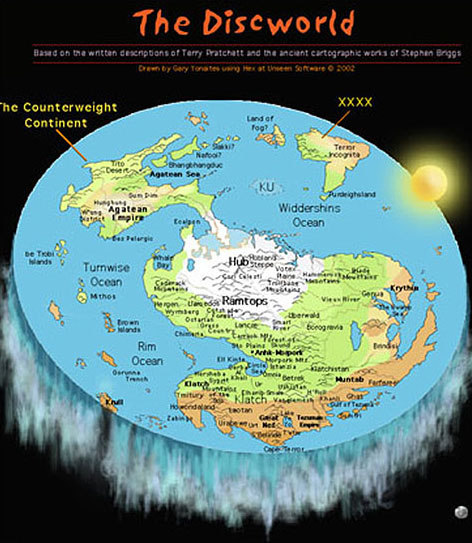
So that brings me to the green peas. Green peas are good for you. They are filled with niacin and folic acid and other green stuff that makes you healthier, even though when the green peas get mashed a bit and mix together with the potatoes, they look like boogers, and when you are a kid, you really can’t be sure. Terry Pratchett and Stephen Baxter wrote this book The Long War together. And while I love everything Terry Pratchett does, including the book he wrote with Neil Gaiman, I am having a hard time getting into this one. Parts of it seem disjointed and hard to follow, at least at the beginning. It takes work to choke down some of it. Peas and potatoes and boogers, you know.
But this isn’t the first time I have ever read multiple books at the same time. In fact, I don’t remember the last time I finished a book and the next one wasn’t at least halfway finished too. So it can be done. Even by sane people.
Many of my stories feature naked people due to my many encounters with nudism and naturism. Here are some of my books popular with the nude and proud set.
This book is about an old woman who is a storyteller and maker of magical gingerbread cookies. She is a Holocaust survivor, possibly also a witch, and once upon a time… a nudist.
This is a comedy horror story about a boy with a genetic condition that makes him look like a werewolf, another boy who wants to be his friend no matter how dangerous it is to be that, and a girl who is a nudist and wants all of her friends to be nudists and enjoy that too. Oh, and there is a strong possibility that the story contains a real werewolf as well.
This is a science fiction book about traveling through time… though not with a time machine… but rather, by being immortal. Young Icarus Jones is immortal. The girl who pursues him may also be immortal… because she claims to be a red dragon. And the Chinese wizard following both of them is even worse. He’s not immortal. He’s undead. And there is at least one nudist in this story too.
This boy is an outsider. Somebody who longs to be a part of the closely-knit group of kids in a small Iowa farm town where he is the only new kid. He tries to fit in. But he finds he has to learn how to be a superhero the hard way, new friend by new friend. And he may even end up having to become a nudist to accomplish it.
When you make the mistake of admitting to others that you are a writer, they immediately assume you know things that are kept secret from “normal” people. For instance, they will simply assume that you can tell them where you get your ideas for writing. Well, I am fairly sure that I got the idea for this post from watching a YouTube video in which the Master, Neil Gaiman, says that every author has a joke answer for that one with enough sarcastic wit in it to punish the asker with public humiliation.
I asked the dog if she knew any jokes like that which I could use to prepare for someone asking me that question in public. She said, “You could tell them that your family dog tells you what to write every day.”
“No,” I said, “people would never believe it.”
“Well, it is supposed to be a joke. But you are right. No one would ever think you were actually smart enough to write down what a dog tells you.”
“Yes, it’s a good thing for me that you know how to speak in English. I could never translate and transcribe Barkinese.”
So, I began thinking of where some of my best ideas came from.
Dreams
Some of my stories come directly from dreams that I had. The nightmare about being chased down a street in Rowan at midnight by a large black dog with red eyes was an actual dream I had in the 1970s. So was the nightmare of the werewolf climbing out of the TV during a late-night viewing of Lon Chaney in The Wolfman.
Those two dreams together were the start of the story that became my recently published novel, The Baby Werewolf. Both dreams visit the protagonist in the story I wrote almost as if they were his dreams and not actually mine.
Events
Snow Babies, the best novel I have ever written, was based on two different blizzards I experienced, first as a child in the 1960’s, and then again as a high school kid in the 1970s. Each blizzard involved being snowed in for a week at someone else’s house. As a child, I was stuck at Grandpa’s farm place until the snow plows could finally do their work and open the gravel roads. As a teen, I was stuck in Great Grandma’s retirement apartment near the high school in Belmond.
That novel also is based on the next source of ideas;
Characters
I can’t think of any story I have written that isn’t based on real people I have known in one way or another. Valerie in the novel above is based on three different girls I have known or taught. One of those three is my own daughter. The four orphans on the bus in that story are all boys from my junior high classes in the 1980s.
Lucky Catbird Sandman, the hobo who wears the quilted coat of many colors, is based on the poet Walt Whitman, whom I knew well in a past life, and my own shiftless, storyteller self. Some characters are just so key to a story idea that they themselves are the reason for a book to exist.
In conclusion, the dog doesn’t really know what she’s talking about. None of these things are really where I get my ideas. But I am out of time. I will have to write about the bottle imp another day. No, really. A magical imp trapped in a bottle. You can make one of those give you ideas for novels with only a slight risk to your life and soul.
This is not a book review. I did finish reading this book in a 3-hour-end-of-the-book reading orgy, spending an hour last night, and two more early in the morning before the rest of my family was awake.
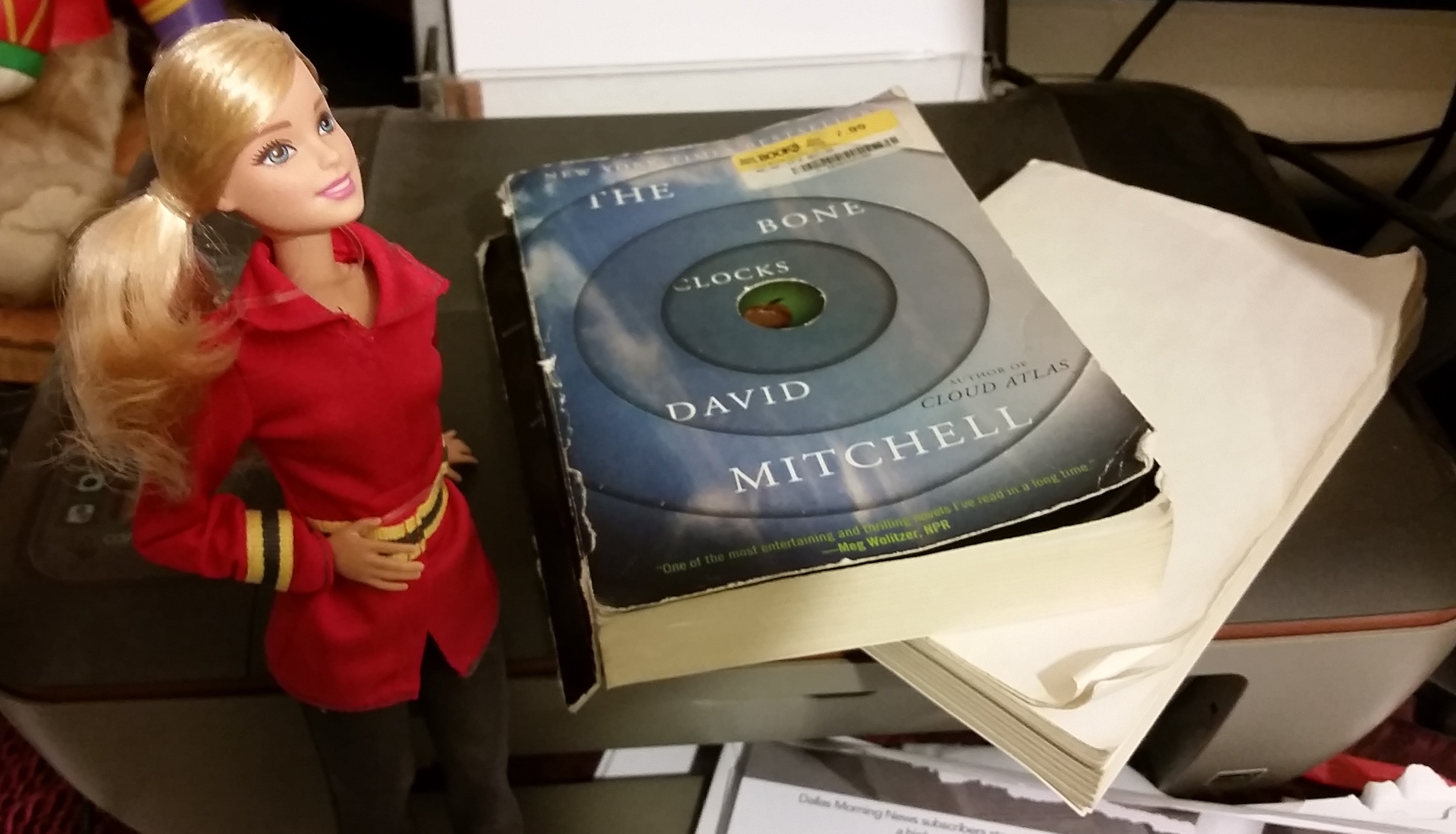
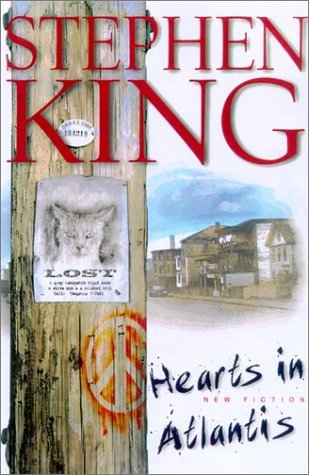
This is certainly not a book review. But I did read a Stephen King book, 1998’s Bag of Bones, which I picked up from the dollar sale shelves at Half Price Books. And I did love the story.
………………………………………………………………………This is not a book review. Instead, I want to talk about what a novelist can learn and reflect on by meta-cogitating over what this book reveals about King’s work habits and style and author’s voice.
Mike Noonan, the protagonist, is a novelist who writes books that routinely land in the numbers 10 through 15 slots in the New York Times Bestseller List. Obviously, this first-person narrative is coming directly out of King’s own writing experience. But, remember, this is not a book review. I am discussing what I have learned about how King puts a story together.
King sets a back-story for this novel that digs deep into the geographica and historica of the city in Maine where the story is set. The literal bag of bones revealed in the book’s climax is almost a hundred years old. And he takes a compellingly realistic tour back in time to the turn of the Twentieth Century more than once to reveal who the undead characters are and why they do what they do. One thing that makes a writer, a novelist, truly solid is his ability to set the scene, to grow the story out of the background in the most organic and realistic way possible. But this is not a book review. I am saying that King always does this with his books. And if you wish to write at that level, you must do that too. I know I am sincerely trying.
At the end of the story, he clearly tells the reader that he learned from Thomas Hardy that “the most brilliantly drawn character in a novel is but a bag of bones”. So, he is definitely aware that a character is a construct that has to be crafted from raw materials. It takes a master craftsman to build one with the right words to make it live and breathe on the page. He does it masterfully in this book with several characters. The protagonist, the beautiful young love interest, the love interest’s charming three-year-old daughter who is nearly slain in a horrific manner at the end of the book… The living villain is a well-crafted bag of bones, as is the ghost, the actual bag of bones in the story. But this is not a book review. Most of his books, at least the ones I have read, have the same sort of masterful characters.
There is so much more to be learned about novel writing from this book. He literally shows you how ideas are captured, how they are developed into stories, how you overcome “writer’s block”, and Noonan’s book he is writing within this book is even used as an example of how to poetically advance the plot. But this is not a book review. You should read this book. It is a very good and scary piece of work. But you should read it because it shows us how to write and do it like a master.
Some books come along telling a story that has to be taken seriously in ways that don’t make sense in any normal way. The Alchemist is one of those books.
What is an alchemist, after all?
An alchemist uses the medieval forms of the art of chemistry to transmute things, one thing becoming another thing.
Coelho in this book is himself an alchemist of ideas. He uses this book to transmute one idea into another until he digs deep enough into the pile of ideas to finally transmute words into wisdom.
There is a great deal of wisdom in this book, and I can actually share some of it here without spoiling the story.
Here are a few gemstones of wisdom from the Alchemist’s treasure chest;
“It’s the possibility of having a dream come true that makes life interesting…” (p.13)
“It’s the simple things in life that are the most extraordinary; only wise men are able to understand them.” (p.17)
“All things are one. And, when you want something, all the universe conspires in helping you to achieve it.” (p.24)
“And when he had gone only a short distance, he realized that, while they were erecting the stall, one of them had spoken Arabic and the other Spanish. And they had understood each other perfectly well. There must be a language that doesn’t depend on words, the boy thought.” (p.45)
All of these quotes from the book, as you can see, come from the first third of the book. There are many more treasures to be found in this book. I should not share them with you here. Just as the main character of the story learns, you have to do the work for yourself. But this book is not only an enjoyable read, but a map for how you can execute your own journey towards your “Personal Legend”. In fact, you may find that the book tells you not only how to go about making a dream come true, but, if you are already on that journey successfully, it tells you what things you are already doing right.
I told you before about a cartoonist from ancient ‘Toon Times” named Fontaine Fox. He was a master, and I acknowledge him as one of my greatest inspirations. But he was not the original master mentor for my teenage ‘Toon Training”. That honor goes to the inestimable George Herriman. He was the Krazy Kartoonist who died more than a decade before I was born, yet, through his Kreation, Krazy Kat, did more to warp my artistic bent into Krazy Kartooniana Mania than anybody else. I discovered him first. I found him through Komic books and the Kard Katalog at the local library. I own a copy of the book I pictured first in this post. It is the first Kartoon book I ever bought. I couldn’t post a picture of my actual book here because I have read it so often in the past forty years that the Kover has Kome off. It is now more of folder of loose pages than a book.
Krazy Kat is a newspaper Komic strip that ran all around the world from 1913 to 1944. Comics Journal would rate Krazy Kat as the greatest work of Komic art of the 20th Century. Art critics hailed it as serious art, and it fits snugly into the surrealist movement of Salvador Dali and others. It has been cited as a major influence on the work of other artists such as Will Eisner, Charles M. Schulz, Robert Crumb, Art Spiegelman, Bill Watterson, and Chris Ware.
The centerpiece of the strip is a love triangle. Krazy Kat the Kharacter is a feline who may be female or may be male but is definitely deeply in love with Ignatz Mouse. The Krazed rodent hopped up on seriously stinky fromage (cheese to us non-French speakers), is Konstantly throwing bricks at Krazy’s head… obviously out of serious disdain, however, Krazy sees it as a confession of love. Offisa Pup, the police watchdog, wants to jail the malevolent mouse for battery and protect the precious Kat, whom he obviously loves with an unrequited love. Explanations are superfluous in the weird world of Krazy Kat. How can I explain the charm, the humor, the good-natured violence of a strip such as this? There are echoes of it in Tom and Jerry animated cartoons, but nothing like it really exists anywhere else. Krazy has her own unique language, a language that you naturally learn to interpret as you read the strip. Ignatz exhibits psychotic frustrations that he takes out on the world around him in our name, that we might experience hubris at his expense. And what’s with that mysterious sack of “Tiger Tea” that Krazy carries about and keeps a Klosely guarded “sekrit”?
I honestly hope you will give Krazy Kat a thorough “look-see”. Because if you like Kartoons at all… and it doesn’t have to be the Krazy Kooky love of a seriously overdosed addict like me… you will fall desperately in love with this one. It is a world of its own, a superbly superfluous abstract anachronism. It is a surrealist’s dream of fun with puns and tons of buns… or something like that. Simply put… read it and don’t like it… I dare you!
The Alchemist by Paulo Coelho
Some books come along telling a story that has to be taken seriously in ways that don’t make sense in any normal way. The Alchemist is one of those books.
What is an alchemist, after all?
An alchemist uses the medieval forms of the art of chemistry to transmute things, one thing becoming another thing.
Coelho in this book is himself an alchemist of ideas. He uses this book to transmute one idea into another until he digs deep enough into the pile of ideas to finally transmute words into wisdom.
There is a great deal of wisdom in this book, and I can actually share some of it here without spoiling the story.
Here are a few gemstones of wisdom from the Alchemist’s treasure chest;
“It’s the possibility of having a dream come true that makes life interesting…” (p.13)
“It’s the simple things in life that are the most extraordinary; only wise men are able to understand them.” (p.17)
“All things are one. And, when you want something, all the universe conspires in helping you to achieve it.” (p.24)
“And when he had gone only a short distance, he realized that, while they were erecting the stall, one of them had spoken Arabic and the other Spanish. And they had understood each other perfectly well. There must be a language that doesn’t depend on words, the boy thought.” (p.45)
All of these quotes from the book, as you can see, come from the first third of the book. There are many more treasures to be found in this book. I should not share them with you here. Just as the main character of the story learns, you have to do the work for yourself. But this book is not only an enjoyable read, but a map for how you can execute your own journey towards your “Personal Legend”. In fact, you may find that the book tells you not only how to go about making a dream come true, but, if you are already on that journey successfully, it tells you what things you are already doing right.
Leave a comment
Filed under book reports, book review, commentary, good books, magic, strange and wonderful ideas about life, wisdom, wizards
Tagged as book review, books, fantasy, fiction, magical books, mystical books, reading, the Alchemist by Paulo Coelho