

As you get older and closer to the last page of the novel of your life, it is entirely appropriate to take stock of the treasures you have accumulated in a long and rewarding life. In fact, you will probably have heirs looking to reap their inheritance after your long-awaited passing.
My children, unlike those of certain Republican politicians, don’t have much to gain by discovering the perfect untraceable poison. In fact, if I don’t live long enough to pay off my hospital bills, they may only inherit medical debt and the rapt attention of Banko Merricka’s relentless debt-collecting agencies. (Since originally posting this essay, I have paid off my bankruptcy and inherited a third of the family farm. So, it is time to start letting the dog taste my food before eating it.)
But, as I am taking stock, what exactly do I need before I get the final handshake from Mr. G. Reaper? It turns out, I probably don’t need anything else. I have written more novels than I ever expected to. My children are grown into adulthood and take care of themselves now. And I am confident my wife, at eight years younger than me, will find somebody new to berate and explain to the myriad reasons that the new person is wrong about everything, and always will be… even if what they said was something she said was true the previous week.
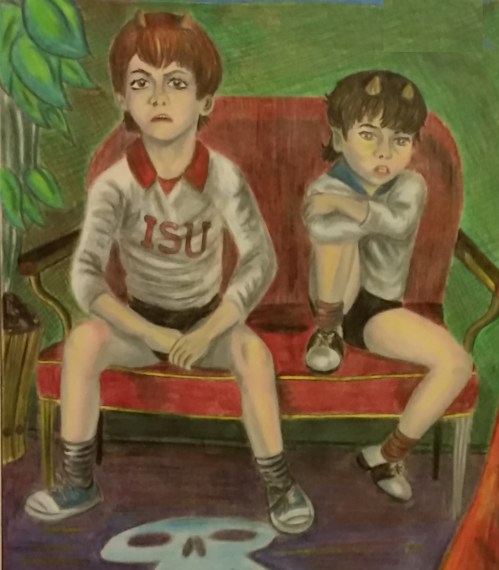
Sure, if I had all the access to medical care and medicine that most other countries see as a human right, I might live longer. But my medical condition is bad enough that I would be seriously prolonging the pain and suffering. I enjoy being alive, but every day is a painful challenge, and, over time, that tends to get you down.
But what more do I want out of life?
Grandchildren would be nice. But none of mine are married yet, and only one of them seems to have found one he permanently likes. The countdown clock is ticking on that matter.
Well, recognition as a writer would also be nice. I came close to winning in a couple of novel-writing contests. A few readers have read and loved some of my books. Only one person ever hated my writing that told me about it, and he was a voice in my own head. There was also one reader who was not me that was somehow traumatized by one of my lesser books. But I have published way more books through four different publishers than I ever believed possible two decades ago.
But I was a successful teacher for three decades. I touched more than two thousand lives with my work in four different schools in three different districts and ten different classrooms… teaching four different subjects. I have no regrets about how I spent my life and what I got in return.
So, I am writing this believing this is not a maudlin topic. I don’t think I am actually going to pass away this weekend. I will probably get to finish at least one more work in progress. But nobody can say for sure that we will survive next month. Or next decade.
But pessimist that I am, things always turn out better than I think they will.
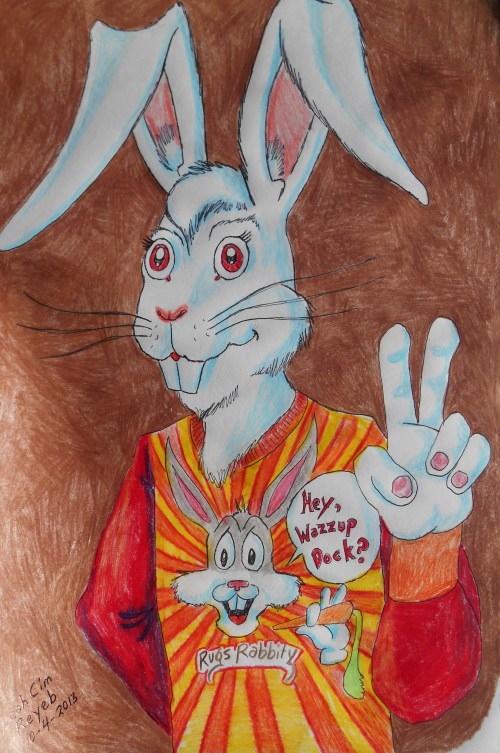
And afterthoughts?
If I had a magic lamp with a genie in it, my three wishes for the future would be;
- That Americans would invent a pill that makes everybody into a genius filled with empathy for all creatures, even the vilest, human beings. And they would share it for free with the whole world.
- That we would handle the climate crisis and all the future crises at least as well as we handled the nuclear crisis of the ’60s, the Cold War, the Coke vs Pepsi War, the Bugs vs Mickey War and every other war that didn’t wipe us out as a species in the past.
- There will be no Monkey’s Paw consequences for our wishes being fulfilled. So, that’s how it is.
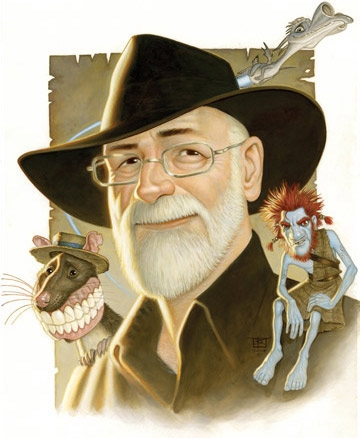
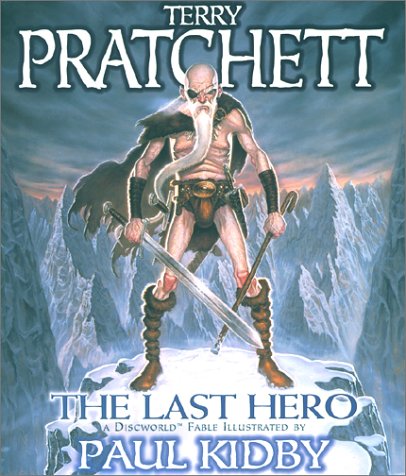
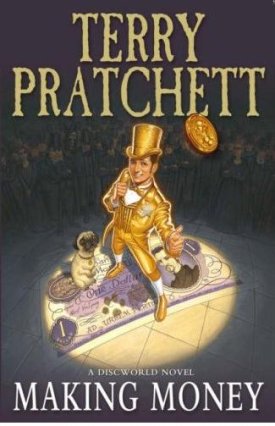







Imaginary Friends
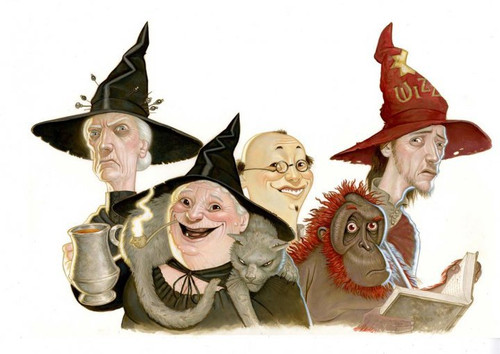
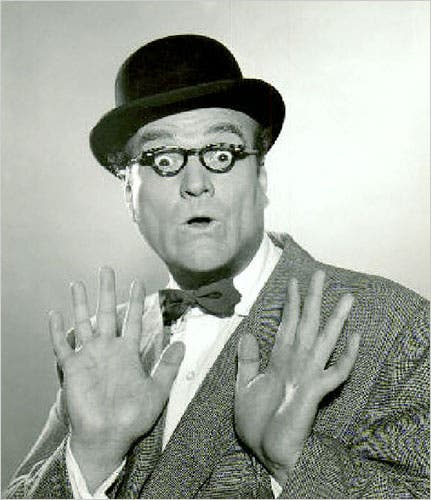
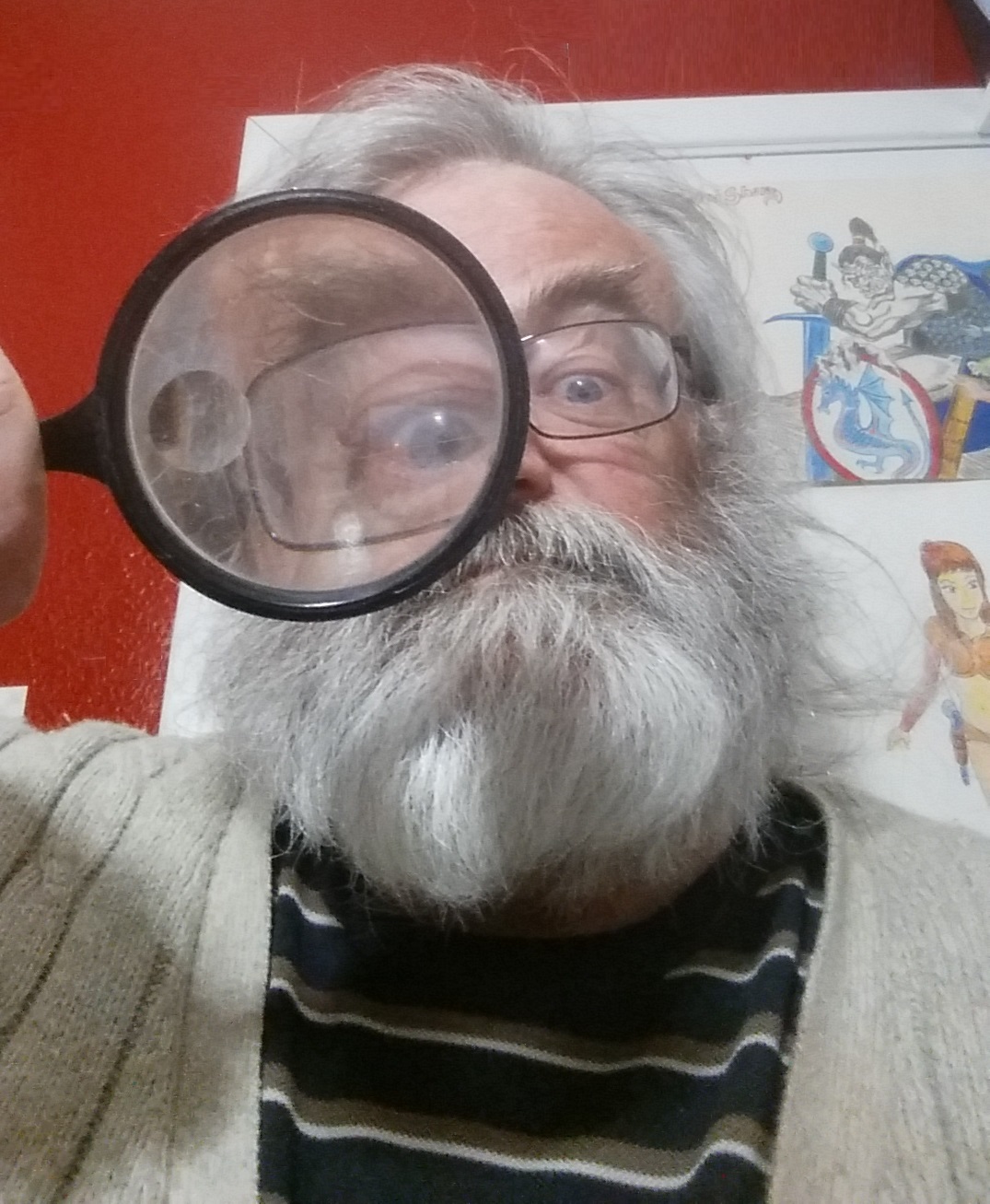
When you know someone has an imaginary friend, something like Elwood’s six-foot invisible rabbit called Harvey, don’t you immediately think that person is crazy? I do. But I have imaginary people as friends. I think most writers do. So am I crazy? Probably. But hopefully it is a good kind of crazy.
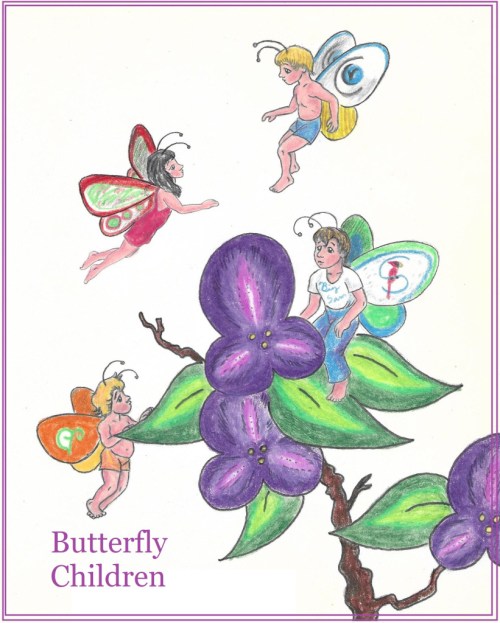
It began with imaginary friends from books. The Cat in the Hat was my friend. Jim Hawkins was my friend, as was Mowgli and all the members of the Swiss Family Robinson. They entered my dreams and my daydreams. I told them my troubles the same way I listened to theirs through their stories.
I began to have imaginary friends that came from my own imagination too.
I used to tell my mere human friends about my friend Davalon from outer space. I told them that he was real and secretly visited me at night to talk about being able to learn about humans on earth by walking around invisibly and watching them. I got so involved with these stories that my sixth grade class began saying, “Michael is from Mars.”
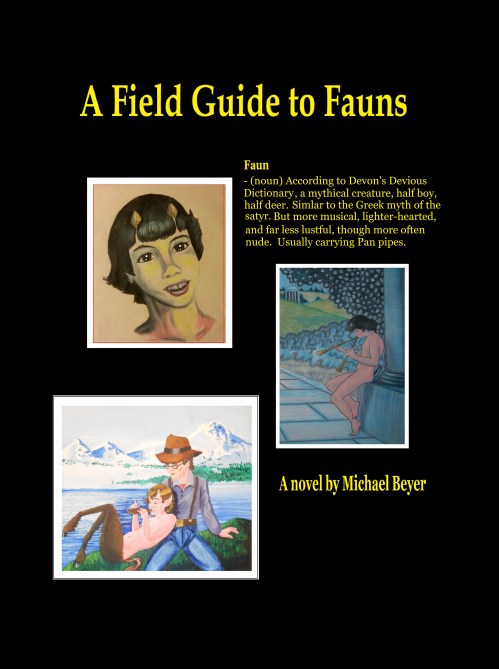
When I was a teenager, I began having conversations with a faun. His name was Radasha. He was a creature from Greek Myth, a sensual Dionysian creature who, in his child body, was both younger than me and way older than me. I didn’t realize until much later in life that he was the result of my repressed memories of a childhood sexual assault that I was the victim of. I could talk to him about my fear of nakedness. I could tell him about my blossoming interests in naked girls and their bodies. I could talk to him about all the things I was somehow too terrified to talk to my male friends about, even though none of them had the same reluctance to discuss sex. Ra was imaginary. But he helped me heal.
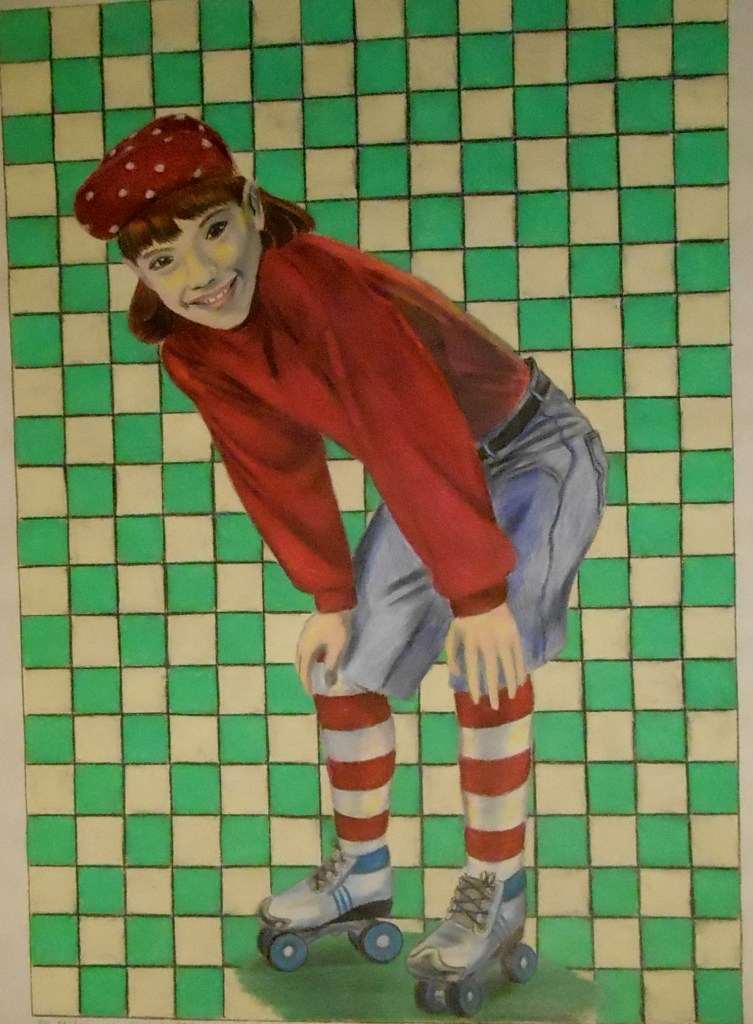
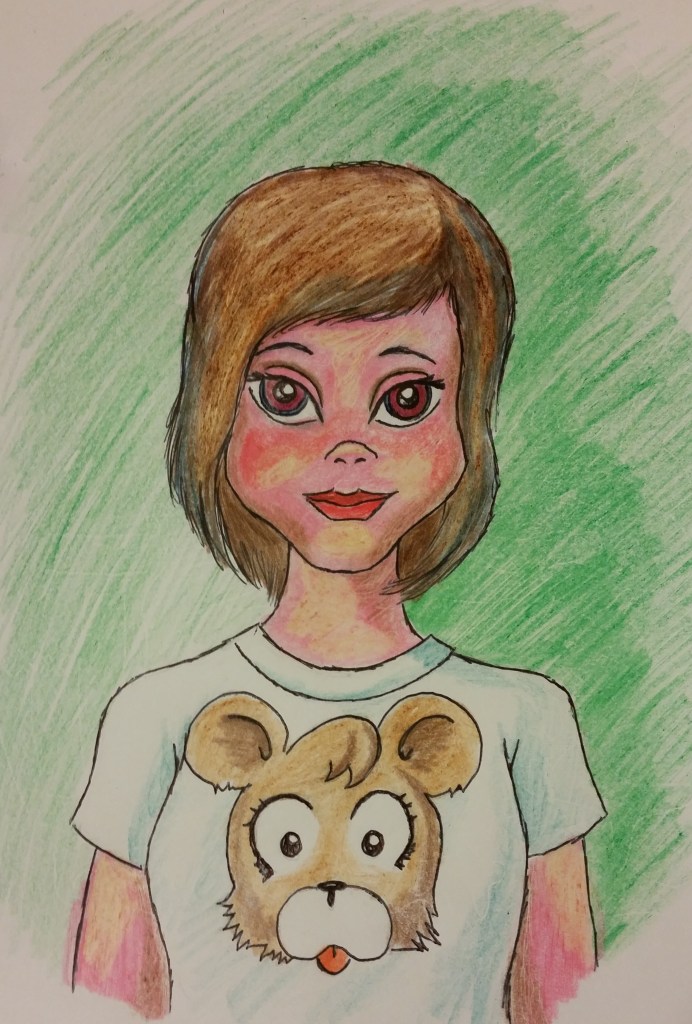
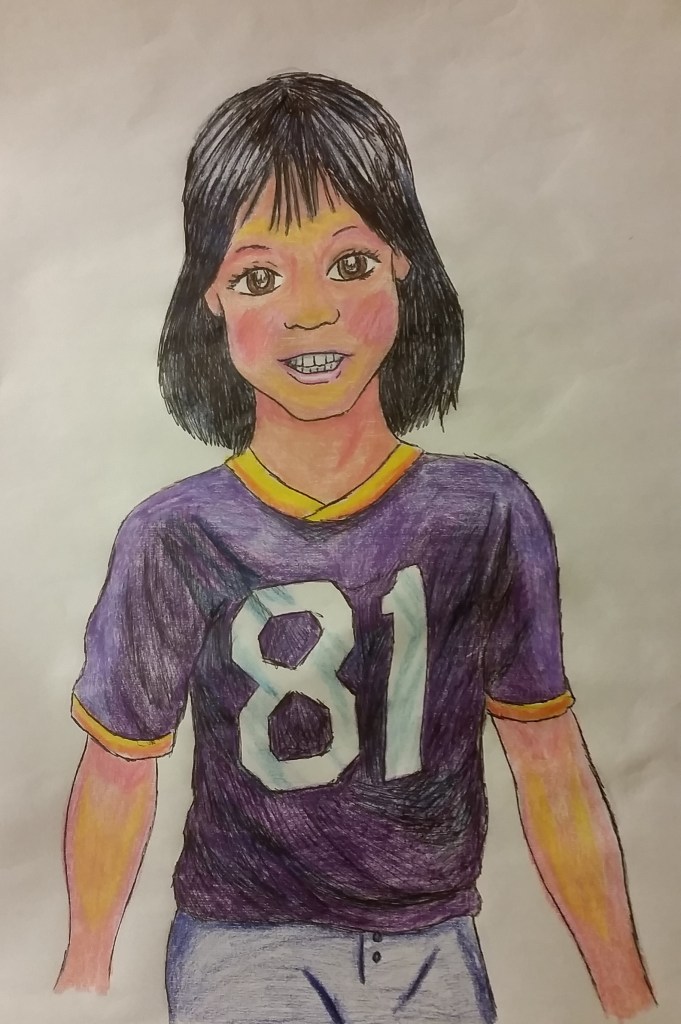
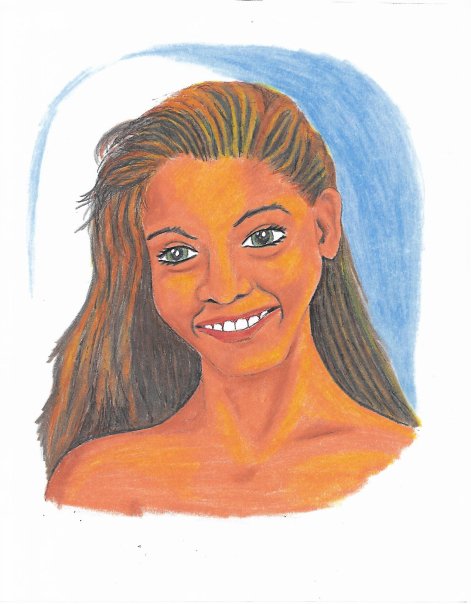
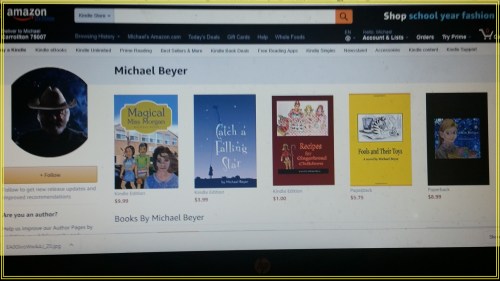
Then the story-telling seriously began. I used Davalon as one of the main characters in my novel Catch a Falling Star. I created Torrie Brownfield, the baby werewolf to express the feelings I had as a boy about being a monster and secretly terrible and deformed. Torrie is a normal boy with a condition called hypertrichosis. I am working on The Baby Werewolf now. And then there’s lovely Valerie Clarke. She is the main character of Snow Babies which is a finished novel, edited and proofread and ready to publish. It is I book I will have to find another way to publish since the recent death of PDMI Publishing. She is not a me-character, based on my own thoughts and feelings. She is based on former classmates and students who told me things that express the sadness and isolation of growing up female. So she is even more imaginary than my other characters.
They become real people to me. They have their own point of view. They talk to me and I learn things from them. But they are imaginary. So am I crazy? Yes… as a loon. And happy as Elwood P. Dowd to be that way.
Leave a comment
Filed under artwork, autobiography, being alone, characters, commentary, humor, imagination, insight, Paffooney, strange and wonderful ideas about life
Tagged as book review, book reviews, books, fiction, writing