This is a look at some of the books Mickey has most recently published.
This was my first book which is a book-length essay about a single topic. It is about why my personal character arc in this life led me to become a nudist. It contains some philosophy, some humorous stories, and a big helping of autobiographical nonsense. Mickey claims he was inspired to write this by Mark Twain’s Autobiography. I am pretty sure I can’t argue that because I think Mickey is actually me.
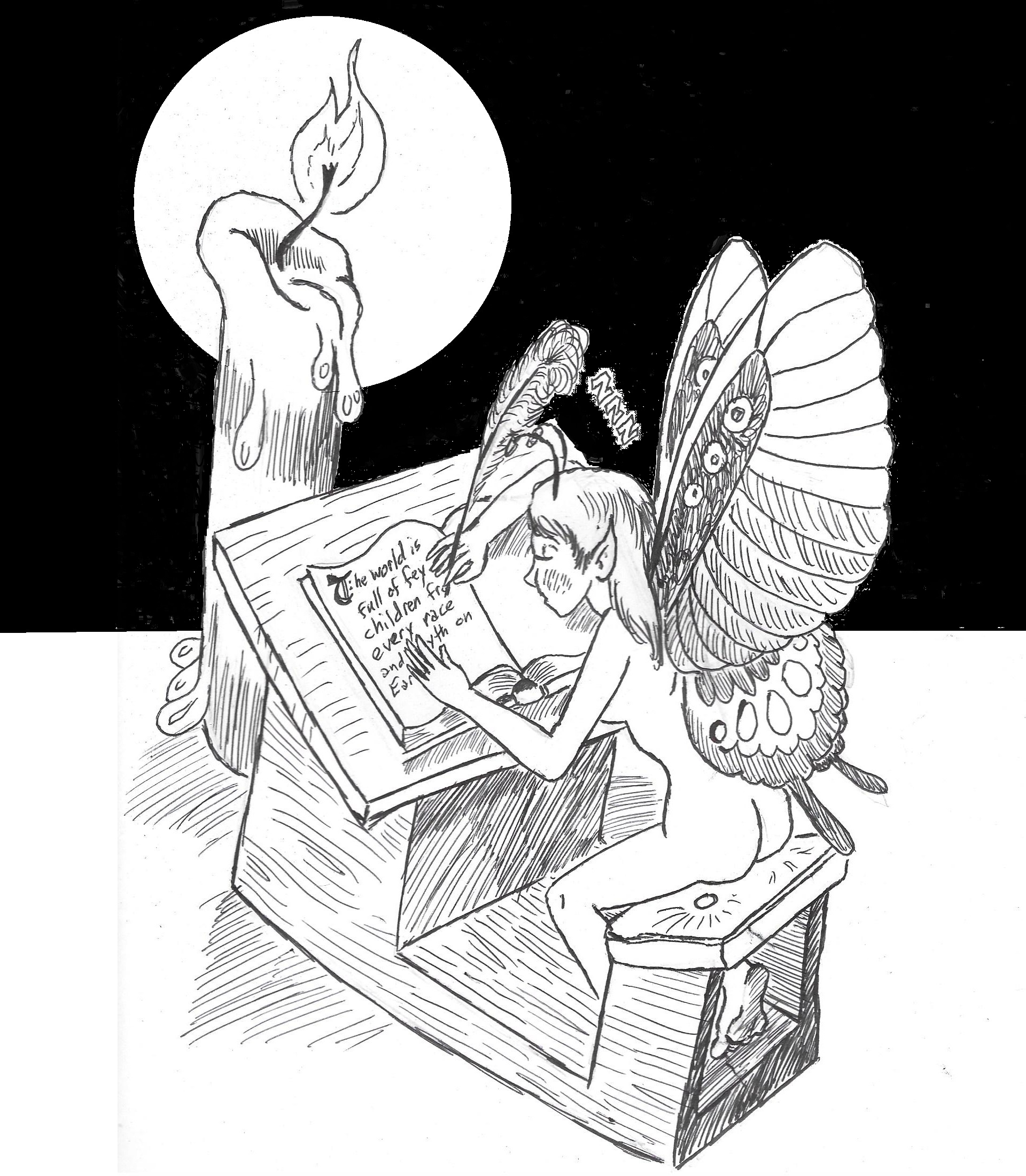
This book was completed during the pandemic. It is a fairytale involving three-inch-tall fairies in their many forms. It is also a satire of Disney’s Sorcerer’s Apprentice, but don’t tell Disney that. I don’t need to be sued. It is satire. And I don’t have any money anyway. I’m a retired teacher.
This is a science fiction novella starring the irrepressible orphan, Cissy Moonskipper. The first story in the series is basically a shipwreck story, Robinson Crusoe set on a space freighter. Cissy has lost the last adult in her family and the ship’s crew while the family spaceship is in uncharted space. She not only can’t fly the ship, or figure out how to get back to the space she knows, but there are pirates somewhere near.
Mickey published this book at the beginning of the pandemic. It is the story of Devon Martinez, a boy escaping from a family tragedy and having to live in a new place with his stepmother and father. But the new place is a Texas residential nudist park. And he has twin stepsisters now that he has never met, and will have to live with wearing no clothes at all for the first time since he was a baby.
There is a certain amount of frustration that comes with age and arthritis and limited ability to move. A good share of the time I am stuck within my bedroom/studio. Bad weather and weather changes, as well as the strains of housework, stiffen my back into immobility. So, I am stuck exploring not the outside world, but the inner world of stories, pictures, and my own imagination.
Of course, one has to beware of a life lived in imagination and isolation. Some of it can be kinda wicked and dangerous. Okay, maybe not, but definitely in danger of overwhelming goofiness. As you can see, I take a bit of my artwork and use photo-shop to make even goofier arty things. I experiment and stick stuff together just for the heck of it.
I suppose this is probably evidence a good psychiatrist could use to keep me locked up for a while. But I’m kinda stuck anyway in my little room.
In college I took classes in oral reading and acting because I was nutty about drama and play-writing, even though I was much too terrified of being put on a public stage to ever try out for a part. But in Oral Reading 101 I was given the gift of a professor who actually was the head of the ISU Drama Department. One of the things he made us do was a soliloquy from a Shakespeare play. I was assigned the opening soliloquy from Richard the Third.
Good God! Is that man ever a villain and a monster! He’s more sinister and evil than Snidely Whiplash or Dick Dastardly… and certainly no less cartoonish. Here is the best I can still do to recreate my old college performance of “The Winter of Our Discontent” soliloquy.
To pull off this assignment (On which I received an A grade from a professor known for imperious F-giving) I had to do a lot of research on King Richard III to be able to walk around in his skin for three whole minutes. I had to learn about him from books and articles and drama critiques. I spent a couple of weeks in the library (There was no internet or Google in 1978). I learned that he was a complex man involved in the deeply troubled time of the War of the Roses. He was from the house of York, the House of the White Rose. His elder brother, Edward, had been victorious in both battle and royal intrigue, and, with Richard’s help had secured the throne of England that had been wrested from the hands of Richard II to begin the struggle between House Lancaster (the Red Rose) and House York… both of which had blood-relationship claims to the throne. Once in the hands of Richard’s brother Edward IV, the crown did not really rest peacefully on Yorkish heads. Edward became ill and died in 1483. The crown was to then go to twelve-year-old Edward V who was placed under the care of Uncle Richard’s regency. At the time of his coronation, the legitimacy of Edward IV’s marriage was declared null and void, making the boy no longer eligible to be king. Richard seized the title. Young Edward and his younger brother were taken to the Tower of London and they were never seen publicly again. According to Shakespeare, Richard did, in fact, have them killed. But, the crown did not stay on Richard’s head for longer than two years. In 1485 Henry Tudor came back to England from France. Richard was defeated at the Battle of Bosworth Field and died in battle there.
I do actually understand Richard in ways that are difficult to admit. I know what it feels like to be convinced you are unworthy by factors beyond your control. Richard was a hunchback, plagued with severe scoliosis of the spine. He lived his life in pain and was ridiculed for his deformity in a time where it was believed such things were a punishment from God for sins of the parents, or even sins the child himself was born with. I can relate. I was always so far above the other kids in my class at school that I was treated like a Martian, unloved and unlovable because I could not speak a language they really understood. And on top of that, I was secretly the victim of a sexual assault, a condition that I feared made me a monster. I could so easily have become a monster. I could’ve set my mind to it in the same way Richard did, because vengeance for his differences consumed him utterly. Thankfully, I did not choose a path of evil. Drawing and telling stories proved to be the pick and shovel I used to dig myself out of my own pit of despair.
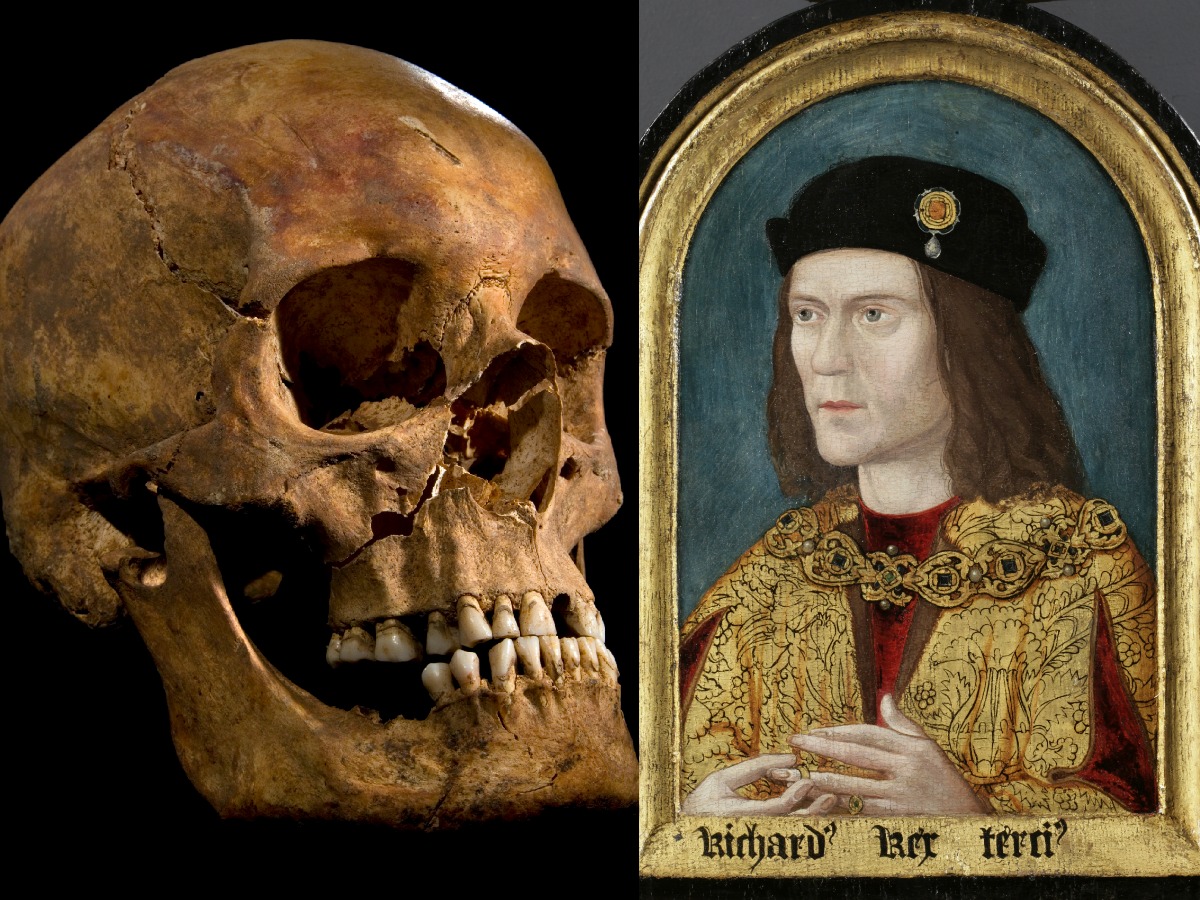
Richard III’s long-forgotten grave was rediscovered in 2013, and a DNA match with relatives proved the skeleton with scoliosis was him in 2014.
The real Richard III may not have been the monster Shakespeare portrayed him as, either. He was demonized after his defeat and death by the Tudors to strengthen their shaky claim to the throne. There exists some evidence that he was a progressive king and a friend to his people, but horribly betrayed by some of his own followers, and certainly made the scapegoat by succeeding generations.
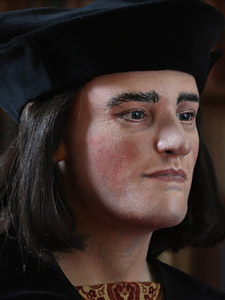
A recreation of what Richard III looked like based on the skull found and portraits from the time period.
There is also some evidence that Shakespeare wrote the play as a political diatribe against the hunchback in the royal court of his day. Sir Robert Cecil, 1st Earl of Salisbury was also a hunchback with scoliosis. And by his sometimes sinister-seeming machinations, he rose to power as Secretary of State for both Elizabeth I, and after her, James I. He had a part to play in making James the King after Elizabeth’s long reign, probably an instrumental part. He also uncovered the Gunpowder Plot of Guy Fawkes and friends, and rumors persisted that he had more to do with it than merely revealing and foiling it. Nothing was ever proven against him. Though Elizabeth called him “my pygmy” and James referred to him as “my little beagle”, he held power throughout his lifetime and foiled the work of his many enemies against him. In fact, it is the similarities between Shakespeare’s Richard III and Robert Cecil that first made me begin to believe that Shakespeare was actually someone other than the actor who owned the Globe Theater and never spelled his own name the same way twice. Knowing about Cecil surely needed to be the act of an insider in the royal court. I balked at first when it was suggested to me that Shakespeare’s plays were actually written by Francis Bacon… and I continued to doubt until I learned more about the Earl of Oxford, Edward deVere.
So what is the point of this soliloquy about the soliloquy of Richard III? Well, the point is that at one time I had to be him for a short while. I had to understand who he was (at least the character that Shakespeare created him to be) and think as he thought. That is what a soliloquy truly is. Sharing from the character’s mind to my mind… and back again if I am to perform him… or even write him in some future fiction.
Being an ESL teacher (teacher of English as a Second Language) in Texas means a lot of exposure to kids who are nutty about soccer. I didn’t get to teach more than one football player in my time as a high school teacher. But soccer? Who can count? Both boys and girls. But don’t panic. This will not be a post about the joys of soccer. Or even Shakira’s amazing soccer videos where she dances and sings with very few clothes on. Whew! You dodged a bullet to the brain there.
This post is about achieving goals.
The recycled Paffoonies are all about my novel Magical Miss Morgan. It is my teacher-novel. After finishing a 31-year career of teaching and loving it and loving kids… I still needed a purpose in my life. In the Alan Watts and Carl Sagan videos I am going to site here, they both say that the only purpose human beings really ever have is the one the individual person chooses for himself (or herself). I chose to take all the things I learned as a teacher and boil them down into a stew of wisdom, humor, fairies, and silly words. The novel, then, represents the purpose I chose. And that is probably the reason why, when I finished the final edit last night, I was absolutely certain that this is the best novel I have ever written. I will submit the silly thing to the Chanticleer Book Reviews & Media YA novel contest as soon as I can scrape together the entrance fee. This is a better book than even Snow Babies. I foolishly believe I can win this time around. But the contest is hardly important. That is just a tool in the quest to build my book into a successful piece of work… to get others to complete the process and actually read the book. It will be published, even if I have to do it all myself and pay the money, as well as the blood, sweat, and tears. I have already scored the goal. It only remains to be seen if it ever gets posted on the scoreboard.
Here are the inspirational videos I wanted to share as well. One is from Alan Watts… if you have never heard of him, you seriously need to look him up. The other is from Carl Sagan. I offer both of these in the knowledge that most of you who bother to read any part of this will ignore them, but with the reminder that all the best treasure in life is found after some serious digging. My shovel is dinged-up royally, and my hands are covered in dirt. (Dang! Only 451 words today!)
The Sagan video is number 3 on the list this link gives you.
I know that you are probably immediately listing all the reasons that my title is totally wacky monkey-thinking in your head. And if you want to lay into me in the comments, you are more than welcome. But the reality is that teachers have to develop the mindset that all kids can learn and all people have value… no matter what. That can be hard to accept when you factor in how corrupted, warped, and badly-taught so many people have turned out to be. It honestly seems, sometimes, that when faced with the facts of how people act… being violent, or greedy, self-centered, thoughtless, un-caring, and willfully stupid… that they really don’t even have value to others if you kill them, let them rot, and try to use them as fertilizer. The plants you fertilize with that stuff will come up deformed.
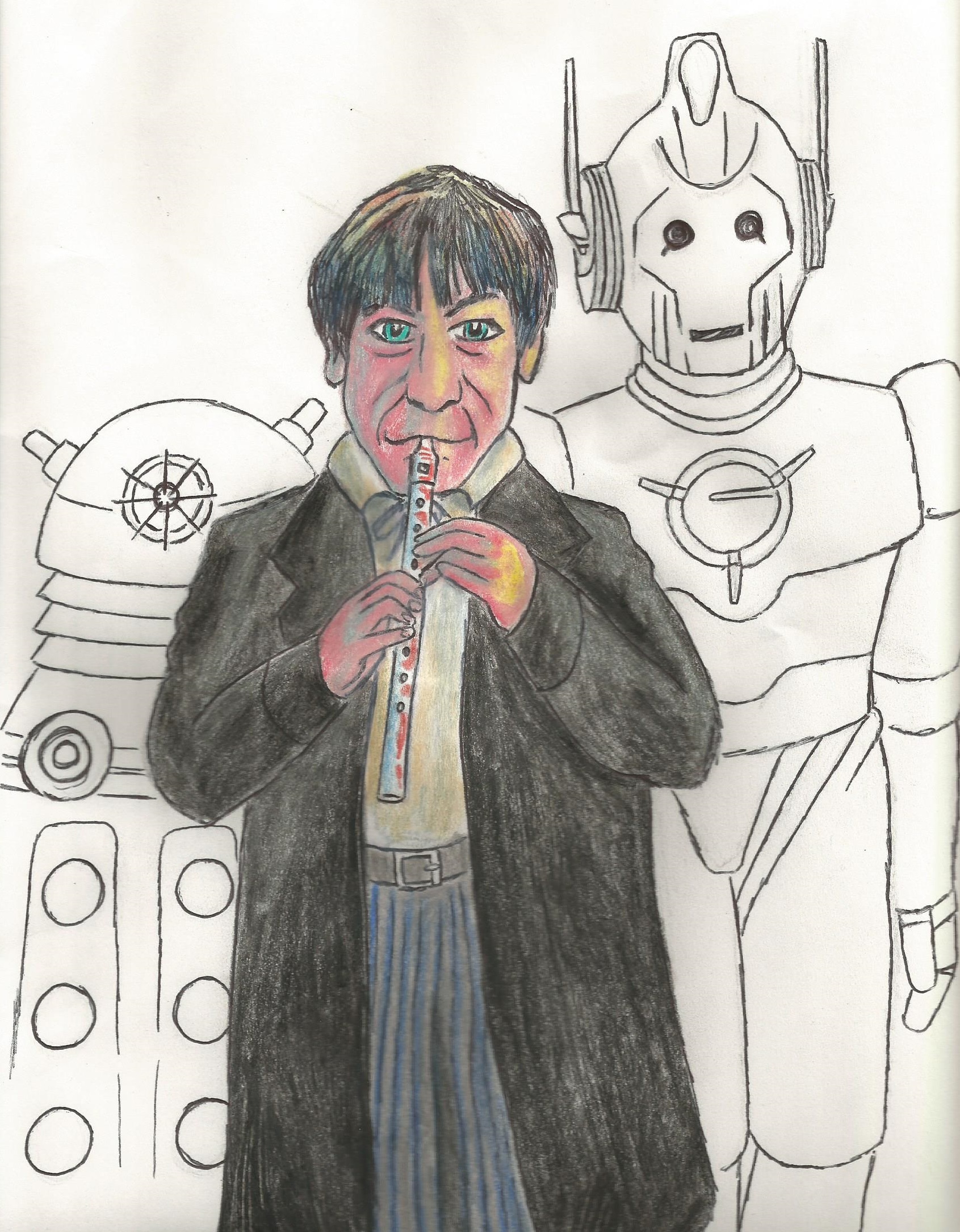
But the Doctor I have pictured here, the Second Doctor played by Patrick Troughton always seemed to find Earth people delightful. Alien people too, for that matter, unless they were soulless mobile hate receptacles in robotic trash cans like the Daleks, or mindless machines powered by stolen human brains like the Cybermen. There is, indeed, music in every soul, even if some of it is a little bit discordant and awkward. And people are not born evil. The classic study done on Brazilian street kids showed that even with no resources to share and living empty, hopeless lives, the children helped one another, comforted one another, and refused to exploit one another. As a teacher you get to know every type that there is. And there are stupid kids (deprived of essential resources necessary to learning), and evil kids (lashing out at others for the pain inflicted upon them), and needy kids (who can never get enough of anything you might offer and always demand more, MORE, MORE!) Sometimes they drive you insane and make you want to resign and leave the country to go count penguins in Antarctica. But the Doctor is right. No matter what has been done to them, if you get to know them, and treat them as individual people rather than as problems… they are delightful!
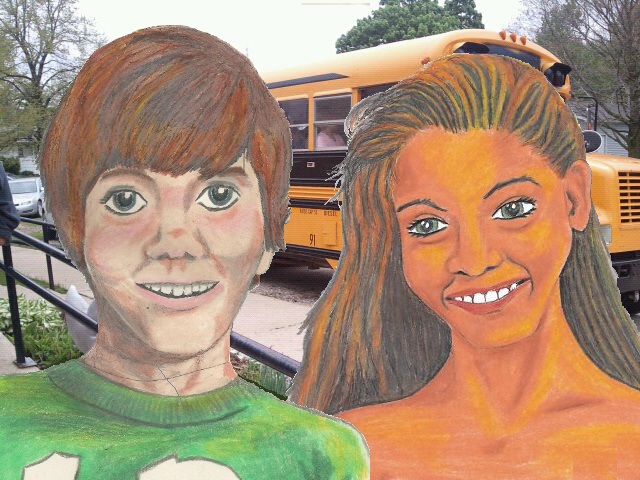
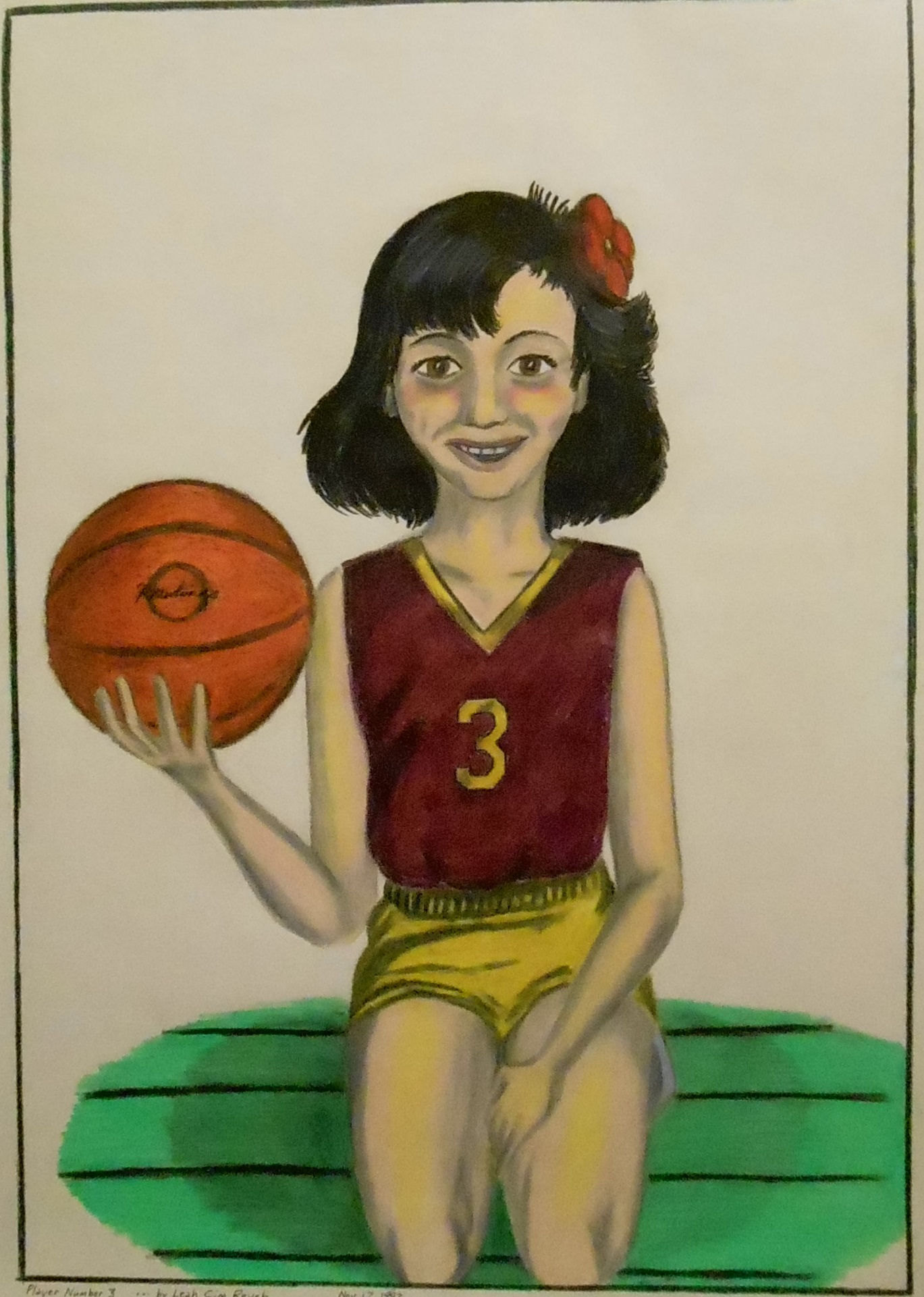
So let me show you a few old drawings of people.
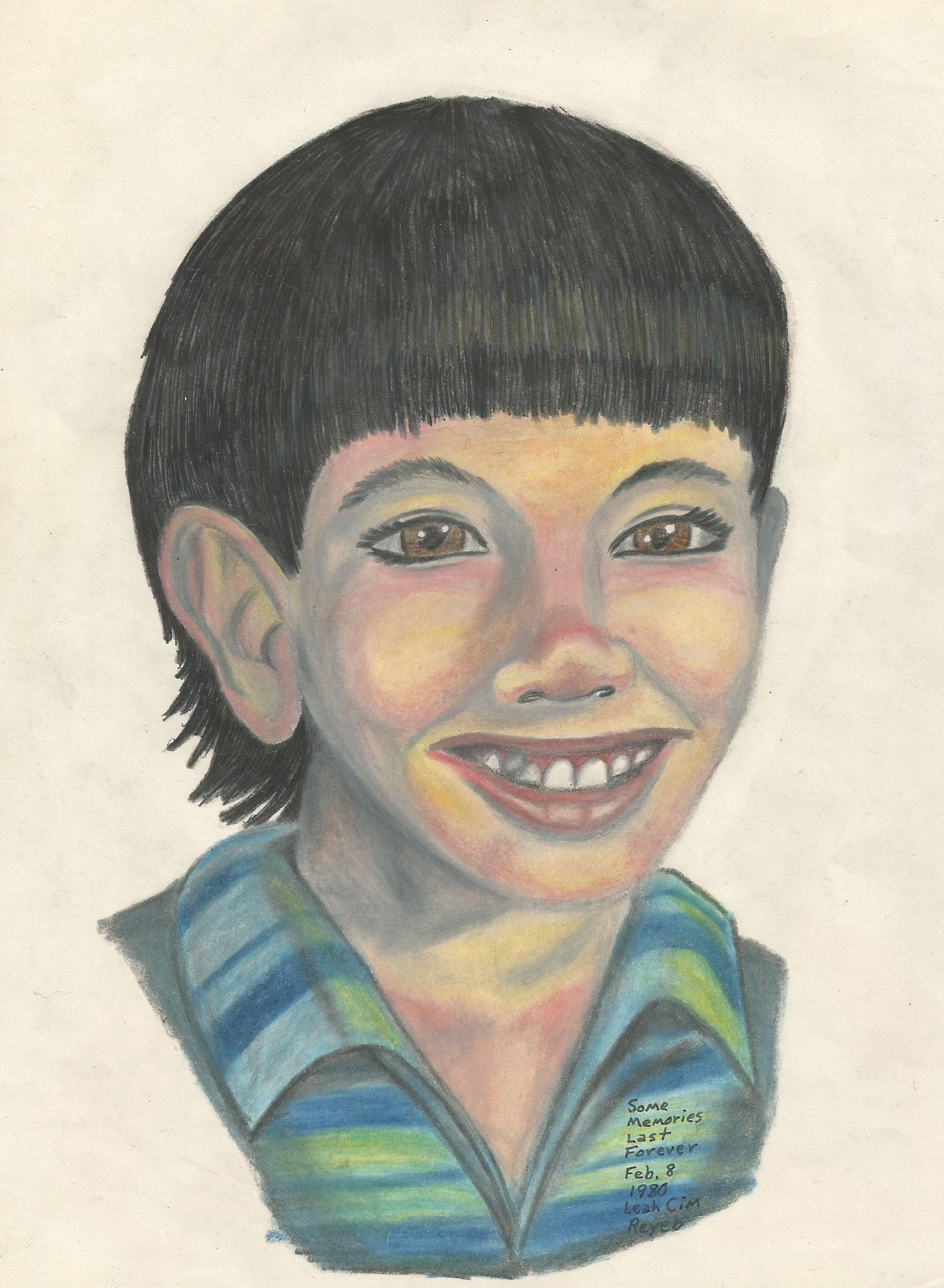
Cute people like Andrew here.
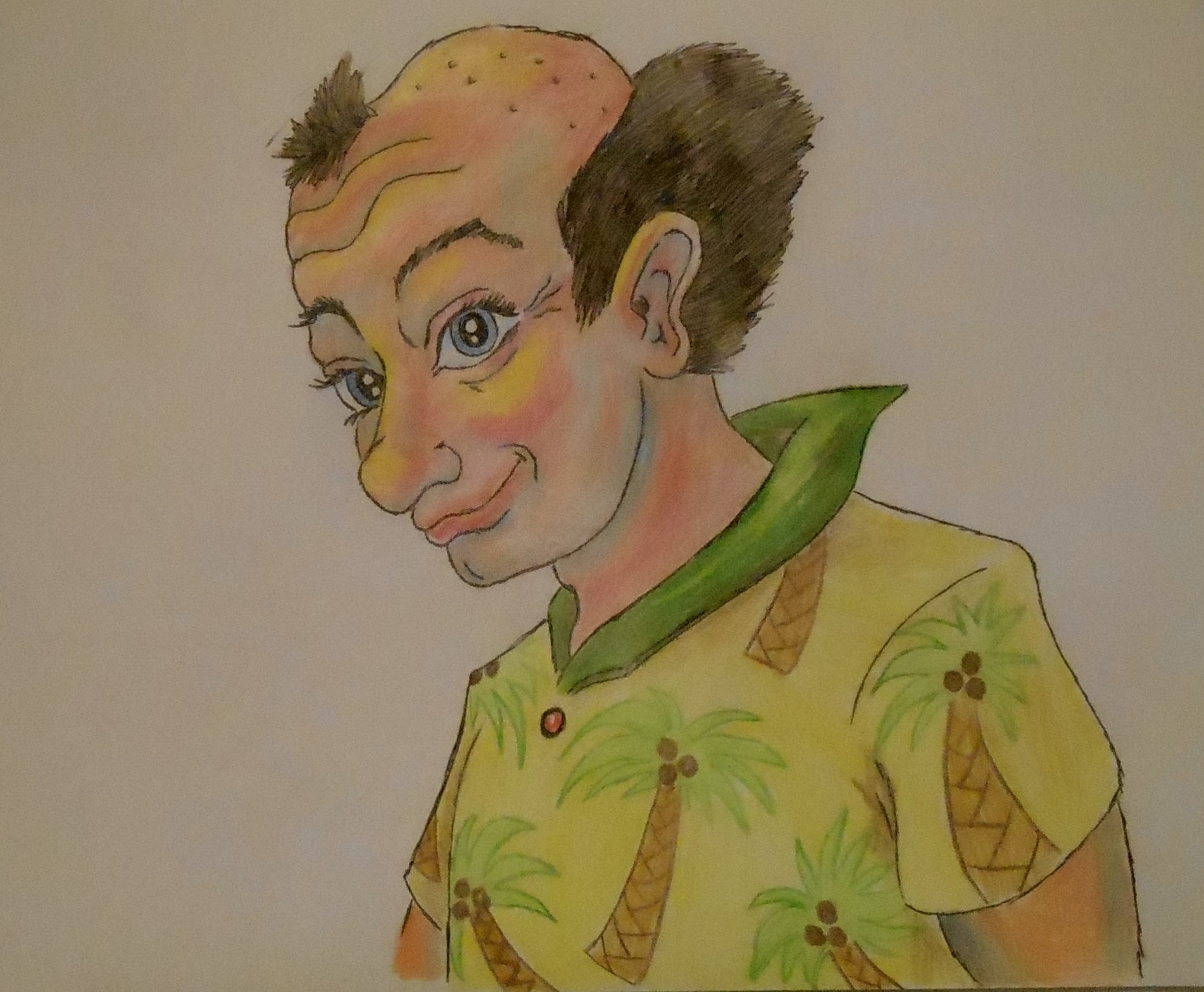
Or possibly stupid and goofy people who never get things right.
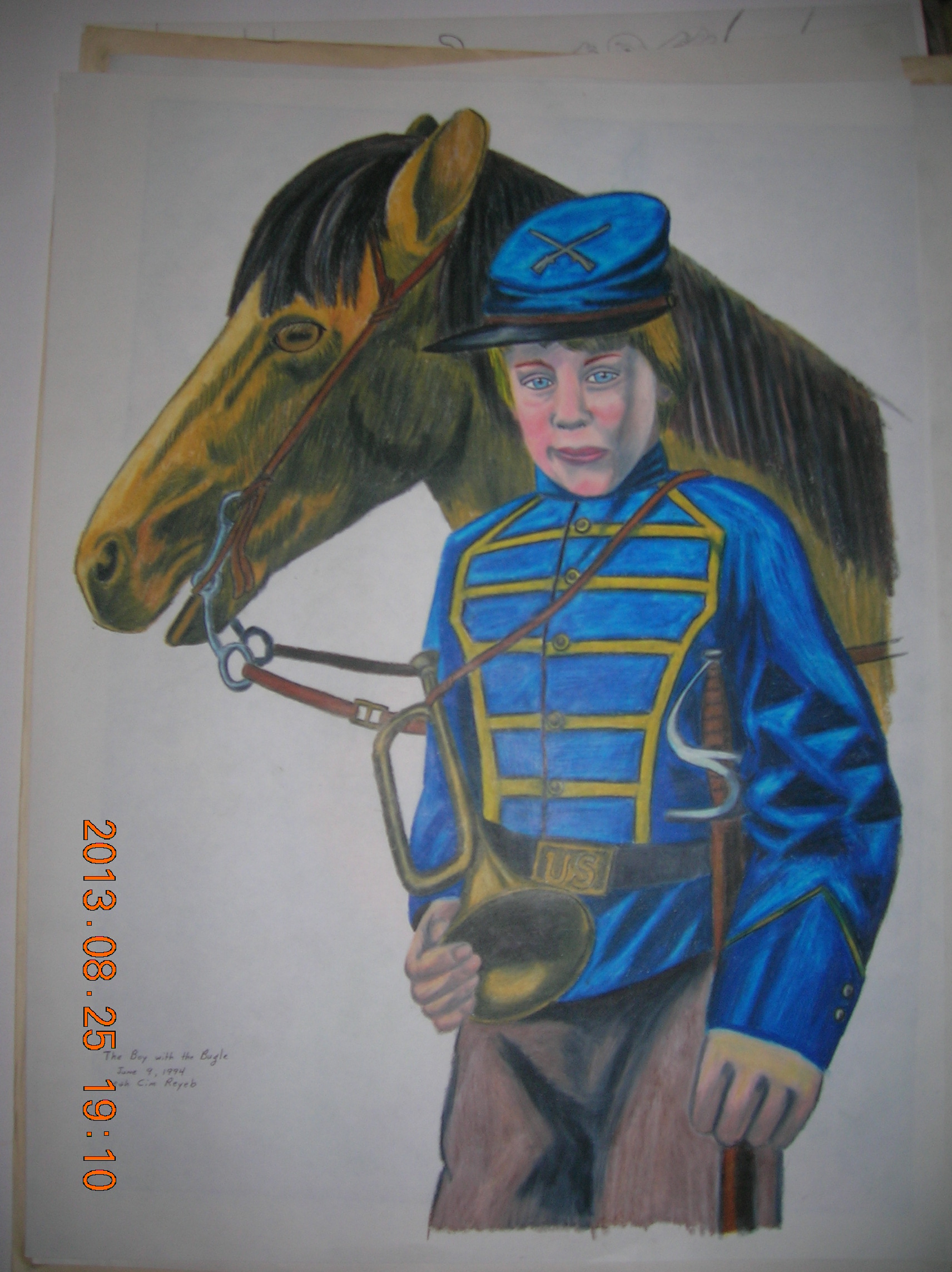
Or long-dead people who made their contributions long ago, and sacrificed everything to make our lives different… if not better.
Or young people who live and learn and hopefully love…
And try really hard at whatever they do… whether they have talent or not.
And hope and dream and play and laugh…
And sometimes hate… (but hopefully not too much)…
And can probably tell that I really like to draw people…
Because God made them all for a reason…
even if we will never find out what that reason is.
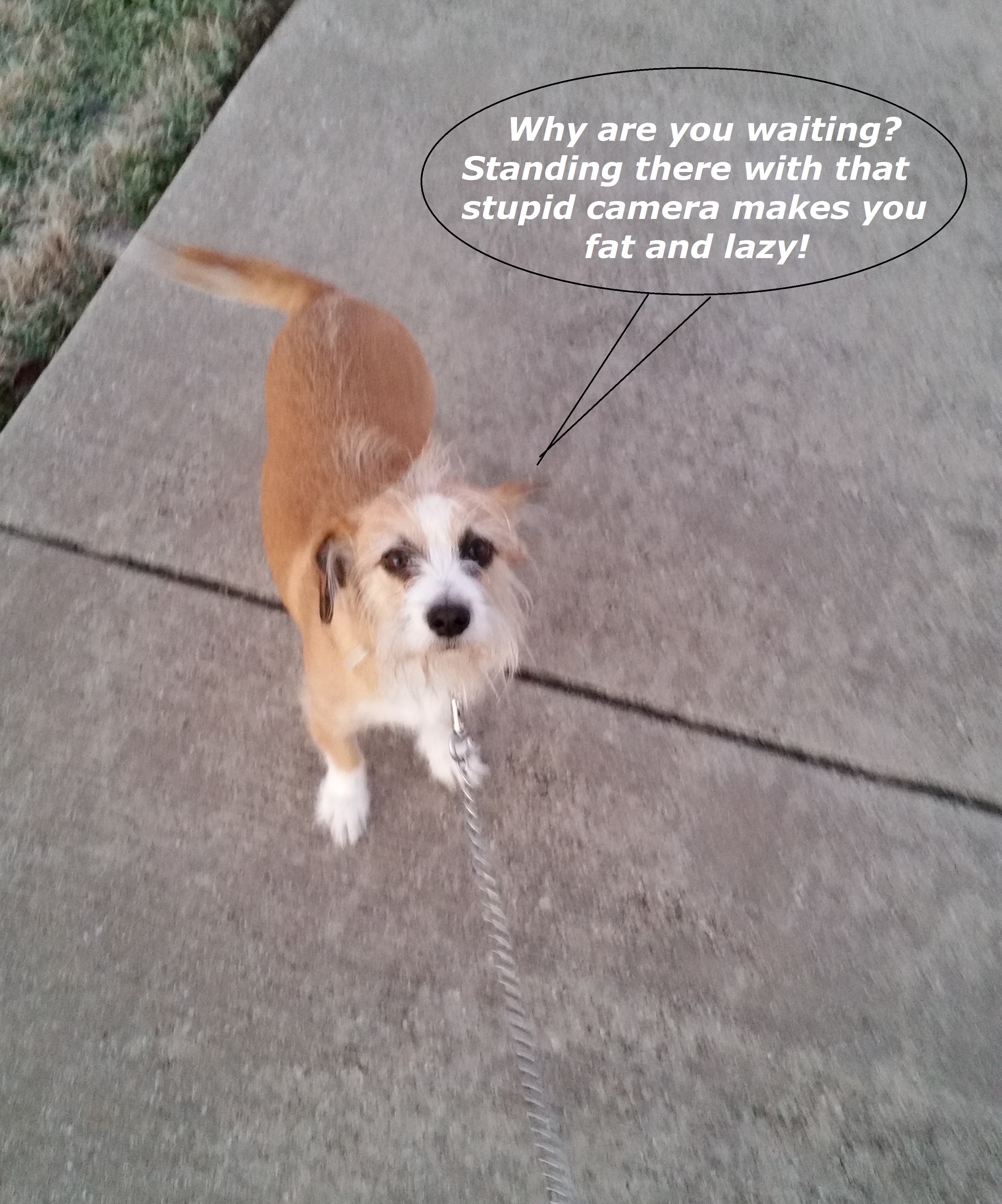
Yes, I will admit to walking the dog for all the wrong reasons… I take her to prevent more poop piling up in the house on the living room carpet, but that’s just the most obvious reason that my wife and kids truly believe is the only reason. The truth is more sinister. When life goes against me (like my recent trouble with anti-teacher policies in Texas and the scourge known as insurance pirates) I take the dog out for walks so I can stumble and grumble and swear at the dog.
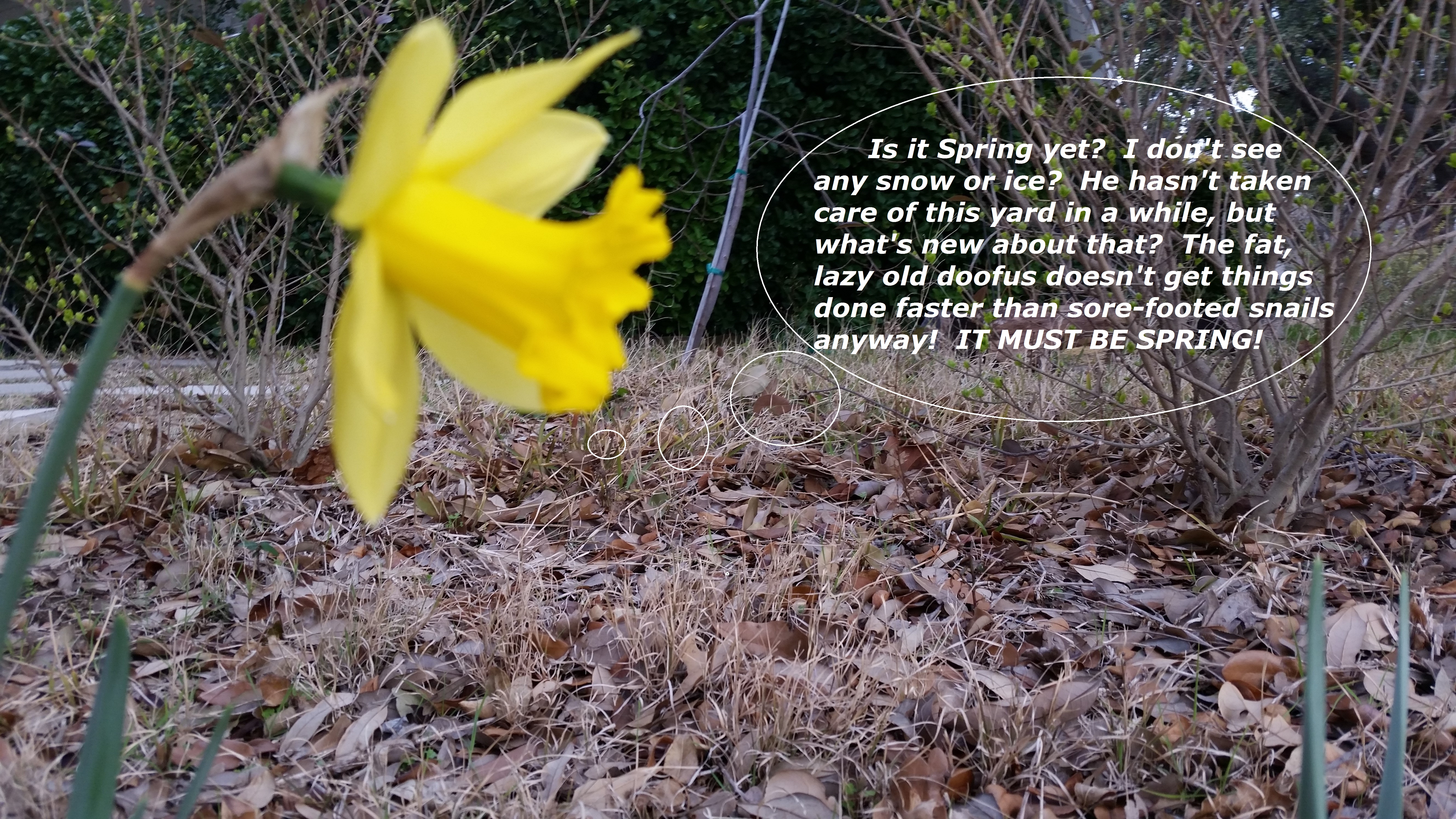
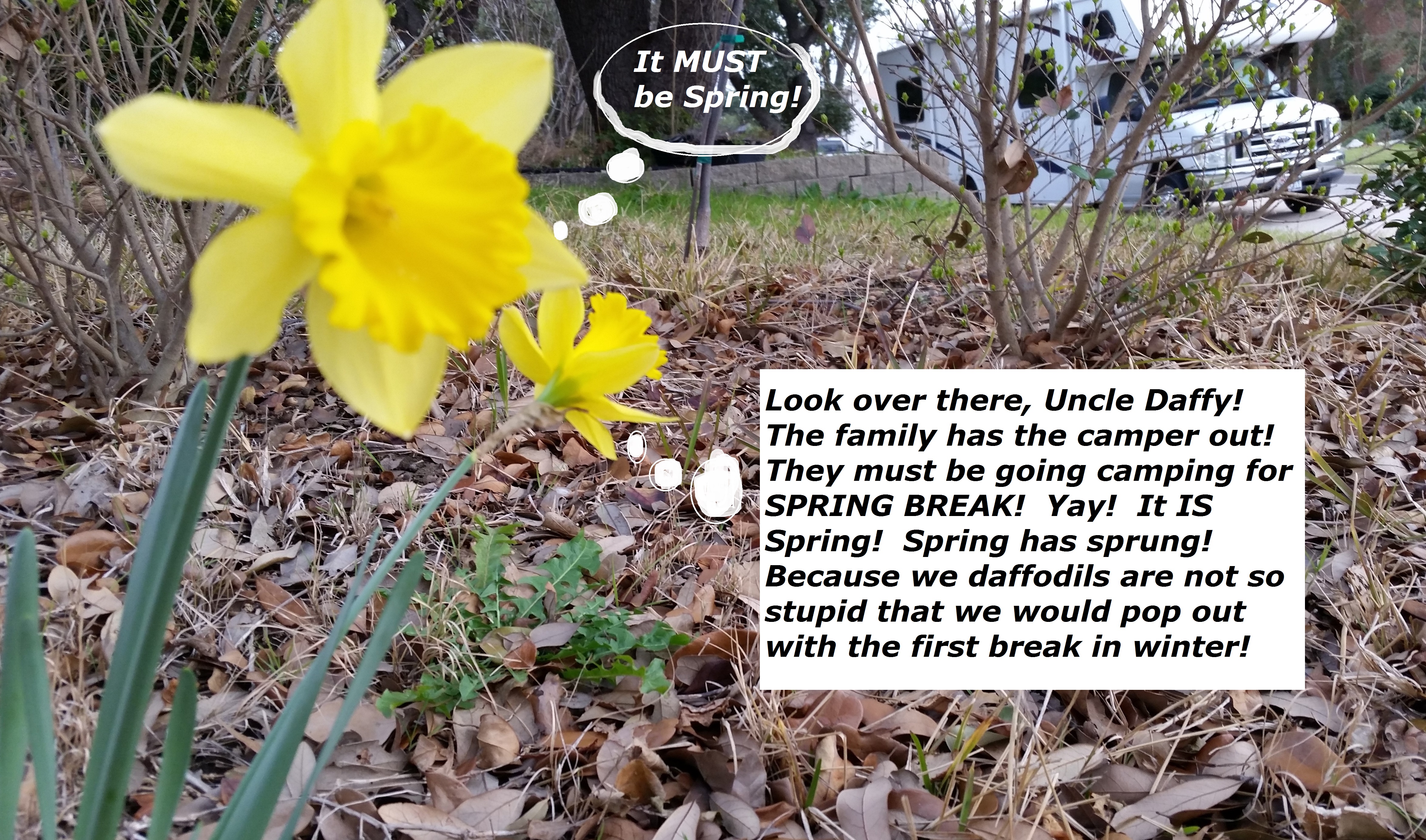
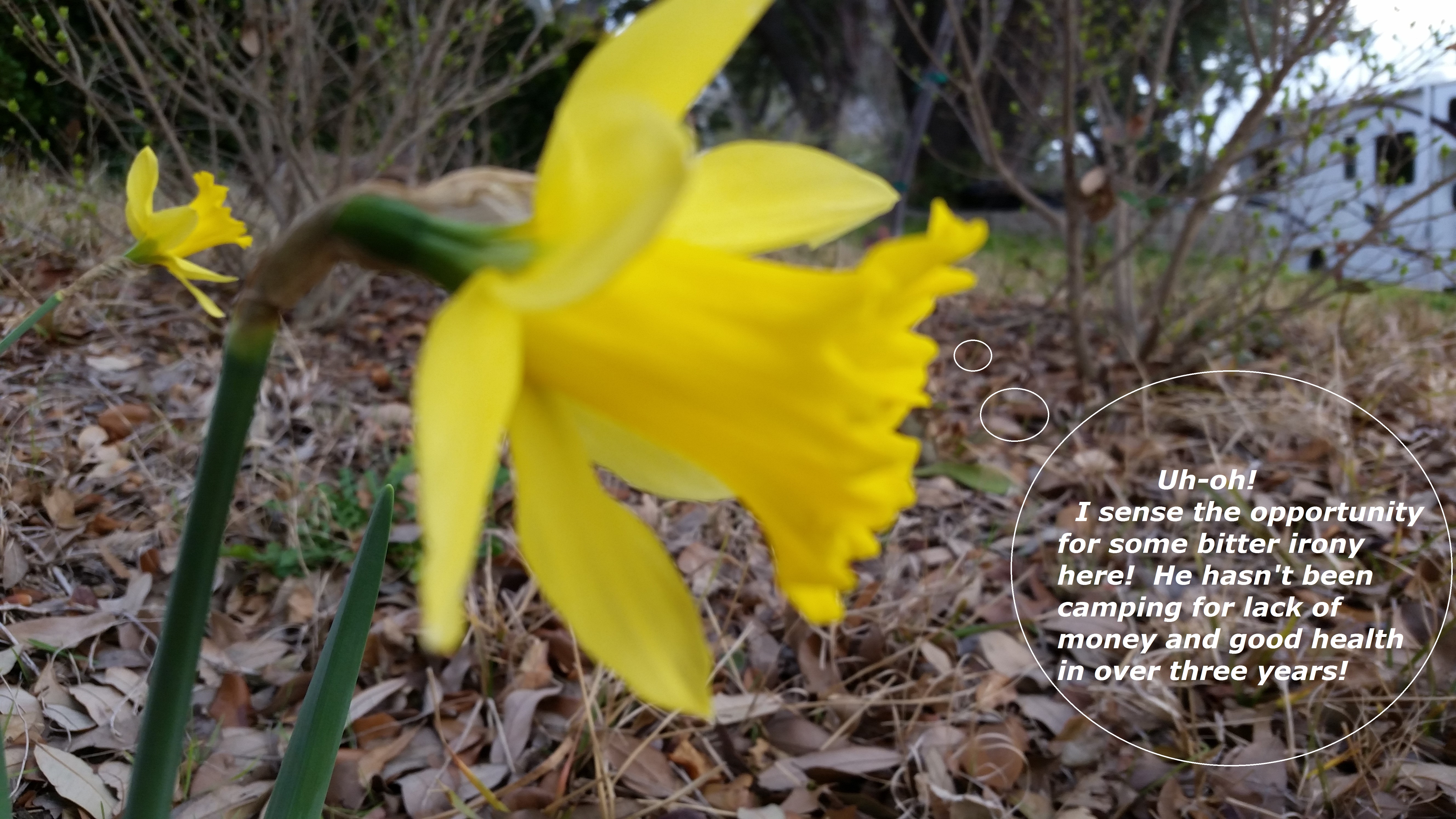
I took my camera along on this walk because I needed something to post for today even though I am all grumbly and rumbly and not ready to write. As we were taking off, I noticed my wife’s daffodils had sprung up to look around, confused by the warmer, wetter weather than we normally get during the time of year when Dallas is known for freezing Superbowls solid.
Daffodils, like most Texas residents, are a little naive and a little too ready to think only good things can happen to them because they are white and relatively wealthy and very Republican, living in the State at the center of the universe.
Then the second one pops out. Like any other Texans, two together make the average IQ in the room drop. Opinions get tossed back and forth to snowball into masses of prejudice against Mexicans crossing the border, too many black folks, too many people on food stamps eating up all the profits, and other massively bright blossoms of bigotry. Sometimes they watch Fox News together and get really dangerous. But fortunately, when two or more fear-charged brain-cells come in close proximity to each other (a feat that requires at least five Republicans) they begin to develop an electro-magnetic sixth sense and begin to perceive truth on the far perimeter.
The forecast in North Texas for this coming week is for a strong chance of severe winter weather (for North Texas that is the code for a slight chance of snow). So, I got a good laugh at daffodil expense. But, I guess I don’t really hope they die an icy death. I’m just grumpy because sometimes my life just doesn’t progress very well.
When you make the mistake of admitting to others that you are a writer, they immediately assume you know things that are kept secret from “normal” people. For instance, they will simply assume that you can tell them where you get your ideas for writing. Well, I am fairly sure that I got the idea for this post from watching a YouTube video in which the Master, Neil Gaiman, says that every author has a joke answer for that one with enough sarcastic wit in it to punish the asker with public humiliation.
I asked the dog if she knew any jokes like that which I could use to prepare for someone asking me that question in public. She said, “You could tell them that your family dog tells you what to write every day.”
“No,” I said, “people would never believe it.”
“Well, it is supposed to be a joke. But you are right. No one would ever think you were actually smart enough to write down what a dog tells you.”
“Yes, it’s a good thing for me that you know how to speak in English. I could never translate and transcribe Barkinese.”
So, I began thinking of where some of my best ideas came from.
Dreams
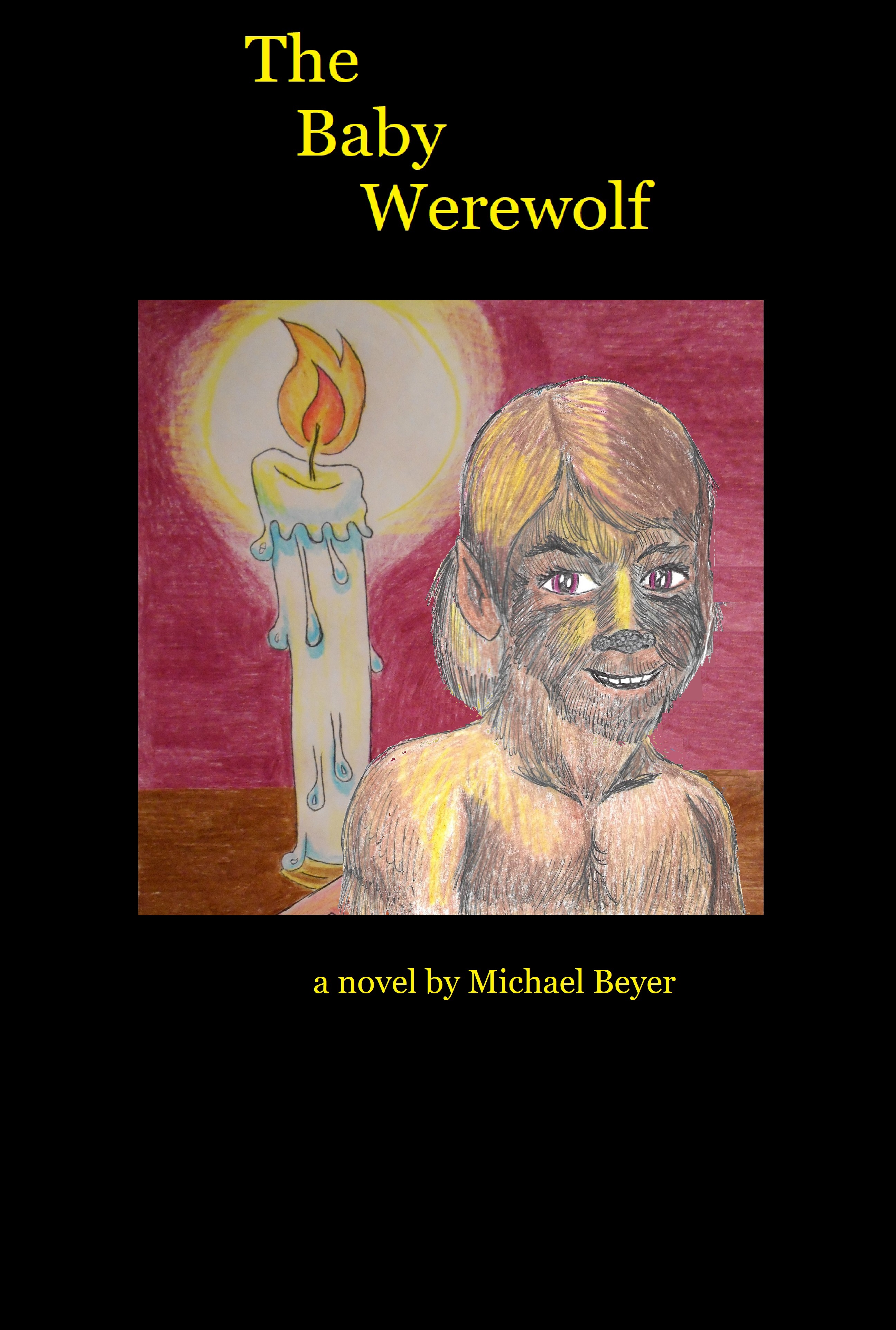
Some of my stories come directly from dreams that I had. The nightmare about being chased down a street in Rowan at midnight by a large black dog with red eyes was an actual dream I had in the 1970s. So was the nightmare of the werewolf climbing out of the TV during a late-night viewing of Lon Chaney in The Wolfman.
Those two dreams together were the start of the story that became my recently published novel, The Baby Werewolf. Both dreams visit the protagonist in the story I wrote almost as if they were his dreams and not actually mine.
Events
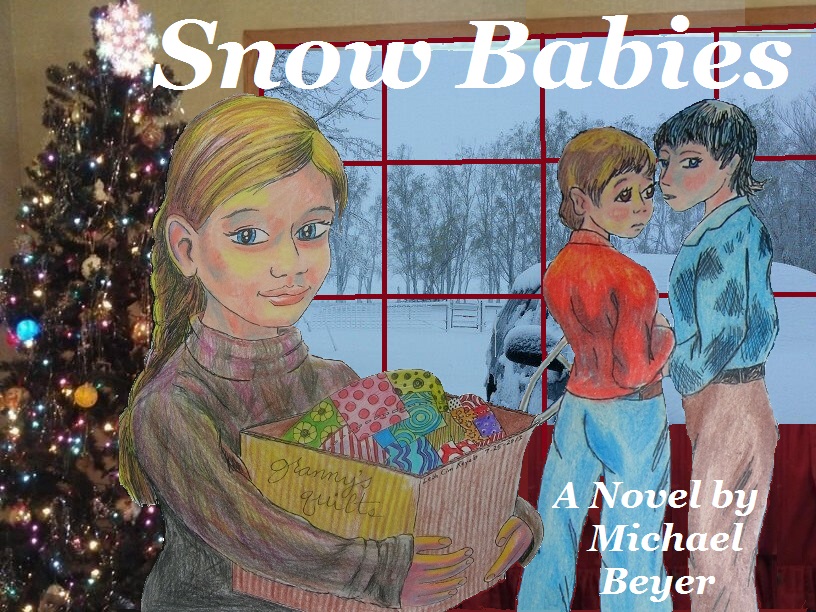
Snow Babies, the best novel I have ever written, was based on two different blizzards I experienced, first as a child in the 1960’s, and then again as a high school kid in the 1970s. Each blizzard involved being snowed in for a week at someone else’s house. As a child, I was stuck at Grandpa’s farm place until the snow plows could finally do their work and open the gravel roads. As a teen, I was stuck in Great Grandma’s retirement apartment near the high school in Belmond.
That novel also is based on the next source of ideas;
Characters
I can’t think of any story I have written that isn’t based on real people I have known in one way or another. Valerie in the novel above is based on three different girls I have known or taught. One of those three is my own daughter. The four orphans on the bus in that story are all boys from my junior high classes in the 1980s.
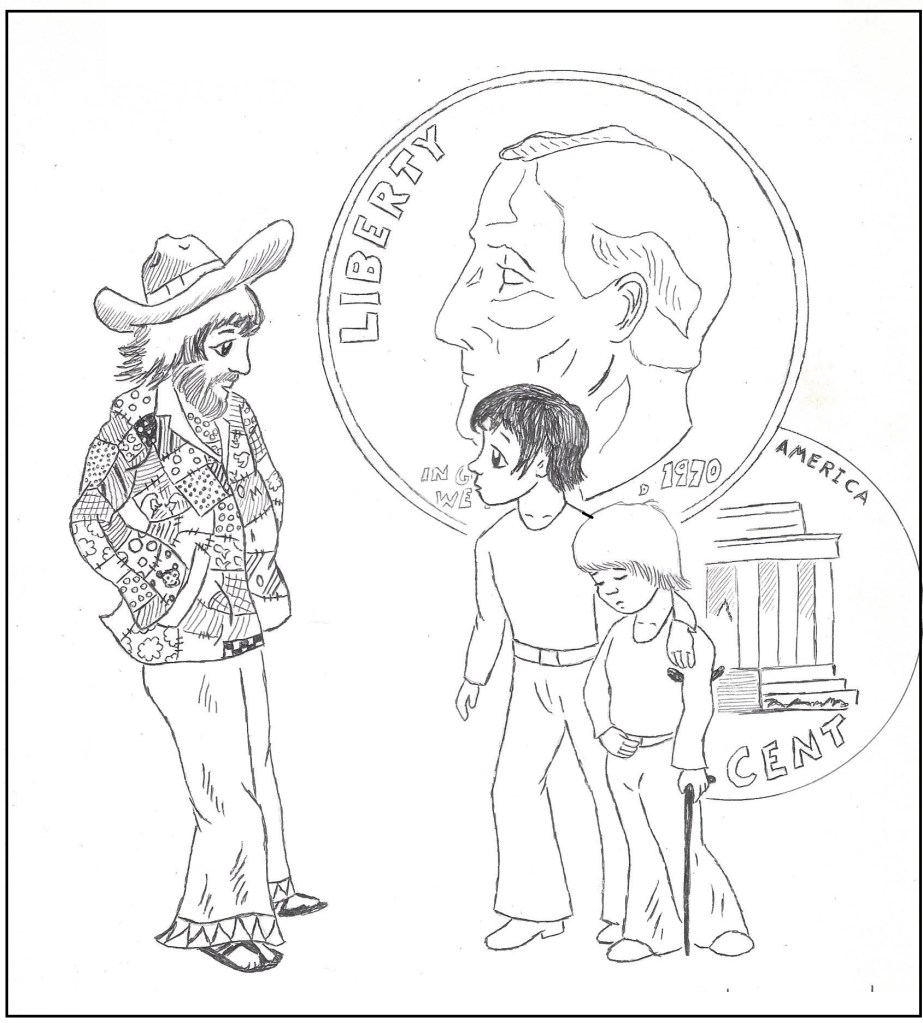
Lucky Catbird Sandman, the hobo who wears the quilted coat of many colors, is based on the poet Walt Whitman, whom I knew well in a past life, and my own shiftless, storyteller self. Some characters are just so key to a story idea that they themselves are the reason for a book to exist.
In conclusion, the dog doesn’t really know what she’s talking about. None of these things are really where I get my ideas. But I am out of time. I will have to write about the bottle imp another day. No, really. A magical imp trapped in a bottle. You can make one of those give you ideas for novels with only a slight risk to your life and soul.
This is not a book review. I did finish reading this book in a 3-hour-end-of-the-book reading orgy, spending an hour last night, and two more early in the morning before the rest of my family was awake.
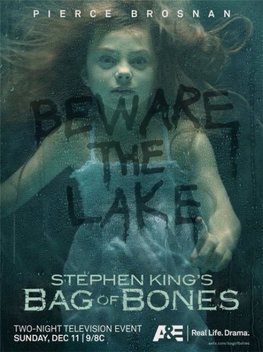
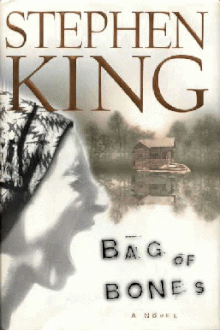
This is certainly not a book review. But I did read a Stephen King book, 1998’s Bag of Bones, which I picked up from the dollar sale shelves at Half Price Books. And I did love the story.
………………………………………………………………………This is not a book review. Instead, I want to talk about what a novelist can learn and reflect on by meta-cogitating over what this book reveals about King’s work habits and style and author’s voice.
Mike Noonan, the protagonist, is a novelist who writes books that routinely land in the numbers 10 through 15 slots in the New York Times Bestseller List. Obviously, this first-person narrative is coming directly out of King’s own writing experience. But, remember, this is not a book review. I am discussing what I have learned about how King puts a story together.
King sets a back-story for this novel that digs deep into the geographica and historica of the city in Maine where the story is set. The literal bag of bones revealed in the book’s climax is almost a hundred years old. And he takes a compellingly realistic tour back in time to the turn of the Twentieth Century more than once to reveal who the undead characters are and why they do what they do. One thing that makes a writer, a novelist, truly solid is his ability to set the scene, to grow the story out of the background in the most organic and realistic way possible. But this is not a book review. I am saying that King always does this with his books. And if you wish to write at that level, you must do that too. I know I am sincerely trying.
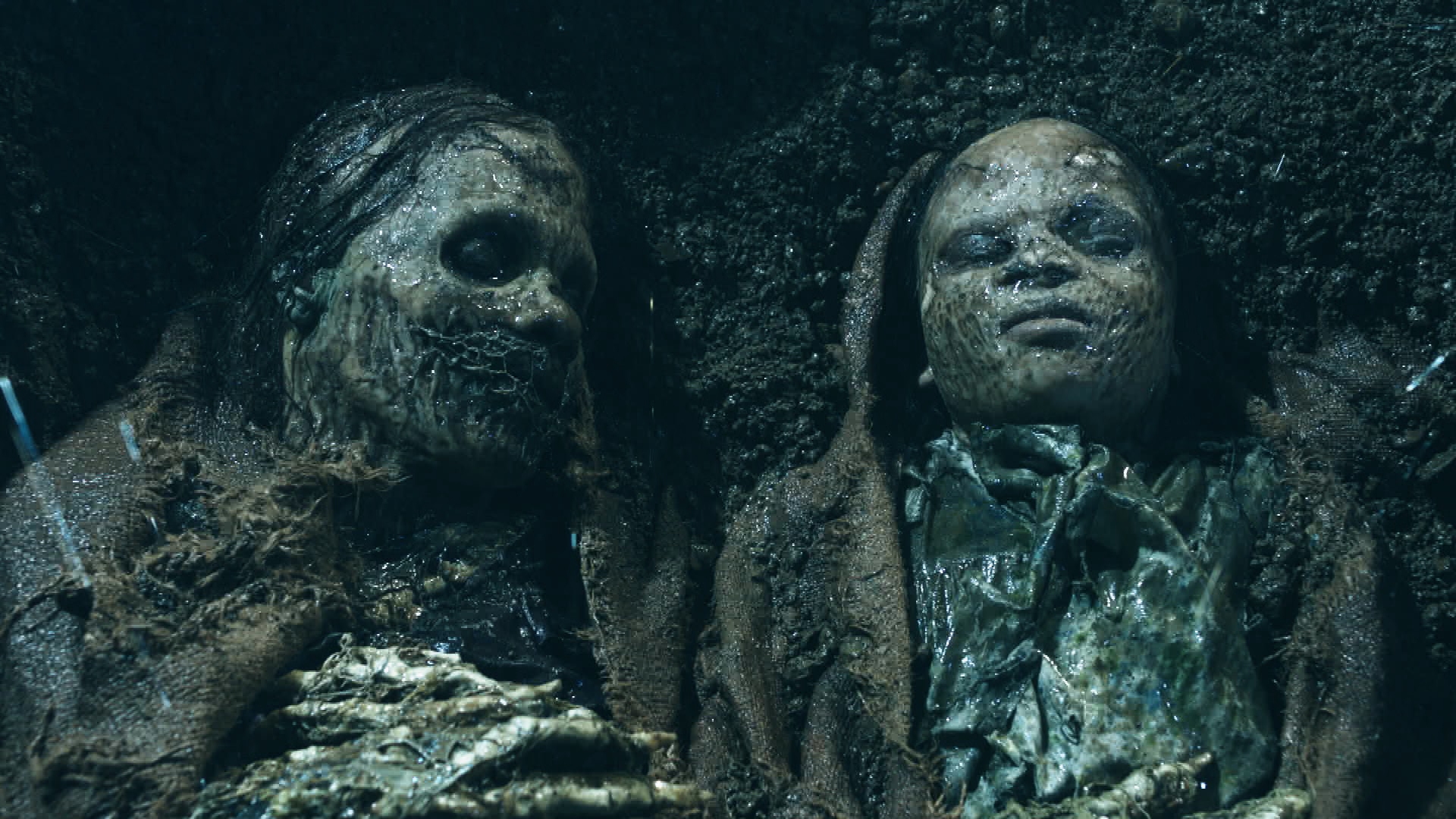
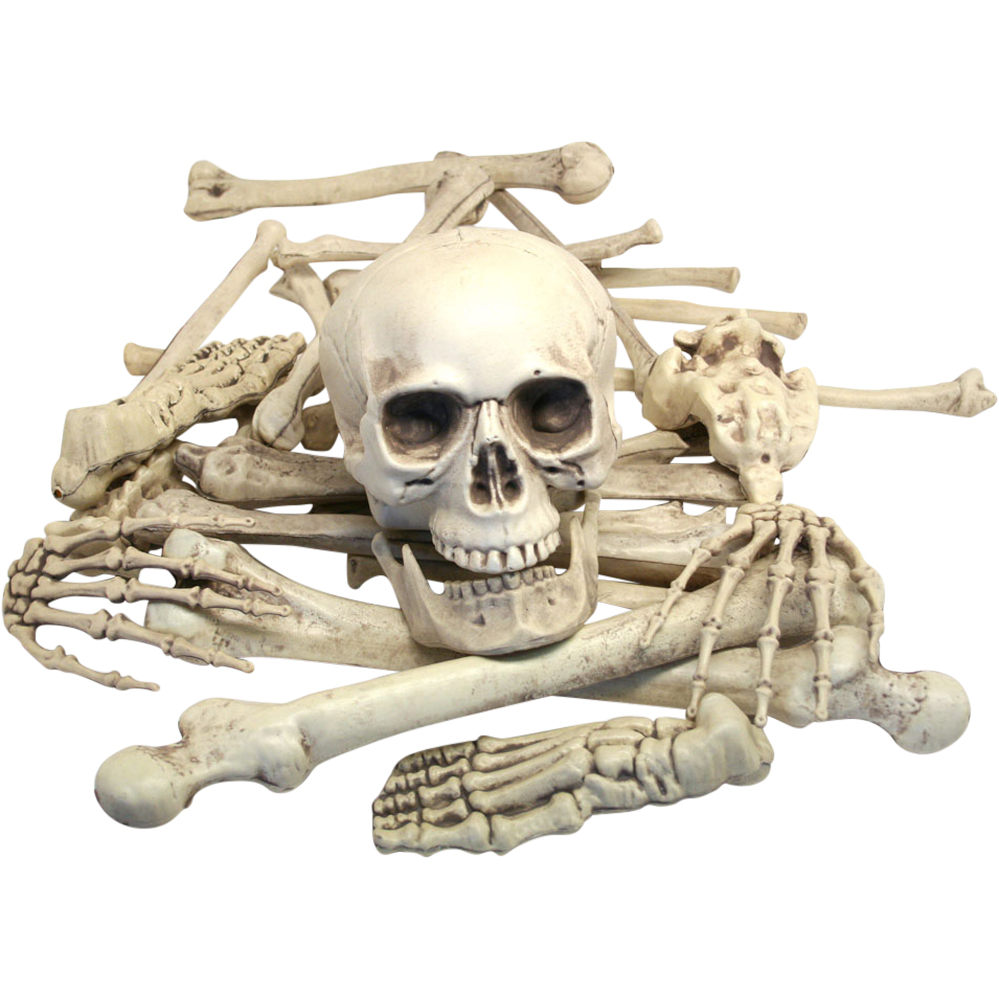
At the end of the story, he clearly tells the reader that he learned from Thomas Hardy that “the most brilliantly drawn character in a novel is but a bag of bones”. So, he is definitely aware that a character is a construct that has to be crafted from raw materials. It takes a master craftsman to build one with the right words to make it live and breathe on the page. He does it masterfully in this book with several characters. The protagonist, the beautiful young love interest, the love interest’s charming three-year-old daughter who is nearly slain in a horrific manner at the end of the book… The living villain is a well-crafted bag of bones, as is the ghost, the actual bag of bones in the story. But this is not a book review. Most of his books, at least the ones I have read, have the same sort of masterful characters.
There is so much more to be learned about novel writing from this book. He literally shows you how ideas are captured, how they are developed into stories, how you overcome “writer’s block”, and Noonan’s book he is writing within this book is even used as an example of how to poetically advance the plot. But this is not a book review. You should read this book. It is a very good and scary piece of work. But you should read it because it shows us how to write and do it like a master.
Some books come along telling a story that has to be taken seriously in ways that don’t make sense in any normal way. The Alchemist is one of those books.
What is an alchemist, after all?
An alchemist uses the medieval forms of the art of chemistry to transmute things, one thing becoming another thing.
Coelho in this book is himself an alchemist of ideas. He uses this book to transmute one idea into another until he digs deep enough into the pile of ideas to finally transmute words into wisdom.
There is a great deal of wisdom in this book, and I can actually share some of it here without spoiling the story.
Here are a few gemstones of wisdom from the Alchemist’s treasure chest;
“It’s the possibility of having a dream come true that makes life interesting…” (p.13)
“It’s the simple things in life that are the most extraordinary; only wise men are able to understand them.” (p.17)
“All things are one. And, when you want something, all the universe conspires in helping you to achieve it.” (p.24)
“And when he had gone only a short distance, he realized that, while they were erecting the stall, one of them had spoken Arabic and the other Spanish. And they had understood each other perfectly well. There must be a language that doesn’t depend on words, the boy thought.” (p.45)
All of these quotes from the book, as you can see, come from the first third of the book. There are many more treasures to be found in this book. I should not share them with you here. Just as the main character of the story learns, you have to do the work for yourself. But this book is not only an enjoyable read, but a map for how you can execute your own journey towards your “Personal Legend”. In fact, you may find that the book tells you not only how to go about making a dream come true, but, if you are already on that journey successfully, it tells you what things you are already doing right.
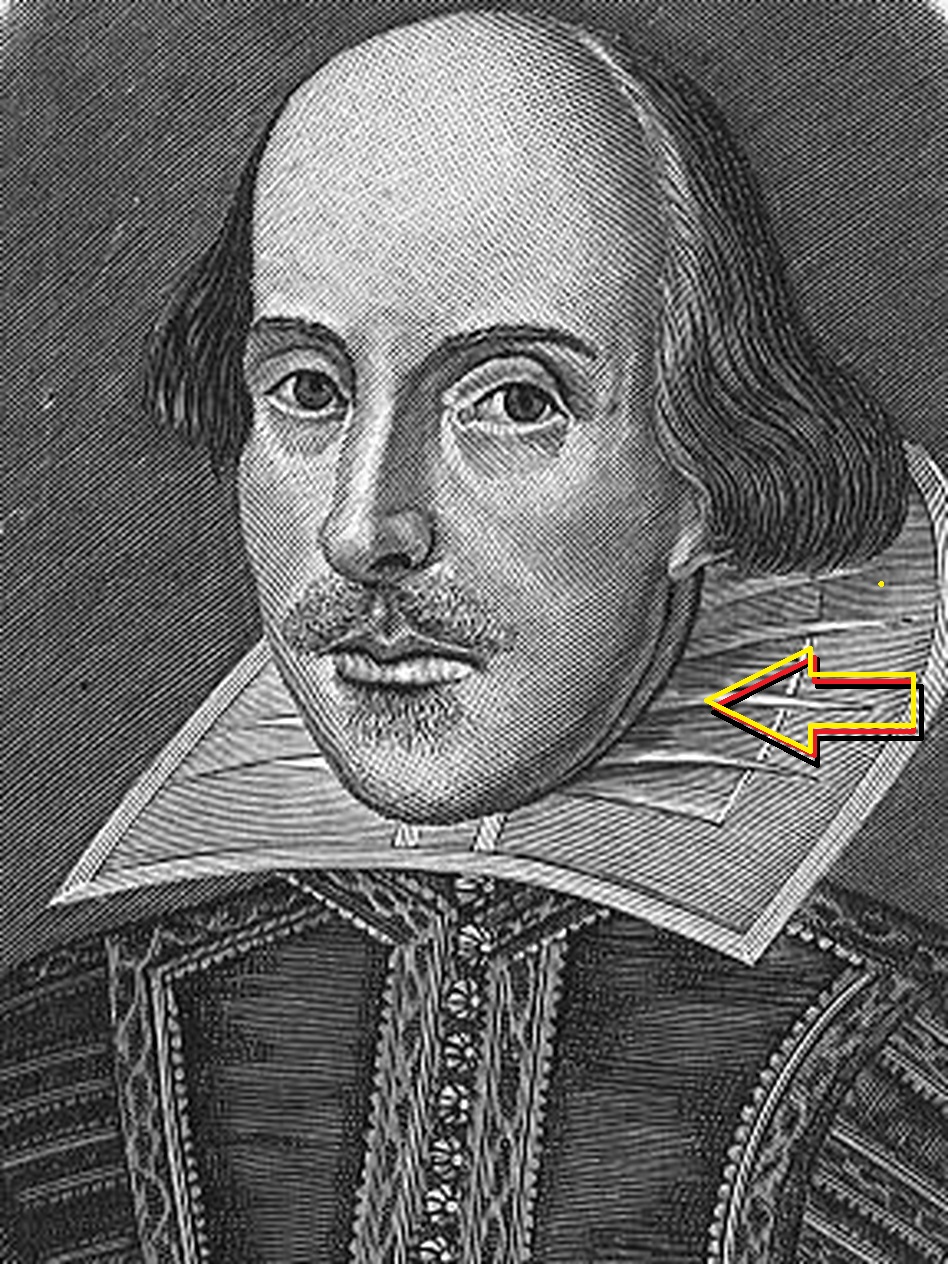
Despite my skepticism about the accepted wisdom in regard to the historical William Shakespeare, I do deeply love the body of work that is Shakespeare. My most favorite play is The Tempest, the final play in the canon. I also have read and loved As You Like It, Romeo and Juliet, Hamlet, A Midsummer Night’s Dream, The Merchant of Venice, Henry V, Richard III, Julius Caesar, Macbeth, Othello,and King Lear. I know that is not all of the plays, but that is probably more than most people have read. And of course, as an English major in college, and later as a teacher, I have actually analyzed, compared, studied, and taught some of these plays. So, the Shakespeare I know is the Shakespeare of the writer’s own mind, his communicated wit and wisdom, imagination and intellect.
And I do not have any disdain or disrespect to give the Stratford guy. To say that, in the Elizabethan world, the actor son of a tradesman with only a grammar school education could not have been the mind behind the literary masterworks is foolish. The Stratford guy owned and operated the Globe theater at a time when “the play was the thing”. All of London society, rich and poor, gloried in the theater, and Shakespeare did for Elizabethan plays what Babe Ruth did for baseball. He was a good enough business man to make himself a decent fortune. Although, apparently, this world-shaking author didn’t spend any of his money on owning books, which in my experience is extremely rare among writers. His life, bound up in an urban existence that never traveled outside of the country also somehow produced great works that were set in places in Europe, especially Italy, that described those settings in accurate detail. As a working actor, he also apparently had the time to study law and somehow learn the inner workings of the royal courts of more than one country. And the plots were not original. He took existing stories that already were a part of European literature and lore and wove them into rich tapestries of human striving, laughable foibles, and a deep understanding of basic human character. But I do have doubts that the businessman and actor from Stratford was the real writer of the plays.
I have already told you that I don’t believe Sir Francis Bacon was secretly Shakespeare. Christopher Marlowe wasn’t either. And I have unsuccessfully made a case against Shakspere, the Stratford guy. So who could possibly be the real William Shakespeare? Well, I am not going to be able to make a decent case for him in the 100 words that I have left to end this essay with. So there has to be more to come. (And stop screaming obscenities at the computer screen. I am going to reveal the name before the end of this essay. And I promise not to make my case for him in coming days too boring and horrible.) I have to show why I believe that the true heart of Shakespeare could only have beaten within the body of Edward deVere, the Earl of Oxford.








 Catch a Falling Star
The Alchemist by Paulo Coelho
Some books come along telling a story that has to be taken seriously in ways that don’t make sense in any normal way. The Alchemist is one of those books.
What is an alchemist, after all?
An alchemist uses the medieval forms of the art of chemistry to transmute things, one thing becoming another thing.
Coelho in this book is himself an alchemist of ideas. He uses this book to transmute one idea into another until he digs deep enough into the pile of ideas to finally transmute words into wisdom.
There is a great deal of wisdom in this book, and I can actually share some of it here without spoiling the story.
Here are a few gemstones of wisdom from the Alchemist’s treasure chest;
“It’s the possibility of having a dream come true that makes life interesting…” (p.13)
“It’s the simple things in life that are the most extraordinary; only wise men are able to understand them.” (p.17)
“All things are one. And, when you want something, all the universe conspires in helping you to achieve it.” (p.24)
“And when he had gone only a short distance, he realized that, while they were erecting the stall, one of them had spoken Arabic and the other Spanish. And they had understood each other perfectly well. There must be a language that doesn’t depend on words, the boy thought.” (p.45)
All of these quotes from the book, as you can see, come from the first third of the book. There are many more treasures to be found in this book. I should not share them with you here. Just as the main character of the story learns, you have to do the work for yourself. But this book is not only an enjoyable read, but a map for how you can execute your own journey towards your “Personal Legend”. In fact, you may find that the book tells you not only how to go about making a dream come true, but, if you are already on that journey successfully, it tells you what things you are already doing right.
Leave a comment
Filed under book reports, book review, commentary, good books, magic, strange and wonderful ideas about life, wisdom, wizards
Tagged as book review, books, fantasy, fiction, magical books, mystical books, reading, the Alchemist by Paulo Coelho