
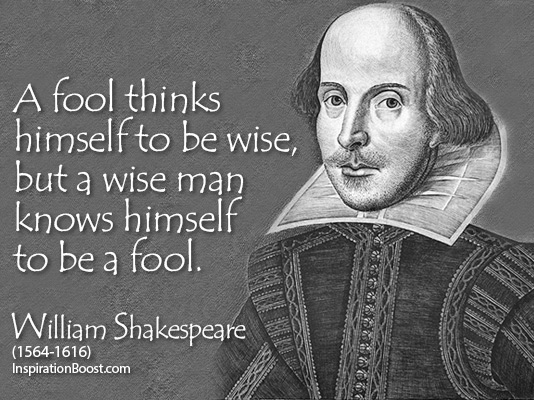
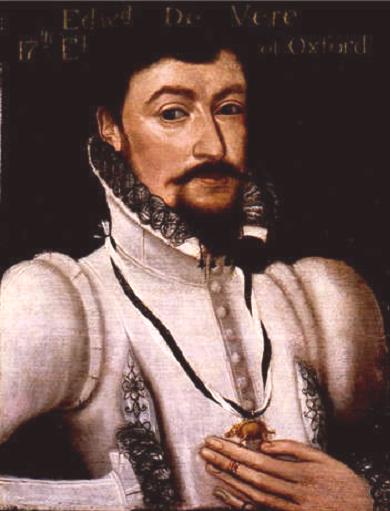
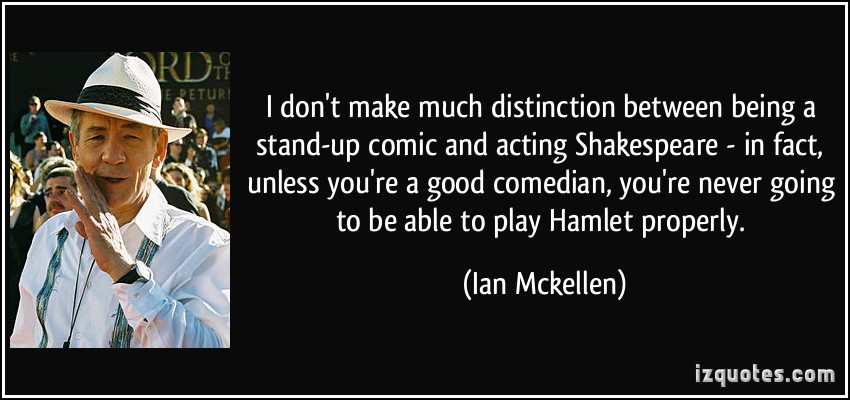
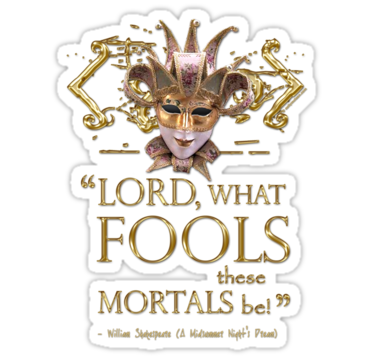
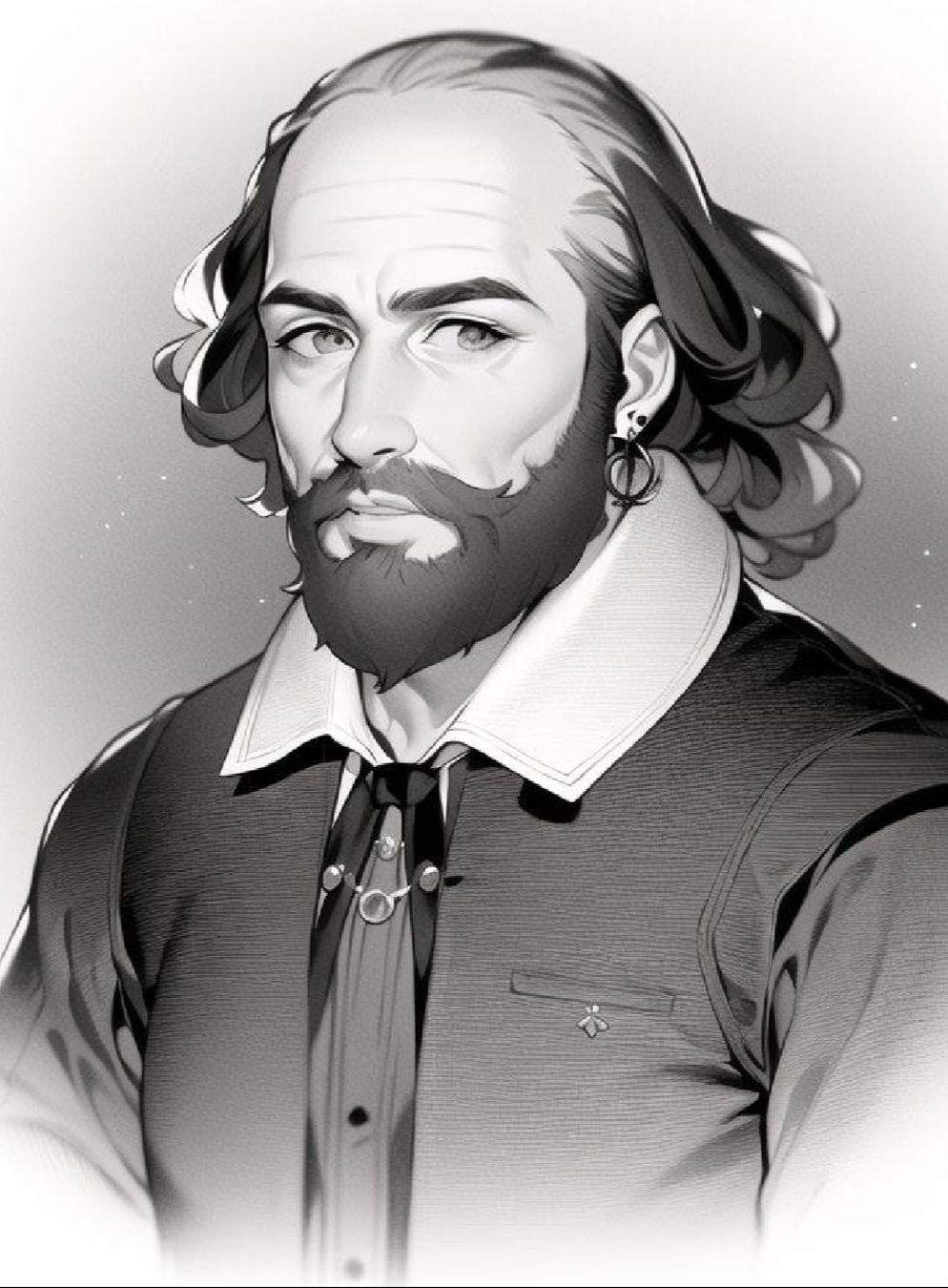
Yes, I am, perhaps, a bit of a fool for believing Edward de Vere, the 17th Earl of Oxford, is the writer behind the works of William Shakespeare. How do you prove something is true when it is so obvious that someone worked really hard to keep it a secret for all this time? Is it a betrayal of the man to go against his apparent wishes and try to out him for his incredible secret? It is hard for me to judge. After all, I know I am a fool.
But even if he is not Shakespeare, and just sits at the apex of a mountain of coincidences, I am fascinated by the historical character of Edward de Vere.
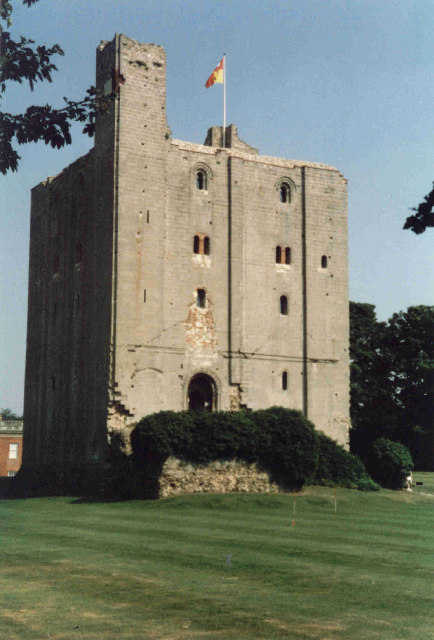
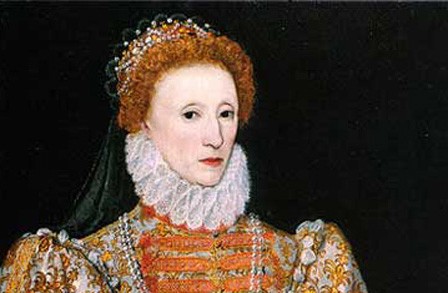
He was born the only son of John de Vere, the 16th Earl of Oxford, and heir to the second oldest title among English nobility. His father stood by Elizabeth when she was under house arrest under the reign of Bloody Mary, and went with her as a court favorite to the throne of England when she survived the ordeal. So naturally Edward was a favorite of Elizabeth’s since childhood. Later stories would suggest he became the Queen’s secret lover, but the rumors of the Virgin Queen’s harlotry were most likely the invention of Philip of Spain and other nobility in Catholic Europe who plotted endlessly against her because she chose to adopt her father’s protestant Anglican religion instead of returning England to Catholicism like her half-sister Mary before her. Elizabeth’s personal integrity may not have been perfect. Still, the love she bore for young Edward was probably not the improper kind that the movie Anonymous, directed by Roland Emmerich, suggested.
But even though de Vere was born lucky, I would not say he was particularly lucky in life. He was only twelve when his father (though having completed his will) died. The result being that he was made ward to Queen Elizabeth herself. She was not exactly the foster-mother type, however. She sent the boy to be raised in the home of her Secretary of State and chief adviser, William Cecil (later made Lord Baron Burghley). Meanwhile, Elizabeth took possession of some of his estates in payment for the wardship and bestowed them on Robert Dudley (her childhood friend and probable one true love, though he was married to someone else). Young Edward was a difficult student. His tutor, the famous scholar Laurence Nowell, resigned in frustration, probably because the boy was too bright and far-reaching for the antiquarian scholar to deal with, possibly himself being a bit dumber than advertised. Edward quickly developed a reputation for love poetry at Elizabeth’s royal court. He was a gifted, though somewhat conflicted, prodigy.
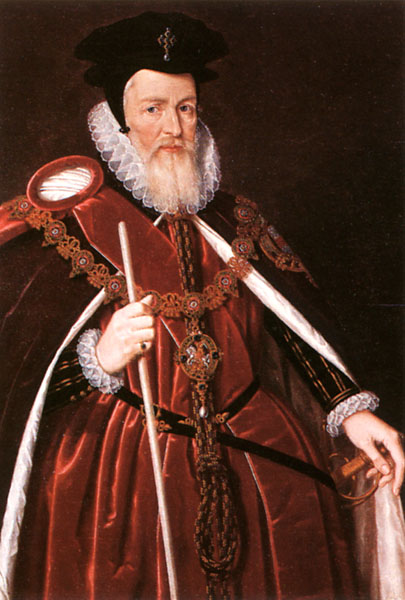
And here is what I find most fascinating about his life story. As you reread it, keeping the works of Shakespeare in mind, you begin to see Shakespeare’s source material coming to life. Edward would end up marrying Cecil’s young daughter Anne, so that Lord Burghley was not only a man who raised him, but also his father-in-law. But marrying off your offspring to nobility was an accepted manner of social climbing, and Cecil wasn’t entirely sure he couldn’t do better for his daughter. And the meddlesome, lecturing, and self-righteous nature of the man comes out in Shakespearean characters like Polonius in Hamlet who spies upon the suicidal prince because he fears the effect Hamlet’s love for his daughter Ophelia might have on her reputation, causing him to spout all manner of cliches and stuffy, self-important advice.
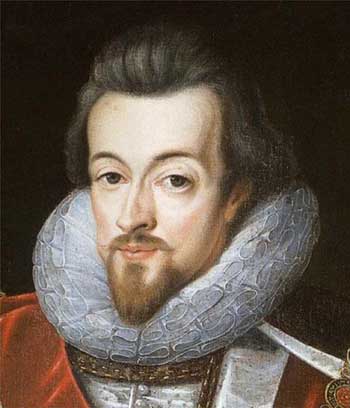
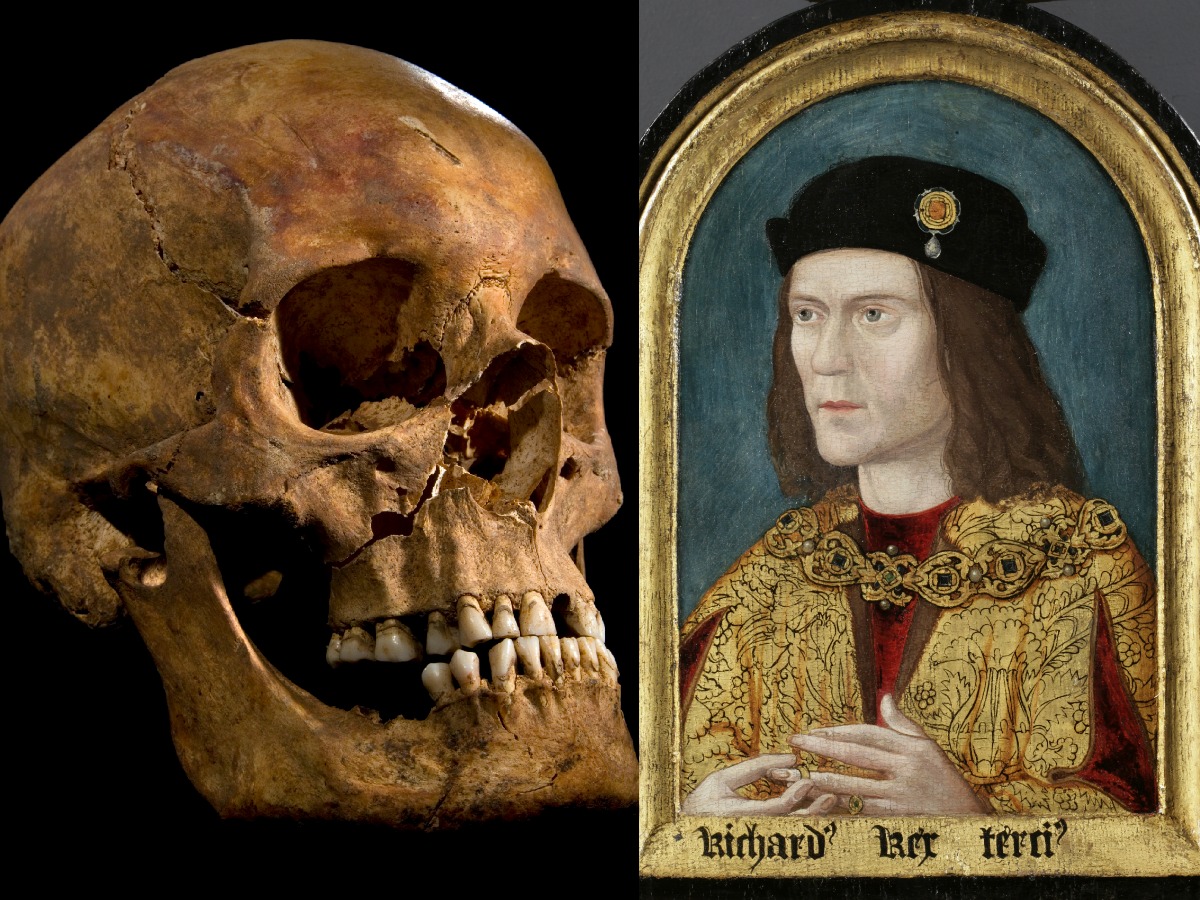
Cecil’s son Robert, the hunchbacked boy who grows up to take over his father’s office as adviser to both Elizabeth and James I, is a crafty statesman and plotter who is the undoing of the Earl of Essex in a real-life plot against the throne of Elizabeth. It is hard not to read about his real-life exploits without seeing the connections to Iago in Othello and the conniving hunchback Richard III.
So, once again I have overshot my target length in this essay because I get so wound up in the details of my discoveries. There are numerous things written and published about the connections between de Vere and the Bard himself. I have only begun to scratch the surface in this telling of it. But I am just a fool with a humor blog. If it interests you at all, I encourage you to go to as many of the available sources as you can possibly Google. I haven’t yet finished doing that myself. And I do hope I haven’t told anything here that makes Shakespeare turn over in his grave (if, indeed, a grave could ever really hold him.)





Thinkology – How to Think for Yourself
It is important for your mental health and well-being in the present age to question everything. As I laid out for you in the previous Thinkology post, the world is full of mental mousetraps, and evil thinkers are anxious to do all the critical thinking for you. If they can influence what you think is true, they can control you.
To start with, you have to look at yourself naked in the mirror. Now, I don’t mean this literally. The illustration is intended to be a metaphor for self-examination that goes deeper than how you look in your everyday dress…or tutu… or business suit… or even birthday suit if you like and are good-looking like the boy in the metaphor (after all, I have come to believe I am a nudist now, and am supposed to like the idea of birthday suits.)
What you are looking for is not how unsexy your massively fat-inflated abs are, but those things you believe that may not be completely valid (and mentally fattening) true things (not mere opinions or even supported opinions, but provably true facts) are backed up by measured, calibrated, and repeatable observations and experimental evidence. This means more than one other qualified observer has seen the same proofs as you have and agrees that it is factual. Yes, that’s the scientific method. And as a scientific way of evaluating truth, it is continually questioned and re-examined.
Any news source that you are thinking about accepting opinions from needs to be someone you can trust because they do actually vet their facts and sources. (Not the FOX news sort of vetting where it’s true because Tucker Carlson says so, but vetted through multiple reliable sources.) It helps too if your source is intelligent. Do not take the word of Louie Gohmert of Texas, Greg Gutfield of FOX News, or Mark Levin of talk radio for anything. These fools are clearly brain-damaged idiots or evil people spouting nonsense for evil reasons… or both. But also don’t take the word of Rachel Maddow, Bill Nye the Science Guy, or Neil deGrasse Tyson without corroboration. While they are usually more intelligent, they are imperfect humans too, and sometimes get things wrong. No one is perfect 100% of the time, over 100% of the issues they are talking about.
Again, question everything.
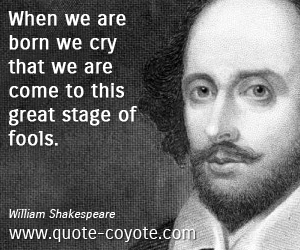
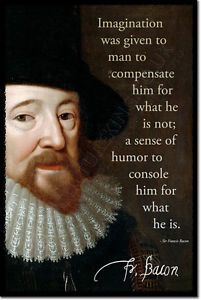
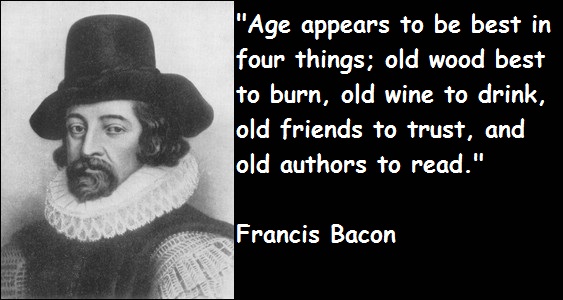
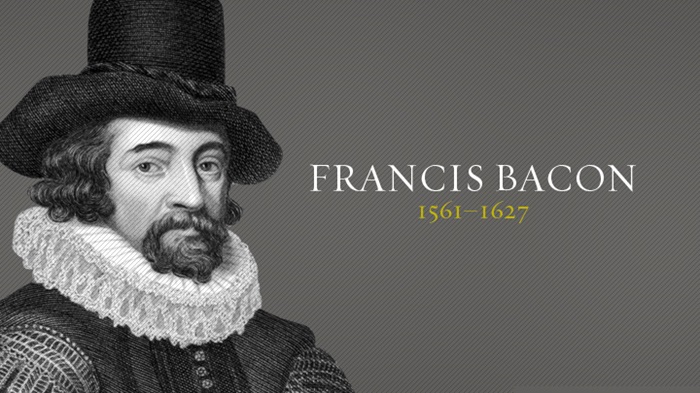
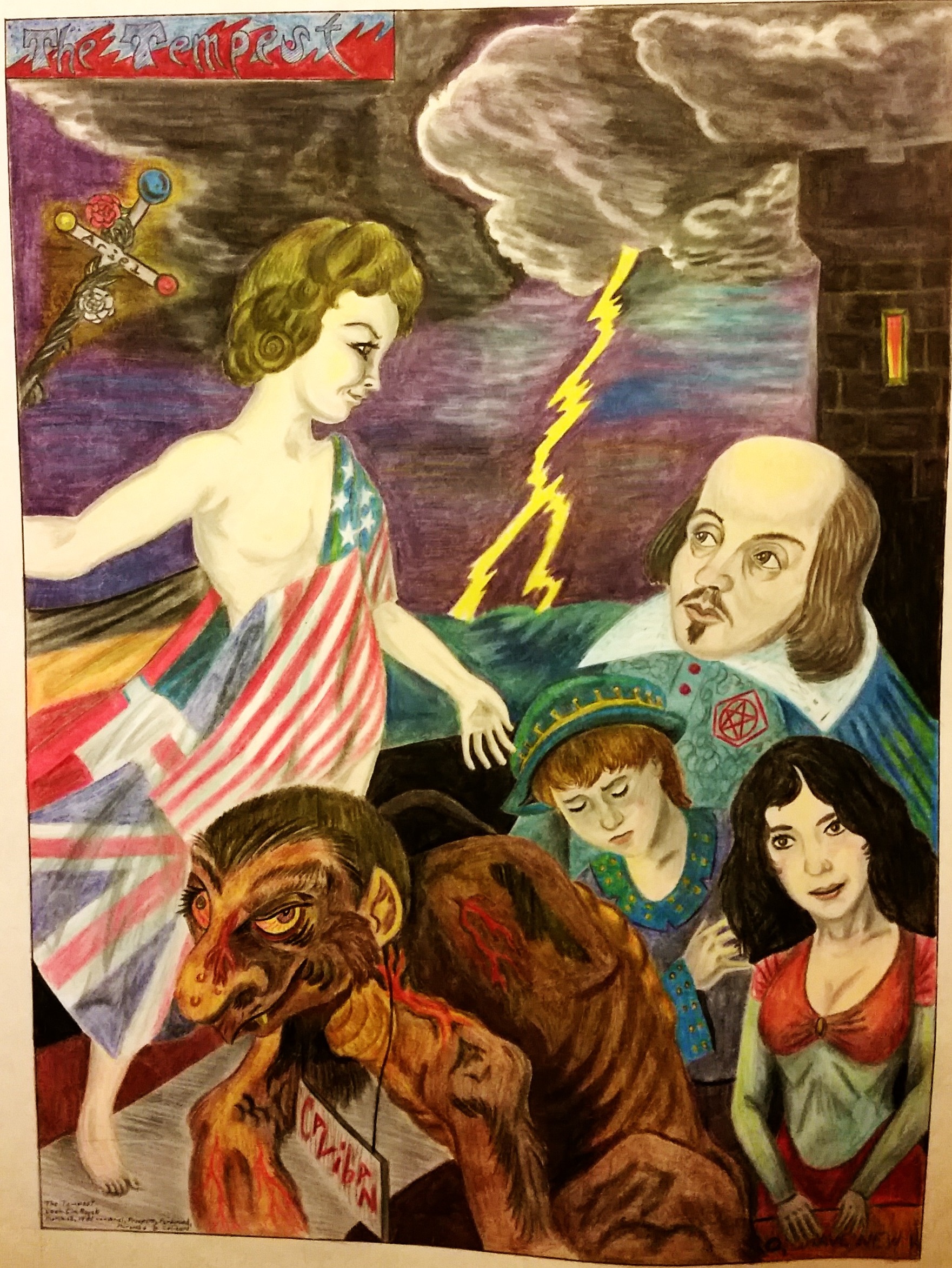
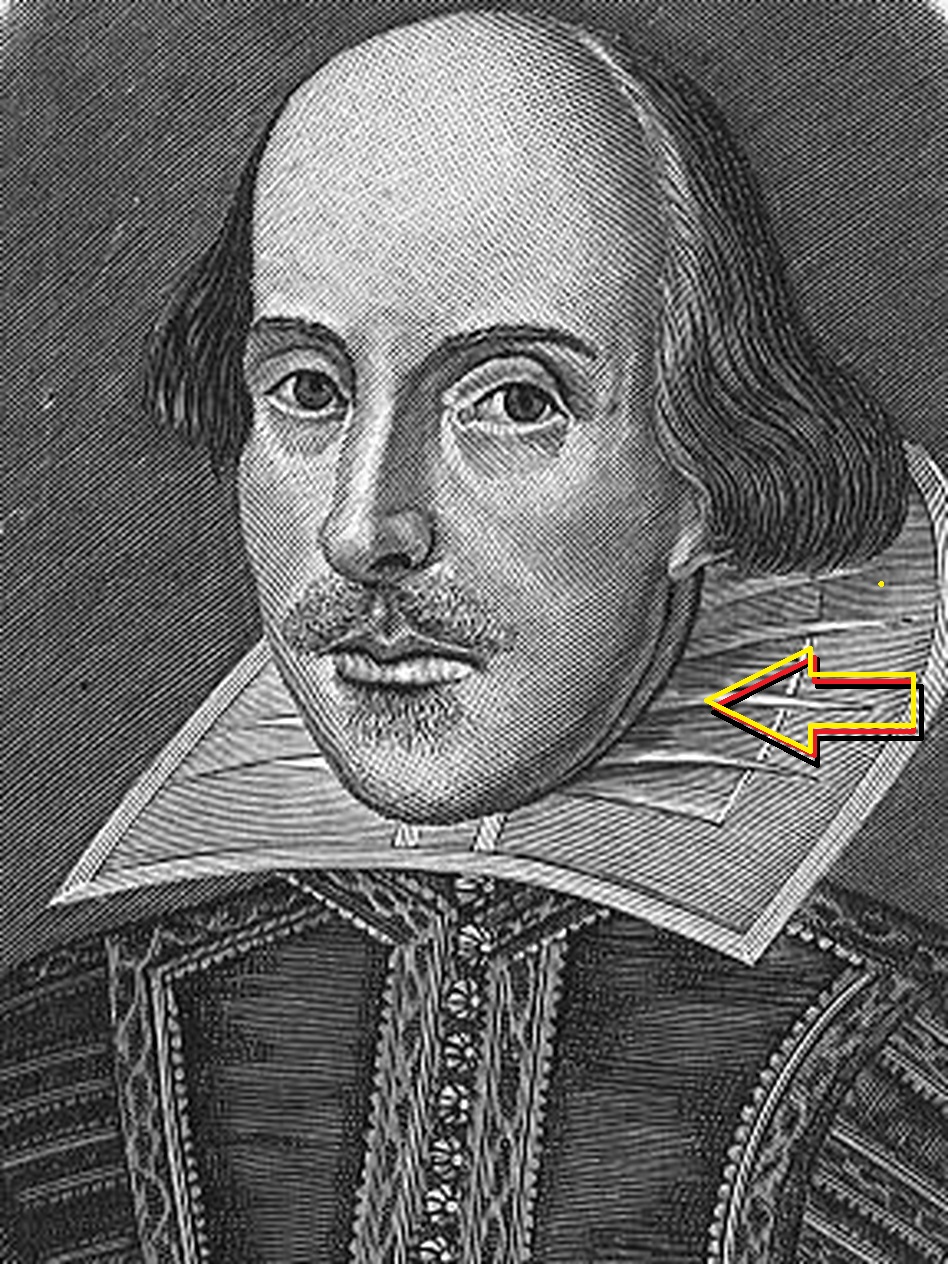
The actor and theater owner, William Shakespeare, did not write the plays of William Shakespeare. The man could not even spell his own name successfully on public documents, left no handwritten manuscripts behind him, had no personal library, and never left England for any of the places in Italy he referenced so beautifully in his plays. Yet, there are many coherent arguments in favor of the glover’s son from Stratford written by dedicated true believers. And one cannot ultimately declare someone else the author of the plays. So, I have to admit that my belief that William Shakespeare is actually a pen name is only a supported opinion, not a fact. I choose to believe the actual writer was probably Edward DeVere, the Earl of Oxford, aided by Ben Jonson, Francis Bacon, and other Elizabethans determined to establish English Literature’s place in the world. What I choose to believe is representative of my ability to think for myself… and my ability to weather ridicule from friends, relatives, and random Shakespeare experts who leave comments poo-pooing my blog and my intelligence. I know how to think and evaluate evidence.
So, think for yourself. Question everything. Weigh the evidence with care. And don’t take my word for it. I am probably crazy. Try it for yourself and see if it works.
Leave a comment
Filed under angry rant, commentary, conspiracy theory, humor, insight, irony, metaphor, Paffooney, philosophy
Tagged as books, literature, Shakespeare, William Shakespeare, writing