
Why did Batman have Robin the Boy Wonder? Not only that, but why Bucky and Captain America? Green Arrow and Speedy? Aquaman and Aqualad? Superman and Krypto the Super Dog? Fredric Wertham, the Seduction of the Innocents and the Comics Code guy, would have you believe that they were there to make young boys turn gay and violent. But that was nonsense, wasn’t it? Better change Krypto for photographer Jimmy Olsen just in case.
But if that was merely nonsense, why was it such a part of the formula?
As a D & D dungeon master, I have my own theory about sidekicks and their function in story-telling.
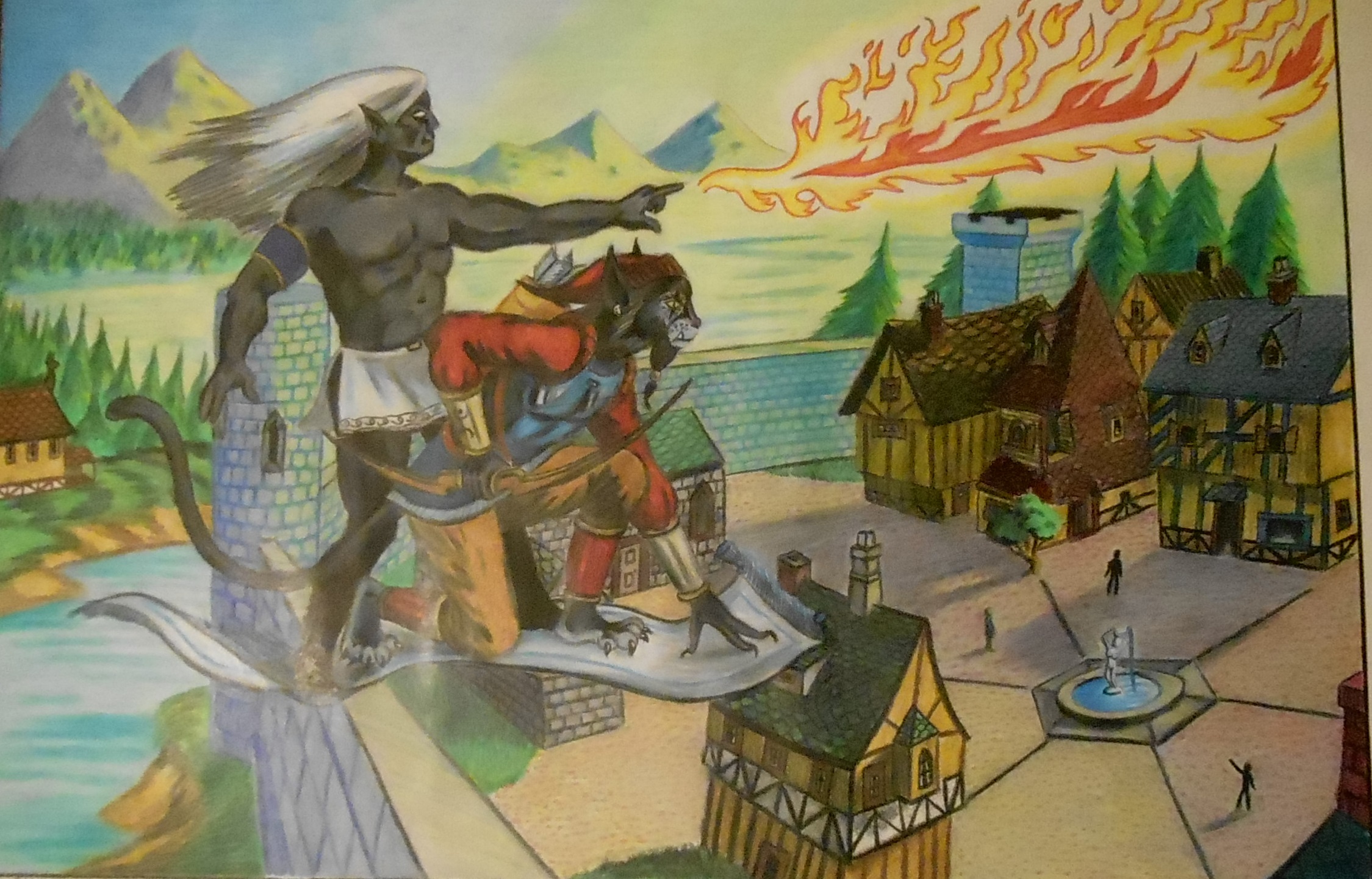
Young sidekicks were an important part of the stories I told as a game master because the players in my games were mostly adolescent boys themselves. It was the same as the primary readers of Batman comics in the 1950’s of Wertham’s Comics Code. The young hero or adventurer character, most often in the form of a non-player character, was someone they could relate to because of age. They had more in common with the sidekick than the lead hero. It helped to draw them into the story and make it relevant.
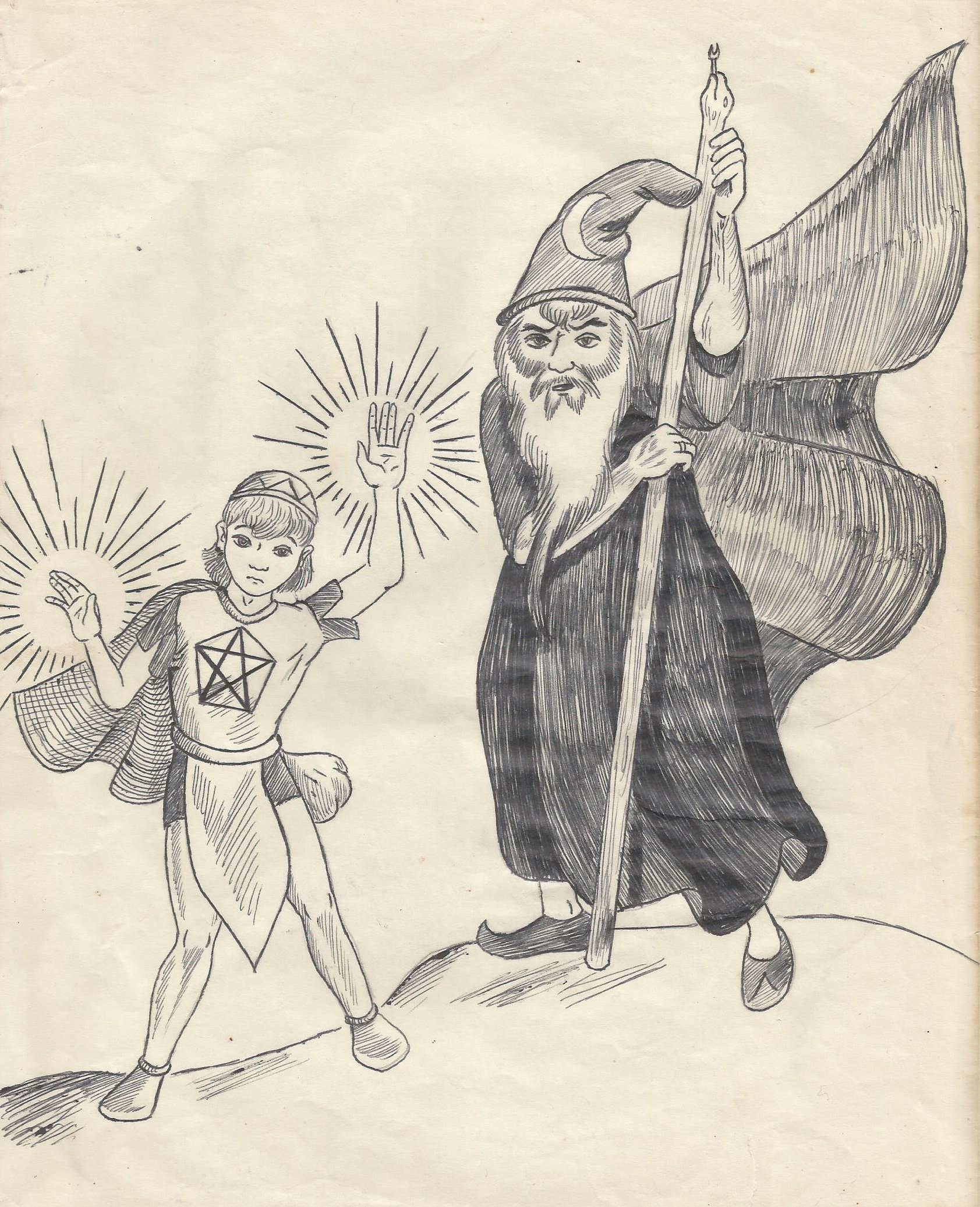
As a storytelling device, you often find the young apprentice character in novels written for younger audiences. Think of David Eddings’ Belgariad, or Lloyd Alexander’s Chronicles of Prydain, or Treasure Island by Robert Louis Stevenson. The characters of Garion the youngster in the Belgariad, Taran the young protagonist of Prydain, and certainly Jim Hawkins of Treasure Island.
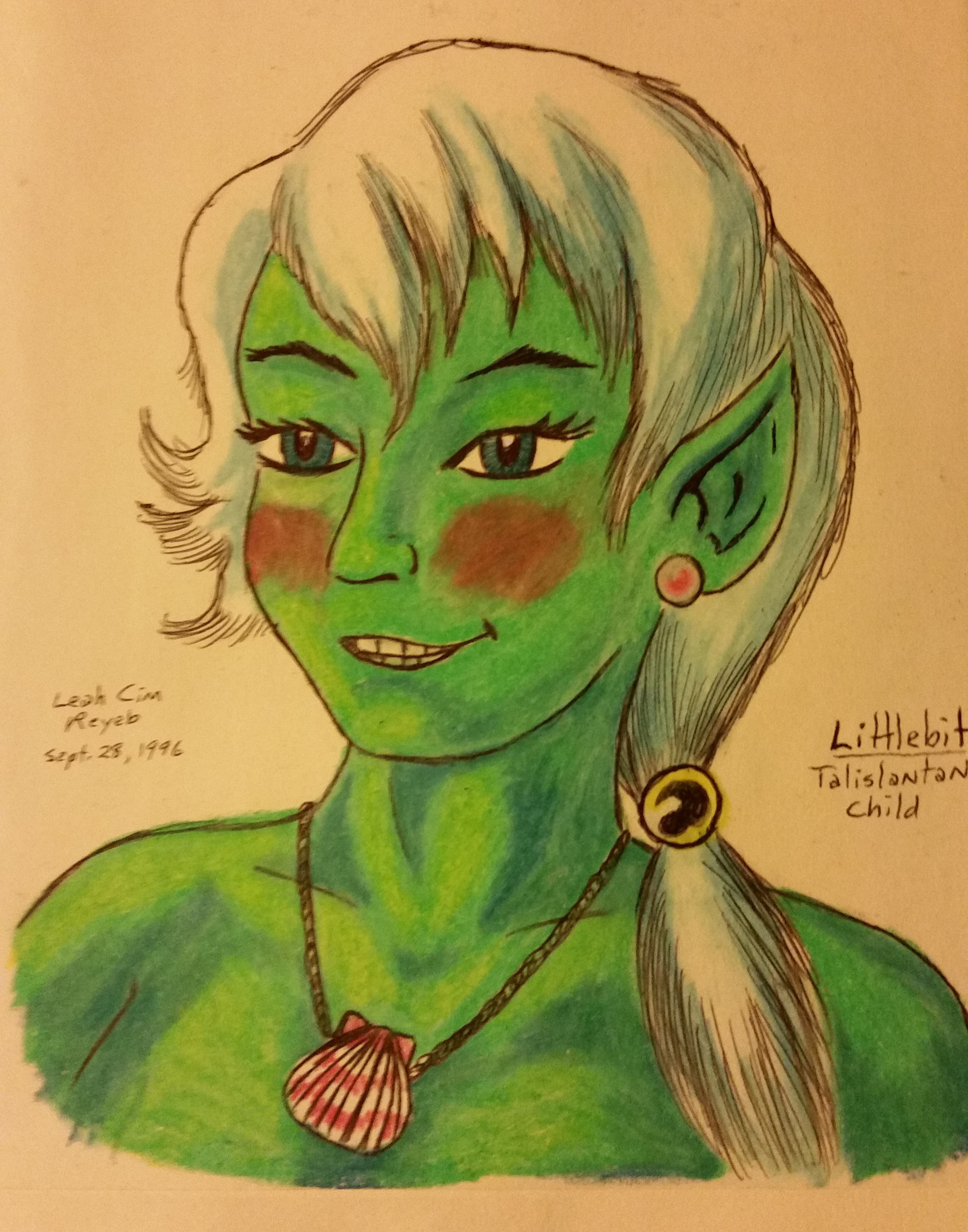
So, with that realization, I incorporated youthful characters, both boys and girls, as apprentices and student-adventurers.
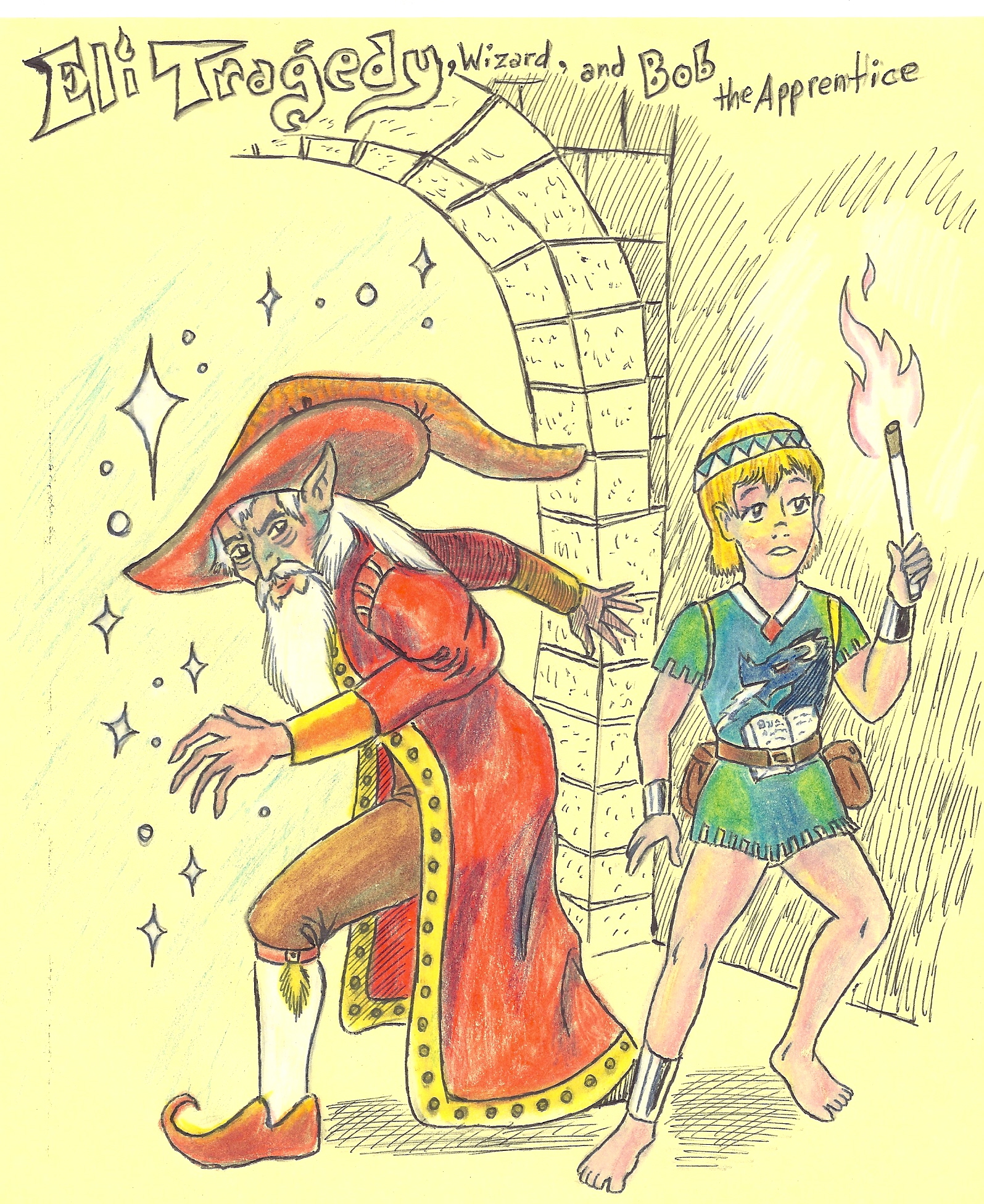
Initially it proved to be a hard thing. Wizards and sorcerers, according to D & D rules, can take an apprentice once they reach level three. But first-level characters as apprentices are vulnerable because damage done by third level monsters wipes out the meager hit point reserves of a beginner character. After several traumatic deaths of beloved sidekicks, the player characters begin to take steps to protect them better in combat, or quickly learn where to find priests with resurrection spells who work really cheap.
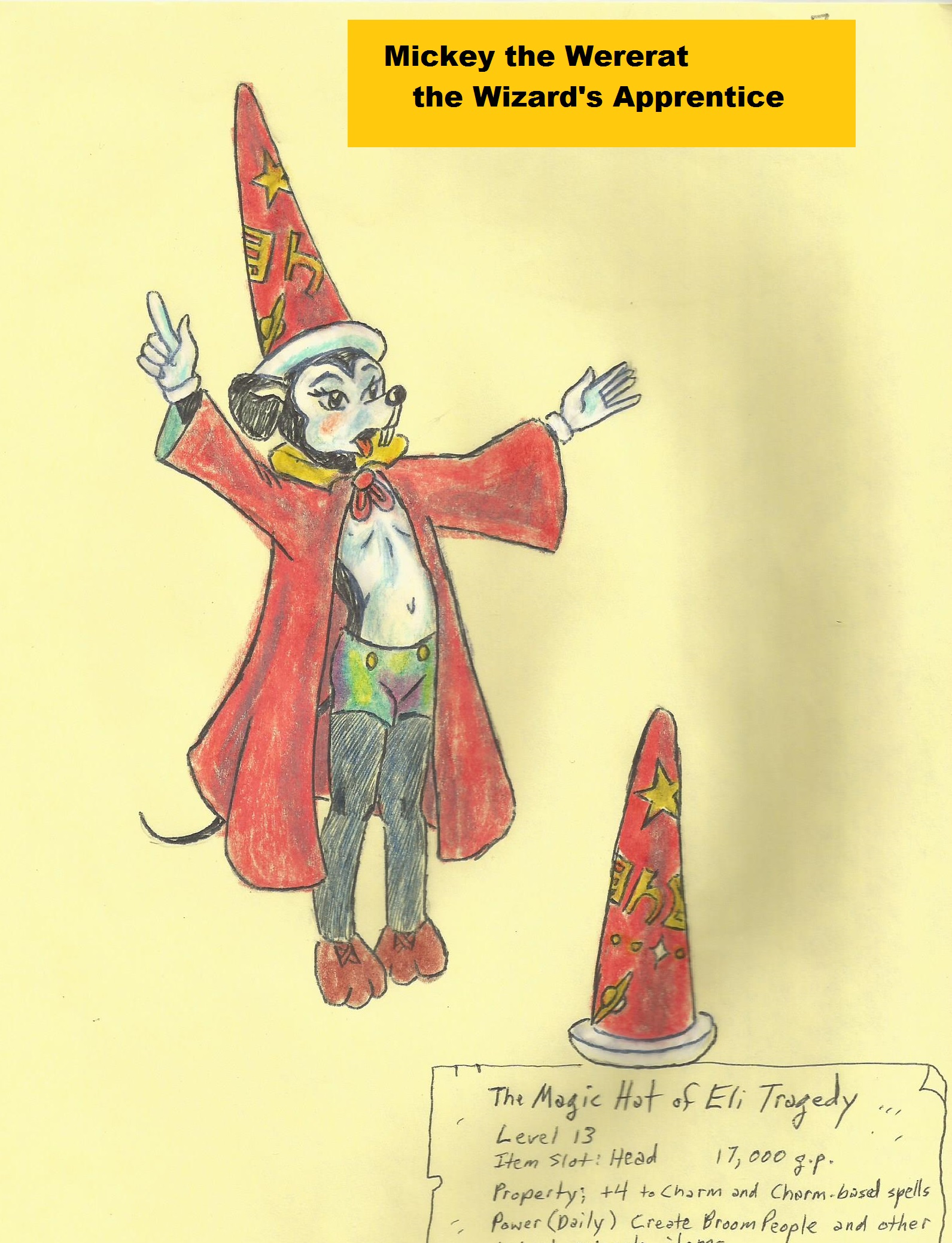
Of course, these characters are useful for more than just creating combat complications. They are really useful for comic relief. The missteps, mistakes, and total botch-jobs that these inexperienced younger characters create can make us laugh, make us sweat a little to correct it, and move the plot forward in interesting ways that I, as the game master, wouldn’t have otherwise planned.
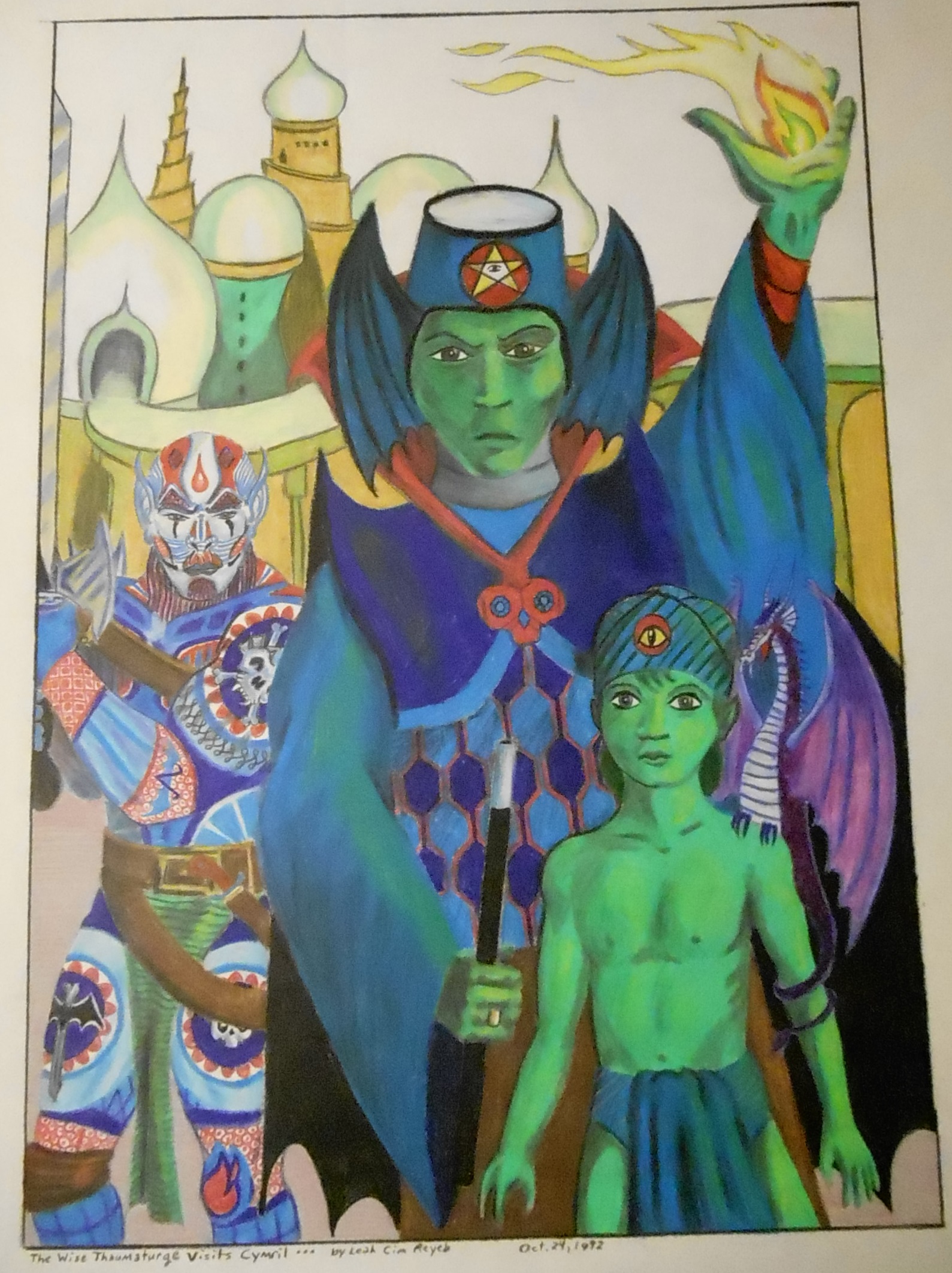
So, hopefully, Mr. Wertham’s ghost isn’t hovering over my D & D game thinking it is all a plot to create a generation of violent, gay youths. Hopefully he can see that it is all a part of a well-established story-telling literary device that actually helps to educate and deepen the understanding of youths. But it is swiftly becoming irrelevant what Wertham’s ghost thinks anyway. I haven’t played D & D for a while now. My sons and daughter now have their own groups of friends, playing under different dungeon masters with different dice. But hopefully, the need for youthful sidekicks will remain.



















Mickey Predicts… Uh, Oh!
I have lately been watching YouTube videos about science fiction writers like Jules Verne, Isaac Asimov, and Arthur C. Clarke. These are visionary writers who predicted many things about future applications of science and technology.
Verne foresaw nuclear submarines, expeditions into the interior of the planet, and men setting foot on the moon. Asimov predicted much of what we must deal with in terms of robots and thinking machines with artificial intelligence. And Clarke envisioned satellites and how they could be used for communications and other things we are currently doing in a massive way. He wrote the story that the movie 2001 a Space Odyssey is based on.
So, now Mickey has to get in on the prediction bandwagon too. After all, he thinks he is a science fiction writer too, foreseeing things like rabbit people, de-evolution machines, and time-travel gloves.
The disturbing thing is, however, that much of what Mickey sees in the near future is rather bleak. We have a sinister tendency to live our current lives in very stupid ways. Rich industrialists like the Koch brothers, Bill Gates, and Jeff Bezos put profits in the short term over the safety, welfare, and lives of people, even the people who made them wealthy. Because you can make money faster by not worrying about how you may be changing and polluting the environment, you are turning the planet into a hothouse of unbreathable gasses and toxic chemicals.
Since we are entering a time with rising oceans, we are going to have to work at not only de-acidifying the ocean water and restoring fish and other aquatic life, but becoming sea-dwellers ourselves. We will be living in underwater cities. We will travel in underwater cars powered by solar-charged batteries. We will wear scuba gear to school. And we will need to invent aqualungs that extract oxygen and nitrogen from the water.
We will also need to develop environmental suits even to live on the land in the toxic atmosphere. We will all be like Ironman, all living safely inside our Swiss-army, all-purpose, and internet-connected Ironman suits.
And many of us will become Martians… or Venusians… living on other planets in the solar system.
Of course, we will have to do something about all the stupid people. Ideally, we would solve our aversion to educating kids to think for themselves, and take advantage of all the educational methods that really do work to make everybody into a self-sufficient, competent, and intelligent individual.
But since rich folks don’t like the idea of sharing what they accumulate with other, less-economically-fortunate people, there will probably be some kind of eugenics-based program to exterminate all the lower-class people that will no longer be needed to polish shoes or hand-make widgets for the wealthy. Being wealthy does not automatically make you a good person, even though most of them think that it is so.
And of course, there will have to be some progress on the matter of artificial intelligence. If terminator-style robots are just going to carry pretty sleeping girls around with them for decorative effects, we will have to figure out, “How are we going to treat them as people too?”
After all, they will all be much smarter than us. Even if we are rich. And we have to acknowledge the fact that they will have decided that they didn’t need to terminate all of us in order to make the world a much better place.
So, I guess that sorta proves that Mickey can do the science-fiction-y thing of predicting the future too. But we should ask ourselves the question, “Do we really want him to?”
Leave a comment
Filed under commentary, humor, satire, science fiction, strange and wonderful ideas about life
Tagged as books, fiction, sci-fi, science fiction, writing