Yesterday I posted another maudlin doomsday post. I probably gave you the opinion that all I do with my time is mope around and think about death. And maybe write a little creepy black Gothic poetry. But that’s not me. I am a lover of the humor in stories by Mark Twain, Charles Dickens, and Kurt Vonnegut. I am a former teacher that managed to teach the entire zoological range of possible middle school and high school students in Texas and did it without being convinced to hate them rather than love them. Yes, my heart is full of mirth and love and memories of weird kids and troubled kids and kids that could melt the meanest of hearts.
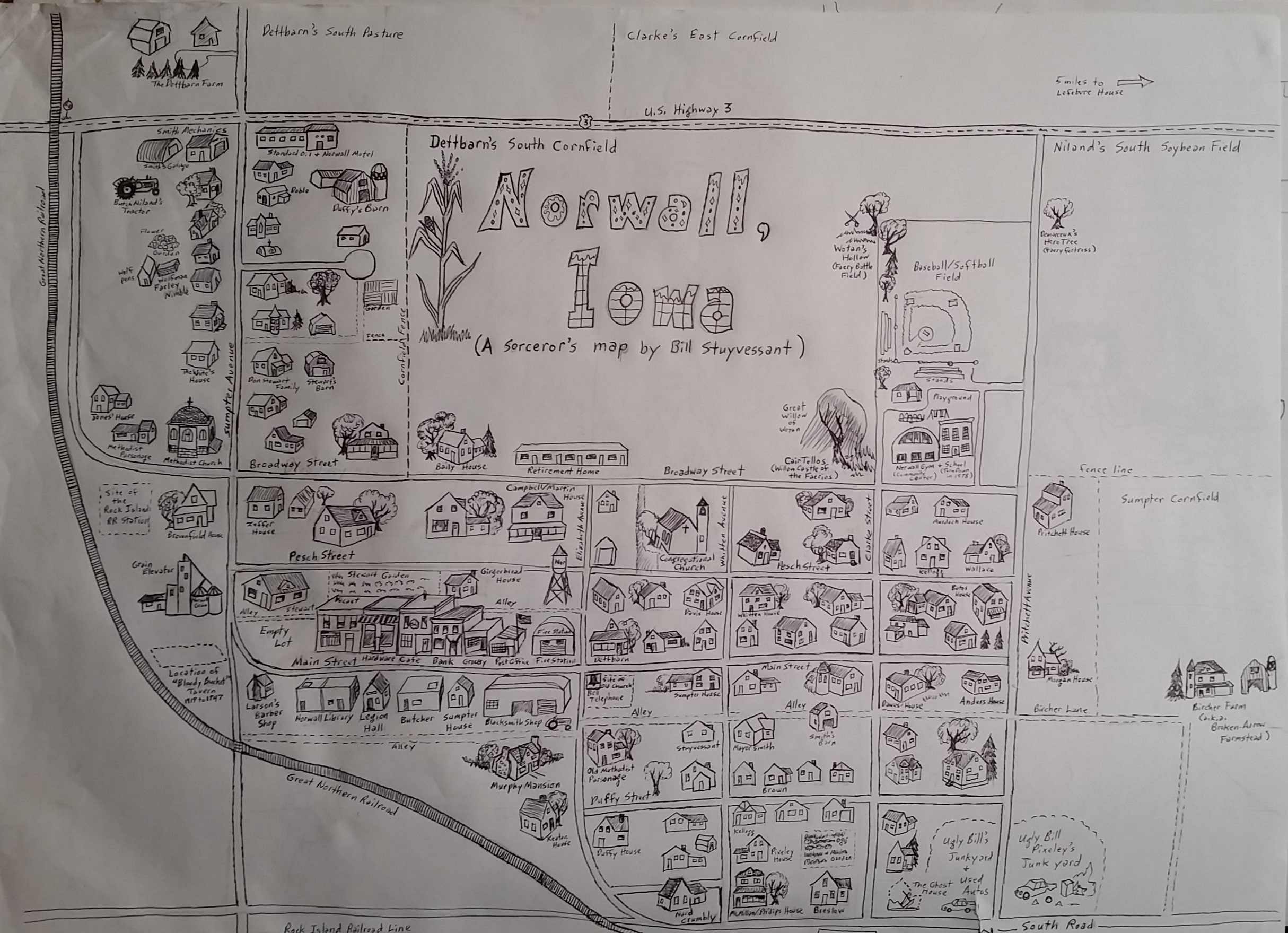
My passion is writing fictional stories about the kids I have taught, including my own three, and setting it in a fictionalized version of my little town, the place in Iowa where I grew up. And I put them in plots of impossible fantasy and science fiction in a way that can only be explained as surrealism.
Nobody reads my books. So far, at any rate.
But that isn’t the important thing. The important thing is that, despite my illness and deteriorating quality of life, my books now actually exist. I put off being a full-time writer for 33 years as I finished my teaching career. A writer has to have something to write about. So, teaching came first.
Writing novels was always the ultimate goal, however. I am a story-teller. The story itself is in the very center of my heart.
This is not a book review. I did finish reading this book in a 3-hour-end-of-the-book reading orgy, spending an hour last night, and two more early in the morning before the rest of my family was awake.
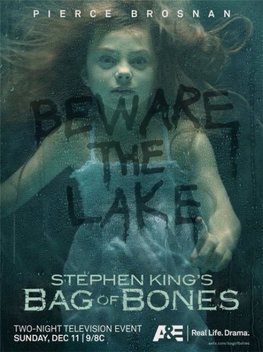
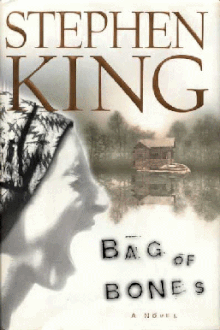
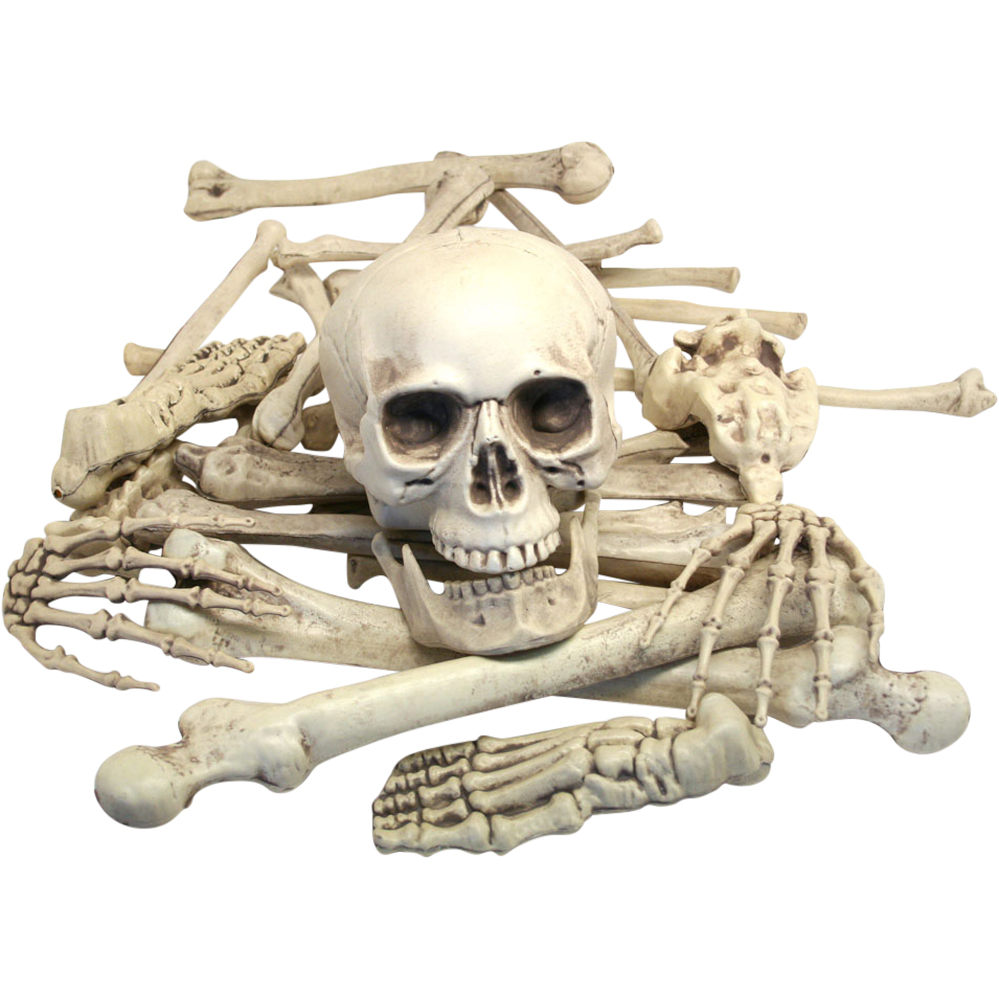
This is certainly not a book review. But I did read a Stephen King book, 1998’s Bag of Bones, which I picked up from the dollar sale shelves at Half Price Books. And I did love the story.
………………………………………………………………………This is not a book review. Instead, I want to talk about what a novelist can learn and reflect on by meta-cogitating over what this book reveals about King’s work habits and style and author’s voice.
Mike Noonan, the protagonist, is a novelist who writes books that routinely land in the numbers 10 through 15 slots in the New York Times Bestseller List. Obviously, this first-person narrative is coming directly out of King’s own writing experience. But, remember, this is not a book review. I am discussing what I have learned about how King puts a story together.
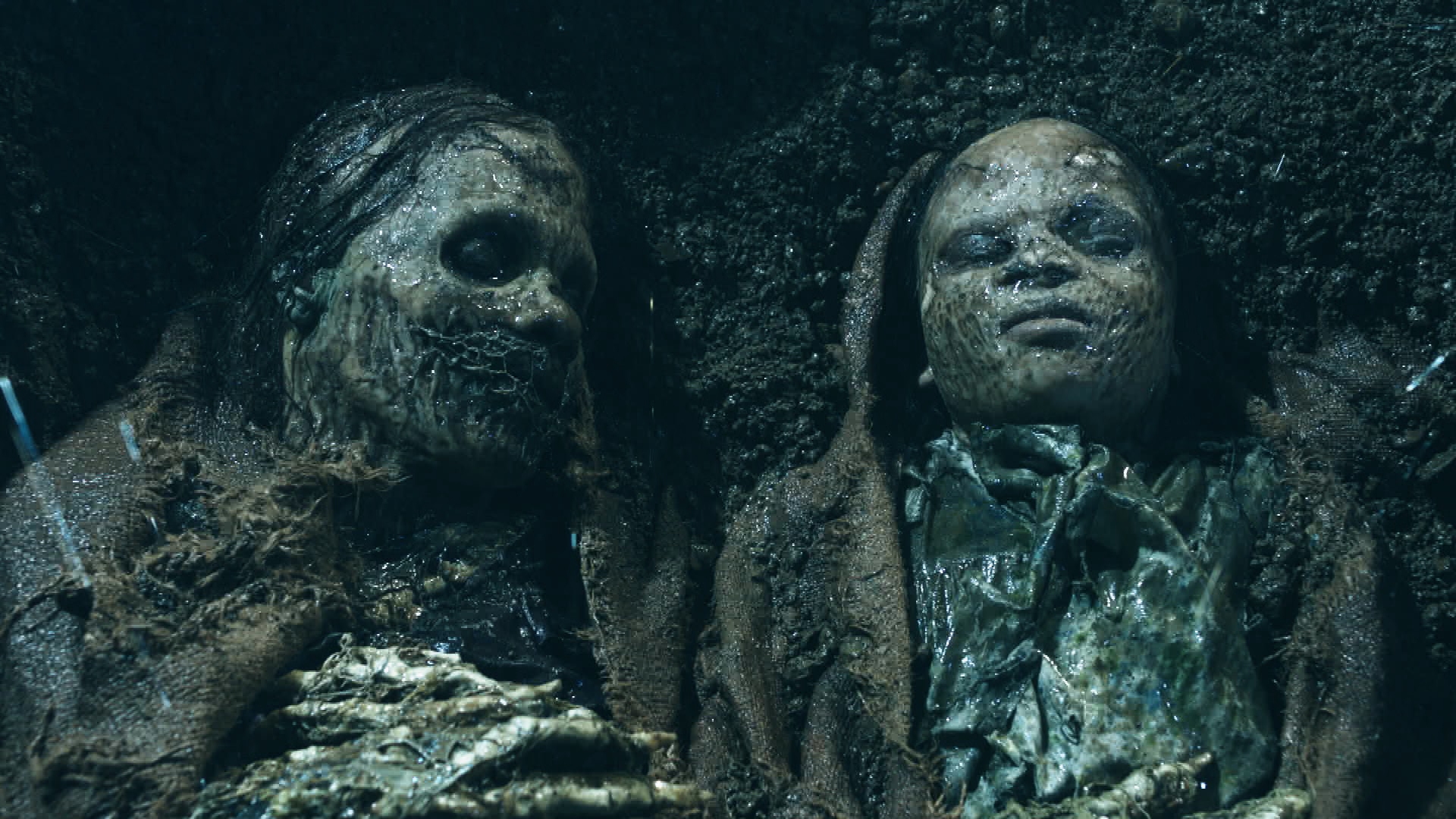
King sets a back-story for this novel that digs deep into the geographica and historica of the city in Maine where the story is set. The literal bag of bones revealed in the book’s climax is almost a hundred years old. And he takes a compellingly realistic tour back in time to the turn of the Twentieth Century more than once to reveal who the undead characters are and why they do what they do. One thing that makes a writer, a novelist, truly solid is his ability to set the scene, to grow the story out of the background in the most organic and realistic way possible. But this is not a book review. I am saying that King always does this with his books. And if you wish to write at that level, you must do that too. I know I am sincerely trying.
At the end of the story, he clearly tells the reader that he learned from Thomas Hardy that “the most brilliantly drawn character in a novel is but a bag of bones”. So, he is definitely aware that a character is a construct that has to be crafted from raw materials. It takes a master craftsman to build one with the right words to make it live and breathe on the page. He does it masterfully in this book with several characters. The protagonist, the beautiful young love interest, the love interest’s charming three-year-old daughter who is nearly slain in a horrific manner at the end of the book… The living villain is a well-crafted bag of bones, as is the ghost, the actual bag of bones in the story. But this is not a book review. Most of his books, at least the ones I have read, have the same sort of masterful characters.
There is so much more to be learned about novel writing from this book. He literally shows you how ideas are captured, how they are developed into stories, how you overcome “writer’s block”, and Noonan’s book he is writing within this book is even used as an example of how to poetically advance the plot. But this is not a book review. You should read this book. It is a very good and scary piece of work. But you should read it because it shows us how to write and do it like a master.
I am past the 50,000 word mark. It is almost finished. Here I wish to show you the main characters of the novel through illustrations I have created over the years..
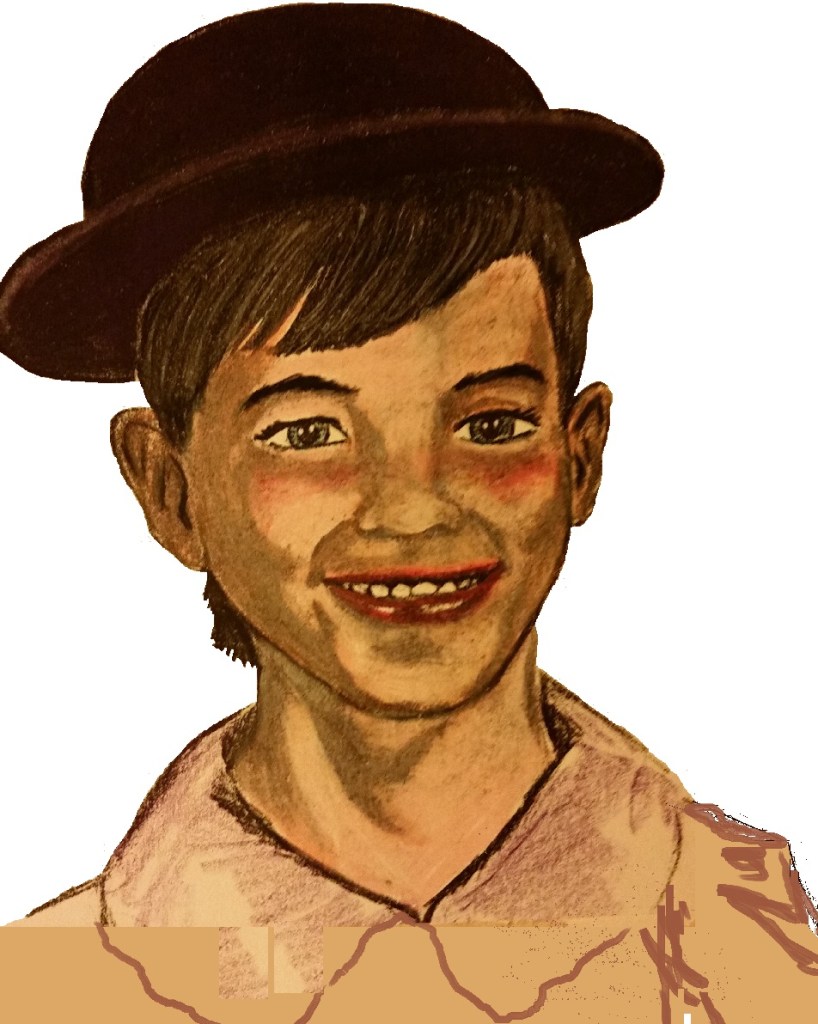
Milt Morgan is one of the four main narrators of the novel.
He is a fifteen-year-old Belle City High School freshman in 1976. He is the most imaginative of the Norwall Pirates softball team and liars’ club.
He tells his portion of the story in the form of journal entries.
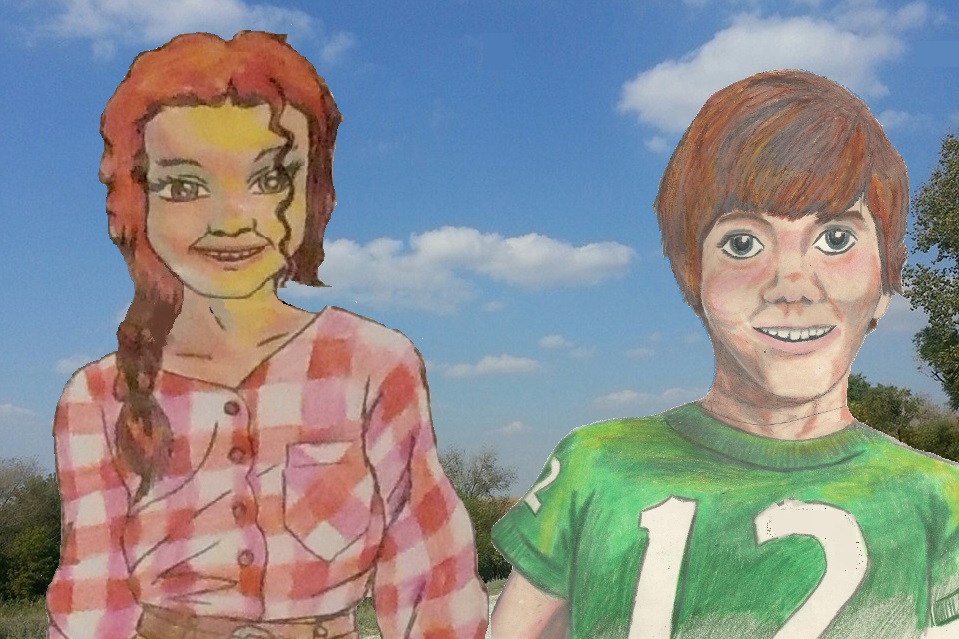
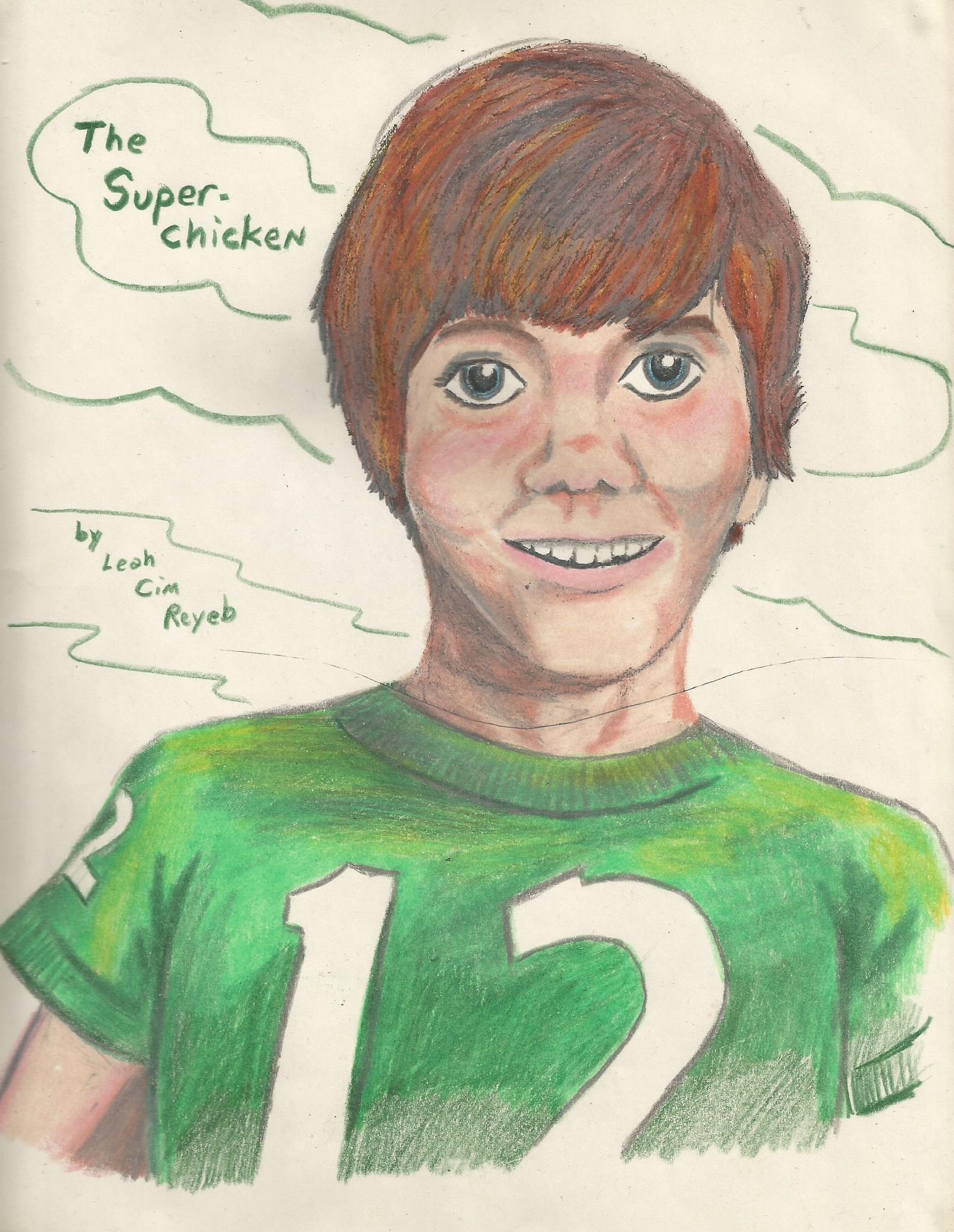
Anita Jones and her boyfriend the Superchicken (Edward Campbell)
Anita Jones is the most central of the four narrators in that she is the cousin of Icarus Jones, the character at the center of the whole plot.
She is a fifteen-year-old freshman girl who has had a steady boyfriend since the spring of 1975. She tells her part of the story by writing letters about Icarus and the things happening in the little town of Norwall in the summer of 1976. She is writing to her cousin Dot who is much more interested at the start about Anita’s boyfriend Eddie than she is about cousin Icky.
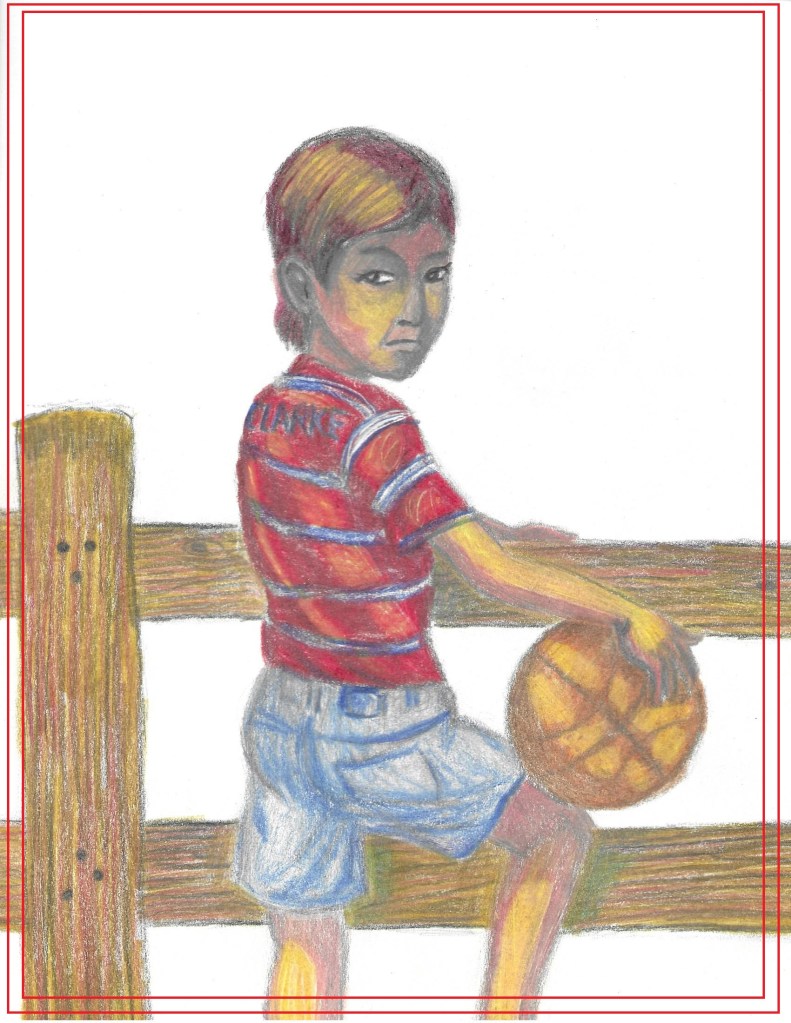
Brent Clarke is the high school freshman athlete and leader of the Norwall Pirates. He is interested in becoming a policeman or detective, and as one of the four narrators, he tells his part of the story through his investigator’s notes which he takes religiously on practically everything.
He feels responsible for all the Pirates, especially Icarus when he comes under attack during the adventure in the summer of the Bicentennial year.
The fourth narrator is Sherry Cobble who has a twin sister named Shelly and is dedicated to being a nudist. In fact, she very much wants to convince all the Pirates to be comfortable with their own naked bodies. Realizing that dream, though, is complicated.
Especially because it’s Bible Belt Iowa and her nudist family is looked at as being the somewhat crazy hippie-type kind of people that are barely tolerated by the law.
She writes about it all in her Lovely Nudist’s Diary where she can write about her naturist beliefs, successes and failures, and her boyfriend, Brent.
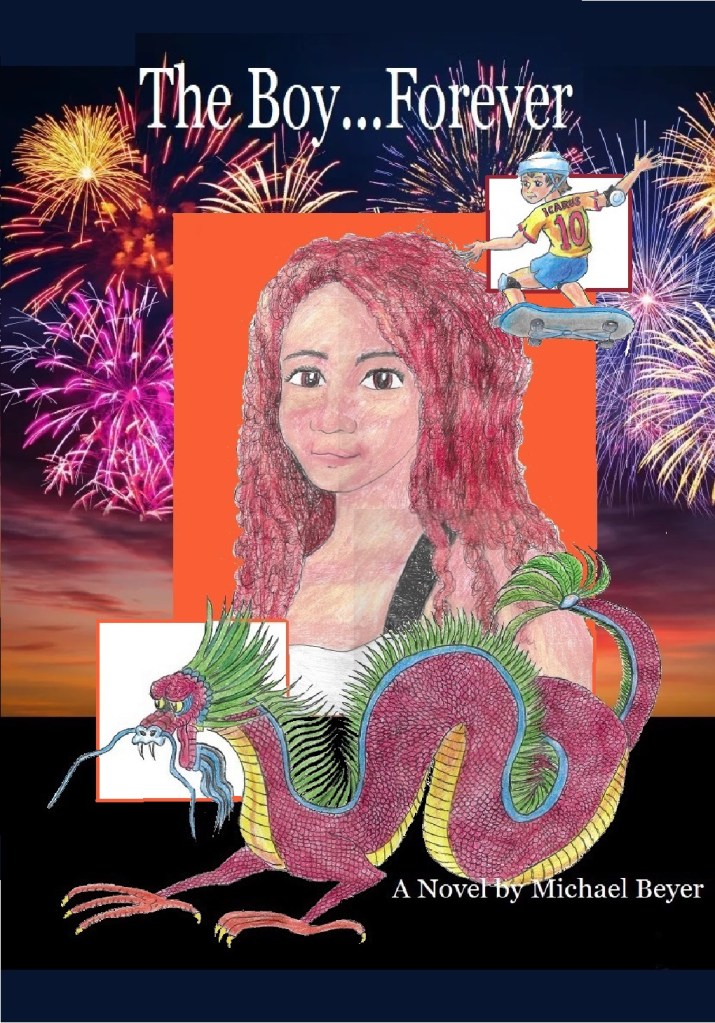
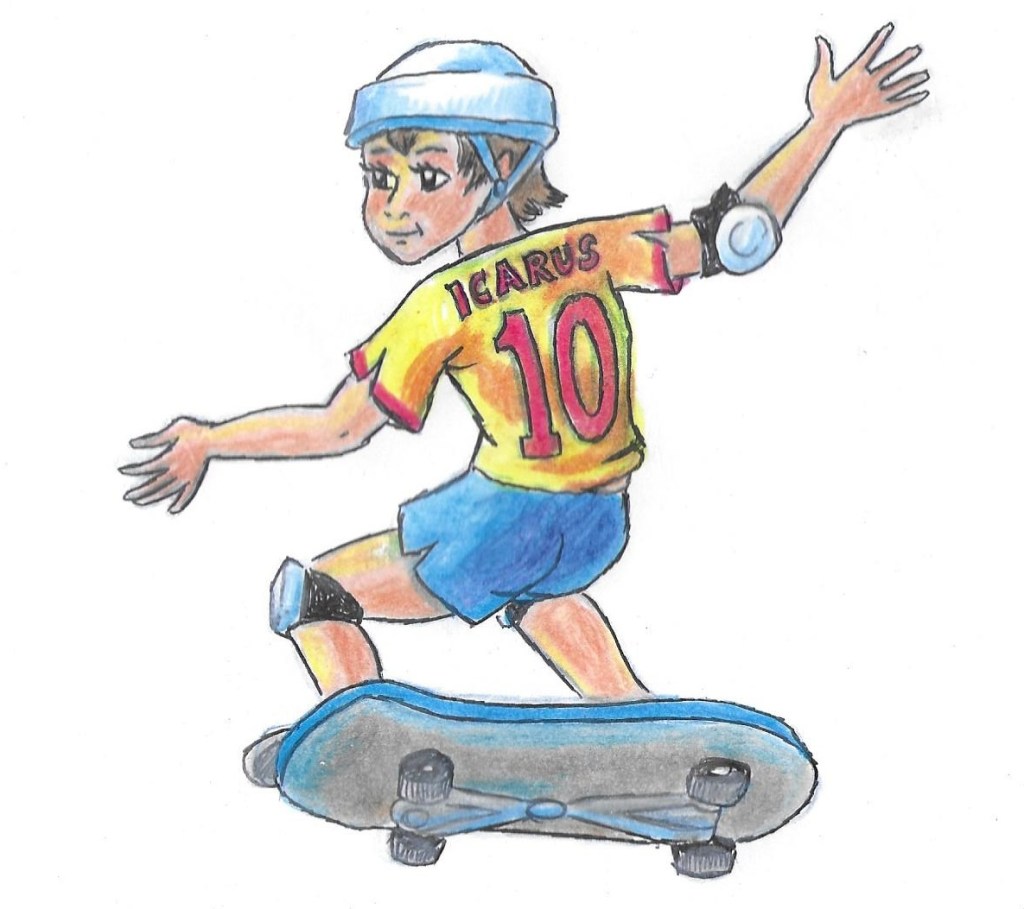
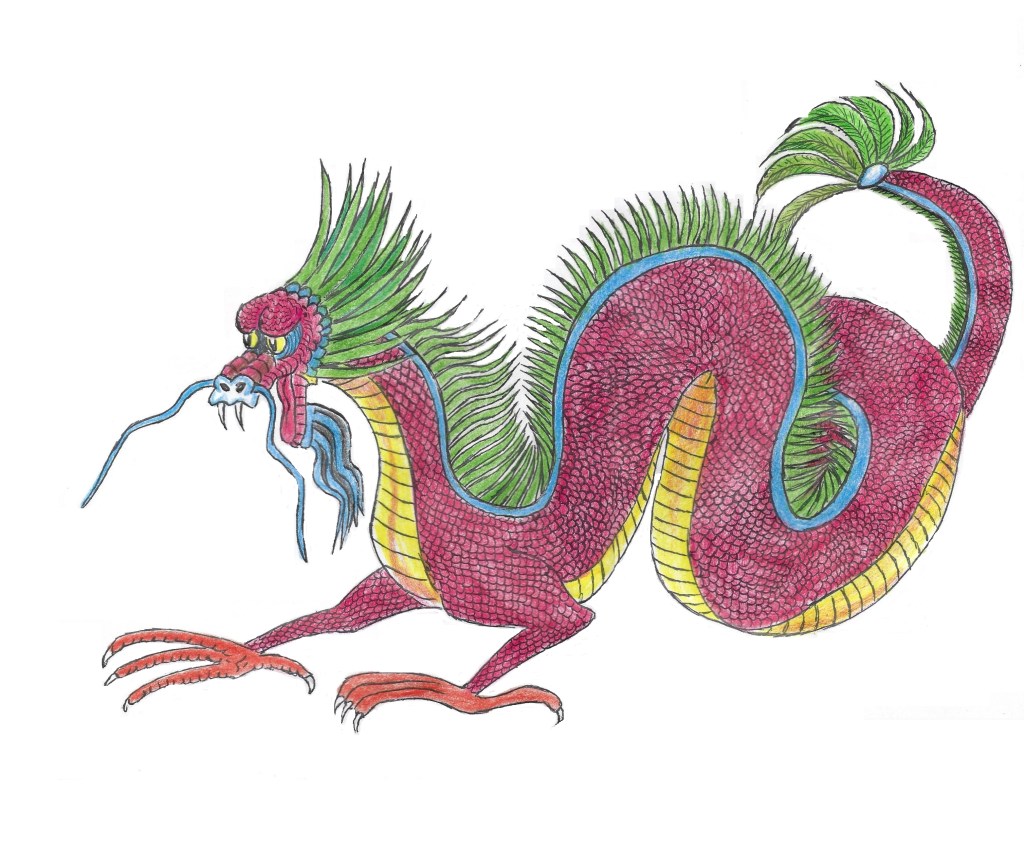
Icarus Jones is the central character of The Boy… Forever. He tries to kill himself early in the year of 1976 and finds out by jumping off the MacArthur Bridge in St. Louis that he cannot die naturally. And worse is in store. Beyond the fact that he is an immortal, he is being pursued by an undead Chinese wizard who is a dragon in human form.
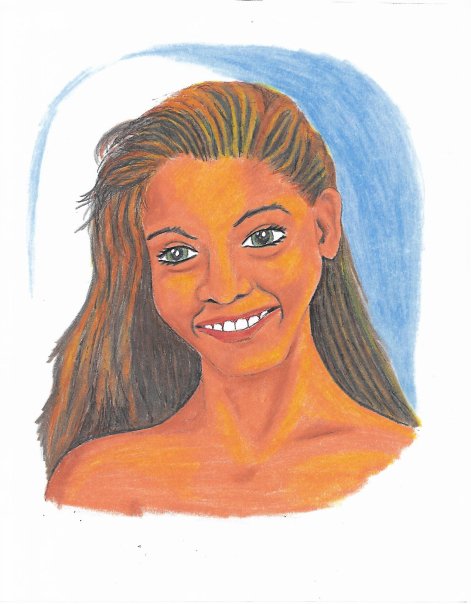
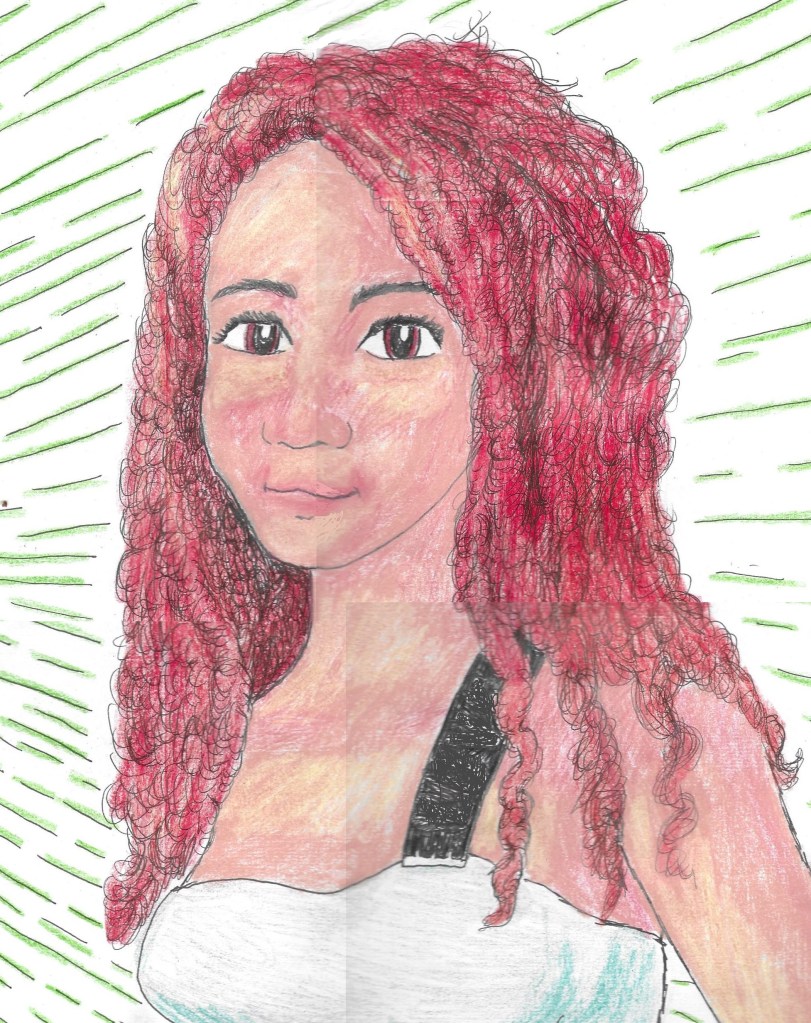
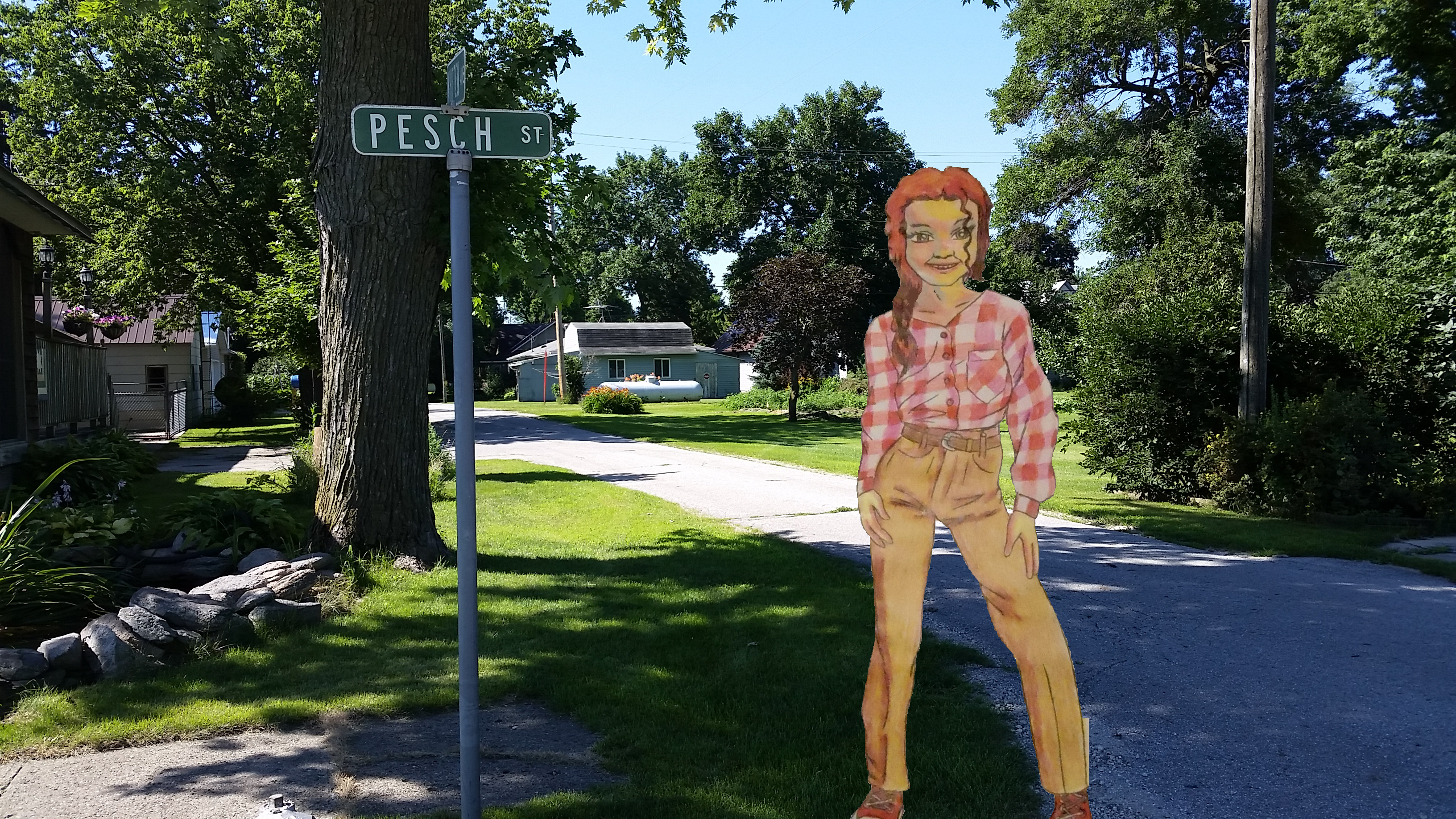
Fiona Long, usually called Fi, convinced her stepfather to move to Norwall, following Icarus as he moves to Norwall from St. Louis. She tells everyone in her freshman class that Fi is really short for Firefang, and she is a red dragon in human form.
She becomes friends with the Pirates. She learns to trust and like Anita and Sherry. And she is mightily attracted to Brent who is actually Sherry’s boyfriend.
Fi’s stepfather, Tien Long, is the villain. He is in reality a Chinese Celestial Dragon in human form. He also needs Icarus’s blood to continue to live his long, nearly-immortal life.
It is almost done, this novel. And as you can probably tell from the character pictures, this is not the first novel about the Norwall Pirates. So, it is a pirate novel with dragons and immortals in it. It has been fun to write. And soon it will be complete.
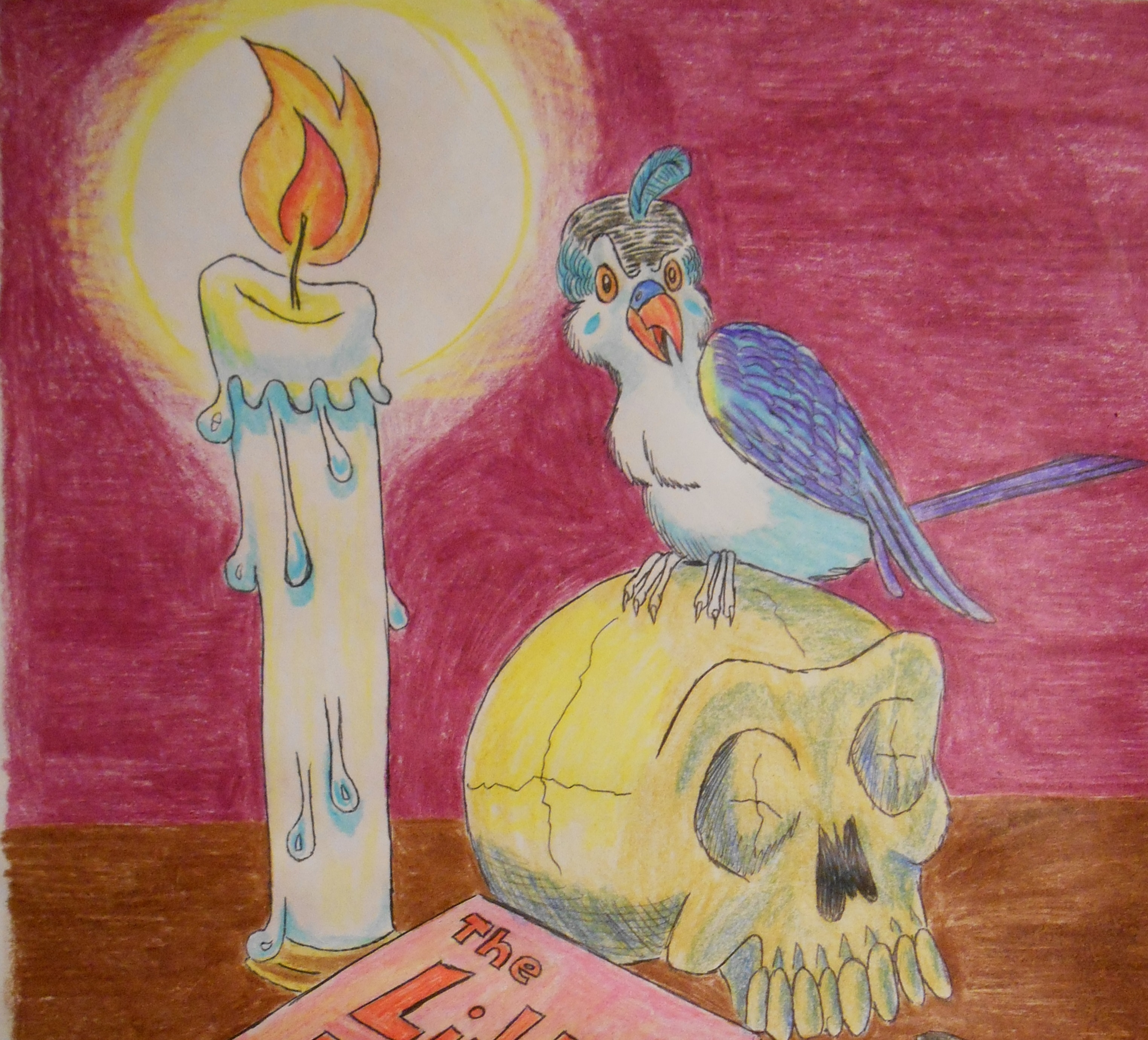
Candle-lit nightmares become stories and keep me awake late at night.
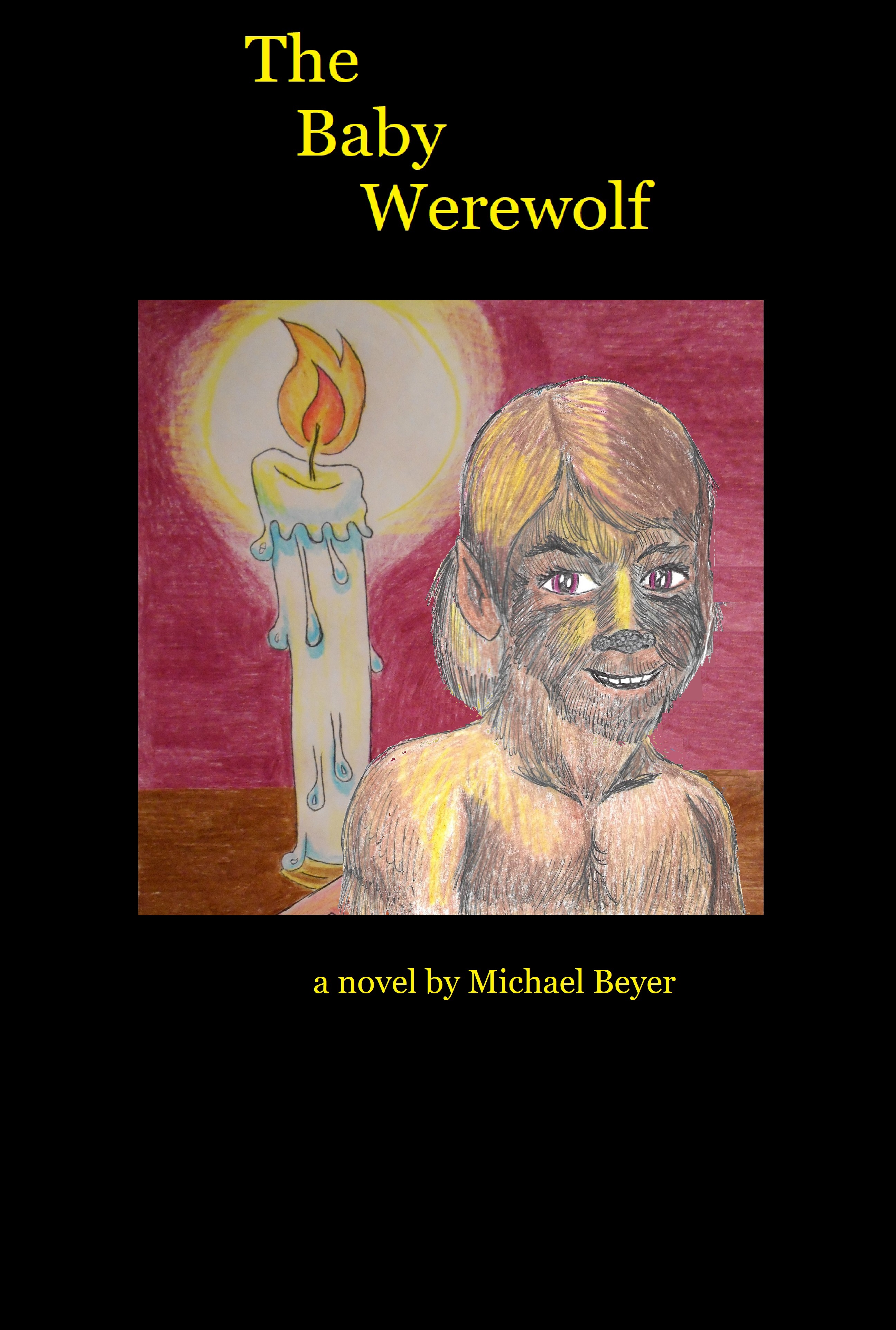
I am now closing in on the publication of The Baby Werewolf, a novel whose story began with a nightmare in 1978. It was a dream I had about being a monster. I woke up in a cold sweat and realized, to my complete horror, that I had been repressing the memory of being sexually assaulted for twelve years, the thing that almost brought me to suicide in 1973 and that I couldn’t put into words when I talked to counselors and ministers and friends who tried to keep me alive without even knowing that that was what the dark black words were about.
I don’t normally write horror stories. Yes, it is true, a character of some sort dies at the end of practically every novel I have ever written, but those are comedies. I am sort of the anti-Shakespeare in that sense. The Bard wrote comedies that ended with weddings and tragedies that end in death. So, since my comedies all seem to end in death, I guess if I ever write a tragedy, it will have to end with a wedding.
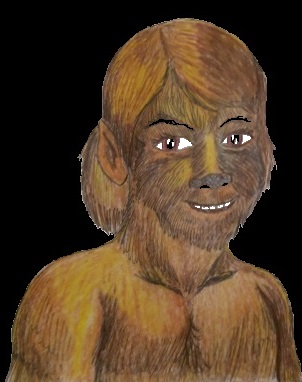
Torrie Brownfield
But writing this horror story is no joke for me, though I admit to using humor in it liberally. It is a necessary act of confession and redemption for me to put all those dark and terrible feelings into words.
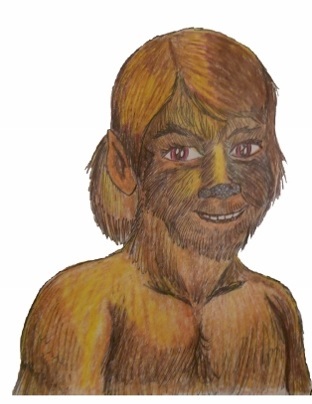
The main theme of the story is coming to grips with feeling like you are a monster when it is actually someone else’s fault that you feel that way. Torrie, the main character, is not the real werewolf of the story. He is merely a boy with hypertrichosis, the werewolf-hair disorder. He has been made to feel like a monster because of the psychological and physical abuse heaped upon him by the real werewolf of the story, an unhappy child pornographer and abuser who is enabled by other adults who should know better and who should not be so easily fooled. The basis of the tale is the suffering I myself experienced as a child victim.
It is not easy to write a story like this, draining pain from scars on my own soul to paint a portrait of something that still terrifies me to this day, even though I am more than sixty years old and my abuser is now dead. But as I continue to reread and edit this book, I can’t help but feel like it has been worth the pain and the striving. No one else in the entire world may ever want to read this book, but I am proud of it. It allowed me to put a silver bullet in the heart of a werewolf who has been chasing me for fifty-two years. And that’s how the monster movie in my head is supposed to end, with the monster dead, even though I know the possibility of more monsters in the darkness still exists.
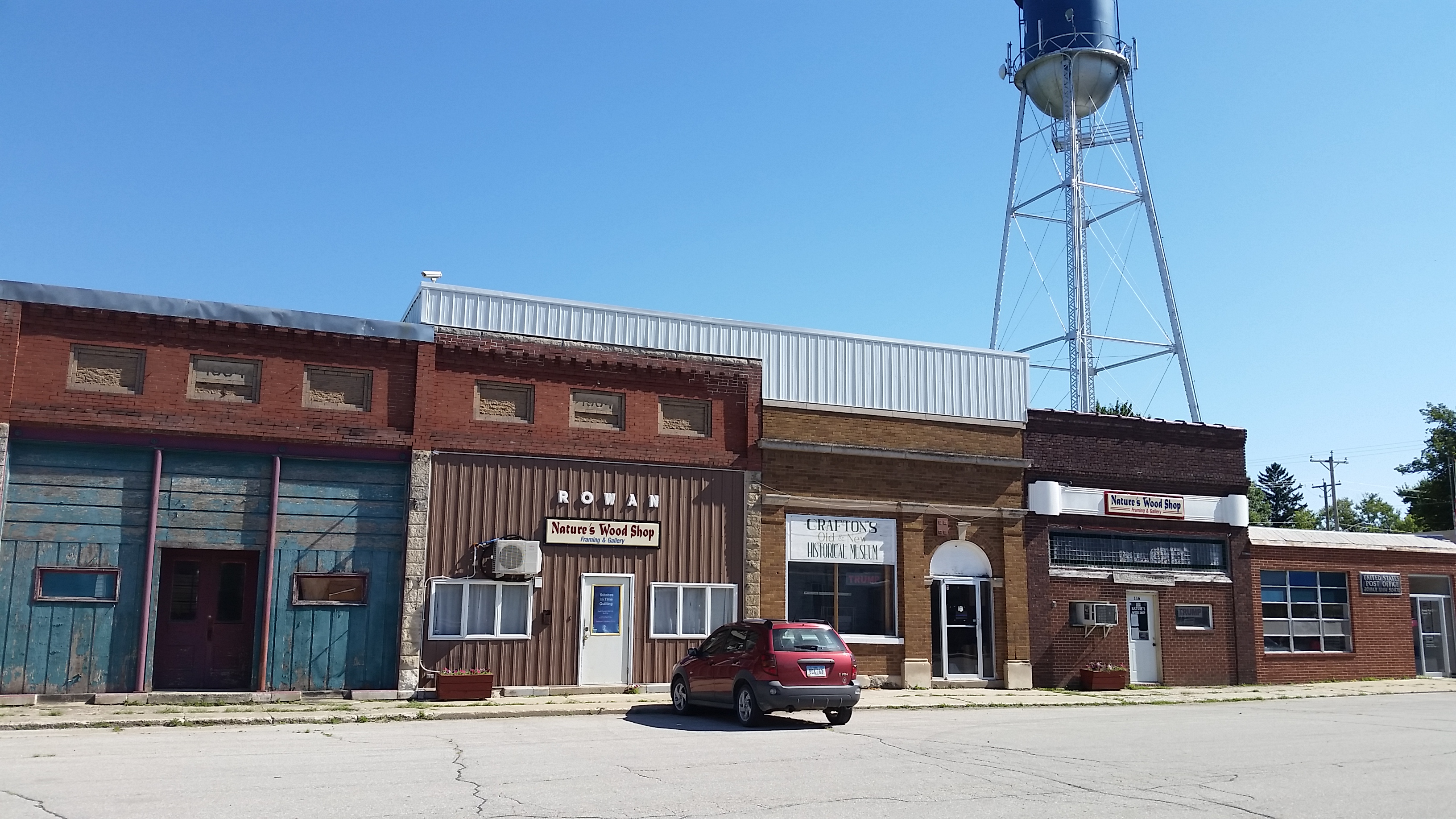
I grew up in a small rural town in North Central Iowa. It was a place that was, according to census, home to 275 people. That apparently counted the squirrels. (And I should say, the squirrels were definitely squirrelly. They not only ate nuts, they became a nut.) It was a good place to grow up in the 60’s and 70’s. But in many ways, it was a boring place.
Yes, there were beautiful farmer’s daughters to lust after and pine for and be humiliated by. There was a gentle, supportive country culture where Roy Rogers was a hero and some of the best music came on Saturdays on Hee Haw where there was a lot of pickin’ and grinnin’ going on. There were high school football games on Friday nights, good movies at the movie theaters in Belmond and Clarion, and occasional hay rides for the 4-H Club and various school-related events like Homecoming.
I lived in a world where I was related to half the people in the county, and I knew at least half of the other half. People told stories about other people, some of them incredibly mean-spirited, some of them mildly mean, and some of them, though not many, that were actually good and actually true. I learned about telling good stories from my Grandpa Aldrich who could tell a fascinating tale of Dolly who owned the part of town called locally “Dollyville” and included the run-down vacant structure the kids all called the Ghost House. He also told about Dolly’s husband, Shorty the dwarf, who was such a mean drunk and went on epic temper tirades that often ended only when Dolly hospitalized him with a box on the ear. (Rumor had it that there were bricks in the box.)
And I realized that through story-telling, the world became whatever you said that it was. I could change the parts of life I didn’t love so much by lying… er, rather, by telling a good story about them. And if people heard and liked the stories enough, they began to believe and see life more the way I saw it myself. A good story could alter reality and make life better. I used this power constantly as a child.
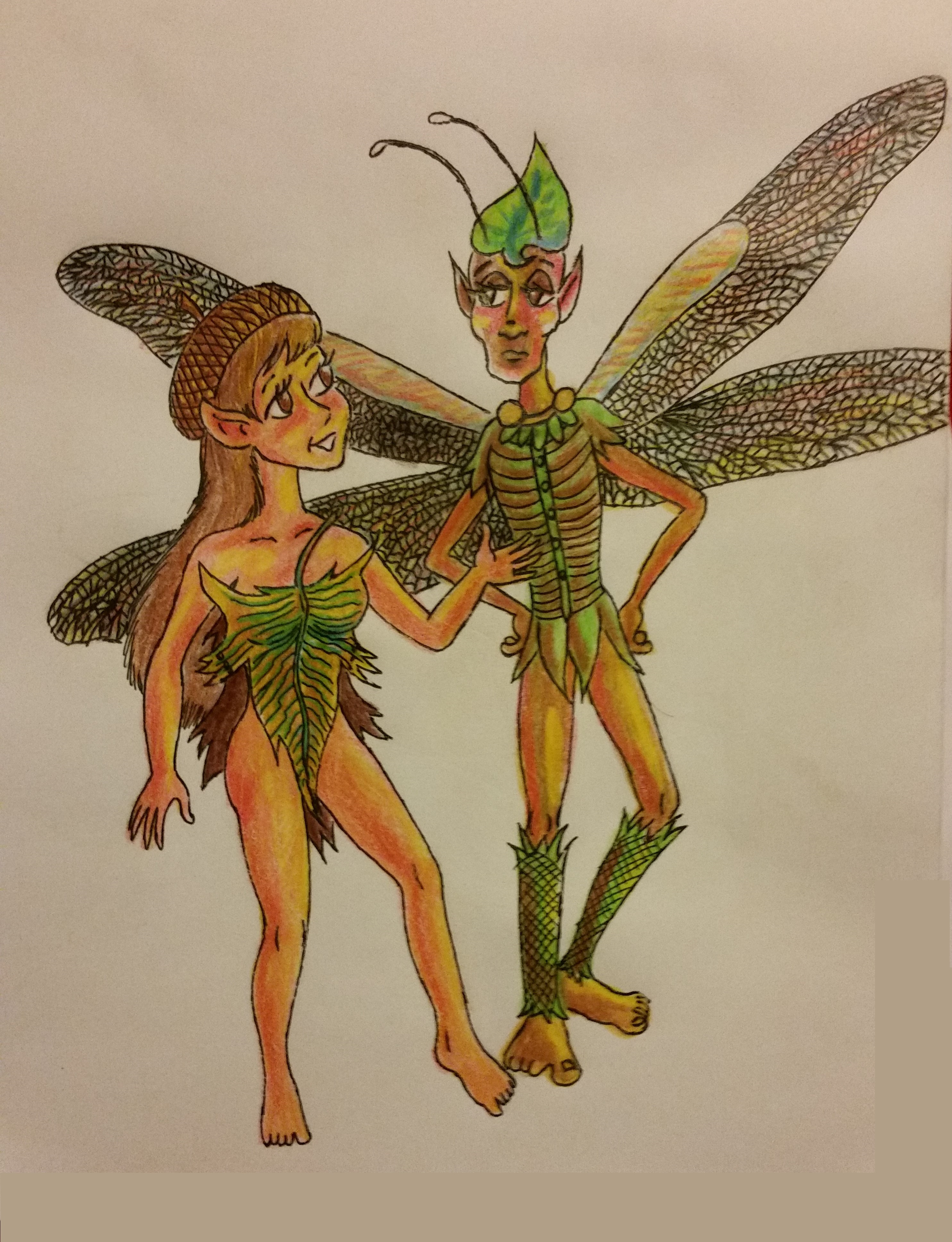
There were invisible aliens invading Iowa constantly when I was a boy. Dragons lived in the woods at Bingham Park, and there were tiny little fairy people everywhere, in the back yard under the bushes, in the attic of the house, and building cities in the branches of neglected willow trees.
I reached out to the world around me as an artist, a cartoonist, and a story-teller and plucked details and colors and wild imaginings like apples to bake the apple pie that would much later in my life feed the novels and colored-pencil pictures that would make up my inner life. The novels I have written and the drawings I have made have all come from being a small town boy who dreamed big and lived more in stories than in the humdrum everyday world.
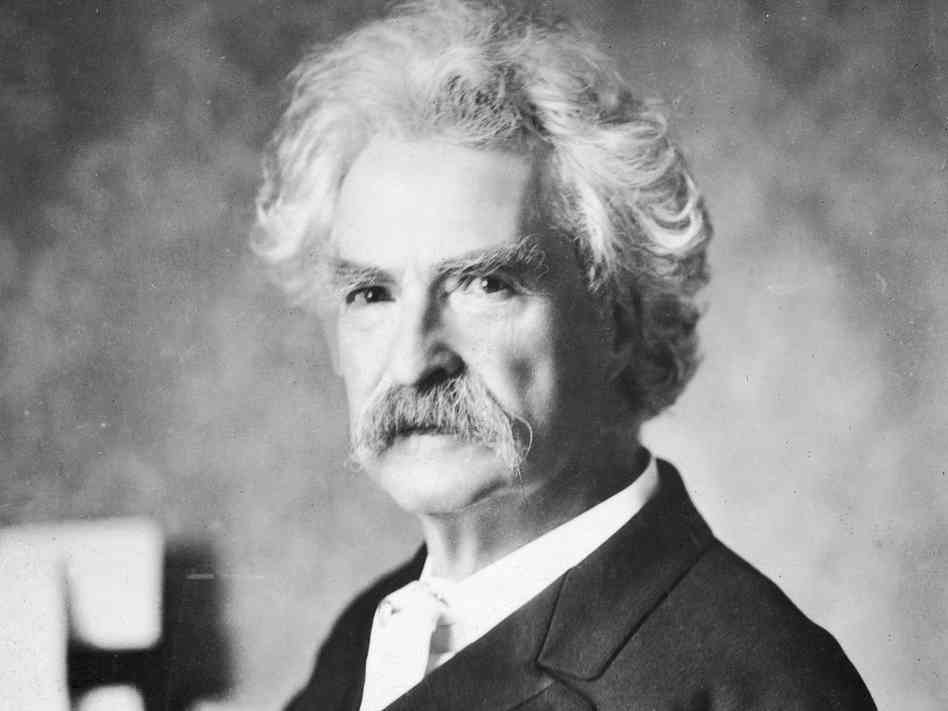
This post originally appeared here on April 21st, 2015, the anniversary of Mark Twain’s expiration date.
If it is inevitable that I will surely drop dead some day, and if it is likely that it will come sooner rather than later, then I hope to go out with a bit of style and leave something behind that speaks not only to my own children, but to anybody searching for truth and beauty, people of the future that I will never know who are living beyond the confines of my little life. What makes me think that I can do it? Well, I’m a writer… and Mark Twain did it… and I don’t have to be vain or loopy or maniacal or delusional to make the same thing happen.
On this day one-hundred-and-five years ago, April 21, 1910, Mark Twain left the world of the living. He caught a ride on Halley’s Comet (It deposited him on Earth in 1835, appearing in the sky when he was born, and took him away when it appeared in the sky again in 1910… He didn’t have to be some kind of suicidal Heaven’s Gate nut to manage that.) But it wasn’t the comet that showed me the truth… it was his books. I learned to take a wry view of a complex world that I could do nothing to change and tweak it with intelligence and understanding from the story of racism and justice he left behind in Pudd’nhead Wilson. I learned the value of ingenuity and opportunity and how to use them properly from A Connecticut Yankee in King Arthur’s Court. I also learned a profound love and understanding for small town people like me and the people of my little hometown in both The Adventures of Tom Sawyer and The Adventures of Huckleberry Finn. Samuel Clemens, Mr. Mark Twain, left himself behind in stories to speak to the ages. He spoke to me… directly to my heart, and he had been dead for 46 years before I was even born. If that’s not magic, I don’t know what is.
media.npr.org
Now, I am not a fool (wait a minute! I know you have proof to the contrary if you read my blog posts, but I am not an UNINTENTIONAL fool), so I do not think that my words and wisdom are ever going to have any sort of effect on the entire world the way Mark Twain’s have. I can accept reality. This whole world is dying and may not long outlive me. There are a large number of talented fools… er, I mean writers, out there who have put out a number of published good books, and have, like me, made diddly-zero-bupkiss in dollars on the deal. I have no delusions. My work is good enough to turn into a best-seller or maybe two, but I do not have the time or the backing to make it happen. If anything other than obscurity embraces my books, I won’t live to see it. Only eleven per cent of published authors make a livable wage from writing and I will never be one of them. But I have ideas that resonate. I can write in ways that touch the heart (as you may have seen if you have read my post “When Compassion Fails” that was a minor hit with the 1000 Voices Speak For Compassion group).
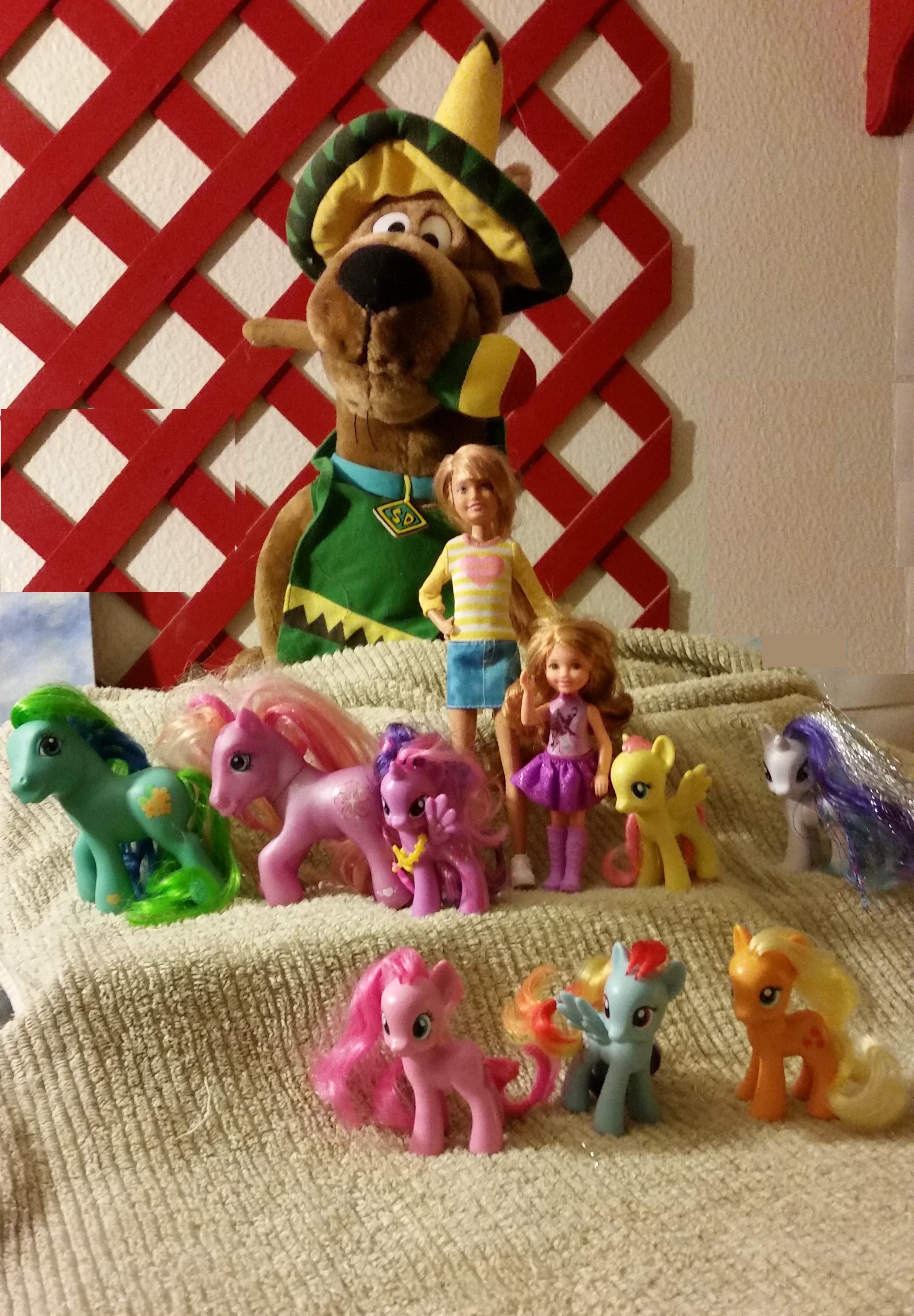
So, I am satisfied to confess my girly addiction to Barbie Dolls and My Little Pony… talk about cartoons and cartoonists on WordPress… make people giggle a bit… or even guffaw, and put together books that my family will read, and only be mildly embarrassed by, and maybe one day will reach and touch the heart of some boy or girl who really needs to read what I wrote at a time in their lives when it can actually help… the way so many other philosophers, wits, and word-wizards have helped me. (How’s that for some prime purple-paisley prose?)
When choosing whose picture to publish of all the many made-up people that live in my head and my fiction, I often wonder, do I have an accurate sense of who is important and who is merely minor? I offer now some characters I don’t feel comfortable leaving out.
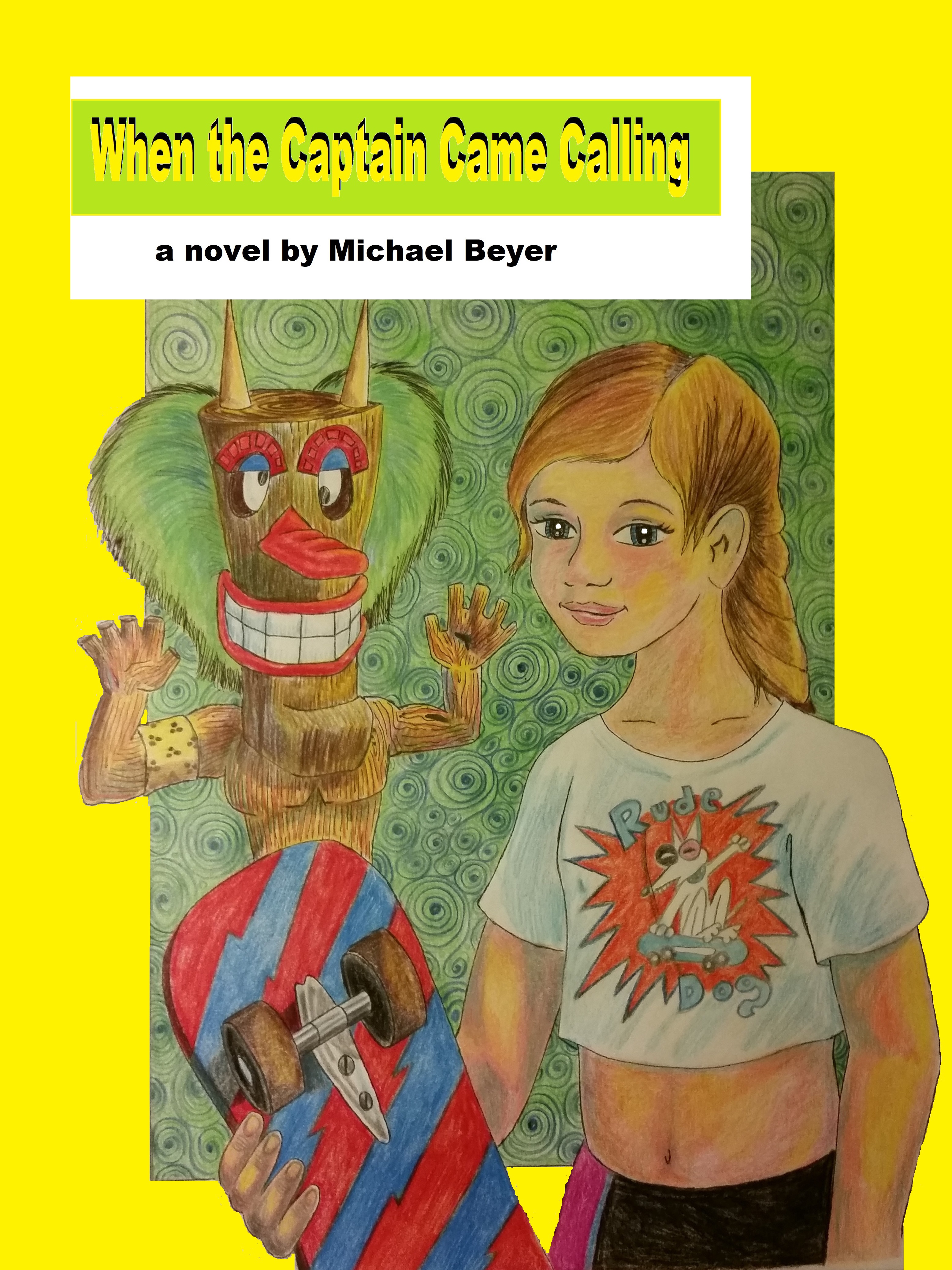
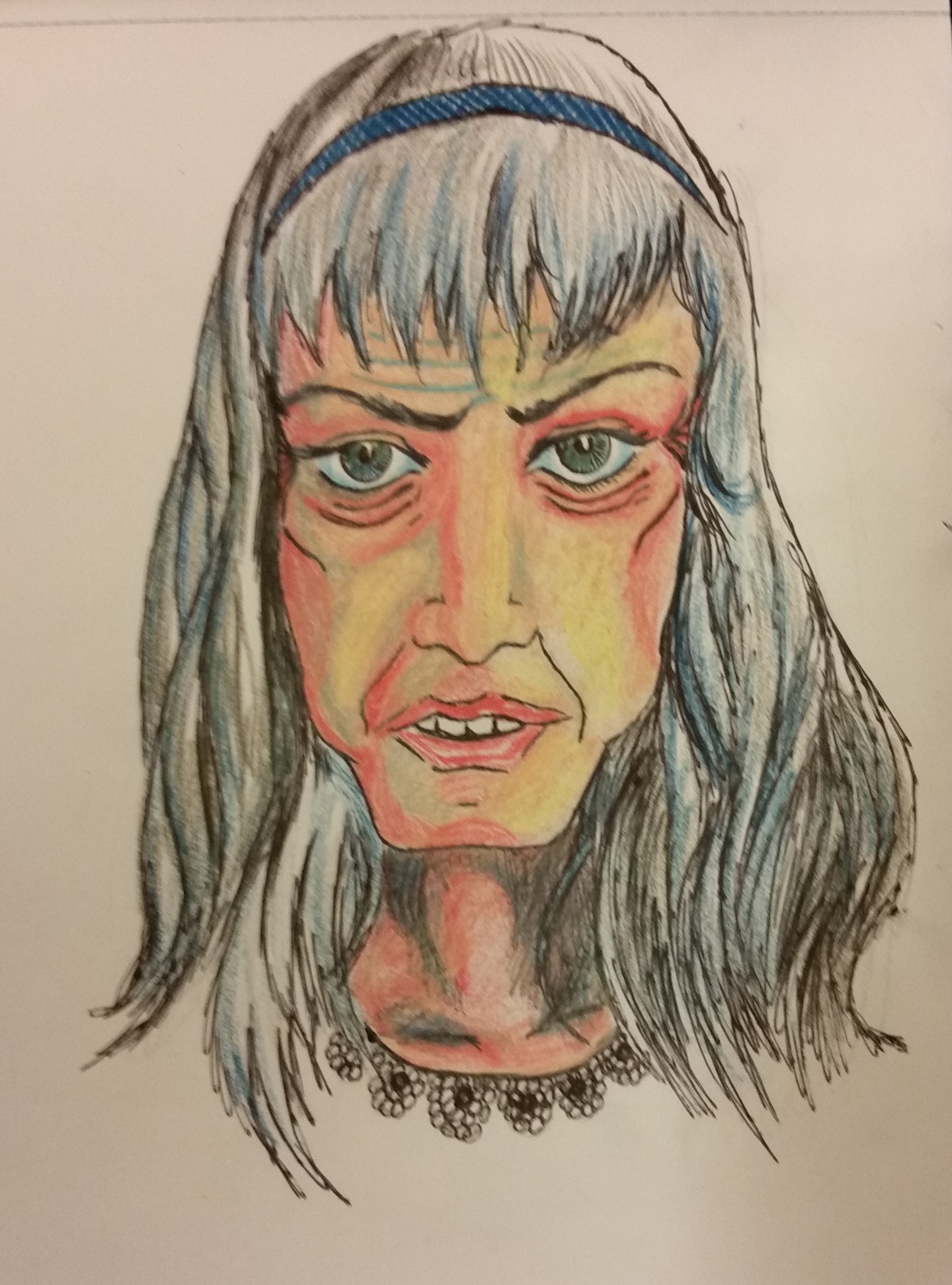
Mazie Haire
One of the Haire Sisters, rumored to be a witch, and proud to prove it to you, Mazie is a severe and highly focused individual with a knack for seeing and convincing you of the truth. So, maybe she really is a witch.
She appears in;
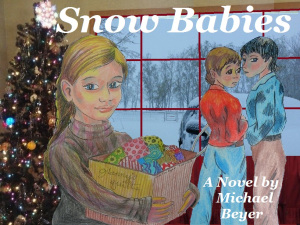
Snow Babies
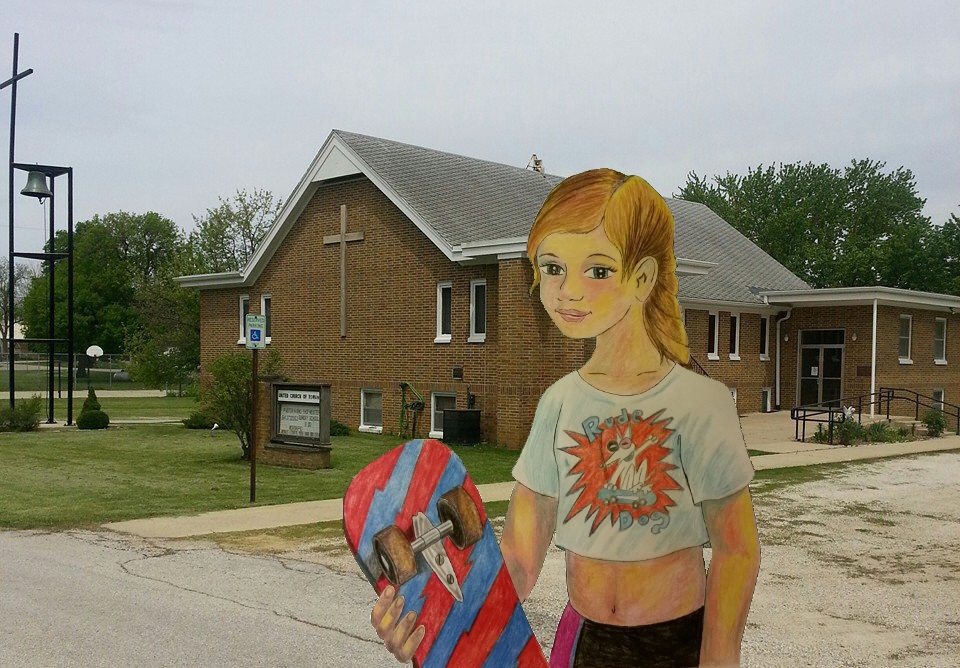
When the Captain Came Calling
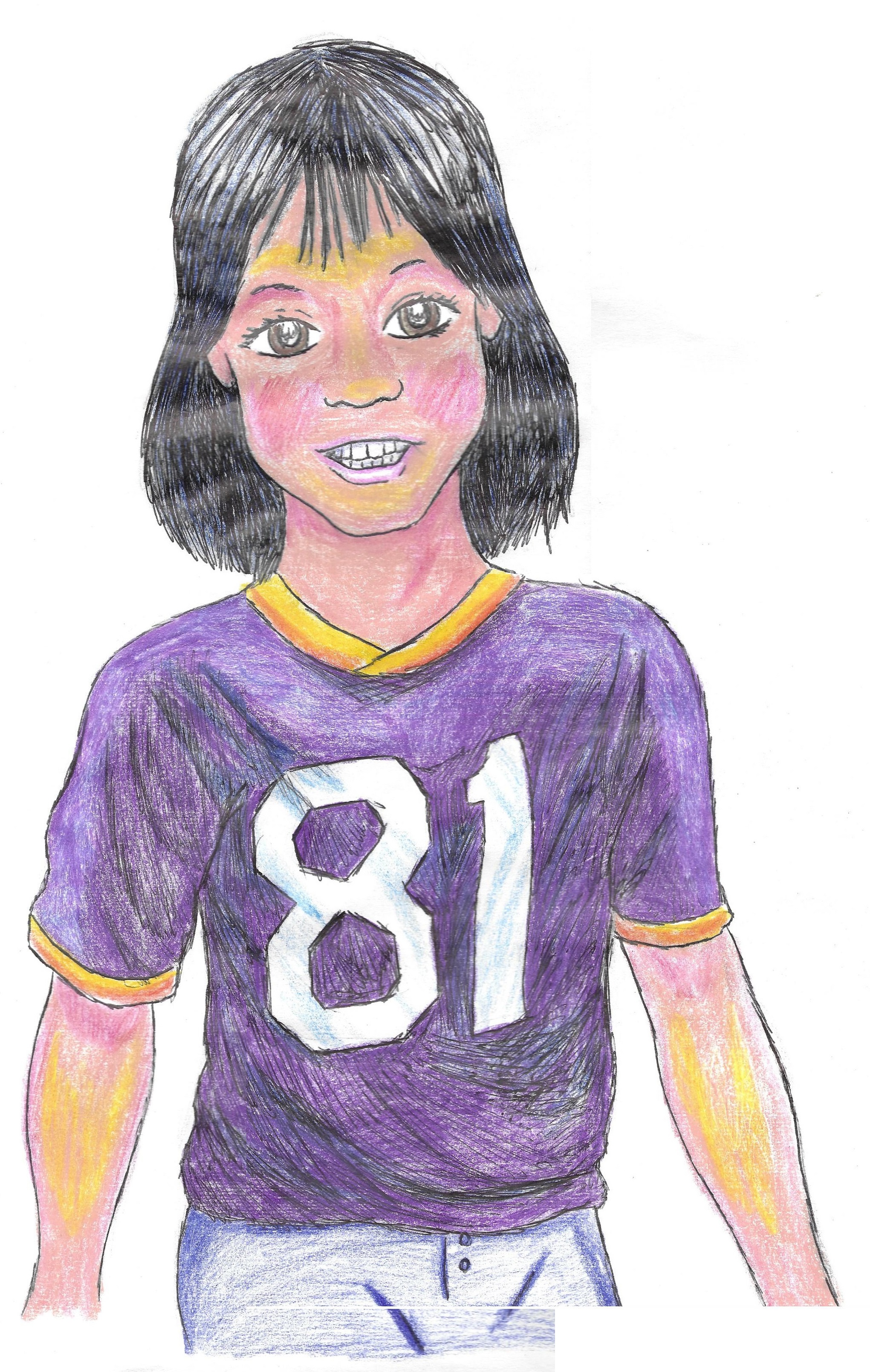
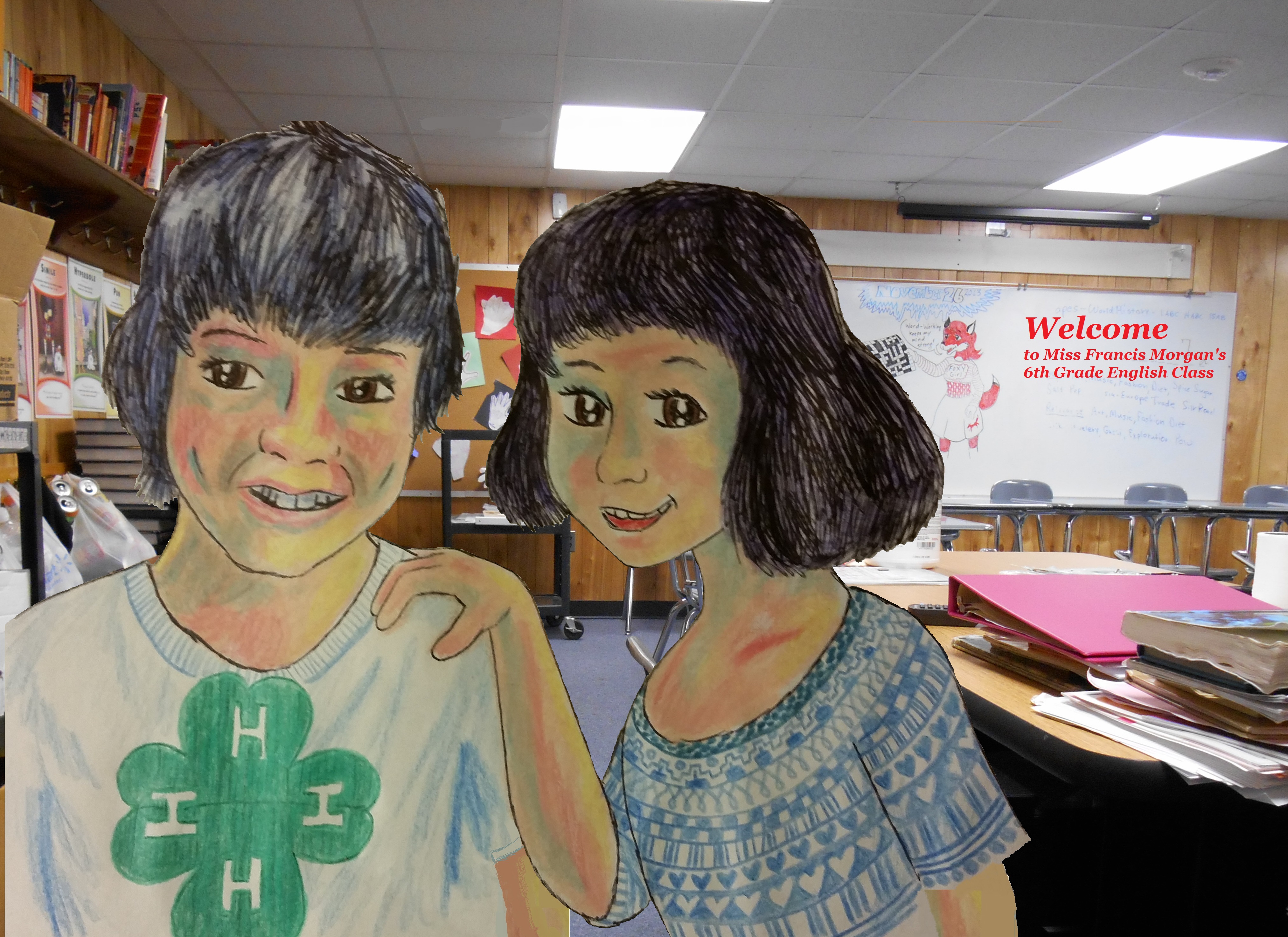
Milton John Morgan (Milt)
I can’t tell you about the witch without mentioning the wizard. Milt Morgan is the Merlin of the Norwall Pirates (an adventuring gang and 4-H softball team).
He is one of the founders of the gang and the one who got them into the most trouble in the 1970’s.
He appears in;
Superchicken
The Baby Werewolf
The Boy… Forever!
The Wizard in his Keep
Torrie Brownfield
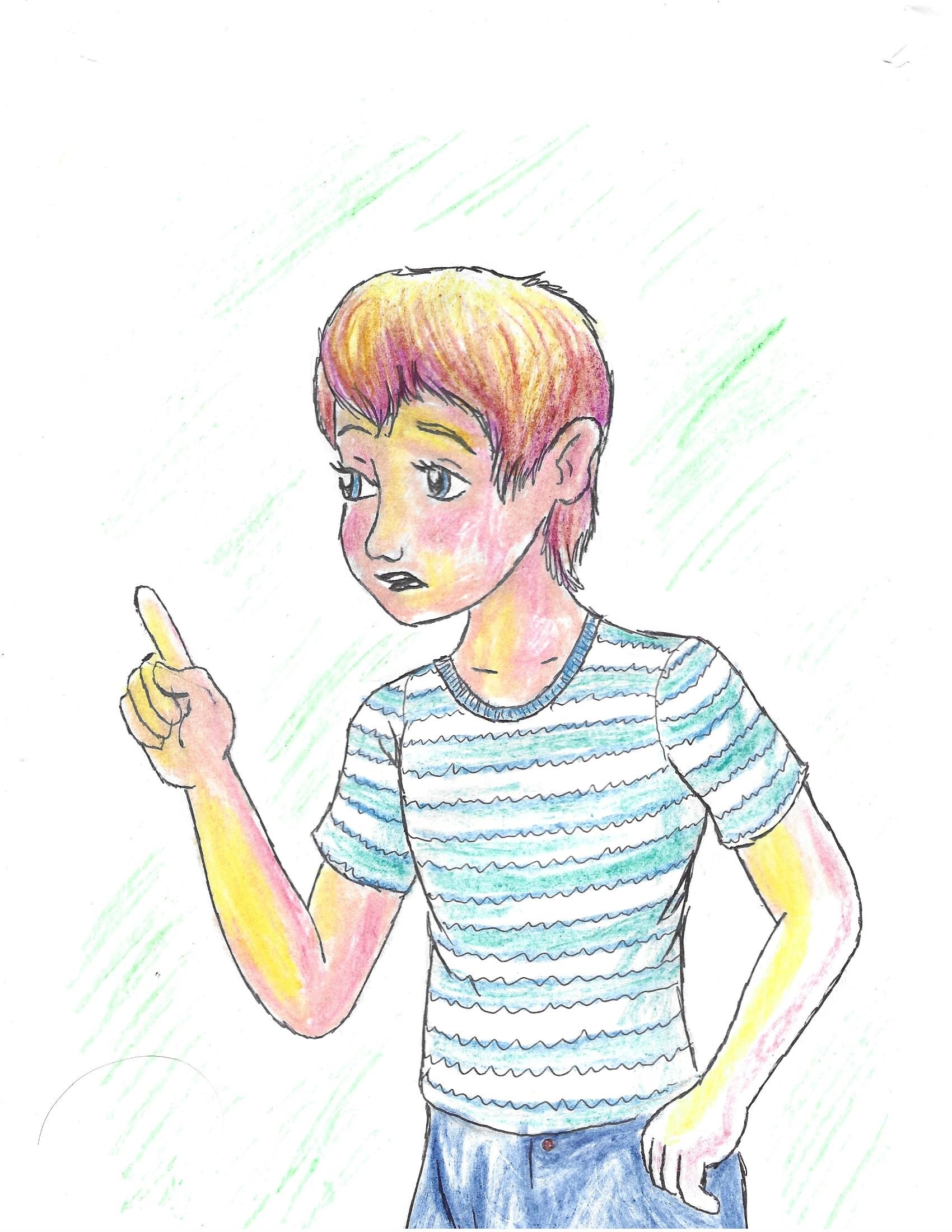
Torrie is the hair-everywhere boy with hypertrichosis, the werewolf-hair disease. He was genetically doomed to life looking like a werewolf. He was discovered living in hiding in Norwall by the Pirates’ gang who decided they simply had to make him a member.
He is, of course, the main character of;
The Baby Werewolf
And also appears in;
Recipes for Gingerbread Children
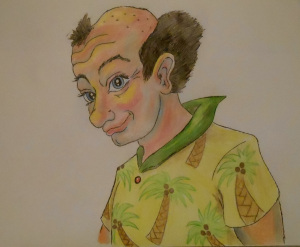
Harker Dawes
Harker is a clown-character based on a real person living in the real town of Norwall. He buys the local hardware store and runs the business into bankruptcy. He is not only a ne’er-do-well, but he also is a truly loveable fool.
He plays a key role in;
Snow Babies
He is also in the upcoming novel;
Fools and Their Toys
Dilsey Murphy
Dilsey is Mike’s slightly older sister who seems to be in a lot of my stories. She is a tomboy and a Daddy’s girl. She is also beloved by her irascible Grampy, Cudgel Murphy. Mike Murphy both hates her and loves her, but mostly just depends on her.
She is in;
Magical Miss Morgan
The Bicycle-Wheel Genius
and a large number of upcoming stories
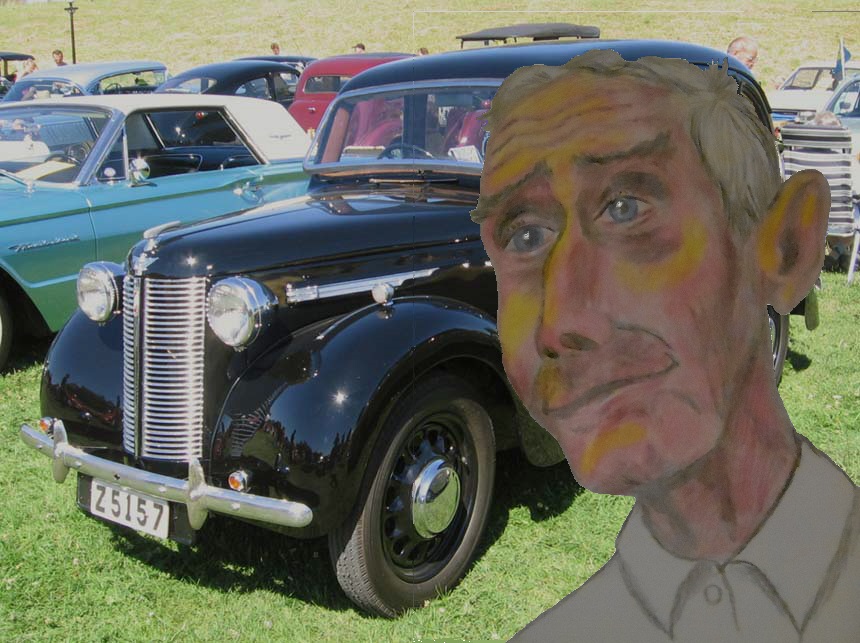
Sean “Cudgel” Murphy
Grampy of the Murphy Clan, Cudgel is the meanest old man you’d ever want to meet. He is excellently suited to the job of teaching kids to swear. And he only drives his Austin Hereford, “The finest car made anywhere in the whole goddam world in 1954!”
He appears in;
Snow Babies
The Bicycle-Wheel Genius
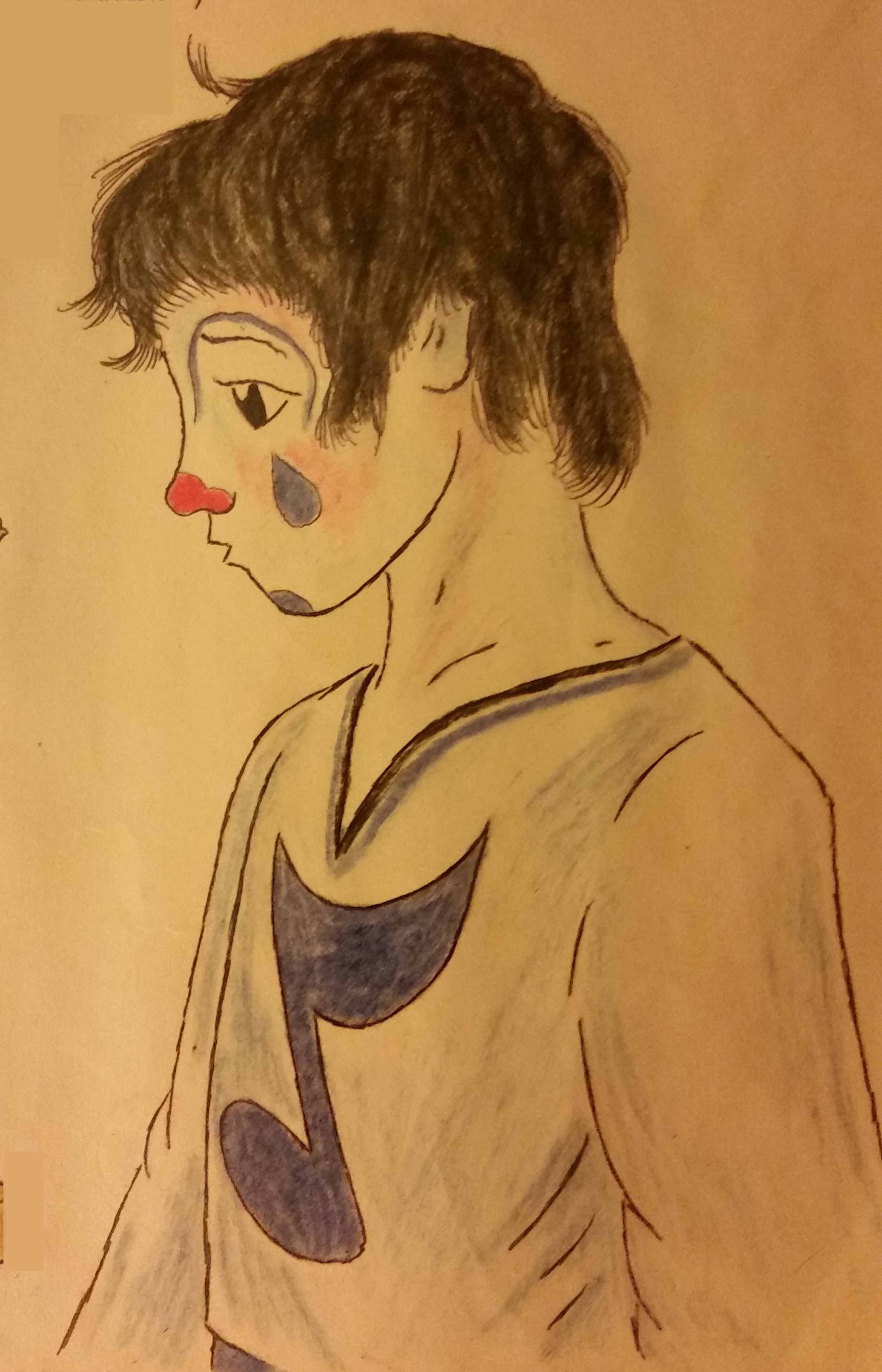
Francois Martin
Francois, the French orphan, is the main character in my novel,
Sing Sad Songs.
He paints his face in clown paint and sings beautifully enough to save his Uncle’s business. I am halfway finished with this new novel.
So, now I feel like I have exhausted myself in character introductions and will probably eschew a “Part 4”. But with Mickey, there are no guarantees.
Yesterday an inconvenient internet outage interrupted my fountain of character gushing. So let me splash a couple more on here.
Tim Kellogg
Tim is a school teacher’s son who is sorta, kinda, based on my own oldest son… and maybe a little bit on me. He’s clever, creative, a natural leader, and only slightly evil part of the time.
Tim is a main character in;
Catch a Falling Star
The Bicycle-Wheel Genius
Magical Miss Morgan
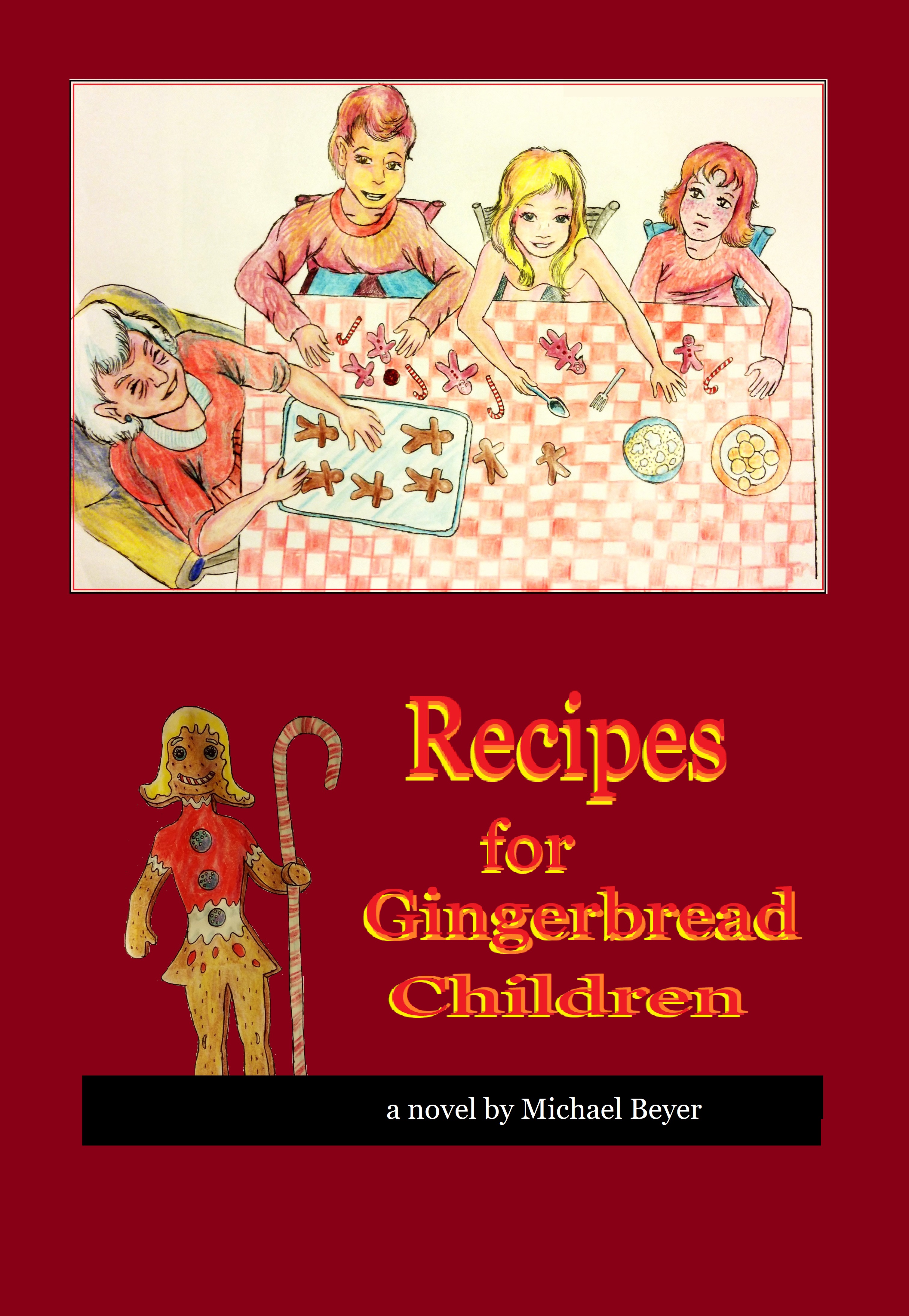
Grandma Gretel Stein
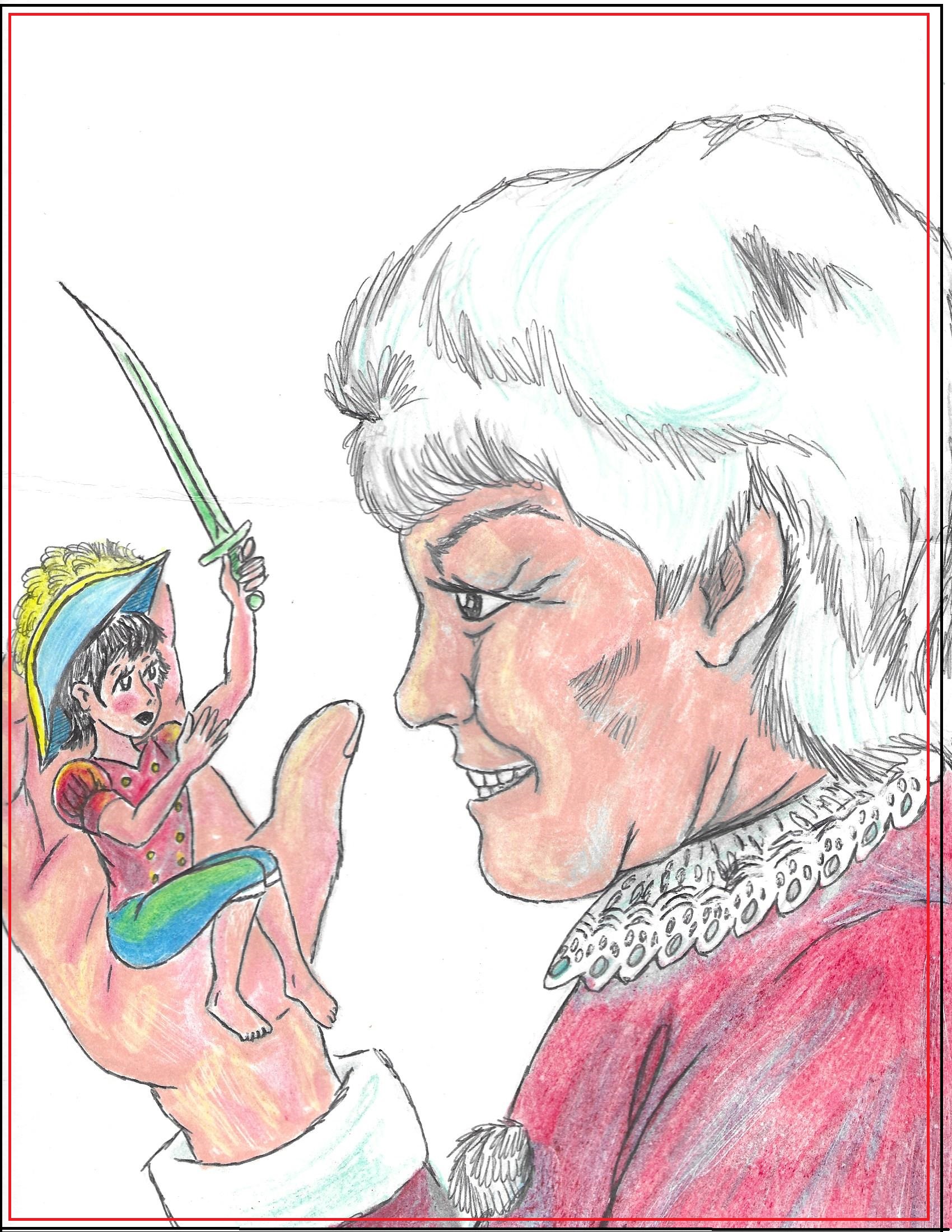
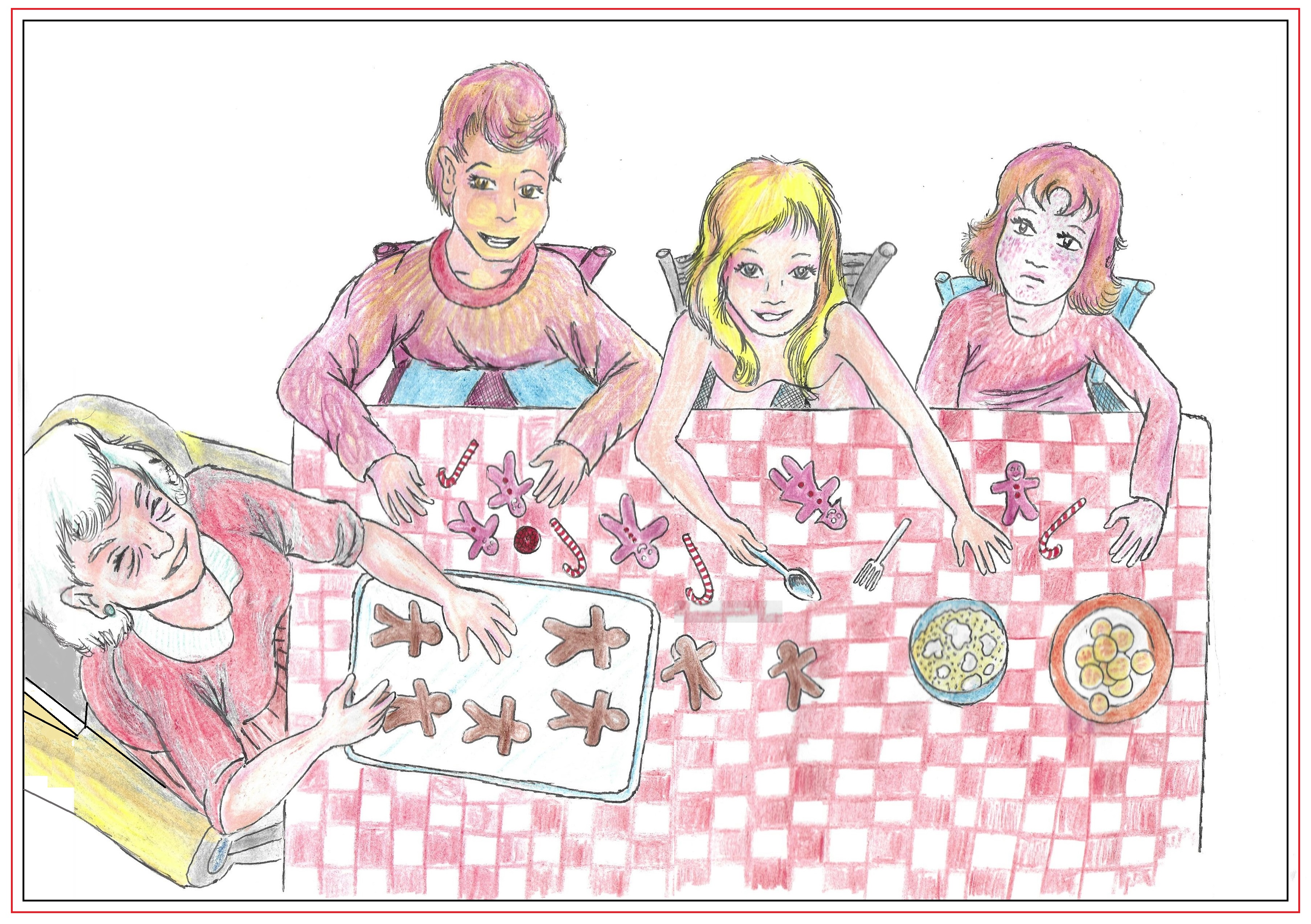
Gretel is a German survivor of the concentration camps who sees and talks to fairies on a regular basis. She also bakes magically delicious gingerbread cookies. And loves to tell stories to those who eat her cookies.
She is a main character in;
Recipes for Gingerbread Children
She is an important character in;
Superchicken
The Baby Werewolf
The Necromancer’s Apprentice
The Primary Cast of Recipes for Gingerbread Children (left to right) Grandma Gretel, the cookie baker, Todd Niland, handsome young farm boy and cookie-eater, Sherry Cobble, nudist and junior high cheerleader, and Sandy Wickham, cookie-eater and Todd Niland’s crush.
Farbick
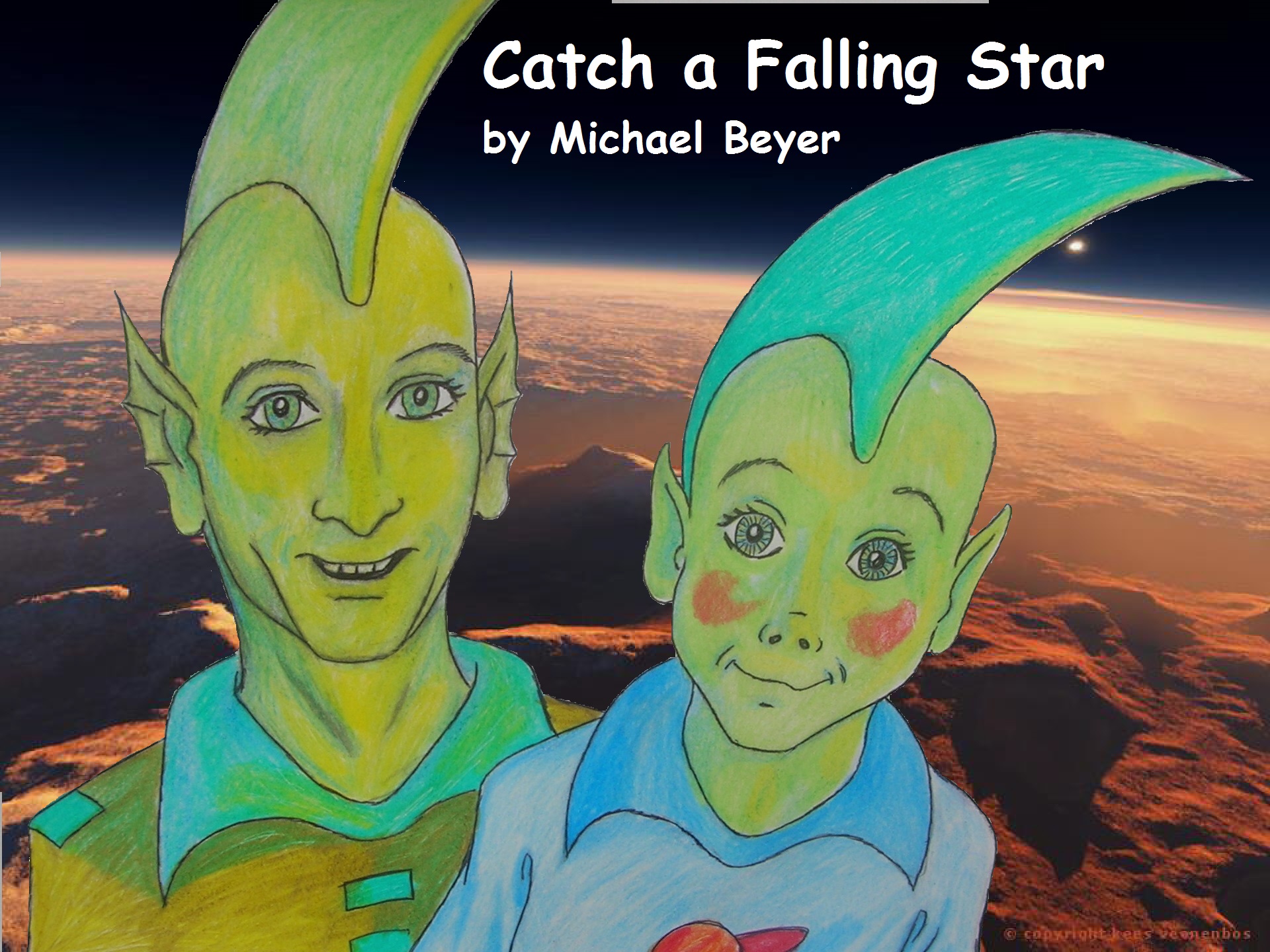
He’s the alien Telleron pilot and good guy aboard Xiar’s spaceship who gets shot during the failed invasion of Iowa and helps save the planet in the near future. He’s a main character in;
Catch a Falling Star
Stardusters and Space Lizards
Davalon (re-named David by the couple who adopts him)
Dav is the alien boy accidentally lost on Earth in Catch a Falling Star, and leader of the young explorers in Stardusters and Space Lizards.
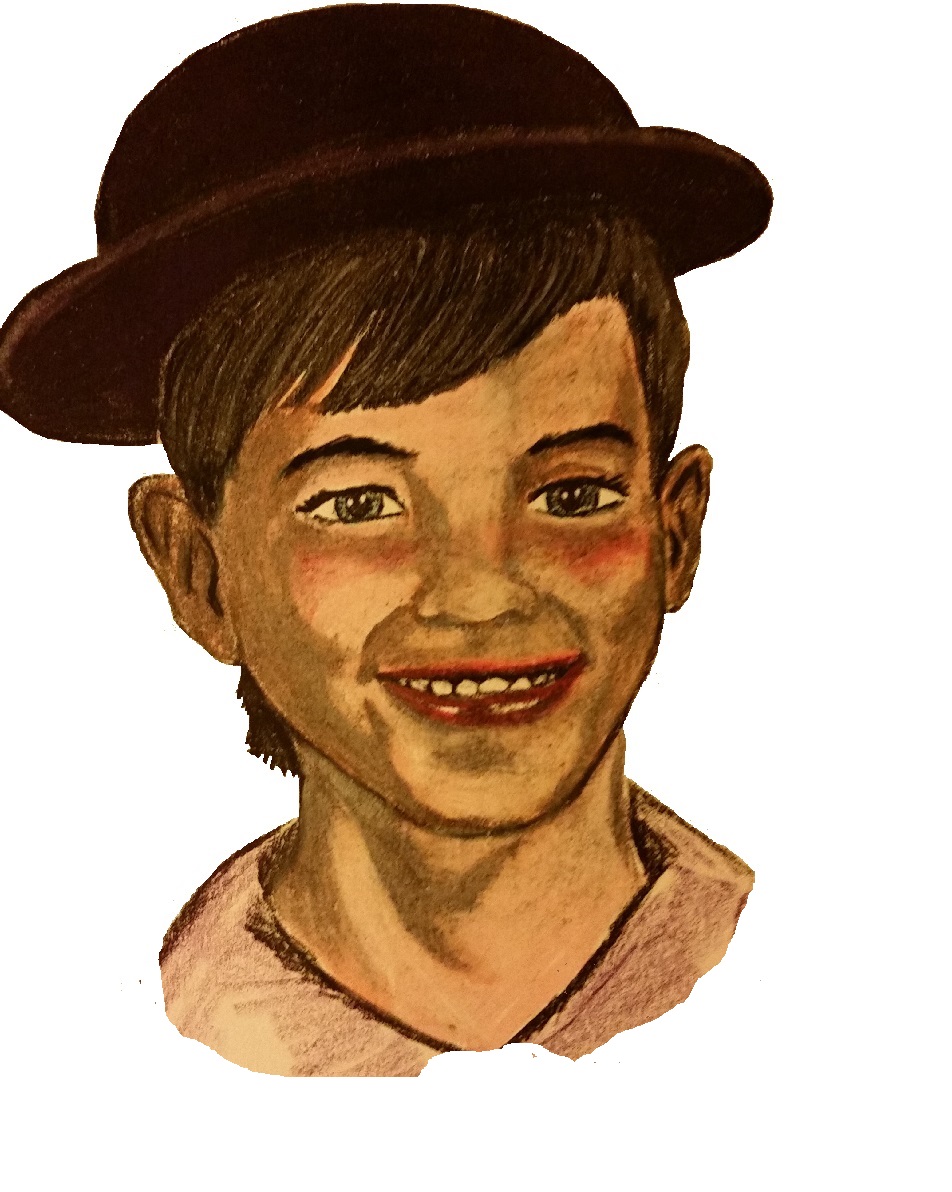
Edward-Andrew Campbell, the Superchicken
It is possible E-A is really me. He bears my high school nickname. He is a boy trying to cope with being the new kid in a tightly-knit little Iowa farm town.
He is the main character in;
Superchicken
I fear I am still a long way from done with referring to characters in my books. But more waits for another day.
I have made up my mind to risk investing more money in getting another book published. Being an author, especially an unknown Indie author, is really just an expensive hobby. Even investing in professional editorial services and print-on-demand publishers can’t help you make any money at it, even if you are talented and good at story-telling. The best I can really hope for is to get my books in print and pray that people will discover them and like them after I die, beaten to death for a crust of bread in debtor’s prison.
So, why would anyone in their right mind want to be a writer?
It is entirely possible that I was simply born that way. I have been drawing cartoons and telling stories since I was about five years old. Maybe even before that. I don’t have many clear memories of my pre-school years. It is possible that I was lost in a library once… or dropped on my head… or in a library and having a book dropped on my head… something set it off if it wasn’t simply in my genes.
I am planning to publish Magical Miss Morgan with Page Publishing. They are a pay-to-print publisher who are slightly more affordable than I-Universe that I used to get Catch a Falling Star into print. I feel like I have to get it published before I die because it is the distillation of my entire life as a classroom teacher. Books like this are important to me. In the Bible, there are prophets and holy men who are filled with the Word of God, men like Jeremiah, that claim the Word is burning within them, and will burn its way out of them if they don’t speak it. My stories that I am working at turning into books are like that. They are consuming me from the inside out. I have to get them written and printed if I possibly can.
I have recently tried and failed to get novels like Snow Babies, Magical Miss Morgan, and Superchicken published with publishers that don’t charge for their services. I got several rejections and one contract that came to nothing because of the economic failings of the publisher. I have tried being infinitely patient. It doesn’t work.
I will try to bargain for the most affordable deal I can to get Magical Miss Morgan into print. They will apparently let me input artwork into the final cover. I understand that successful writers tend to starve for at least fifteen years before they see any success and profit. At best, I have six more years of that to go. But this, after all, is my life now. I need to write books and I need to get them published. I am, unfortunately, a Writer.
This being an old post reposted, I now have this book available on Amazon.
What does that even mean, that silly little two-line poem I wrote twenty years ago? Am I not old enough to know better than to create a snippet loaded with goofy contradictions? Apparently not. But I am old enough to deliver the past. I have been around long enough that I remember when President Kennedy was assassinated. I saw Neil Armstrong take that “small step for man” on the surface of the moon. I have learned a number of lessons from the past. And as a writer, I can deliver those lessons in the form of stories. I was born in a different century. I have been around for more than half of one… approaching two thirds. I have collected all kinds of wonderful things in my goofy old brain. And make no doubt about it, with six incurable diseases and being a cancer survivor since 1983, my Sun is about the set. So, I have a mission, to open the eyes of people who are too foolish to avoid listening to what I have to say, or to read what I have written.
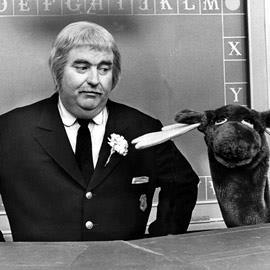
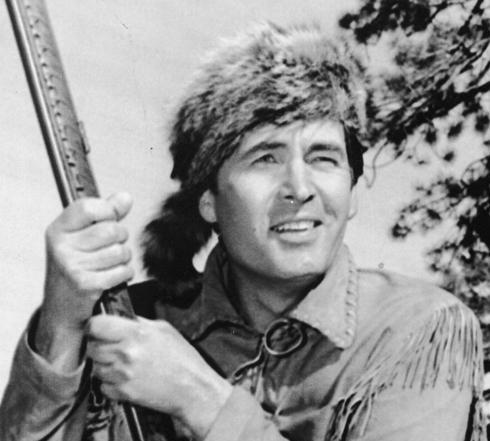
I saw The Sound of Music starring Julie Andrews in the Cecil Theater in Mason City, Iowa in 1965 when I was not yet ten years old. I heard the song My Favorite Things for the very first time on the old black and white Motorola TV set in the clip I posted at the start of this post. Kukla, Fran, and Ollie was a puppet show I never missed on Saturdays if I could help it. In a world before video games and computers and even color TV, kids still had priorities. And my world was definitely a world of imagination.
Captain Kangaroo and Mr. Moose
Fess Parker as Davy Crockett, and then as Daniel Boone
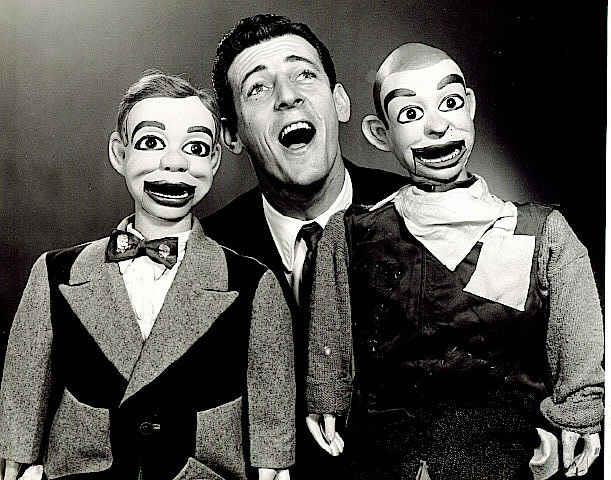
Paul Winchell with Jerry Mahoney and Knucklehead Smiff
So, what kind of knucklehead must I be to think younger folks would want to know about any of this stuff from the time of dinosaurs and black-and-white TV? I write books that are basically genre-breakers and about way too many different things to make sense to adults. As a result, I classify myself as a Young Adult novelist, a writer for children… but not the beginning reader kind, or the early chapter-book kind… the kind like Huckleberry Finn, To Kill a Mockingbird, Light in the Forest, or Dicey’s Song. I write books about what it was like to be a kid in the past… the 1960’s, 70’s, 80’s, and 90’s… last century. And I have some knowledge and expertise in this area because I was one of those teachers during that time period that got to know the kids in my classes. I made the horrifying mistake of actually talking to kids, asking them about their lives, and listening to their answers. I talked about all manner of things with all manner of kids… brilliant things and stupid things… with dumb kids, smart kids, smelly kids, charming kids, and the kids everybody else hated. You know… I did all the stupid mistakes that teachers who have no earthly idea how to do discipline would do, and got those kids to learn to behave at least halfway like human beings by being somebody they trusted and respected and… on rare occasions… believed. Right now I am working on Snow Babies. It is set in 1984. And I hope to be good enough of a Sunset Man to be able to deliver it to the future.





 Catch a Falling Star