Yesterday, in Part 1, I tried to convince you that, “You should never take too long a time writing a story” because I have written some twenty-plus-year-long novels that took me forever to write, and I am an unsuccessful writer. So, you should not do things the way I did. (Some might accuse me of trying to use a little too much irony, claiming I am a bit too obscure about what I am actually telling you that you should actually do… But, remember, I advised you not to take advice from Mickey. And you need irony in your diet anyway to avoid irony-poor tired blood.) Therefore I am going to advise you further that, “You should never make your characters too complex and interesting.”

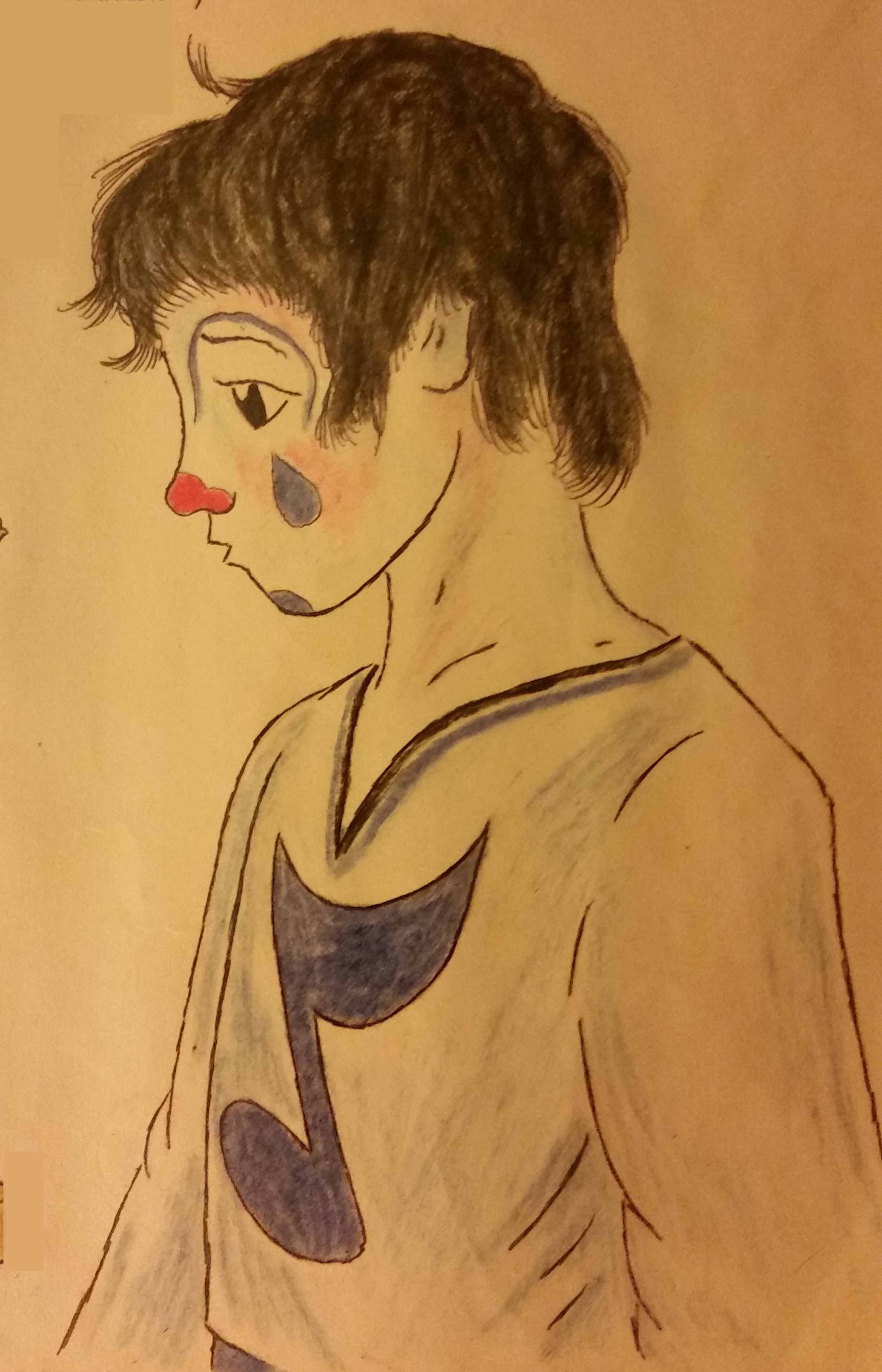
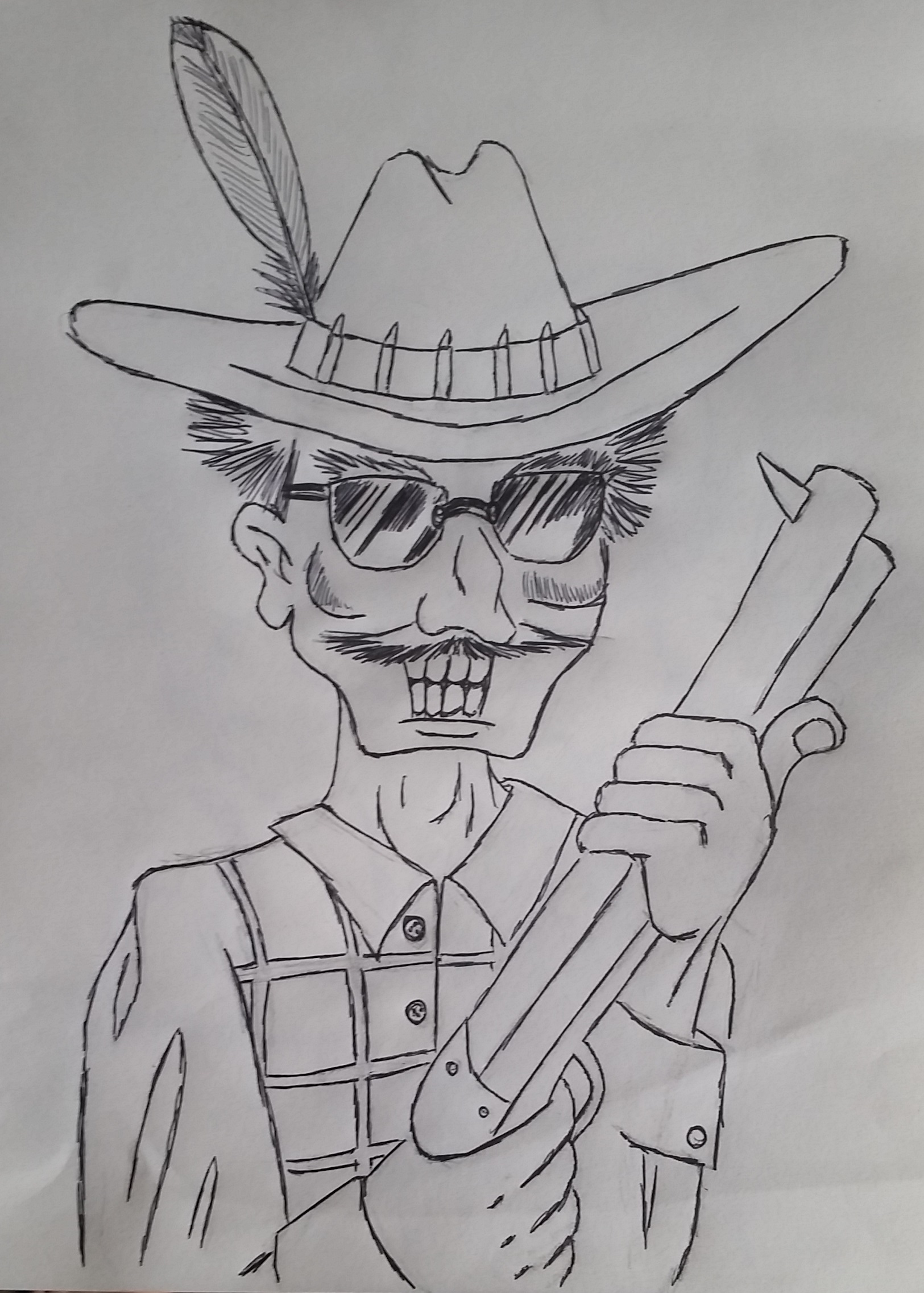
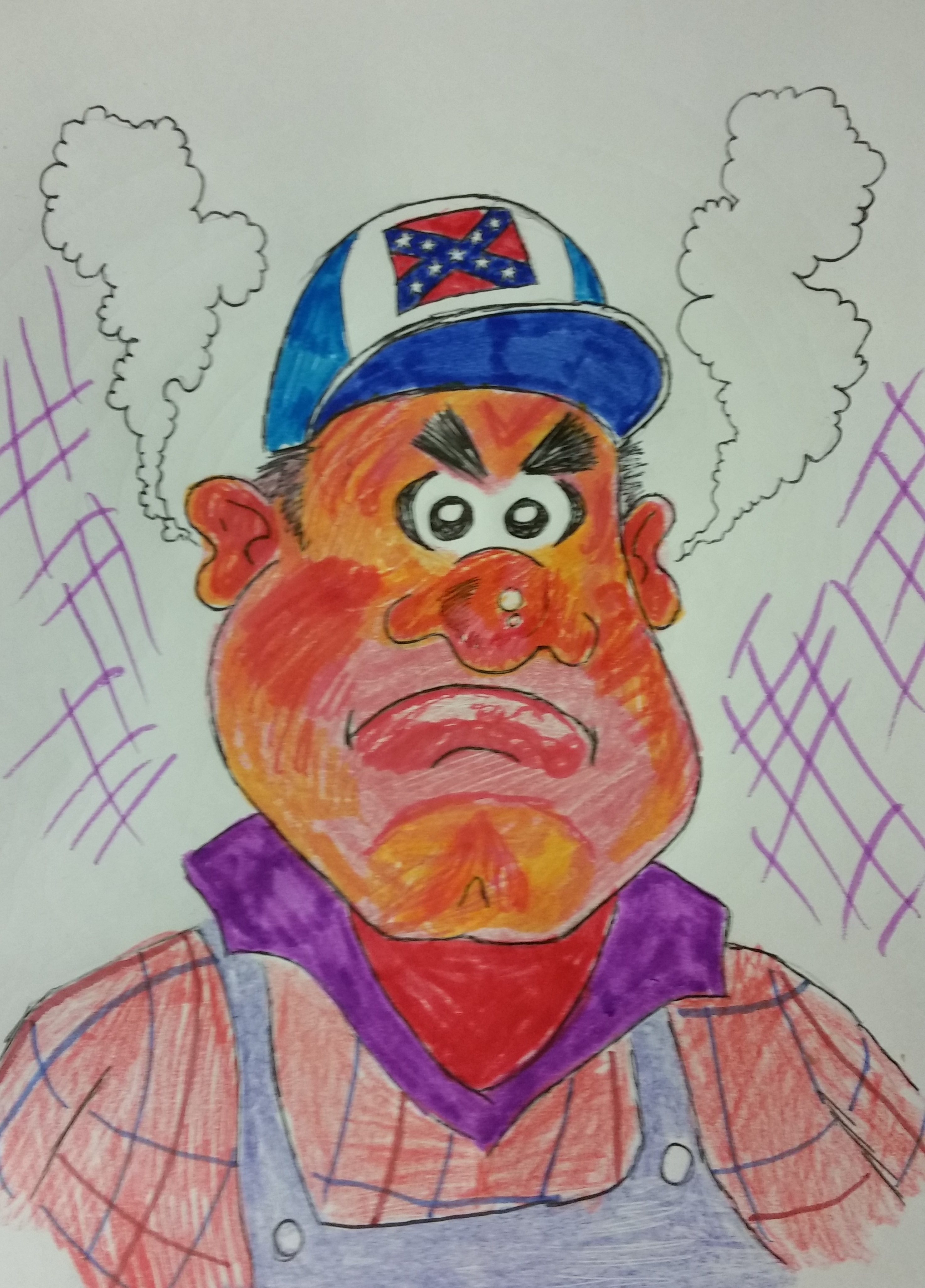
After all, there are Mickian characters that are literally blue with red patches on their cheeks that absorb harmful gamma radiation and make those characters immune to radiation sickness from exposure in deep space. You don’t want to make readers so curious about a character that they waste time reading more and more closely to discover more about that character.
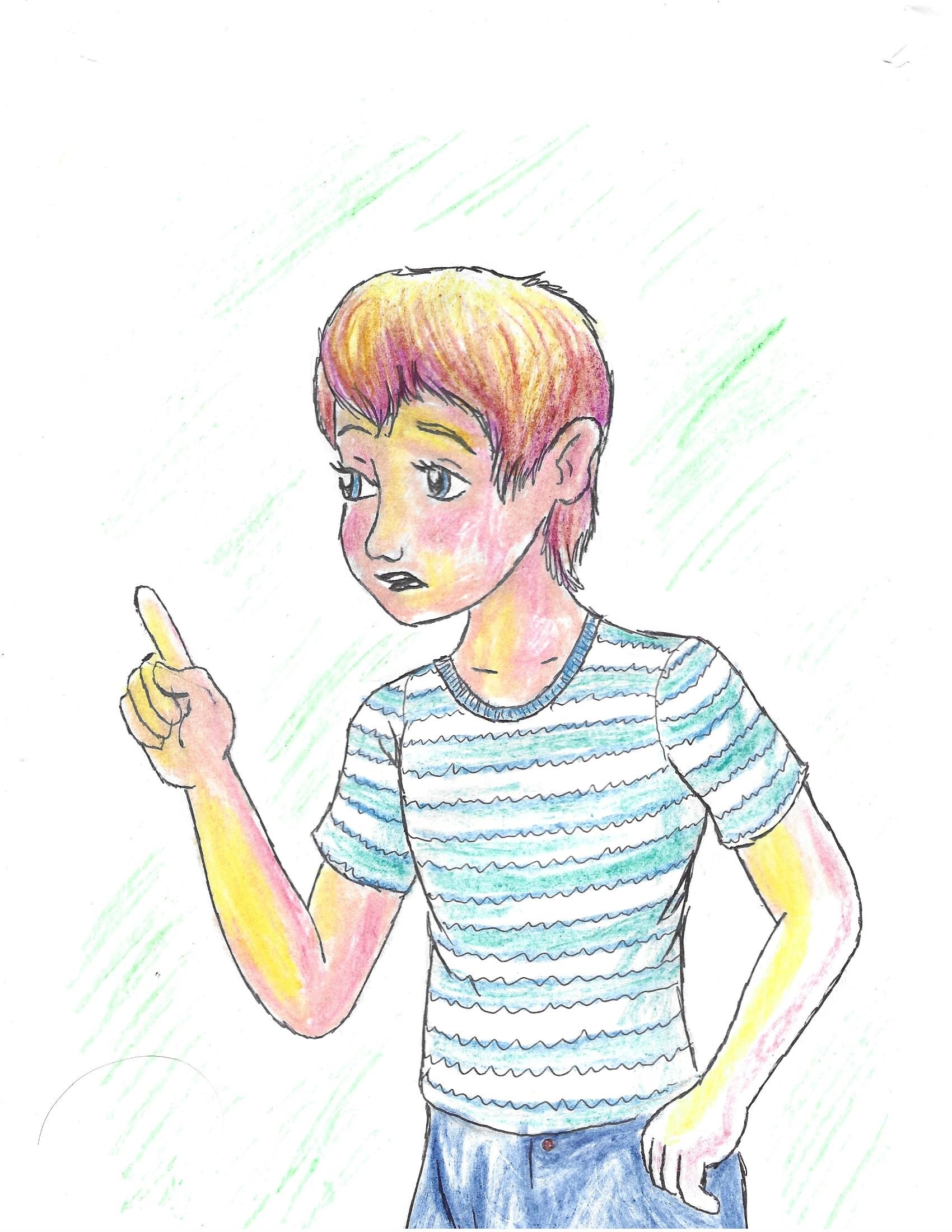
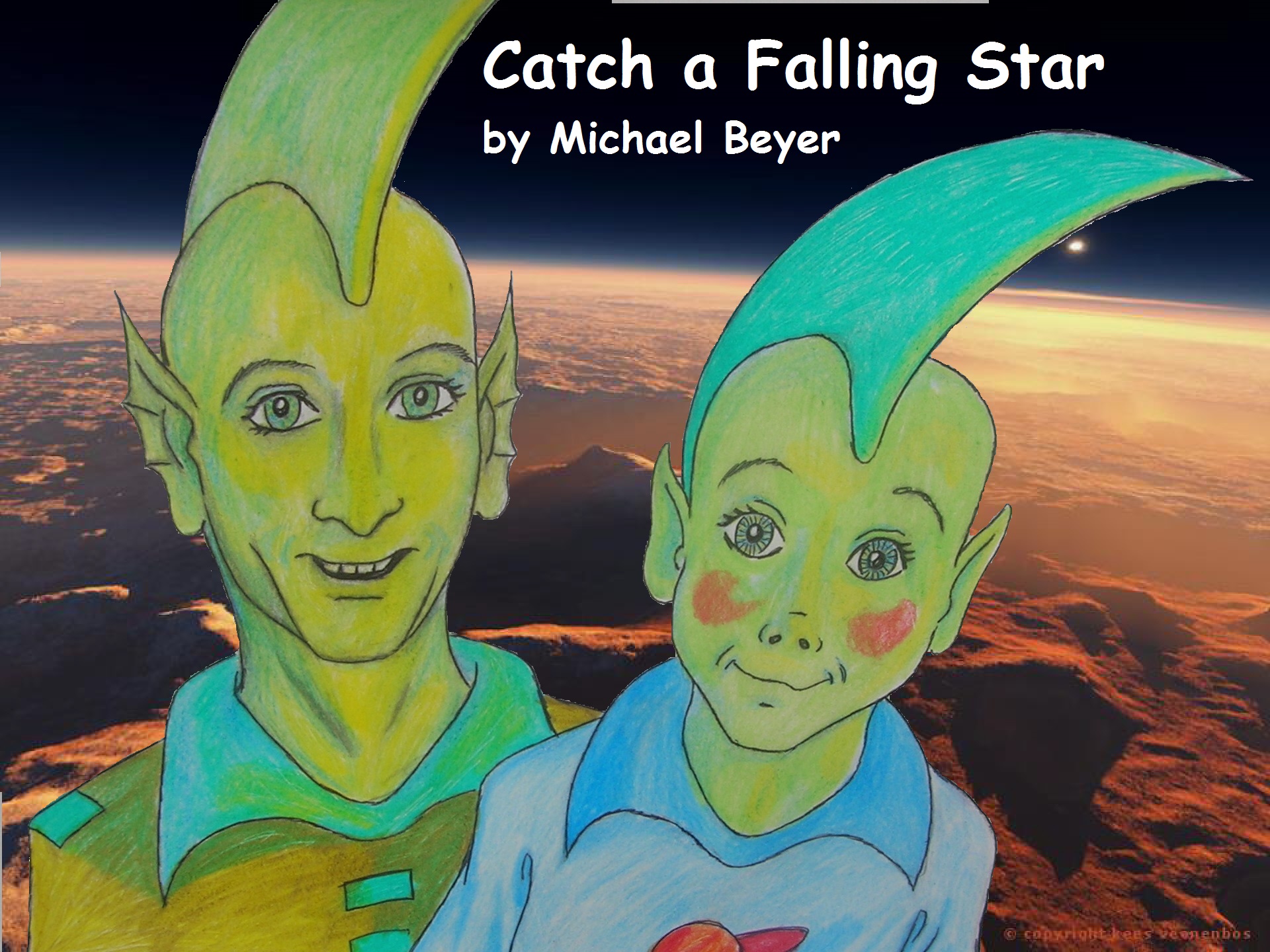
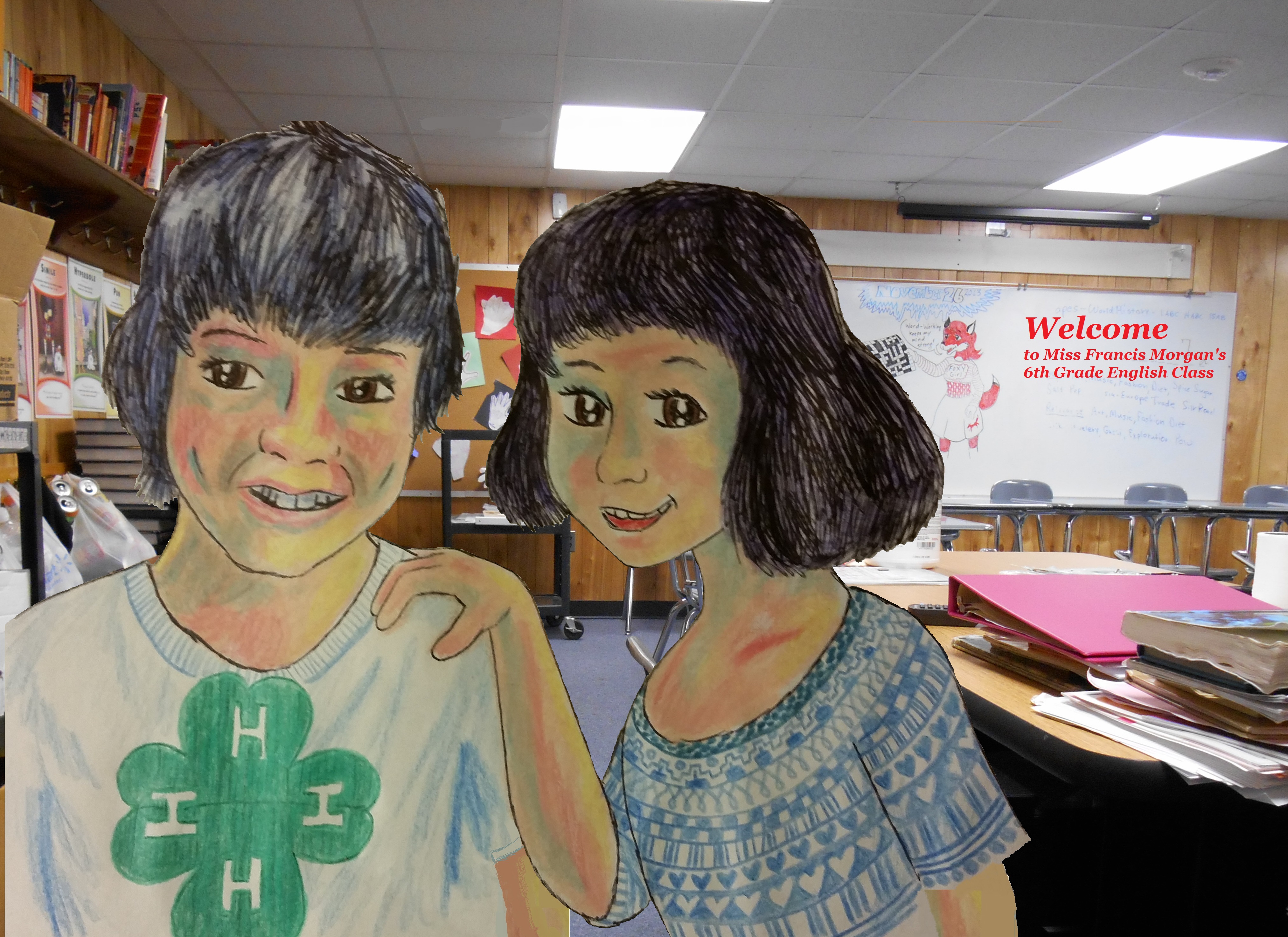
Junior Aero, the alien Nebulon boy in the AeroQuest stories, is just one example. Not only is he a member of an alien race that is belittled as “Space Smurfs” and treated to racial bigotry based on skin color and not being able to speak English at first, but he is also gifted with mental “Psion powers” that allow him to telepathically read computer minds, even the sentient and intelligent ones.

And some of my characters are green with shark-like fins on their heads. They were born on Starships and orbiting artificial satellites like the one going around Barnard’s Star. They are like George Jetson here, named after his father, Xiar’s, favorite Earther cartoon show character from the 60’s. Not only is he a green-skinned amphibious humanoid life-form from a different star system, he learns a lot about himself in the adventure he has in the novel Stardusters and Space Lizards. He goes from being a narcissistic space-pilot wannabe into becoming a humble crash survivor and expedition leader who helps save an entire planet from ecological disaster. And he even gets a girlfriend out of the deal in Menolly, his nestmate and fellow survivor.
Characters like that are far too interesting and developed to be good for your reputation as a serious producer of money-making fiction stories. And you certainly don’t want to waste time on developing the same characters in multiple books.

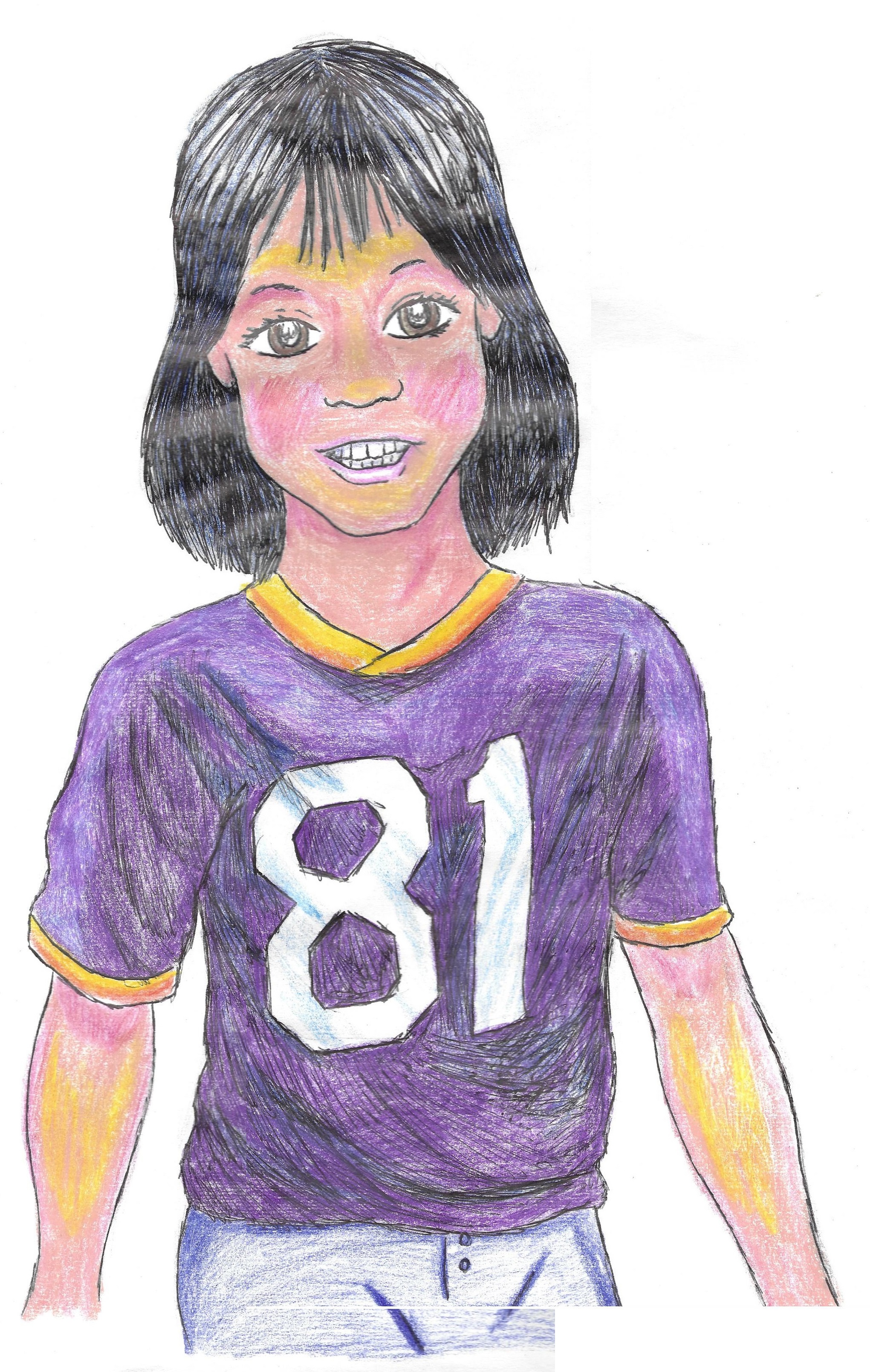
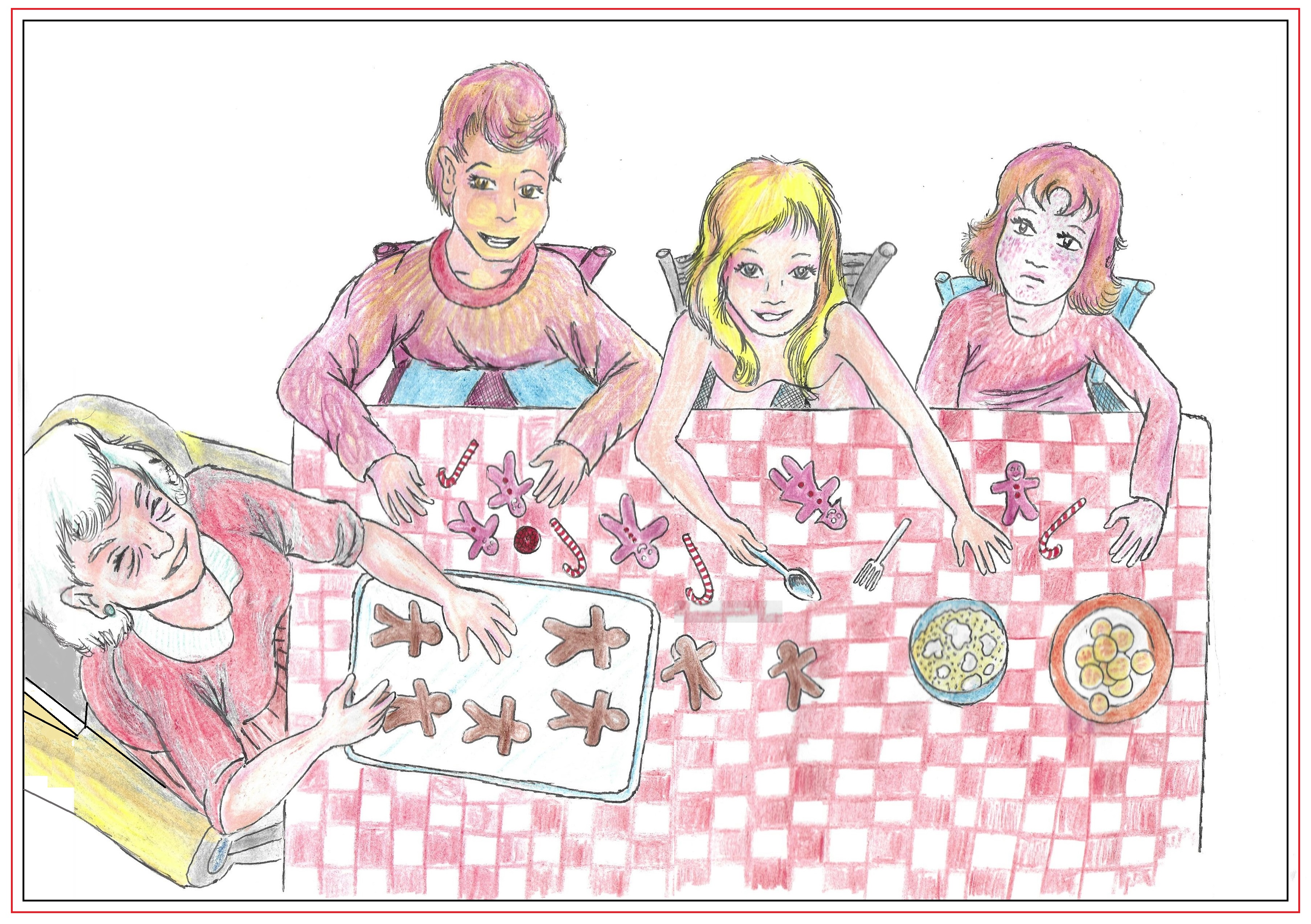
I used the character of Valerie Clarke in the book When the Captain Came Calling as an eleven-year-old protagonist who loses her father and has to rely on older kids and good friends to save herself from depression and the trash-pits of despair.
I used her again as a main character in Snow Babies, where she befriends a mysterious stranger and also finds a runaway boy who makes her think seriously about life and young love, all in the middle of a deadly blizzard.

She’s also in the book Sing Sad Songs where she learns to negotiate love with a boy who also lost a parent, in fact, both parents and a twin sister, in a car crash that made him a lonely orphan. She not only has to face the loss of her own loved ones, but has to help somebody else to face the same thing, in fact, more than one other somebody.
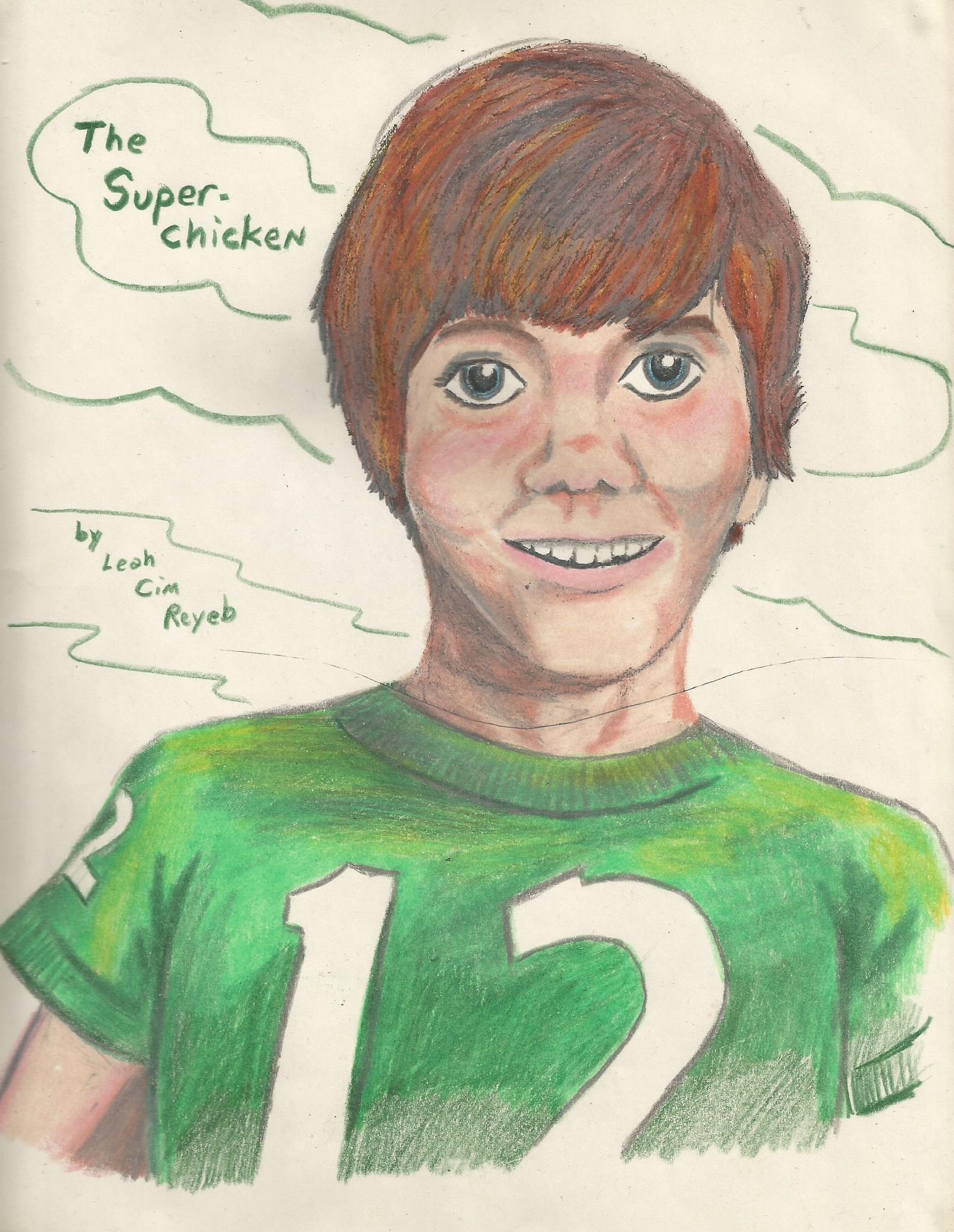
She’s also a character in The Bicycle-Wheel Genius and Fools and Their Toys.
It is unthinkable to use a character that much and make her grow and change in so many different ways. She should be used only once in a simple and clear way. Like, maybe, Mark Twain’s use of Huckleberry Finn.

Huck, as a character was only used in the books, The Adventures of Tom Sawyer, The Adventures of Huckleberry Finn, Tom Sawyer Abroad, Tom Sawyer, Detective… and… never mind. Forget I even said anything about Huck Finn. In fact, maybe this whole post is so ironic it’s making my story-teller gears all rusty. Never-the-less, let me threaten you with a possible part three.



Why School Should Be Cool
I was a school teacher for thirty-one years, and in spite of the immense amount of brain damage that builds up over time, especially as a middle-school teacher, I think I know what we’ve been doing wrong.
We need to take a look at an education system where things are working better than they are here.
Now, I know you probably didn’t click on the boring video about school. Heck, you probably aren’t even reading this sentence. But I can summarize it and put it in easy-to-understand words. Finland does not have to educate as many poor and disadvantaged kids as this country does. The video gives five ways that Finland does it better, but all of them boil down to the basic notion that the country is more homogeneous and uniformly middle-class than ours is. Still, we can learn things from them.
The first of the five ways that Finland does it better is a difference in government. While U.S. governmental safety-net programs blame people who need food stamps for being lazy (even though some of them work 40-hour work weeks in minimum-wage jobs), Finland gives a huge package to parents of everything they might need as soon as their child is born. As long as the child is in school, the government does many things to support the family’s efforts to educate them. Imagine what we could accomplish here if we invested some of the vast fortune we give to corporations in subsidies into educating poor black and Hispanic children instead. Children have a hard time learning in school when they come to school hungry. If we could only feed them better, the way the Fins do, we would revolutionize our classrooms.
The second point the video makes is the biggest suds-maker every time I get on my teacher’s soap box. They don’t give kids homework and they only give them one standardized test when they leave high school. I have recently covered this topic more thoroughly in a post in which I was able to ridicule Florida governor Rick “Skeletor” Scott. (Boy, did I enjoy doing that.) But I won’t go into all of that again here.
The third thing is respecting teachers. In Finland they treat teachers with the kind of respect that they give to doctors and lawyers. How cool is that? In Texas, calling someone a teacher is an epithet. If a teacher is liked or even loved by their students, administrators are encouraged to keep a closer eye on them to figure out what’s wrong. Students are supposed to hate their teachers and sit all day filling out mind-numbing test-preparation worksheets. Imagine what it could be like if teachers weren’t the scum of the earth. They might actually have students convinced that learning goes on in their classrooms.
The fourth point is that Finland does not try to cram more and more memorized details into young brains so they can spit it all back out on a test. They take students thoroughly into the subject of study, and at a slower, easier pace. They dive deep into the river of learning instead of wade through the wide and shallow parts. All questions get answered. And by that, I mean, student questions, not teacher questions. The learning is student-centered.
Finally, the video states that Finland simply has fewer social ills in their country to get in the way of good quality education. But even though the work is harder in this country, the potential is really there to go far beyond what Finland is capable of. We have a natural resource that is totally untapped in this nation. We don’t develop the minds of a majority of our children in any meaningful way. And I can tell you from having done it, you can teach a poor or disadvantaged child to think. You can give them the tools for academic, economic, and personal success. You can make them into valuable human beings. But you should never forget, they are already precious beyond measure. We just ignore and trash that inherent value. So, the information is out there about how to do a better job of educating our children. We need to follow through.
Here endeth the lesson.
Leave a comment
Filed under angry rant, commentary, education, humor, insight, teaching
Tagged as education, Finland's education system, humor, learning, lessons learned, teachers, teaching, teaching better, writing