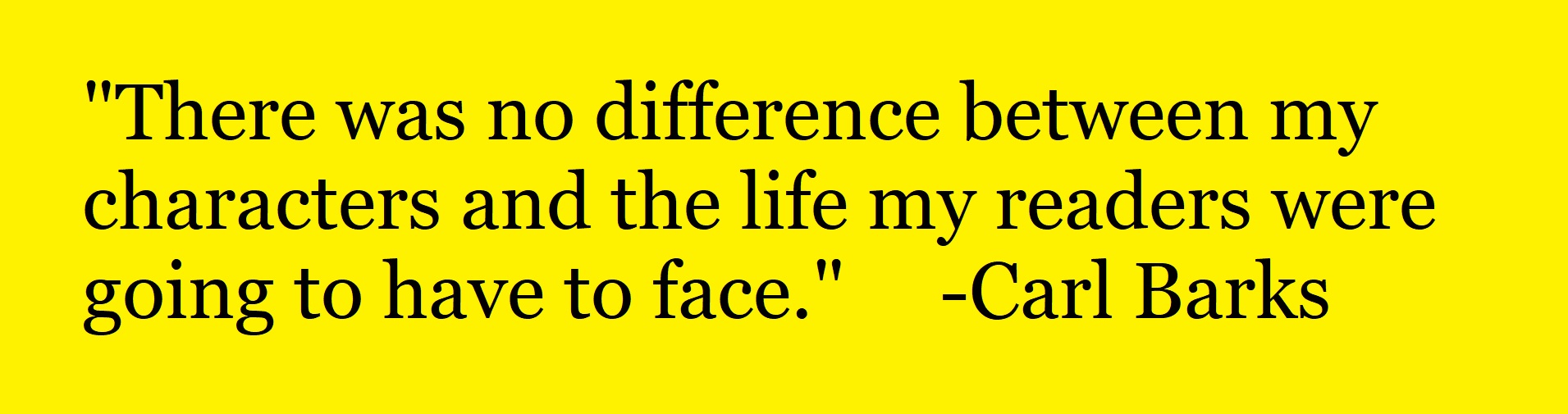
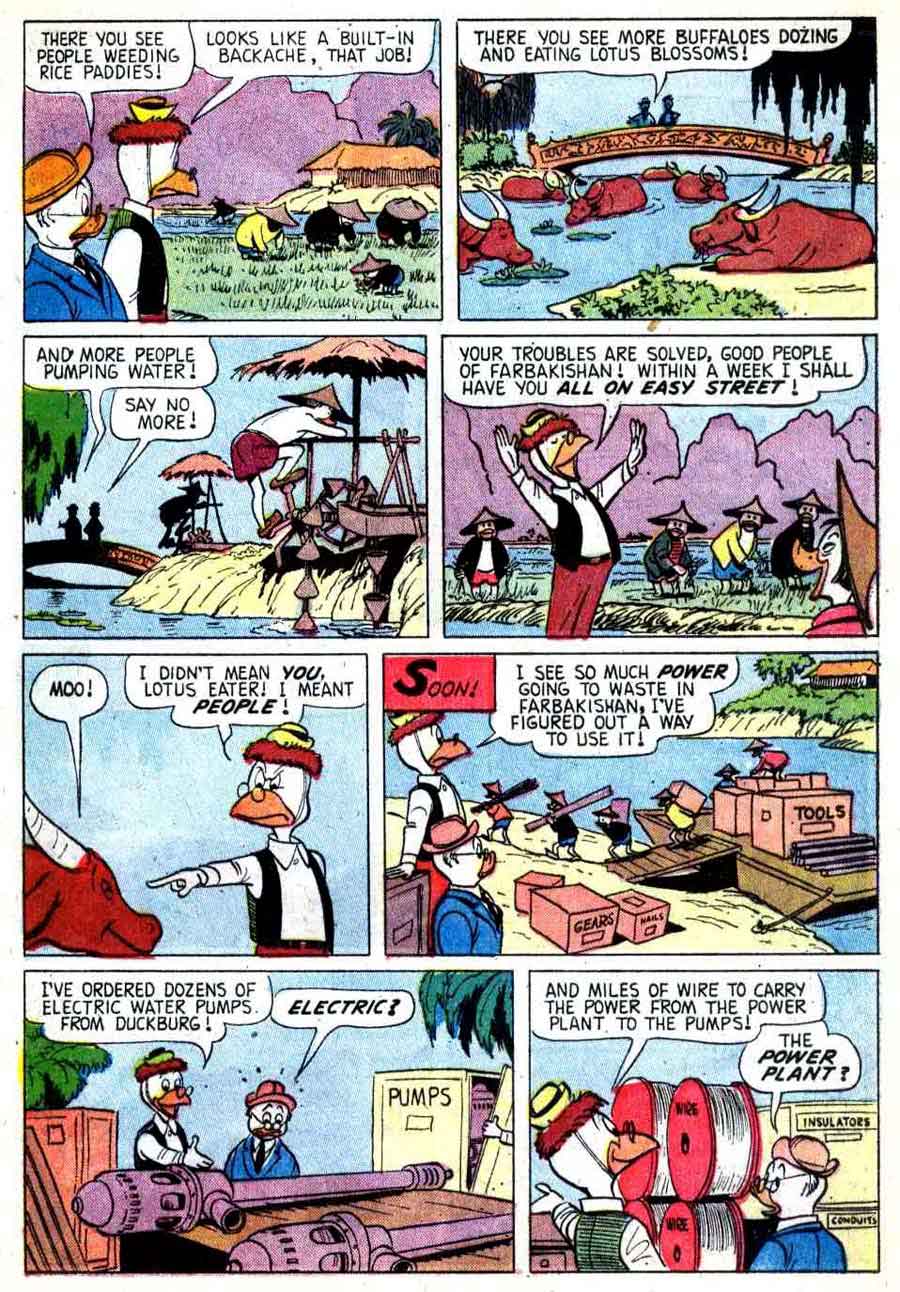
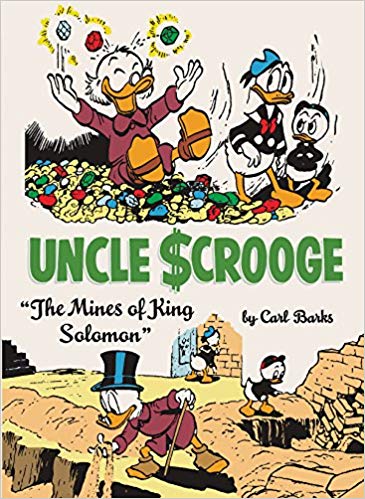
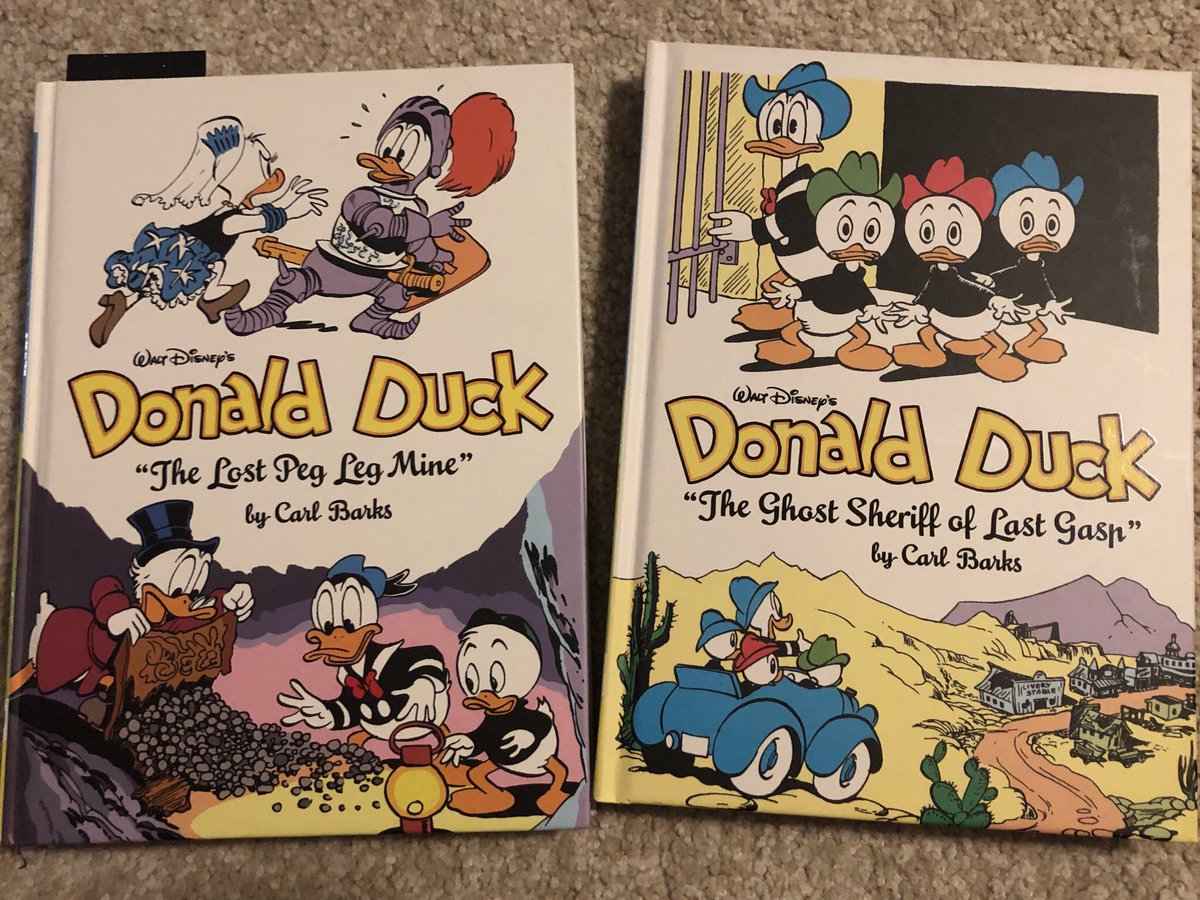
Carl Barks was born on March 27th, 1901. So, Friday will be his 125th birthday. If you have no idea who I’m even talking about, then you were never a kid and a comic book fan in the 1960s. Carl Barks is both Uncle Scrooge’s father and Donald Duck’s stepfather.
That’s essentially true. A large part of my character as a junior high school English teacher was based on what I learned about mentoring from Scrooge McDuck and about teaching important facts from Gyro Gearloose.
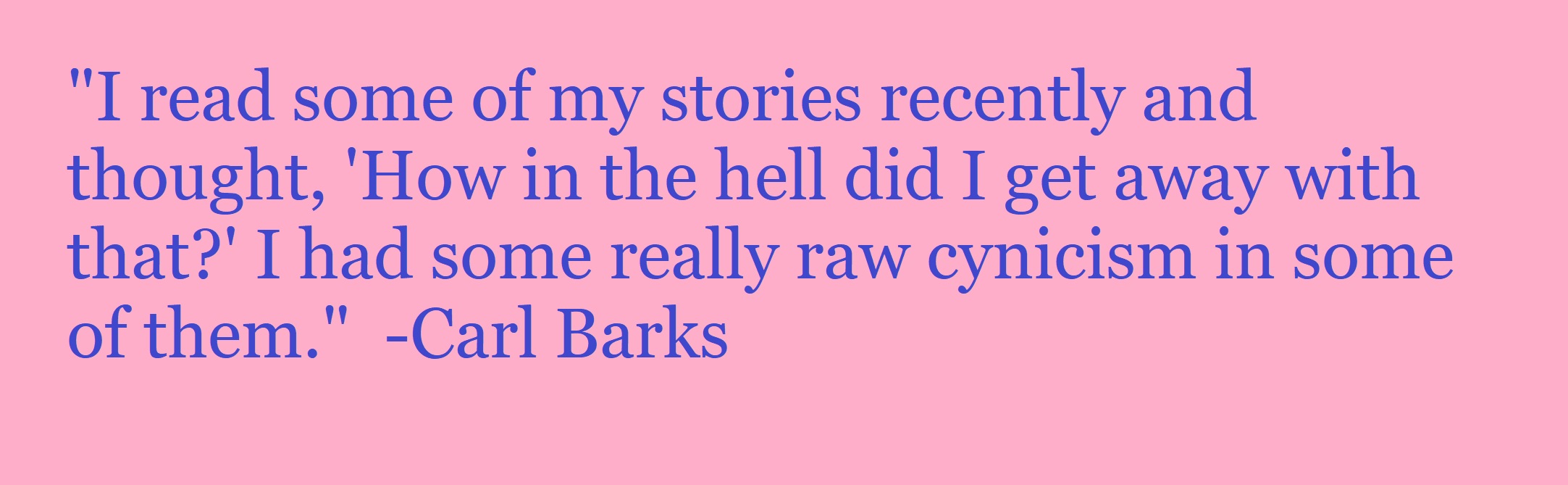
Carl was not immune to criticism. Cartoonists get blowback, a fact of life. But he overcame it with a wry sense of humor and interesting views of how you pursue goals in life. He had a firm sense of fair play and justice. You could get actual morals to the stories in a Carl Barks’ duck cartoon.
The characters were not perfect. They all had glaring flaws, the heroes right along with the villains. Of course, the villains never learned to change their ways, while the heroes often learned to improve themselves by working on the weaknesses, and it wasn’t all about becoming a gazillionaire (a term I think Barks may have invented).
I even learned a good deal about adventure story-telling from Carl Barks’ comic books about Duck people doing ducky stuff that was really about people doing people-y stuff in the real world. Yes, people in the world around me are very Carl Barks’ ducky.
So, happy birthday, Carl. 121 years young. And he’s only been gone from our world since August of 2000. He still talks to me and teaches me through his Duck comics.
It is a difficult thing to be an atheist who believes in God. Sometimes it takes an oxymoron to find the Truth. And you often have to go heavily on the “moron” portion of the word.
The thing I find most distressing about faith is the fact that those who have it are absolutely convinced that if you don’t agree with them and whatever book of fairy tales they believe in and interpret for you, then you are not a True Believer and you do not have real Faith.
I remember being told by a Mormon girl in one of my classes that I was her all-time favorite teacher, but she was deeply distressed that, because of my religion (I professed to be a Jehovah’s Witness at the time) I was doomed to burn in Hell forever.
Hey, I was raised in Iowa. I have experienced minus 100 degree Fahrenheit windchill. I am among those who think a nice warm afterlife wouldn’t necessarily be a bad thing.
But I am no longer actually a Jehovah’s Witness. So I guess that helps with the whole Hell-burning thing. The Witnesses are a religion that claims to understand the Bible is full of metaphorical truth, and yet insist that it is literally true. They don’t believe in Hell, which, honestly, is not actually mentioned or explained in the Bible as we have it now. But they do believe your prospects for eternal life on a paradise Earth are totally contingent on knocking on doors and telling other people that they must believe what you believe or experience eternal destruction. I have stopped being an active Witness and knocking on doors because I got old and sick, and all the caring brothers and sisters in the congregation stopped coming around to visit because number one son joined the Marines, and the military is somehow evil hoodoo that cancels out any good you have done in the past. Being a Jehovah’s Witness was really hard work with all the meetings (5 per week), Bible reading (I have read the entire Bible two and a half times), door-knocking, and praying, and you apparently can lose it all for saying, thinking, or doing one wrong thing.
According to the Baptist preachers, Jehovah’s Witness elders, religious zealots, and other opinionated religious people I have known and dealt with in my life, if I do not believe what they believe and agree with them in every detail, then I do not know God and am therefore an atheist. So, okay, I guess I am. If I have to be an atheist to believe whole-heartedly that everyone is entitled to sincerely believe whatever the hell they want to believe, then I’ll wear that label.
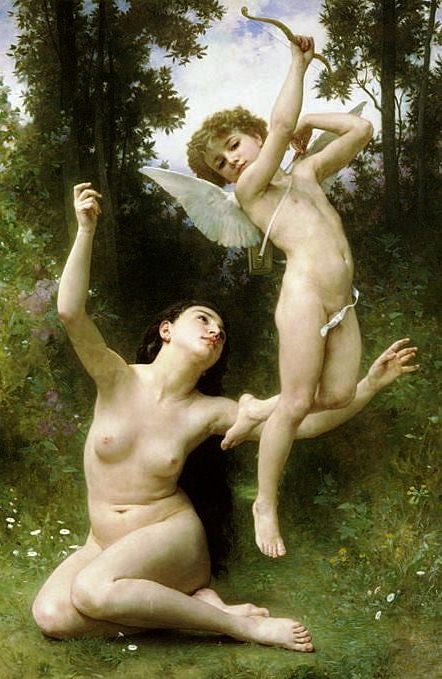
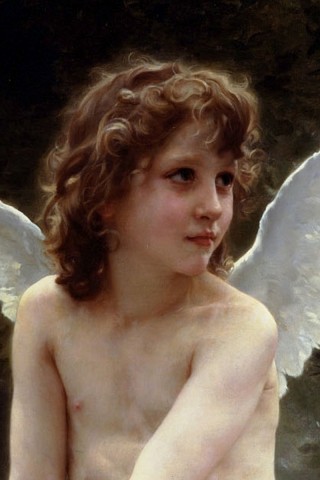
On a personal note, my favorite verse of the Bible has always been 1 John 4:8, “He that does not love has not come to know God, because God is love.” That is why I claim to be an atheist who believes in God. I know love. I love all men, women, children, animals, sunrises, artwork, paintings of angels by Bouguereau… everything that is. And I even love you if you exercise your freedom to tell me, “Your ideas are totally wrong, and you are going to burn in Hell, Mickey, you bad guy, you!” Mark Twain always said, “I would choose Heaven for climate, but I would prefer Hell for company.” I am not going to worry about it. I will be in good company. Some things are just bigger than me. And trying to control things like that is nonsense. Sorta like this post.
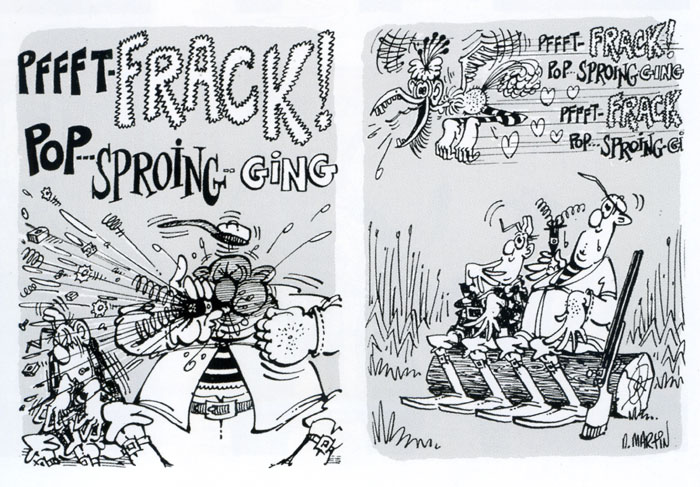
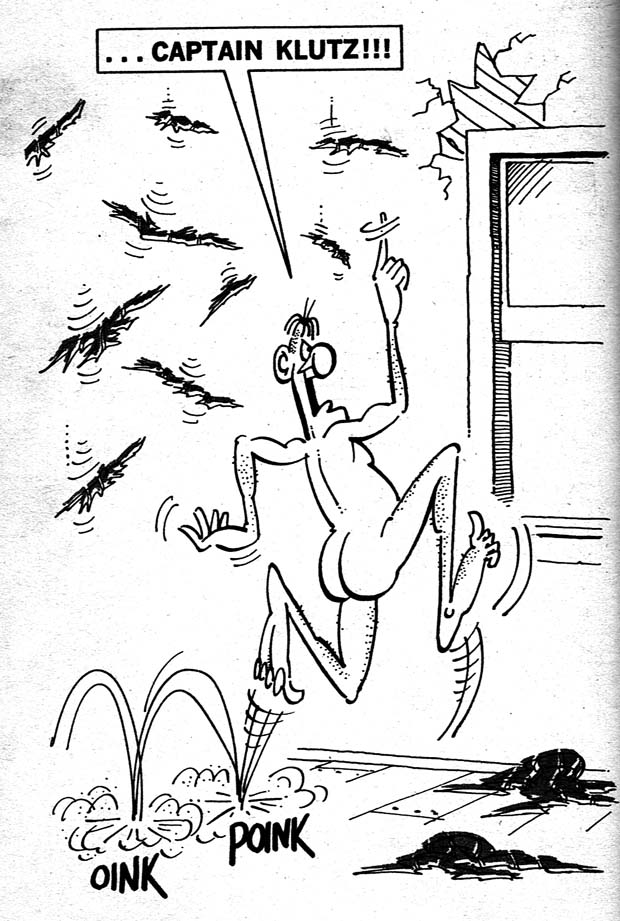
Born in 1931 and lasting in this crazy, mixed-up world until the year 2000, Don Martin was a mixy, crazed-up cartoonist for Mad Magazine who would come to be billed as “Mad Magazine’s Maddest Artist.” His greatest work was done during his Mad years, from 1956 (the year I was born… not a coincidence, I firmly believe) until his retirement in 1988. And I learned a lot from him by reading his trippy toons in Mad from my childhood until my early teacher-hood.
His style is uniquely recognizable and easily identifiable. Nobody cartoons a Foon-man like Don Martin.
The googly eyes are always popped in surprise. The tongue is often out and twirling. Knees and elbows always have amazingly knobbly knobs. Feet have an extra hinge in them that God never thought of when he had Adam on the drawing board.
And then there is the way that Martin uses sound effects. Yes, cartoons in print don’t make literal sounds, but the incredible series of squeedonks and doinks that Martin uses create a cacophony of craziness in the mind’s ear.
And there is a certain musicality in the rhyming of the character names he uses. Fester Bestertester was a common foil for slapstick mayhem, and Fonebone would later stand revealed by his full name, Freenbeen I. Fonebone.
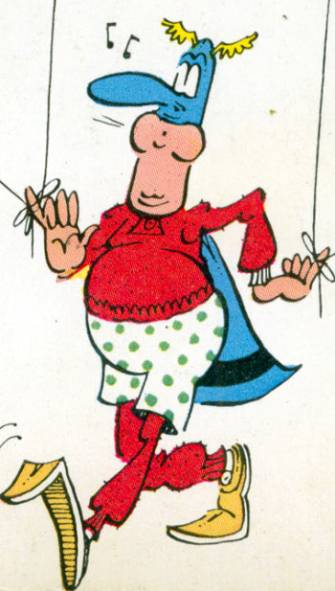
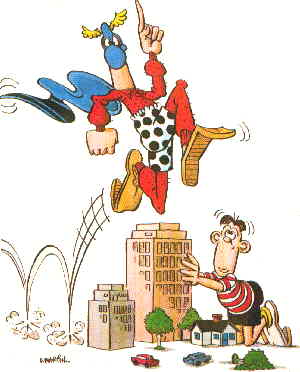
And, of course, one of his most amazingly adventurous ne’er-do-well slapstick characters was the immeasurable Captain Klutz!
Here, there, and everywhere… on the outside he wears his underwear… it’s the incredible, insteadable, and completely not edible… Captain Klutz!
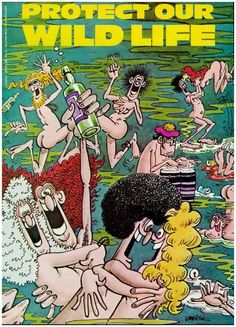
If you cannot tell it from this tribute, I deeply love the comic genius who was Don Martin, Mad Magazine’s Maddest Artist. Like me he was obsessed with nudists and drawing anatomy. Like me he was not above making up words with ridiculous-sounding syllables. And like me he was also a purple-furred gorilla in a human suit… wait! No, he wasn’t, but he did invent Gorilla-Suit Day, where people in gorilla suits might randomly attack you as you go about your daily life, or gorillas in people suits, or… keep your eye on the banana in the following cartoon.
So, even though I told you about Bruce Timm and Wally Wood and other toon artists long before I got around to telling you about Don Martin, that doesn’t mean I love them more. Don Martin is wacky after my own heart, and the reason I spent so much time immersed in Mad Magazine back in the 60’s, 70’s, and 80’s.
Lena the Hyena appeared in Al Capp’s comic strip Li’l Abner in 1946.
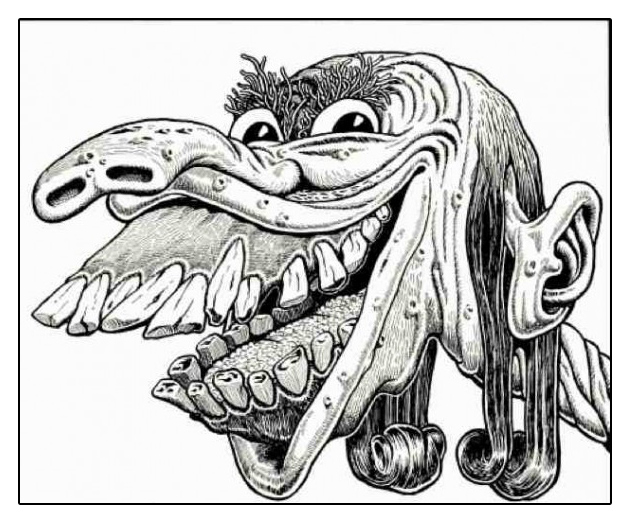
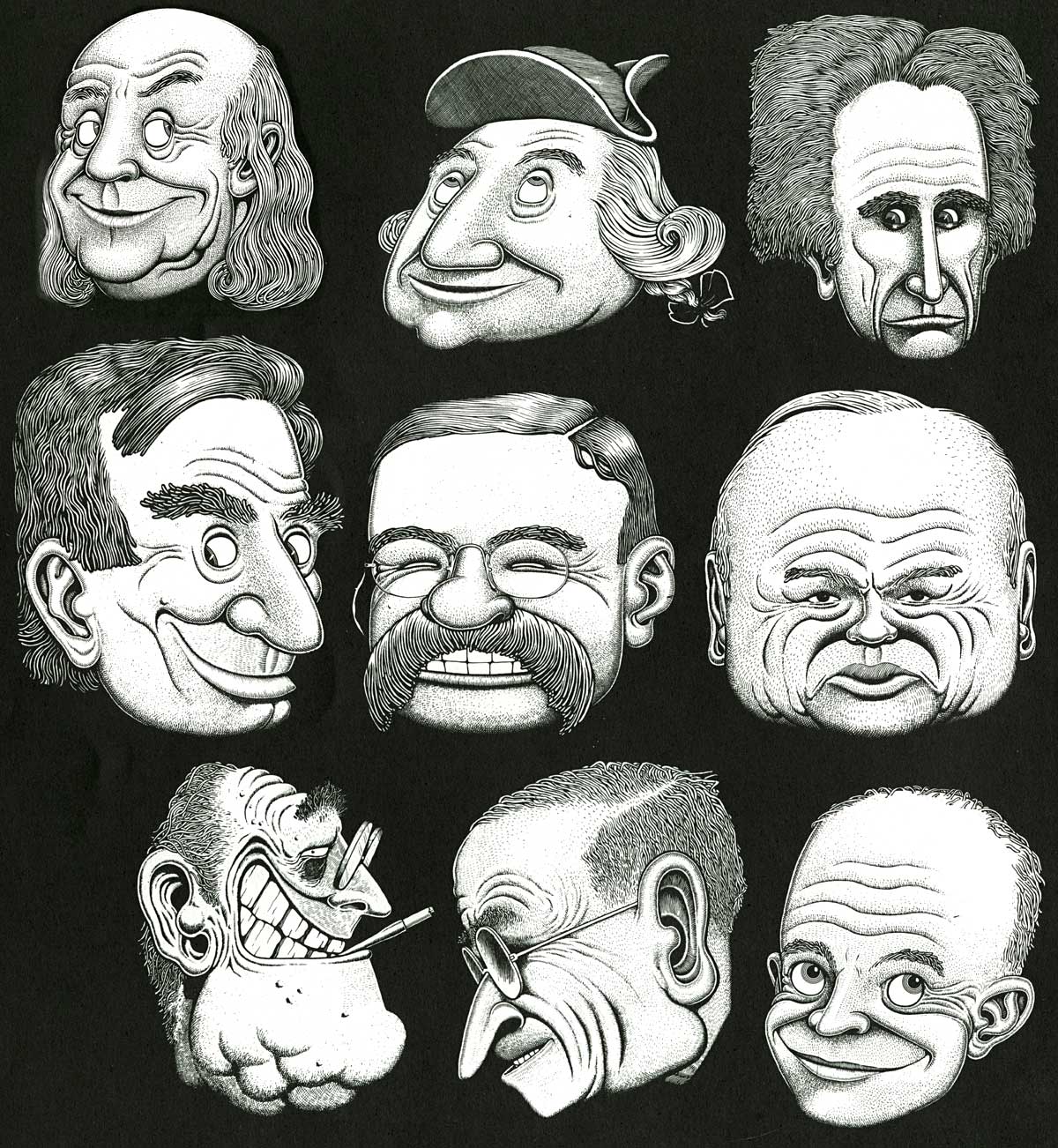
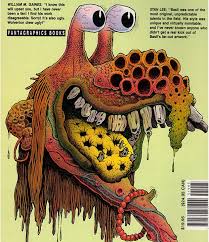
Basil Wolverton (1909 to 1978) became famous as a cartoonist by winning a contest. He submitted the picture of Lena to Al Capp’s newspaper strip to answer the question of what Lena, who had been appearing for weeks in Li’l Abner underneath a black square with an editor’s warning printed on it that she was just too ugly to be revealed, actually looked like. Capp ran the contest to depict Lena and selected Wolverton’s drawing from among 500,000 entries. I think Capp got it right when he chose this to be the world’s ugliest woman.
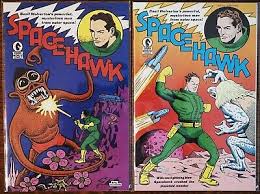
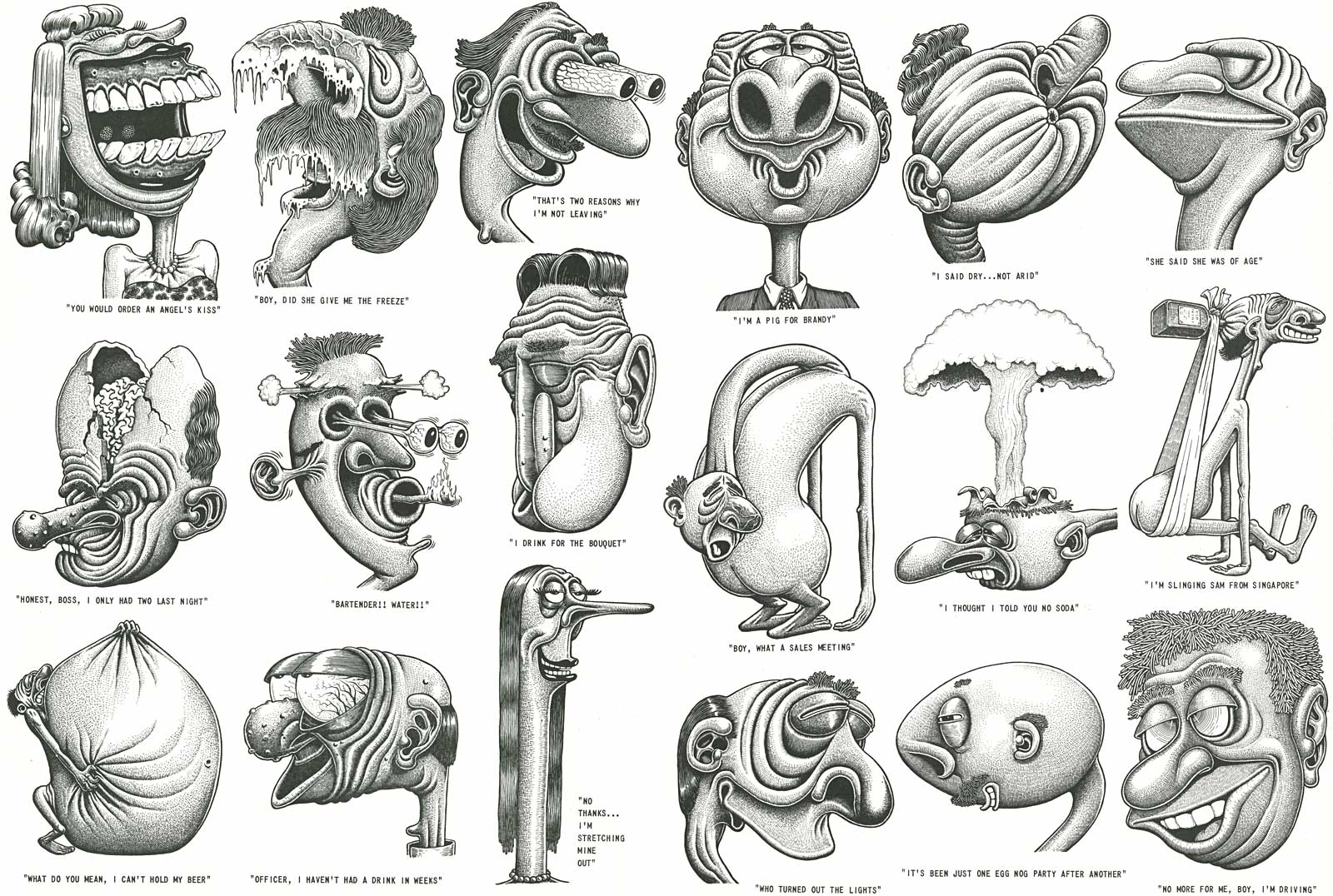
Wolverton had done comics before this one amazingly ugly picture. He did Spacehawk for Target Comics up to 1942, and he did a comic series called Powerhouse Pepper for Timely Comics (which is the company that became Marvel after the 1940’s.) But Lena not only brought him fame, it really started him down the path of his intensely detailed “spaghetti and meatballs” style of rather ugly comic art.
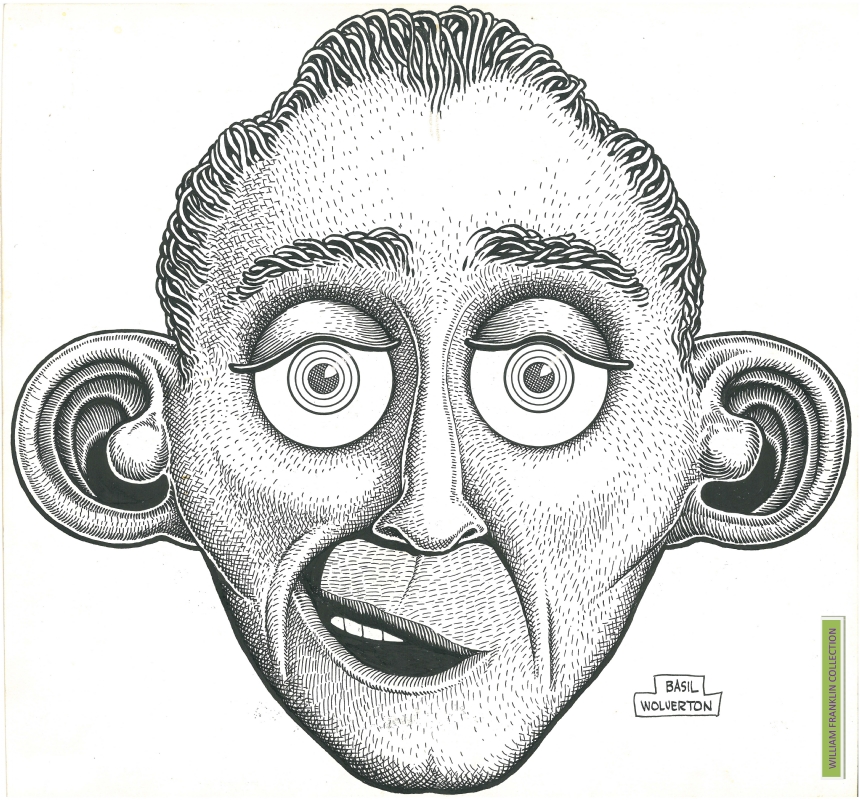
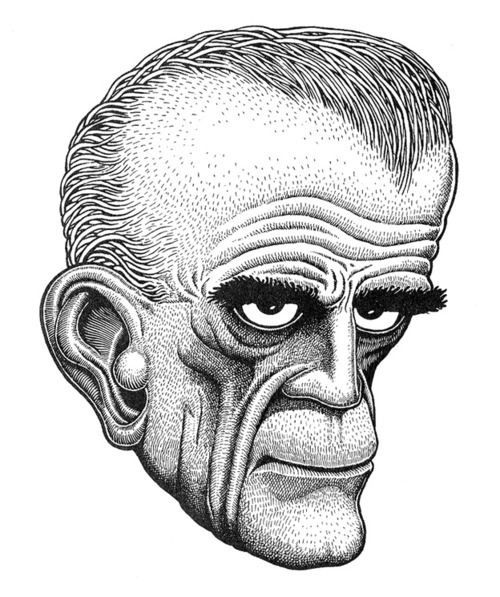
He used millions of little dots and lines to create art that would really soak up the printer’s ink supply and gave his artwork a uniquely “pointillistic” look.
Recognize these as portraits of Presidents and politicians?
Here’s Wolverton’s portrait of Bing Crosby.
And here’s monster movie monarch, Boris Karloff.
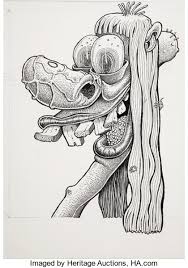
But what really made Wolverton’s unique artwork popular and lucrative was his uniquely twisted and downright ugly portraits.
ugh! wotta beauty!
Ain’t this one… um… unique?
He would go on to be featured in Mad Magazine, Cracked, Panic Magazine, and Topp’s trading card series of Ugly Posters. He managed to do work that reached amazing levels of monstrously ugly humorous mastery of pen and ink drawings.
For years Basil made me laugh. But there’s no denying it… Basil masterfully drew really, really ugly artwork.
It seems sometimes, in a Judaeo-Christian society, that we are a constantly being scrutinized by a rather harsh all-knowing God who rewards getting the faith-words accurately correct, to the letter, and the faith-based actions perfect, without a single mistake. And He punishes missteps of word or deed with pain and suffering and the potential of an eternity in Sheol or Hell. And that is a tough God to live with. He is like a teacher who uses his or her God-like powers to reward or punish to lead his students all down an exacting, narrow path to a destination that does not have room for everyone when they arrive.
It doesn’t take long in childhood for a highly intelligent person to realize before childhood is over that this cosmology is actually a load of horse pucky. It didn’t even take long for somebody as semi-stupid as me.
What I like about listening on YouTube to Alan Watts’s wisdom is that he gives us an alternative way of seeing the universe and ourselves. This he can offer through his studies of Eastern and Buddhist philosophies. Everything appealing in John Lennon’s signature song, “Imagine,” comes from Lennon’s love of listening to Alan Watts’ lectures. He is obviously a wise guy.
Alan Watts teaches us the pathways that lead to finding yourself, who you truly are, and how you fit into the universe as a whole. When Carl Sagan says that we are all made of star-stuff, he is not only telling us what is literally true, as the elements our bodies were formed from were literally made in the nuclear forges at the centers of stars that later exploded in nova bursts to scatter the elements across the skies of everywhere. He is also telling us that what Alan Watts says is metaphorically true, that everything in the universe is part of the same thing and we are all one in this way.
There is plenty to worry about in my little life. I could easily drop dead at any time from any one of my six incurable diseases or even the return of the skin cancer I beat in 1983. I suffer from the consequences of disease daily, as I have for many years now. My sins are many. I broke my promise the other day to never show you the horrors of my naked body on this blog. I constantly eat the wrong thing and continue to do things that I know are bad for the environment and the health of my body. I am prejudiced against racists, stupidity, and the actions of dedicated Trump-lovers. In many ways I deserve God’s wrath and brutal correction. I have come to truly believe that climate change is going to end life on Earth. I am horrible.
But I have learned from Alan Watts that all of those concerns mean nothing. I don’t believe in Heaven or an afterlife. But I do not fear death. I am one with the universe. And the universe goes on even if I do not. And I will always be a part of it, even after I am no longer alive. The universe has a mind and is intelligent And I take part in that because one small part of that intelligence is me, and lives in my head.
There is comfort to be found in the words of Alan Watts. And living in pain as I do, I really need that comfort most of the time. That is why I have attempted to share a bit of that comfort with you.
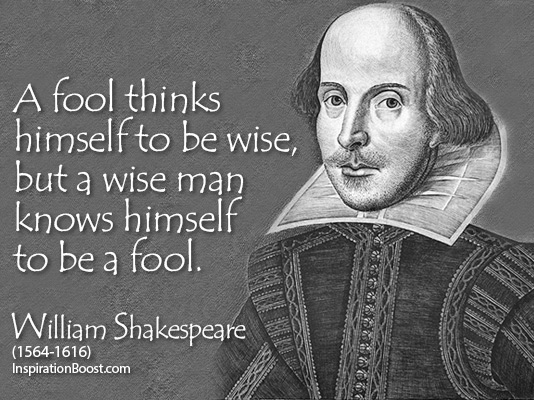
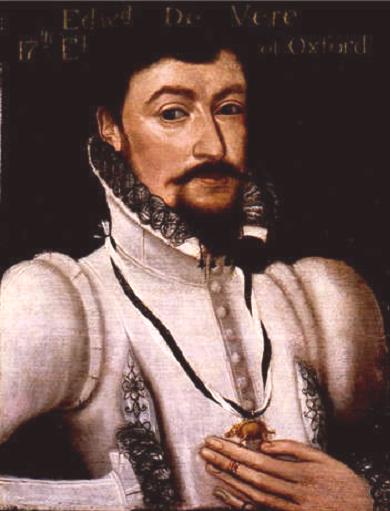
Yes, I am, perhaps, a bit of a fool for believing Edward de Vere, the 17th Earl of Oxford, is the writer behind the works of William Shakespeare. How do you prove something is true when it is so obvious that someone worked really hard to keep it a secret for all this time? Is it a betrayal of the man to go against his apparent wishes and try to out him for his incredible secret? It is hard for me to judge. After all, I know I am a fool.
But even if he is not Shakespeare, and just sits at the apex of a mountain of coincidences, I am fascinated by the historical character of Edward de Vere.
The keep at Hedingham Castle, the de Vere family seat in Essex (photo by David Phillips)
He was born the only son of John de Vere, the 16th Earl of Oxford, and heir to the second oldest title among English nobility. His father stood by Elizabeth when she was under house arrest under the reign of Bloody Mary, and went with her as a court favorite to the throne of England when she survived the ordeal. So naturally Edward was a favorite of Elizabeth’s since childhood. Later stories would suggest he became the Queen’s secret lover, but the rumors of the Virgin Queen’s harlotry were most likely the invention of Philip of Spain and other nobility in Catholic Europe who plotted endlessly against her because she chose to adopt her father’s protestant Anglican religion instead of returning England to Catholicism like her half-sister Mary before her. Elizabeth’s personal integrity may not have been perfect. Still, the love she bore for young Edward was probably not the improper kind that the movie Anonymous, directed by Roland Emmerich, suggested.
But even though de Vere was born lucky, I would not say he was particularly lucky in life. He was only twelve when his father (though having completed his will) died. The result being that he was made ward to Queen Elizabeth herself. She was not exactly the foster-mother type, however. She sent the boy to be raised in the home of her Secretary of State and chief adviser, William Cecil (later made Lord Baron Burghley). Meanwhile, Elizabeth took possession of some of his estates in payment for the wardship and bestowed them on Robert Dudley (her childhood friend and probable one true love, though he was married to someone else). Young Edward was a difficult student. His tutor, the famous scholar Laurence Nowell, resigned in frustration, probably because the boy was too bright and far-reaching for the antiquarian scholar to deal with, possibly himself being a bit dumber than advertised. Edward quickly developed a reputation for love poetry at Elizabeth’s royal court. He was a gifted, though somewhat conflicted, prodigy.
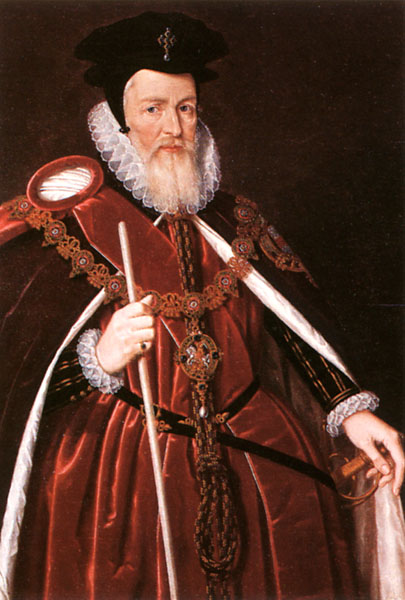
William Cecil, 1st Baron Burghley
And here is what I find most fascinating about his life story. As you reread it, keeping the works of Shakespeare in mind, you begin to see Shakespeare’s source material coming to life. Edward would end up marrying Cecil’s young daughter Anne, so that Lord Burghley was not only a man who raised him, but also his father-in-law. But marrying off your offspring to nobility was an accepted manner of social climbing, and Cecil wasn’t entirely sure he couldn’t do better for his daughter. And the meddlesome, lecturing, and self-righteous nature of the man comes out in Shakespearean characters like Polonius in Hamlet who spies upon the suicidal prince because he fears the effect Hamlet’s love for his daughter Ophelia might have on her reputation, causing him to spout all manner of cliches and stuffy, self-important advice.
Robert Cecil, Lord Salisbury
Cecil’s son Robert, the hunchbacked boy who grows up to take over his father’s office as adviser to both Elizabeth and James I, is a crafty statesman and plotter who is the undoing of the Earl of Essex in a real-life plot against the throne of Elizabeth. It is hard not to read about his real-life exploits without seeing the connections to Iago in Othello and the conniving hunchback Richard III.
So, once again I have overshot my target length in this essay because I get so wound up in the details of my discoveries. There are numerous things written and published about the connections between de Vere and the Bard himself. I have only begun to scratch the surface in this telling of it. But I am just a fool with a humor blog. If it interests you at all, I encourage you to go to as many of the available sources as you can possibly Google. I haven’t yet finished doing that myself. And I do hope I haven’t told anything here that makes Shakespeare turn over in his grave (if, indeed, a grave could ever really hold him.)
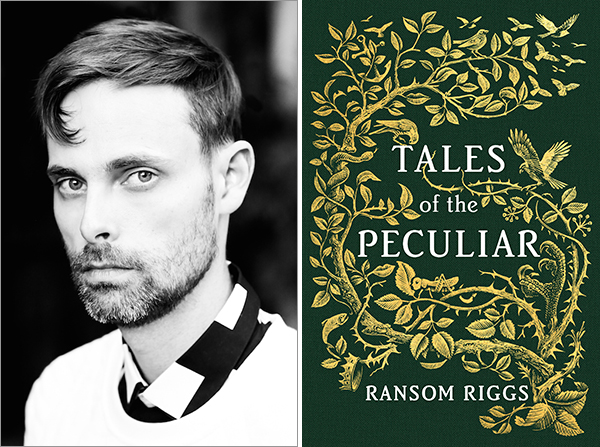
The gentleman writer pictured above is a successful creator of innovative and engaging fiction. As a 1979 vintage, he was still a toddler when I began my teaching career in 1981. Like John Green, another author I admire who was only a small child when I began teaching, he cut his writer’s teeth by writing for Mental Floss the humor-centric publisher of puzzles, facts, and trivia. While I do, in fact, envy his success, I do not in any way take it lightly. He is a capable, highly-intelligent story-teller whose books I have grown to dearly love.
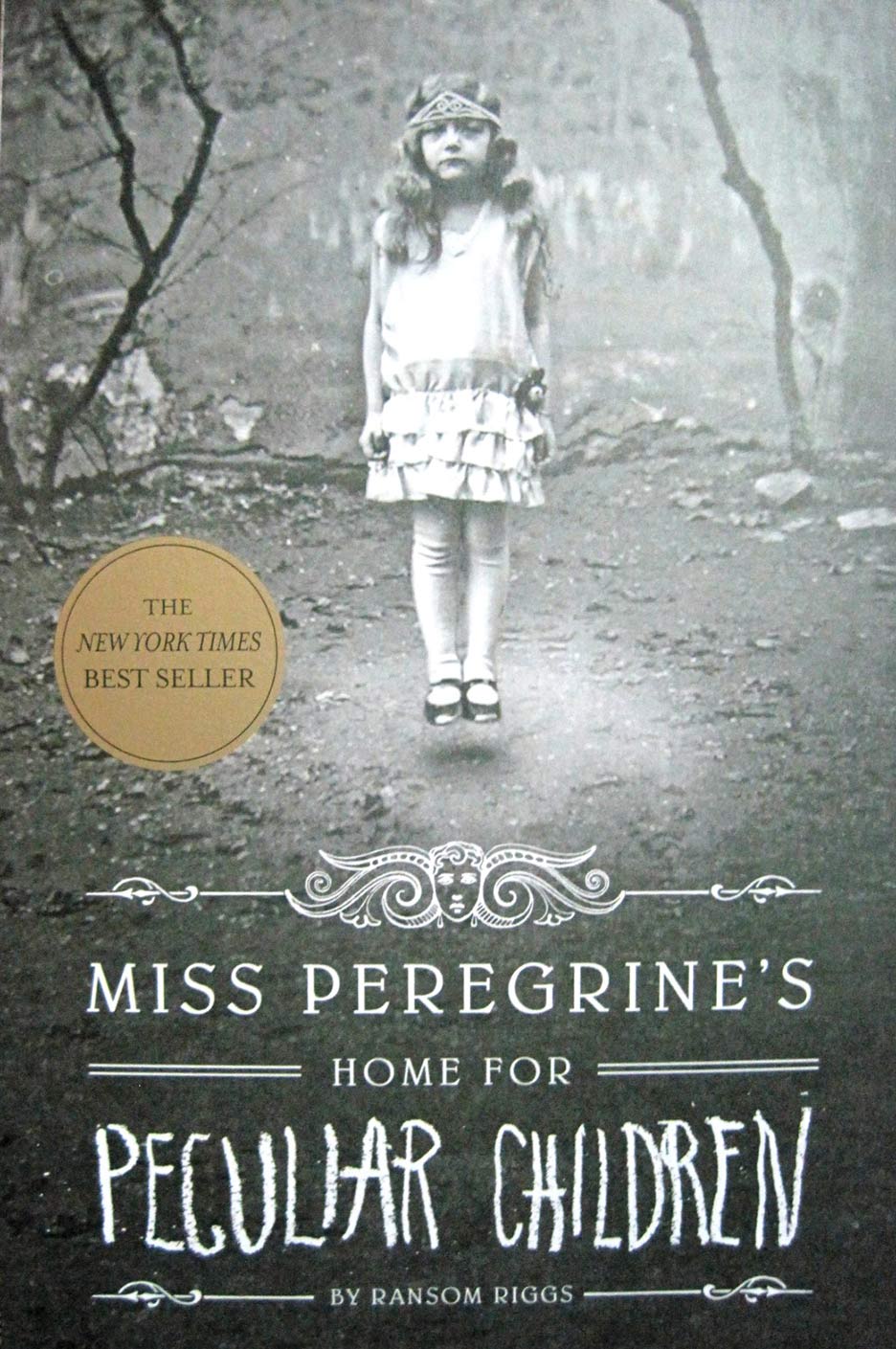
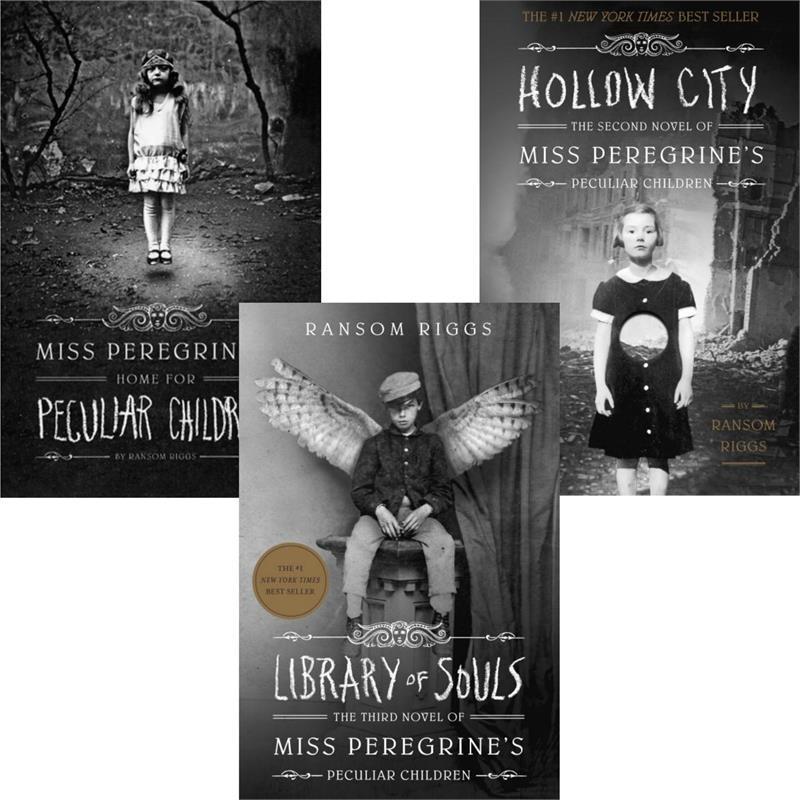
The first book in the peculiar series, also the first book I snagged at Half-Price Books and then devoured in a week (I bought a second copy to read after foolishly eating the first), is the peculiar tome pictured above. In these stories, the peculiar author presents numerous old black-and-white photographs from the days when stereopticons stood in for televisions because the so-called boob-tubes hadn’t had the decency to be invented yet. Most of these photos are bizarre in some way like the one used on his first cover. And the pictures become the story. The girl on the cover of Miss Peregrine’s Home for Peculiar Children becomes Olive, a young girl whose peculiar power is to float in the air. In fact, she has to wear lead shoes to keep from floating off into the sky.
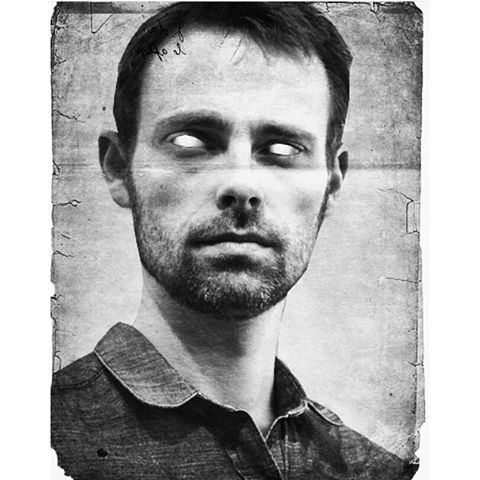
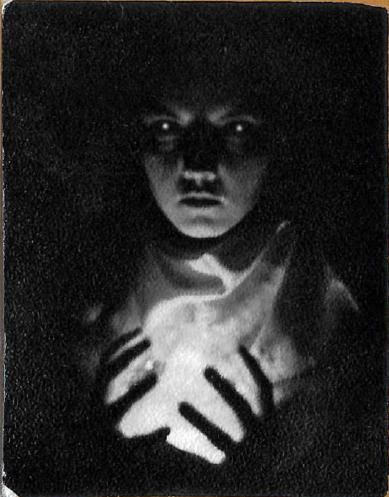
Ransom Riggs as a wight, the vampire-like villains of the series of peculiar books.
Peculiars are menaced by, and have to be protected from wights, former peculiars who eat the souls of their own kind to become white-eyed powerful villains who wish to rule and eat all peculiar people.
The peculiar children have to be protected by creatures called Ymbrynes, women who were originally peculiar birds that found they could turn into human women, and not only that, could loop time in ways that provided pockets of protection from those who would persecute them where time never passed.
Emma, a peculiar girl who can generate fire from her bare hands.
The protagonist-narrator of the entire trilogy is Jacob Portman, a Florida boy who learns that he has inherited a one-of-a-kind peculiar power from his grandfather (turning it into a two-of–kind thing). And when his grandfather is killed by wights, he learns of a place he must go to take his grandfather’s former place guarding Miss Peregrine’s troop of peculiat children, including Emma, pictured here, (a hot chick in more than one way).
I will not tell you any more of the story of the trilogy. I hate to spoil anything from another author’s work. I found that the discovery of every delicious detail and oddity along the way was the tastiest feature of the fiction. (I do have to break that bad habit of eating books. Gustatory learning, my peculiar ability and my curse.) I will, rather, merely recommend that you discover the peculiar charms of these peculiar books for yourself. (And try not to discover them by eating them. Books have too much fiber and too little protein to be used like that.)
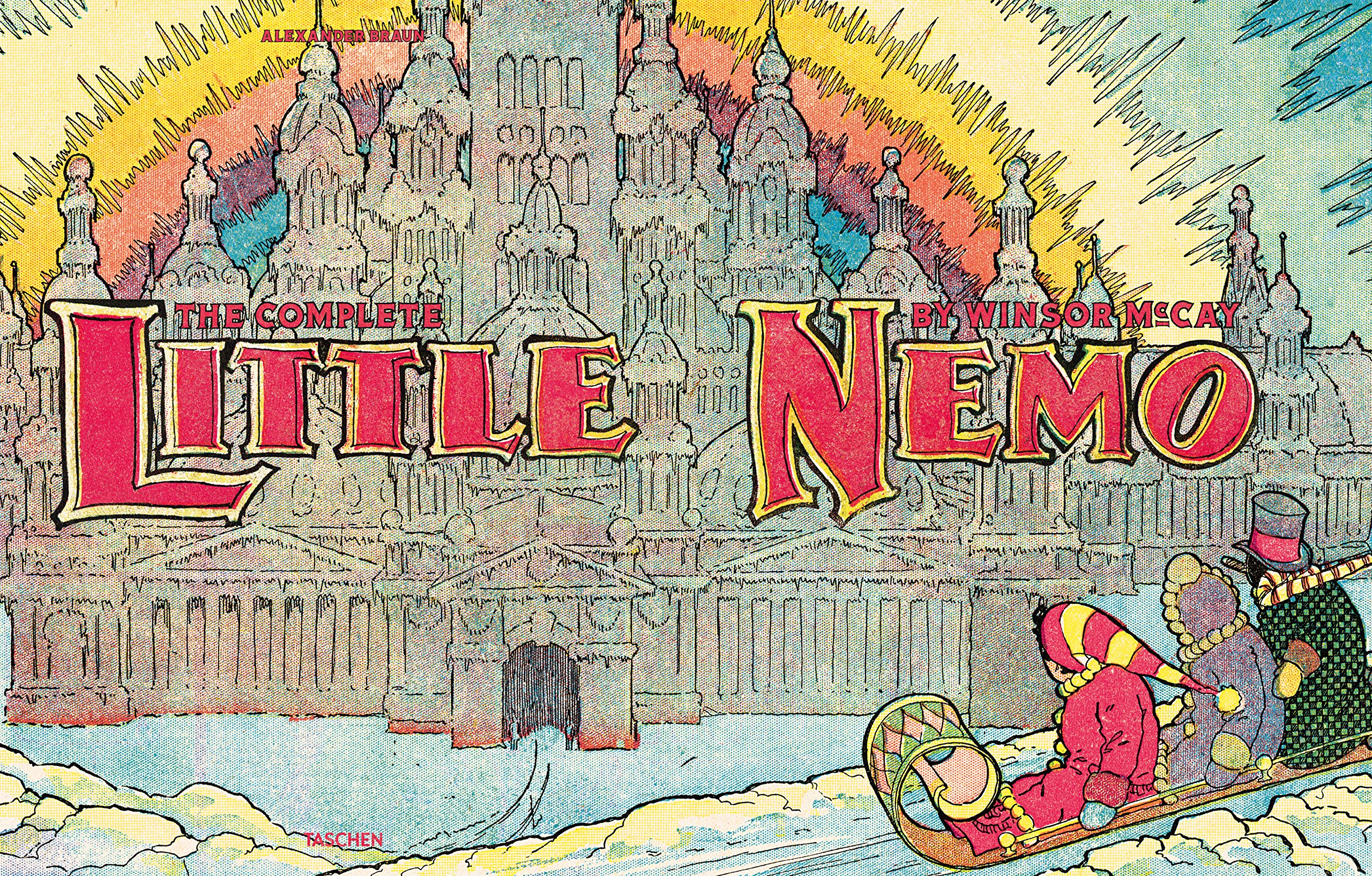
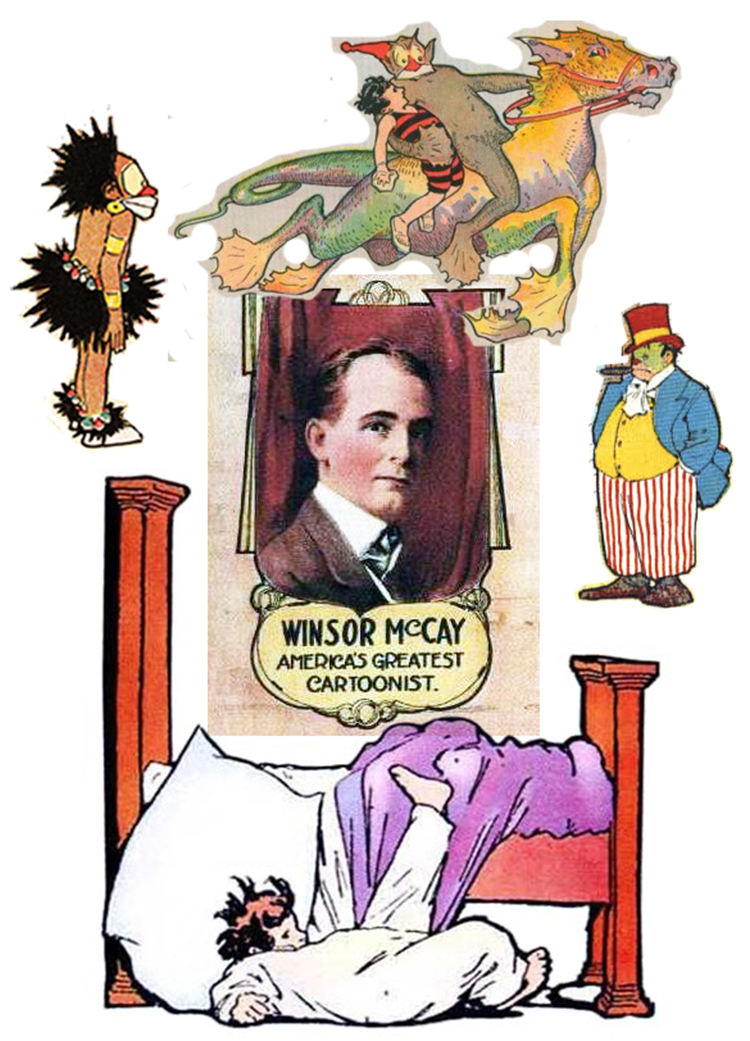
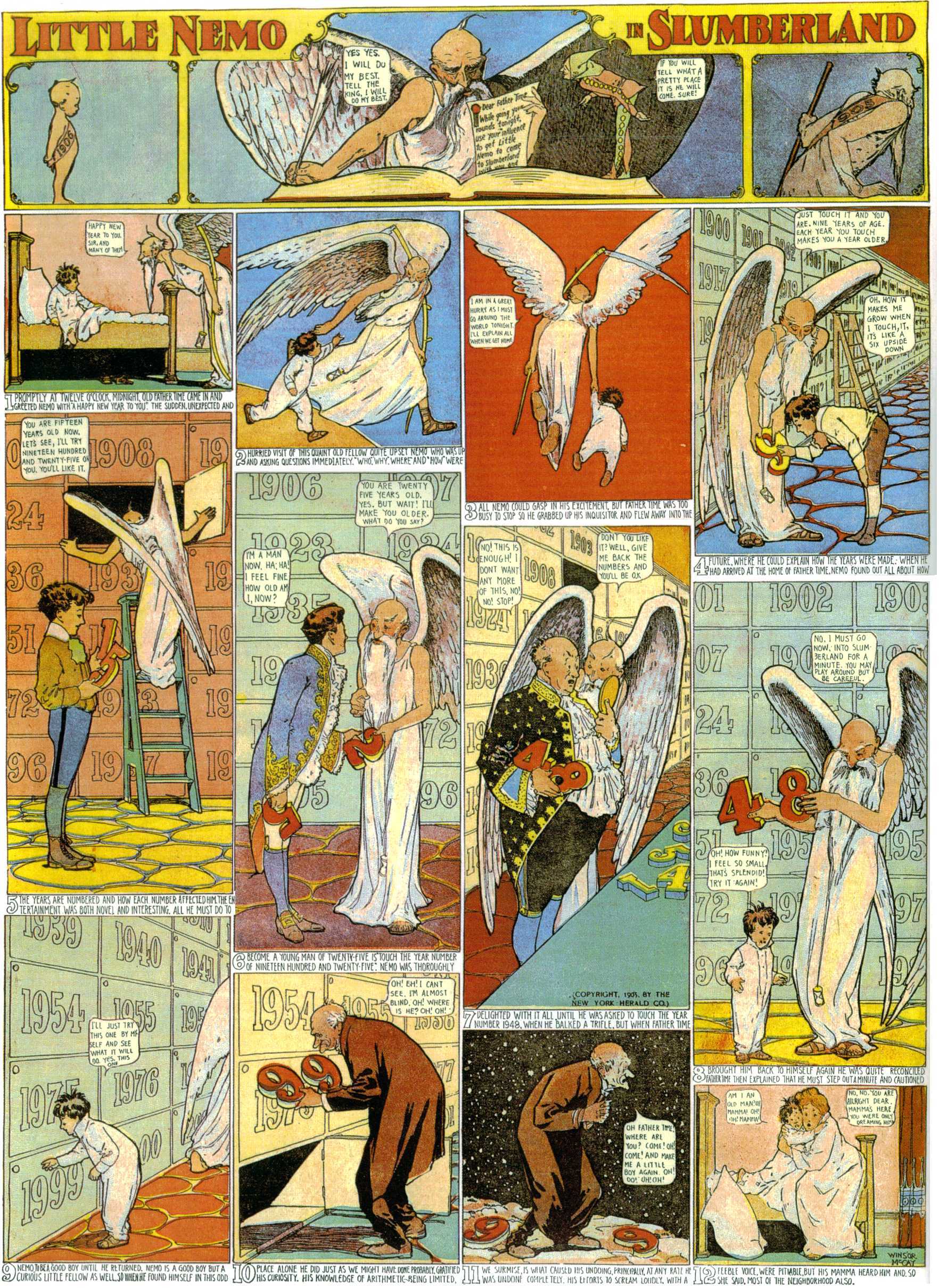
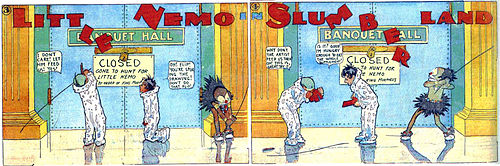
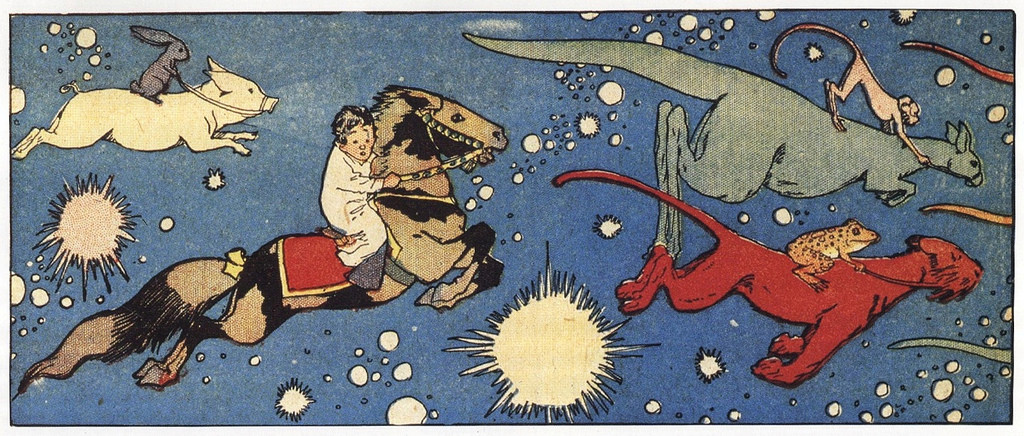
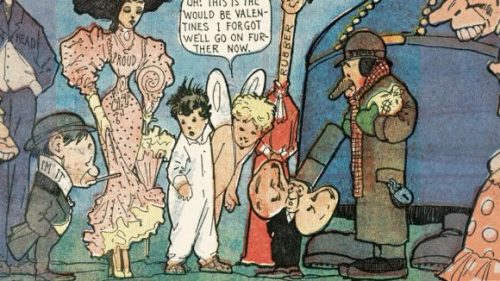
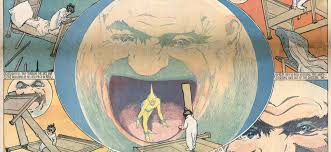
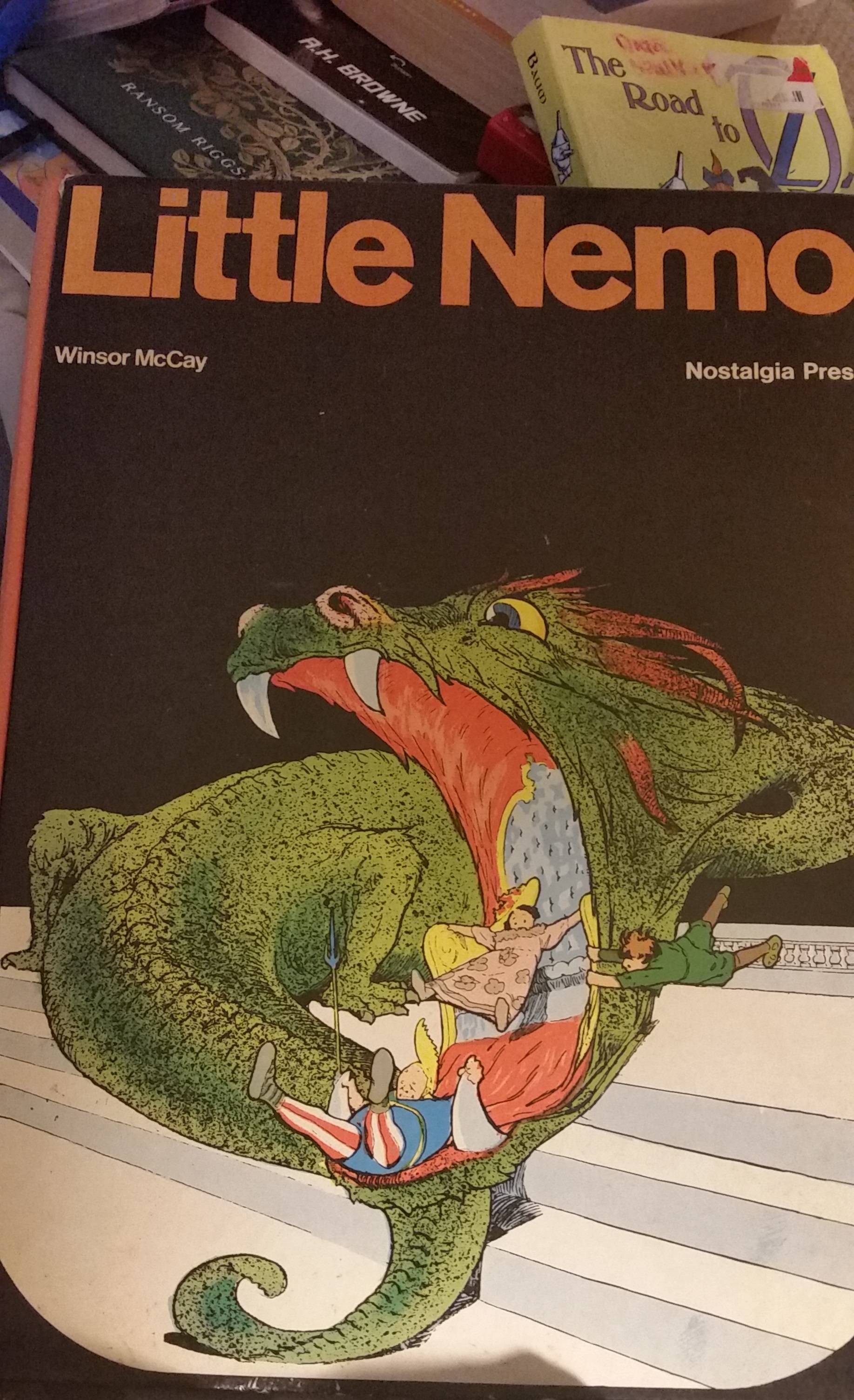
One work of comic strip art stands alone as having earned the artist, Winsor McCay, a full-fledged exhibition at the Metropolitan Museum of Art in New York City. Little Nemo in Slumberland is a one-of-a-kind achievement in fantasy art.
Winsor McCay lived from his birth in Michigan in 1869 to his finale in Brooklyn in 1934. In that time he created volumes full of his fine-art pages of full-page color newspaper cartoons, most in the four-color process.
The New Year’s page 1909
As a boy, he pursued art from very early on, before he was twenty creating paintings turned into advertising and circus posters. He spent his early manhood doing amazingly detailed half-page political cartoons built around the editorials of Arthur Brisbane, He then became a staff artist for the Cincinnati Times Star Newspaper, illustrating fires, accidents, meetings, and notable events. He worked in the newspaper business with American artists like Winslow Homer and Frederick Remington who also developed their art skills through newspaper illustration. He moved into newspaper comics with numerous series strips that included Dreams of the Rarebit Fiend and Little Nemo in Slumberland. And he followed that massive amount of work up by becoming the “Father of the Animated Cartoon” with Gertie the Dinosaur, with whom he toured the US giving public performances as illustrated in the silent film below;
The truly amazing thing about his great volume of work was the intricate detail of every single panel and page. It represents a fantastic amount of work hours poured into the creation of art with an intense love of drawing. You can see in the many pages of Little Nemo how great he was as a draftsman, doing architectural renderings that rivaled any gifted architect. His fantasy artwork rendered the totally unbelievable and the creatively absurd in ways that made them completely believable.
I bought my copy of Nostalgia Press’s Little Nemo collection in the middle 70’s and have studied it more than the Bible in the intervening years. Winsor McCay taught me many art tricks and design flourishes that I still copy and steal to this very day.
No amount of negative criticism could ever change my faith in the talents of McCay. But since I have never seen a harsh word written against him, I have to think that problem will never come up.
My only regret is that the wonders of Winsor McCay, being over a hundred years old, will not be appreciated by a more modern generation to whom these glorious cartoon artworks are not generally available.
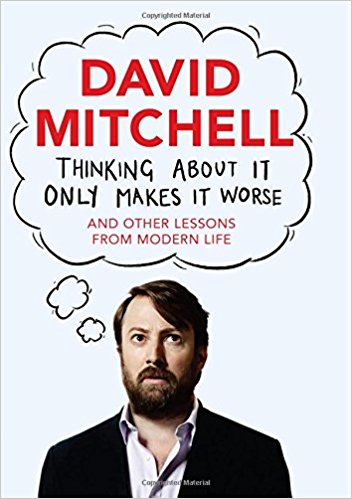
Yes, David Mitchell is a very smart man… a very smart English man. (That isn’t to say that his genius is any less genius than an American Genius. Just that he is a genius who also happens to be English)
And I, of course, don’t mean this David Mitchell either, though this David Mitchell is also a genius and also from England. I have to tell you, though I have always loved British humor, this particular tongue of silver fascinates me enough to make me binge on hoards of old episodes of “Would I Lie to You?” from the BBC on YouTube. He’s a quick-wit, Brit-wit, smooth-talking bit-wit who can make you laugh even when he’s playing a thick-wit… which he is certainly not. Continue reading →
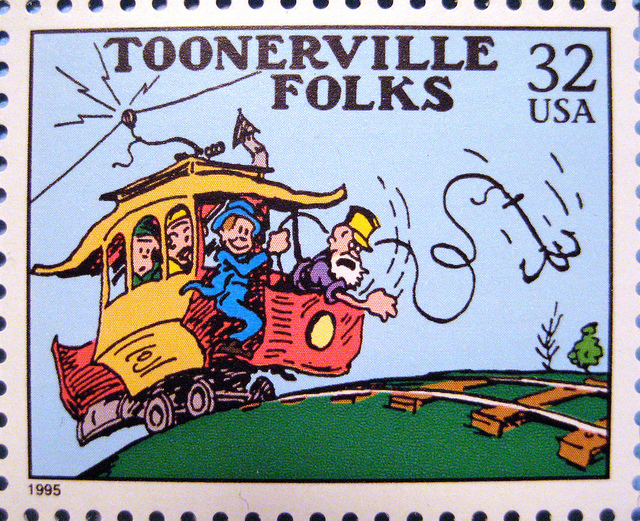
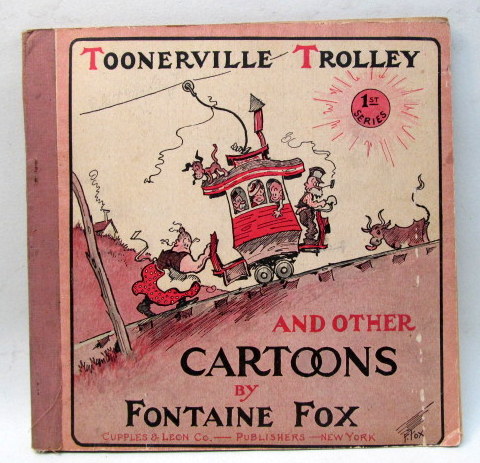
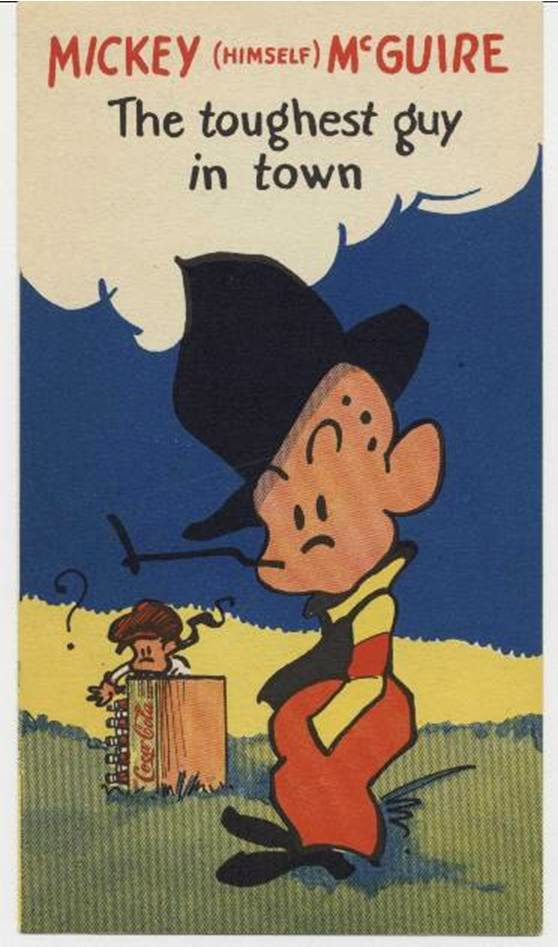
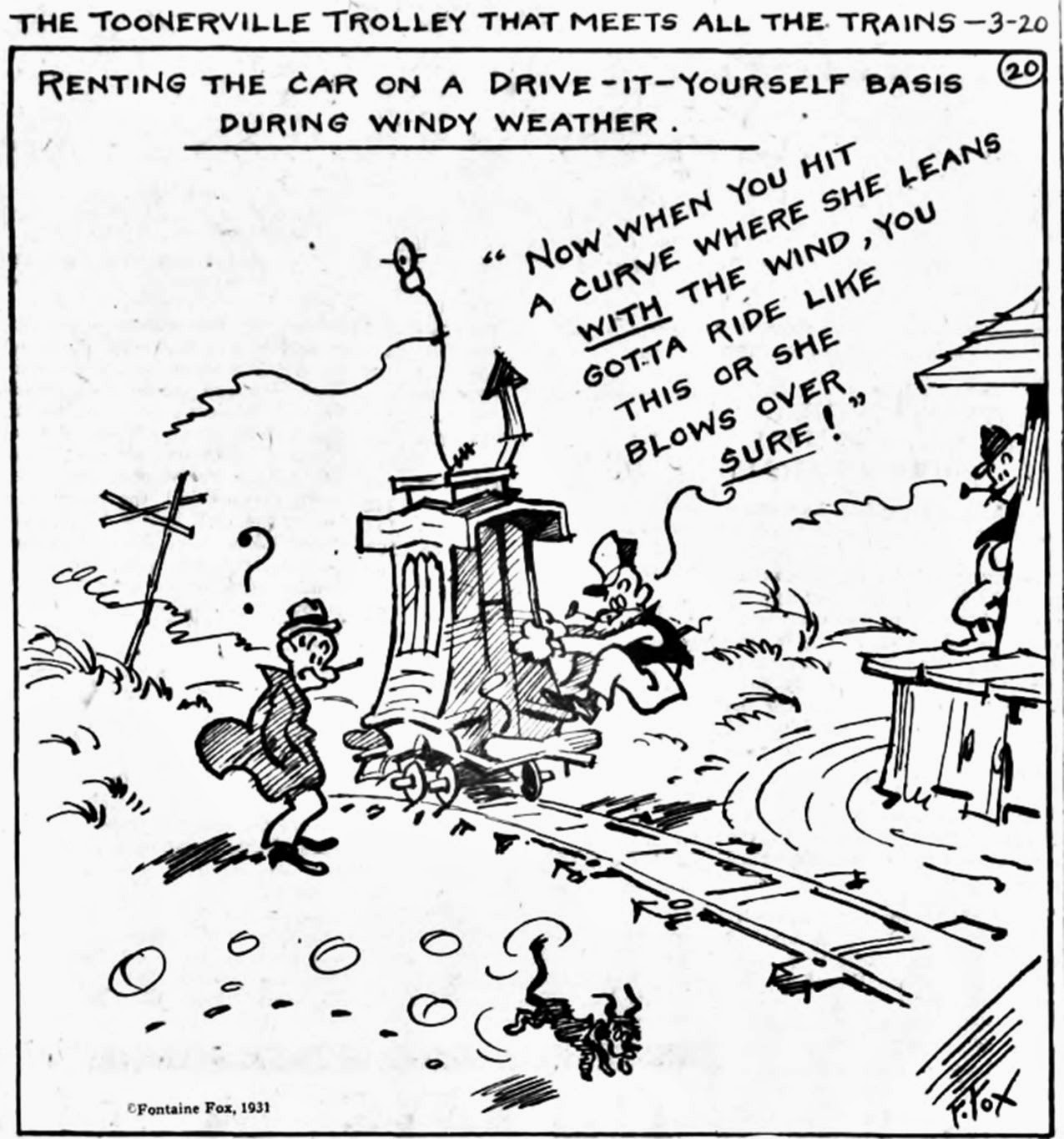
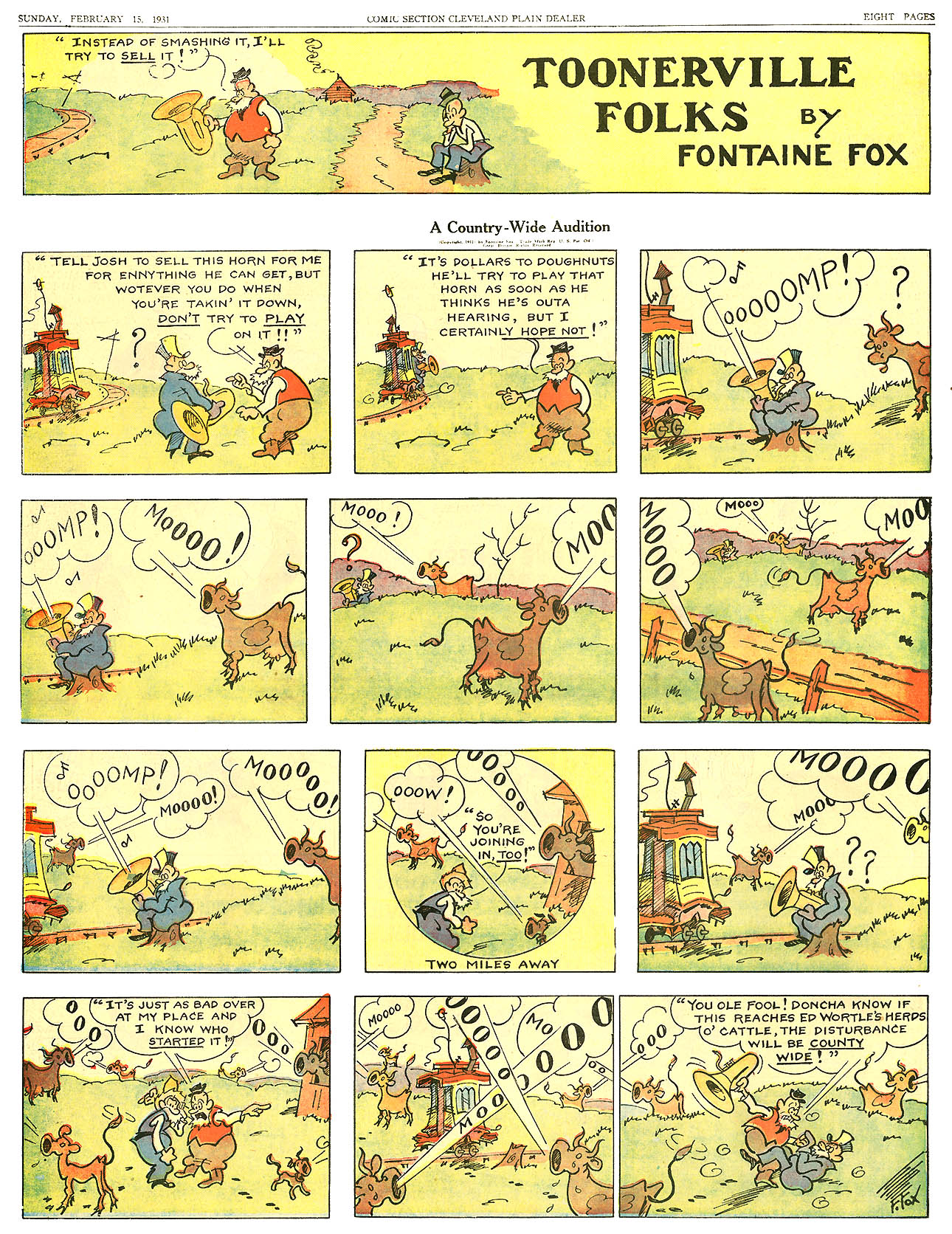
There is a place so like the place where my heart and mind were born that I feel as if I have always lived there. That place is a cartoon panel that ran in newspapers throughout the country from 1913 to 1955 (a year before I was born in Mason City, Iowa). It was called Toonerville Folks and was centered around the famous Toonerville Trolley.
Fontaine Fox was born near Louisville Kentucky in 1884. Louisville, of course is one of the two cities that claims to be the inspiration for Toonerville. Apparently the old Brook Street Line Trolley in Louisville was always run-down, operating on balls of twine and bailing wire for repair parts. The people of Pelham, New York, however, point to a trolley ride Fox took in 1909 on Pelham’s rickety little trolley car with a highly enterprising and gossip-dealing old reprobate for a conductor. No matter which it was, Fox’s cartoon mastery took over and created Toonerville, where you find the famous trolley that “meets all trains”.
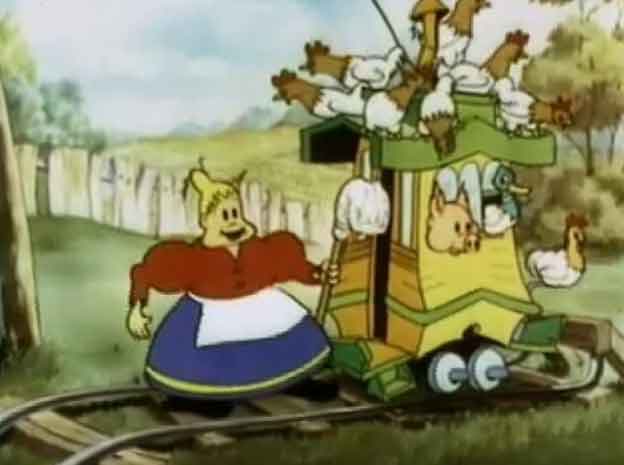
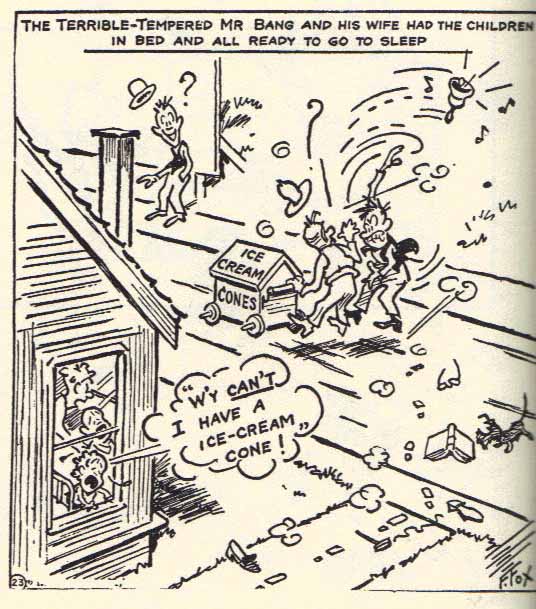
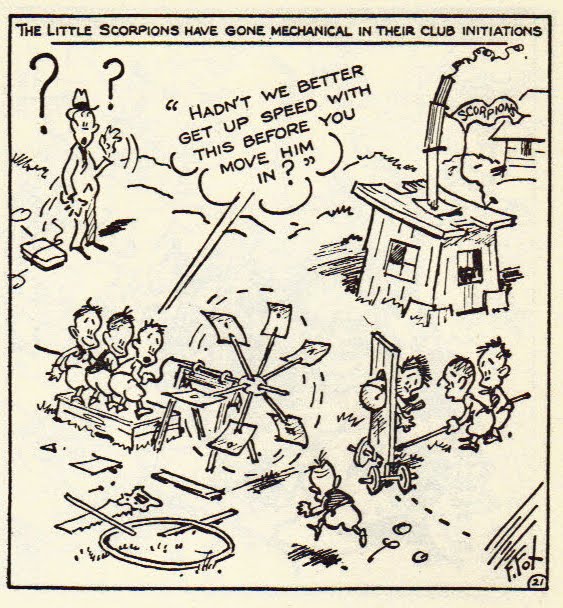
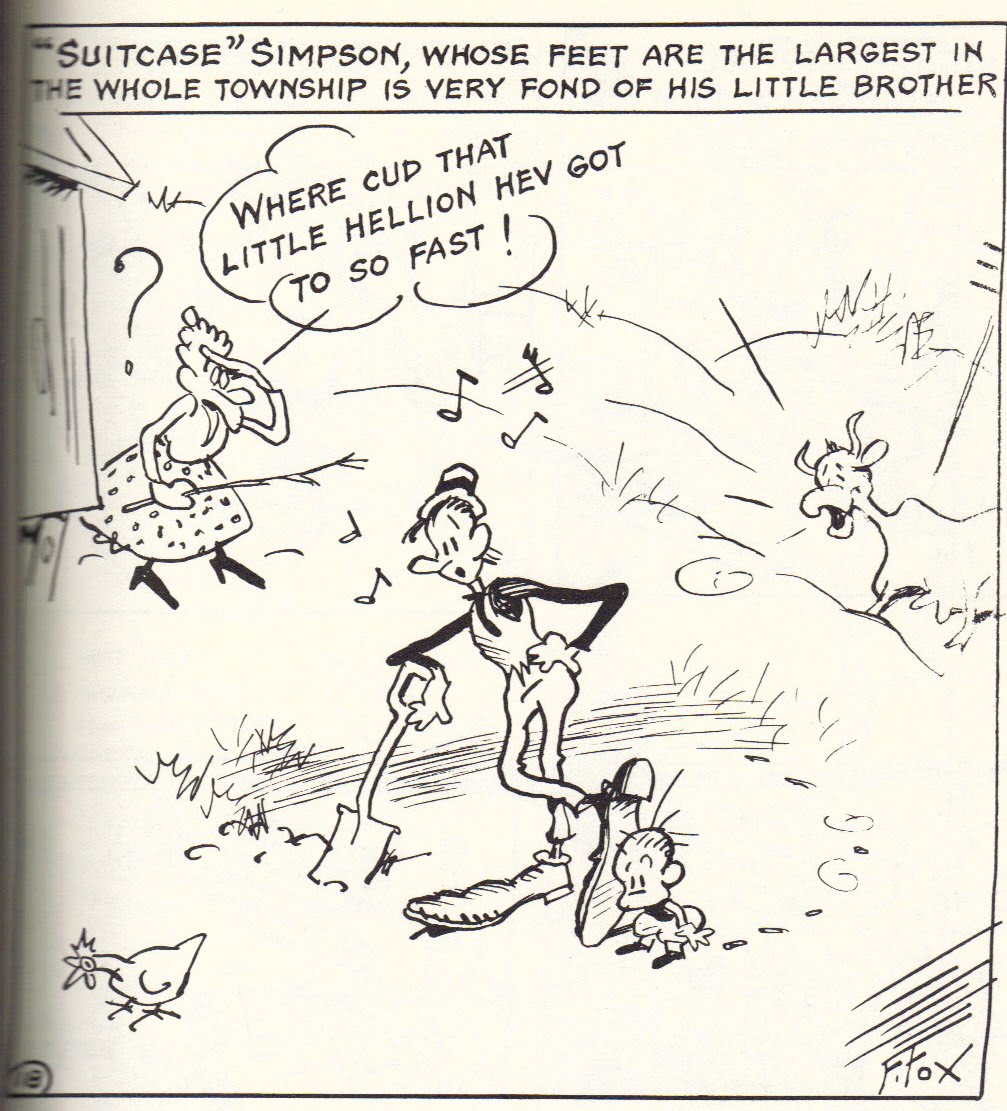
I didn’t learn of the comic strip’s existence until I was in college, but once I found it (yes, I am the type of idiot who researches old comics in university libraries), I couldn’t get enough of it. Characters like the Conductor, the Powerful (physically) Katrinka, and the terrible-tempered Mr. Bang can charm the neck hair off of any Midwestern farm-town boy who is too stupid to regret being born in the boring old rural Midwest.
I fancied myself to be just like the infamous Mickey (himself) McGuire. After all, we have the same first name… and I always lick any bully or boob who wants to put up a fight (at least in my daydreams).
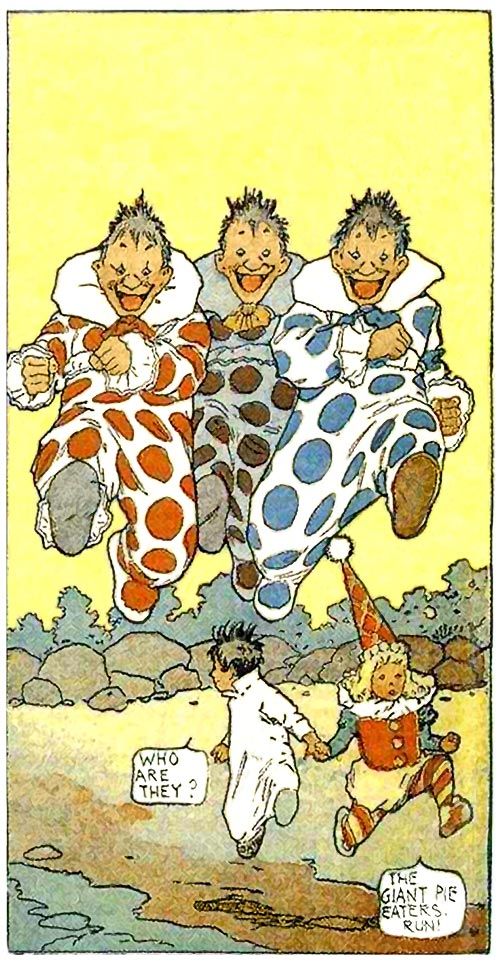
So, this is my tribute to the cartoonist who probably did more to warp my personality and make me funny (well, at least easy to laugh at! ) than any other influence. All of the cartoons in this post can be credited to Fontaine Fox. And all the people in them can be blamed on Toonerville, the town I used to live in, though I never really knew it until far too late.













Dancing With Alan Watts
It seems sometimes, in a Judaeo-Christian society, that we are a constantly being scrutinized by a rather harsh all-knowing God who rewards getting the faith-words accurately correct, to the letter, and the faith-based actions perfect, without a single mistake. And He punishes missteps of word or deed with pain and suffering and the potential of an eternity in Sheol or Hell. And that is a tough God to live with. He is like a teacher who uses his or her God-like powers to reward or punish to lead his students all down an exacting, narrow path to a destination that does not have room for everyone when they arrive.
It doesn’t take long in childhood for a highly intelligent person to realize before childhood is over that this cosmology is actually a load of horse pucky. It didn’t even take long for somebody as semi-stupid as me.
What I like about listening on YouTube to Alan Watts’s wisdom is that he gives us an alternative way of seeing the universe and ourselves. This he can offer through his studies of Eastern and Buddhist philosophies. Everything appealing in John Lennon’s signature song, “Imagine,” comes from Lennon’s love of listening to Alan Watts’ lectures. He is obviously a wise guy.
Alan Watts teaches us the pathways that lead to finding yourself, who you truly are, and how you fit into the universe as a whole. When Carl Sagan says that we are all made of star-stuff, he is not only telling us what is literally true, as the elements our bodies were formed from were literally made in the nuclear forges at the centers of stars that later exploded in nova bursts to scatter the elements across the skies of everywhere. He is also telling us that what Alan Watts says is metaphorically true, that everything in the universe is part of the same thing and we are all one in this way.
There is plenty to worry about in my little life. I could easily drop dead at any time from any one of my six incurable diseases or even the return of the skin cancer I beat in 1983. I suffer from the consequences of disease daily, as I have for many years now. My sins are many. I broke my promise the other day to never show you the horrors of my naked body on this blog. I constantly eat the wrong thing and continue to do things that I know are bad for the environment and the health of my body. I am prejudiced against racists, stupidity, and the actions of dedicated Trump-lovers. In many ways I deserve God’s wrath and brutal correction. I have come to truly believe that climate change is going to end life on Earth. I am horrible.
But I have learned from Alan Watts that all of those concerns mean nothing. I don’t believe in Heaven or an afterlife. But I do not fear death. I am one with the universe. And the universe goes on even if I do not. And I will always be a part of it, even after I am no longer alive. The universe has a mind and is intelligent And I take part in that because one small part of that intelligence is me, and lives in my head.
There is comfort to be found in the words of Alan Watts. And living in pain as I do, I really need that comfort most of the time. That is why I have attempted to share a bit of that comfort with you.
Leave a comment
Filed under artists I admire, commentary, feeling sorry for myself, finding love, foolishness, healing, health, humor, Paffooney, philosophy
Tagged as Alan Watts, consciousness, life, meditation, mindfulness, philosophy, spirituality