
I was born in the 1950’s in Mason City, Iowa… the town that produced Meredith Wilson, the creator of the Broadway Musical, The Music Man. Yes, River City in The Music Man is Mason City. So I was born into a unique Midwestern farm-town heritage where swindlers came to town and saved the day with music and an eleventh-hour change of heart. I was born into the land of Chmielewski Fun Time on the black-and-white TV, Lawrence Welk champagne accordion music, and the Beer-Barrel Polka, courtesy of loads and loads of German ancestry. I am that unique crossbreed of Scandahoovian and sqare-headed Deutschmann known by the only slightly racist term of Iowegian.
Corn Country!
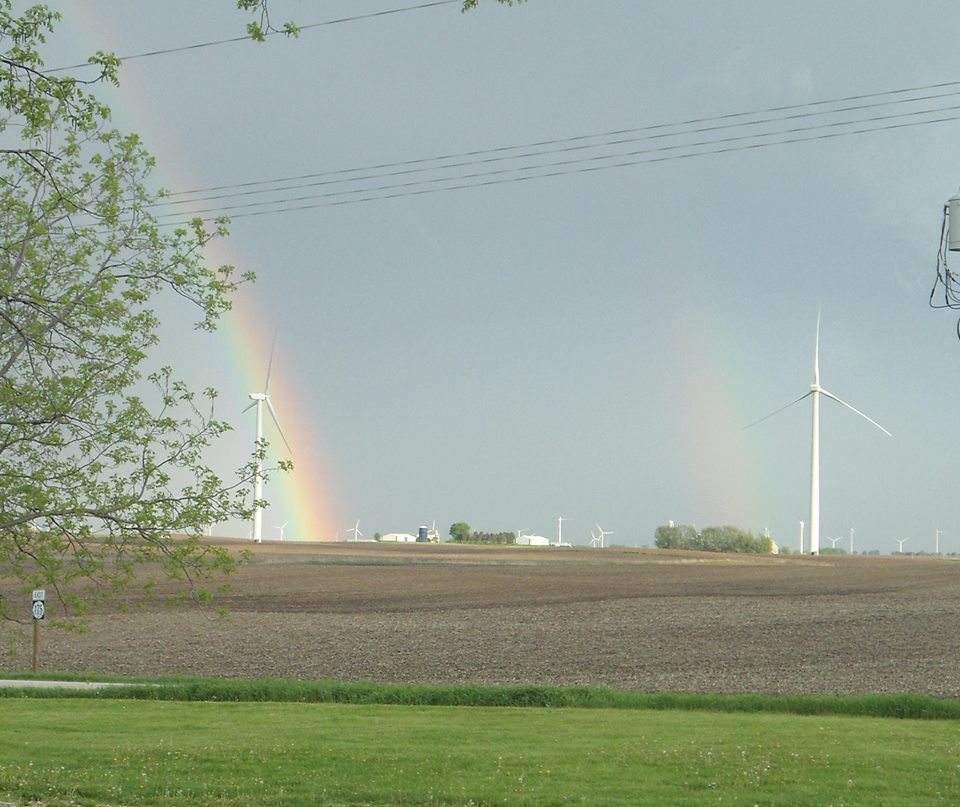
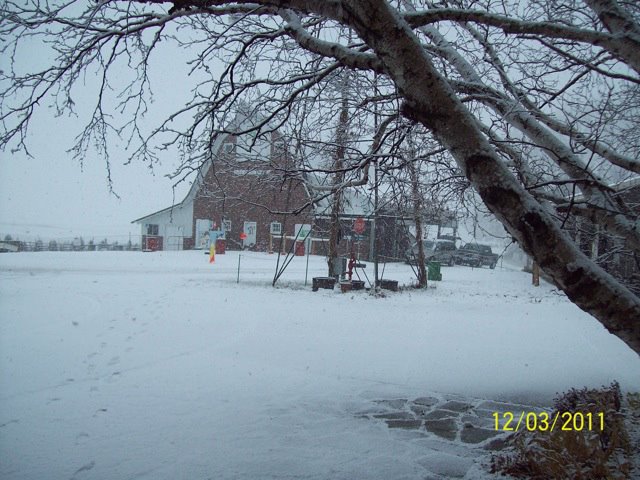 Land of Long Winter and the ice-storm breezin’ down the plains.
And if you ask an Iowegian if he loves Iowa, he will answer, “You bet!”
And if you ask a northern Iowegian the same thing, he will say “You betcha!”
Iowans talk funny, don’t you know…
There are still corner stores and farm supply stores, though they have gone to brand names now, like Casey’s, BP, and Tractor Supply Co. You can still find HyVee and Safeway grocery stores. There are still a precious few family farms that haven’t been swallowed whole by big corporations and agri-businesses. If you go to the county fairs, you will still find kids showing the cattle or pigs that they raised for 4-H projects, and if you go into the barns after the auction, they are still producing tearful kids hugging and kissing that calf that won a red ribbon and now has to be sold… and they will never see poor Barney or Moo-berry again…

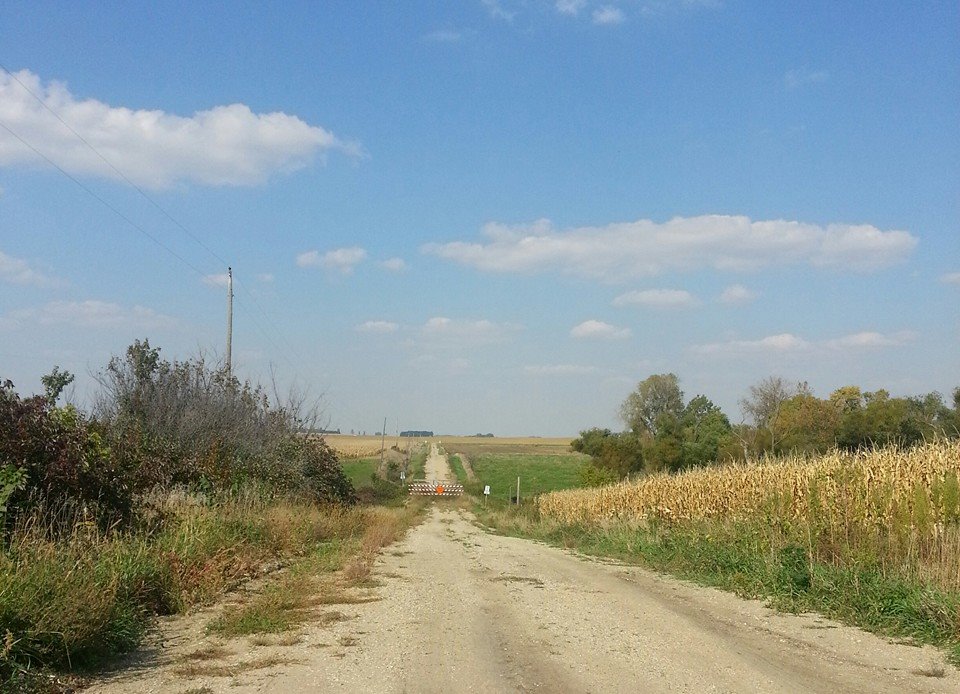
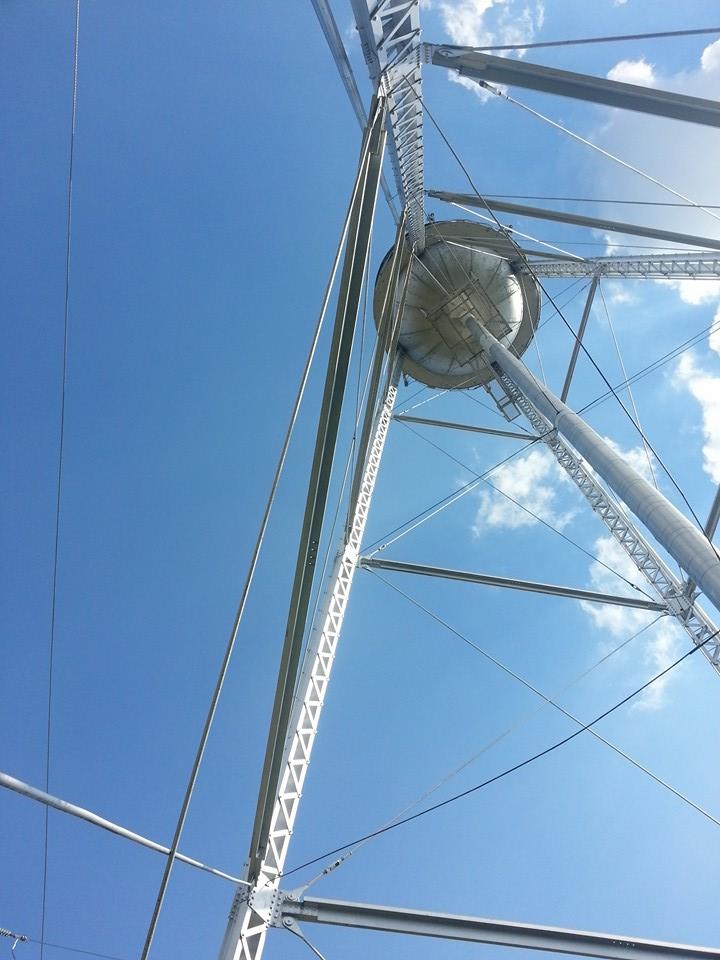
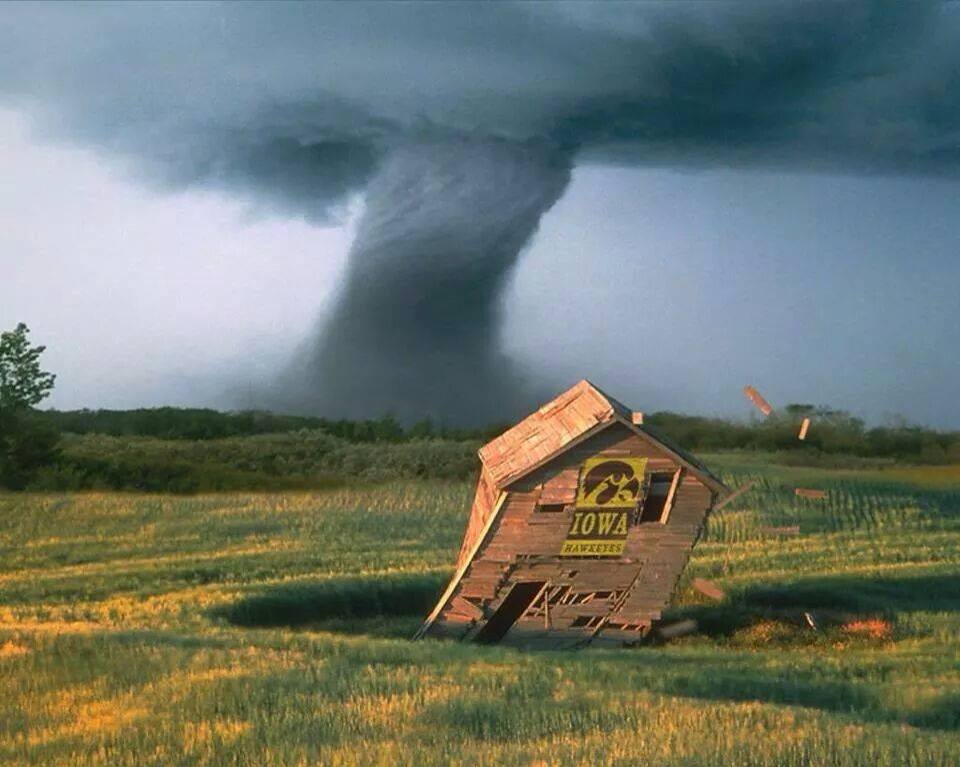
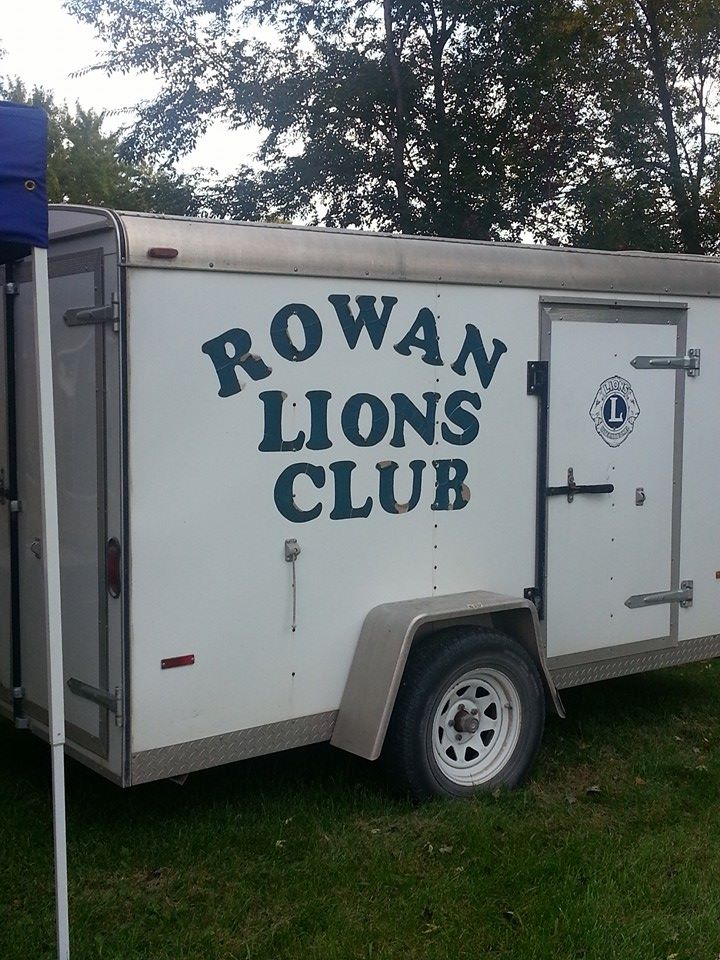
 It is the land of the lonely gravel road… the back-street cattle pen… the Saturday night tornado (nearly every Saturday in Spring)… The VFW and the Lion’s Club Fish Fry at Lake Cornelia….And it is a place where most everything reeks of the past and old ghosts and times long gone, soon to never be remembered because there’s no longer anybody around who is old enough to tell the stories that grandparents and aunts and uncles used to tell. I not only miss it desperately, but I feel deeply saddened by the loss. Would I like to go home again?
“You betcha!!!”






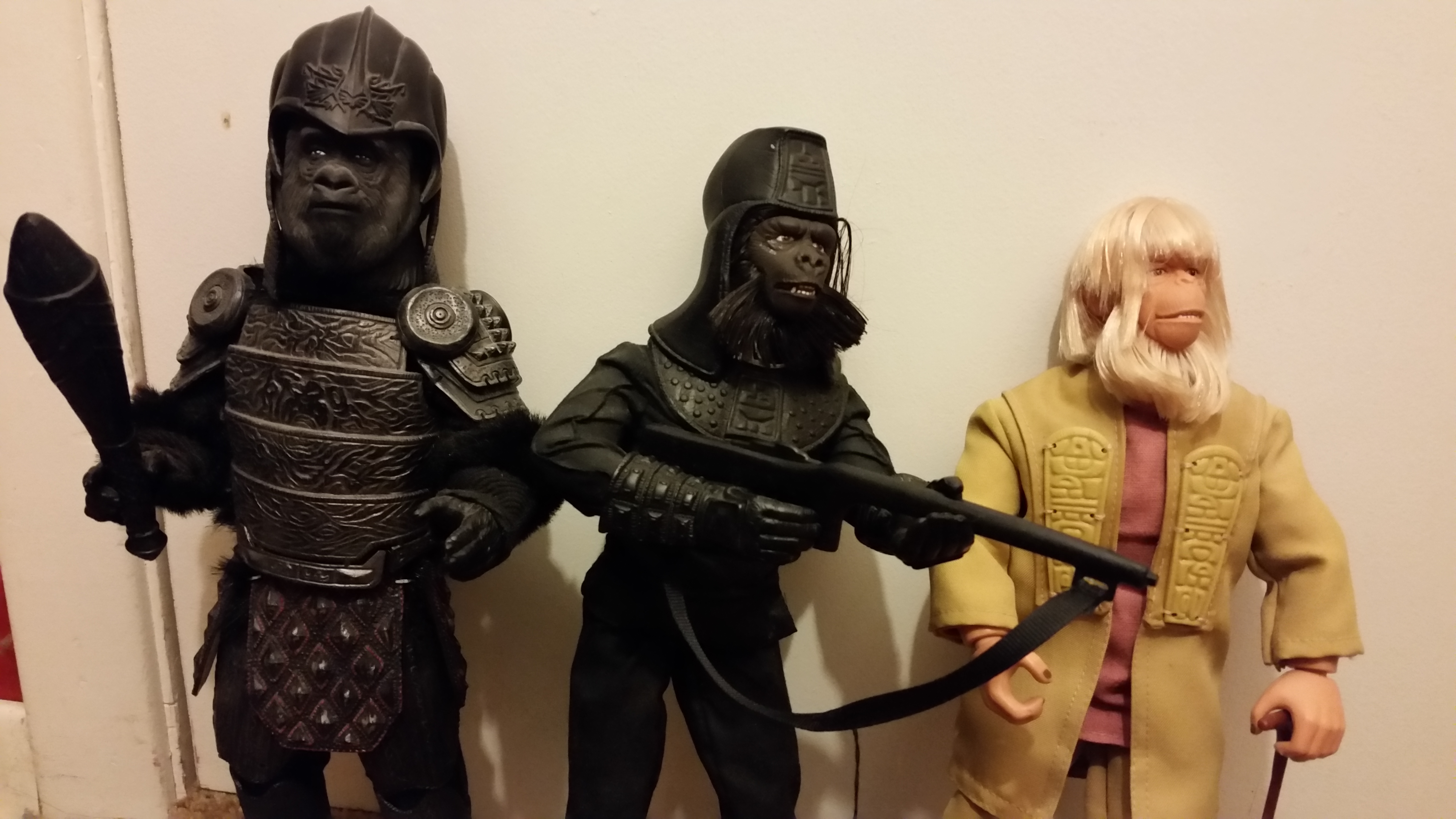
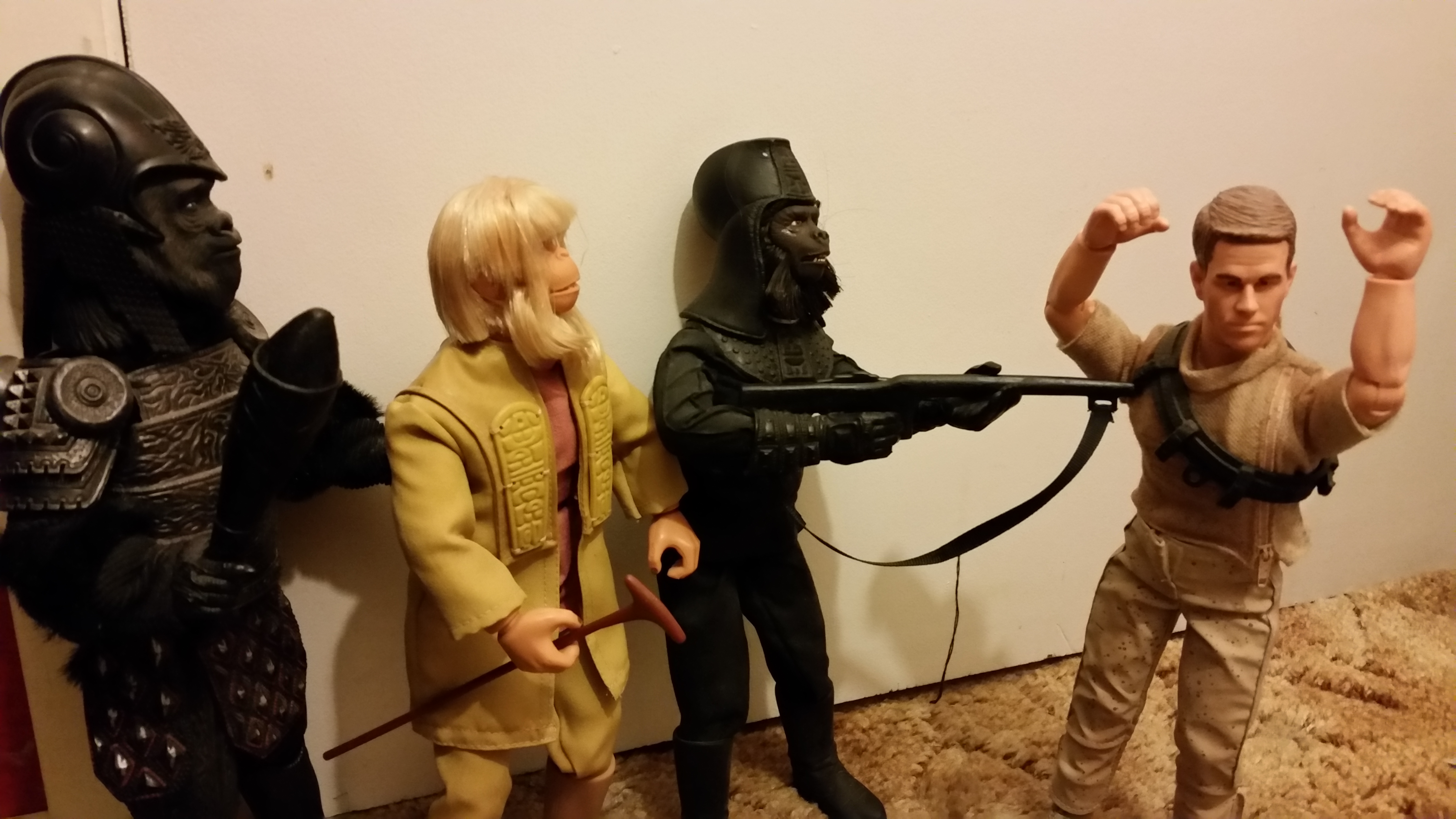
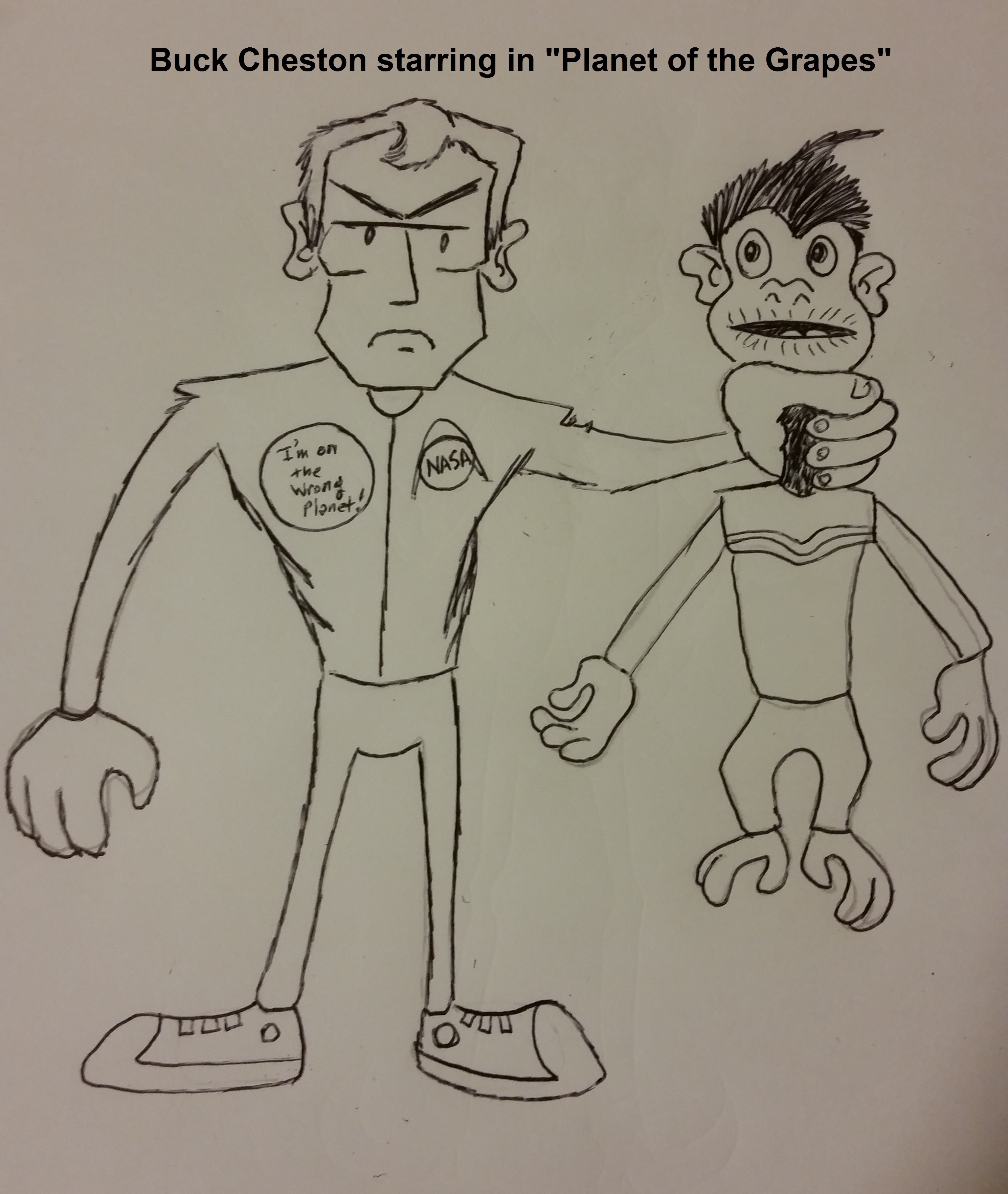

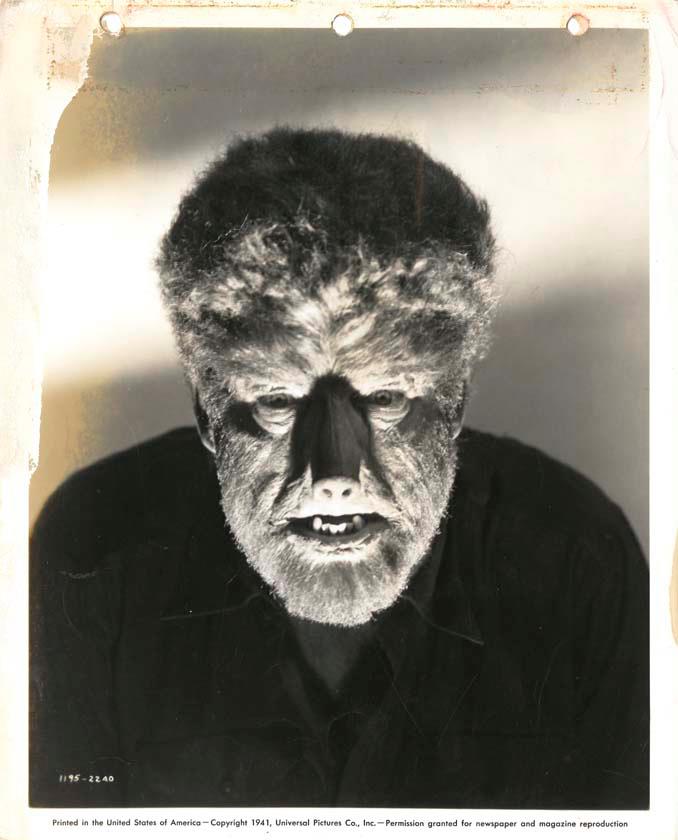
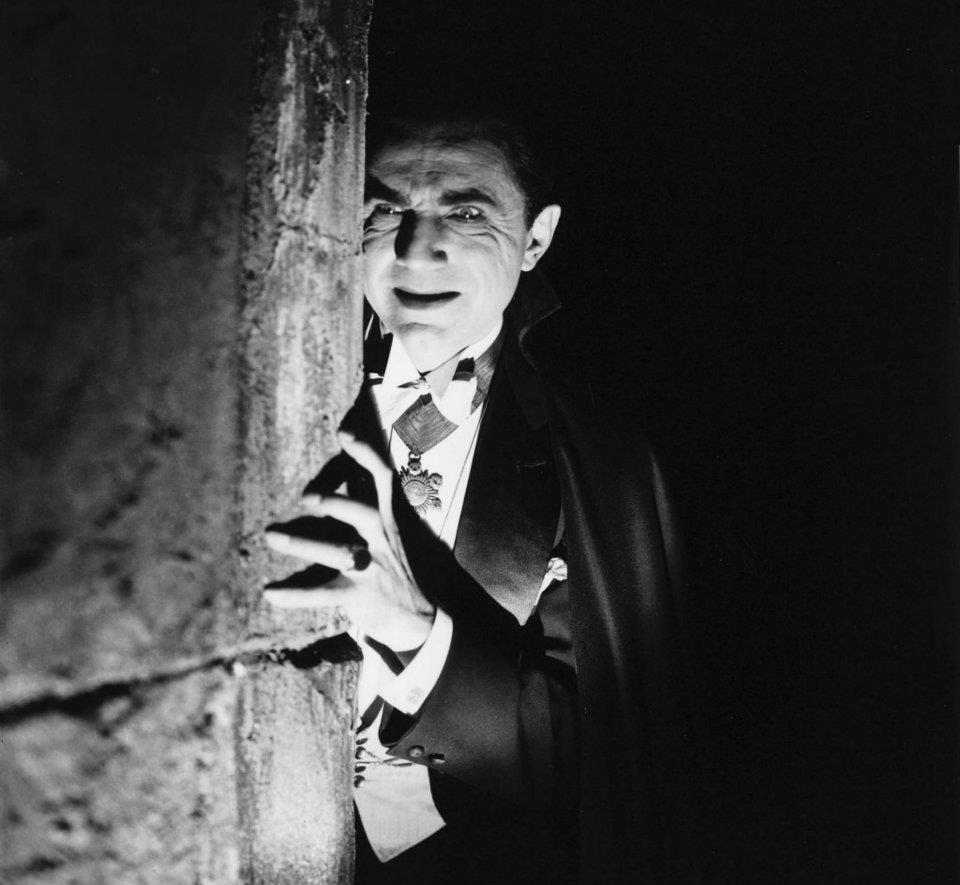
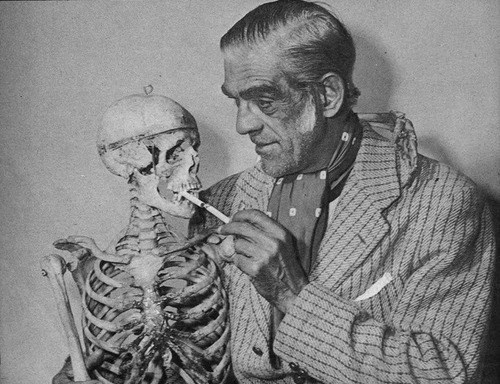
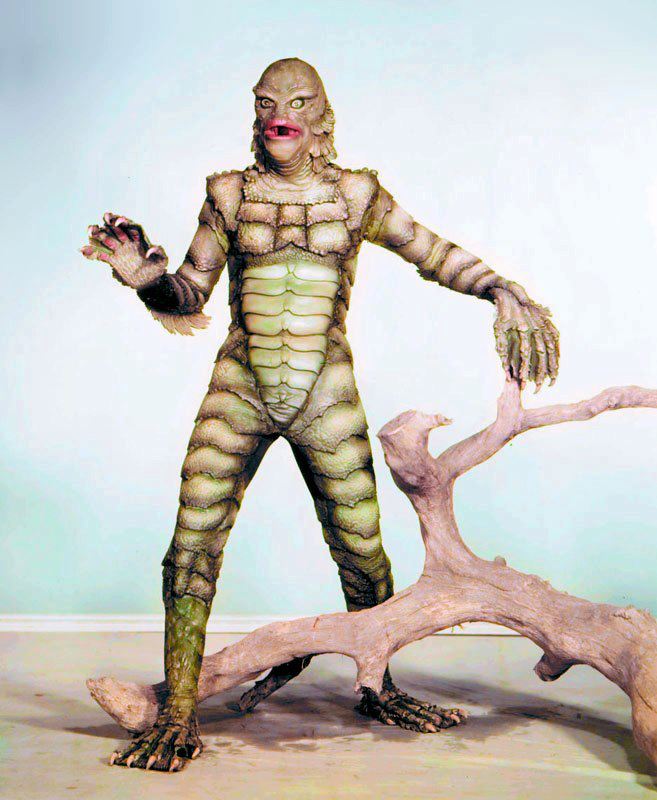
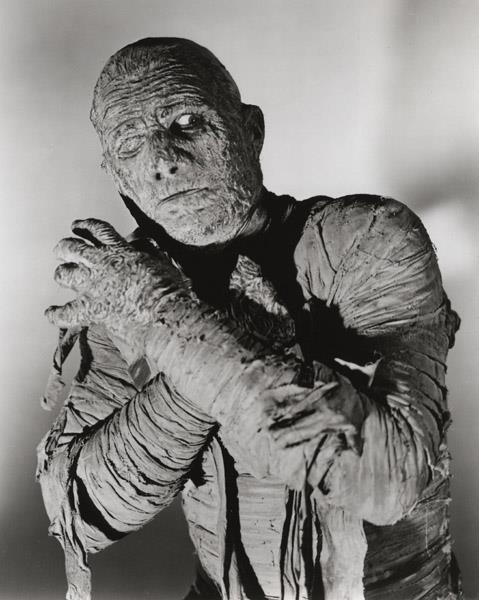
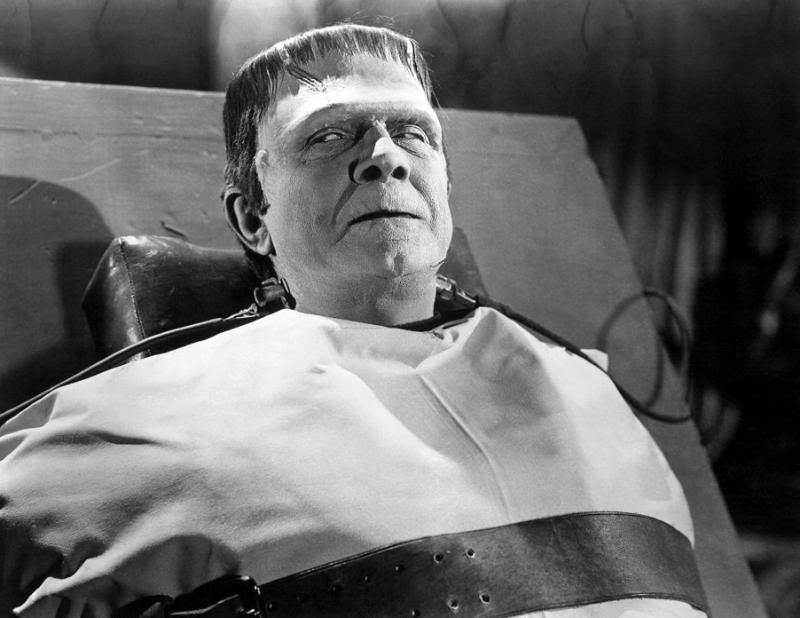 But the thing about monster movies… at least the good ones, is that you can watch it to the end and see the monster defeated. We realize in the end that the monster never really wins. He can defeat the monstrous qualities within himself and stop himself. Or the antidote to what ails him is discovered (as Luke did with Darth Vader). Or we can see him put to his justifiable end and remember that if we should see those qualities within ourselves, we should do something about it so that we do not suffer the same fate. Or, better yet, we can learn to laugh at the monstrosity that is every-day life. Humor is a panacea for most of life’s ills.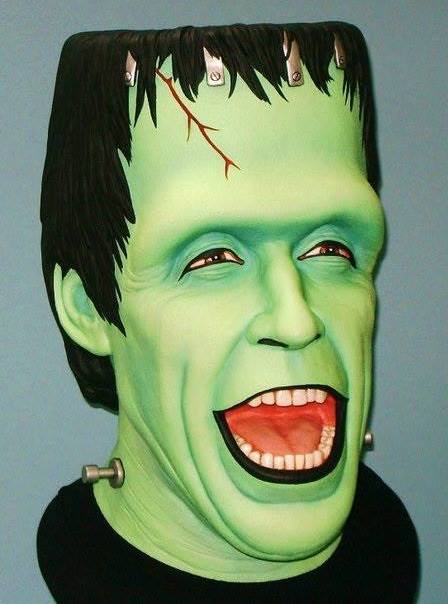

 Catch a Falling Star