
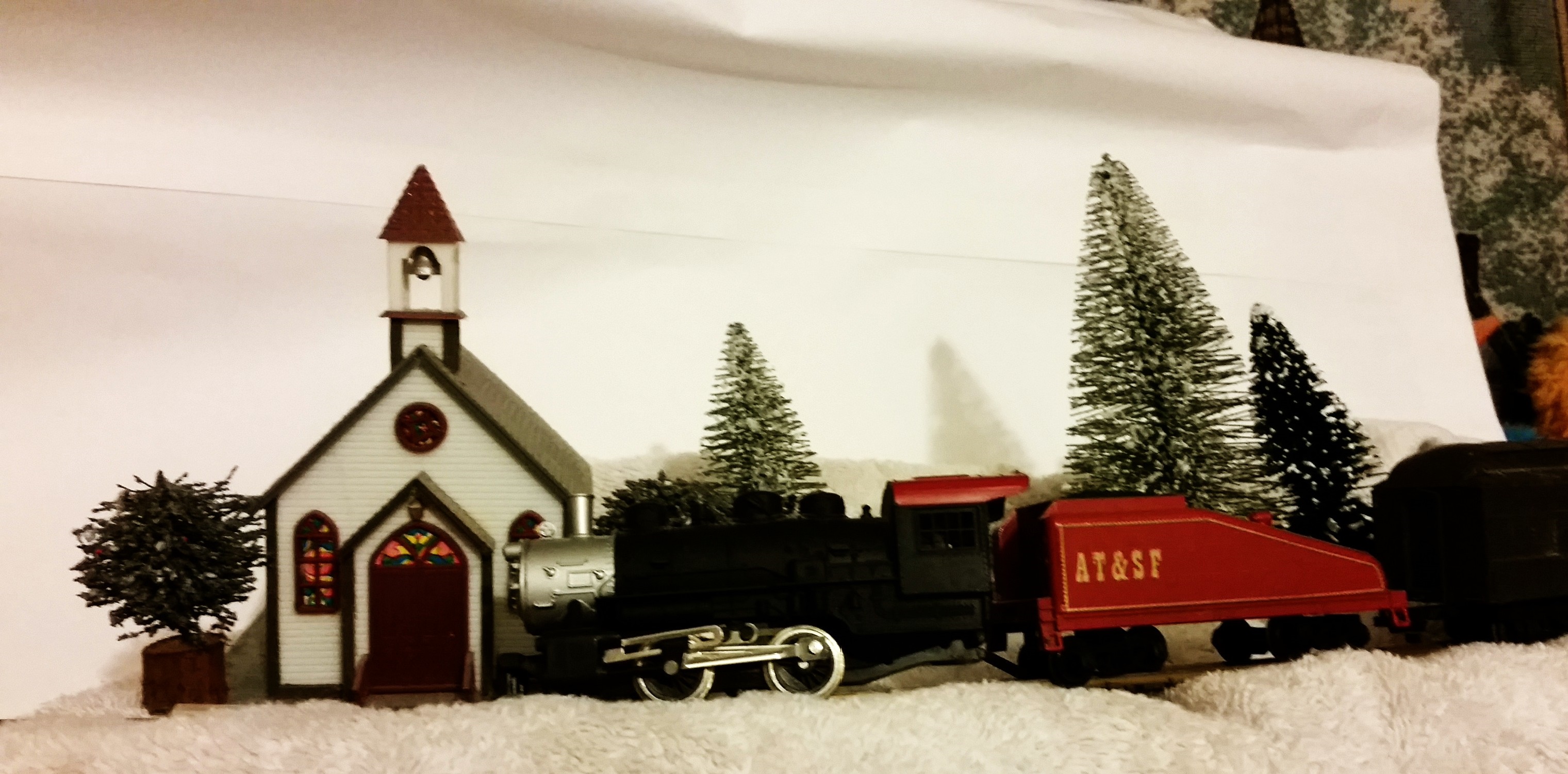
I was an aficionado of HO model trains as a kid. I continued that horrendous fixation with 1/78th scale worlds long into my extended juvenile immaturity (I was an unmarried teacher of middle school students until 1995.) Even after I was married, my wife allowed me, to a very limited degree, to continue to be a train man.
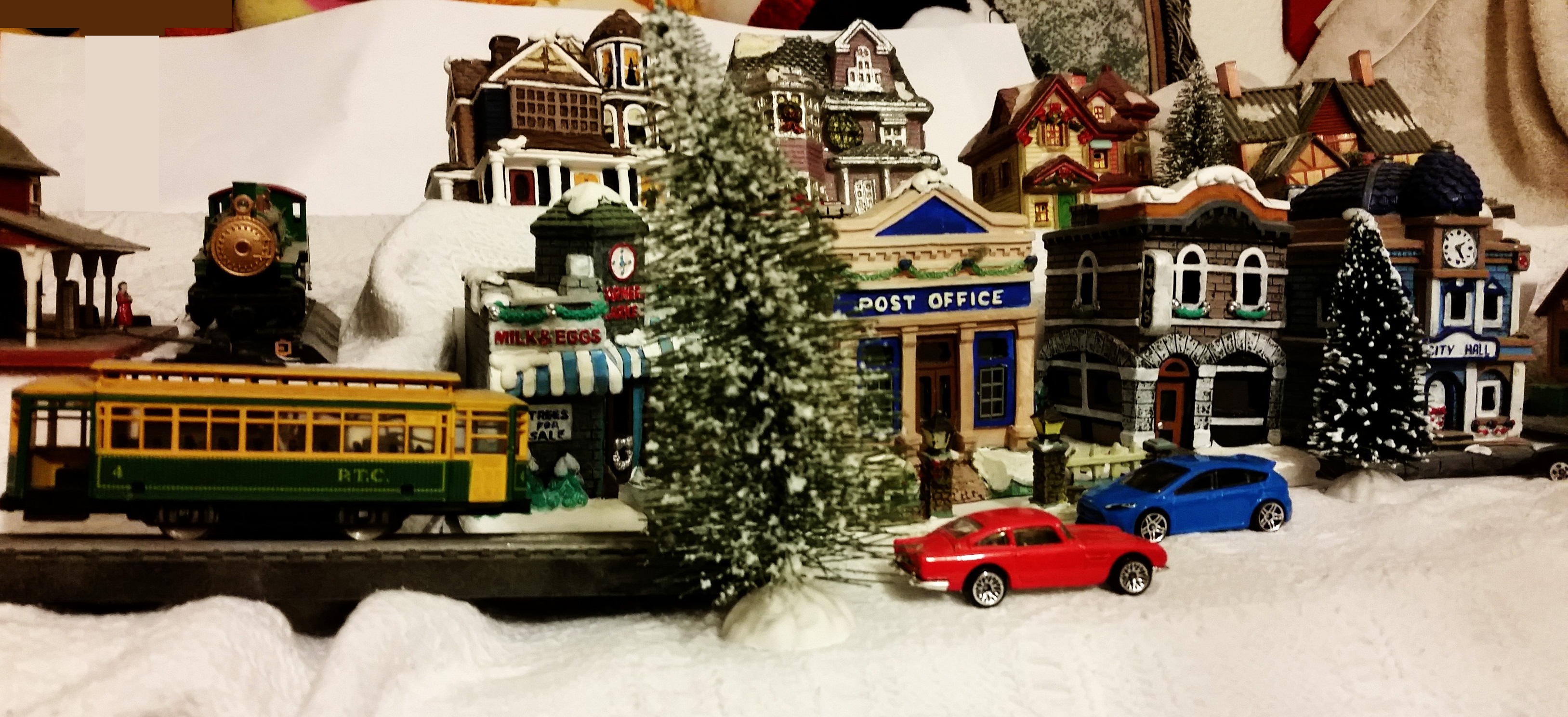
I spent a good deal of time over the years building plastic model kits of buildings, painting and repainting plaster model buildings, and collecting engines, rolling stock, and trackside details. Painting little 1/78th scale people is definitely an exercise for steady hands and a zen-like, highly focused mind.
But that all reached an impasse when we moved to the Dallas area. I had to tear down my train layout, box up my trains, and put everything on hold until I had another place to build and create my HO model-train world. So, while it was all boxed up and transported to first, a house that we rented from my brother-in-law, and then a house that we bought, it got shifted around and stacked inappropriately, and grandma put some really heavy items on top to crush and mangle my treasures. It also spent a night outside in the rain when my brother-in-law’s water heater had to be replaced in the garage where everything was stored. I was not a happy camper for a while.
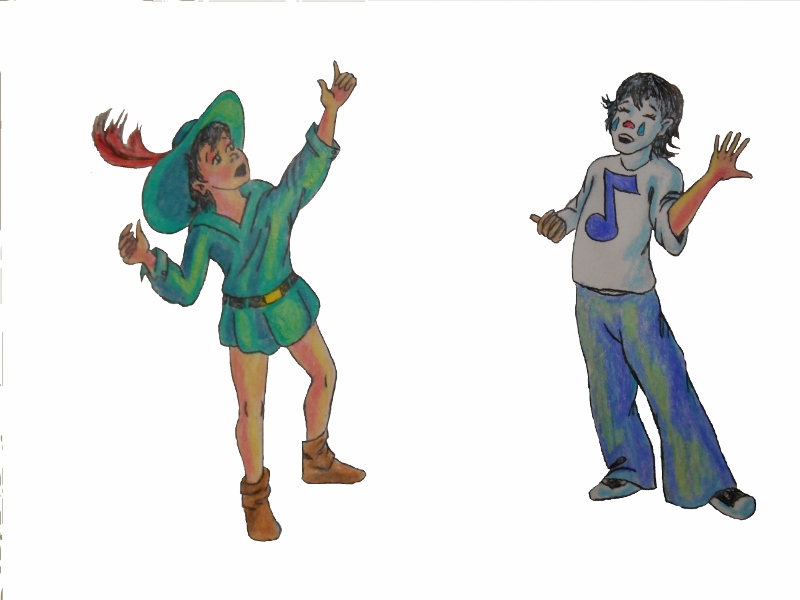
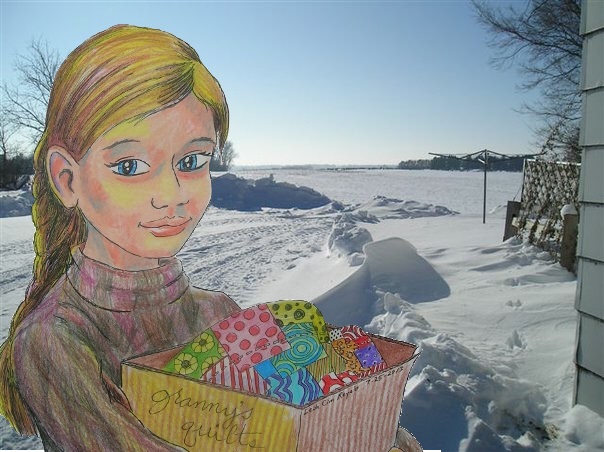
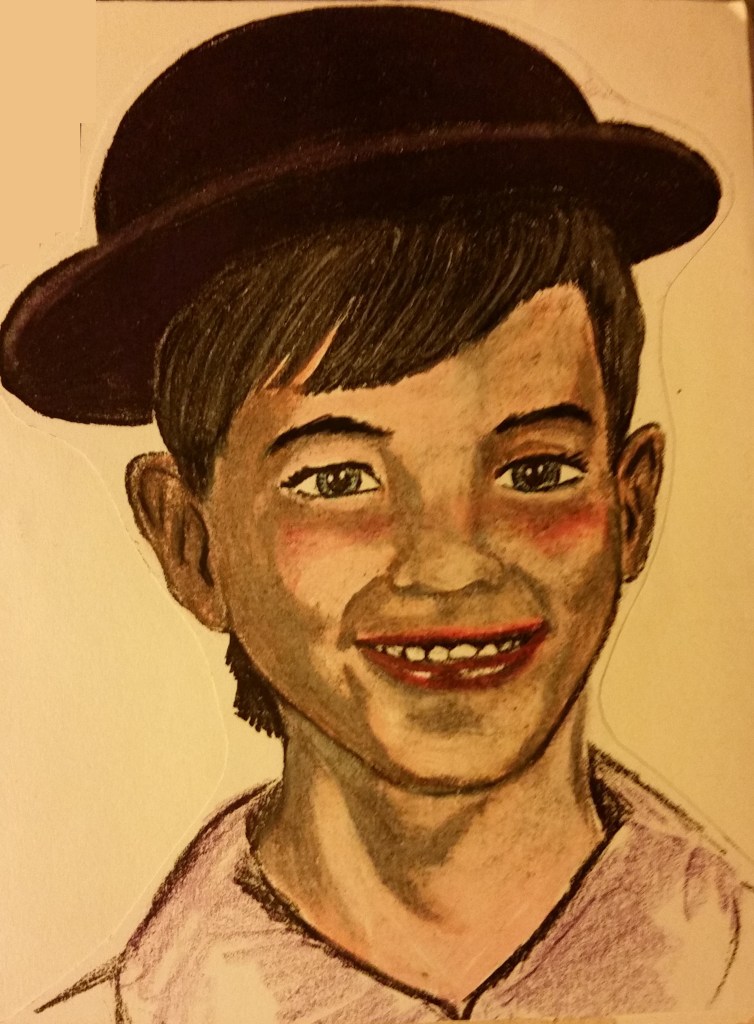
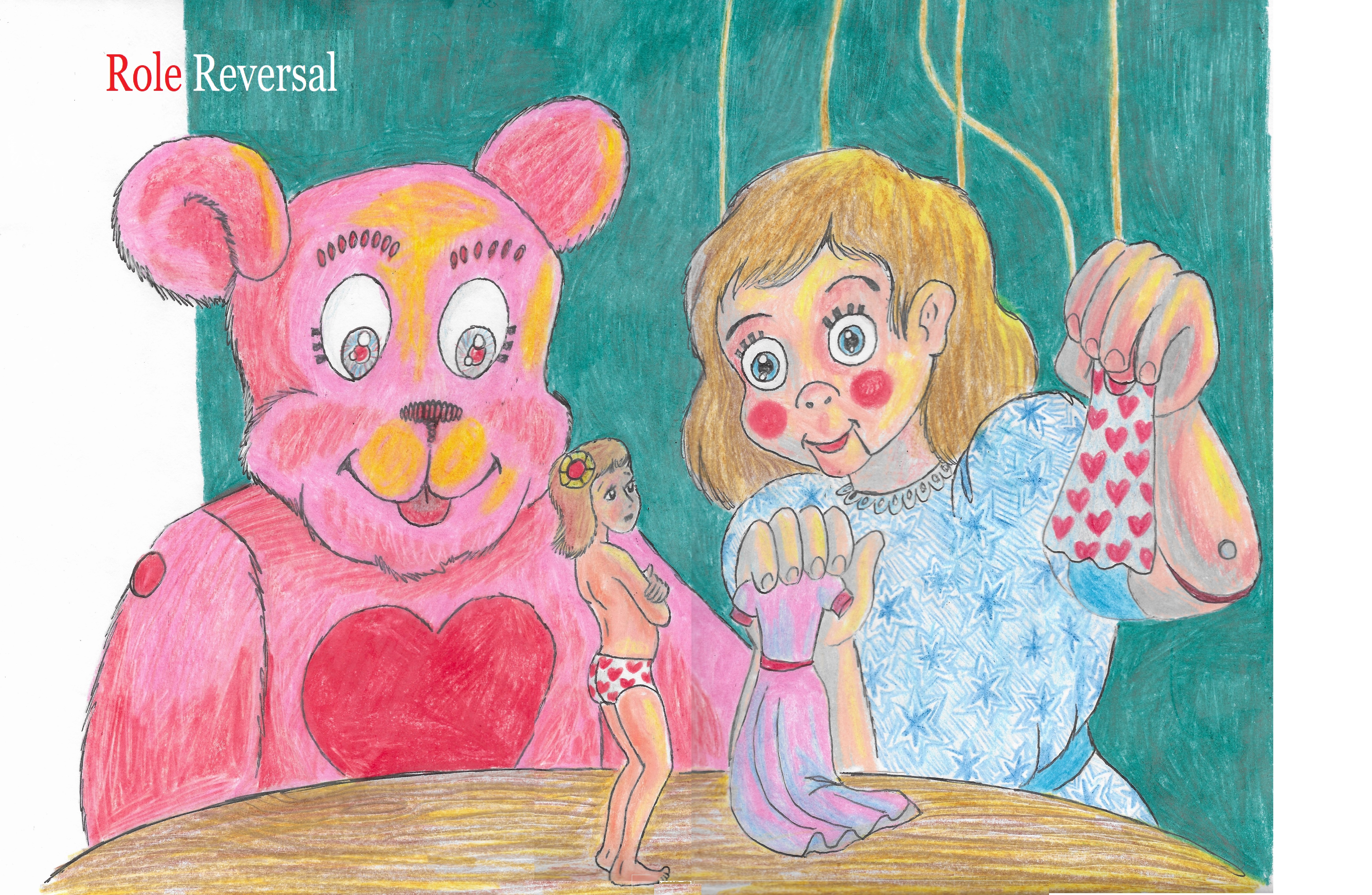
Now, a decade later, I am still taking the tiny items and trying to glue the pieces back together. I have basically given up trying to get the trains to run again. But I can use the bits and pieces of Toonerville to make pictures like these. It makes the art-parts of my psyche and soul a little happier.
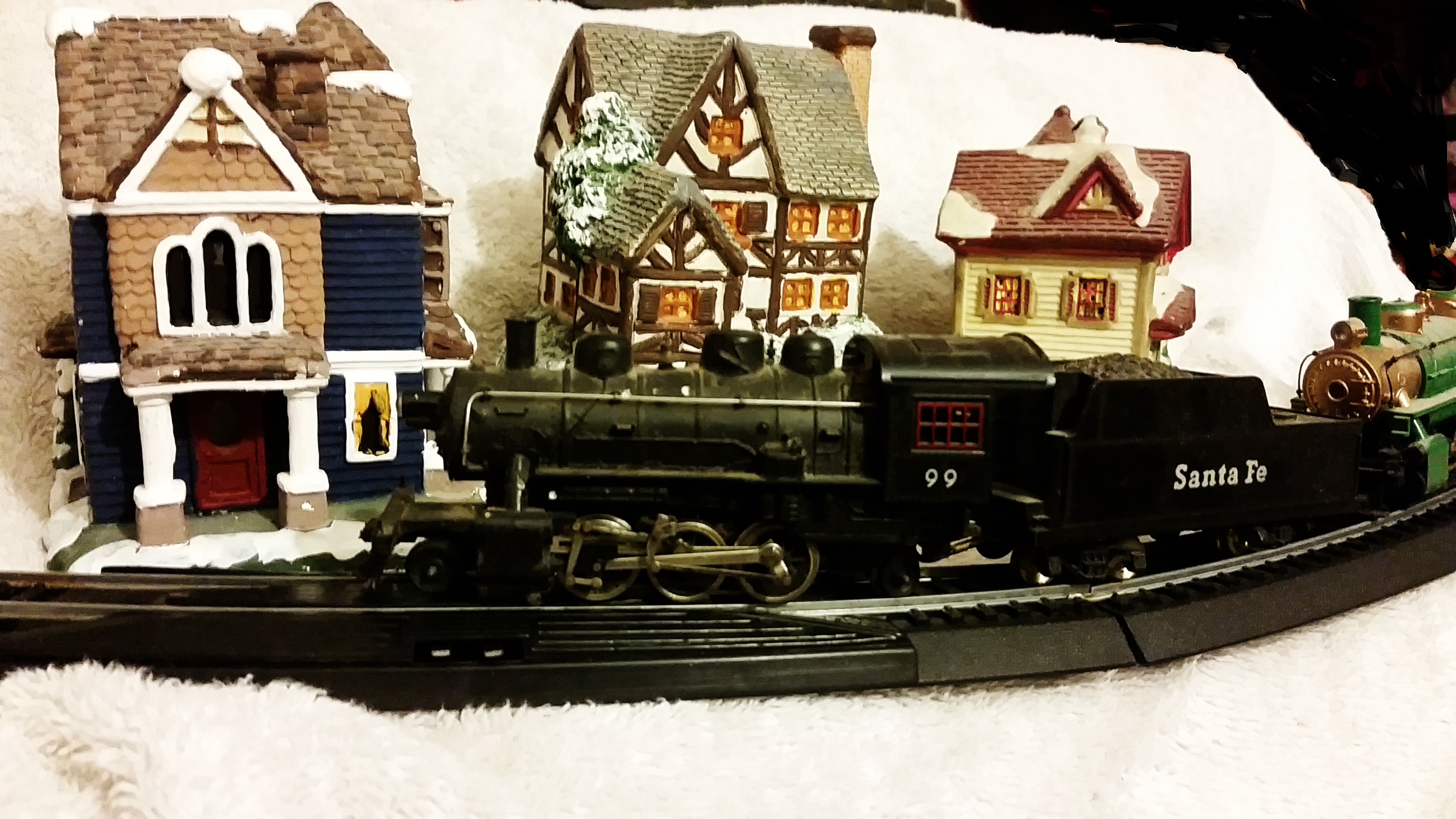
Old number 99 had to have the front part where the headlamp is located reattached and restored. It gave me something to do this weekend while I was down with a bad back and breathing difficulties. It would be neat to put the train table back together and get things set up once again, but there is no space, and no unlimited funds, and less and less time. So for now, the train man comes back to me to rebuild in photographs and in my imagination.


















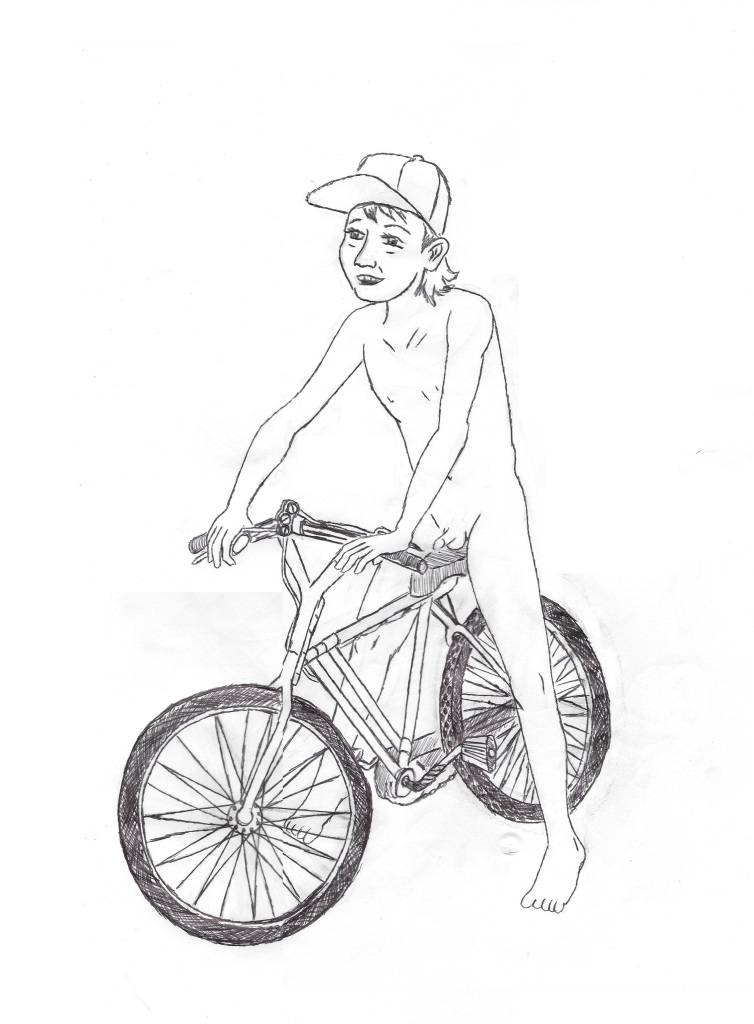


 Catch a Falling Star
Sunday with Salvador
Today I am waxing on about the wonderful, mad, mad, mad genius of surrealist art, Salvador Dali. He was born in 1904 and died in 1989. And that’s really about all that I want to tell you about the physical parameters of his boundlessly creative life. He was alive in this world until I was already thirty-three. So, I got to see him on television and watch video biographies of him and his incredible artwork. Ones that included interviews. And if I get into his public persona, that will eat up the rest of his essay. Instead, I need to talk about his art, and how it modifies and magnifies what I am meant to be.
His most famous painting is the one that most clearly burned the image of melting clocks into our collective memory. He claimed, and others pretend to see it too, that it is a reaction to Einstein’s Theory of Relativity. But when I look at it with the melting mask of Dali himself in the center, I see the artist’s perception of time in the spaces within which creativity moves. Time melts and has no meaning when you are painting and writing from an endless roiling flow of new ideas and notions. Time becomes as irrelevant in that context as the ants on the pocket-watch or the dead tree from which one deflated clock-skin hangs, There is no past or future, only the creative now.
And in that creative now, the artist sees himself. But if you look too closely, the self vanishes into the picture, the currently considered, fascinating work of art.
You see the boy with the hoop and wearing a sailor suit? That symbol, he always claimed, was his lost brother, the one who died before he was born. The one whose death made his parents decide to have another child. Without that brother, Salvador would probably never have existed at all.
And do you see the disappearing bust of Voltaire? Or when you look closely at the slave market in the background, is it simply no longer there? Things that disappear… things that become other things… tricks of perception, the fooling of the viewer’s eye… These are what the artist actually wants you to see. Not the well-portrayed physical reality, but the ghost of the shadow of an idea that’s hard to define.
And then there is the idea of war. Two world wars that took place in the prime of his painterly life.
Life does crazy things to the sensitive, suffering artist, and it shows in his work if not in his public personality.
And consider the artist’s notion of birth and life and death. Narcissus suffers for the sin of love of himself. He becomes petrified with age, a narcissus flower growing from his head, now an egg, the symbol of birth and rebirth.
And here is an exploded portrait of his beloved wife Gala.
All the elements float eternally in the air.
And you can see inside each thing.
Inside the home is the wife and mother.
Inside the mother is the child.
Inside the child is the loaf of bread that keeps him alive.
Does the bread, then, stand in for God himself?
Dali and his work is not simple. It is deeply, incongruously complex. But that is surrealism. That is how it works. Without getting into other complex symbols and such Dali-esque puzzles like burning giraffes, eggs, and Venus De Milo with bureau drawers in her torso, that is how Salvador spends his Sunday with me. An artist beyond time and space, long dead, but still speaking to me. And teaching me beautiful, untold things and stories of things.
Leave a comment
Filed under art criticism, artists I admire, artwork, autobiography, commentary, surrealism
Tagged as art, dali, painting, Salvador Dali, surrealism