
I am planning to re-watch all eight hours of Netflix’s Stranger Things. I can’t help it. I really seriously love that show. And the reason is the kids in the series. Yes, it was set in the 80’s, a decade I long to return to, but I wasn’t a kid myself in the 80’s. That was my first decade as a teacher. The thing is… I taught each and every one of the kids in that series. I admit, they had different names and lived in different bodies, but they were the same faces, the same personalities.
And it is not so much the characters the kids inhabit in the show, though they were obviously cast as themselves. It is the real-life screwiness that Jimmy Fallon brings out with the silly string that I recognize.
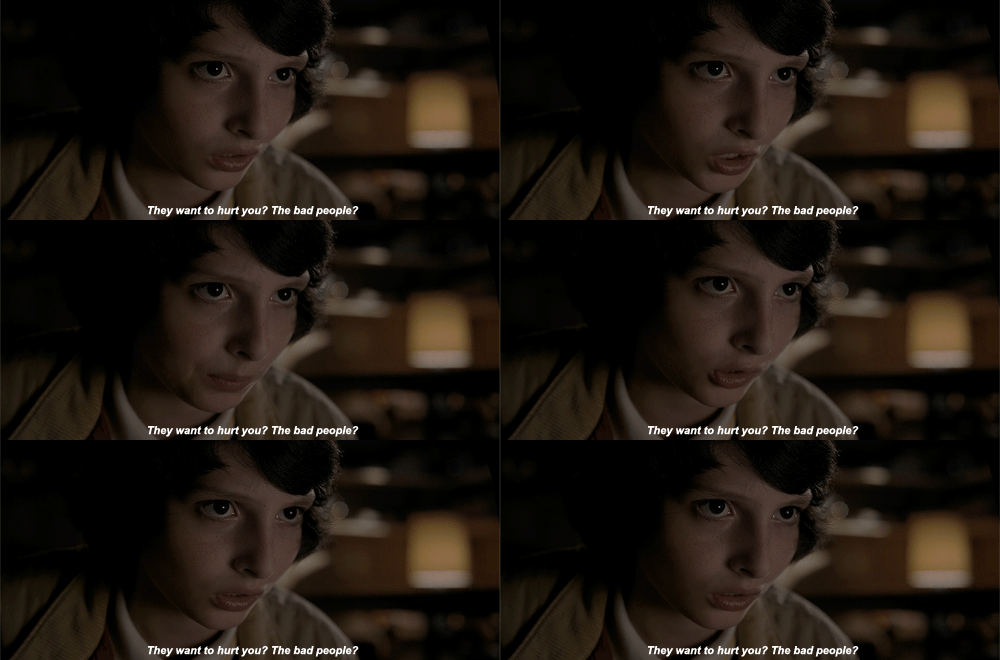
Finn Wolfhard’s character, Michael, is basically me. The dreamer determined to make the fantastic become true. And when they played Dungeons and Dragons in the basement, he was the Dungeon Master. That was me. The teller of the stories, the maker of the meaning. He’s the one who creates the Demogorgon adventure that eerily comes to life. He is also the one who finds and befriends the mysterious Eleven. He is the driving force that leads them all to the inevitable conclusion of the adventure.
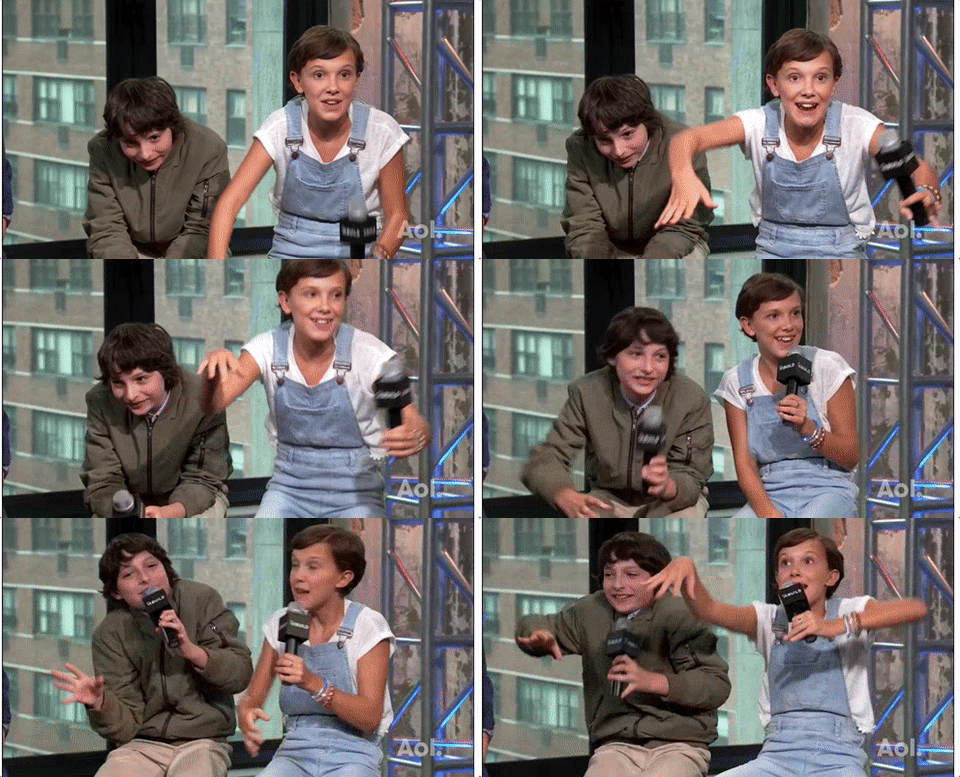
And while I never met anyone quite like the mysterious Eleven, Millie Bobby Brown is definitely no stranger to me. She is bubbly, outgoing, and utterly charming. She can channel Nikki Minaj. I must’ve taught at least five different versions of Millie in three different schools when I was a teacher.
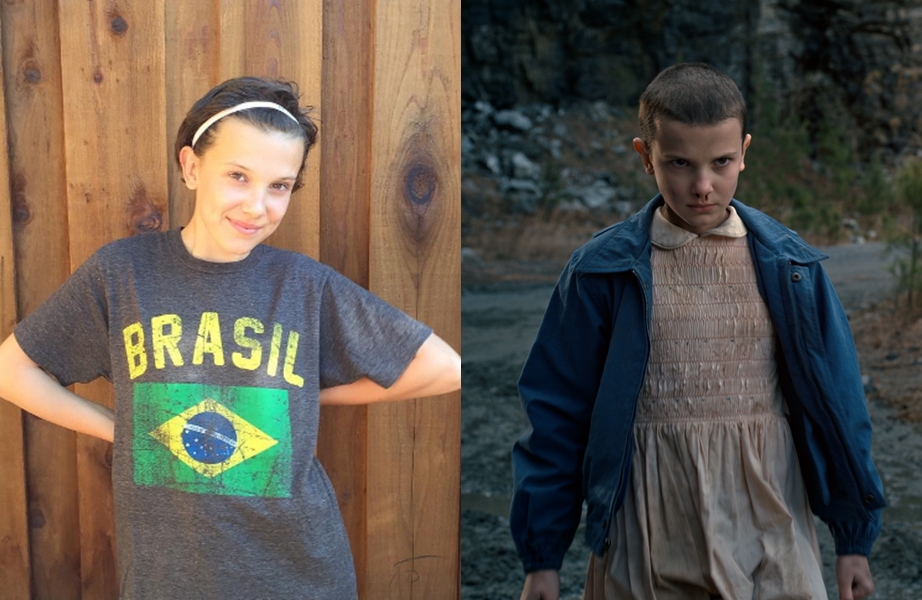
She makes the weird and otherworldly character of Eleven become believable through the sheer force of a natural talent for empathy and understanding. She is a highly intelligent girl with a knack for making things work.
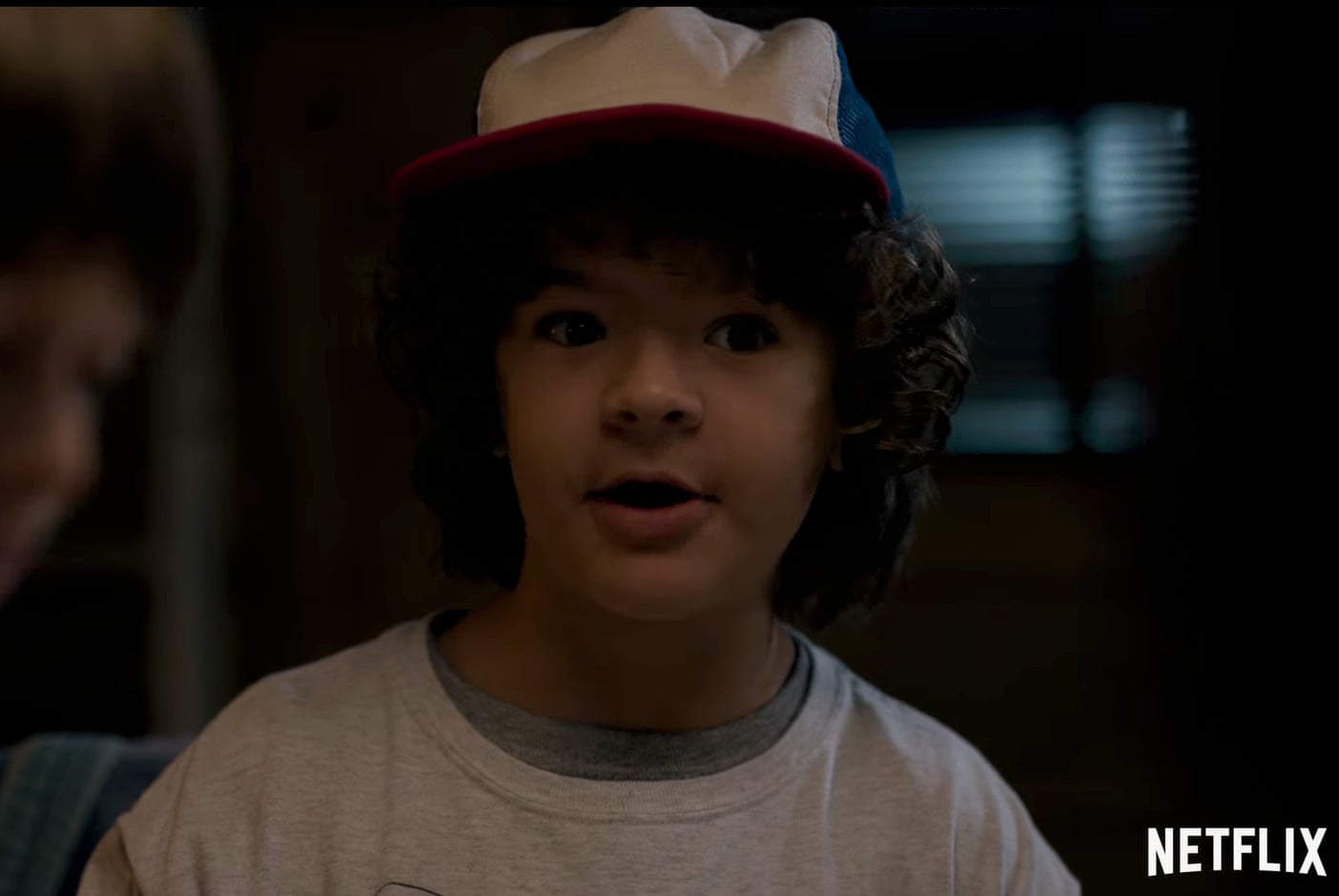
I have also taught about four different incarnations of the Dustin character’s actor, Gaten Matarazzo. The goofy but courageous kid with a broad sense of humor and a focus on food is a very common type of junior high kid. And while he isn’t usually a leader in the classroom, he’s the one you turn to when you need help getting the group to choose the right path.
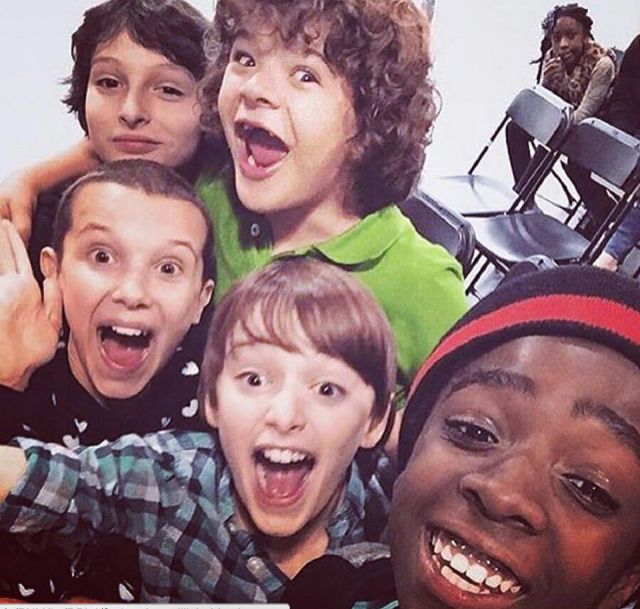
I swear to you, I know all these kids, even though I have never met them. You see, when you are a teacher for long enough, everyone in the world comes in through your door. You have to get to know them and learn to at least like them if not love them. You do the thing for long enough, and you learn that there are a limited number of different faces and personalities that God distributes over time and circumstance to many different people. It is possible to get to know nearly all of them. And there are no Stranger Things than kids.
























Planting Some Onions
I told you recently that I believe that opinions are like onions. Consuming them is good for you. It cleans out the system. It turns little imperfections and poisons into gas and leads you to expel them. Yes, I mean opinions from my stupid old head come out of my mouth in the same way that digested onions form into gas and come out the other end. And keeping them inside (and safe from being argued or made fun of) can poison you and make you insane. So, I need to plant some onions… err, I mean opinions… and you should feel free to sample the stuff in this onion garden and fart back in my general direction if you feel the need.
It would be good if you don’t throw bricks.
Limburger – Wikipedia, the free encyclopedia
Leave a comment
Filed under commentary, conspiracy theory, goofiness, humor, pessimism, strange and wonderful ideas about life
Tagged as Donald Trump, humor, News, onions, Opinions and mental farting, politics, stupidity, toxic opinions, Trump