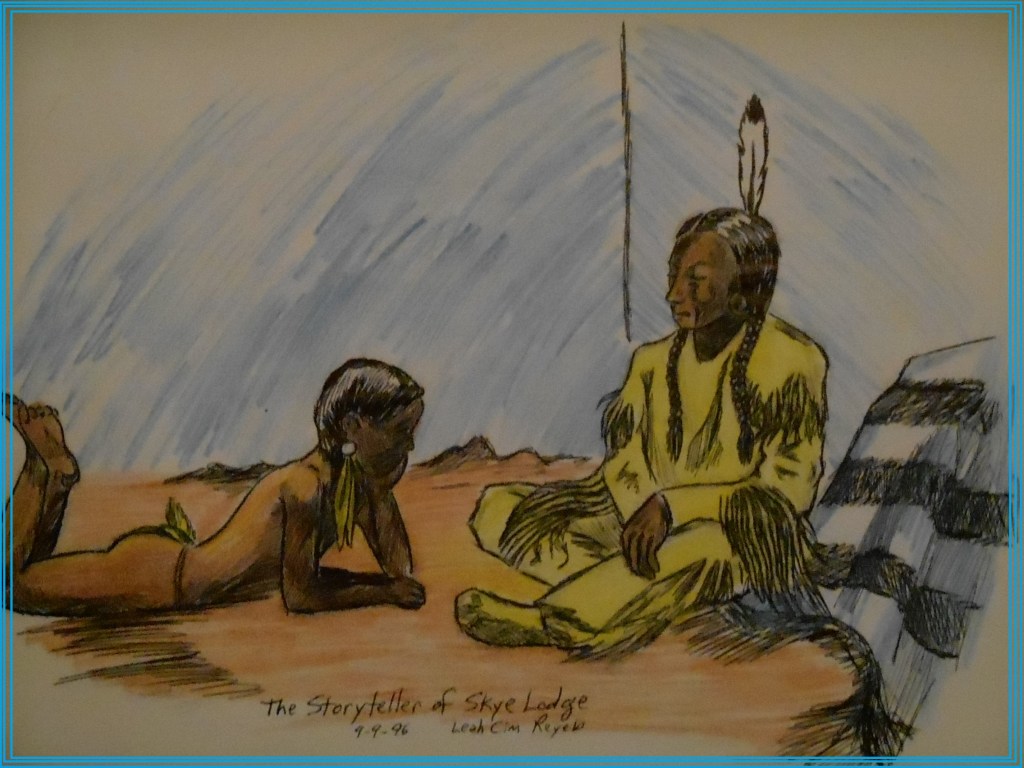
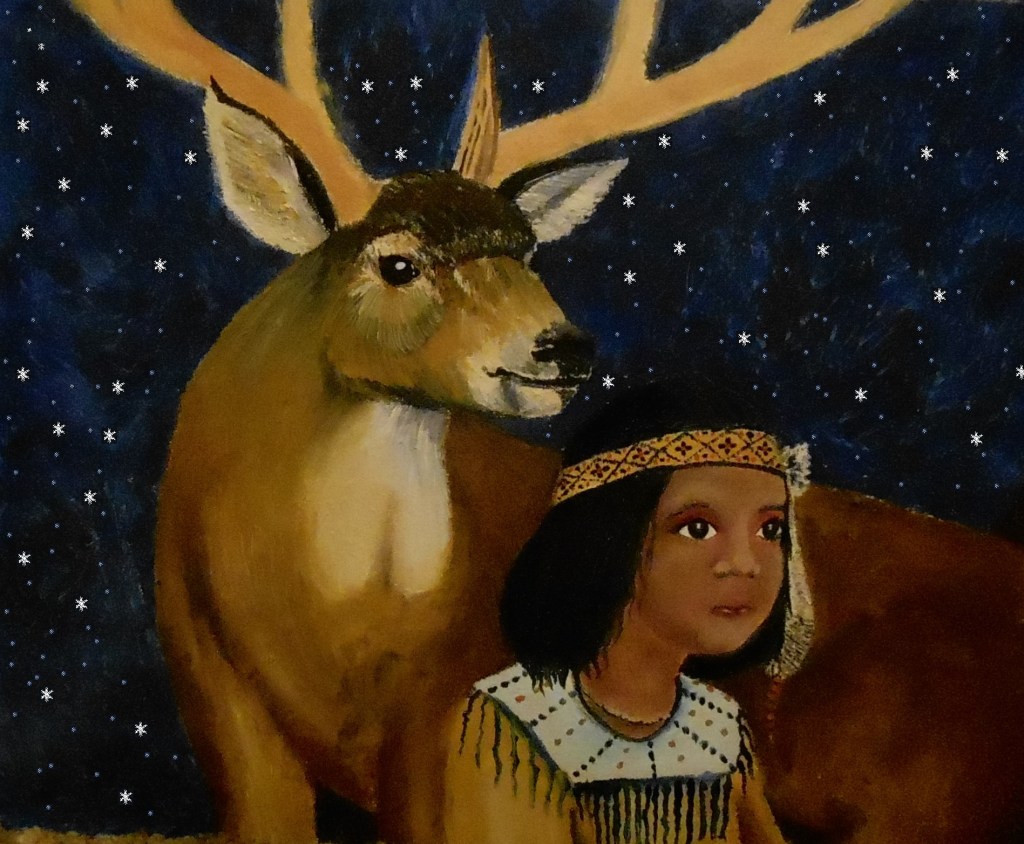
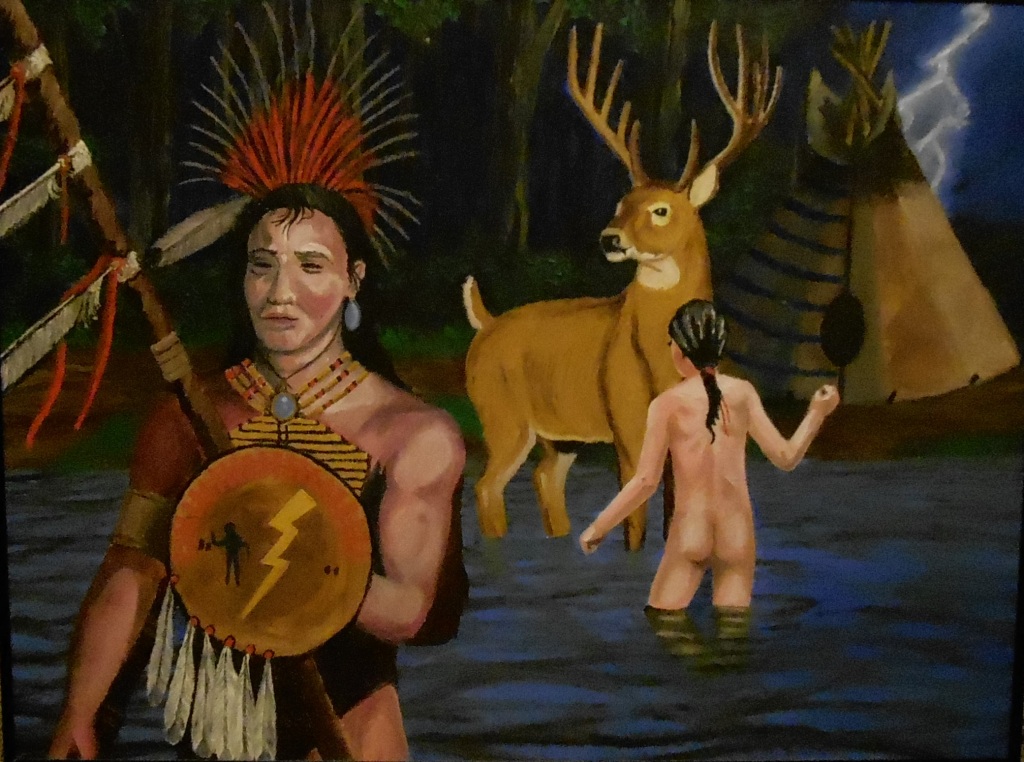
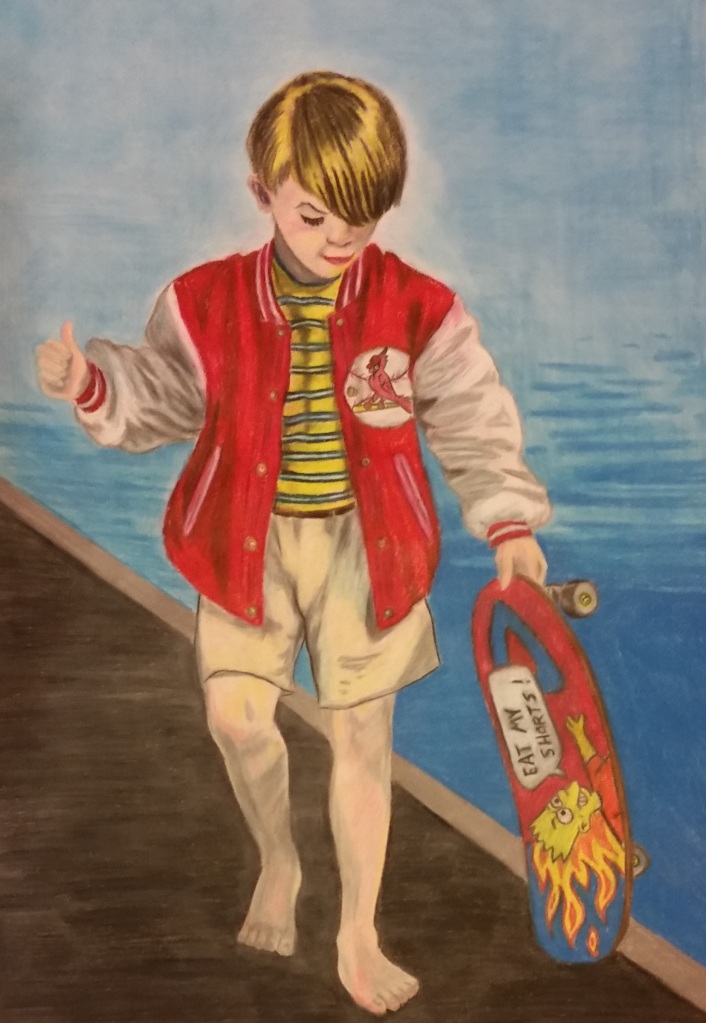
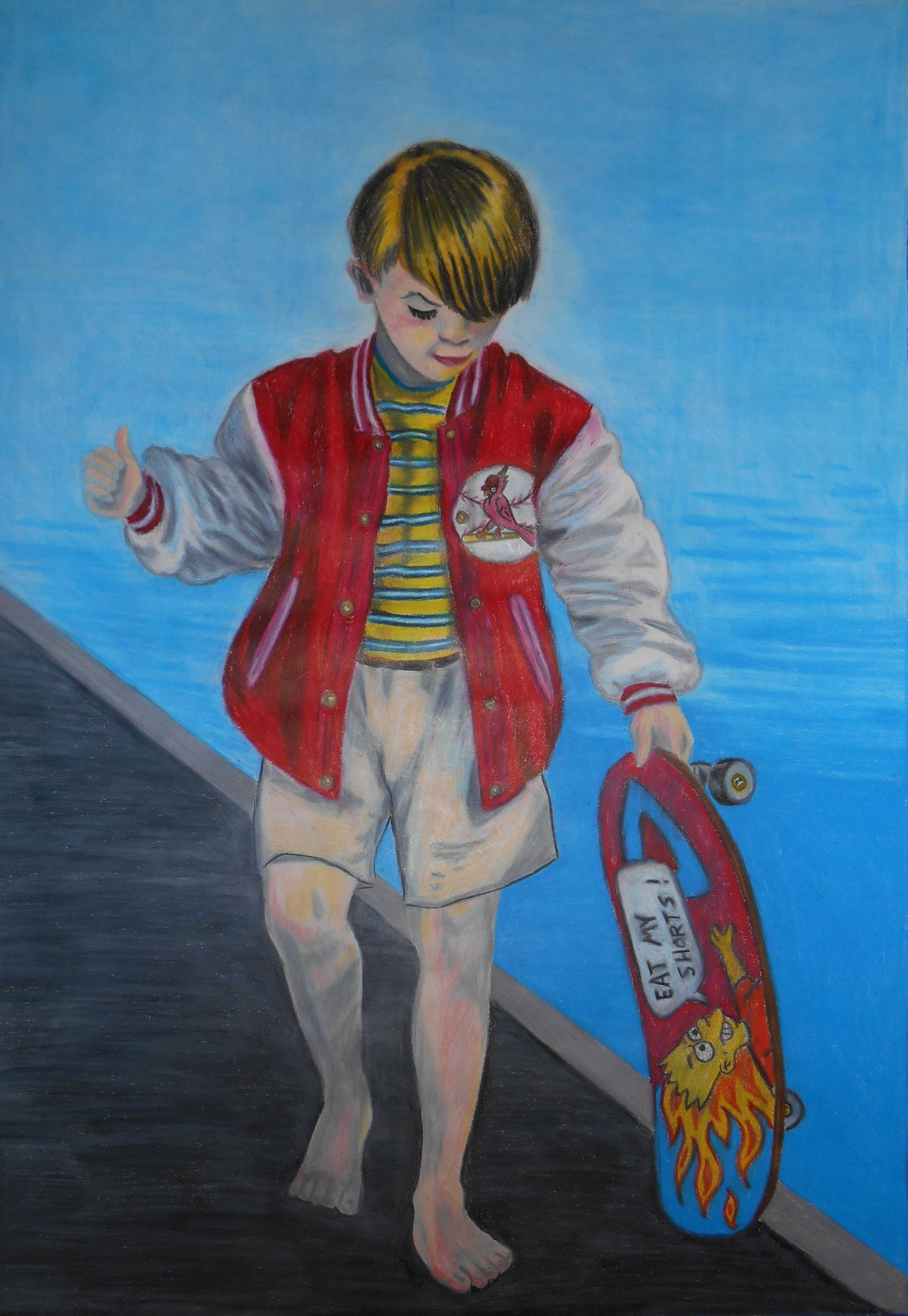
All art on this planet (with the possible exceptions of paintings by monkeys and elephants, and the songs of whales and dolphins) is about people. What is art, if it is not a reflection of who and what we are?
“Tell me a story with our people in it.”
I am the man from the setting sun who comes from the past to deliver the future.
Every bit of art I do now is done as my own mortality, the end of my own story, is soon to reach the final page. I have lived six decades complete and have begun to live the seventh. I am close to the sunset. But I have wisdom to share from a lifetime of struggle, and reversals, and successes, and joy. And in a dark time when it appears the world could actually be ending, I wish to do the only thing I can to help, provide pictures and stories that might prove useful to you.
“We are beautiful as the day is ending, because the day was worth living in.” “Magic, like lightning, infuses the sky with that which makes us wonder. What is it? How do I use it?”What we are is based on what we were. Our hopes for the future have their foundation in our past. We only have to see it and identify it. Then we can build on it.Why am I obsessed with naked people? Because naked people are exactly what you see. Naked hides nothing, and honesty is like sunshine, the more we walk in it, the healthier we become.
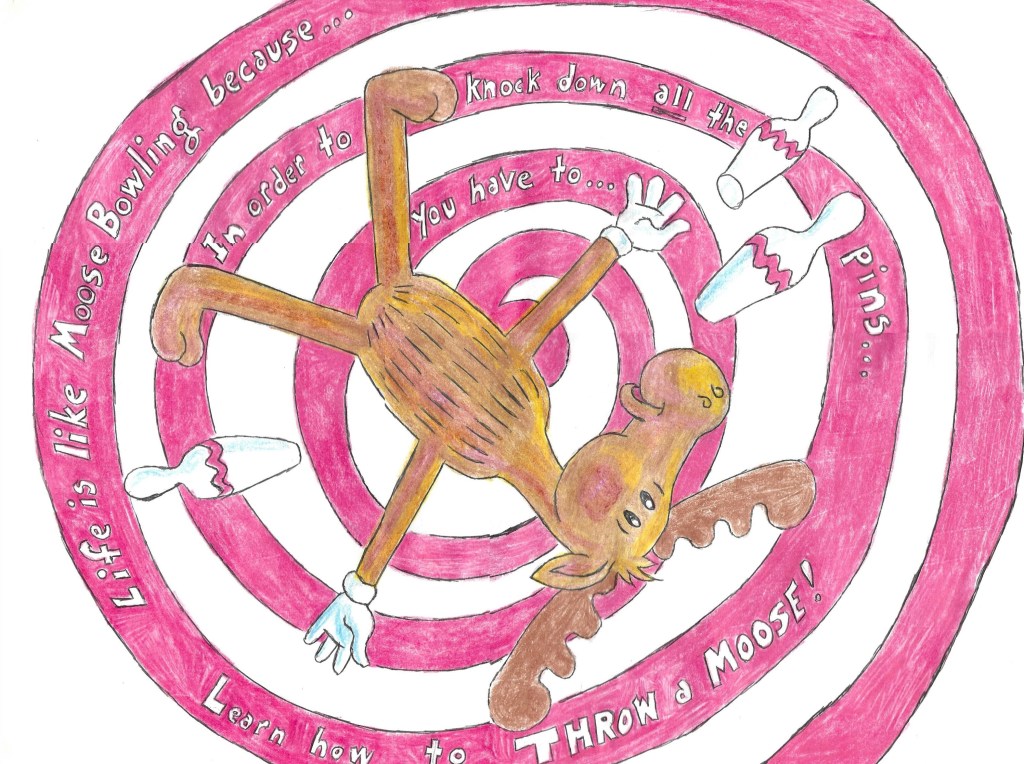
Laughter is an essential part of who we need to be and how we deal with where we need to go. Laugh at mistakes, and chuckle with satisfaction as you correct them.Life is like Moose Bowling because… in order to knock down all the pins, you have to learn how to throw a moose!Art exists because it simply has to exist. My art exists because I exist. So, my art exists because you all made the mistake of allowing me to exist.
So, all art is about people. Even the art with no people in it. That art, at least, has a creator who was most probably a people… or a monkey… or an elephant.. or a… well, you get the idea, don’t you?
On my computer I keep a lot of picture files for inspiration both as an artist and a writer. One of those files is labeled simply the “Wrong File”. Everything in that picture file is in there for the wrong reason. Or does a wrong file need to be filled with the wrong stuff for the right reason? I don’t know. There is a lot wrong with this world. The fact that I am going to post stuff from the “Wrong File” is merely proof of that.
Liking Grumpy Cat posts on Facebook is an oxymoron of the lowest order. It is an example of what is wrong in the “Wrong File”.
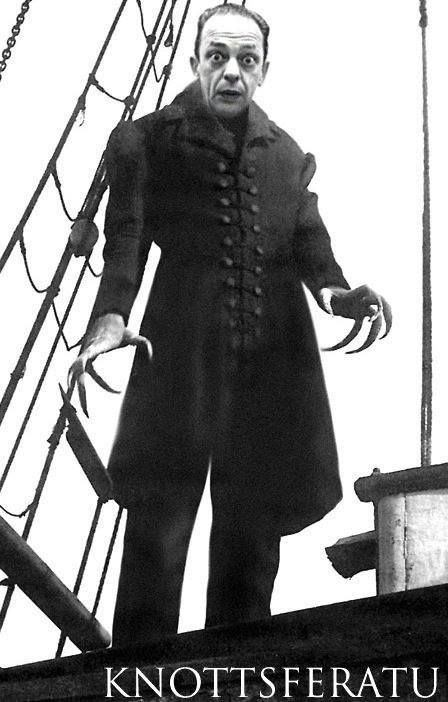
Certain puns are just so wrong in a fundamental way. That’s right. They are both fun and mental. So that’s wrong.
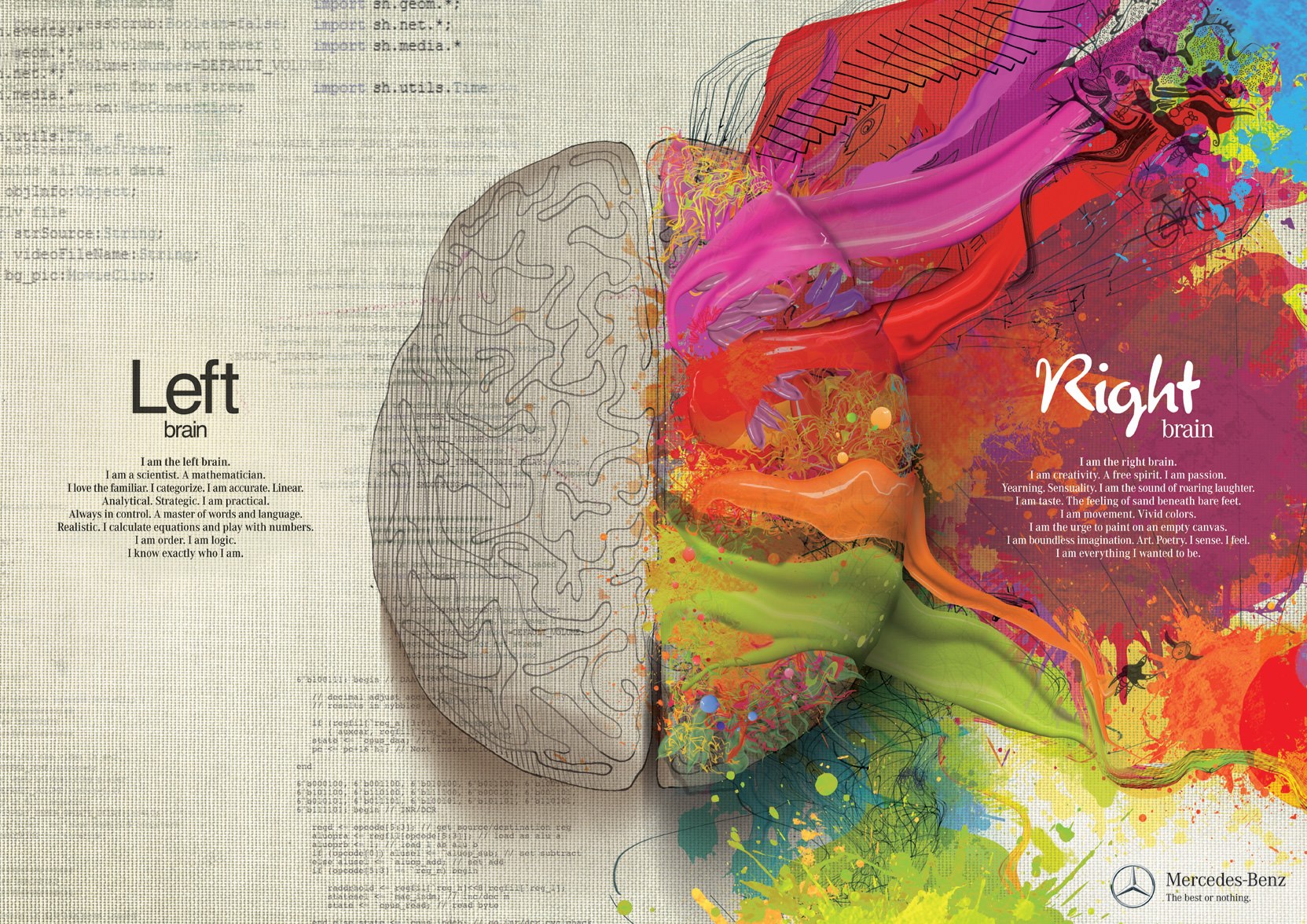
As an educator I am aware that this thing we thought was true is now an untrue fact. That’s wrong also. My left brain tells me so. But my right brain tells me it feels right.
Yes, these things are wrong. Just wrong.
Why did I put this in here? This is not wrong. This is right. So I must’ve put it in the wrong file. So that’s all right, then.
Putting this in a file my wife could find on my laptop… Yes, that was wrong.
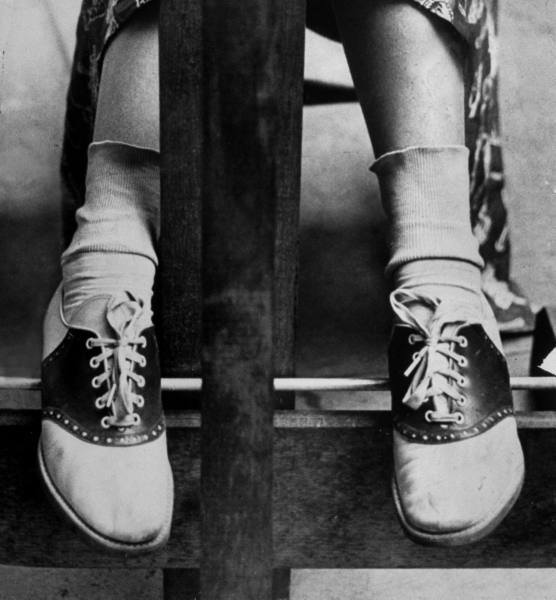
Saddle shoes have been wrong for many years now. I still draw them on the feet of kids, especially girls, especially school-age girls, and that is especially especially wrong because it means I am just too old and out of fashion.’
Boy! Is that wrong!
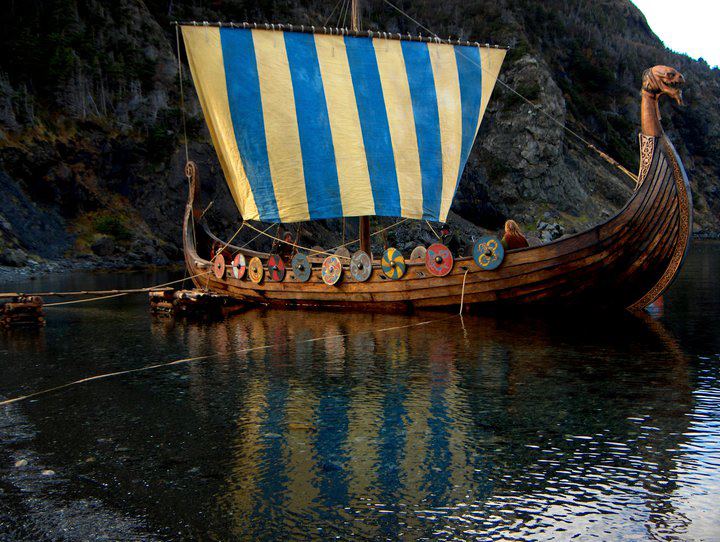
These things are all older than me, but I remember two of them. Is that wrong?
I’m not sure I believe this is wrong. So is that wrong? To believe that it is right, I mean? I’m probably wrong.
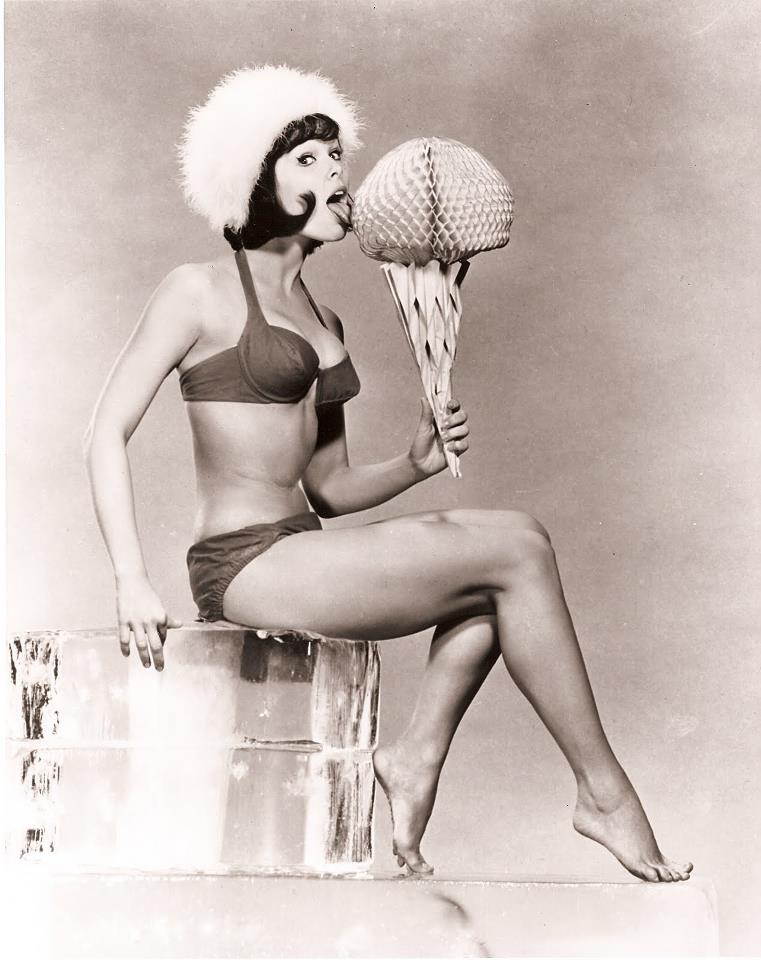
My wife constantly tells me I am wrong… about everything. And I probably am. So that is not right. And if you think that’s my wife in the picture, you would be wrong. She’s much larger than that in real life.
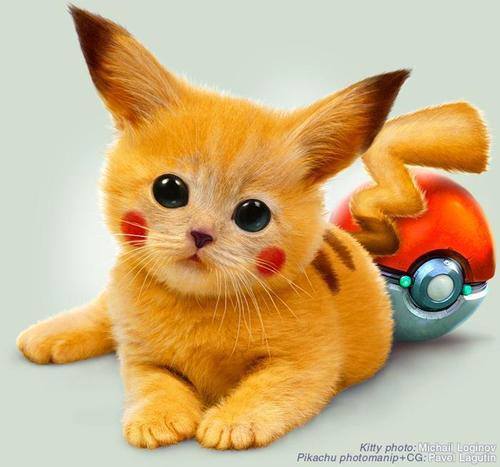
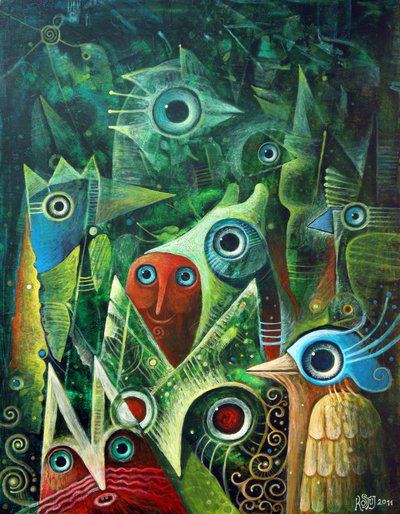
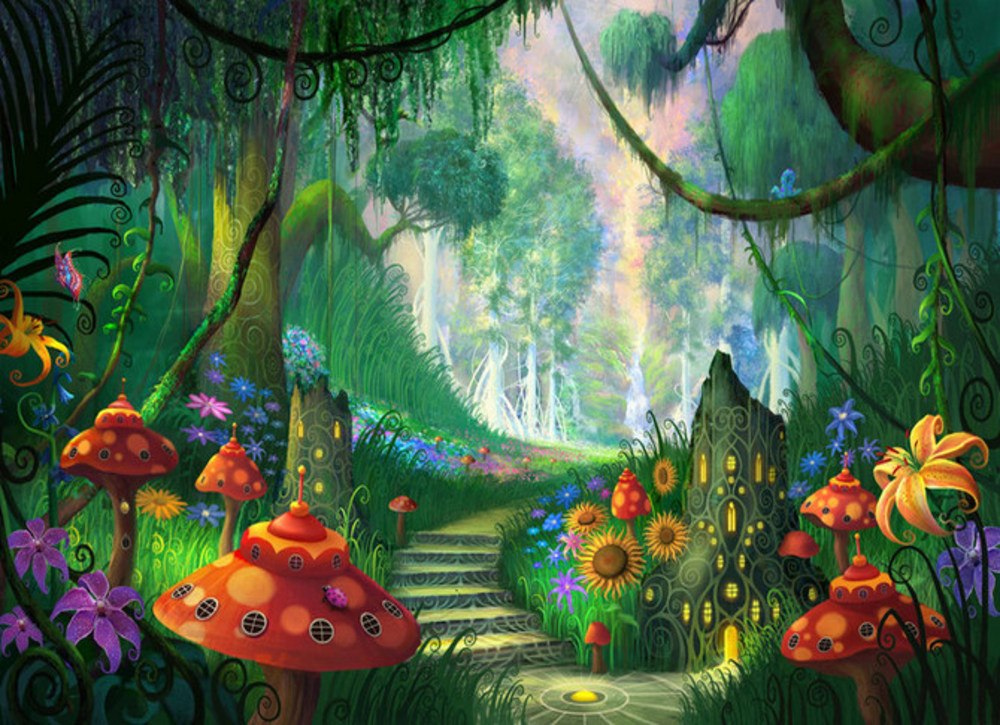
And many people find surrealism is wrong. Surreal is when you put wrong things together on purpose to make something that almost seems right.
So that’s what is odd about the “Wrong File”, It is so wrong that it is right.
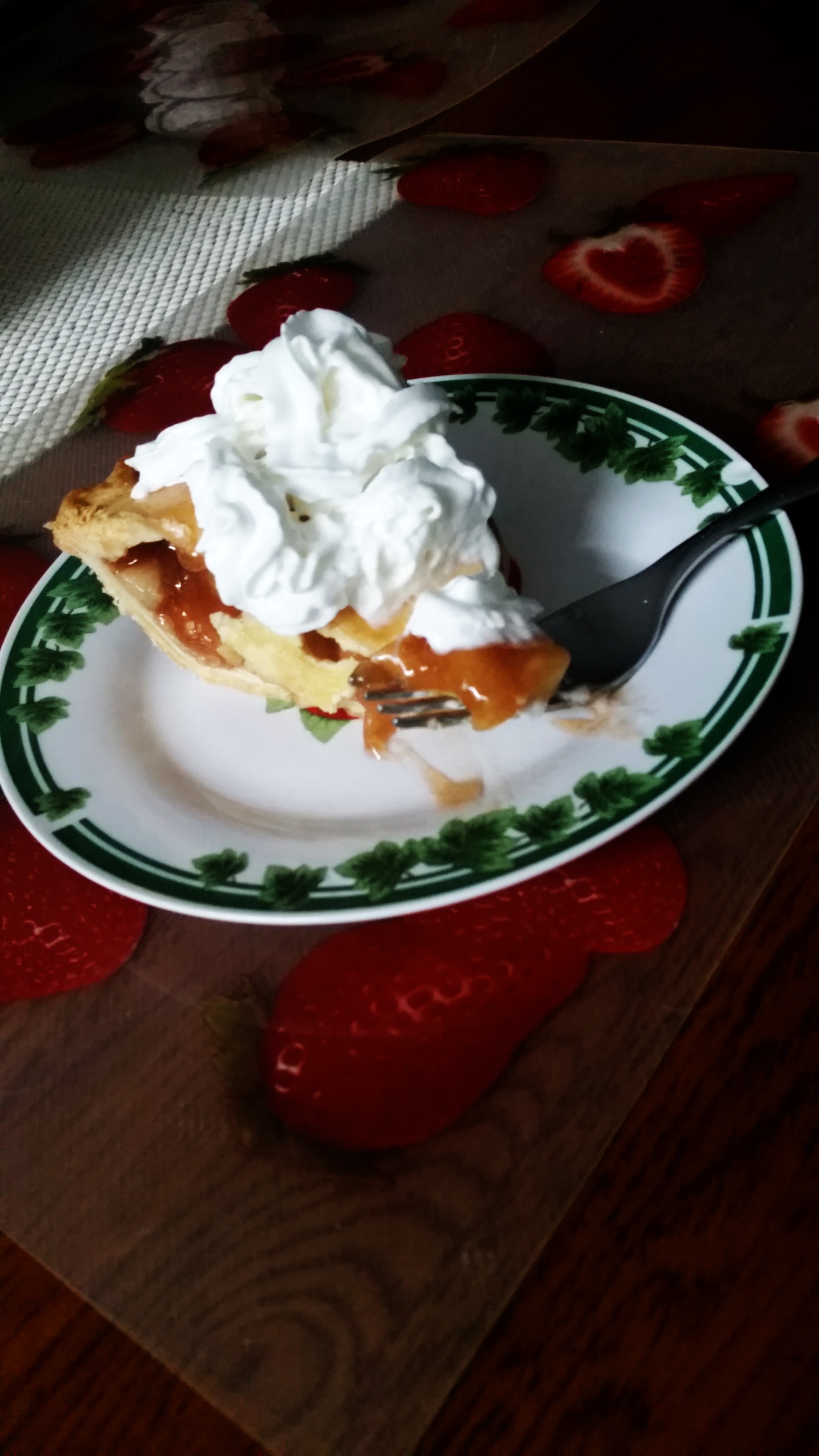
You reach a point after a hard month has lingered long where you have to eat the leftovers and accept what is. I faced challenges again like the bankruptcy in 2017 and the COVID pandemic in 2020. July and August in 2023 have been super hot and withering of both soul and resolve. When faced with such a situation, I need pie.
So here are some of the things left in my January file for use in this blog. The only reason they are here is because I have developed a tradition of repeating this post in times of trouble. Of course, updates are necessary. The pie I just had was a cherry pie, not the apple in the picture. The ideas have not been knitted together for any rational purpose.
This will be a crazy quilt blog post. But crazy quilts keep you just as warm in winter as any other kind. But at the end of this month, I need the crazy more than the quilt. I am having no trouble keeping warm at 108 degrees of real temperature today.
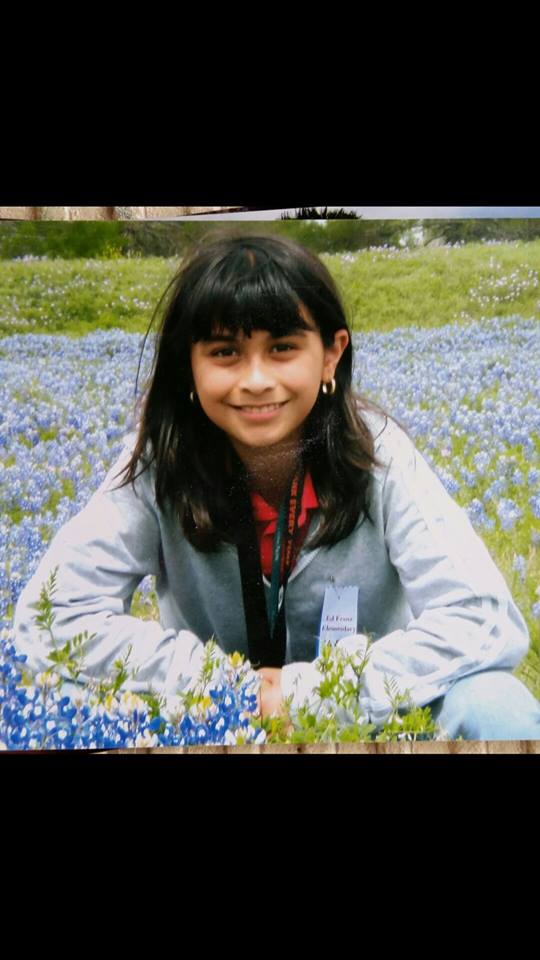
My once-newest Facebook friend is the daughter of my wife’s cousin. I have only known her as the sweet-faced little smiler at Filipino-American family gatherings who sometimes gets my attention by squirting me in the ear with a water gun. Her father is from Greece and teaches Math in San Antonio. Her mother, like my wife, is from the Philippines. I won’t tell you her real name, but we used to call her “Sweetie” because of her resemblance to the little pink Tweety-bird character from Tiny Toons Adventures. Since this bluebonnet picture was taken, she has graduated from high school and definitely become a worthy young adult, slightly older than my own daughter. I did once hold Sweetie in my lap as an infant.
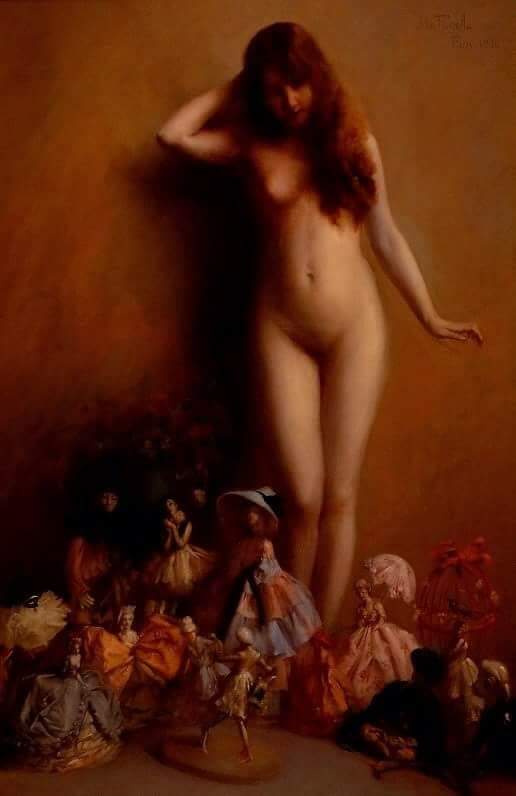
I have also spent considerable time writing to and for nudists I have connected with through their various websites and on Twitter. These two lovely works of nude art were shared with me on Twitter. I have collected a number of nude pictures from Twitter nudists that I can’t use on WordPress because I am still entirely too modest to be the unrestrained naked person that some nudists are. I can’t really claim to be a complete nudist myself. But I do have stories to tell about naked people, and I have been working on them diligently. I have been working on a book-length essay called Naked Thinking, full of ideas and drawings about being naked and honestly open to the world. Whether I live long enough to publish it remains to be seen.
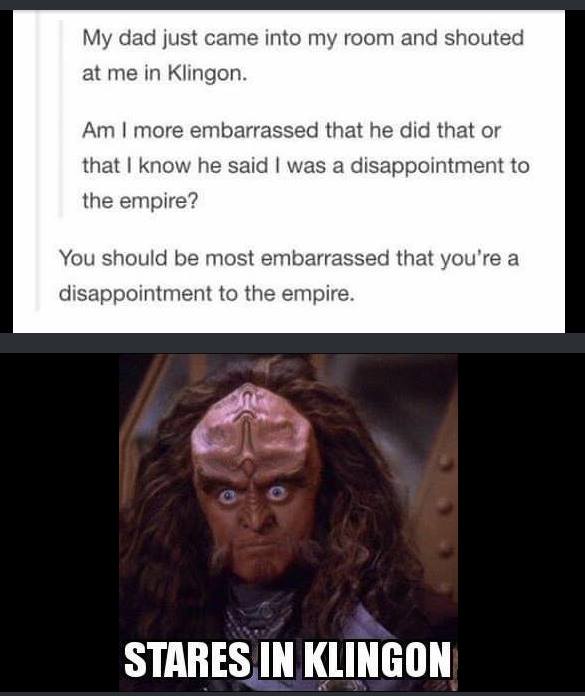
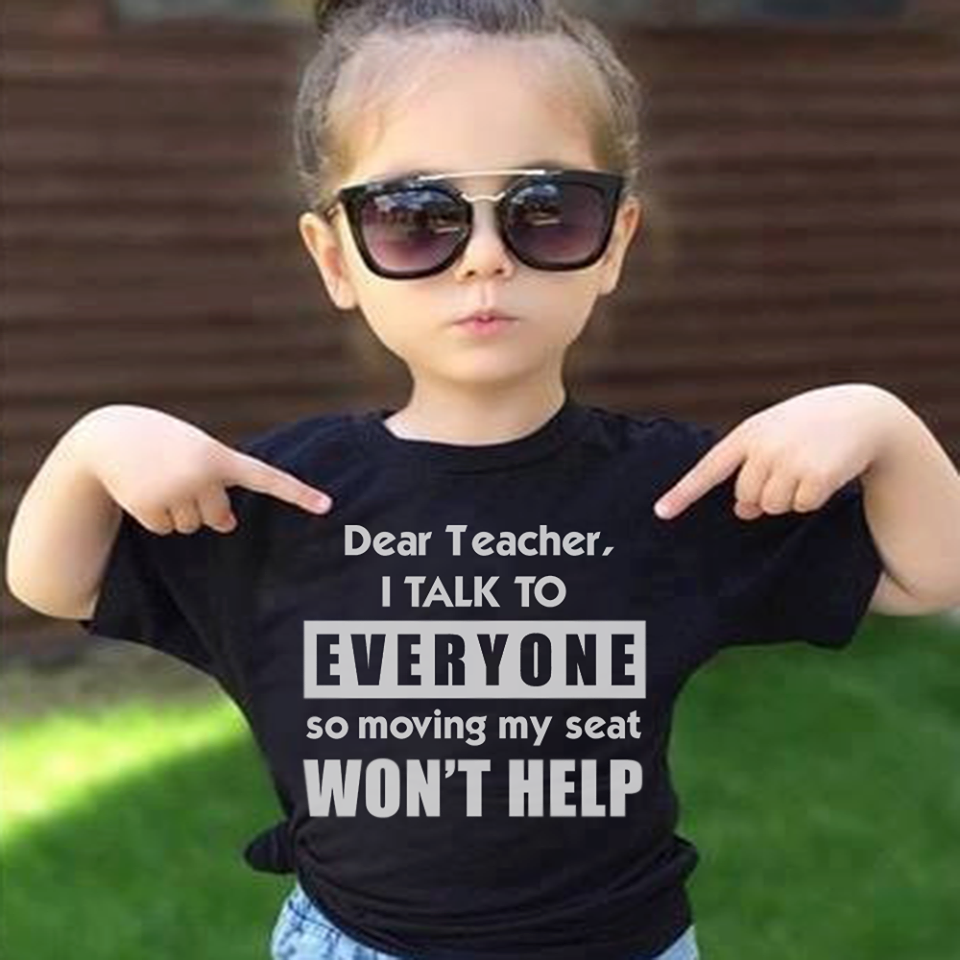
Of course, I still miss being a teacher. I was a teacher of English for 31 years. I taught reading and writing in English to over 2,000 kids. I also learned how to stare in Klingon. It is a useful skill for keeping students in line and keeping them from becoming a disappointment to the empire. I miss teaching kids, especially talkative kids. Far fewer people talk to me during a day of retirement than used to talk to me in a single class at school. Those interactions were precious.
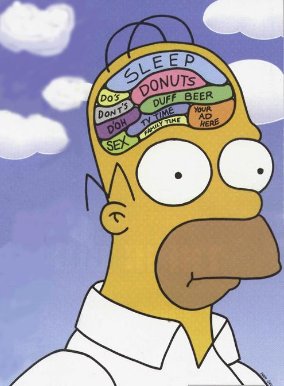
And several things are just too confusing for my old brain to explain.
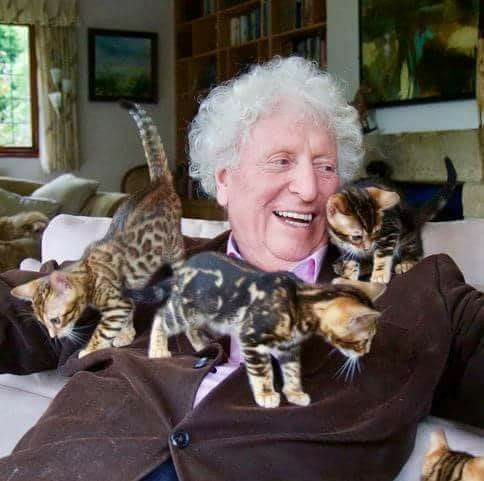
But I do like this picture I found on Facebook of Tom Baker, the 4th Doctor, playing with multiple kittens. I don’t know why, but it makes me happier.
Tom Baker with kittens all over him… It doesn’t get any better than that.
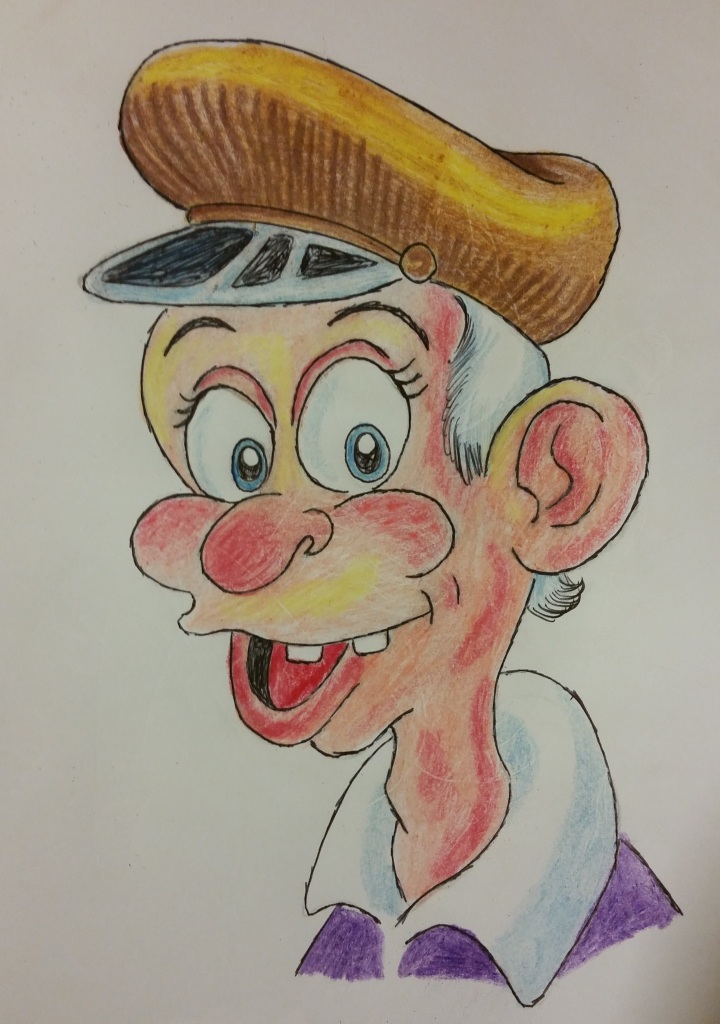
It is said by somebody who wasn’t basically me that any time an artist draws a picture of someone, or paints a picture of someone, or twizzles a twizzle-snoot of someone… they are basically making a picture of themselves.
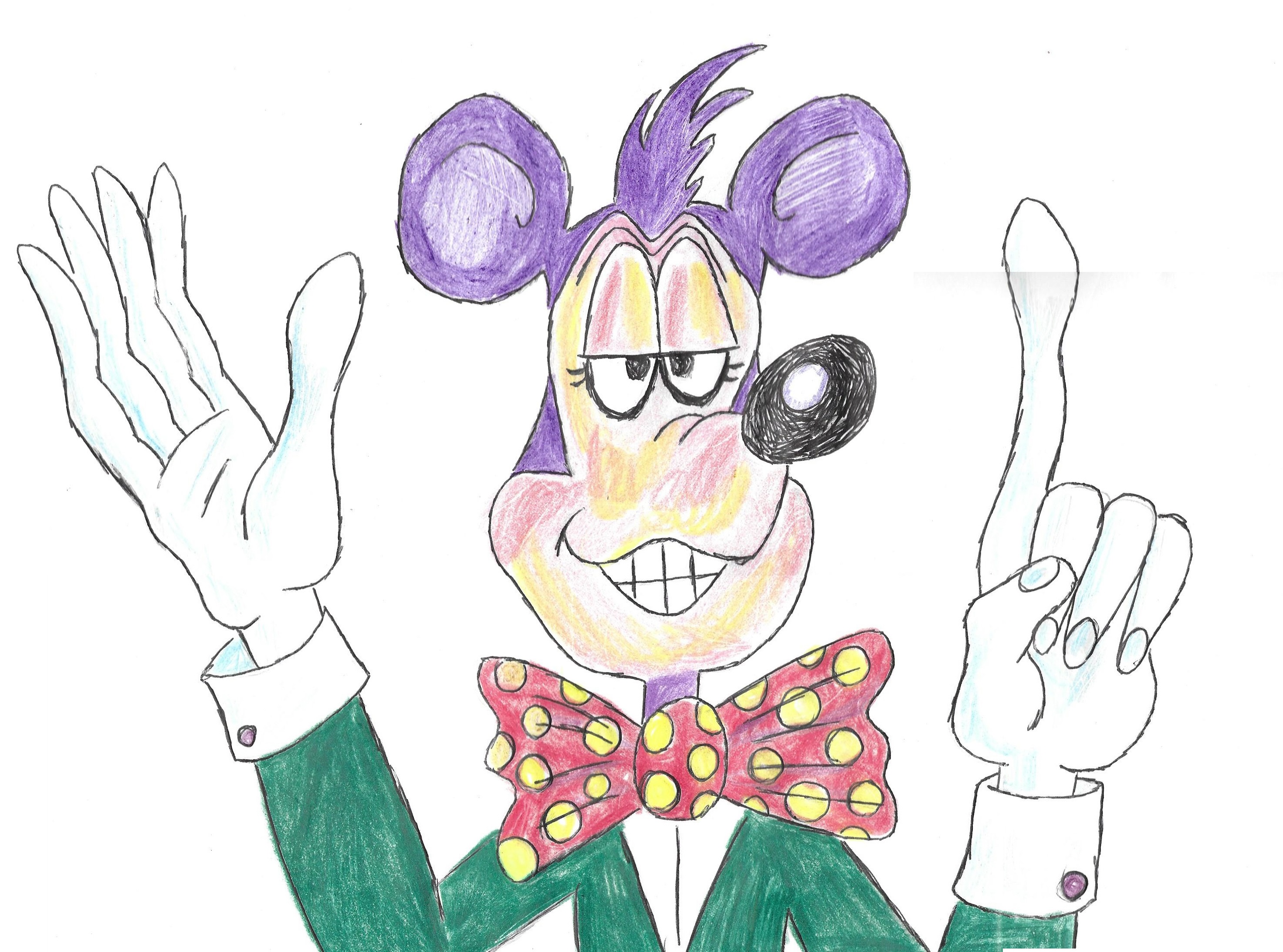
So, this Paffooney that I paffooned of a purple mouse in a Don Martin-esque style, is supposed to be Mickey the cartoonist. And Mickey is supposedly, basically me.
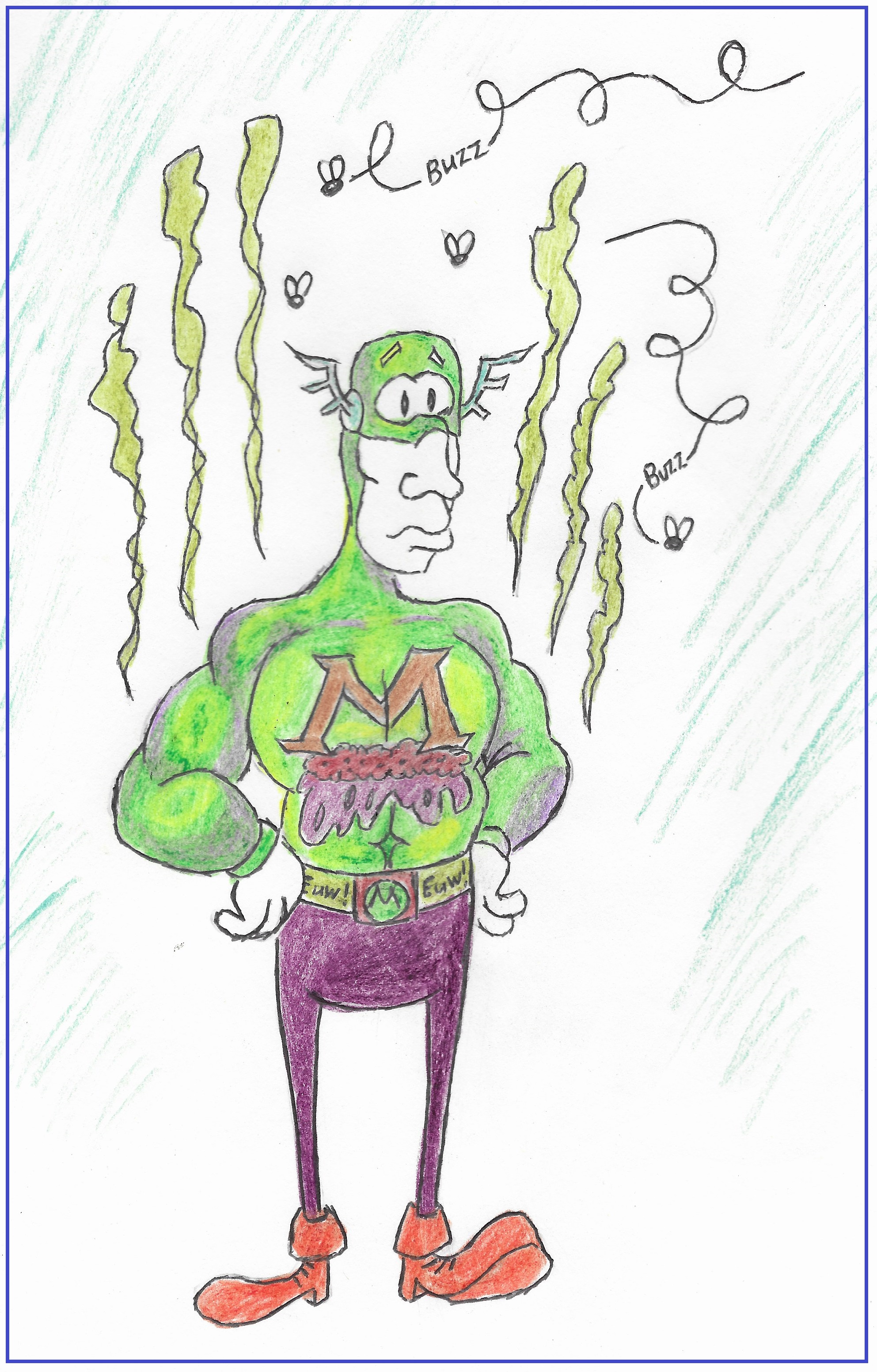
And here I am as Muck Man, the superhero. It is me because the super power he has is his horrible, non-adorable, and unrelenting stench. The horrible smell of him renders villains and bad people unconscious or worse… sometimes straight to the hearse. And using his olfactory assaults on evil as a way to make something terrible into something with a -someness of awe, makes him indubitably, indelibly basically me.
“Long Ago It Might Have Been”
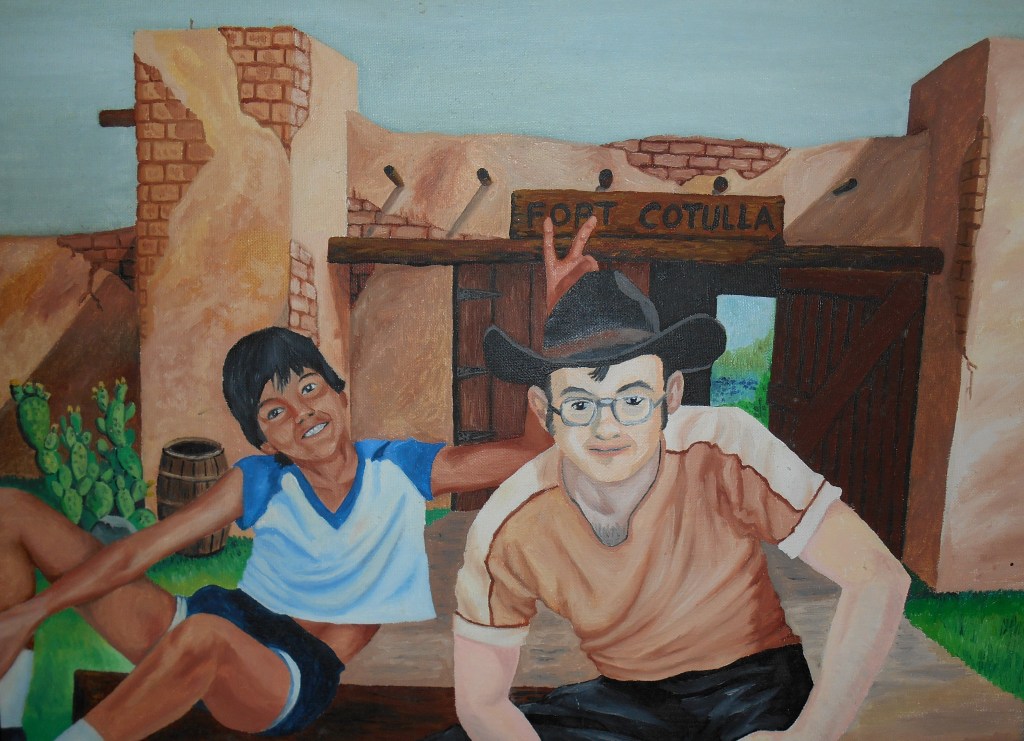
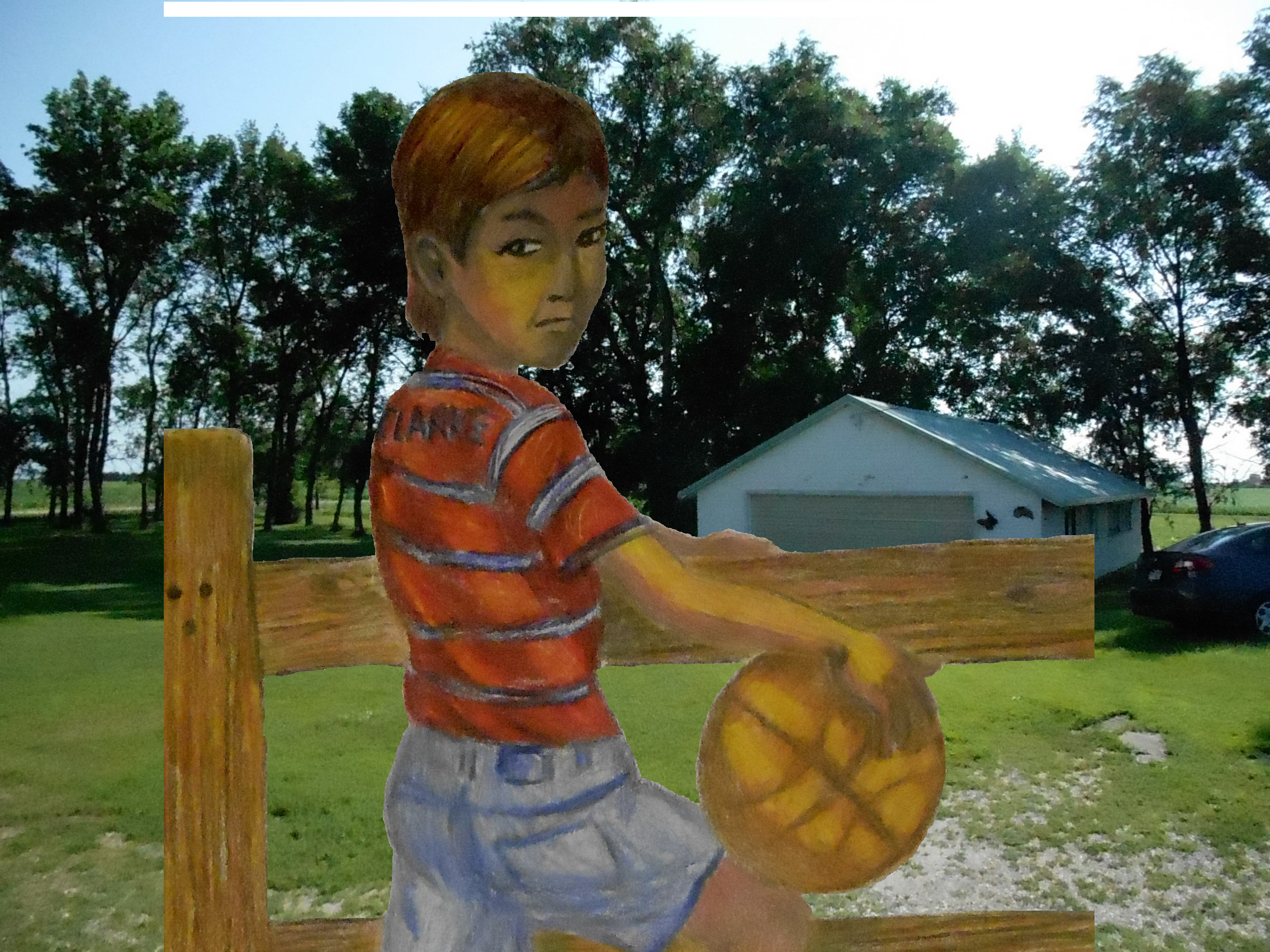
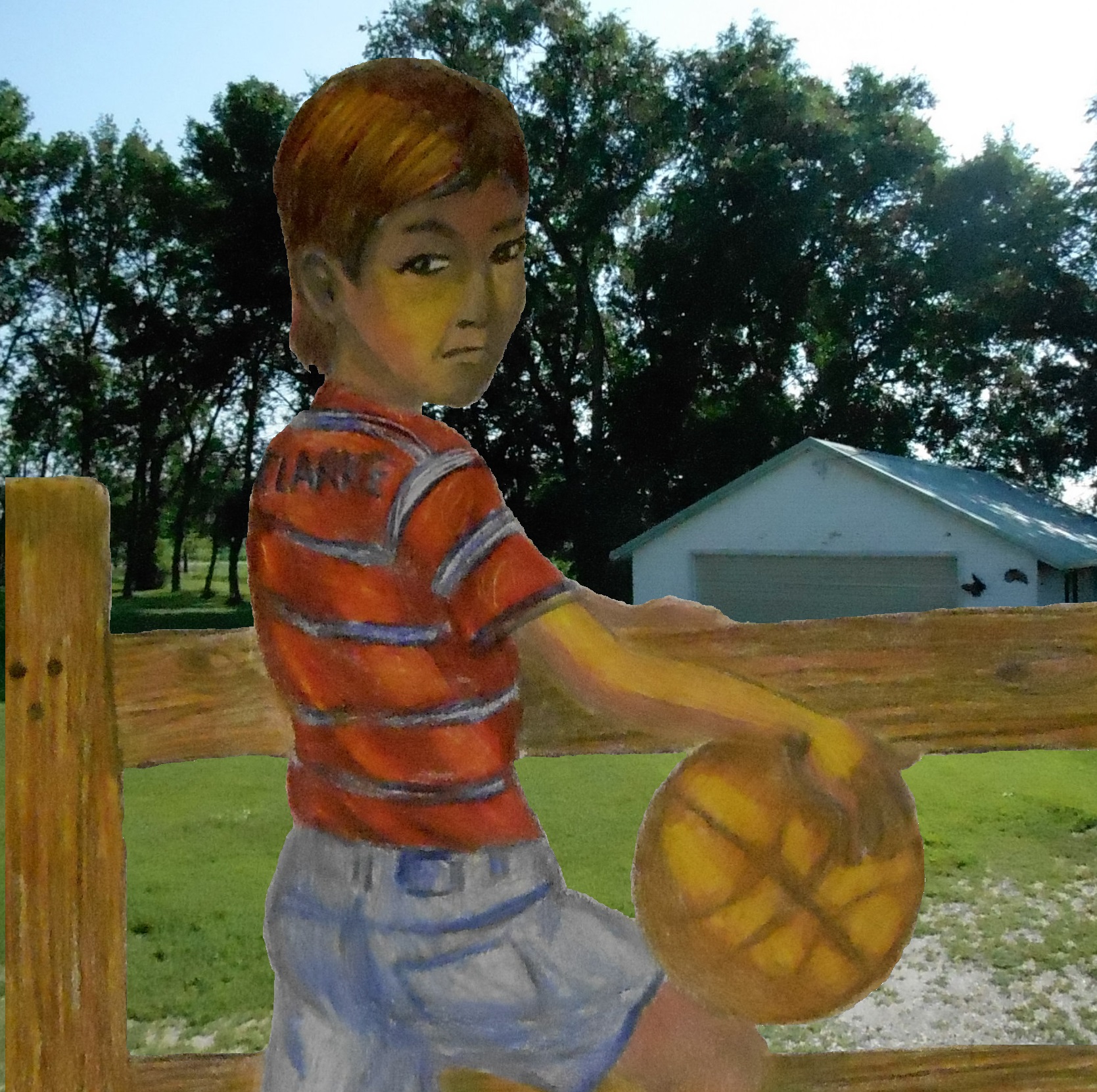
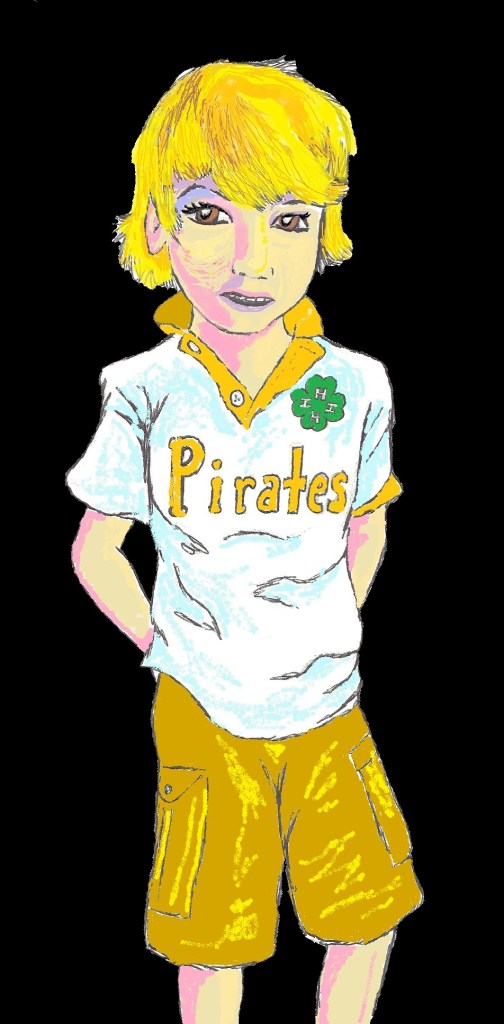
And here is a picture of a boy who might’ve been my son if only I had been given enough good sense to fall in love with that first blond young lady who first had thoughts about making babies with me. I didn’t. I’m stupid. And now she has only girls. That makes it a picture too of basically me.
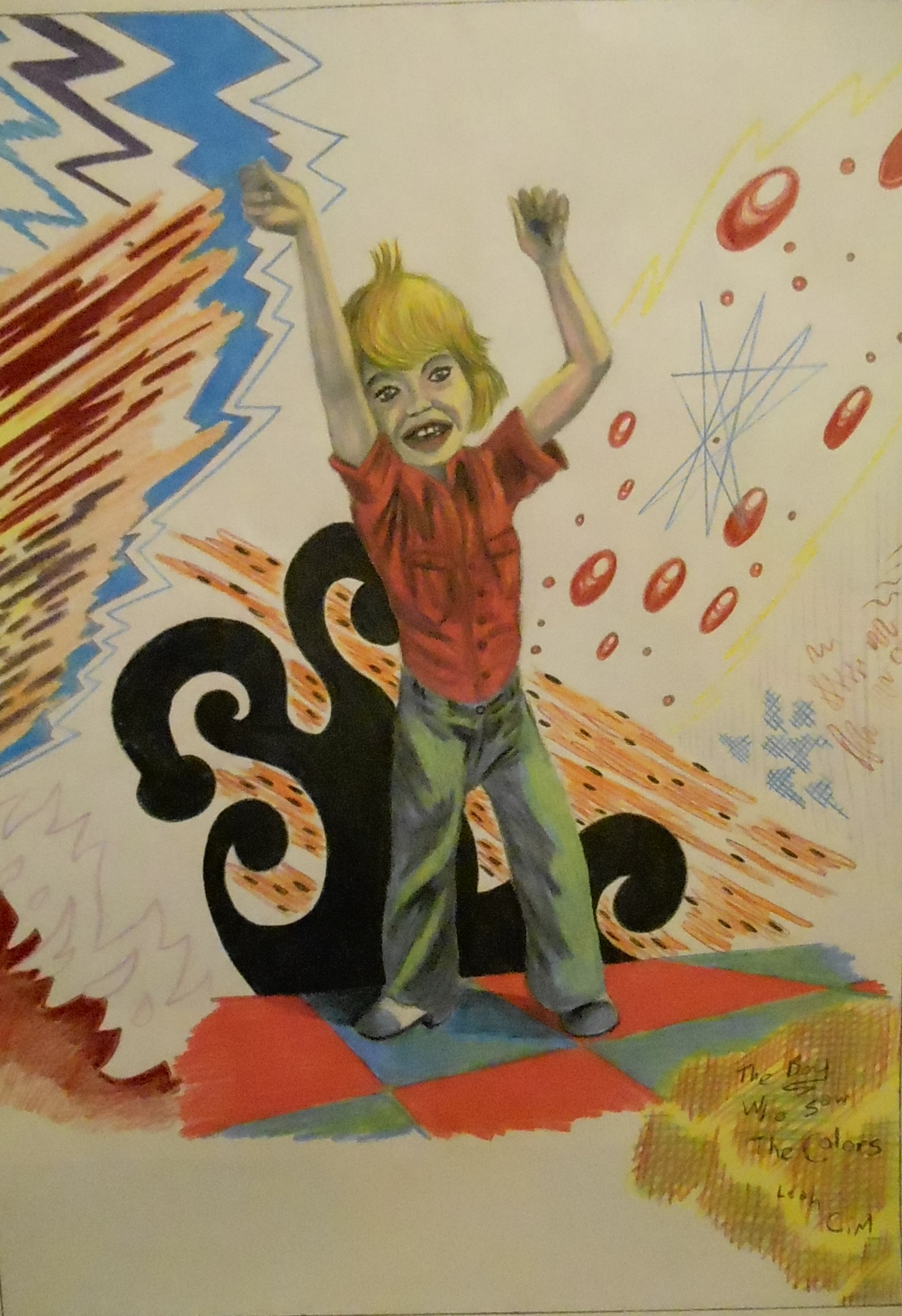
And this little not-me was me all along, and as the boy who sees colors, it’s really not wrong. Synesthetic they call it in a name that’s not long, but is resoundingly deep like the words of a song.
And you might argue this one and say that it’s true… “This one is too pretty to be a picture of you.” But you would be wrong on this basis, you see…
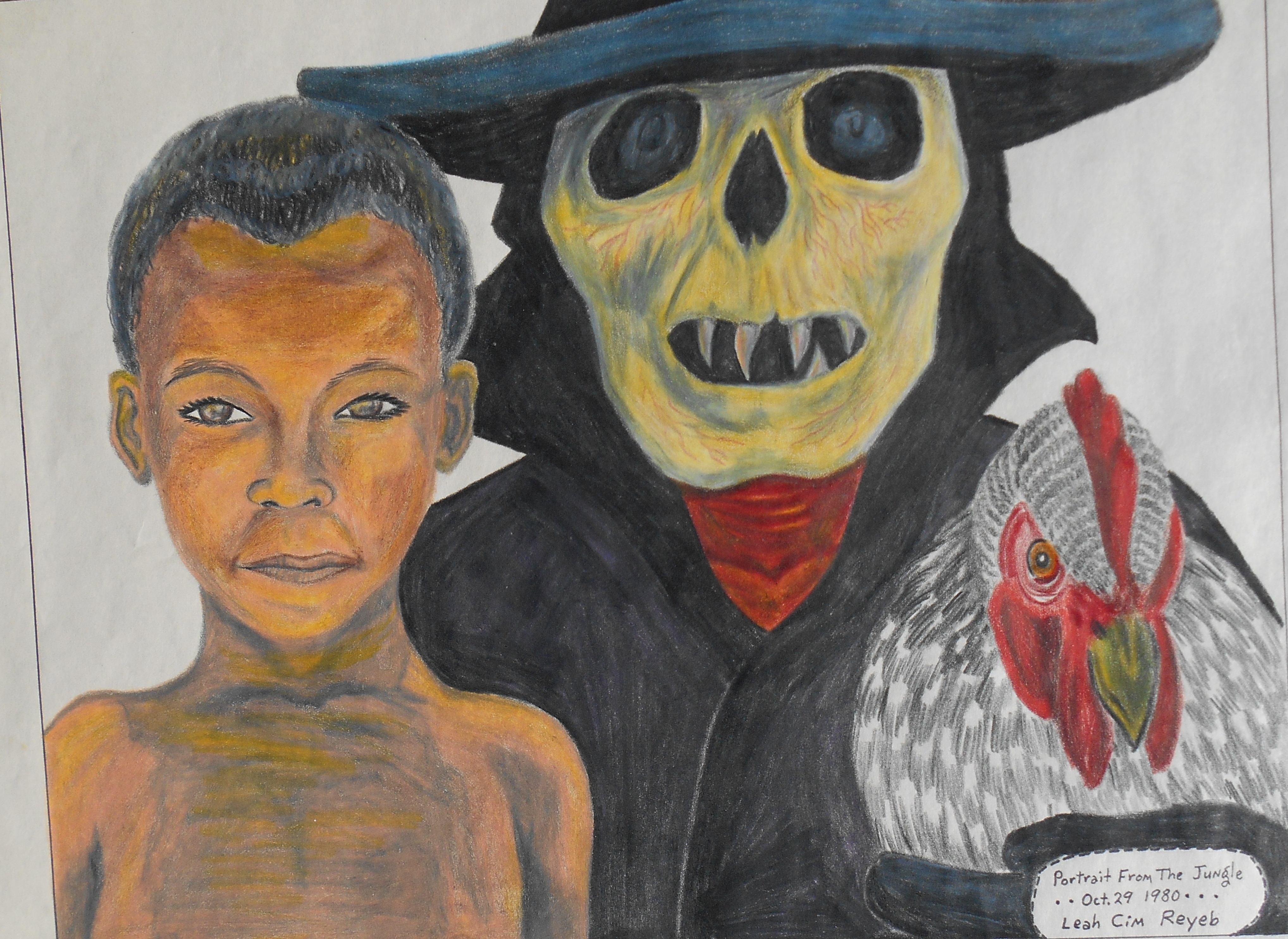
The monster inside me is basically me
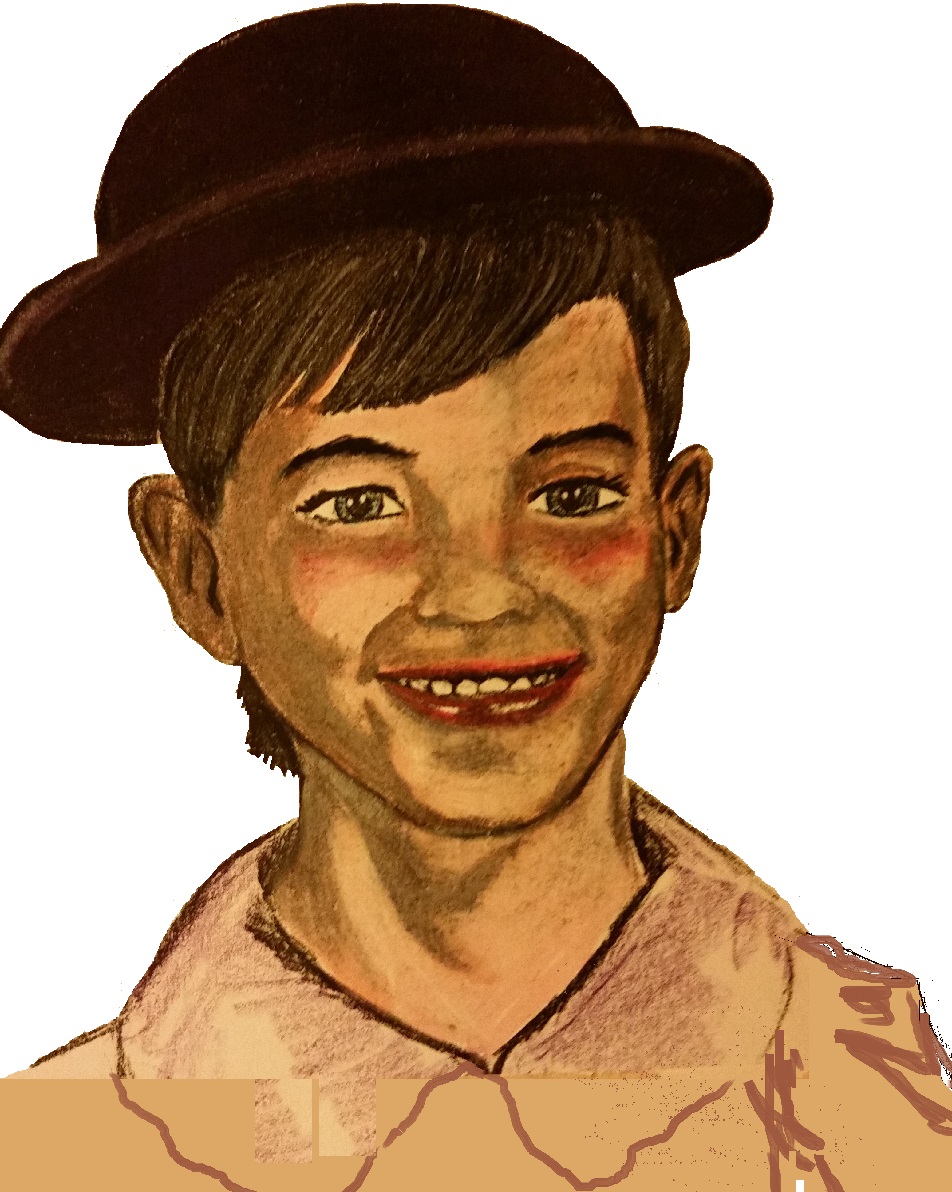
And here I am all magic and purple, and I just blew the rhyme again, so this isn’t another danged verse. I drew this picture of Milt Morgan from an old school picture of me.
I often say the character in the stories is based on the Other Mike, the other boy I grew up with who was named Mike in my little home town.
But he thought like me, he acted a lot like me. He even looked like me, at least a little bit. So, if I am portraying him, I am depicting basically me.
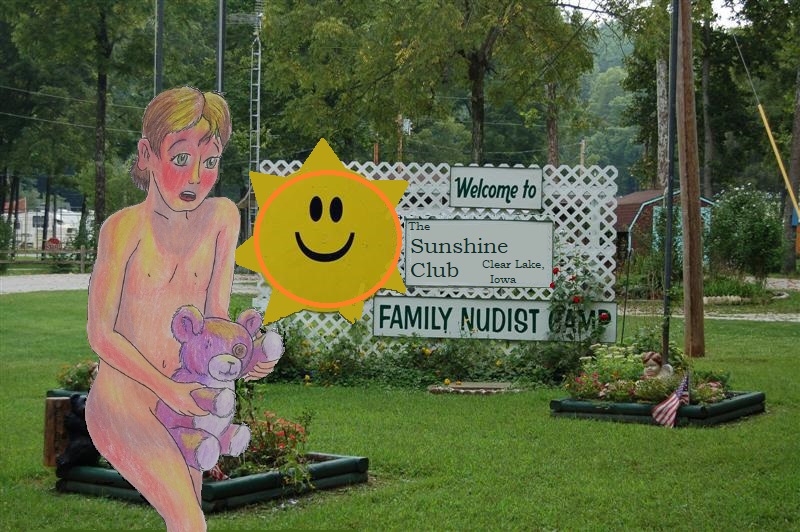
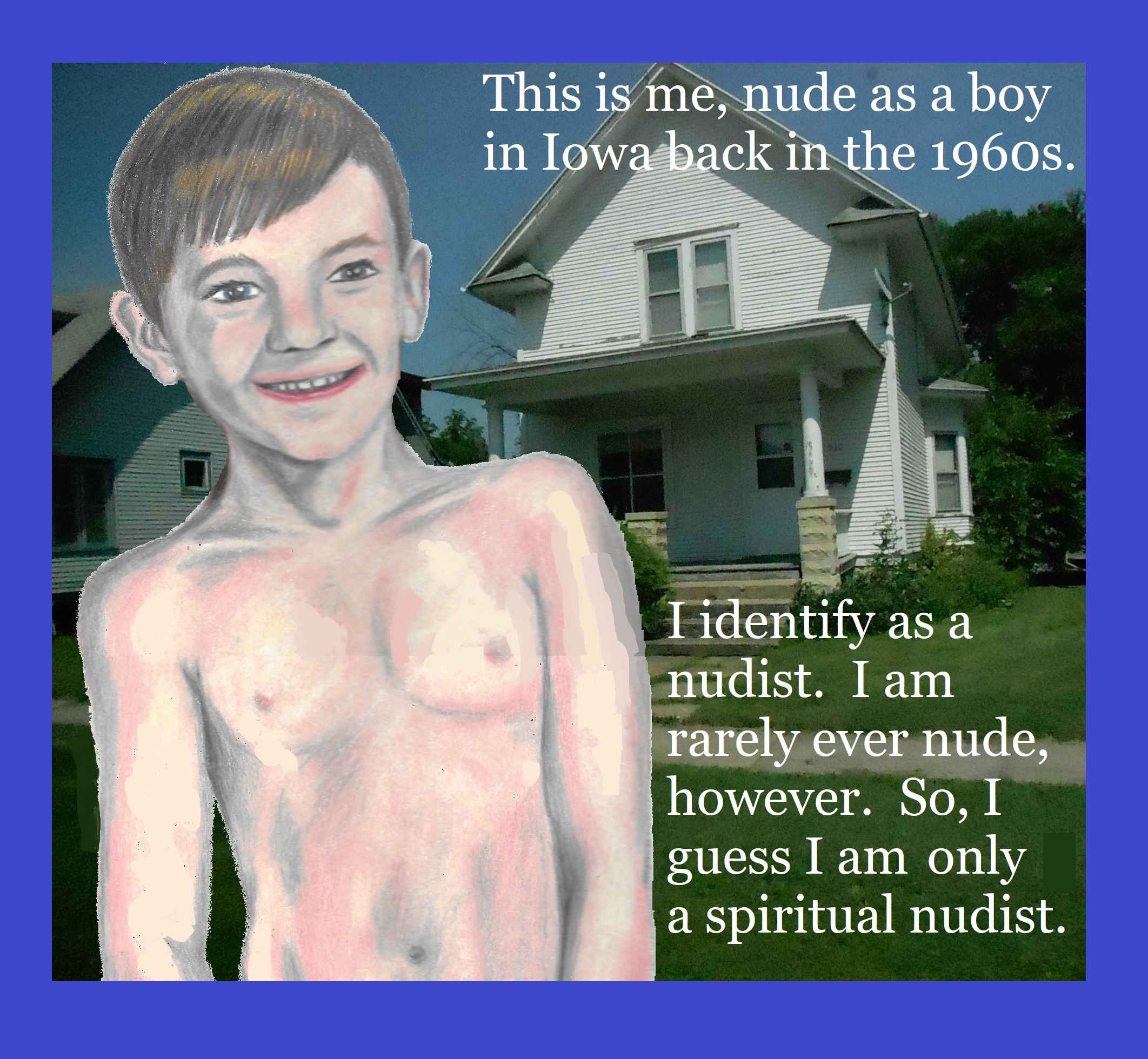
And this is the naked me, as a nudist back in childhood in Rowan, Iowa, which I never was… not like this… but still am. Because I am a writer. And writers always write about their naked selves, showing the whole world what saner and more prudish people keep secret. If they were truly smart and wanted to keep their secrets to themselves, artists would never draw or paint or write about or twizzle about themselves. In fact, they would make no art at all.
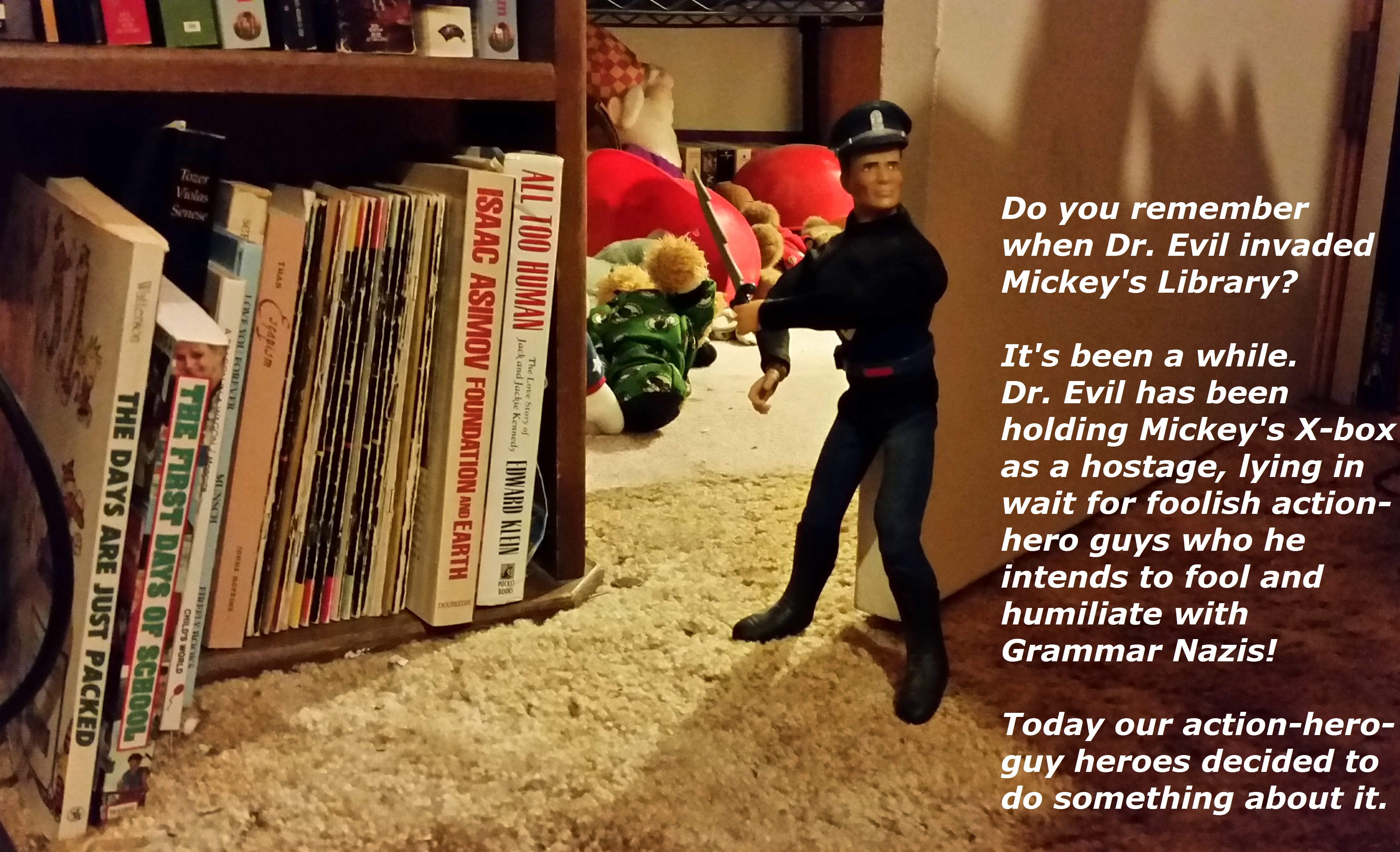
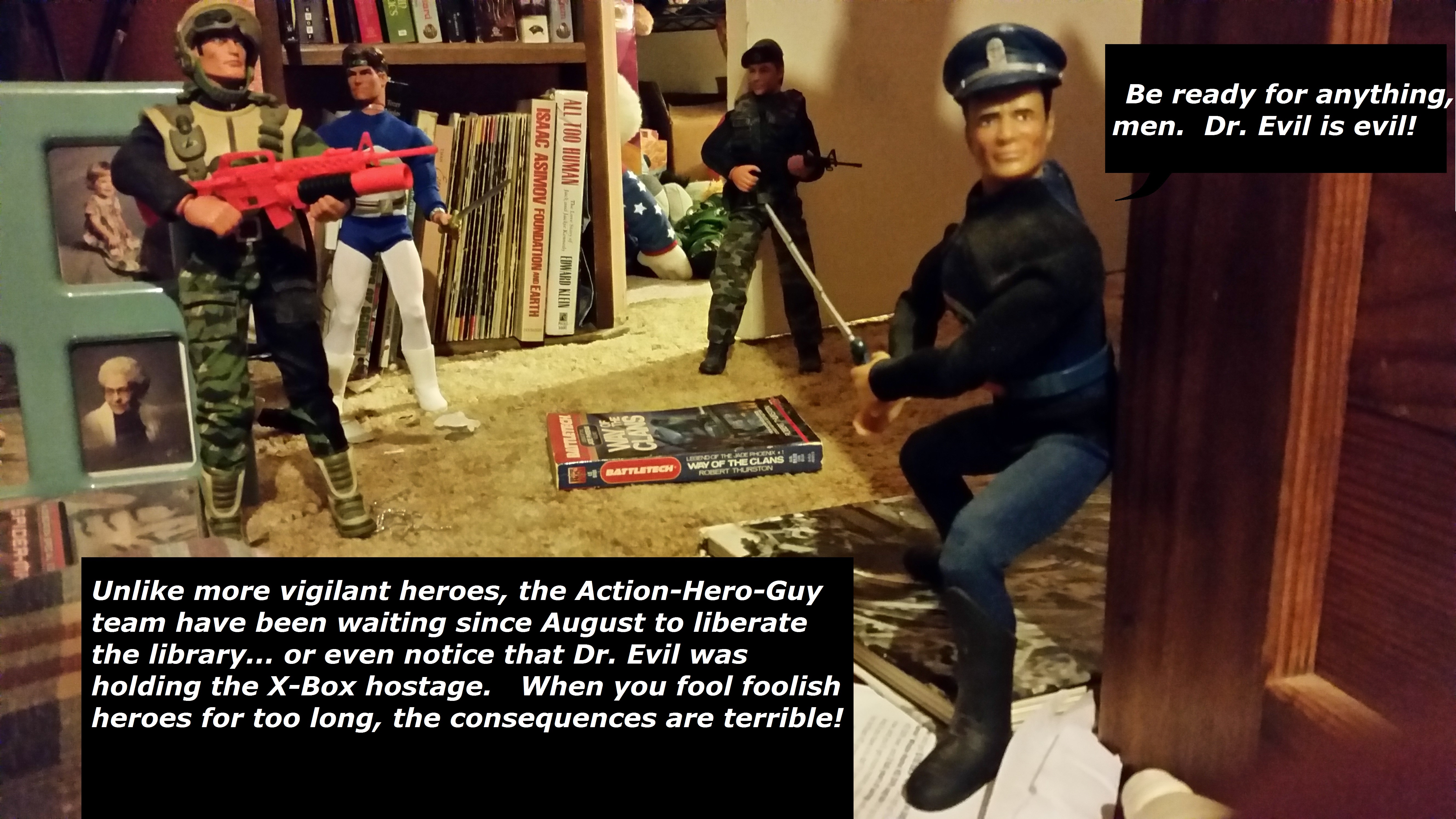
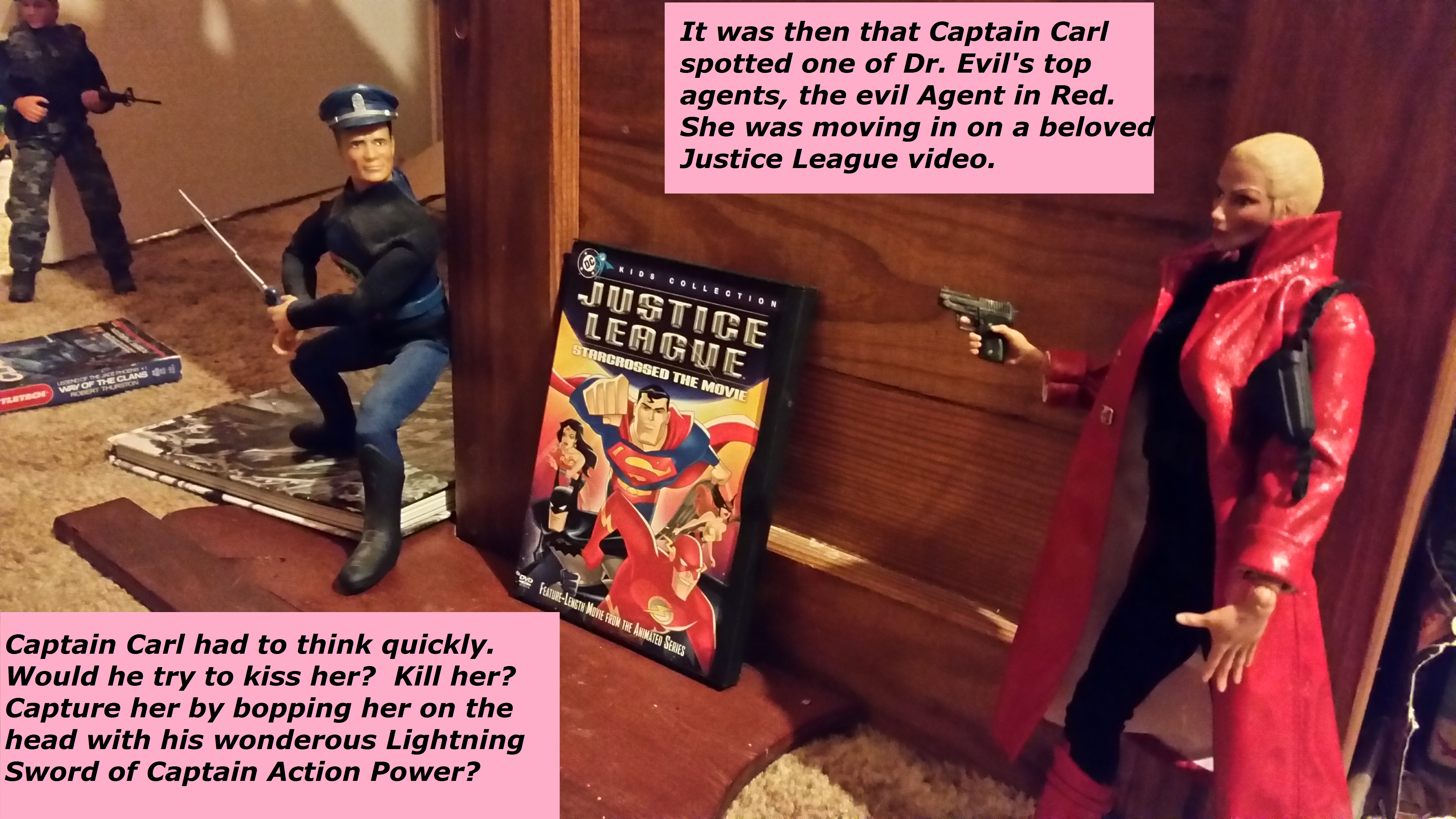
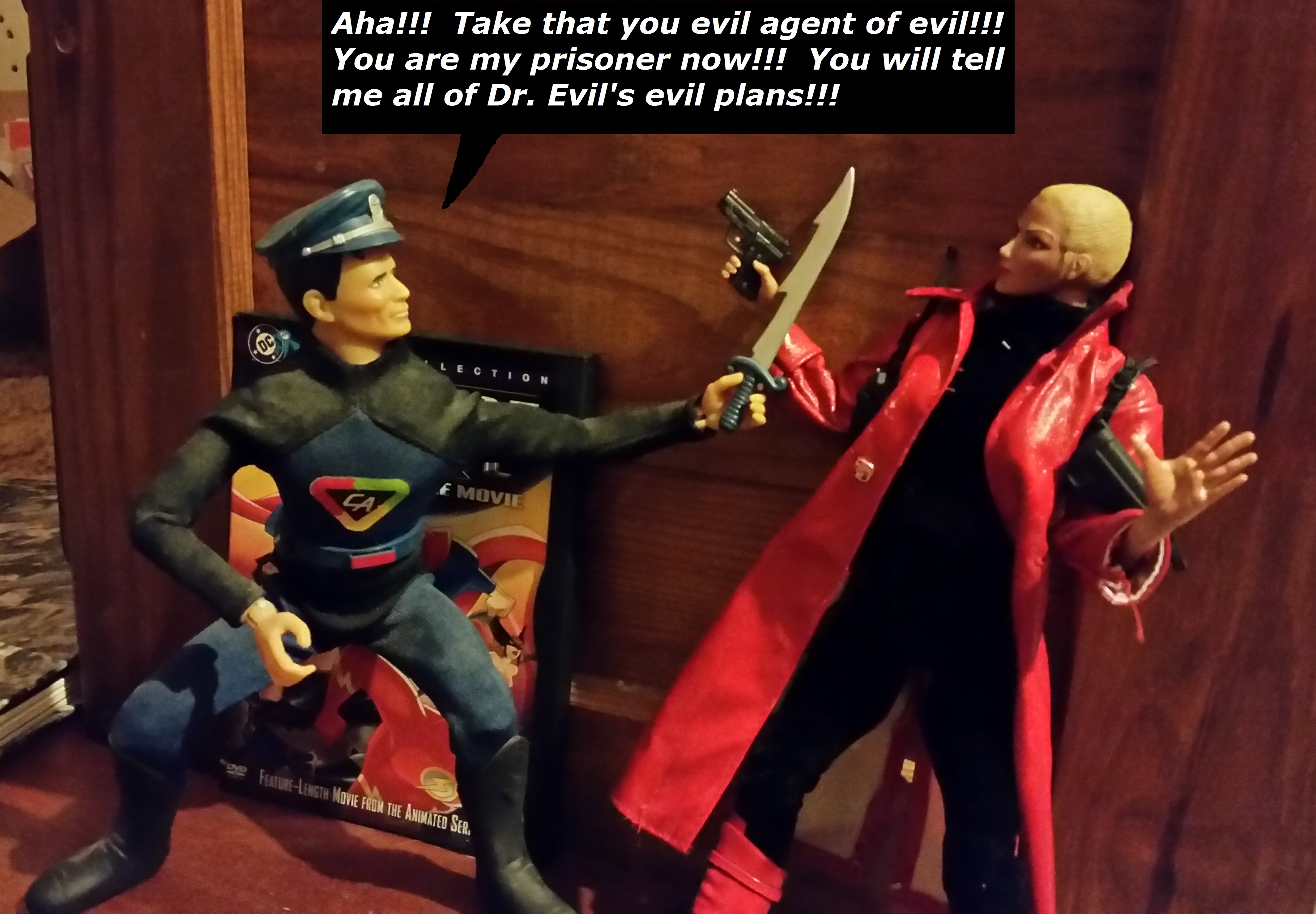
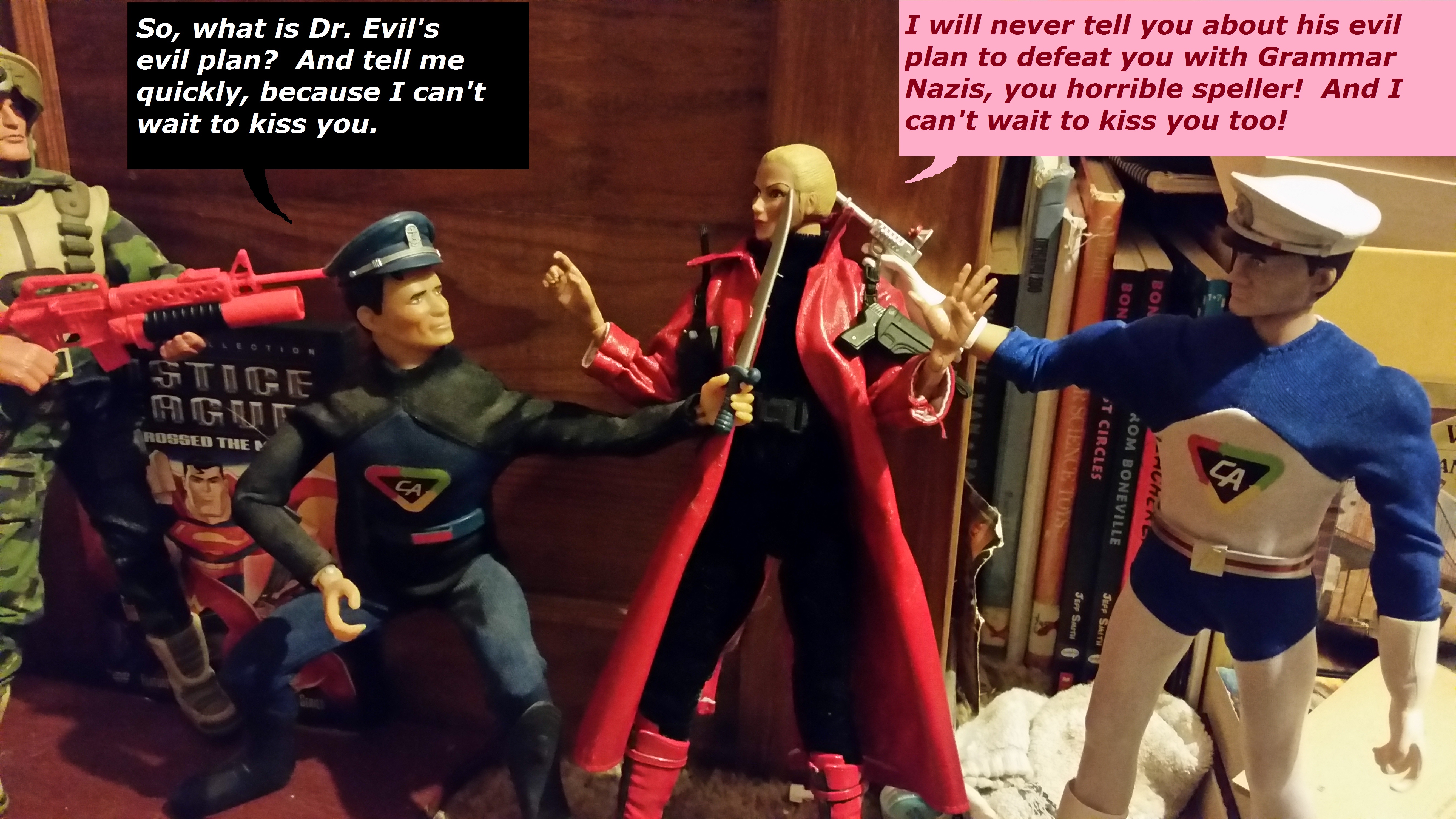
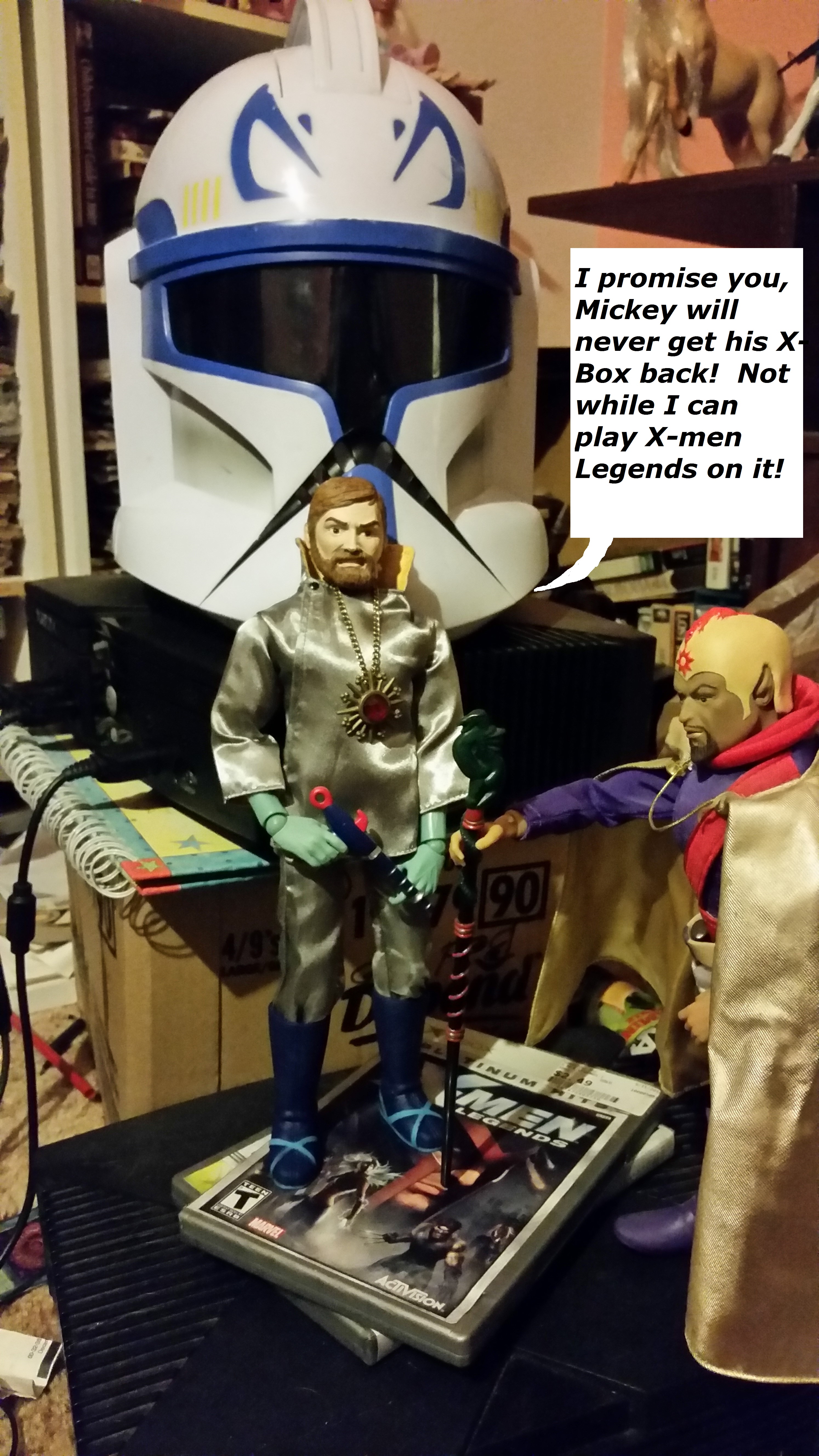
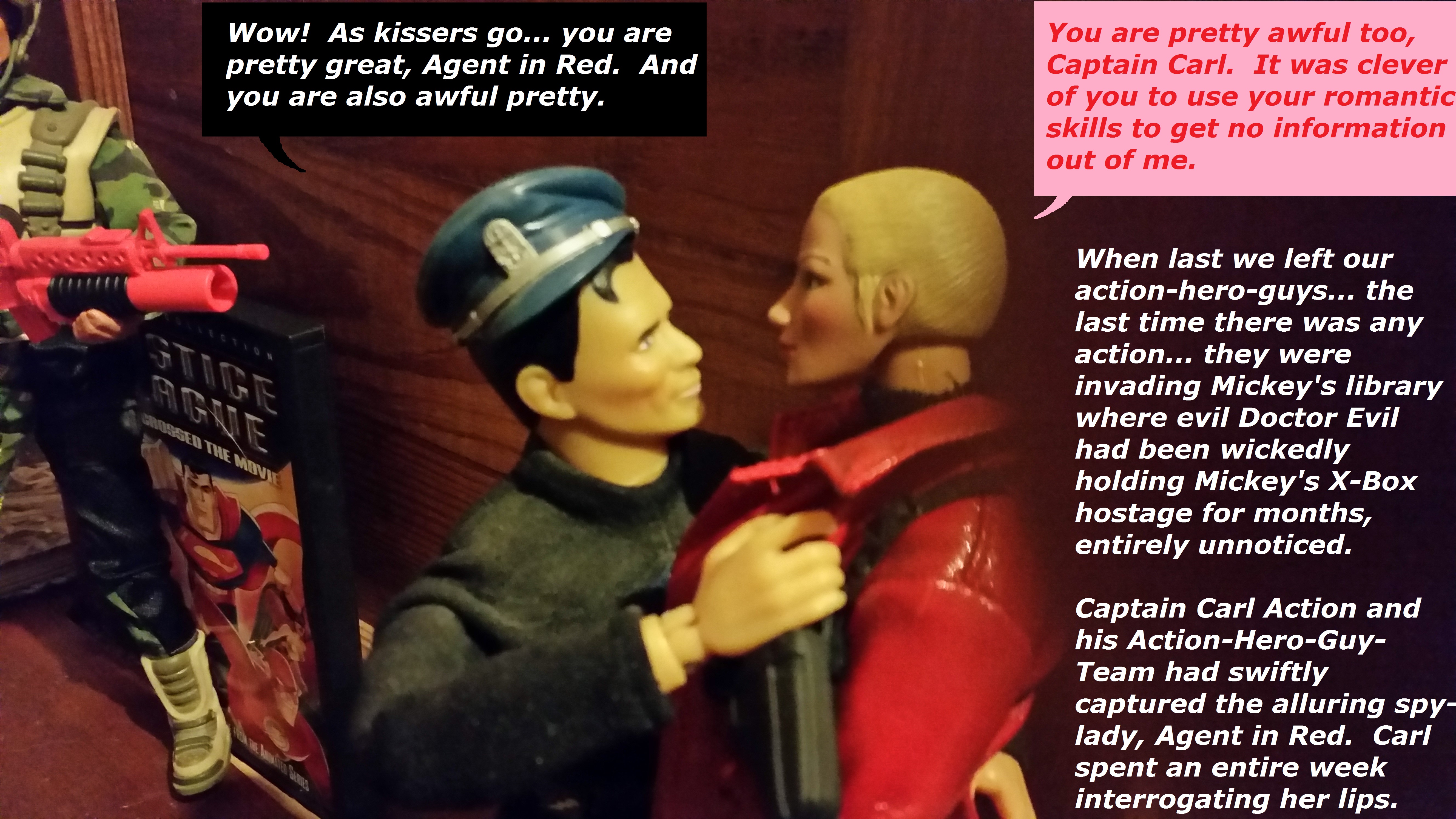
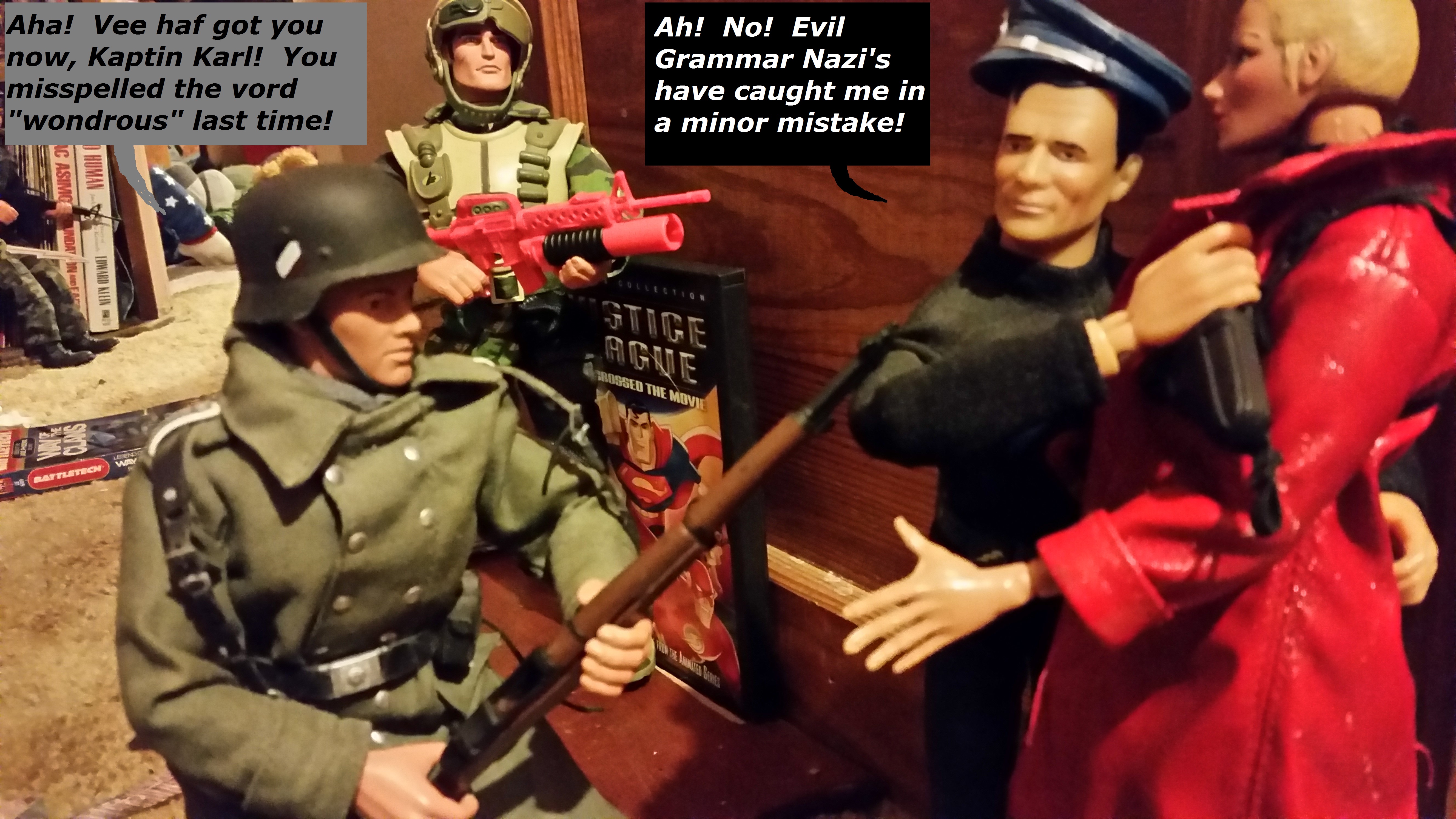
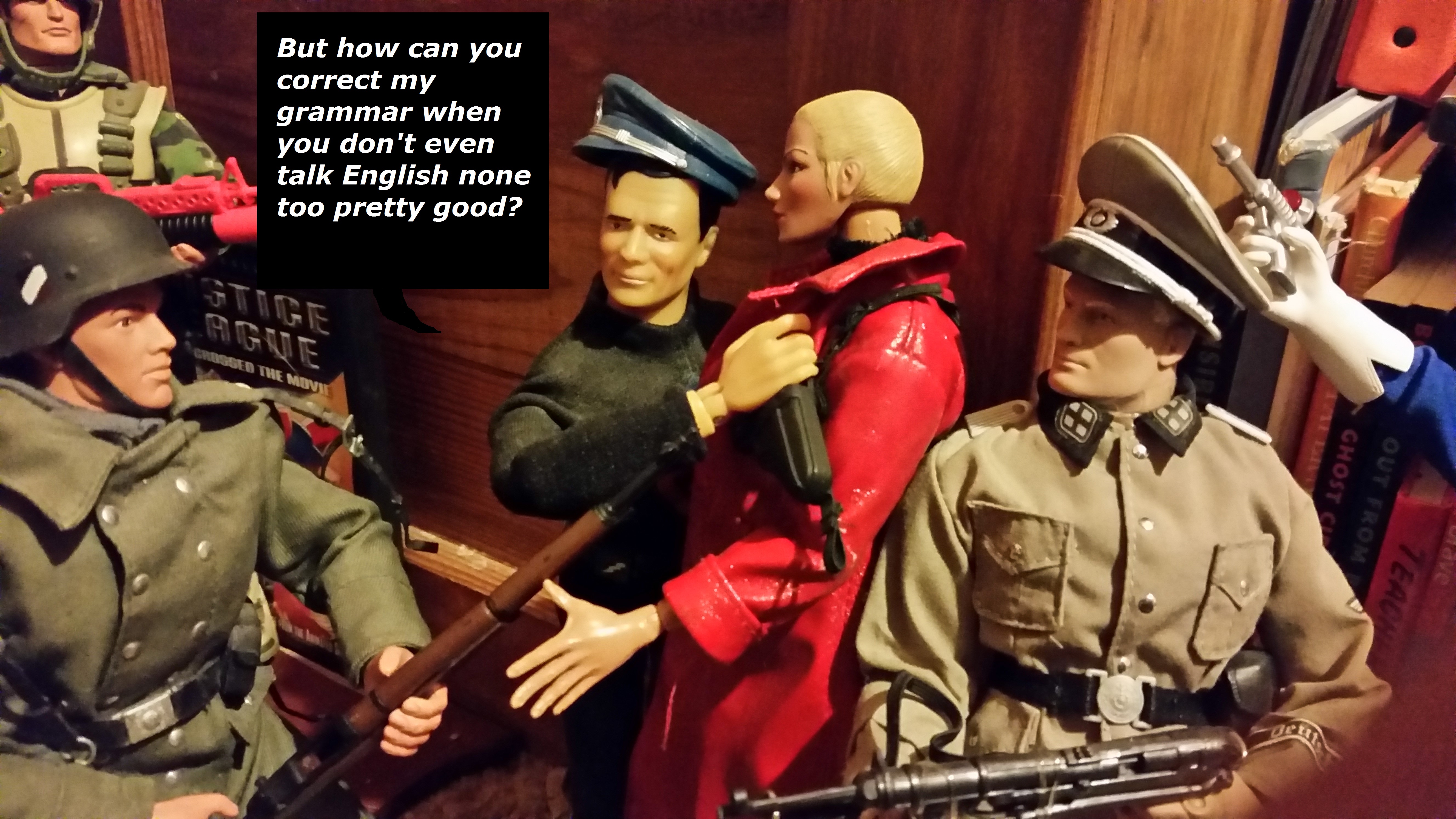
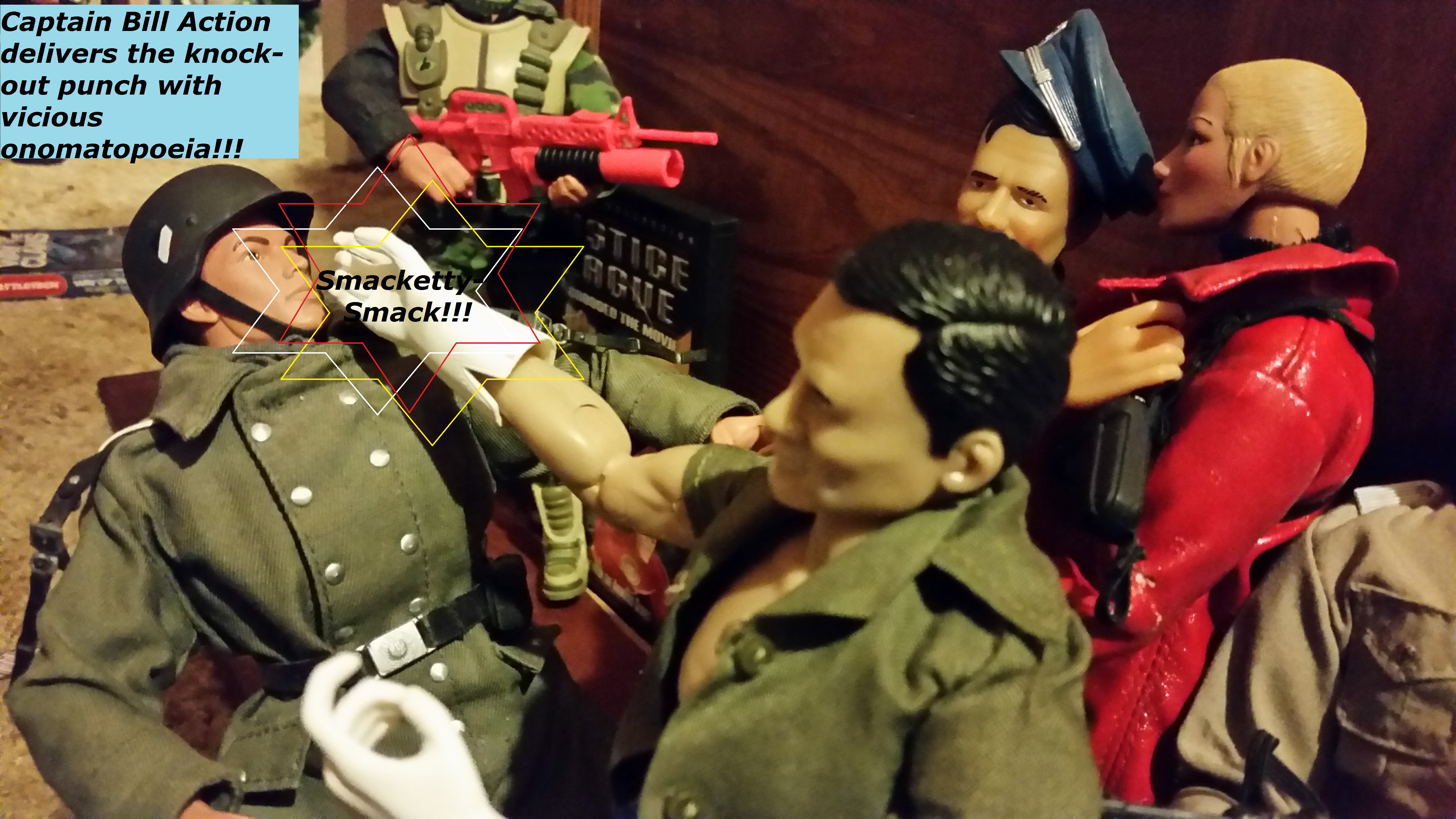
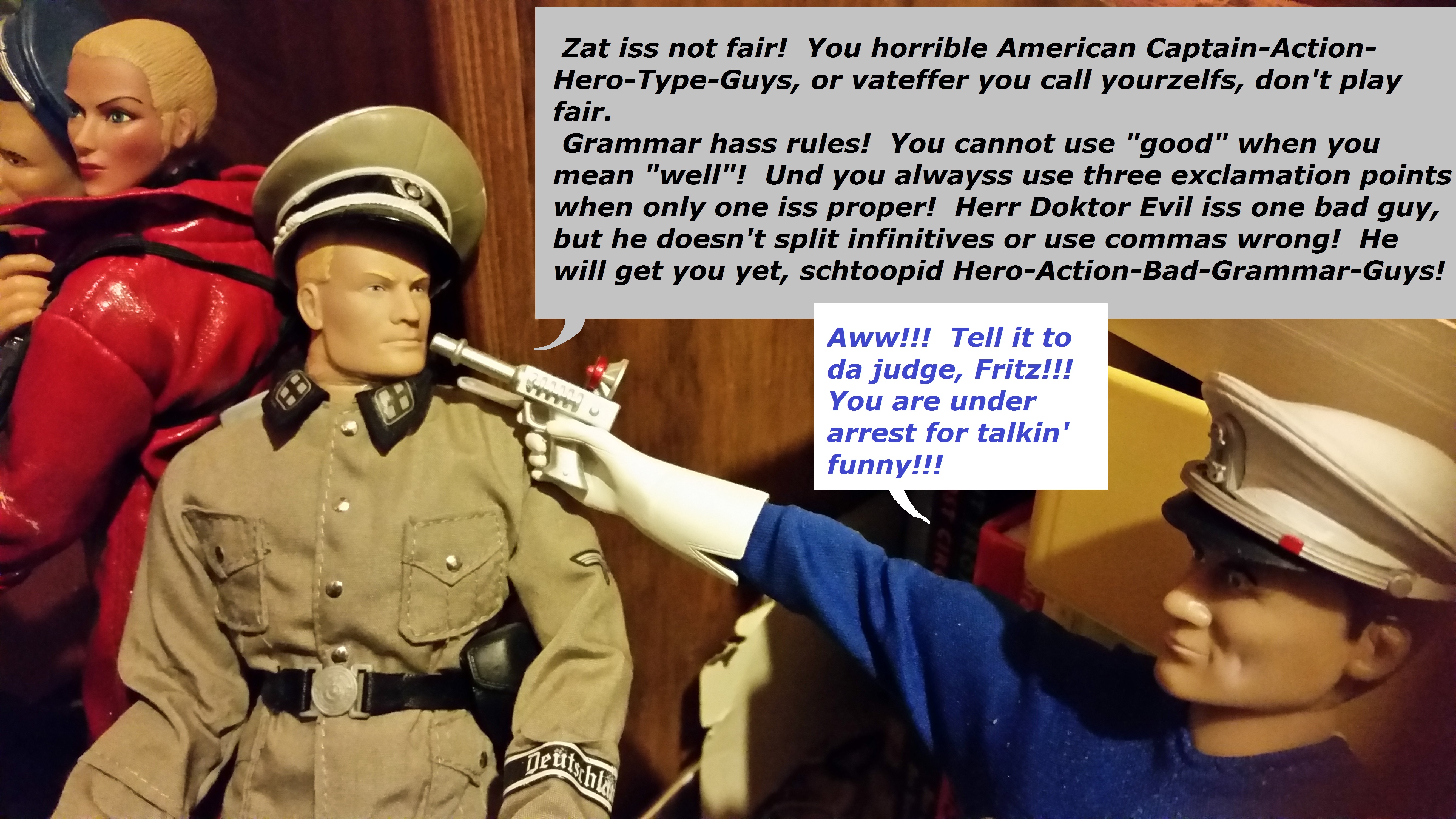
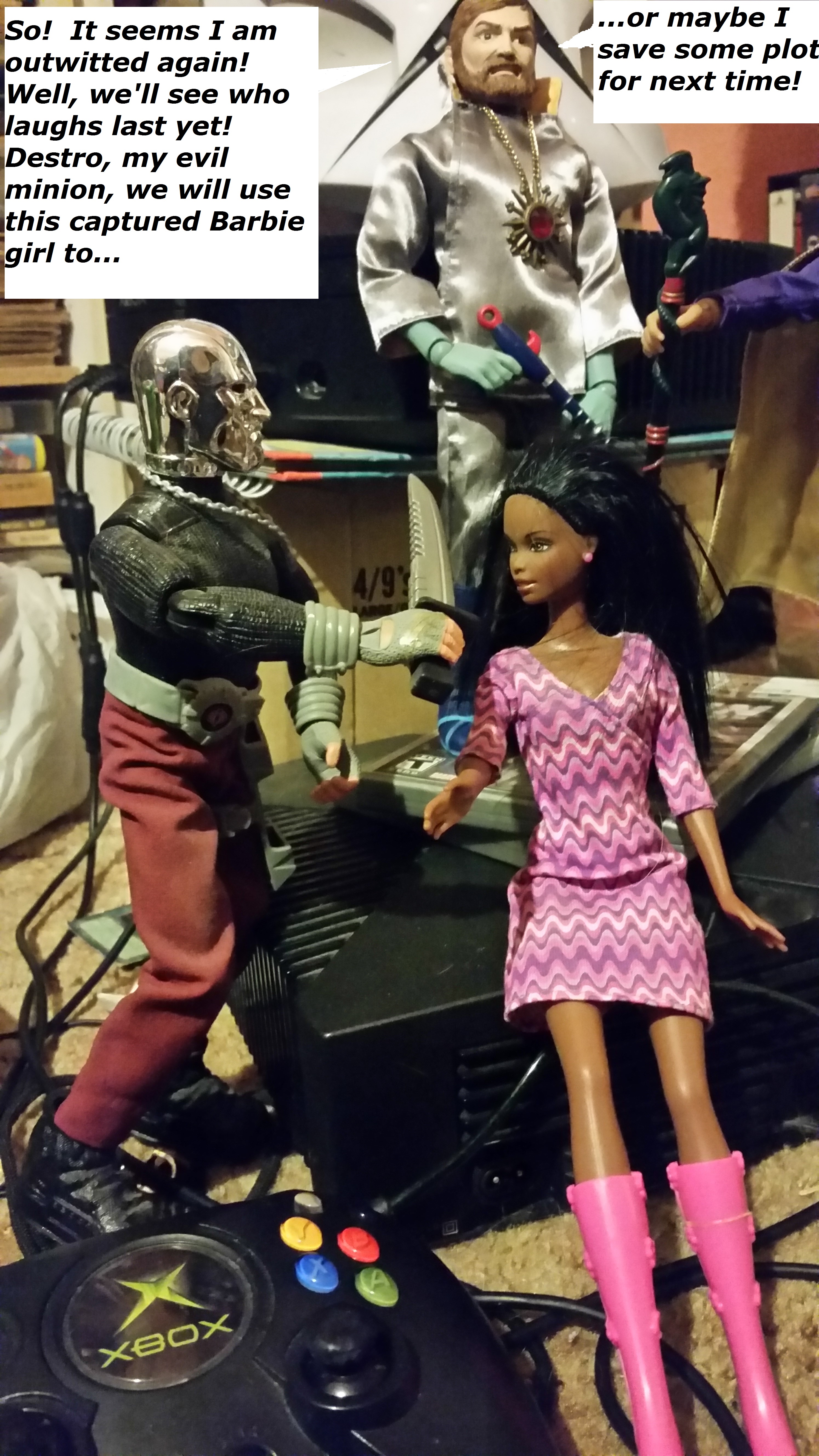
Yes, I know this is supposed to be a Saturday Art Day Post, but you can make art in many different ways. That can include pictures made with a camera while I play with dolls… er… action figures and try horrifically to be funny. There is an art to that, right? Maybe?
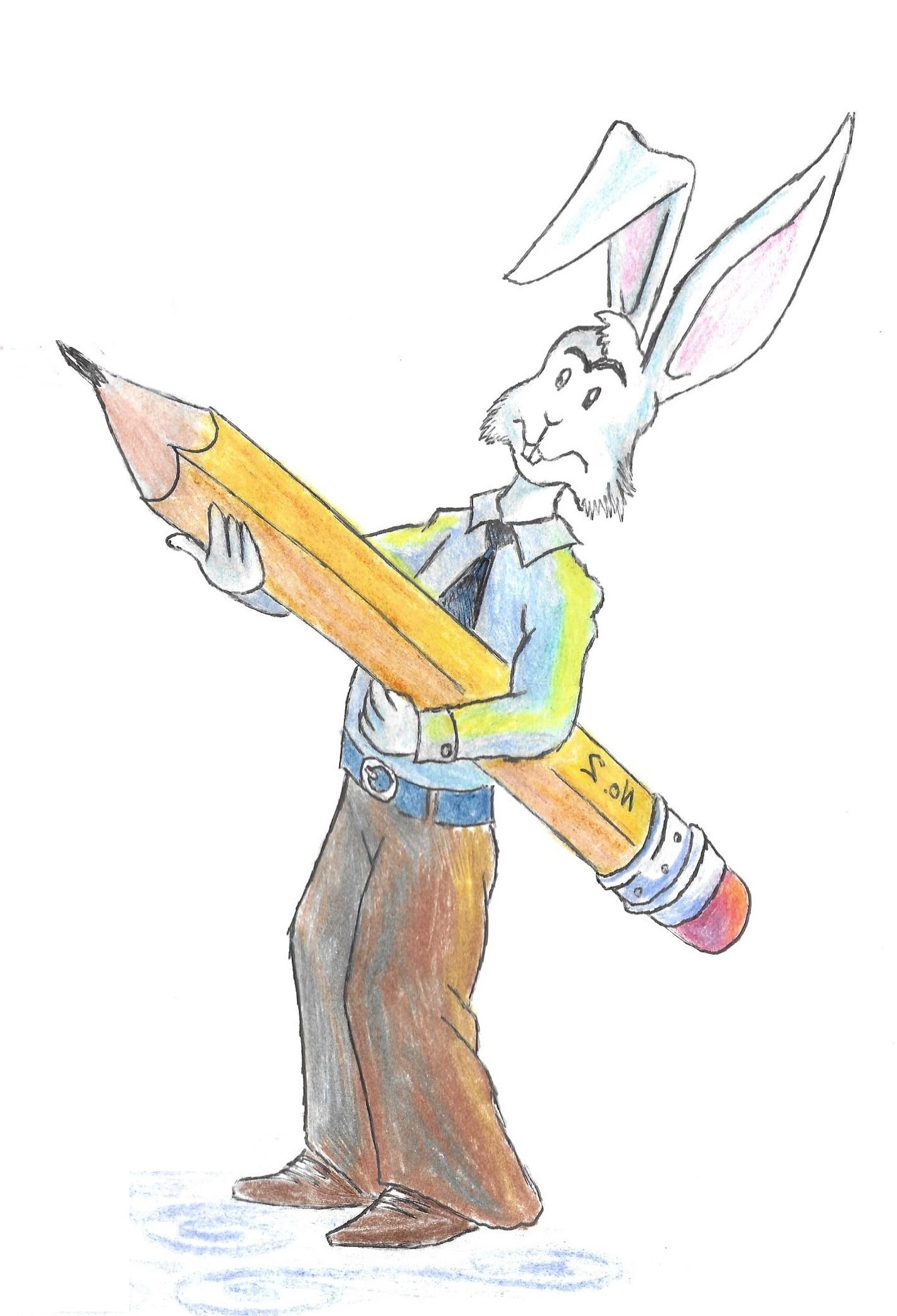
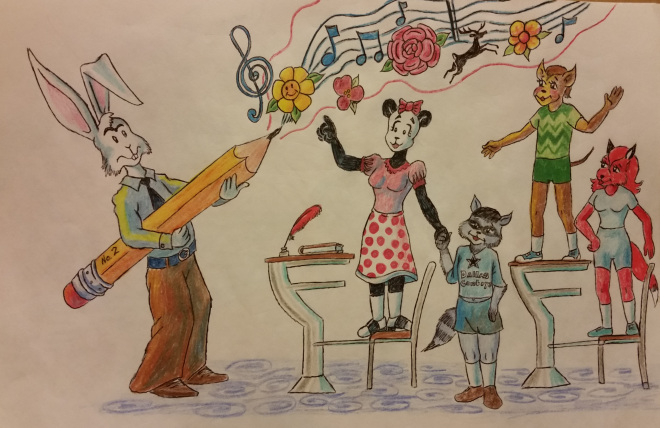
Ah, Reluctant Rabbit using the big pencil in the front of the classroom. What could that be a metaphor for? How about teaching kids by showing them how? You teach writing by writing in front of the class, talking out loud about your process, editing yourself, and polishing your writing in front of those who need to learn those skills.
So, here is the metaphor in action. Me teaching 7th graders.
Is an avatar not a metaphor for me?
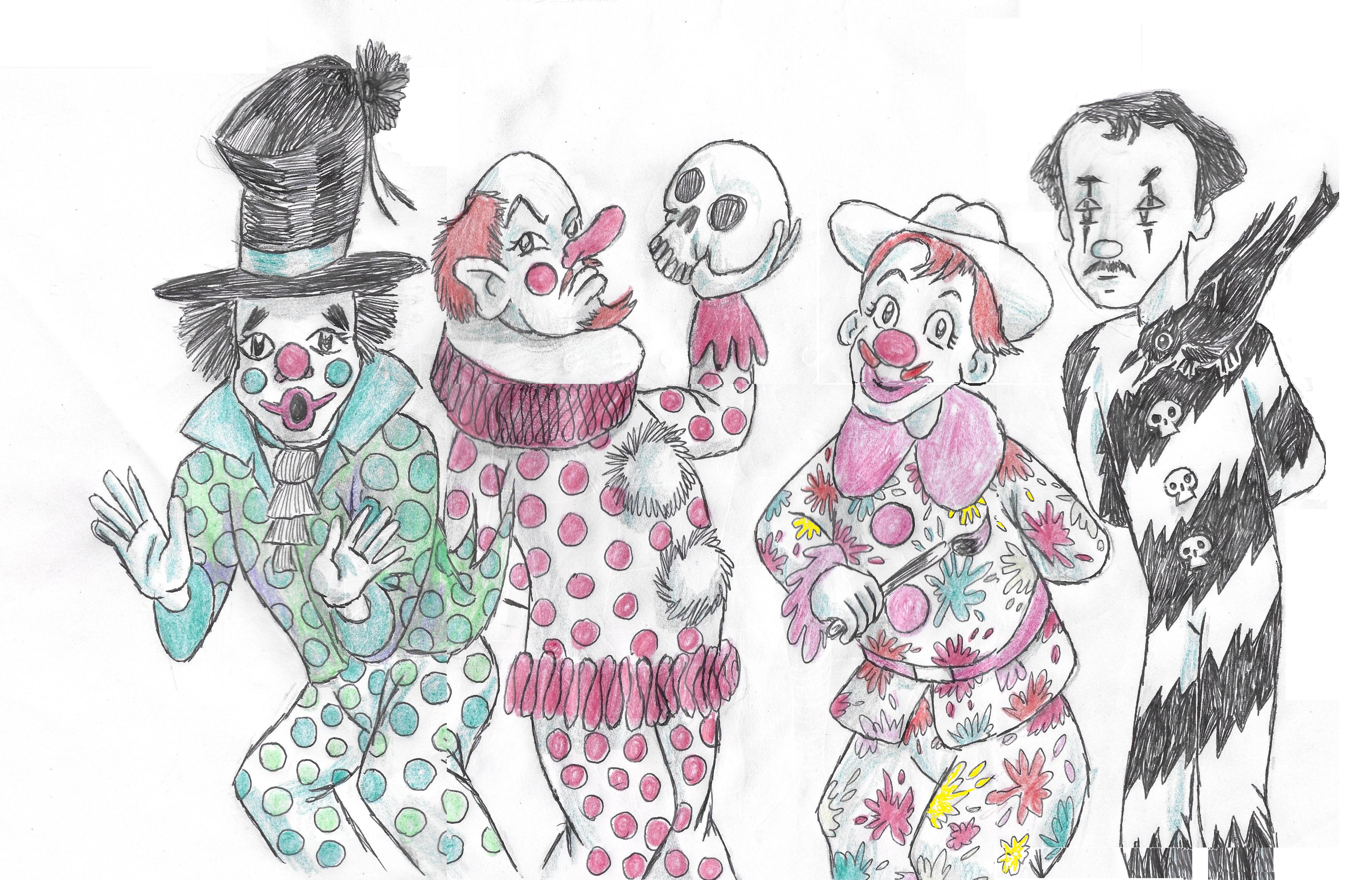
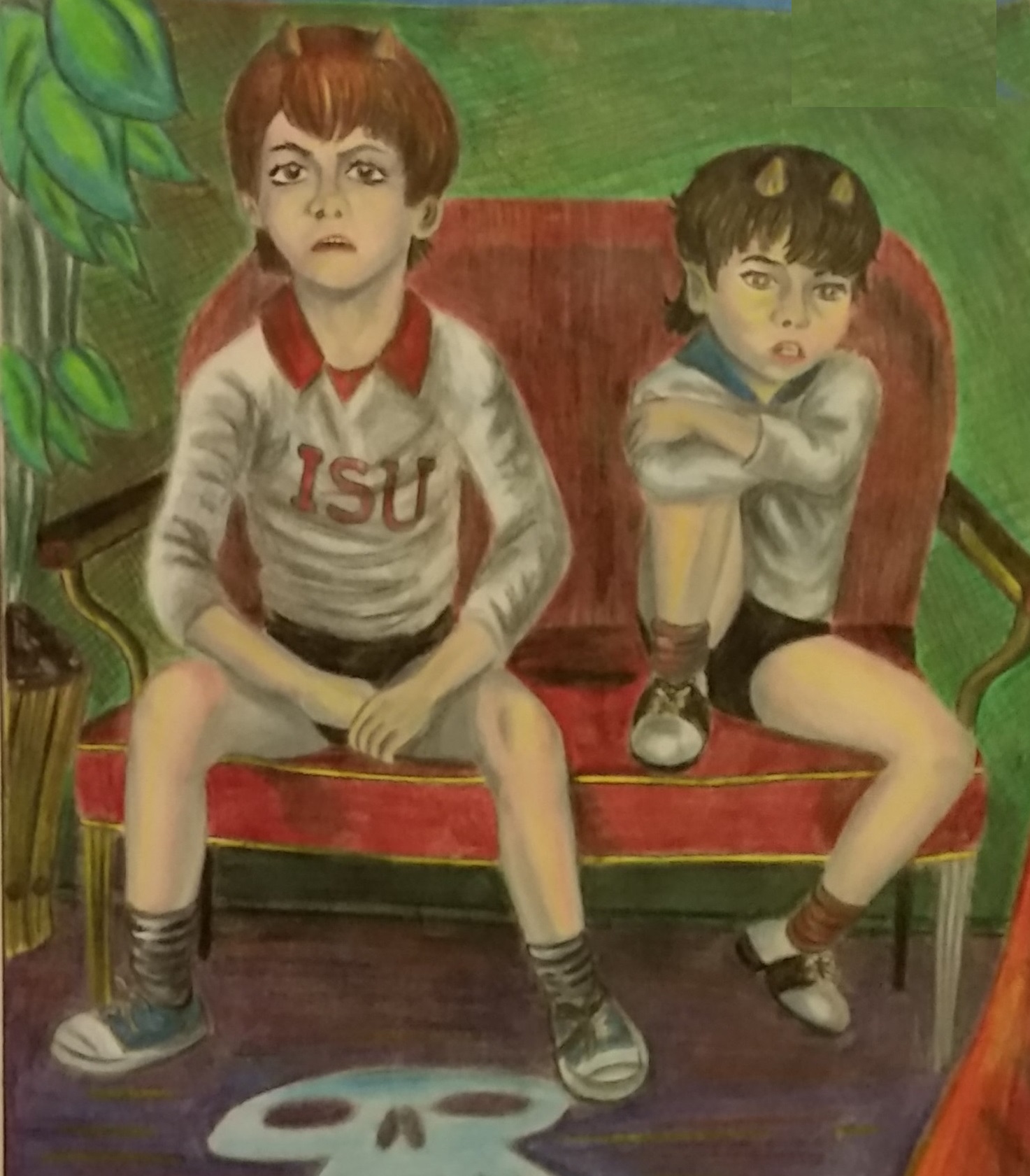
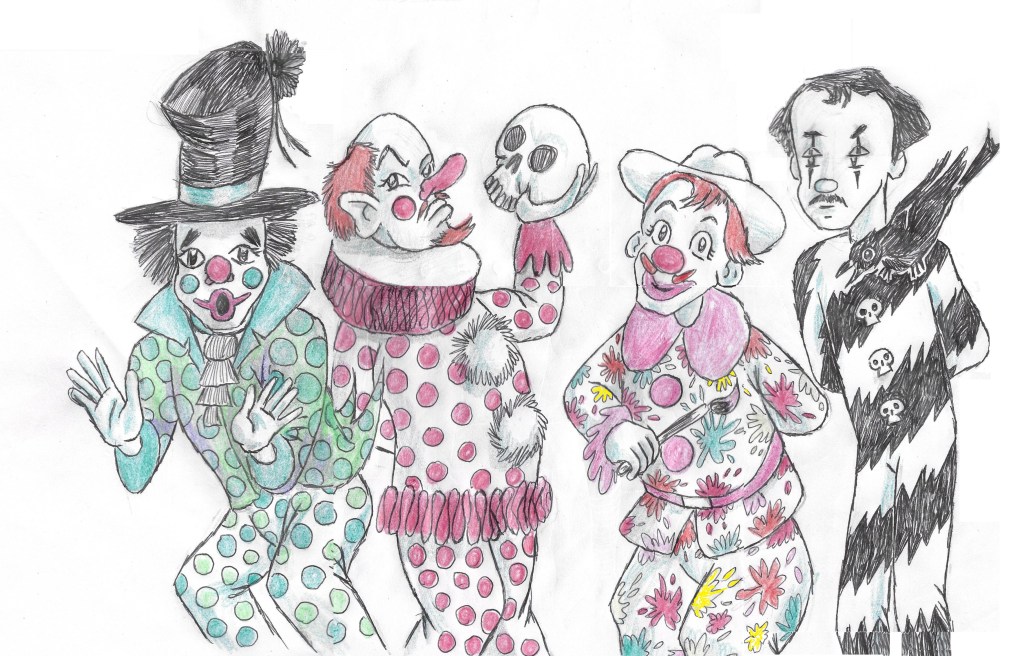
Mr. Dickens, Mr. Shakespeare, Mr. Disney, and Mr. Poe… do I really need to explain this metaphor?If the horns are the metaphors, what does that say about my boys?What’s the meaning of the metaphors here?Foolish bravery, positive thinking, and terrible circumstances (That’s not a parachute in his backpack, it’s the picnic lunch he would share with Gretchen after the mission.)
Once I was finally able to scan pictures again, I did some scanning of old pictures that only got the camera treatment before on my blog.
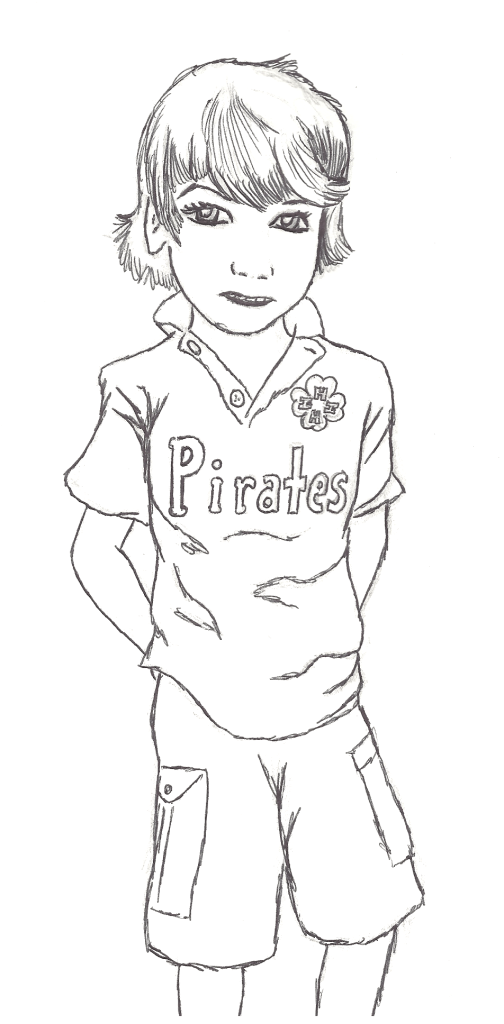
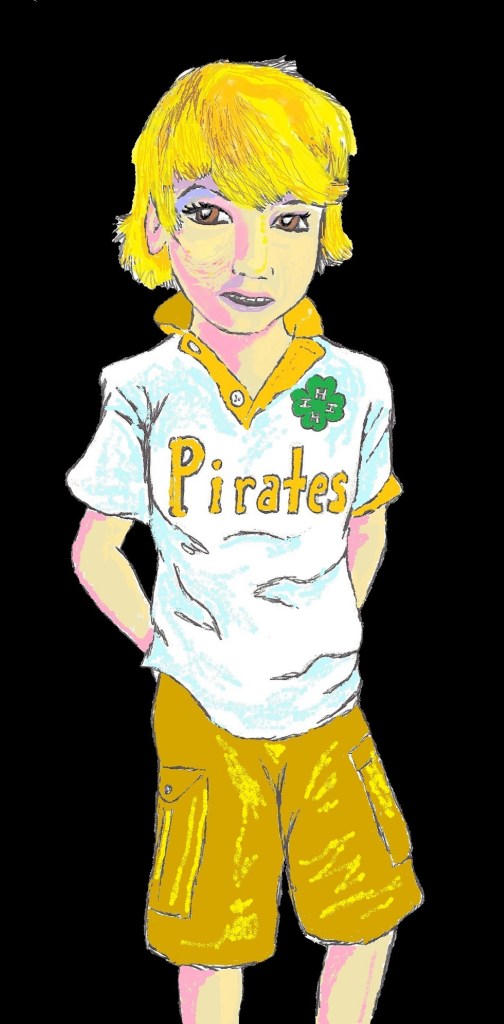
But why stop a drawing at just the pen and ink, when there is potential for so much more?
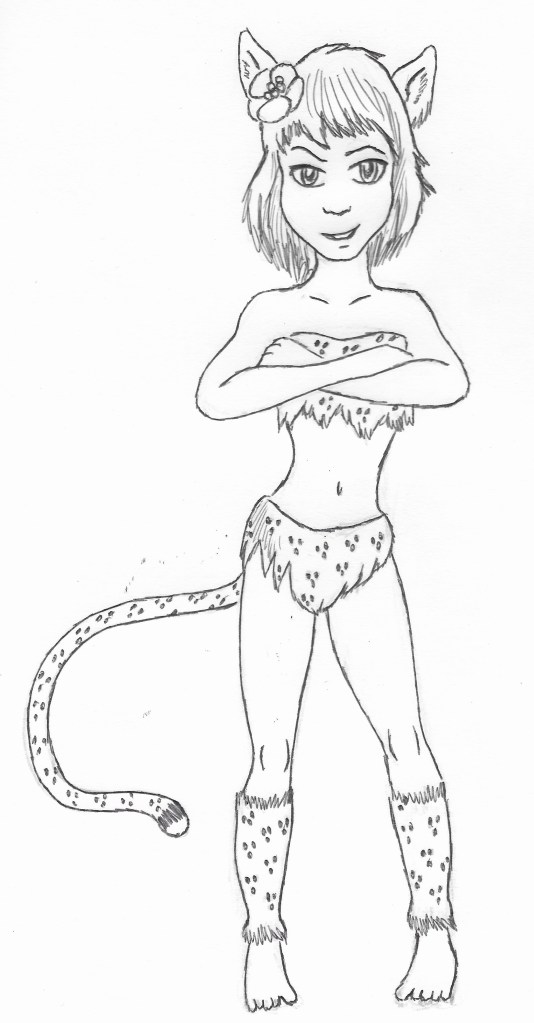
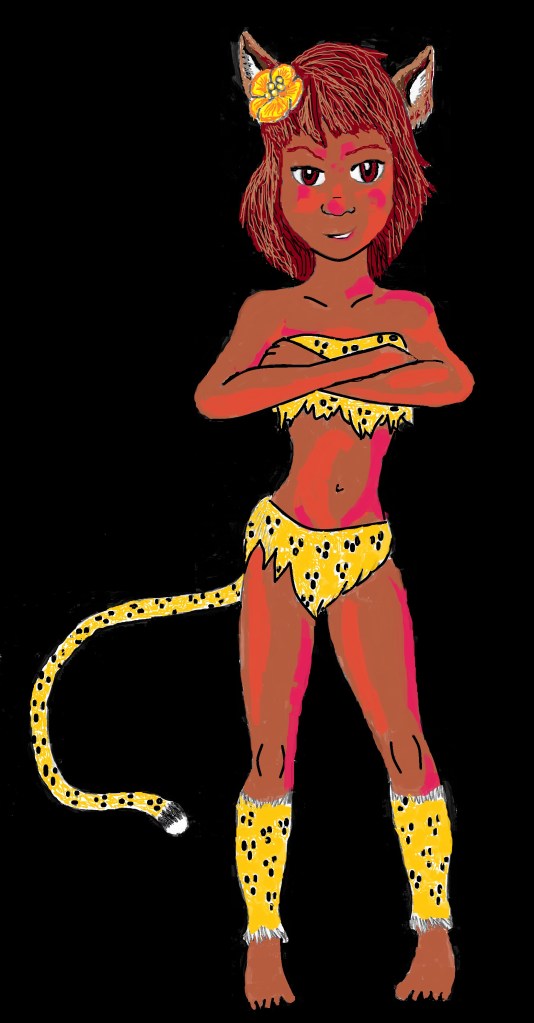
So, I took the Microsoft generic paint program and my generic photo editor to not only this pen and ink of the Jungle Princess, but a few other pictures as well.
,,,
,,,
…
…
…
This is what she looks like after being attacked with color by my arthritic old hands. (There was a day when I could have handled intricate details more cleverly, but that was many, many days ago.
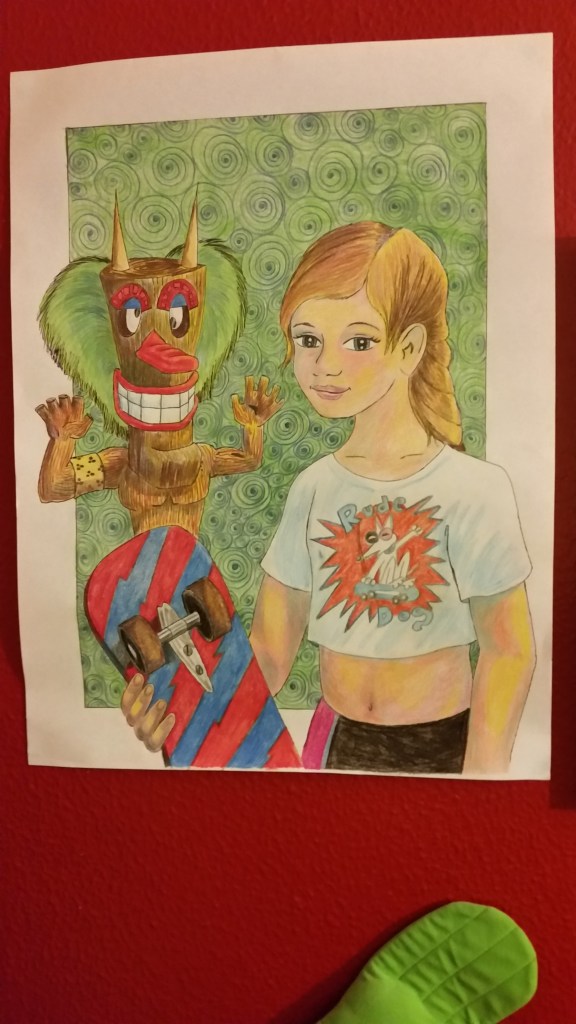
Anyway, I have added new dimensions to Leopard Girrrl with color.
Now I need to add more complications to the basic story of the picture.
…
…
”’
…
…
…
…
Here is an older pen and ink.
This is Dorin Dobbs, one of the dueling plotlines’ protagonists from the novel Catch a Falling Star.
But, of course, Dorin is a more complex character than this old black and white.
So, color needs to be added.
…
…
…
…
…
…
…
…
…
,,,
…
I had this one actually already painted in…
But in order to use it in this project, I needed to enlarge it to make it fit into the other picture.
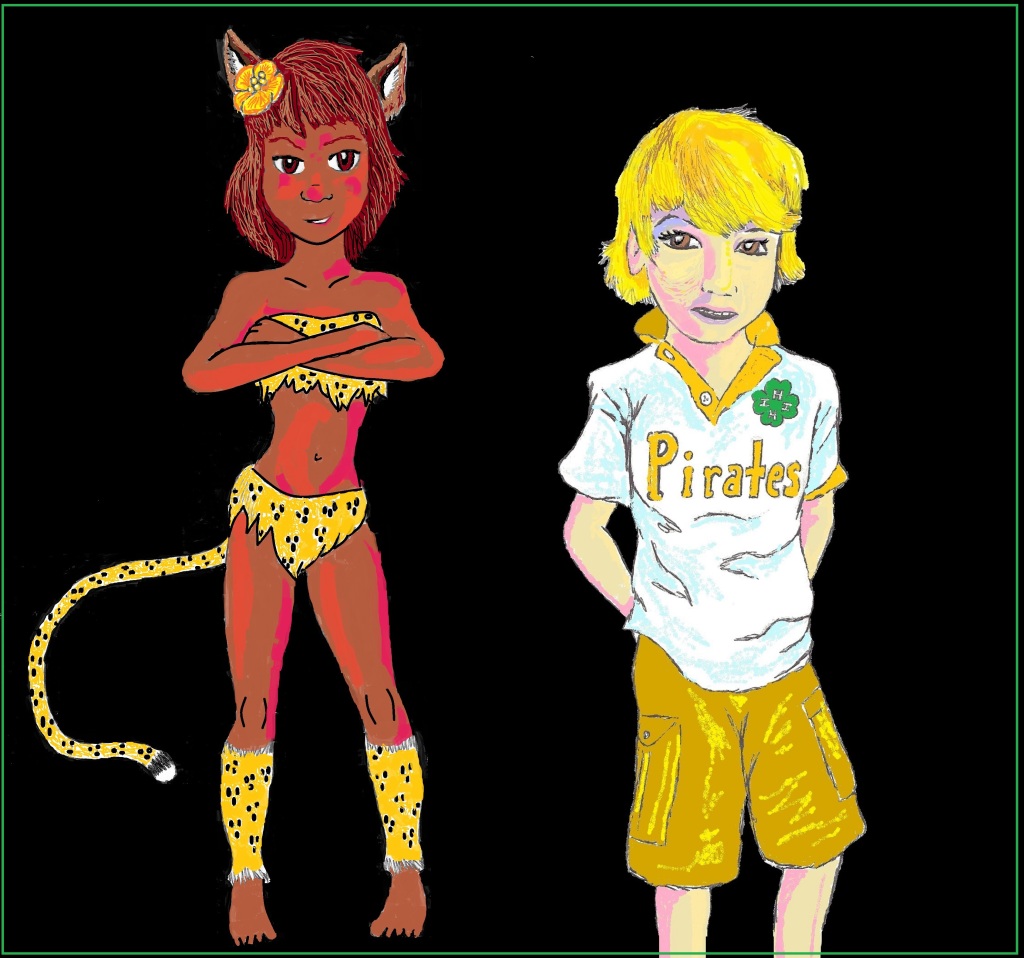
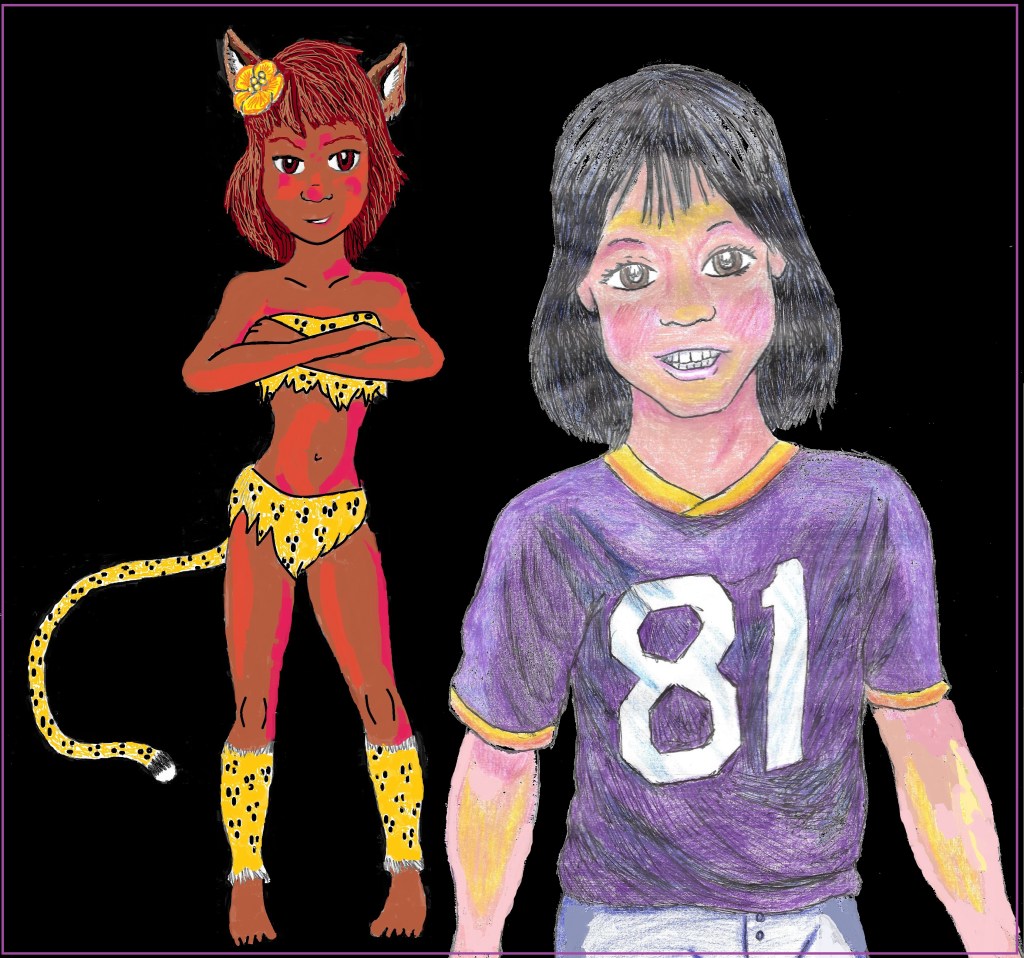
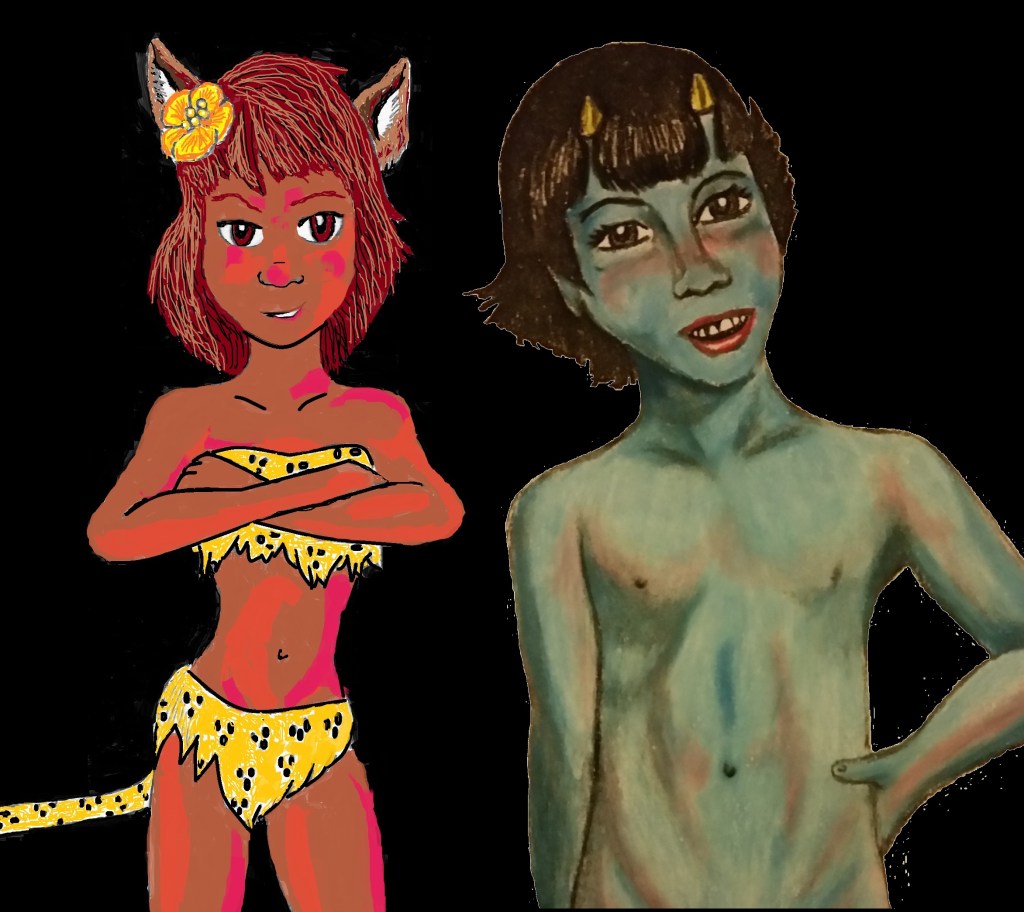
Making this unlikely pair work together in a story is one of the challenges of doing surrealist stories. They have to be grounded in realism, but also bring jarringly different things together. Like the Jungle Princess going on an adventure with Norwall’s Lying King.
But, putting these two together is still not enough. Let’s try some other things.
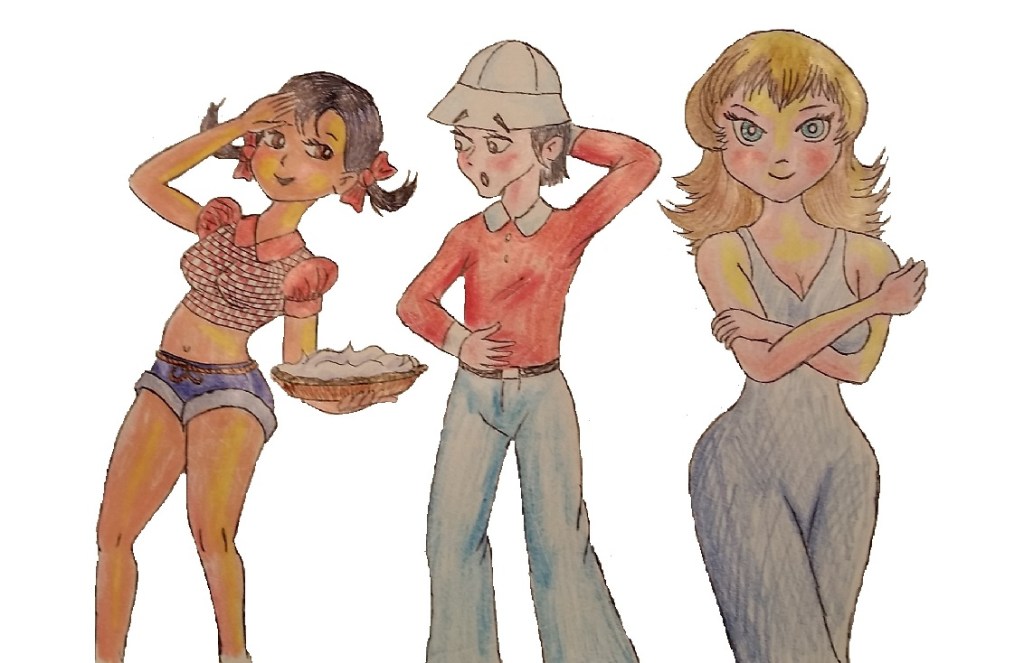
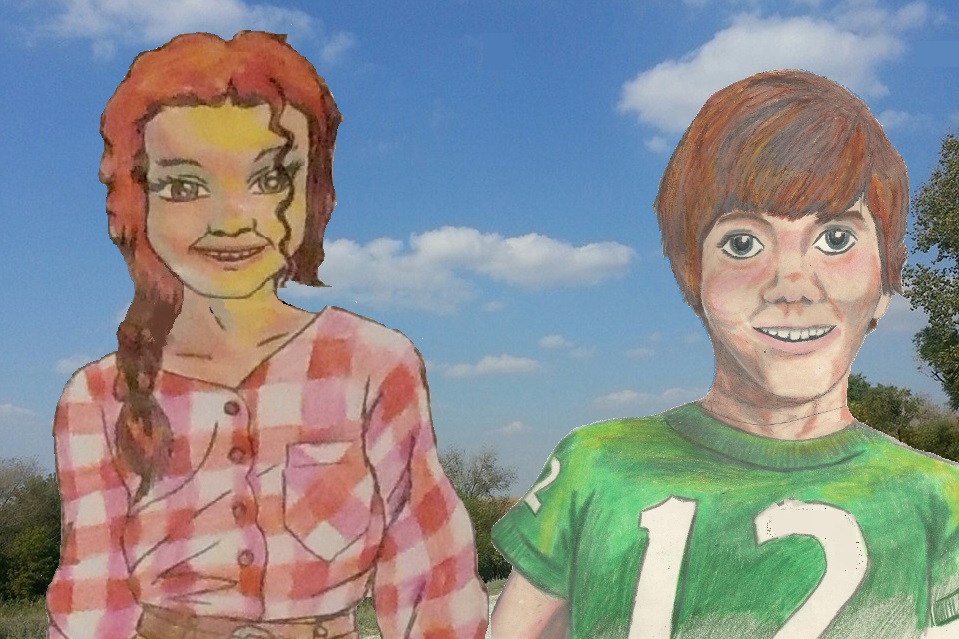
The Jungle Princess together with Tomboy Dilsey Murphy is an unusual pairing.
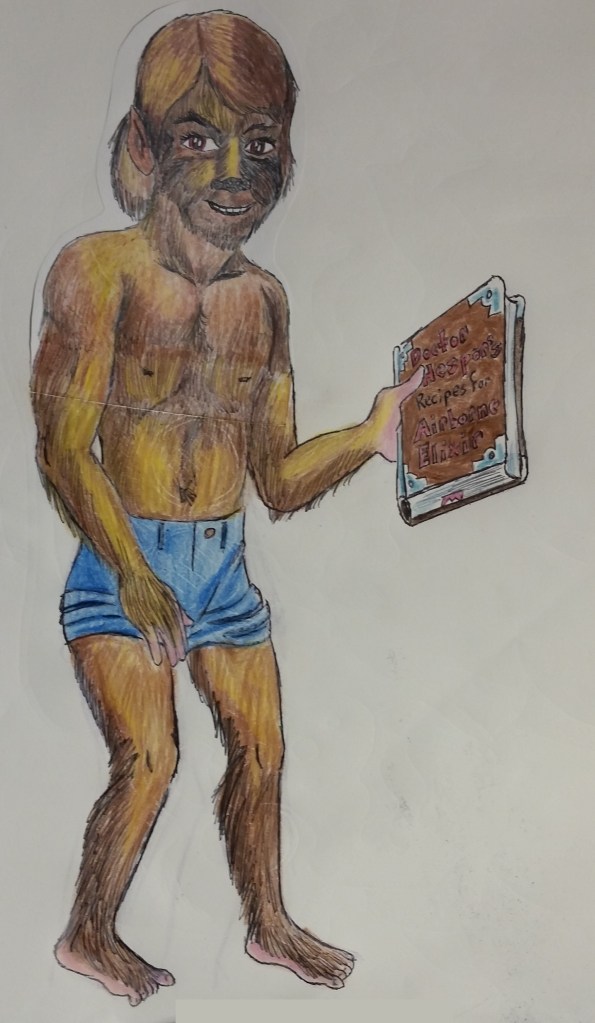
Or what about the blue faun from Laughing Blue?
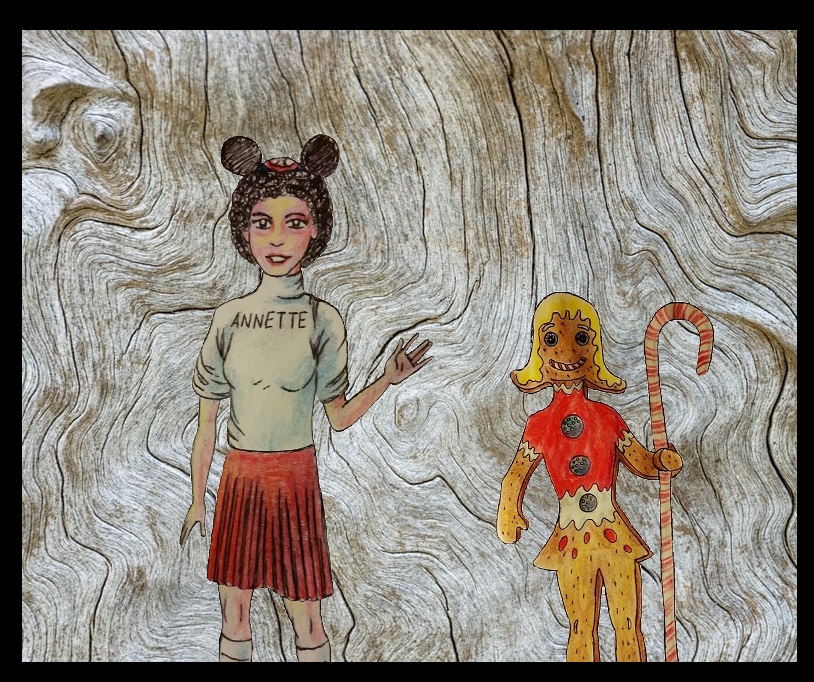
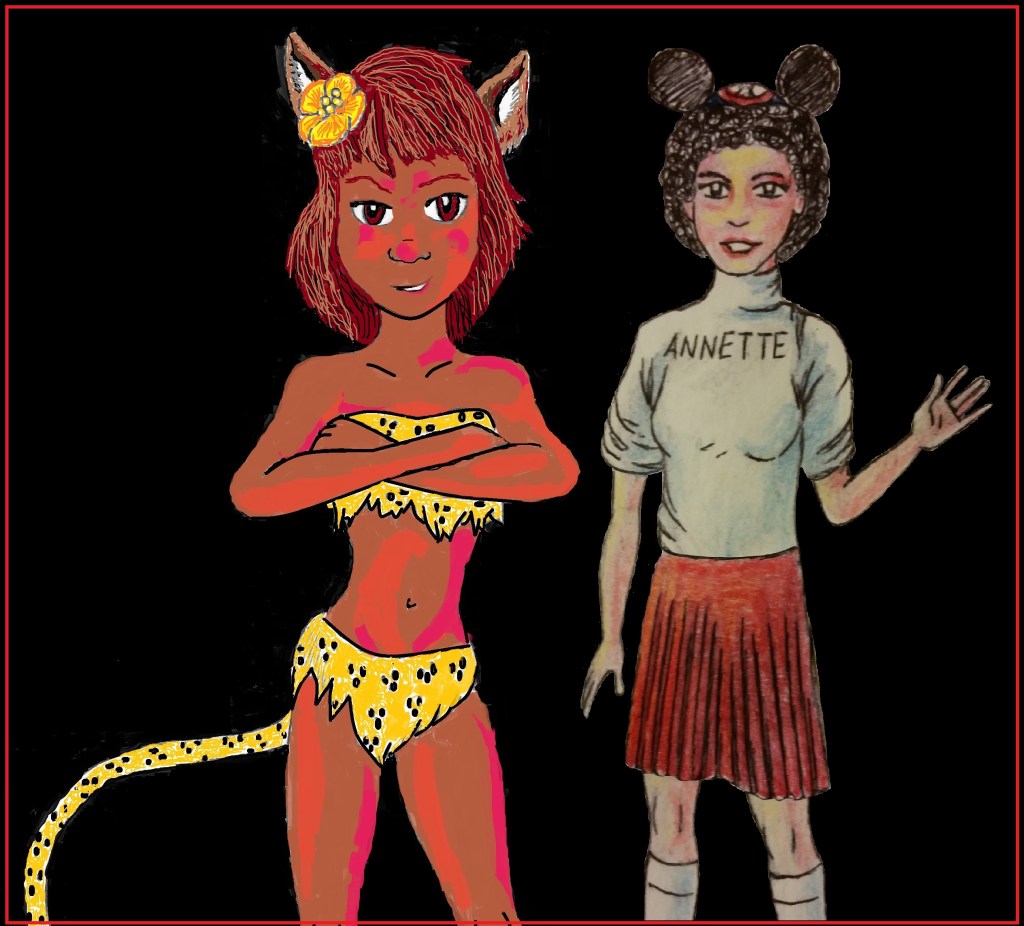
Or even Annette Funicello?
Ridiculous, I know. But don’t they look like satin sofa paintings?
Here’s a bit of the file called Novel Pix (illustrations for my novels);
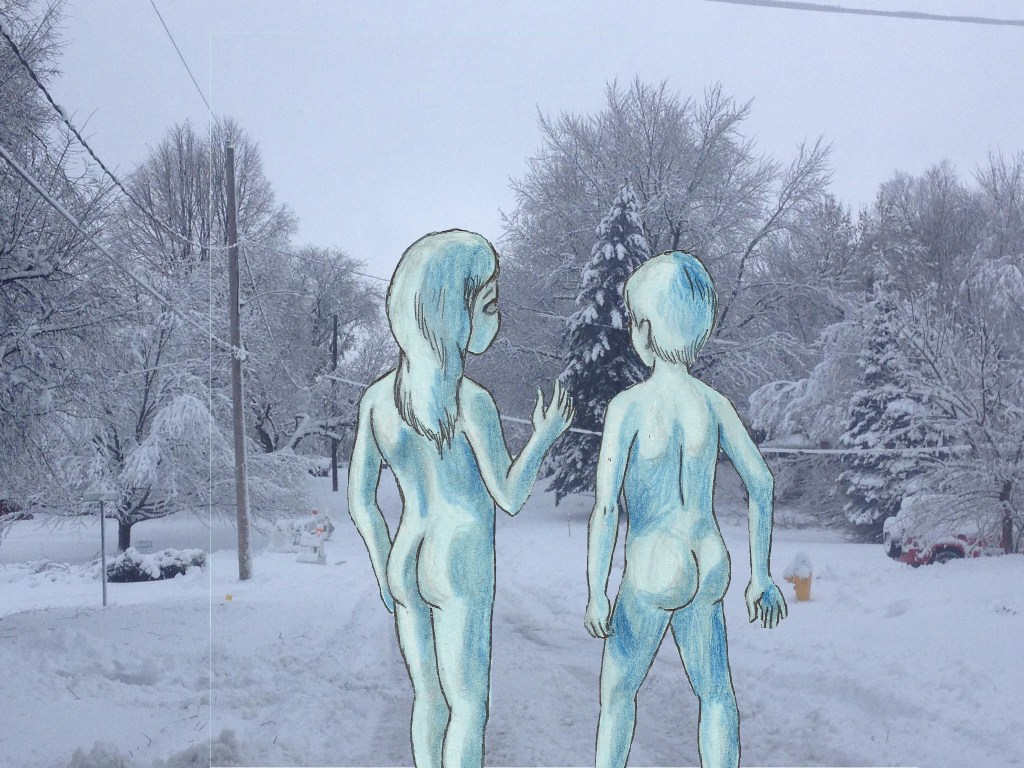
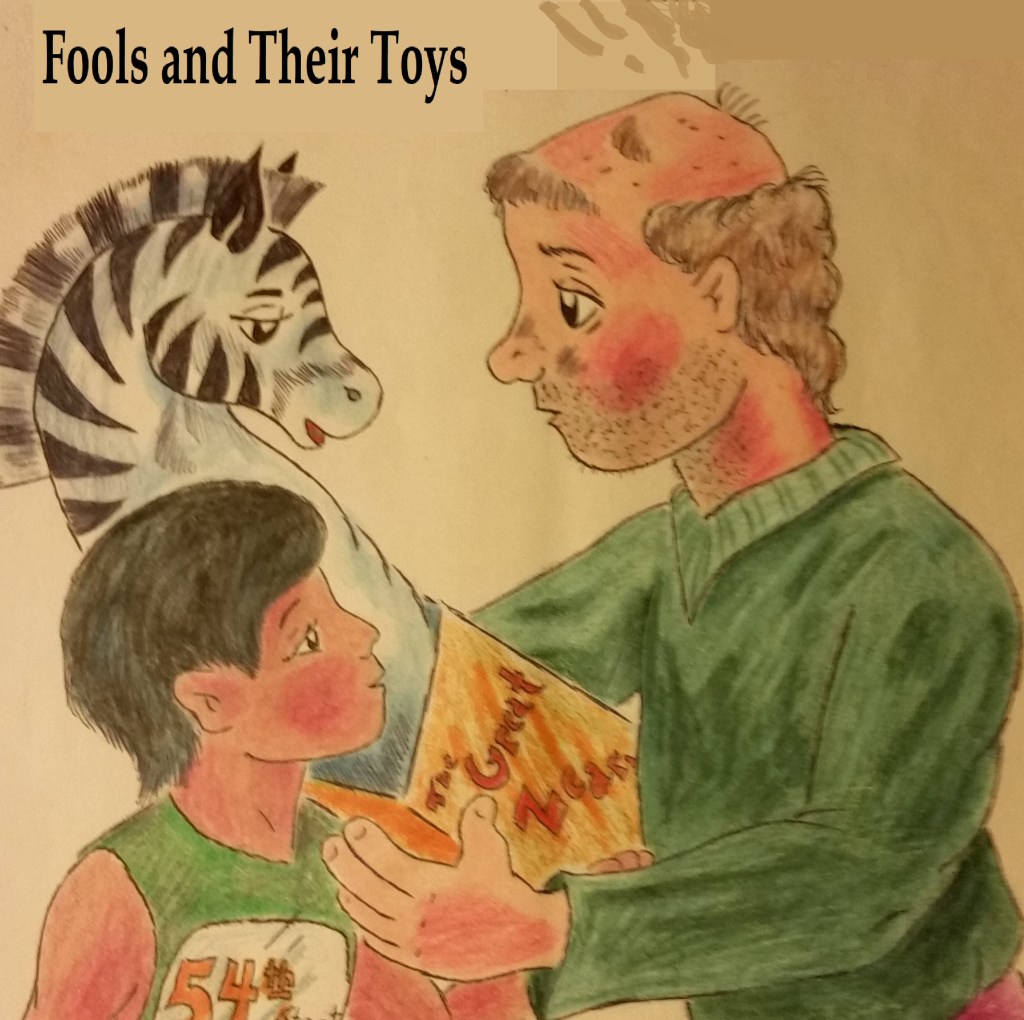
from Stardusters and Space Lizardsfrom AeroQuestfrom Sing Sad Songsfrom Snow Babiesfrom Fools and Their Toysfrom When the Captain Came Callingfrom Superchicken
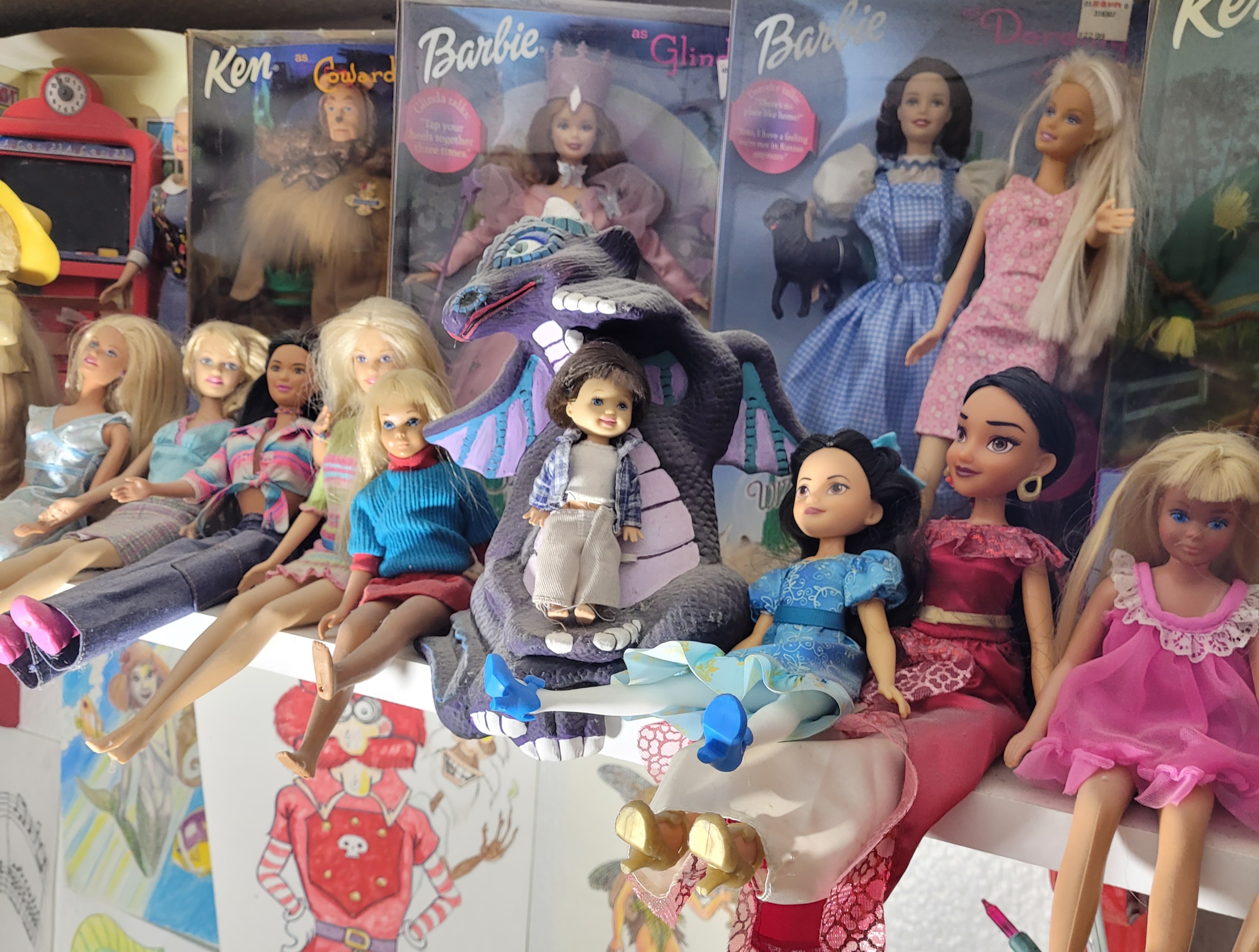
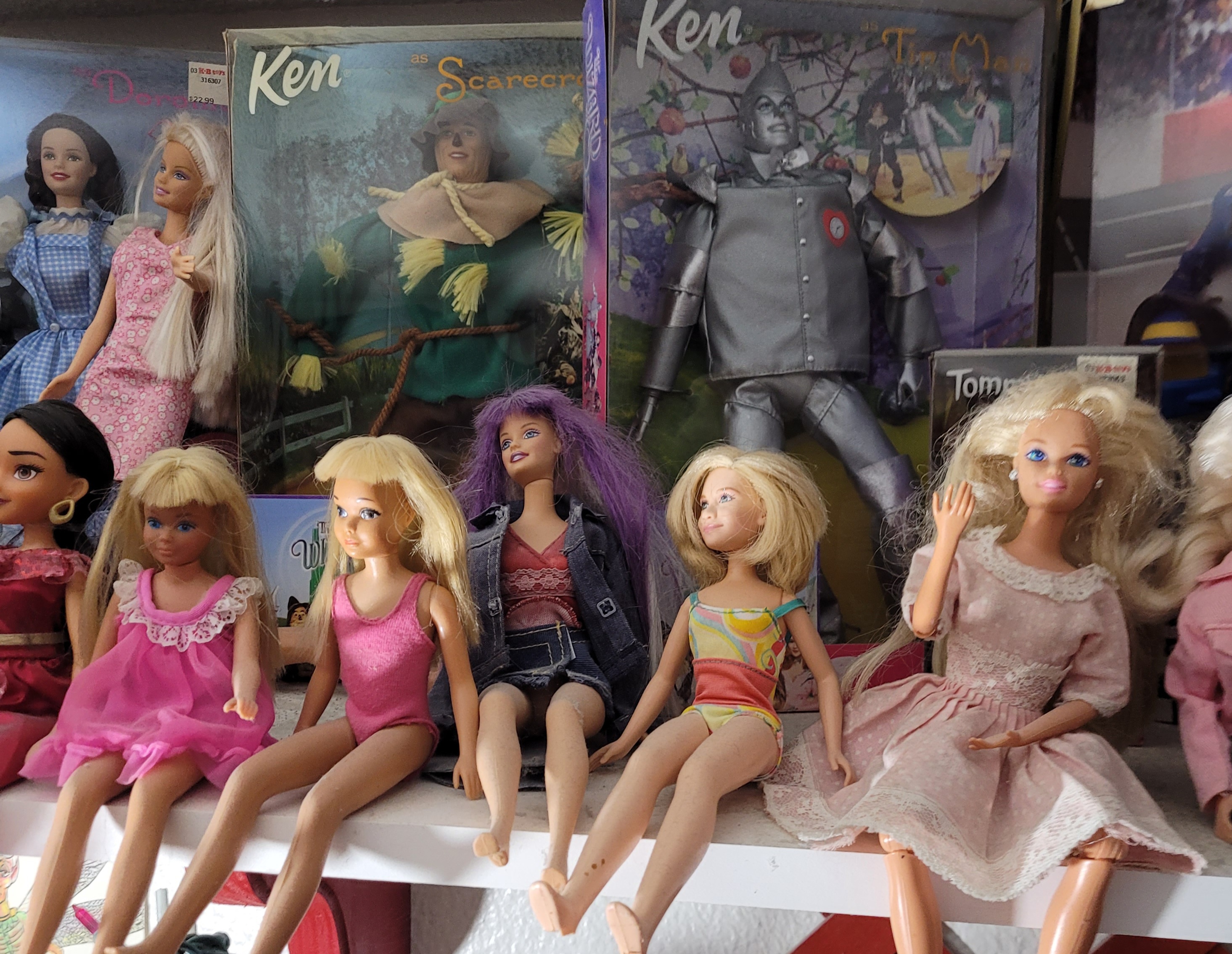
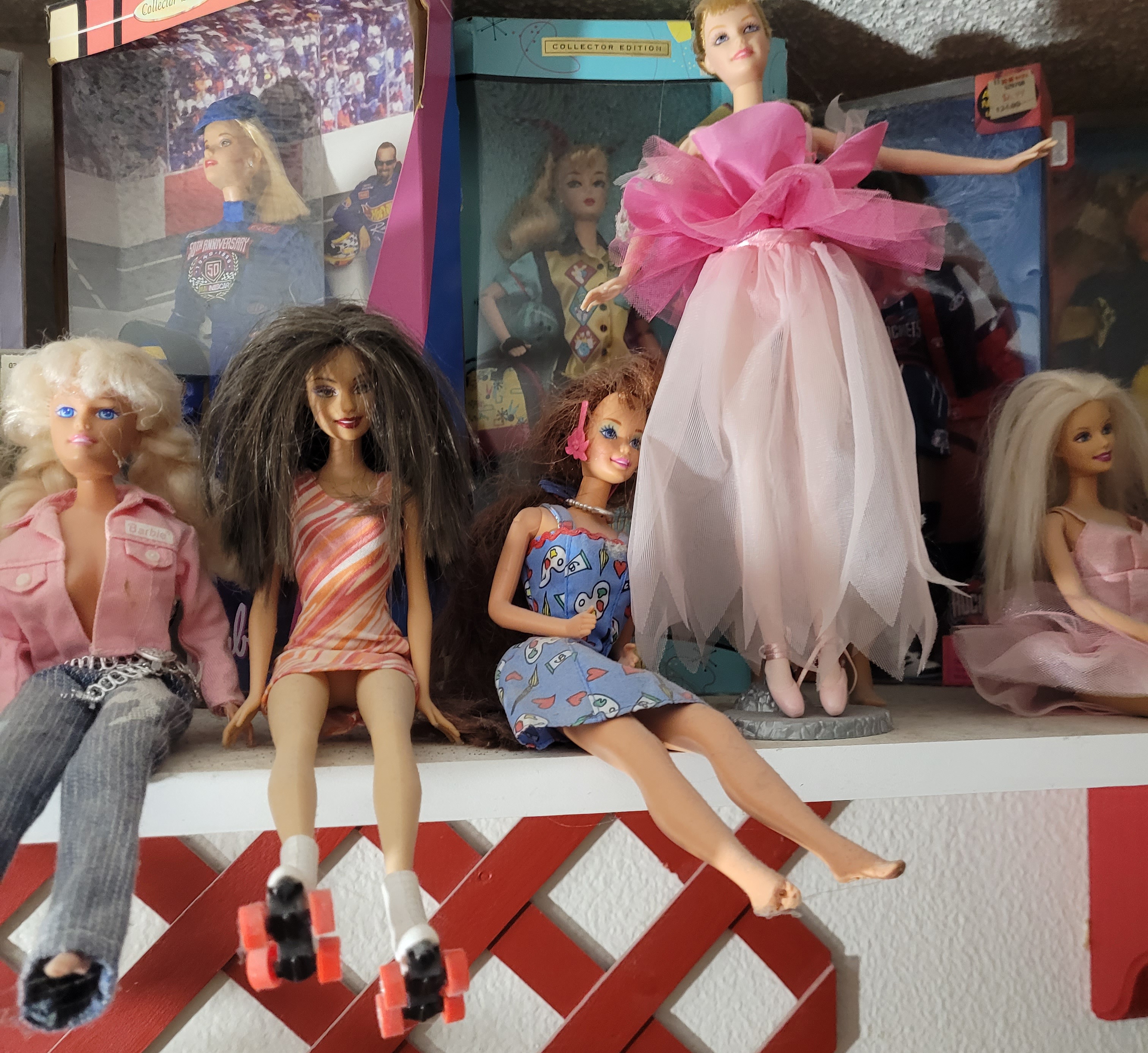
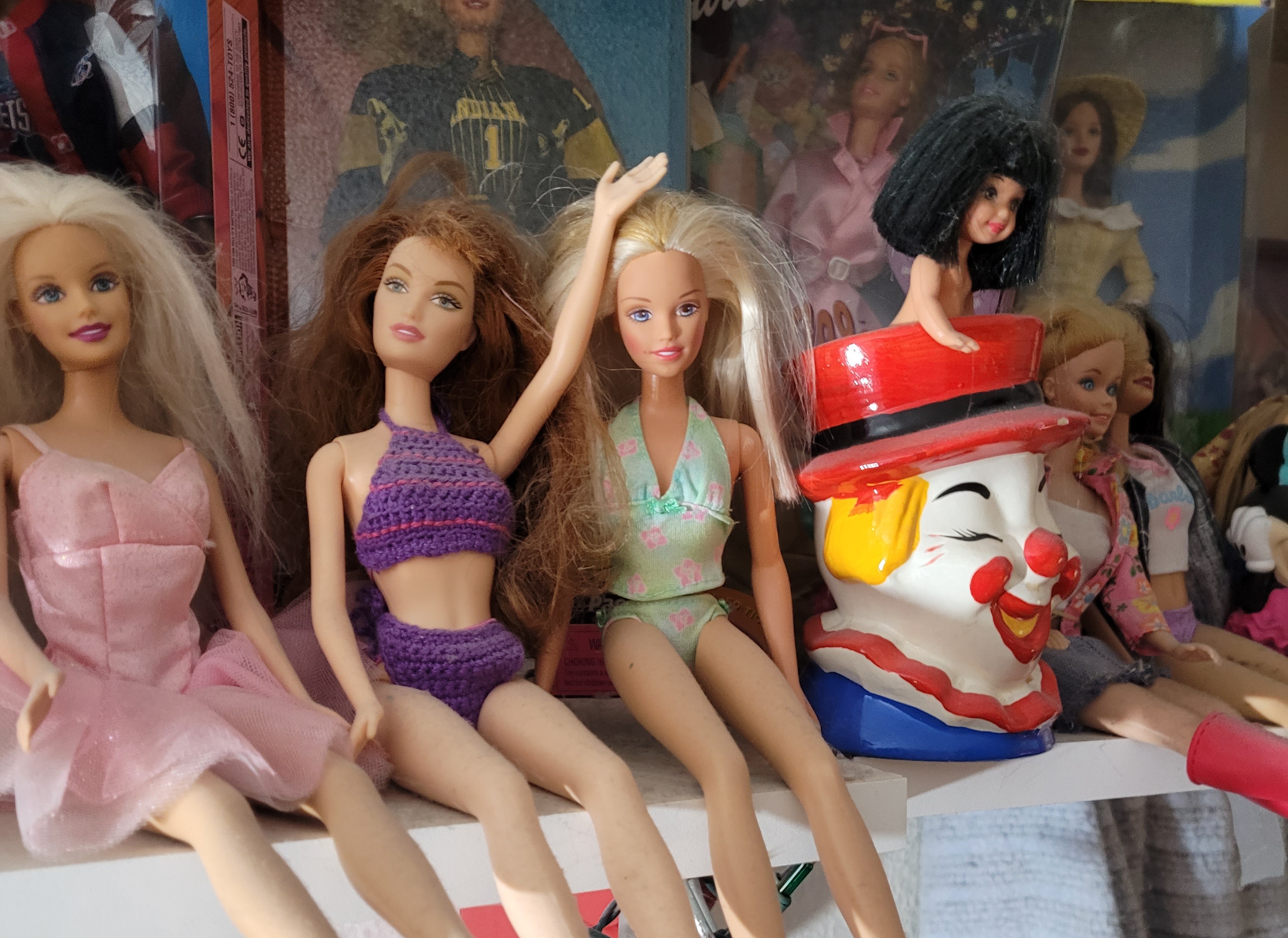
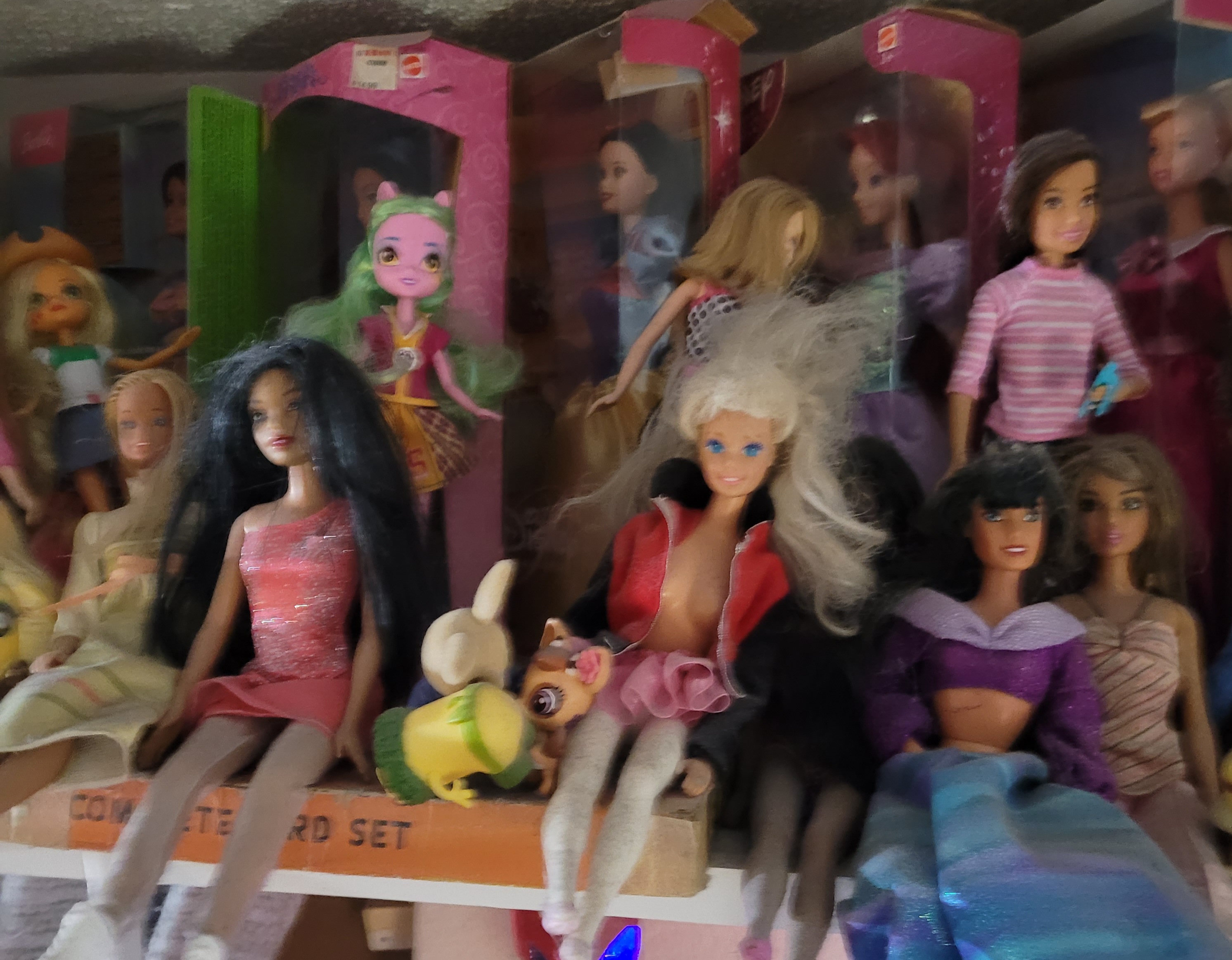
I like taking pictures of my doll collection. Those pictures are then qualified for Art Day posting. So, here are random pictures of dolls, most of which are from the doll shelf in my bedroom.
Not all of my dolls are on the doll shelf.
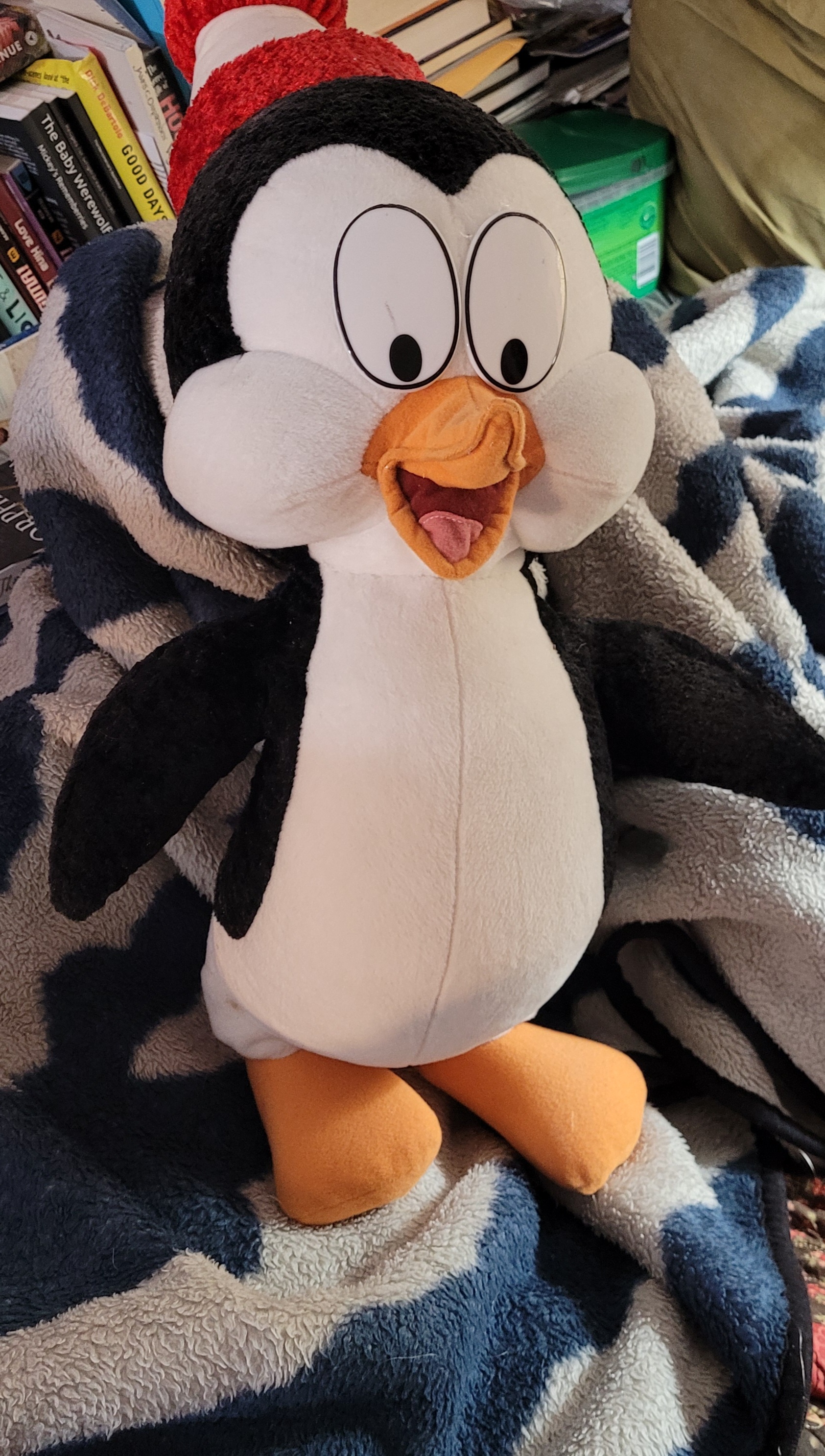
Chilly Willy here is a carnival prize that was probably won in a basketball-toss game at Six Flags and purchased by me for five dollars in a garage sale. He is technically not a doll. He is a stuffed animal.
So, let’s get back to dolls.
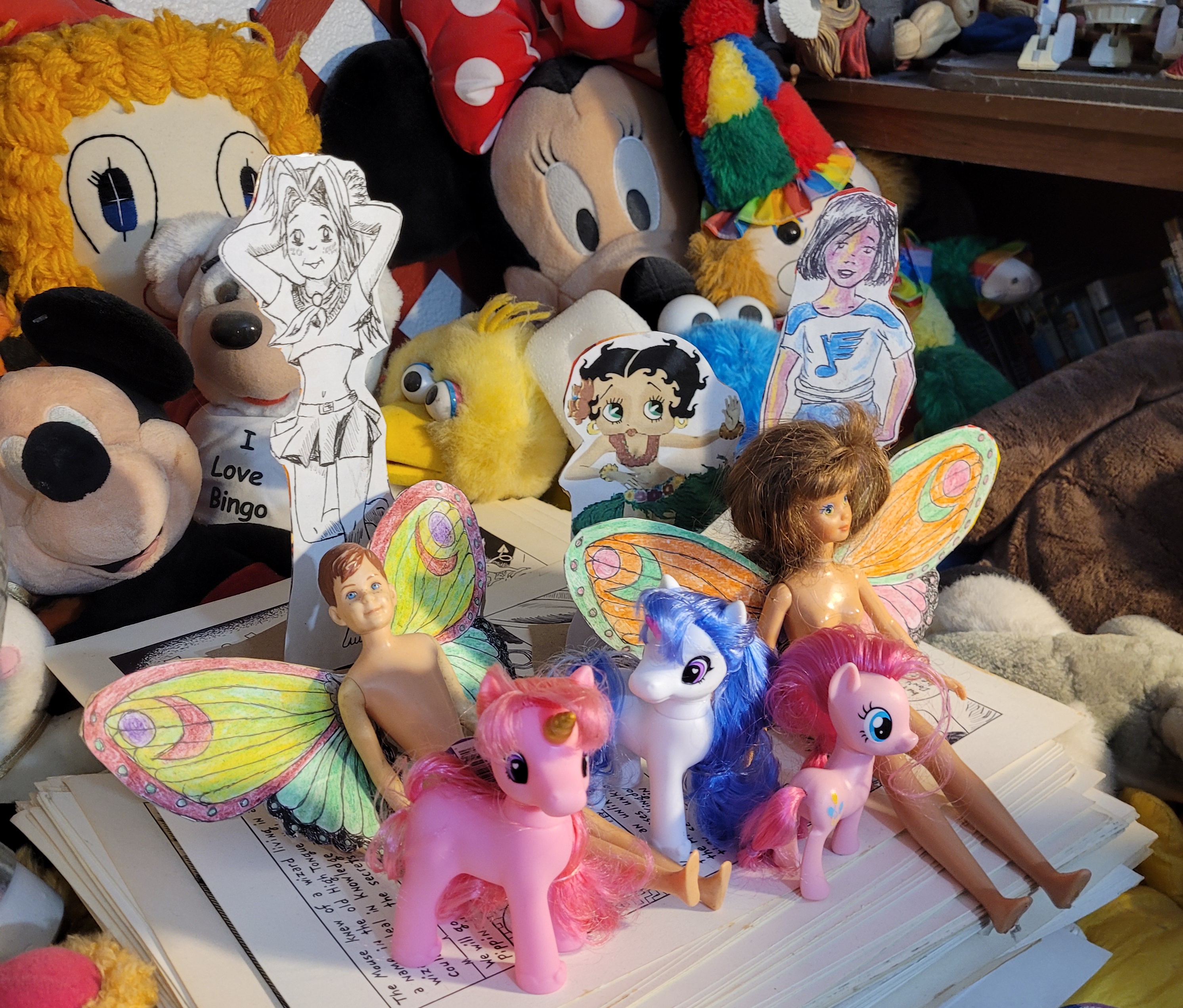
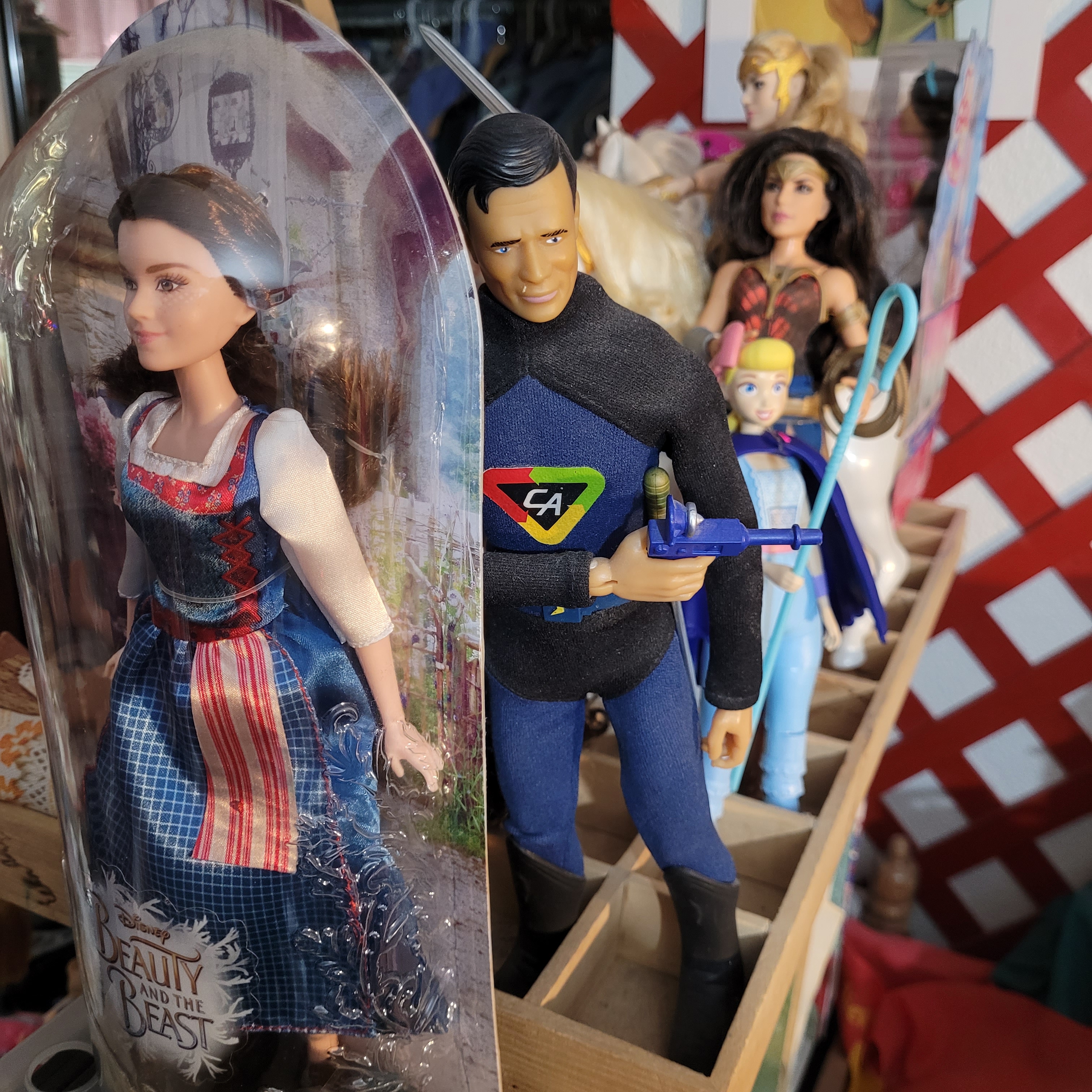
More stuffed animals, as well as ponies and paper dolls to add to this immense doll collection.Creepy Captain Action lurks behind mint=in-box Emma Watson as Belle while he looks for his lost hat. But Bo Peep and Wonder Woman are keeping an eye on him.I had to stop here as the caveman Minion had to go and start a fight with Peter Rabbit. Leave it to a mindless Minion… “Oobah Dee?” “Sorry, boss.”