I love musicals. What can I say? I am a surrealist as an artist, and so I am dedicated to combining the disjointed and bizarre to make something that makes you laugh, or makes you cry, or makes you go, “Huh? I wonder why?” So when, in the middle of a sometimes serious but mostly comic story of escaped convicts on the lam in the Great Depression Era South, people suddenly burst into song… I love it!
And this movie is filled with creative stuff and biting social satire about religion, politics, crime and punishment, love and sex, desire and disappointment, and, most of all, the need to escape from it all if only for a moment to share a good, old-fashioned song.
The main character is Ulysses Everett McGill (played by George Clooney), so naturally the sirens overpower him and turn one of his crew into a frog. This is because this story is based on the Odyssey by Homer. Only the Trojan War is replaced by a chain gang singing spirituals as they break rocks, the cyclops is a Bible salesman and Ku Klux Klan member with a patch over one eye, and when Ulysses returns to Ithica, he defeats his wife’s suitors with a song. How can you not love a story as creative as that?
The whole movie is shot in color-corrected sepia tones to give it an old-photograph, old-timey feel. John Turturro and Tim Blake Nelson are masterful in the role of McGill’s two idiot hayseed friends.
Again, I remind you, as a completely uncritical critic, I have no intention of trying to tell you what is wrong with this movie. I loved it. I will watch it again. I am writing this review only because I feel moved to tell you how much I loved it and why. So if you don’t approve of that, well, don’t shoot me. Put me on a chain gang and give me a chance to sing.
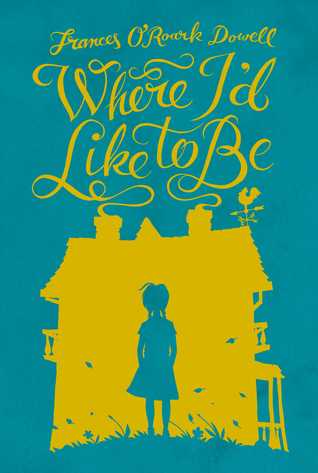
This book made me cry—and that is not unusual, even though I am a 68-year-old man. A Tale of Two Cities by Charles Dickens made me cry—at the end, not during the funny parts. But this book was about a lonely eleven-year-old girl trying to make friends. Why should that make me cry?
But it is also a bittersweet tale of memorable child characters who have nowhere left to turn but each other, and their imaginations. The poetic sting of it can make a grown man cry. You should read it. You will understand then.
We have across the street from our house an extensive green-belt park. It meanders through the city along a controlled and, often, brick-walled creek. It is really a portion of the city’s drainage system that prevents more of the horrible flooding that occurred in Texas cities in the 1980’s and 1990’s, As you can see, if you need to exercise for your heart-and-joint health, it is a perfect spot for a nice, long walk and think. So, today I am thinking about what I walked and thought about.
Mini-Wizards
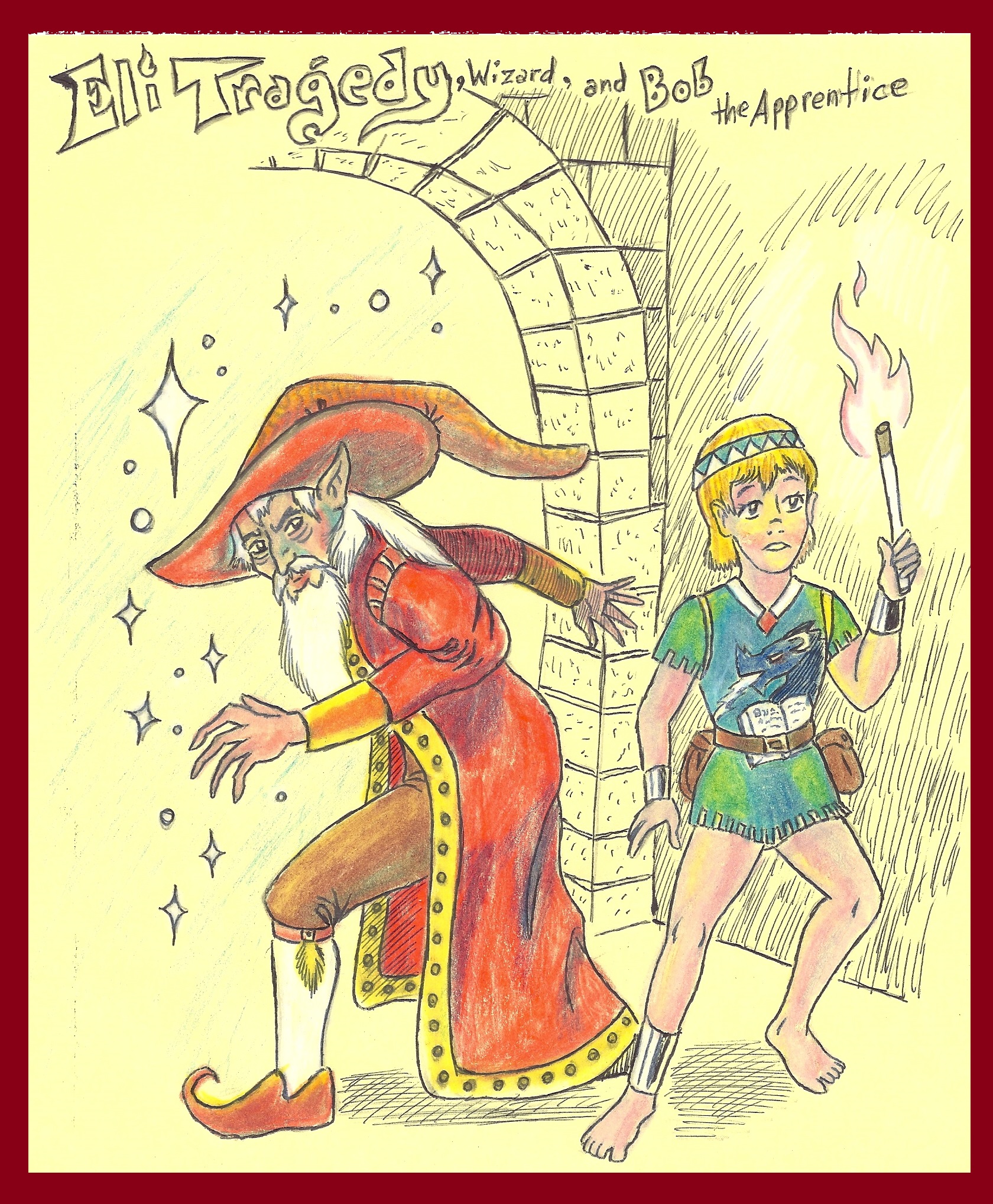
I started my walk thinking about my current work in progress. It is called The Necromancer’s Apprentice. And it is a story about a fairy society filled with tiny, three-inch-tall magical people. They live in a castle-city made from a living, hollow willow tree. The city is under attack by an evil Necromancer (a death-wizard) who wants something unknown from the wizards in the city. Eli Tragedy is a sorcerer representing the good guys. He has two apprentices already, quiet Bob and chaotic Mickey the were-rat. And he captures the necromancer’s apprentice, and instead of killing her like his superiors want, he makes her into his own third apprentice. He’s a good wizard because he helps students learn and values them as people. The bad guy is the opposite. He is evil because he’s focussed on his own power and wealth, and he’s wasteful of the lives and suffering of others. So, in many ways, he is like a Republican politician in the real world.
The Great Books You Have Read Make You Who You Are
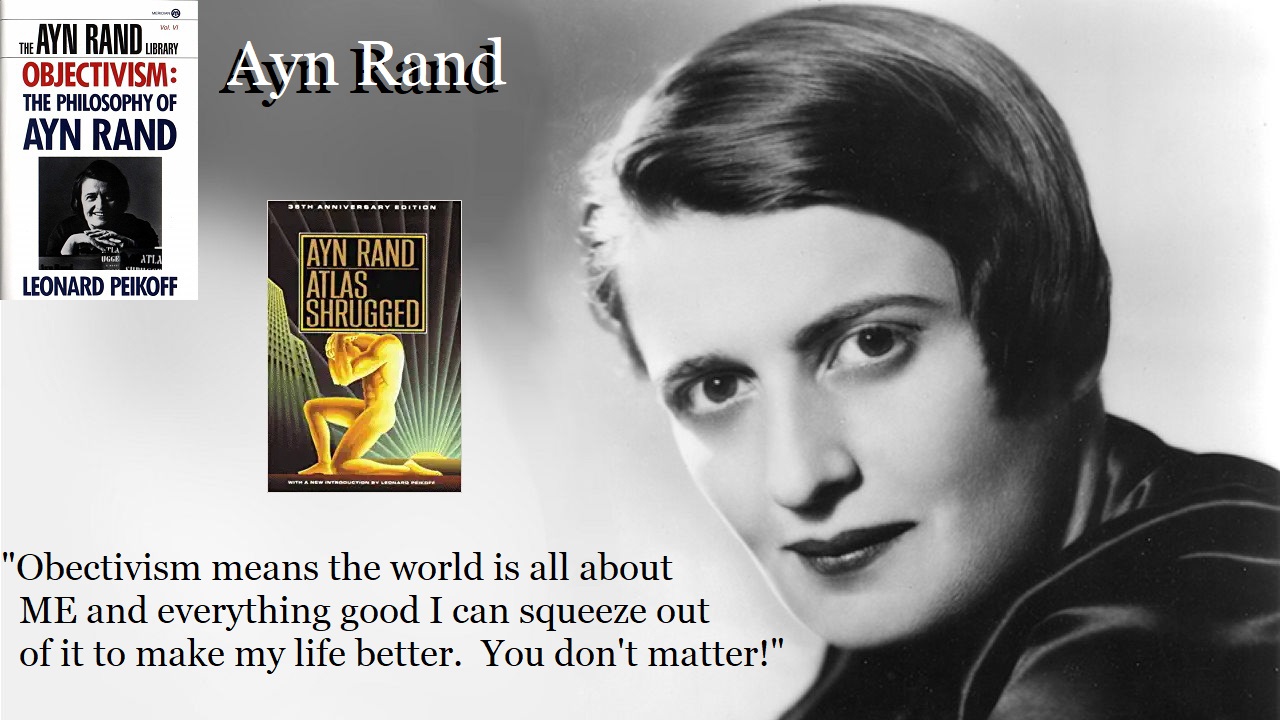
So, I began thinking about what the necromancer’s favorite great work of literature is. Obviously, it would be former Speaker of the House Paul Ryan’s favorite book, Atlas Shrugged. In that book, the hero John Galt asserts the notion that only certain people, creative types like himself and Ayn Rand and, presumably, Paul Ryan have the right to design the proper life for everybody. And they are capable of doing anything and getting away with it for the reason that it is in the best interests of everybody, even if it kills the poor and other lesser people.
This recognized classic book of fiction supporting a selfish philosophy is the reason why we have things like Reaganomics, Trump tax cuts, and border walls. The perfect explanation to certain readers of, “All the reasons why I should turn to evil.” It obviously is a book read and loved by not only Paul Ryan, but other important weasels in charge of everything like Senator Ted “Cancun” Cruz, Senator Mitch “Turtle Man” McConnell, and former Presidential Advisor Steve “The Human Sweat-stain” Bannon.
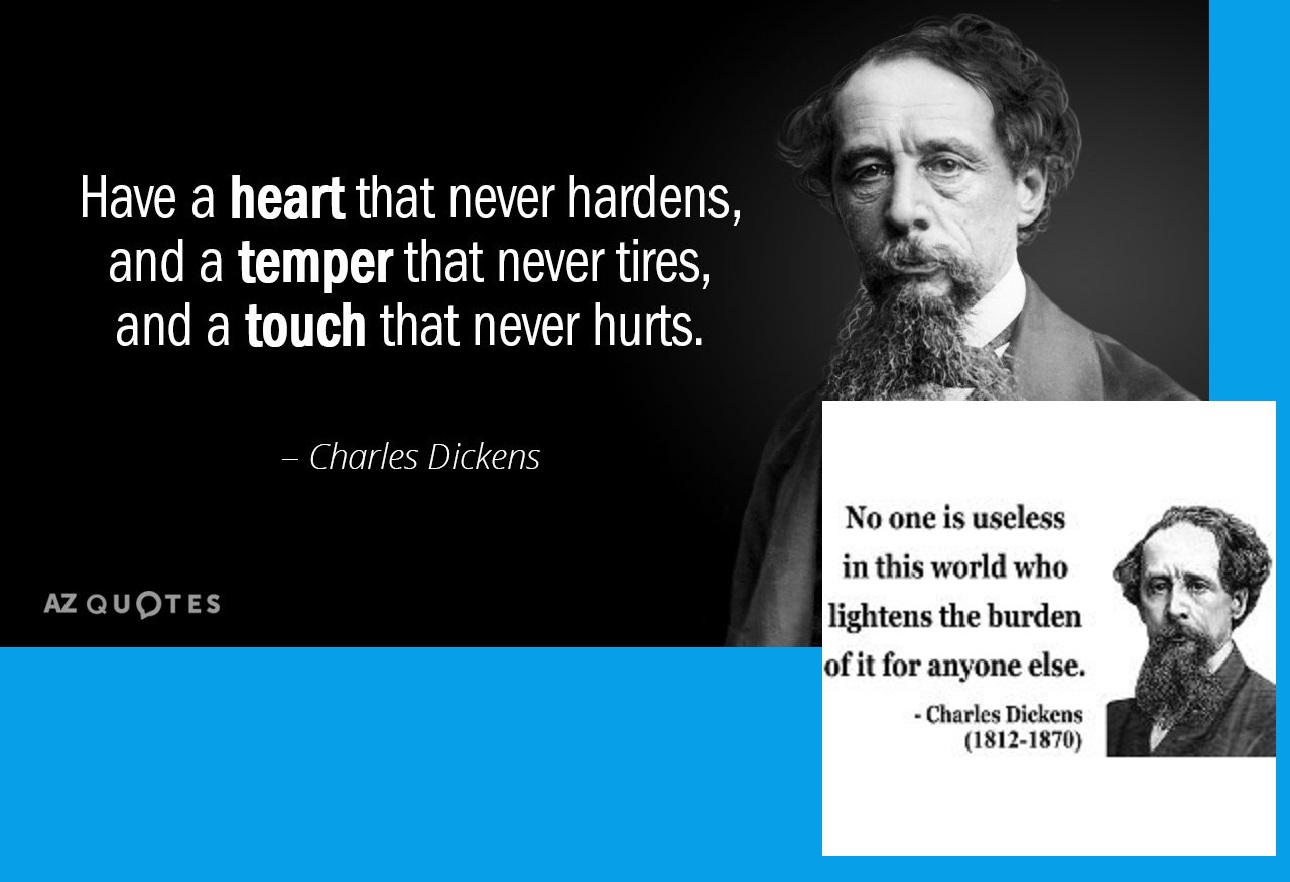
A good wizard (or Sorcerer) would have read and been influenced more probably by some of the great books of Uncle Boz, um, I mean, Charles Dickens. His is a much gentler and more generous philosophy which finds value in forlorn and mislaid individuals like Sydney Carton, Oliver Twist, Nicholas Nickleby, or Tiny Tim. I know these books of magic are the ones I choose to battle evil wizards in my own life.
So, if great books made me, perhaps I can write my great book with heroes influenced by Dickens and villains influenced by Ayn Rand.
The Final Turn of the Park’s Sidewalk
As I head homeward from my walk in the park, I have two things gained from the exercise. My legs and back are very tired. And my head is boiling over with things I need to write.down.
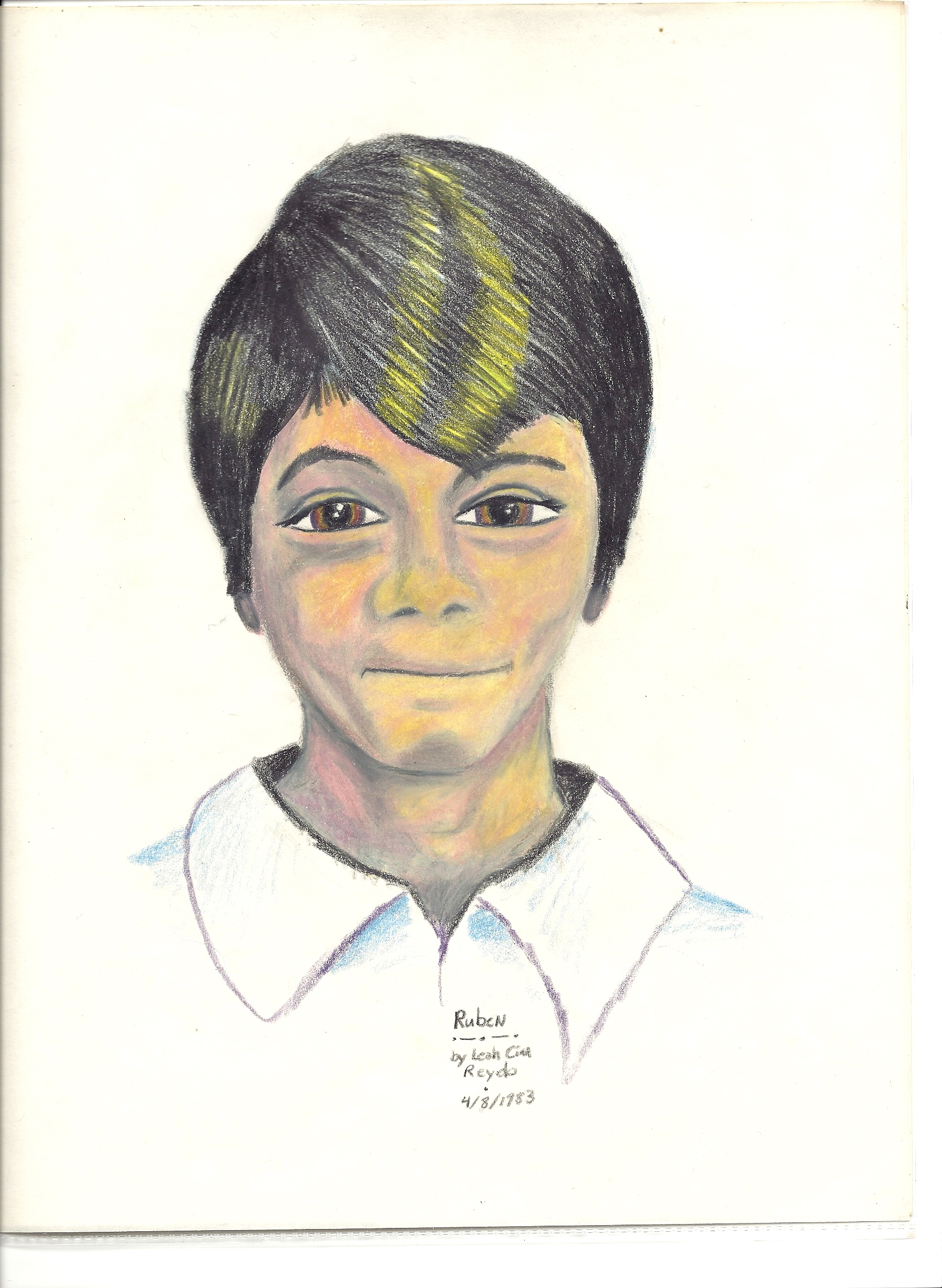
My biggest regret as a cartoonist and waster of art supplies is the fact that I am not the world’s best portrait artist. I can only rarely make a work of art look like a real person. Usually the subject has to to be a person I love or care deeply about. This 1983 picture of Ruben looks very like him to me, though he probably wouldn’t recognize himself here as the 8th grader who told me in the fall of 1981 that I was his favorite teacher. That admission on his part kept me from quitting and failing as a first year teacher overwhelmed by the challenges of a poor school district in deep South Texas.
My Great Grandma Hinckley was really great.
My great grandmother on my mother’s side passed away as the 1970’s came to an end. I tried to immortalize her with a work of art. I drew the sketch above to make a painting of her. All my relatives were amazed at the picture. They loved it immensely. I gave the painting to my Grandma Aldrich, her second eldest daughter. And it got put away in a closet at the farmhouse. It made my grandma too sad to look at every day. So the actual painting is still in a closet in Iowa.
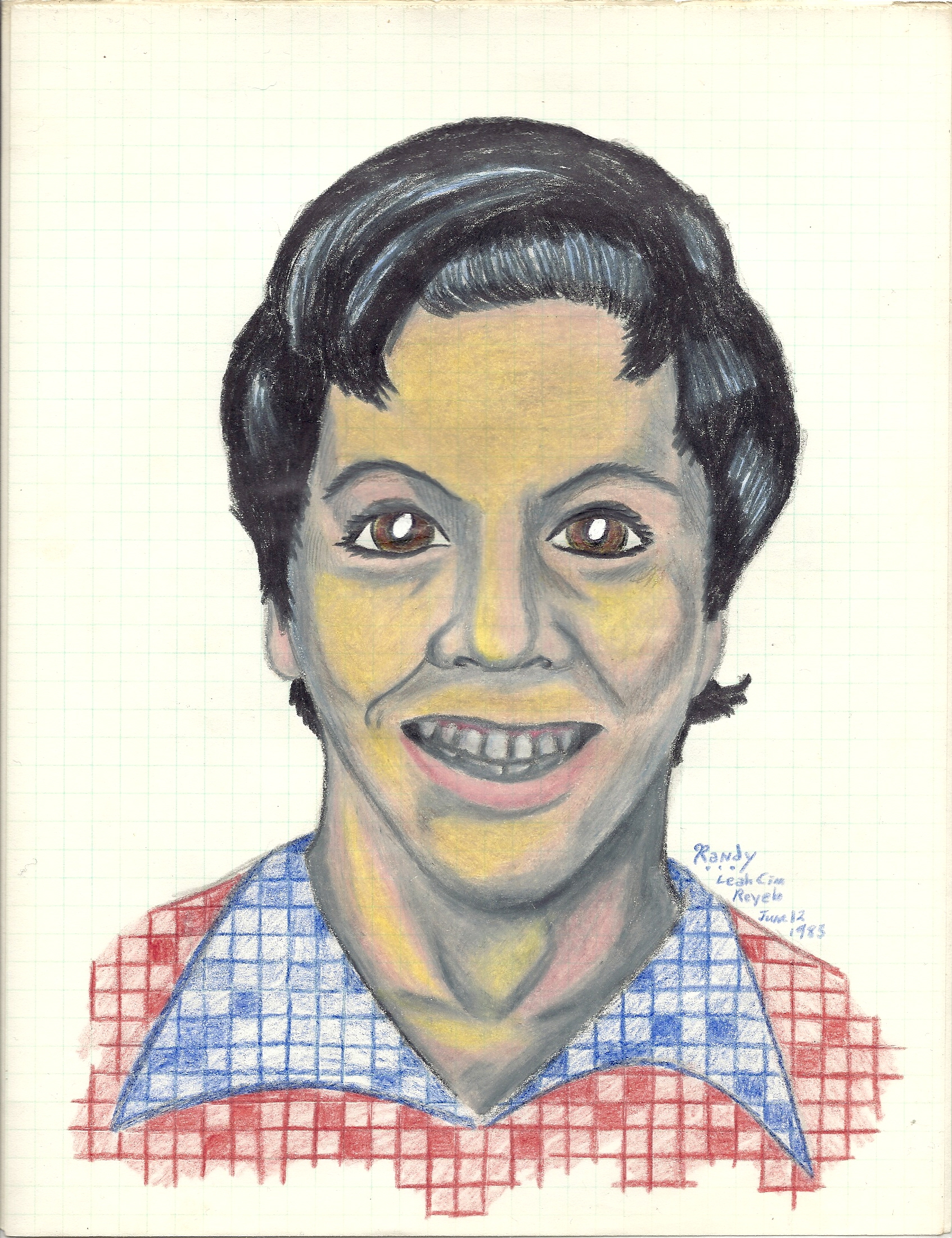
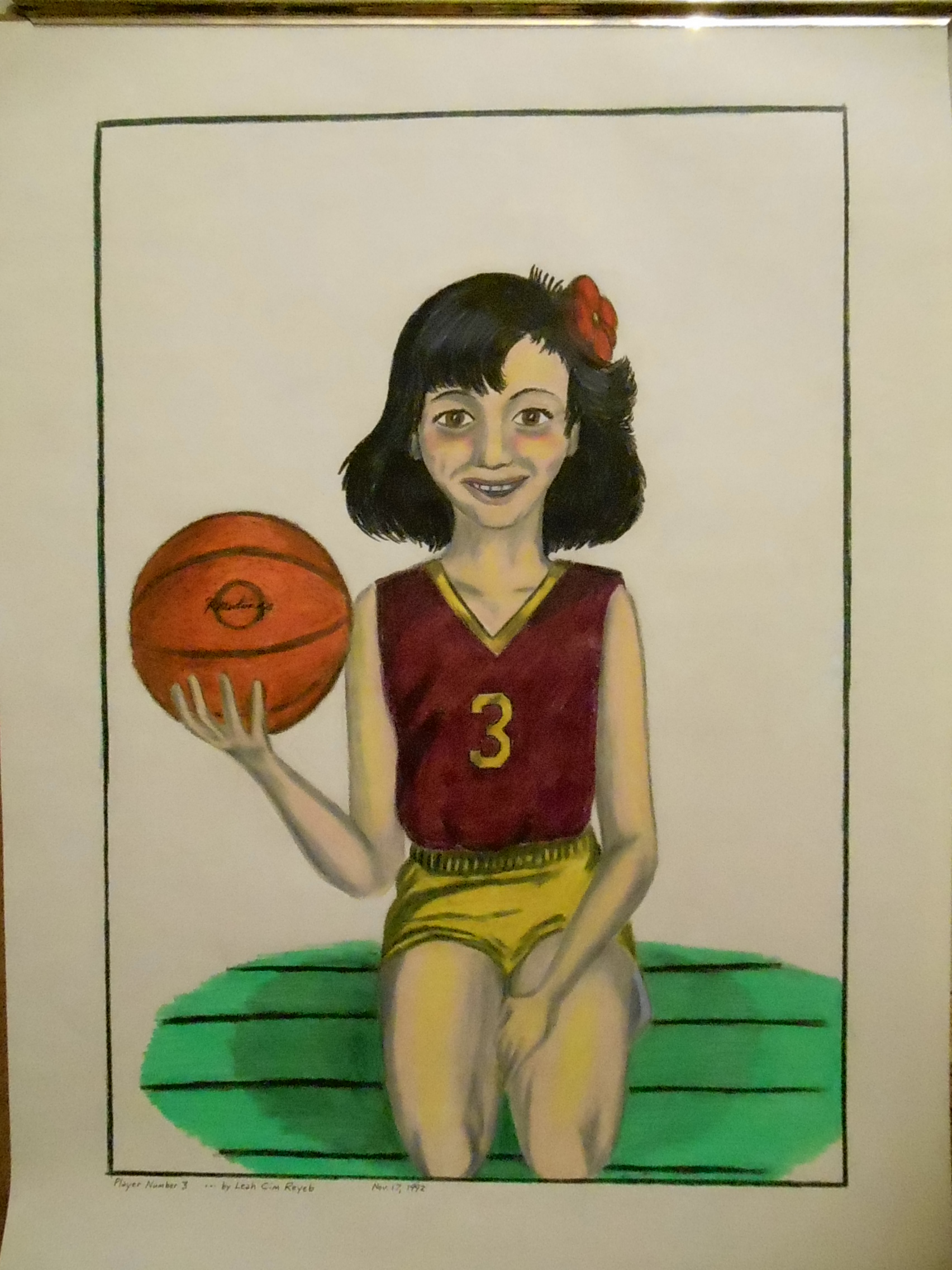
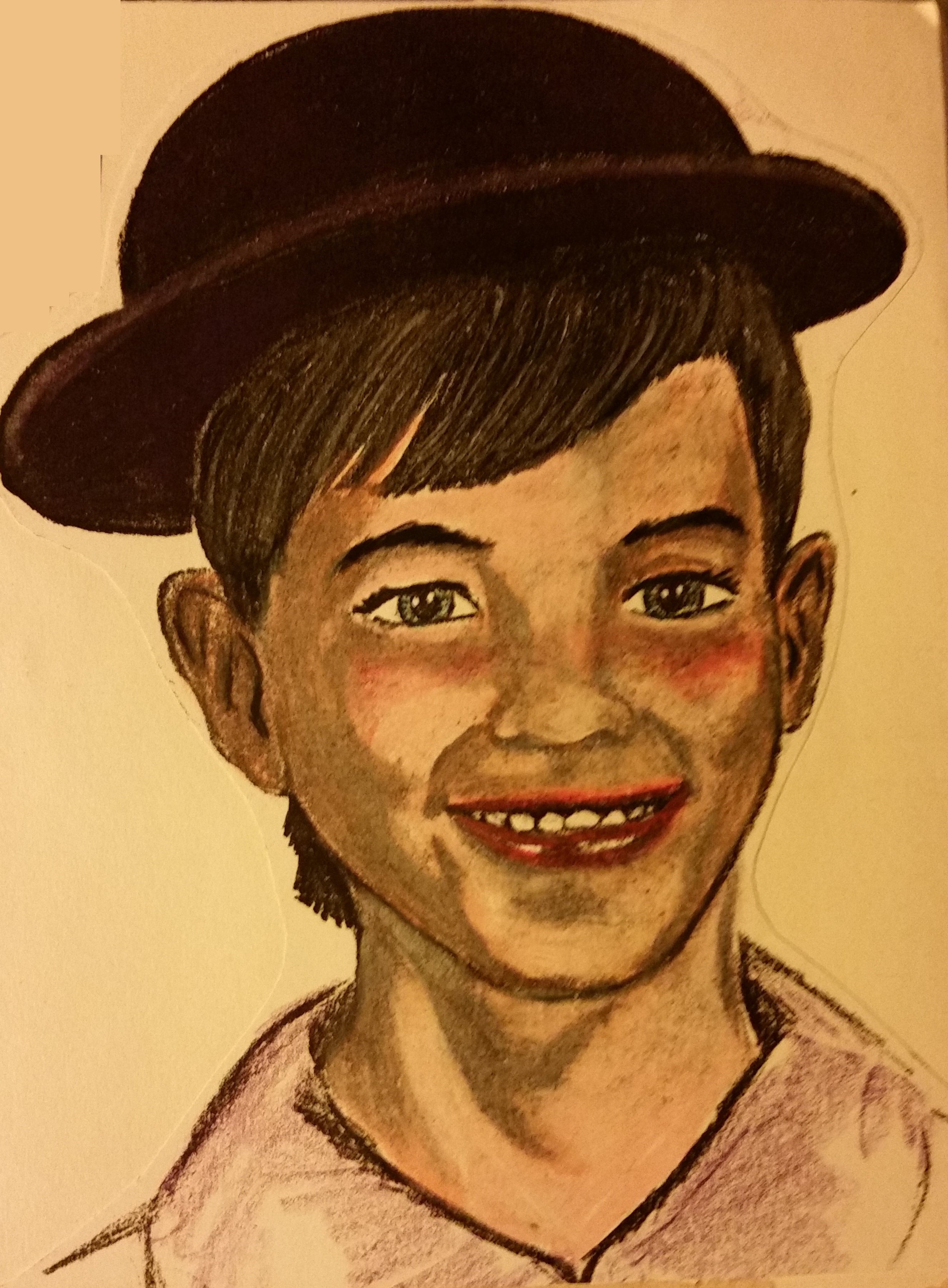
There were, of course, numerous students that made my life a living heck, especially during my early years as a teacher. But I was one of those unusual teachers (possibly insane teachers) who learned to love the bad kids. Love/hate relationships tend to endure in your memory almost as long as the loving ones. I was always able to pull the good out of certain kids… at least in portraits of them.
When kids pose for pictures, they are not usually patient enough to sit for a portrait artist. I learned early on to work from photographs, though it has the disadvantage of being only two-dimensional. Sometimes you have to cartoonify the subject to get the real essence of the person you are capturing in artiness.
But I can’t get to the point of this essay without acknowledging the fact that any artist who tries to make a portrait, is not a camera. The artist has to put down on paper or canvas what he sees in his own head. That means the work of art is filtered through the artist’s goofy brain and is transformed by all his quirks and abnormalities. Therefore any work of art, including a portrait that looks like its subject, is really a picture of the artist himself. So, I guess I owe you some self portraits to compare.
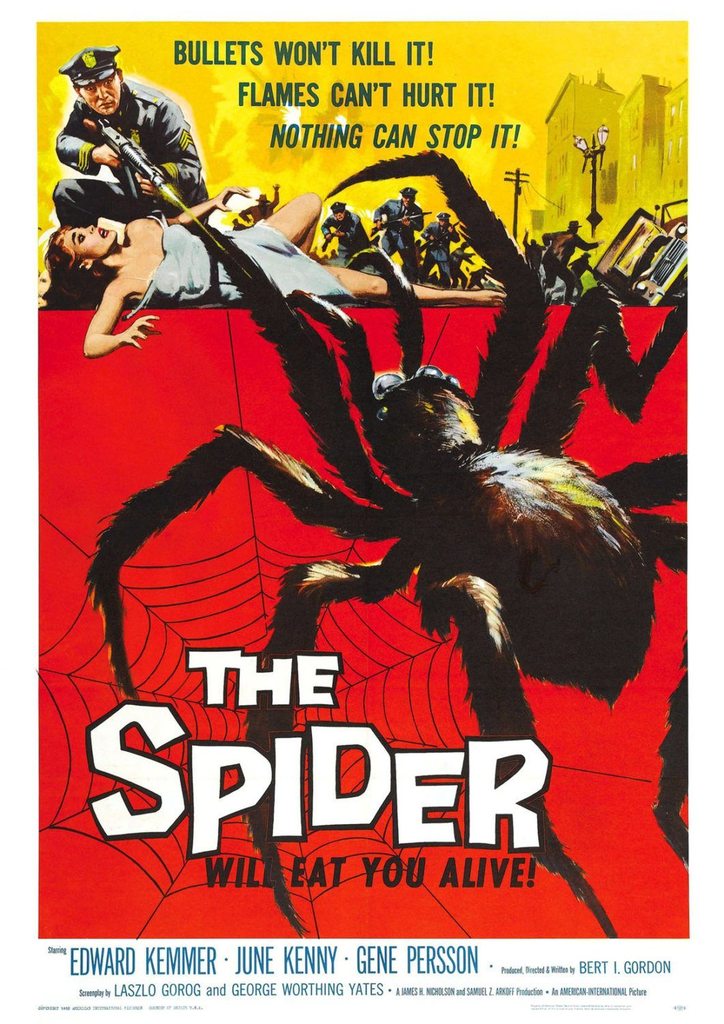
Yes, I am saying the world I live in is a low-budget commercial movie made without literary or artistic pretensions. You know, the kind where movie makers learn their craft, taking big risks with smaller consequences, and making the world of their picture reflect their heart rather than the producer’s lust for money.
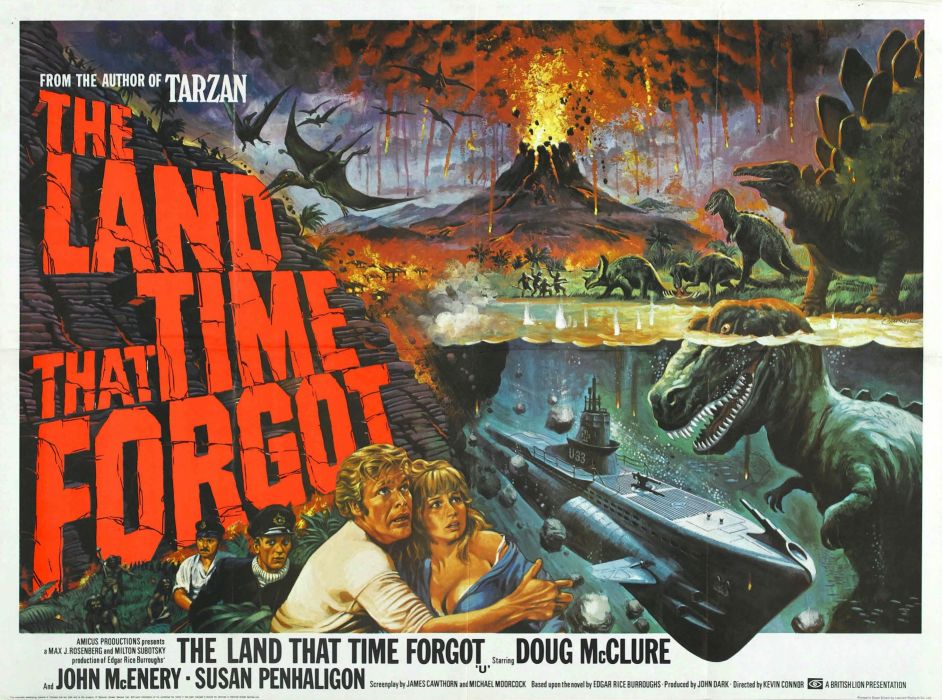
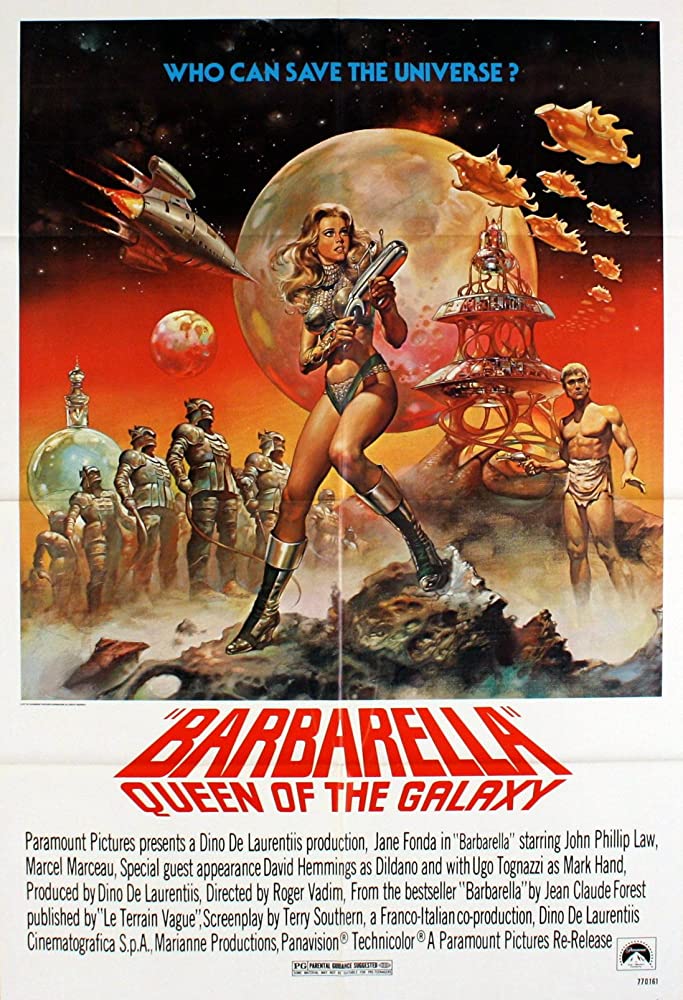
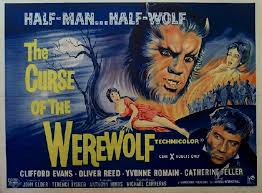
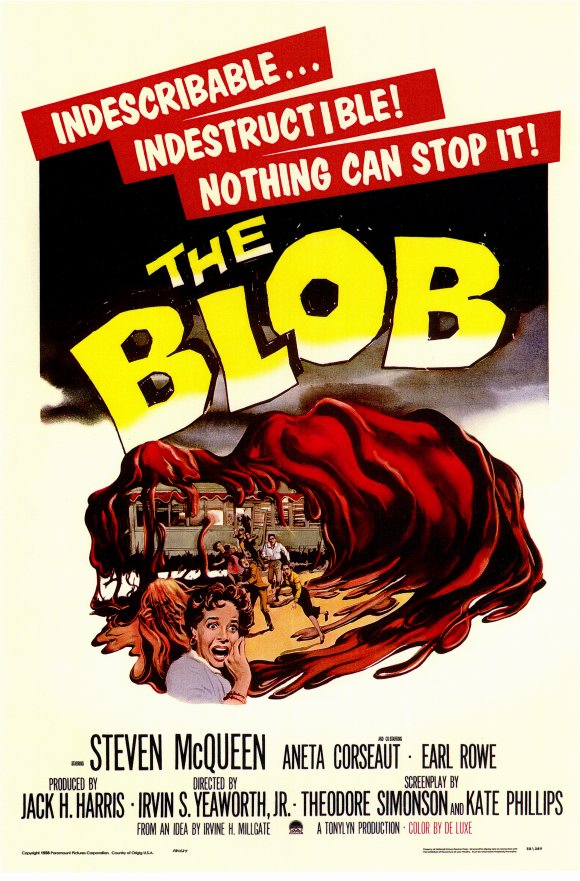
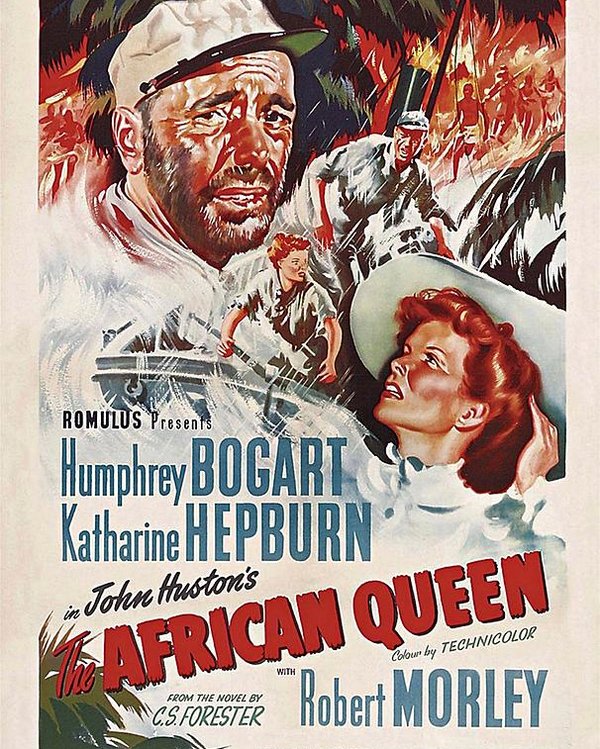
Mostly what I am talking about are the movies I remember from late-night Saturday TV in black and white (regardless of whether or not the movie was made in Technicolor) and the less-risky as well as more-likely-good Saturday matinees on Channel 3. Movies made in the 1950s, 1960s, and early 1970s. They were perfect, of course, for the forbidden Midnight Movie on the show called Gravesend Manor. I had to sneak downstairs to watch it on Saturday nights with the volume turned way down low. (Not that Mom and Dad didn’t know. Well, maybe they didn’t know how many of those I watched completely naked… maybe.)
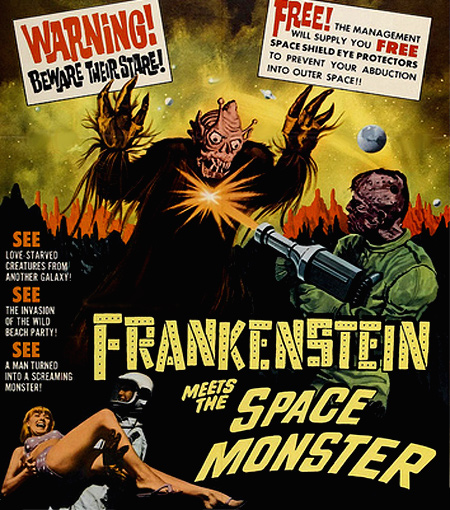
I watched this one when I was twelve, late night on an October Saturday. I had a bed-sheet with me to pull over my head at the scariest parts. Frankenstein was a crashed astronaut brought back to life by the magic of space radiation. He was uglier than sin, but still the hero of the movie, saving the Earth from invading guys in gorilla suits and scary masks (none of which looked like the movie poster.)
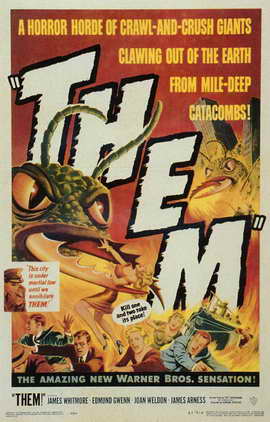
This one, starring James Whitmore, a really good B-Movie actor, was about giant ants coming up from the sewers and the underground to eat the city.
I would end up watching it again twenty years later when I was wearing clothes and not alone in the dark house lit only by a black-and-white TV screen.
I realized on the second viewing that it was actually a pretty good movie in spite of cheesy special effects. And I realized too that I had learned from James Whitmore’s hero character that, in times of crisis, you have to run towards the trouble rather than away from it, a thing that I used several times in my teaching career with fights and tornadoes and even rattlesnakes visiting the school campus looking to eat a seventh-grader or something (though it was a bad idea for the snake even if it had been successful.)
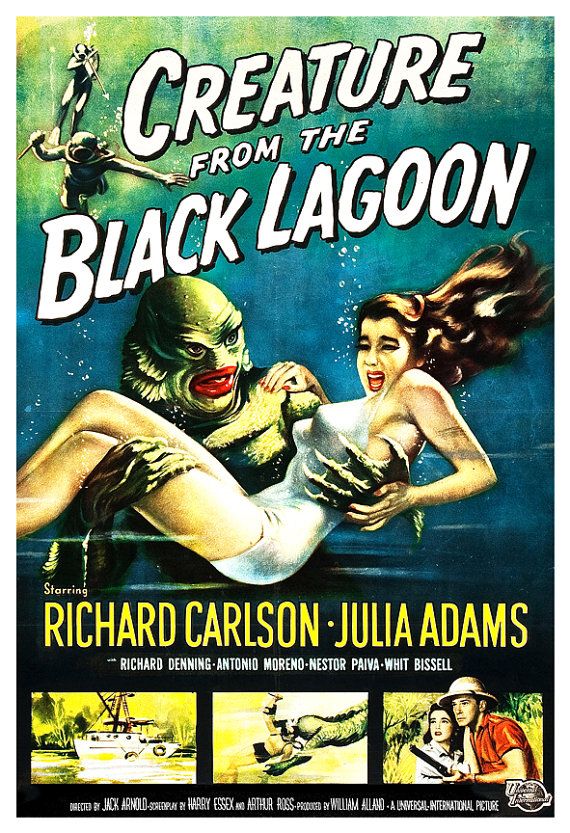
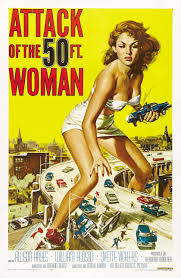
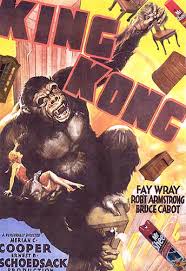
This one, of course, taught me that monsters liked to carry off pretty girls in bikinis. And not just on the poster, either. But it was the hero that got the girl, not the monster. This movie taught me that it sucks to be the monster. Though it also taught me that it was a good movie to take your pajamas off for and watch naked when you are thirteen.
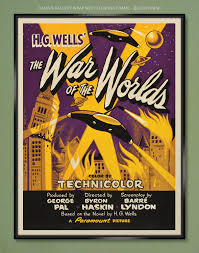
But not all B-movies had to be watched late night on Saturdays. This movie was one of the first ones that I got to go to the movie theater to see by myself. (My sisters and little brother were still too young and got nightmares too easily to see such a movie.) It came out when I was in my teens and Mom and Dad began thinking of me as an adult once… or even possibly twice in a month.
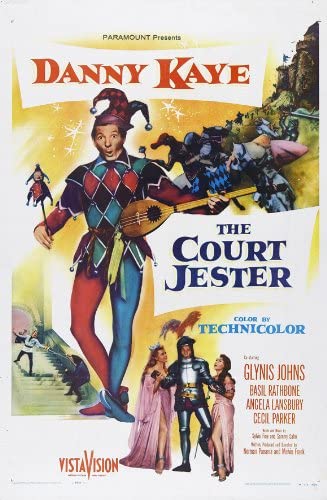
And not all B-movies were monster movies, gangster movies, and westerns. Some, like a lot of Danny Kaye’s movies, were movies my Dad and my grandparents were more than happy to watch with me. I saw this one in both black-and-white and color. And I learned from this that it was okay to take advantage of happy accidents, like a case of mistaken identity, and using your wits, your creative singing ability, and your inexplicable good luck to win the day for everybody but the bad guys armed only with your good sense of humor.
And some of the best movies I have ever seen, judging by what I learned about movies as literature from Professor Loring Silet in his Modern Film Class at Iowa State University, are by their nature B-movies.
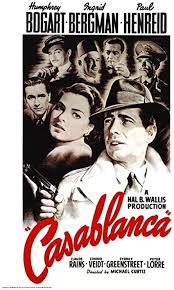
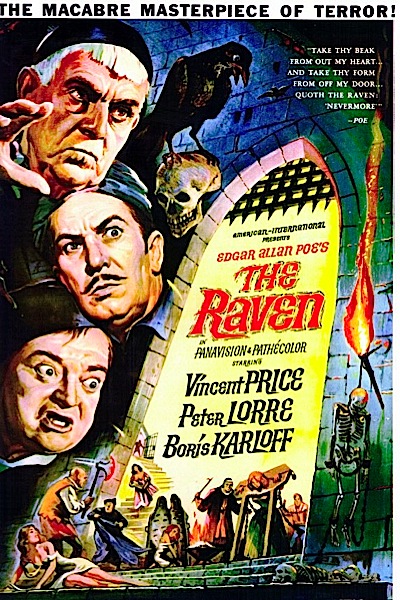
I am using movie posters in this blog post only from movies I have personally seen. (And I admit that not all of them are strictly “good” movies according to Professor Silet, but I like them all.)
Feel free to tell me in the comments if you have seen any of these movies yourself. I am open to all opinions, comments, and confessions.
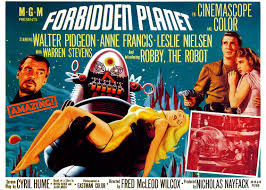
This one is based on Shakespeare’s The Tempest.
I saw this one in college. You had to be 18 at the time to even buy a ticket.
I actually think that this is one of the best movies ever made. It will always make my own personal top-ten list.
I live in a B-movie world. The production values around me are not the top-dollar ones. But the stories are entertaining. The real-life heroes still run towards the problem. And it still sucks to be the monster. But it has always been worth the price of the ticket. And during my time on Earth here, even in 2020, I plan on staying till the end of the picture. I go nowhere until I see the Best Boy’s name in the end credits. And maybe not even then.
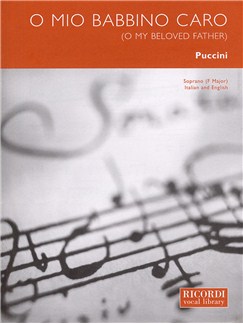
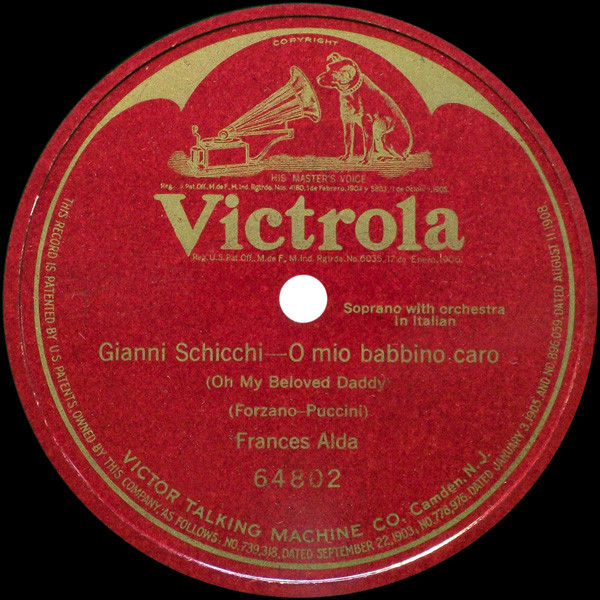
This beautiful song, an operatic aria by Puccini, is from the comic opera Gianni Schicchi. But, more important than that is what the song actually means in context.
In the opera, Gianni Schicchi is a con man intent on swindling a family out of their inheritance and knowing all along that he will be destined to go to hell when he dies. The family is gathered for the reading of the rich man’s will, which is, because this is a comic opera, lost for the time being. Their main concern is for the money, which rumor has it has all been willed to the church. But one among them is actually worthy of inheriting the money, Rinuccio the son of the rich man’s cousin. And, as luck would have it, as it always does in comedies, Rinuccio is the one who, during the manic and desperate search for the will, actually finds it. And assuming he comes out well in the will, he secures a promise from his mother that if he inherits money, he can marry Schicchi’s beautiful daughter Laurretta whom he truly loves.
But when he reads the will, he is devastated. The money all goes to a monastery. He begs Schicchi to help him convince the family that he should marry Laurretta anyway. This Gianni Schicchi tries and finds it harder than turning water into wine. So Schicchi is about to give up when Lauretta finally speaks up for herself through the song,
O Mio Babbino Caro (My Beloved Father)
At this point Schicchi is moved by the beautiful song and even more beautiful love his daughter has surprised him with. He not only agrees to help, but executes a bizarre plan, hiding the rich man’s body and pretending to be him come back to life to rewrite the will. Now the will favors Rinuccio, and over the protests of the family, he inherits the money and marries his true love, Schicchi’s daughter. The opera ends with Schicchi singing his case to the audience, telling them in song that going to hell is worth it to aid true love.
And this, then, is the truth of O Mio Babbino Caro.
Love, expressed through the surprise of hidden talent suddenly revealed, is the most persuasive argument there is.
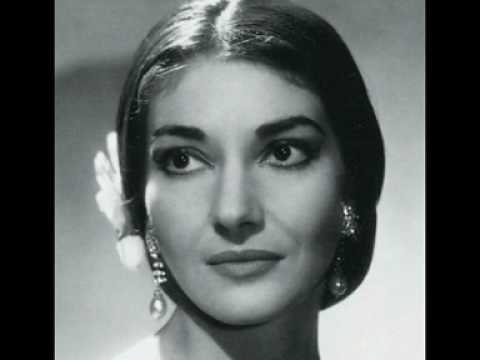
Whether it is the love in the music suddenly discovered in the overwhelming voice of a little girl like Jackie Evancho or Amira Willighagen, or the late great Maria Callas who also sang the role, or even the singer of Puccini’s greatest work who is yet to perform it and make silly old men like me weep for beauty’s sake, the song is the most persuasive argument there is in favor of true love.
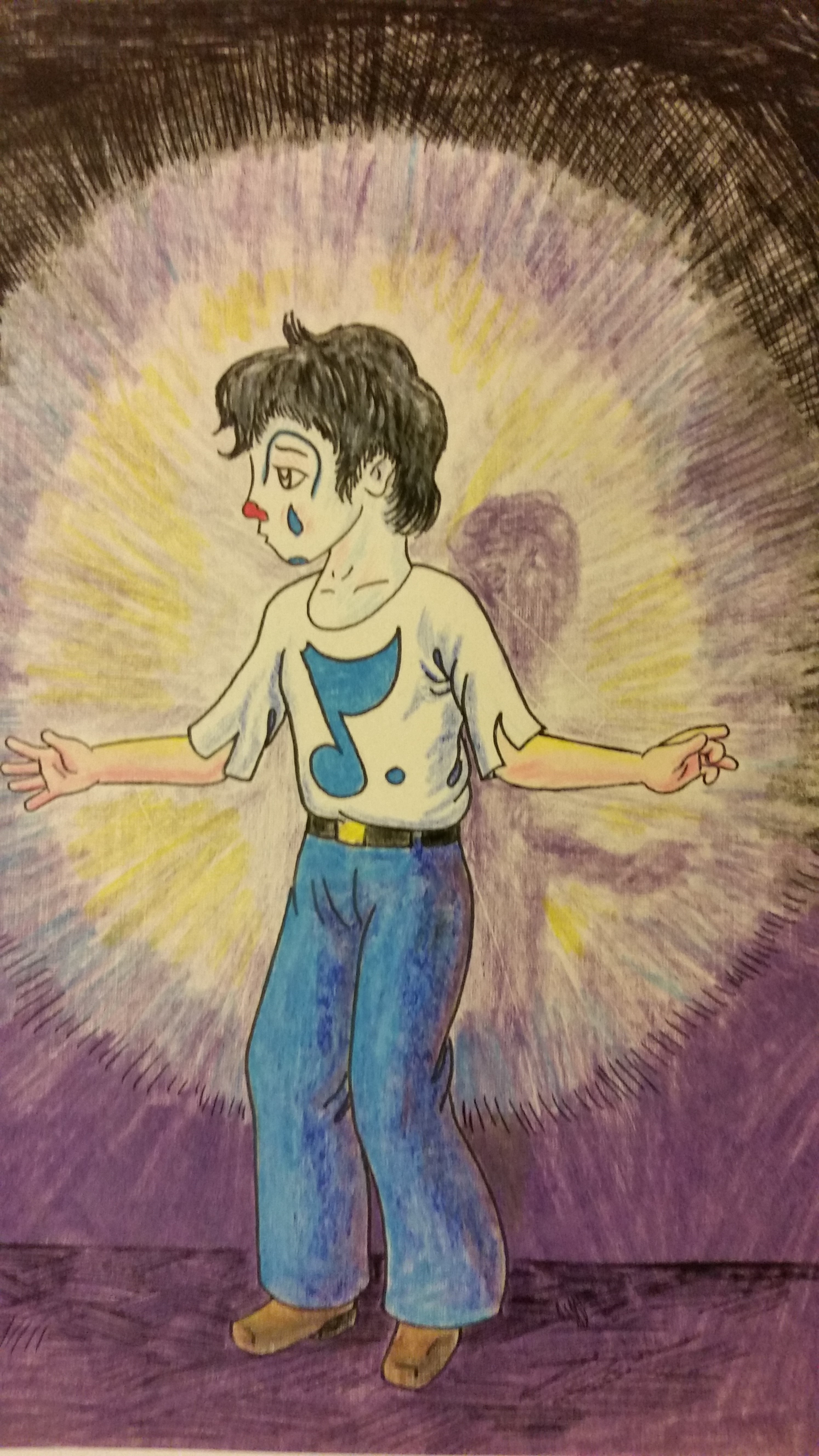
That is a thing I desperately want to capture in the novel I am writing now, Sing Sad Songs. Love expressed in music. Love that reverses loss. Love that heals all things. And Love that moves all people. The love that is masterfully sung in O Mio Babbino Caro.
That book is now published and available on Amazon.
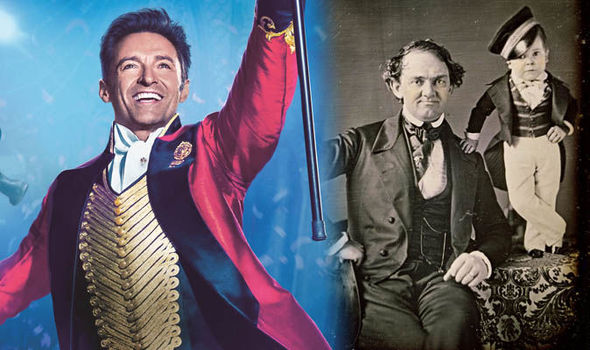
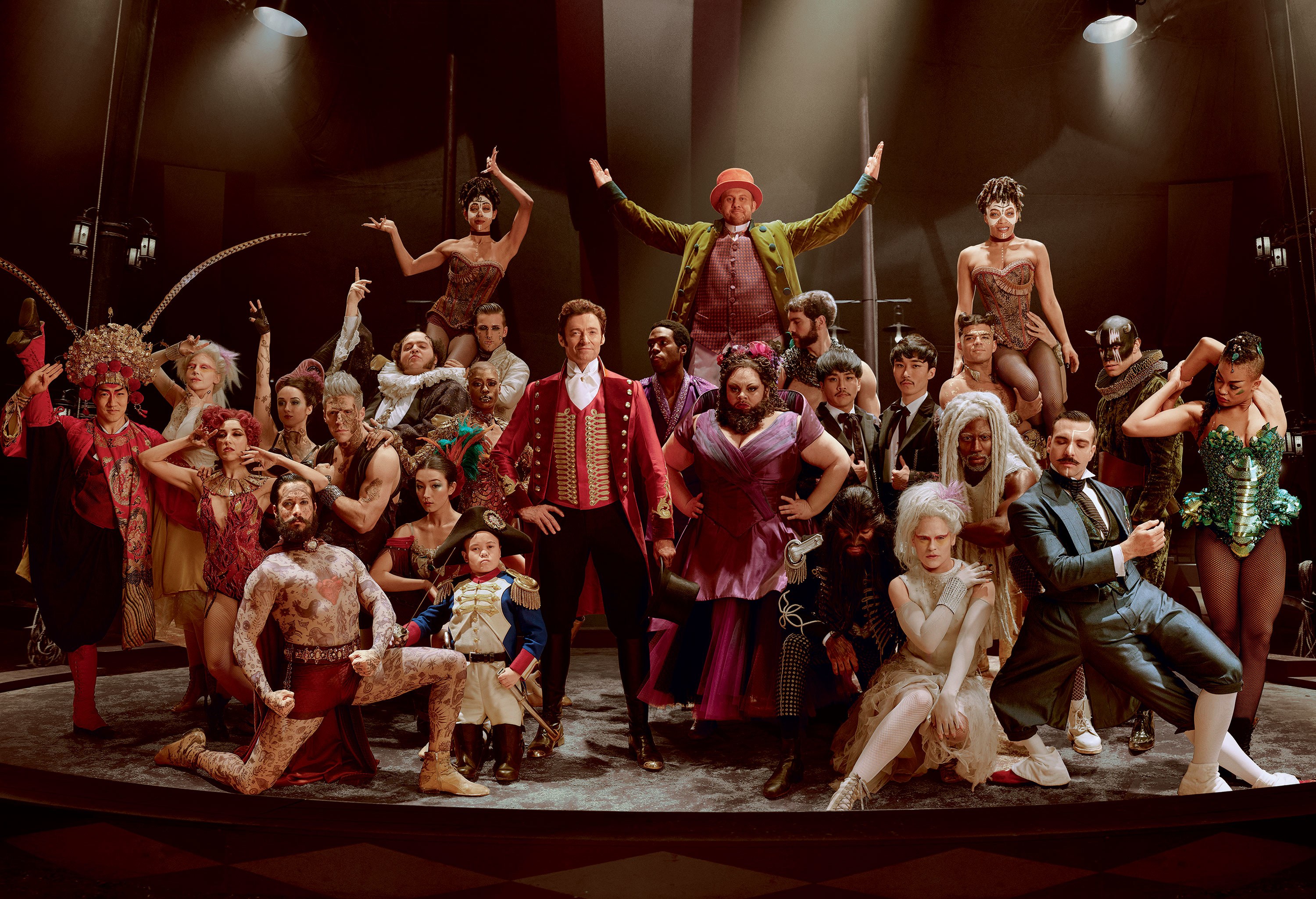
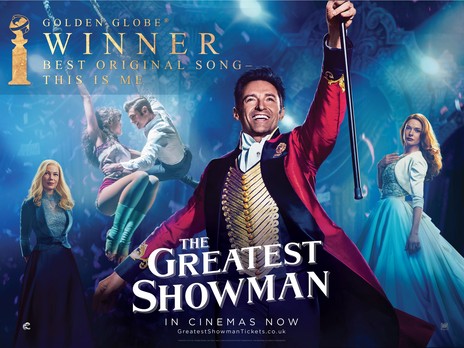
Last night my wife and my daughter the Princess went with me to the movie musical The Greatest Showman at the dollar movie. I was enchanted. My wife laughed at me for how much the movie made me cry. But it was a very touching and timely movie for me because it was about pursuing dreams in spite of economic hardships. The award-winning songs promote with energy and stunning beauty the notion that you should follow your passion no matter the risk, and that choosing to do so will produce rewards as long as family and love are with you and along for the ride.
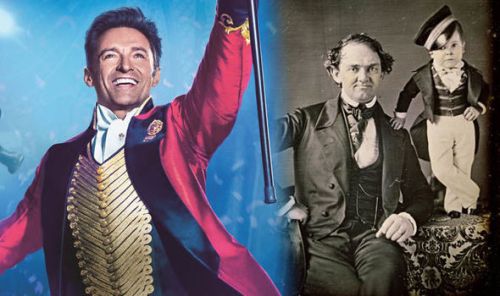
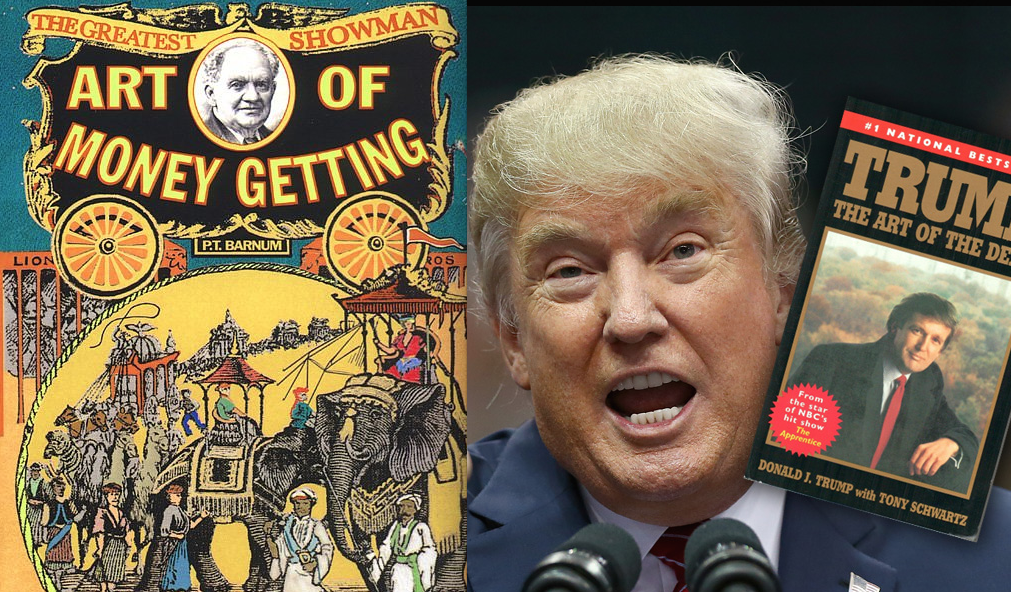
Of course, one has to remember that the whole story is based on the life and work of Phineas Taylor Barnum, a man who is a lot more like Donald Trump than he is Hugh Jackman. I really doubt he could sing and dance the way the movie portrays him. And words like “humbug”, “fraud”, and “exploiter” apply to him in a very real way.
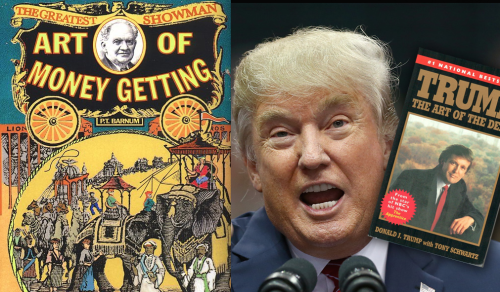
Barnum was actually one of those wheeler dealers who wants to control the story. He actively found ways to alter the public narrative about himself and used criticism to help promote his money-making shows. The idea of bad publicity being just as good if not better than good publicity actually makes its presence felt in at least one scene in the movie. There is ample evidence that more than a little of Barnum’s efforts were aimed at making himself a star.
And although the movie sentimentalizes his exploitation of freaks and special individuals, giving him credit for giving them self esteem and a means to make a good living, that was really only the fictional Barnum created by Barnum’s own media efforts.
The truth of the matter, though far more fascinating than the movie version of Barnum, does not make for a good musical libretto. In the movie the theme of special people outcast from the society because of their uniqueness coming together to support each other in a circus is strongly woven into both the story and the music. The song “This is Me” performed by Keala Settle playing the part of bearded lady Lettie Lutz is a powerful anthem for everyone who feels smaller than they really are because of prejudice, bullying, racism, sexism, or any of the other forms of moronic stupidity that humans are so often guilty of. I have to admit, the song made me cry even as it filled me with joy. The musical score of this movie is one that I intend to listen to again and again and again. It makes the circus seem like an answer to life’s problems. It is the same feeling that I got the first time, and every time, I ever saw the circus with all its clowns and jugglers, acrobats and lion tamers, bare-back riders and elephants. And I knew it was all illusion. All humbug. But it was pure joy worth the price of the ticket never-the-less.
The movie was only rated 56% fresh on Rotten Tomatoes. But I rarely pay attention to things like that. This musical goes into the category with The Sound of Music, The Music Man, Oklahoma!,and Mary Poppins of musicals I can’t live without. Never mind the greedy little man that it is based on. This movie is about big dreams and even bigger achievements. And it is well worth the price.
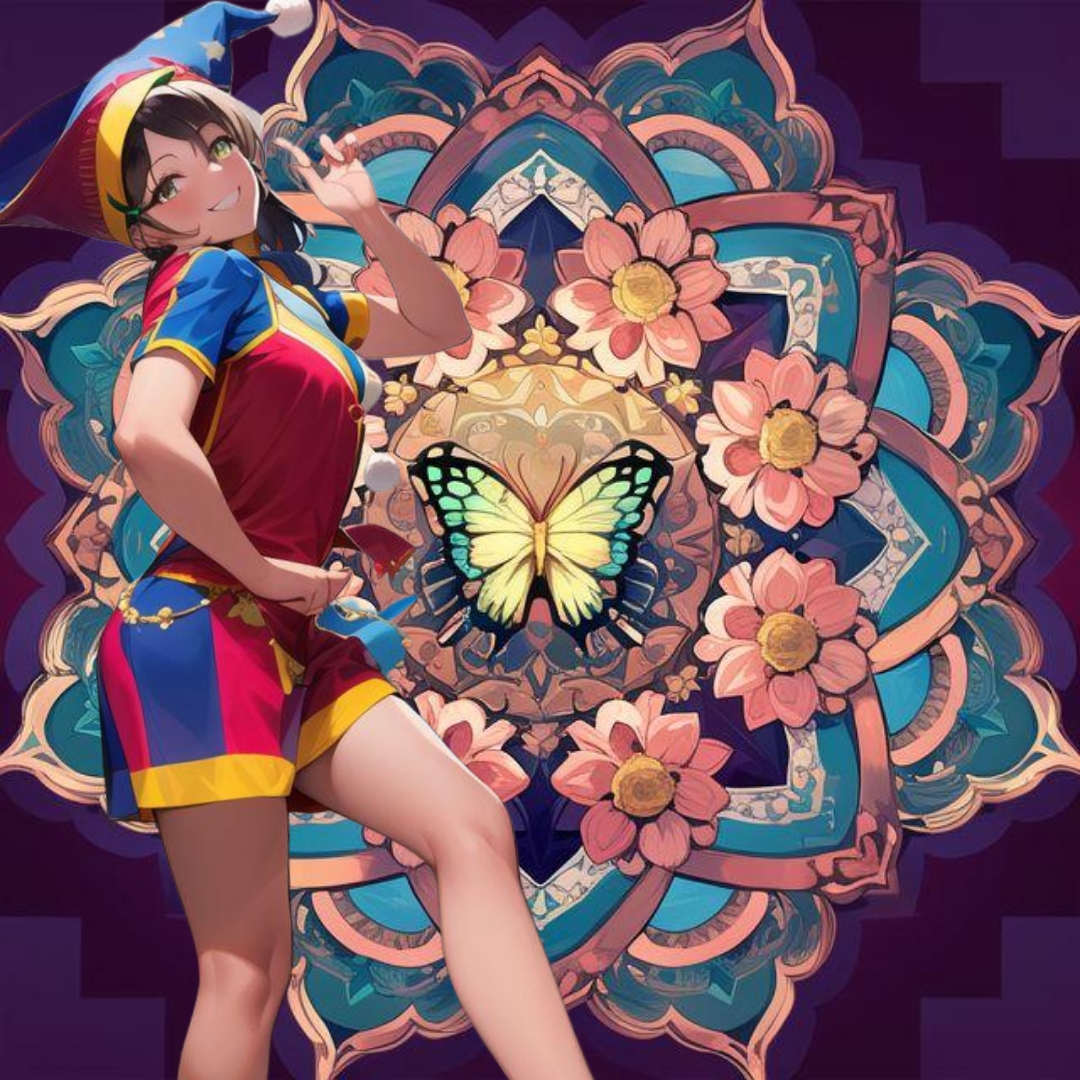
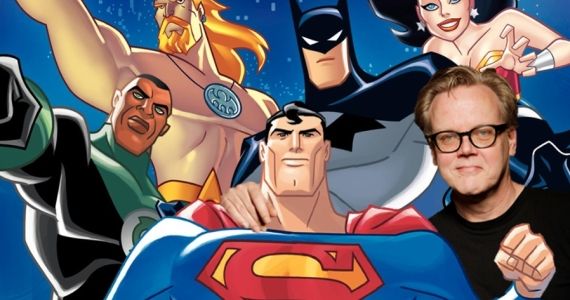
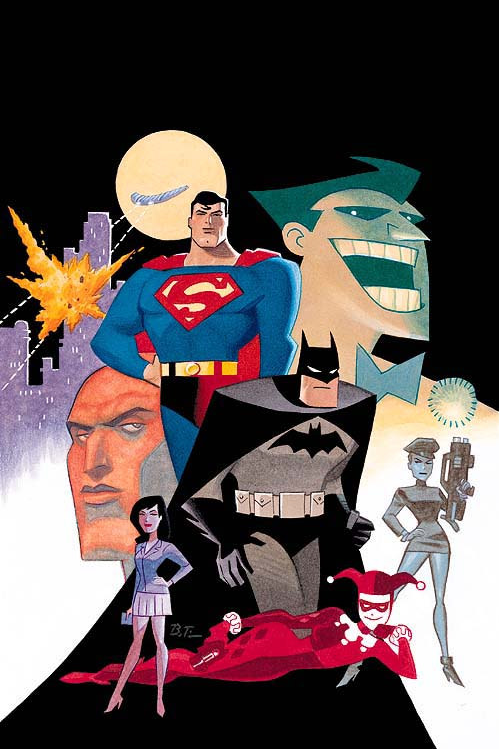
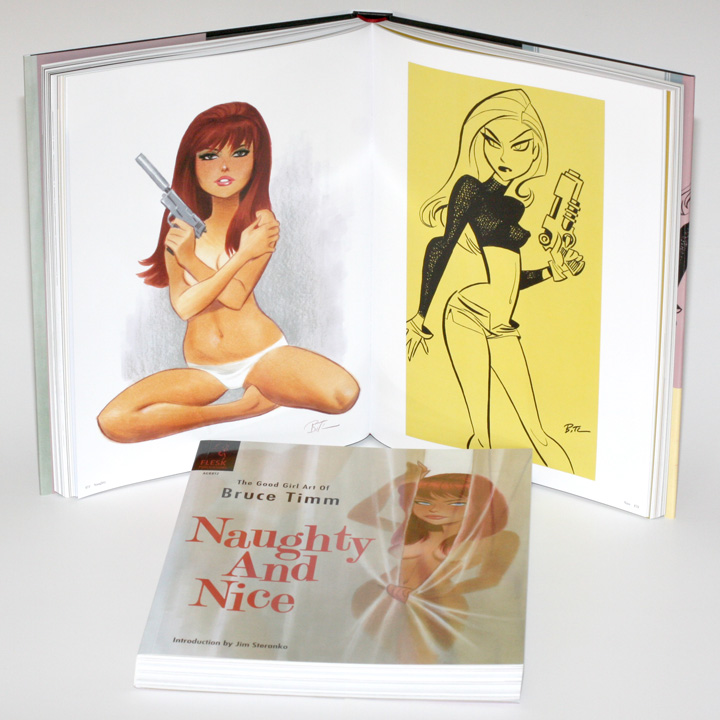
“Today I thought I would tell you about Bruce Timm.”
“Bruce Timm? Who the heck is he?”
“You know. That artist with that style… you know, the Batman guy.”
“You mean he played Batman?”
“No. He designed Batman; The Animated Series.”
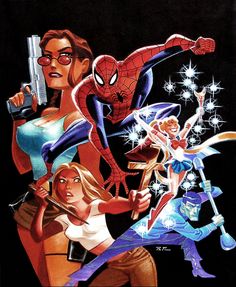
“Oh, that guy… the guy who draws girls really good.”
“Yes, that’s the one.”
“He gave all the DC heroes their modern, animated look… their style and flair. He made them angular, immediately identifiable, and powerful.”
“Yeah, I think he not only did the Batman cartoon, all film noir and retro-cool, but the Superman series that followed it, the Justice League, and all the cartoon series and movies that went along with those.”
“But that’s not all he did, either, is it?”
“No, there’s more. He wanted to be a comic book artist, but before he got into animation, Marvel and DC turned him down.”
“I heard he worked at Filmation for a while.”
“Yes, he got a chance to draw and design characters for Blackstar, Flash Gordon, He-Man and the Masters of the Universe, She-Ra; Princess of Power, and the Lone Ranger.”
“Dang! He was busy. But only superhero stuff?”
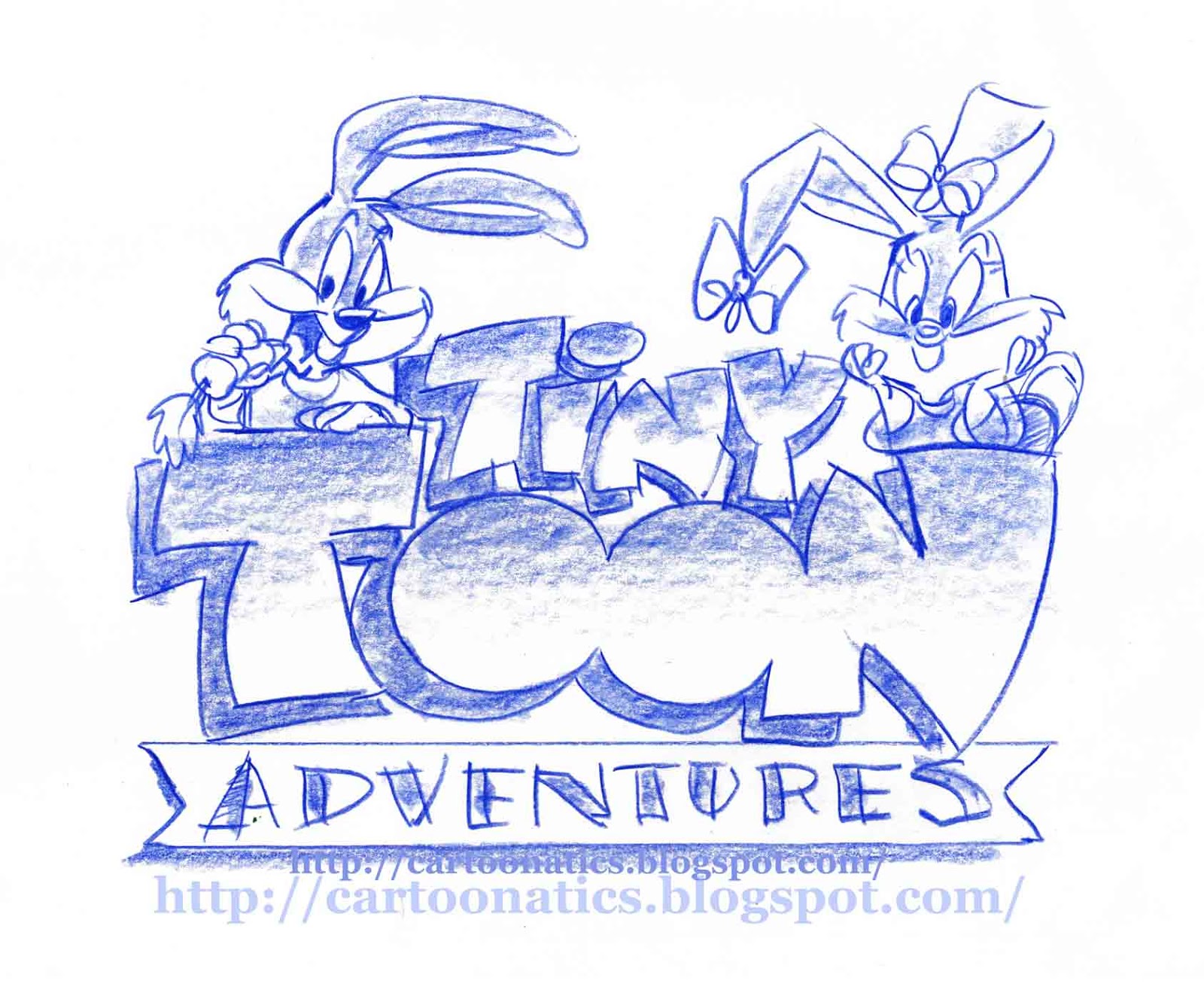
“In 1989 he went to work for Warner Brothers. He worked on Tiny Toon Adventures.”
“That Spielberg/Bugs Bunny thing? The one with Buster and Babs Bunny?”
“Yeah, that one, believe it or not.”
“Tell me more about the girls. I want to hear about him drawing girls. Wonder Woman in Justice League was hot.”
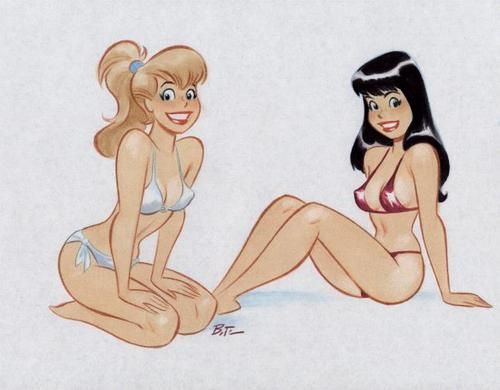
“Showing you is probably better than telling you. Be prepared to cover your eyes, though. He liked to draw the female figure nude and semi-naked.”
Betty and Veronica from the Archie comics.
“I like how he draws pretty girls.”
“You would.”
“He’s the artist you wish you could be, isn’t he?”
“Pretty much. He’s about four years younger than me. If I had gone the comic-book artist route instead of becoming a public school teacher, our careers might’ve been parallel.”
I told you before about a cartoonist from ancient ‘Toon Times” named Fontaine Fox. He was a master, and I acknowledge him as one of my greatest inspirations. But he was not the original master mentor for my teenage ‘Toon Training”. That honor goes to the inestimable George Herriman. He was the Krazy Kartoonist who died more than a decade before I was born, yet, through his Kreation, Krazy Kat, did more to warp my artistic bent into Krazy Kartooniana Mania than anybody else. I discovered him first. I found him through Komic books and the Kard Katalog at the local library. I own a copy of the book I pictured first in this post. It is the first Kartoon book I ever bought. I couldn’t post a picture of my actual book here because I have read it so often in the past forty years that the Kover has Kome off. It is now more of folder of loose pages than a book.
Krazy Kat is a newspaper Komic strip that ran all around the world from 1913 to 1944. Comics Journal would rate Krazy Kat as the greatest work of Komic art of the 20th Century. Art critics hailed it as serious art, and it fits snugly into the surrealist movement of Salvador Dali and others. It has been cited as a major influence on the work of other artists such as Will Eisner, Charles M. Schulz, Robert Crumb, Art Spiegelman, Bill Watterson, and Chris Ware.
The centerpiece of the strip is a love triangle. Krazy Kat the Kharacter is a feline who may be female or may be male but is definitely deeply in love with Ignatz Mouse. The Krazed rodent hopped up on seriously stinky fromage (cheese to us non-French speakers), is Konstantly throwing bricks at Krazy’s head… obviously out of serious disdain, however, Krazy sees it as a confession of love. Offisa Pup, the police watchdog, wants to jail the malevolent mouse for battery and protect the precious Kat, whom he obviously loves with an unrequited love. Explanations are superfluous in the weird world of Krazy Kat. How can I explain the charm, the humor, the good-natured violence of a strip such as this? There are echoes of it in Tom and Jerry animated cartoons, but nothing like it really exists anywhere else. Krazy has her own unique language, a language that you naturally learn to interpret as you read the strip. Ignatz exhibits psychotic frustrations that he takes out on the world around him in our name, that we might experience hubris at his expense. And what’s with that mysterious sack of “Tiger Tea” that Krazy carries about and keeps a Klosely guarded “sekrit”?
I honestly hope you will give Krazy Kat a thorough “look-see”. Because if you like Kartoons at all… and it doesn’t have to be the Krazy Kooky love of a seriously overdosed addict like me… you will fall desperately in love with this one. It is a world of its own, a superbly superfluous abstract anachronism. It is a surrealist’s dream of fun with puns and tons of buns… or something like that. Simply put… read it and don’t like it… I dare you!
If you cruise the bargain sections in an old used book store like Half-Price Books, eventually you are going to find something priceless. This book I am showing you is that very thing for me.
It was copyrighted in 1978. The inscription inside the front cover says this was a Father’s Day gift on June 19th, 1988. Someone named Gary gifted it to someone named Claude in Burleson, Texas. It was probably a cherished book until someone passed away and the book changed hands in an estate sale.
Howard Pyle
The book chronicles the height of the publishing era when being able to print books and reproduce artworks began entertaining the masses. Always before painters and great artists worked for a patron for the purpose of decorating their home in a way that displayed their great wealth. But from the 1880’s to the rise of cinema, magazines and books kept the masses entertained, helped more people to become literate than ever before, and created the stories that made our shared culture and life experiences grow stronger and ever more inventive. The book focuses on the best of the best among a new breed of artist… the illustrators.
These are the ones the book details;
Howard Pyle, N.C. Wyeth, Frederick Remington, Maxfield Parrish, J.C. Leyendecker, Norman Rockwell, Charles Dana Gibson, Howard Chandler Christy, James Montgomery Flagg, and John Held Jr.
N.C. Wyeth
Wyeth was most famous as a book illustrator for Treasure Island, Kidnapped, other books by Robert Louis Stevenson, Mark Twain, and a famous volume of tales about Robin Hood.
Frederick Remington
Remington is a name you probably know as a maker of Western art. He was a famous painter of cowboys and Indians and the American frontier.
Maxfield Parrish
Maxfield Parrish is my all-time favorite painter. His work is something I gushed about in previous posts because I own other books about his fanciful works painted in Maxfield Parrish blue.
Also Maxfield Parrish
J.C. Leyendecker
You will probably recognize Leyendecker’s work in magazine and advertising illustration as the standard of the Roaring 20’s. His paintings set a style that swept American culture for more than a decade, and still affects how we dress to this very day.
More Leyendecker
Even more from Leyendecker
Norman Rockwell
Norman Rockwell and his work for The Saturday Evening Post is still familiar to practically everyone who reads and looks at the illustrations. As you can see he was a master of folksy realism and could do a portrait better than practically anyone.
Also Rockwell
I have also written about Norman Rockwell before too. I have half a dozen books that include his works. My wife is from the Philippines and she knew about him before I ever said a word to her about him.
Charles Dana Gibson
As you can plainly see, Gibson was a master of pen and ink. His work for Collier’s and other magazines thrills in simple black and white. More cartoonists than just little ol’ me obsess about how he did what he did.
Also Gibson
James Montgomery Flagg… with a name like that, who else could it be?
John Held Jr.
The work of Held is stylistically different than all the rest in easily noticeable ways. He’s the guy that made all the big-headed Pinocchio-looking people in the 1920’s. You may have seen his work before, though you probably never knew his name.
This bit of someone else’s treasure hoard will now become a part of my own dragon’s treasure, staying by my bedside for quite a while, while I continue to suck the marrow from each of its bones. I love this book. It is mine, and you can’t have it… unless you find your own copy in a used bookstore somewhere.
Oh Brother, Where Art Thou? (a review by the Uncritical Critic)
I love musicals. What can I say? I am a surrealist as an artist, and so I am dedicated to combining the disjointed and bizarre to make something that makes you laugh, or makes you cry, or makes you go, “Huh? I wonder why?” So when, in the middle of a sometimes serious but mostly comic story of escaped convicts on the lam in the Great Depression Era South, people suddenly burst into song… I love it!
And this movie is filled with creative stuff and biting social satire about religion, politics, crime and punishment, love and sex, desire and disappointment, and, most of all, the need to escape from it all if only for a moment to share a good, old-fashioned song.
The main character is Ulysses Everett McGill (played by George Clooney), so naturally the sirens overpower him and turn one of his crew into a frog. This is because this story is based on the Odyssey by Homer. Only the Trojan War is replaced by a chain gang singing spirituals as they break rocks, the cyclops is a Bible salesman and Ku Klux Klan member with a patch over one eye, and when Ulysses returns to Ithica, he defeats his wife’s suitors with a song. How can you not love a story as creative as that?
The whole movie is shot in color-corrected sepia tones to give it an old-photograph, old-timey feel. John Turturro and Tim Blake Nelson are masterful in the role of McGill’s two idiot hayseed friends.
Again, I remind you, as a completely uncritical critic, I have no intention of trying to tell you what is wrong with this movie. I loved it. I will watch it again. I am writing this review only because I feel moved to tell you how much I loved it and why. So if you don’t approve of that, well, don’t shoot me. Put me on a chain gang and give me a chance to sing.
Leave a comment
Filed under art criticism, commentary, humor, movie review, strange and wonderful ideas about life, surrealism, Uncategorized
Tagged as art, books, Coen Brothers' Movie, comedy, film, movie, movie review, musical, o brother where art thou?