
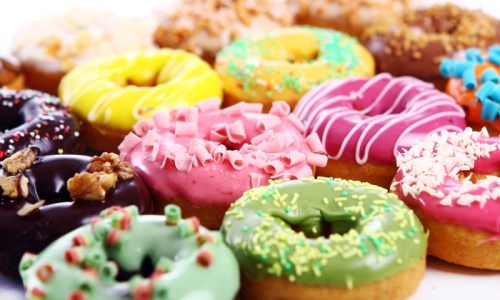
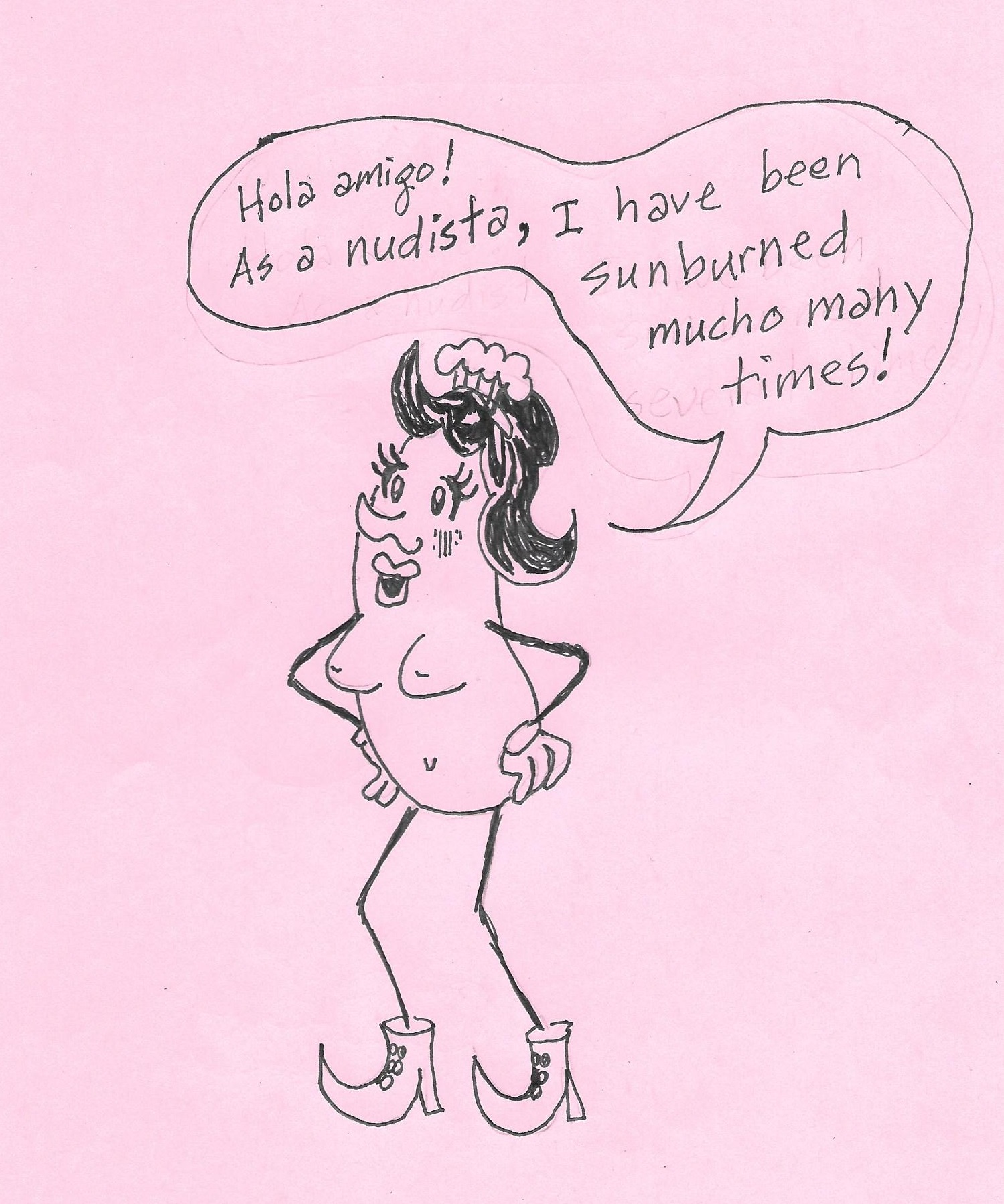
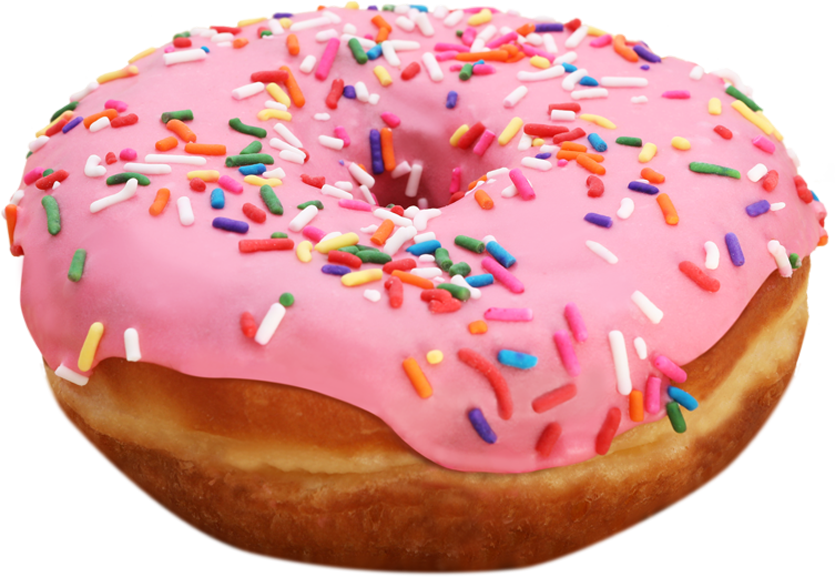
I am diabetic. I am not supposed to have donuts for breakfast any more. Hence the obsession with donuts. I am only guessing here, but I think it may have something to do with the fact that the very name of donuts tells you what to do.
“What?!” you say. “What goofiness are you talking about now, Mickey?”
Well, I’ll tell you. I had a donut for breakfast this morning… with nuts.
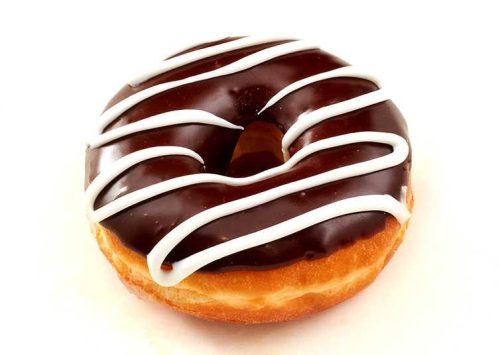
The name “donuts” is literally a command. It tells you to “Do nuts”. So I had nuts with my donut this morning. Peanuts to be precise. Of course that’s what is wrong with the whole scenario. It doesn’t mean “peanuts”. It is commanding you to do something nutty. Maybe more like eating a donut when you have diabetes. No matter how good that particular donut tastes when you eat it, an hour later you are going to suffer.
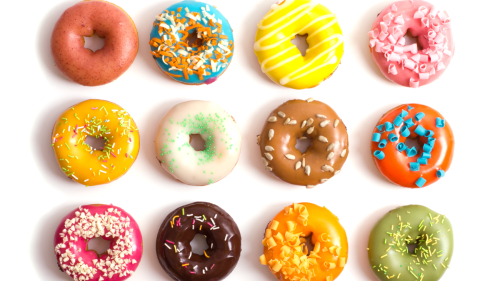
So here’s the result of my being nuts this morning. I have come to the conclusion that the root of all evils in the modern world is “donuts”. Especially when it is pronounced “doo nutz”. Yes, eating a donut subjects you to the command, “Do nuts!”
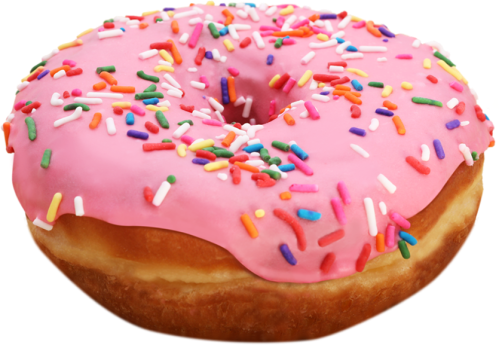
And we all know how bad Trump’s diet is. Could he be imbibing donuts? Horrors! That explains Twitter, cabinet firings, tariffs for the fun of it, random protestations of “No collusion!”, and even “Covfefe”. Although Betsy DeVos as Education Secretary is an evil beyond even the power of donuts.
And how did Trump even get elected? Do people in Pennsylvania, Wisconsin, and Michigan glory in eating donuts before voting? How about disgruntled Bernie Bros? And one also suspects that middle-aged white women can’t resist a good donut… or an evil one either.
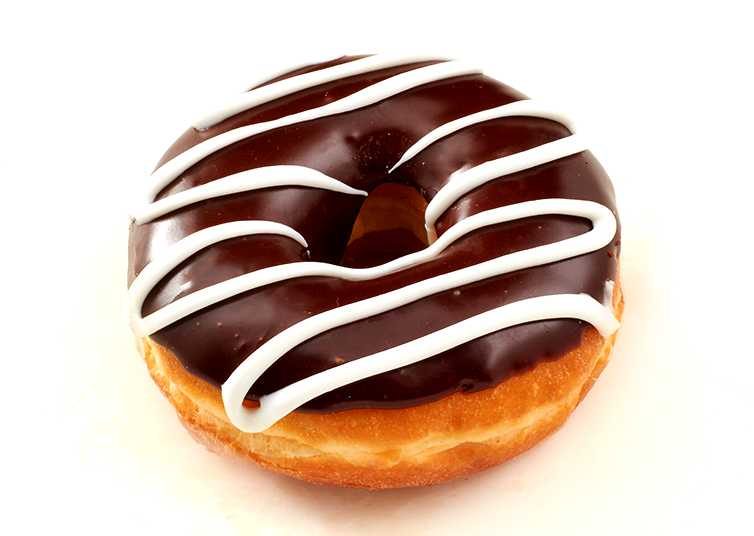
Could it be that I am down on donuts because I ate one and now I am writing this with a pounding high-blood-sugar headache? Well, yes. Eating one inspired this post. It was a chocolate donut with green, mint-flavored frosting. And it was evil. It is taking out its evil revenge on the blood vessels in my brain.
So, I implore you if you are reading this… no, I’m not going to tell you not to “Do nuts”… I am going to tell you, “Please, for the love of God, keep donuts away from me! Eat them yourself if you have to. But be warned! They have a secret meaning.”












 Catch a Falling Star
Living in the Spider Kingdom
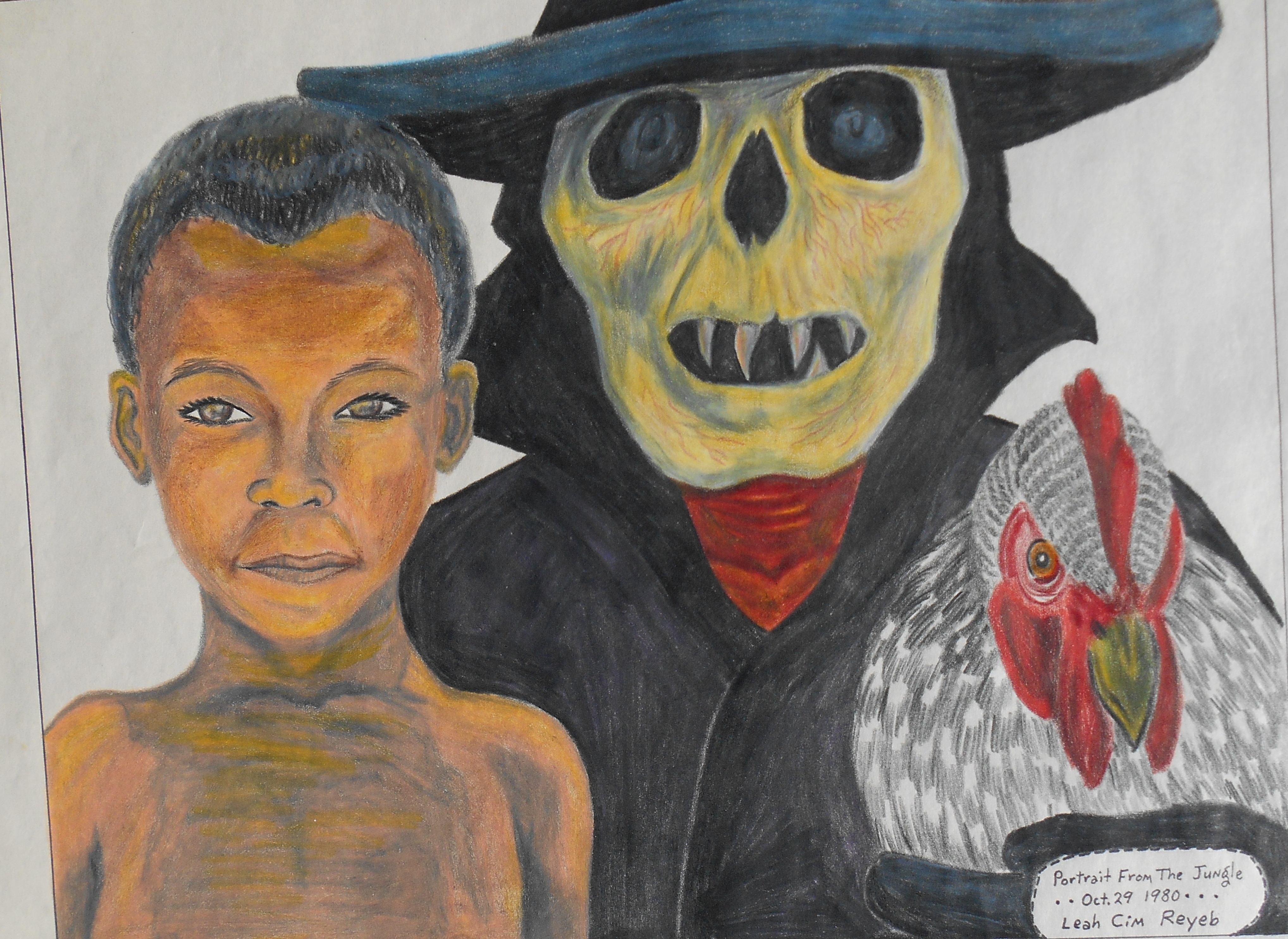
Life seems to be getting harder and harder. And I realize that a big part of that perception is the fact that my health is deteriorating quickly. This is a humor blog, but it has been getting more and more serious and more and more grim as the grim reaper becomes more and more a central character in my own personal story.
My perception of reality, however, is best explained by a passage in a novel that spoke to me in college. It comes from the novel, the Bildungsroman by Thomas Mann called Der Zauberberg, in English, The Magic Mountain. In the scene, Hans Castorp is possibly freezing to death, and he hallucinates a pastoral mountainside scene where children are happily playing in the sunshine. Possibly Heaven? But maybe not. As he goes into a stone building and finds a passage down into the ground, he sees wrinkled, ugly, horrible hags gathered around a child’s corpse, eating it. And this vision explains the duality at the center of the meaning of life.
For every good thing, there is an equal and opposite bad thing that balances it out. There is no understanding what perfection and goodness mean without knowing profanity and evil. Just as you can’t understand hot without cold nor light without darkness. And you don’t get to overturn the way it is. You try your hardest to stay on the heads side of the coin knowing that half the time life falls to tails.
So, what good does it do me to think about and write about things like this? Well, it makes for me a sort of philosophical gyroscope that spins and dances and helps me keep my balance in the stormy sea of daily life. I deal with hard things with humor and a sense of literary irony. I make complex metaphors that help me throw a rope around the things that hurt me.
We are living now in the Spider Kingdom. Hard times are here again. The corrupt and corpulent corporate spiders are spinning the many webs we are trapped in. As metaphorical as it is, we wouldn’t have the government we currently have and be suffering the way we are if that weren’t true.
But no bad thing nor no good thing lasts forever. The wheel goes round and round. The top of the wheel reaches the bottom just as often as the bottom returns to the top. So, it will all pass if we can only hold out long enough.
Leave a comment
Filed under commentary, empathy, feeling sorry for myself, humor, metaphor, Paffooney, philosophy
Tagged as 365ways, art, book review, books, food, grim-reaper, hemingway, horror, humor, oregon, photography