Tag Archives: art criticism

Homely Art – Amos Sewell

Still being under the weather and filled with sinus head-pain, I decided to go back to a subject I love so much that the post will simply write itself.  You know I love Norman Rockwell and his art, and I fervently believe that kind of mass media oil-painting does not put him in a lesser category than Rembrandt or Michelangelo or Raphael or any other painter with a ninja turtle namesake.   He is a genius, and though he is not a realist in so many ways, his work is more truthful than practically any other kind of painting.  If you are taken by surprise and didn’t know I had this passionate obsession, maybe you should go back and look at this post;   Norman Rockwell

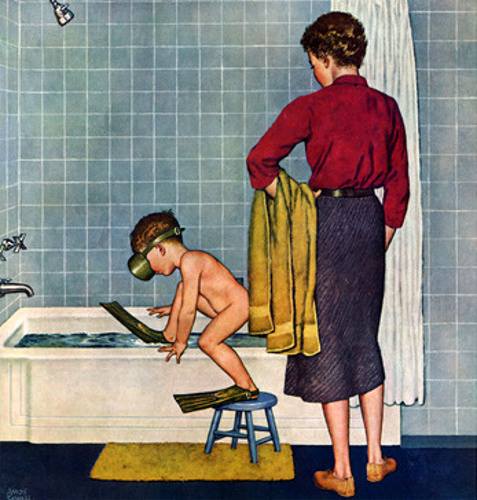
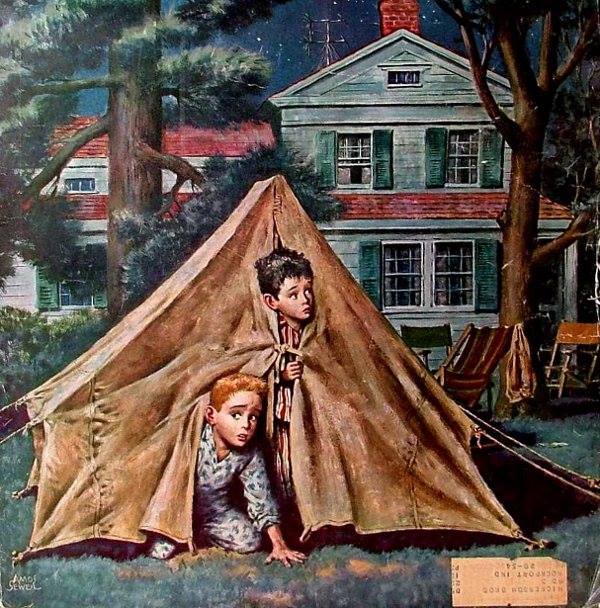
Now that I got that out of my system, here is another Saturday Evening Post artist that is often confused with Rockwell.  His name is Amos Sewell.
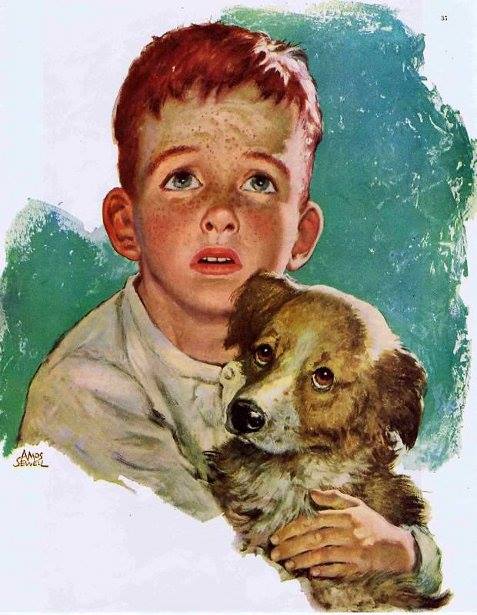
11873526_1032725256739973_4919654303824590046_n

Sewell was an amateur tennis player who was talented enough to win tournaments.  He was an employee of Wells Fargo who was headed towards anything but an art career until he decided to make a leap of faith in 1930.  He started as an illustrator for Street and Smith pulp fiction, and soon caught the notice of the big-time magazine markets for his art.  He published art for Saturday Evening Post,   Country Gentlemen Magazine, and Women’s Day.
11855684_1032724350073397_6985701137057034931_n

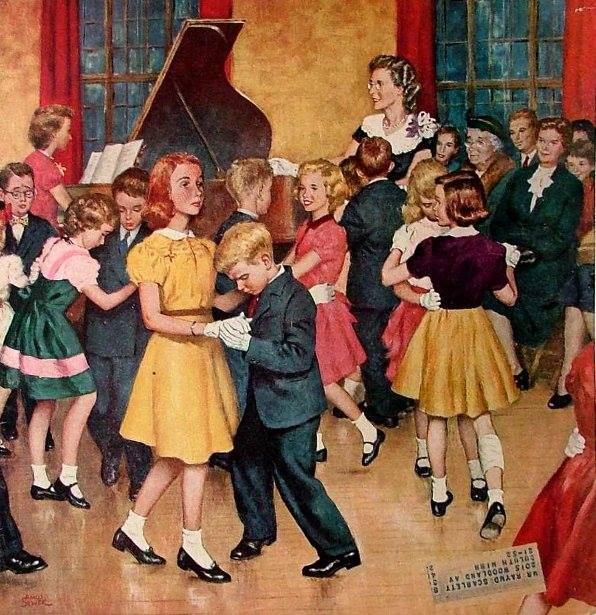
Like Rockwell, he was able to find the funny in everyday scenes, like the dance party to the right.  That young man at center stage is trying so hard not to step on the feet of the red-headed girl, that you want to laugh, but can’t because it’s obvious how embarrassed he would be, and the charm of the picture leads you to shun the thought of interrupting.  The scene is so real the boy would hear you laughing as you looked at the Post cover.
11870904_1032728563406309_3782150834774591970_n

11866457_1032728726739626_9033099913708919775_n

11889619_1032728970072935_2637789351554720524_n

More expert on this kind of art than I am is the Facebook site that I first got turned on to Sewell by.  Children in Art History

They can also be found on WordPress.  Children in Art History (WordPress)

9500708_72dpi_nocallout-150x185

11889413_1032724710073361_2181902444339379253_n

There is no doubt that Amos Sewell belongs in the same pantheon of artists as Norman Rockwell, Thomas Kinkade, or Paul Detlafsen.  They are all artists who achieve in their work exactly what I have always striven for.  I want to be able to hold the mirror up to our world the way they did.  I want to capture both the fantasy and the reality in the subject of everyday family life.  I also want to share this work with you because I cannot stand the idea that such artistic ambrosia could one day be forgotten in archives where no one ever looks at it and feels the message in their heart.

Leave a comment

Filed under art criticism, homely art, humor

Toonerville, a Place I Once Lived In

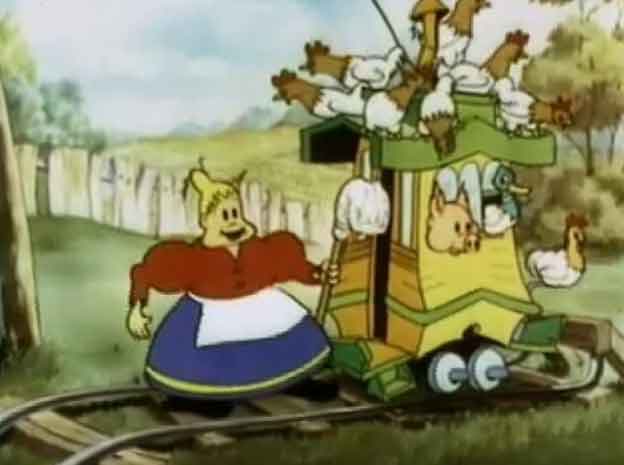
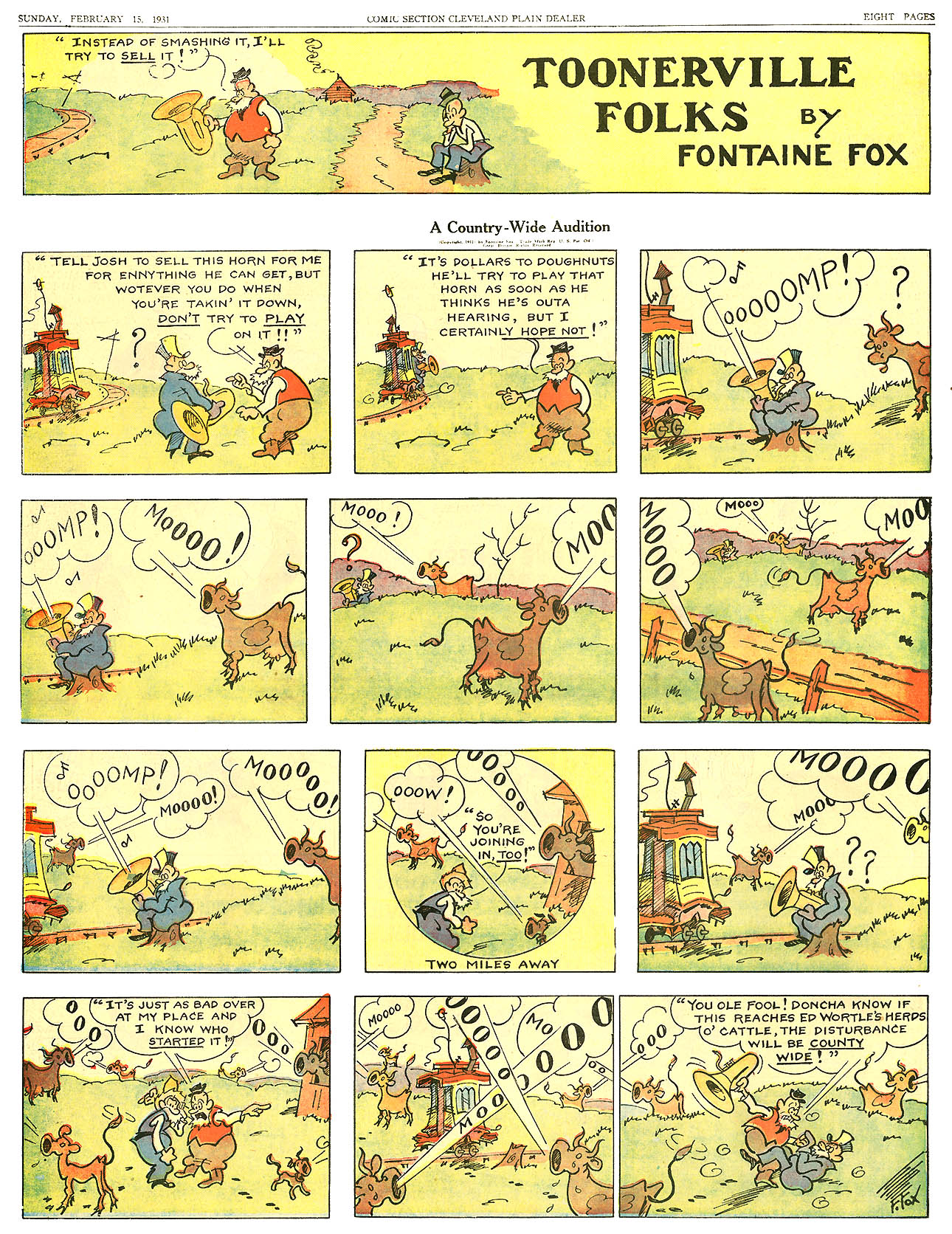
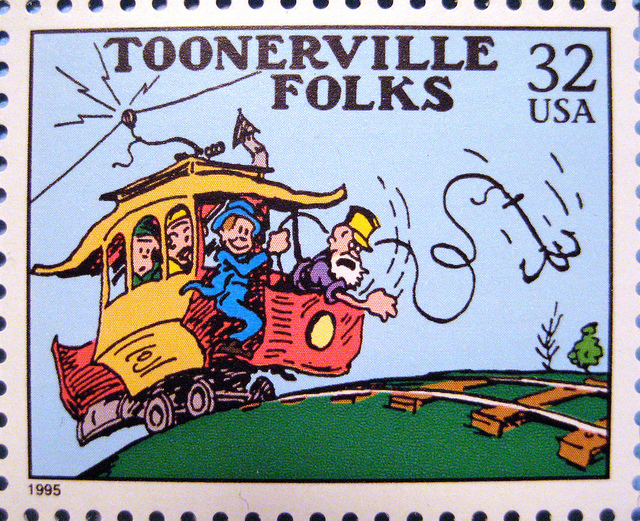
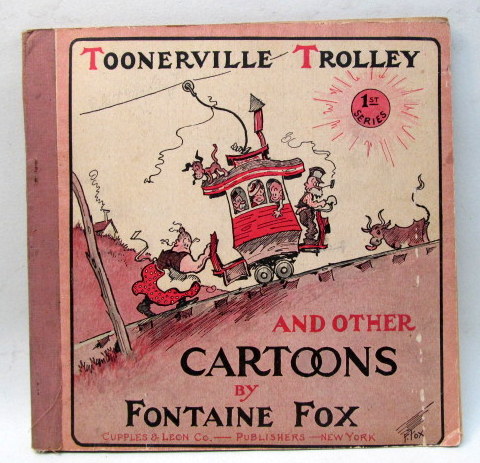
There is a place so like the place where my heart and mind were born that I feel as if I have always lived there.  That place is a cartoon panel that ran in newspapers throughout the country from 1913 to 1955 (a year before I was born in Mason City, Iowa).  It was called Toonerville Folks and was centered around the famous Toonerville Trolley.

4924968092_e6175d7bbb_z

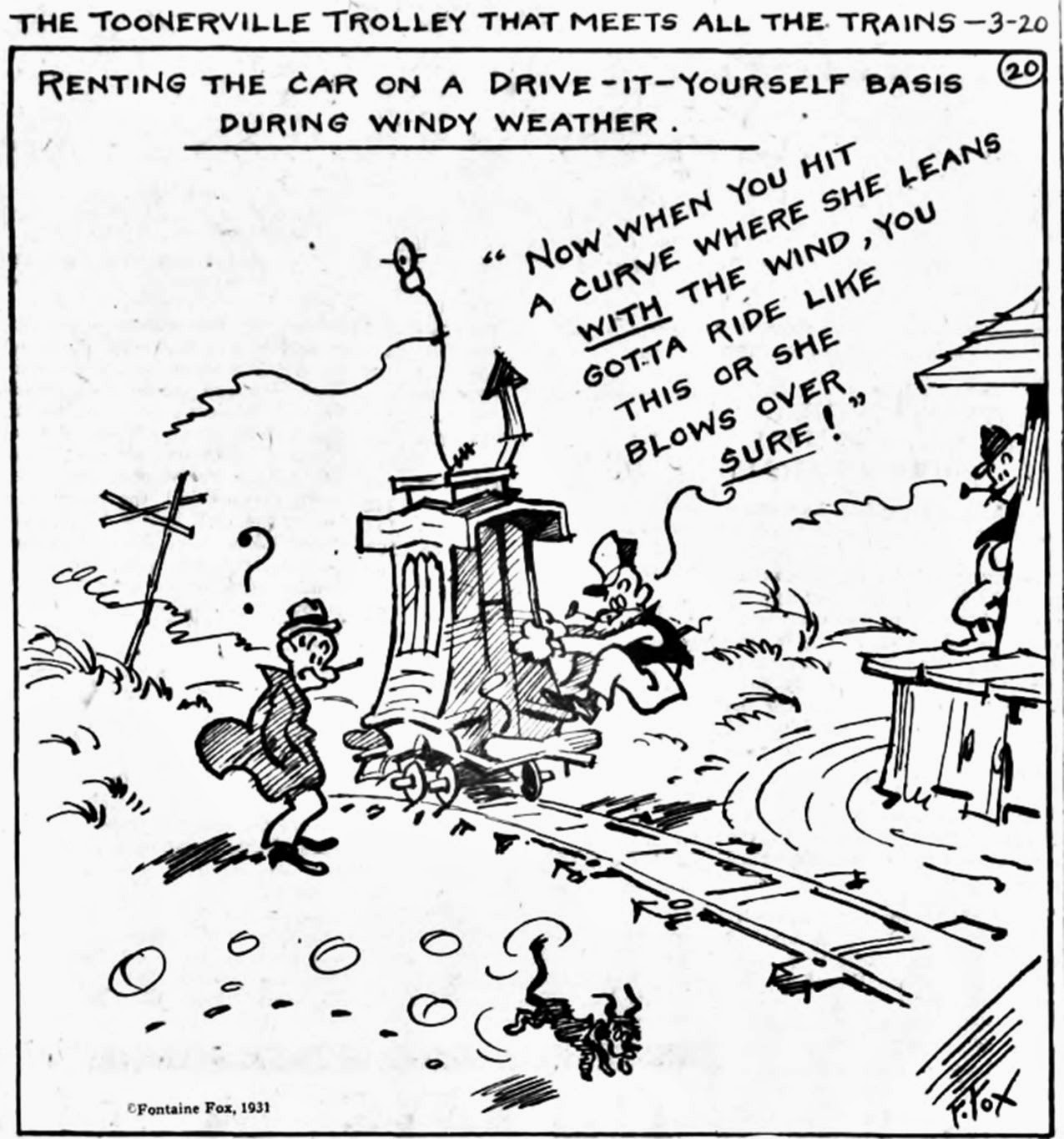
Fontaine Fox was born near Louisville Kentucky in 1884.  Louisville, of course is one of the two cities that claims to be the inspiration for Toonerville.  Apparently the old Brook Street Line Trolley in Louisville was always run-down, operating on balls of twine and bailing wire for repair parts.  The people of Pelham, New York, however, point to a trolley ride Fox took in 1909 on Pelham’s rickety little trolley car with a highly enterprising and gossip-dealing old reprobate for a conductor.  No matter which it was, Fox’s cartoon mastery took over and created Toonerville, where you find the famous trolley that “meets all trains”.

toonervilletrolly-cupplesleon toonerville-trolley

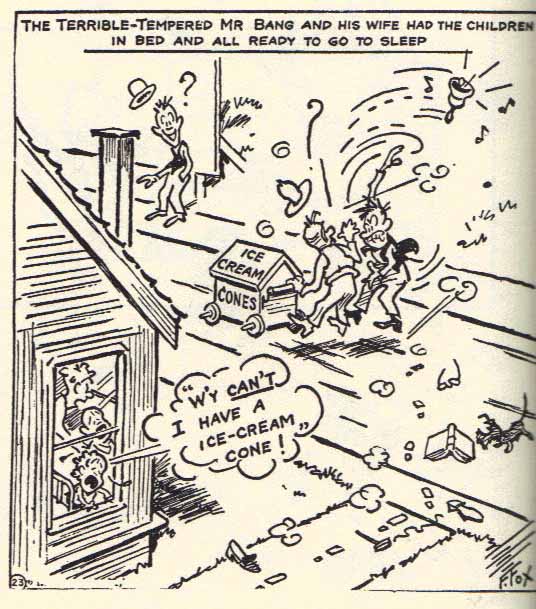
I didn’t learn of the comic strip’s existence until I was in college, but once I found it (yes, I am the type of idiot who researches old comics in university libraries), I couldn’t get enough of it.  Characters like the Conductor, the Powerful (physically) Katrinka, and the terrible-tempered Mr. Bang can charm the neck hair off of any Midwestern farm-town boy who is too stupid to regret being born in the boring old rural Midwest.

Toonerville 84

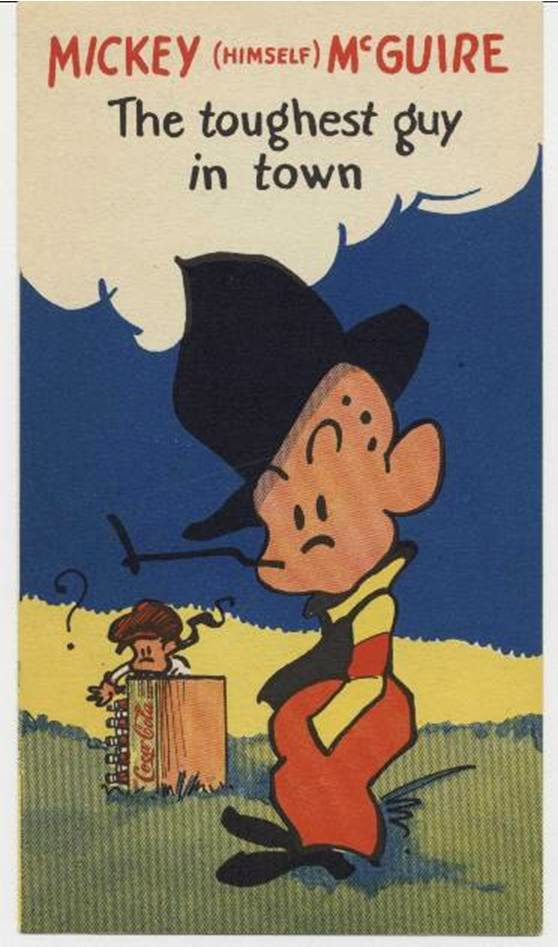
I fancied myself to be just like the infamous Mickey (himself) McGuire.  After all, we have the same first name… and I always lick any bully or boob who wants to put up a fight (at least in my daydreams).

MickeyMcGuire

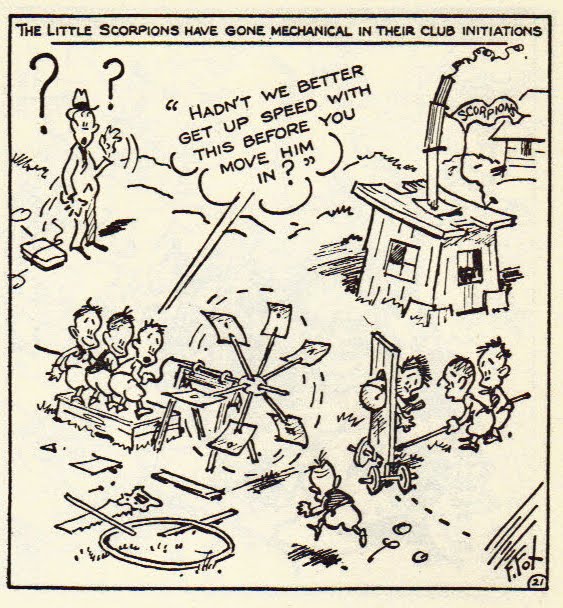
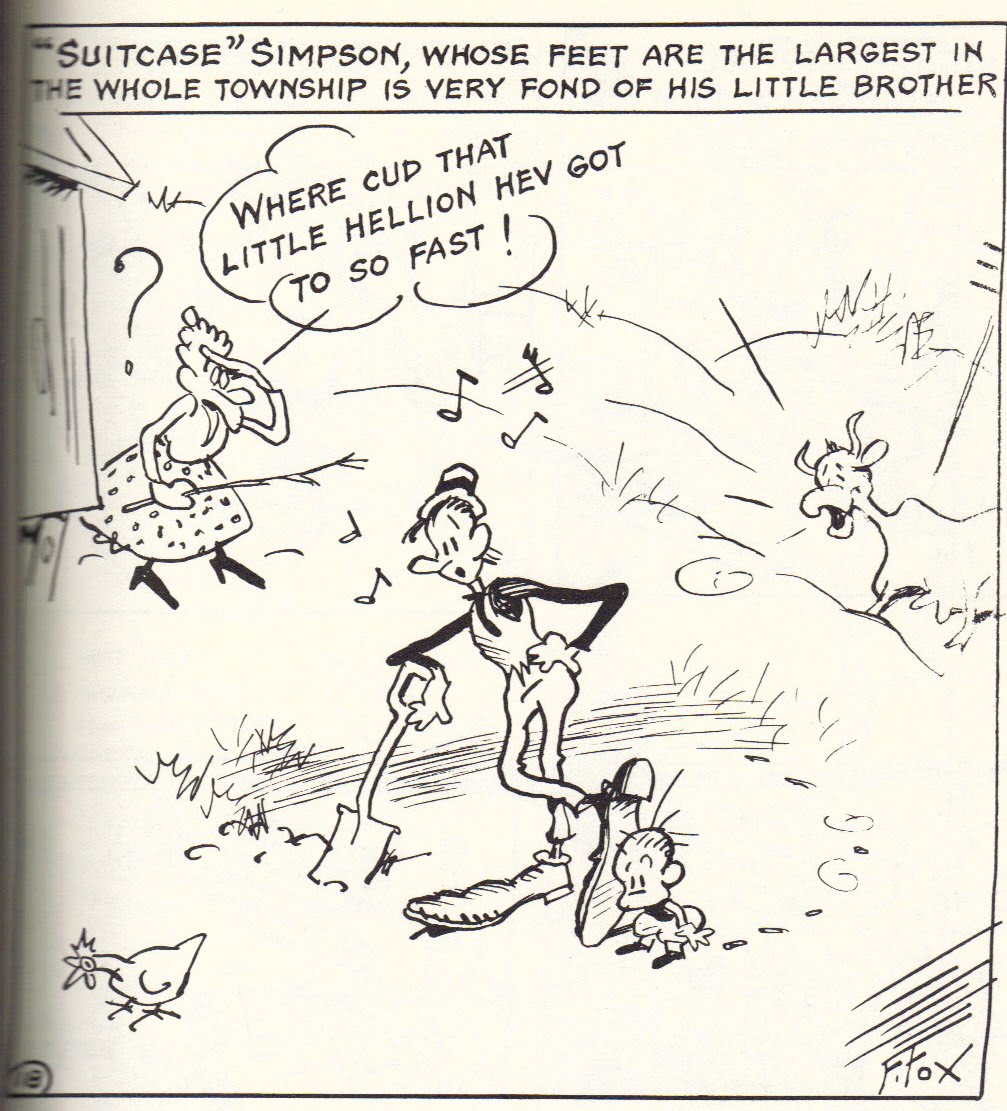
So, this is my tribute to the cartoonist who probably did more to warp my personality and make me funny (well, at least easy to laugh at! ) than any other influence.  All of the cartoons in this post can be credited to Fontaine Fox.  And all the people in them can be blamed on Toonerville, the town I used to live in, though I never really knew it until far too late.

Toonerville 35 1931_12_18_Pelham_Sun_Section_2_Pg_1_Col_2_Toonerville_Comic 10-17-2010 07;49;35PMToonervillecolor021531

Leave a comment

Filed under art my Grandpa loved, artists I admire, cartoons, Toonerville

Homely Art – Part Two – Paul Detlefsen

Detlefsen-Swimming_Hole

Back in about 1968 my Grandma Beyer was seriously scandalized by an artist named Paul Detlefsen.  Detlefsen did a lot of covers for the “Ideals Magazine” that Grandma always had on her coffee tables.  He scandalized her by putting a painting on the cover that showed a young boy taking his pants off, the rear view only, so he could go skinny dipping with a group of naked boys.  Truthfully the picture shown above is by Detelfsen, but it is not the one that offended her.  I have discovered that this painter of old-timey things like blacksmith shops and one-room school houses has painted at least four different versions of “the Old Swimmin’ Hole”.  And Grandma was easily scandalized when we were kids.  She was a very conservative woman who loved Ronald Reagan and his politics most severely and thought that Richard Nixon was a leftist radical.  She didn’t like for people to be naked, except for bath time, and maybe not even then.  She is one of the main reasons, along with this painter whom she adored, that I came to learn later in life that “naked is funny”.horseandbuggydays-print  http://www.freeplaypost.com/PaulDetlefsen_VintageArtPrint_A.htm

Grandma Beyer also seriously loved puzzles, and besides “Ideals” covers, Paul Detlefsen did a beaucoup of jigsaw puzzles. (Beaucoup means a lot in Texican, I tend to think in Iowegian and talk in Texican and completely forget about the need to translate for those people who don’t know those two foreign tongues)   One of the puzzles we spent hours working on was “Horse and Buggy Days” that I pictured here.  They were the kind of puzzle paintings where every boy was Tom Sawyer and every girl was Becky Thatcher.  And there were a lot of them.  Here is another;

detlefsen

http://www.bigredtoybox.com/cgi-bin/toynfo.pl?detlefsenindex

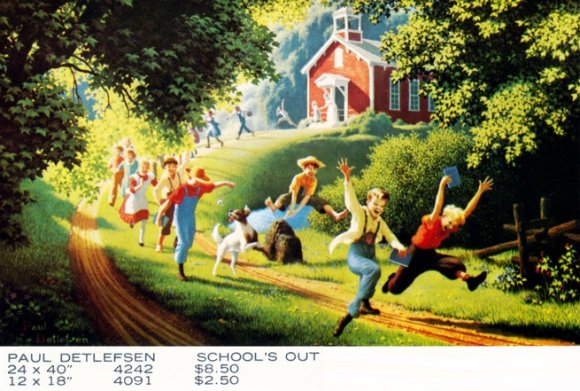
Grandma had this in puzzle form also.  We put the puzzle together, glued it to tag board, and framed it.  It has hung on the wall in a Grandparent’s house, first Grandma Beyer’s and then Grandma Aldrich’s, since the early 1970’s.  My own parents now live in Grandma Aldrich’s house, and that puzzle-painting may be hanging in an upstairs bedroom to this very day.  Detlefsen is not known as a great artist.  He was a humble painter who painted backdrops for films for over 20 years.  In the 1950’s he switched gears and started doing lithographs that were turned into calendars, jigsaw puzzles, laminated table mats, playing cards, and reproductions you could buy in the Ben Franklin Dime Store in Belmond, Iowa and hang on your back porch at home.  I believe I saw his paintings in all these forms in one place or another.  According to Wikipedia (I know, research, right?) “In 1969, UPI estimated that his artwork had been seen by 80 per cent of all Americans.”  That is pretty dang good for a humble painter, better numbers than Pablo Picasso ever saw.  Let me share a few more of his works, and see if you recognize any of these;

db_Paul_Detlefsen_Covered_Bridge1 b01e8afaadde Artist Paul Detlefsen PaulDetlefsen_VintageArtPrint_B11 il_fullxfull.285794883

Leave a comment

Filed under art criticism, art my Grandpa loved, artwork, homely art, oil painting

Allegro Non Troppo

allegro

Fantasia_Disney_Vault

Mussorgsky’s Night on Bald Mountain from Disney’s Fantasia


4741986_l1

The old faun

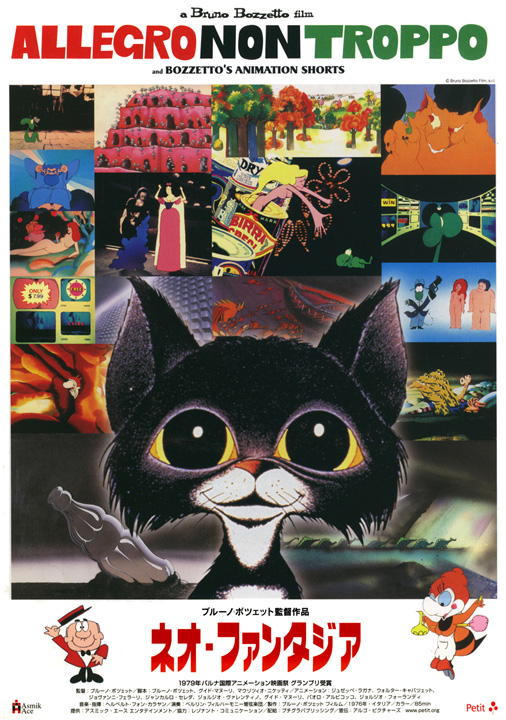
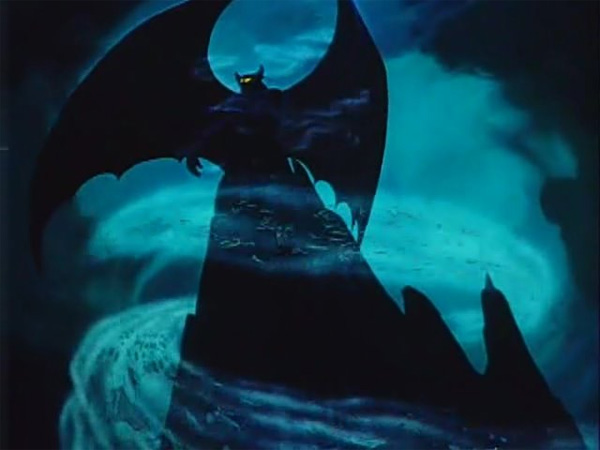
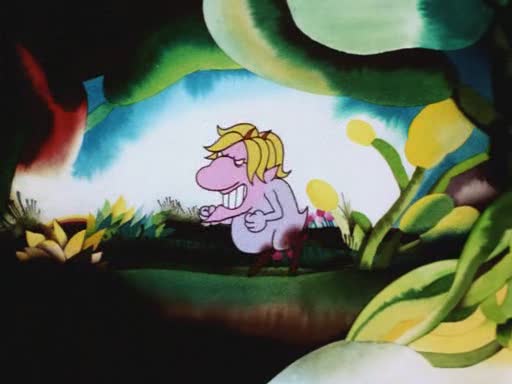
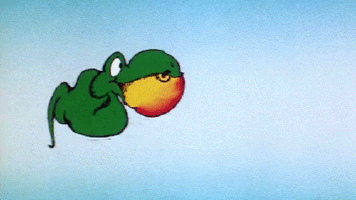
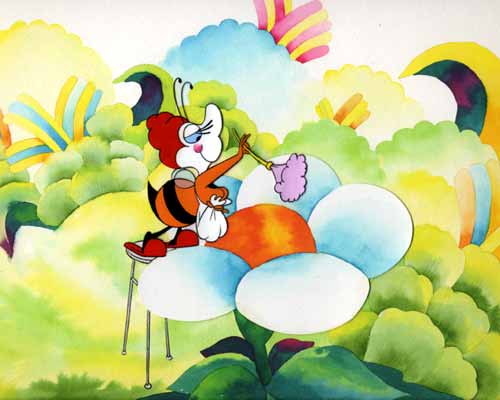
In musical terms, Allegro Non Troppo means fast tempo, but not too fast.  So, I recently discovered that Allegro Non Troppo is one of many rare and obscure old movies which I am passionate about that can be found in its entirety on YouTube.  I will include the YouTube link to a portion of it at the end of this post, and I sincerely recommend that if you have never seen this movie, you watch the whole thing at least once.  No matter how many cringes or winces or blushes it causes, this is a movie of many bizarre parts that you really need to take in as a whole.  It ranges from the ridiculous to the sublime, the atrociously ugly to the lyrically beautiful, from the brilliant classical score being played by a mistreated band of old ladies with orchestral instruments to a gorilla running amok,  from Debussy to Ravel, from an artist released from his cage to single-handedly draw the animation, to a satire rich with baudy humor making fun of no less a work of animation than Prisney’s..  I mean Disney’s Fantasia.  The dark elements are there.  The light-hearted, lilting comedy is there.  The fairy tale delicacy and technicolor dreaming is all there.

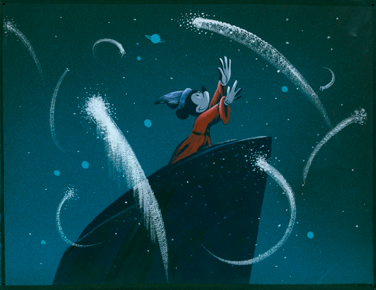
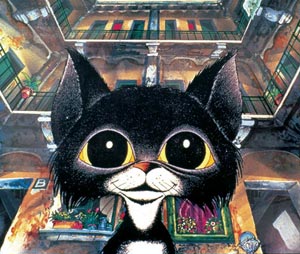
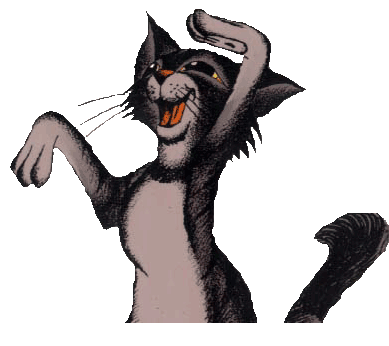
And why should this be important to me?  Especially now that I am retired from a long and fruitful teaching career?  Well, I have history with this movie.  I saw it first in college.  I was an English major, but I took every film as literature class I could fit into my silly schedule.  As an undergrad, I was determined to be a cartoonist for a career.  I took classes seriously and aced most of them, but I was at college to intellectually play around.  I didn’t take the prescribed courses to be an English teacher.  That had to wait for the more responsible me to come along in grad school for that.  I saw both Fantasia and Allegro Non Troppo during one of the play-time years.  Much as the old satyr in Claude Debussy’s Prélude à l’après-midi d’un faune, I was enamored with sensory experience.  I took my first girlfriend to see Disney’s Fantasia, and she later turned down the opportunity to see Allegro Non Troppo with me.   Good sense on her part, but the beginning of the end of our relationship.155154089_640  Just as Fantasia has the part in it where Stravinsky’s Rite of Spring describes evolution from the beginning of the Earth to the end of the dinosaurs, Allegro Non Troppo uses Ravel’s Bolero to describe the evolution of life on a weird planet from germs in a discarded Coke bottle to the inevitable coming of the malevolent monkey who is ultimately us.  And, of course, the satire would not be complete without some off-set for Dukas’ The Sorcerer’s Apprentice. Allegro-Non-Troppo As near as I can figure it out, the apprentice, played by Mickey Mouse, becomes the snake from the Garden of Eden in Allegro Non Troppo.  When the snake is unable to get Adam and Eve to eat the apple, he makes the mistake of eating the apple himself.  He learns the hard way that, no matter how clever, even diabolically clever, you think you are, you are not really in control of anything in life.  Every would-be wizard in the world has to understand that he is powerless without hard experience.  And what a boring world full of naked people this would be if there were never any apprentices in it foolish enough to actually become wizards. 200_s  Of coufantasia_august2012_blogpromorse, I haven’t really talked about the most heart-twisting part of Allegro Non Troppo… the sad cat wandering the ruins of his former home, or the most laugh-aloud part with the super-tidy little lady-bee trying to eat a blossom, but being interrupted by a couple of picnickers.

allegronontroppo2 03  But the thing is, this movie is a timely subject for me.  Not only did I, just yesterday, rediscover it, but it still has the same meaning for me now as it did when I first saw it.  Then I was an aspiring young artist who loved this movie because it approached ideas non-consecutively, just as I approached my learning years… rambling here and there, finding first a bitter-sweet something, and then a sad beauty behind everything in life.  And it is where I am again now, in a poor-health enforced retirement… divorced from teacher’s schedules and time itself.  Able to do as I please, and aspiring once again to commit great acts of art.

allegro_cat images (1)

1 Comment

Filed under movie review, philosophy

Toonerville, a Place I Once Lived In

There is a place so like the place where my heart and mind were born that I feel as if I have always lived there.  That place is a cartoon panel that ran in newspapers throughout the country from 1913 to 1955 (a year before I was born in Mason City, Iowa).  It was called Toonerville Folks and was centered around the famous Toonerville Trolley.

4924968092_e6175d7bbb_z

Fontaine Fox was born near Louisville Kentucky in 1884.  Louisville, of course is one of the two cities that claims to be the inspiration for Toonerville.  Apparently the old Brook Street Line Trolley in Louisville was always run-down, operating on balls of twine and bailing wire for repair parts.  The people of Pelham, New York, however, point to a trolley ride Fox took in 1909 on Pelham’s rickety little trolley car with a highly enterprising and gossip-dealing old reprobate for a conductor.  No matter which it was, Fox’s cartoon mastery took over and created Toonerville, where you find the famous trolley that “meets all trains”.

toonervilletrolly-cupplesleon toonerville-trolley

I didn’t learn of the comic strip’s existence until I was in college, but once I found it (yes, I am the type of idiot who researches old comics in university libraries), I couldn’t get enough of it.  Characters like the Conductor, the Powerful (physically) Katrinka, and the terrible-tempered Mr. Bang can charm the neck hair off of any Midwestern farm-town boy who is too stupid to regret being born in the boring old rural Midwest.

Toonerville 84

I fancied myself to be just like the infamous Mickey (himself) McGuire.  After all, we have the same first name… and I always lick any bully or boob who wants to put up a fight (at least in my daydreams).

MickeyMcGuire

So, this is my tribute to the cartoonist who probably did more to warp my personality and make me funny (well, at least easy to laugh at! ) than any other influence.  All of the cartoons in this post can be credited to Fontaine Fox.  And all the people in them can be blamed on Toonerville, the town I used to live in, though I never really knew it until far too late.

Toonerville 35 1931_12_18_Pelham_Sun_Section_2_Pg_1_Col_2_Toonerville_Comic 10-17-2010 07;49;35PMToonervillecolor021531

Leave a comment

Filed under art my Grandpa loved, artists I admire, cartoons, Toonerville

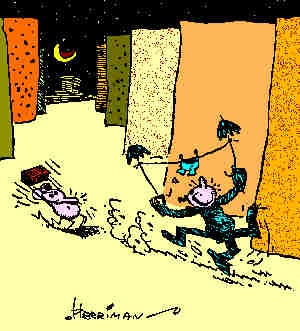
Krazy Kat

1138249

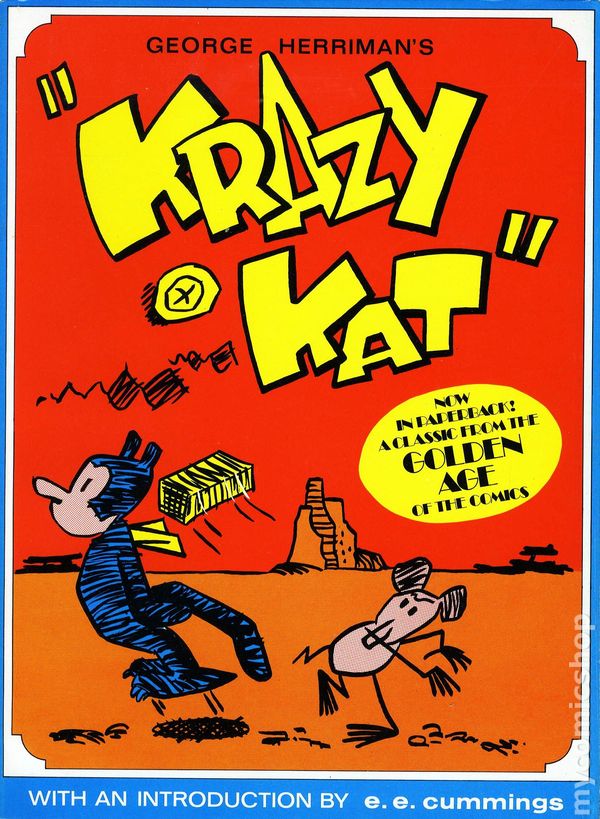
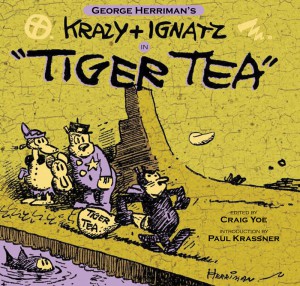
I told you before about a cartoonist from ancient ‘Toon Times” named Fontaine Fox.  He was a master, and I acknowledge him as one of my greatest inspirations.  But he was not the original master mentor for my teenage ‘Toon Training”.  That honor goes to the inestimable George Herriman.  He was the Krazy Kartoonist who died more than a decade before I was born, yet, through his Kreation, Krazy Kat, did more to warp my artistic bent into Krazy Kartooniana Mania than anybody else.  I discovered him first.  I found him through Komic books and the Kard Katalog at the local library.  I own a copy of the book I pictured first in this post.  It is the first Kartoon book I ever bought.  I couldn’t post a picture of my actual book here because I have read it so often in the past forty years that the Kover has Kome off.  It is now more of folder of loose pages than a book.

Herriman KK 1920-12-05 (2)

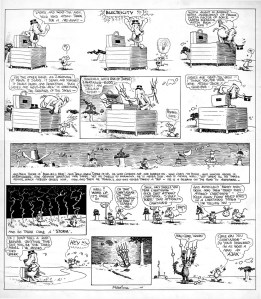
Krazy Kat is a newspaper Komic strip that ran all around the world from 1913 to 1944.  Comics Journal would rate Krazy Kat as the greatest work of Komic art of the 20th Century.  Art critics hailed it as serious art, and it fits snugly into the surrealist movement of Salvador Dali and others.  It has been cited as a major influence on the work of other artists such as Will Eisner, Charles M. Schulz, Robert Crumb, Art Spiegelman, Bill Watterson, and Chris Ware.

krazy

The centerpiece of the strip is a love triangle.  Krazy Kat the Kharacter is a feline who may be female or may be male but is definitely deeply in love with Ignatz Mouse.  The Krazed rodent hopped up on seriously stinky fromage (cheese to us non-French speakers), is Konstantly throwing bricks at Krazy’s head… obviously out of serious disdain, however, Krazy sees it as a confession of love.  Offisa Pup, the police watchdog, wants to jail the malevolent mouse for battery and protect the precious Kat, whom he obviously loves with an unrequited love.  Explanations are superfluous in the weird world of Krazy Kat.  How can I explain the charm, the humor, the good-natured violence of a strip such as this?  There are echoes of it in Tom and Jerry animated cartoons, but nothing like it really exists anywhere else.  Krazy has her own unique language, a language that you naturally learn to interpret as you read the strip.  Ignatz exhibits psychotic frustrations that he takes out on the world around him in our name, that we might experience hubris at his expense.  And what’s with that mysterious sack of “Tiger Tea” that Krazy carries about and keeps a Klosely guarded “sekrit”?

tigertea_coveronly-300x286

I honestly hope you will give Krazy Kat a thorough “look-see”.  Because if you like Kartoons at all… and it doesn’t have to be the Krazy Kooky love of a seriously overdosed addict like me… you will fall desperately in love with this one.   It is a world of its own, a superbly superfluous abstract anachronism.  It is a surrealist’s dream of fun with puns and tons of buns… or something like that.  Simply put… read it and don’t like it… I dare you!

Leave a comment

Filed under art criticism, artists I admire, cartoons

Homely Art – Part Two – Paul Detlefsen

Detlefsen-Swimming_Hole

Back in about 1968 my Grandma Beyer was seriously scandalized by an artist named Paul Detlefsen.  Detlefsen did a lot of covers for the “Ideals Magazine” that Grandma always had on her coffee tables.  He scandalized her by putting a painting on the cover that showed a young boy taking his pants off, the rear view only, so he could go skinny dipping with a group of naked boys.  Truthfully the picture shown above is by Detelfsen, but it is not the one that offended her.  I have discovered that this painter of old-timey things like blacksmith shops and one-room school houses has painted at least four different versions of “the Old Swimmin’ Hole”.  And Grandma was easily scandalized when we were kids.  She was a very conservative woman who loved Ronald Reagan and his politics most severely and thought that Richard Nixon was a leftist radical.  She didn’t like for people to be naked, except for bath time, and maybe not even then.  She is one of the main reasons, along with this painter whom she adored, that I came to learn later in life that “naked is funny”.horseandbuggydays-print  http://www.freeplaypost.com/PaulDetlefsen_VintageArtPrint_A.htm

Grandma Beyer also seriously loved puzzles, and besides “Ideals” covers, Paul Detlefsen did a beaucoup of jigsaw puzzles. (Beaucoup means a lot in Texican, I tend to think in Iowegian and talk in Texican and completely forget about the need to translate for those people who don’t know those two foreign tongues)   One of the puzzles we spent hours working on was “Horse and Buggy Days” that I pictured here.  They were the kind of puzzle paintings where every boy was Tom Sawyer and every girl was Becky Thatcher.  And there were a lot of them.  Here is another;

detlefsen

http://www.bigredtoybox.com/cgi-bin/toynfo.pl?detlefsenindex

Grandma had this in puzzle form also.  We put the puzzle together, glued it to tag board, and framed it.  It has hung on the wall in a Grandparent’s house, first Grandma Beyer’s and then Grandma Aldrich’s, since the early 1970’s.  My own parents now live in Grandma Aldrich’s house, and that puzzle-painting may be hanging in an upstairs bedroom to this very day.  Detlefsen is not known as a great artist.  He was a humble painter who painted backdrops for films for over 20 years.  In the 1950’s he switched gears and started doing lithographs that were turned into calendars, jigsaw puzzles, laminated table mats, playing cards, and reproductions you could buy in the Ben Franklin Dime Store in Belmond, Iowa and hang on your back porch at home.  I believe I saw his paintings in all these forms in one place or another.  According to Wikipedia (I know, research, right?) “In 1969, UPI estimated that his artwork had been seen by 80 per cent of all Americans.”  That is pretty dang good for a humble painter, better numbers than Pablo Picasso ever saw.  Let me share a few more of his works, and see if you recognize any of these;

db_Paul_Detlefsen_Covered_Bridge1 b01e8afaadde Artist Paul Detlefsen PaulDetlefsen_VintageArtPrint_B11 il_fullxfull.285794883

3 Comments

Filed under art criticism, art my Grandpa loved, artwork, homely art, oil painting

Homely Art – Part One – Thomas Kinkade

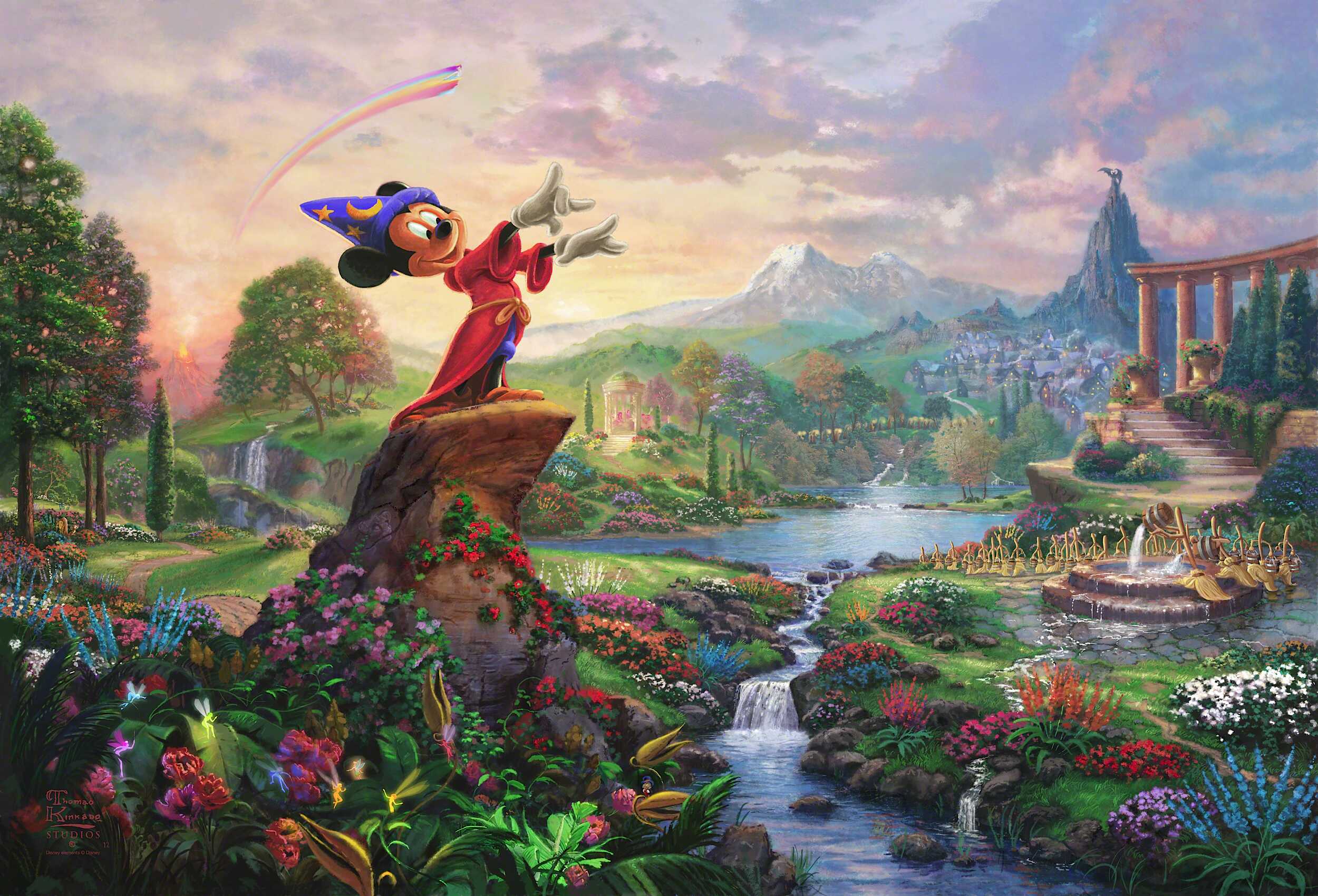
Fantasia  These images can be found at http://thomaskinkade.com/

I honestly have a thing for artists that critics hate and common folk like my parents and grandparents loved.  Norman Rockwell is a bit like that.  He enjoyed commercial success as a magazine illustrator.  That is about as far from avant garde art as you can get.  But what can I say?  I don’t call myself an artist.  I am a cartoonist and all around goofball.  I don’t do serious art.  So the questions surrounding Thomas Kinkade bounce off my tough old non-critical hide like bullets off the orphan of Krypton.  I love his pictures for their gaudy splashes of color, his way with depicting puddles and water of all sorts (splashes of splashes), and his rustic homes and landscapes of another era.  This is a man who does lovely calendar art and jigsaw puzzle art.  He is roundly criticized for factory production of “original” oil paintings which are actually a base he created and made a print of painted over by an “assistant” artist or apprentice.  But I don’t care .  I like it.  And you used to be able to see his originals without going to museums, in art stores at the shopping mall.  He is unfortunately dead now.  For most great artists, that makes their work more valuable and more precious.  Kinkade’s art hangs in so many homes around the country already that his fame has probably already reached its peak.  Look at these works that he did for Hallmark and Disney and various other mass-market retail outlets.  I dare you not to like it.

Cinderella-Wishes-Upon-A-Dream thomas-kinkade-signed-and-numbered-limited-edition-print-and-hand-embellished-canvas-the-night-before-christmas-1 kinkade-2010-bambis-first-year-1st-art-disney-thomas Teacup Cottage kinkade-2012-lg-little-mermaid-disney-art ladyandthetramp thomas-kinkade-hometown-morning-19676

Leave a comment

Filed under art criticism, oil painting, Thomas Kinkade

Toonerville, a Place I Once Lived In

There is a place so like the place where my heart and mind were born that I feel as if I have always lived there.  That place is a cartoon panel that ran in newspapers throughout the country from 1913 to 1955 (a year before I was born in Mason City, Iowa).  It was called Toonerville Folks and was centered around the famous Toonerville Trolley.

4924968092_e6175d7bbb_z

Fontaine Fox was born near Louisville Kentucky in 1884.  Louisville, of course is one of the two cities that claims to be the inspiration for Toonerville.  Apparently the old Brook Street Line Trolley in Louisville was always run-down, operating on balls of twine and bailing wire for repair parts.  The people of Pelham, New York, however, point to a trolley ride Fox took in 1909 on Pelham’s rickety little trolley car with a highly enterprising and gossip-dealing old reprobate for a conductor.  No matter which it was, Fox’s cartoon mastery took over and created Toonerville, where you find the famous trolley that “meets all trains”.

toonervilletrolly-cupplesleon toonerville-trolley

I didn’t learn of the comic strip’s existence until I was in college, but once I found it (yes, I am the type of idiot who researches old comics in university libraries), I couldn’t get enough of it.  Characters like the Conductor, the Powerful (physically) Katrinka, and the terrible-tempered Mr. Bang can charm the neck hair off of any Midwestern farm-town boy who is too stupid to regret being born in the boring old rural Midwest.

Toonerville 84

I fancied myself to be just like the infamous Mickey (himself) McGuire.  After all, we have the same first name… and I always lick any bully or boob who wants to put up a fight (at least in my daydreams).

MickeyMcGuire

So, this is my tribute to the cartoonist who probably did more to warp my personality and make me funny (well, at least easy to laugh at! ) than any other influence.  All of the cartoons in this post can be credited to Fontaine Fox.  And all the people in them can be blamed on Toonerville, the town I used to live in, though I never really knew it until far too late.

Toonerville 35 1931_12_18_Pelham_Sun_Section_2_Pg_1_Col_2_Toonerville_Comic 10-17-2010 07;49;35PMToonervillecolor021531

3 Comments

Filed under art my Grandpa loved, artists I admire, cartoons, Toonerville

Homely Art – Amos Sewell

Still being under the weather and filled with sinus head-pain, I decided to go back to a subject I love so much that the post will simply write itself.  You know I love Norman Rockwell and his art, and I fervently believe that kind of mass media oil-painting does not put him in a lesser category than Rembrandt or Michelangelo or Raphael or any other painter with a ninja turtle namesake.   He is a genius, and though he is not a realist in so many ways, his work is more truthful than practically any other kind of painting.  If you are taken by surprise and didn’t know I had this passionate obsession, maybe you should go back and look at this post;   Norman Rockwell

Now that I got that out of my system, here is another Saturday Evening Post artist that is often confused with Rockwell.  His name is Amos Sewell.

11873526_1032725256739973_4919654303824590046_n

Sewell was an amateur tennis player who was talented enough to win tournaments.  He was an employee of Wells Fargo who was headed towards anything but an art career until he decided to make a leap of faith in 1930.  He started as an illustrator for Street and Smith pulp fiction, and soon caught the notice of the big-time magazine markets for his art.  He published art for Saturday Evening Post,   Country Gentlemen Magazine, and Women’s Day.

11855684_1032724350073397_6985701137057034931_n

Like Rockwell, he was able to find the funny in everyday scenes, like the dance party to the right.  That young man at center stage is trying so hard not to step on the feet of the red-headed girl, that you want to laugh, but can’t because it’s obvious how embarrassed he would be, and the charm of the picture leads you to shun the thought of interrupting.  The scene is so real the boy would hear you laughing as you looked at the Post cover.

11870904_1032728563406309_3782150834774591970_n

11866457_1032728726739626_9033099913708919775_n

11889619_1032728970072935_2637789351554720524_n

More expert on this kind of art than I am is the Facebook site that I first got turned on to Sewell by.  Children in Art History

They can also be found on WordPress.  Children in Art History (WordPress)
9500708_72dpi_nocallout-150x185

11889413_1032724710073361_2181902444339379253_n

There is no doubt that Amos Sewell belongs in the same pantheon of artists as Norman Rockwell, Thomas Kinkade, or Paul Detlafsen.  They are all artists who achieve in their work exactly what I have always striven for.  I want to be able to hold the mirror up to our world the way they did.  I want to capture both the fantasy and the reality in the subject of everyday family life.  I also want to share this work with you because I cannot stand the idea that such artistic ambrosia could one day be forgotten in archives where no one ever looks at it and feels the message in their heart.
2 Comments

Filed under art criticism, homely art, humor