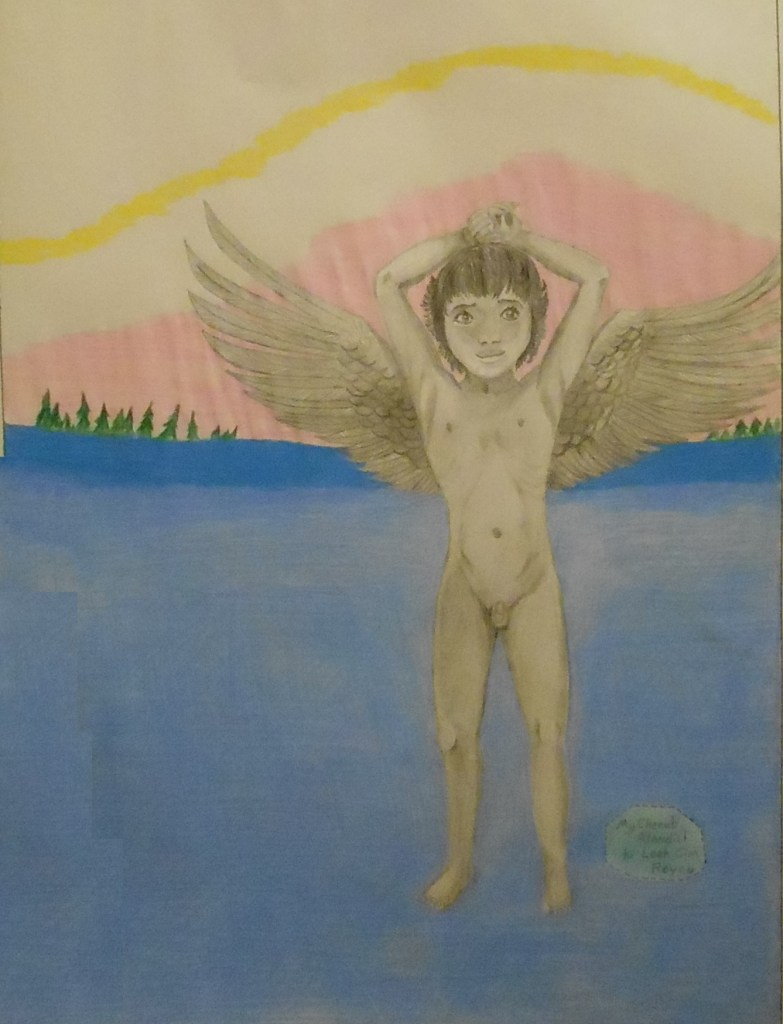
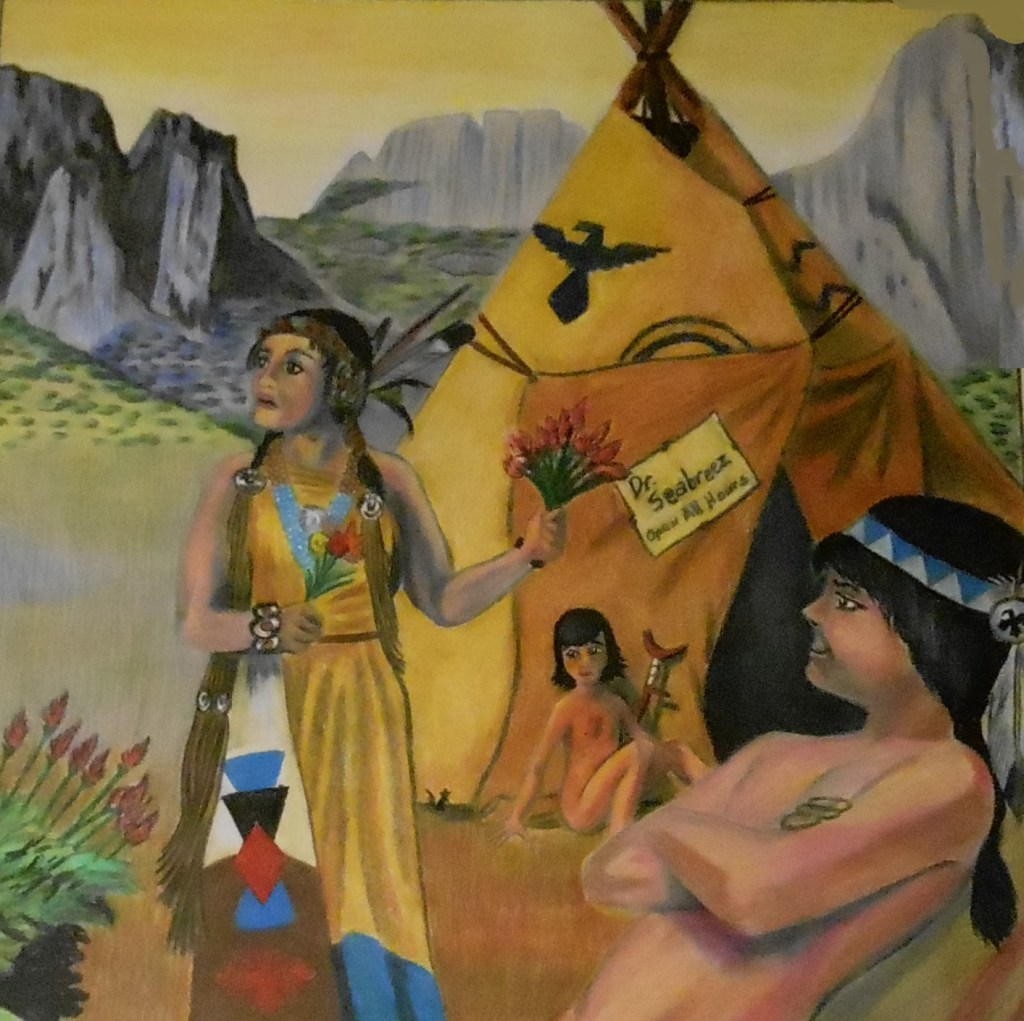
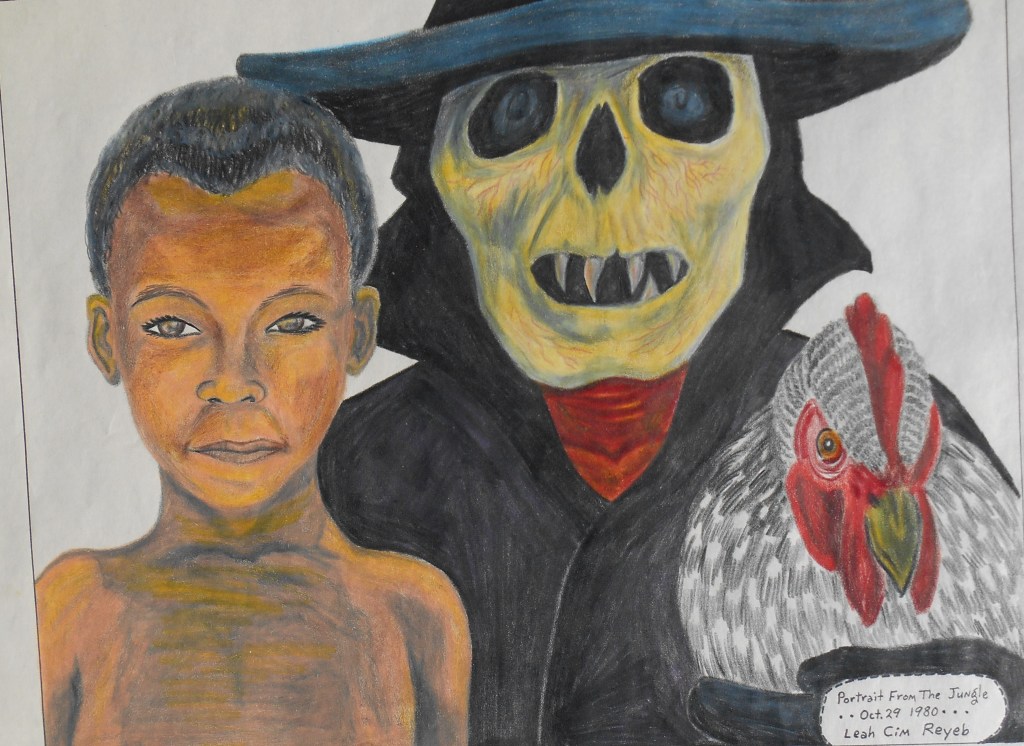
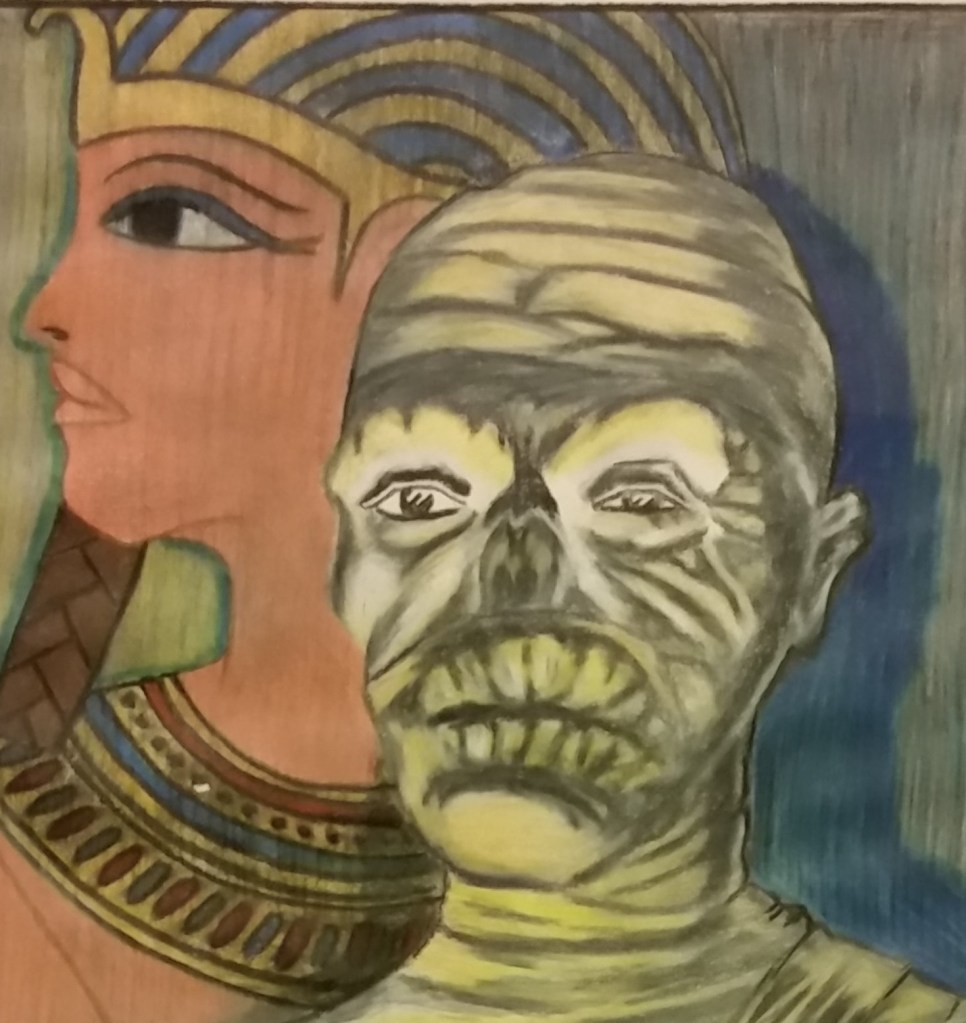
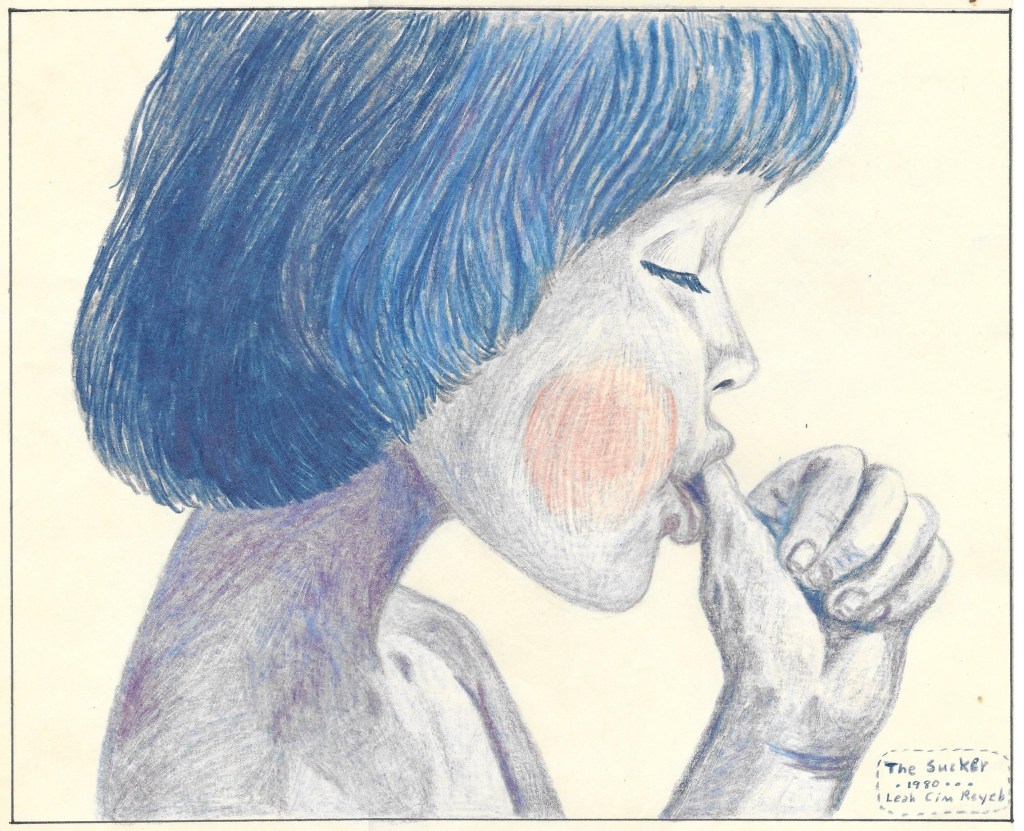
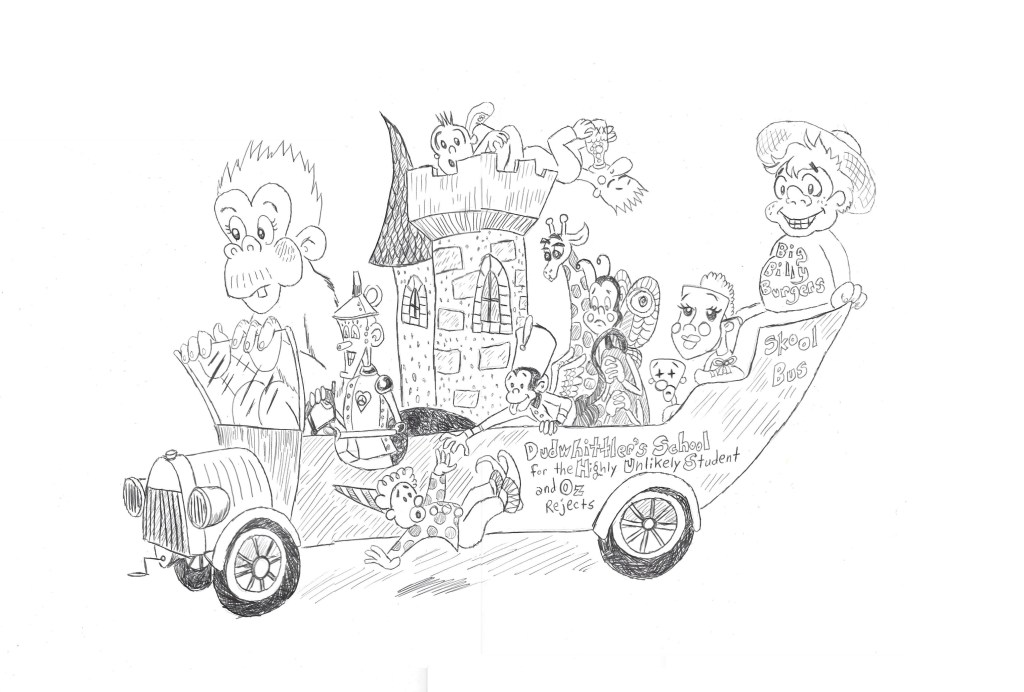
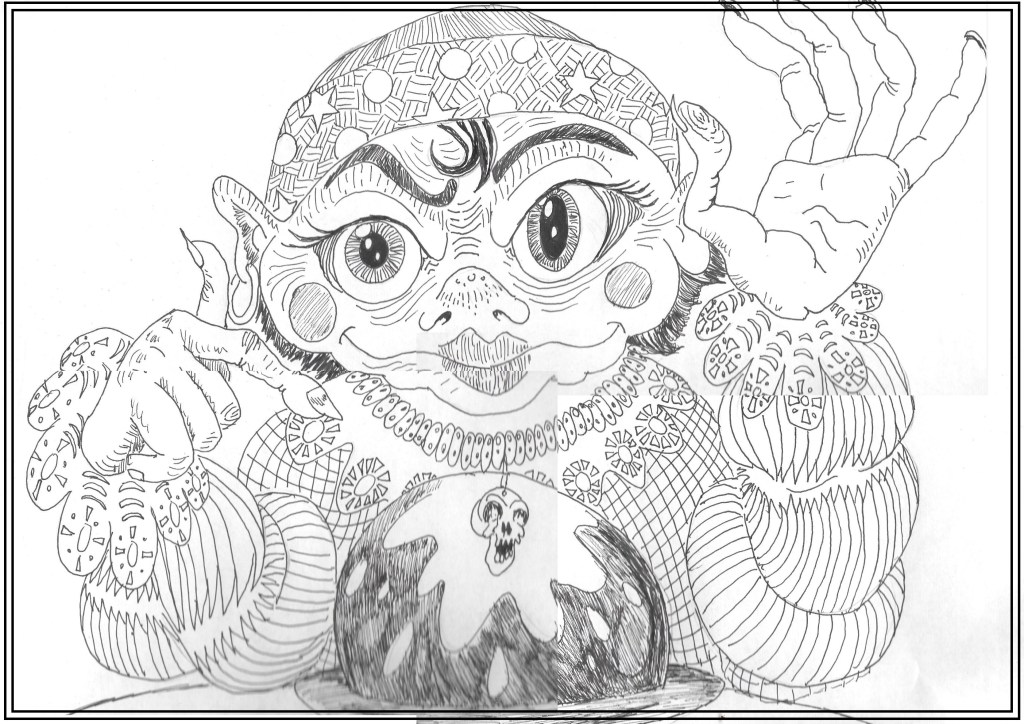
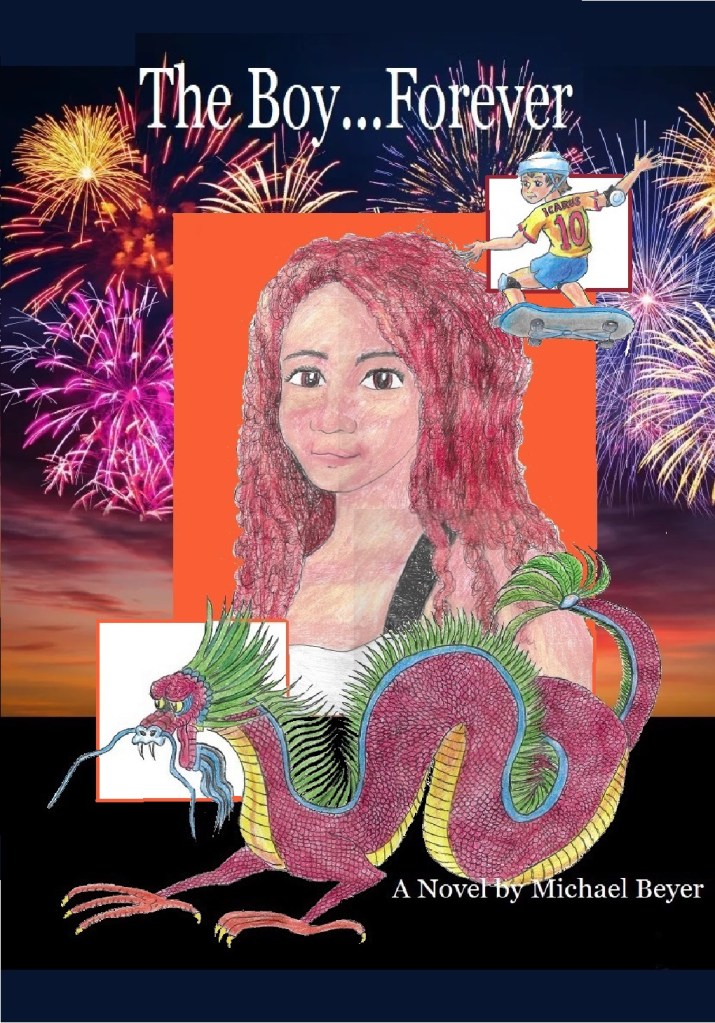
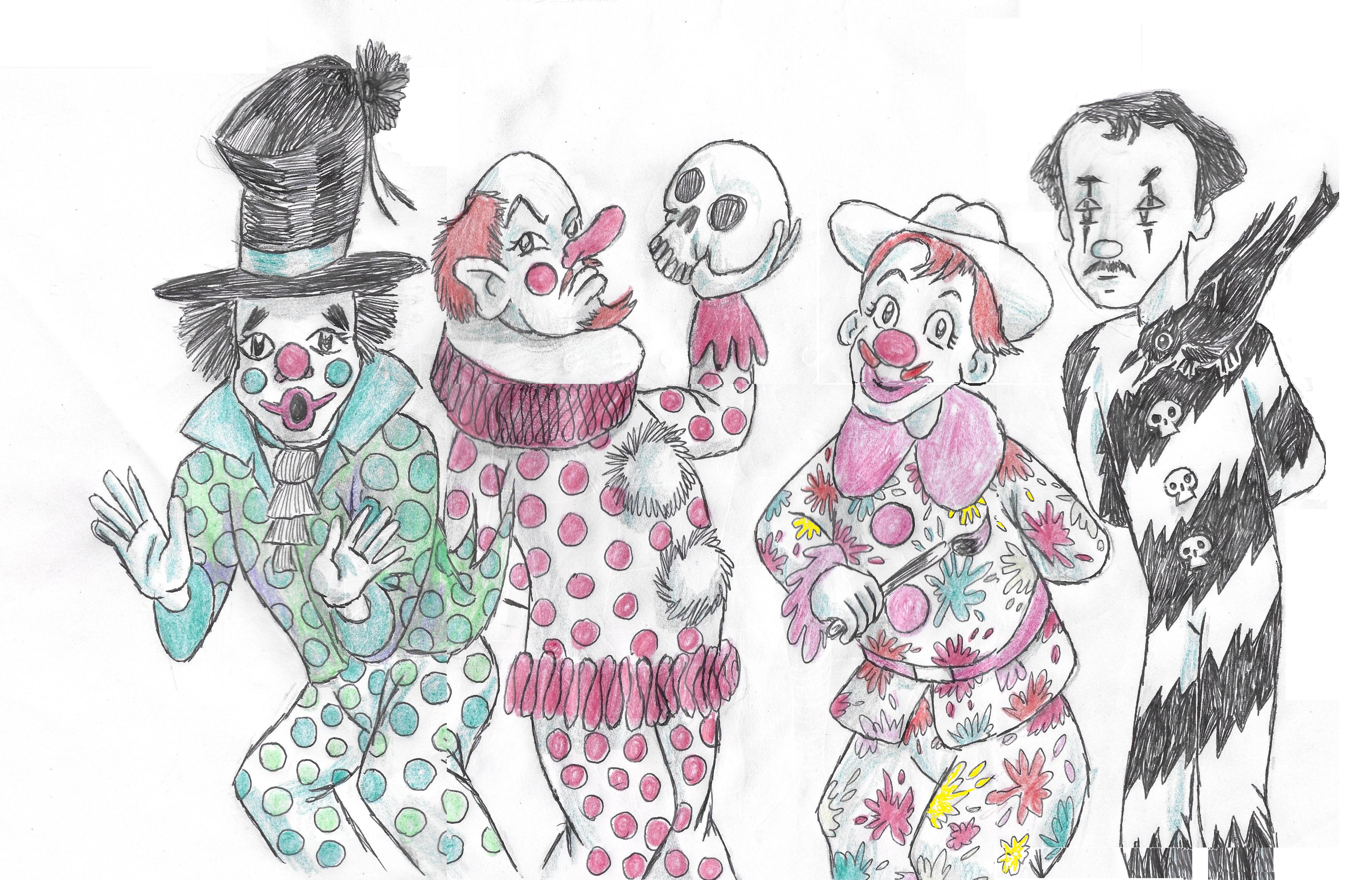
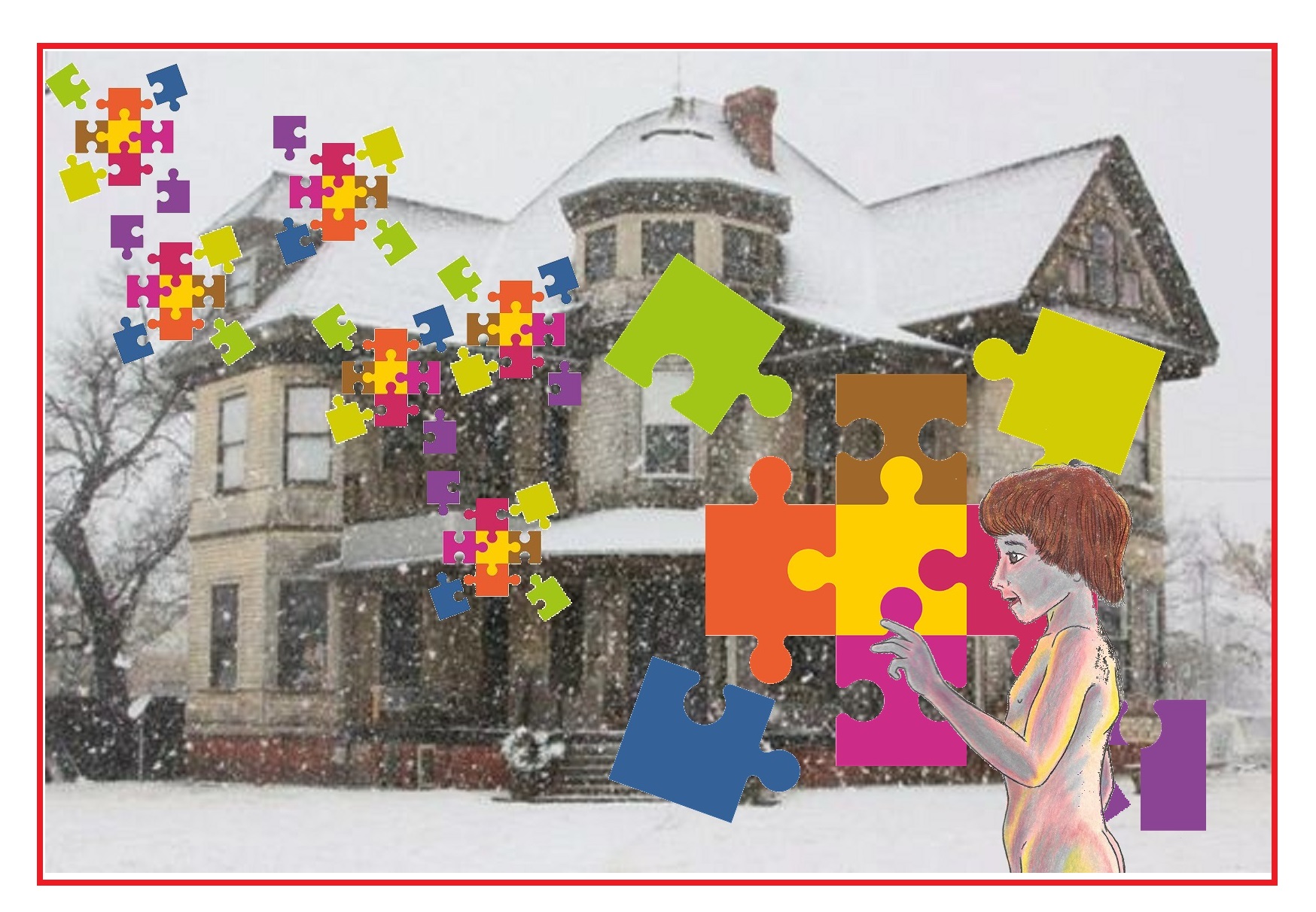
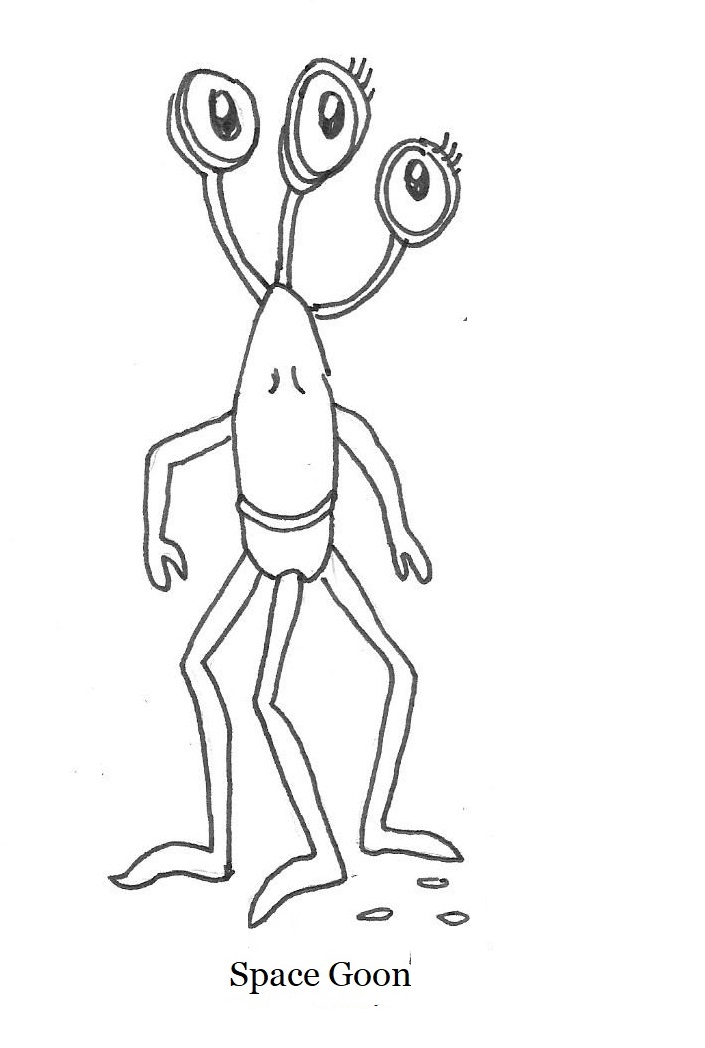
As Catch a Falling Star was a science-fictiony sort of comedy, one of the questions that I have pursued in internet research is the one I have presented here in the title of this picture-and-Paffooney-filled post. Seriously, the image search of Google’s answer to that question is enough to make you snort milk through the old nostrils as you sort through them while stupidly drinking a glass of milk. The milky nose-snorts are the reason I have not sited picture sources on this post. Cleaning the computer screen took too long. I have merely randomly snatched and pirated pictures. The only picture of a Martian presented here created by me are these two;
I admit to being surprised by my actual research into the whole question of whether or not we have ever been visited by intelligent life from the stars beyond the sky. While I have not found proof that aliens exist, I have discovered there is actual proof that the government, and NASA in particular, have covered something up. And it goes beyond Area 51 defense research. But now that I have got the attention of the NSA and the Men in Black, this post is only filled with a collage of the unreal, made-up, and mostly silly.
Malevolent Martians;
Martians Who Make the Mistake of Liking Us;
Inexplicably Goofy Martians;
Cartoon alien rendered on white background. 3D model licensed from DAZ3D.
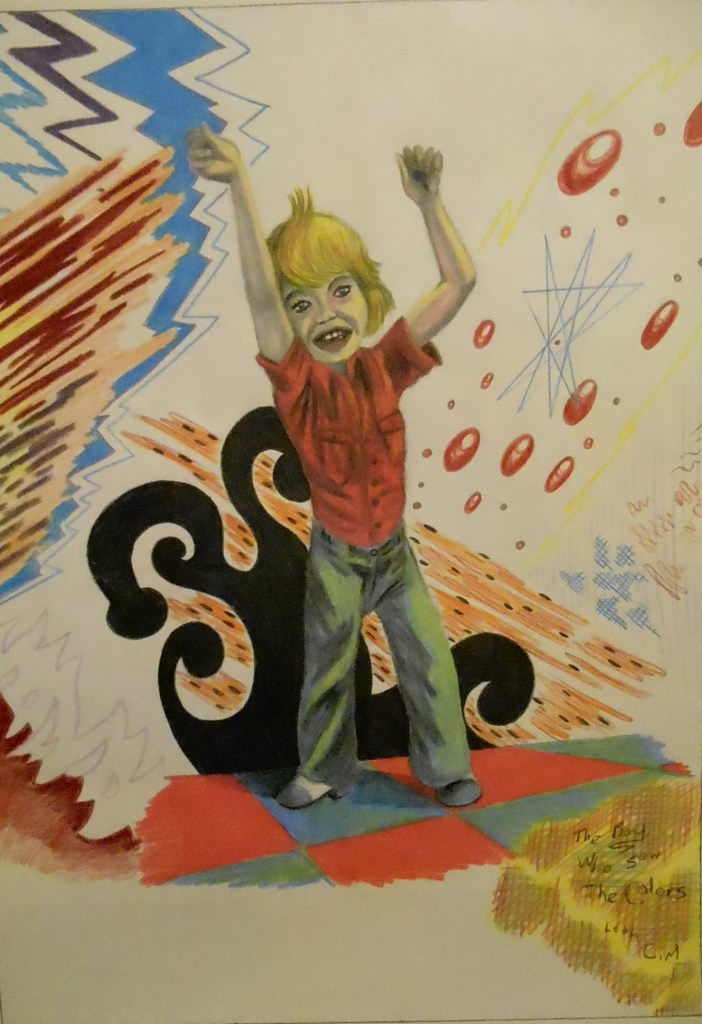
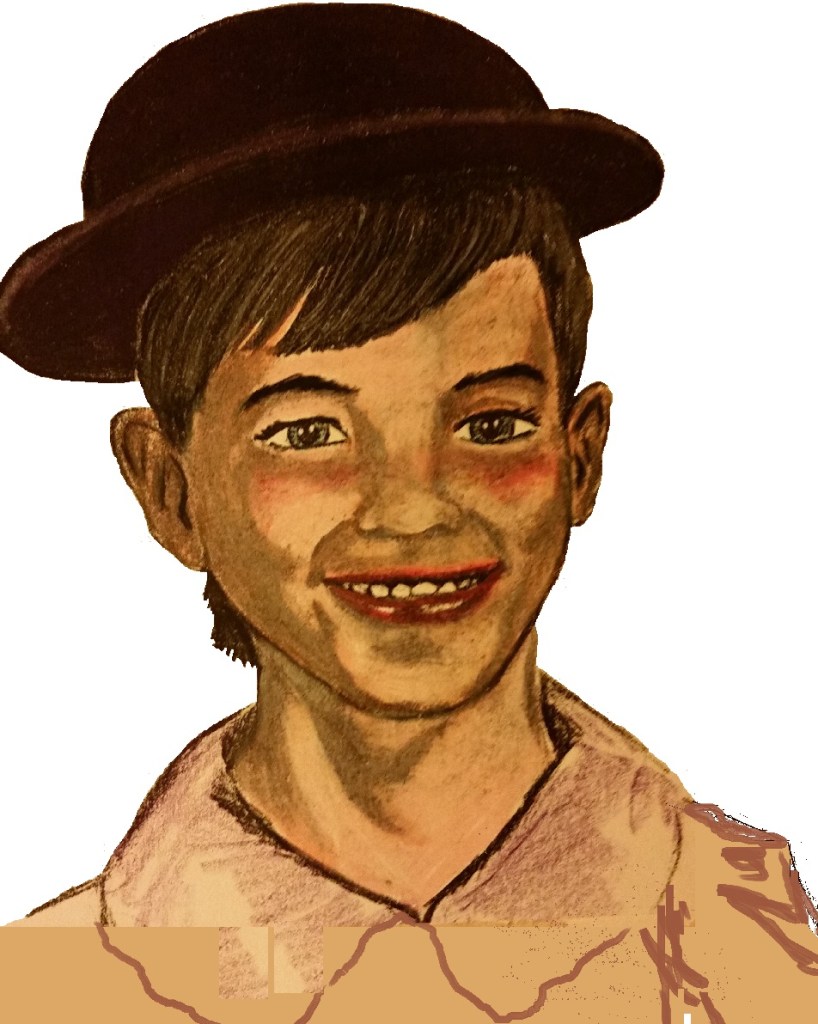
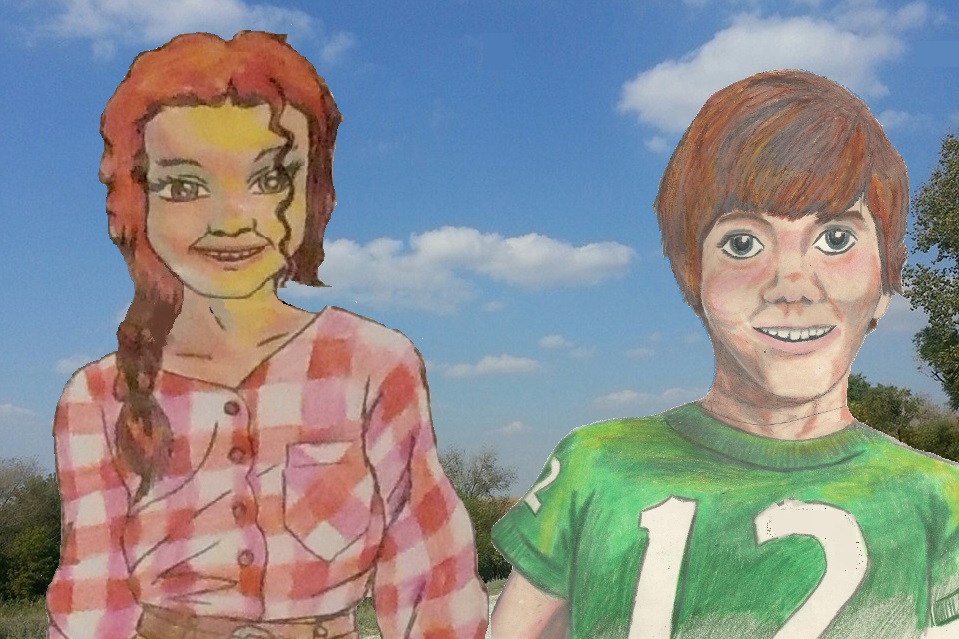
This picture was intended to look like it could’ve been my son, so the face came from an old black-and-white photo of me when I was ten.This is me as a nudist child in my current home’s backyard flanked by two nude Butterfly Children.
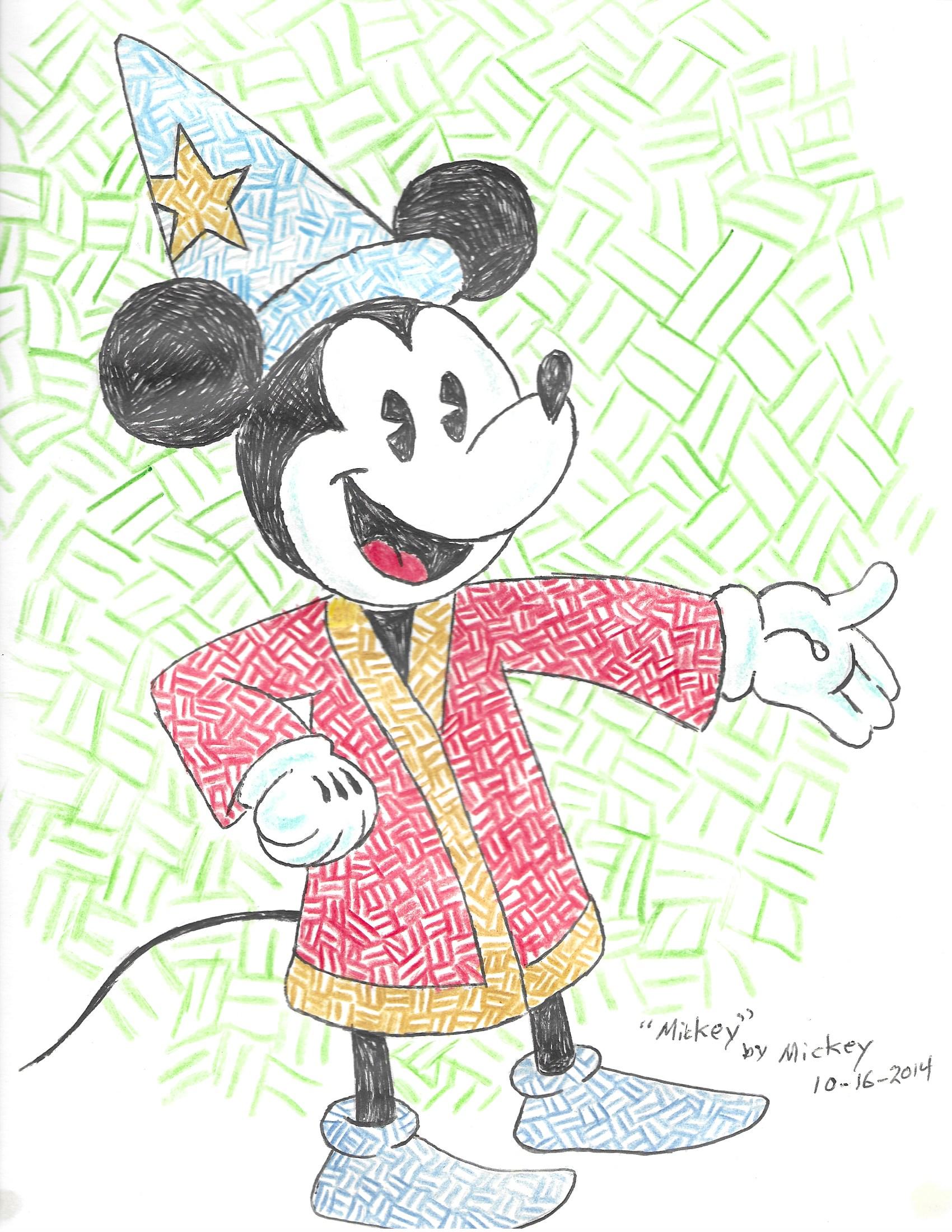
This is my purple-mouse avatar.
Eli Tragedy, my red-clad Sorcerer character from Dungeons and Dragons days is also really me.
Me as a happy new nudist
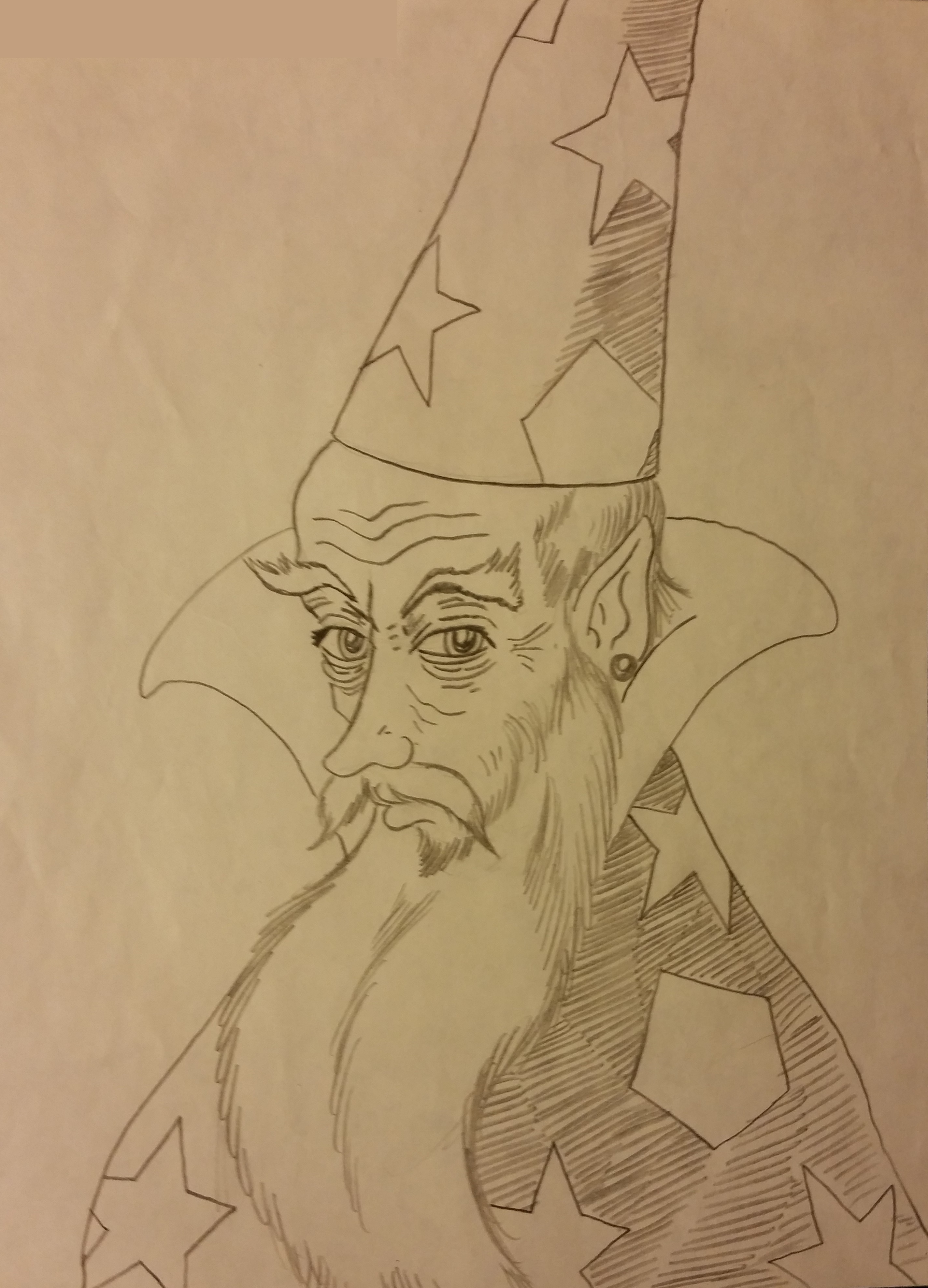
Milt Morgan is a wizard, and also a character who is half me and half the Other Mike from my childhood.Milt Morgan as a child. Also half me.Another purple Mickey.
I firmly believe that I would never have succeeded as a teacher and never gotten my resolve wrapped around the whole nonsense package of being a published author if I hadn’t picked up a copy of Mort, the first Discworld novel by Terry Pratchett that I ever encountered. I started reading the book as a veteran dungeon-master at D&D role-playing games and also as a novice teacher having a world of difficulty trying to swim up the waterfalls of Texas education fast enough to avoid the jagged rocks of failure at the bottom. I was drinking ice tea when I started reading it. More of that iced tea shot out my nose while reading and laughing than went down my gullet. I almost put myself in the hospital with goofy guffaws over Death’s apprentice and his comic adventures on a flat world riding through space and time on the backs of four gigantic elephants standing on the back of a gigantic-er turtle swimming through the stars. Now, I know you have no earthly idea what this paragraph even means, unless you read Terry Pratchett. And believe me, if you don’t, you have to start. If you don’t die laughing, you will have discovered what may well be the best humorist to ever put quill pen to scroll and write. And if you do die laughing, well, there are worse ways to go, believe me.
Discworld novels are fantasy-satire that make fun of Tolkien and Conan the Barbarian (written by Robert E. Howard, not the barbarian himself) and the whole world of elves and dwarves and heroes and dragons and such. You don’t even have to love fantasy to like this stuff. It skewers fantasy with spears of ridiculousness (a fourth level spell from the Dungeons of Comedic Magic for those fellow dungeon masters out there who obsessively keep track of such things). The humor bleeds over into the realms of high finance, education, theater, English and American politics, and the world as we know it (but failed to see from this angle before… a stand-on-your-head-and-balance-over-a-pit-of-man-eating-goldfish sort of angle).
Terry Pratchett’s many wonderful books helped me to love what is ugly, because ugly is funny, and if you love something funny for long enough, you understand that there is a place in the world even for goblins and trolls and ogres. Believe me, that was a critical lesson for a teacher of seventh graders to learn. I became quite fond of a number of twelve and thirteen year old goblins and trolls because I was able see through the funny parts of their inherent ugliness to the hidden beauty that lies within (yes, I know that sounds like I am still talking about yesterday’s post, but that’s because I am… I never stop blithering about that sort of blather when it comes to the value hidden inside kids).
I have made it a personal goal to read every book ever written by Terry Pratchett. And that goal is now within reach because even though he is an incredibly prolific writer, he has passed on withing the last year. He now only has one novel left that hasn’t reached bookstores. Soon I will only need to read a dozen more of his books to finish his entire catalog of published works. And I am confident I will learn more lessons about life and love and laughter by reading what is left, and re-reading some of the books in my treasured Terry Pratchett paperback collection. Talk about your dog-eared tomes of magical mirth-making lore! I know I will never be the writer he was. But I can imitate and praise him and maybe extend the wonderful work that he did in life. This word-wizard is definitely worth any amount of work to acquire and internalize. Don’t take my convoluted word for it. Try it yourself.
This beautiful song, an operatic aria by Puccini, is from the comic opera Gianni Schicchi. But, more important than that is what the song actually means in context.
In the opera, Gianni Schicchi is a con man intent on swindling a family out of their inheritance and knowing all along that he will be destined to go to hell when he dies. The family is gathered for the reading of the rich man’s will, which is, because this is a comic opera, lost for the time being. Their main concern is for the money, which rumor has it has all been willed to the church. But one among them is actually worthy of inheriting the money, Rinuccio the son of the rich man’s cousin. And, as luck would have it, as it always does in comedies, Rinuccio is the one who, during the manic and desperate search for the will, actually finds it. And assuming he comes out well in the will, he secures a promise from his mother that if he inherits money, he can marry Schicchi’s beautiful daughter Laurretta whom he truly loves.
But when he reads the will, he is devastated. The money all goes to a monastery. He begs Schicchi to help him convince the family that he should marry Laurretta anyway. This Gianni Schicchi tries and finds it harder than turning water into wine. So Schicchi is about to give up when Lauretta finally speaks up for herself through the song,
O Mio Babbino Caro (My Beloved Father)
At this point Schicchi is moved by the beautiful song and even more beautiful love his daughter has surprised him with. He not only agrees to help, but executes a bizarre plan, hiding the rich man’s body and pretending to be him come back to life to rewrite the will. Now the will favors Rinuccio, and over the protests of the family, he inherits the money and marries his true love, Schicchi’s daughter. The opera ends with Schicchi singing his case to the audience, telling them in song that going to hell is worth it to aid true love.
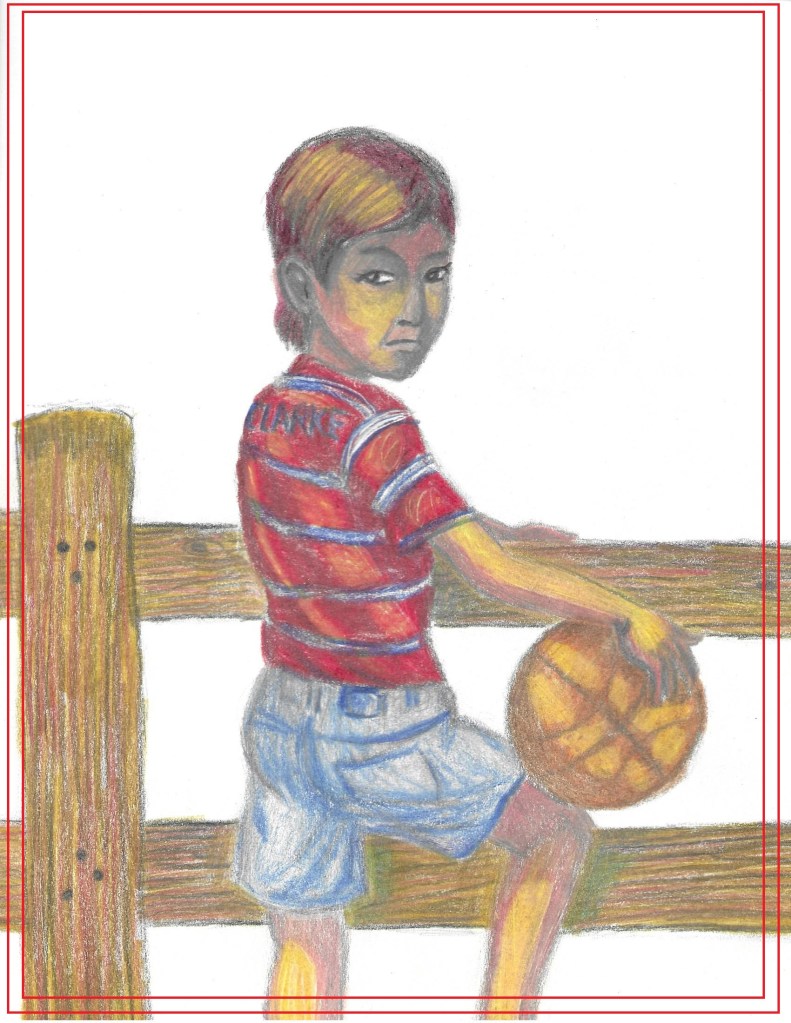
And this, then, is the truth of O Mio Babbino Caro.
Love, expressed through the surprise of hidden talent suddenly revealed, is the most persuasive argument there is.
Whether it is the love in the music suddenly discovered in the overwhelming voice of a little girl like Jackie Evancho or Amira Willighagen, or the late great Maria Callas who also sang the role, or even the singer of Puccini’s greatest work who is yet to perform it and make silly old men like me weep for beauty’s sake, the song is the most persuasive argument there is in favor of true love.
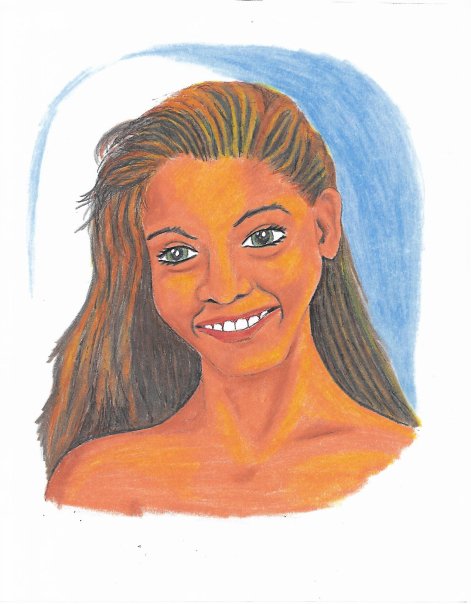
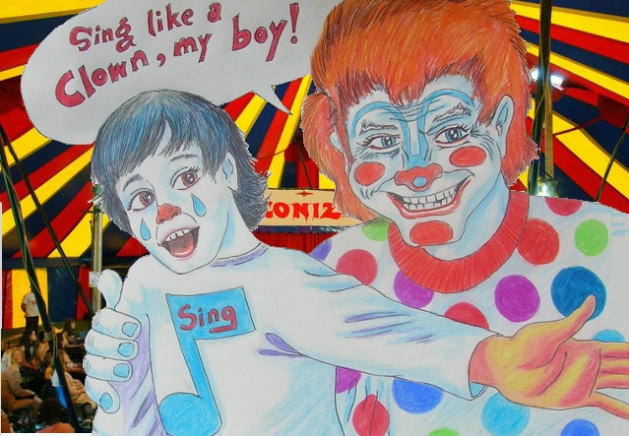
That is a thing I desperately want to capture in the novel I am writing now, Sing Sad Songs. Love expressed in music. Love that reverses loss. Love that heals all things. And Love that moves all people. The love that is masterfully sung in O Mio Babbino Caro.
That book is now published and available on Amazon.
Yes, this is a picture of a rock. But it is no ordinary rock. Okay, that’s not precisely true. It is a gray metamorphic rock roughly square in shape with numerous flecks of white and a white strip along the top. As rocks go, it probably couldn’t be more ordinary, more rocky in its soul. But, as with all things in this life, the importance and true meaning lies in the context. This is a pocket rock. It spent a quarter of a century riding around in my pants pocket. I have held it in my hand millions of times.
The Rowan Community Center, seen in this picture I used for the cover of Magical Miss Morgan, is the last part of the old Rowan school still standing.
In 1980, my Great Grandma Hinckley died. That was also the year my folks had to move to Texas because of the transfer my Dad’s seedcorn company gave him to its cotton seed division. It was one year before I got my teaching degree. And it was the year they tore down the building where I went to school for grades 1 through 6. That summer, as I walked around the demolition site, I found the homely gray rock that was nearly as square as I was, and because I was already feeling homesick before I actually left home, I picked it up and stuck it in my pocket. It was a little square piece of home.
That rock went with me to college. It went with me to both Disneyland and Walt Disney World in Florida. It has been to Washington D.C. It has been in the depths of caves in Kentucky and Missouri and Texas. It has been high in the sky in my pocket in an airplane. It has been to beaches on both the Atlantic and Pacific sides of the U.S. It has visited both Mexico and Canada. It his been to Las Vegas. And it even rode in the subways of New York City.
And possibly the most interesting part of this pocket rock’s career happened in Texas schools. It was with me in my pocket constantly from 1980 to 2004. I finally took it out of my pocket and placed it in an old cigar box that once belonged to my grandfather and I have kept keepsakes in since I was a kid.
And I have thought a lot about this ordinary rock that isn’t really ordinary on closer inspection. At one point or another I thought about using it as a skipping stone at both the Atlantic and the Pacific. In 2004 when I was considering the pocket watch broken by it and the car key accidentally bent against it, it almost wound up in Lake Superior. I put in my cigar box and it has remained exiled there since. Will I have it buried with me, in my pocket? No, probably not. My wife plans to have me cremated. Hopefully, though, not until I am already dead. This rock has pretty much been a symbol of my soul, travelling with me, teaching with me, jingling the pocket change when I walk… And it will continue to exist when the thinking and writing parts of Mickey are gone.
But even rocks are not immortal. Sometime in the future something will happen to it. It will end up someplace unexpected or changed by grinding, melting, or chemical reaction into some other form. But no matter what happens to it ultimately, the meaning of it, the context, the places it has been and the things that it has done will still be true, still have happened to it. And, ultimately, it will still be just like me.
I made a choice, long about 1980 or so. And I have not regretted that choice. I became a teacher instead of the writer/artist I thought I wanted to be. And the more I look back on it now, if I had gone the writer route back then, I could’ve eventually become an author like Terry Brooks who wrote the Shannarabooks. I might’ve even been as good as R.A. Salvatore whose fantasy adventure stories have reached the best seller list. Back then, in the 1980’s I could’ve eventually broke into the business and been successful. Even as late as when Frank McCourt broke onto the literary scene with his memoir, Angela’s Ashes in 1996, I might’ve been able to transition from teacher to writer the way he did. But I chose to keep going with a teaching career that enthralled me.
Publishing and the literary scene is changing now. And it is no longer possible for someone like me to break into the big time. I am an author who has come aboard a sinking ship.
But I have stories to tell. They have lived inside me for more than thirty years. And I am scrambling now to get them told before my crappy old body completely betrays me and makes the chance go away. I will get them told… even if no one ever listens.
And there are some advantages to doing it the way I have done it. It is, and always has been, about the people in my life. My wife, my children, my students, my co-workers, my cousins by the dozens, my little town in Iowa… they are the people in my stories. My stories are true to life, even if they have werewolves and fairies and living gingerbread men and nudists in them. I live in a cartoon world of metaphor and surrealism, after all. I would not have had the depth of character-understanding in my stories without my experiences as a teacher. And I really don’t have to worry about the whole marketing thing any more. I am not on that treadmill. I do not have to be aware of what the market is looking for. If my writing ever turns a profit, I won’t live long enough to see it anyway. And that has never been what it is all about.
I can do anything I please with my stories. They belong to me. I do not owe the world anything. What I give you now in this blog and in my books, is given for love, not profit. I can even write a pointless blog post about Sunday blather and illustrate it with Tintin drawings by Herge. And you can’t stop me. And, hopefully… you don’t even want to.
The T. S. Eliot poem “The Hollow Men” talks about the disappointing nature of human beings and ends with a dire four lines quoted more often than any poem’s end in the history of poetry.
This is the way the world ends
Not with a bang but a whimper.
Now I have revealed this particular truth more than once. I am not prescient. I am an idiot. And the only things I know for certain about the future are that I will die one day, and so will everyone else. But knowing those things is wisdom. Especially the idiot part.
And I can see how things are progressing. I know what people are like at their core. If humanity is doomed to die out in the next century, or even the next decade, it will not be because of nuclear war. It will be something sneakier, quieter, and more permanently lethal.
It will be the fact that people are capable of heartlessness and cruelty. Adolf Hitler turned the full power of government-focused hatred on those he defined as less than human; Jews, gypsies, gay people, Jehovah’s Witnesses, and the mentally handicapped. He used that focus to burn those peoples out of existence. But many forces in the human character rose up to shield the victims, saving some and avenging the others. Hitler learned the hard way that he was not the end of the world… from a bullet, in a bunker, having lost an empire.
Now, the Republican clown show in the United States is turning into Killer Klowns from Outer Space.
They show lack of concern for anything but corporate profits. They will undo Medicare and cancel the Meals on Wheels program because, according to evil leprechauns in charge of the budget, we can’t afford to feed people, or educate people, or do anything to dry up the painful ocean of poverty capitalism is creating. No, we must bury our pots of gold and any magic they have left in them.
They have changed the laws on environmental protections to allow themselves to profit by pouring pollutants into rivers and water supplies. They pull out of world-wide agreements to work towards saving the environment from climate change.
They may have found a way to focus hatred through the lens of indifference. Hitler’s mistake was in thinking most humans could be manipulated only through fear and hatred for those who were different. Trump’s troll army has added stupidity and greed to the lenses the light can be filtered through. And so, they may well succeed where Nazis failed.
This is the way the world ends
Not with a bang but a whimper.
My neighbor, Wendy Wackyname, is the owner of a really big dog. I asked her how she managed a dog that was bigger than a moose and weighed more than an elephant.
“You have to be able to solve problems you never thought you could have,” she said.
“Problems like what?” I stupidly asked.
“Well, a dog that big not only chases cars, he often catches the littler ones like yours. It became a real problem when he finished chewing on them and wanted to bury them in the back yard. When we lived in Oklahoma, our back yard just wasn’t big enough, and the local police kept wondering about what might be buried there. I guess they had a lot of missing persons cases.”
“Oh, that does sound bad.”
“Yeah, but moving here solved that problem. We now live next to this nice big park with lots of room for a dog to bury stuff.”
“So he isn’t cured of chasing cars?” I asked nervously.
“No. But that isn’t the worst problem. Feeding him is really expensive. We have to buy a truckload of dog food every week. That problem has gotten worse since we left Oklahoma. There used to be a cattle ranch nearby. At least until the last of their stock mysteriously disappeared.”
I decided I should probably change the subject a bit.
“How do you walk a dog that big?” I asked.
“Oh, I don’t. I climb up on his neck and hang on to the collar as hard as I can, and we go for a run. We ended up in Waxahachie, Texas last week.”
“Does your mother ever let the dog in the house?”
“Oh, no. Foozy is an outside dog. If he wags his tail indoors, he breaks all the furniture in the room. Besides, the doors in this new house aren’t big enough for him to fit through.”
“Wendy, did you ever read those kids’ books about Clifford the Big Red Dog?”
“Oh, sure. But life with Foozy is nothing like that. Giant dogs are a much harder pet to take care of than people think.”
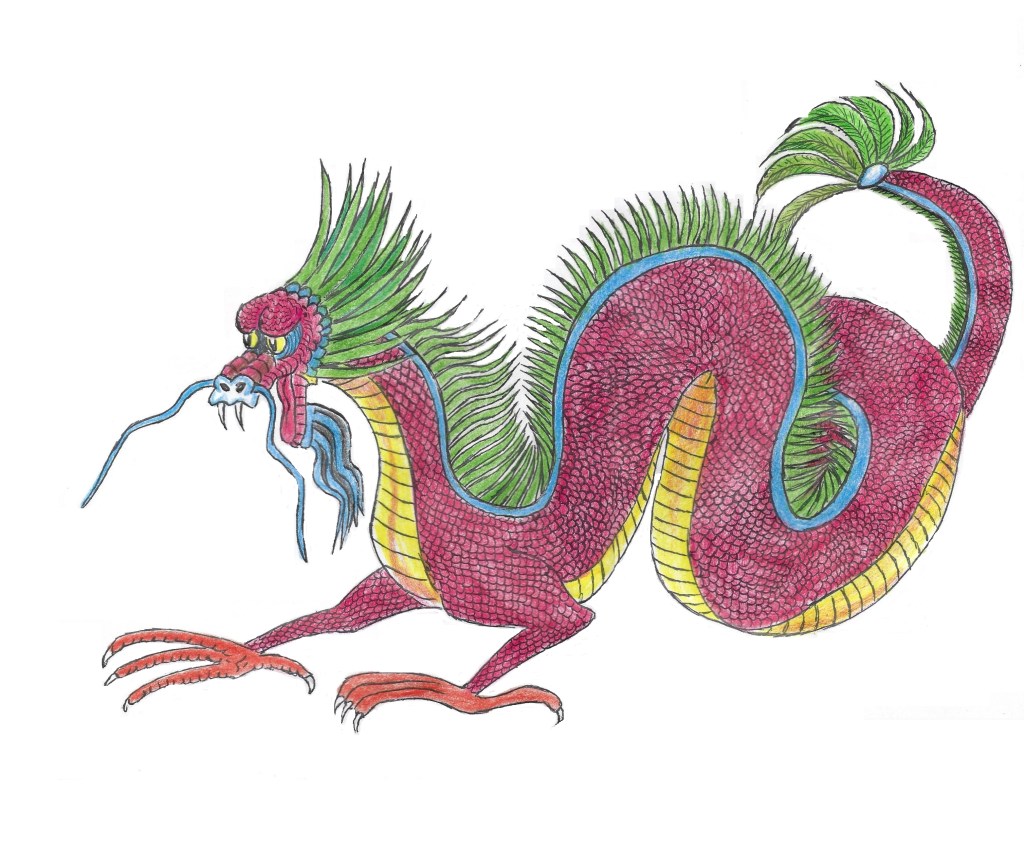
I remembered then how my little dog somehow managed to make five poops a day. Did Foozy do that too? And how did poor little Wendy go about bagging it and depositing it in the trash? I finally decided I didn’t want to know.
I need a quick and cold post for today, so I will turn to the ice wizards of Talislanta.
Viktor, the ice-alchemist, and his son Zoran-viktor are Mirin, a sort of ice-elves who live in the frozen ice-world of the far north. Viktor’s people are cold-resistant enough to wear bikinis in freezing weather (but smart enough not to). So Viktor managed to become the Mirins’ most powerful user of the magic of chemistry by developing hot stuff. In the picture he is brewing a bit of the really, really hot explodie stuff that melts a Mirin bad guy.
Juan Ruy, the Mirin prince, built many ice castles out of his magical substance known as iron-ice. It was far harder to pierce than steel and impossible to melt with fires less hot than dragon’s breath. With it he built frozen castles vertically to the highest heights. And they still stand, primarily because I haven’t played that particular D & D game for more than two decades.
But this is what I love most about the Dungeons and Dragons game. It is a never-ending game played in worlds of shared imagination where every person at the table adds something to the story. It is interactive, and it retains the unique twists and turns created by the players. I created the scenario. The player behind the character Juan Ruy created the idea of iron-ice that completely changed the story.
I first heard this song as a freshman in college.It struck me that it was hauntingly beautiful… but maybe I wasn’t entirely sure what it meant.
The song is about losing body parts and being okay with that.
That can actually be kinda creepy, right?
It is probably a song about gradually dying.
But that’s not really what it’s about.
I am there now. Peeling, cracking, drying out… my life has reached the downhill run toward the finish line. But I am not worried and not afraid. Life is so much more than hands and eyes and legs and feet. I can lose those things and have no regrets. I am so much more than merely the sum of those physical things.
My spirit soars. And my life is bound up in words and meanings that are now written down, and are at least as imperishable as paper. And may, in fact, be written on a few human hearts here and there.