
I told you before that I make a lousy movie critic because I watch anything and everything and like most of it. You don’t believe me? You can look it up through this link; The Uncritical Critic
I hate to tell you this, but it is almost exactly the same for books too.
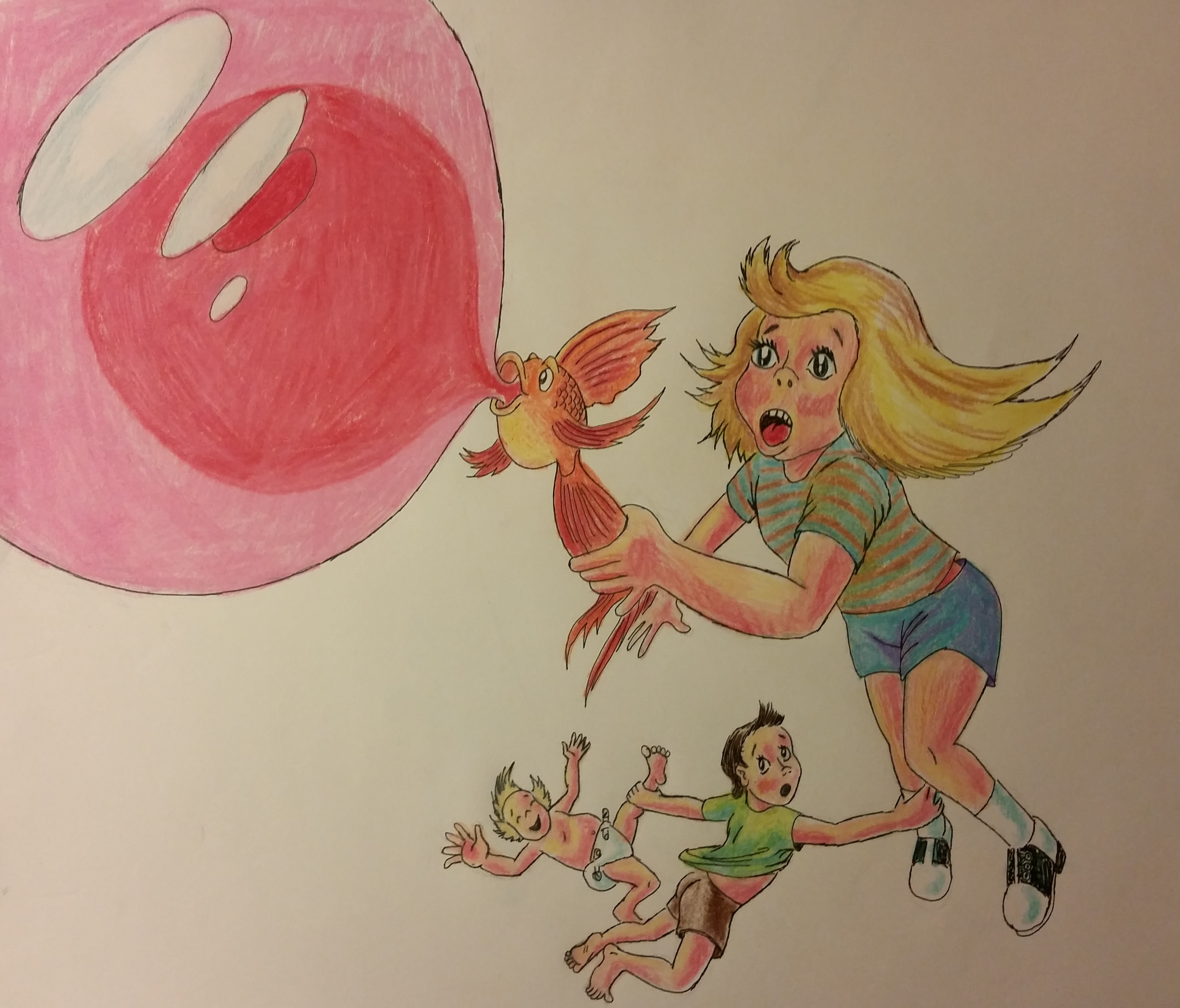
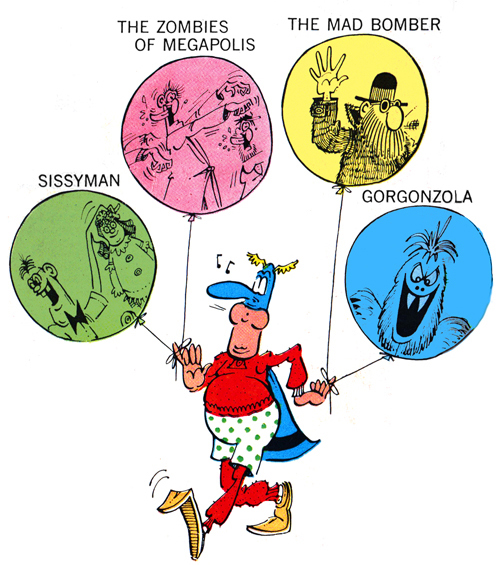
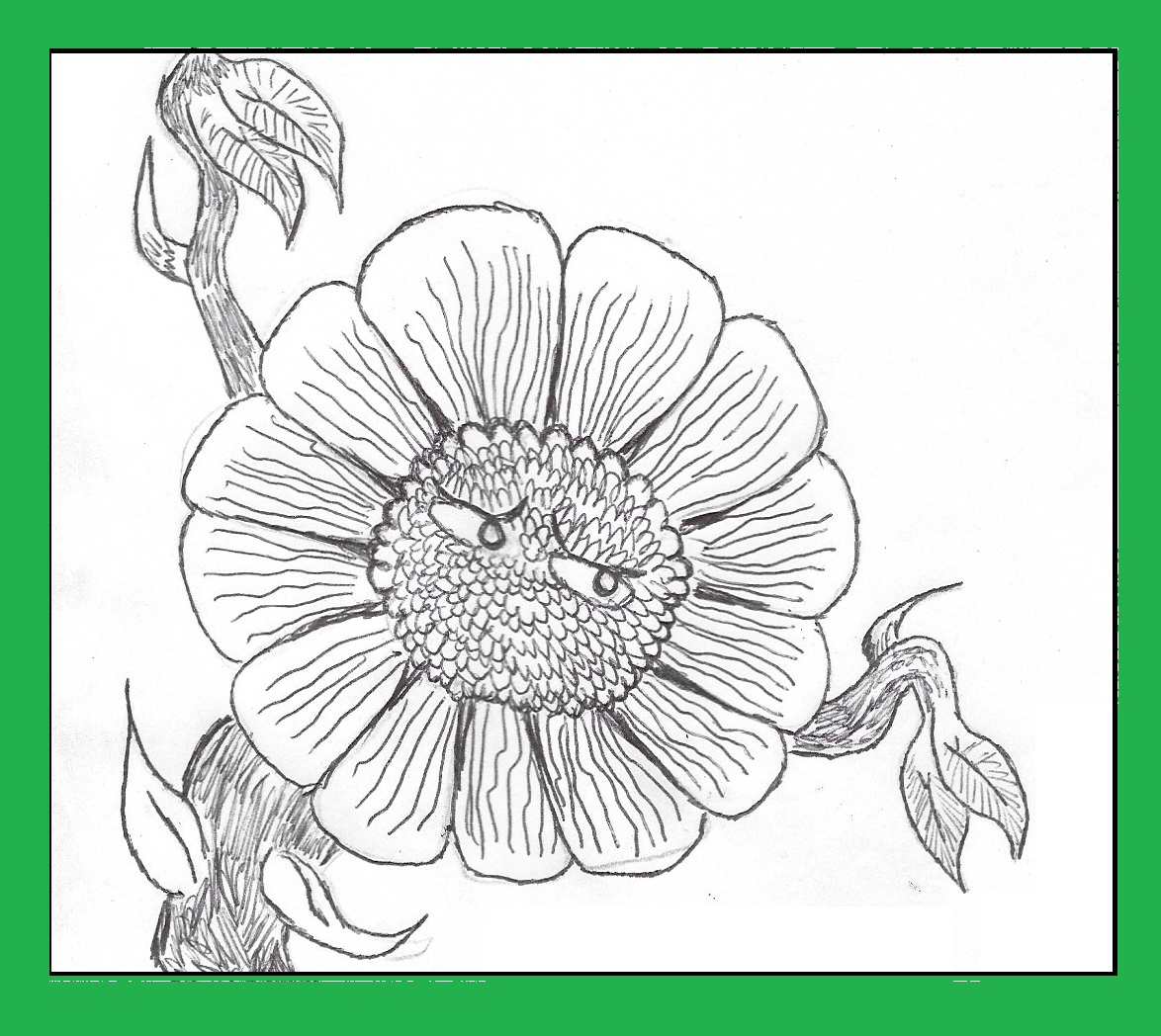
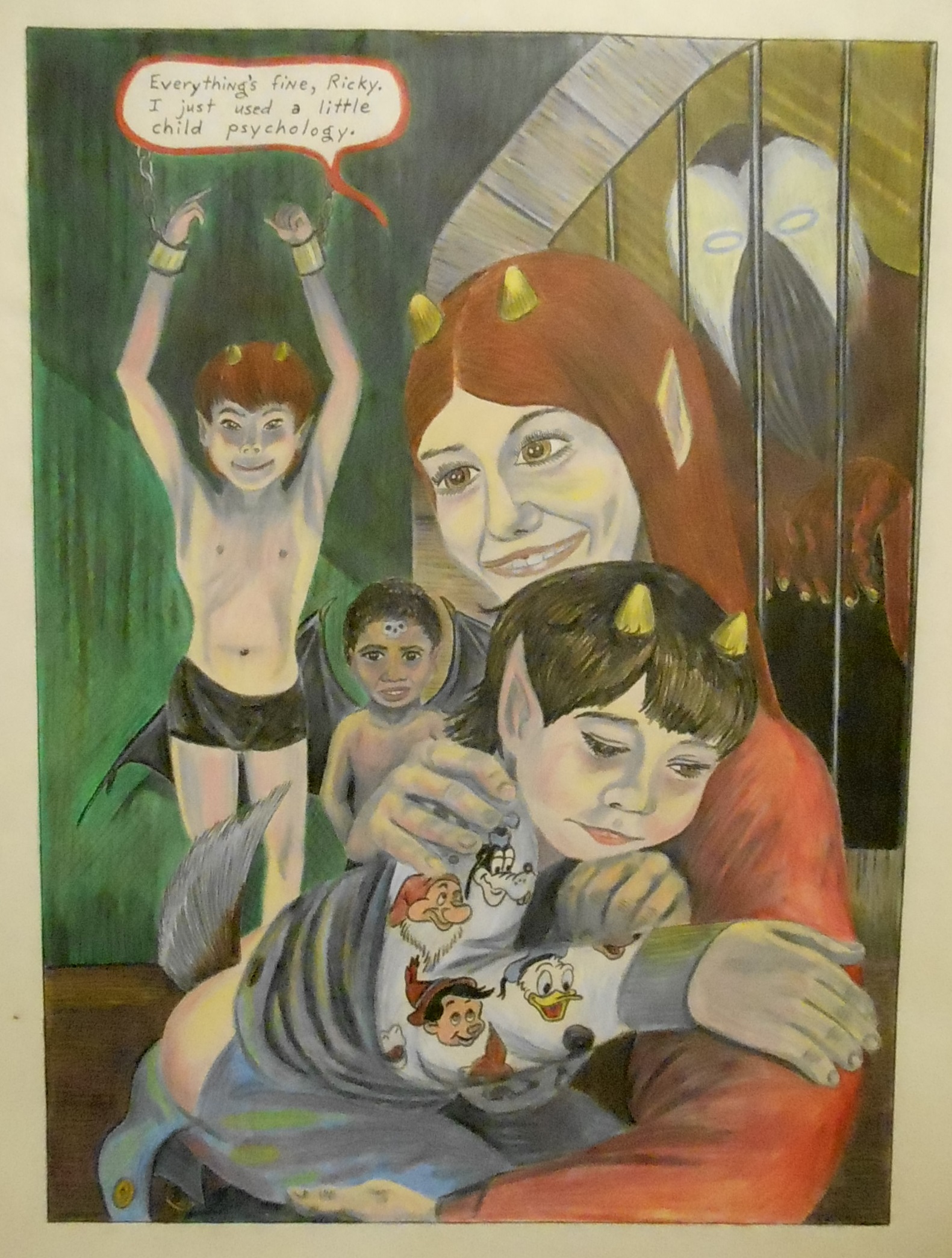
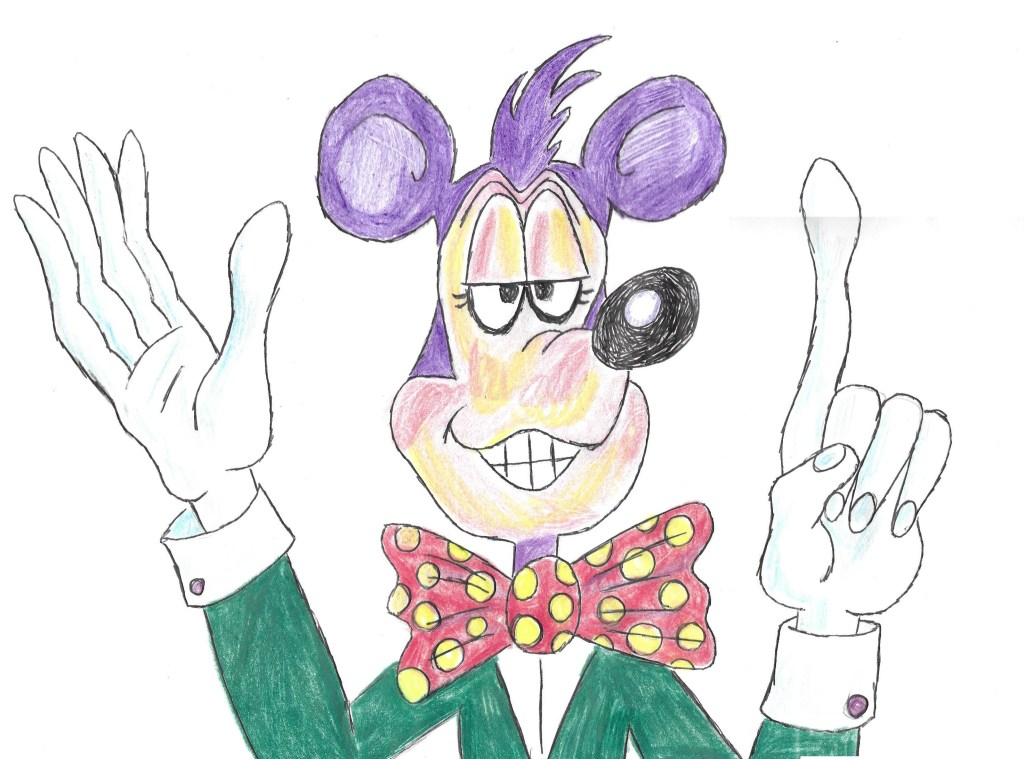
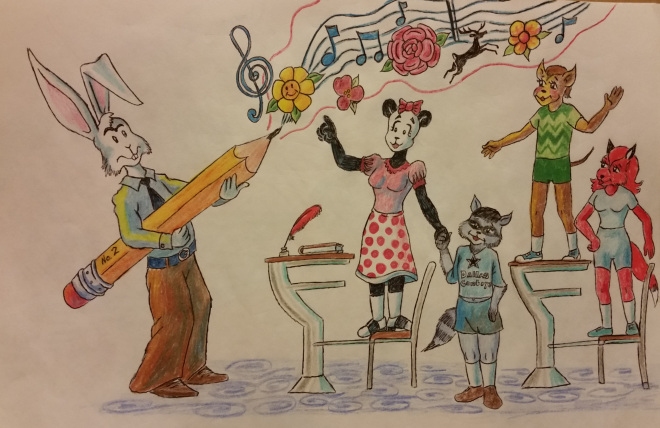
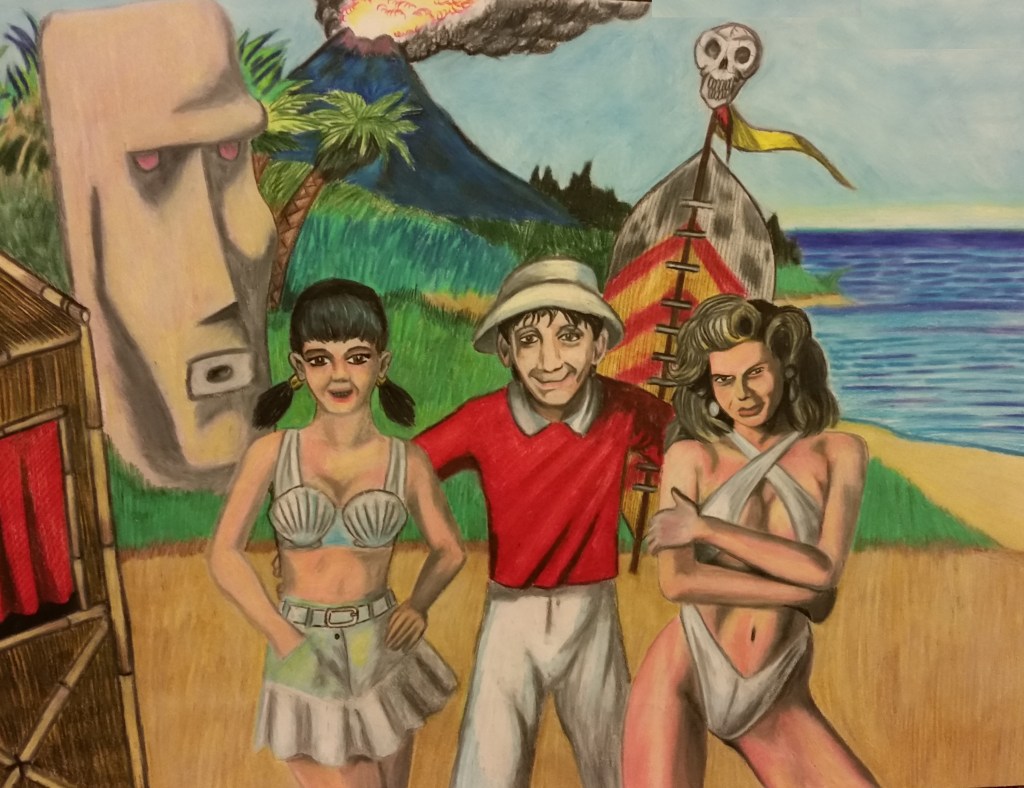
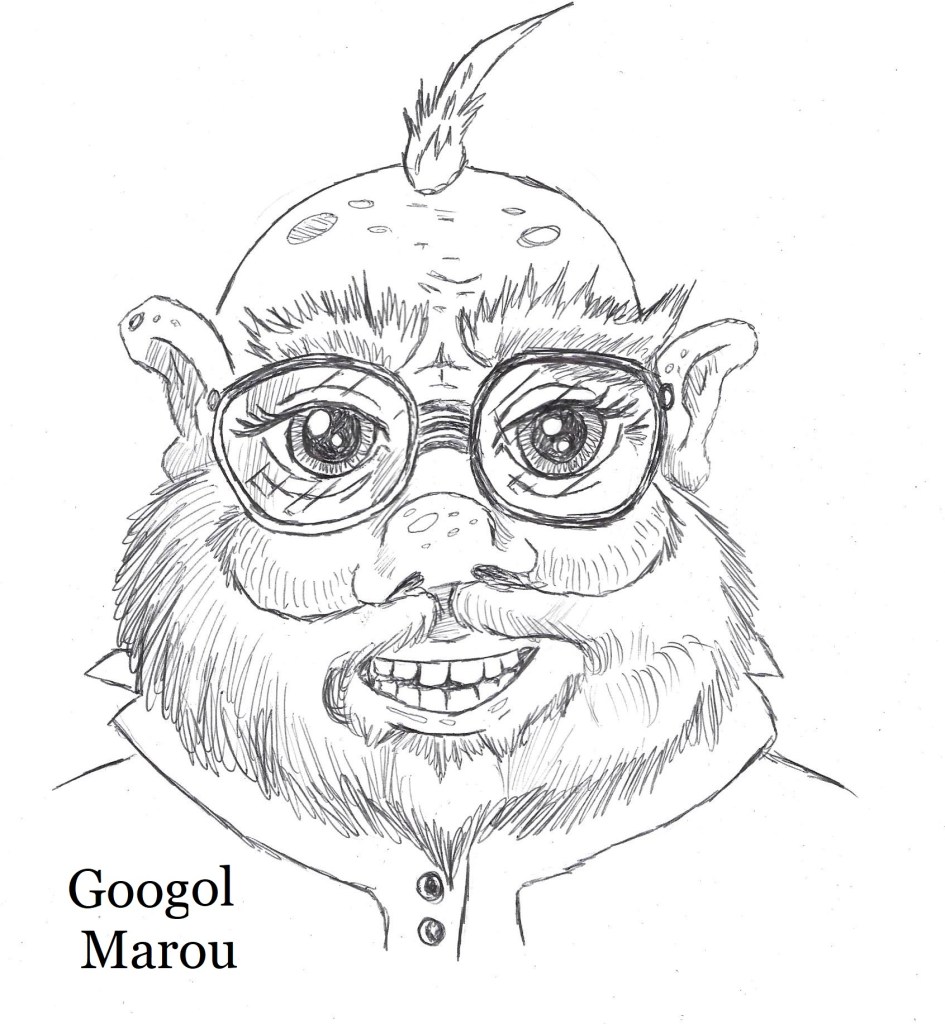
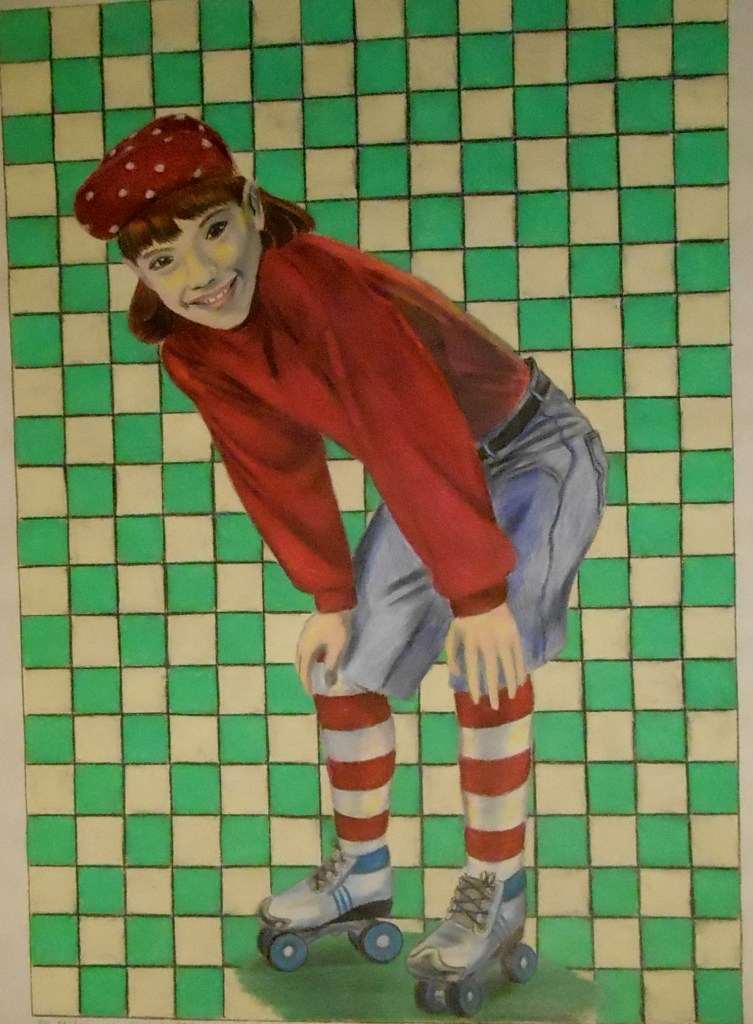
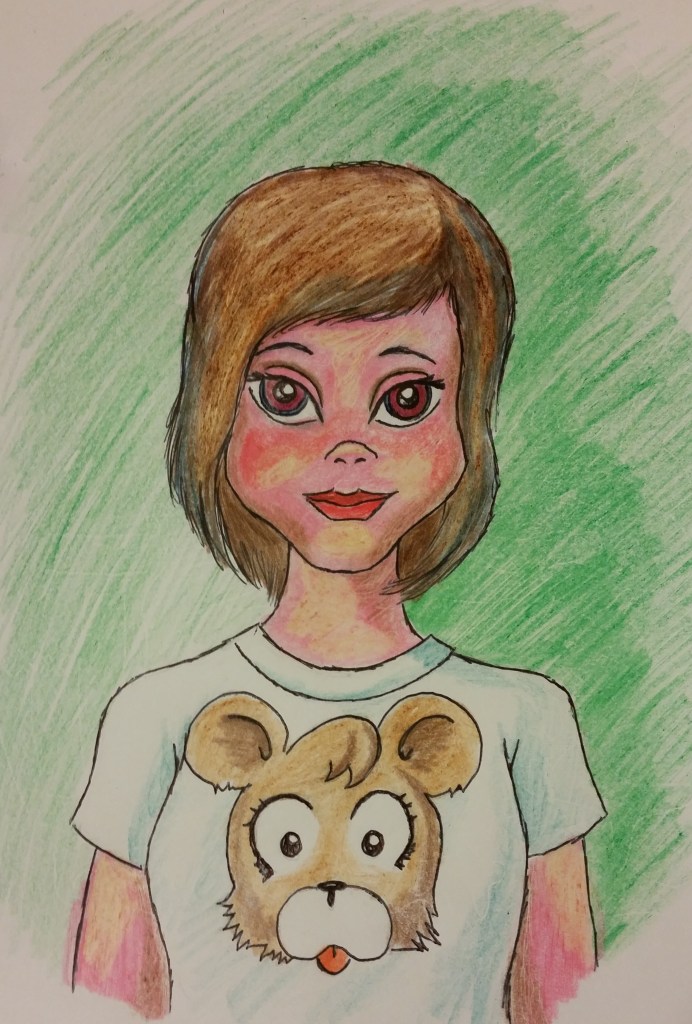
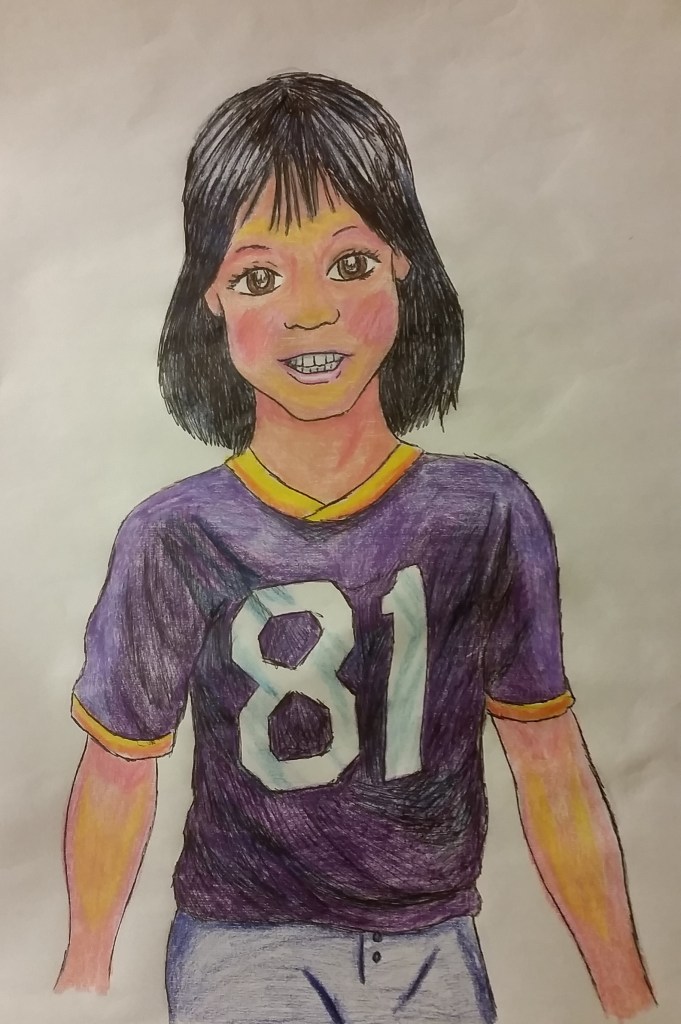
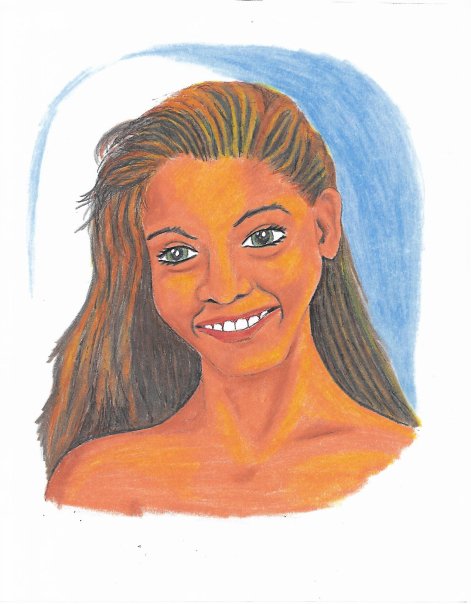
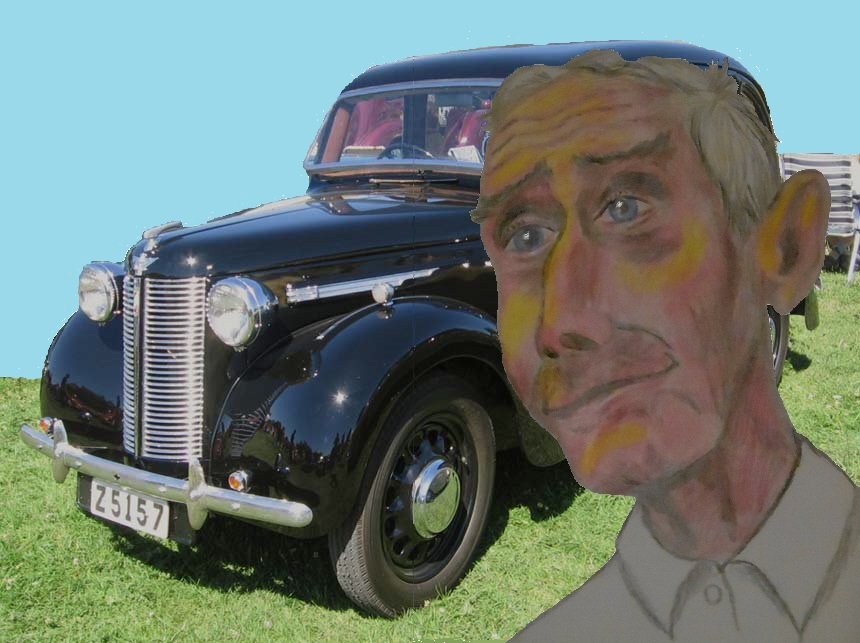
The Paffooney is an illustration for a proposed collaboration on a children’s book. My friend and fellow author Stuart R. West (Stuart’s Blogspot about Aliens) had a story about three kids taking a balloon ride when they accidentally gave the goldfish bubble gum to chew ignoring their mother’s warning that dire consequences would follow. He decided the project was too ridiculous to follow through on, or at least my Paffooney power wasn’t up to making sense of his brilliant literature, and the book did not happen. And I am sorry about that because I couldn’t wait to find out how it turns out. I love weird and wild stories of all kinds. And, unfortunately, I love them uncritically.
So, what kind of books would a goofy uncritical critic actually recommend? Let me lay some bookishness on ya then.
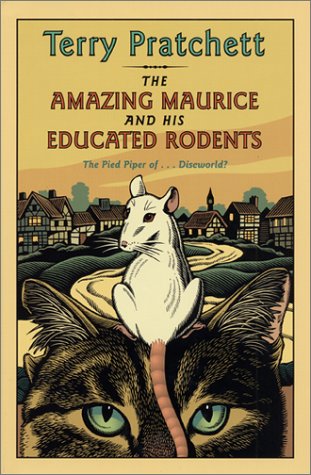
Here is the review I wrote for Goodreads on Terry Pratchett’s The Amazing Maurice and His Educated Rodents.
I have always felt, since the day I first picked up a copy of Mort by Terry Pratchett, that he was an absolute genius at humor-and-satire style fantasy fiction. In fact, he is a genius compared to any author in any genre. He has a mind that belongs up there with Mark Twain, Charles Dickens, and William Faulkner… or down there as the case may well be. This book is one of his best, though that is a list that includes most of his Discworld novels.
Amazing Maurice is a magically enhanced cat with multiple magically enhanced mice for minions. And the cat has stumbled on a sure fire money-making scheme that completely encompasses the myth of Pied Piper of Hamlin. In fact, it puts the myth in a blender, turns it on high, and even forgets to secure the lid. It is funny, heartwarming, and changes the way you look at mice and evil cats.
This is a book to be read more than once and laughed at for the rest of your life.
You see what I mean? I uncritically praise books that make me laugh and think deeply about things at the same time. It is as if I don’t have any standards at all if something is brilliantly written and makes a deep and influential impression on me.
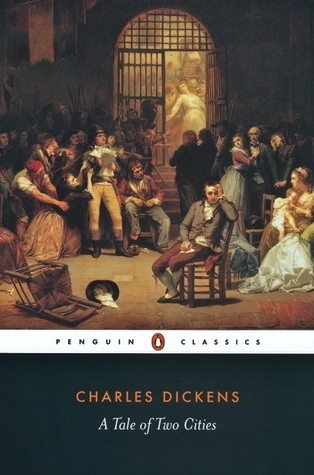
Here’s another book that I love so much I can’t be properly critical when I reread it. A Tale of Two Cities by Charles Dickens. I cannot help but be taken in by the unrequited love the dissolute lawyer Sydney Carton had for the beautiful refugee from the French Revolution, Lucy Manette. Tragic love stories melt my old heart. And I can’t help but root for Charles Darnay as well, even though I know what’s going to happen in Paris at the Bastille because I have read this book three times and seen the Ronald Coleman movie five times. I also love the comical side characters like Jerry Cruncher the grave-robber and hired man as well as Miss Pross, the undefeatable champion of Miss Lucy and key opposer to mad Madam Defarge.
I simply cannot be talked out of praising the books I read… and especially the books I love. I am totally uncritical as a reader, foolishly only looking for things I like about a book. Real critics are supposed to read a book and make faces that remind you of look on my little brother’s face when I had to help him use an outhouse for the first time. (Oh, what a lovely smell that was!) (And I mean that sarcastically!) Real critics are supposed to tell you what they hated about the book and what was done in such a juvenile and unprofessional way that it spoiled all other books forever. That’s right isn’t it? Real critics are supposed to do that? Maybe I am glad I’m not a real critic.
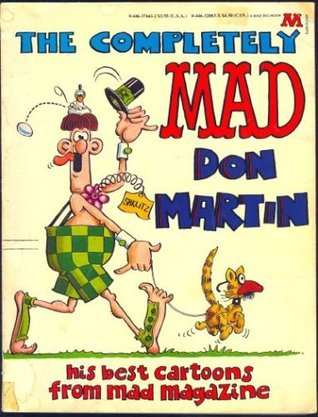







 Catch a Falling Star
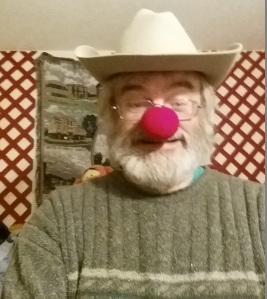
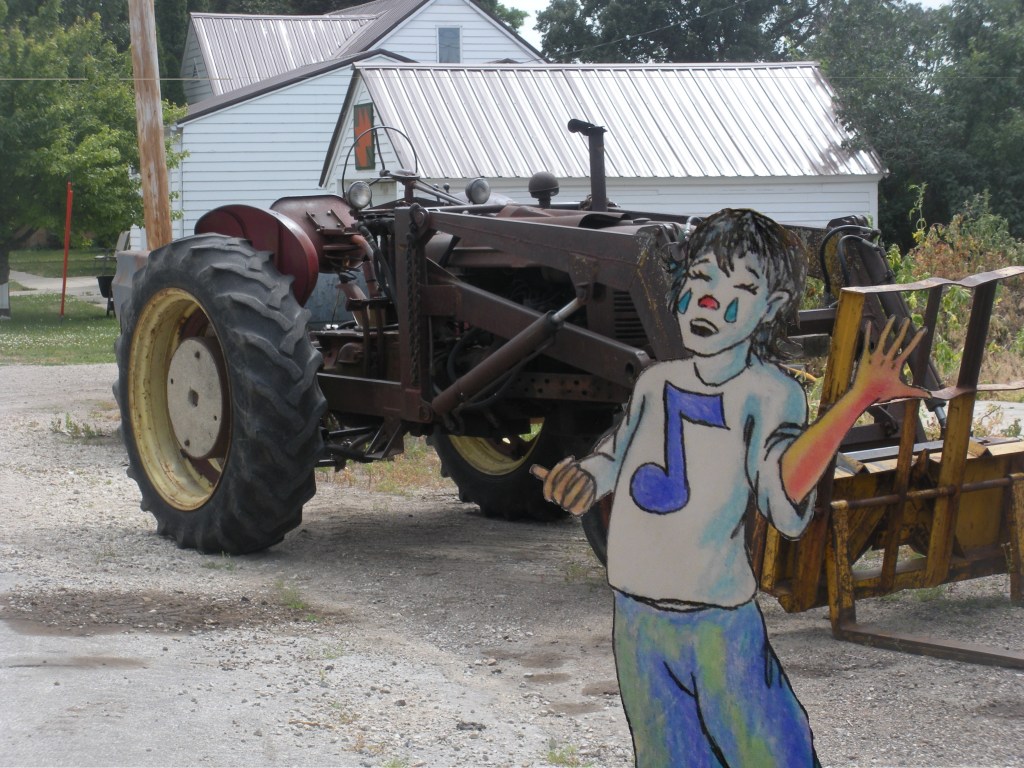
The Case for the Clown
The criminal was led into the courtroom in chains and forced to sit in a box made of metal bars so his influence would not reach out and harm anyone by drawing their sympathy in.
“Mr. Prosecutor,” said the learned judge, “what terrible crime has the perpetrator been charged with?”
“The alleged perpetrator!” objected the defense attorney, a mousy old man who looked like a cross between Santa Clause and Robert E.Lee because of his white beard, stern face, and a twinkle in his eye.
“Shut up please, Mr. Badweather. You will have your turn to speak.” The judge banged his gavel smartly to emphasize the shut-up-ness of his overruling.
“Your honor,” said the prosecutor, “Mister Pennysnatcher Goodlaughs stands accused of being a clown.”
“The people of the State of Texas, home of the free, land of the brave, and place where cowboys can hang their hat on the antlers of a moose they shot in Canada, will prove that Mr. Goodlaughs did willfully, and with malice of forethought, commit acts of supposed humor in order to make people laugh. And we will further prove that in a time of very serious things, he intentionally made light of very serious matters and the very serious men who try to turn those serious things to their exclusive… err, sorry, I mean… everyone’s benefit.”
“Your honor,” said the defense attorney, looking like a cross between Mark Twain and Colonel Sanders, “I would like to request a new venue for this trial. My client will not get a fair trial here.”
“Sir, your stupid request is rejected on the grounds that Mr. Goodlaughs cannot get a fair trial anywhere. We are all conservatives, and are therefore incapable of having a sense of humor. Continue, Mr. Prosecutor.”
“We will show numerous instances of Mr. Goodlaughs putting paint on his face to hide his true features or assume the identity of a character not his own. He has repeatedly used false noses, large shoes, and floppy hats to exaggerate his flaws and scare young children. He repeatedly wears polka-dotted clothing to simulate terrible taste and ridiculous lack of fashion-sense. He employs pratfalls and slapstick humor in his performances, things that, if any school-age child would imitate the behavior, might lead to serious injury or even death. And he has even dared to make fun of our glorious leaders, implying that they make mistakes and may even have hurt people. That they act without thinking about anything but their own pocketbooks. In other words, this clown has knowingly made jokes in order to get people to not take things seriously.”
“Your honor, I object to this jury. I object to the fact that it is made up of fifty percent rednecks and fifty percent kangaroos! My client demands a new, more impartial jury!” cried the defense attorney, looking like a cross between Captain Kangaroo and Ronald Reagan.
“Has anybody noticed?” asked the judge, “that this attorney looks like he could influence this jury unfairly? He looks like two people who could lead the two halves of this jury to the wrong conclusion. Bailiff! Take the defense attorney out back and execute him by firing squad.”
After the entire courtroom heard the gunshots go off, the judge then turned to the prisoner.
“It seems, Mr. Goodlaughs, that the defense’s opening statement is now entirely up to you. Do you have anything to say in your own defense?
“I do, your honor. Ladies and gentlemen, kangaroos and Reagan Republicans of the jury, I submit to you that I have never actually been a circus clown, or wore face paint. Not that I wouldn’t if the opportunity presented itself. I merely claim the right to laugh at anything I think is funny… or can be made funny. Whether I am being what you call a clown, a humorist, a cartoonist, a comedian, a fool, a village idiot, or a witty fellow, I believe I have the right to make light of anything. Life is always better when you can laugh. Especially if you can laugh at yourself.”
“I’ve heard enough,” said the judge. “What say you, jury?”
“Guilty!”
“Yes. And I preemptively waive the prisoner’s right to appeal. Sir, you are guilty, and you shall be executed immediately.”
Everyone in the courtroom breathed a long-awaited sigh of relief.
1 Comment
Filed under clowns, comedians, commentary, foolishness, humor, insight, Paffooney, pessimism
Tagged as clowns, horror, horror-movies, humor, writing