Category Archives: education

Grandma Frozenfield

20160625_103257

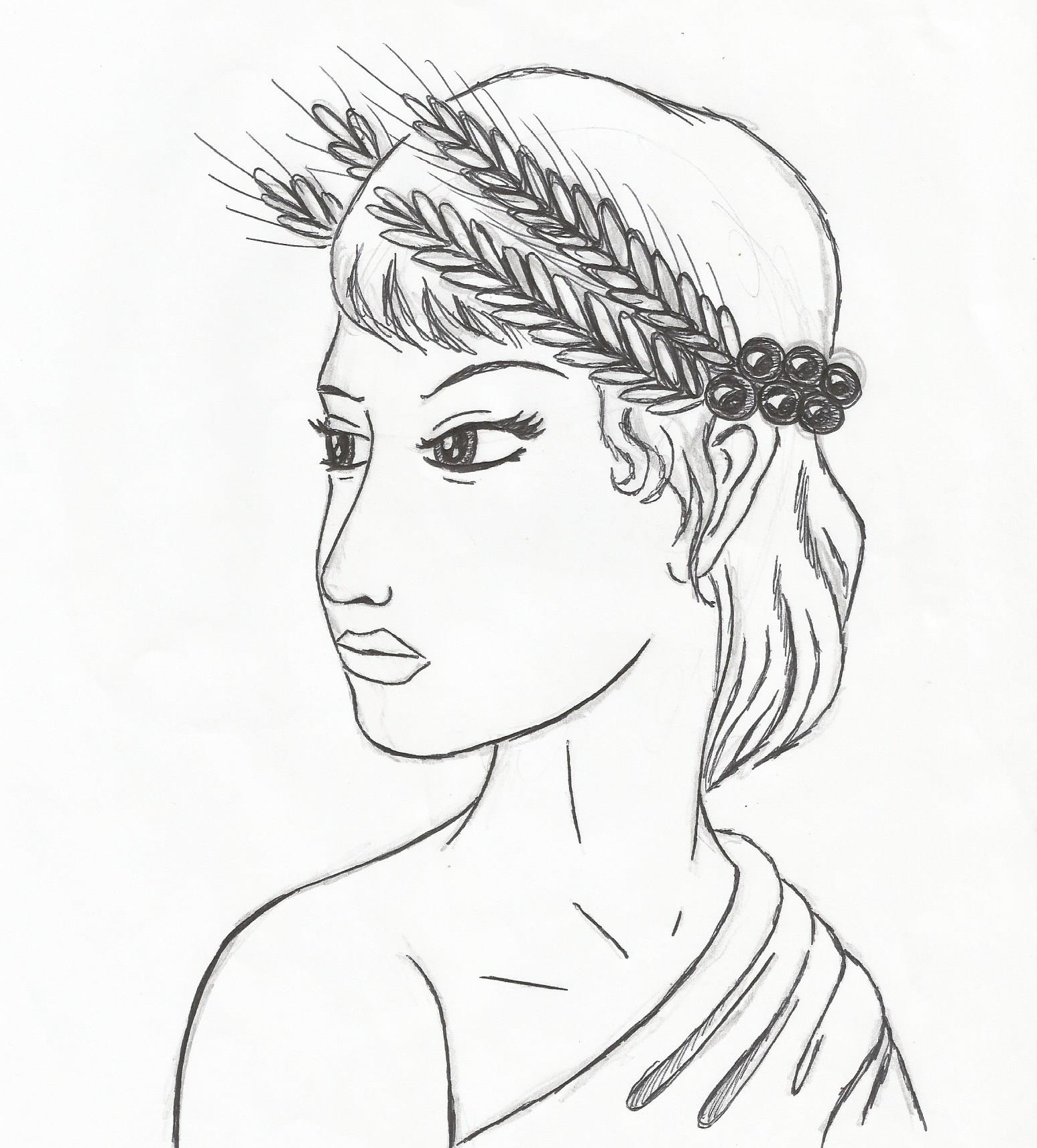
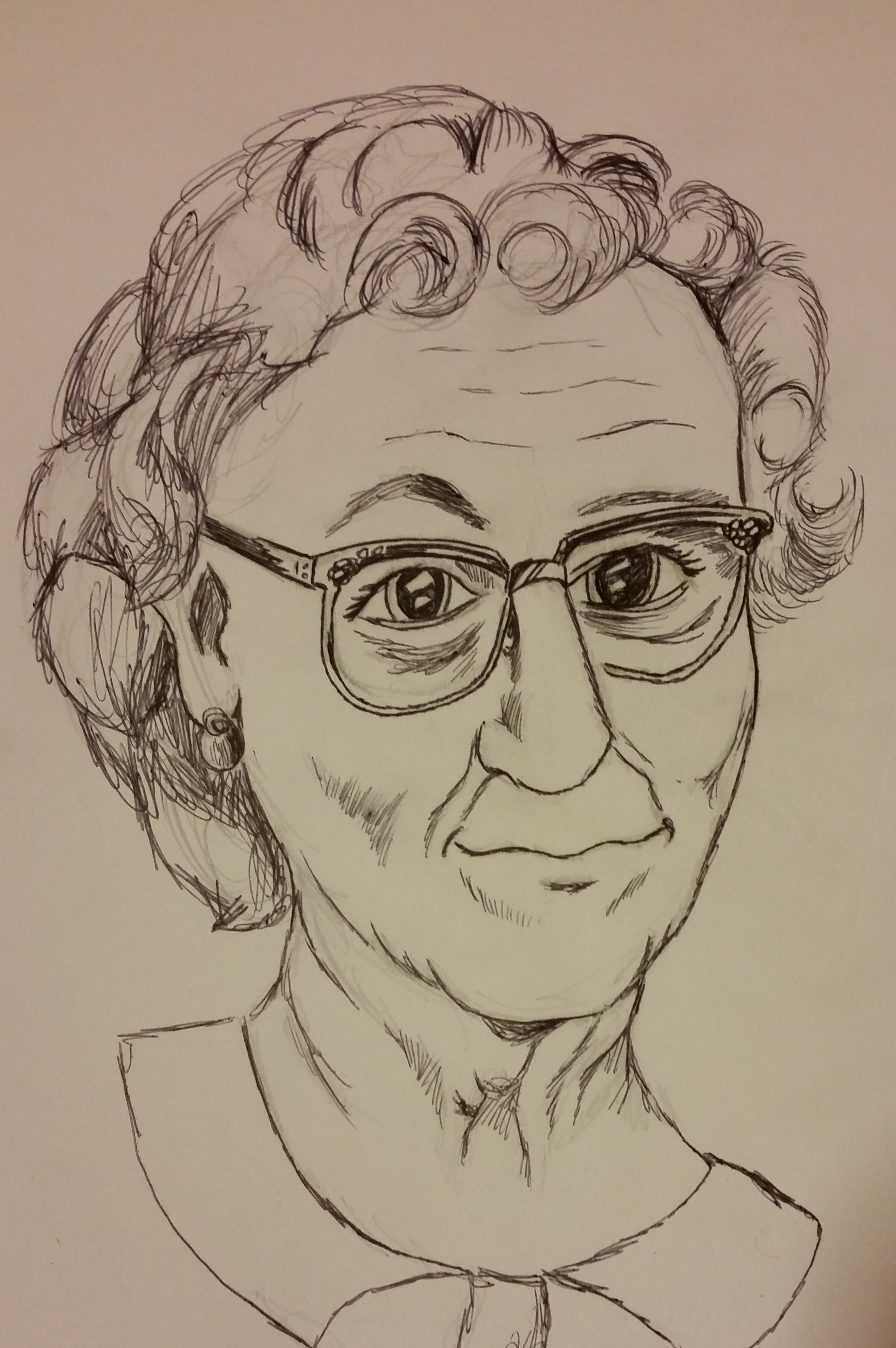
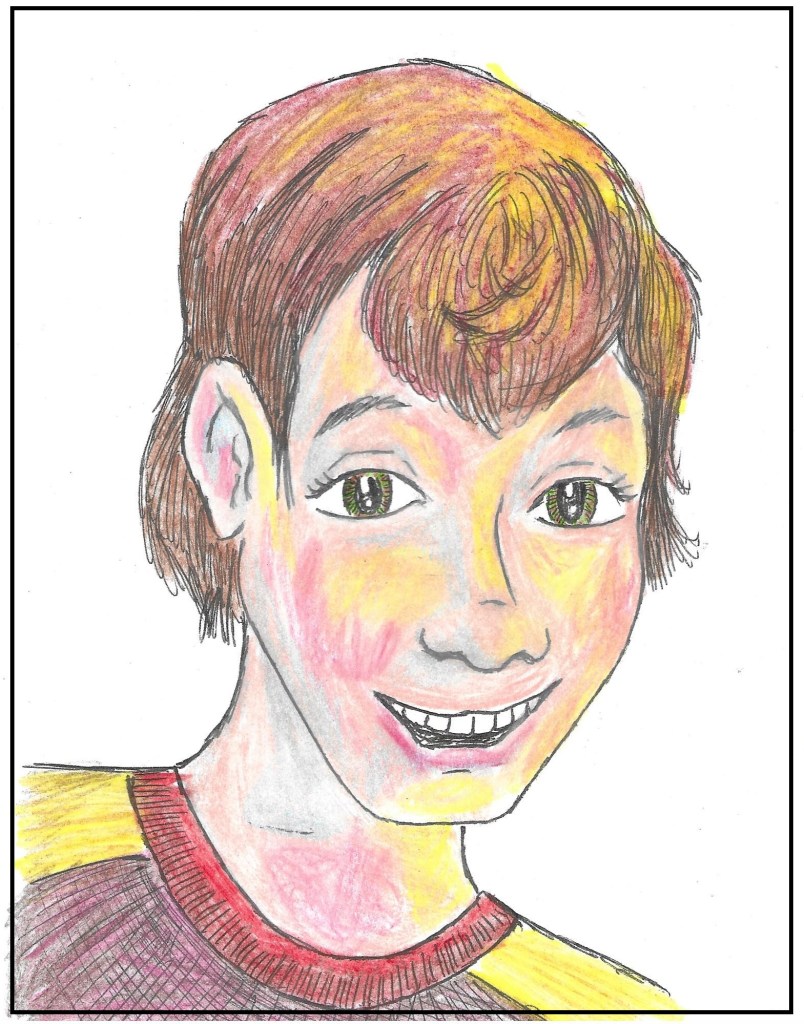
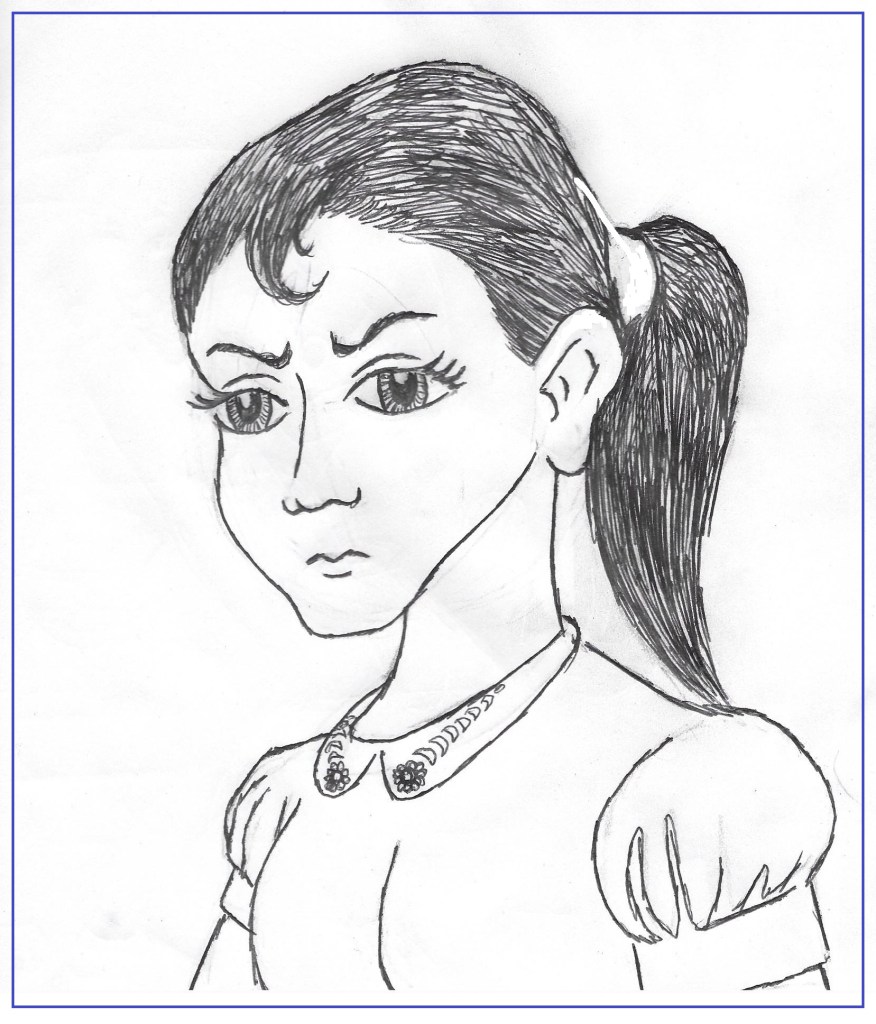
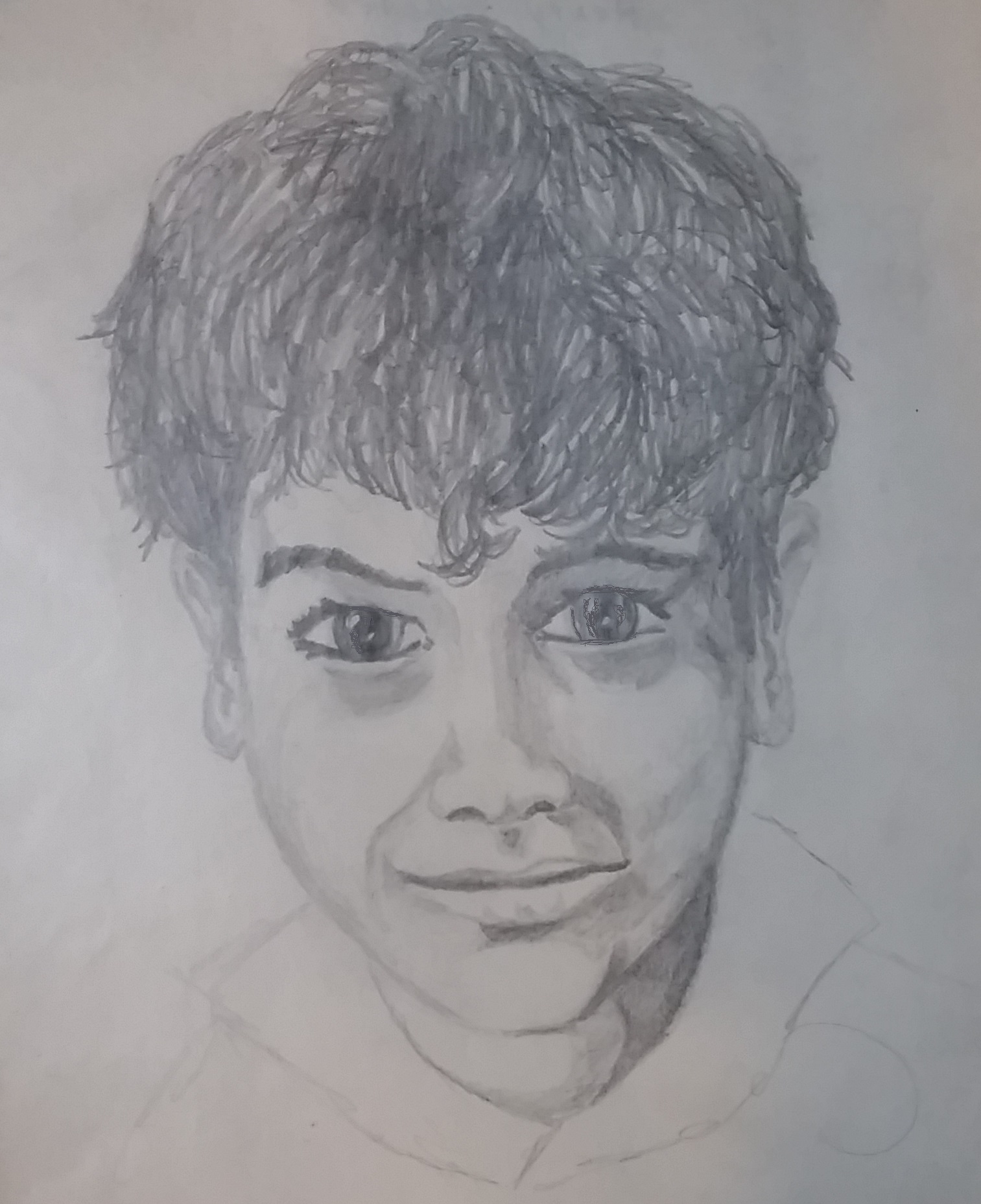
In order to understand this story, you have to have a little bit of background first… a solid sense of context, in order to avoid anyone feeling that I might be ridiculing someone in an unfair or unloving way.  So here’s a bit of context.  I was a teacher for 31 years.  I was considered a good teacher, in fact, a master teacher by something like 28 different principals and assistant principals, while only 3 felt like I was an incompetent mess, and two of those were eventually fired themselves.  I only got fired once.  So it can be safely assumed I know what incompetence in teaching is and can reliably identify it in others.  Further, incompetence in teaching does not make you a bad person.  Far too many people who believe they could be a good teacher have traits that would torpedo their own boat if they actually set sail on the sea of education.  So, even though Grandma Frozenfield was a horrible teacher, she was actually a very nice and caring person, and makes a wonderful character for stories that lovingly make fun of bad teaching.  And I should remind you, I don’t use real names when talking about people from my past so that their privacy is not violated by whatever my artist’s eye might reveal about them.  The portrait I added to this post does not even look like her.

Grandma Frozenfield was a mid-year emergency hire who filled the position of 8th grade math teacher during my first year of teaching.   She was already sixty-eight years old when she came to Cotulla, Texas, and she had five years of previous teaching experience in schools up north.  How she survived five years in schools more competently run than Texas schools in the 80’s, I will never be able to figure out.  She was able to hang on in our school for several years only because we were desperately strapped for warm bodies to teach Math classes in Texas junior high schools.  Only idiots and coaches ever took on the job willingly.

Grandma Frozenfield had seventeen dogs and ninety-nine cats at home.  That right there tells you something about which stereotype she easily fits into.  But she was also a woman of great mystery.  Her father had been a famous college professor in Minnesota.  She had inherited a number of very valuable books from him, and kept them in random boxes stacked in dusty corners of the old run-down house she bought in town.  She was actually quite bright, and though she would have spells of foggy thinking and confusion, she could capably discuss mathematics and physics and other sciences with me.  She had a daughter who showed up during her third year of teaching at our school, and the daughter had a cute little son of about seven years old.  Neither she nor her daughter had ever been married.  In fact, rumor had it the daughter was telling people she was adopted.  And her daughter and grandson disappeared from her life about four years after they started living with Grandma.

But the old lady was a spectacularly bad teacher.  As bright as she was, she could never talk to kids or relate to kids in ways that kids could understand.  She seemed to sincerely hate kids, calling them bad names in the classroom and telling them in detail how they would one day die in prison (a prediction that unfortunately came true for a couple of them).  She would come into the teacher’s workroom after class plastered with spitballs on her back and in her hair.

A couple of the sweeter and more pro-active girls in her classes tried to protect her a bit from vandals and explained lessons to others in class to mitigate the chaos a bit.

She did not engage with students.  Other than a few of the sweeter girls, she did not talk to them about anything but math.  They didn’t understand her, and so they didn’t like her.  She did not know how to monitor a classroom, so the infidels were on a rampage all the time in her room.  It would definitely have felt like being in Hell to be her, teaching in that classroom.  Why she ever wanted to be a teacher, she never said.  I know it was in her family history.  I know she was a caring, lovely individual.  But when she died of throat cancer at 77 it was a lonely and sad thing.  She had been forced to teach until two years before the end because of medical bills.  She was never happy as a teacher that I observed.  But she never missed a day without good reason, either.  Good people don’t necessarily make good teachers.  But she taught me things far beyond the 8th grade math she tried and failed to teach to students.  I don’t think of her often.  But I do think of her.  She and her 17 dogs and 99 cats are all gone now.  But not forgotten.

Leave a comment

Filed under autobiography, characters, education, humor, Paffooney, pen and ink paffoonies, strange and wonderful ideas about life, teaching, Texas

How To Write A Mickian Essay

mickeynose

I know the last thing you would ever consider doing is to take up writing essays like these.  What kind of a moronic bingo-boingo clown wants to take everything he or she knows, put it in a high-speed blender and turn it all into idea milkshakes?

But I was a writing teacher for many years.  And now, being retired and having no students to yell at when my blood pressure gets high, the urge to teach it again is overwhelming.

So, here goes…

c360_2017-01-02-10-17-06-058

Once you have picked the silly, pointless, or semi-obnoxious idea you want to shape the essay around, you have to write a lead.  A lead is the attention-grabbing device or booby-trap for readers that will draw them into your essay.  In a Mickian essay, whose purpose is to entertain, or possibly bore you in a mildly amusing manner, or cause you enough brain damage to make you want to send me money (this last possibility never seems to work, but I thought I’d throw it in there just in case), the lead is usually a  “surpriser”, something so amazingly dumb or off-the-wall crazy that you just have to read, at least a little bit, to find out if this writer is really that insane or what.  The rest of the intro paragraph that is not part of the lead may be used to draw things together to suggest the essay is not simply a chaotic mass of silly words in random order.  It can point the reader down the jungle path that he or she can take to come out of the other end of the essay alive.

Once started on this insane quest to build an essay that will strangle the senses and mix up the mind of the reader, you have to carry out the plan in three or four body paragraphs.  This is where you have to use those bricks of brainiac bull-puckie that you have saved up to be the concrete details in the framework of the main rooms of the little idea-house you are constructing.  If you were to number or label these main rooms, this one you are reading now would, for example, be Room #2, or B, or “the second body paragraph”.  And as you read this paragraph, you should be thinking in the voice of your favorite English teacher of all time.  The three main rooms in this example idea house are beginning, middle, and end.  You could also call them introduction, body, and conclusion.  These are the rooms of your idea house that the reader will live in during his or her brief stay (assuming they don’t run out of the house screaming after seeing the clutter in the entryway).

Teacher

The last thing you have to do is the concluding paragraph.  (Of course, you have to realize that we are not actually there yet in this essay.  This is Room C in the smelly chickenhouse of this essay, the third body paragraph.)  The escape hatch on the essay that may potentially explode into fireworks of thoughts, daydreams, or plans for something better to do with your life than a read an essay written by an insane former middle school English teacher at any moment, is a necessary part of the whole process.  This is where you have to remind them of what the essay is basically about, and leave them with the thought that you want to haunt them in their nightmares later.  The last thing that you say in the essay is the thing they are the most likely to remember.  So you need to save the best for last.

So, here, finally, is the exit door to this masterfully mixed-up Mickian Essay.  It is a simple, and straightforward structure.  The introduction containing the lead is followed by three or four body paragraphs that develop the idea and end in a conclusion that summarizes or simply restates the overall main idea.  And now you know why all of my former students either know how to construct an essay, or have several years left in therapy sessions with a psychiatrist.

Leave a comment

Filed under commentary, education, humor, Paffooney, teaching, writing, writing teacher

I Hope You Dance…

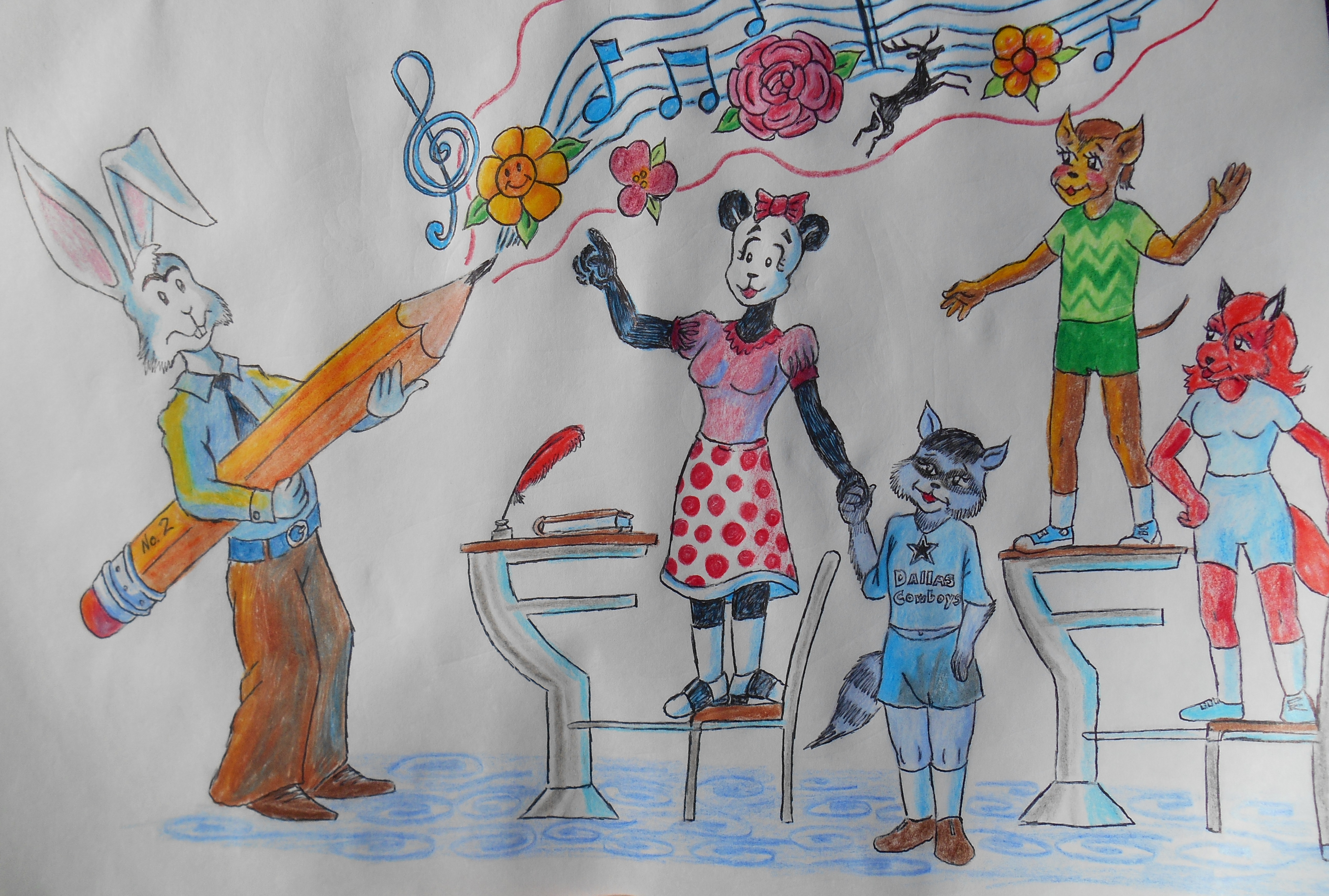
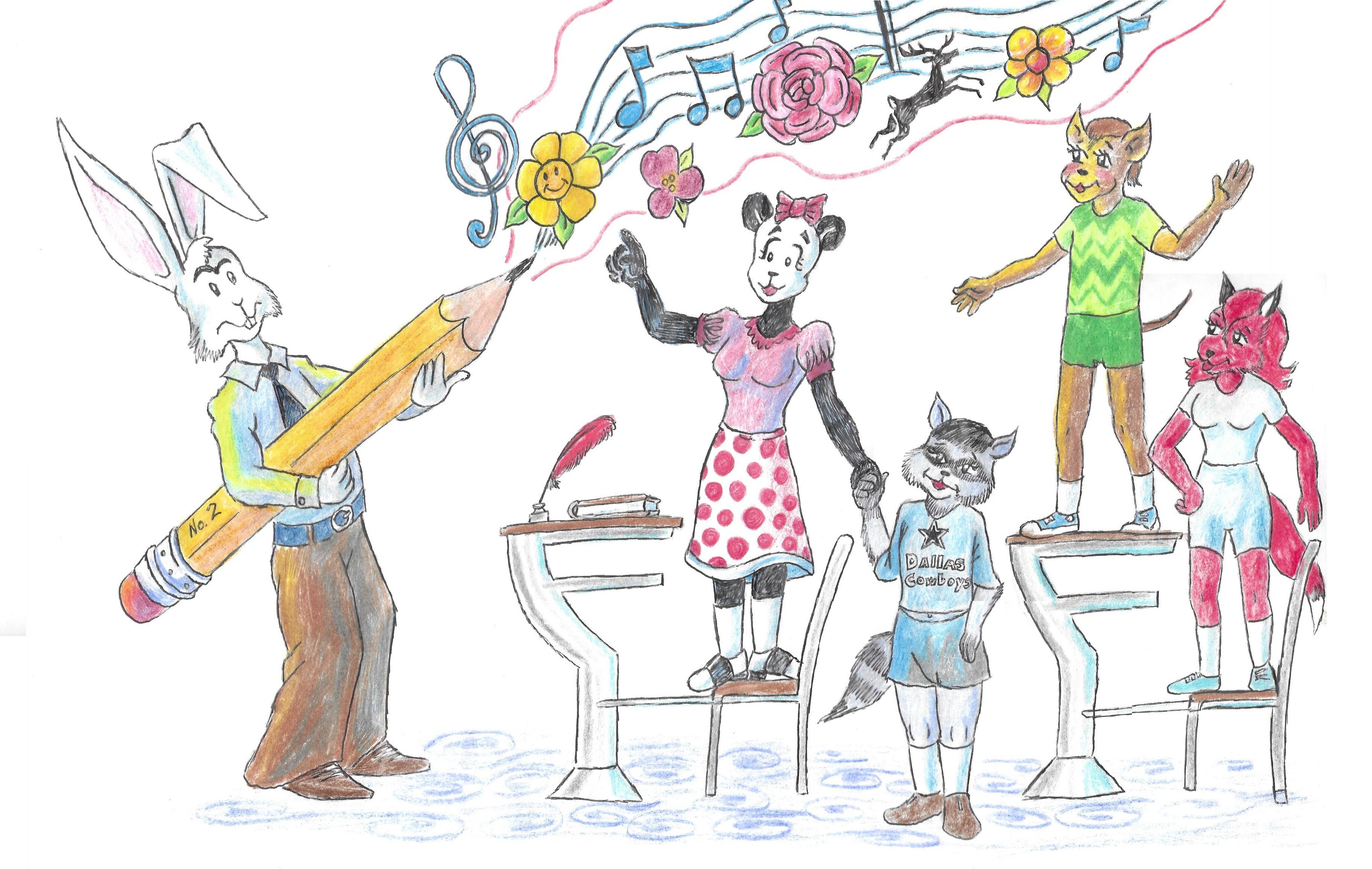
When you walk to the front of the classroom and take up the big pencil in front of a group of young teens and twelve-year-olds, there is a strong pressure to learn how to sing and dance. That, of course, is a metaphor. I was always too arthritic and clunky in my movements to literally dance. But I looked out over a sea of bored and malevolence-filled eyes, slack and sometimes drooling mouths attached to hormone-fueled and creatively evil minds. And I was being paid to put ideas in their heads. Specifically boring and difficult ideas that none of them really wanted in their own personal heads. So I felt the need to learn to dance, to teach in ways that were engaging like good dance tunes, and entertaining in ways that made them want to take action, to metaphorically get up and dance along with me.

I wanted them to enjoy learning the way I did.

But the music of the teacher is not always compatible with the dance style of the individual learner. The secret behind that is, there is absolutely no way to prompt them to dance along with you until you learn about the music already playing in their stupid little heads. (And you can’t, of course ever use the word “stupid” out loud, no matter how funny or true the word is,) You have to get to know a kid before you can teach them anything.

The discordant melodies and bizarre tunes you encounter when you talk to them is like dancing in a minefield blindfolded. Some don’t have enough to eat at home and have to survive off of the nutrition-less food they get in the school cafeteria’s free-and-reduced lunch program. Some of them have never heard a single positive thing from the adults at home, enduring only endless criticism, insults, and sometimes fists. Some of them fall in love you. Some due to hormones. Some due to the fact that you treat them like a real human being. Some because they just stupidly assume that everyone dances to the same tunes they hear in their own personal head.

Some of them automatically hate you because they know that if you hear their own secret music in their own self-loathing heads, you will never accept it. They hate you because you are a teacher and teachers always hate them. Some of them, deep down, are as loathsome as they think they are.

But, if you find the right music, you can get any of them, even all of them, to dance. It might be hard to find. It might be a nearly impossible task to learn to play that music once you find it. But it can be done.

And if you get them to dance to your music, to dance along with you, I can’t think of anything more rewarding, anything more life-fulfilling. Have you ever tried it for yourself? If you are not a teacher, how about with your own children or the children related to you? Everybody should learn to dance this dance I am talking about in metaphors. At least once in your life. It is addictive. You will want to dance more. So the next time the music starts and you get the chance… I hope you’ll dance!

Leave a comment

Filed under commentary, education, kids, metaphor, Paffooney, teaching

Sugar-Free Johnny

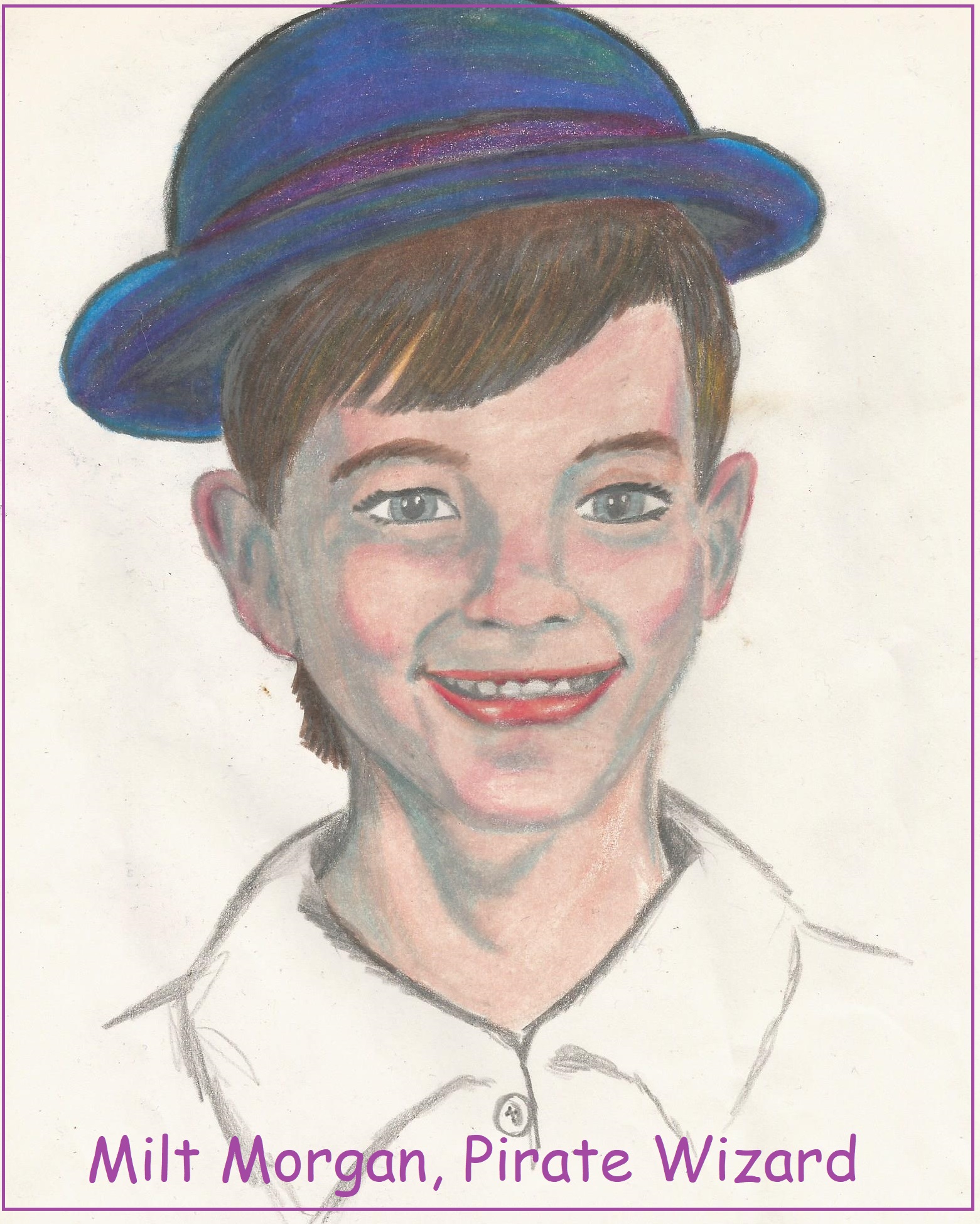
He was one of my all-time favorite students. I know I say that about an awful lot of kids. I can’t help it. Once you get to know them well enough to teach them anything, you tend to be hooked for life. They are your kid. You are their teacher. And that means almost as much as if they were born to you.

I first got to know Johnny on one frightful morning in September of 1984. He was a tiny, frail little seventh-grade boy sitting in the second seat of the second row. And as I was trying to get them to read a short story in the literature book, he kept nodding off, falling asleep. Sleeping is not an effective reading strategy. Three times I tried to wake him up and get him on task. He could have told me then, but he was painfully shy, and the only word I had heard from him was, “Here,” spoken during roll call. So, the fourth time I took him outside the classroom door to ask him what was wrong. He was deathly pale.

“What’s wrong? What do we need to do to make it better?”

He looked towards the boys’ restroom. “I gotta go…”

I told him to go, then followed him down to the restroom because I knew it was something serious. Serious enough to leave my class unattended. But they were deathly quiet, because unlike me, they knew what was wrong. I found him throwing up in the trash can. He told me he was sick in a barely audible voice.

Immediately I went to the office and told the secretary that he was ill.

“They have juice for him in the refrigerator in the ESL room,” Ms. Lawler said. “I’m sorry we haven’t gotten the nurse’s list out to teachers yet. He’s got juvenile diabetes.”

Whoa! I didn’t know much about diabetes then, but I did know it was too deadly of a thing to allow myself not to know everything I needed to know. At the time the school nurse had to take care of all four campuses in the school district, and she was only at the Junior High on Thursdays.

Thankfully, over time, not only did I learn more about handling that disease, but medical science did too. When I would later develop adult-onset diabetes in 2000, treatment for diabetics would become much more effective, rendering the disease far less destructive.

As for Johnny himself, he became a part of the small group of housing-project kids who would come to my apartment on Saturdays, and sometimes after school to hang out, use my computer, and play table-top role-playing games. I made a special effort to engage Johnny in conversations about a little of everything. He was a very bright boy when he felt well. I got to know his seriously diabetic mother too. And his older sister would later become a nurse at the local doctor’s office, so I got to know her as well. Johnny didn’t have a father at the time, which also applied to each of the other boys from the project, except for the Camacho brothers whose father was a seriously depressed Vietnam veteran. I suppose that’s why Johnny became like a son to me, one of five boys who at the time treated me like a second father. I taught him. I entertained him. And occasionally I cooked for him.

One of my two girlfriends at the time that I was mentoring Johnny liked to give him sugar-free candy. She got so accustomed to always having some available at her place that she actually got hooked on it herself.

In school Johnny opened up the way a cactus flower blooms when it gets a little rain. He began to talk to other kids a lot. He made himself into a group leader, and he even went out for high school football. Truthfully, I was amazed by him on the football field. He played defensive back. And he played like a star. I watched him intercept the ball about three times and run it back the other way. The coaches soon felt about him the same way I did. He was part of their family too.

And it turns out that being physically fit practically cures juvenile diabetes.

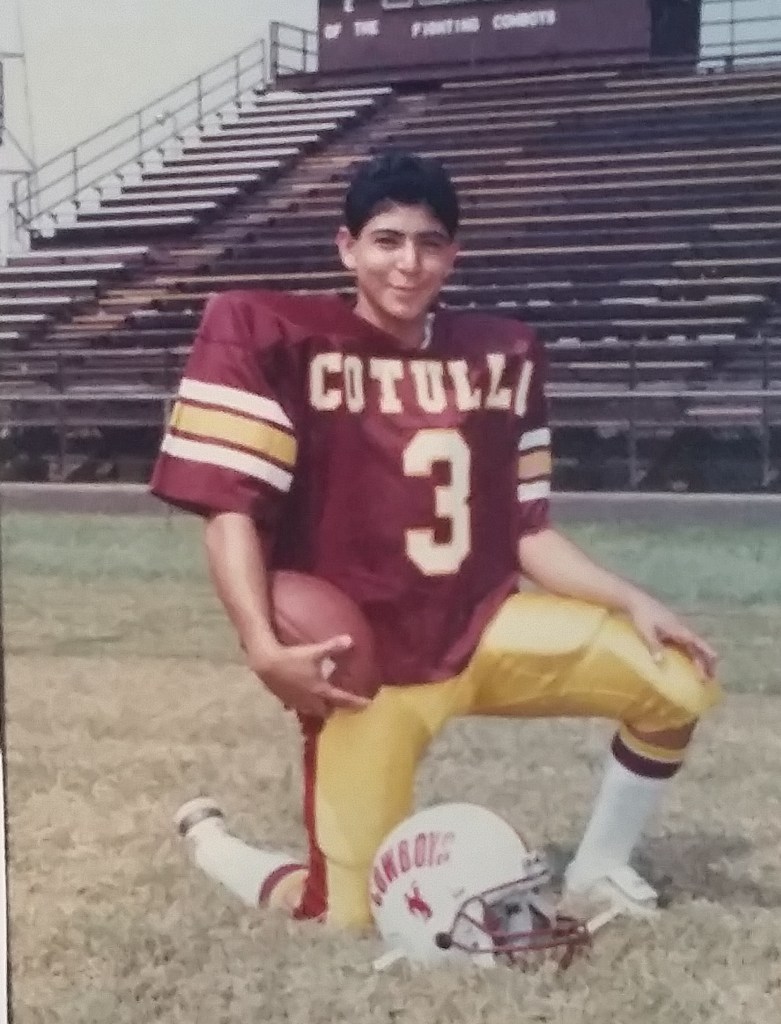
He got stronger and healthier with each season. He gave me the football portrait not because I had anything to do with his success, but because he loved me. I have hugged that boy three times in my lifetime, and each time is a cherished memory that I hope to carry with me to Xibalba, the Mayan Land of the Dead.

When I developed diabetes myself, Johnny’s older sister kept track of my wellness charts herself. Johnny’s family was experienced with handling diabetes, and they looked after me like a member of their family.

The last time I saw Johnny it was in the hallway at school. It was only a year before I left Cotulla for good. He had come especially to see me. I didn’t even recognize him at first because I hadn’t seen him for a decade. I wanted to talk to him and catch up. But I had to pick up my eldest son that day from second grade as he had been ill. I was not feeling well myself. So, I asked for a rain check. He still had that beautiful smile. And he didn’t tell me that that was the only chance he had to see me before leaving town again. It broke my heart when they told me that later.

But I see him again now as I tell you the story of Sugar-Free Johnny. He was probably the sweetest kid I ever taught. He will always be a part of my story. And apparently I am part of his story too.

Leave a comment

Filed under autobiography, education, humor, kids, Paffooney, strange and wonderful ideas about life

How Learning Takes Place

So many people in this society seem to think they know better how to do what a teacher is supposed to do than those people they actually pay tiny amounts of money to for doing decades worth of the job of teaching. “Drill and practice!” “Teach them to pass the sacred State test!” “They need to diagram sentences!” “Endless practicing of math problems like long division!”

I need to be clear about this. Those people who have never stood in front of a class of thirty to thirty-five kids who are immensely stupid with a criterion-referenced State test hanging over their heads and no help with the cannibals and criminals embedded in every class need to shut up and hear this;

You need to know WHAT TO TEACH, WHY THEY NEED TO KNOW IT, AND HOW THEY WILL LEARN IT!

Was that said clearly and loud enough? I wrote the important parts in ALL CAPITAL LETTERS!

By the time they reach second grade, they should all be reading at the second-grade level. Memorization of the alphabet, addition, subtraction, and multiplication tables should be reinforced, but pretty well mastered by that time. So, mere memorization skills need to be firmly in place, ready to move on to higher-order thinking skills.

In the third grade, they should already be moving on to applying reading strategies, like rereading, looking for main ideas, and interpreting compound and complex sentences (like this one.) Also, they should use the application of simple formulas in math, (2+3) x 5 = 25, and apply the directions in a recipe to the successful baking of chocolate-chip muffins.

By fourth grade they should be moving on to being able to think more abstractly, using deduction, inference, prediction of outcomes, and synthesis of ideas.

In fifth and sixth grades they should already be moving from concrete and literal thinking to abstract and metaphorical thinking.

The emphasis should not be on creating semi-competent minimum-wage workers at McDonald’s and Walmart. It should be on teaching everyone to think critically and be capable of complex problem-solving. They need to be capable of telling fact from fiction and evaluating their own conclusions and solutions to problems. In other words, they need to be ready to form unions, demand higher wages at Walmart and Dollar Tree, and tend to their own interests in the business world, just like no corporate CEO ever wants them to do.

What makes a fact a fact is that it can be verified as either true or false in a consistently repeatable manner. Every fact needs to be tested and retested. Even proven facts need to be doubted, re-proven, and even nuanced when new evidence or random anomalies occur.

Again, I hope I am being clear and loud enough to get the point across. This is the whole basis of the Scientific Method which you need to understand before we proceed to WHY THEY NEED TO KNOW IT in Part Two. That follows logically because we just finished discussing WHAT THEY SHOULD BE LEARNING.

So, bear with me as I continue to pontificate and elucidate things all good teachers know about teaching even if they only know it by instinct. I am going to be preachy and unkind just as stupid people who think they know the teaching job better than I do tell me about it constantly, only with a strong wind blowing in the opposite direction. I taught middle school and high school English for 31 years, taught every subject except foreign languages as a substitute teacher for three and a half years, and was both the head of an English department and a Gifted and Talented program for a good portion of the thirty-one years. I was even an ESL teacher for well over a decade, teaching English to non-English speakers. I am probably not as dumb as you think I am, and certainly as certain that I am right than any of the people who argue with me have any ghost of a chance of being.

Leave a comment

Filed under angry rant, education, grumpiness, humor, kids, Liberal ideas, strange and wonderful ideas about life, teaching

Telling Teacher Stories

My Art

Here’s a secret that is only a secret if you are one of the well-over-six-billion people that don’t know I exist; I loved being a public school teacher.  I taught for 31 years.  24 years of that was in middle school.  I taught more than 1000 different seventh graders.  And I loved it.

Please don’t reveal this secret to any mental health professionals.  I like my freedom.  And I am really not dangerous even after teaching that many seventh graders.  I promise.

But it has left me with a compulsion.  I confess it is the reason I write humorous young adult novels and why I continue to write this blog.  I have to tell teacher stories or I will surely explode.

I have to tell you not only about the normal kids I taught, but the super-brainy mega-nerds I taught, the relatively stupid kids I taught, the honor students, the autistic kids, the kids who loved to sleep in class, the classroom clowns that tried to keep them awake, the kids who loved my class, the kids who hated my class, the times I was a really stupid teacher, the times I achieved some real milestones for some wonderful kids, the kids I still love to this day, the kids I tried really hard to love, but…. (well, some kids not even a mother could love), the drug dealers I had to protect my class from, the kids who talked to me about suicide and abuse and horrible things that still make me cry, the kids I lost along the way, and, well, the list goes on and on but this is an epic run-on sentence and the English teacher inside me is screaming at the moment.

You get the idea.  Like most writers… real writers, not hacks and wannabees, I write because I have to.  I don’t have a choice.  No matter what it costs me.  And what do I have to talk about in writing except being a school teacher and the almost infinite lessons that experience taught me?

I loved being the rabbit holding the big pencil in the front of the classroom.  And that metaphor means, as crazy as it sounds, I loved being a teacher.


Leave a comment

Filed under autobiography, commentary, education, humor, kids, Paffooney, teaching

The Wolf in My Dreams

wolfgirl

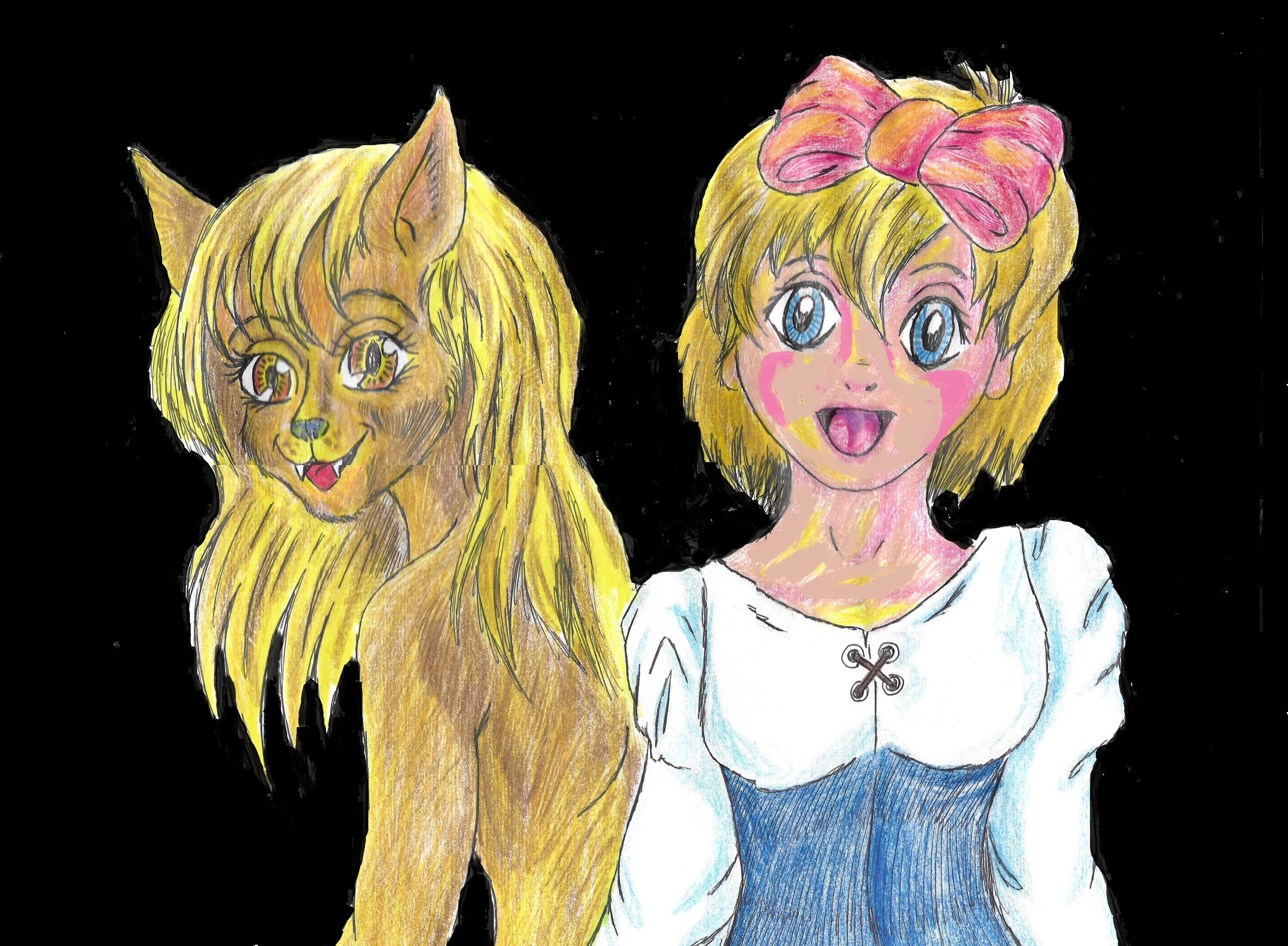
Rosemary Hood was a bright, blond seventh grader who entered my seventh-grade Gifted English class in September of 1998.  She introduced herself to me before the first bell of her first day.

“I am definitely on your class list because my Mom says I belong in gifted classes.”

“Your name is Rosemary, right?”

“Definitely.  Rosemary Bell Hood, related to the Civil War general John Bell Hood.”

“Um, I don’t see your name on my list.”

“Well, I’m supposed to be there, so check with the attendance secretary.  And I will be making A’s all year because I’m a werewolf and I could eat you during the full moon if you make me mad at you.”

I laughed, thinking that she had a bizarre sense of humor.  I let her enter my class and issued her copies of the books we were reading.  Later I called the office to ask about her enrollment.

“Well, Mr. Beyer,” said the secretary nervously, “the principal is out right now with an animal bite that got infected.  But I can assure you that we must change her schedule and put her in your gifted class.  The principal would really like you to give her A’s too.”

So, I had a good chuckle about that.  I never gave students A’s.  Grades had to be earned.  And one of the first rules of being a good teacher is, “Ignore what the principal says you should do in every situation.”

But I did give her A’s because she was a very bright and creative student (also very blond, but that has nothing to do with being a good student).  She had a good work ethic and a marvelous sense of humor.

She developed a crush on Jose Tannenbaum who sat in the seat across from her in the next row.  He was a football player, as well as an A student.  And by October she was telling him daily, “You need to take to me to the Harvest Festival Dance because I am a werewolf, and if you don’t, I will eat you at the next full moon.”

All the members of the class got a good chuckle out of it.  And it was assumed that he would. of course, take her to the dance because she was the prettiest blond girl in class and he obviously kinda liked her.  But the week of the dance we did find out, to our surprise, that he asked Natasha Garcia to the dance instead.

I didn’t think anything more about it until, the day after the next full moon, Jose didn’t show up for class.  I called the attendance secretary and asked about it.

“Jose is missing, Mr. Beyer,” the attendance secretary said.  “The Sherrif’s office has search parties out looking for him.”  That concerned me because he had a writing project due that day, and I thought he might’ve skipped school because he somehow failed to finish it.  When I saw Rosemary in class, though, I asked her if, by any chance, she knew why Jose wasn’t in class.

“Of course I do,” she said simply.  “I ate him last night.”

“Oh.  Bones and all?”

“Bone marrow is the best-tasting part.”

So, that turned out to be one rough school year.  Silver bullets are extremely expensive for a teacher’s salary.  And I did lose a part of my left ear before the year ended.  But it also taught me valuable lessons about being a teacher.  Truthfully, you can’t be a good teacher if you can’t accept and teach anyone who comes through your door, no matter what kind of unique qualities they bring with them into your classroom.

Leave a comment

Filed under education, horror writing, humor, Paffooney

Translating Texican

20160722_154518

I came to Texas from Iowa.  I was well-versed in how to speak Iowegian.  (I was, don’t-ya-know, and spoke it fluently, you-betcha.)

Then I arrived, fresh-faced and ready to change the world as a twenty-five-year-old teacher, and began working in a mostly Hispanic middle school in deep South Texas.  Dang!  Whut language do they speak?  (Yes, I know… Spanish.  But my students straight from Mexico couldn’t understand the local lingo either. South Texas Spanish and Castilian Spanish from Mexico are not the same language.)  I couldn’t talk to the white kids either.   It is possible to communicate with Texicans, but it took me years to learn the language.  It takes more than mere usage of “ya’ll” and “howdy”.

untitled

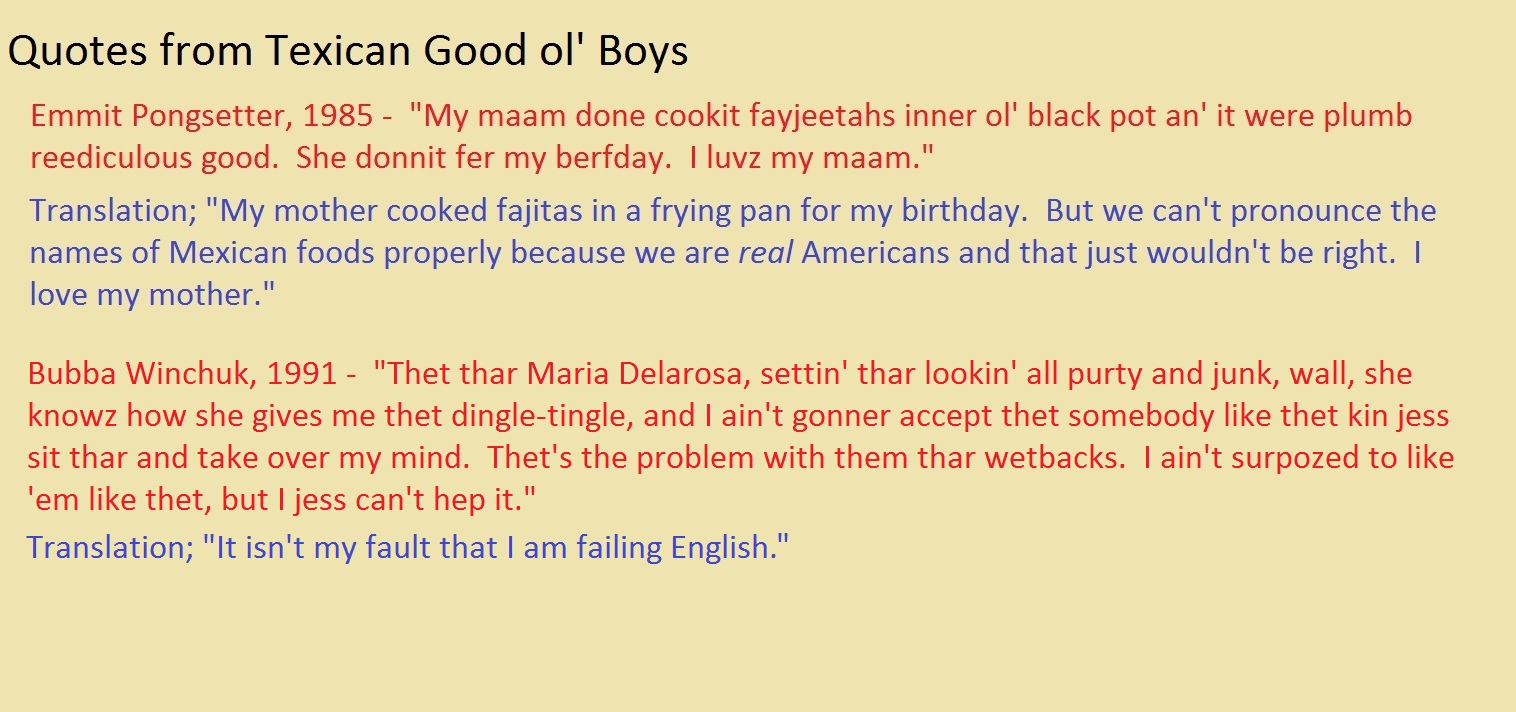
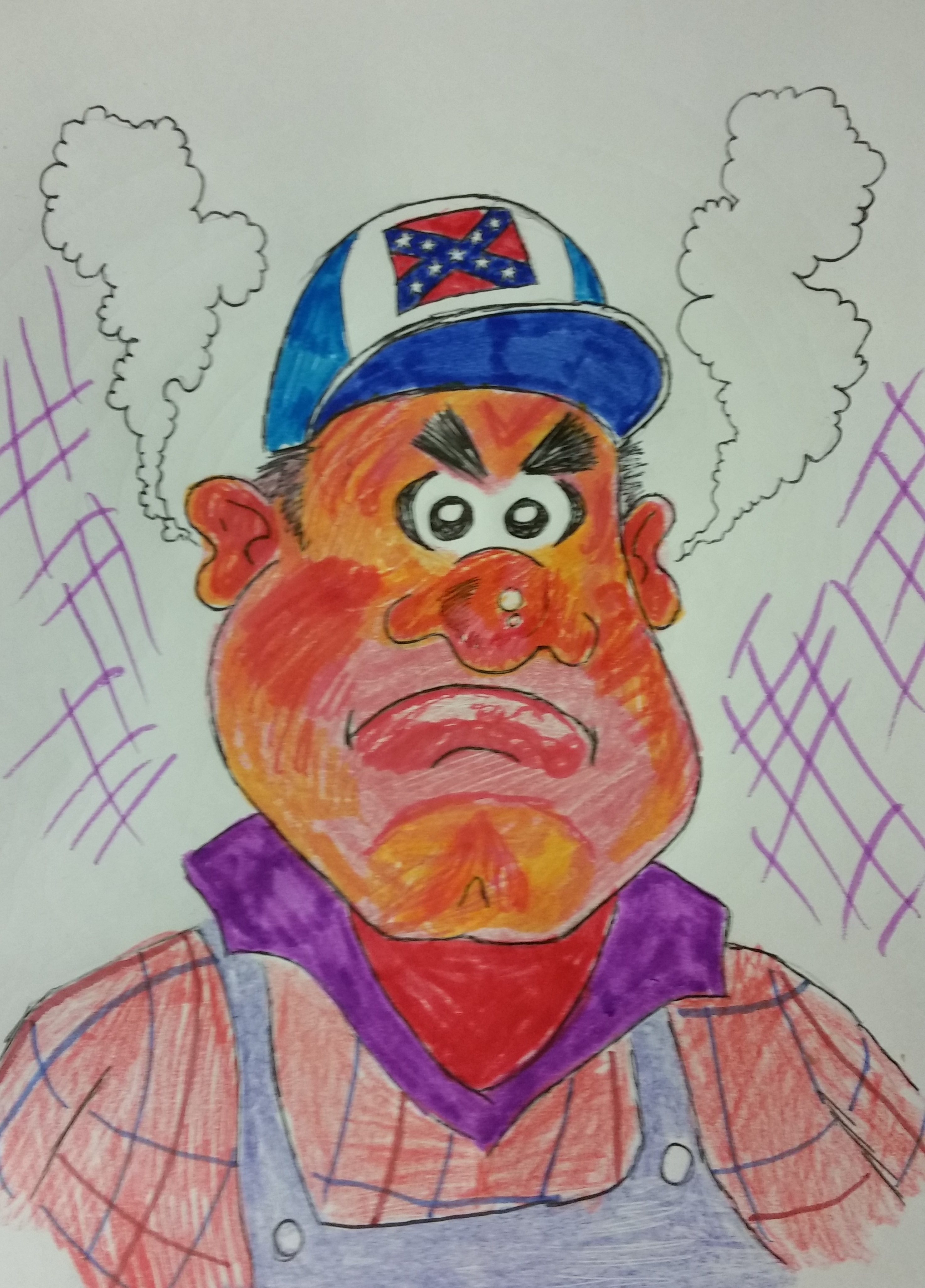
You can probably see what I mean when you look at these fake quotes based on the things real Texicans actually once said to me.  Of course, I can be accused of being a racist by interpreting things this way.  Texicans are concerned that you understand that they are not racists.  They merely rebel against being “politically correct”.  Apparently the political-correctness police give them all sorts of unfair harassment about speaking their minds the way they always have.  I should note, however, that I had to use a quote from Bubba rather than Dave Winchuk.  Dave is so anti-political-correctness concerned that he regularly said to me things with so much racial heat in them that they would even melt the faces off white people.  Face-melting is bad.  If you don’t believe me, re-watch the end of Raiders of the Lost Ark.

redneck-friends

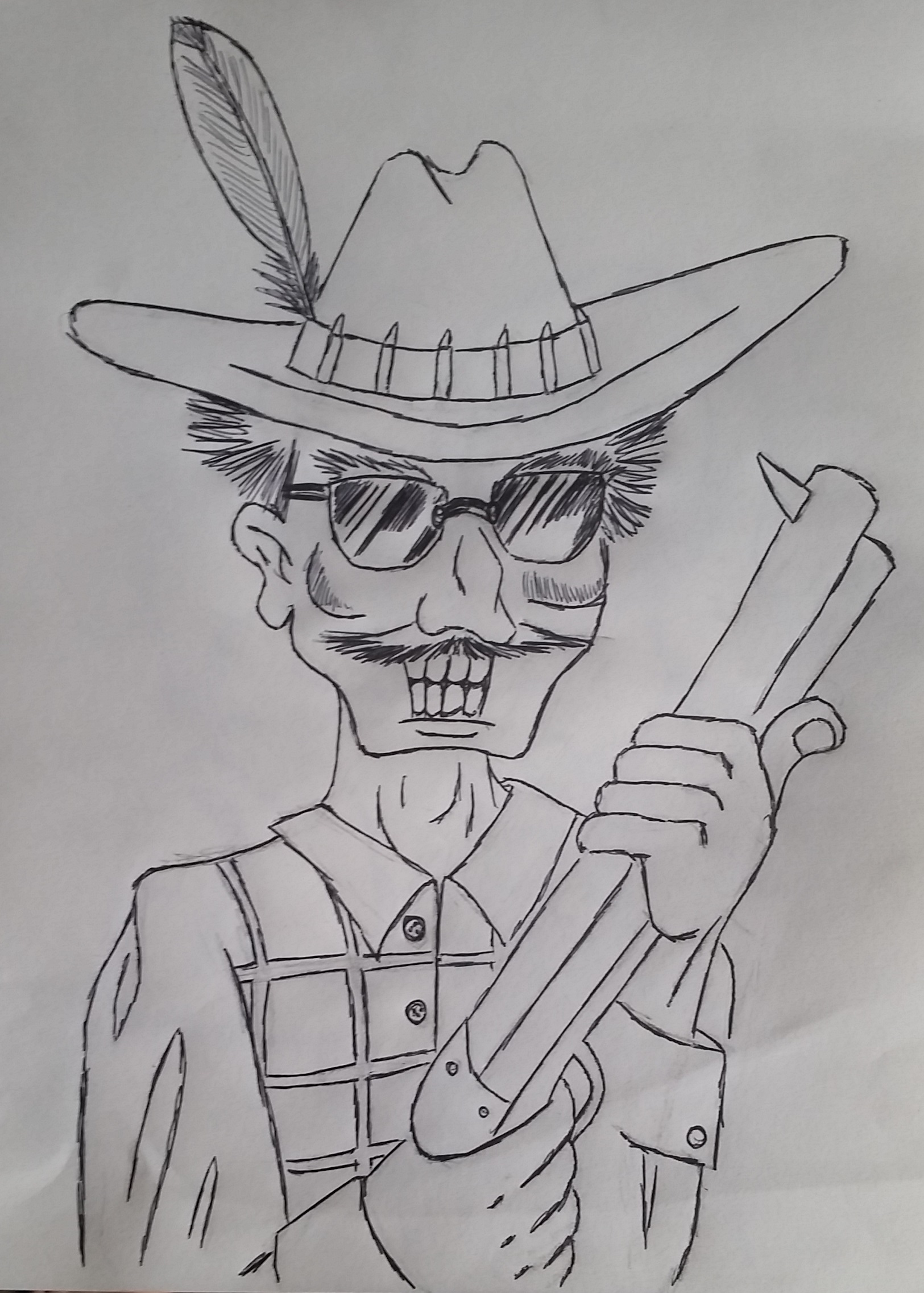
And to speak Texican, you must actually learn a thing or two about guns.  Yes, Texas is an open-carry State.  Apparently, Second Amendment rights are the most important rights in the Constitution.  My two sons grew up in Texas; the oldest is a Marine, and the younger is in the Air Force.  Guns are important to them.  I have those same arguments with former students, too.  I have learned to say the right things so that they will tolerate my unholy pacifist ideas about how the world might be safer if everybody didn’t have five guns in the waistbands of their underpants.  So gun-stuff ends up as a part of the Texican language I have learned to speak.

The point of it all is, language is a fascinating thing that grows and changes and warps and regresses.  I love it.  I try to master it.  And the mistakes I make usually sound purty funny.

Leave a comment

Filed under angry rant, education, gun control, humor, irony, kids, Paffooney, red States, self pity, strange and wonderful ideas about life, Texas

Being Ignored

I have never been an attention-seeker. In the Elysian Fields of modern society, I have never really been the honeybee. I have always been the flower. I had a reputation in high school for being the quiet nerd who ends up surprising you immensely in speech class, at the science fair, or at the art show. I was the one they all turned to when everybody in the conversation had already had their chance to strut and pontificate and say dumb things, and they were finally ready to get the solution to the problem being discussed, or the best suggestion on where to begin to find it.

When I became the teacher of the class instead of the student, I had to make major changes. I had to go from being patient, quiet, and shy to being the fearless presenter, forceful, sharp as an imparter of knowledge, and able to be easily understood, even by the kids whom you couldn’t legally call stupid, but were less than smart, and not in a pleasant Forrest Gump sort of way.

Shyness is only ever overcome by determination and practice. The standard advice given is to picture your audience naked so that you are not intimidated by them. But if your audience is seventh graders, you have to be extra careful about that. They are metaphorically naked all the time, ready at a moment’s notice to explode out of any metaphorical clothing they have learned to wear to cover the things that they wish to keep to themselves about themselves. And while you want them to open up and talk to you, you don’t want the emotional nakedness of having them sobbing in front of the entire class, or throwing things at you in the throes of a mega-tantrum over their love-life and the resulting soap operas of betrayal and revenge. And you definitely don’t want any literal nakedness in your classroom. (Please put your sweat pants back on, Keesha. Those shorts are not within the limits of the dress code.) Calling attention to yourself and what you have to say, because you are being paid to do so, is a critical, yet tricky thing to do. You want them looking at you, and actually thinking about what you are saying (preferably without imagining you naked, which they will do at any sort of unintentional slip or accidental prompting.) The ones who ignore you are a problem that has to be remedied individually and can eat up the majority of your teaching time.

I trained myself to be fairly good at commanding the attention of the room.

But now that I am retired, things have changed. I can still command attention in the room, which I proved to myself by being a successful substitute teacher last year. But I no longer have a captive audience that I can speak to five days a week in a classroom. Now my audience is whoever happens to see this blog and is intrigued enough by the title and pictures to read my words.

Now that I am retired and only speaking to the world at large through writing, I am ignored more than ever before. Being ignored is, perhaps, the only thing I do anymore. It is the new definition of Mickey. Mickey means, “He who must be ignored. Not partially, but wholly… and with malice.”

I put my blog posts on Facebook and Twitter where I know for a fact that there are people who know me and would read them and like them if they knew that they were there. But the malevolent algorithms on those social media sites guarantee that none of my dozens of cousins, old school friends, and former students will see them. Only the single ladies from Kazakhstan and members of the Butchers Union of Cleveland see my posts. Why is this? I do not know. Facebook and Twitter ignore me when I ask.

My books, though liked by everybody who has actually read and responded to them, are lost in a vast ocean of self-published books, most of which are not very good and give a black eye to self-published authors in general. I recently got another call from I-Universe/Penguin Books publishers about Catch a Falling Star, the one book I still have with them. They are concerned that my book, which is on their Editor’s Choice list, is not performing as well as their marketing people think it should. But to promote it, I would have to pay four hundred dollars towards the marketing campaign, even though they are already subsidizing it by fifty percent. They tell me they believe in my book. But apparently not enough to pay for 100% of the promotion.

I have decided to invest in a review service that will cost me about twenty dollars a month. But my confidence is not high. The last time I paid somebody to review a book, they reviewed a book with the same title as mine from a different author. That service still owes me money.

But the only reason it is a problem that I am being thoroughly ignored these days is that an author needs to be read to fulfill his purpose in life. Maybe pictures of pretty girls in this post will help. But, even if they don’t, well, I had their attention once upon a time. And since my purpose as a teacher is already fulfilled, perhaps that will be enough for one lifetime.

Leave a comment

Filed under artwork, autobiography, education, humor, Paffooney, publishing, teaching

The Lyrical Imperative

Creativity

I am always amazed by the fact that things which are inherently silent in nature make music in your mind.  Writing is like that for me.  Drawing is like that.  And so is photography.  That is an actual musical score from Chopin in the background.  My son recognized it from a book of piano pieces I bought for him because he reads music and can turn those squiggle-bugs on the fence into the right plinkety-plunks on a keyboard.  But there is more music in that picture besides.  The nude young girl at the keyboard softly rendered in velvety colored pencil tones is also musical in nature, for more than just the fact of fingers on a silent colored pencil keyboard.  The lyrical loops of black and yellow in the wings of the tiger swallowtail butterfly also make music in my head, sprightly piano music like Chopin’s, or possibly Vivaldi’s violins.

Did you listen to the music?  I don’t mean Vivaldi’s, although if you haven’t heard it, you certainly should.  I mean the music in the words.  The music has to be there for me for the writing to be good.  That’s why I consider Ray Bradbury and Walt Whitman to be masters and Stephenie Meyer and E. L. James to be unreadable hacks.  The beat and the flow of the words need to be patterned and patient and wily.   Do you not hear it in that last sentence? The alliteration of the first two adjectives set off by the counterpoint of the stressed-unstressed beats of the third?  How can I explain this?

Iambic pentameter is the true genius of Shakespeare’s plays.  What the heck is iambic pentameter, you ask?  Well, I realize you have probably never needed to teach poetry to seventh graders, a truly impossible but infinitely rewarding task.  So let me tell you.  Units of stress called iambs consist of an unstressed syllable followed by a stressed syllable.  So naturally, if iambs are put into pentameter, then there must be five of them in a line of iambic pentameter poetry.  It is a simple, rhythmic way to say something profound and interesting.  The classic example is the first line of Shakespeare’s Sonnet 18;

Shall I compare thee to a summer’s day?

Translating that into X’s and O’s where X=stressed and O=unstressed;

O X O X O X O X O X

It’s simple, five oxes, all in a line.  Except that last one about oxes is actually O X O X X O O O O X, a less simple pattern, yet still organized on the beat.  Two iambs, a dactyl and an anapest.  Okay, now I am talking like a poetry geek, and I have to stop it before I hurt someone.

The whole point is, words should be musical, even when they are not the words to a song.  And now I must close on the verge of starting a ten-thousand word thesis.  I shall shut up now.  Here endeth the lesson.

Leave a comment

Filed under colored pencil, education, foolishness, goofy thoughts, humor, metaphor, music, Paffooney, poetry, strange and wonderful ideas about life