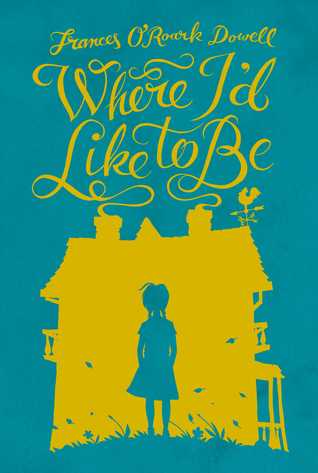
This book made me cry—and that is not unusual, even though I am a 68-year-old man. A Tale of Two Cities by Charles Dickens made me cry—at the end, not during the funny parts. But this book was about a lonely eleven-year-old girl trying to make friends. Why should that make me cry?
But it is also a bittersweet tale of memorable child characters who have nowhere left to turn but each other, and their imaginations. The poetic sting of it can make a grown man cry. You should read it. You will understand then.
I like to think that I am different than other readers, that the quirky, insane way I practice reading makes me somehow unique and individual. But if you have read very much of my goofy little blog, you probably realize already that I am a deeply deluded idiot most of the time. So let me explain a little about how I go about reading.
I am basically guilty of reading anything and everything I can get my hands on. And the stupid internet puts an infinite variety in your hands. Some of it is toxic and probably will kill me… or land me in jail. (Does the NSA really care about what Mickey is reading?)
Here is an example of my internet reading this morning; Diane Ravitch’s Education Blog , An Article from British Naturism, Rachel Poli’s Article about Fantasy Writing, and Naked Carly Art’s post about creating a painting. My browser history portrays me at times as some kind of communist brainiac pornography-loving terrorist painter or something. I hope the NSA is using telepaths to investigate me, because the reasons I look at a lot of this stuff is important. It is a good thing I don’t write mystery novels so they would be upset down in the NSA break room about my searching out creative ways to kill people.
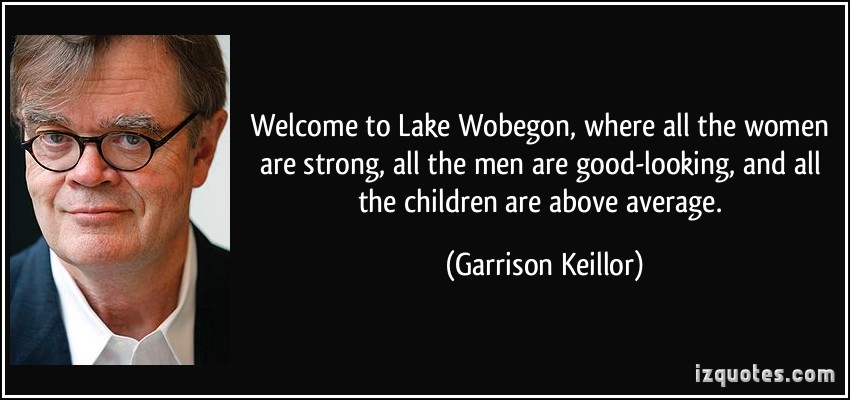
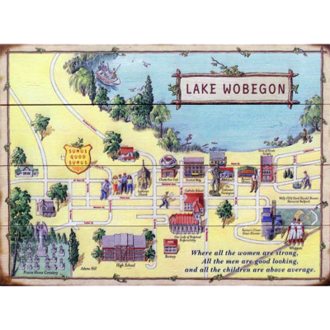
Besides being Eclectic with a capital “E”, I am also obsessive. My daily reading project now is Garrison Keillor’s novel, Lake Wobegon Days.
I only spend about an hour a day reading this novel, but I am totally immersed in it. I am living inside that book, remembering the characters as real people and talking to them like old friends. I tried to read that book before and couldn’t make progress because I like so much to listen to Keillor tell stories on A Prairie Home Companion on the radio and it just wasn’t the same entirely in print. When he tells a story, he pauses a lot. In fact, that moment when he stops to let you reflect on what he just said is critical to the humor because you have to stop and savor the delicious irony of the scene. His pauses are funnier than the words. Man, if he just stood there and didn’t talk at all, you would probably die laughing from it. So, in order to get into the book, I had to read it with Garrison’s voice in my head, pausing frequently the way he does. Now the stories of Clarence Bunsen and Pastor Inqvist break me up all over again. I will soon acquire and read everything he has ever written. I truly love Garrison Keillor.
So there is a description of how strange a practicing reader I am. Think about how you read. Is the NSA watching you too? Do you ever read two books at the same time? Do you read everything and anything in front of you? If you are self-reflective at all, even if you are not pathological about it the way Mickey is, you may well decide that as strange as my reading habits are, they are probably normal compared to yours.
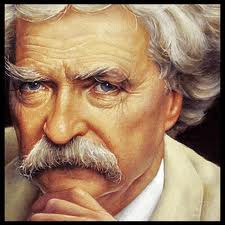
I wish to leave no doubt unturned like a stone that might have treasure hidden under it. I love the works of Samuel L. Clemens, better known as Mark Twain.
I have read and studied his writing for a lifetime, starting with The Adventures of Tom Sawyerwhich I read for myself in the seventh grade, after seeing the musical movie Tom Sawyer starring Johnny Whittaker as Tom. I caught a severe passion, more serious than a head-cold, for the wit and wisdom with which Twain crafted a story. It took me a while to acquire and read more… but I most definitely did. I took an American Literature course in college that featured Twain, and I read and analyzed The Adventures of Huckleberry Finn. I also bought a copy of Pudd’nhead Wilson which I would later devour in the same thoroughly literate and pretentious manner as I had Huck Finn. Copies of A Connecticut Yankee in King Arthur’s Court and The Mysterious Stranger were purchased at the same time, though I didn’t read them cover to cover until later during my years as a middle school English teacher. I should point out, however, that I read and re-read both of those, Connecticut Yankeewinning out by being read three times. As a teacher, I taught Tom Sawyer as an in-class novel assignment in the time when other teachers thought I was more-or-less crazy for trying to teach a 100-year-old book to mostly Hispanic non-readers. While the lunatic-inspired experiment was not a total success, it was not a total failure either. Some kids actually liked having me read parts of it aloud to them, and some borrowed copies of the book to reread it for themselves after we finished as a class.
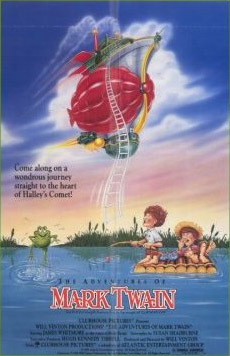
During my middle-school teaching years I also bought and read copies of The Prince and the Pauper, Roughing It, and Life on the Mississippi. I would later use a selection from Roughing It as part of a thematic unit on Mark Twain where I used Will Vinton’s glorious claymation movie, The Adventures of Mark Twain as a way to painlessly introduce my kids to the notion that Mark Twain was funny and complex and wise.
I have also read and used some of Twain’s most famous short fictions. “The Celebrated Jumping Frog of Calaveras County” and “The Man Who Corrupted Hadleyburg” are both masterpieces of Twain’s keen insight into the human psyche and the goofy and comic corruptions he finds there.
And now, retired old me has most recently read Tom Sawyer Abroad. And, though it is not one of his finest works, I still love it and am enthralled. I reviewed it and shared it with you a few days ago. But I will never be through with Mark Twain. Not only is there more of him to read, but he has truly been a lifelong friend.
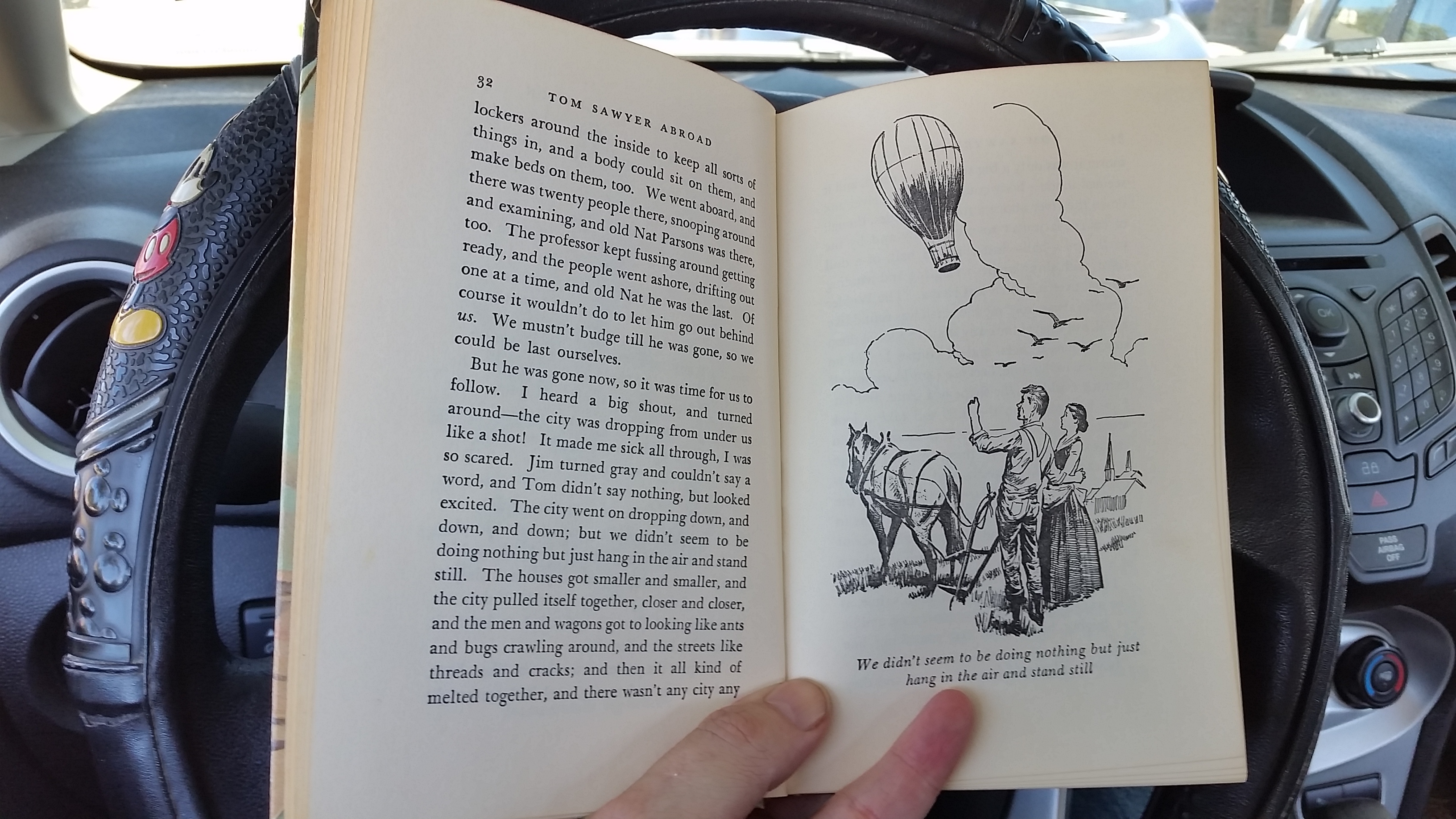
Yep, I read about being an “erronort” traveling in a balloon while sitting in a parking lot in my car.
Believe it or not, I read this entire 100+-year-old book in my car while waiting for my daughter and my son in school parking lots. What a perfectly ironic way to read a soaring imaginary adventure written by Mark Twain, which has been mostly forgotten by the American reading public.
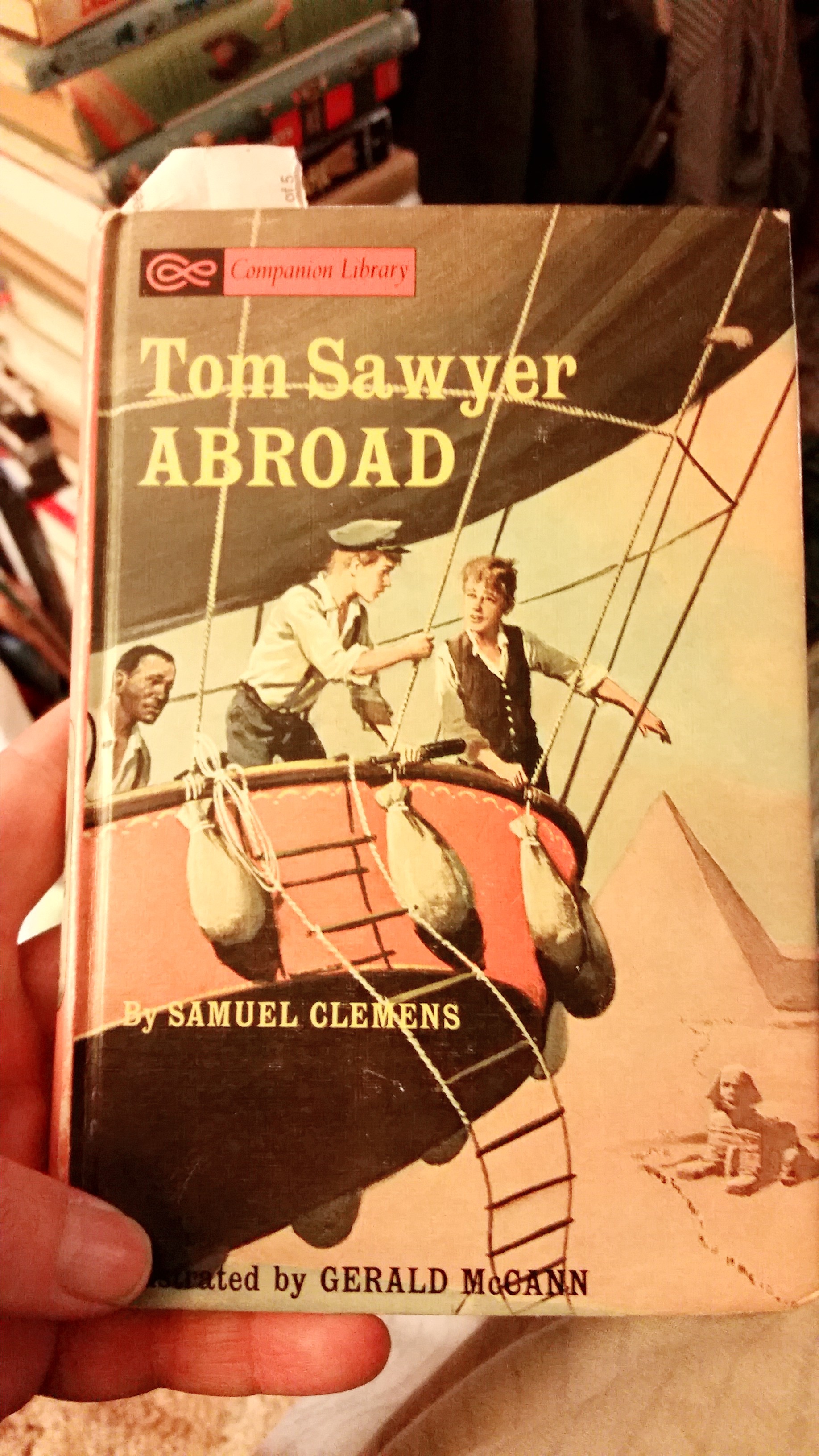
My copy of this old book is a 1965 edition published for school libraries of a book written in 1894. It tells the story of how Tom and Huck and Jim steal a ride on a balloon at a town fair from a somewhat mentally unhinged professor of aeronautical science. The balloon, which has space-age travel capabilities due to the professor’s insane genius, takes them on an accidental voyage to Africa.
Of course, the insane professor intends to kill them all, because that’s what insane geniuses do after they prove how genius-y they really are. But as he tries to throw Tom into the Atlantic, he only manages to plunge himself through the sky and down to an unseen fate. The result being a great adventure for the three friends in the sands of the Sahara. They face man-eating lions, mummy-making sandstorms, and a chance to land on the head of the Sphinx.
The entire purpose of this book is to demonstrate Twain’s ability to be a satirical stretcher of the truth, telling jokes and lies through the unreliable narrator’s voice of Huck Finn.
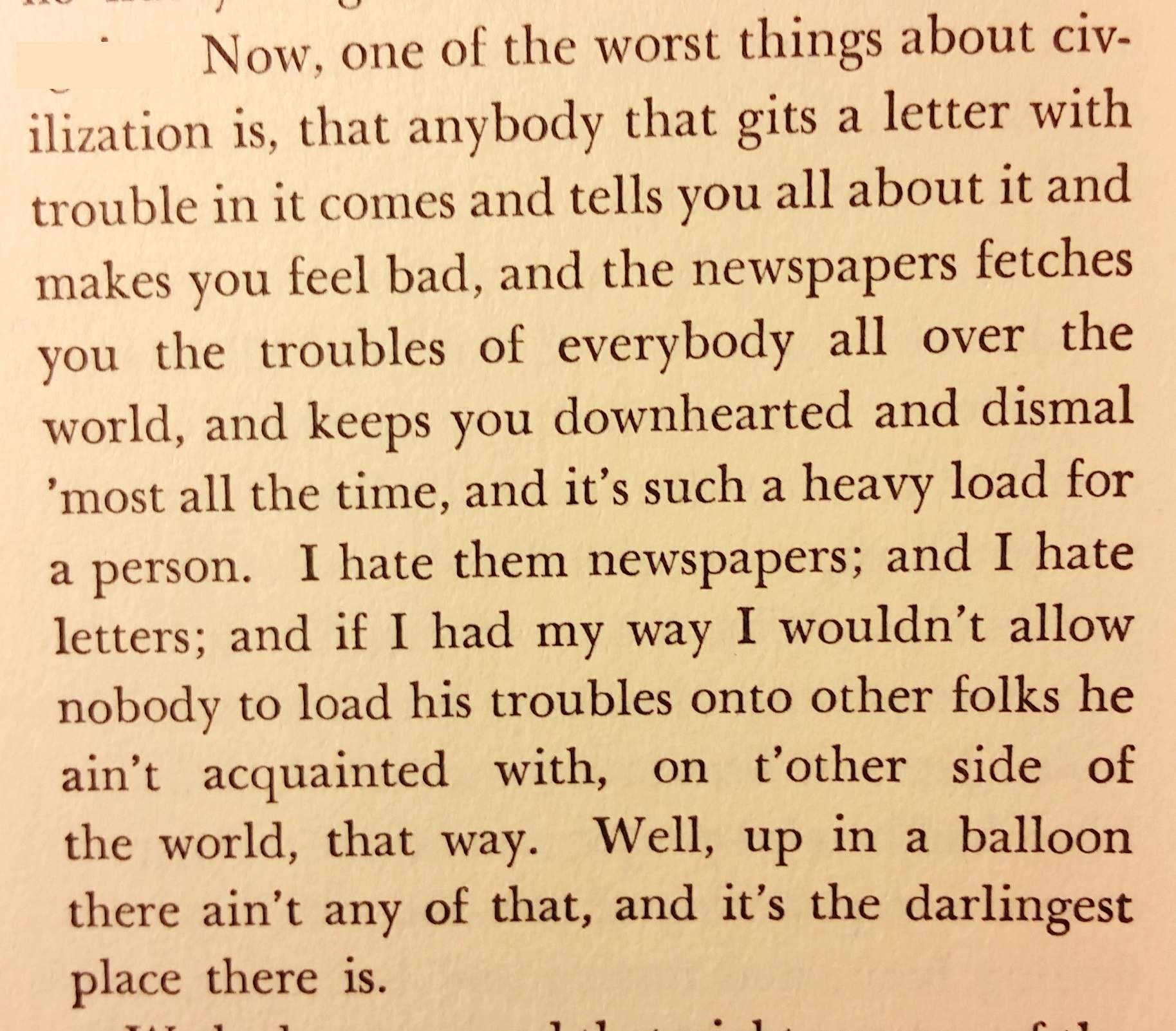
Here is a quoted passage from the book to fill up this review with words and maybe explain just a bit what Twain is really doing with this book;
Notice how I doubled my word count there without typing any of the words myself? Isn’t the modern age wonderful?
But there you have it. This book is about escaping every-day newspaper worries. In a time of Presidential Candidate Donald Trump, global warming, and renewed threats of thermonuclear boo-boos with Russia, this proved to be the perfect book to float away with on an imaginary balloon to Africa. And the book ends in a flash when Aunt Polly back in Hannibal wants Tom back in time for breakfast. I really needed to read this book when I picked it up to read it.
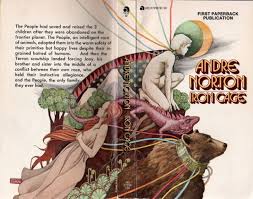
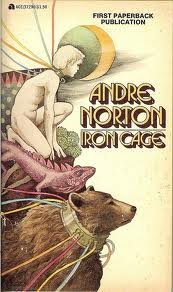
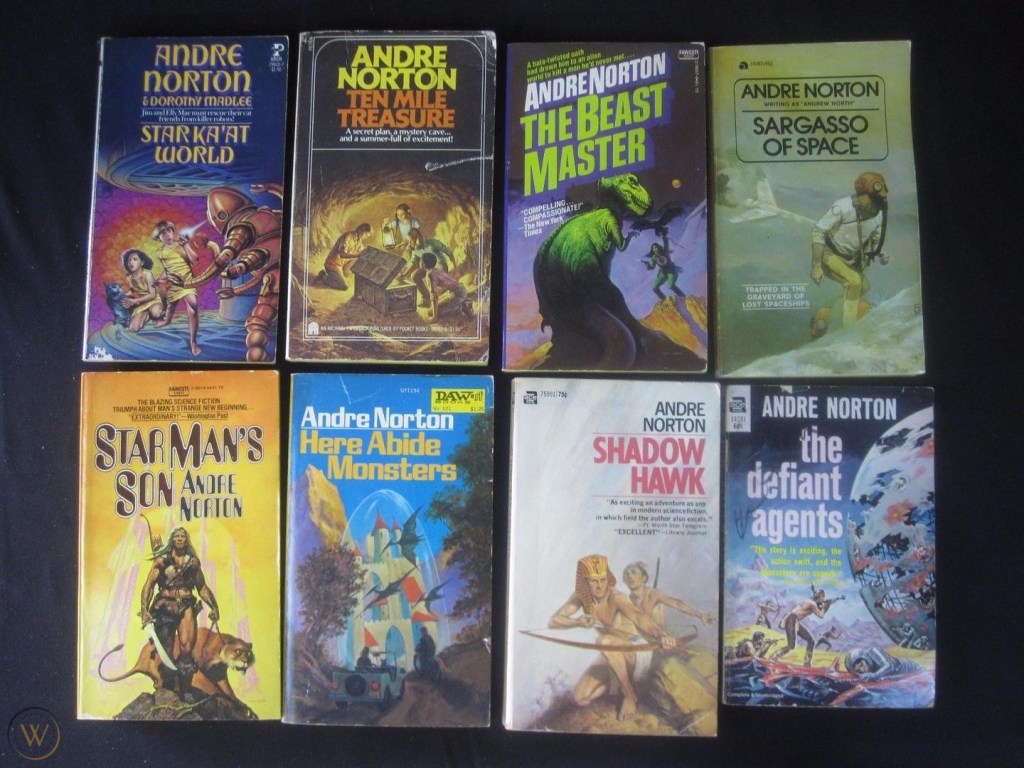
It began for me in 1977 with this wrap-around cover illustration. I knew there were a lot of this guy’s books on the shelves of the college bookstore along with works by Robert E. Howard, Roger Zelazney, and Theodore Sturgeon. And I knew this guy had also written paperback books under the name “Andrew North”, a name I had seen on the twenty-five cent novels in the drugstore where you could buy the really good pulp fiction novels only slightly used.
I had never before bought one of his books. And the book money I had for the fall quarter at Iowa State was supposed to all go towards the book-list given to me as a Junior-level English major. But the naked kid on the cover had a wired-up collar around his neck. And I had only recently recovered long-suppressed memories of being a victim of a sexual assault. I had to have it. I had to know what that illustration had to do with the story inside.
So, I bought a book that I judged by its cover.
And it was not the wrong thing to do.
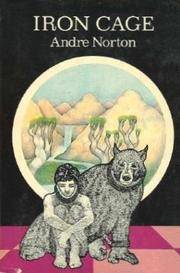
The main character was a boy named Jony, the naked boy on the cover of the book. He is taken by alien beings as a study specimen along with his mother, the pregnant woman on the back of the wrap-around illustration. The story starts with Jony in a cage, treated like an animal. His mother, also a study specimen has been mated to a Neanderthal-like humanoid specimen who cannot speak, and she has given birth to twins, a boy, and a girl. They are kept in separate cages by their inhuman captors.
Jony manages a mass escape, taking his mother and his younger siblings with him, and releasing as many of the other study specimens as he can. Luckily they escape onto a very earth-like planet. But unluckily, the mother is in very poor health and dies soon after escaping. Jony is then responsible for his little brother and sister in a wilderness that is not empty of others. Luckily, the others they first run afoul of are the bear-like ursine aliens who share their need to not be recaptured by the zoo-keeper aliens.
It was a perfect novel for me. I identified strongly with the main character, who had been violated in a very personal way by monsters. And then had to build a new life in a world full of potential other-monsters. Andre Norton shared my pain and helped me overcome it.
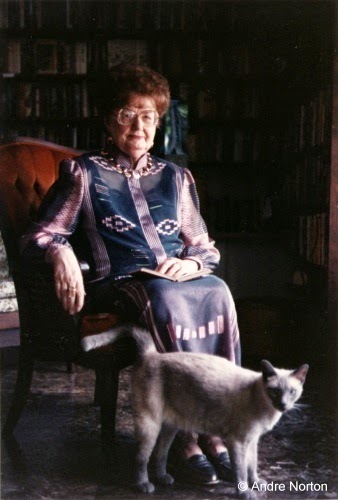
But she also fooled me big-time. She was not a he.
She was a librarian and editor of pulp fiction who wrote enough sci-fi and fantasy in the 50’s, 60’s, and 70’s to finally become a full-time author.
She was already on book number 29 when she retired from being a librarian to write full time.
And I would go on to own and read several of her other books, which were good, but never quite lived up to that first one I read. Of course, that may have been because of the timing and circumstance that led me to a book that I actually needed to read. That book set me on the road to recovery from my personal darkness. And it may have sparked in me the need to eventually become a nudist. And more important than that, it may have led me to a lifelong need to teach reading.
Andre Norton was a real writer. And she made me one too. Though I never knew who she really was until after I bought that book because of the picture on the cover. And I never got around to properly thanking her for all of that… Until this very moment.
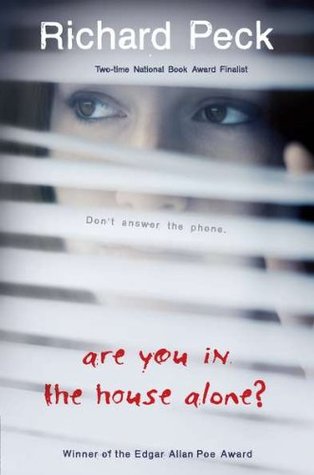
Yes, I read this book. Yes, it scared the poop out of me. Yes, it made me cry. This is a uniquely horrific horror story that is so realistic that you know that it has actually happened in real life somewhere, sometime. Only the names of the characters would be different.
I have a deep abiding respect for Richard Peck as a writer. He earned that with his books A Year Down Yonder and A Long Way from Chicago. Those books made me laugh so hard it blew chocolate milk out of my nose. And, yes, I was drinking chocolate milk at the time. They are so realistic because the people in those stories are real people. I know those people personally. Of course, they have different names in real life.
But Are You In the House Alone? is a very different book from those other two masterpieces. It tears your heart out and eats your liver because it is a first person narrative in the voice of a high school girl being stalked by a sexual predator. Everything that happens to Gail in the high school, at home, and at the house where she babysits is hyper-real with horror movie levels of attention to detail. I don’t wish to be a spoiler for this well-written book, but the narrator does not die in the book and it definitely does not have a happy ending. For anyone who has the amount of empathy I do, and in many ways becomes the narrator-character by reading, reading a book like this can physically hurt. A teacher like me has lived through horrible things like this happening to students before, it even happened to me as a boy, and it adds the slings and arrows of those things being re-lived as you read.
This is not the only book that has ever done this sort of damage to my heart strings. I remember the pain from the conclusion of Dickens’ The Old Curiosity Shop. You root for Little Nell and boo Daniel Quilp. But the bad guy wins. No happy ending can linger in the harp-strings of your memory-feeling song as long as a tragic outcome does. I was there with Scout in that ridiculous costume in the dark when Bob Ewell was attacking her brother Jem in Harper Lee’s To Kill a Mockingbird. That story was filled with wise and laughable things, but the stark horror of that climactic moment nearly wiped all the good feelings away, if not for the heroics of ghostly Boo Radley whose timely intervention brings it all back before the novel ends. It horrifies me to admit it, but I was there, too, in the moment when the boys all turn on Simon on the beach with their sharpened sticks in William Golding’s Lord of the Flies. They mistook him for the monster. I still haven’t fully recovered from that reading trauma.
The thing about books that hurt to read which makes it essential that I never try to avoid them, is that they can add more depth and resonance to your soul than any light and fluffy piece ever could. Life is much more like Lord of the Flies than it is Chitty Chitty Bang Bang. I am sadder but wiser for having read Are You In the House Alone? I am recommending it to other readers like me who don’t so much live to read as they read in order to live. Not because it is easy and good to read, but because it is hard and essential to read. It will hurt you. But it will leave you like it leaves its narrator, damaged, but both alive and purely resolved to carry on.
I told you before that I make a lousy movie critic because I watch anything and everything and like most of it. You don’t believe me? You can look it up through this link; The Uncritical Critic
I hate to tell you this, but it is almost exactly the same for books too.
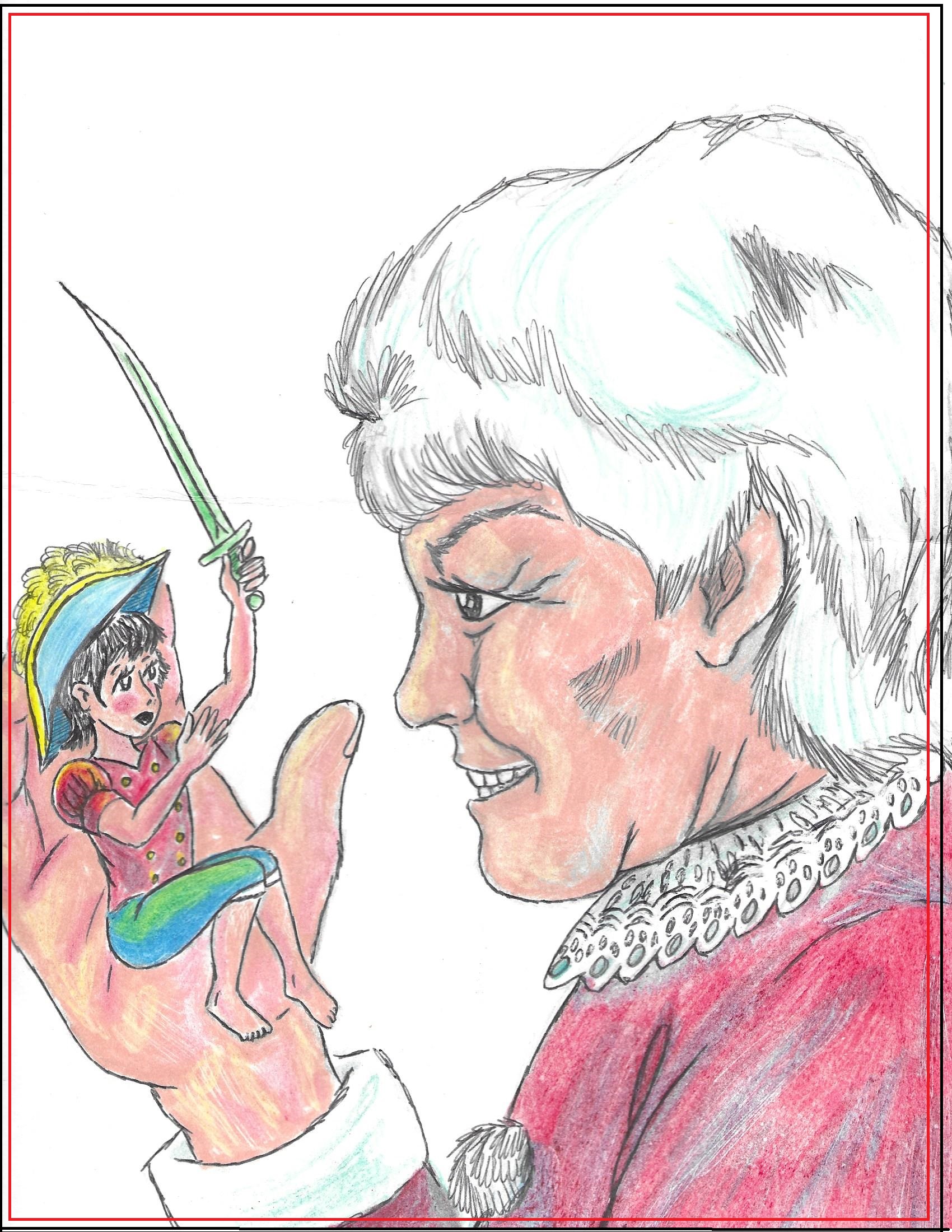
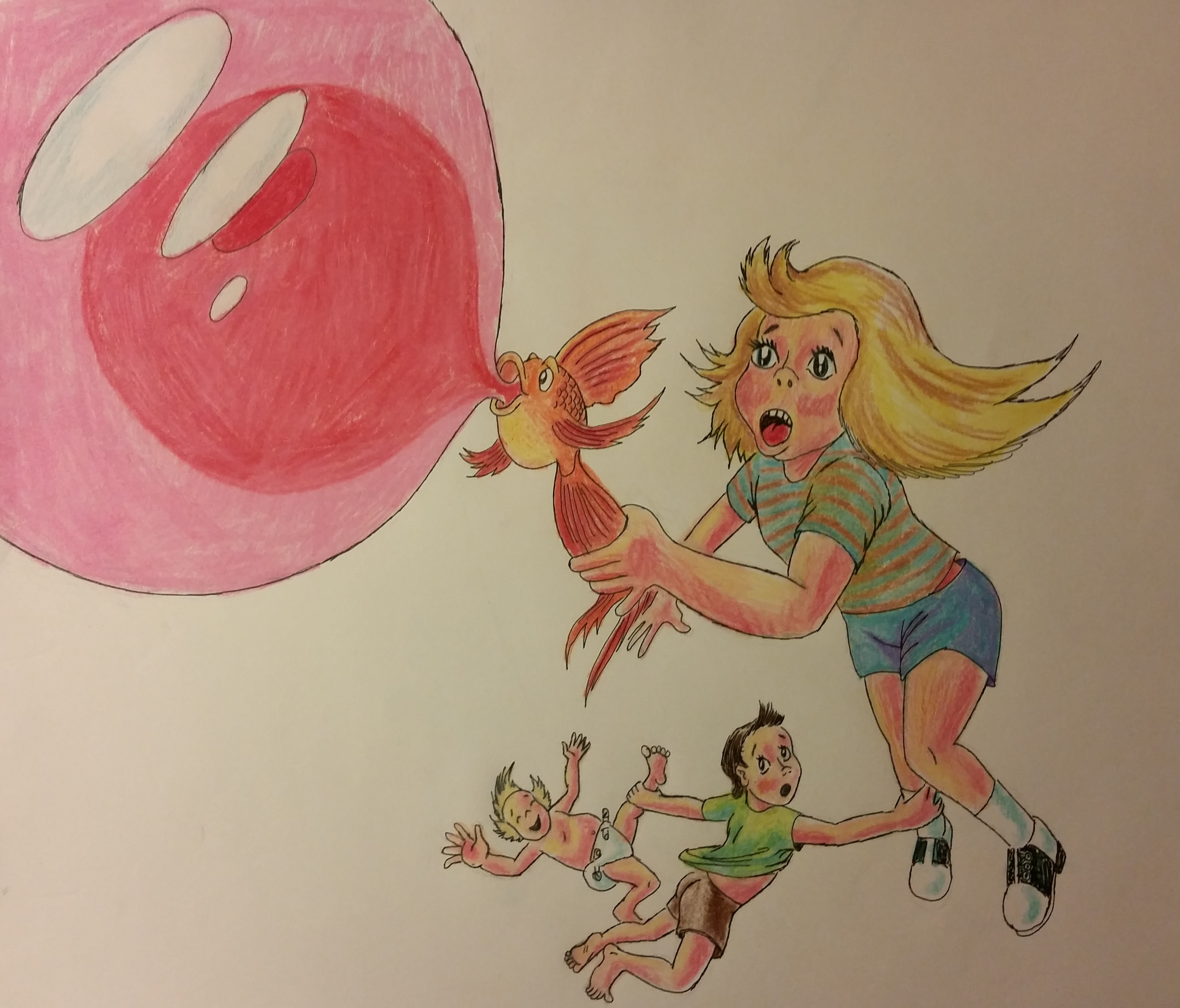
The Paffooney is an illustration for a proposed collaboration on a children’s book. My friend and fellow author Stuart R. West (Stuart’s Blogspot about Aliens) had a story about three kids taking a balloon ride when they accidentally gave the goldfish bubble gum to chew ignoring their mother’s warning that dire consequences would follow. He decided the project was too ridiculous to follow through on, or at least my Paffooney power wasn’t up to making sense of his brilliant literature, and the book did not happen. And I am sorry about that because I couldn’t wait to find out how it turns out. I love weird and wild stories of all kinds. And, unfortunately, I love them uncritically.
So, what kind of books would a goofy uncritical critic actually recommend? Let me lay some bookishness on ya then.
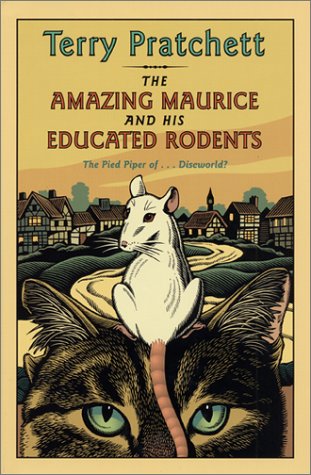
Here is the review I wrote for Goodreads on Terry Pratchett’s The Amazing Maurice and His Educated Rodents.
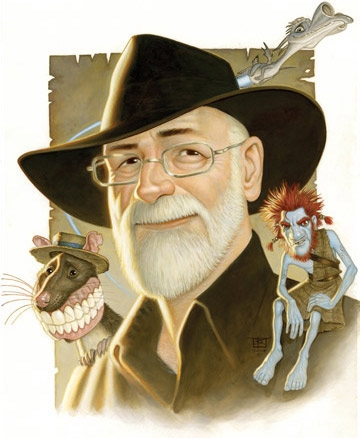
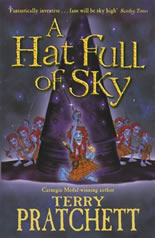
I have always felt, since the day I first picked up a copy of Mort by Terry Pratchett, that he was an absolute genius at humor-and-satire style fantasy fiction. In fact, he is a genius compared to any author in any genre. He has a mind that belongs up there with Mark Twain, Charles Dickens, and William Faulkner… or down there as the case may well be. This book is one of his best, though that is a list that includes most of his Discworld novels.
Amazing Maurice is a magically enhanced cat with multiple magically enhanced mice for minions. And the cat has stumbled on a sure fire money-making scheme that completely encompasses the myth of Pied Piper of Hamlin. In fact, it puts the myth in a blender, turns it on high, and even forgets to secure the lid. It is funny, heartwarming, and changes the way you look at mice and evil cats.
This is a book to be read more than once and laughed at for the rest of your life.
You see what I mean? I uncritically praise books that make me laugh and think deeply about things at the same time. It is as if I don’t have any standards at all if something is brilliantly written and makes a deep and influential impression on me.
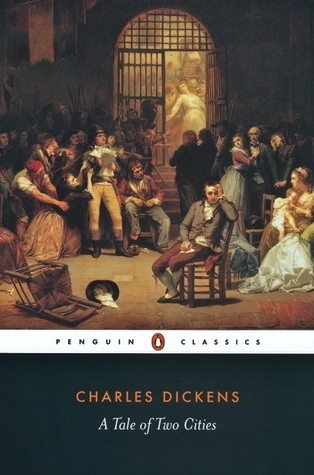
Here’s another book that I love so much I can’t be properly critical when I reread it. A Tale of Two Cities by Charles Dickens. I cannot help but be taken in by the unrequited love the dissolute lawyer Sydney Carton had for the beautiful refugee from the French Revolution, Lucy Manette. Tragic love stories melt my old heart. And I can’t help but root for Charles Darnay as well, even though I know what’s going to happen in Paris at the Bastille because I have read this book three times and seen the Ronald Coleman movie five times. I also love the comical side characters like Jerry Cruncher the grave-robber and hired man as well as Miss Pross, the undefeatable champion of Miss Lucy and key opposer to mad Madam Defarge.
I simply cannot be talked out of praising the books I read… and especially the books I love. I am totally uncritical as a reader, foolishly only looking for things I like about a book. Real critics are supposed to read a book and make faces that remind you of look on my little brother’s face when I had to help him use an outhouse for the first time. (Oh, what a lovely smell that was!) (And I mean that sarcastically!) Real critics are supposed to tell you what they hated about the book and what was done in such a juvenile and unprofessional way that it spoiled all other books forever. That’s right isn’t it? Real critics are supposed to do that? Maybe I am glad I’m not a real critic.
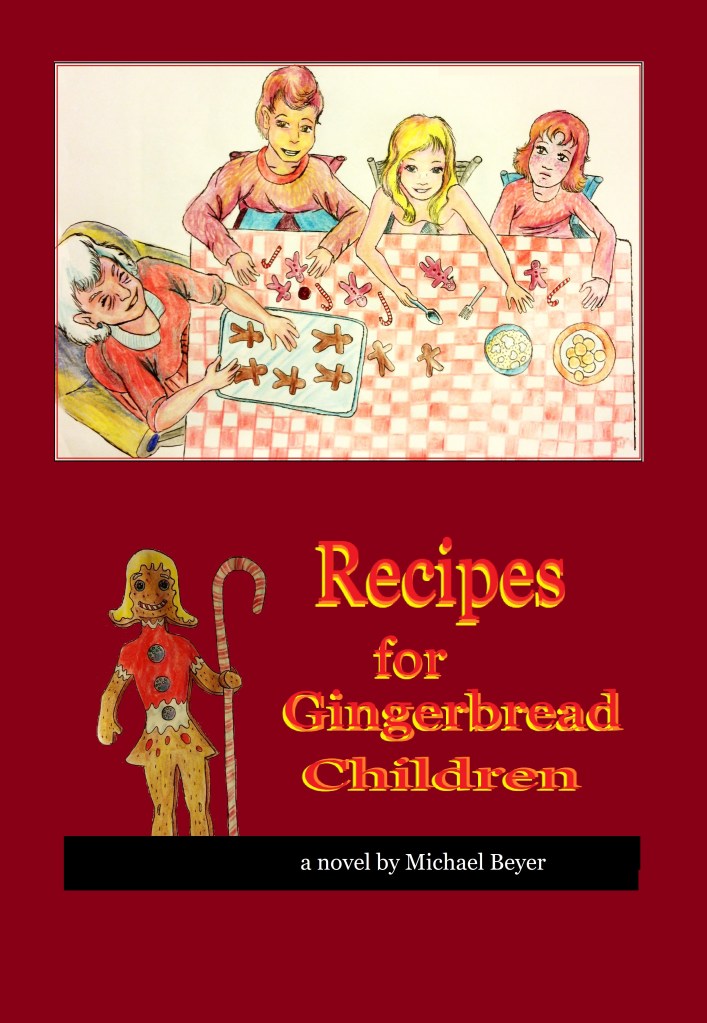
I recently got my very first unsolicited review on a book I had written when Mr. Ted Bun, one of the leaders of the nudist writer group on Twitter gave me a five star review on Recipes for Gingerbread Children.
I was grateful and reviewed one of his books on Twitter in return.
But it was totally unsolicited. I didn’t even know any of my book promotions had penetrated such an odd corner of the internet. The story does have nudists in it, but that is not what the book is really about. Mr. Bun acknowledged that much in his review, and still liked it and called it well-written.
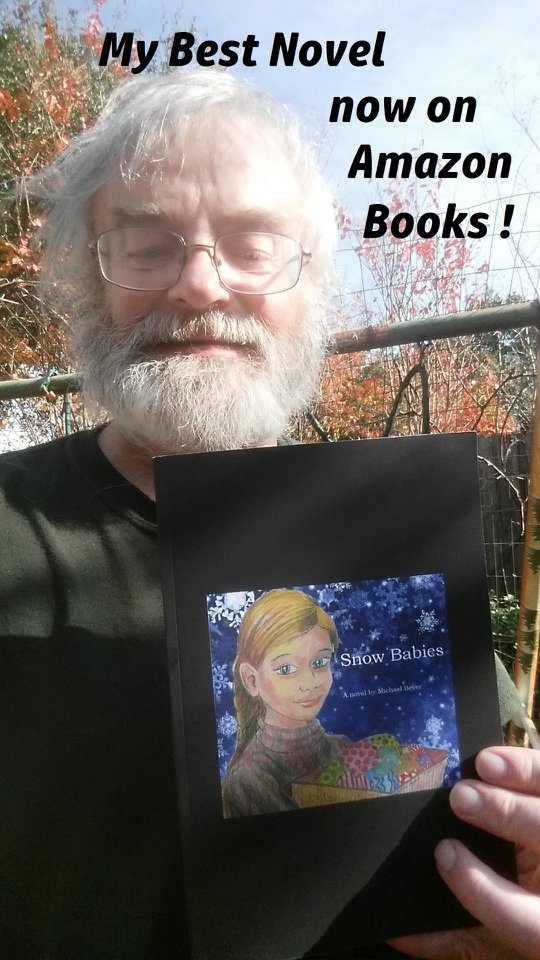
My first Amazon book promotion, offering the Kindle version of Snow Babies for free, produced the same kind of fruit. I started by sending a paperback copy to the girl I grew up with that I named the main character after. Valerie read the book to her grandchildren and then sent me this message;
Valerie– Hi Michael! I wanted to let you know that I finished reading your book a couple of days ago, and that I thought it was really good! You used so many colorful descriptions of the characters, that I felt like I could really picture the whole scene! I also enjoyed how you used several people’s names and surrounding towns from our past that brought back good memories. It kept my interest and made me excited to keep reading to see how things turned out! I appreciated how you ended it, too! Thanks again, so much for sharing it with me. I plan to share it with a friend of mine to read and then return to me! Do the Rowan and Belmond libraries have copies of your books? I would be happy to talk to the Belmond library about it, if you haven’t already! I will spread the word, and keep writing! Val
Me– I donated a couple of books to Rowan and one to Belmond. But I have written a lot more since
They don’t have Snow Babies. I am so glad you liked the book. It is one of the best things I have ever written.
Valerie– You can be proud of your hard work! Next time I’m in the library, I will take Snow Babies with me and show them. I know they like to support local authors! 🙂
Me– Thank you for the help. I really appreciate it.
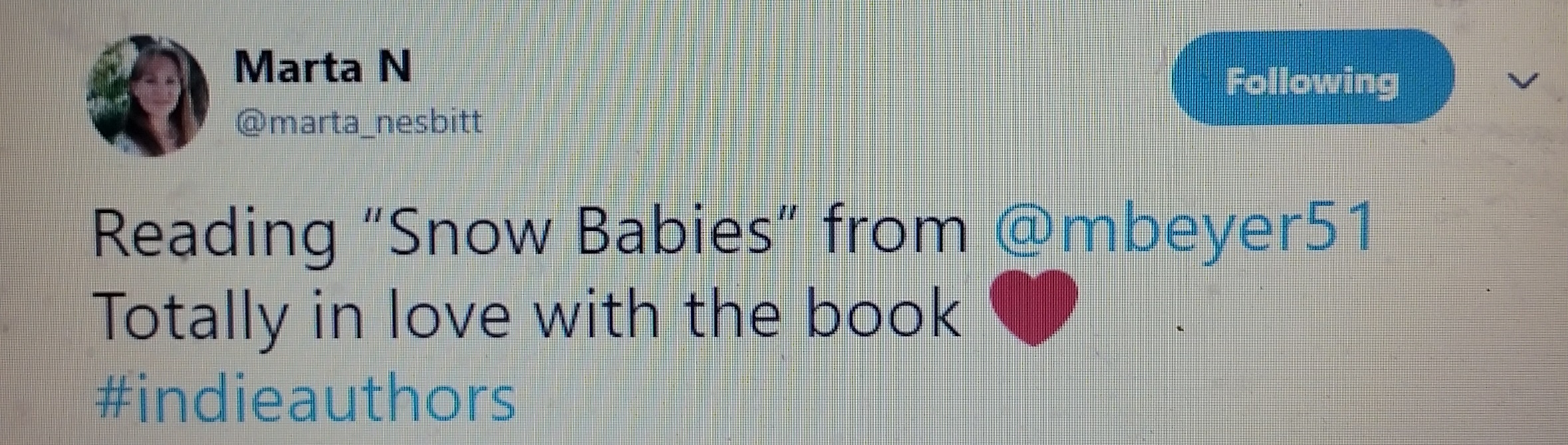
Then I find this tweet on Twitter from a fellow author who responded to my book promotion week.
She read Snow Babies and loved it and shared this review with me before she posted it on Amazon.
Headline: This book has a potential to become a classic
The story takes you to Norwall, a secluded midwestern town
where people are expecting a snow blizzard to arrive in couple of hours. Among
strangers coming to the town during the blizzard are four very special boys, a
hobo, a bus driver, a drunken old lady, a stupid salesman, a couple of
newly-weds and a lady following the four boys. Each of them, as well as the
local people, has their own interesting story and their stories start to intertwine
while the town gets buried in snow.
Some from the locals and the newcomers start to see white
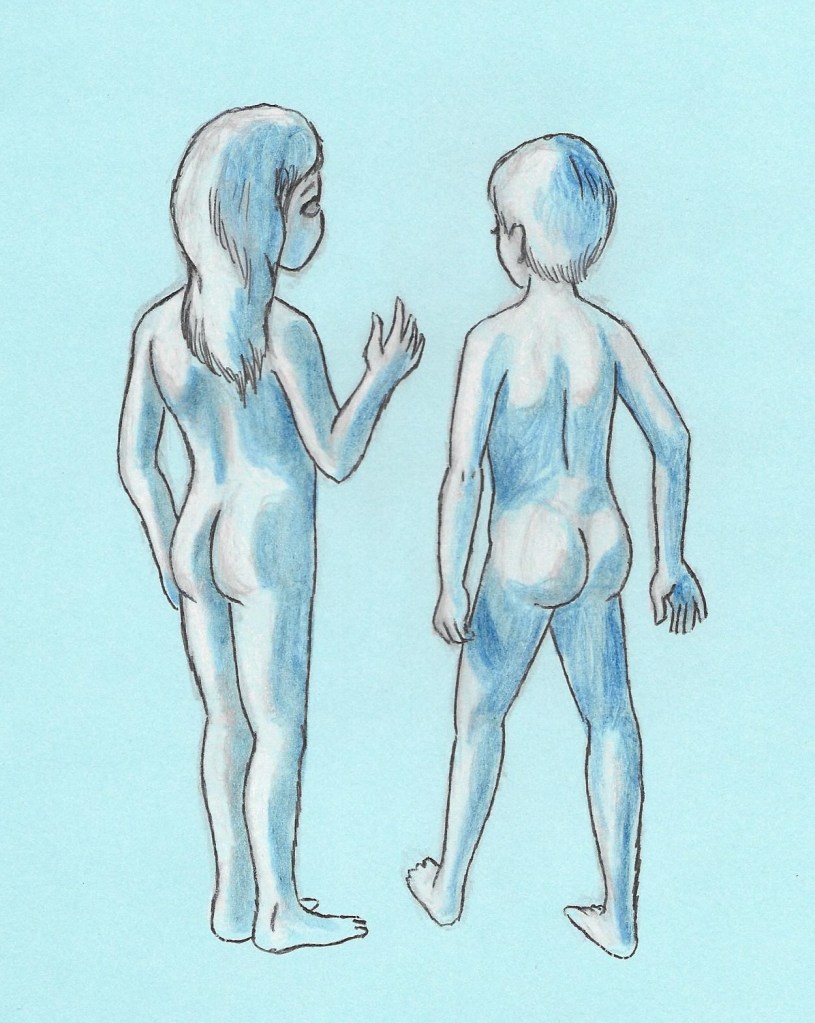
naked kids in the snow. In the course of events, they learn that those white
kids are so called “snow babies”. According to what people say, those who see
snow babies, are supposed to die during the blizzard.
The author has a talent for depicting situations in an
impressive manner, so they can be humorous and touching at the same time. His mature narrative style enables you to learn
deeply but in a light way about individual characters and understand their
motives. Interesting are the hobo´s droppings of philosophical reflections and
life wisdoms from Walt Whitman’s book. Simultaneously, in connection with snow
babies, the author keeps you in suspense until the end. The story is not
predictable, and the ending left me smiling and absorbed in thought.
I honestly fell in love with this book from the first page. It is like a fresh breeze compared to a number of today’s books written in similar patterns.
*****
I am amazed that people are beginning to read my books and like them… even love them. I wasn’t expecting that to happen until after I was dead. It is a good feeling that took me by surprise.
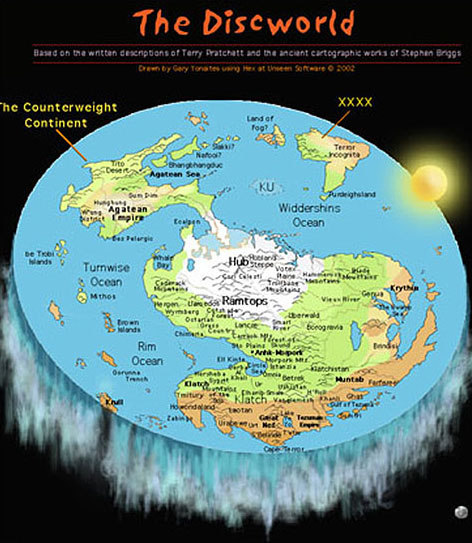
I firmly believe that I would never have succeeded as a teacher and never gotten my resolve wrapped around the whole nonsense package of being a published author if I hadn’t picked up a copy of Mort, the first Discworld novel by Terry Pratchett that I ever encountered. I started reading the book as a veteran dungeon-master at D&D role-playing games and also as a novice teacher having a world of difficulty trying to swim up the waterfalls of Texas education fast enough to avoid the jagged rocks of failure at the bottom. I was drinking ice tea when I started reading it. More of that iced tea shot out my nose while reading and laughing than went down my gullet. I almost put myself in the hospital with goofy guffaws over Death’s apprentice and his comic adventures on a flat world riding through space and time on the backs of four gigantic elephants standing on the back of a gigantic-er turtle swimming through the stars. Now, I know you have no earthly idea what this paragraph even means, unless you read Terry Pratchett. And believe me, if you don’t, you have to start. If you don’t die laughing, you will have discovered what may well be the best humorist to ever put quill pen to scroll and write. And if you do die laughing, well, there are worse ways to go, believe me.
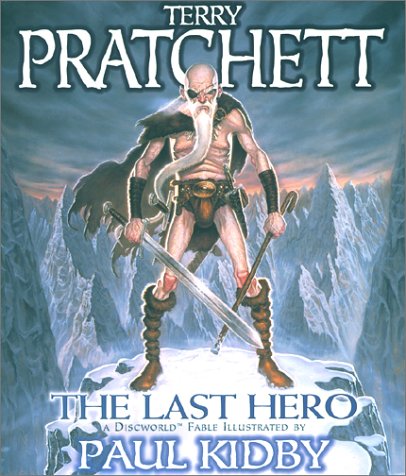
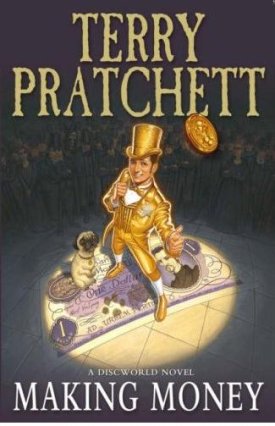
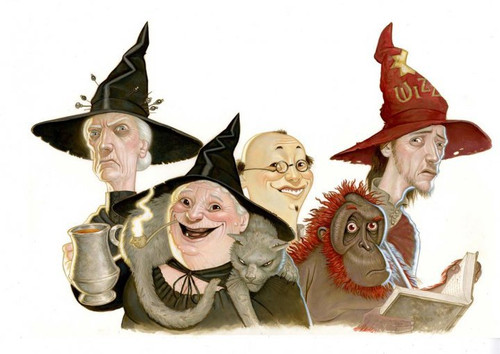
Discworld novels are fantasy-satire that make fun of Tolkien and Conan the Barbarian (written by Robert E. Howard, not the barbarian himself) and the whole world of elves and dwarves and heroes and dragons and such. You don’t even have to love fantasy to like this stuff. It skewers fantasy with spears of ridiculousness (a fourth level spell from the Dungeons of Comedic Magic for those fellow dungeon masters out there who obsessively keep track of such things). The humor bleeds over into the realms of high finance, education, theater, English and American politics, and the world as we know it (but failed to see from this angle before… a stand-on-your-head-and-balance-over-a-pit-of-man-eating-goldfish sort of angle).
Terry Pratchett’s many wonderful books helped me to love what is ugly, because ugly is funny, and if you love something funny for long enough, you understand that there is a place in the world even for goblins and trolls and ogres. Believe me, that was a critical lesson for a teacher of seventh graders to learn. I became quite fond of a number of twelve and thirteen year old goblins and trolls because I was able see through the funny parts of their inherent ugliness to the hidden beauty that lies within (yes, I know that sounds like I am still talking about yesterday’s post, but that’s because I am… I never stop blithering about that sort of blather when it comes to the value hidden inside kids).
I have made it a personal goal to read every book ever written by Terry Pratchett. And that goal is now within reach because even though he is an incredibly prolific writer, he has passed on withing the last year. He now only has one novel left that hasn’t reached bookstores. Soon I will only need to read a dozen more of his books to finish his entire catalog of published works. And I am confident I will learn more lessons about life and love and laughter by reading what is left, and re-reading some of the books in my treasured Terry Pratchett paperback collection. Talk about your dog-eared tomes of magical mirth-making lore! I know I will never be the writer he was. But I can imitate and praise him and maybe extend the wonderful work that he did in life. This word-wizard is definitely worth any amount of work to acquire and internalize. Don’t take my convoluted word for it. Try it yourself.
I just finished reading David Mitchell’s The Bone Clocks, his novel from 2014. Just, WOW! I guess this post is technically a book review… but not really. I have to talk about so much more than just the book.
You can see in my initial illustration that I read this book to pieces. Literally. (And I was an English Major in college, so I LITERALLY know what literally means!)
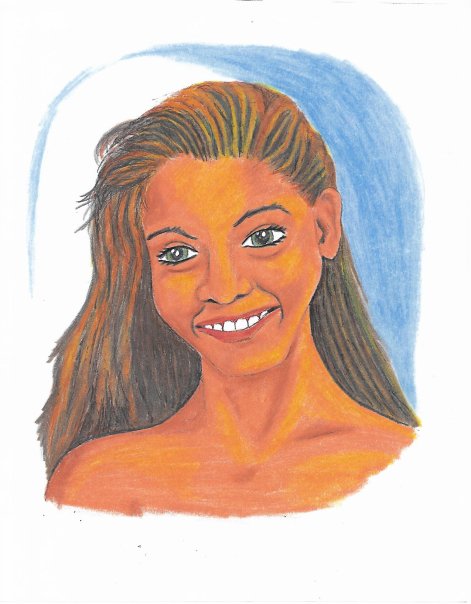
Look at this face. Can you stop looking at the beautiful eyes? I can’t.
I discovered Mitchell as a writer when I happened onto the book and movie pair of Cloud Atlas. It enthralled me. I read the book, a complex fantasy about time and connections, about as deeply and intricately as any book that I have ever read. I fell in love. It was a love as deep and wide as my love of Dickens or my love of Twain… even my love of Terry Pratchett.
It is like the picture on the left. I can’t stop looking into it and seeing more and more. It is plotted and put together like a finely crafted jeweled timepiece.
And this new book is almost exactly like that. It is a first- person narrative in six parts with five different narrators. Holly Sykes, the central character, is the narrator of the first and last parts, in the past in the 1980’s, and in the future in 2043. The titular metaphor of the bone clocks is about the human body and how it measures time from youth to old age. And it is pictured as a clock ticking in practically all it’s forms, from a child who is snuffed out at eight years of age to horologists who have lived for a thousand years by being reincarnated with past lives intact.
Fantasy and photographic realism intertwine and filigree this book like a vast kaleidoscope of many colors, peoples, societies, and places. At one point David Mitchell even inserts himself into the narrative cleverly as the narrator of part four, Crispin Hershey, the popular English novelist struggling to stay on top of the literary world. He even indulges every writer’s fantasy and murders himself in the course of the story.
David Mitchell is the reason I have to read voraciously and write endlessly. His works seem to contain an entire universe of ideas and portraits and events and predictions and wisdoms. And he clearly shows me that his universe is not the only one that needs to be written before the world ends. Books are life, and life is in books. And when the world as we know it is indeed gone, then they will be the most important thing we ever did. Even if no one is left to read them.
And so, I read this book until it fell into pieces, its spine broken and its back cover lost. To be fair, I bought it at a used book store, and the paperback copy was obviously read by previous owners cover to cover. The pages were already dog eared with some pages having their corners turned down to show where someone left off and picked up reading before me. But that, too, is significant. I am not the only one who devoured this book and its life-sustaining stories. Know that, if you do decide to read and love this book, you are definitely not the only one. I’d lend you my copy. But… well, it’s already in pieces.