
Once I settled into a publishing plan where I was basically in control of the whole process, the center of my world became the execution of my overall plan to commit acts of actual literature. I had to decide what I wanted to write and the reasons why I was going to write it.
Surrealist Reasons for the Season.
I began the most serious part of my journey into authorship once I was fully retired from my last teaching job. And the darkest part of that truth is that if I weren’t ill enough to be forced to leave teaching, I would still be doing that. It is what God made me for, if there is a God. But since I am stuck in this retirement reality, I really have to use fiction for what fiction-writing is for.
And let me assure you, I know what writing fiction needs to mean for me. I need to rewrite the story of my life in the surreal reality of perceived truth. And what does that mean in simple words? I have to lie a lot. Because fiction is lying in order to reveal the truth.
Two of the most important books I wrote tell the same story for the same purpose.
The Two Stories are really One Story.
I had a childhood full of monsters. And who I became in adult life was not done in spite of what those monsters did to me, but because of it. I was sexually assaulted as a ten-year-old. What he did to me was not pleasurable in any way. He tortured me because causing pain turned him on. I was severely traumatized by the experience. So much so that I experienced PTSD-induced amnesia for a while. These two books are about my fear of monsters and evil, and the deeply embedded fear that when directly faced with evil, I would not know what it really was.
Things in the two novels are not exactly what they seem.
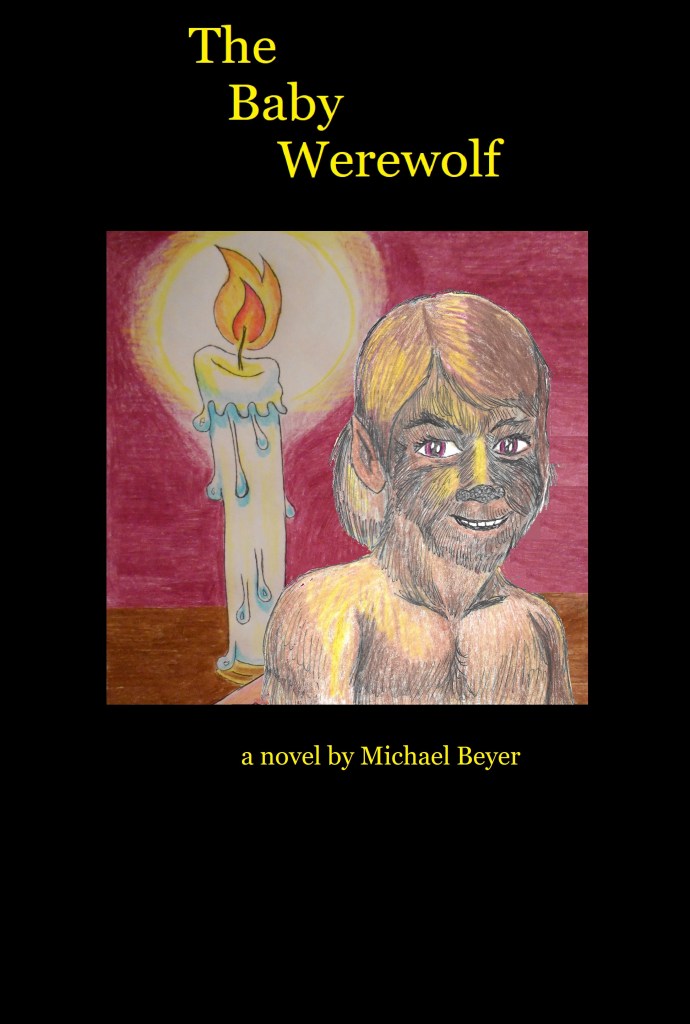
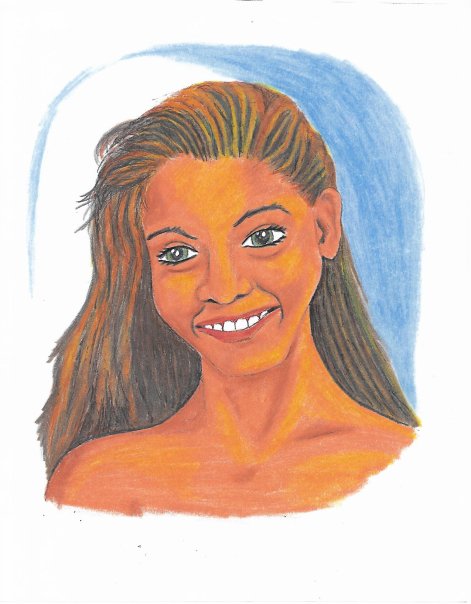
Torrie Brownfield, the Baby Werewolf, is not a monster. He is a boy who suffers from a genetic hair disorder called hypertrichosis, the same disorder that caused the star of Barnum’s freak show, Jojo the dog-faced boy, to have excessive hair growth.
He looks like a monster, but he is really the sweetest, most innocent character in the story.
..
..
..
The Cobble Sisters, both Sherry and Shelly, are nudists. That is a detail that was both kinda true about the real twin girls that inspired the characters, and true enough about these characters in the story to make fans of my fiction from real nudists I befriended on Twitter.
Nudism, however, symbolizes innocence and truthfulness. Sherry labors in both books to get the other members of the Pirates’ Liars’ Club to accept nudism and try it for themselves. Sherry tells them repeatedly that nudists are more honest than other people because they don’t hide anything about themselves.
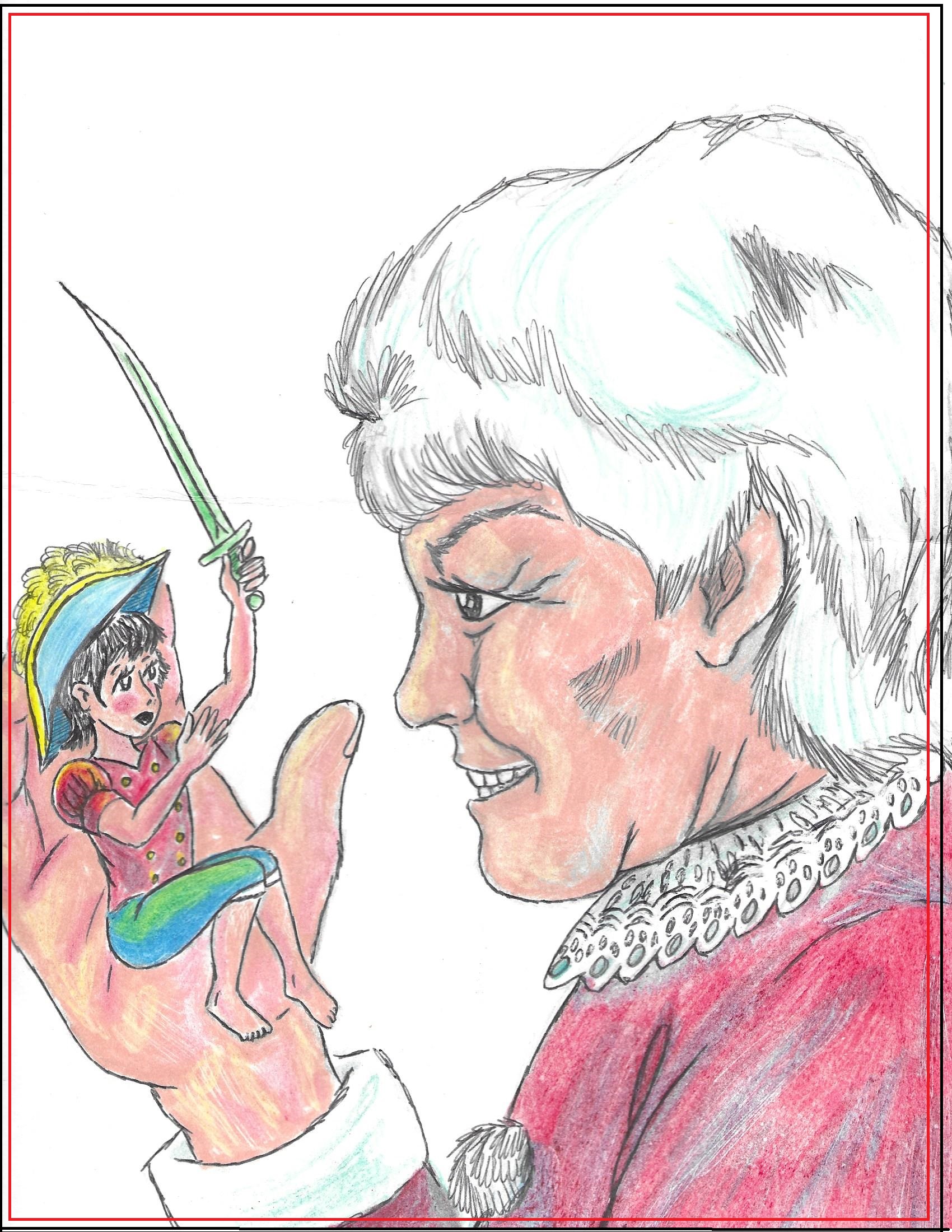
The ultimate villain of both novels is, ironically, one who hides everything and manipulates from the shadows.
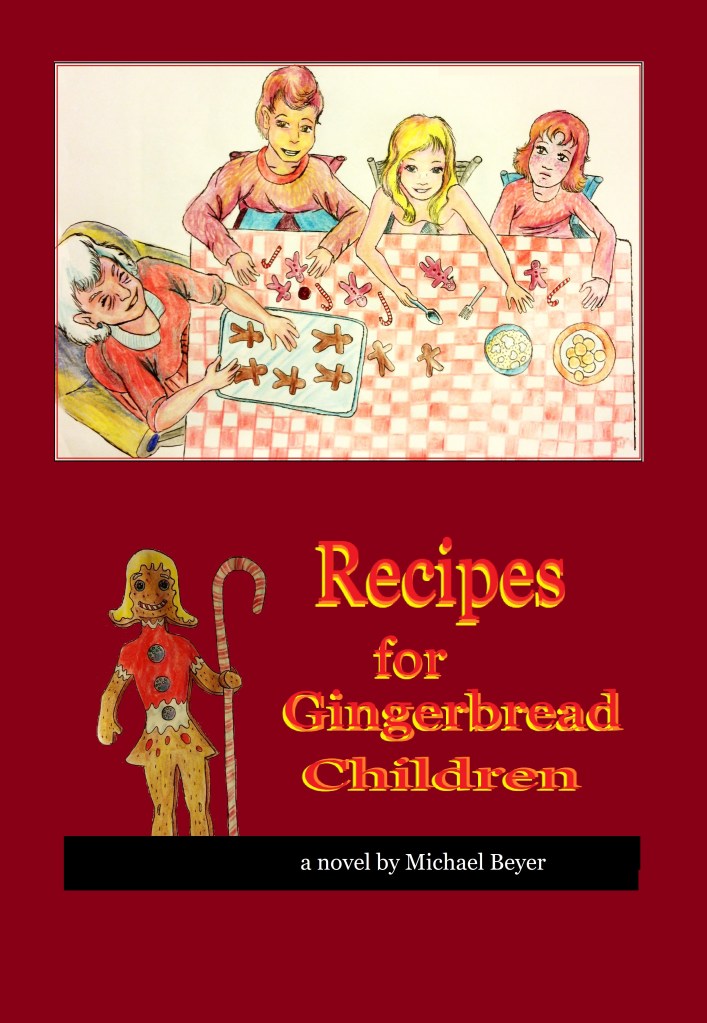
Grandma Gretel is the main character of Recipes for Gingerbread Children. She is a storyteller who has to come to terms with her own monsters from the past. She is a survivor of the Holocaust during WWII. She lost her entire family to the monsters of the Third Reich.
Ironically, she is the one who, through stories and her own keen perceptions, reveals the ultimate villain and his evil. She also, through stories, is coming to terms with her own trauma and loss.
So, what I am saying about my bookish journey at this point is that I have to write the novels I am writing because they allow me to rewrite the world I live in and the facts of my past life in it. I am rewriting myself. I am becoming the me I need to be by writing.
Of course, I am not yet done talking about my bookish journey. Keep an eye out for Part V.
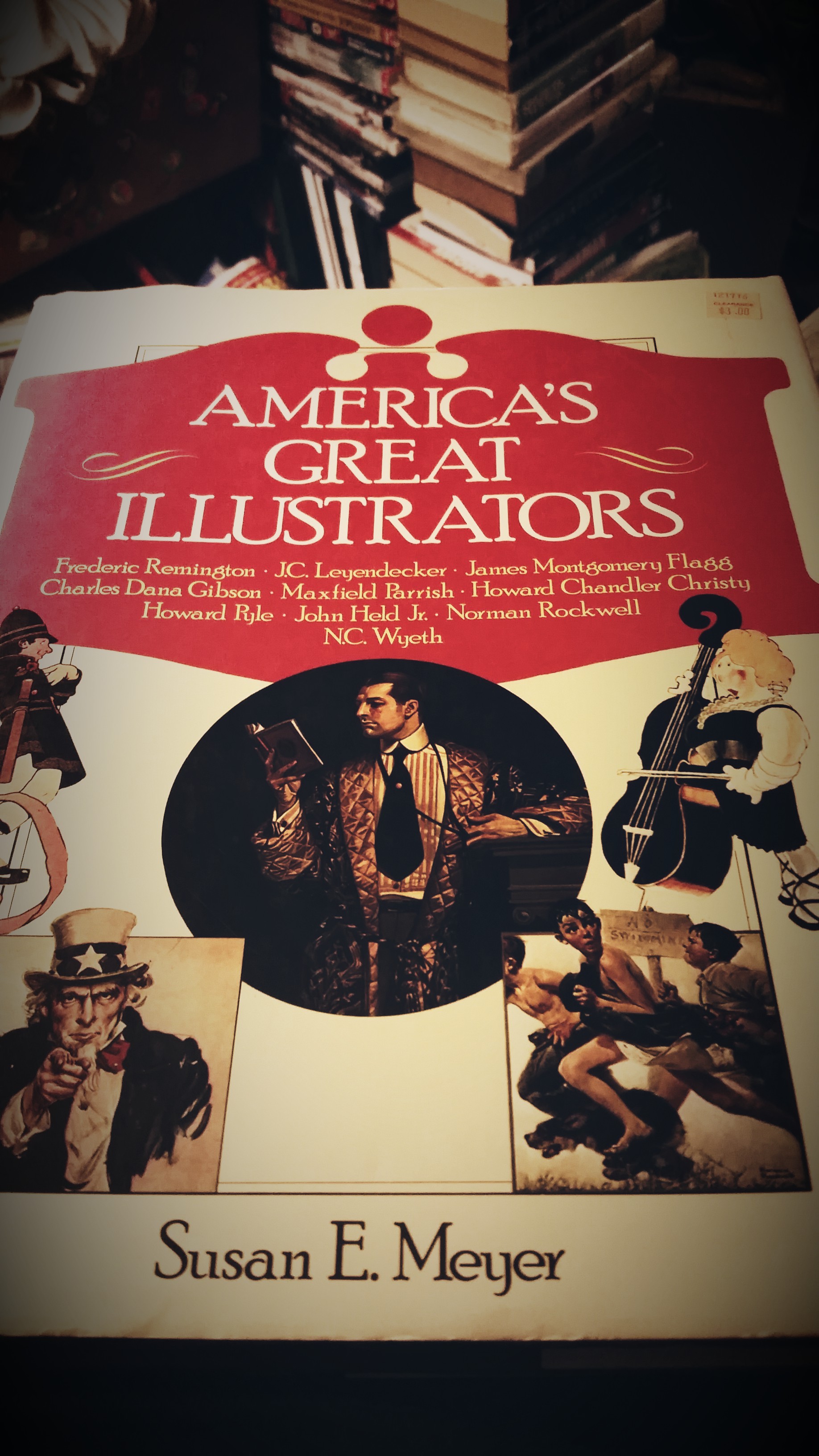
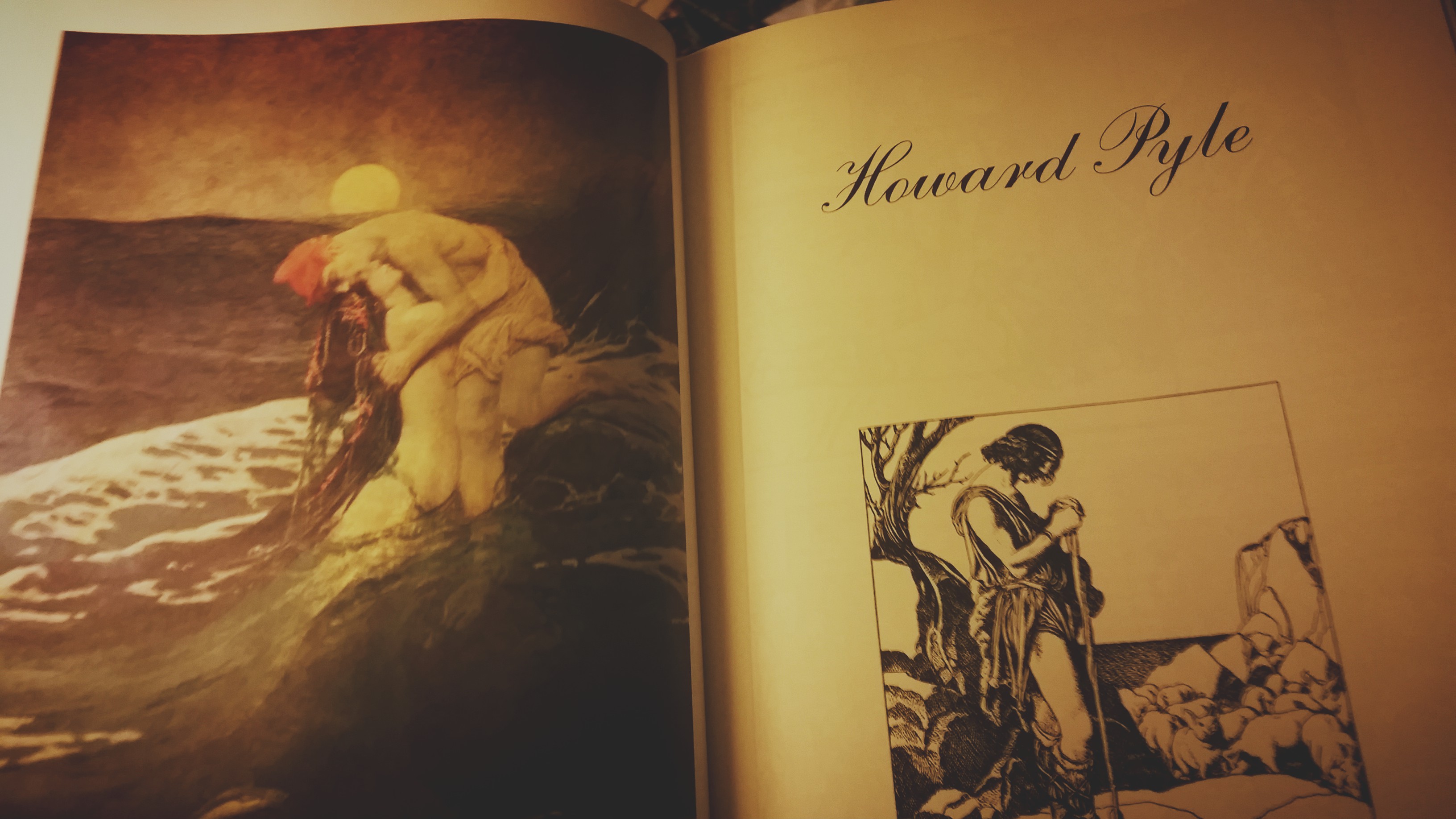
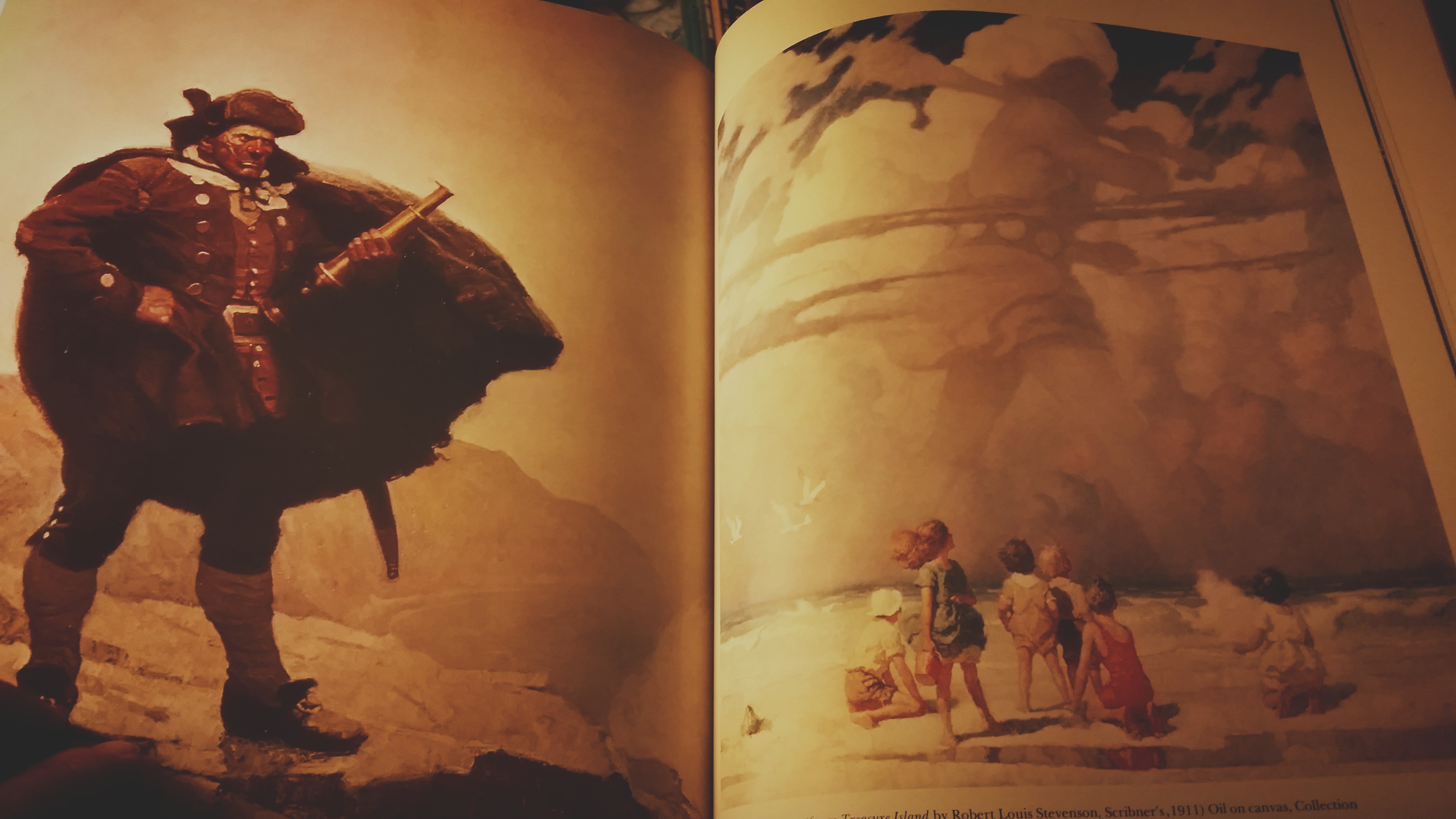
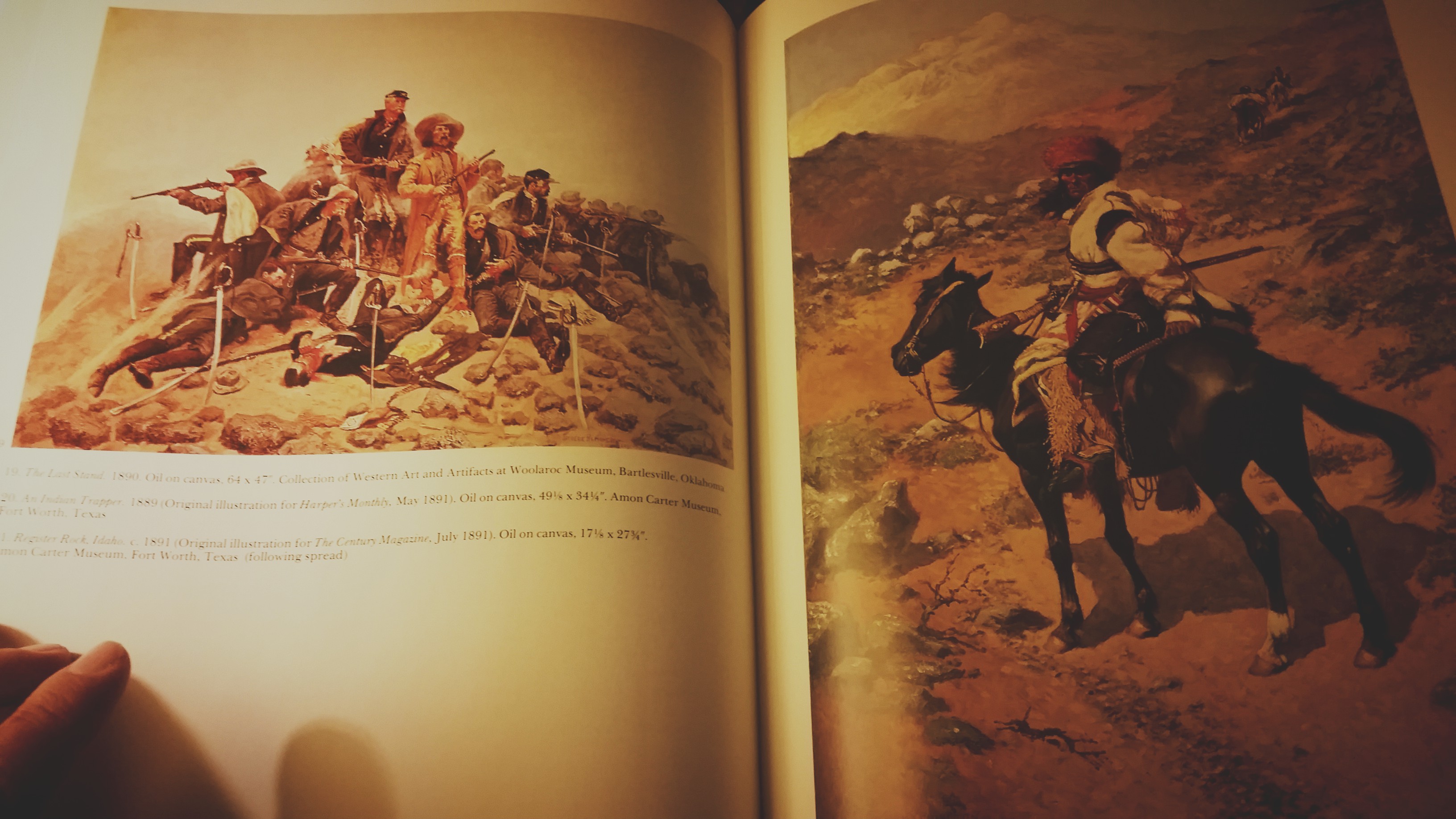
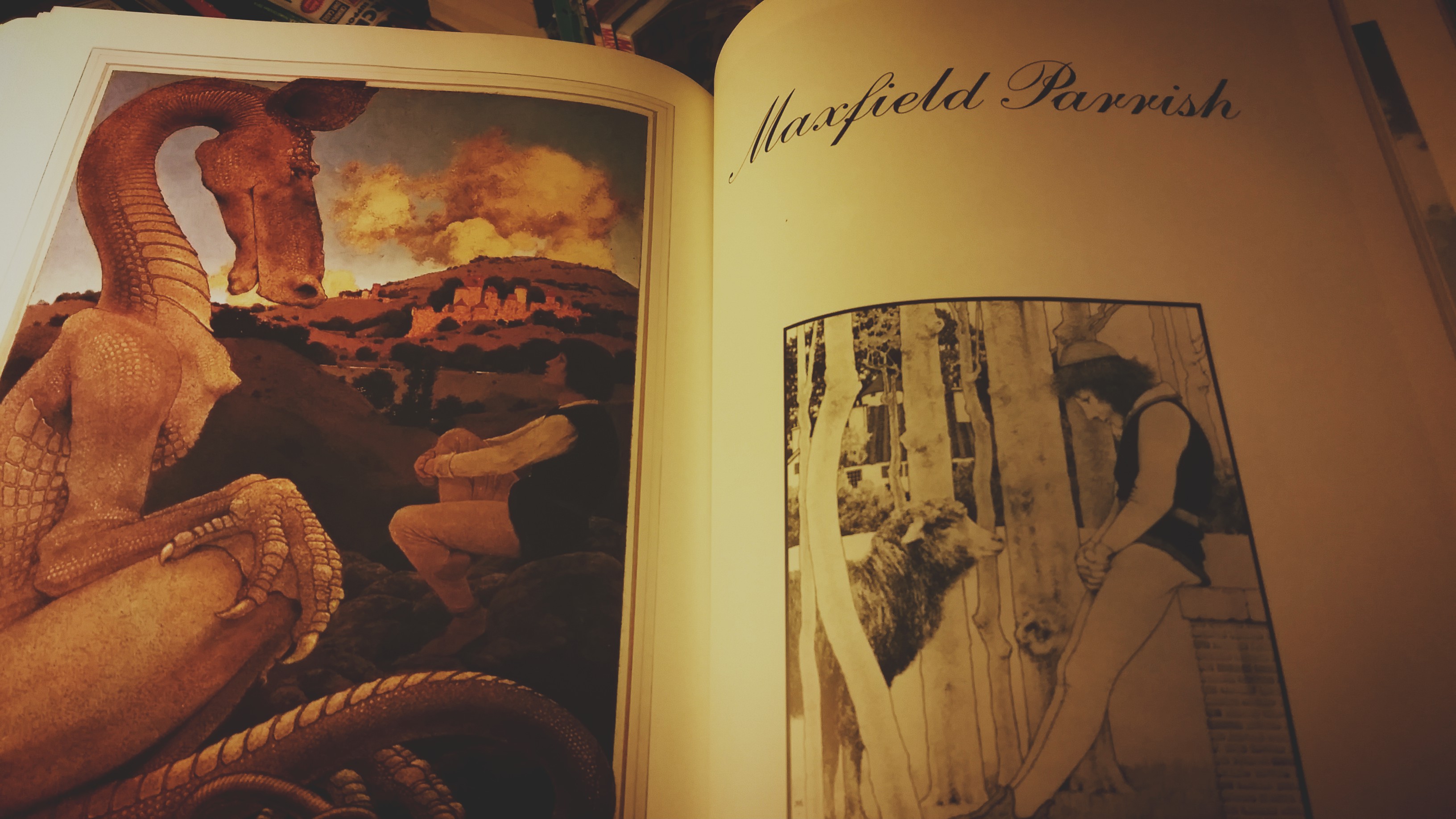
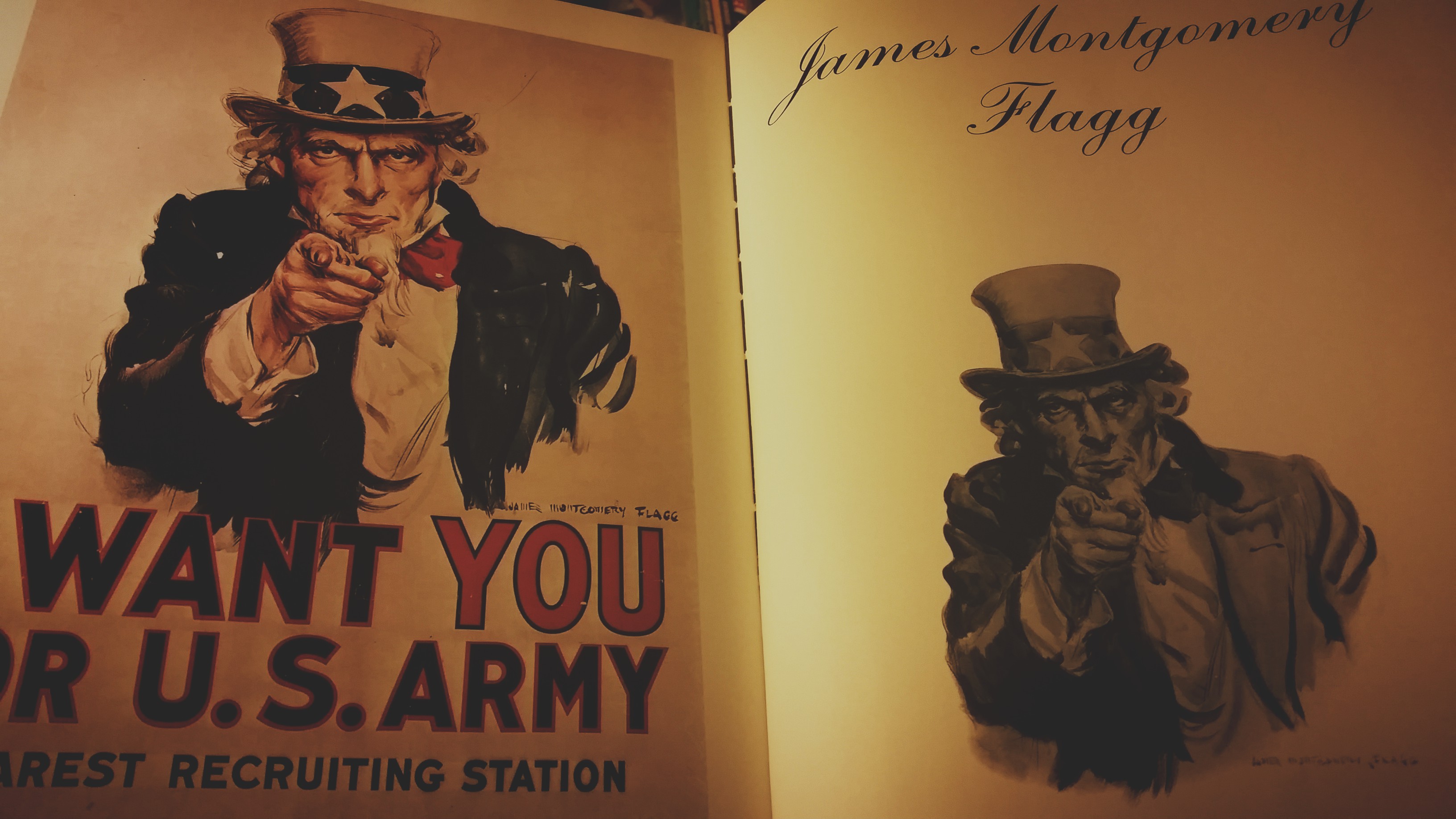
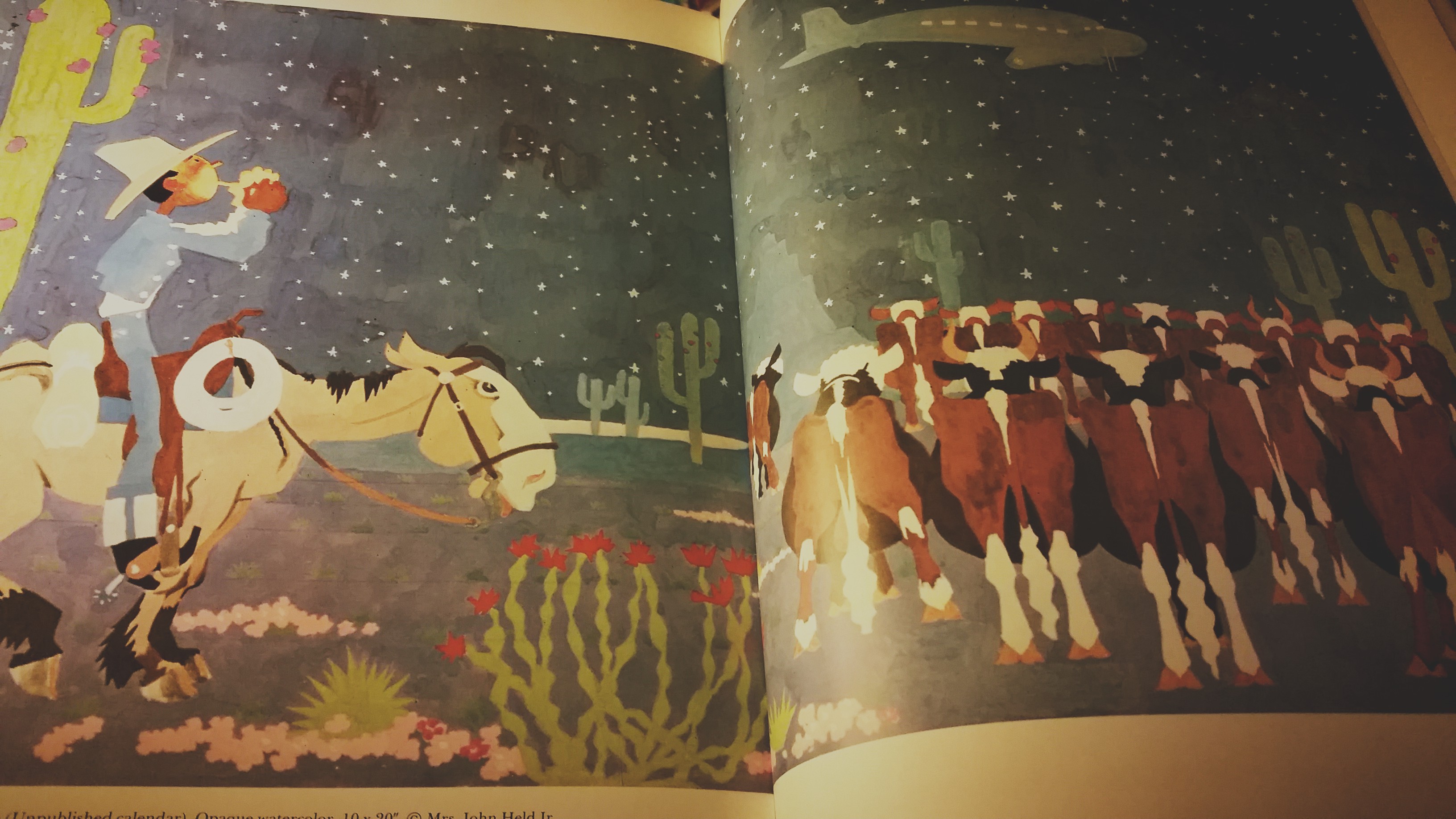
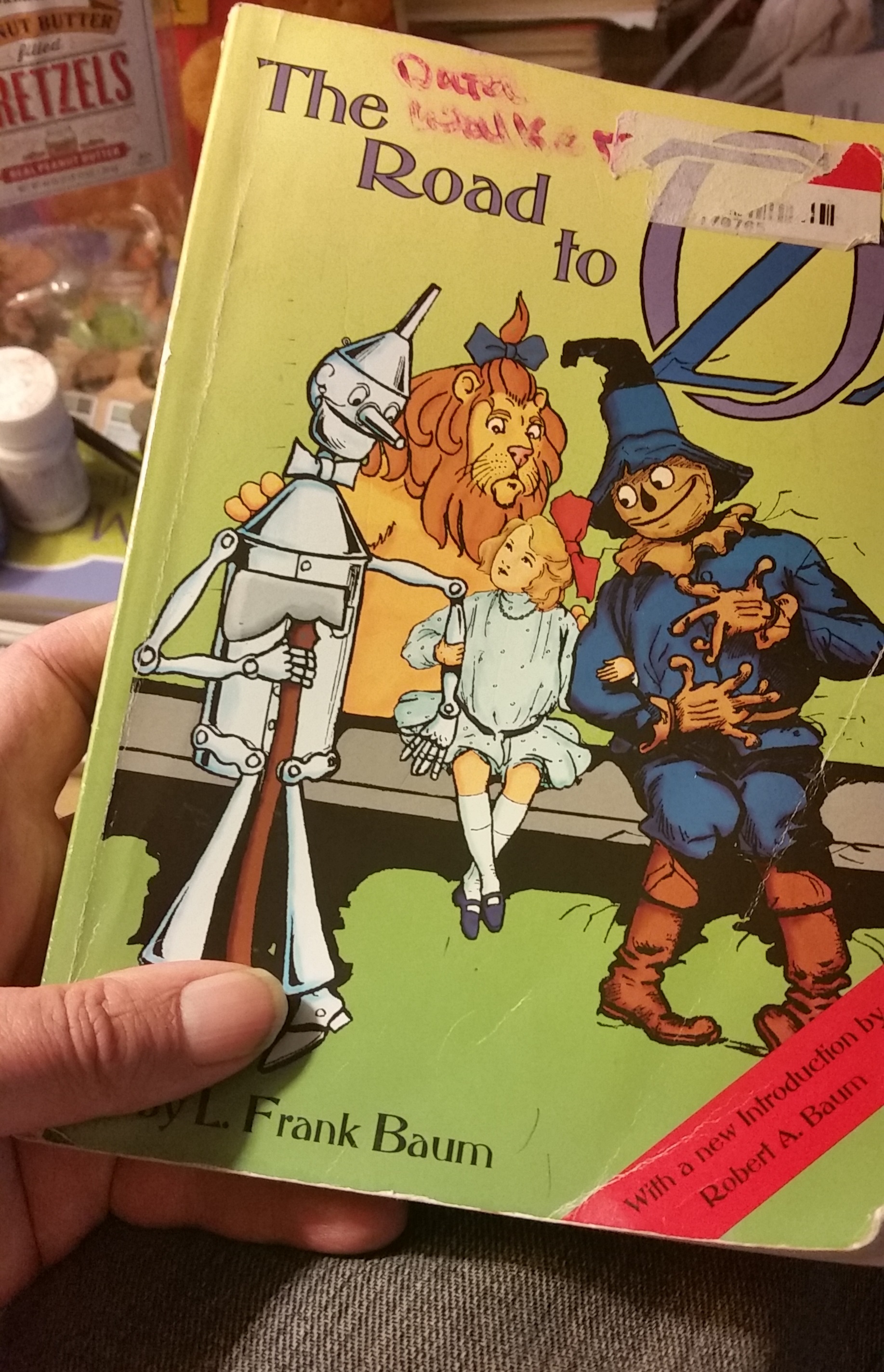
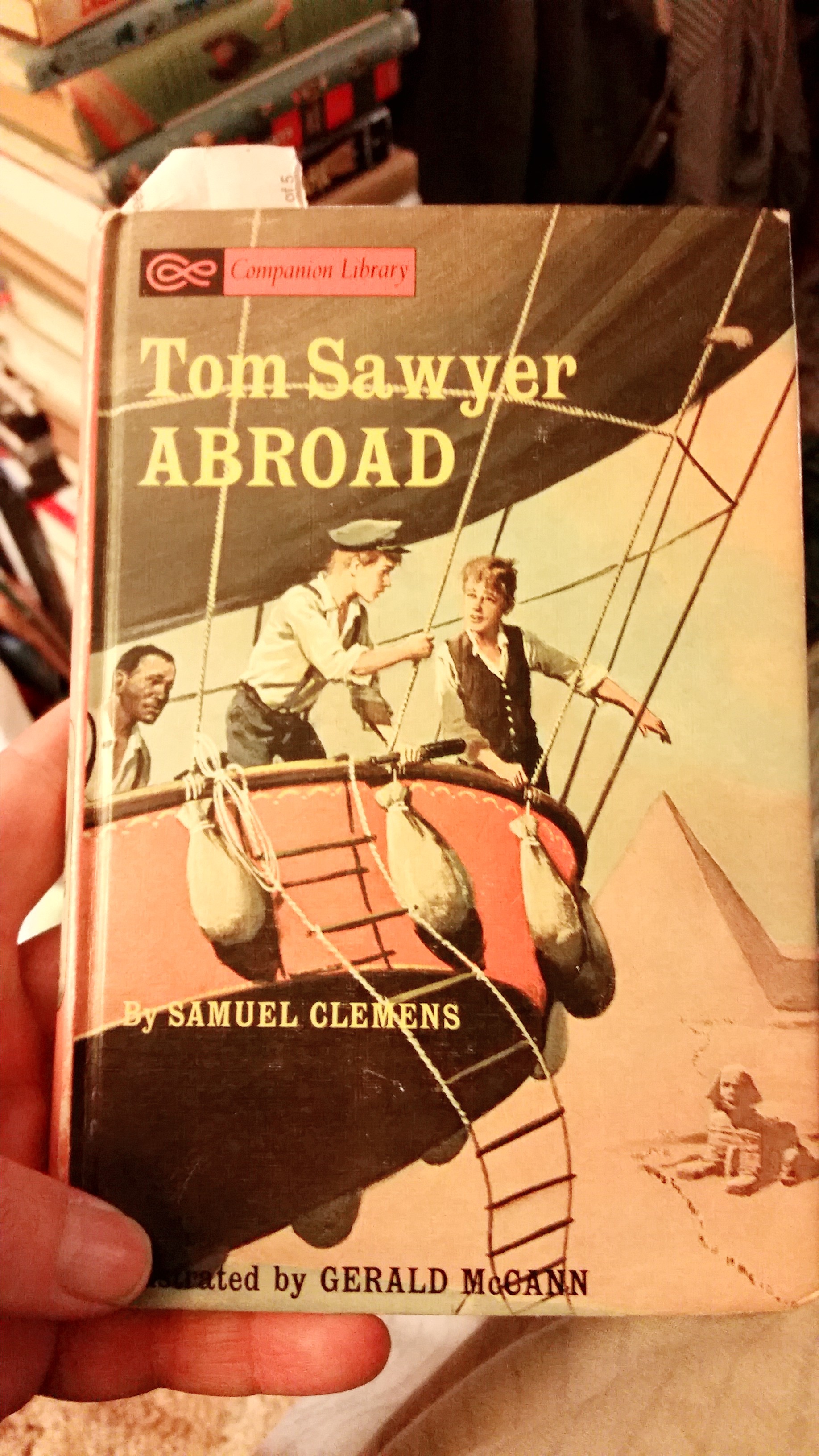
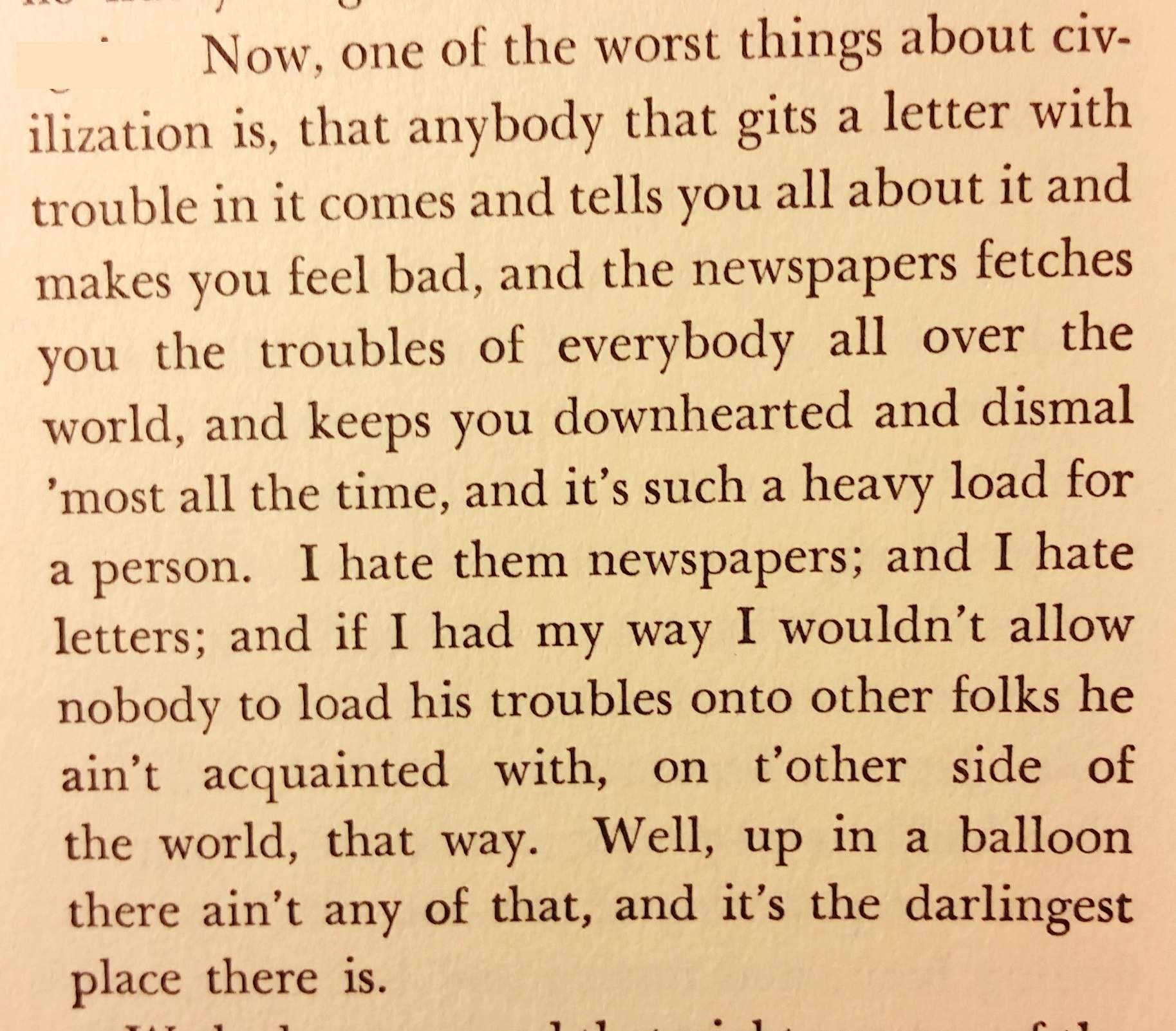
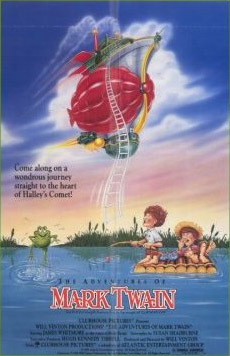 During my middle-school teaching years I also bought and read copies of The Prince and the Pauper, Roughing It, and Life on the Mississippi. I would later use a selection from Roughing It as part of a thematic unit on Mark Twain where I used Will Vinton’s glorious claymation movie, The Adventures of Mark Twain as a way to painlessly introduce my kids to the notion that Mark Twain was funny and complex and wise.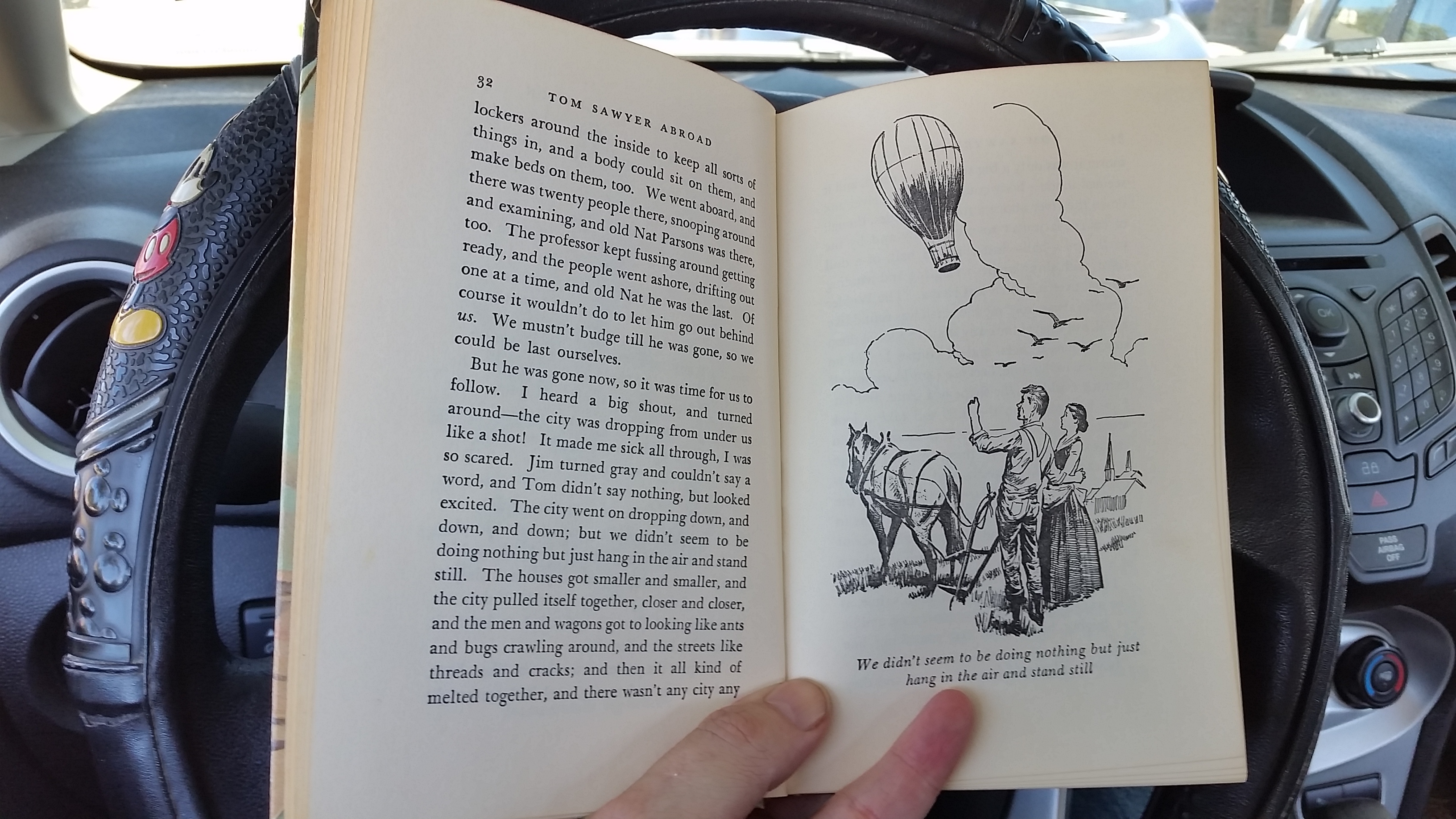


Winsor McCay
One work of comic strip art stands alone as having earned the artist, Winsor McCay, a full-fledged exhibition at the Metropolitan Museum of Art in New York City. Little Nemo in Slumberland is a one-of-a-kind achievement in fantasy art.
Winsor McCay lived from his birth in Michigan in 1869 to his finale in Brooklyn in 1934. In that time he created volumes full of his fine-art pages of full-page color newspaper cartoons, most in the four-color process.
As a boy, he pursued art from very early on, before he was twenty creating paintings turned into advertising and circus posters. He spent his early manhood doing amazingly detailed half-page political cartoons built around the editorials of Arthur Brisbane, He then became a staff artist for the Cincinnati Times Star Newspaper, illustrating fires, accidents, meetings, and notable events. He worked in the newspaper business with American artists like Winslow Homer and Frederick Remington who also developed their art skills through newspaper illustration. He moved into newspaper comics with numerous series strips that included Dreams of the Rarebit Fiend and Little Nemo in Slumberland. And he followed that massive amount of work up by becoming the “Father of the Animated Cartoon” with Gertie the Dinosaur, with whom he toured the US giving public performances as illustrated in the silent film below;
The truly amazing thing about his great volume of work was the intricate detail of every single panel and page. It represents a fantastic amount of work hours poured into the creation of art with an intense love of drawing. You can see in the many pages of Little Nemo how great he was as a draftsman, doing architectural renderings that rivaled any gifted architect. His fantasy artwork rendered the totally unbelievable and the creatively absurd in ways that made them completely believable.
I bought my copy of Nostalgia Press’s Little Nemo collection in the middle 70’s and have studied it more than the Bible in the intervening years. Winsor McCay taught me many art tricks and design flourishes that I still copy and steal to this very day.
No amount of negative criticism could ever change my faith in the talents of McCay. But since I have never seen a harsh word written against him, I have to think that problem will never come up.
My only regret is that the wonders of Winsor McCay, being over a hundred years old, will not be appreciated by a more modern generation to whom these glorious cartoon artworks are not generally available.
Leave a comment
Filed under art my Grandpa loved, artists I admire, artwork, book review, cartoon review, cartoons, comic strips, commentary
Tagged as Little Nemo in Slumberland, Winsor McCay