


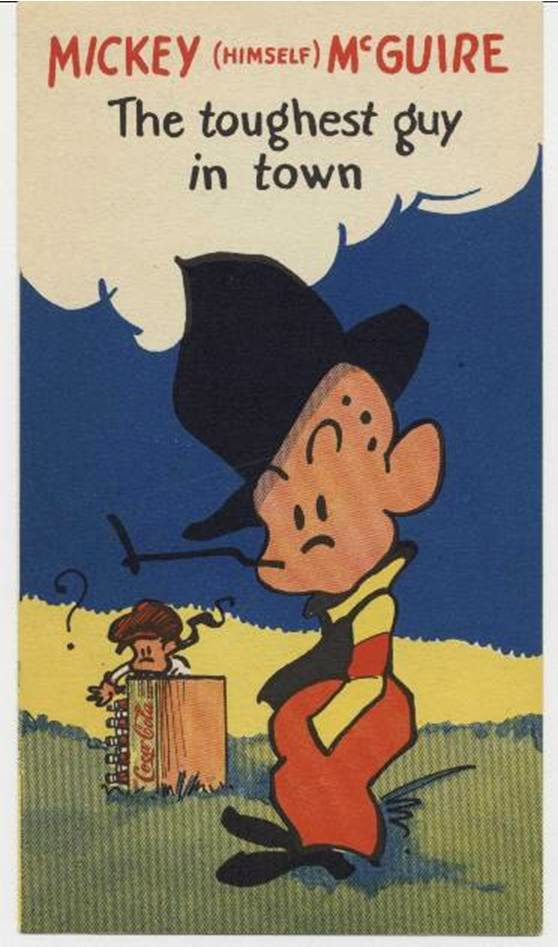
This post is about writer doubt. And Stephen King. Do those two things go together? If they don’t then Mickey is an awful writer and does not know how to do what he does. It would mean Mickey is icky.
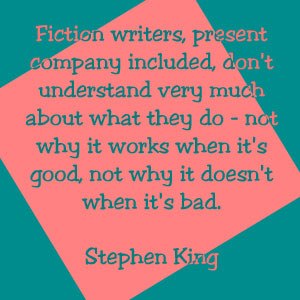
I used to think Stephen King was a totally over-rated writer. Back in the early eighties I read Carrie, King’s first novel, and got halfway through Firestarter, and had to give up. Partly because the book was overdue at the library, and also because I found the books mechanical and somewhat joyless in the writing. I thought he suffered greatly in comparison to writers I was in love with at the time like Ray Bradbury and Thomas Mann. I began to tell others that King was somewhat icky.
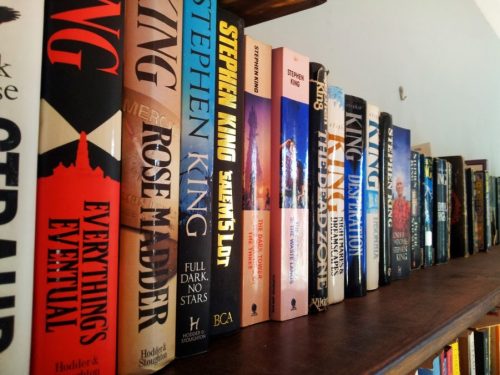
But King was obviously also somewhat successful. He began to get his books made into movies and people who don’t read discovered the evil genius of a man who tells stories to scare them and laces them with a bit of real humanity, real human feeling, and love.
I saw it first in Stand by Me. That movie, starring young Wil Wheaton as the Steven King autobiographical character, really touched my heart and really made for me a deep psyche-to-psyche connection to somebody who wasn’t just a filmmaker, but somebody who was, at heart, a real human being, a real story-teller.


Now, the psyche I was connecting to may very well have been Rob Reiner, a gifted story-teller and film-maker. But it wasn’t the only King movie that reached me. The television mini-series made from It touched a lot more than just the fear centers of my brain as well. And people whose opinions I respect began telling me that the books The Dark Tower Trilogy and Misery were also amazing pieces of literature.
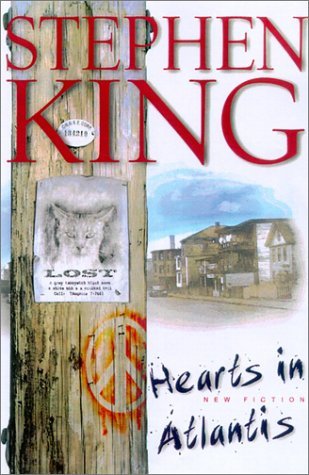
So I picked up a copy of Hearts in Atlantis at Half-Price Books and began reading a Stephen King novel for the first time since the 80’s. MY HOLY GOD! King is not a little bit icky. He is so NOT ICKY that it makes Mickey sicky to have ever thought King was even a little bit icky! Here is a writer who loves to write. He whirls through pages with the writer’s equivalent of ballet moves, pirouettes of prose, grand jetés of character building, and thematic arabesque penchées on every side of the stage. I love what I have discovered in a writer I thought was somewhat icky. Growth and power, passion and precision, a real love of both the words and the story. He may not know what he is doing. But I know. And I love it.
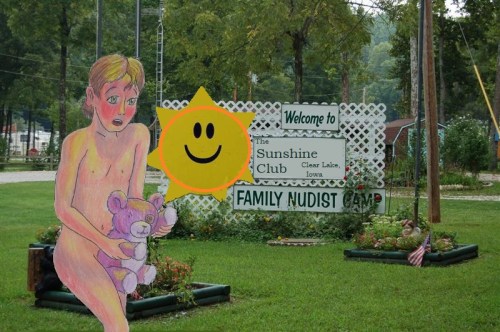
And so, while I have been editing the first novel I ever wrote, Superchicken, to make it ready for self-publishing, I have begun to ask myself the self-critical question, “Is Mickey really icky when he writes?” My first novel is full of winces and blunders and head-banging wonders that make me want to throw the whole thing out. But I can’t throw it out. It is the baby in the first bathwater that I ever drew from the tap. The answer to the questions of Micky ickiness have yet to be determined, and not by me. I guess I have to leave it up to you.

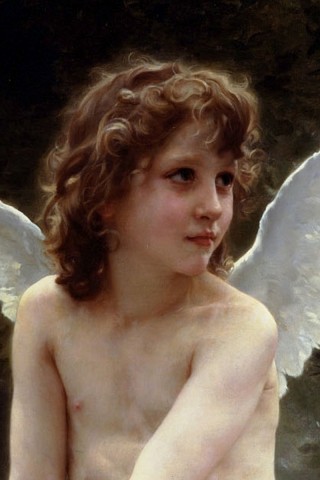


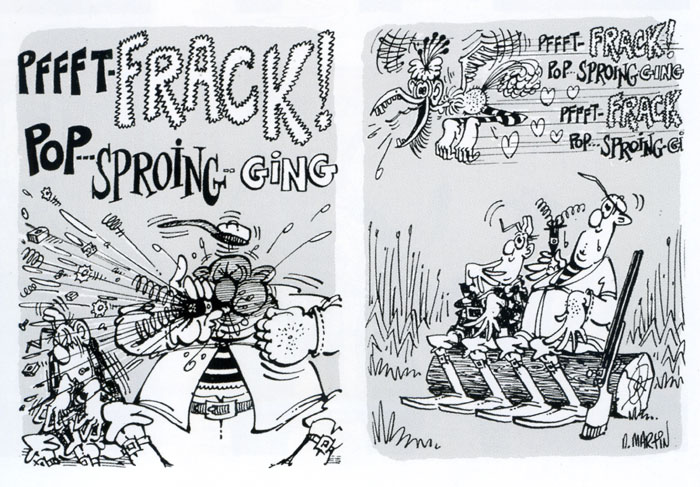




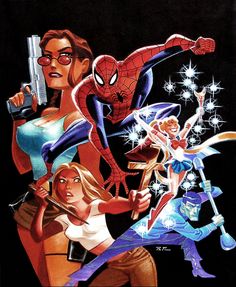
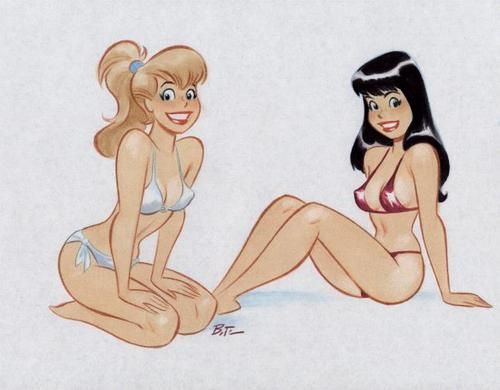

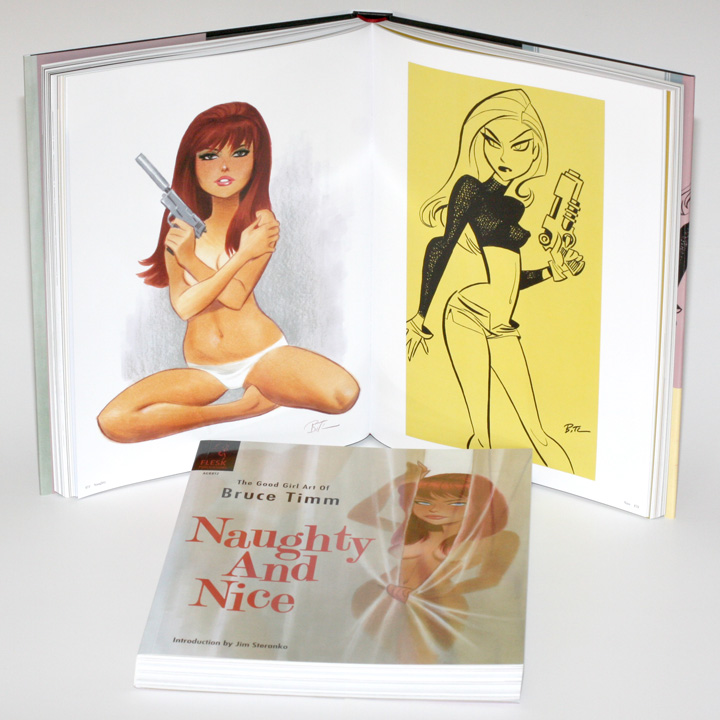







Naked Innocence
To be clear, I will have to write a post called Naked Experience to go with this post. It is a William Blake style of thing. You know, that English Romantic Poet guy who was into drawing naked people even more than me? The writer of Songs of Innocence and Experience? You know, this stuff;
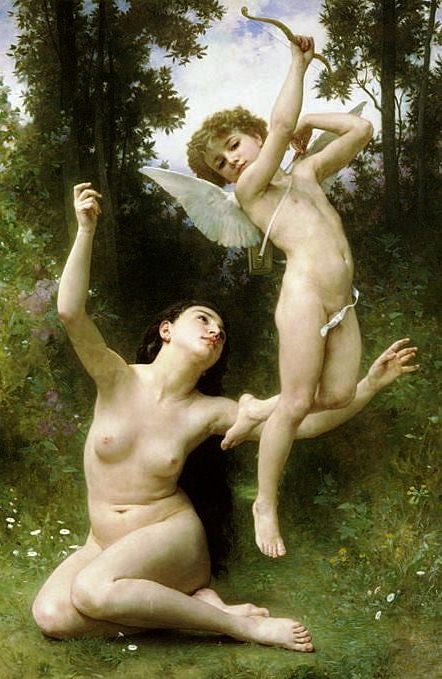
Well, maybe you don’t know. But Blake gave the world the metaphor of the innocent lamb and the tyger of experience (tyger is his spelling, not mine, and it didn’t blow up the spell checker, even though it made the thing unhappy with me again). There is a certain something I have learned about nakedness that I mean to innocently convey. I learned it from anatomy drawing class and spending time with nudists. Naked is not evil. Naked is not pornography. Nakedness, itself, is a very good thing.
At this point the avid clothing-wearers among you are probably saying to yourself, “This guy is nuts! If God had wanted us to be nude, then we wouldn’t have been born with clothes on.” And I must admit, I cannot argue with logic like that.
But on a more serious note, I believe nudity is a fundamentally essential part of the nature of art. After all, pictures of naked people are a central part of what people have been drawing since they first started etching them with charcoal on cavern walls. And all art, including this blog, is about the human experience. What it means to be human. What it feels like to be alive on this Earth and able to feel.
And there is nothing sinister and immoral in drawing nudes to portray that fact. I am trying to show metaphorically the music of existence, the pace, the symmetry, the musical score… It isn’t focused on the private bits, what some call the naughty parts, even when those things are present in the picture. “How dare that naughty Mickey show the naked back end of that butterfly! It ought to have pants on at least!” Yes, I am making a mockery of that outrage itself. I am not a pornographer. These pictures were not created to engender any prurient interests. These pictures are part of Blake’s lamb. They will not bite you. Though blue-nosed people who wish to control what others think may very well bite me for daring to say so.
I have posted a lot of writing and artwork on this blog that I held for the longest time to be completely private and personal. I hardly ever showed any of it to anybody before I posted it here. But I am old. I no longer have secrets. I am capable of telling you everything even though I have never met most of you in real life. And I have no shame. I have become comfortable with emotional and intellectual nudity. And when I am dead, the body I have kept hidden from the world for so long will be no more. It’s just a thought. It’s a naked thought. And it is completely innocent.
Leave a comment
Filed under artists I admire, artwork, commentary, humor, nudes, Paffooney, strange and wonderful ideas about life
Tagged as art, literature, nudes, poetry, William Blake