Tag Archives: writing

500 Words

oliverwendellholmessr1

When I started this whole blogging-every-day thing, I decided the rule had to be 500 words written in a day.  And I meant to hold myself to writing 500 words somewhere in the writing day, whether it was my blog post or the novel I was working on, or a combination of both.  I followed that rule religiously through more than 1,500 blog posts and five first draft novels.  I found it easier and easier to surpass 500 words on a daily basis.  There are all sorts of bits of time available and I collect ideas faster than a rich kid generates empty candy wrappers.  The more I call on the well of words for more words, the more words are available.  Now, it seems, writing only 500 words is the trick.

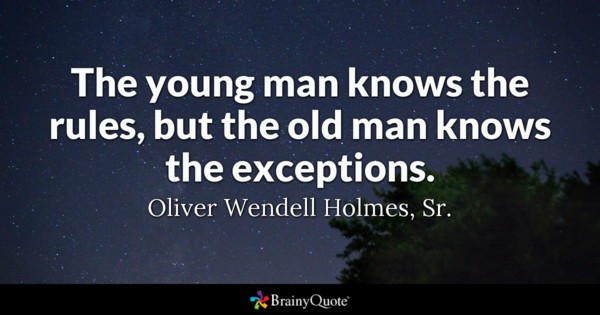
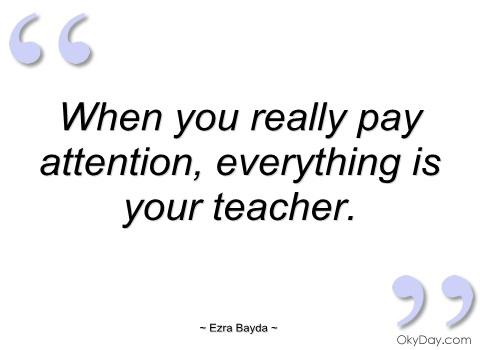
I suppose I have become an Old Man of Words.  I know both the rules and the exceptions.
3695714-pay-attention-quotes-and-sayings

Knowing that I can write more than 500 words easily, then the question becomes, why don’t I?  Well, the cardinal rule is “Say it short.  Say it simple. And say it sweet.”  That rule can generate a lot of wonderful writing, full of juicy ideas that splash with flavor when you bite into them.  Ernest Hemingway knew that rule.  Every poet knows it.  Readers generally prefer the easily accessible idea expressed with elegance.

Now, I also have to admit a guilty pleasure in perpetrating purple paisley prose.  That is the style of writing in which I generally write convoluted sentences with complex ideas that fold back in on themselves and over-use alliteration to criminal degrees.  Charles Dickens liked to do that with descriptive details.  Paragraphs about the boarding schools of London, the streets filled with child chimney sweeps and flower girls, and dingy mind-dulling workhouses could take up two or three pages per paragraph.  And two pages further on, he layers more details on the same setting.  Piles and piles of words and wordplay fill the pages of William Faulkner, James Joyce, and Marcel Proust.  And if you haven’t read at least something from each of those gentlemen, you will never know what you are missing.  But you can prune your paragraphs like a greenhouse master florist with limited space will do to his orchids, and you can actually end up fitting great beauty and powerful content into something even more limited than a 500-word essay.  In fact, if you take your ideas and distill them, and keep distilling them, over and over, you will eventually have pared the words down into poetry.

So, there you have it.  The reason my essays are about 500 words.  This one is four hundred and forty-one words.
Leave a comment

Filed under poetry, reading, strange and wonderful ideas about life, Uncategorized, wisdom, wordplay, writing, writing teacher

Talking to Girls

Communicating with a wife is complicated.  In fact, I couldn’t do the whole writer-think thing about that topic without writing a book.  But I can successfully ruminate for about 500 words on the that awkward first encounter, the first time I ever was embarrassed in front of a non-sister girl.

Sherry_n

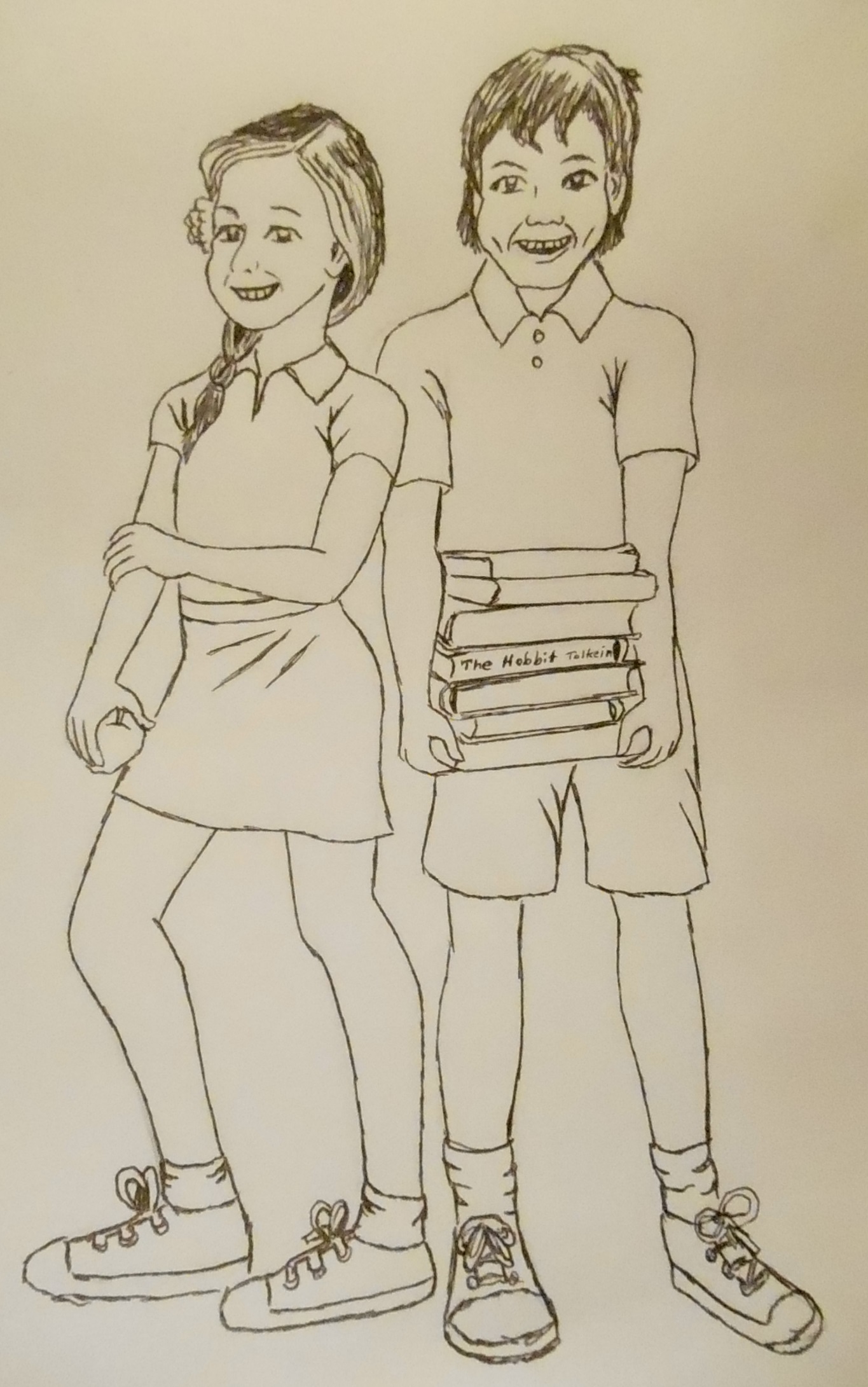
In grade school I met my first crush in kindergarten.  Alicia Stewart was a honey-sweet little brown-haired girl with a bow in her hair.  I was a boy.  I was not allowed to like girls.  Hating them was the only thing that made sense to my friends and I.  But, secretly, I didn’t hate Alicia.  In fact, if I was ever to be doomed to be married when I grew up, I would’ve only accepted that horrible fate if it was with her.  And in my small town school I saw her practically every school day.  In fact, in Miss Malkin’s music class on Tuesdays and Thursdays I sat right next to her in Miss Malkin’s seating chart for six years.

Mike n Blue B&W

In Miss Malkin’s music class we always did musical stuff like listening to classical records, singing songs for the yearly musical review concert (we did the songs from the musical The Music Man one year… you don’t get more musicky than that), and we did square dancing.  Yeah, you heard that right.  Square dancing.  You had to have a girl for a partner.  And one year, Miss Malkin decided it would be cute to have the boys ask the girls to be their partners.  Now, as boys… in top secret boy-conversations, we had generally agreed that if such a problem would ever occur, Alicia Stewart was the only acceptable choice.  We all hated girls.  But we all were secretly in love with Alicia.  She was girl-hating-boy approved.  When I was twelve, there was another girl that was making me uncomfortable too.  Marla Carter was nine when I was twelve.  She had big brown eyes and dimples.  Her face was somehow heart-shaped, and only Alicia could make my palms sweat any worse than she did.  But in top secret boy-conversations it was ruled that she was a booger-eating little girl and totally toxic.  Well, I didn’t totally agree, but I was still subject to all girl-hating directives.

“Okay,” Miss Malkin said, “the boys will now pick their partners… one at a time in alphabetical order.”

My last name began with the letter “B”, but my best friend Mark had a last name starting with “A”.

“I pick Alicia,” Mark said.

My heart sank.  I had my pick of any girl besides Alicia.  Marla was standing about four feet away from me, her hands folded together behind her back, looking at me with those puppy-dog eyes.  My throat was too dry to speak.

“Um, ah… I can’t pick anyone…” I croaked.  “You pick it, I will dance with it.”

“Now, don’t be like that, Michael.  Get on with it!” Miss Malkin commanded.  Everyone loved the music teacher, and so everyone obeyed her.  I had to submit.

I looked at Marla, dug my toe into the floorboards, and said, “I choose my cousin Diane.”

Talking to girls has always been a matter of embarrassment.  The words are always awkward and shaped not by my brain, but by my bowels.  This fact has always been a hindrance to my dealings with the female species, but it has been an unending source of potential for writing  humor.

Leave a comment

Filed under autobiography, humor, Paffooney, pen and ink, Uncategorized

The Cowboy Code

When I was a boy playing cowboys and Indians with cap pistols and rubber tomahawks, we all knew that cowboys had a code.  The guy in the white hat always shoots straight.  He knows right from wrong.  He only shoots the bad guy.  He even shoots the gun out of the bad guy’s hand if he can.  Westerns are about right and wrong, good and bad, and the unyieldingly good knights of plains.

And boys believe what they see on TV and in the movie theaters.  People who make television shows never lie, do they?  In fact, Wyatt Earp was based on a real guy who really lived and really shot the bad guys at the gosh-darn real OK Corral.

Daniel Boone was a real guy too.  He faced the opening up of new lands full of deadly dangers.  And when Fess Parker played him in 1964, wearing Davy Crockett’s coonskin hat, he walked the earth like a guardian angel, making everyone safe by the end of the episode.  He even knew which Indians were good and which were bad.  Mingo was always on Daniel’s side.  And when they spoke to each other about the dangers they faced, it was never about killing the people they feared.  It was about doing what is was right, about helping the community at Boonesboro to survive.  Being encouraging… looking forward to a more settled future created by following the cowboy frontier code.

So, I am left wondering what ever happened to the cowboy code?  I listen to Republican presidential candidates talking about dipping bullets in pig’s blood to kill Muslims, and building walls against Mexican immigrants, and why our right to carry assault rifles is sacred, and I wonder what happened.  Didn’t they experience the same education from the television versions of the Great American Mythology?  Didn’t they learn the code too?

218_Kristyn2013Neets

I am old enough now to know that cap guns are not real guns and you cannot solve problems by shooting somebody.  But that was never the point of the cowboy code.  We need straight-shooters again in our lives, not to shoot people, but to tell the unvarnished truth.  We need wise people who can tell who are the good Indians and who are the bad   We need them to shoot the weapons out of the bad guys’ hands.  And I know that’s asking for leaders to be larger than life and be more perfect than a man can actually be.  But Daniel Boone was a real man.  Myths and legends start with a fundamental truth.

Leave a comment

Filed under autobiography, commentary, cowboys, humor, insight, philosophy, politics, Uncategorized

People All Have Worth

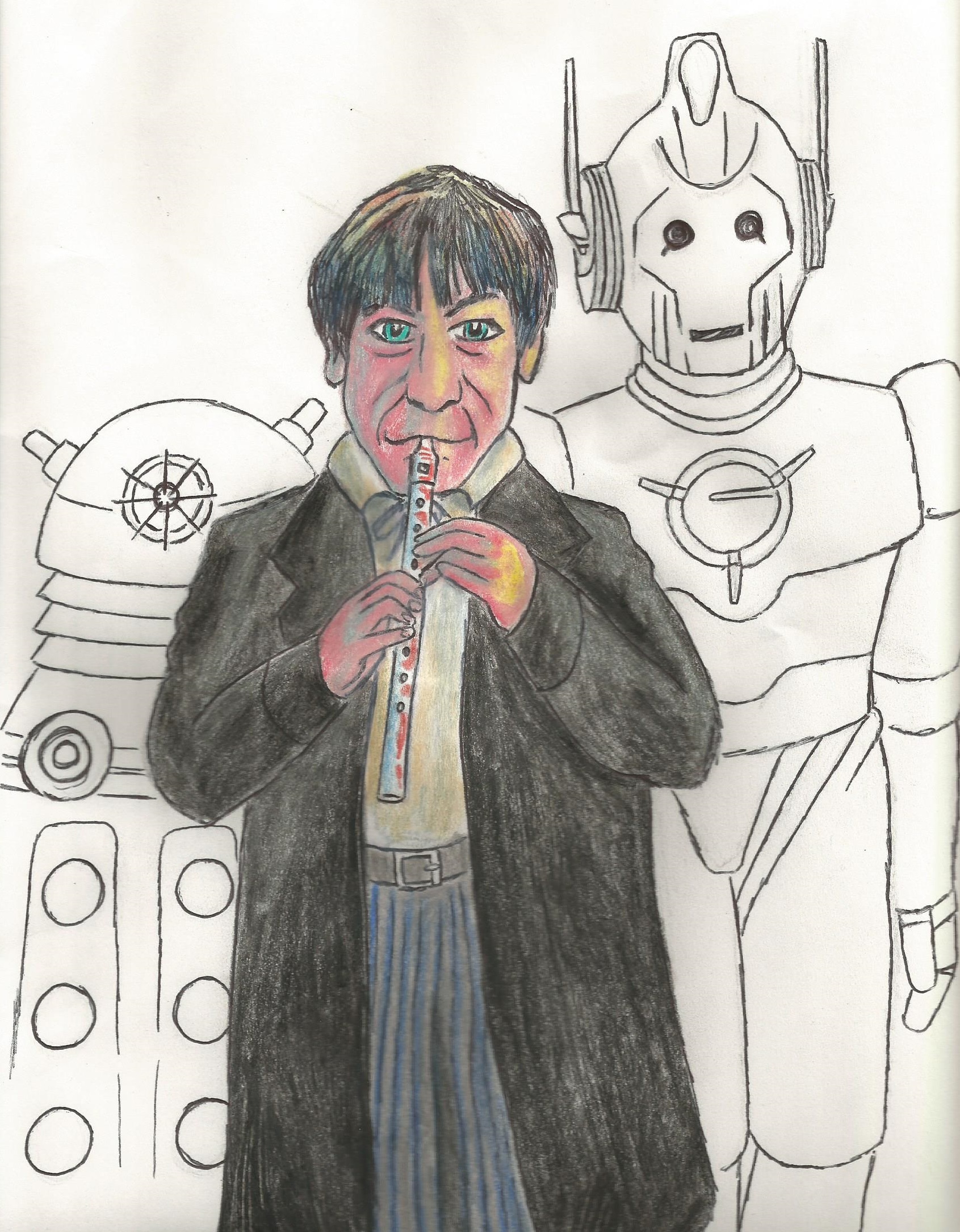
2nd Doctor  I know that you are probably immediately listing all the reasons that my title is totally wacky monkey-thinking in your head.  And if you want to lay into me in the comments, you are more than welcome.  But the reality is that teachers have to develop the mindset that all kids can learn and all people have value… no matter what.  That can be hard to accept when you factor in how corrupted, warped, and badly-taught so many people have turned out to be.  It honestly seems, sometimes, that when faced with the facts of how people act… being violent, or greedy, self-centered, thoughtless, un-caring, and willfully stupid… that they really don’t even have value to others if you kill them, let them rot, and try to use them as fertilizer.  The plants you fertilize with that stuff will come up deformed.

But the Doctor I have pictured here, the Second Doctor played by Patrick Troughton always seemed to find Earth people delightful.  Alien people too, for that matter, unless they were soulless mobile hate receptacles in robotic trash cans like the Daleks, or mindless machines powered by stolen human brains like the Cybermen.  There is, indeed, music in every soul, even if some of it is a little bit discordant and awkward.  And people are not born evil.  The classic study done on Brazilian street kids showed that even with no resources to share and living empty, hopeless lives, the children helped one another, comforted one another, and refused to exploit one another.  As a teacher you get to know every type that there is.  And there are stupid kids (deprived of essential resources necessary to learning), and evil kids (lashing out at others for the pain inflicted upon them), and needy kids (who can never get enough of anything you might offer and always demand more, MORE, MORE!)  Sometimes they drive you insane and make you want to resign and leave the country to go count penguins in Antarctica.  But the Doctor is right.  No matter what has been done to them, if you get to know them, and treat them as individual people rather than as problems… they are delightful!  Andrew

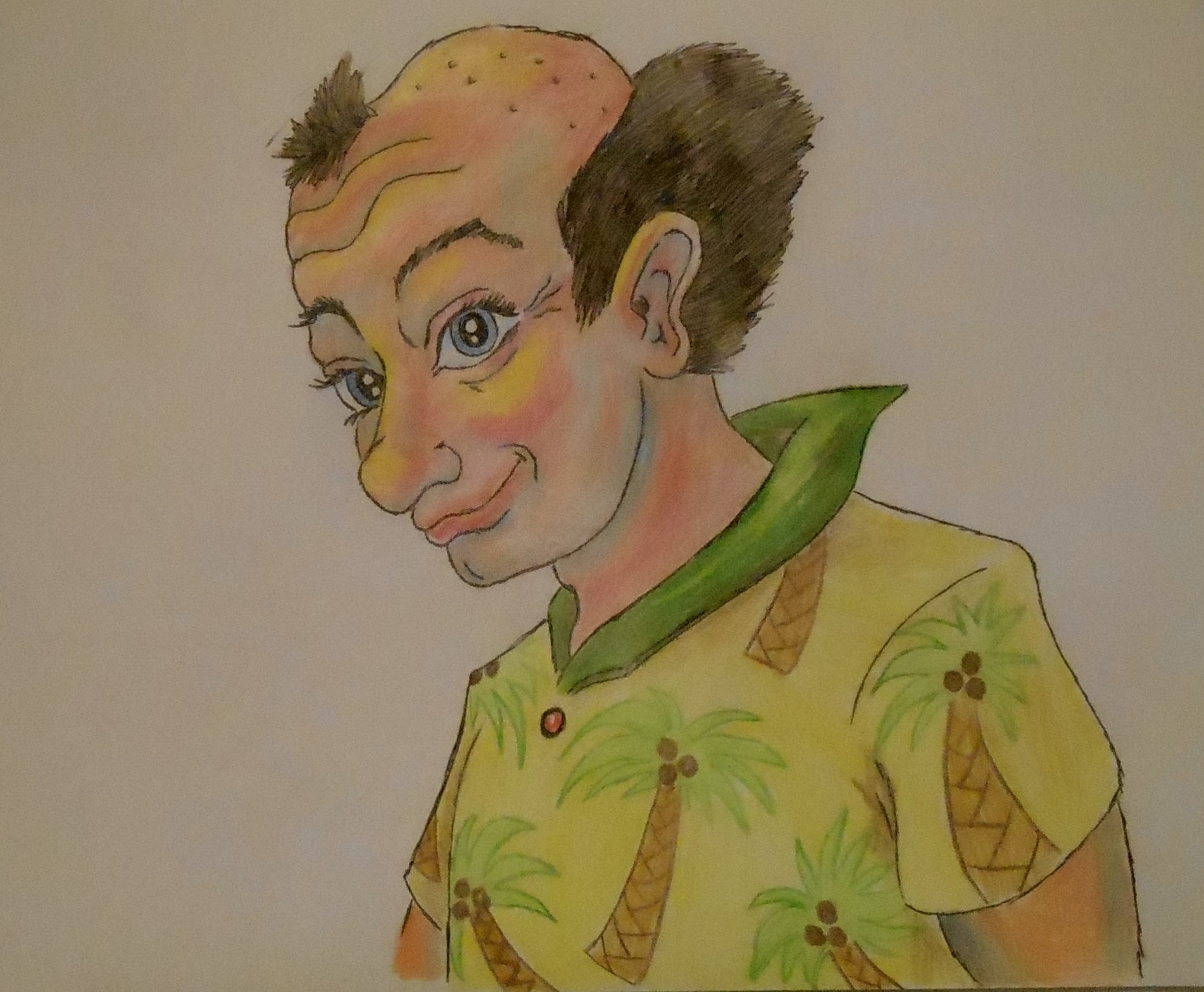
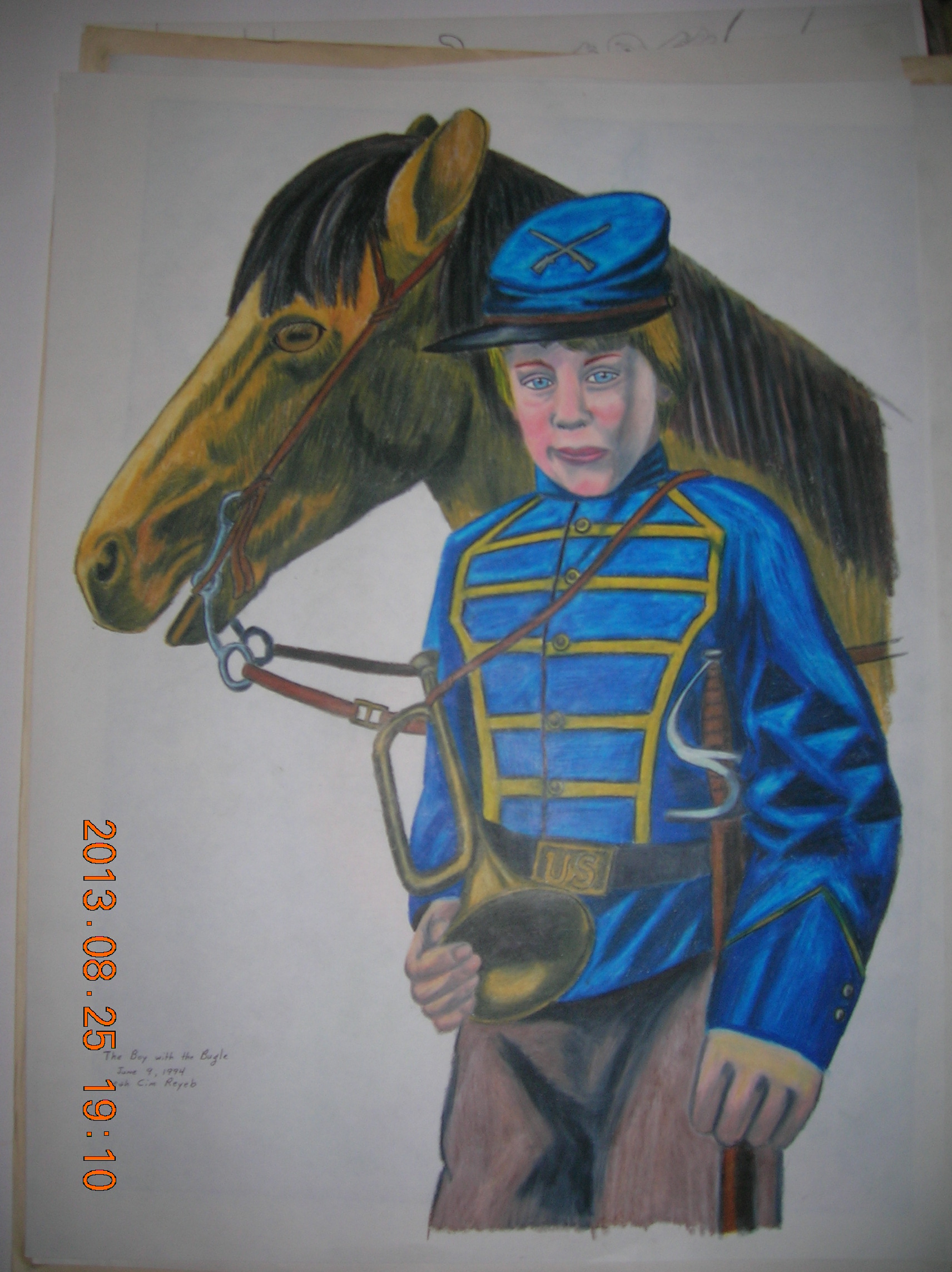
So let me show you a few old drawings of people.

Cute people like Andrew here.

Or possibly stupid and goofy people who never get things right.

Harker

Or long-dead people who made their contributions long ago, and sacrificed everything to make our lives different… if not better.DSCN4448

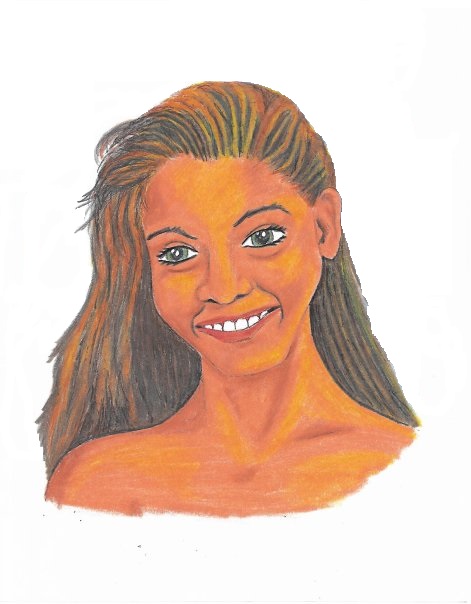
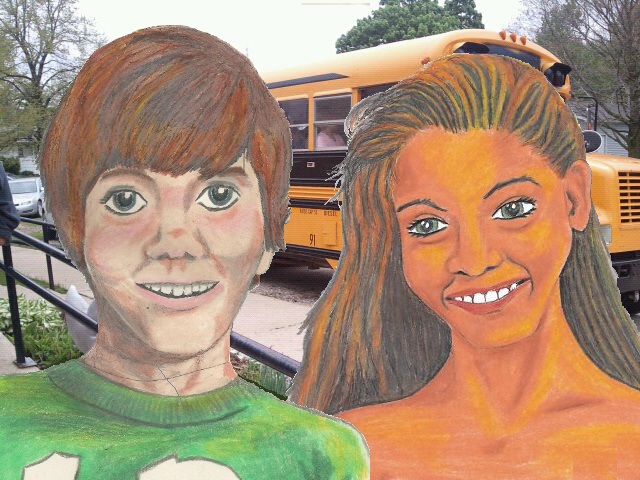
Supe n Sherry_nOr young people who live and learn and hopefully love…

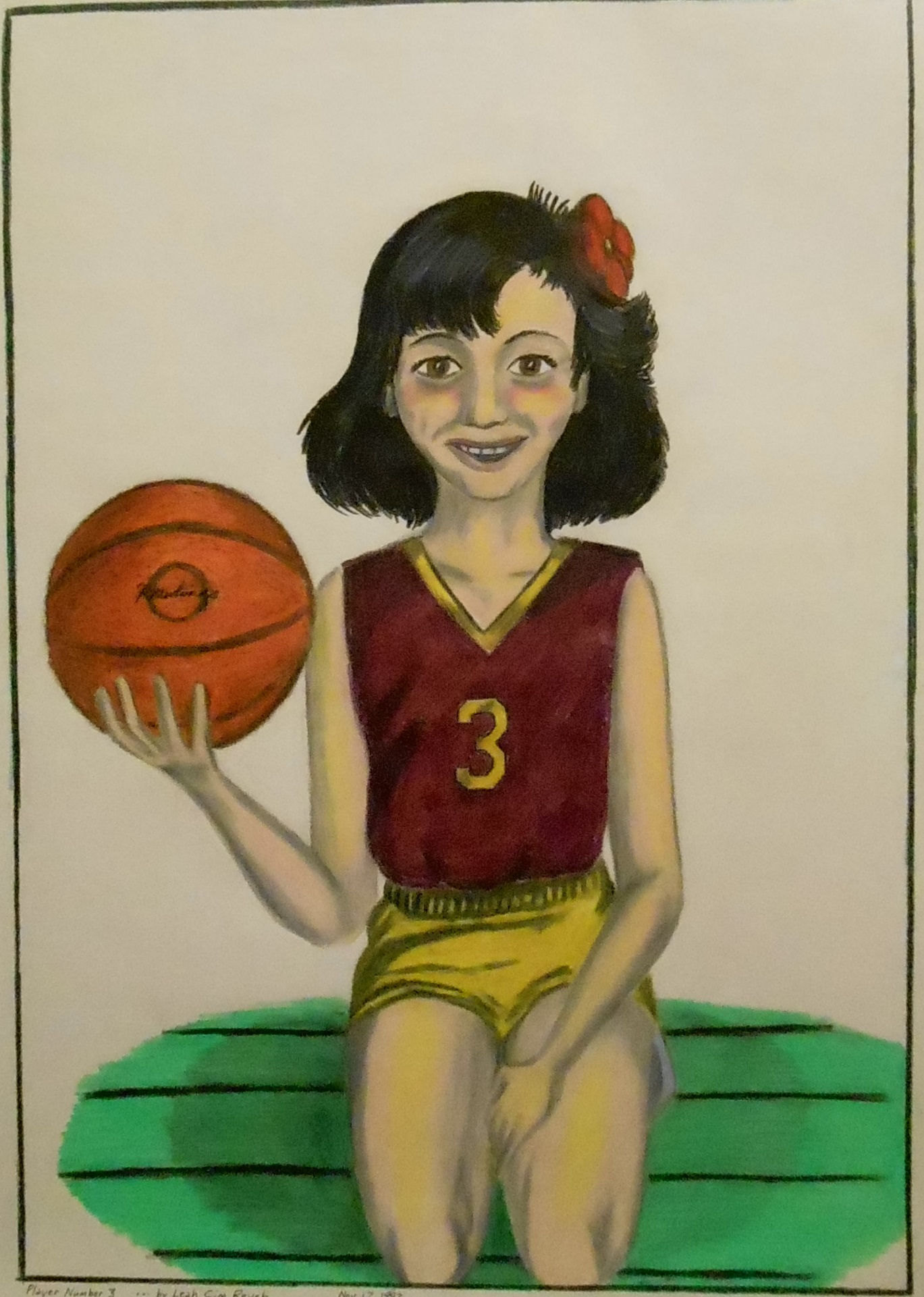
And try really hard at whatever they do… whether they have talent or not.

Player3

And hope and dream and play and laugh…

And sometimes hate… (but hopefully not too much)…

And can probably tell that I really like to draw people…

Because God made them all for a reason…

even if we will never find out what that reason is.

2 Comments

Filed under art my Grandpa loved, humor, Paffooney, philosophy

My Bookish Journey (Finale)

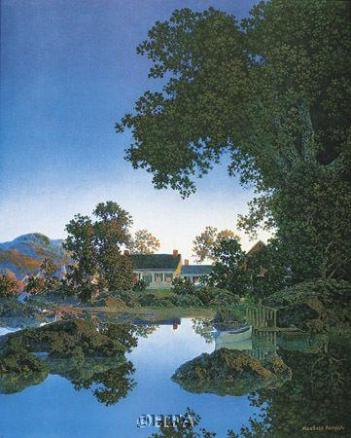
by Maxfield Parrish

Like every real, honest-to-God writer, I am on a journey. Like all the good ones and the great ones, I am compelled to find it…

“What is it?” you ask.

“I don’t know,” I answer. “But I’ll know it when I see it.”

“The answer?” you ask. “The secret to everything? Life, the universe, and everything? The equation that unifies all the theories that physicists instinctively know are all one thing? The treasure that pays for everything?”

Yes. That. The subject of the next book. The next idea. Life after death. The most important answer.

And I honestly believe that once found, then you die. Life is over. You have your meaning and purpose. You are fulfilled. Basically, I am writing and thinking and philosophizing to find the justification I need to accept the end of everything.

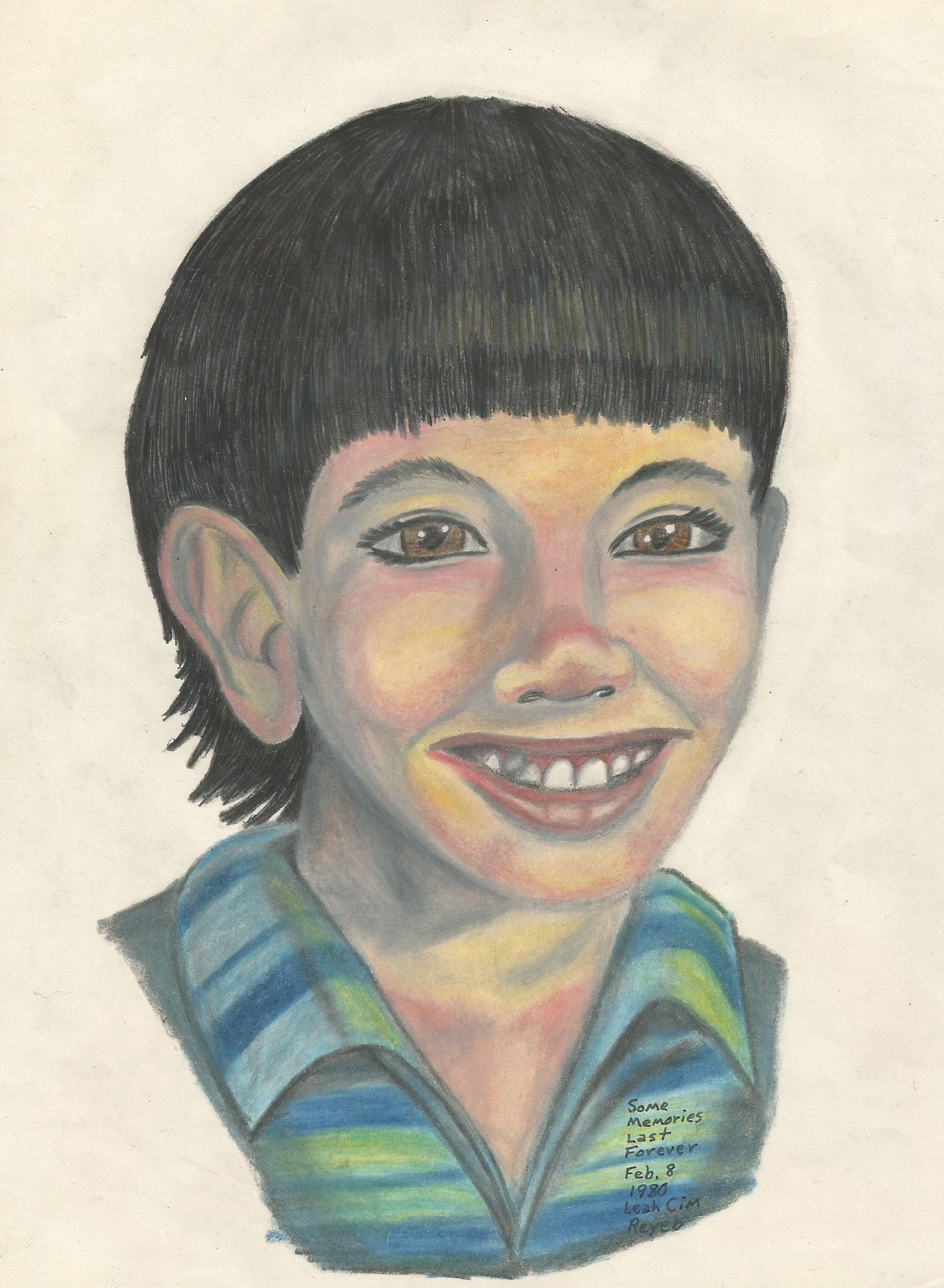
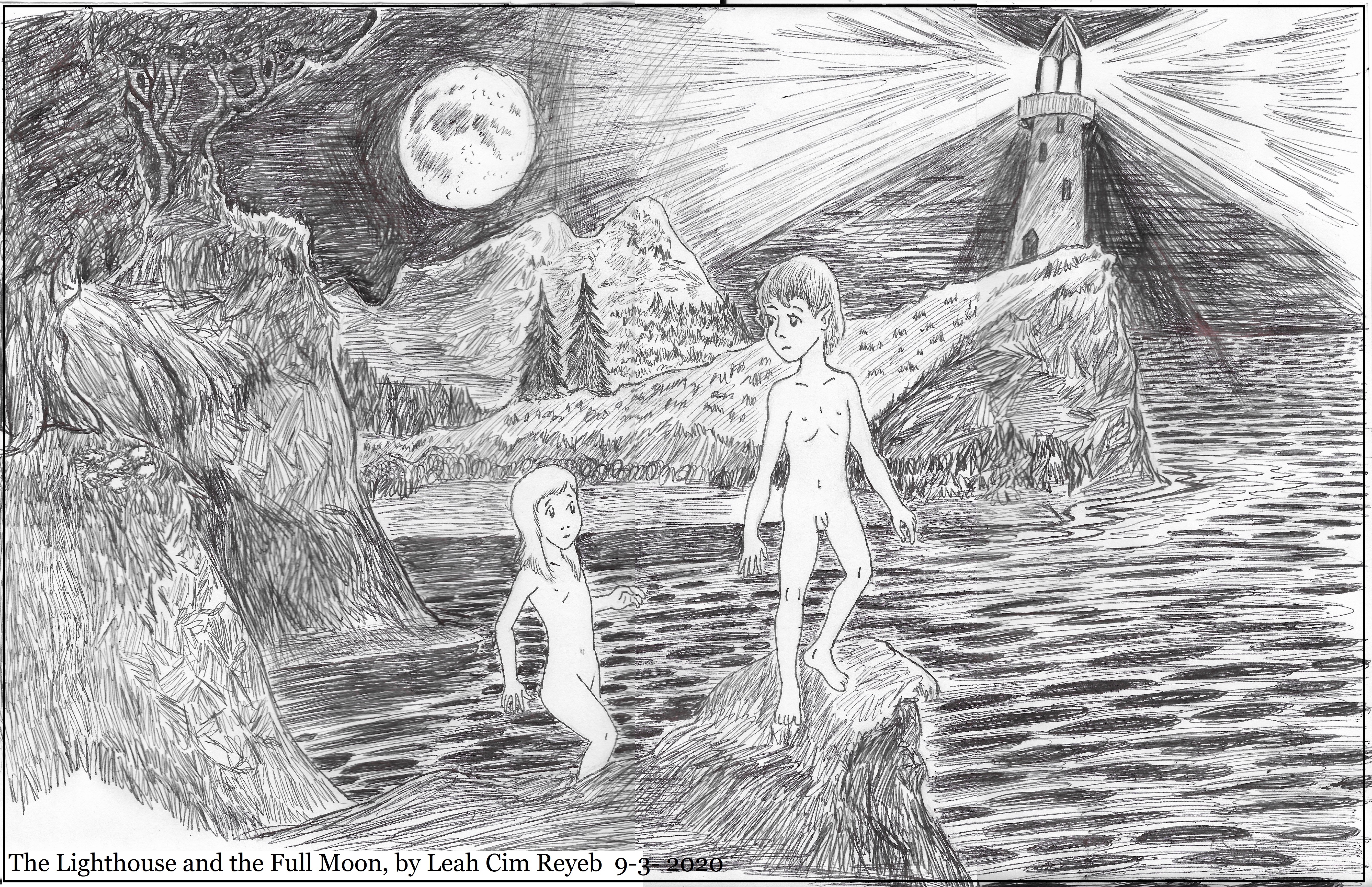
Leah Cim Reyeb is me, Michael Beyer written backwards.

And you know what? The scariest thing about this post is that I never intended to write these particular words when I started typing. I was going to complain about the book-review process. It makes me think that, perhaps, I will type one more sentence and then drop dead. But maybe not. I don’t think I’ve found it yet.

The thing I am looking for, however, is not an evil thing. It is merely the end of the story. The need no longer to tell another tale.

When a book closes, it doesn’t cease to exist. My life is like that. It will end. Heck, the entire universe may come to an end, though not in our time. And it will still exist beyond that time. The story will just be over. And other stories that were being told will continue. And new ones by new authors will begin. That is how infinity happens.

I think, though, that the ultimate end of the Bookish Journey lies with the one that receives the tale, the listener, the reader, or the mind that is also pursuing the goal and thinks that what I have to say about it might prove useful to his or her own quest.

I was going to complain about the book reviewer I hired for Catch a Falling Star who wrote a book review for a book by that name that was written by a lady author who was not even remotely me. And I didn’t get my money back on that one. Instead I got a hastily re-done review composed from details on the book jacket so the reviewer didn’t have to actually read my book to make up for his mistake. I was also going to complain about Pubby who only give reviewers four days to read a book, no matter how long or short it is, and how some reviewers don’t actually read the book. They only look at the other reviews on Amazon and compose something from there. Or the review I just got today, where the reviewer didn’t bother to read or buy the book as he was contracted to do, and then gave me a tepid review on a book with no other reviews to go by, and the Amazon sales report proves no one bought a book. So, it is definitely a middling review on a book that the reviewer didn’t read. Those are things I had intended to talk about today.

But, in the course of this essay, I have discovered that I don’t need to talk about those tedious and unimportant things. What matters really depends on what you, Dear Reader, got from this post. The ultimate McGuffin is in your hands. Be careful what you do with it. I believe neither of us is really ready to drop dead.

Leave a comment

Filed under book review, commentary, humor, illustrations, novel writing, Paffooney, publishing, reading, strange and wonderful ideas about life, writing

My Bookish Journey (Part VI)

Once you become a published author, the next step is truly humbling. You have to become conversant in the language of Bookish. It is the language of marketing, the language of book promotion, the inexhaustible lexicon of bullish book-hawking.

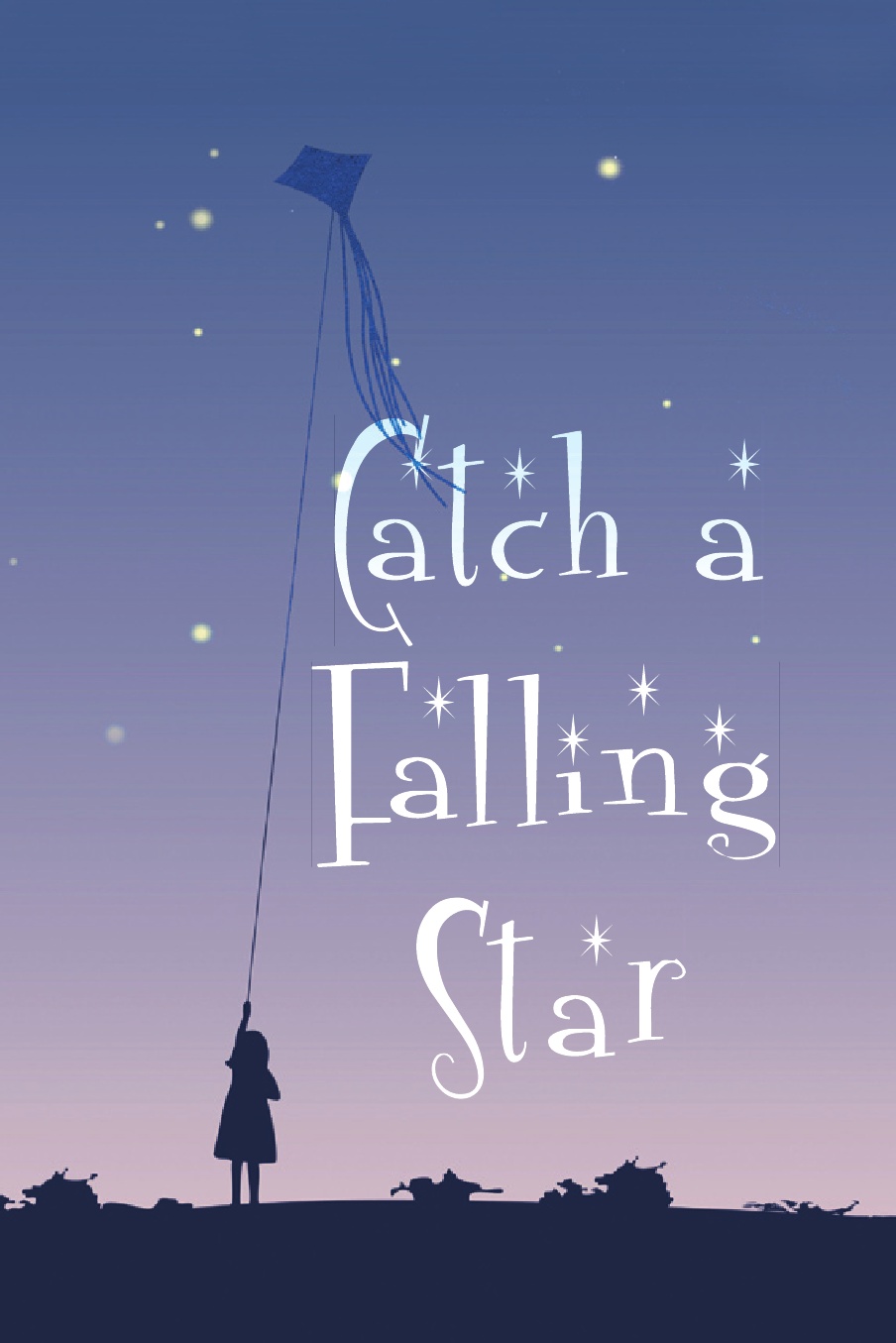
This blog, Catch a Falling Star, was one of the first steps in that process. The I-Universe Marketing Specialist set it up for me and guided me through the first six months of writing an author’s blog. Still, it was mostly a matter of teaching myself how to blog. The marketing department of I-Universe Publishing also put me in touch with an author’s group on Facebook who would eventually become PDMI Publishing, the publisher that Snow Babies would eventually kill. I learned a lot about both marketing and the realities of publishing from that group, most of whom I am still in touch with on Facebook in spite of Facebook’s transition into the recruitment arm of the MAGA Fascist Armada.

I-Universe was also responsible for starting me on Twitter. Hoo-Boy! Twitter is a different universe than I live in. At the outset all I did with Twitter is re-post my blog entries. I had no followers at all… well, besides what I believe were catfish, spammers, and trolls. Between 2013 and 2017 I believe I only surfed on the rough white-caps of Twitter a total of two times.

But I reached seven books published and hadn’t sold any at all when I came to the conclusion that I had to actually tweet with the twit-wits on Twitter.

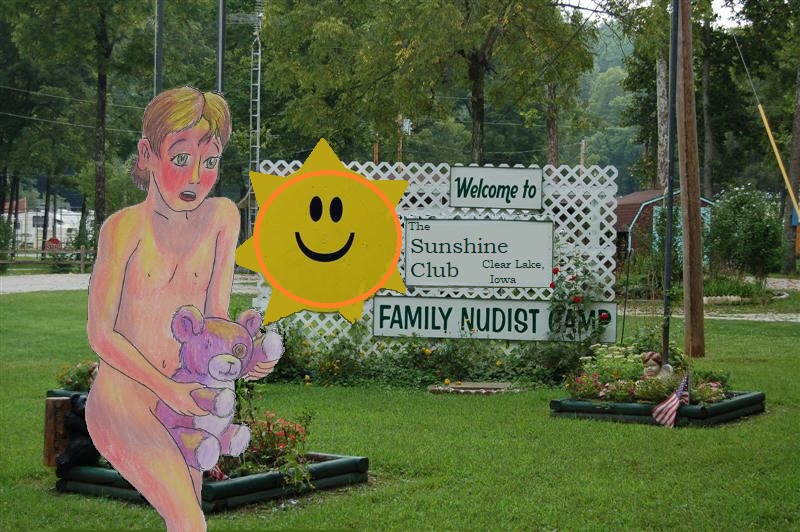
Of those first seven books, three of them had nudist characters in them. Primarily the Cobble Sisters, based on the combination of my twin cousins who were not nudists, a set of twins I knew from Iowa who were not my cousins and also not nudists, and twin blond girls I taught in Texas who spent time talking about visiting nude beaches and trying to embarrass me by inviting me to visit the one in Austin at Lake Travis known as Hippie Hollow. The books were Superchicken, Recipes for Gingerbread Children, and The Baby Werewolf. My connection to nudism came through a former girlfriend who worked with me in school and whose sister and brother-in-law lived in the clothing-optional apartment complex in Austin.

So, when I started Tweeting like a songbird with a tin ear for music, I attracted some really odd followers. Other writers, sure. But gay Russians living in England? Tom Hiddleston’s fan club? People who desperately need to talk about the Prophecies of Thoth? They all responded to free-book promotions. And they not only followed me, but engaged with me in ways that appeared in the Twitter notifications. And then came the Twitter nudists.

Now, I admit that I took the foolish step of taking a blogging assignment from a nudist website, promising to visit a nudist park in Texas and write about my impressions of being a first-time nudist. I struggled with my sense of self-worth and body image and finally went to Bluebonnet Nudist Park in Alvord, Texas. I wrote the post and advertised my novels with the nudist website.

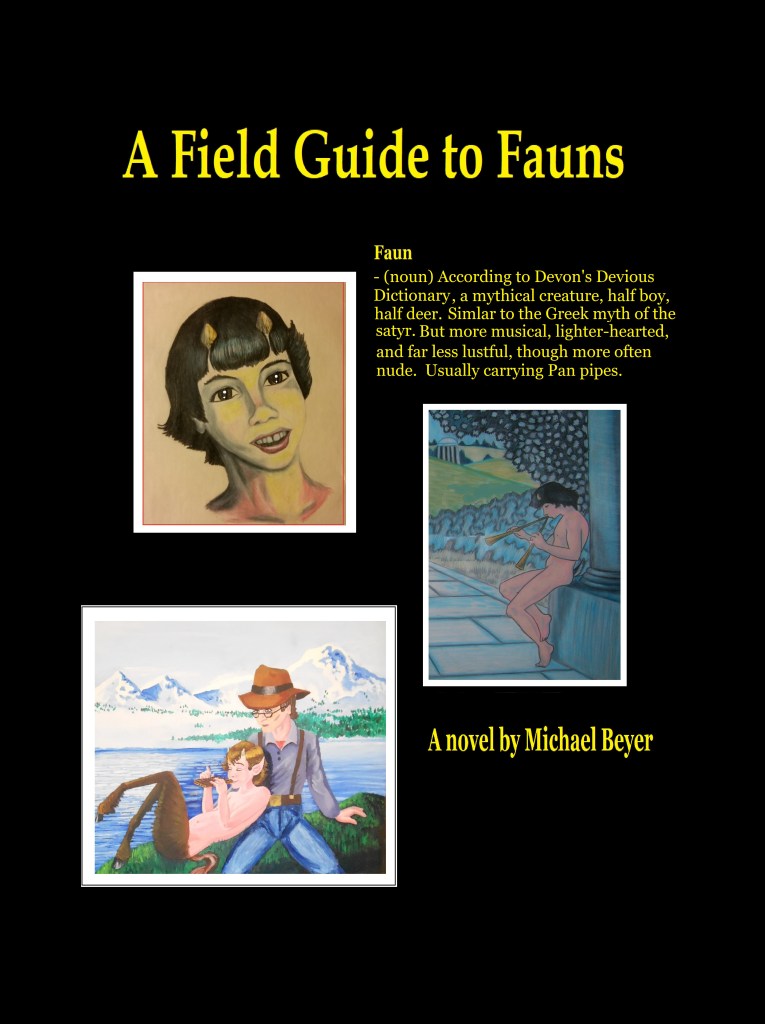
And then, Ted Bun, a naturist novelist from England, but running a nudist bed and breakfast in France, made me a member of his nudist-writer group on Twitter. I became connected to nudists enough to write an actual nudist novel, just to see if I could do it.

Nudists not only follow me on Twitter now, but they follow me here on WordPress too.

So, my writer’s Bookish Journey has taken some weird turns, but I am beginning to sell books and getting good reviews from readers. Apparently the secret to selling books is to get completely naked amongst other naked people. I still can’t claim to know anything at all about marketing, though. I am seriously illiterate in the whole Bookish language.

Leave a comment

Filed under humor, novel writing, nudes, Paffooney, writing, writing humor

My Bookish Journey (Part III)

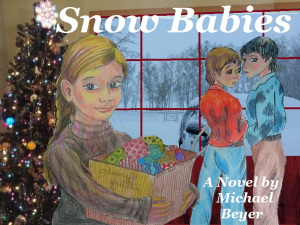
As I indicated in Part II, I killed PDMI Publishing with my first contest novel, Snow Babies. Not because it was that bad of a novel. Rather, it was the endless compounding of my bad luck over time, caused by the Publishing Gods’ keen desires to keep my stories from being generally read and enjoyed. Fickle and cruel are the Publishing Gods.

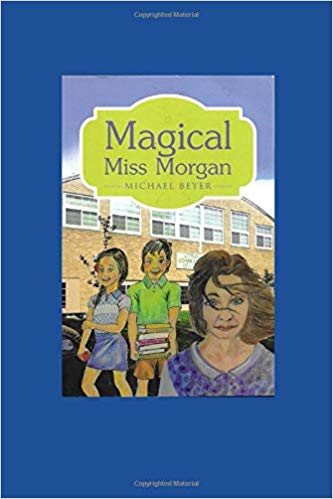
I took some of the most memorable events in my time as a teacher, put them in a cook-pot and added a batter made of characters based on real teachers I have taught with, learned from, and copied their methods, mixed it with a wooden whisk made of fairy tales, and then baked it with the high heat of the love of teaching to make the next manuscript I would submit to the same YA Novel contest, the Rossetti Awards.

I thought it was an excellent novel. And, like Snow Babies before it, it made the final round of the judging. And there was a range of prizes for the best in about five categories of YA novel for which Magical Miss Morgan qualified for two of them. If it had taken any of those prizes, it would’ve gained me the attention of major publishers looking for new talent.

Alas, there were more novels in competition in that second contest, and I only won the placement in the final round of judging. The Publishing Gods are powerful and implacable.

I submitted it to another publisher that I meant to kill, and they promptly rejected it. They could not handle many novels, got an avalanche of mostly terrible novels, and rejected mine after the first page didn’t dazzle them enough. My consolation had to be that, even though they didn’t give me a contract, they did die shortly after, being closed the next time I checked on them.

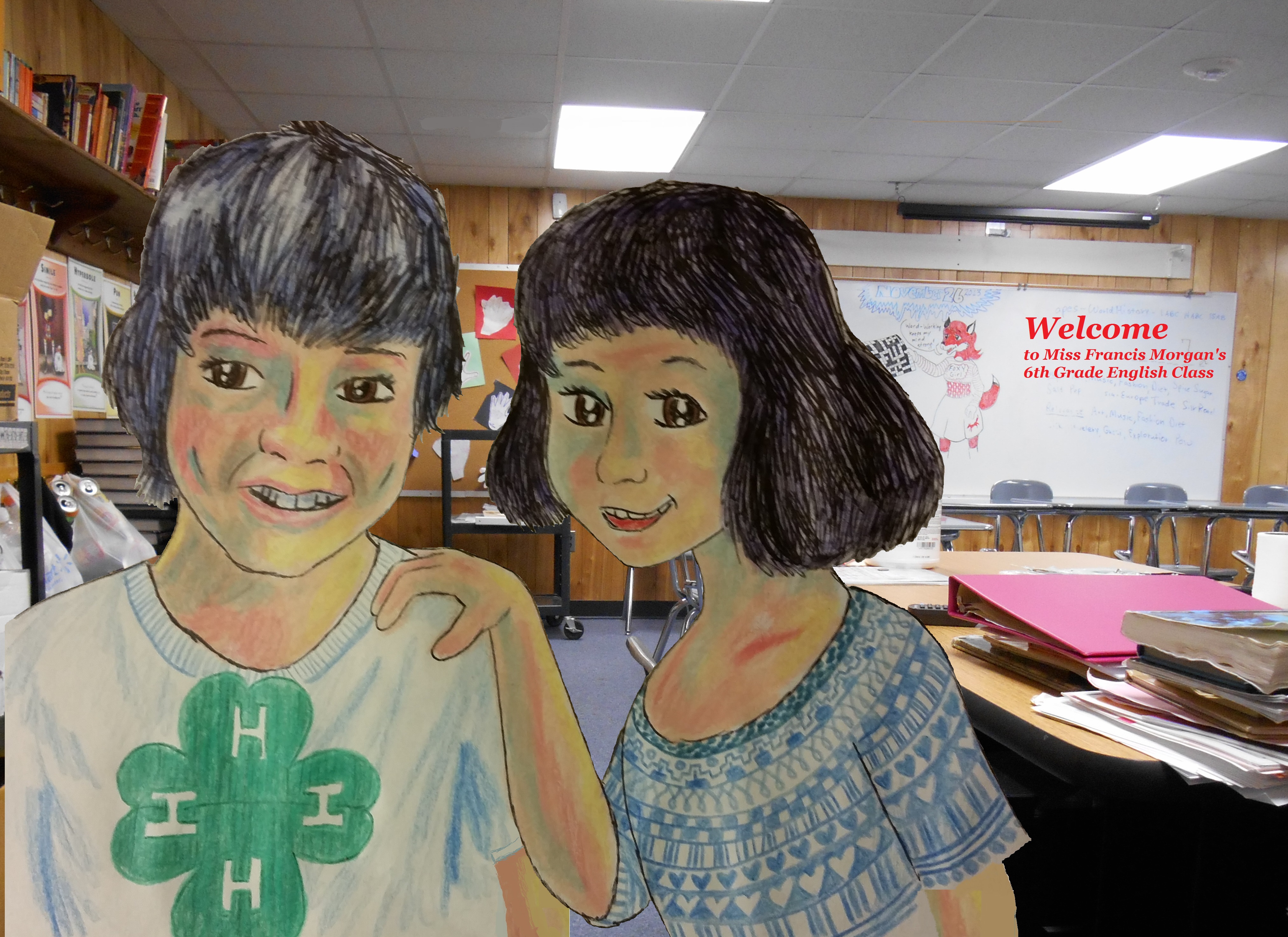
Mike Murphy and Blueberry Bates, two of Miss Morgan’s students

So, I gritted my teeth and tried the pay-to-publish publishers one more time. I chose Page Publishing because they only cost a third of what I-Universe did. I could, at that time, barely still afford it with my partially-restored credit rating.

Unfortunately, as a Publisher, Page was worth only one one-hundredth of the value of I-Universe. They didn’t actually have editors. I basically edited the whole thing myself. Their “editor” only communicated to me once with a proof-read copy that I basically had to re-edit and change everything back to being correct English usage. The major editorial contribution? They tried to change every instance of my use of Miss Morgan to Ms. Morgan. Even in the title. The young bozo-editor didn’t understand that even married female teachers are addressed as “Miss.”

As hard as they tried to mess up the novel for me, almost as badly as Publish America did to AeroQuest, I was pleased with the final outcome and the ten copies they sent me. However, I had already vowed to myself that I would never again trust my work to fly-by-night small publishers. And, of course, no major publisher was accepting unsolicited manuscripts. So, I began my relationship with Amazon Kindle Direct Publishing.

That, then, will be the topic of Part IV.

Leave a comment

Filed under humor, novel writing, Paffooney, publishing

My Bookish Journey (Part II)

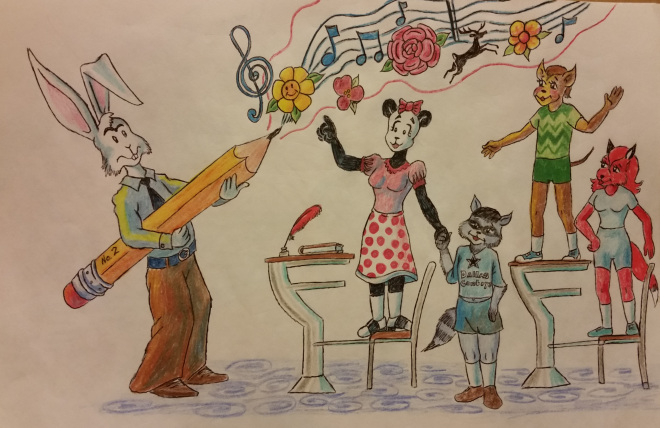
It is possible, I suppose, that after my unlooked-for hiatus from teaching, and the subsequent employment as an ESL teacher for the Garland, Texas School District in 2007. I might never have tried picking up the magic pencil again.

I loved teaching. And I was seriously considering doing it until the day I dropped dead.

But, God, of course, usually has other ideas for everybody. My last three years as a Texas public school teacher were my hardest health-wise. I had the H1N1 flu twice in one year. Both strains, one time each. I spent a week in the hospital with pneumonia. I reached a point where I was sick more days every semester than I had sick days to cover. My paychecks began to shrink. And it got harder to make it through the day standing in front of classrooms holding the big pencil of lesson delivery.

As I contemplated the inevitable dropping into deadness that happens even to English teachers, I began to realize that I couldn’t just let my stories disappear when I did. I needed to actually get serious about publishing them. I wrote another. I took an old manuscript called Nobody’s Babies and rewrote it as Snow Babies. I submitted it in manuscript form to a writing contest. I entered it into Chanticleer Book Reviews’ YA novel-writing contest called the Dante Rossetti Awards. https://www.chantireviews.com/contests/ I made it through to the final round of judging, one of twelve books. I didn’t win, and I couldn’t legally put on the eventual cover of the book that it was a finalist, but it was. So, it was time to find a new publisher. Preferably one that didn’t require my indentured servitude to Mastercard and Discover for the rest of my life.

I found a publisher that loved my book. PDMI Publishing was a business operated as an Indie publisher by a poet and his wife and supported by all the writers and editors and artists whose work he put into print. They were expanding when I signed a contract with them. I was given a brand new book editor who joined them shortly after I did. Jessie Cornwell was her name.

My book was humming along towards publication for two years. Then, rather suddenly, the business collapsed and they released me from my contract. Being the next book in line to be published, I believe it was my incredible luck as an author trying to get published and actually make money from writing that killed the publisher. I didn’t get the final draft of my novel back, so, now I give credit as Editor to Jessie, but the only changes she made to it are the ones I remembered and agreed with.

I would make one more stab at working with an actual publisher for the next book I wanted to publish, Magical Miss Morgan. But that debacle is the subject of Part Three.

But I would go on to self-publish Snow Babies on Amazon, and, to date, it is the book I consider to be the best thing I have ever written.

Leave a comment

Filed under novel writing, Paffooney, publishing, writing

My Bookish Journey

My journey as a writer actually began in grade school. I was writing Star Trek-like comics from the time I was in the fourth and fifth grade, ten and eleven years old. I called my comics Zebra Fleet, about the last fleet in the Star League on the distant, far reaches of the Milky Way Galaxy.

I started writing book-length stories in college, at Iowa State University. They weren’t all science fiction. They began to be more and more about the time and place where I grew up, Rowan, Iowa in the 1960s and 1970s They involved the people I knew there and then. My family, my friends, the people of Rowan, and random Iowegians. I based important characters on people I actually knew, mostly those I knew quite well. But I changed and swapped character details to hide their identities a little bit, and I gave them names that were mixed and matched and borrowed from the 1977 Ames, Iowa phone book. Dettbarn, Efram, Sumpter, Bircher, Clarke, MacMillan, White, and Murphy all came from there. Niland came from a famous alumni of the University of Iowa who played for the Dallas Cowboys.

In order to have food to eat and money to spend as an adult, I had to take my BA in English and add to it an MA in Education to get a job as a teacher. I took my closet full of nascent novels and moved to Texas where my dad’s job took my parents before I graduated college. There I added hundreds of characters who were perfect for Young Adult novels as I got to know real kids and learned about their real lives. I changed their names, details, and often cultures as I added them to my stories.

Other than a couple of shots in the dark as submissions of cartoons and manuscripts to publishers, I mostly kept my stories in the closet and focused more on teaching (which, to be fair, is also a form of story-telling.) I put my handful of rejection letters in the closet too.

But then, I got laid off for two years due to health and a wicked witch as a principal, and I spent my non-job-hunting time writing a novel about my science-fiction role-playing games with former students. It was called AeroQuest.

I managed to find a publisher for that book. But it was a bogus sort of experience. They paid me an advance of one dollar. Then they had me sign a seven-year contract in 2007. No editor or proofreader even worked for them. I basically had to edit and format the book myself. All they did is intentionally flub-up some titles and sections of text in the printed form. This was part of the master plan to get me to pay for an extensive fix to the mistakes they made. The only marketing they did was to send a notice for my over-priced paperback to the list of friends and relatives that they required me to make for them. Publish America is no longer in business. They were closed down by a class-action lawsuit from the authors they had tricked into paying them thousands of dollars for totally defective publishing services. Since I didn’t pay them any scam pennies, I didn’t get any of the money from the lawsuit. I only got my publishing rights back.

So, I went back to whole-heartedly teaching. Then, in 2012 I completed another manuscript that I thought was the best work that I had ever done. I submitted it to I-Universe publishers. They read it and loved it. As it turned out, they were in the process of being acquired by Penguin Books. They were the closest thing to a mainstream publisher that would entertain submissions by new and unproven authors like me.

They, of course, were offering a publishing package that included working with real editors and marketing personnel. But I had to go a bit into debt to swing the price. So, I was still paying someone to publish my book correctly. But, as a step in my author’s journey, it was invaluable. I got to work closely with an experienced editor who had previously worked for both MacMillan and Harcourt, two mainstream traditional publishers.

My book was given the stock cover you see here despite the cover requests I made and got approved. My original ask was apparently too expensive to print. There is no girl flying a kite in the story at all, let alone at night. It is a story about incompetent aliens trying to invade a small town in Iowa. I had requested a flying saucer with a kite flying behind it.

That first real publisher, though, made me into a real writer. The I-Universe marketeers got me listed as a winner of the Editor’s Choice Award. And they put that award and the Rising Star award on every paperback copy they printed. Everyone who read the book seemed to really like it. They set me up with this blog, space on their website for my book and bio, and they put me in touch with Barnes and Noble to talk about “meet the author” sessions to promote getting the book on their shelves. But a trip to the hospital with pneumonia and the end of the room on my Discover Card caused me to bring an end to my marketing campaign. I ended up with two five-star reviews and sixteen dollars-worth of royalties.

At this point in the story, temporarily stalled, I must start touting the part two of my essay for today. I should warn you, I have a lot more negative things to say about publishing next time.

4 Comments

Filed under autobiography, commentary, novel writing, Paffooney, publishing, writing

Word Magic

From the time I could first remember, I was always surrounded by stories. I had significantly gifted story-tellers in my life. My Grandpa Aldrich (Mom’s Dad) could spin a yarn about Dolly O’Rourke and her husband, Shorty the Dwarf, that would leave everybody in stitches. (Metaphorical, not Literal)

And my Grandma Beyer (Dad’s Mom) taught me about family history. She told me the story of how my Great Uncle, her brother, died in a Navy training accident during World War II. He was in gun turret aboard a destroyer when something went wrong, killing three in the explosion.

Words have power. They can connect you to people who died before you were ever born. They have the power to make you laugh, or make you cry.

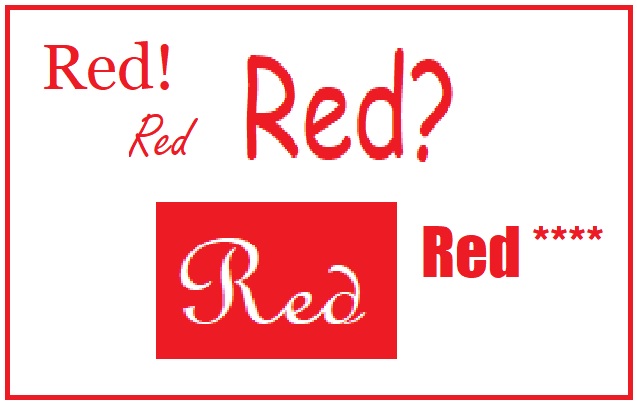
Are you reading my words now? After you have read them, they will be “read.” Take away the “a” and they will change color. They will be “red.” Did you see that trick coming? Especially since I telegraphed it with the colored picture that, if you are a normal reader, you read the “red” right before I connected it to “reading.”

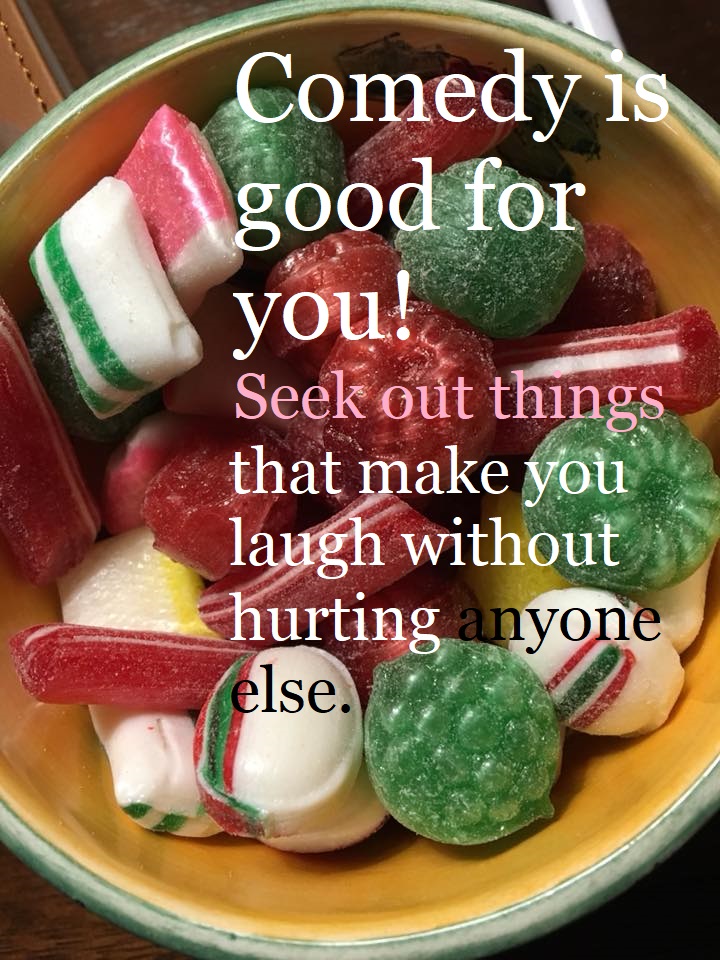
Comedy, the writing of things that can be (can bee, can dee, candee, candy) funny, is a magical sort of word wrangling that is neither fattening nor a threat to diabetes if you consume it. How many word tricks are in the previous sentence? I count 8. But that wholly depends on which “previous sentence” I meant. I didn’t say, “the sentence previous to this one.” There were thirteen sentences previous to that one (including the one in the picture) and “previous” simply means “coming before.” Of course, if it doesn’t simply mean that, remember, lying is also a word trick.

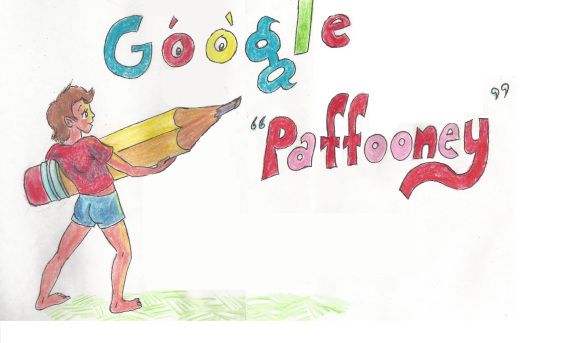
Here’s a magic word I created myself. It was a made-up word. But do a Google picture search on that word and see if you can avoid artwork by Mickey. And you should always pay attention to the small print.

So, now you see how it is. Words have magic. Real magic. If you know how to use them. And it is not always a matter of morphological prestidigitation like this post is full of. It can be the ordinary magic of a good sentence, or a well-crafted paragraph. But it is a wizardry because it takes practice, and reading, and more practice, and arcane theories spoken in the backs of old book shops, and more practice. But anyone can do it. At least… anyone literate. Because the magic doesn’t exist without a reader. So, thank you for being gullible enough for me to enchant you today.

Leave a comment

Filed under humor, Paffooney, strange and wonderful ideas about life, wizards, word games, wordplay, writing, writing humor, writing teacher