

I am about as much of a white-guy WASP-type as you can find in Middle America, having grown up in Iowa and teaching for my entire career in Texas. But I know a thing or two… or three about other cultures. I taught in South Texas for 23 years with students who were over 85% Spanish-speaking. And then, in 1995, I married into the Pinoy culture of the Philippine Islands.

There are some things I have learned about this other culture that you should probably be aware of.
#1. The United States is being invaded and colonized by the Philippines. They are coming here in waves, getting jobs in education and medicine that not enough of home-grown America are willing to take up. My wife came here with a placement company as a teacher. Three of her group of Filipino teachers landed in our little Cotulla school district. When she got here, she was met by her cousin and her cousin’s family. There was a Filipina woman and her young son in the Valley that also took an interest in helping her get settled in Texas. All of these people… and all of their friends and relatives are still a part of our lives. My wife’s sister and her family lived in California where dozens of cousins also lived. They and my wife’s parents have since moved to Texas, along with two other sisters and their families. You get the idea. They are taking over.






#2. As you can see, Filipinos love to take pictures. Above is a picture from class where my niece goes to school back in Floridablanca in the Philippines. People complain about pictures of food on Facebook. My Filipino family puts the Food Network to shame. Sometimes I can’t tell if they are eating another exotic Filipino dish with rice and meat or they’ve been putting firecrackers into fish and exploding them. And the fish eyes are a delicacy. Eeuw! My sisters in Iowa won’t even let me talk about the food at Filipino gatherings. I have to be extremely careful of what I share on Facebook.

#3. To know about Filipino culture, you have to understand what Jollibee is all about. Jollibee is the Filipino MacDonald’s. Of course, it is cheaper… and better tasting. There are a few of them around the country here. California has more than Texas. They are like a giant Filipino magnet. You go there to find the Filipino community in any American city. But other people love the food too. You have to sort the Filipinos from the Hispanics and white folks that are not too proud to eat cheap and delicious.

Well, those are only about three things that you should probably know about Filipinos and Pinoy culture. I haven’t even gotten into the thing about Matrilineal social orders or the evils of Karaoke addiction… but enough is enough for one day. I have no idea how much trouble I am now in for revealing cultural secrets. It could be a long cold night in the dog house.




















 Catch a Falling Star
I Love to Laugh
“Mickey, why can’t you be more serious, the way smart people are?”
“Well, now, my dear, I think I take humor very seriously.”
“How can you say that? You never seem to be serious for more than a few seconds in a row.”
“I can say it in a high, squeaky, falsetto voice so I sound like Mickey Mouse.”
“You know that’s not what I mean.”
“I can also burp it… Well, maybe not so much since I was in junior high.”
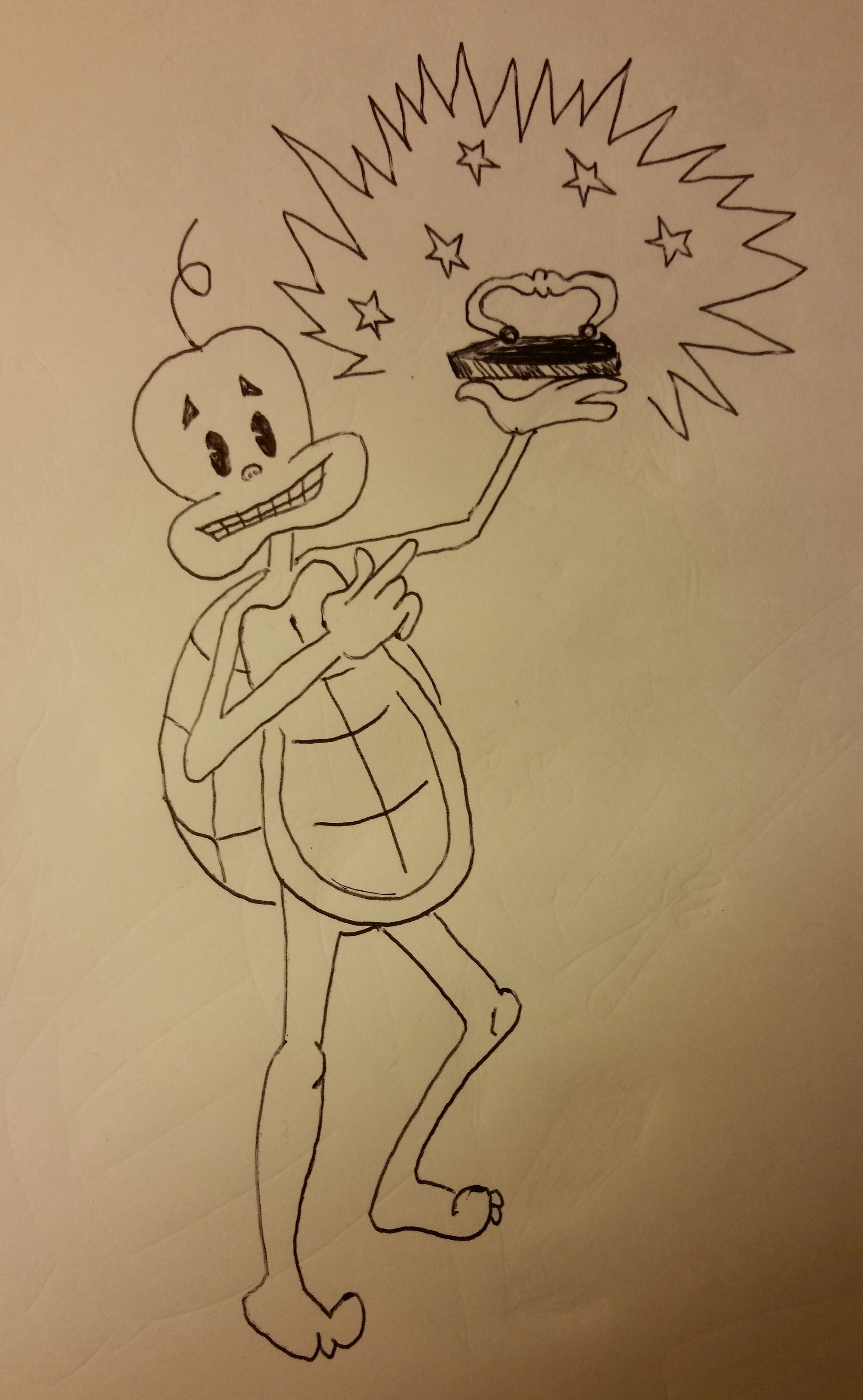
“I distinctly remember getting in trouble in Mrs. Mennenga’s third grade class in school for pantomiming pulling my beating heart out of my chest and accidentally dropping it on the floor. She lectured me about being more studious. But I made Alicia sitting in the row beside me laugh. It was all worth it. And the teacher was right. I don’t remember anything from the lesson on adding fractions we were supposed to be doing. But I remember that laugh. It is one precious piece of the golden treasure I put in the treasure chest of memories I keep stored in my heart.”
“I always listened to the words Groucho Marx was saying, even though he said them awfully fast and sneaky-like. I listened to the words. Other characters didn’t seem to listen to him. He didn’t seem to listen to them. Yet, how could he respond like he did if he really wasn’t listening? In his answers were always golden bits of wisdom. Other people laughed at his jokes when the laugh track told them to. I laughed when I understood the wisdom.”
“Laughing is a way of showing understanding. Laughing is a way of making yourself feel good. Laughing is good for your brain and your heart and your soul. So, I want to laugh more. I need to laugh more. I love to laugh.”
Leave a comment
Filed under autobiography, comedians, commentary, goofiness, goofy thoughts, humor, irony, Paffooney, strange and wonderful ideas about life, wisdom
Tagged as books, Ed Wynn, Groucho Marx, humor, Moe Howard, music, therapy