
Yesterday, in Part 1, I tried to convince you that, “You should never take too long a time writing a story” because I have written some twenty-plus-year-long novels that took me forever to write, and I am an unsuccessful writer. So, you should not do things the way I did. (Some might accuse me of trying to use a little too much irony, claiming I am a bit too obscure about what I am actually telling you that you should actually do… But, remember, I advised you not to take advice from Mickey. And you need irony in your diet anyway to avoid irony-poor tired blood.) Therefore I am going to advise you further that, “You should never make your characters too complex and interesting.”
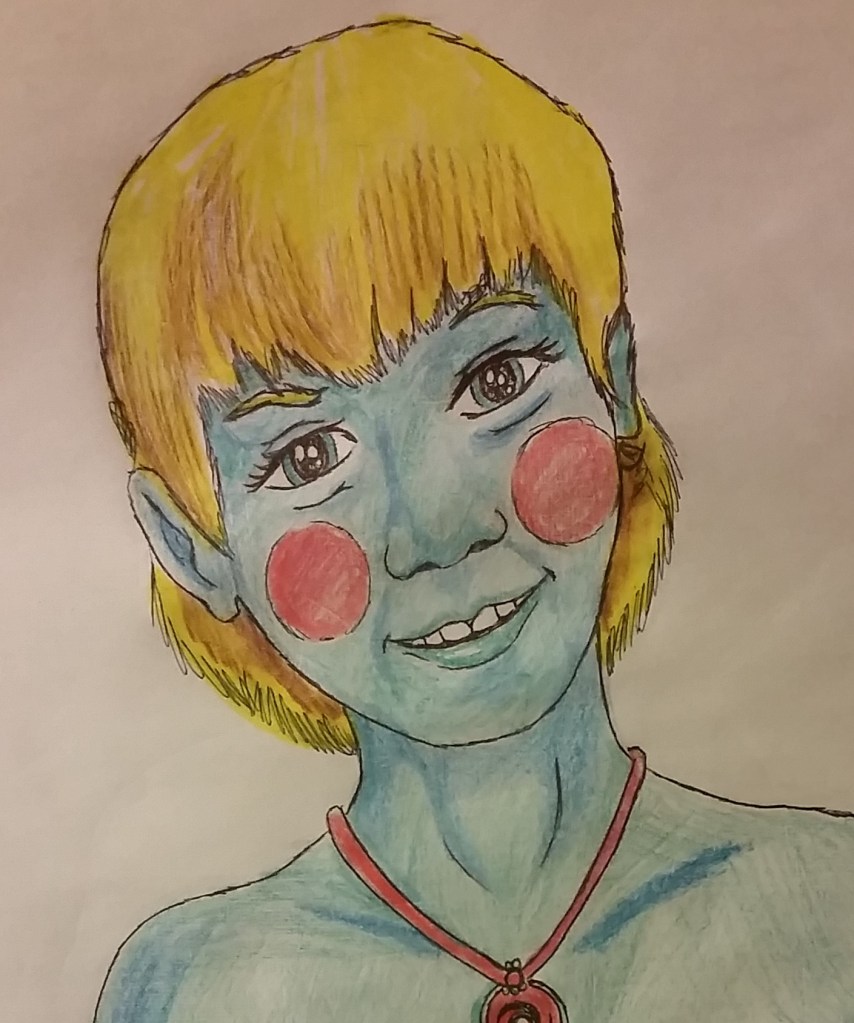
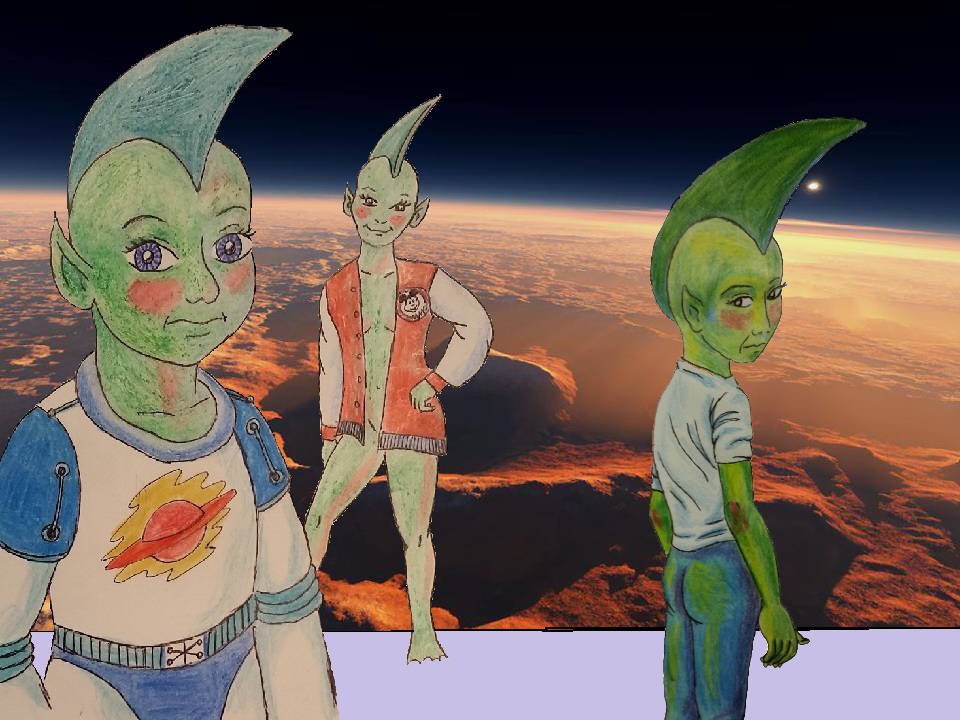
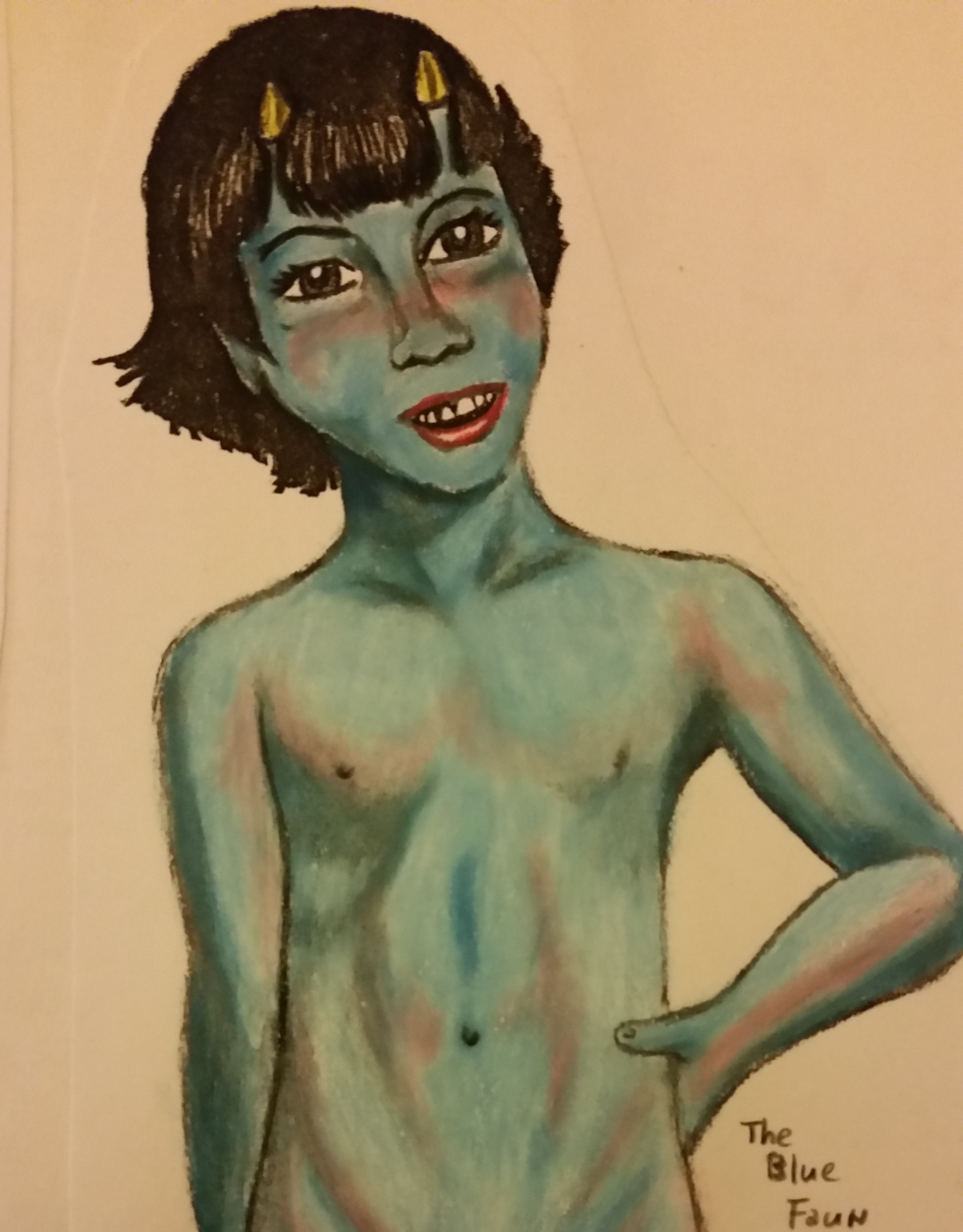
After all, there are Mickian characters that are literally blue with red patches on their cheeks that absorb harmful gamma radiation and make those characters immune to radiation sickness from exposure in deep space. You don’t want to make readers so curious about a character that they waste time reading more and more closely to discover more about that character.
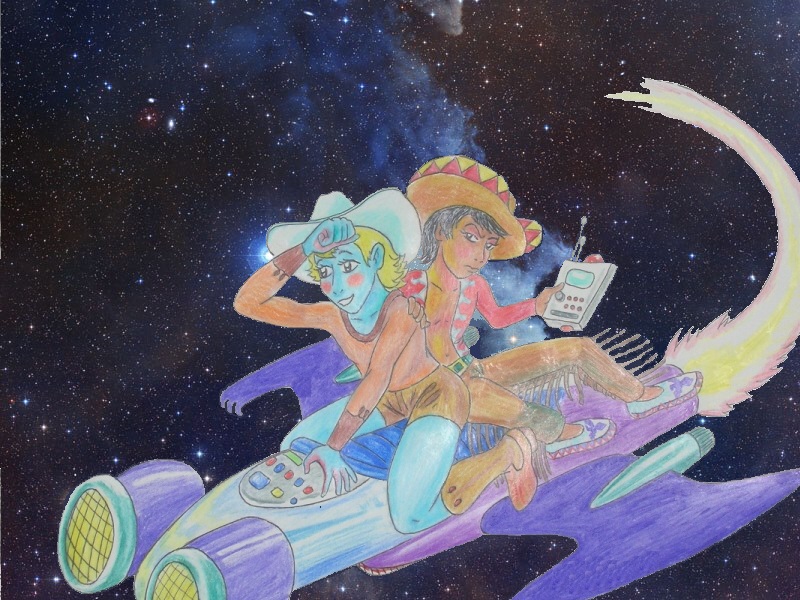
Junior Aero, the alien Nebulon boy in the AeroQuest stories, is just one example. Not only is he a member of an alien race that is belittled as “Space Smurfs” and treated to racial bigotry based on skin color and not being able to speak English at first, but he is also gifted with mental “Psion powers” that allow him to telepathically read computer minds, even the sentient and intelligent ones.
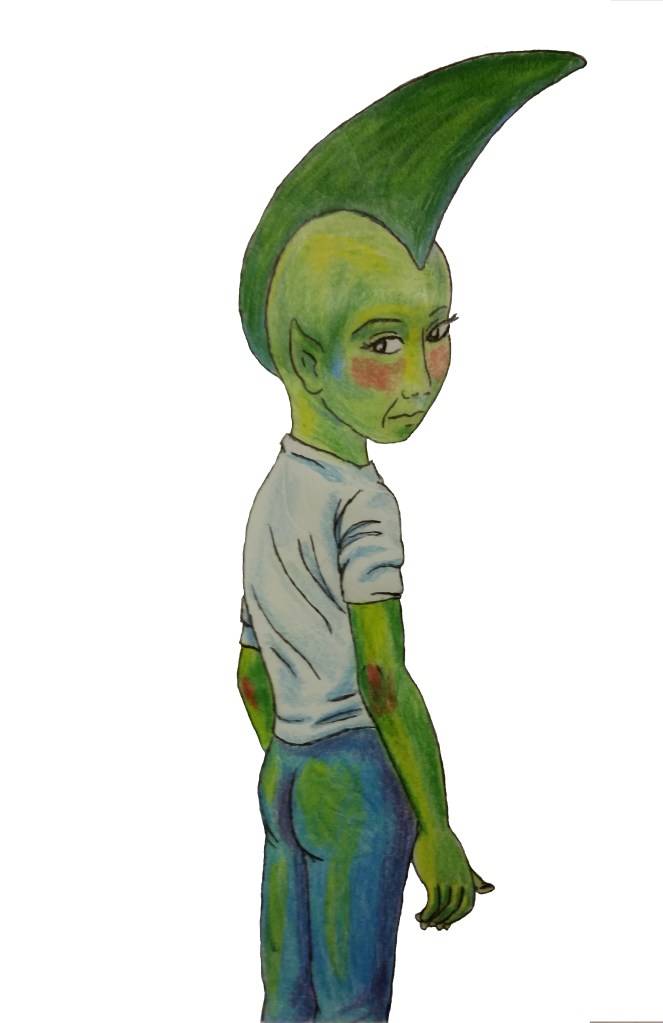
And some of my characters are green with shark-like fins on their heads. They were born on Starships and orbiting artificial satellites like the one going around Barnard’s Star. They are like George Jetson here, named after his father, Xiar’s, favorite Earther cartoon show character from the 60’s. Not only is he a green-skinned amphibious humanoid life-form from a different star system, he learns a lot about himself in the adventure he has in the novel Stardusters and Space Lizards. He goes from being a narcissistic space-pilot wannabe into becoming a humble crash survivor and expedition leader who helps save an entire planet from ecological disaster. And he even gets a girlfriend out of the deal in Menolly, his nestmate and fellow survivor.
Characters like that are far too interesting and developed to be good for your reputation as a serious producer of money-making fiction stories. And you certainly don’t want to waste time on developing the same characters in multiple books.

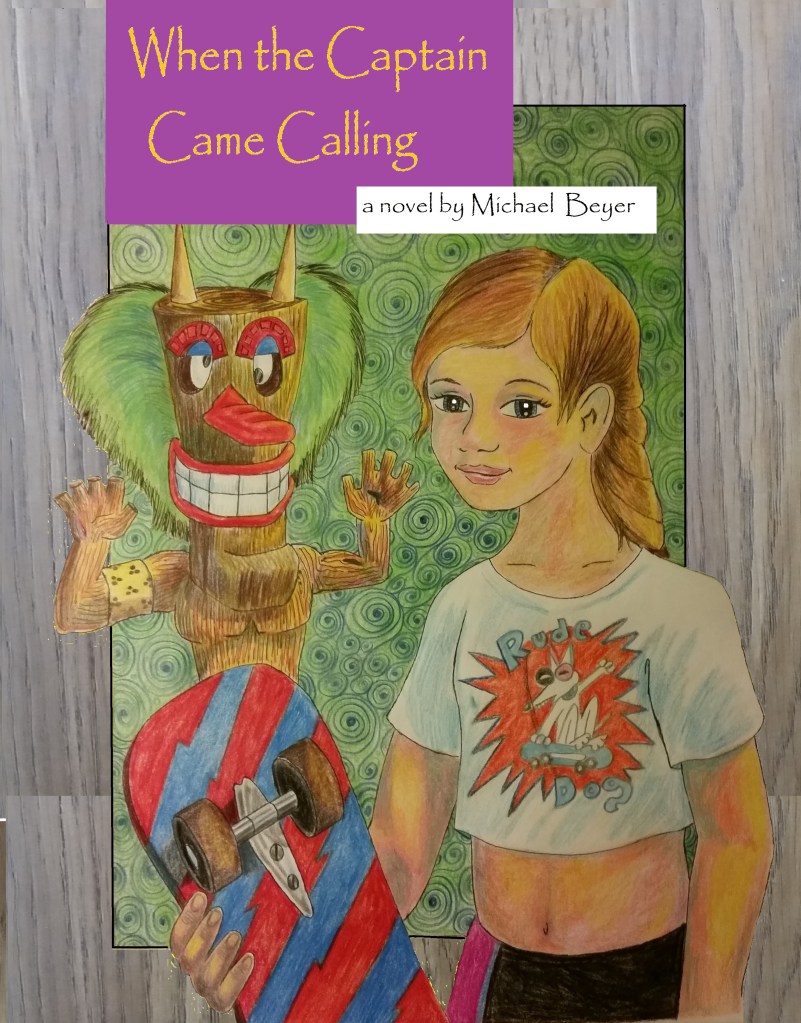
I used the character of Valerie Clarke in the book When the Captain Came Calling as an eleven-year-old protagonist who loses her father and has to rely on older kids and good friends to save herself from depression and the trash-pits of despair.
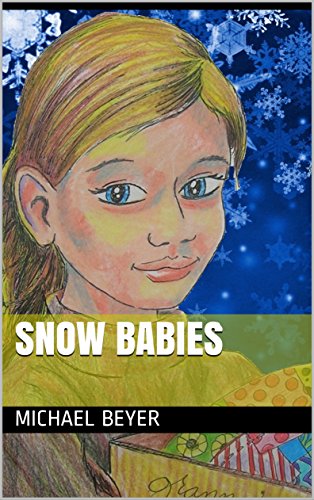
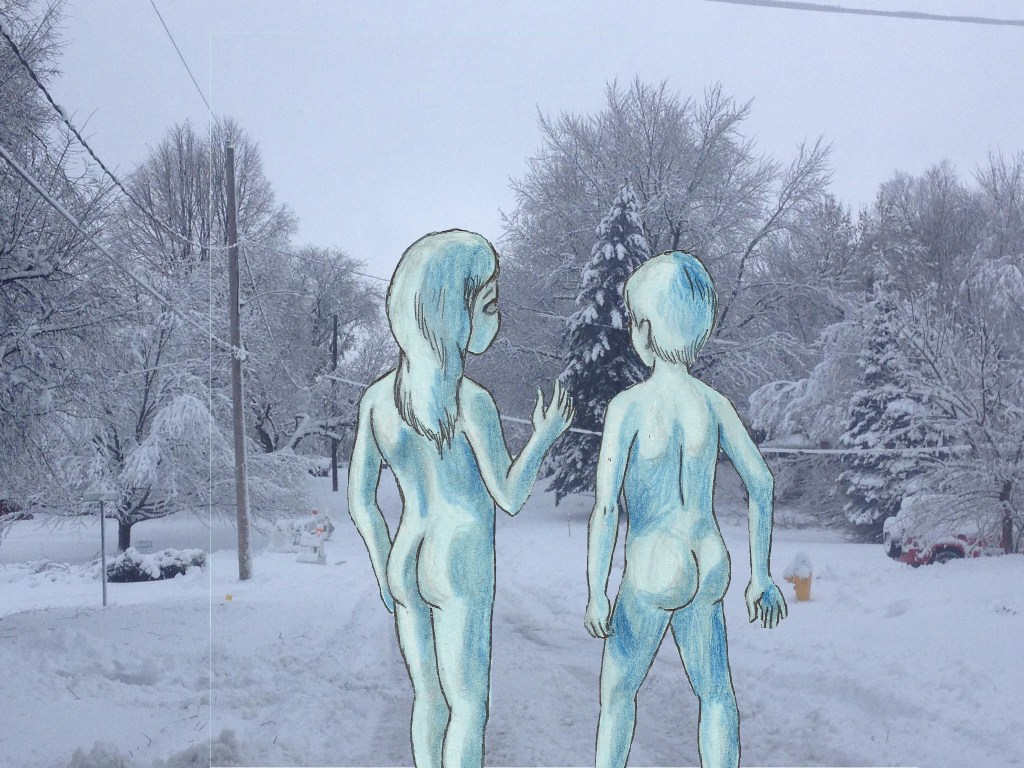
I used her again as a main character in Snow Babies, where she befriends a mysterious stranger and also finds a runaway boy who makes her think seriously about life and young love, all in the middle of a deadly blizzard.
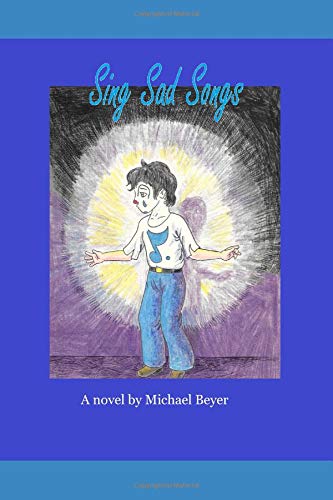
She’s also in the book Sing Sad Songs where she learns to negotiate love with a boy who also lost a parent, in fact, both parents and a twin sister, in a car crash that made him a lonely orphan. She not only has to face the loss of her own loved ones, but has to help somebody else to face the same thing, in fact, more than one other somebody.
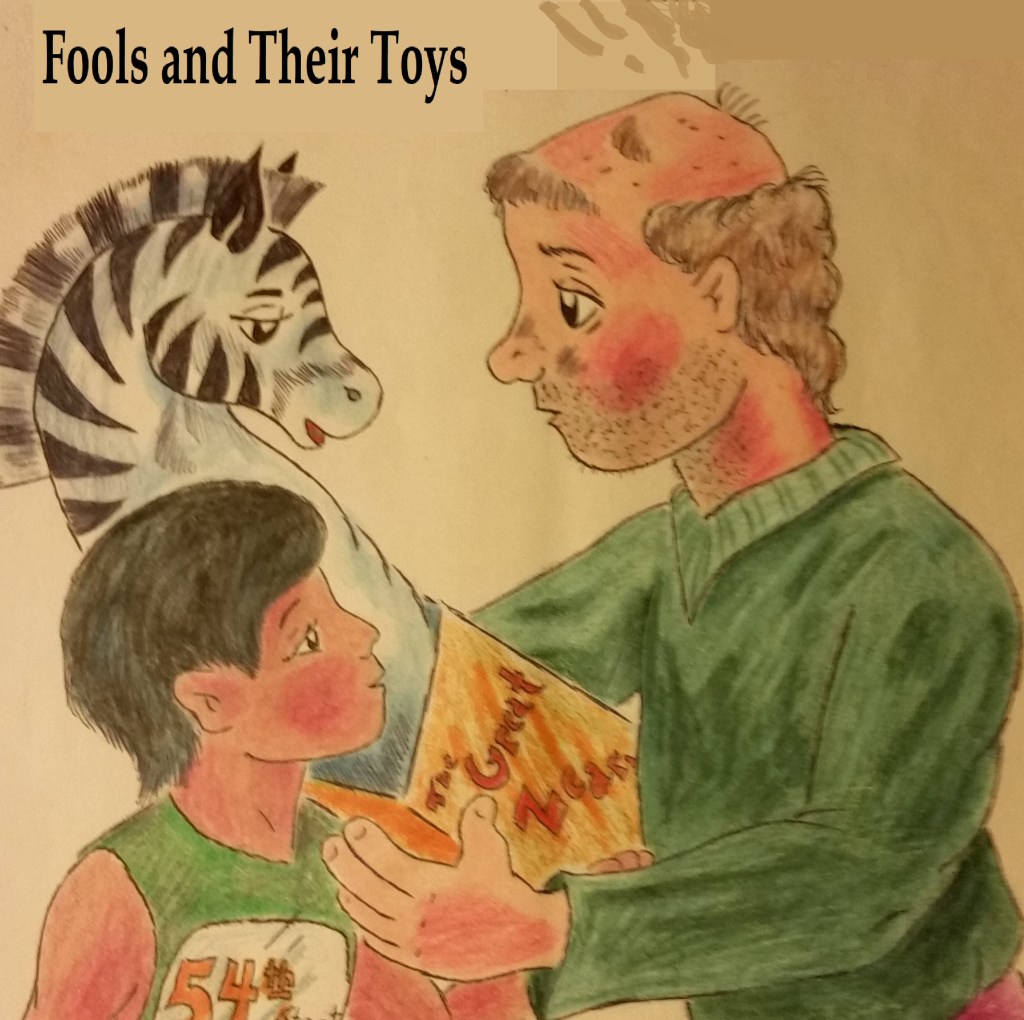
She’s also a character in The Bicycle-Wheel Genius and Fools and Their Toys.
It is unthinkable to use a character that much and make her grow and change in so many different ways. She should be used only once in a simple and clear way. Like, maybe, Mark Twain’s use of Huckleberry Finn.

Huck, as a character was only used in the books, The Adventures of Tom Sawyer, The Adventures of Huckleberry Finn, Tom Sawyer Abroad, Tom Sawyer, Detective… and… never mind. Forget I even said anything about Huck Finn. In fact, maybe this whole post is so ironic it’s making my story-teller gears all rusty. Never-the-less, let me threaten you with a possible part three.
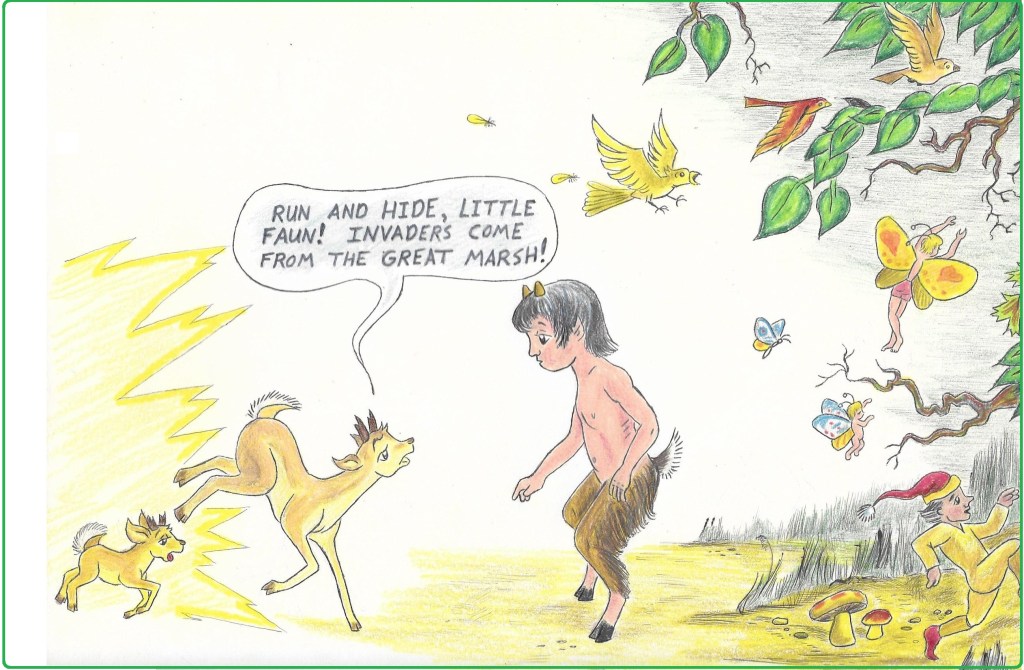


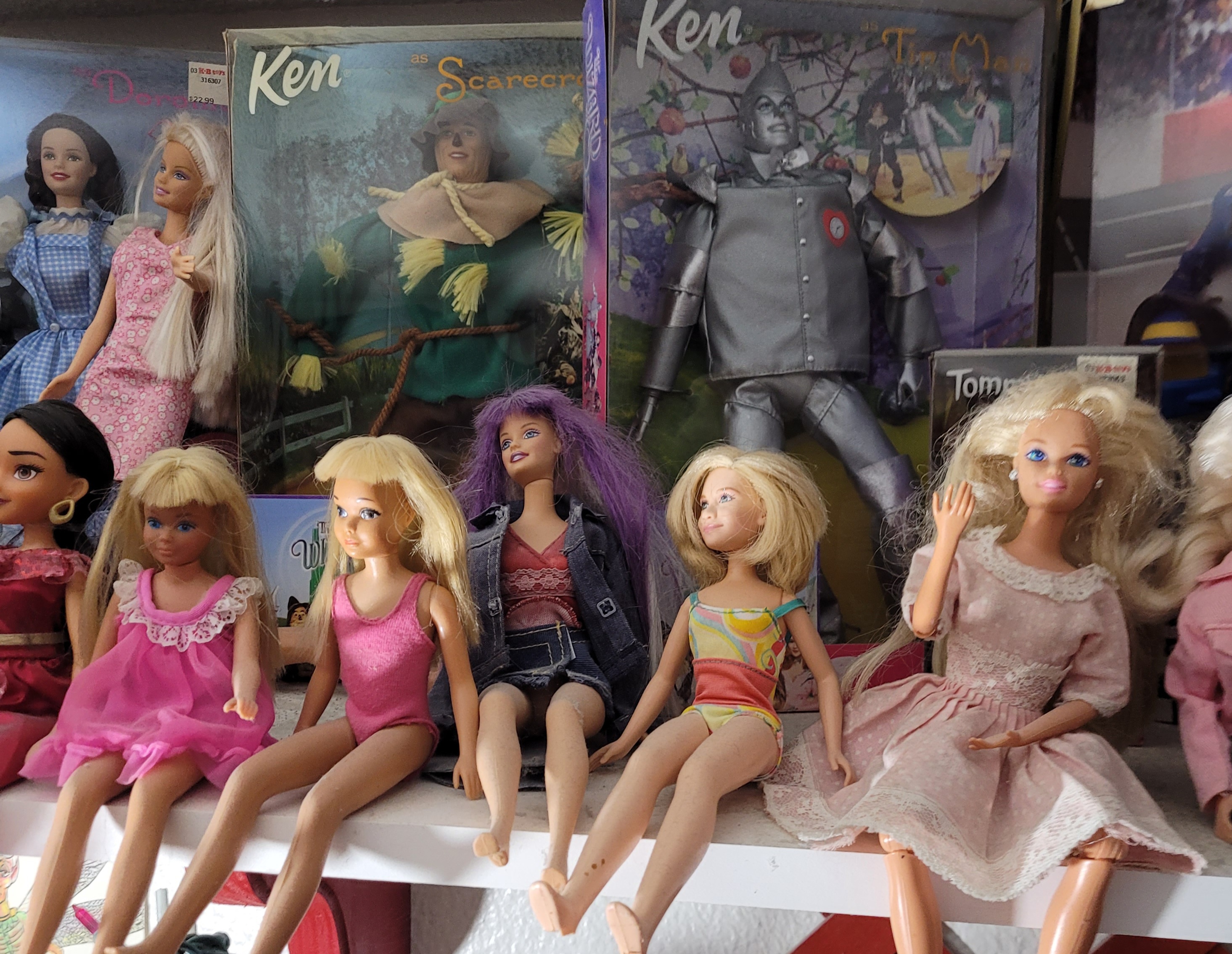
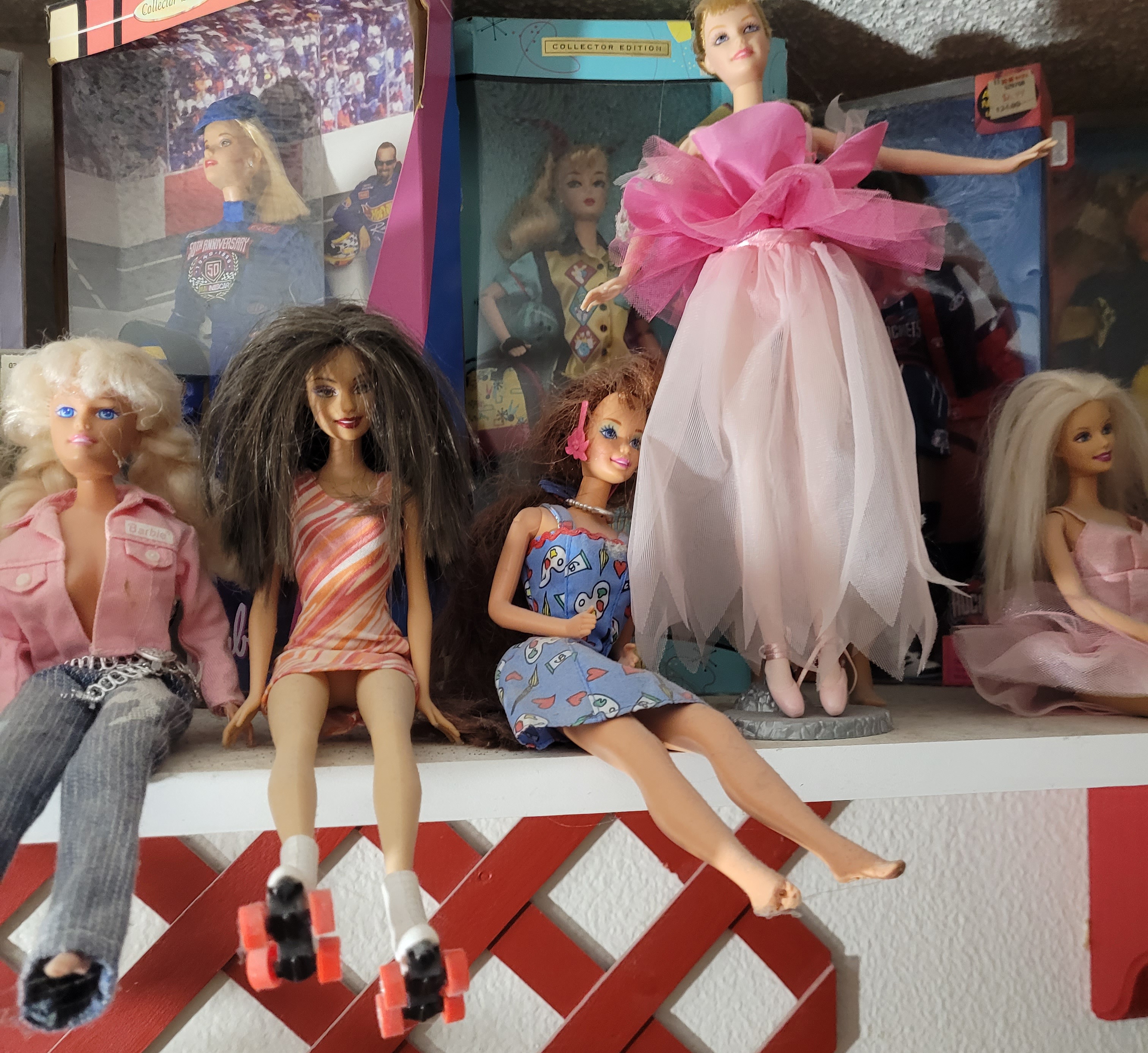
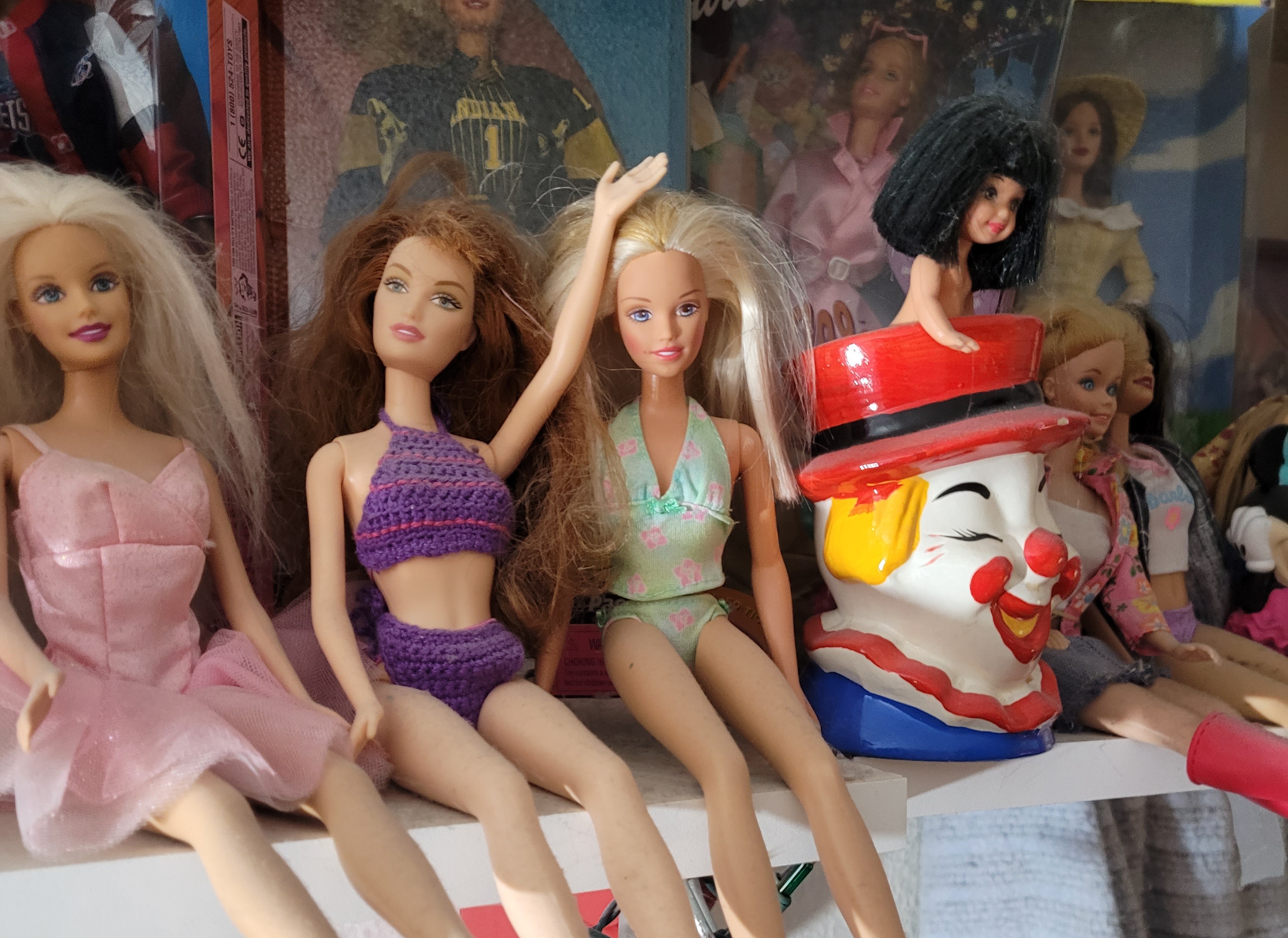
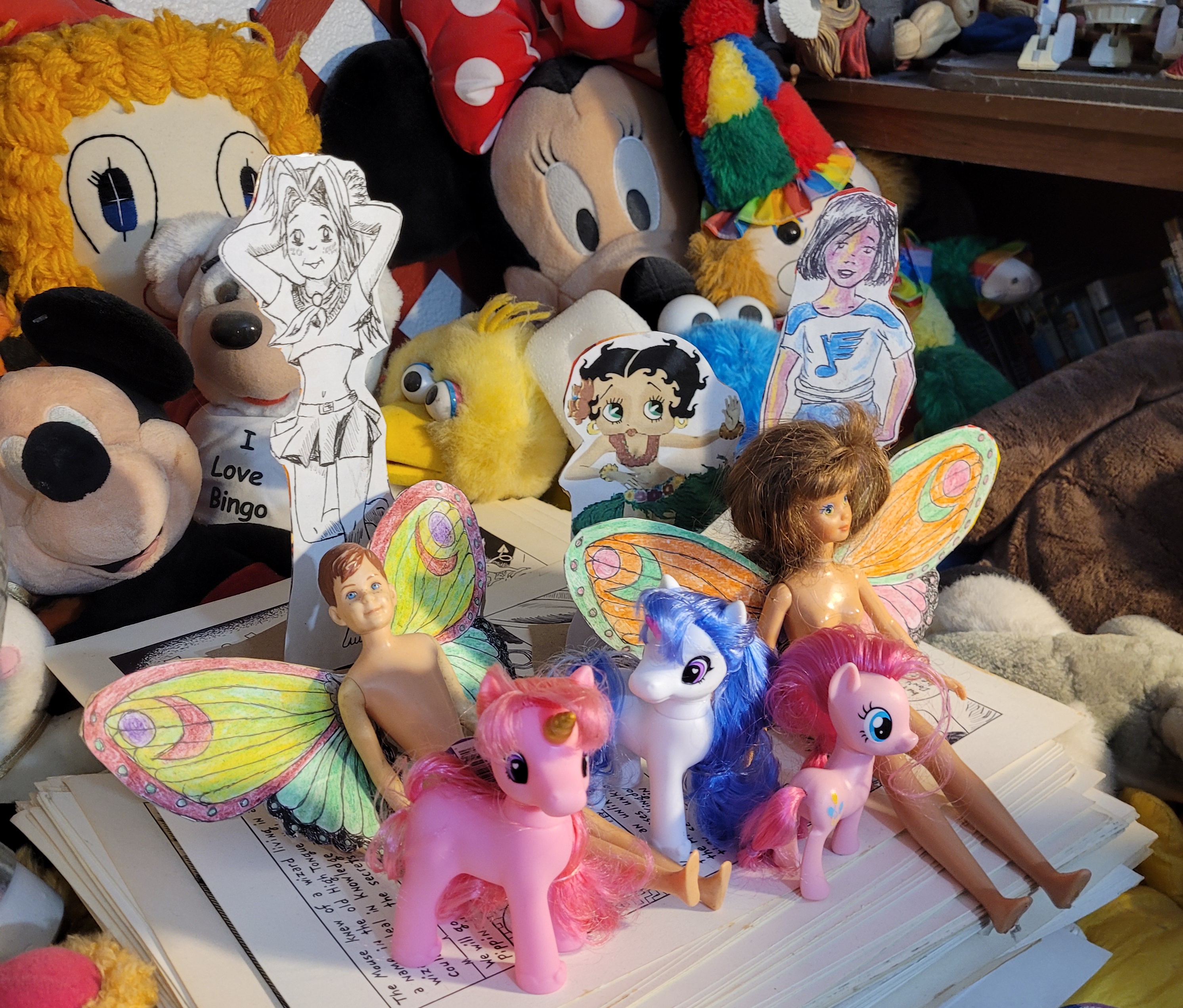
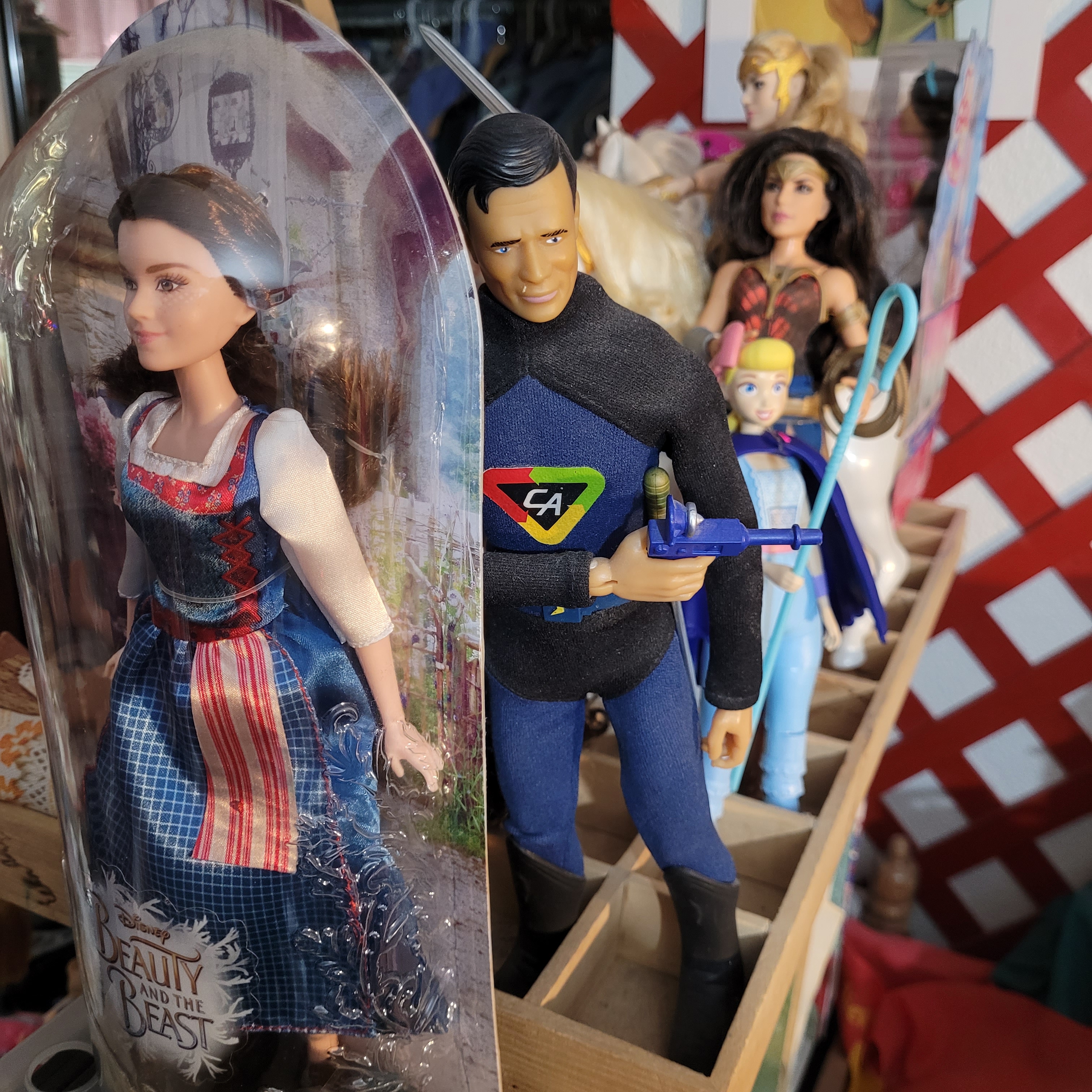
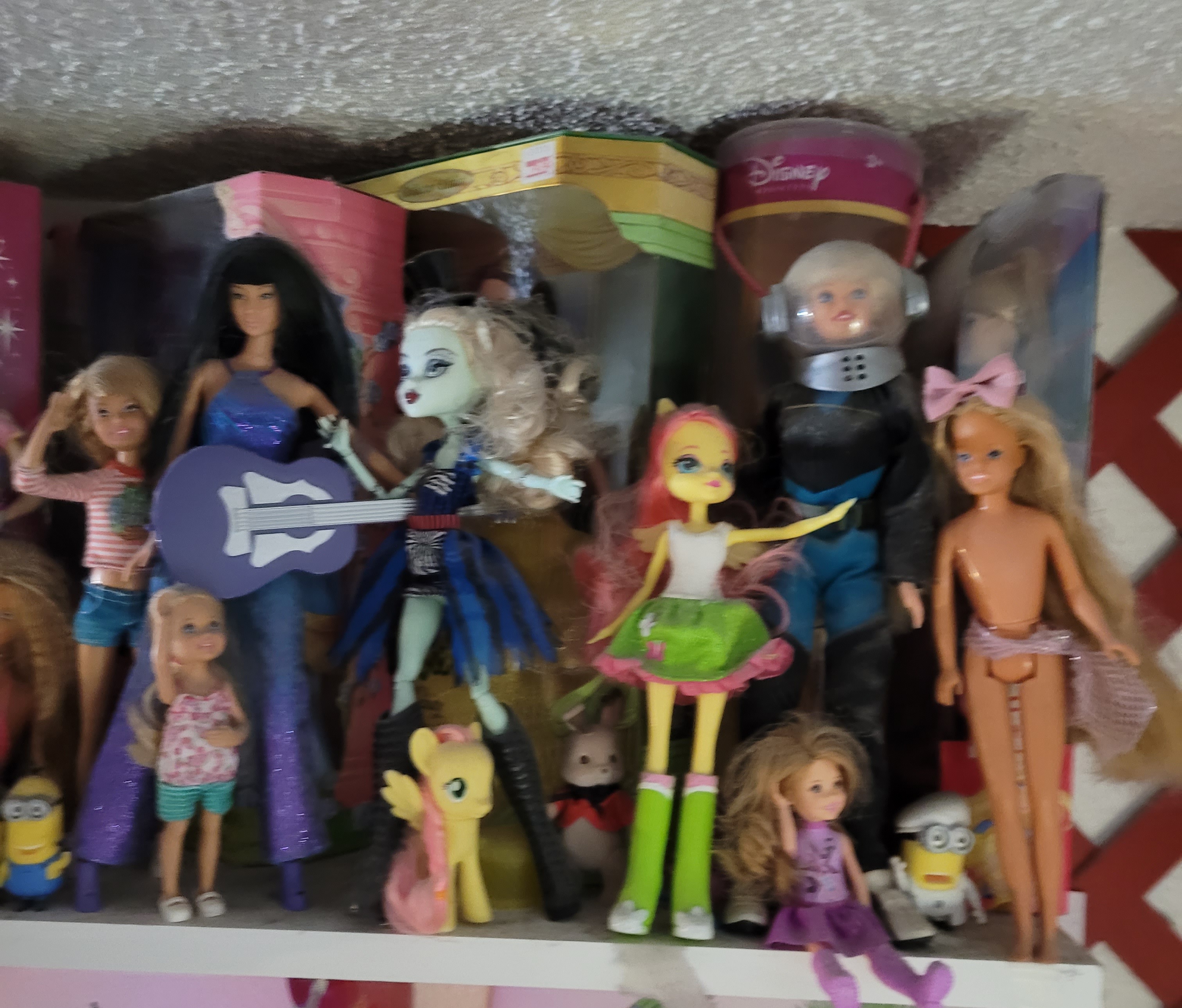
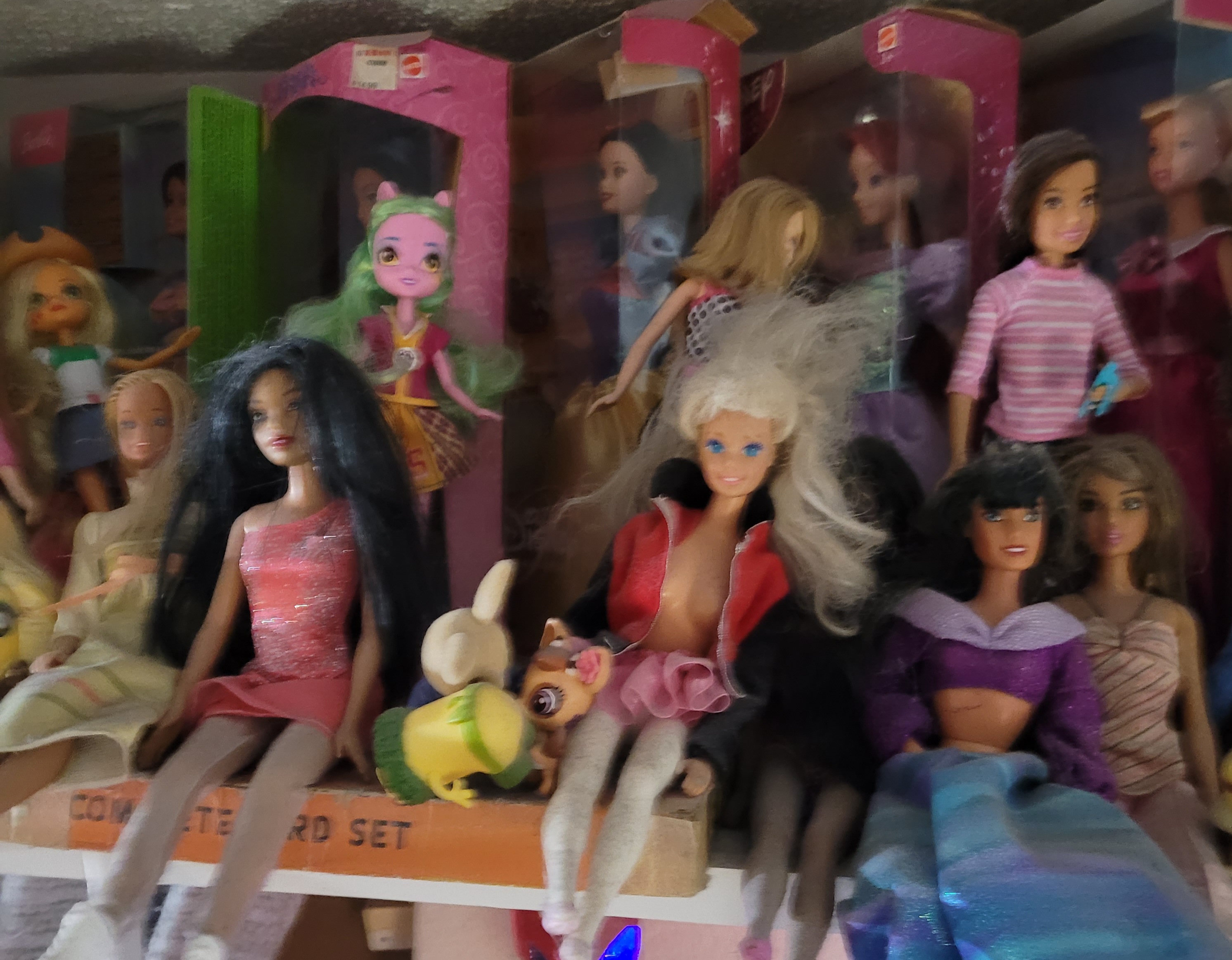
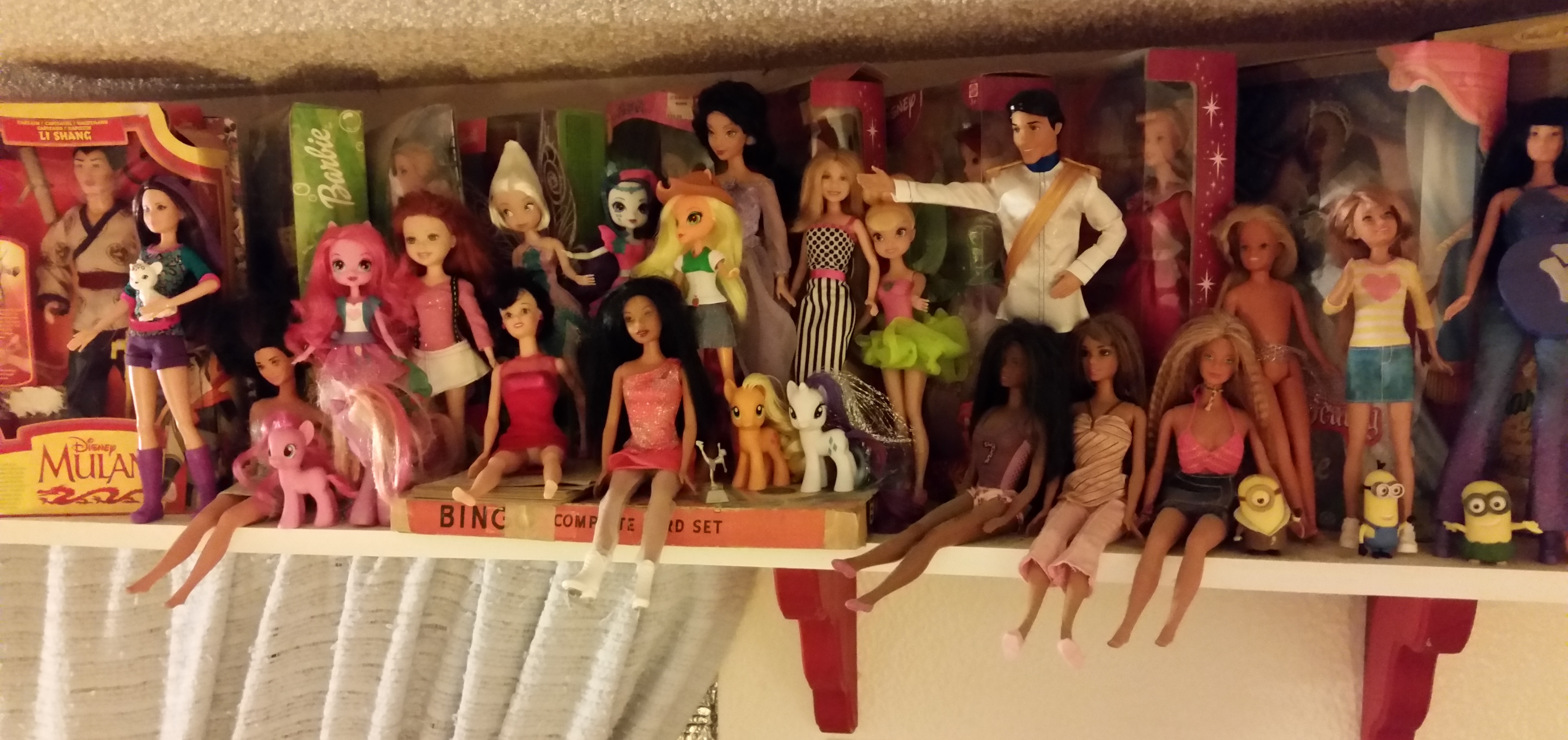

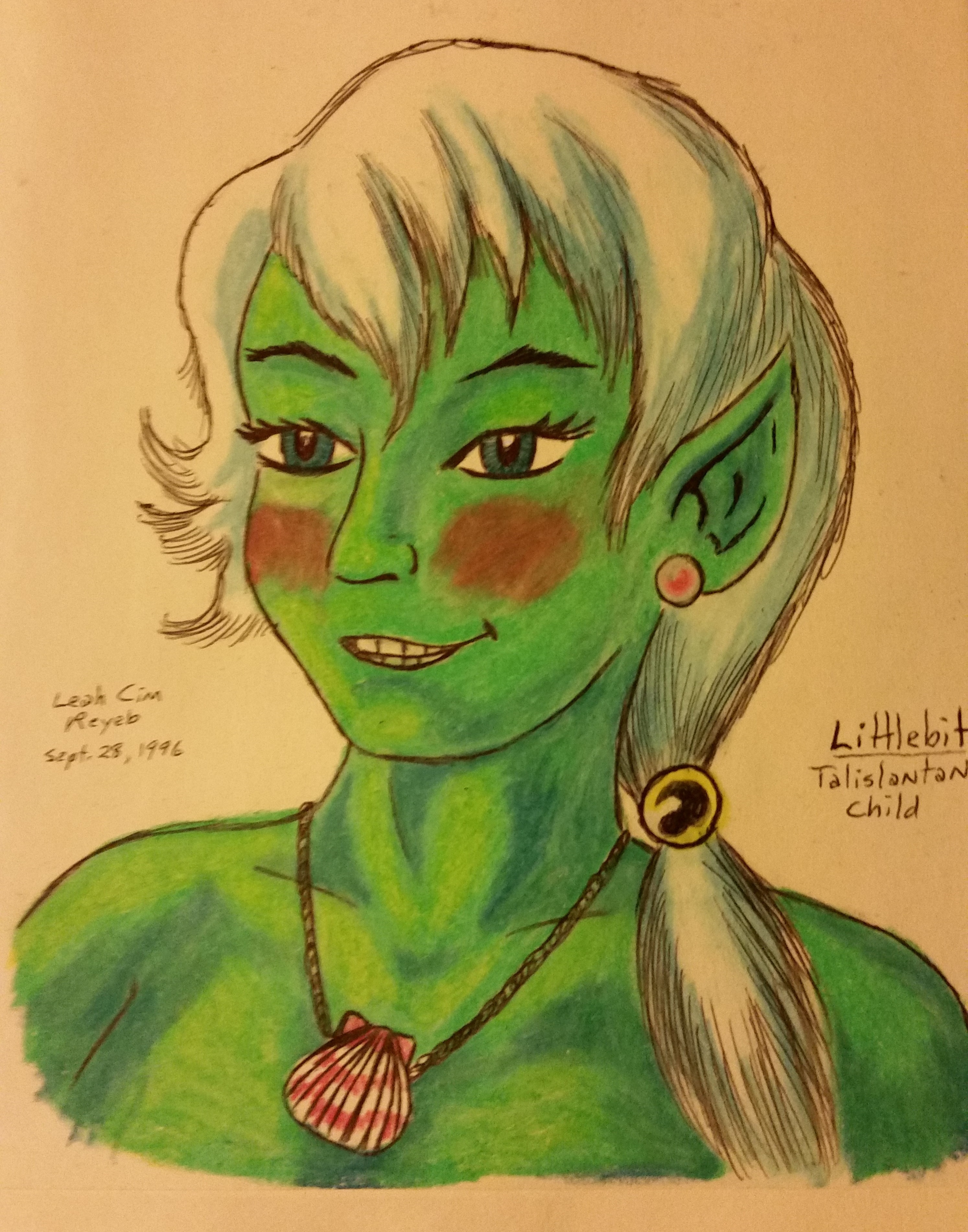
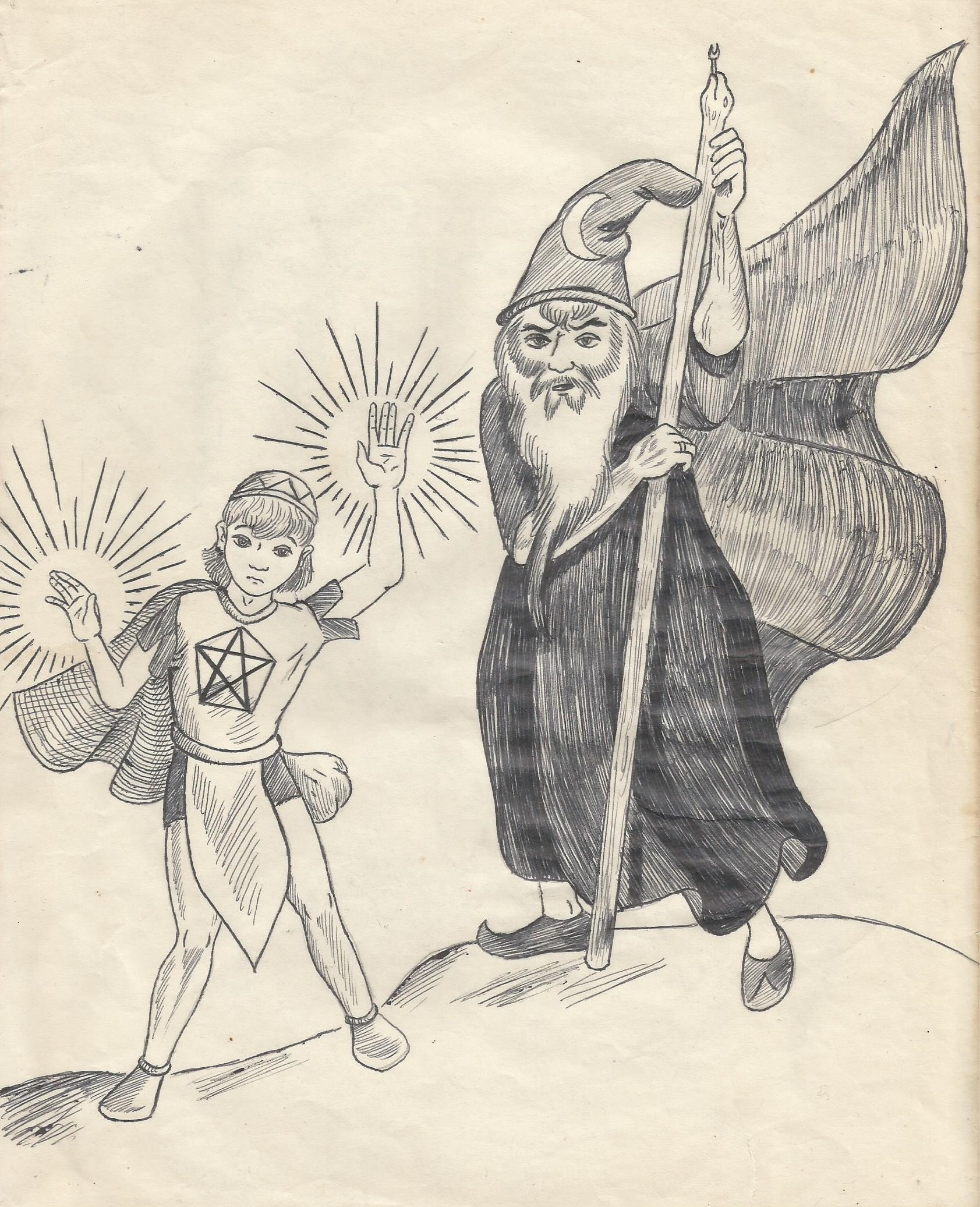


Made-Up People
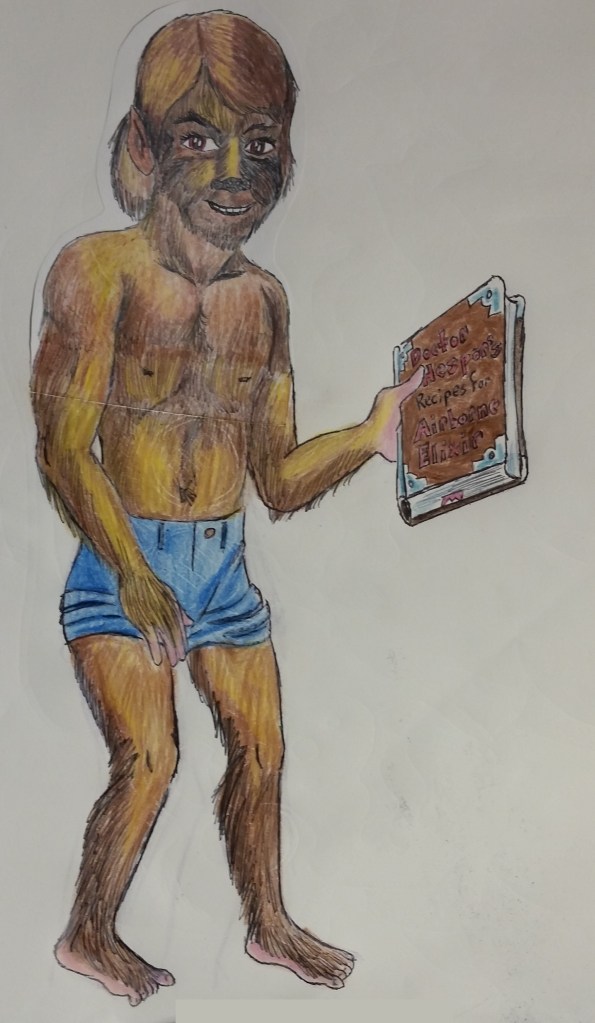
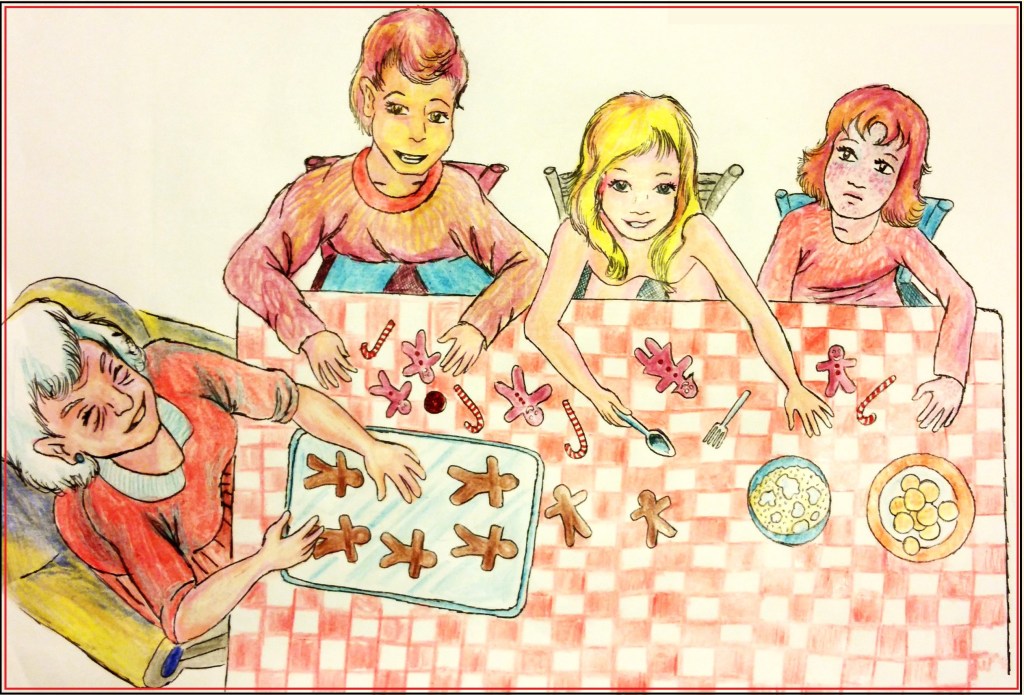
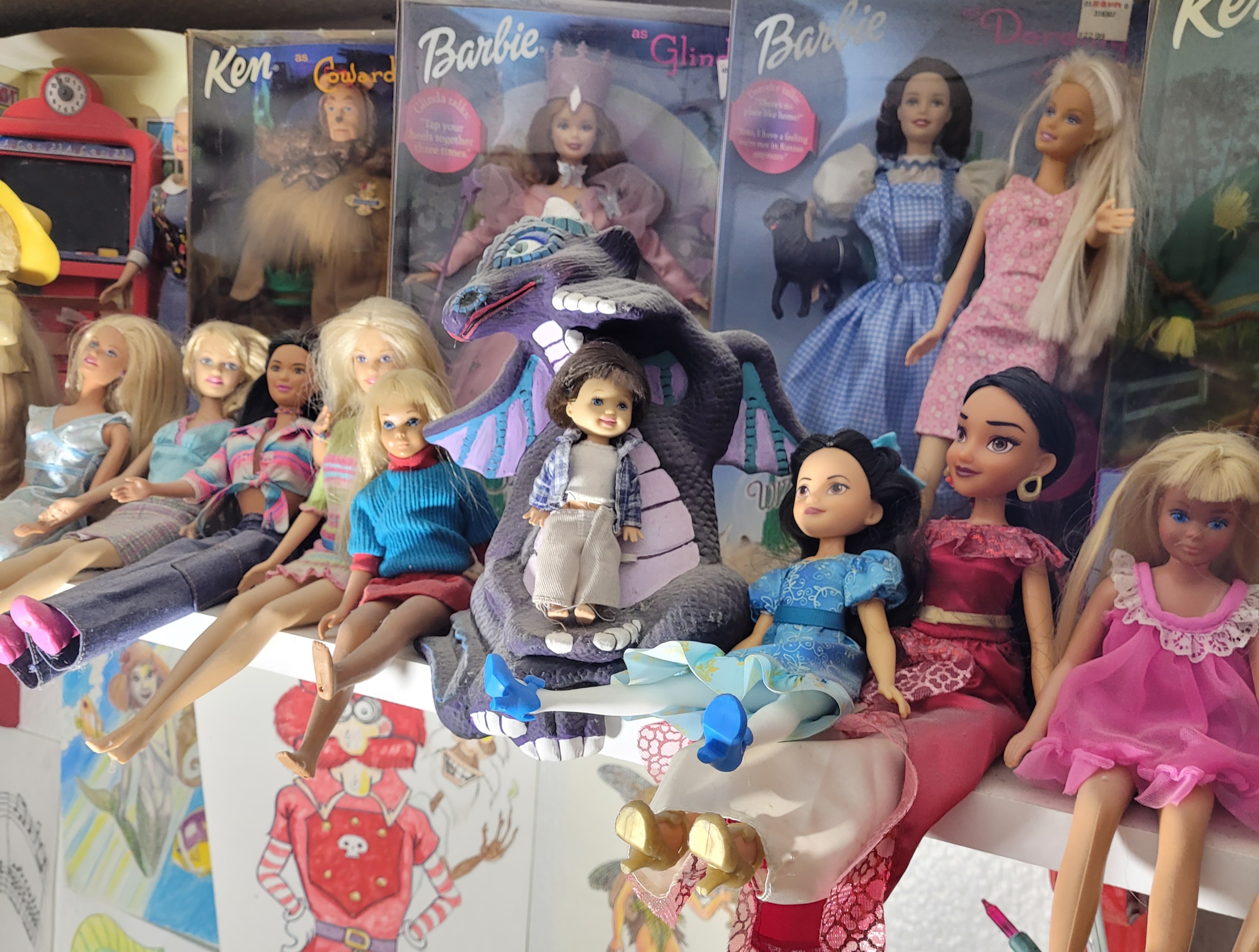
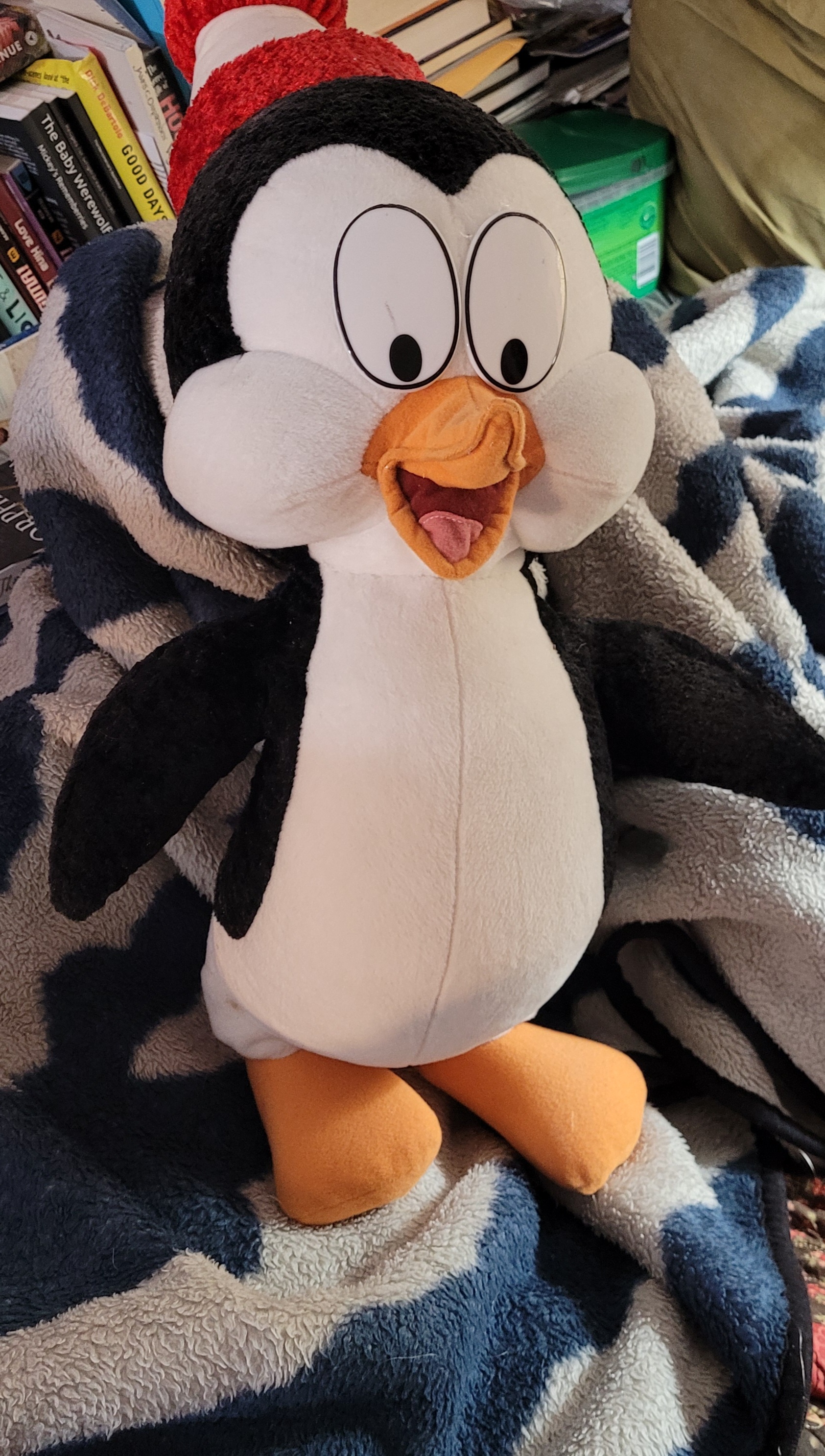
I often get criticized for talking to people who are basically invisible, probably imaginary, and definitely not real people, no matter what else they may be.
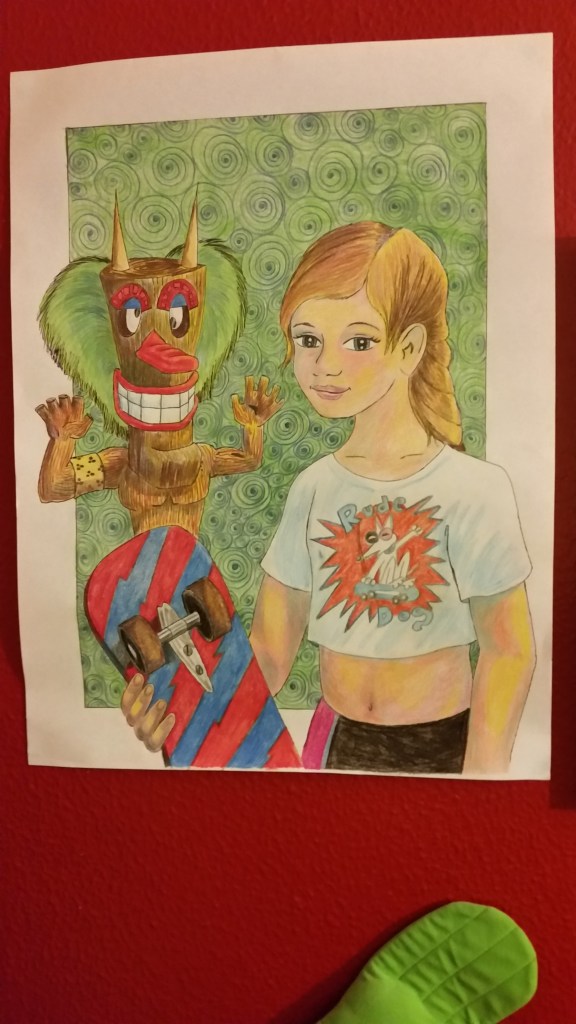
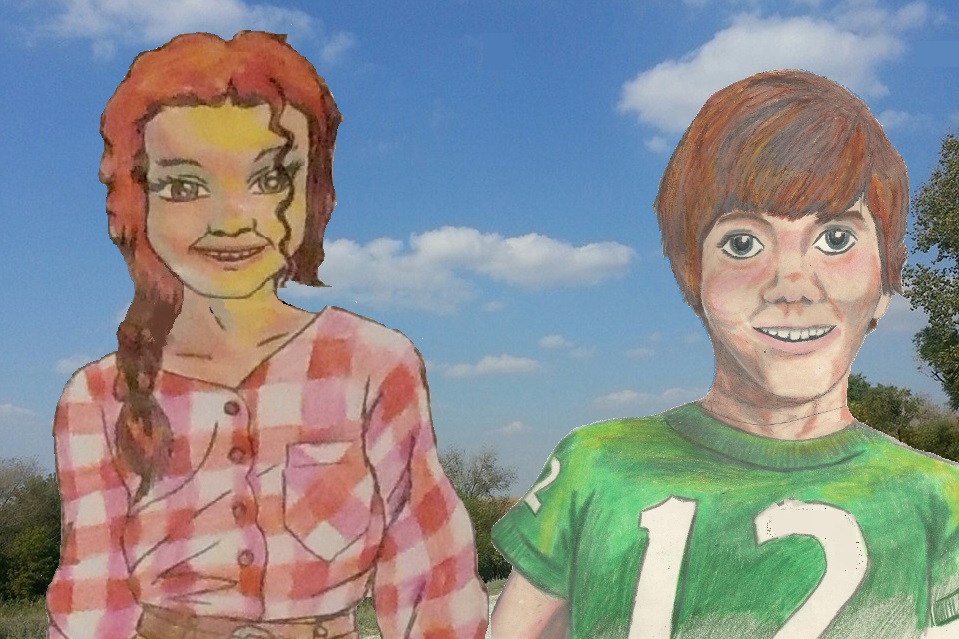
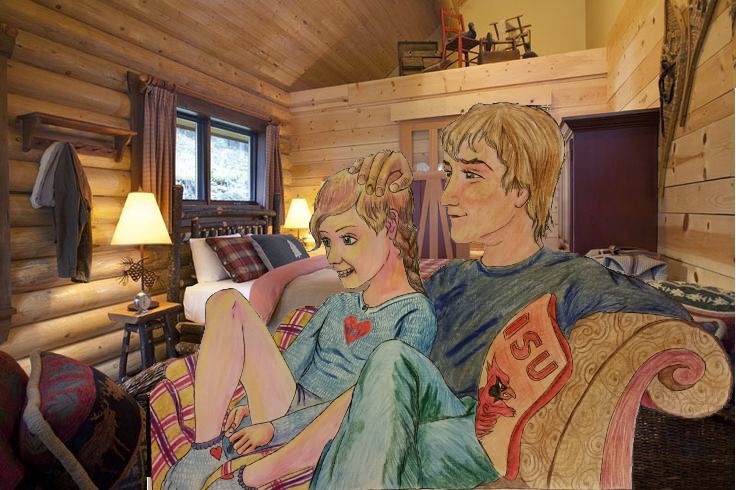
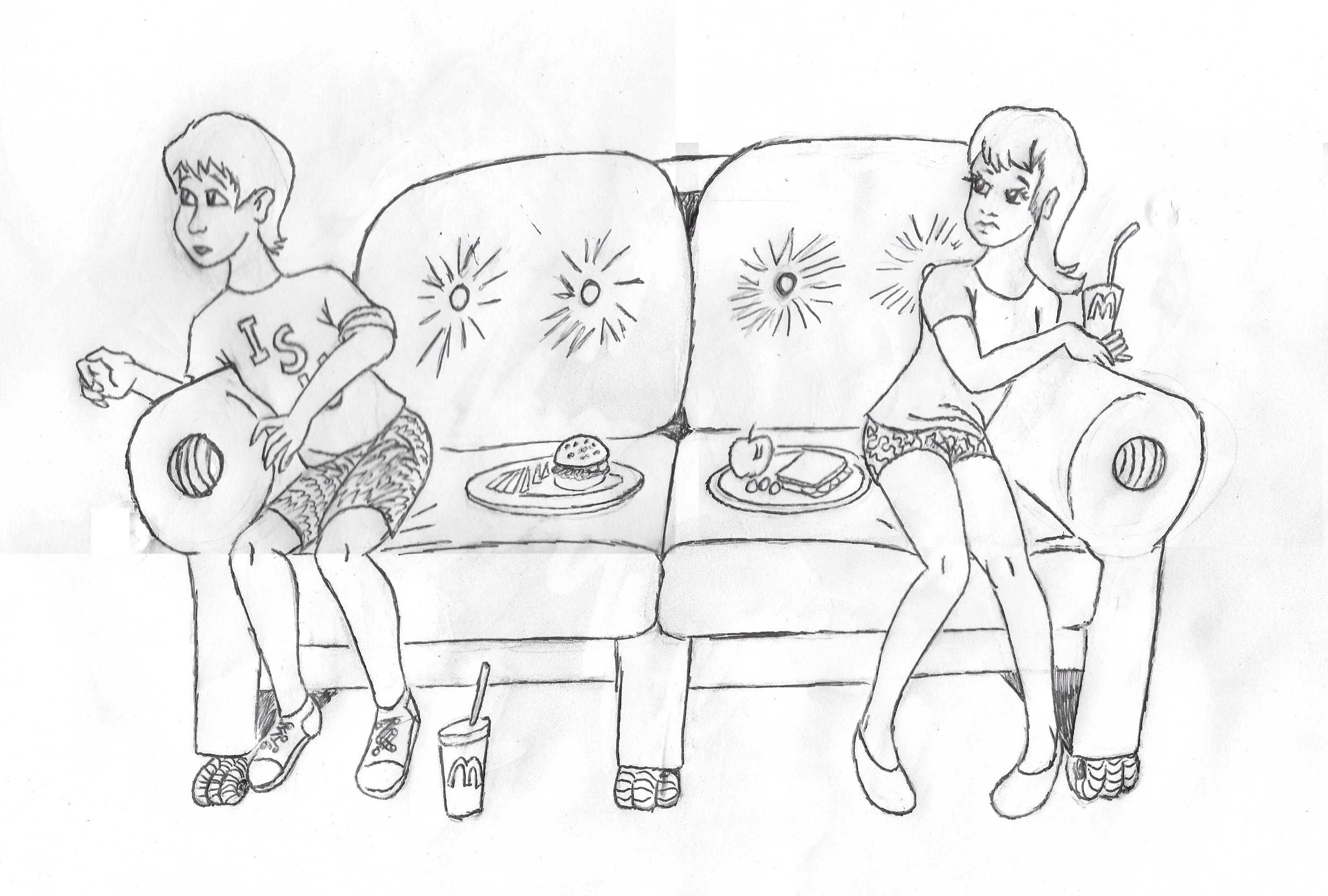
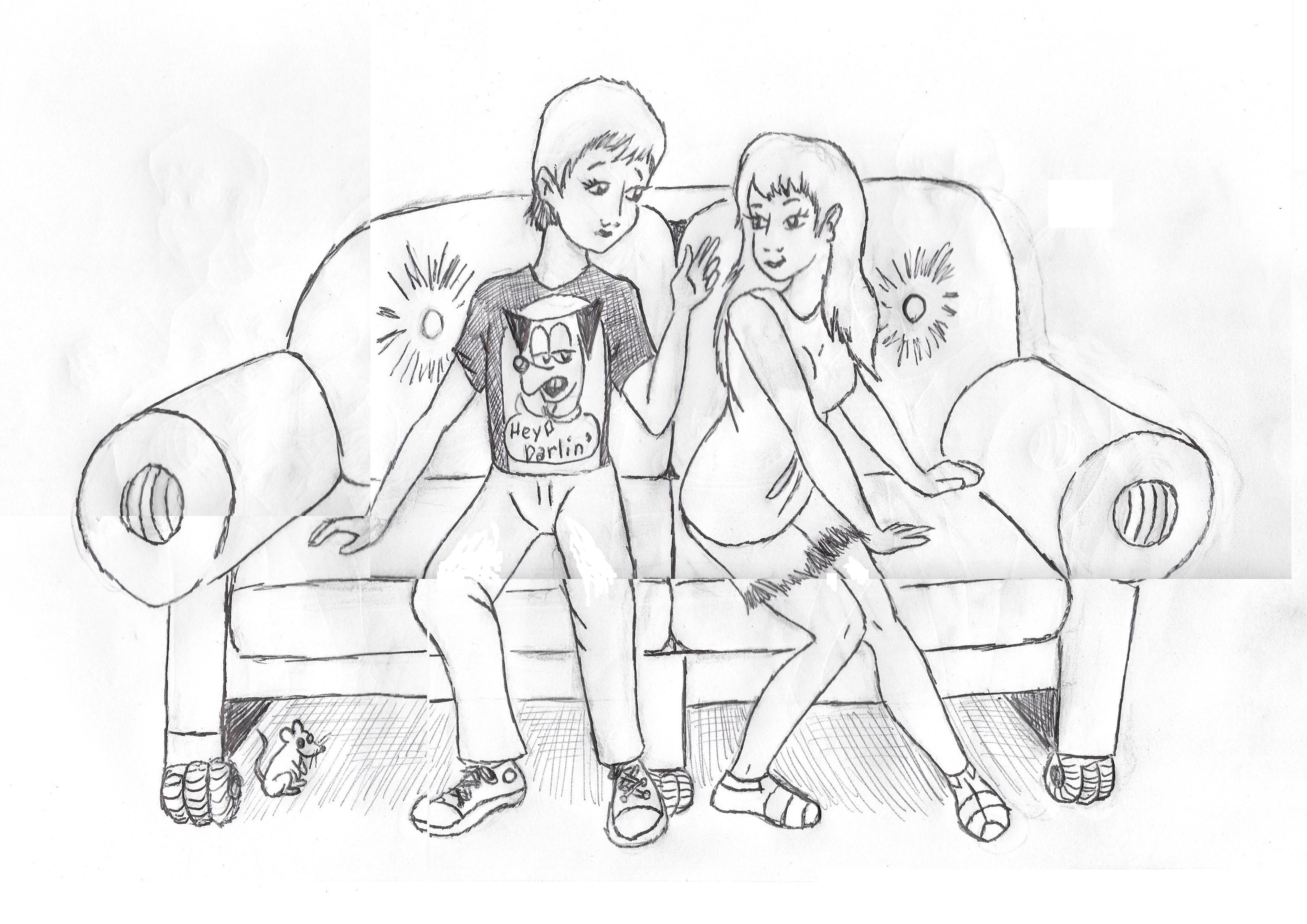
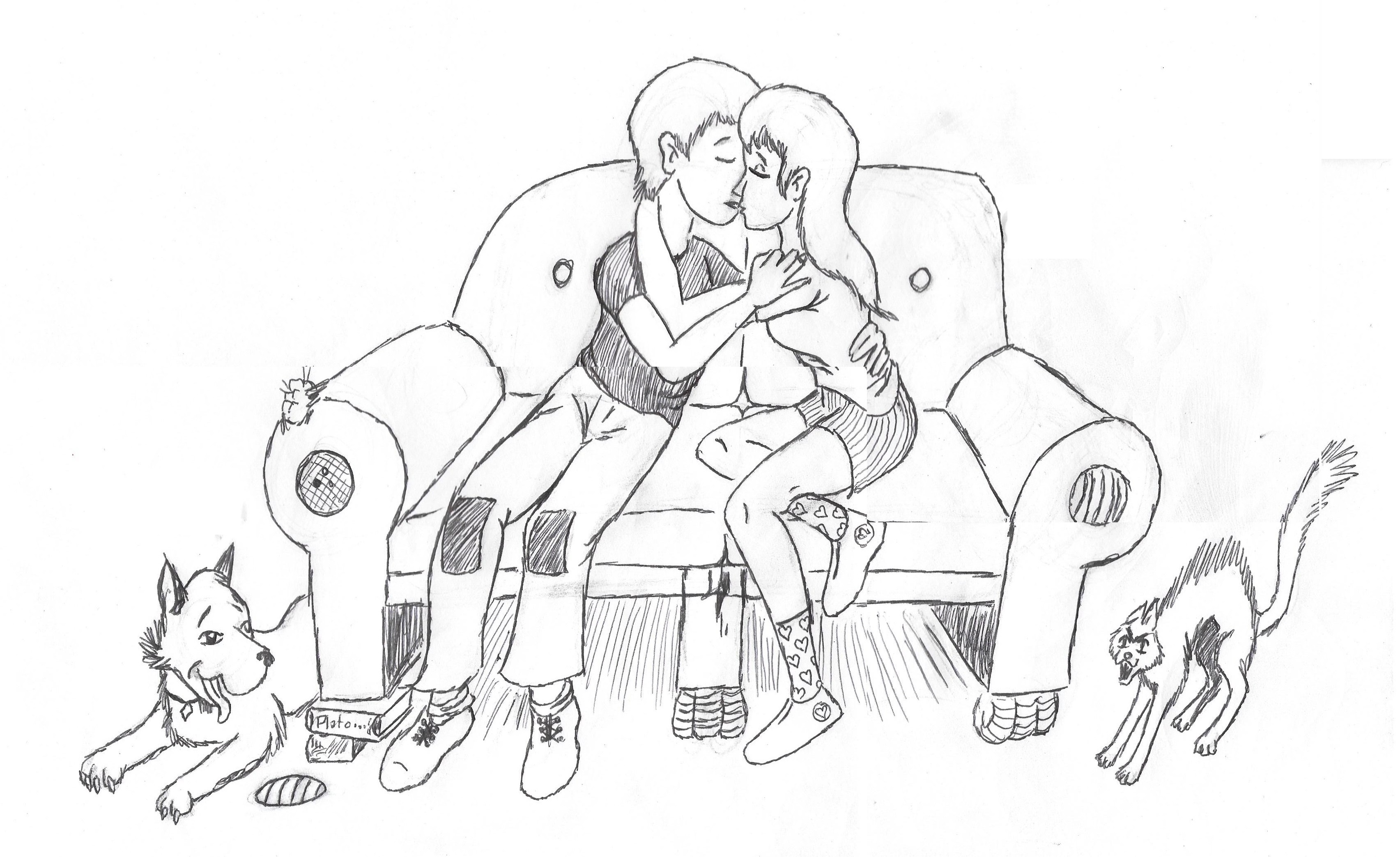
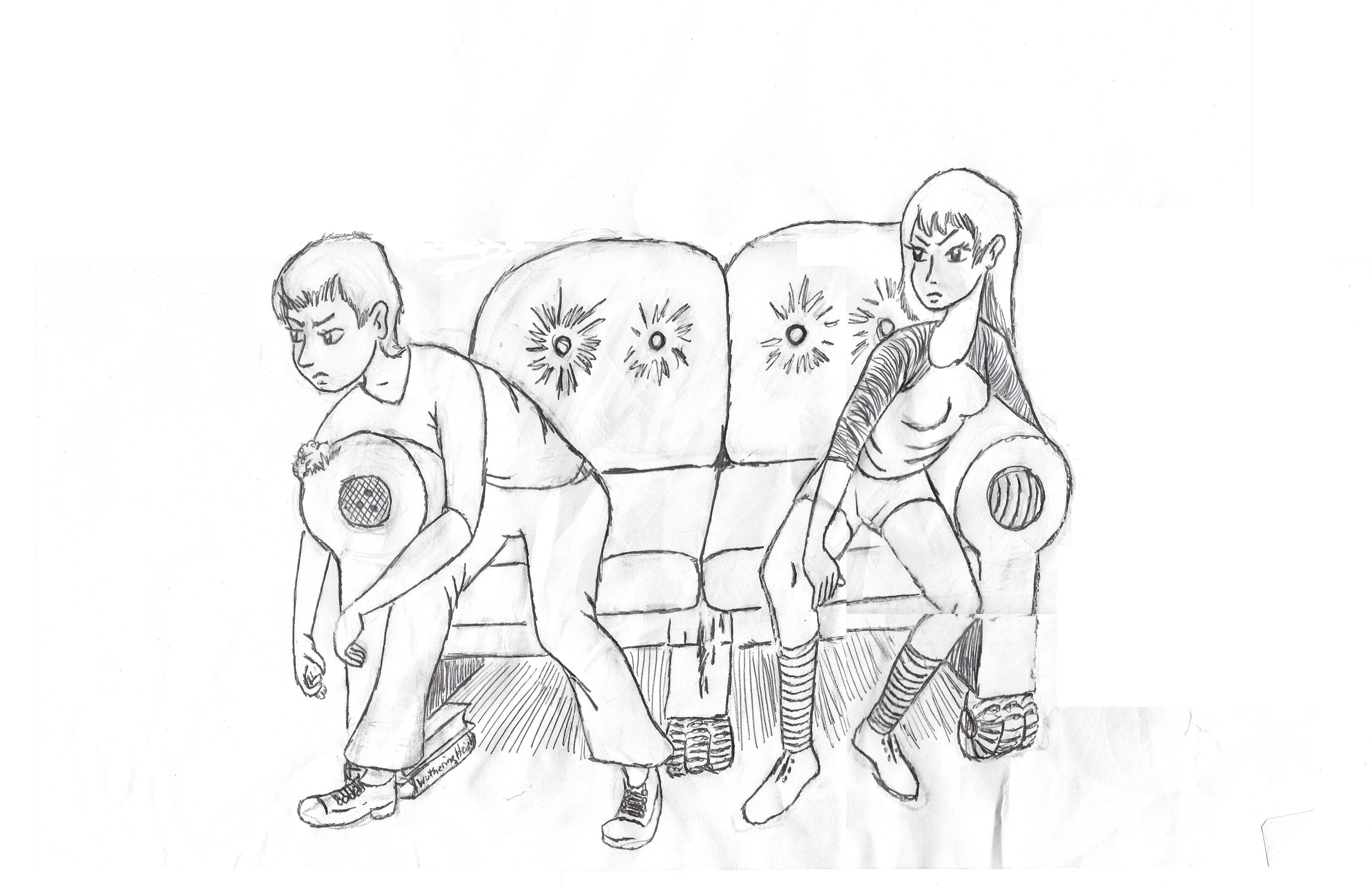
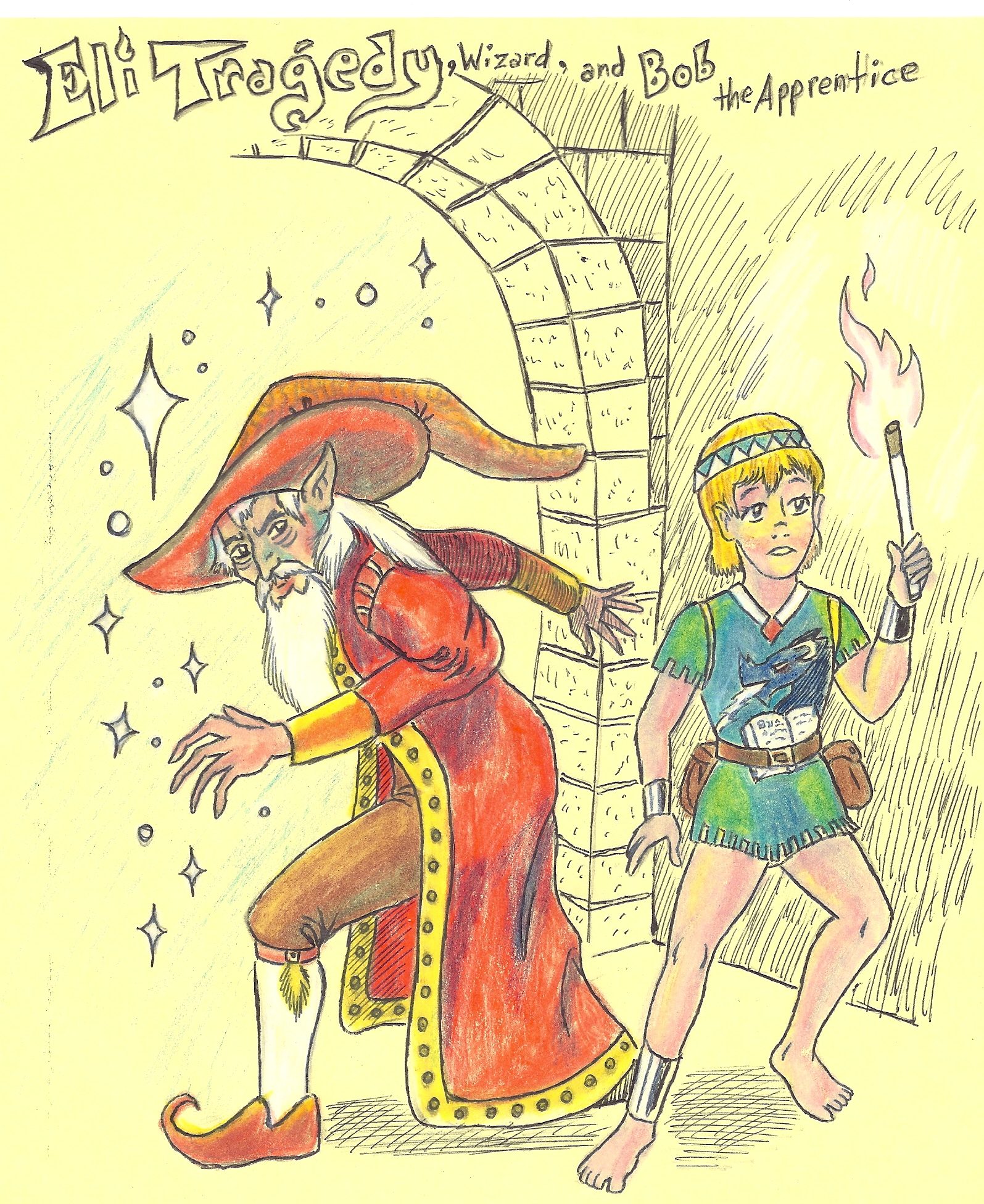
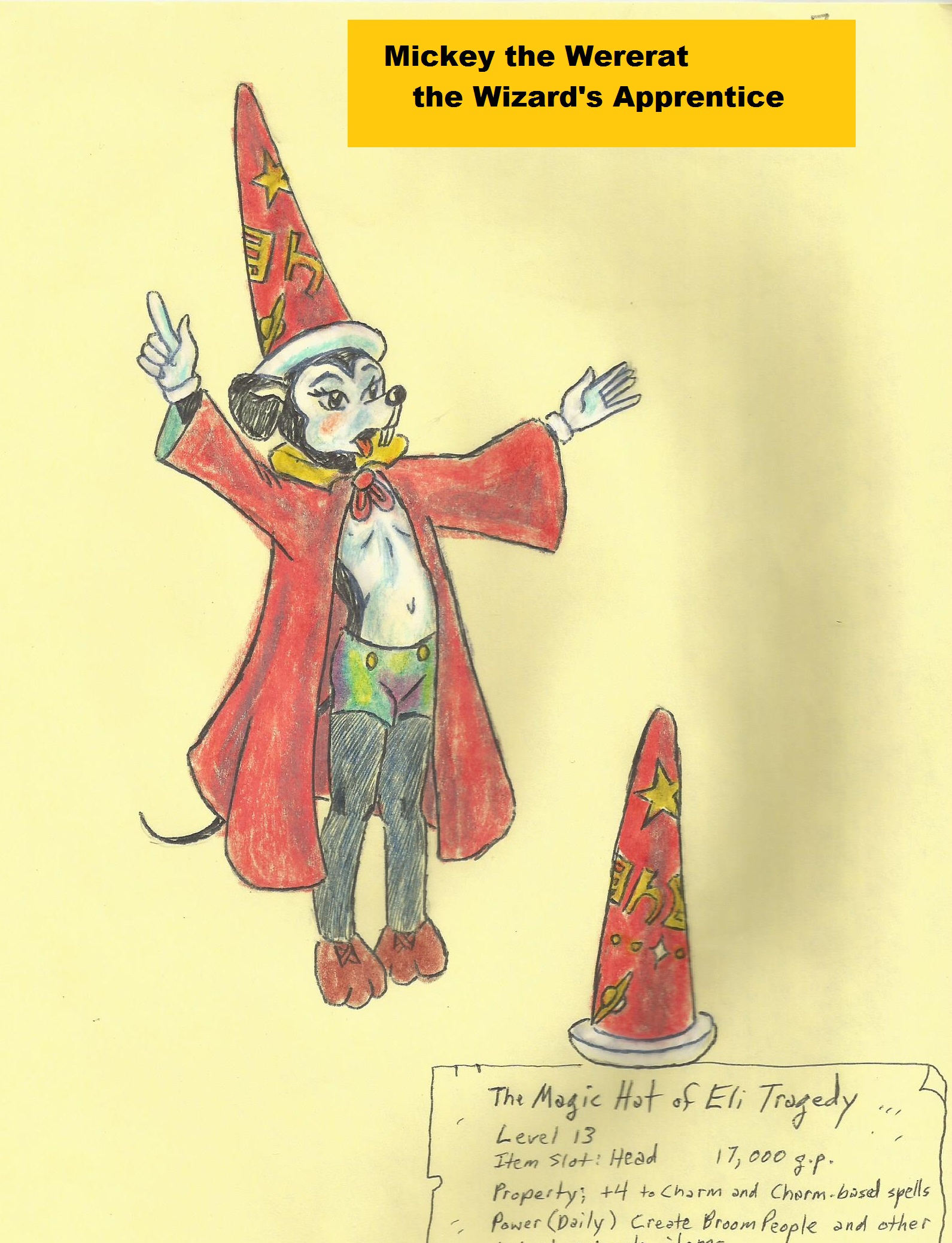
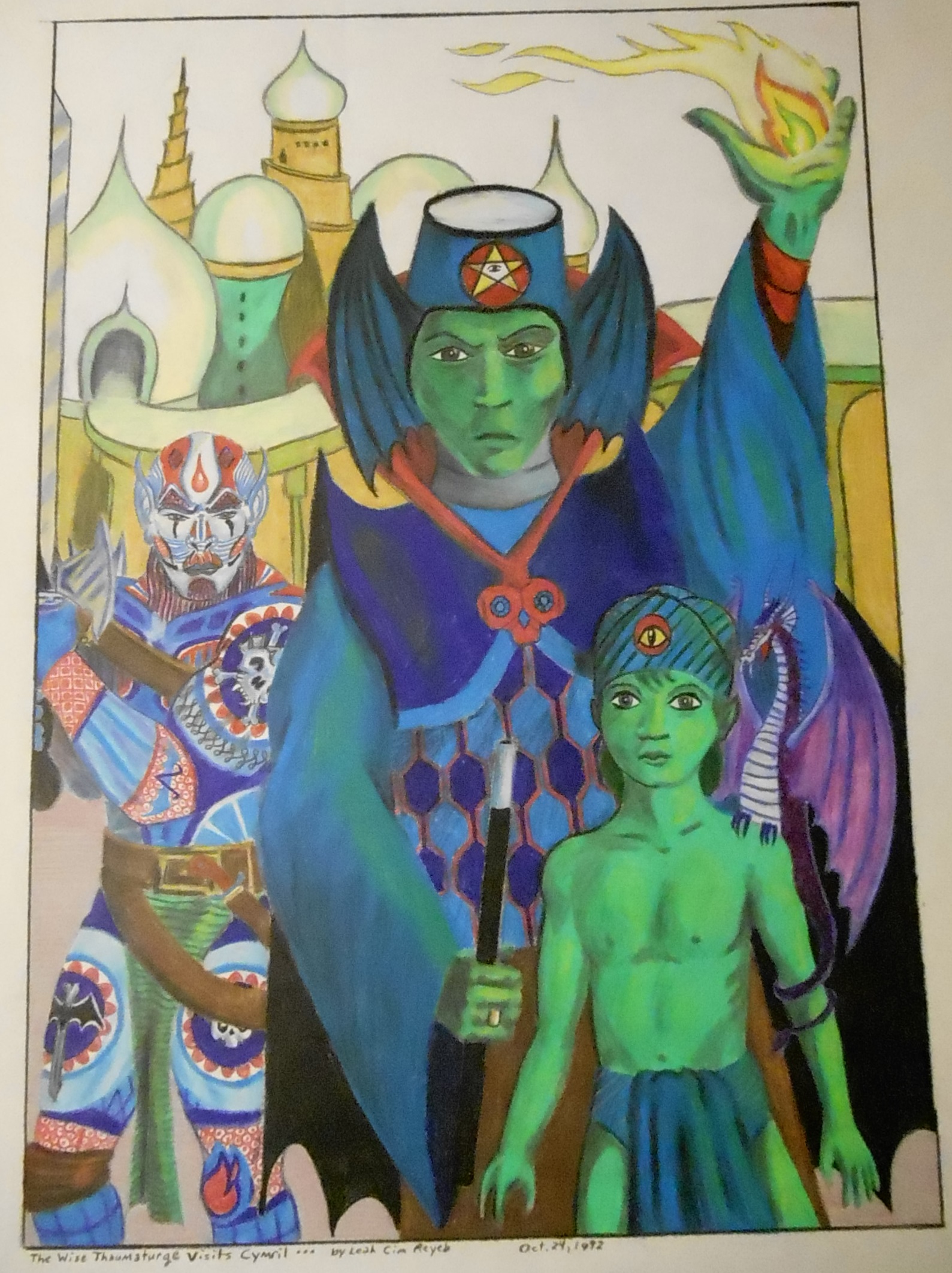
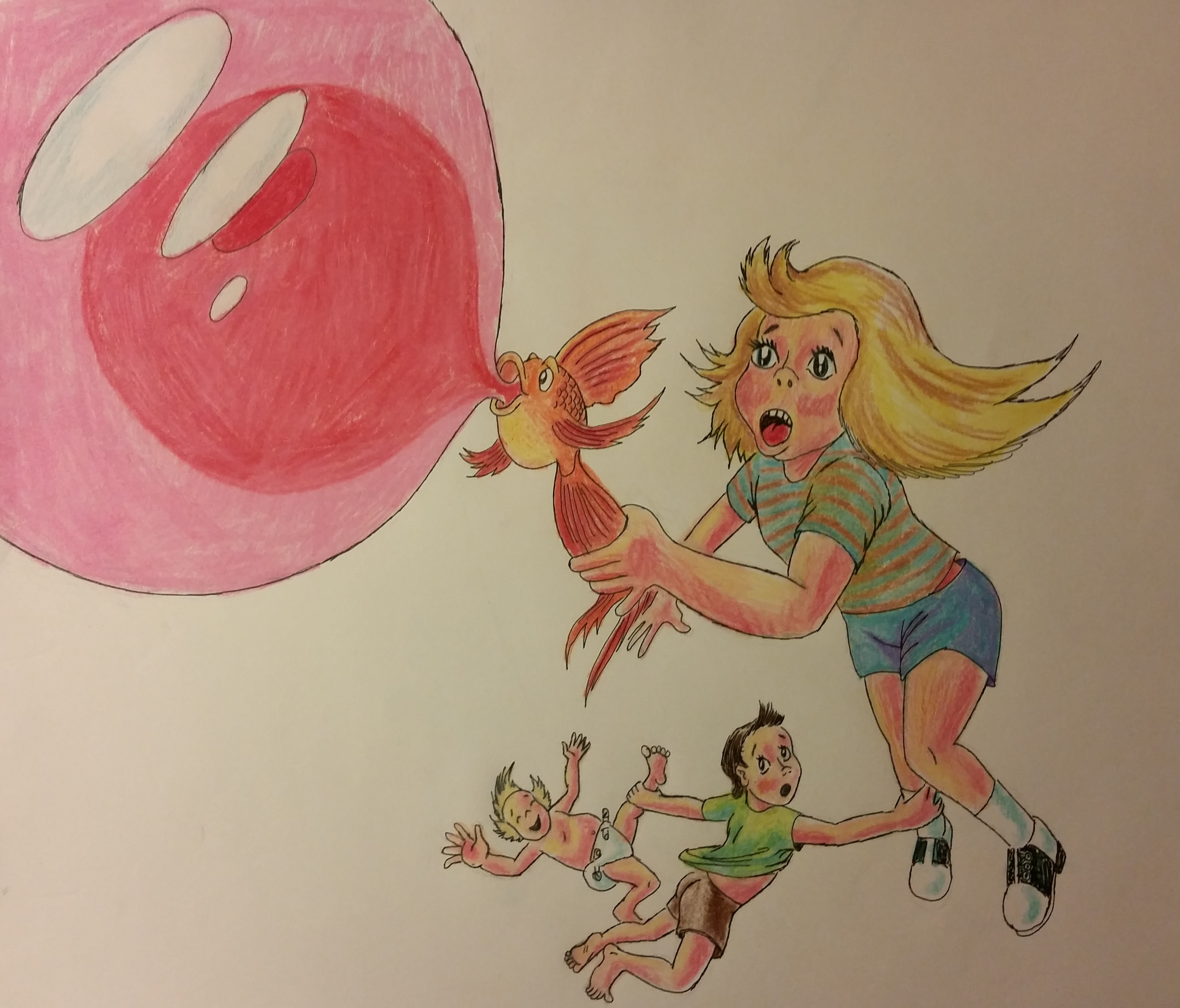
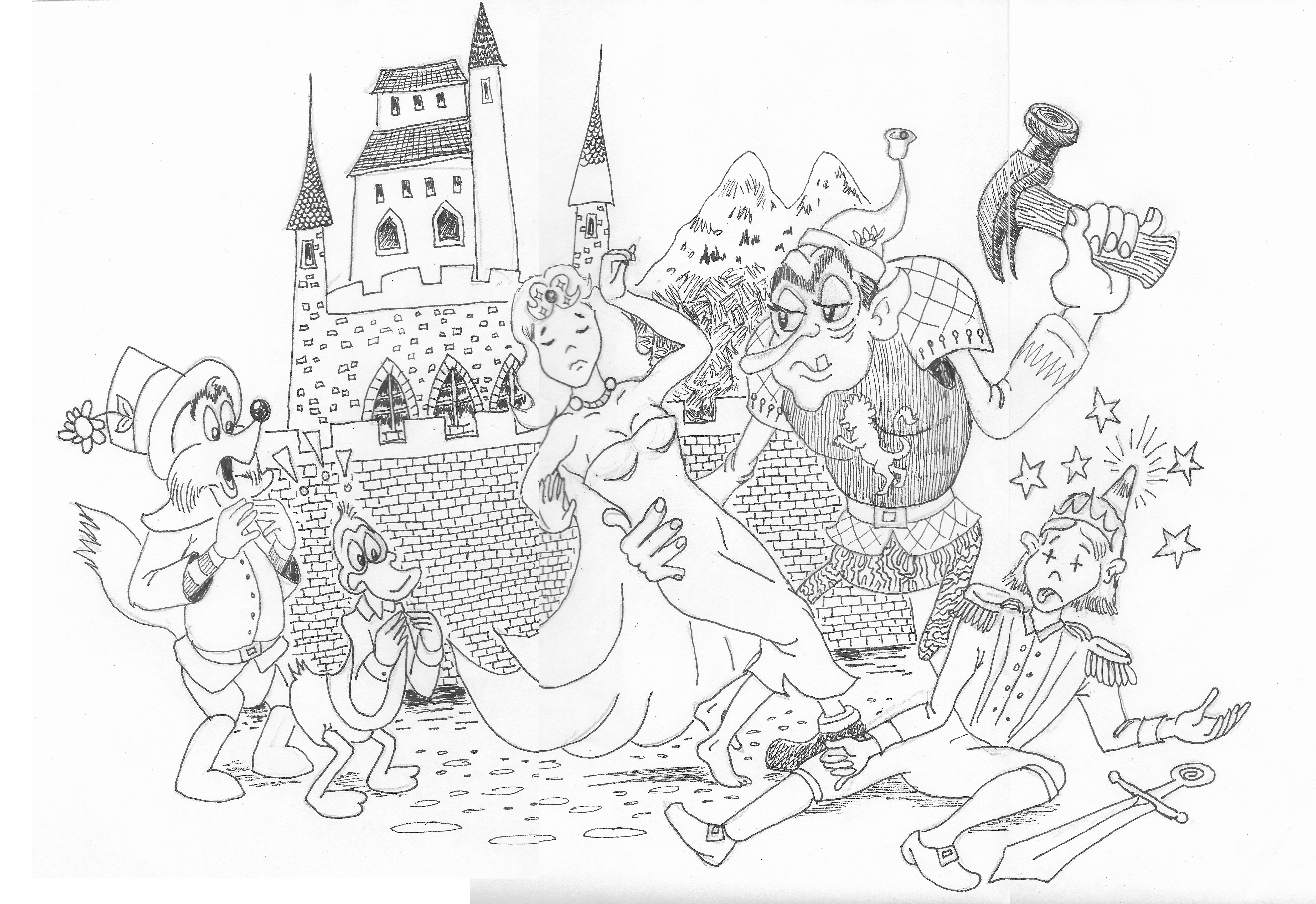
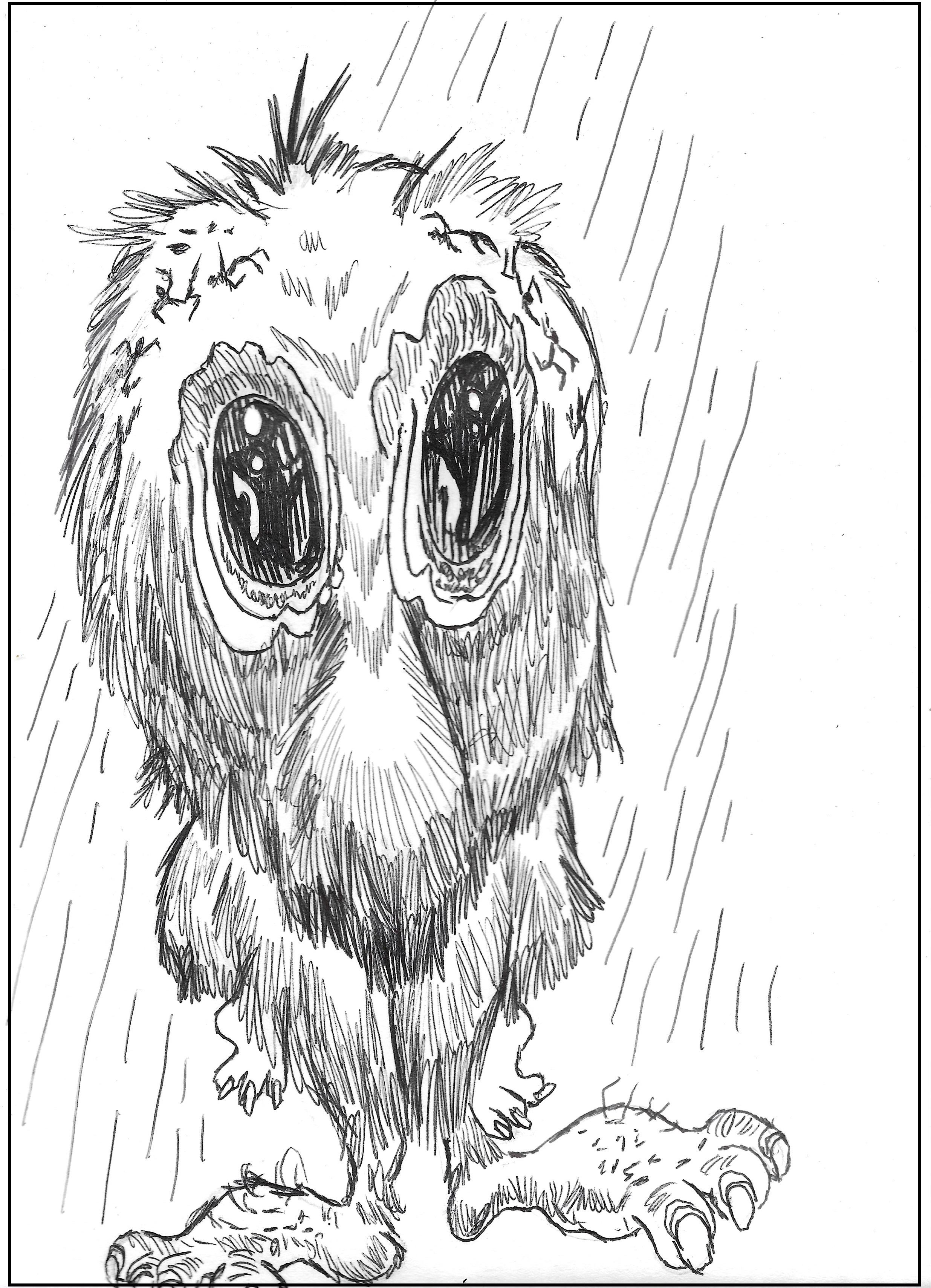
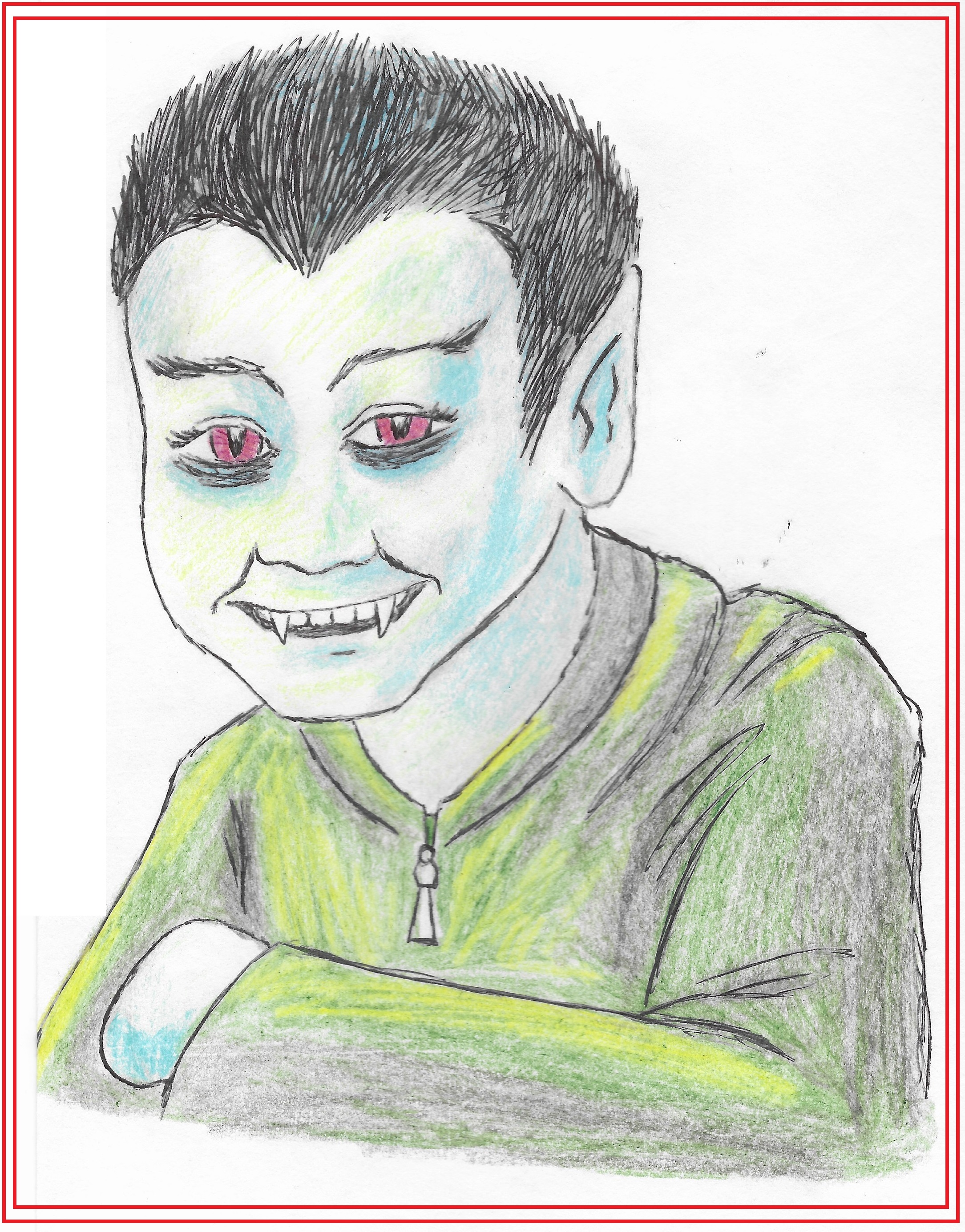
The unfinished cover picture is from the novel The Bicycle-Wheel Genius which I just finished the final rewrite and edit for. All of the characters in that book are fictional. Even though some of them strongly resemble the real people who inspired me to create them, they are fictional people doing fictional and sometimes impossible things. And yet, they are all people who I have lived with as walking, talking, fictional people for many years. Most of those people have been talking to me since the 1970’s. I know some of them far better than any of the real people who are a part of my life.
This slideshow requires JavaScript.
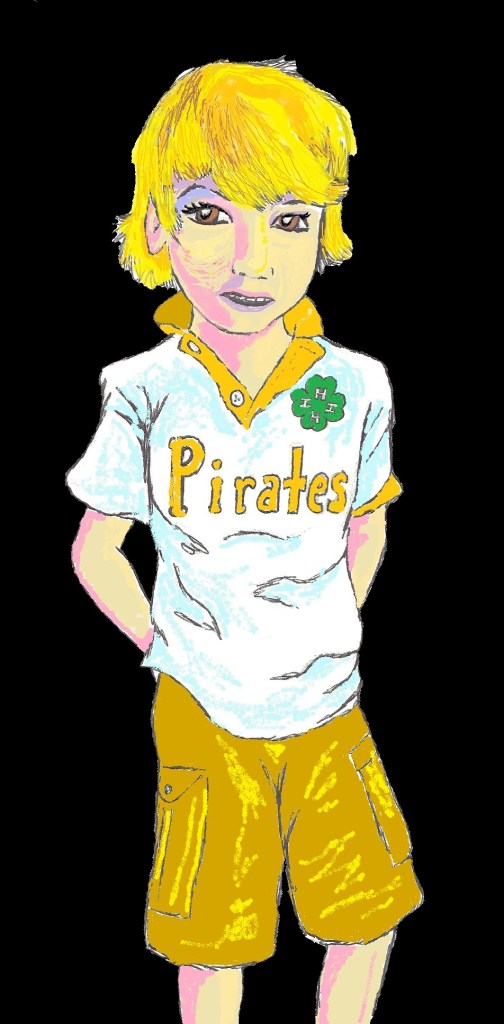
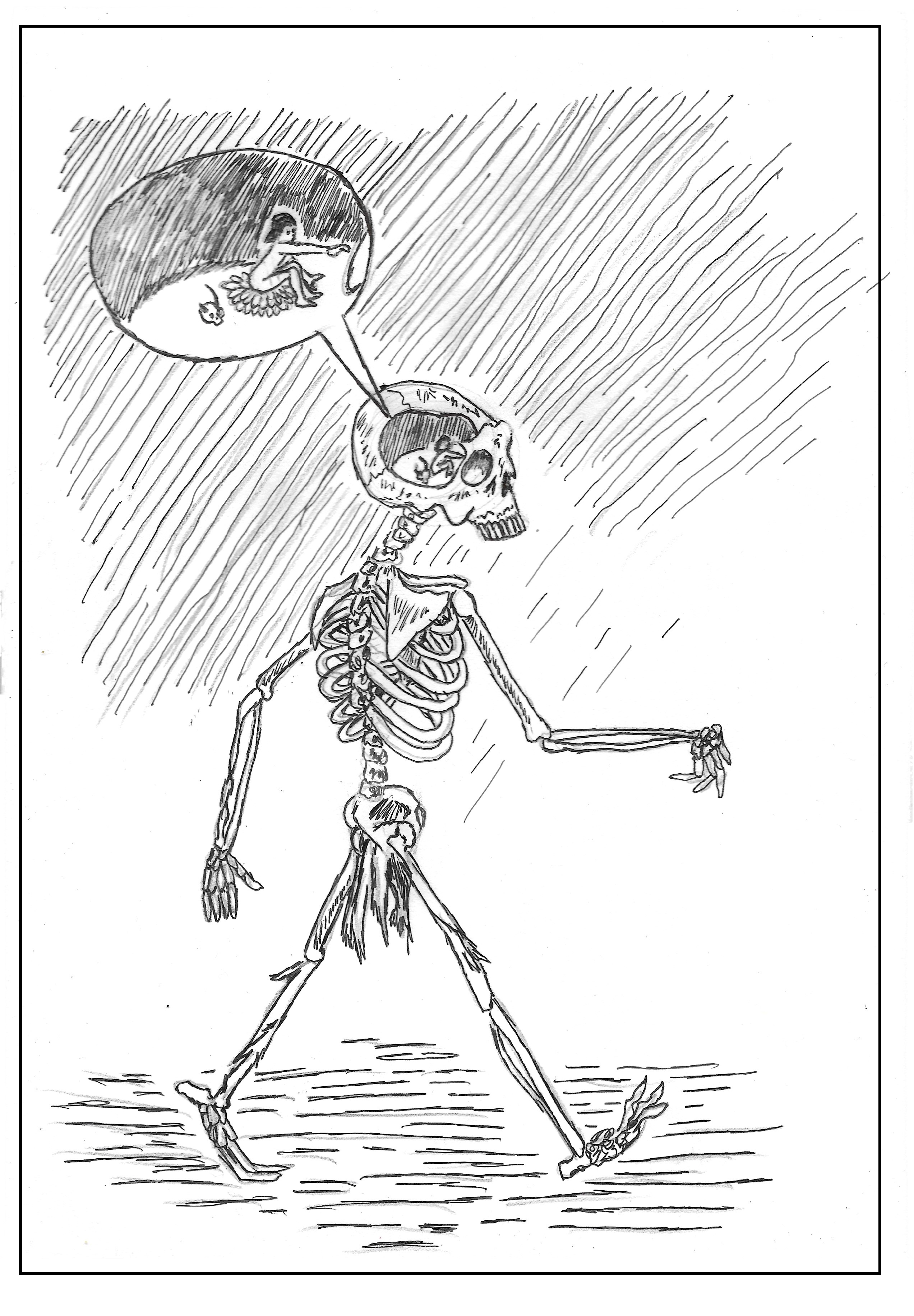
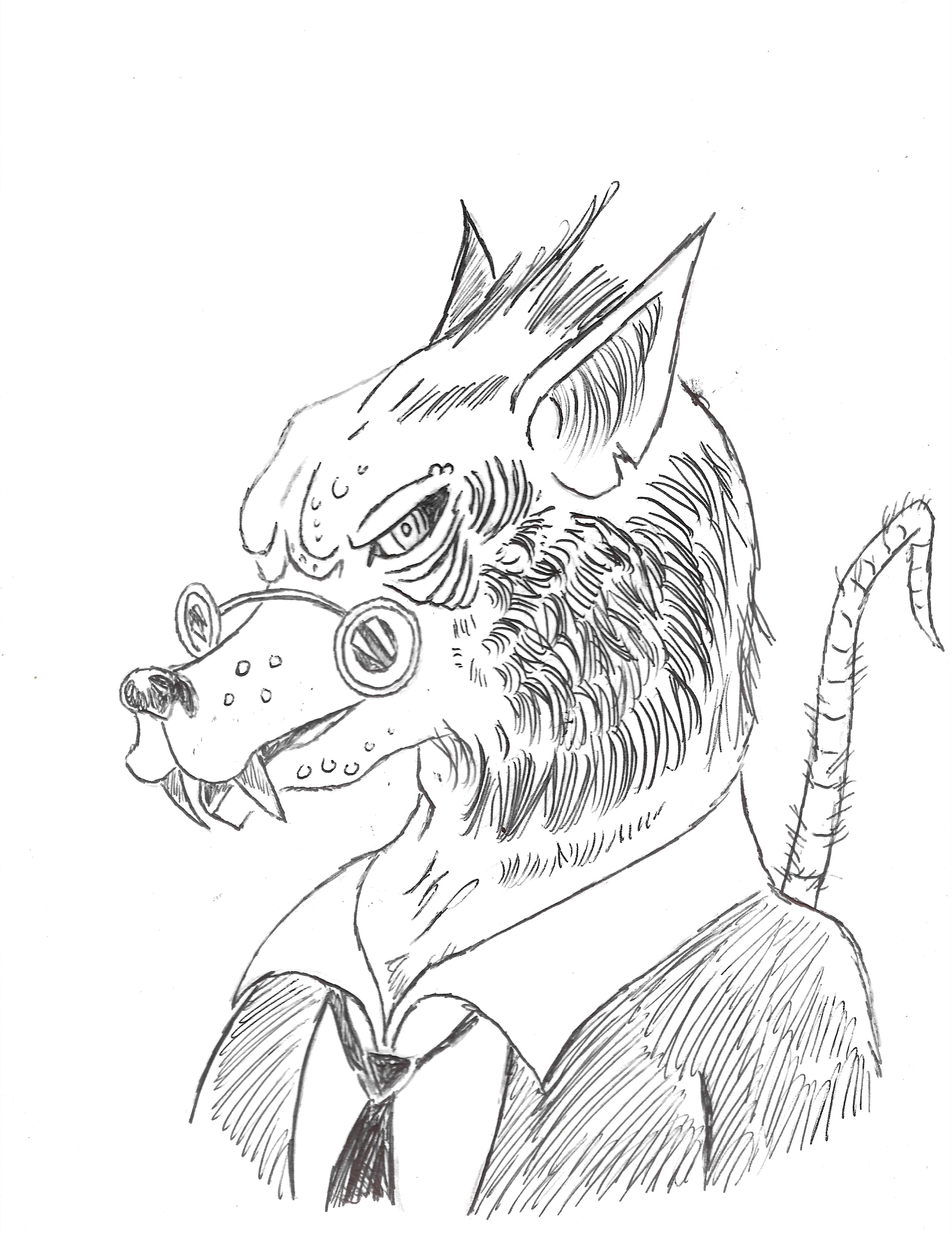
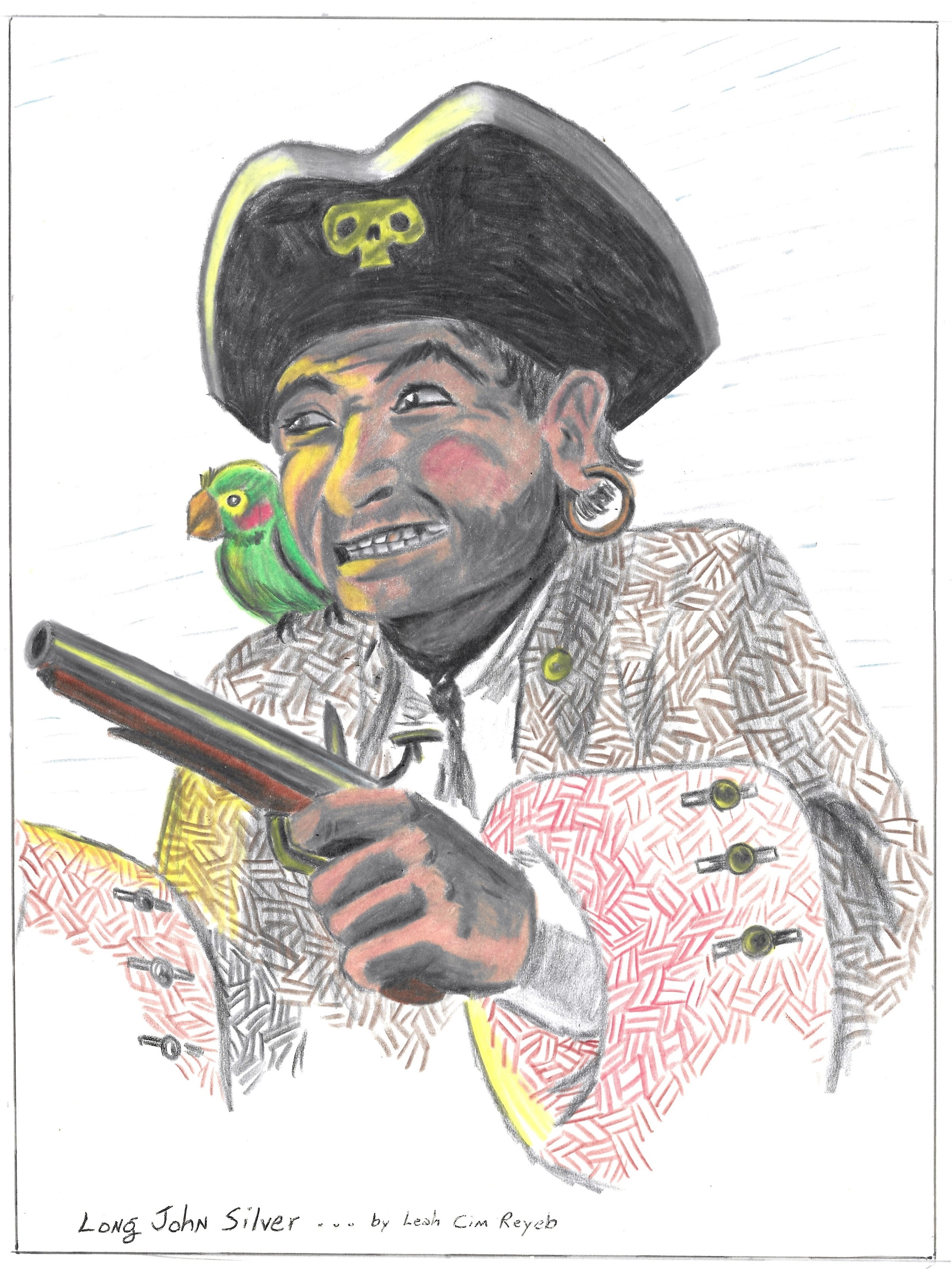
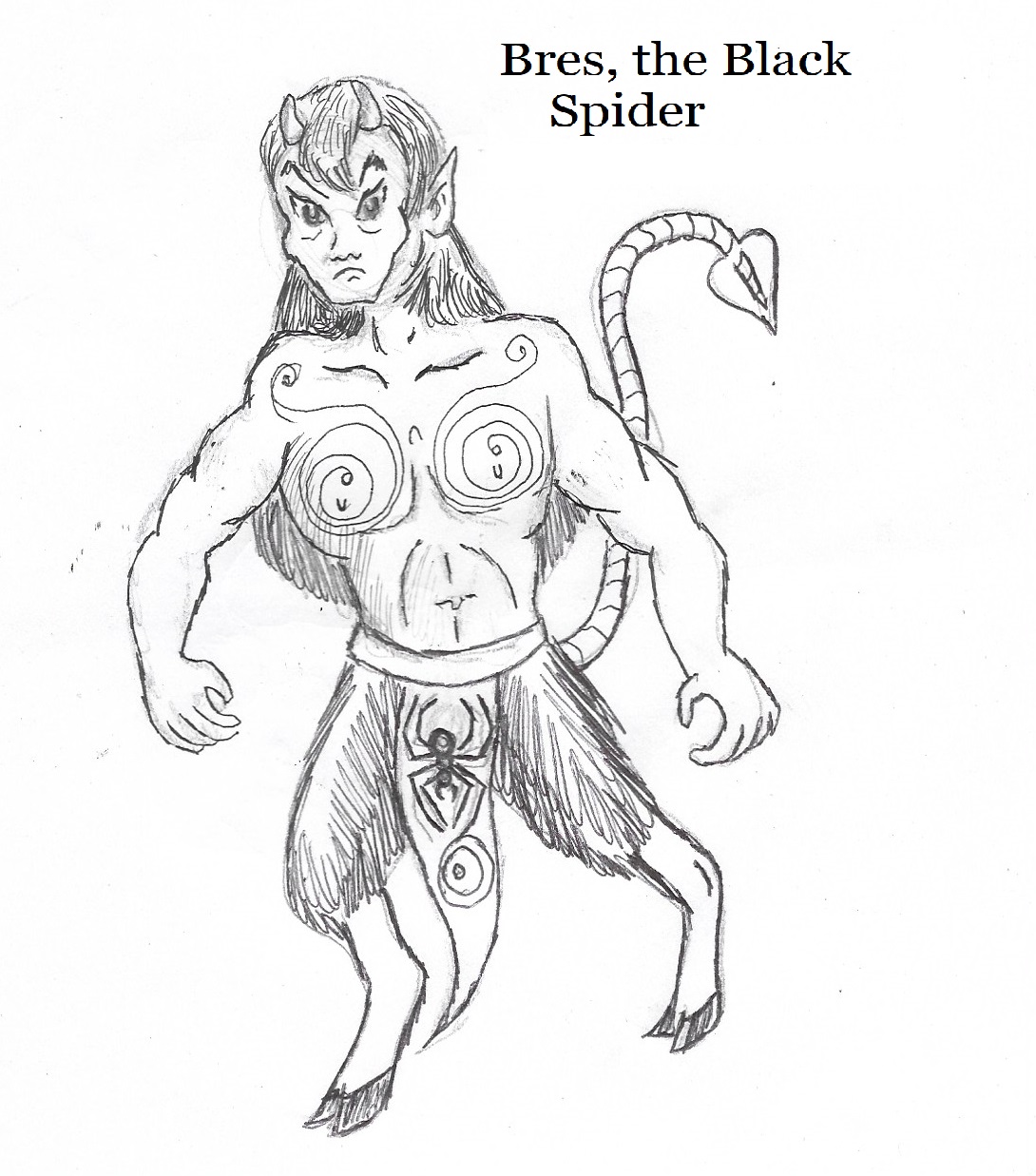
These, of course, are only a few of my imaginary friends. Some I spend time with a lot. Some I haven’t seen or heard from in quite a while. And I do know they are not real people. Mandy is a cartoon panda bear, and Anneliese is a living gingerbread cookie. I do understand I made these people up in my stupid little head.
But it seems to me that the people in the world around us are really no less imaginary, ephemeral, and unreal. Look at the current Presidentumb of the Disunited States. He is an evil cartoon James Bond villain if there ever was one.
Animated cast of OUR CARTOON PRESIDENT. Photo: Courtesy of SHOWTIME
People in the real world create an imaginary person in their own stupid little heads, and pretend real hard that that imaginary person is really them in real life. And of course, nobody sees anybody else in the same way that they see themselves. Everybody thinks they are a somebody who is different from anybody else who thinks they are a somebody too, and really they are telling themselves, and each other, lies about who somebody really is, and it is all very confusing, and if you can follow this sentence, you must be a far better reader than I am a writer, because none of it really makes sense to me. I think everybody is imaginary in some sense of the word.
So, if you happen to see me talking to a big white rabbit-man who used to be a pet white rabbit, but got changed into a rabbit-man through futuristic genetic science and metal carrots, don’t panic and call the police. I am just talking to another fictional character from a book I just finished writing. And why are you looking inside my head, anyway? There’s an awful lot of personal stuff going on in there. Of course, you only see that because I wrote about it in this essay. So it is not an invasion of privacy. It is just me writing down stuff I probably should keep in my own stupid little head. My bad.
Leave a comment
Filed under characters, colored pencil, commentary, goofy thoughts, humor, novel plans, NOVEL WRITING, Paffooney, rabbit people, strange and wonderful ideas about life
Tagged as books, characters, fiction, imagination, the Bicycle-Wheel Genius, writing