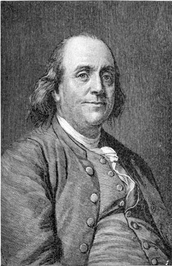
Truthfully, I have always expected the worst out of life. That expectation has never let me down. In fact, it has made me a much happier person. “How is that possible, you dim-witted dolt?” you ask. Well, just as Franklin said it. I am never taken unpleasantly by surprise. In 1983, when I was diagnosed with malignant melanoma, skin cancer, I prepared myself to die at 27. But I was pleasantly surprised. I not only survived, but it was completely eradicated by surgery. No chemotherapy. No recurrence. No more cancer worries (beyond assuming each and every mole I had removed after that point in my life was melanoma revisited). I can now celebrate 42 years of being cancer-free.
Watching politics as a humorous hobby benefits greatly from a pessimistic outlook. I just assumed that Donald Trump or Ted Cruz would win the Presidency in 2016, and I prepared for that dismal dip into depressing gloom. If Rodeo Clown Bush the Sequel had been elected, or Scott Walker got the nod, the more likely scenarios, I would have been pleasantly relieved and surprised, even though I would still have been expecting the ultimate heat-death of the planet to come from those administrations. If Marco Rubio got the nod, better still. He’s kinda young for a senator and stupid, but he’s demonstrated that he does care at least a little bit about the common man, and he doesn’t really want us all to die. He’s even demonstrated the ability to learn from mistakes. And if a Democrat had won, especially Bernie Sanders, that would have been a repeat of the marvelous surprise we all got in 2008 from the election of Professor Obama, man of the people. Of course, the worst happened, and the evil Pumpkinhead won in both 2016 and 2024. I will be preparing for the world to end after this next election, but there is actually a higher percentage chance of survival and limited suffering. After all, people, even the mega-polluters in China and India, have recognized the need to try to repair the planet.
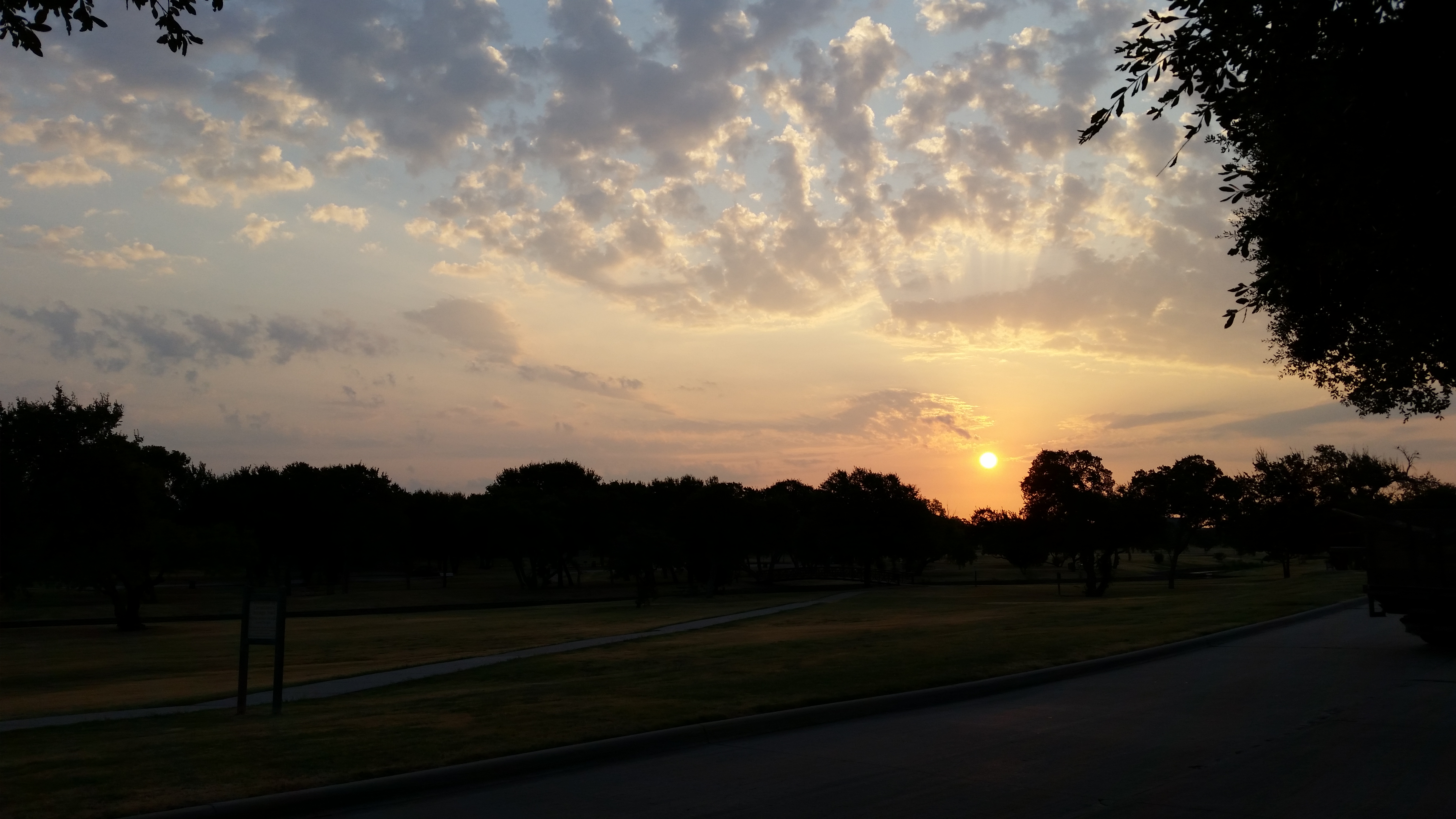
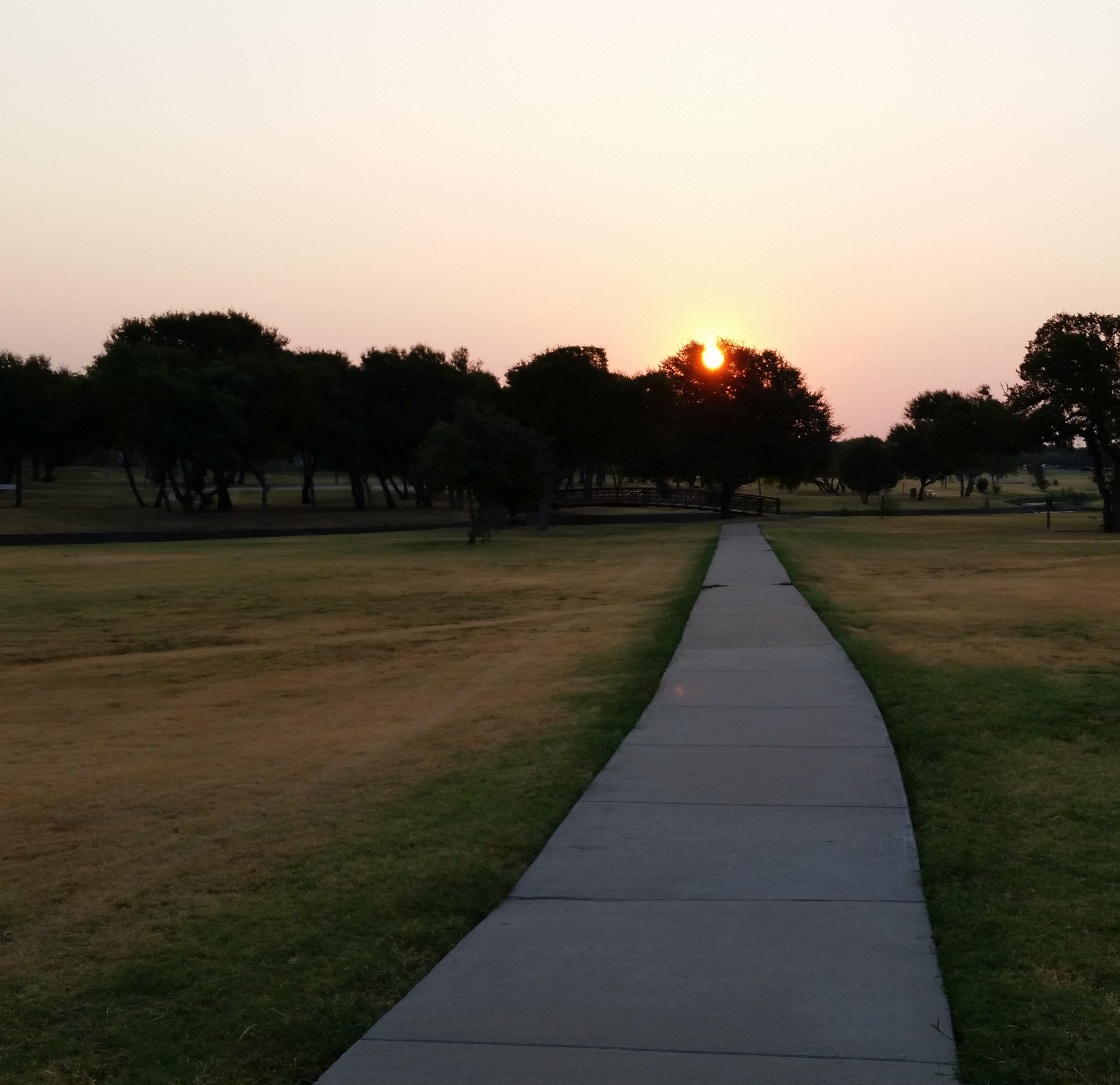
I was, honestly, as a pessimist, expecting to be dead before the new school year started in 2015. So I was pleasantly surprised to be able to start a new collection of morning-dog-walk sunrise pictures. I am prepared and at peace with the world because I always expect the worst to happen. Looking at everything from the dark side is ironically the way to find the light and hope in the new day dawning directly ahead.
I told you before that I make a lousy movie critic because I watch anything and everything and like most of it. You don’t believe me? You can look it up through this link; The Uncritical Critic
I hate to tell you this, but it is almost exactly the same for books too.
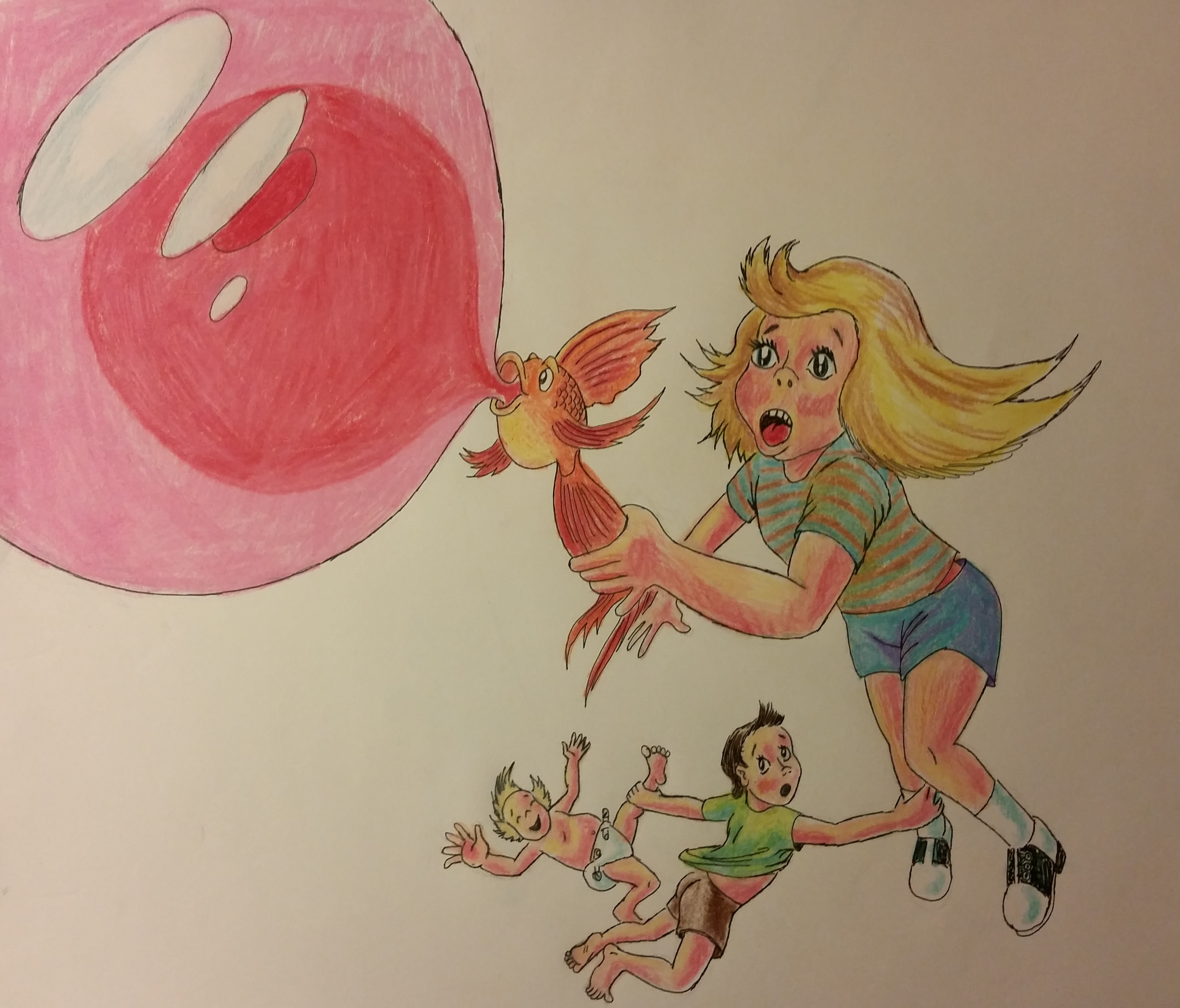
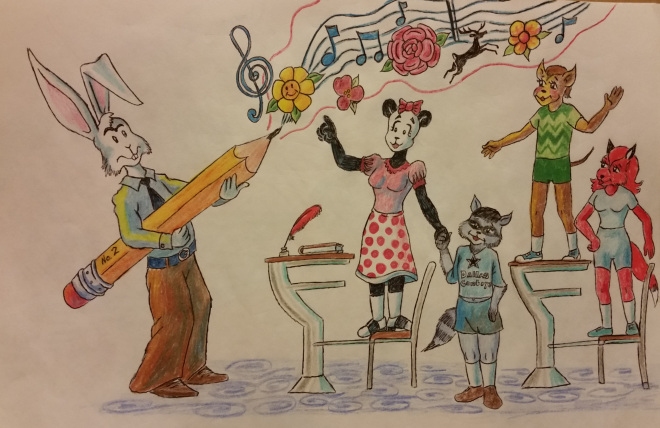
The Paffooney is an illustration for a proposed collaboration on a children’s book. My friend and fellow author Stuart R. West (Stuart’s Blogspot about Aliens) had a story about three kids taking a balloon ride when they accidentally gave the goldfish bubble gum to chew ignoring their mother’s warning that dire consequences would follow. He decided the project was too ridiculous to follow through on, or at least my Paffooney power wasn’t up to making sense of his brilliant literature, and the book did not happen. And I am sorry about that because I couldn’t wait to find out how it turns out. I love weird and wild stories of all kinds. And, unfortunately, I love them uncritically.
So, what kind of books would a goofy uncritical critic actually recommend? Let me lay some bookishness on ya then.
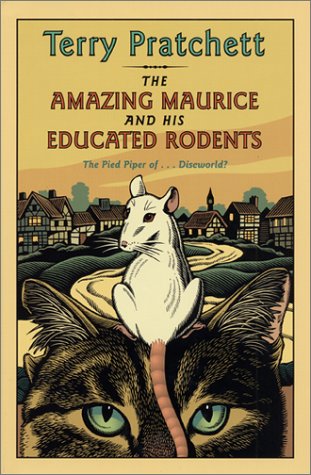
Here is the review I wrote for Goodreads on Terry Pratchett’s The Amazing Maurice and His Educated Rodents.
I have always felt, since the day I first picked up a copy of Mort by Terry Pratchett, that he was an absolute genius at humor-and-satire style fantasy fiction. In fact, he is a genius compared to any author in any genre. He has a mind that belongs up there with Mark Twain, Charles Dickens, and William Faulkner… or down there as the case may well be. This book is one of his best, though that is a list that includes most of his Discworld novels. Amazing Maurice is a magically enhanced cat with multiple magically enhanced mice for minions. And the cat has stumbled on a sure fire money-making scheme that completely encompasses the myth of Pied Piper of Hamlin. In fact, it puts the myth in a blender, turns it on high, and even forgets to secure the lid. It is funny, heartwarming, and changes the way you look at mice and evil cats. This is a book to be read more than once and laughed at for the rest of your life.
You see what I mean? I uncritically praise books that make me laugh and think deeply about things at the same time. It is as if I don’t have any standards at all if something is brilliantly written and makes a deep and influential impression on me.
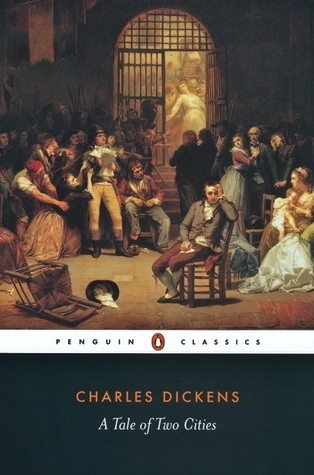
Here’s another book that I love so much I can’t be properly critical when I reread it. A Tale of Two Cities by Charles Dickens. I cannot help but be taken in by the unrequited love the dissolute lawyer Sydney Carton had for the beautiful refugee from the French Revolution, Lucy Manette. Tragic love stories melt my old heart. And I can’t help but root for Charles Darnay as well, even though I know what’s going to happen in Paris at the Bastille because I have read this book three times and seen the Ronald Coleman movie five times. I also love the comical side characters like Jerry Cruncher the grave-robber and hired man as well as Miss Pross, the undefeatable champion of Miss Lucy and key opposer to mad Madam Defarge.
I simply cannot be talked out of praising the books I read… and especially the books I love. I am totally uncritical as a reader, foolishly only looking for things I like about a book. Real critics are supposed to read a book and make faces that remind you of look on my little brother’s face when I had to help him use an outhouse for the first time. (Oh, what a lovely smell that was!) (And I mean that sarcastically!) Real critics are supposed to tell you what they hated about the book and what was done in such a juvenile and unprofessional way that it spoiled all other books forever. That’s right isn’t it? Real critics are supposed to do that? Maybe I am glad I’m not a real critic.
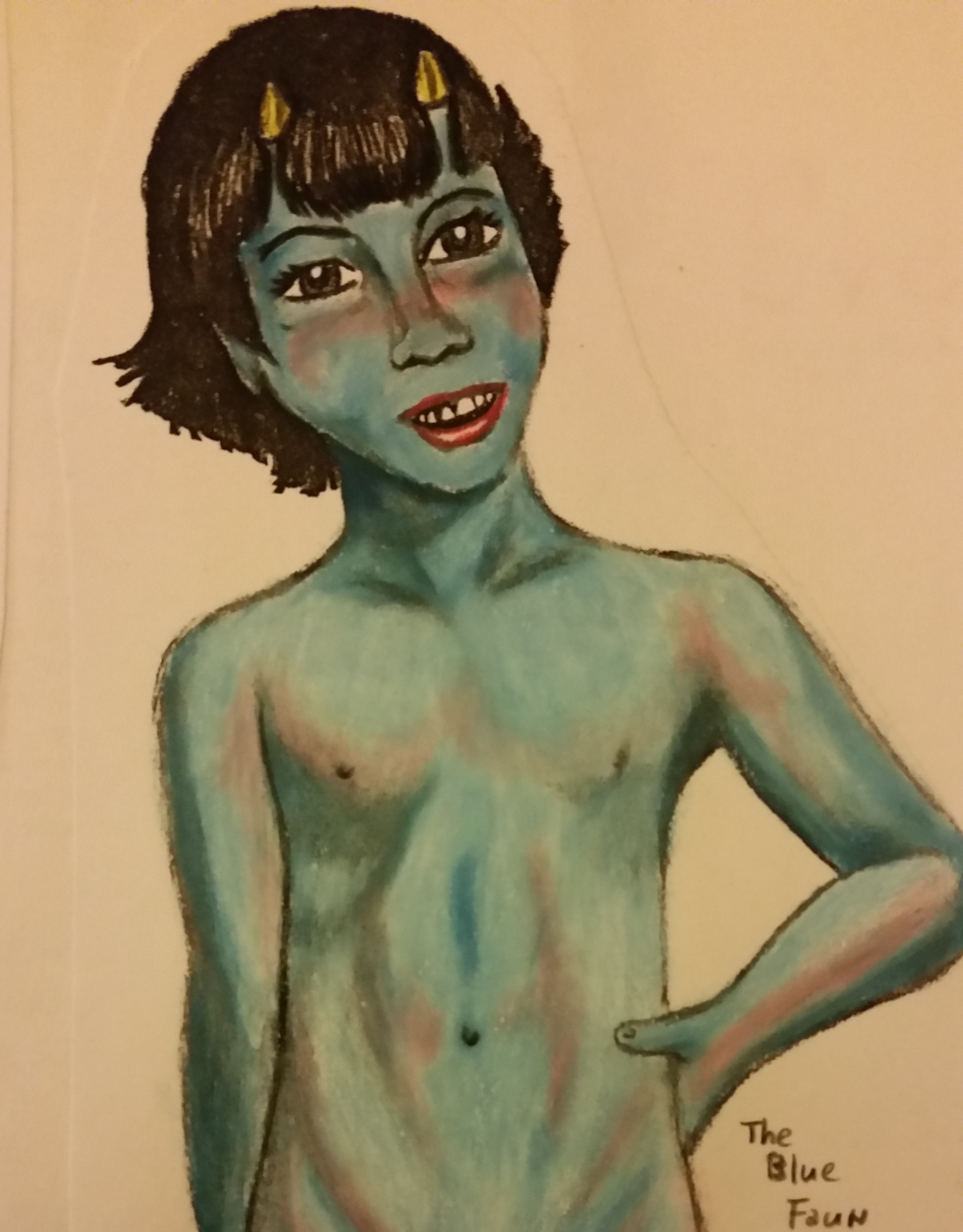
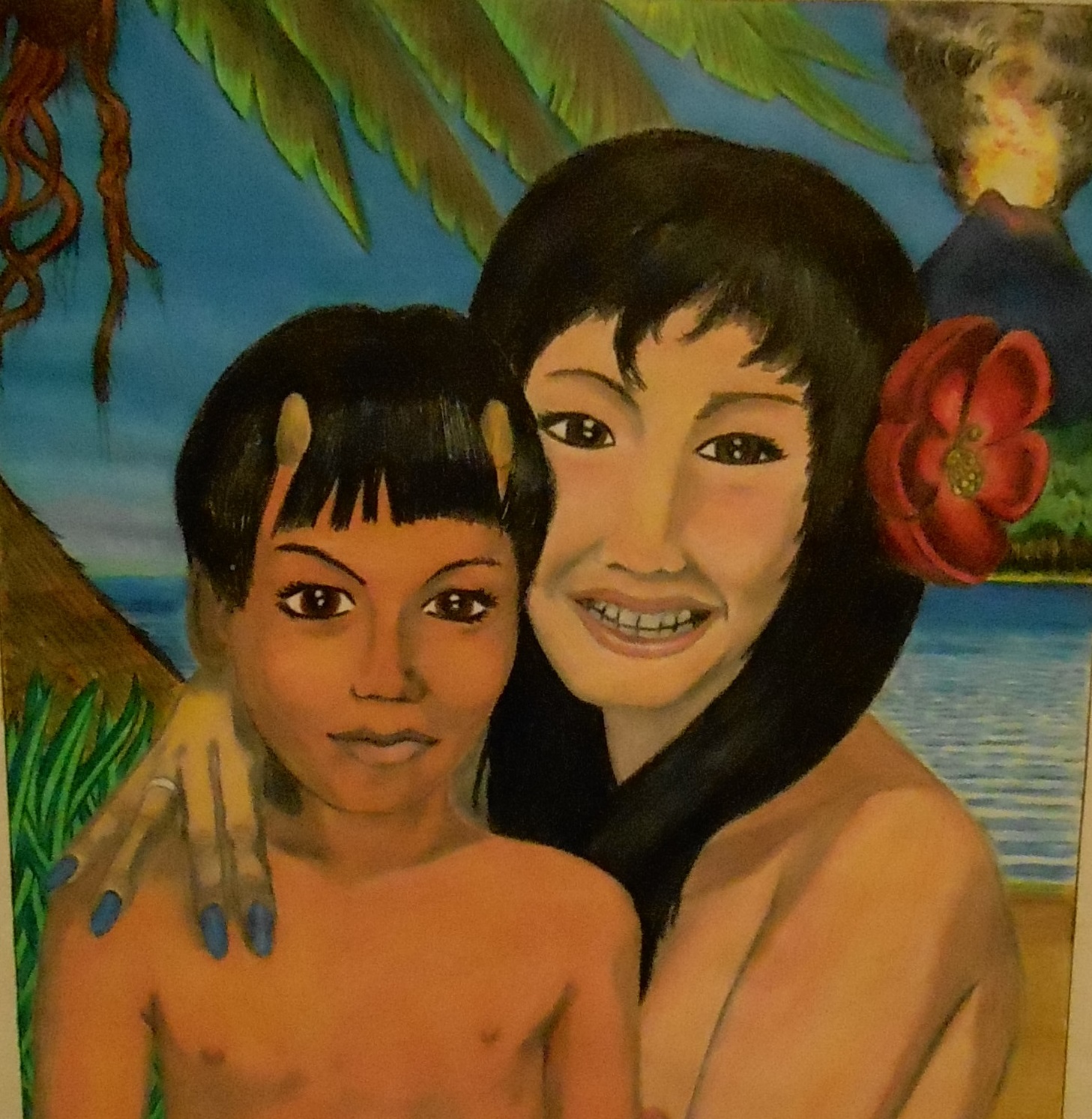
The Blue Faun who represents the lovely melancholy sensuality that informs my wordy little life.
When I was in Iowa last, and had a chance to see the younger of my two sisters, Mary Ann, she told me flat out that she really liked my most recent blog posts and that I should give up all together on my gloomy pessimistic ones. This, of course, was confusing to me because all my blog posts are relentlessly gloomy and never make anyone smile, so I did not know for certain what she was responding to.
As I have shared on more than one occasion, I suffer from six incurable diseases and am a cancer survivor. I don’t plan on living more than decade further at my most optimistic, and I told you recently that I am a confirmed pessimist. At worst, I could be dropping dead from stroke or heart attack as soon as I post this silly sour old post. I will be absolutely delighted to live long enough to finish another novel or two and maybe even see them published. I keep close track of my remaining hours because each one is rare and precious to me, even the ones that are quite painful and hard. So gloomy is as gloomy does. I am constantly celebrating that I have lived this long already. How depressing is that? … the celebrating every day thing, I mean?
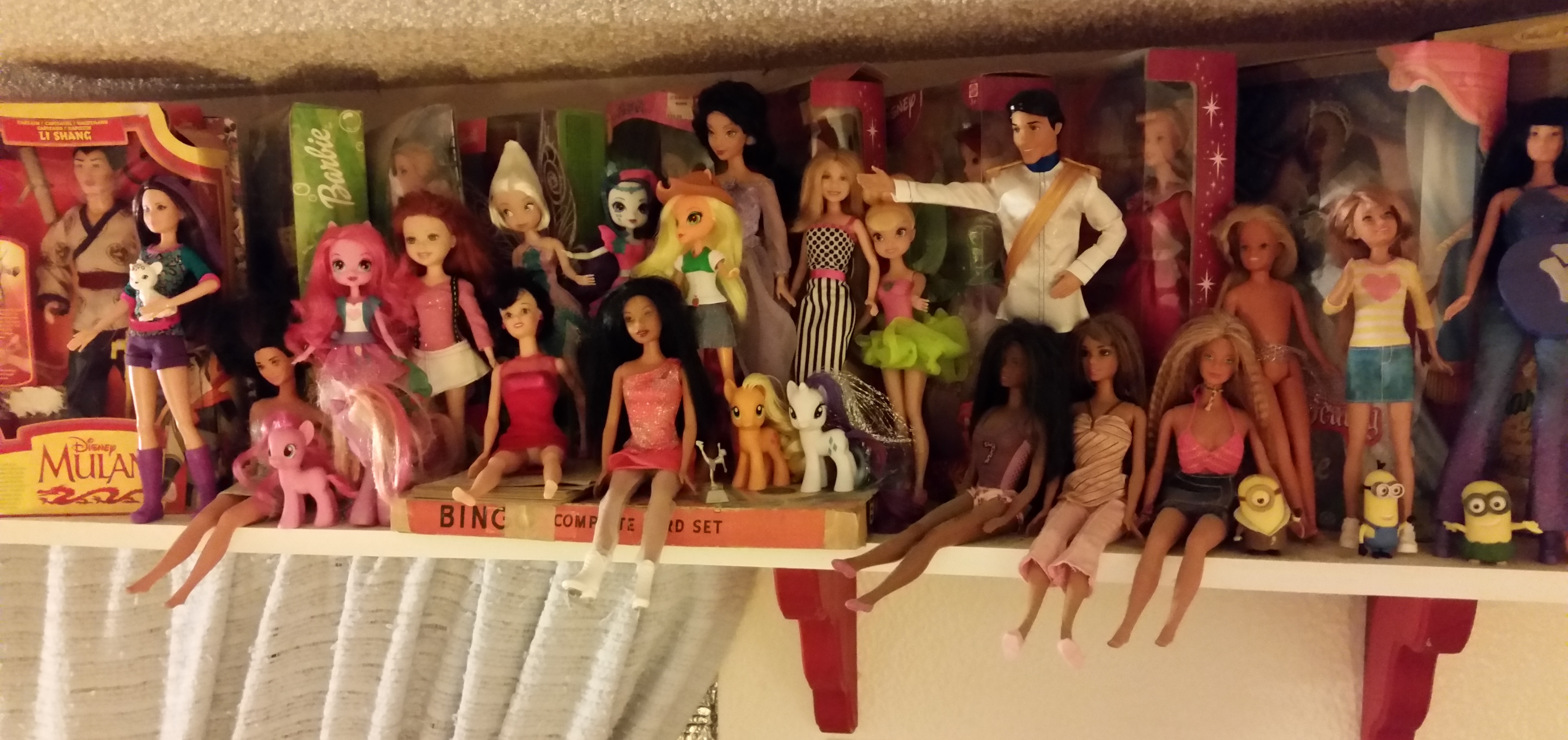
And of all the people who suspect I might be a fish sticks and custard sort of person, Mary Ann is not one of them. She watches Doctor Who and knows that that is exactly what I am. I am goofy and scatter-brained and a barely contained barrel of weird energy and misplaced enthusiasm. I do stuff like fill my bedroom Barbie shelf with bizarre and kitschy little 12-inch people.
The Barbie Shelf
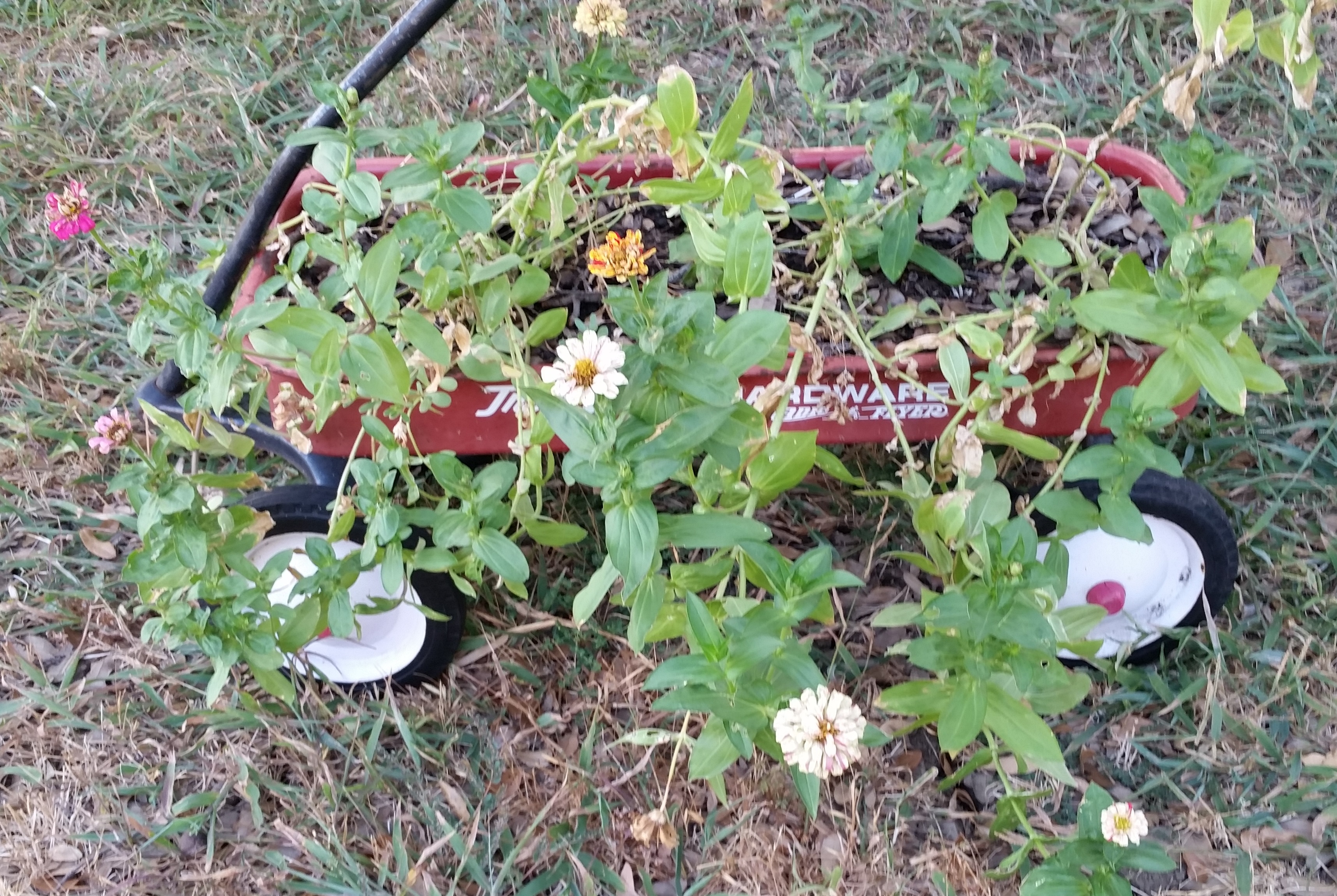
I appreciate melancholy and being blue, because the hollows of the valleys of depression make you appreciate the giddy heights so much more. And I do realize that I am stringing big words and goopy metaphors together to sound all literary and brooding… but that’s what real geniuses whom I am trying to emulate do to reach the highest heights. They run down through the valley at the fastest possible pace to build up enough speed to shoot up the side of the mountain on the other side. It is a Wiley Coyote trick for using cartoon physics in your own favor. It is the reason I am still tending the flower wagon, trying to coax zinnias into blossoming during the depressingly renewed Texas drought. It is the reason I keep adding to my collection of sunrises. The dark blue pieces of the puzzle of life provide the contrast that help you define the puzzle picture of the brightest sunshine and light.
The blossoms in the flower wagon reached a new record number today, despite the heat.
Sunrise on a school day when I don’t have to go to school because I am retired.
Rowan, Iowa… Not the place I was born, but the place where I got to be a stupid kid, and have the lessons of the good and god-fearing life hammered into my head hard enough to make a dent and make it stay with me for more than half a century. I got to go to grade school there. I learned to read there, especially in Miss Mennenga’s third and fourth grade class. Especially in that old copy of Treasure Island with the N.C, Wyeth illustrations in it, the one Grandma Aldrich kept in the upstairs closet in their farm house. I got to see my first naked girl there. I learned a lot of things about sex from my friends there, and none of them were true. I played 4-H softball there, and made a game-saving catch in center field… in the same game where my cousin Bob hit the game-winning home run. But those were things kids did everywhere. It didn’t make me special. There was no real magic in it.
Being a farm-kid’s kid taught me the importance of doing your chores, every day and on time. If you didn’t do them, animals could get sick, animals could die, crops could be spoiled, the chickens could get angry and petulant and peck your hands when you tried to get the eggs. Cows could get grumpy and kick the milk bucket. Cats could vow revenge if you didn’t direct a spray or two at their little faces as they lined up to watch you milk the cows. And you never knew for sure what a vengeful cat might do to you later, as cats were evil. They might jump on the keyboard during your piano recital. They might knock the turkey stuffing bowl off the top of the dryer when Mom and Grandma and several aunts were cooking Thanksgiving Dinner. And I know old black Midnight did that on purpose because he got to snatch some off the floor before it could be reached by angry aunts with brooms and dustpans. And all of it was your fault if it all led back to not doing your chores, and not doing them exactly right.
But, even though we learned responsibility and work ethic from our chores, that was not the real home-town magic either. I wasn’t technically a real farm kid. Sure, I picked up the eggs in the chicken house at Grandpa and Grandma Aldrich’s farm more than once. And I did, in fact, help with milking machines and even milking cows by hand and squirting cats in the faces at Uncle Donny’s farm. I walked beans, going up and down the rows to pull and chop weeds out of the bean fields at Uncle Larry’s farm. I drove a tractor at Great Uncle Alvin’s farm. But I didn’t have to do any of those things every single day. My mother and my father both grew up on farms. But we lived in town. So, my work ethic was probably worth only a quarter of what the work ethic of any of my friends in school was truly worth. I was a bum kid by comparison. Gary G. and Kevin K, both real farm kids and older than me, explained this to me one day behind the gymnasium with specific examples and fists.
Being a farm kid helped to forge my character. But that was really all about working hard, and nothing really to do with magic.
I truly believe the real magic to be found in Rowan, Iowa, my home town, was the fact that it was boring. It was a sleepy little town, that never had any real event… well, except maybe for a couple of monster blizzards in the 60’s and 70’s, and the Bicentennial parade and tractor pull on Main Street in 1976, and a couple of costume contests in the 1960’s held in the Fire Station where I had really worked hard on the costumes, a scarecrow one year, and an ogre the next, where I almost won a prize. But nothing that changed history or made Rowan the center of everything.
And therein lies the magic. I had to look at everything closely to find the things and strategies that would take me to the great things and places where I wanted to end up. I learned to wish upon a star from Disney movies. I learned about beauty of body and soul from the girls that I grew up with, most of them related. And I invented fantastical stories with the vivid imagination I discovered lurking in my own stupid head. I embarrassed Alicia Stewart by telling everyone that I could prove she was a Martian princess, kidnapped and brought to Earth by space pirates that only I knew how to defeat. And I learned to say funny things and make people laugh… but in ways that didn’t get me sent to the principal’s office in school. Yes, it was the magic of my own imagination. And boring Iowa farm towns made more people with magic in them than just me. John Wayne was one. Johnny Carson was one also. And have you heard of Elijah Wood? Or the painter Grant Wood? Or the actress Cloris Leachman?
Yep. We were such stuff as dreams were made on in small towns in Iowa. And that is real magic.
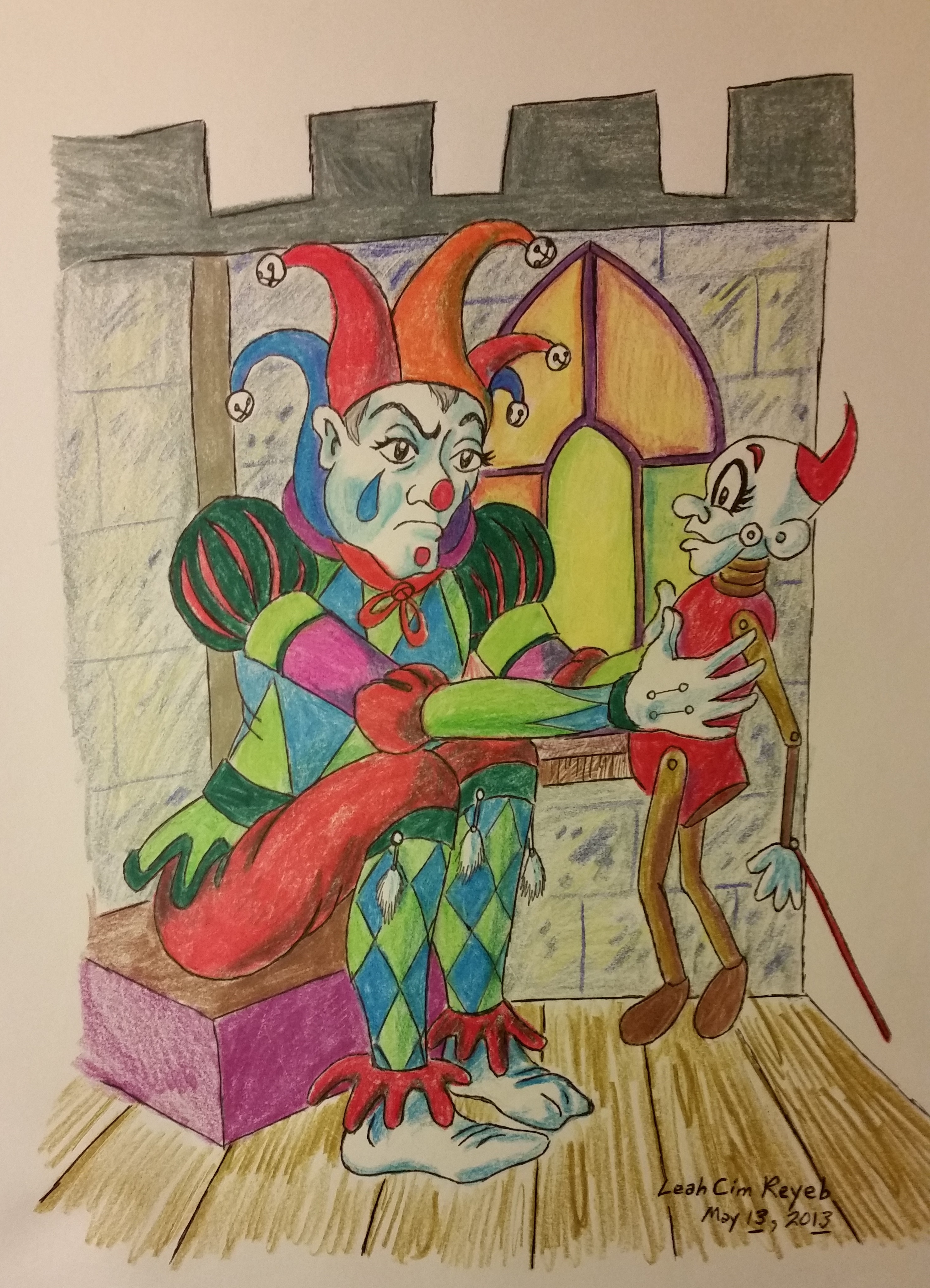
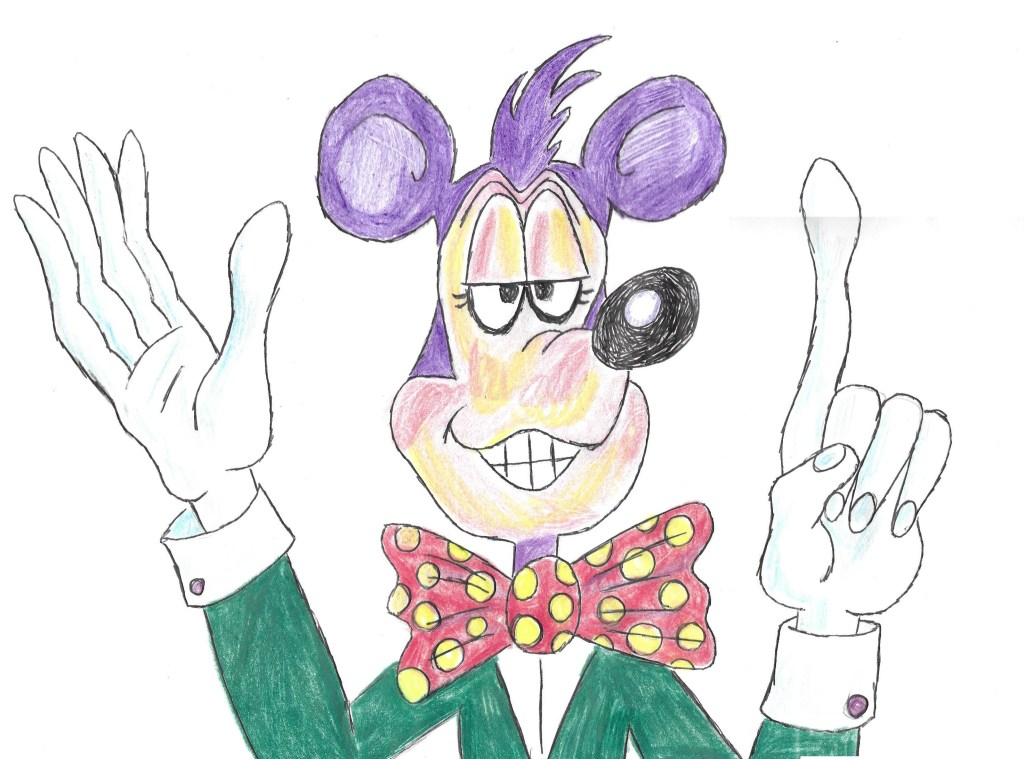
Cartoon villains take note; Super-Mickey’s secret identity is Filbert Hazelnut. I make that revelation without worry. After all, Mickey is not really me. So, if the Messmaster, Badnose the Clown, or Daniel Quilp are going to try to apply the Mickian version of Kryptonite, not laughing at the jokes, in order to slay Super-Mickey, Filbert is immune to that. I am too for that matter. If you are a school teacher who uses humor in the classroom, you soon learn that only the smartest kids actually understand the jokes, and half of them are just too cool to laugh when the teacher wants them to. (Although they will tell you years later that they still use concrete details in their writing because you said that if you routinely whack the reader in the head with verifiable concrete examples, they will be totally stunned enough to believe you know what you are writing about. That was, you must understand, a concrete detail I just whacked you with to help you remember what it is, not to make you laugh… even though it was a joke… but you are permitted to laugh if you want to.)
The basic point of this essay is Mickey is not really me. I never went by that name as a kid.
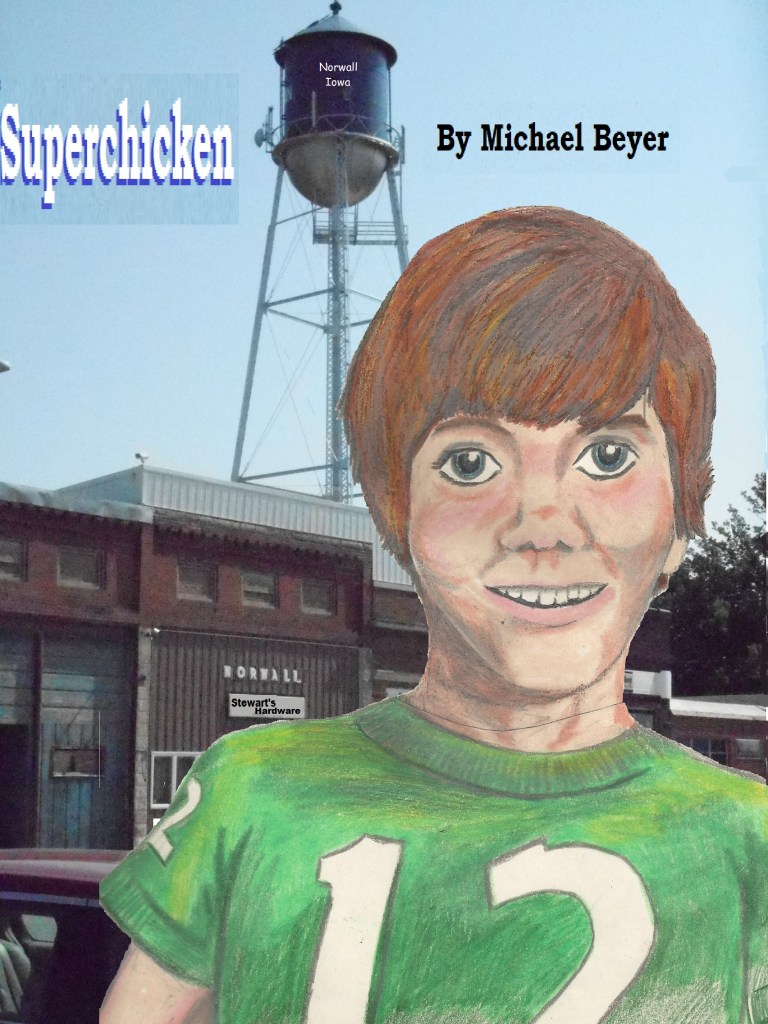
I was always called Michael, sometimes Mike (though they were usually talking about the Other Mike when anybody said Mike in school back then… circa 1963 to 1969). In high school I was given the nickname Superchicken after the Saturday Morning cartoon on the George of the Jungle Show. In college I was given the rhyming nickname Spike by my college freshman roommate because he ludicrously thought I was the opposite of a Spike, like calling a huge football player Tiny Tim, or a midget Big Bad John.
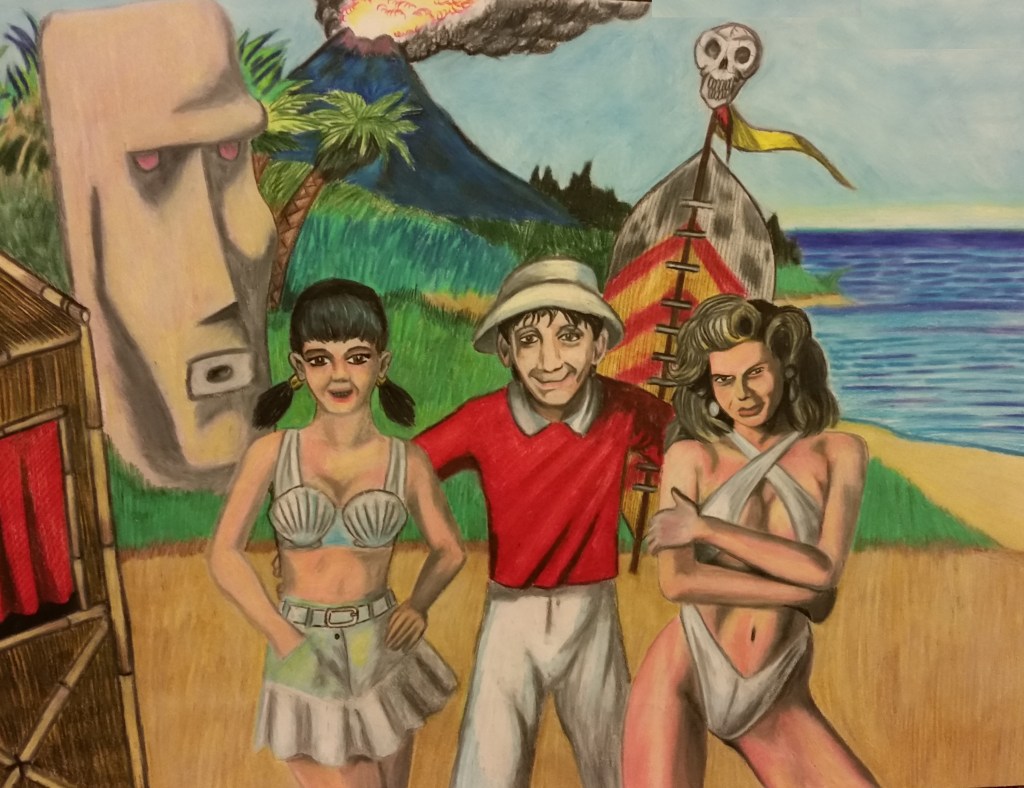
When I started teaching school, they called me Gilligan because I was thin and they wanted to pretend I was a hopeless stumbling fool (Which I was at times my first two years, just as all beginner teachers are.) My classroom became known as Gilligan’s Island on the day in third period when I made the comment, “Gilligan is lucky enough to be the only really eligible bachelor on the same island with Ginger the movie star and cute little Mary Ann. I would find out later that same day that three eighth grade girls in that very class had huge crushes on me and were fighting over which one was Mary Ann and which one was Ginger and, unsurprisingly, which one was the other girl.
And, of course, Rudolfo Hernandez tried to get everybody to call me Batman because I bought a used Ford Torino with fins on the back. But to promote the nickname, Rudy came to class wearing a Halloween Batman mask and afterwords had to learn to live with being called Battyman himself. (I wish i could take credit for calling him that first, but I am sure I did not. I distinctly remember it coming from a girl in his class that made fun of him for every stupid thing he did because she apparently adored him. I just reinforced it about a thousand times.)
Mickey is a name that I have only ever been called by me myself. It was a name I signed some of my cartoons with (using The Little Fool, Le Petit Fou, Leah Cim Reyeb, and Dr. Seebreez on the rest.) It also became the name I use to refer to myself on this blog when I talk about myself in the third person like a crazy person.
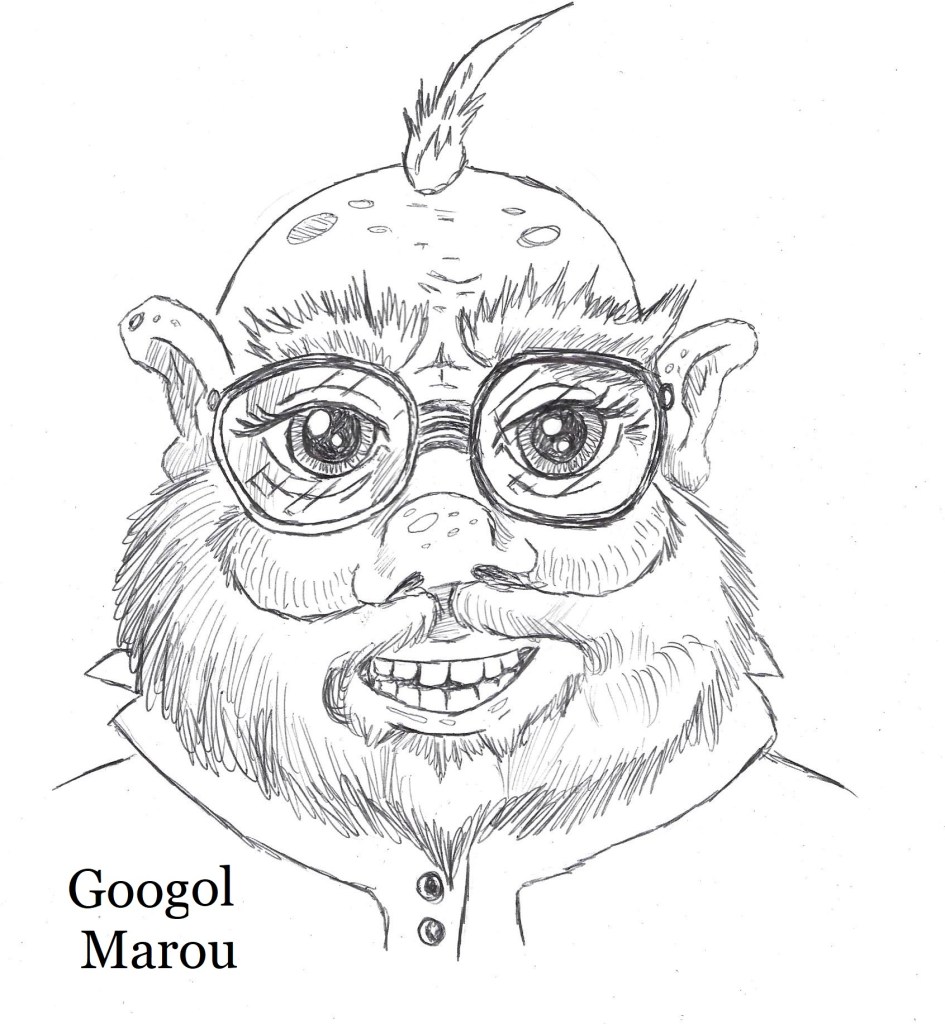
I have given myself other pseudo-pen-names in my writing. Googol Marou, as the only first-person narrator of the AeroQuest series, speaks with my voice as the primary storyteller in the tale. In Norwall, the fictionalized version of Rowan, Iowa in most of my other books, Branch McMillan, the writer-character, is actually me. (Like Charles Dickens switched his initials to write the semi-autobiographical David Copperfield, I created that one by switching the M and the B.
Of course, the many me-characters in my fiction books are also basically me. Superchicken is me. Milt Morgan is a combination of me and the Other Mike. Brent Clarke is the football-player me combined with two other football teammates. Certain parts of Todd Niland’s story are really about things that happened to me, and things I was afraid of at his age.
In some ways Tim Kellogg and Dorin Dobbs are me too, though both of those characters are actually based on my eldest son. It is possible, I suppose, that you could consider my actual son to be a me-character too, as people do live on through their own children.
But, while Mickey might be me more than I care to admit, Super-Mickey’s secret identity is definitely Filbert Hazelnut.
I have never been an attention-seeker. In the Elysian Fields of modern society, I have never really been the honeybee. I have always been the flower. I had a reputation in high school for being the quiet nerd who ends up surprising you immensely in speech class, at the science fair, or at the art show. I was the one they all turned to when everybody in the conversation had already had their chance to strut and pontificate and say dumb things, and they were finally ready to get the solution to the problem being discussed, or the best suggestion on where to begin to find it.
When I became the teacher of the class instead of the student, I had to make major changes. I had to go from being patient, quiet, and shy to being the fearless presenter, forceful, sharp as an imparter of knowledge, and able to be easily understood, even by the kids whom you couldn’t legally call stupid, but were less than smart, and not in a pleasant Forrest Gump sort of way.
Shyness is only ever overcome by determination and practice. The standard advice given is to picture your audience naked so that you are not intimidated by them. But if your audience is seventh graders, you have to be extra careful about that. They are metaphorically naked all the time, ready at a moment’s notice to explode out of any metaphorical clothing they have learned to wear to cover the things that they wish to keep to themselves about themselves. And while you want them to open up and talk to you, you don’t want the emotional nakedness of having them sobbing in front of the entire class, or throwing things at you in the throes of a mega-tantrum over their love-life and the resulting soap operas of betrayal and revenge. And you definitely don’t want any literal nakedness in your classroom. (Please put your sweat pants back on, Keesha. Those shorts are not within the limits of the dress code.) Calling attention to yourself and what you have to say, because you are being paid to do so, is a critical, yet tricky thing to do. You want them looking at you, and actually thinking about what you are saying (preferably without imagining you naked, which they will do at any sort of unintentional slip or accidental prompting.) The ones who ignore you are a problem that has to be remedied individually and can eat up the majority of your teaching time.
I trained myself to be fairly good at commanding the attention of the room.
But now that I am retired, things have changed. I can still command attention in the room, which I proved to myself by being a successful substitute teacher last year. But I no longer have a captive audience that I can speak to five days a week in a classroom. Now my audience is whoever happens to see this blog and is intrigued enough by the title and pictures to read my words.
Now that I am retired and only speaking to the world at large through writing, I am ignored more than ever before. Being ignored is, perhaps, the only thing I do anymore. It is the new definition of Mickey. Mickey means, “He who must be ignored. Not partially, but wholly… and with malice.”
I put my blog posts on Facebook and Twitter where I know for a fact that there are people who know me and would read them and like them if they knew that they were there. But the malevolent algorithms on those social media sites guarantee that none of my dozens of cousins, old school friends, and former students will see them. Only the single ladies from Kazakhstan and members of the Butchers Union of Cleveland see my posts. Why is this? I do not know. Facebook and Twitter ignore me when I ask.
My books, though liked by everybody who has actually read and responded to them, are lost in a vast ocean of self-published books, most of which are not very good and give a black eye to self-published authors in general. I recently got another call from I-Universe/Penguin Books publishers about Catch a Falling Star, the one book I still have with them. They are concerned that my book, which is on their Editor’s Choice list, is not performing as well as their marketing people think it should. But to promote it, I would have to pay four hundred dollars towards the marketing campaign, even though they are already subsidizing it by fifty percent. They tell me they believe in my book. But apparently not enough to pay for 100% of the promotion.
I have decided to invest in a review service that will cost me about twenty dollars a month. But my confidence is not high. The last time I paid somebody to review a book, they reviewed a book with the same title as mine from a different author. That service still owes me money.
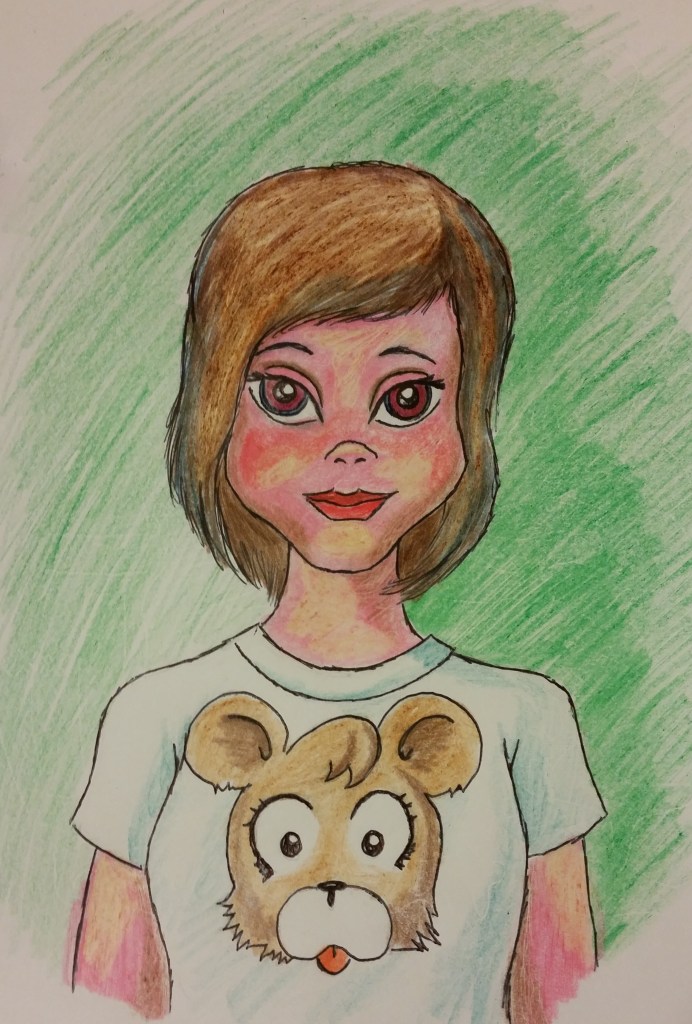
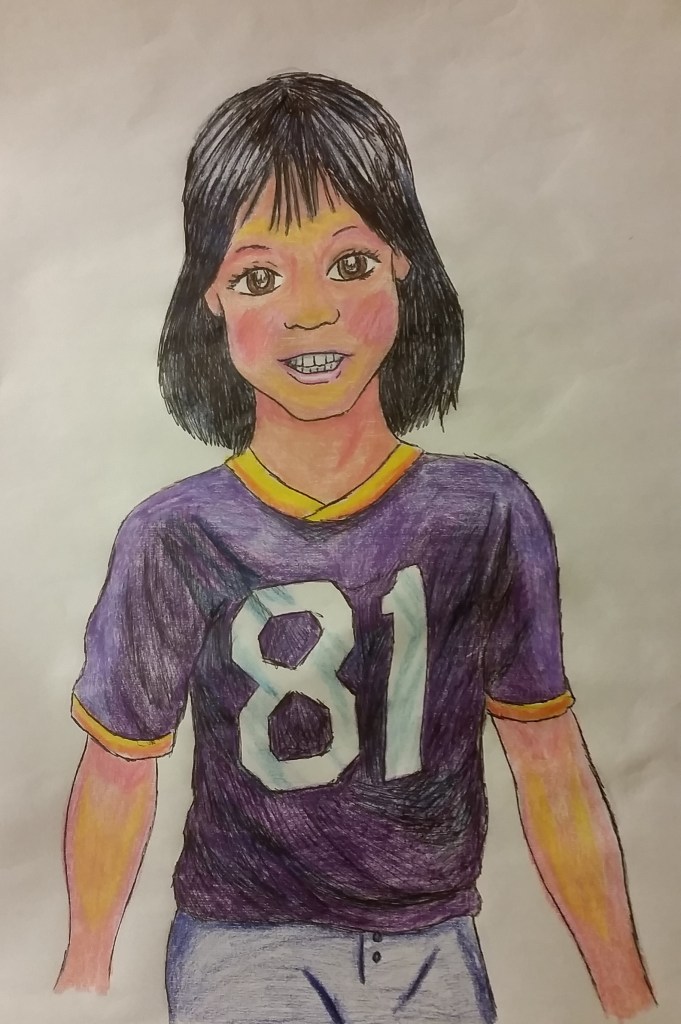
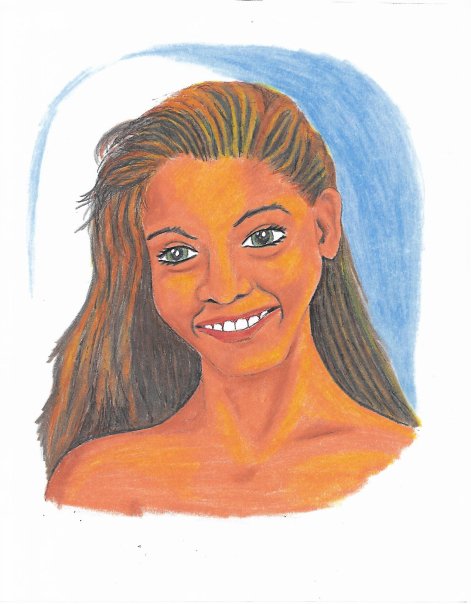
But the only reason it is a problem that I am being thoroughly ignored these days is that an author needs to be read to fulfill his purpose in life. Maybe pictures of pretty girls in this post will help. But, even if they don’t, well, I had their attention once upon a time. And since my purpose as a teacher is already fulfilled, perhaps that will be enough for one lifetime.
Where do I begin? There are just too many ideas in this one topic to enumerate them all here. I just got scammed again in my bank account. A fake Microsoft account tried to rob me through my debit card number, and I have no idea how they got the number. I had to close both my debit card and checking account, with direct bill payments about to go out. I have to pray that the account changes go smoothly enough to make all the payments I owe. I am suffering from how the world sees me. Scammers must see me as the easiest possible mark.
I don’t know what the doctor thinks anymore. I seem to be going to the ER every two weeks. That and a week in the hospital mean that even with Medicare, I owe a lot of money. And who knows what President Pumpkinhead will do to the world economy in the meantime? This world seems to see me as a potential homeless person in a short amount of time. No chance that any of those folks will let me define myself.
But suffering builds character. And, damn! I have a lot of character. Want some of the extra?
Life for me has always been pretty much a long march into the darkness. I try to bring power and light and goodness with me as I march, but I know there is a final end to the journey, and it will not go smoothly. It will not end well. But I don’t see things the way other men do. I continue to fight the good fight, even though I will ultimately lose the war. “Rage! Rage against the dying of the light!” says the poet Dylan Thomas. The fight is everything. And I simply can’t be troubled with thinking about what lies over the last hill in this march toward the final battle.
I think, ultimately, that the important thing isn’t winning or losing. It is about who or what we have become on the inside. I find solace in being able to laugh at life. A lot of depressing things have been happening lately. It can make the laughing harder to manage. But if life is not joy at its heart, then what is it? And what makes it worth living?
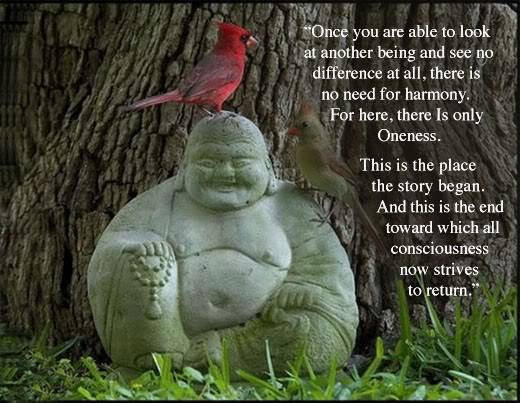
“Simplicity, patience, compassion. These three are your greatest treasures. Simple in actions and thoughts, you return to the source of being. Patient with both friends and enemies, you accord with the way things are. Compassionate toward yourself, you reconcile all beings in the world.” ― Lao Tzu
Thus it is… Lao Tzu is wise. The Tzu part of his name means “teacher”. So maybe I need to learn from him. There has to be a way forward, at least until the path ends.
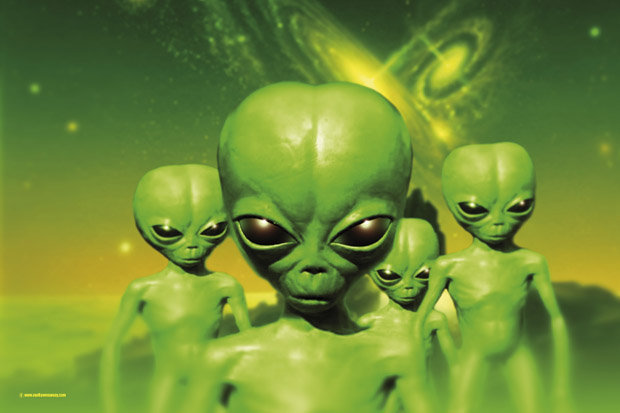
Speaking from empirical scientific proof supported by data and experiment… I would have to say NO.
I mean, seriously, the Roswell saucers crashed because of a little electromagnetic interference. And if you think about this planet… Donald Trump? Are you kidding me?
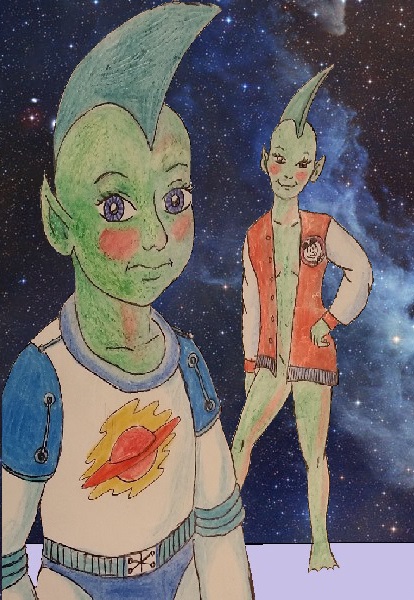
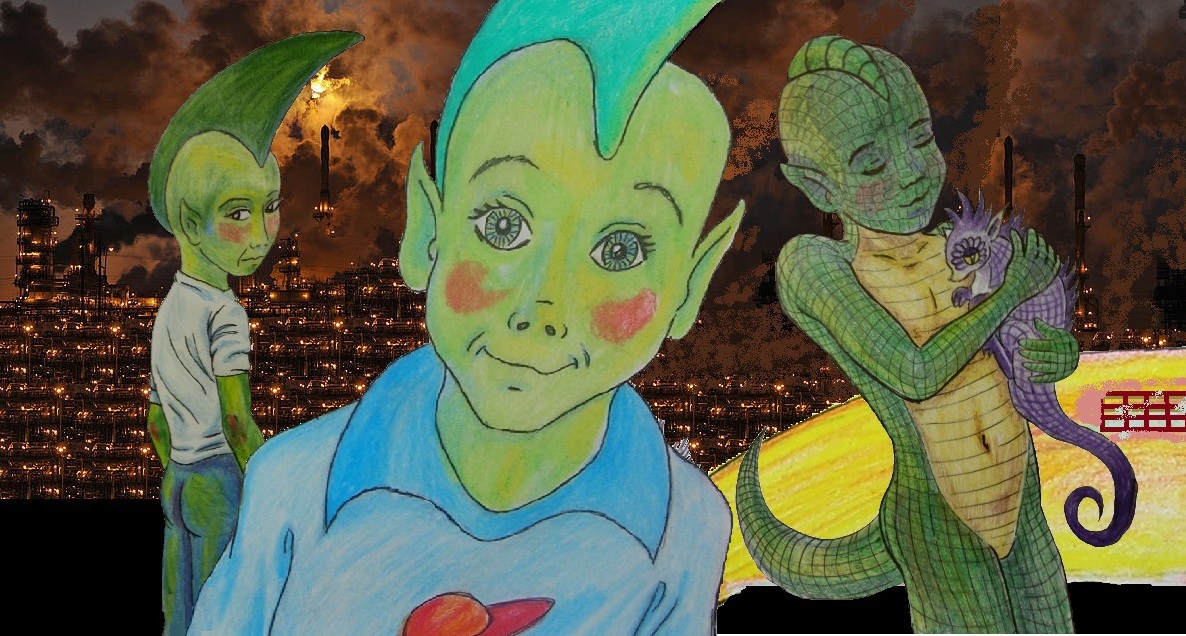
These are Tellerons, not intelligent alien lifeforms.
So there is simply no evidence that intelligent life exists anywhere in this universe.
“You are evidence of that,” you say, “since you apparently believe the government has been covering up the existence of aliens since 1947.”
And you would be right. I am not claiming to be intelligent. I am not monkey-headed stupid either. And the government has been covering up the existence of visitors from other worlds since they took possession of the crashed space ship, or possibly two spaceships, from Roswell, New Mexico. The stupid part is that their efforts to cover it up and change the story are proof that it is true. Nobody goes to that much effort over that many years just for a bit of a goof-play.
The reason the aliens were there looking around at an army air base is fairly obvious. What did the army air corps do in 1945 in Japan after all? The little gray guys were just worried about what their stupid neighbors were up to. Sooner or later, you know, stupid neighbors will mess all over your own back yard. So they came to investigate and stupidly got caught in a lightning storm, or possibly an Earther monkey-people weapon system. We are obviously dangerous enough for that.
So speaking of empirical evidence, you have a chain of stupidity causing event after event, and all of it subverted by dishonest attempts to keep people from knowing the truth. Humans from this planet were stupid enough to use a couple of nuclear weapons to murder other humans. This is documented stupidity.
If you believe the military and U.S. government, then you believe that they were using Project Mogul balloons to monitor Russian nuclear weapons development and crashed one of their super-secret balloons. Then the government officials misidentified their own balloon and okay-ed a newspaper report that the army had recovered a flying saucer. Immediately after being chewed out by a general, they then published a retraction newspaper story claiming the debris was a weather balloon, substituting pictures of crap from a real weather balloon that looked nothing at all like a flying saucer, and removing the top secret balloon crap so the Russians couldn’t learn that they were using balloons in the New Mexico desert. More documented stupidity.
And if you don’t believe the military and U.S. government, then you are probably considering the eyewitness testimony of people who were there and saw things and heard things and were then threatened by military goons to be quiet or be disappeared into the New Mexico desert. Now, eyewitness testimony is not considered absolute proof because witnesses can be unreliable and even tell lies. But hundreds of people? Who corroborate numerous rumors and details? Even people like intelligence officer Major Jesse Marcel who would later reveal stunning details to UFO investigators? And you can’t guarantee silence from witnesses, even with threats, especially over time. But the fact that the government tried? Yep, documented stupidity.
So, is there intelligent life in this universe? There is definitely life. But intelligent life? The evidence says “NO!” And remember, we elected Donald Trump to be our leader.
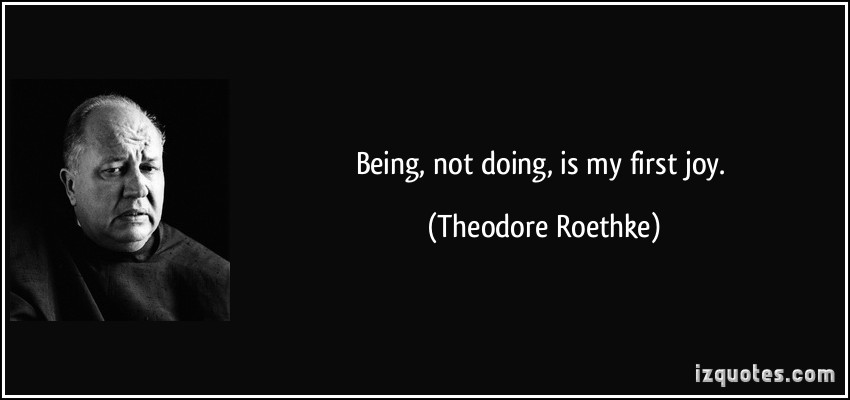
The classic line from the visionary poet Theodore Roethke;
**** This is a look back at an essay from 2017****
But the truth is, before you can BE you must first BECOME.
I know what you are probably thinking. “What is this idiot rambling on about now?”
Well, sometimes you simply have to spout a lot of love and hoo-haw and just pretend it means something. That is the core, I think, of what philosophy is all about.
But maybe a list of what I have already become will get the idea knitting itself together. You know, a list of the things I can already just BE.
I have already become college educated. I have a BA in English and an MAT in Education (Master of the Art of Teaching). Those letters my college years bestowed upon me are only an “N” short of being an anagram for BATMAN. So I have almost become BATMAN.
I have also finished becoming a teacher. In fact, I have spent 31 years becoming a teacher. I have gotten so teacherfied over the years that I am actually now becoming a retired teacher. I haven’t learned the art of retired teacher yet. It is still gonna take a bit of practice to start getting it right. But I can get a kid to sit down and shut up with just a look. I can read the mind of a glum-faced student and know we are about to have a bad day. And I always know when to tell a really awful joke so that the students know their only hope of keeping their lunch down and retaining their sanity is to ask me to please get back to today’s lesson. So I can BE that, at least in theory. I am still BECOMING retired.
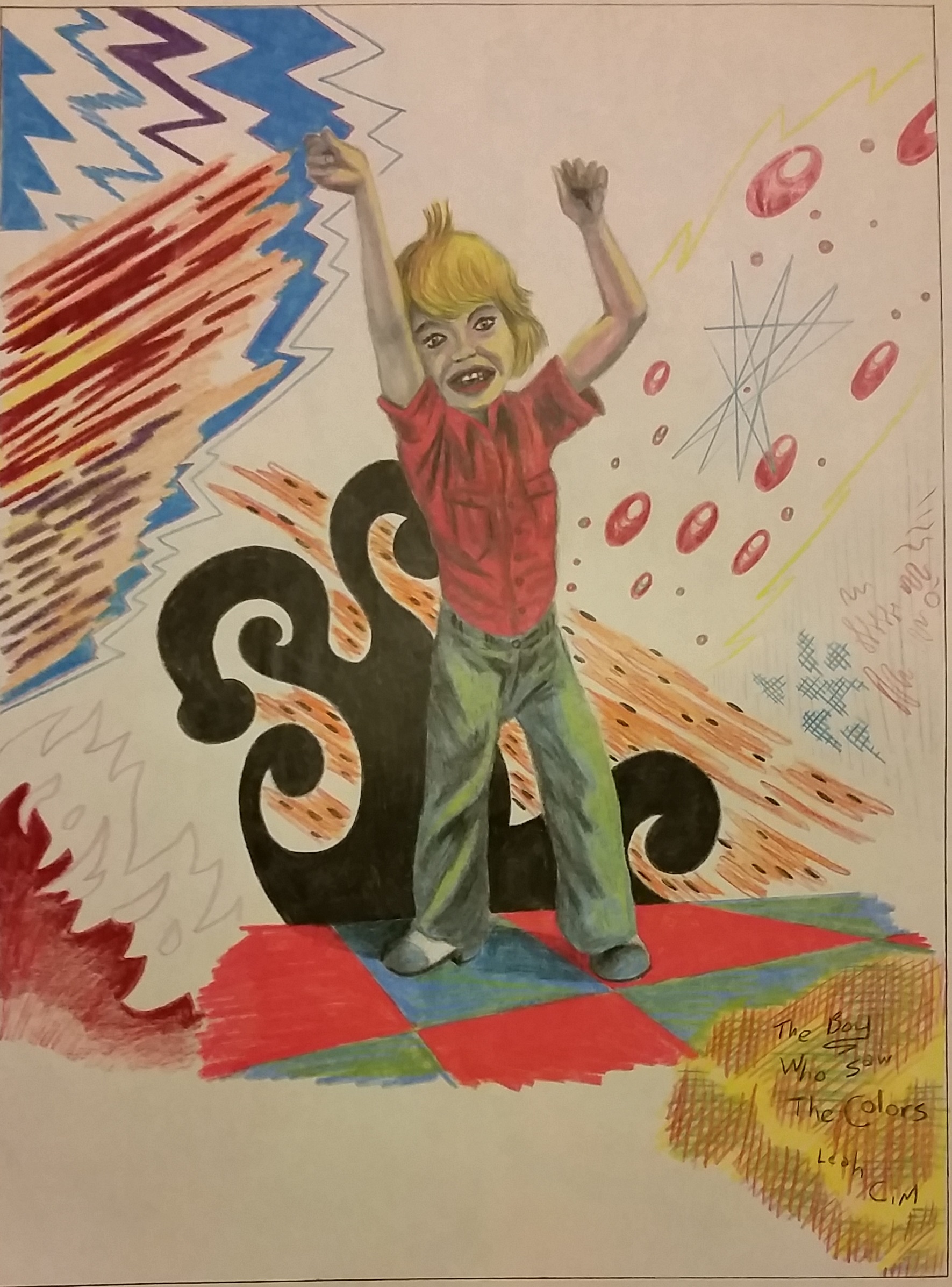
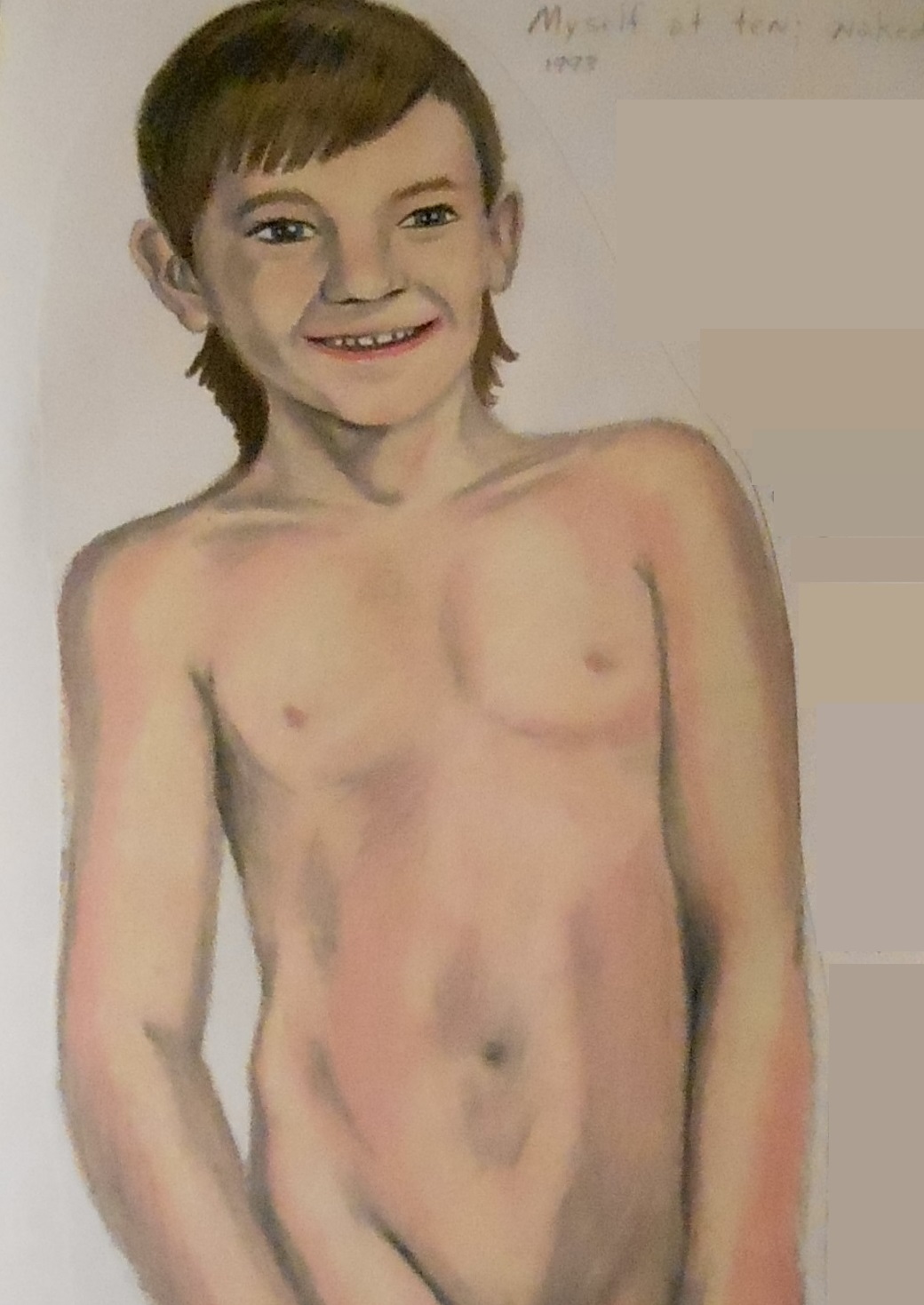
Why-ever would I draw myself as a naked boy? I have inexplicably weird urges sometimes.
I am a living, breathing human being. I have been that now for sixty years and eight months. I have practiced it enough that I can BE that without even thinking about it. Well, not now, just most of the time I don’t have to think about it.
But I did make a huge mistake fairly recently in applying for a chance to be a blogger for an AANR-affiliated website. Yes, that’s right, the American Association for Nude Recreation. I signed on to write about being a nudist.
I am asked to write a review of the nearest naturist park, the Bluebonnet Naturist Park in Alvord, Texas. I am hoping to find a day for a day-visit that won’t find a lot of people there. Ummm. How did I get roped into BECOMING a nudist? Is it too late to back out now? Or would that be UNBECOMING?
But most of all, I have labored long and hard at BECOMING a real writer. I have two books already published. Aeroquest and Catch a Falling Star. You can find them both on Amazon or Barnes and Noble. But don’t buy Aeroquest. Those cheap burgle-binkies don’t deserve to make any more money off of me. I have another book coming out soon from Page Publishing, Magical Miss Morgan. It is a book I am really proud of, though these foofy publishers have done nothing to help it and a lot to mess it up for me.
But, I must admit, I have just finished reading Mitch Albom’s masterpiece, The Magic Strings of Frankie Pesto. It is a miraculous, engaging read that made me laugh and made me cry and made me fall in love with the story. And it is so far beyond what I can do that I must write a review on it, maybe tomorrow, and gush praises all over it. I can only dream of BEING a writer like that. It proves to me that I have a lot more BECOMING to work on. Sorry, Ted, I am just not there yet.
When you know someone has an imaginary friend, something like Elwood’s six-foot invisible rabbit called Harvey, don’t you immediately think that person is crazy? I do. But I have imaginary people as friends. I think most writers do. So am I crazy? Probably. But hopefully it is a good kind of crazy.
It began with imaginary friends from books. The Cat in the Hat was my friend. Jim Hawkins was my friend, as was Mowgli and all the members of the Swiss Family Robinson. They entered my dreams and my daydreams. I told them my troubles the same way I listened to theirs through their stories.
I began to have imaginary friends that came from my own imagination too.
I used to tell my mere human friends about my friend Davalon from outer space. I told them that he was real and secretly visited me at night to talk about being able to learn about humans on earth by walking around invisibly and watching them. I got so involved with these stories that my sixth grade class began saying, “Michael is from Mars.”
When I was a teenager, I began having conversations with a faun. His name was Radasha. He was a creature from Greek Myth, a sensual Dionysian creature who, in his child body, was both younger than me and way older than me. I didn’t realize until much later in life that he was the result of my repressed memories of a childhood sexual assault that I was the victim of. I could talk to him about my fear of nakedness. I could tell him about my blossoming interests in naked girls and their bodies. I could talk to him about all the things I was somehow too terrified to talk to my male friends about, even though none of them had the same reluctance to discuss sex. Ra was imaginary. But he helped me heal.
Then the story-telling seriously began. I used Davalon as one of the main characters in my novel Catch a Falling Star. I created Torrie Brownfield, the baby werewolf to express the feelings I had as a boy about being a monster and secretly terrible and deformed. Torrie is a normal boy with a condition called hypertrichosis. I am working on The Baby Werewolfnow. And then there’s lovely Valerie Clarke. She is the main character of Snow Babies which is a finished novel, edited and proofread and ready to publish. It is I book I will have to find another way to publish since the recent death of PDMI Publishing. She is not a me-character, based on my own thoughts and feelings. She is based on former classmates and students who told me things that express the sadness and isolation of growing up female. So she is even more imaginary than my other characters.
They become real people to me. They have their own point of view. They talk to me and I learn things from them. But they are imaginary. So am I crazy? Yes… as a loon. And happy as Elwood P. Dowd to be that way.



The Real Magic in that Old Home Town
Rowan, Iowa… Not the place I was born, but the place where I got to be a stupid kid, and have the lessons of the good and god-fearing life hammered into my head hard enough to make a dent and make it stay with me for more than half a century. I got to go to grade school there. I learned to read there, especially in Miss Mennenga’s third and fourth grade class. Especially in that old copy of Treasure Island with the N.C, Wyeth illustrations in it, the one Grandma Aldrich kept in the upstairs closet in their farm house. I got to see my first naked girl there. I learned a lot of things about sex from my friends there, and none of them were true. I played 4-H softball there, and made a game-saving catch in center field… in the same game where my cousin Bob hit the game-winning home run. But those were things kids did everywhere. It didn’t make me special. There was no real magic in it.
Being a farm-kid’s kid taught me the importance of doing your chores, every day and on time. If you didn’t do them, animals could get sick, animals could die, crops could be spoiled, the chickens could get angry and petulant and peck your hands when you tried to get the eggs. Cows could get grumpy and kick the milk bucket. Cats could vow revenge if you didn’t direct a spray or two at their little faces as they lined up to watch you milk the cows. And you never knew for sure what a vengeful cat might do to you later, as cats were evil. They might jump on the keyboard during your piano recital. They might knock the turkey stuffing bowl off the top of the dryer when Mom and Grandma and several aunts were cooking Thanksgiving Dinner. And I know old black Midnight did that on purpose because he got to snatch some off the floor before it could be reached by angry aunts with brooms and dustpans. And all of it was your fault if it all led back to not doing your chores, and not doing them exactly right.
But, even though we learned responsibility and work ethic from our chores, that was not the real home-town magic either. I wasn’t technically a real farm kid. Sure, I picked up the eggs in the chicken house at Grandpa and Grandma Aldrich’s farm more than once. And I did, in fact, help with milking machines and even milking cows by hand and squirting cats in the faces at Uncle Donny’s farm. I walked beans, going up and down the rows to pull and chop weeds out of the bean fields at Uncle Larry’s farm. I drove a tractor at Great Uncle Alvin’s farm. But I didn’t have to do any of those things every single day. My mother and my father both grew up on farms. But we lived in town. So, my work ethic was probably worth only a quarter of what the work ethic of any of my friends in school was truly worth. I was a bum kid by comparison. Gary G. and Kevin K, both real farm kids and older than me, explained this to me one day behind the gymnasium with specific examples and fists.
Being a farm kid helped to forge my character. But that was really all about working hard, and nothing really to do with magic.
I truly believe the real magic to be found in Rowan, Iowa, my home town, was the fact that it was boring. It was a sleepy little town, that never had any real event… well, except maybe for a couple of monster blizzards in the 60’s and 70’s, and the Bicentennial parade and tractor pull on Main Street in 1976, and a couple of costume contests in the 1960’s held in the Fire Station where I had really worked hard on the costumes, a scarecrow one year, and an ogre the next, where I almost won a prize. But nothing that changed history or made Rowan the center of everything.
And therein lies the magic. I had to look at everything closely to find the things and strategies that would take me to the great things and places where I wanted to end up. I learned to wish upon a star from Disney movies. I learned about beauty of body and soul from the girls that I grew up with, most of them related. And I invented fantastical stories with the vivid imagination I discovered lurking in my own stupid head. I embarrassed Alicia Stewart by telling everyone that I could prove she was a Martian princess, kidnapped and brought to Earth by space pirates that only I knew how to defeat. And I learned to say funny things and make people laugh… but in ways that didn’t get me sent to the principal’s office in school. Yes, it was the magic of my own imagination. And boring Iowa farm towns made more people with magic in them than just me. John Wayne was one. Johnny Carson was one also. And have you heard of Elijah Wood? Or the painter Grant Wood? Or the actress Cloris Leachman?
Yep. We were such stuff as dreams were made on in small towns in Iowa. And that is real magic.
Leave a comment
Filed under autobiography, commentary, dreaming, farm boy, farming, foolishness, goofy thoughts, humor, magic, Paffooney
Tagged as animals, cows, family, farm, farming, life