Sometimes you have to fly in big circles waiting for terrible things to pass. If you don’t wait… if you rush in unprepared… then you go down in flames.
The problem started with two molars whose expensive crowns both broke during the pandemic. I went to a Vietnamese pirate dentist who extracted both ruined and infected molars. tortured me heavily during the three-week procedure and extracted $4000 out of my pocket because I had no dental insurance. That was followed by a trip to the ER for a kidney-stone crisis, a matter of $65 out of pocket, thanks to the $185 a month I pay for Medicare. And two months later, another trip to the ER for a deadly low heart rate resulted in a week in the hospital, a surgical implantation of a pacemaker, and finally another trip to the ER after getting out of the hospital due to dehydration. The out-of-pocket cost of the hospital will be only $500, thanks to Medicare. Of course, President Pumpkinhead may kill Medicare, too, before I actually get the bill. It is expensive in this country to become poor. And if you are poor, you have no other option. At least, if I can manage three more bankruptcies by the time I’m 70, I will be qualified to run for president.
Life is definitely a lot like Moose Bowling. It is a simple game. In order to win, you only have to knock down all ten pins in one throw. The hard part is that you have to throw a moose to knock the pins down. Did you know that the average weight of an adult moose is 1800 pounds, or 820 kilograms? That’s a lot of moose meat to fling with my arthritic 68-year-old moose-throwing muscles. My flabber is totally gasted by that.
So, as I swiftly rise from prosperity to poverty, the ultimate fate of most old school teachers, it is probably a good thing that I have decided to become a nudist. At least I will save money on buying clothes.
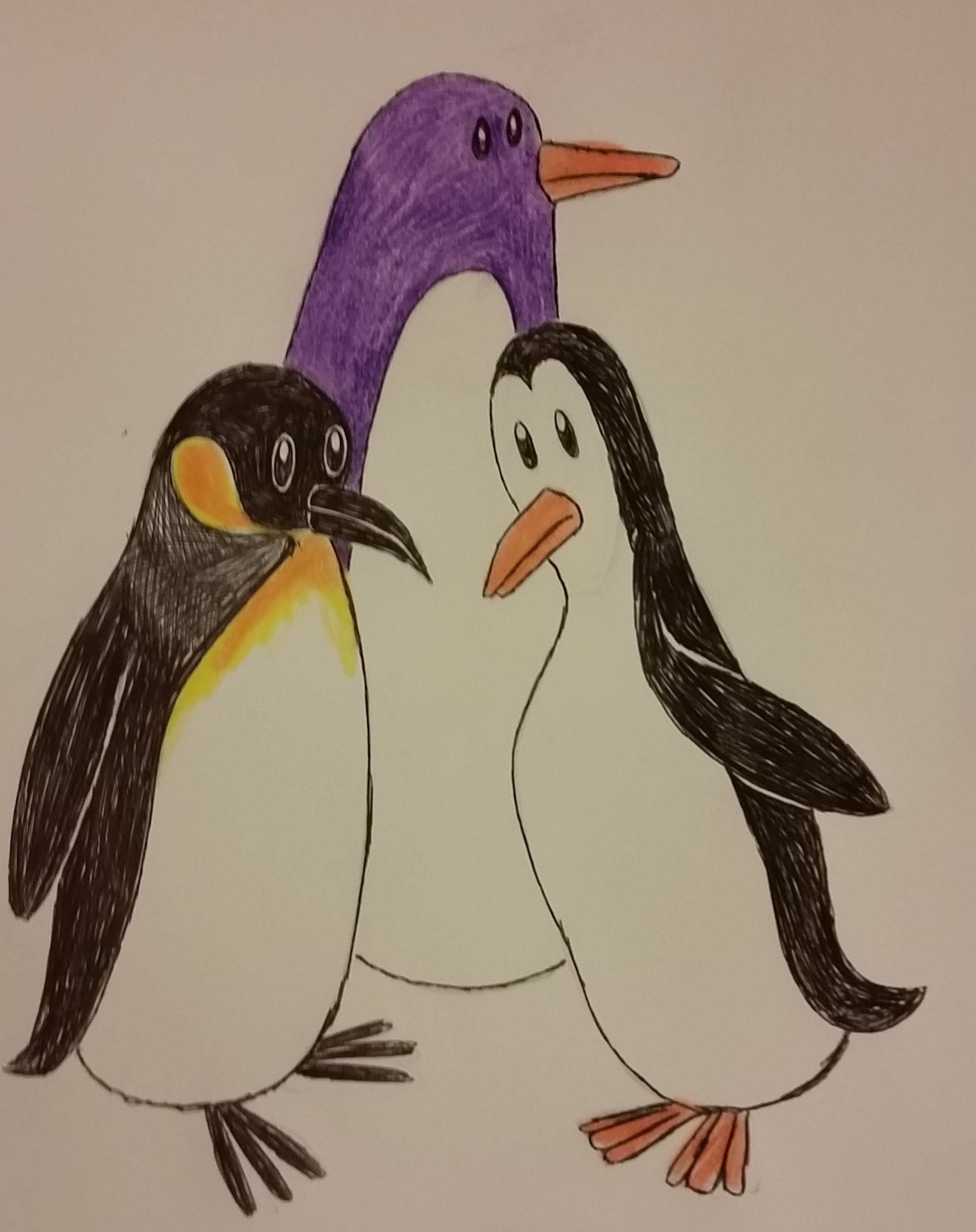
You know how creepy penguins in cartoons can be, right? The Penguins of Madagascar are like a Mission-Impossible Team gone horribly wrong and transformed into penguins. The penguin in Wallace and Gromit’s The Wrong Trousers disguised himself as a chicken to perform acts of pure evil. Cartoonists all know that penguins are inherently creepy and evil.
I recently learned a hard lesson about penguins. You know the joke, “What’s black and white and red all over? A penguin with a sunburn.” I told that joke one too many times. Who knew the Dallas metroplex had so many loose penguins lurking around? They are literally everywhere. One of them overheard me. And apparently they have vowed a sacred penguin vow that no penguin joke goes unpunished.
As I walked the dog this morning, I spotted creepy penguin eyes, about three pairs, looking at me from behind the bank of the creek bed in the park. When I went to retrieve the empty recycle bins from the driveway, there they were again, looking at me over the top of the neighbor’s privacy fence.
“Penguins see the world in black and white,” said one of the Penguins.
“Except for purple ones,” added the purple one.
“Penguins can talk?” I tried unsuccessfully to ask.
“Penguins only talk in proverbs,” said one of the penguins.
“But the purple one gives the counterpoint,” said the purple one.
“The wisdom of penguins is always cold and harsh,” said one of the penguins.
“Except on days like this when it’s hot,” said the purple one.
“You should always listen to penguins,” said one of the penguins.
“Of course, people will think you are crazy if you do,” said the purple one.
“People who talk to penguins are headed for a nervous breakdown,” said one of the penguins.
“Unless you are a cartoonist. Then it is probably normal behavior,” said the purple one.
“Is this all real?” I tried unsuccessfully to ask.
“Everyone knows that penguins are real,” said one of the penguins.
“But there are no purple penguins in nature,” said the purple one.
So, I sat down to write this post about penguins and their proverbs with a very disturbing thought in my little cartoonist’s head… Why am I really writing about penguins today? I really have nothing profound to say about penguin proverbs. Especially profound penguin proverbs with a counterpoint by a purple penguin. Maybe it is all merely a load of goofy silliness and a waste of my time.
“Writing about penguins is never a waste of time,” said one of the penguins.
“And if you believe that, I have some choice real estate in the Okefenokee Swamp I need to talk to you about,” added the purple one.
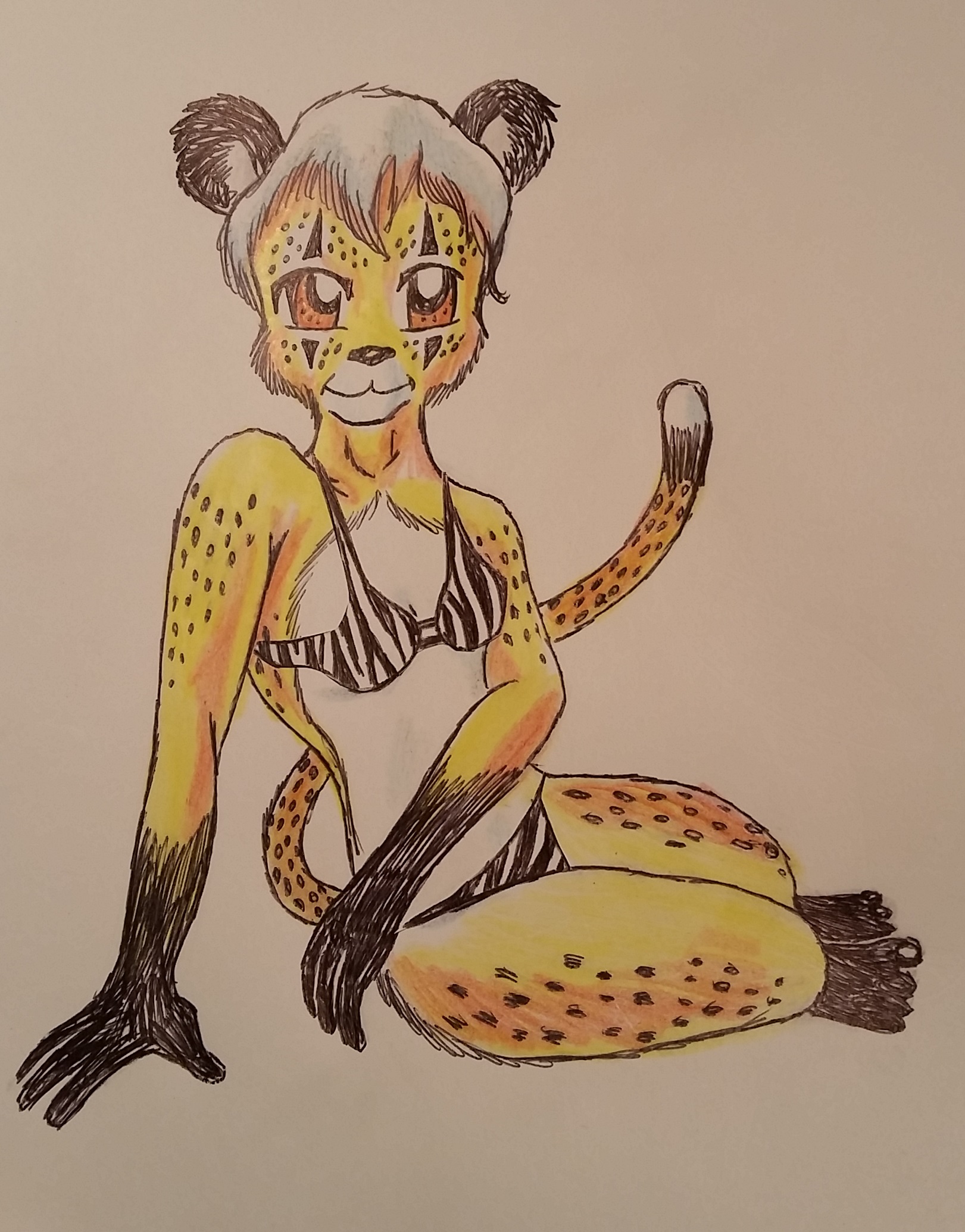
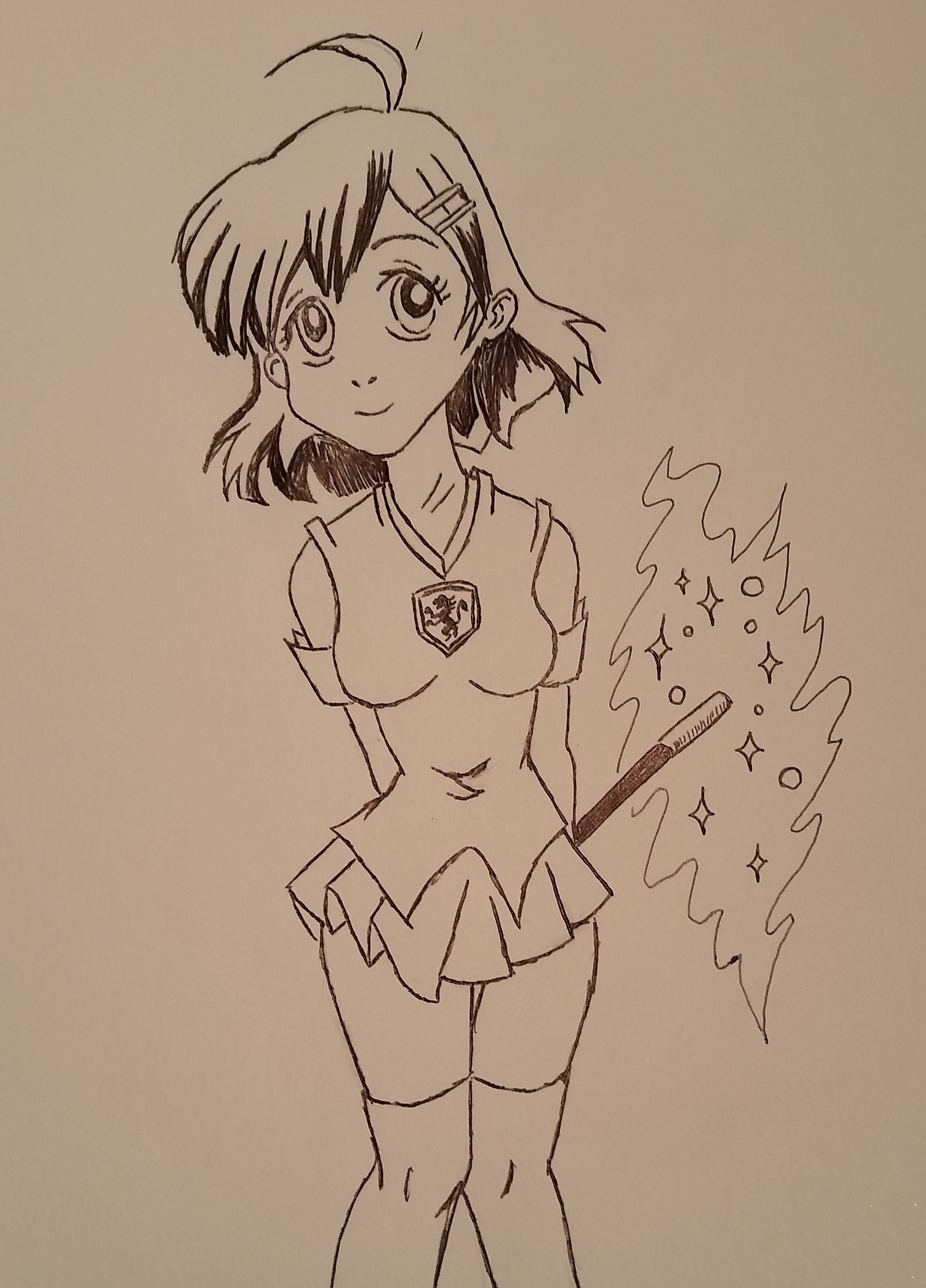
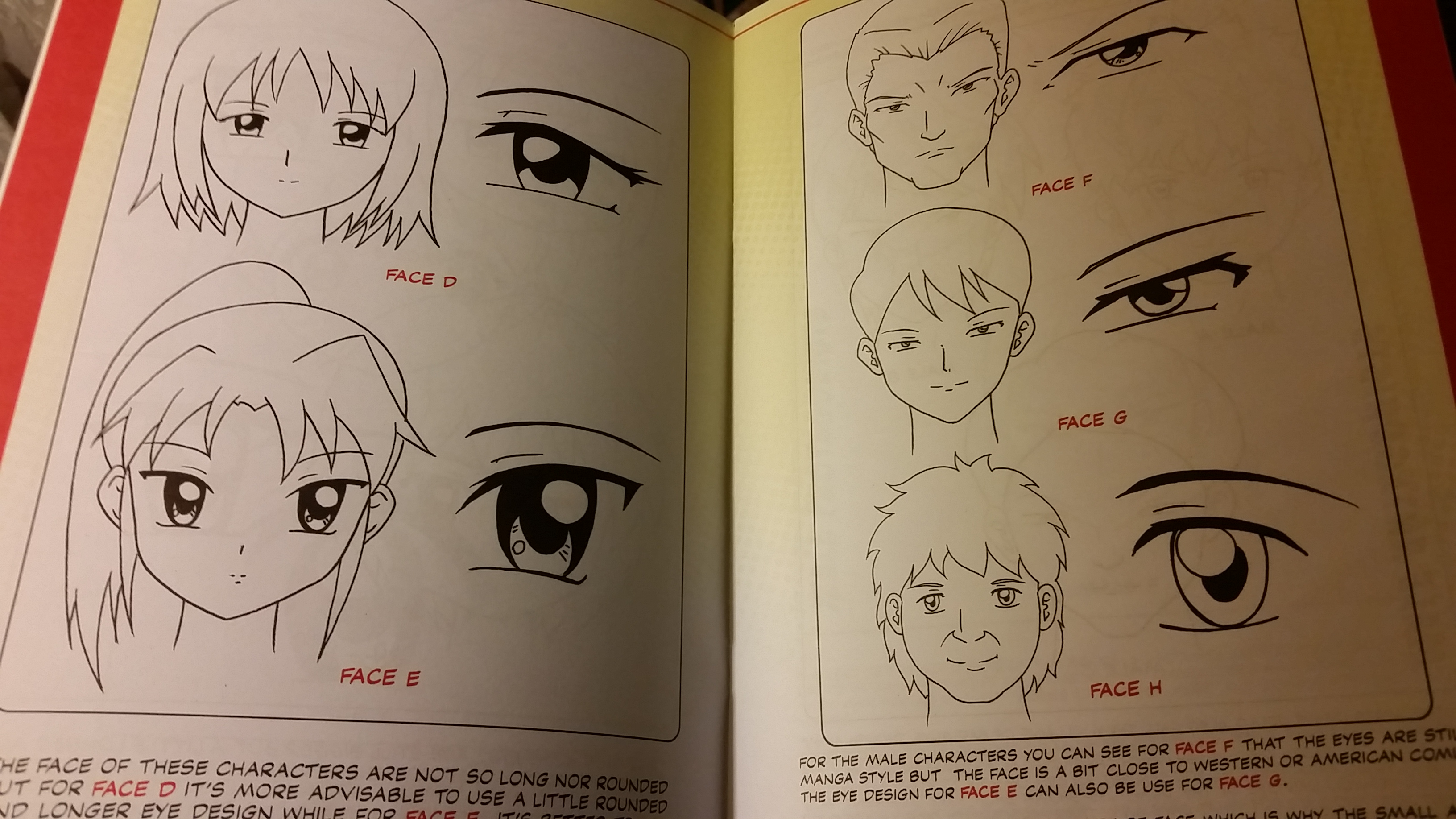
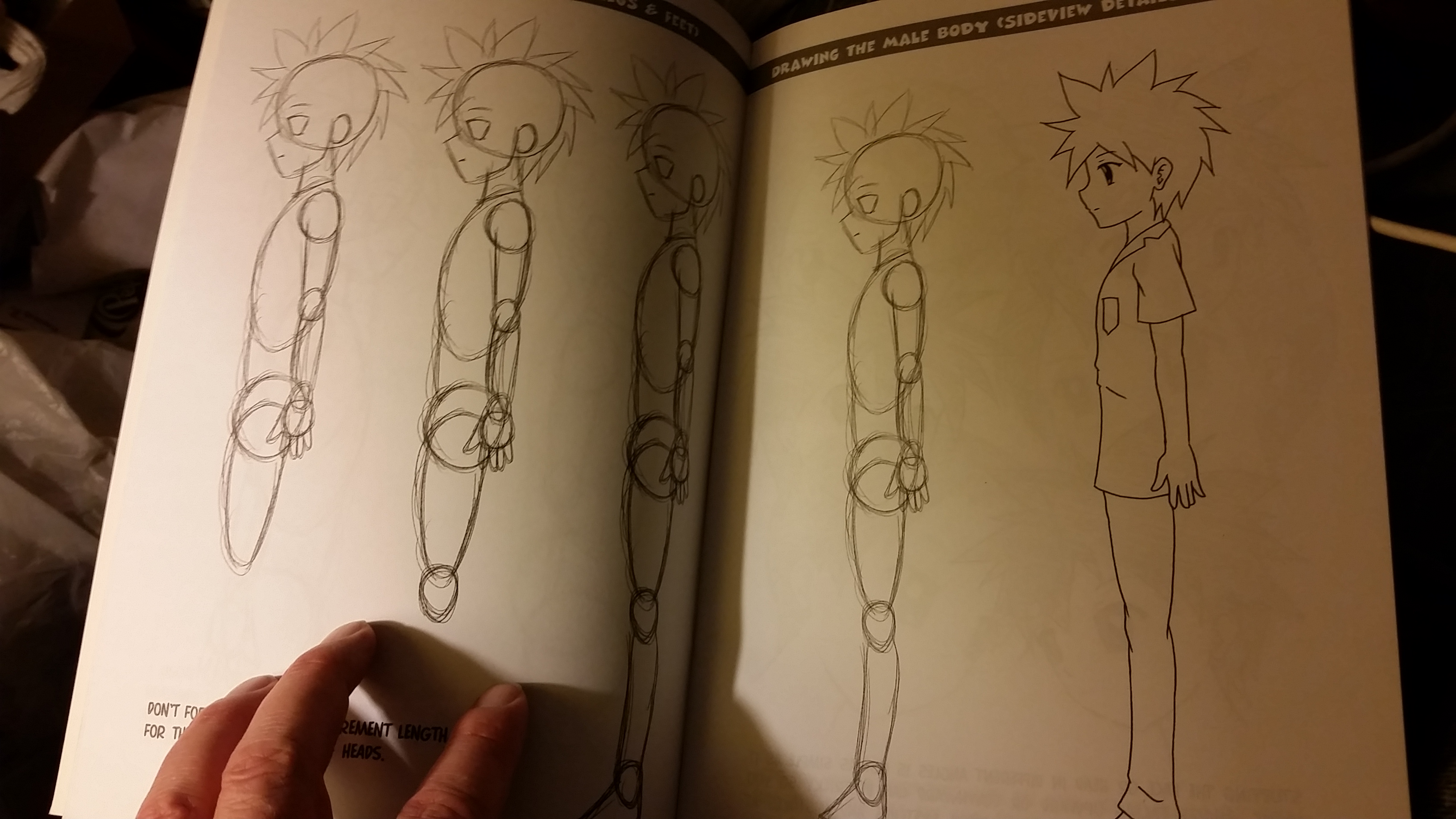
My wife brought treasure back from the Philippines for my kids and me. She spent over a thousand Filipino pesos at a book store over there and apparently bought out the store’s entire supply of “How-to-Draw-Manga/Anime” (though the amount she spent is not so impressive when you realize the exchange rate for a Filipino peso is .025 of an American dollar). Anyway, I happen to love the Japanese anime-style cartoons. I have since I was a kid in the 60’s watching Astroboy in black and white on the old Motorola TV set. So, just as you would expect, I had to go on a drawing binge, copying ideas from the books, but putting my own spin on them.
It is not the first time I have gone on anime-drawing binges. Let me provide some proof of that from past posts;
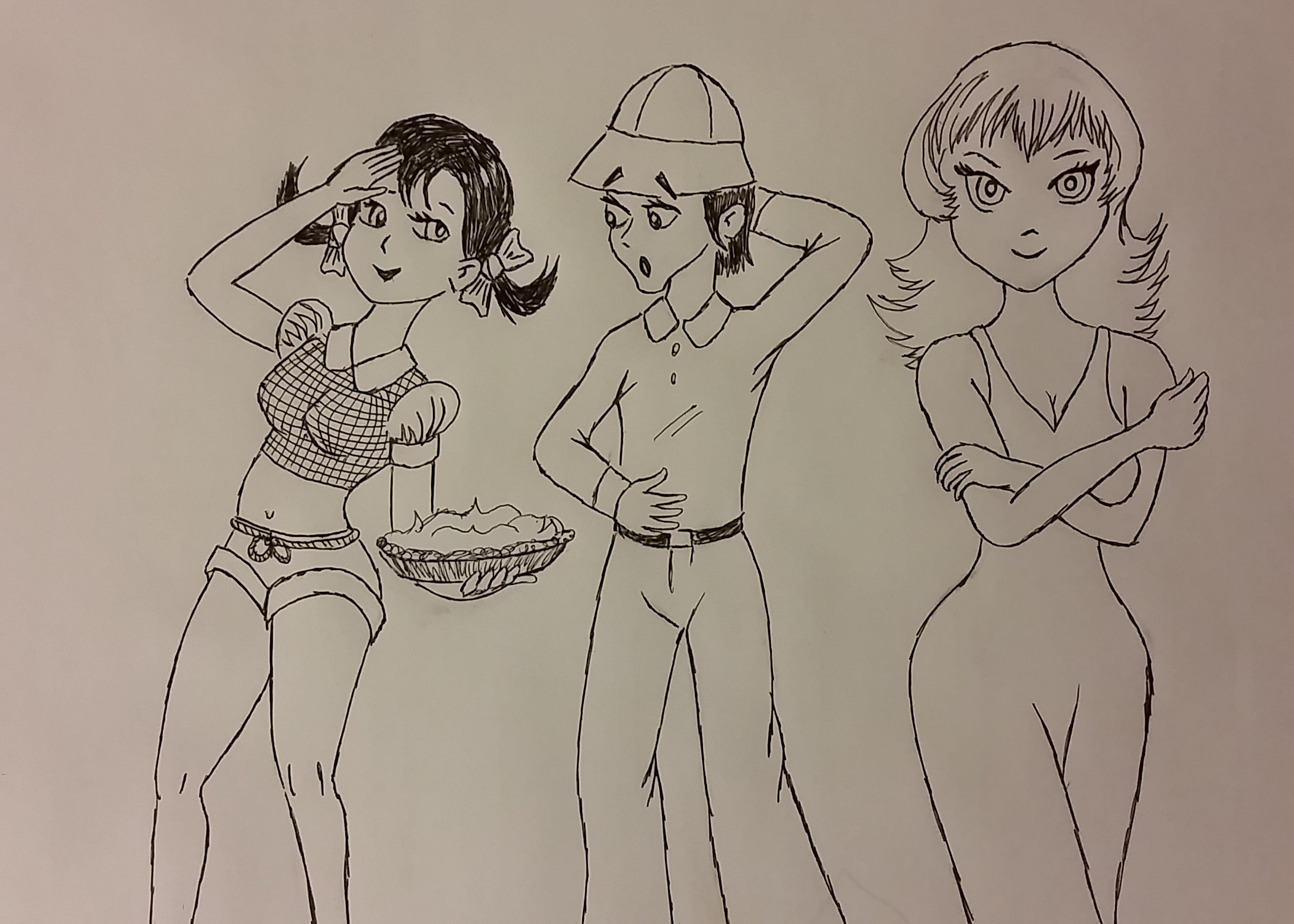
This is an art exercise, making a drawing imitating the manga style of Rumiko Takahashi, the greatest female comics artist of all time.
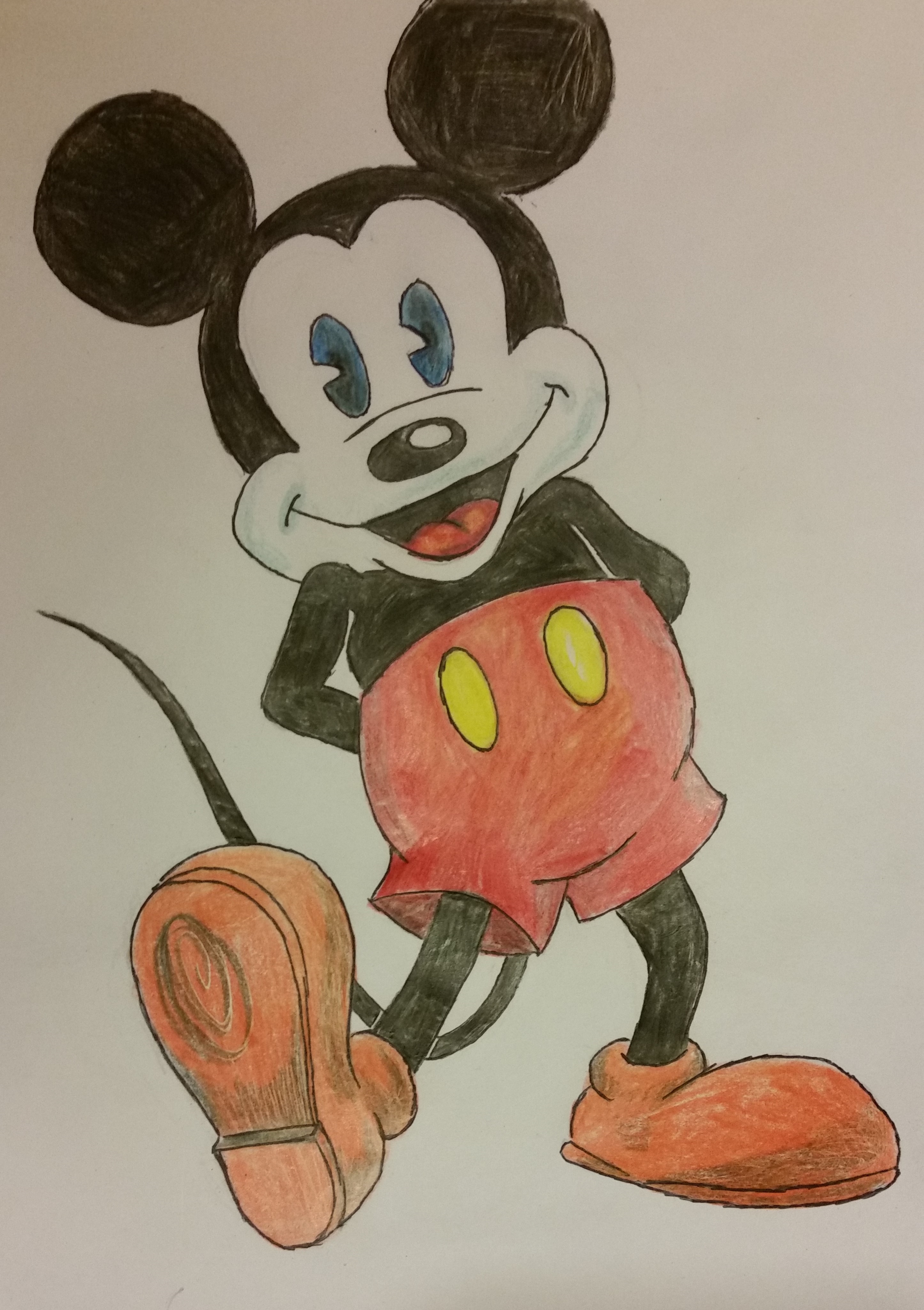
This is a second shameless plagiarism and imitation of Rumiko Takahashi by Mickey the Manga Wannabee.
So, there’s my original content for today. Seven days after the 4th of July, I am celebrating one of the ways that Japan conquered the United States after World War II. Yes, manga-style cartoons have far more kids carefully copying a cartoon style with big, cute eyes than probably ever tried to draw like Walt Kelly or Al Capp.
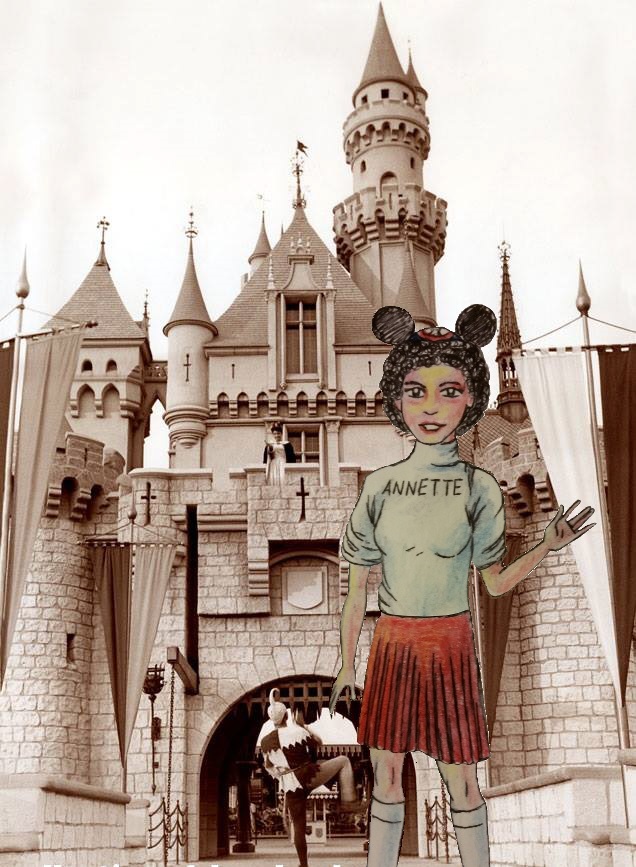
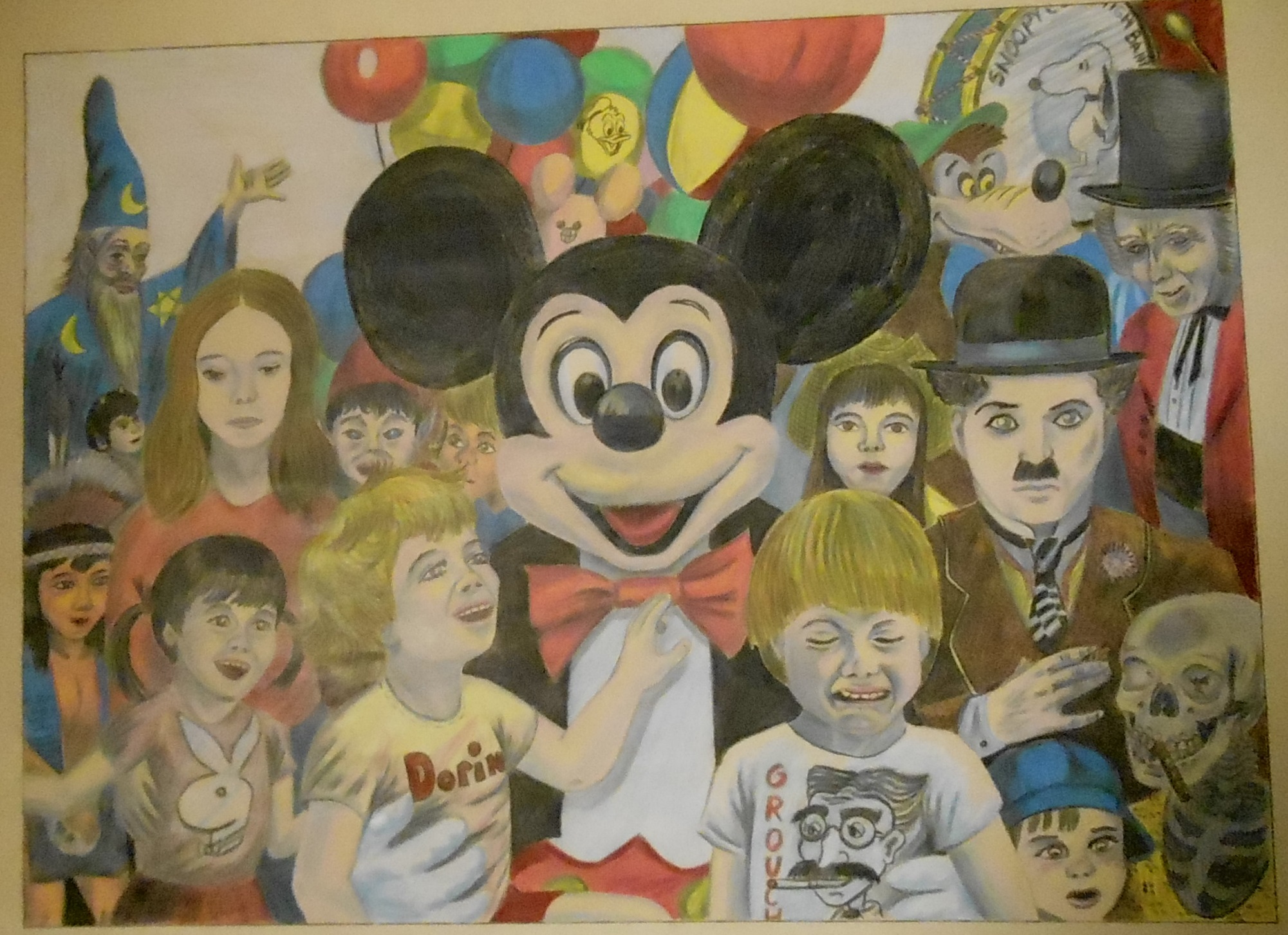
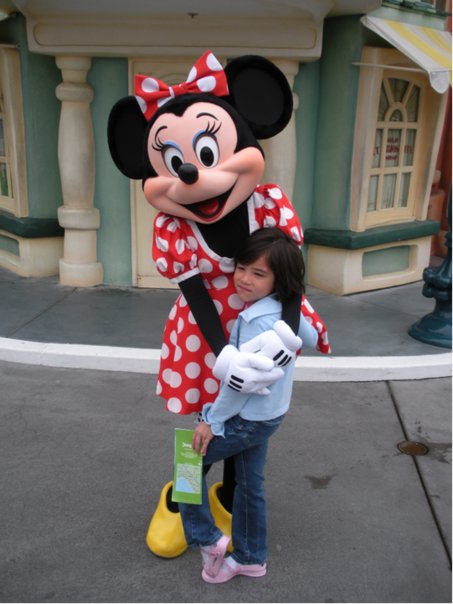
Since the Dallas shooting, the Nice cartoonist attack, and the Uvalde school shooting, I have been needing to rely on things that pull me up from the darkness, and shine some light once again inside my goofy old head. One thing that always seems to make things right again is looking back on trips to the Magic Kingdom. Some of the happiest times of my life revolved around family at Disneyland and Walt Disney World in Orlando.
You see, being an Iowa boy, born in the 50’s, raised in the 60’s and early 70’s, I had one of those rustic, bucolic lives that involved hard work, being frugal with money, and being around a lot of cow poop. A great deal of my life was about what the future held, imagination and possibilities, and The Wonderful World of Disney in color on Grandma Beyer’s RCA color TV every Sunday night. Those Technicolor dreams about things with no cow poop involved came true for the first time when my family went on a summer vacation to Florida and Walt Disney World when I was in high school. Oh, how I loved those E-ticket adventures with the Pirates of the Caribbean, the Haunted Mansion, and Space Mountain! I got to see Country Bears sing and play music on empty moonshine jugs. We used C-tickets for Snow White’s Scary Adventure and Mr. Toad’s Wild Ride. We saw Mickey’s Cartoon Musical Review. Did you know those last three things no longer exist?
We went back to Walt Disney World when my family was young, the eldest was six, the middle child was a cranky two, and the Princess was not yet born, though already causing my wife discomfort with six months to go before she made her debut. That was the time we learned how much my mother really loved It’s a Small World. We had to take that boat ride so many times that the song still plays relentlessly in my head every time I even start to think about Disney World. We managed to go back to Disney World again when the oldest was a teenager and the other two were primed to be Disney fanatics. That time we learned how slowly the other set of grandparents walked. We also learned that you have to be a master planner to see everything that is good in 5 different theme parks that you just have to check out because, heck, you’ve already mortgaged the future to pay for it.
And we have been to Disneyland in California a couple of times as well. We were there, in fact, when the Anaheim earthquake happened, knocking down a couple of Los Angeles buildings nearby and shutting down several rides in the park while damage checks were made. In fact, it happened during the Star Wars lightsaber battle in Tomorrowland, making us think at the start that it was just a really cool special effect. It also shut down the food vendor before our expensive hamburgers were cooked. That part was not so cool.
You can see now at least part of the reason I am such a hopeless Disneyphile. Memories of times spent at Disney parks are the exclamation points on my whole creative life. It influences my artwork and storytelling to a noticeable degree. And it takes my mind off my troubles a bit just to stop and reflect, “Once upon a time I visited the Magic Kingdom.”
No man is an island. John Donne the English poet stated that. And Ernest Hemingway quoted it… and wove it into his stories as a major theme… and proceeded to try to disprove it. We need other people. I married an island girl from the island of Luzon in the Philippines. She may have actually needed me too, though she will never admit it.
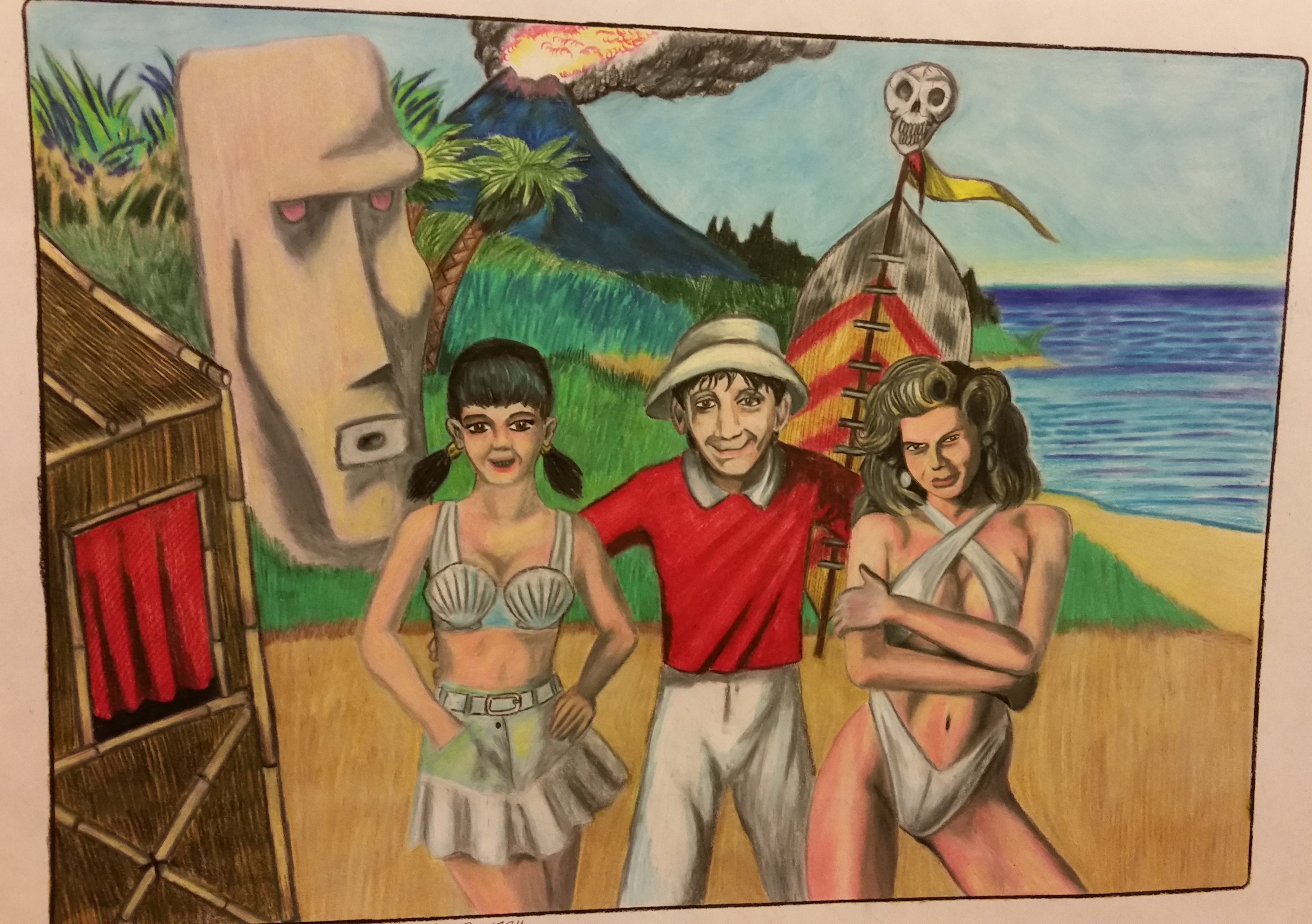
When I was a young junior high school teacher in the early eighties, they called me Mr. Gilligan. My classroom was known as Gilligan’s Island. This came about because a goofball student in the very first class on the very first day said, “You look like Gilligan’s Island!” By which he meant I reminded him of Bob Denver, the actor that played Gilligan. But as he said it, he was actually accusing me of being an island. And no man is an island. Thank you, Fabian, you were sorta dumb, but I loved you for it.
You see, being Gilligan on Gilligan’s Island was not a bad thing to be. It was who I was as a teacher. Nerdy, awkward, telling stories about when I was young, and my doofy friends like Skinny Mulligan. Being a teacher gave me an identity. And Gilligan was stranded on the Island with two beautiful single women, Mary Ann and Ginger. Not a bad thing to be. And I loved teaching and telling stories to kids who would later be the doofy students in new stories.
But we go through life searching for who we are and why we are here. Now that I am retired, and no longer a teacher… who am I now? We never really find the answer. Answers change over time. And so do I.
So, I am probably the last stupid goomer who should be writing this post. But I do have a lot to say on the subject that will more than fill a 500-word essay.
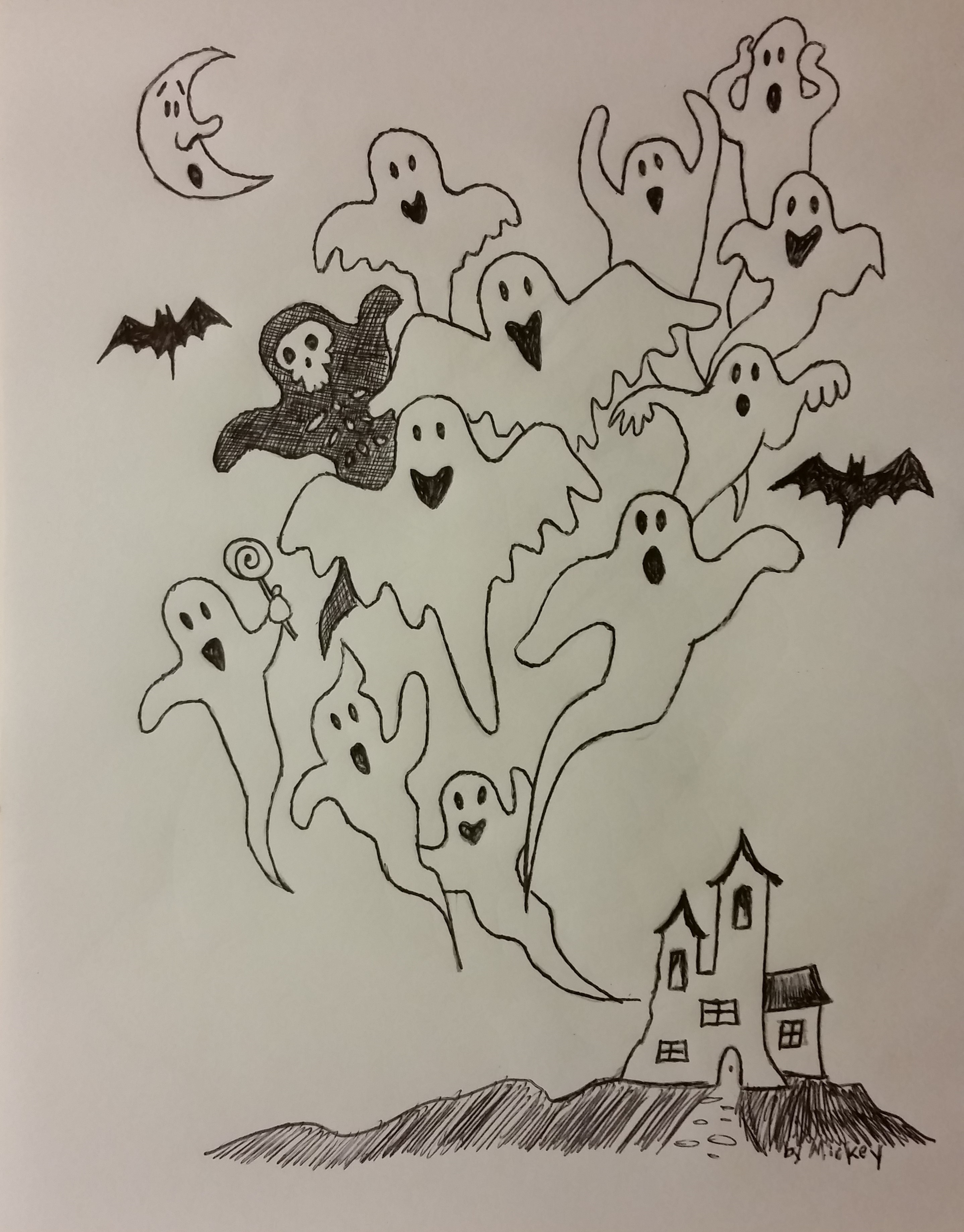
At my age and level of poor health, I think about ghosts a lot because I may soon be one. In fact, my 2014 novel, Snow Babies has ghosts in it. And some of the characters in it freeze to death and become snow ghosts. But it doesn’t work like that in real-world science. My ghosts are all basically metaphorical and really are more about people and people’s perception of life, love, and each other.
Ghosts really only live in the mind. They are merely memories, un-expectedly recalled people, pains, and moments of pandemonium.
I have recently been watching the new Netflix series The Haunting of Hill House. It creeps me out because it latches on to the idea that ghosts haunt us through the revisitation in our minds of old trauma, old mistakes, old regrets… We are never truly safe from ghosts, no matter how far under the covers we go in our beds, deep in the dark and haunted night. Ghosts are always right there with us because they only live inside us.
I am haunted by ghosts of my own. Besides the ghost dog that mysteriously wanders about our house at night and is seen only out of the corners of our eyes, there is the ghost of the sexual assault I endured at the age of ten by a fifteen-year-old neighbor. That ghost haunts me still, though my attacker has died. I still can’t name him. Not because I fear he can rise up out of the grave to hurt me again, but because of what revealing what he did, and how it would injure his innocent family members who are still alive and still known to my family, will cause more hurt than healing. That is a ghost who will never go away. And he infects my fiction to the point that he is the secret villain of the novel I am now working on. In fact, the next four novels in a row are influenced by him.
But my ghost stories are not horror stories.
I write humorous stories that use ghosts as metaphors, to represent ideas, not to scare the reader. In a true horror story, there has to be that lurking feeling of foreboding, that sense that, no matter what you do, or what the main character you identify with does, things probably won’t turn out all right. Stephen King is a master of that. H.P. Lovecraft is even better.
But as for me, I firmly believe in the power of laughter, and that love can settle all old ghosts back in their graves. I have forgiven the man who sexually tortured me and nearly destroyed me as a child. And I have vowed never to reveal his name to protect those he loved as well as those I love. If he hurt anyone else, they have remained silent for a lifetime too. And I have never been afraid of the ghost dog in our house. He has made me jump in the night more than once, but I don’t fear him. If he were real, he would be the ghost of a beloved pet and a former protector of the house. And besides, he is probably all in my stupid old head thanks to nearly blind eyes when I do not have my glasses on.
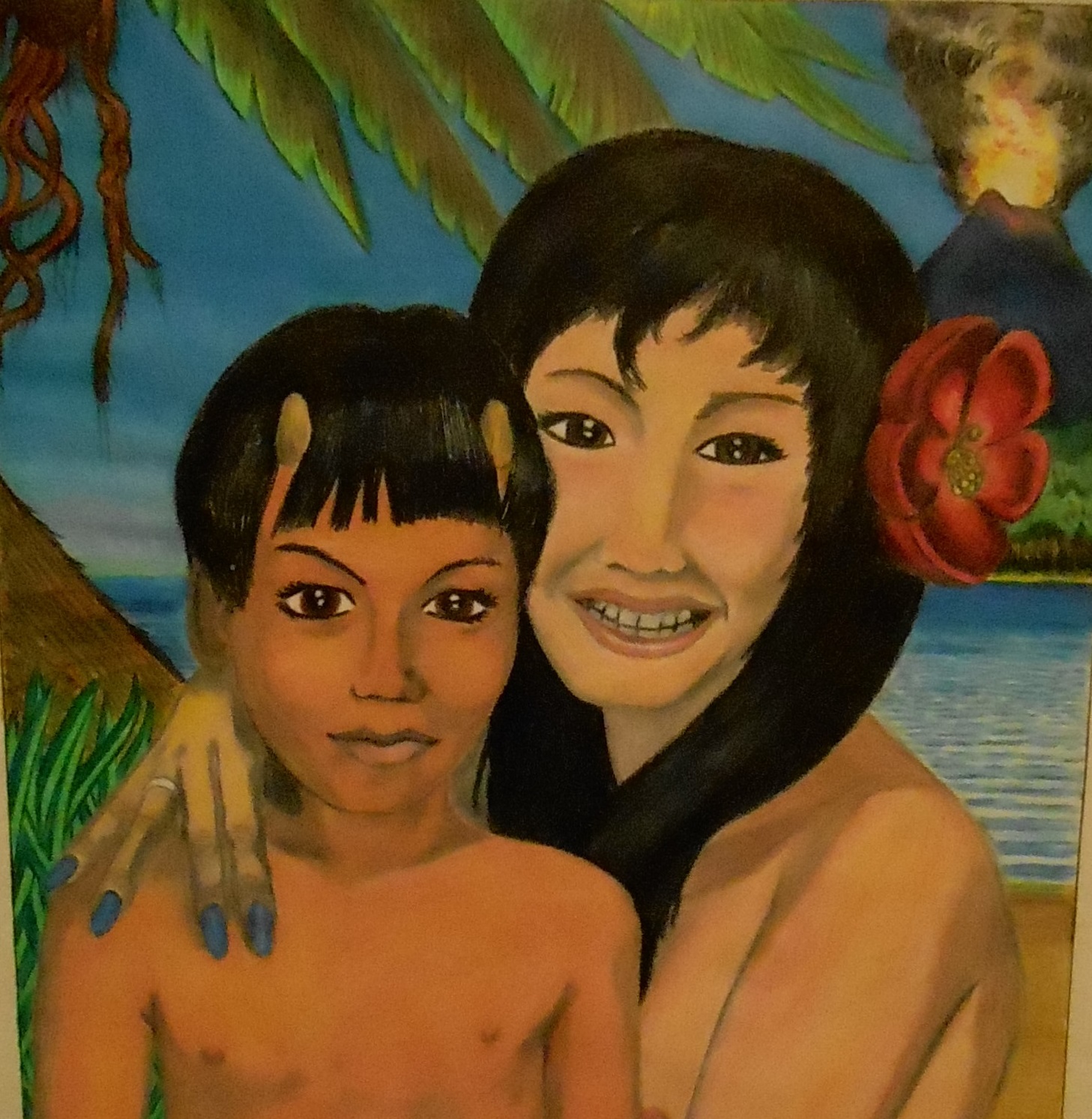
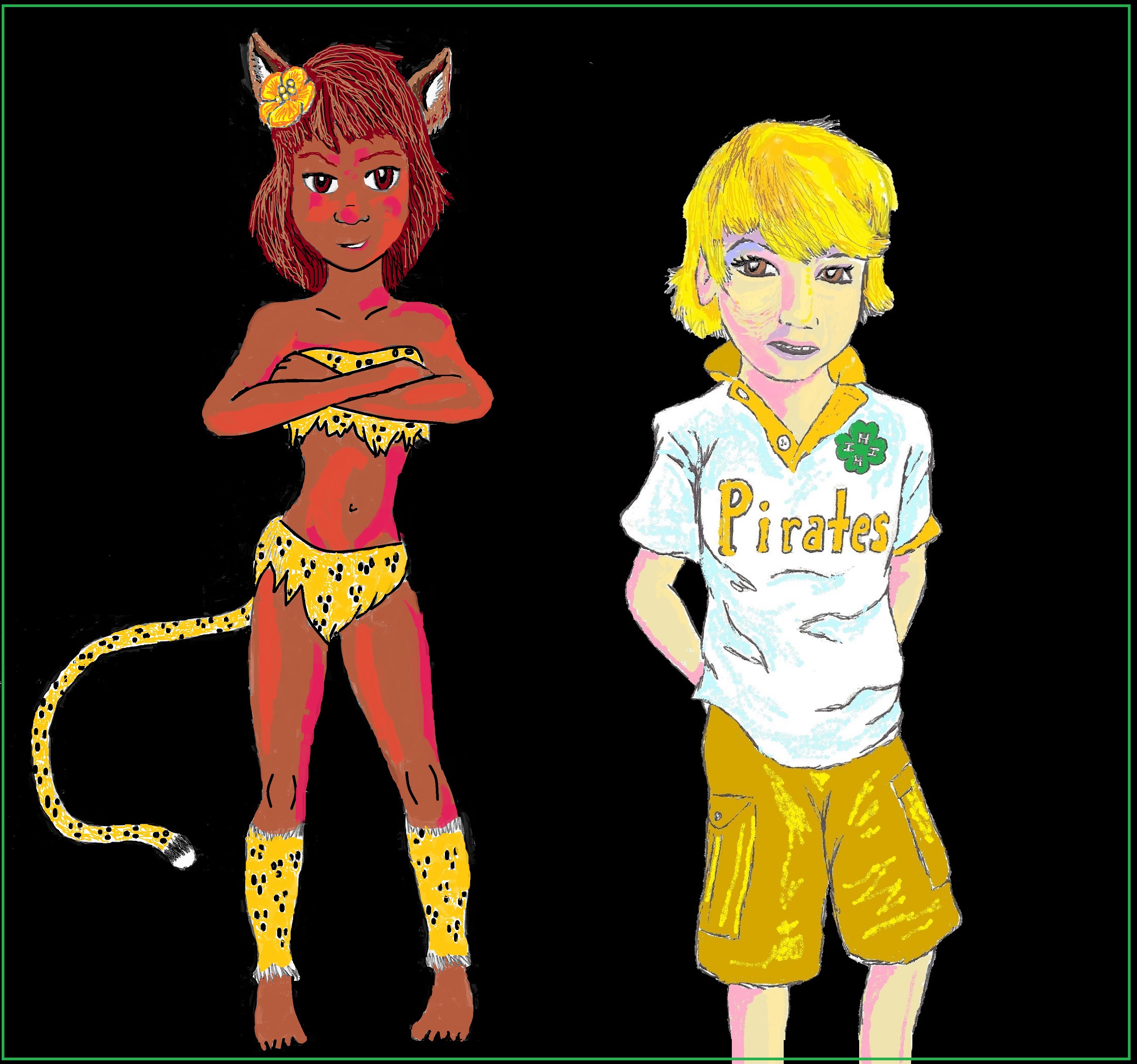
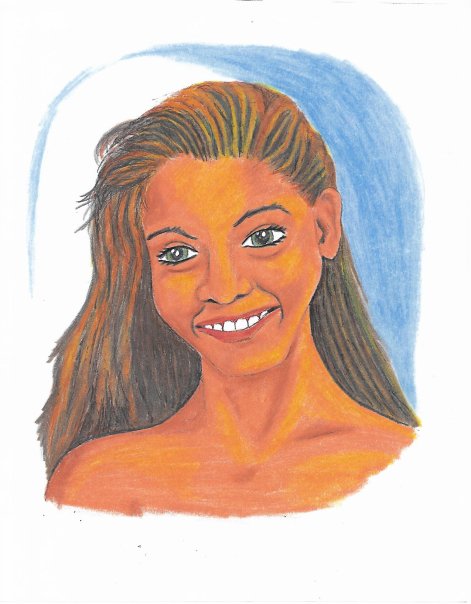
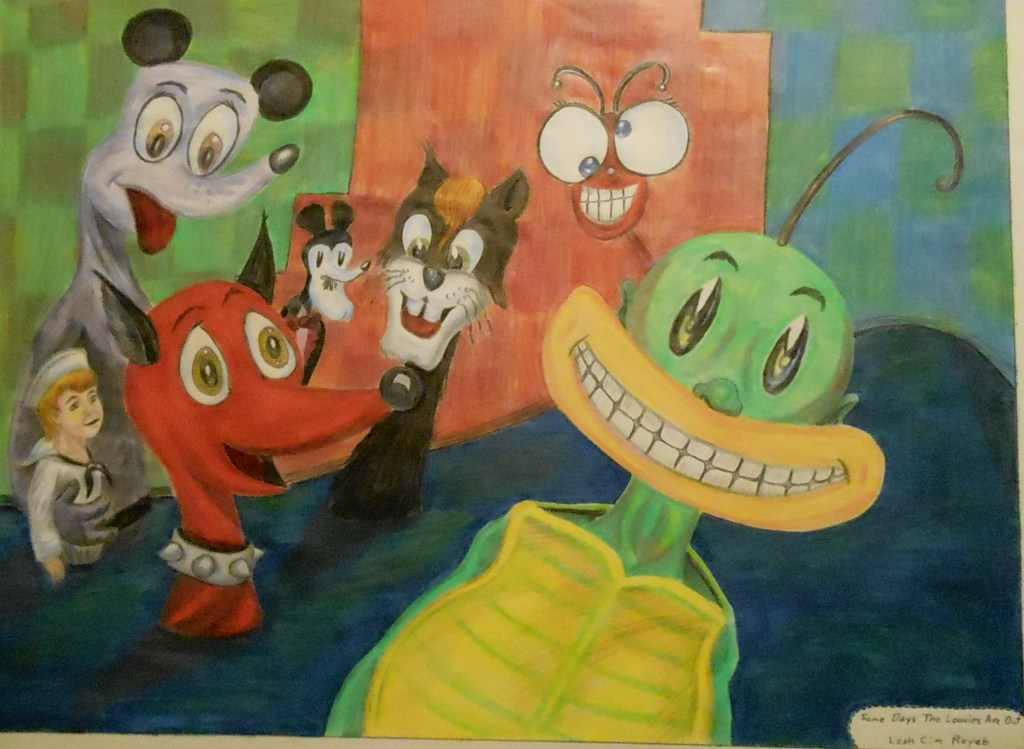
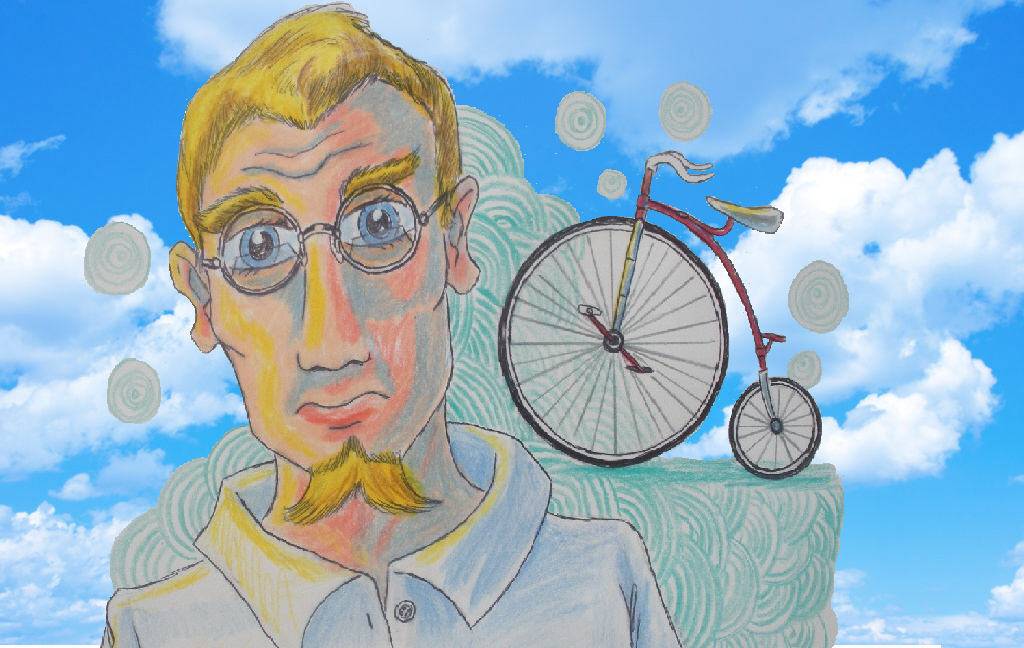
Some of the drawings and paintings I do, I do because they make me happy. I know it’s more noble if I do it to make you, the viewer, happy. But part of making art is that you are making it for your own needs. Art is therapy. Often, art is love. This picture of Shannon (not her real name) makes me happy. She was a student I loved, (only in the legal, Platonic sense.)
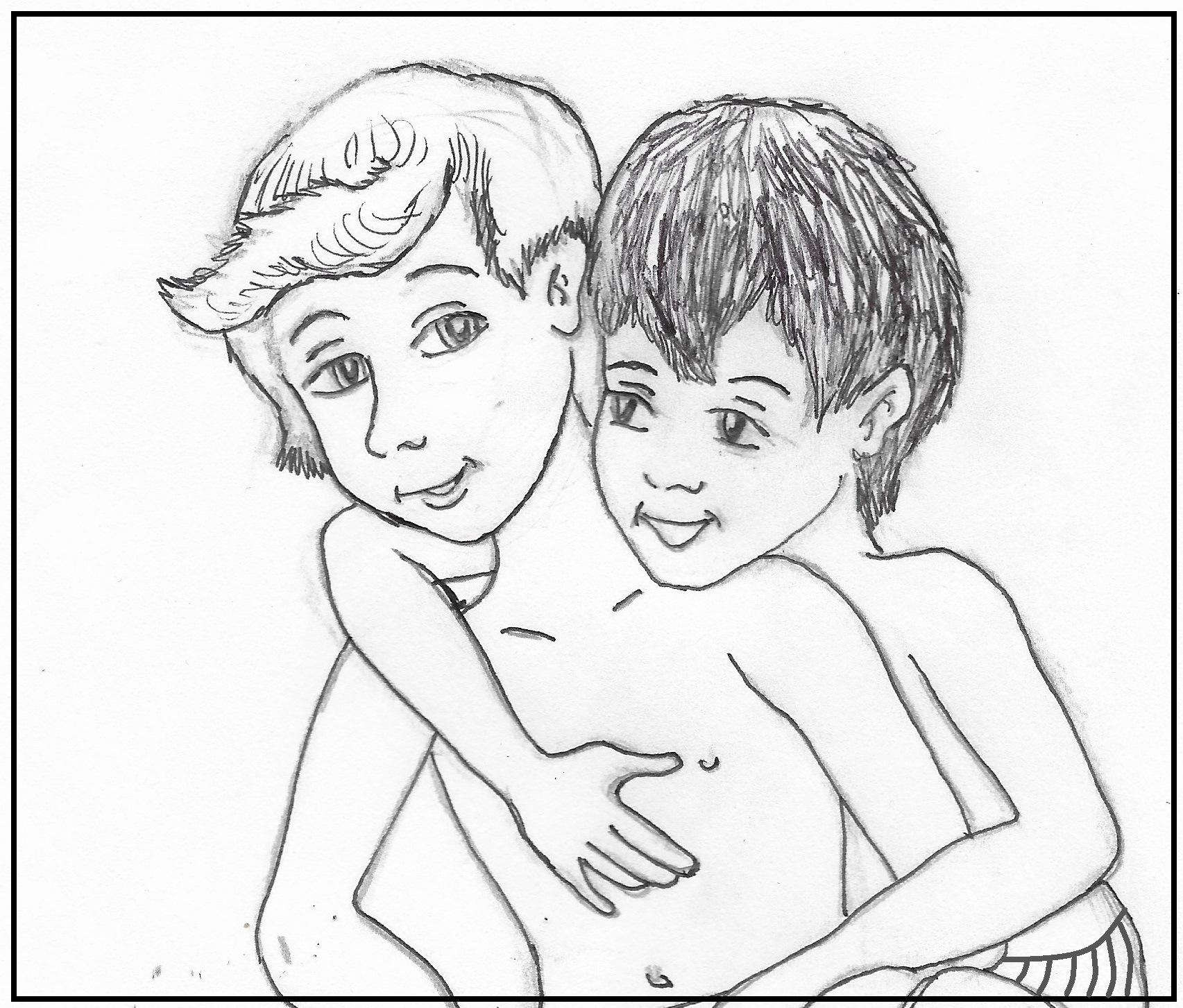
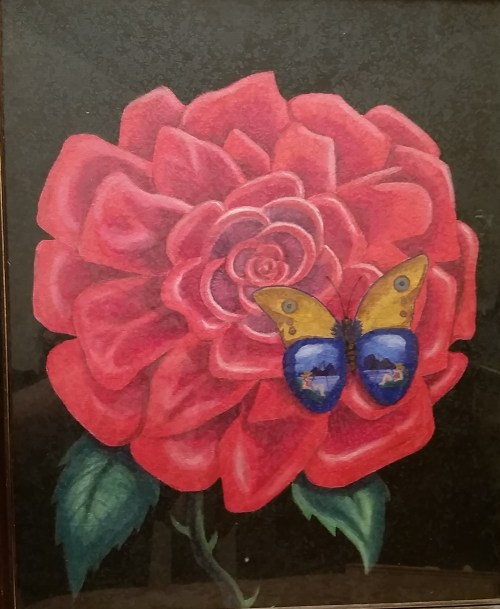
This one makes me happy. I drew it on a day I needed to laugh. And I laugh a little even now when I look at it.
This one is also a smirkable smirk-maker.
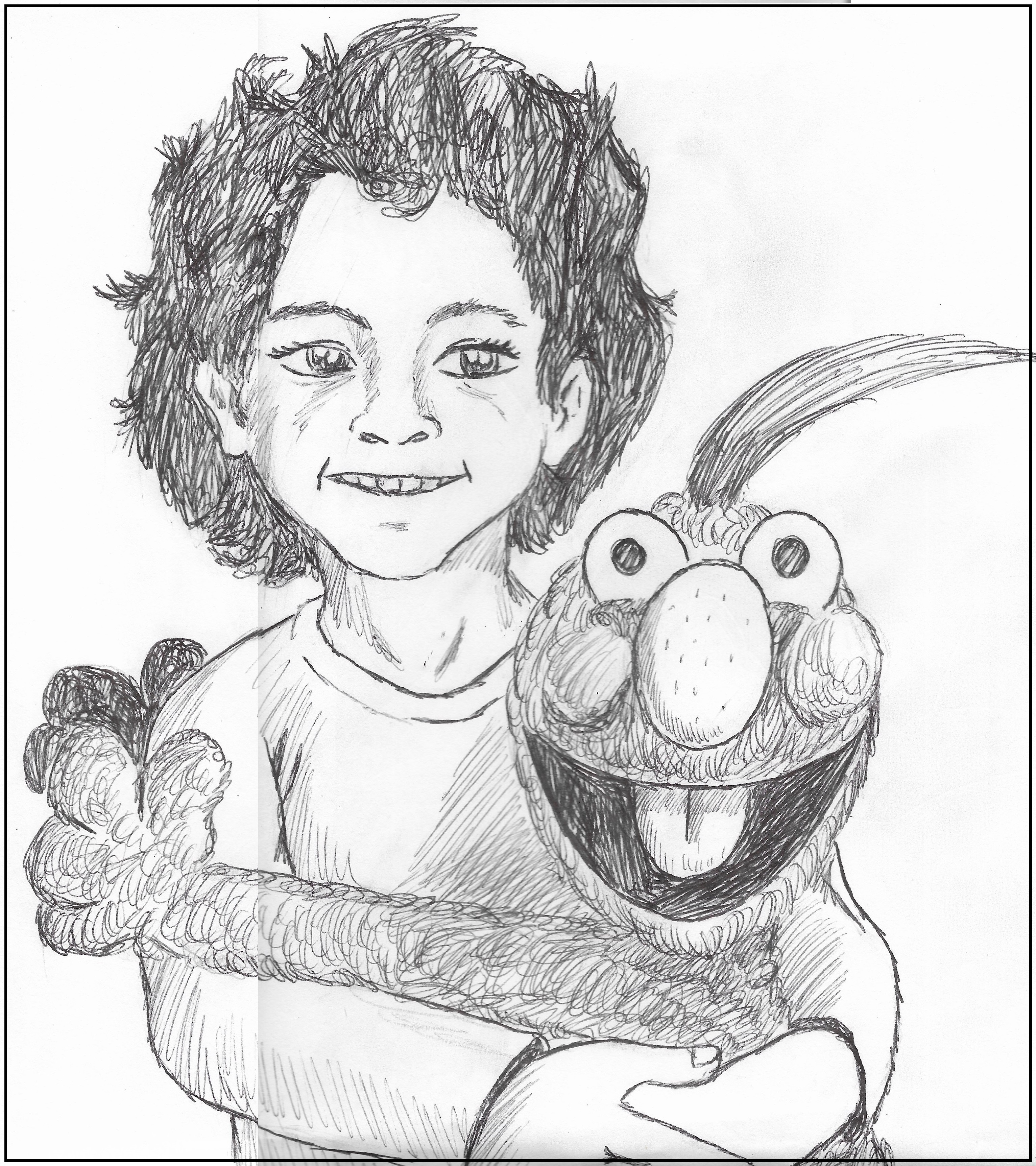
I drew this on a day when I was lonely.
This one tickles me on many levels.
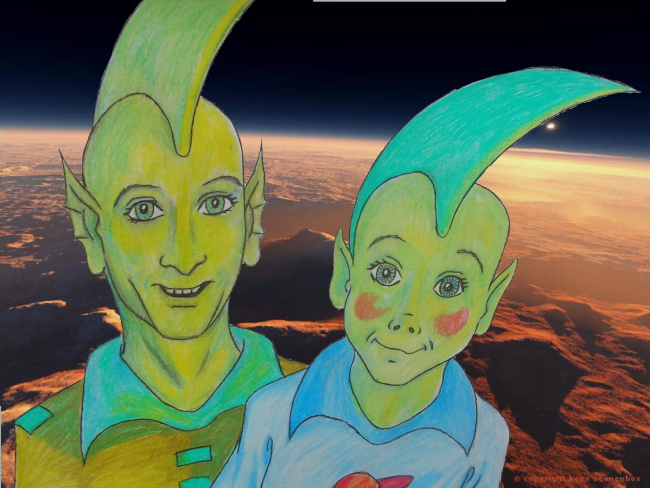
These Telleron, temporary Martians helped me start my publishing career with the publication of Catch a Falling Star.
…
…
…
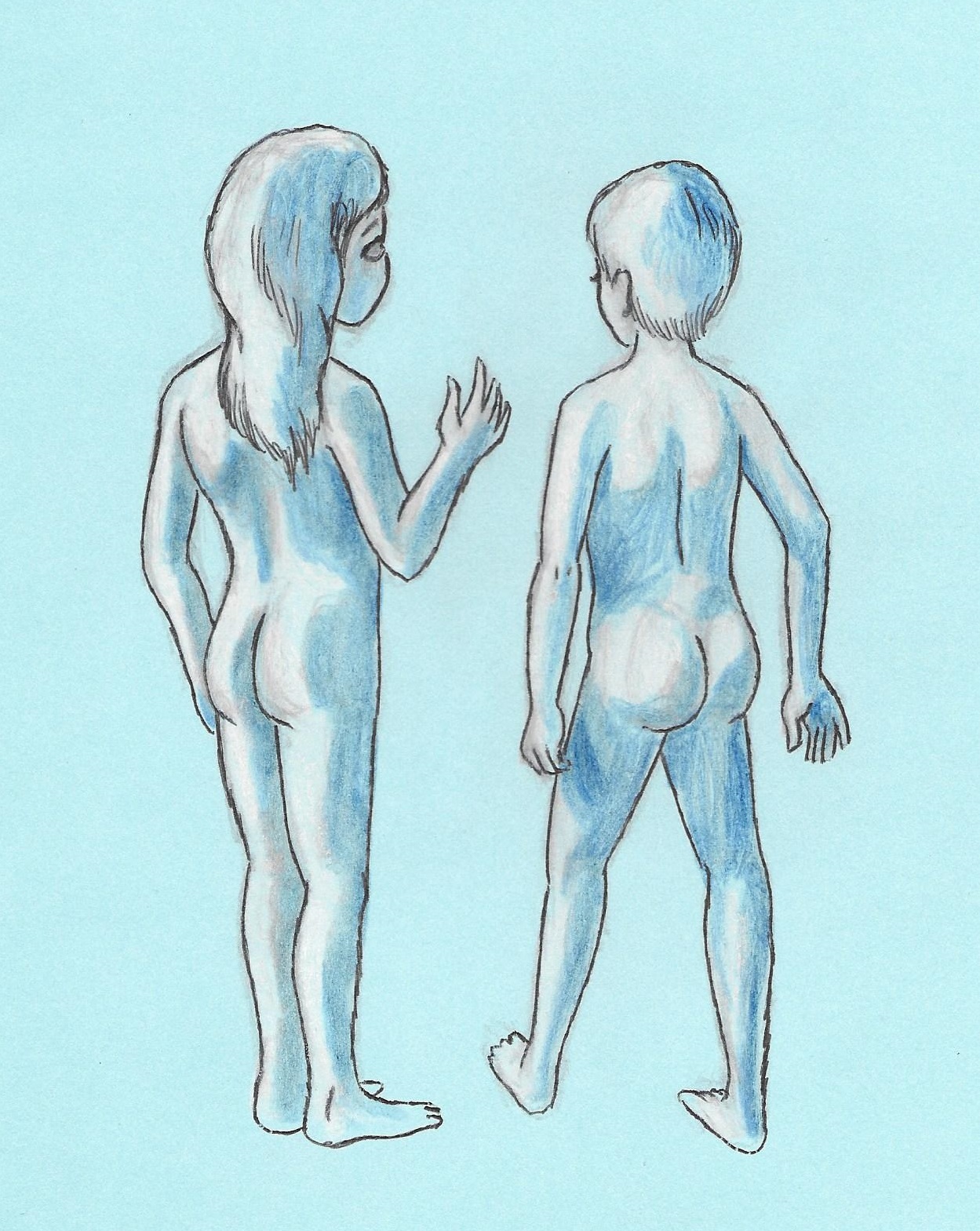
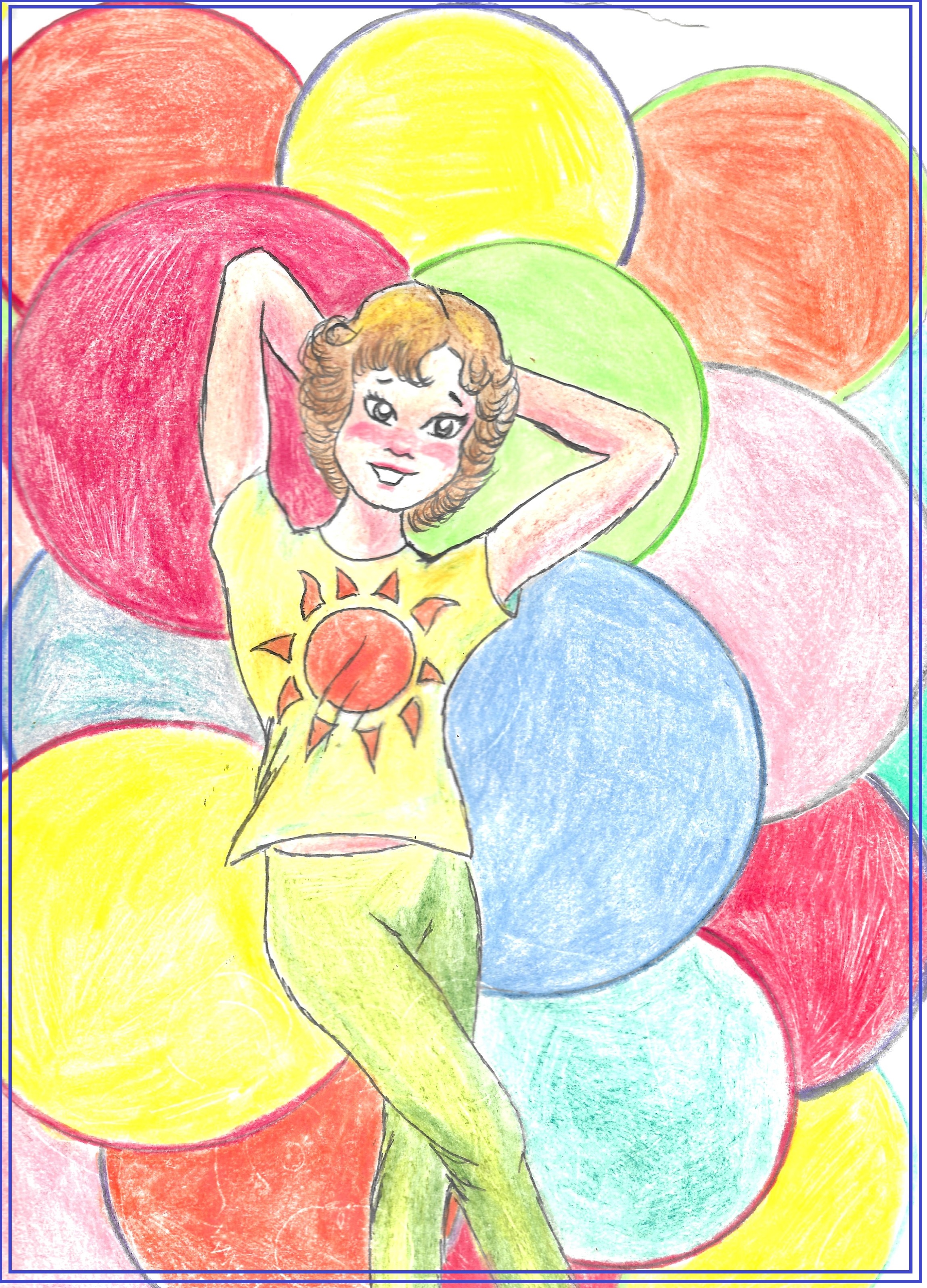
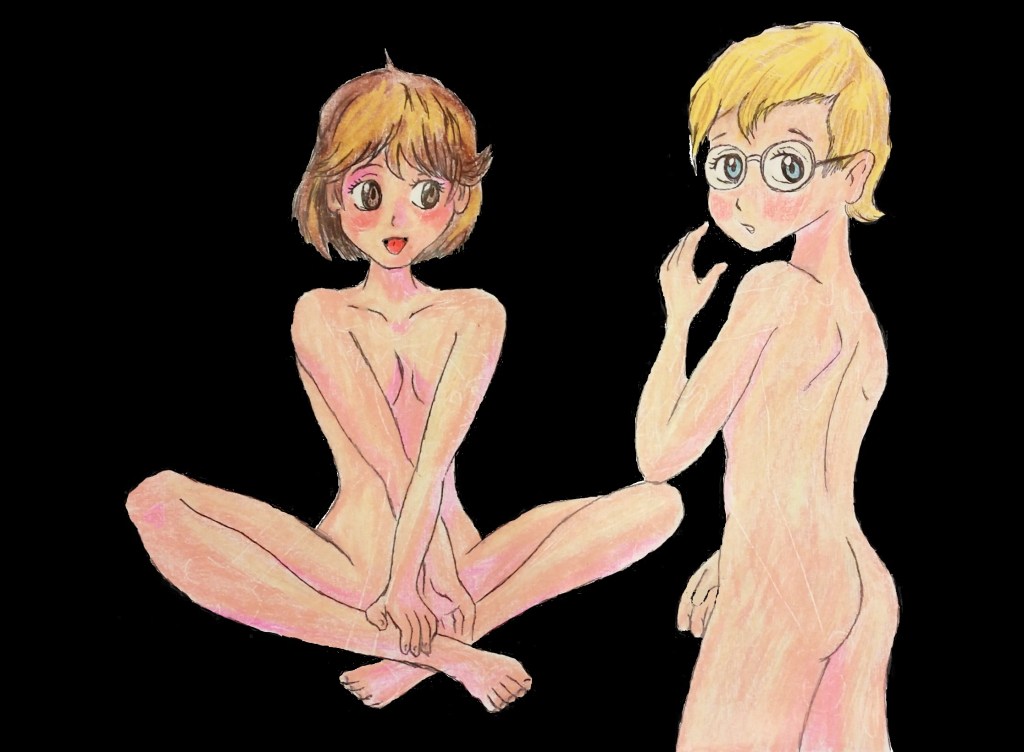
And pretty girls can make me happy too.
Especially naked ones.
And I mean drawing them, not what was in your evil mind.
It is getting harder and harder to climb the new day’s hill to get to the summit where I can reasonably get a good look at the road ahead. At almost-64, I can see the road ahead is far shorter and much darker than the highway stretching out behind me. It is not so much a matter of how much time I have spent on the road as it is a matter of the wear and tear the mileage has caused.
This weekend I had another depressing free-book promotion where, in five days, I only moved five books, one purchase, and four free books. I have made $0.45 as an author for the month of June.
I was recently given another bit of good advice from a successful author. He said that I shouldn’t be in such a rush to publish. He suggested taking more time with my writing. Hold on to it longer. Polish it and love it more. And now that I have reached sixteen books published on my author’s page, I have basically beaten the grim reaper in the question of whether or not he was ever going to silence me and my author’s voice. I can afford to live with the next one longer.
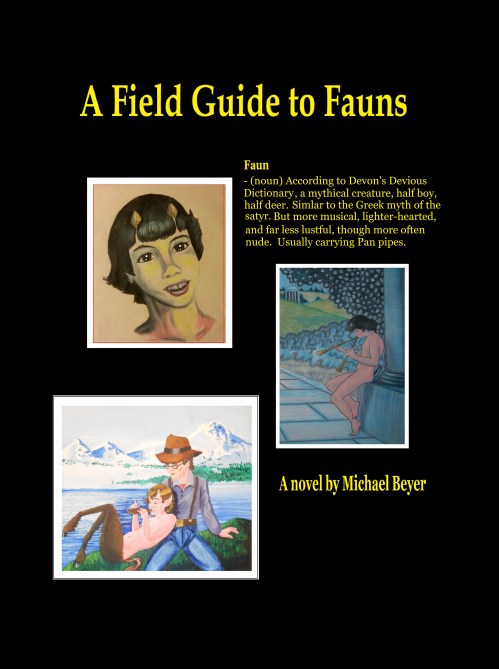
But the last one, A Field Guide to Fauns, practically wrote itself. It went fast from inspiration to publication simply because the writer in me was on fire and full of love and life and laughter that had to boil over into hot print exactly as quickly as it did. The additional writing time afforded me by the pandemic and quarantine didn’t hurt either. Once in print, my nudist friends loved it.
This next one has the potential to boil and brew and pop out of me in the same accelerated way as that last one did. Of course, it has been percolating inside my brain basically since the Summer of 1974. So, this is no rushed job. The Wizard in his Keep is a story of a man who tries to take the children of the sister of his childhood best friend to a place of safety when their parents are killed in a car wreck. But the only safe place he has to offer is in the world of his imagination. A world he has bizarrely made real. And that best friend comes searching for the children. And so does a predator who seeks to do them all grievous harm.
In many ways, it is a story already written.
So, I am rekindling the flame that keeps the story-pot boiling. And more of it is already cooking. And I am recovering from the cool winds of disappointment, as well as the dark storm clouds of the nearing future.
This is now actually a two-year-old post. Both of the books mentioned here are published and available from Amazon. As far as holding on to the books longer, there is no problem with that on Amazon. Editing, improving, and re-publishing a book is actually easier than publishing it the first time. Nothing about this old post has been made untrue by the passage of time. I am still probably the best author of books like these whose published books almost never get read.
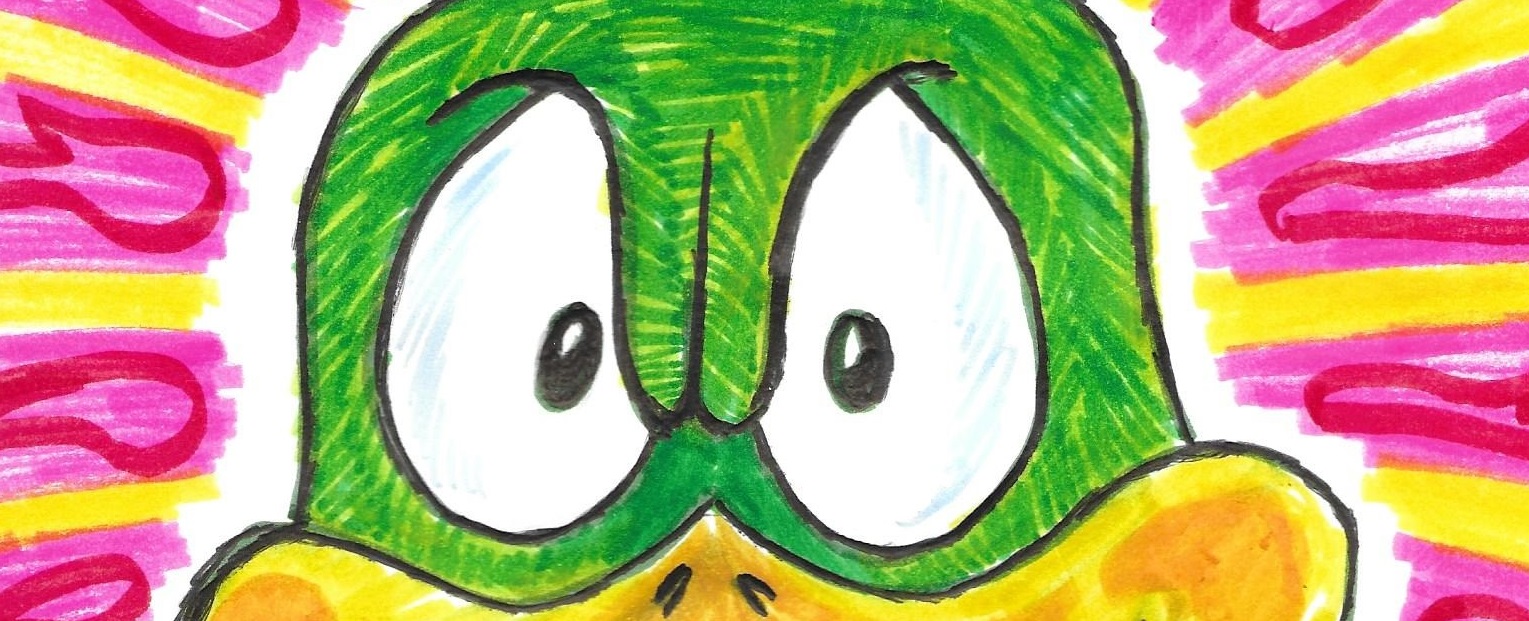
Yes, the universe was not formed in a big bang. It hatched from an egg. And God is the Ultimate Mallard.
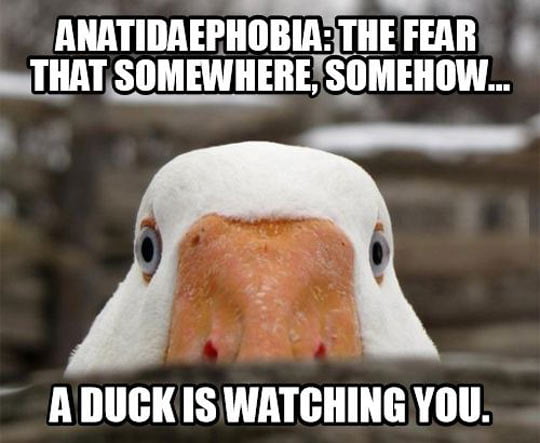
Anatidaephobia (pronounced anna-tidy-phobia) is a pervasive and irrational fear that you are being watched by a duck. A person with this rare phobia fears that somehow, somewhere a duck is watching their every move.
This phobia about being watched by a duck may seem like a strange basis for forming a new religion. But I may have had an epiphany as a child when a goose at Deer Farm Zoo stuck his neck, head, and beak of retribution out through a hole in his chicken-wire cage and nearly nipped me in my five-year-old neck. That epiphany led to recurring nightmares about being chased by a duck with large white teeth that looked like he had bad human dentures in his bill.
This I tended to interpret as a sign that I was facing a big decision about what I would attempt to do with my young life, and would do it wrong.
Ducks in the farmyard, you see, are temperamental, often impulsive, and randomly violent. They will punish you for sins you did not know you were committing.
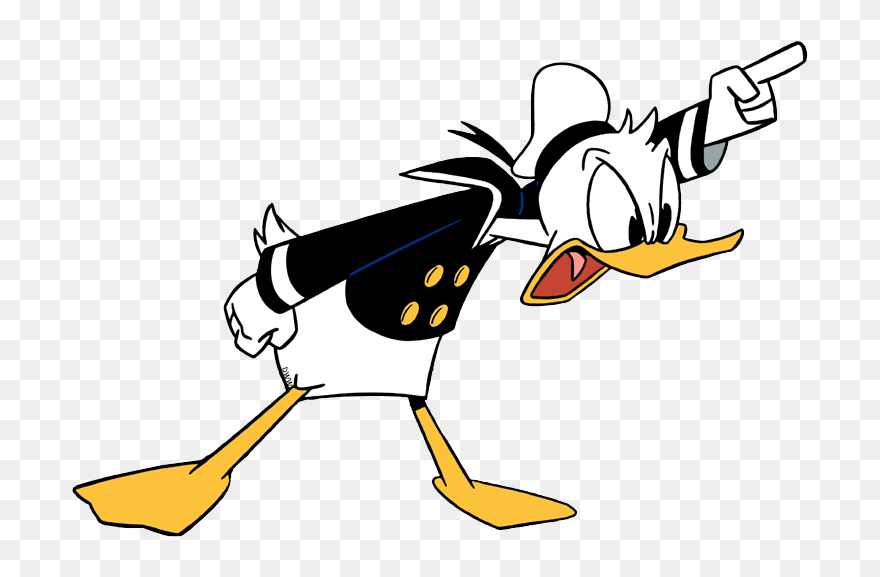
So, in this Quackatoon faith in judgmental ducks who are constantly watching our every move, thought, and deed, we should be taking Saint Donald Duck as our role-model and guide. When we see sin and wrongness in the world we are watching, we must dissolve in incoherent rage. Point your finger. Shout things that no one understands. Get the world’s attention. Confuse them completely. And get them to wonder what they did to make you so rage-filled and dangerously aggravated.
Then, hopefully, they will realize their sin and immediately mend their ways. Or at least, rearrange their feathers.
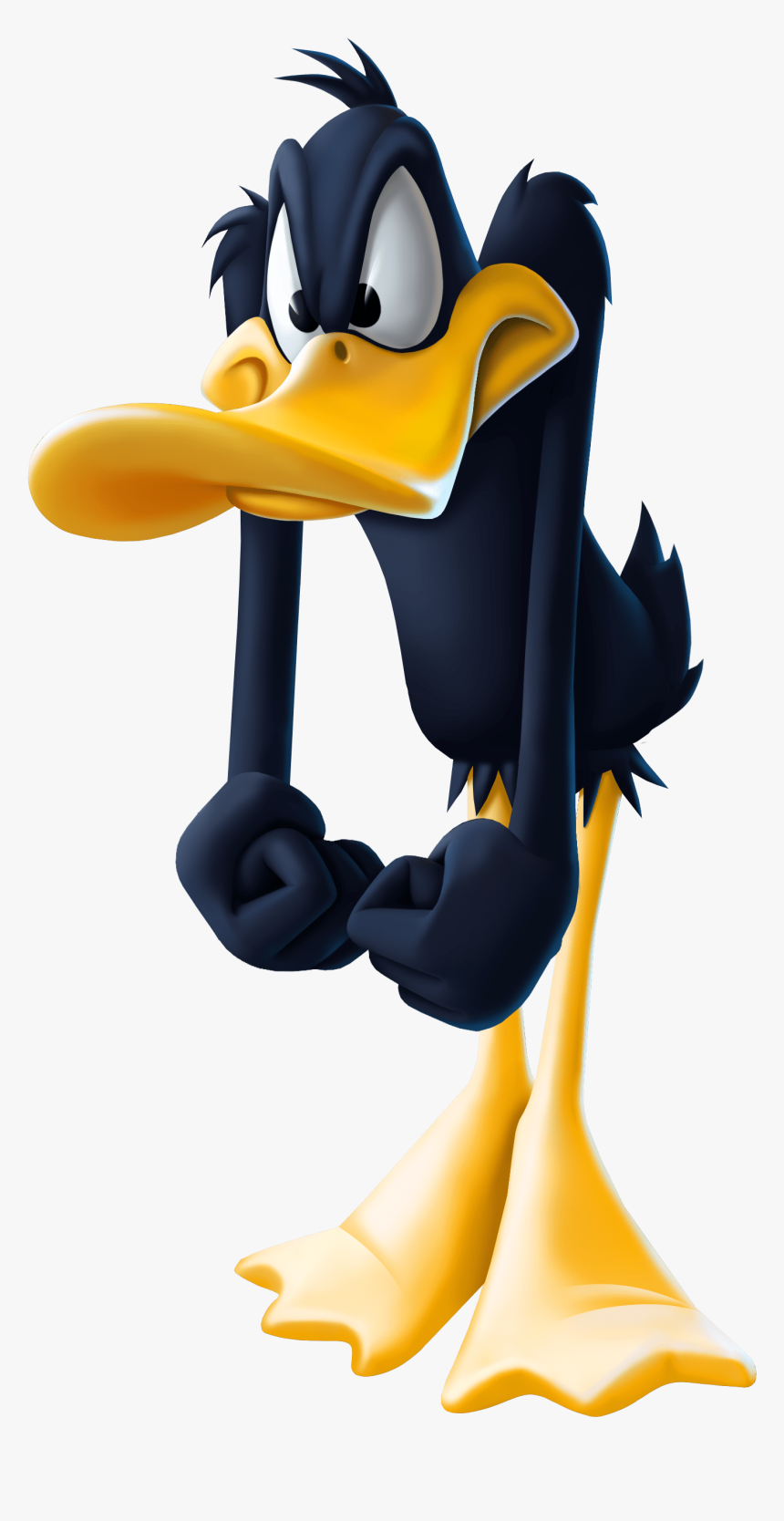
Or we can rely on the incompetent vengeful wrath of Saint Daffy Duck to see the unrighteousness in the rabbits of the world around us, posting Rabbit Season signs everywhere, and getting his duckbill blown off via the shotgun of a nearby Elmer who has been tricked into thinking ducks are rabbits.
Well, that might not be the most efficient prosecution of God’s will on Earth. But at least it will leave us laughing. And who can sin who is laughing that hard?
At this point in trying to establish this new religion, I should probably be talking about financial matters. Where you can send donations to the Church of Perpetual Quackers? Will there be t-shirts with religious slogans like, “You’re Driving Me Quackers!?” Do we still bring deviled eggs to church socials?
But I can’t talk about that right now… a duck is probably watching.
There is considerable evidence that I am not a totally normal human being, or as Danny Murphy used to say “A normal human bean”. Danny is, by the way, a character in several of my novels, including Snow Babies and When the Captain Came Calling. He did the complete Circle Streak (running around the entire high school campus buck naked in a huge and chilly circle) more than once. And he was based entirely on one of my high school classmates and friends. That bird-walk about streaking is an example of the kind of quirks I am guilty of when I am being totally not-normal. I am now entirely off topic and must pull it back to defend myself by saying, “Nobody else is a totally normal human bean either!”
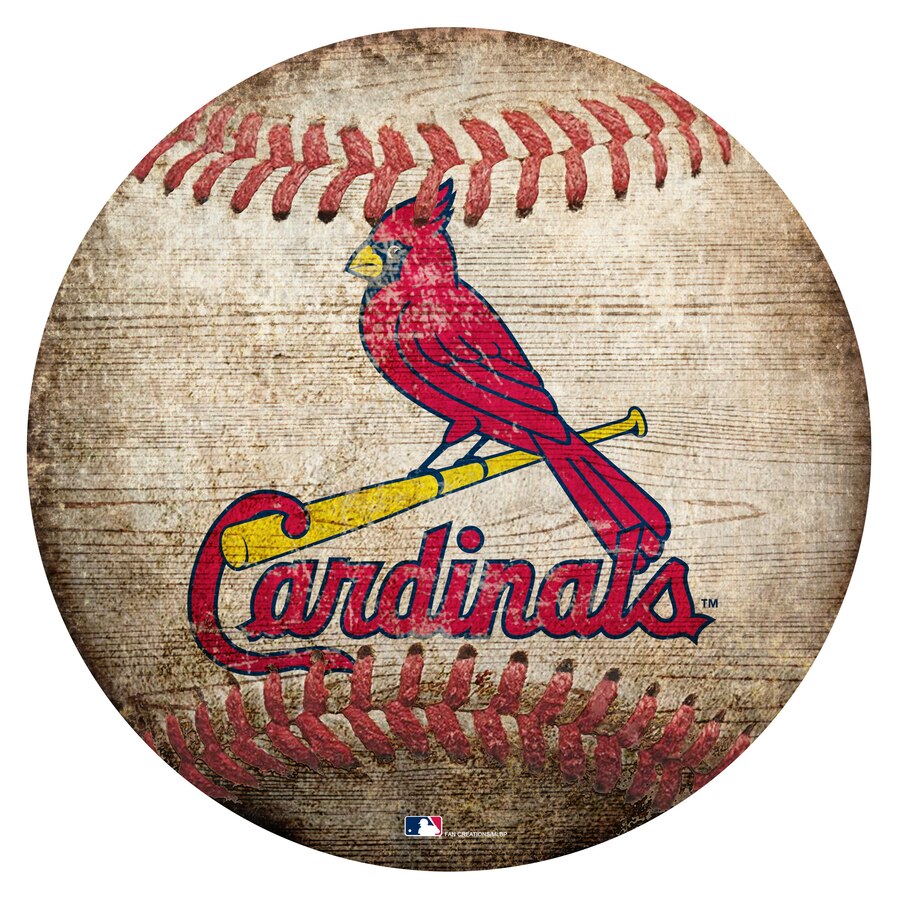
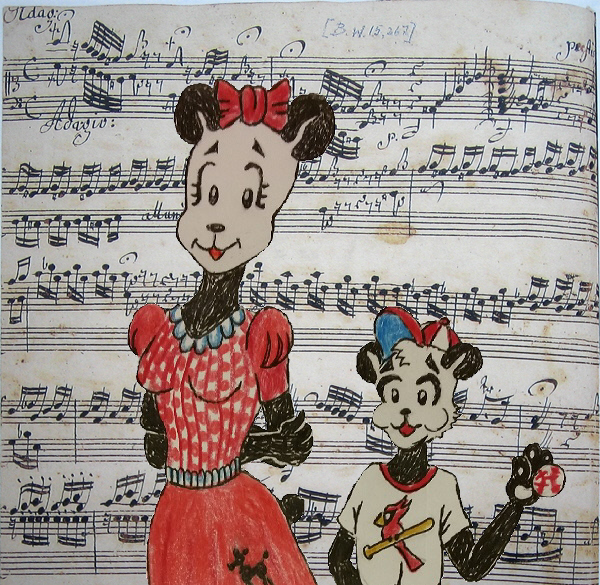
Among my many quirks and oddities is my love of baseball and slavish dedication to the St. Louis Cardinals baseball club. My favorite World Series memories are from 1934, 22 years before I was born. Dizzy Dean was a 30-game winner pitching for the Cardinals. Joe “Ducky” Medwick was their star hitter, and in the 6th inning he hit a triple and slid hard into the third baseman with his cleats up (a trick learned from former Detroit Tiger Ty Cobb) and the Tiger fans lost their cool in a big way (they were behind 9-0 at the time in the deciding 7th game). They began throwing things at Joe as he tried to play left field. He nearly missed an easy fly ball because somebody threw an orange and almost hit his glove. It is the only time in baseball history that a baseball commissioner had to eject a player from a World Series game for his own protection. (Needless to say, I love to hate the Tigers.)
I also love all the other ten times the Cardinals have won the Series, and I am proud of the eight times they nearly won besides.
Another of my odd quirks is a love of nudity in spite of my skin condition that prevents me from comfortably being a nudist. I first encountered nudism in a clothing-optional apartment complex where my girlfriend’s sister lived in Austin. I went from being shocked almost to apoplexy, to my girlfriend’s overwhelming amusement, to rejecting a chance to try nudism in the late 80’s, to actually spending a day at a Texas nudist park in 2017, and really enjoying the experience. My children are mortified.
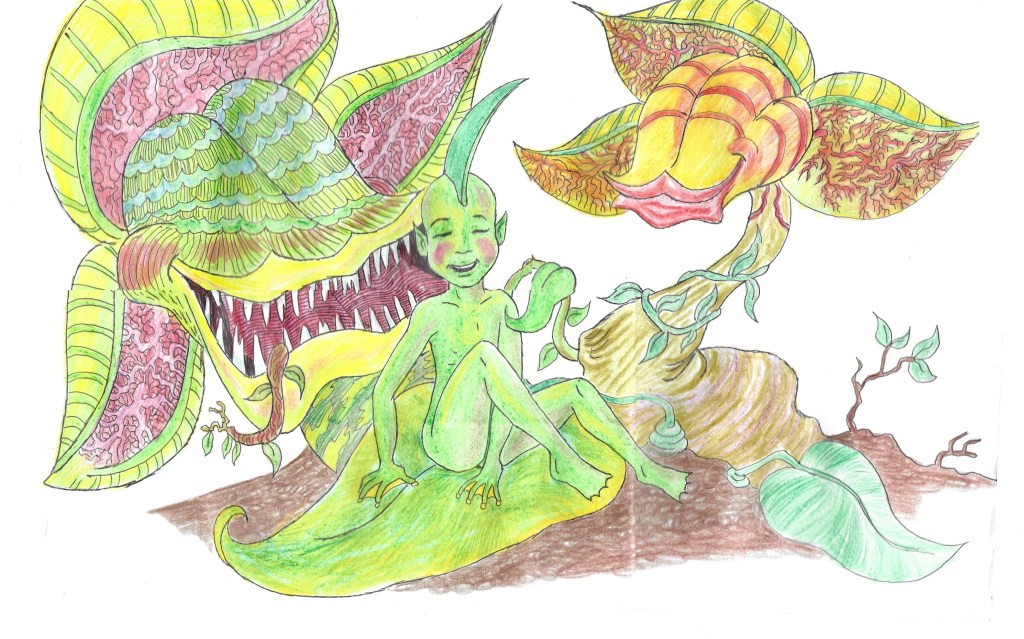
And this quirk affects my fiction. I have some characters in a few of my stories based specifically on nudists I have known. I also wrote an entire novel, A Field Guide to Fauns, about a boy learning to live with his father and step-mother in a residential nudist park. Additionally, I have irrationally tried to use the word “penis” in every novel I have written. I only failed to do so when some editors insisted on its removal. So, I believe I may be 12 for 16 on that score. (14 of 24 as of this posting in 2025)
But this particular quirk, no matter how totally embarrassing my children find it, is not a sexual perversion. I don’t write porn. And, as a survival matter after being sexually assaulted as a child, my nudity fixation has helped me to accept that I am not evil and unworthy when I am naked. My attacker had me convinced otherwise for more than twenty years.
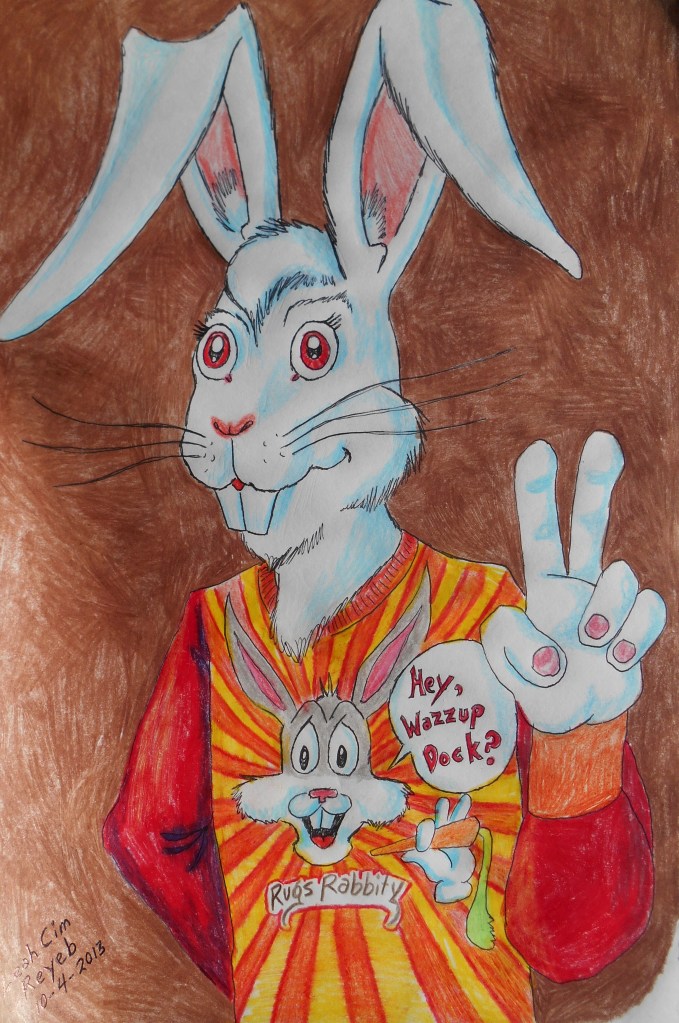
I am also an aficionado of science fiction, classical music, and a faith that tells me rabbits make better people than people do.
My books are divided, for the most part, into Cantos instead of Chapters. This is because of my love for Classical Music and my dedication to the weird notion that novels should be more like epic poetry. Not necessarily written in verse, though if I ever get to write Music in the Forest, that one is written as poetry.
But paragraphs need to be written as purely poetically as perfect white pearls that are poetically pearly.
But as poetry, my tendency towards comedy rather than drama or tragedy, leads me to write purple paisley prose (like all this p-word nonsense) which makes my paragraphs more Scherzo than Nocturne, Sonata, or Symphony.
While researching alien invasions for the novel Catch a Falling Star, the story of when aliens from deep space tried to invade Iowa, I came across internet information that ignited another quirky passion of mine, studying conspiracy theories. And it isn’t all just a plot to embarrass my children in front of people we know in real life. Although that is a definite side benefit. But conspiracies are an excellent source material for making humor. Comedy gold. Knowing who people like Alex Jones, David Icke, and Jesse Ventura are, gives me not only easily ridiculed personalities to make fun of, but also windows into thinking habits that may or may not turn up some real anomalies in the world of science and so-called historical fact. For instance, I can credibly argue that there is more to the Roswell Crash story than the government is willing to tell us about, and Lee Harvey Oswald did not kill JFK by himself, if at all.
And besides, my boyhood friend Robert was part of my small-town gang when we fought off the alien invasion in the 60’s, and he told me on Facebook that he remembered when that happened. Good old Bobby. He really likes beer and alcohol.
And I could go on like this for an entire book’s worth of silly jabber. But this post has to end for today. This blog, after all, isn’t the only quirky and crazy thing I have to attend to.








Holding Patterns
Sometimes you have to fly in big circles waiting for terrible things to pass. If you don’t wait… if you rush in unprepared… then you go down in flames.
The problem started with two molars whose expensive crowns both broke during the pandemic. I went to a Vietnamese pirate dentist who extracted both ruined and infected molars. tortured me heavily during the three-week procedure and extracted $4000 out of my pocket because I had no dental insurance. That was followed by a trip to the ER for a kidney-stone crisis, a matter of $65 out of pocket, thanks to the $185 a month I pay for Medicare. And two months later, another trip to the ER for a deadly low heart rate resulted in a week in the hospital, a surgical implantation of a pacemaker, and finally another trip to the ER after getting out of the hospital due to dehydration. The out-of-pocket cost of the hospital will be only $500, thanks to Medicare. Of course, President Pumpkinhead may kill Medicare, too, before I actually get the bill. It is expensive in this country to become poor. And if you are poor, you have no other option. At least, if I can manage three more bankruptcies by the time I’m 70, I will be qualified to run for president.
Life is definitely a lot like Moose Bowling. It is a simple game. In order to win, you only have to knock down all ten pins in one throw. The hard part is that you have to throw a moose to knock the pins down. Did you know that the average weight of an adult moose is 1800 pounds, or 820 kilograms? That’s a lot of moose meat to fling with my arthritic 68-year-old moose-throwing muscles. My flabber is totally gasted by that.
So, as I swiftly rise from prosperity to poverty, the ultimate fate of most old school teachers, it is probably a good thing that I have decided to become a nudist. At least I will save money on buying clothes.
Leave a comment
Filed under angry rant, autobiography, commentary, feeling sorry for myself, humor, Paffooney
Tagged as alaska, canada, hiking, nature, travel