
I am aware that nobody who looks at my blog ever clicks on my videos. This one, however, would be very useful if you are really going to read and engage with this essay. This self-reflection came into being as a response to watching this video. The video talks about how most people can’t stand to actually sit alone in a room with only themselves. And it has an impact. I have claimed in the past to being a devotee of the Theodore Roethke maxim, “Being, not doing, is my first love.” But how does one go about becoming truly self-aware? How does one enumerate the concept of “being”? I believe I can do it, but it requires a bit of self-examination. How do I do it?
Let me count the ways…
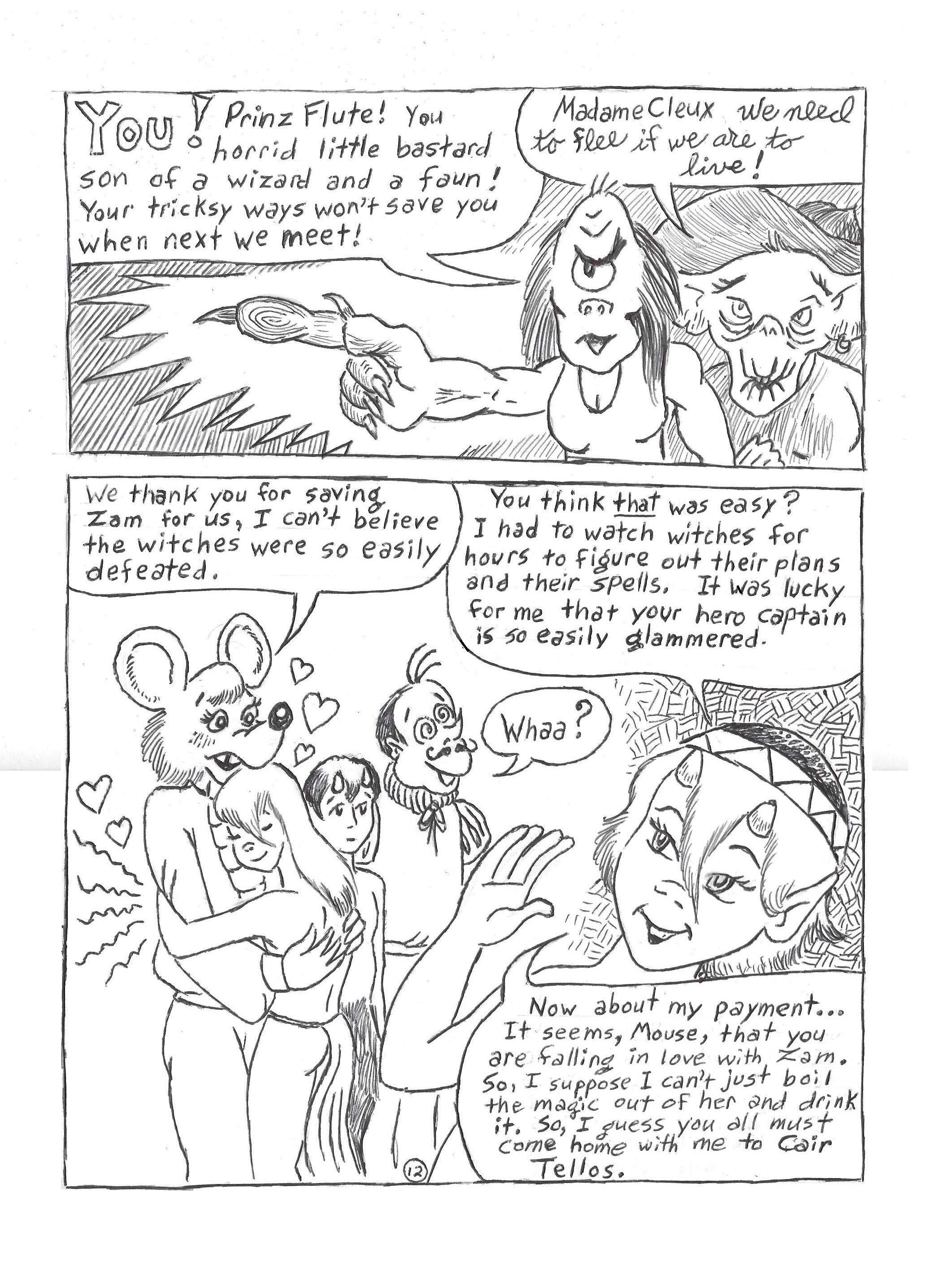
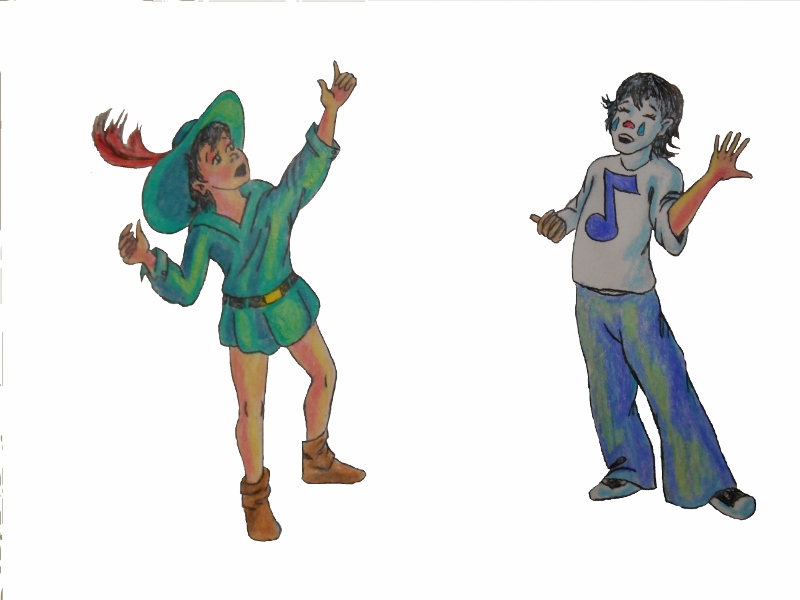
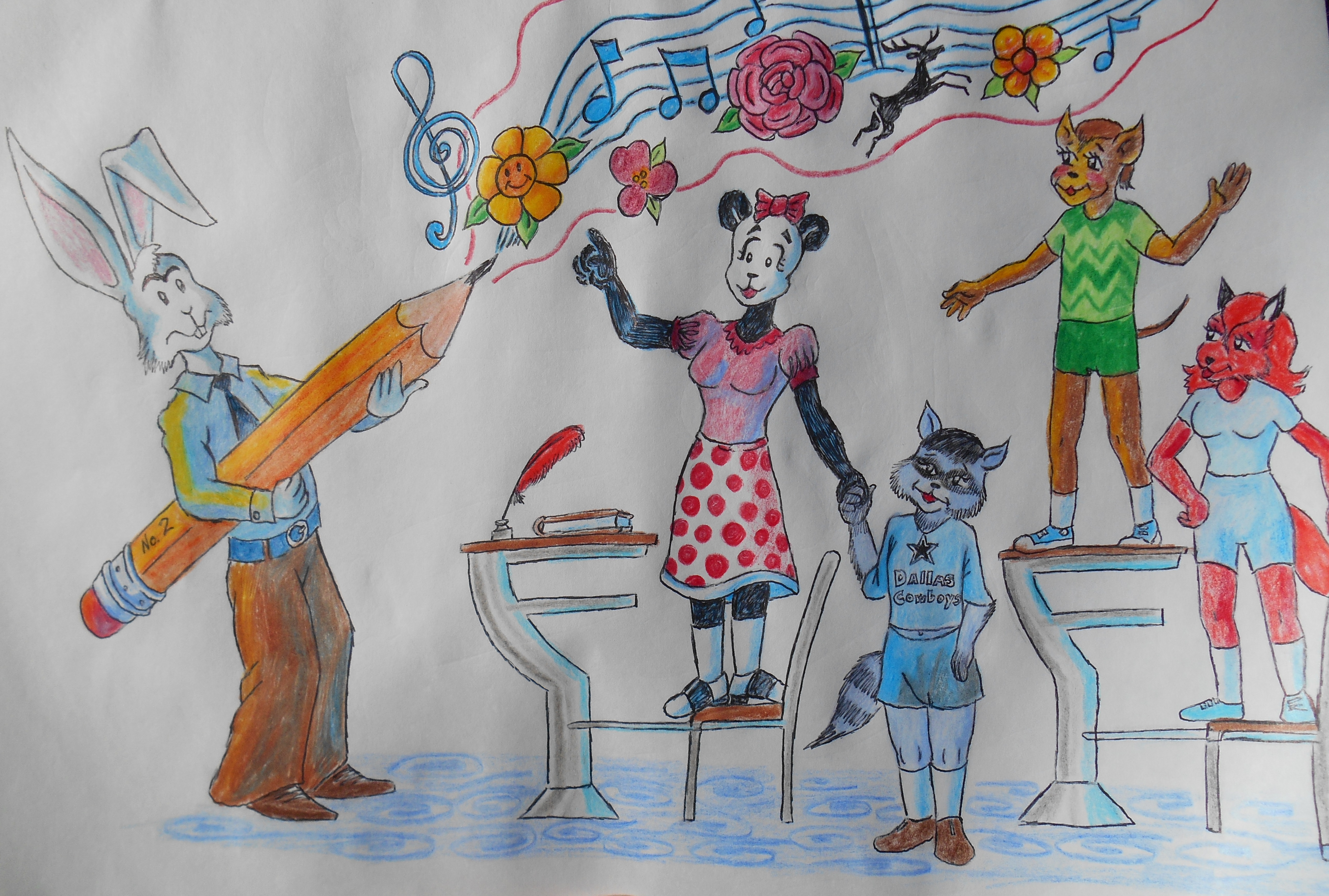
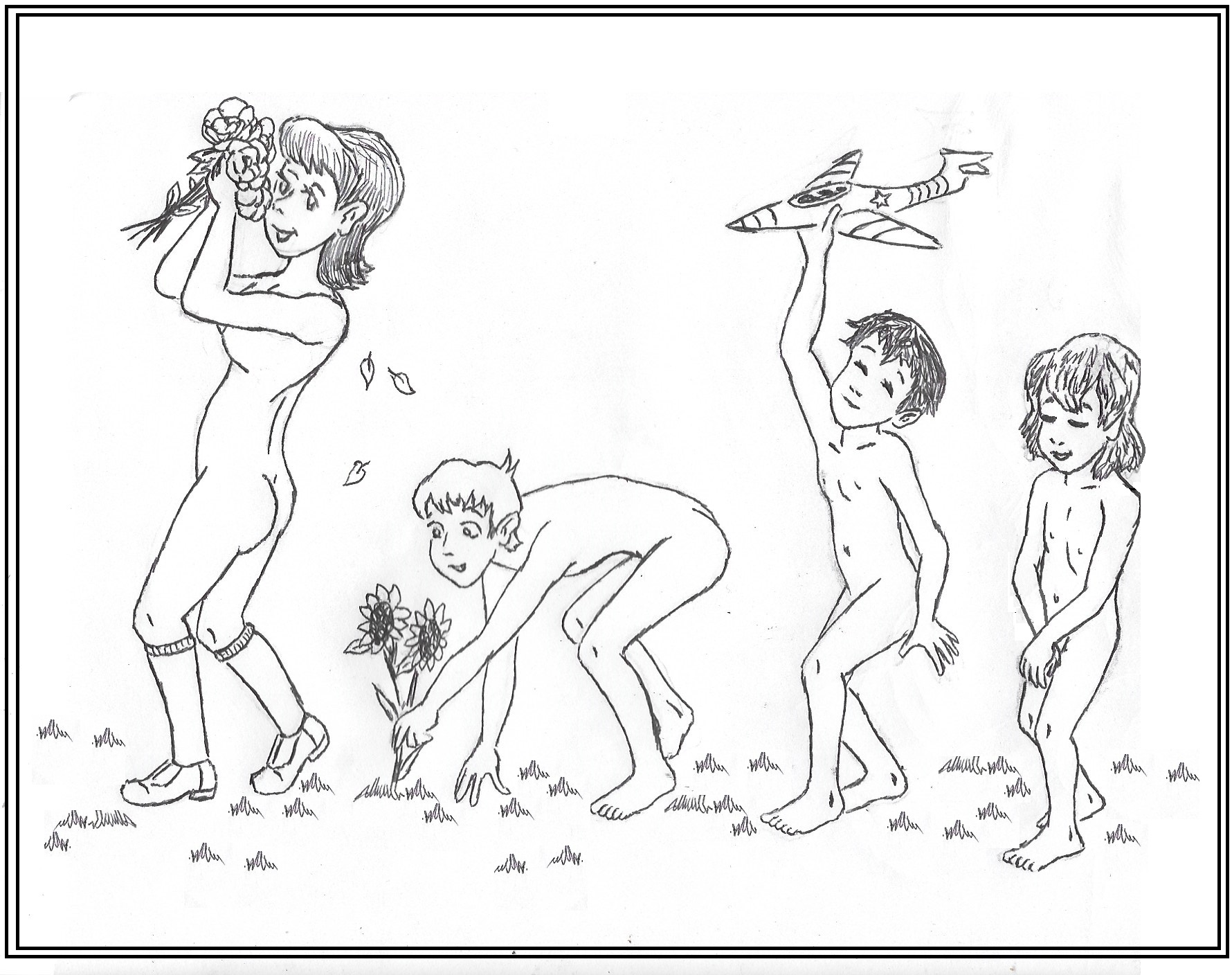
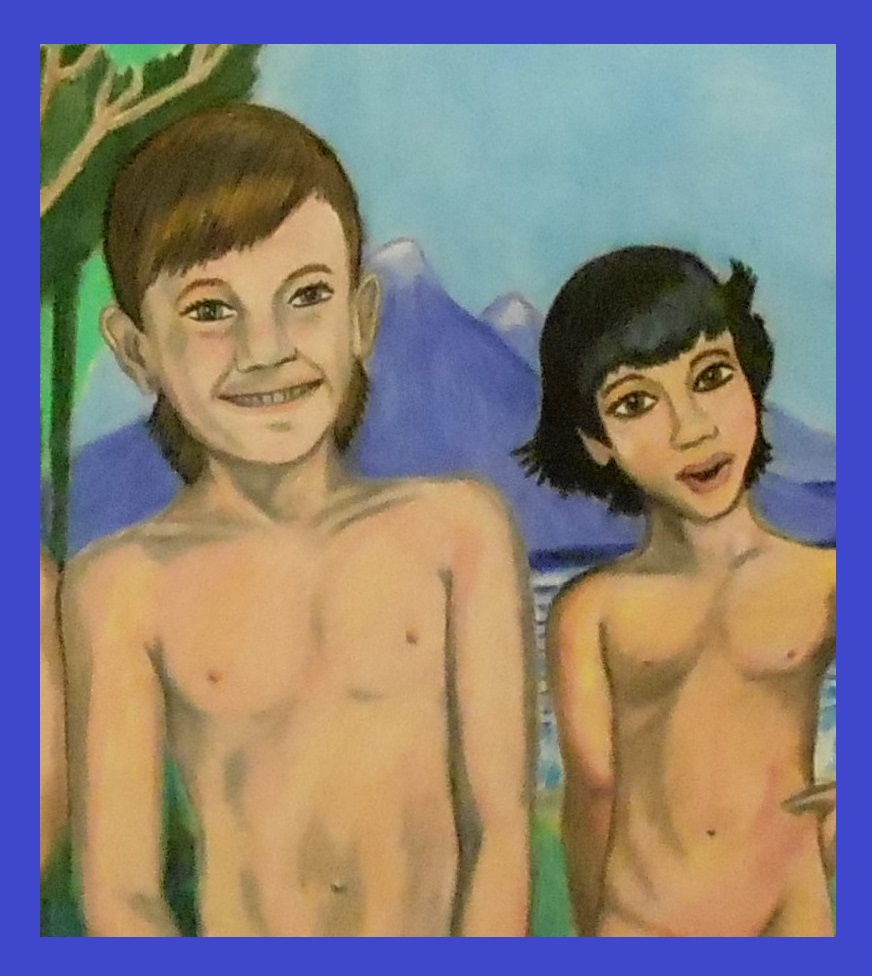
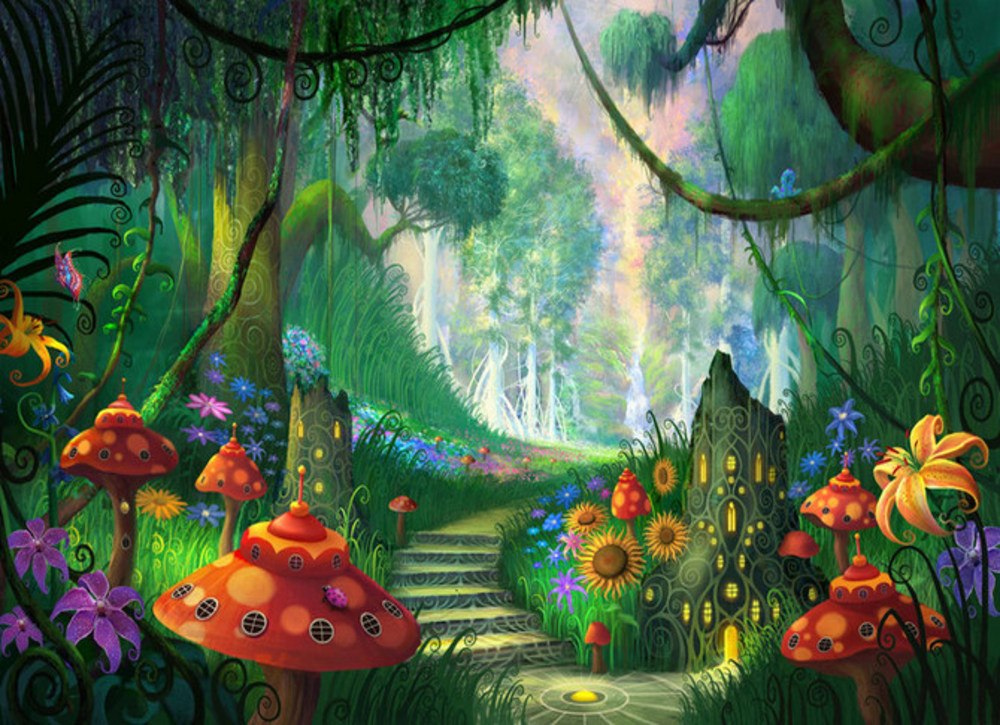
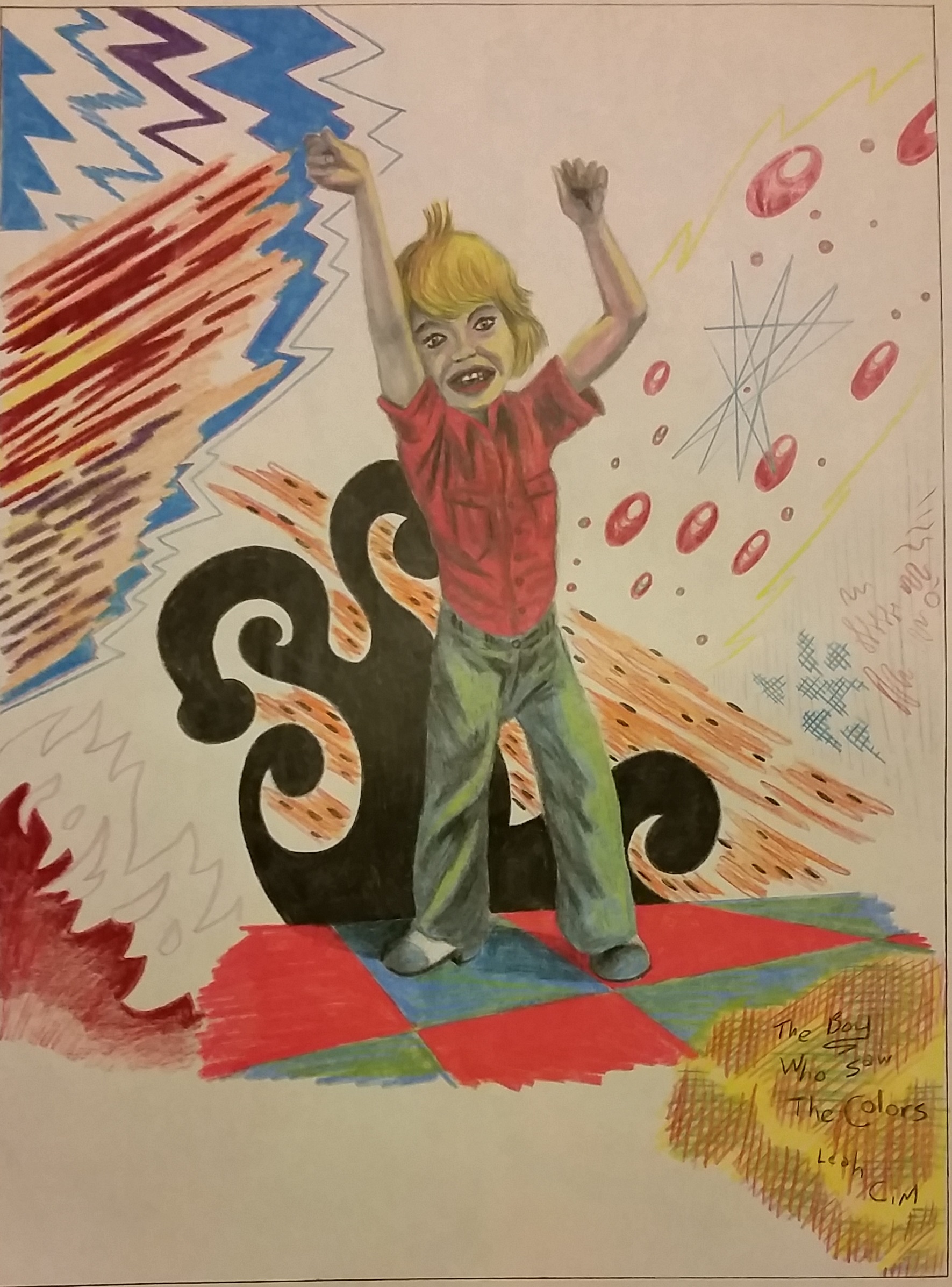
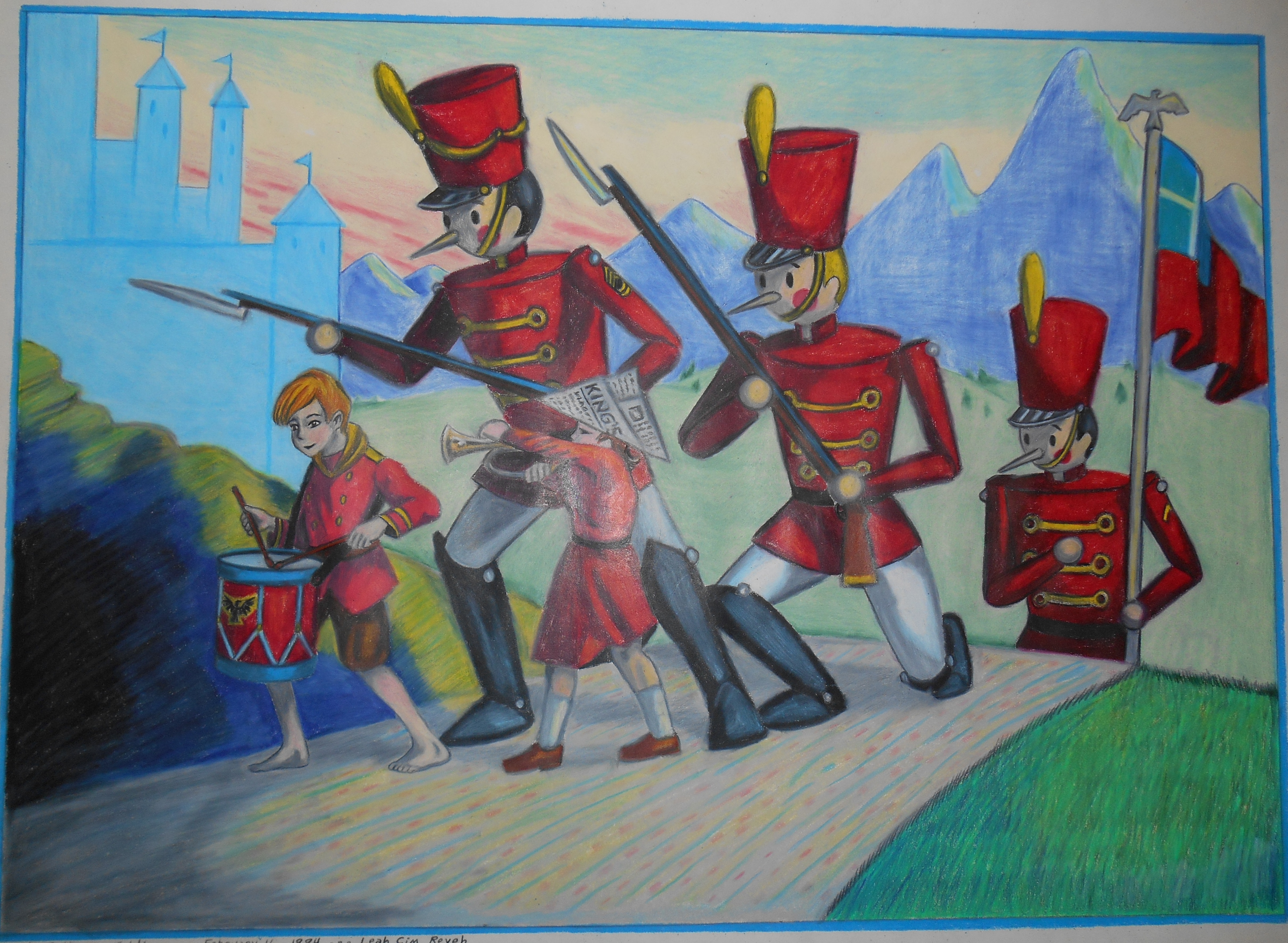
I find myself in both the written characters I create and the cartoon characters I draw. In Hidden Kingdom, my graphic novel, the Mouse and young Prinz Flute are both me. I can see myself both as the reluctant romantic hero and the snarky child-thing with a dangerous little bit of wisdom.
I learn to know more about my secret heart and what I truly think about the world I live in and react to by writing about what I think and the things that happen to me, both for good and ill. This blog is all about learning about myself, just as your blog is a mirror of who you really are. Consequently, I have no secrets left.
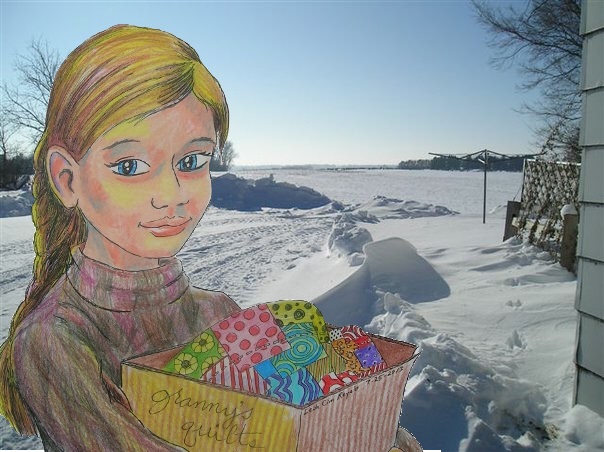
I live most of my life in my own imagination. It is a silly Willy Wonka world of images, songs, music, and dreams. It can all blow away in a moment when the sun comes out. It can also keep me in a light-obscuring cloud wrapped and safe, well away from the things I fear and the things that worry me. I came to realize I was repressing the memory of being sexually assaulted when I was ten through a dream when I was nineteen, re-living the event in a dream from which I awoke with a blinding flash of realization. I came to grips with the horror that mangled my childhood and young adulthood first by facing the fact that the nightmare had been real, and then by finding ways to overcome it. I became a teacher of young people in large part as a way to protect them and prevent such a thing from ever happening again to someone else.
I often worry that I don’t see real people as being real people. I tend to think of them from the first meeting onward as potential book characters, walking collections of details and quirks, conflicts and motivations. But I recognize too that that way of seeing with the author’s eye is not incorrect. People really are those things. There are rules and generalizations that everyone falls under at some point. It is not so much that I see real people as book characters as it is that I realize that book characters are as real as any other purportedly “real” people.
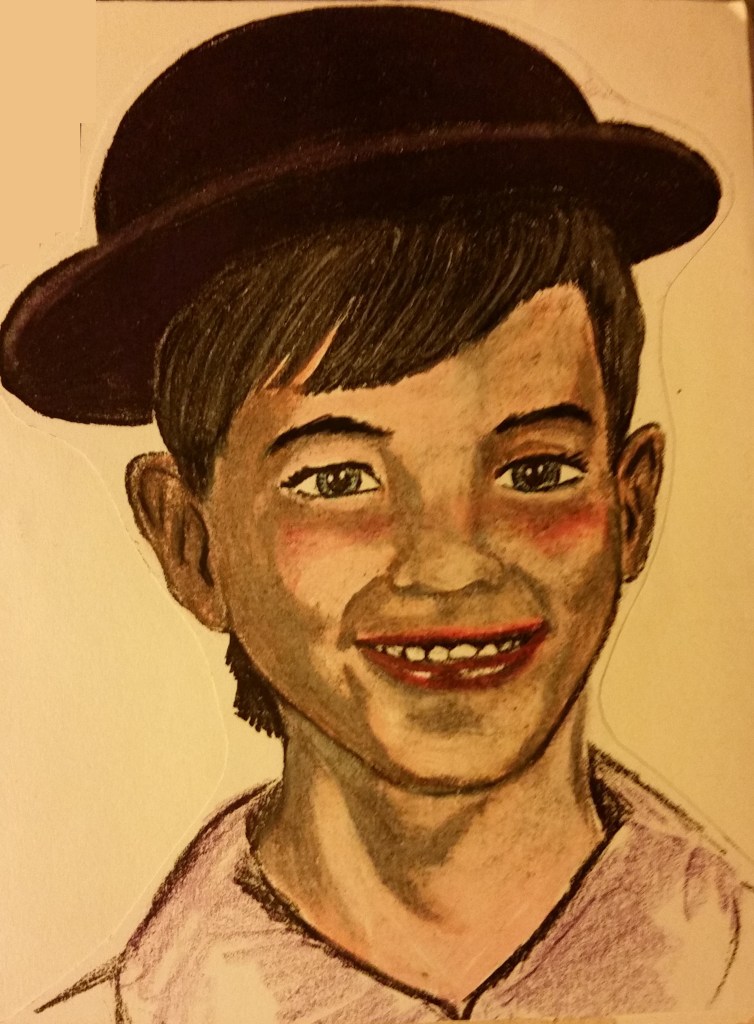
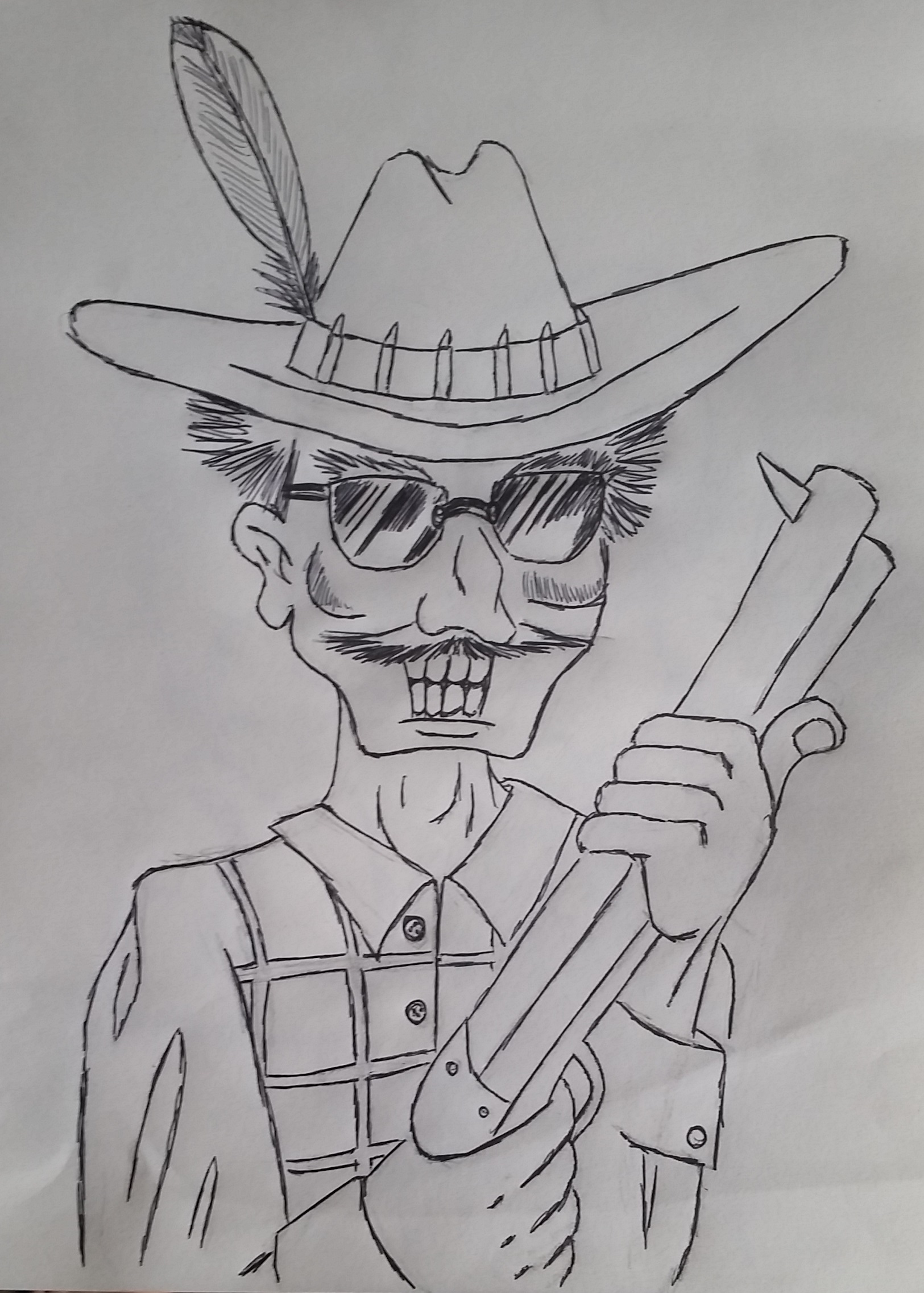
I am myself both the subject of my cartooning and fictionarooning, and the cartoon character of myself as well.
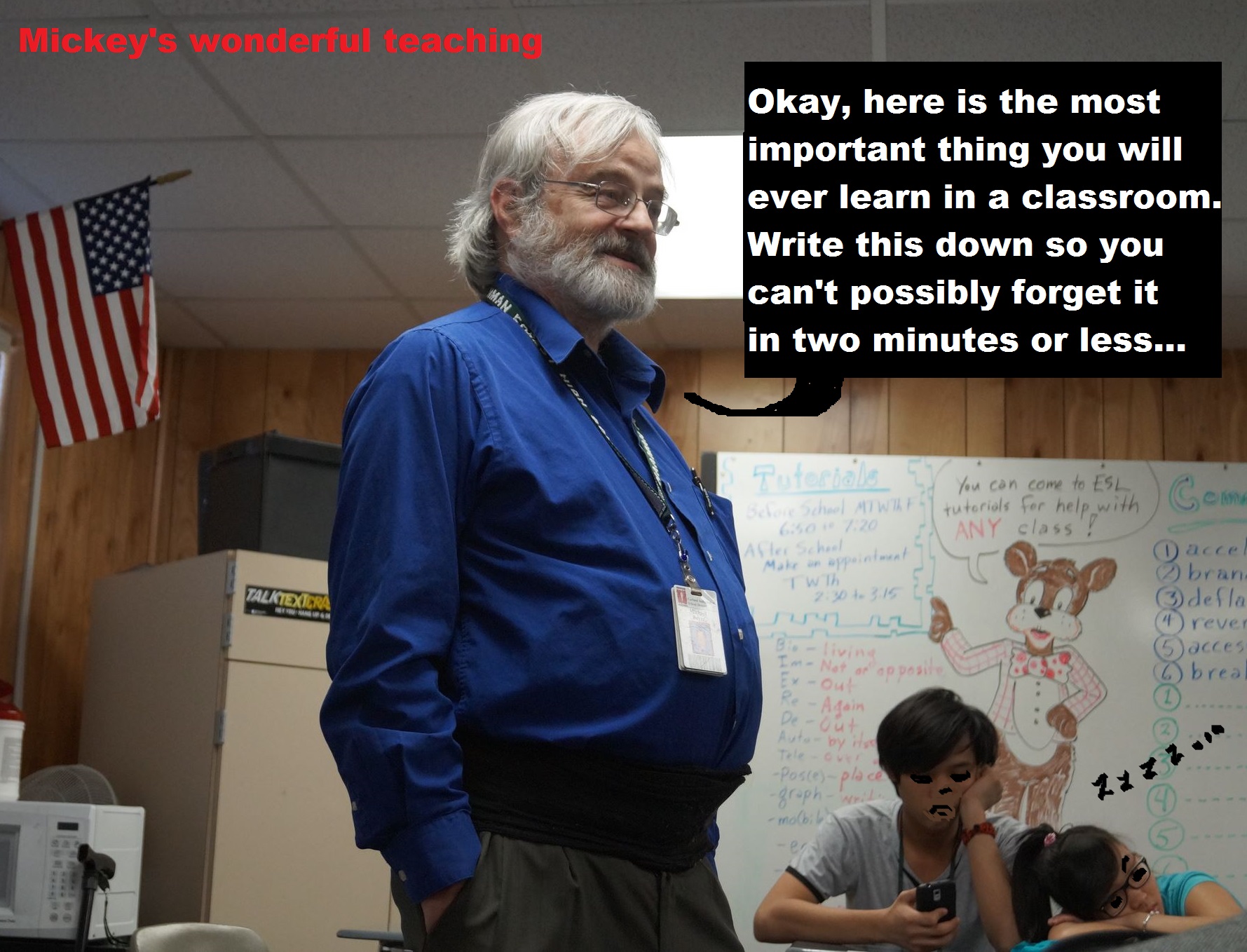
Mickey is not a real person. He is a cartoonist persona, a mask, a fake identity, and the lie I tell myself about who I actually am.
In this essay, I have attempted to explain to you who I think I am spending time with when I am alone in a room with myself. He is not such a terrible person to spend time with, this Mickey. Or else he really is truly awful, and I am lying about me and who I think I am when I am alone with me and have no other options. But probably not. I have been getting to know me for about 562 years, only exaggerating by 500, and I am not finished yet.











Why Mickey Writes
If you are wondering, “How in the Heck can Mickey write nonsense like that essay he wrote yesterday?”, then please be aware that Mickey is pondering that same question.
Seriously, why would a writer publish personal thoughts and allude to personal tragedies? Especially when they are about things that once upon a time nearly killed him? (Please note that when Mickey starts a sentence with “Seriously” it is probably about to lead to a joke, the same way as when Trump says, “Believe me” we should assume he is telling a lie and knows it.)
The answer is simply, writers write stuff. They have to. If they didn’t, they wouldn’t be writers.
It is really not something to do to earn fame and fortune. Fame and fortune happen to rare individuals like J. K. Rowling and Steven King… and even Stephanie Meyer, to prove that it is totally random and not based on actual writing talent… except for sometimes.
You write to get your head right about bad things that happen in life. You find that factor in Mark Twain whose infant son died, as well as most of the rest of his family, before him, forcing him to face survivor’s guilt and the notion that life is random and death does not come for you based on any kind of merit system. Charles Dickens wrote about the foibles of his father, on whom he based the David Copperfield character Wilkins Micawber, a man who was overly optimistic and constantly landing in debtor’s prison because of it. He also wrote in his stories about the women he truly loved (who were not, it seems, his wife) one of whom died in his arms while yet a teenager. Dickens’ amused take on the innate foolishness of mankind gave him a chance to powerfully depict great tragedies both large (as in a Tale of Two Cities) and small (as in Oliver Twist). I wrote yesterday’s post based on the connection between the nudity I write about in novels and my own traumatic assault when I was only ten.
You write because you have wisdom, an inner personal truth, that you are convinced needs to be crystallized in words and written down on paper. It isn’t necessarily real truth. Lots of idiots write things and post them in newspapers, blogs, and even books. And it is often true that their inner personal truth is complete hogwash. (But, hey, at least the hogs are cleaner that way.) Still, your wisdom is your own, and it is true for you even if some idiot like Mickey reads it and thinks it is only fit for cleaning hogs.
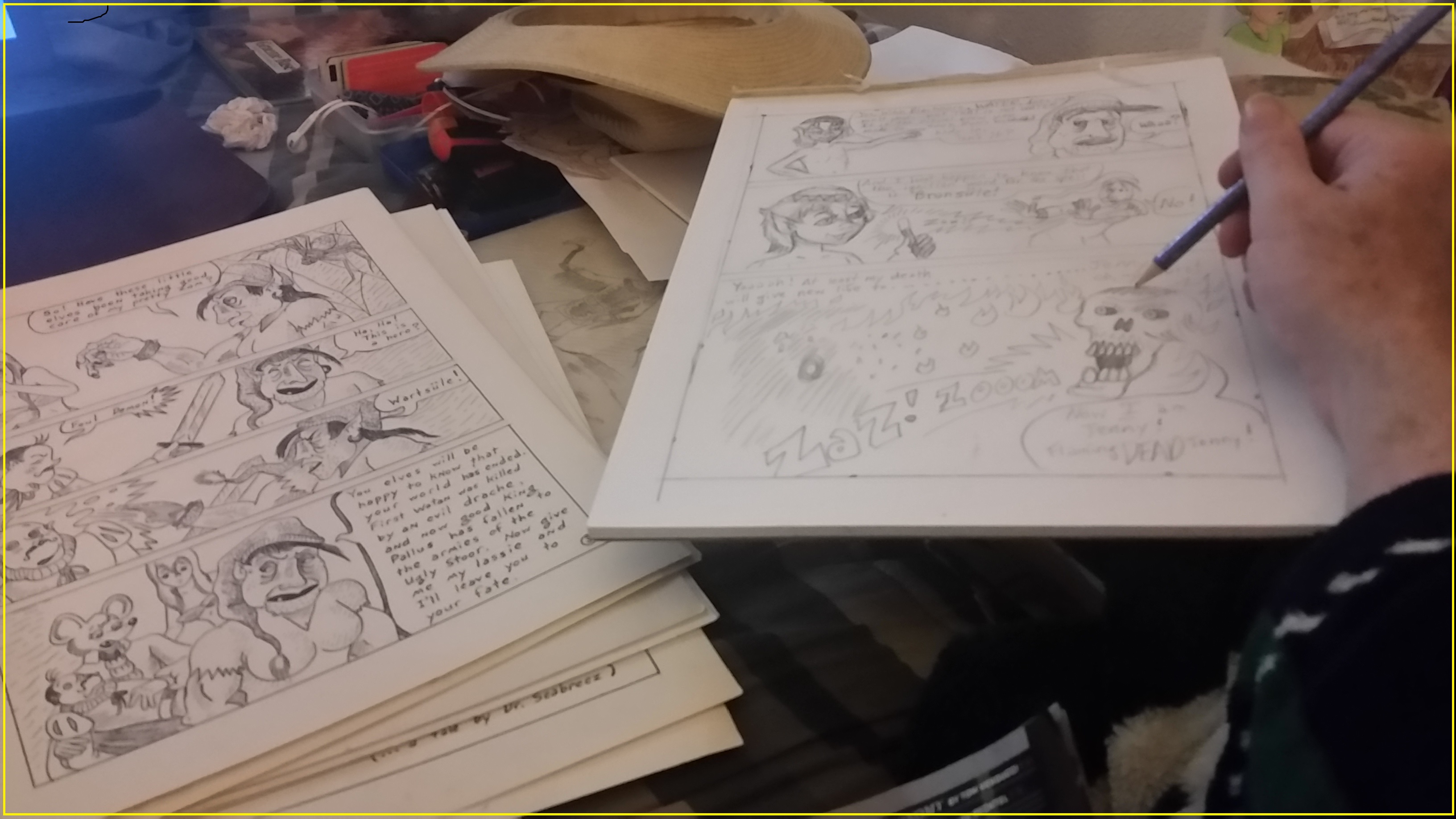
And you truly do have to write. If I did not write my stupid, worthless novels, all the hundreds of characters in my head would get mad and start kicking the pillars that hold up the structures in my head. I do have structures in my head. My mind is organized in boxes that contain specifically sorted ideas and stories and notions. It is not a festering stew pot where everything is mixed together and either bubbling or boiling with hot places or coagulating in the cold corners. (That is how I picture Donald Trump’s mind. It is certainly not an empty desert like many people think, because deserts don’t explode all over Twitter early in the morning like the stew pot metaphor obviously would.)
And so, I have done it again. I have set down my 500+ words for today and made a complete fool of myself. And why do I do it? Because Mickey is a writer, and so, Mickey writes stuff.
Leave a comment
Filed under artwork, autobiography, commentary, humor, insight, irony, Mark Twain, Mickey, Paffooney, strange and wonderful ideas about life, wisdom, writing humor
Tagged as goofy thoughts on writing