
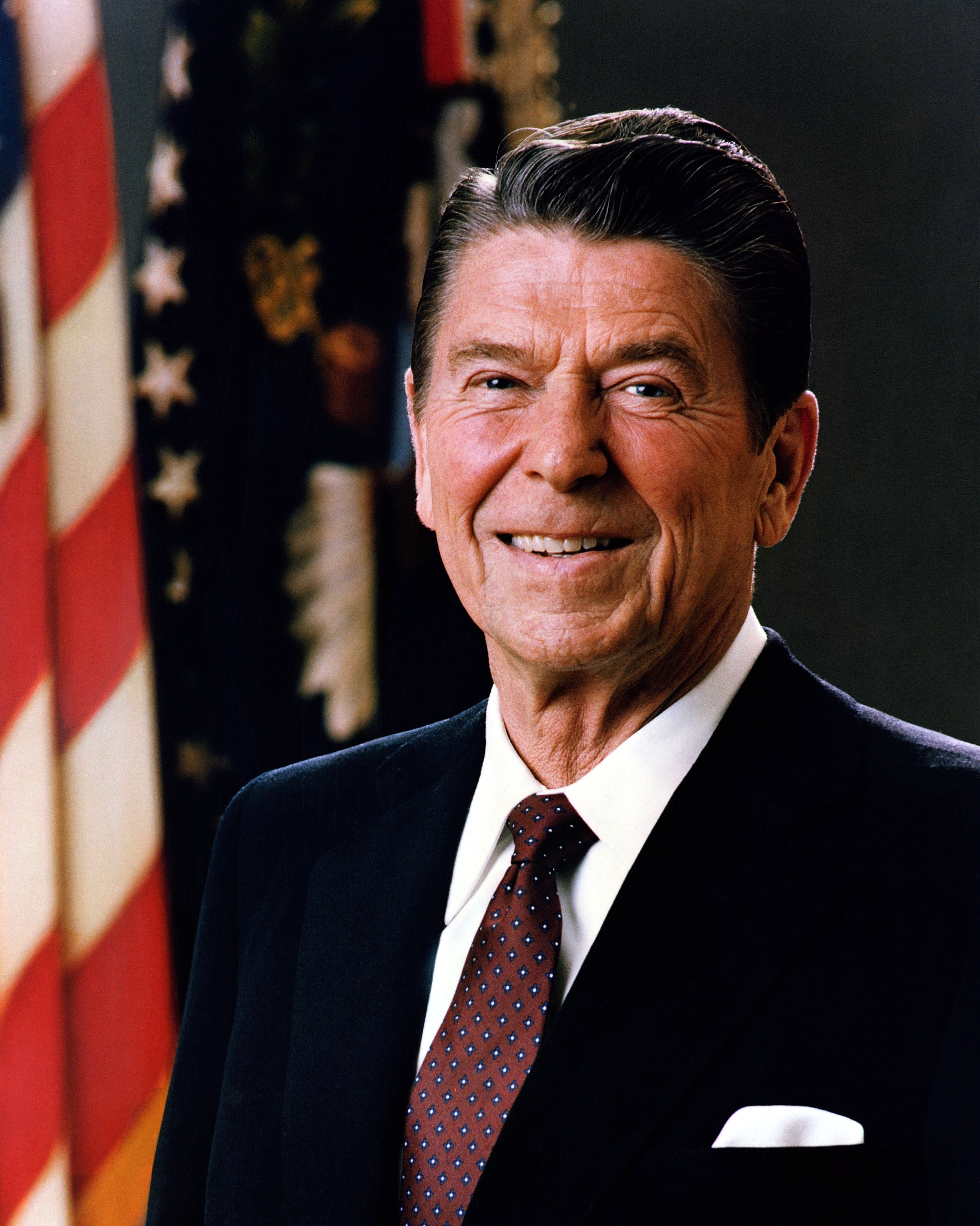
In the Republican primaries in 1980 it was Republican candidate George HW Bush who gave the old Gipper’s economic policy the accurate nickname of “Voodoo Economics.” Then when the Gipper defeated the last American President to have an administration without a war in it, that Voodoo became the things we do.
Banks became predatory, using credit card ploys to turn us into a nation of debtors where wealth defies gravity and trickles upward instead of down. To help that along, Republicans deregulated things, killed off the Savings-and-Loan industry through scandal to reduce competition. Wall Street learned to make greed good by building bubbles that allow profits to inflate them and eventually explode them. When the business moguls at the top of economic food chain went through the Great Depression (the ones who didn’t jump out of windows) they learned there are ways to turn recessions into profitable ventures for the wealthy elite. Income inequality grew fat on the raw meat of recession after recession.
And wars became a popular pastime again. Every president from Reagan onward had to manage a war they either started or inherited from their predecessor.
Gorbachev became the Premiere of the USSR. He attempted to modify Russia with Glasnost, opening up about the Russian past and the contemporary state of Russia’s economy. By opening up the ban on criticism, he caused the USSR to fall and the Cold War basically ended when they fell. Still, Republicans managed to always increase military spending, and use any excuse (in fact, making up some excuses) to declare war on somebody, especially little guys who were easy to beat up and bully. The Gipper did his happy dance and declared that Republicans had defeated evil. And stupid people gave him so much credit that two of the next three Republican Presidents got there with fewer popular votes than their opponents. And this was all okay because some voters count bigger than the rest of us.
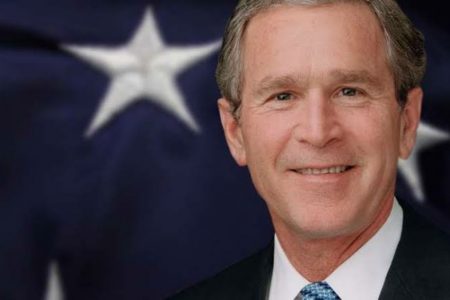
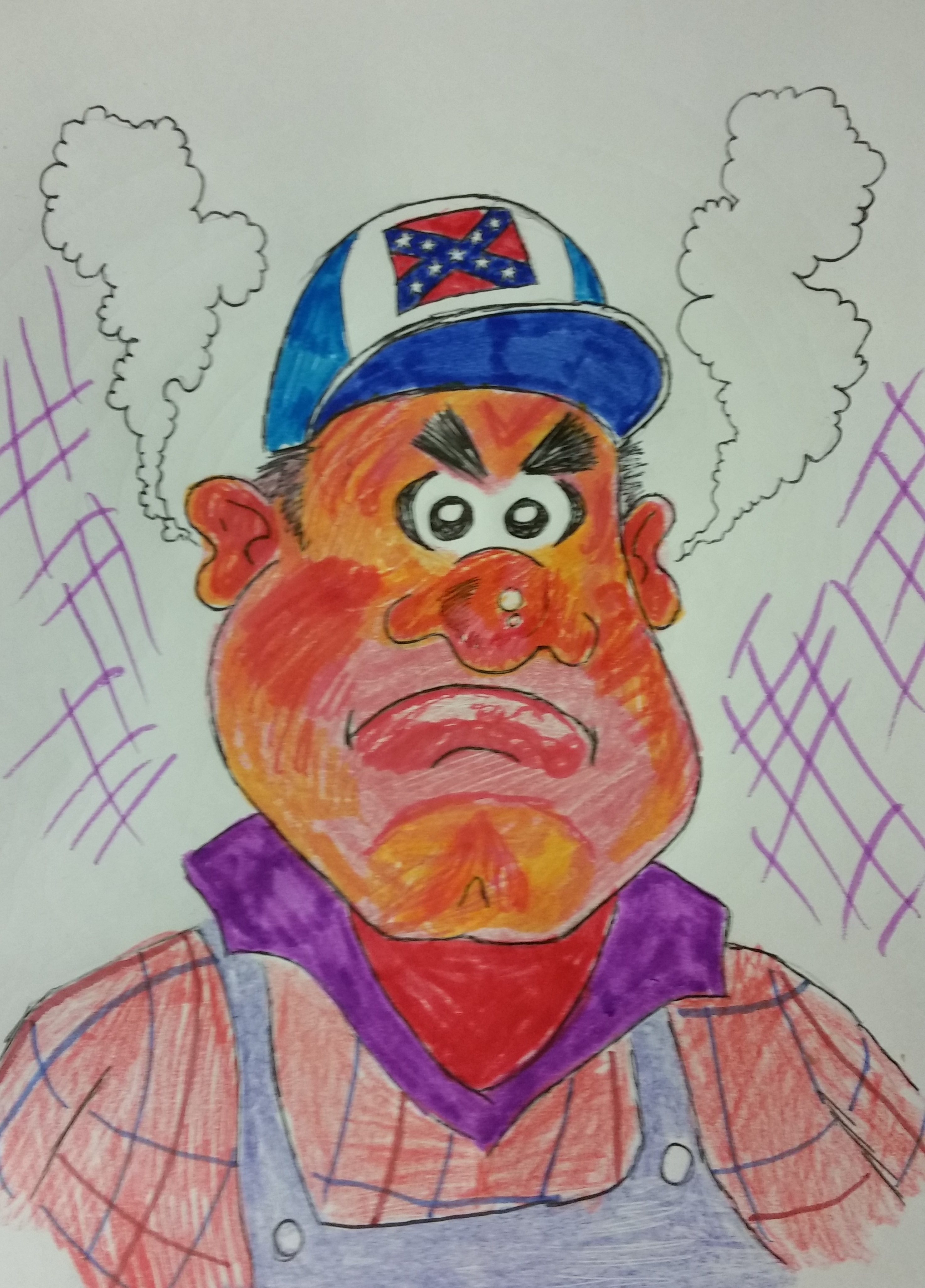
And so the era of elections being decided by angry people and stupid people who want to punish the rest of us began.
Somehow a rodeo clown from Texas who dodged serving in combat during the Vietnam War became a war President, starting two wars, one against the wrong country. The Republicans deregulated more. Corporations cut down trees in National Forests more. They burned more coal. They fracked up the place and got more oil. And they looted and polluted more and more during the time when we could’ve done something to reverse the worst of climate change. They crashed the economy again. They made more money. They left a mess in the economy for Obama to clean up. And when he cleaned it up, they blamed him for not doing it right, and even for causing it all somehow before he took the oath of office.
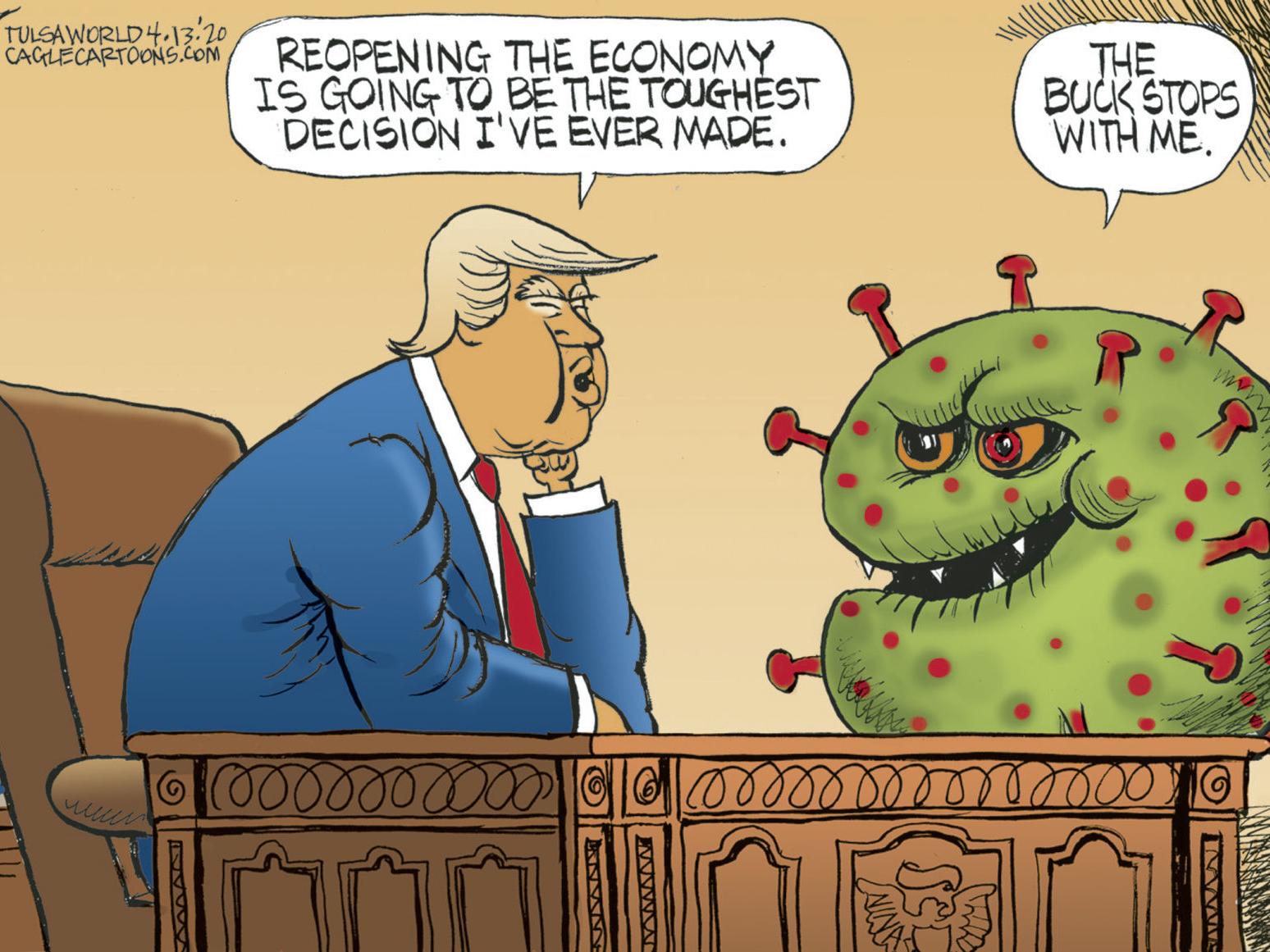
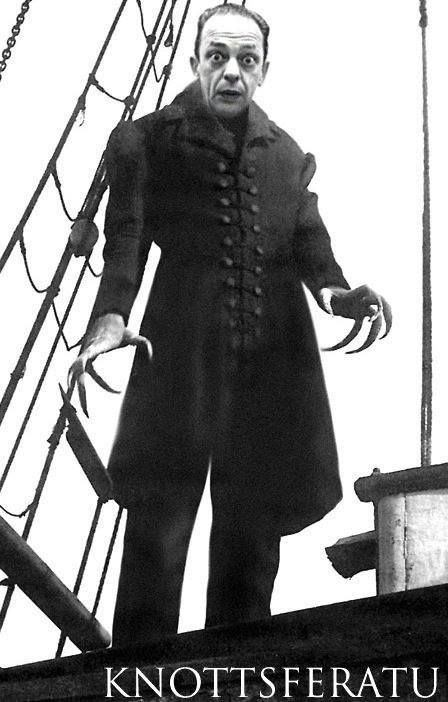
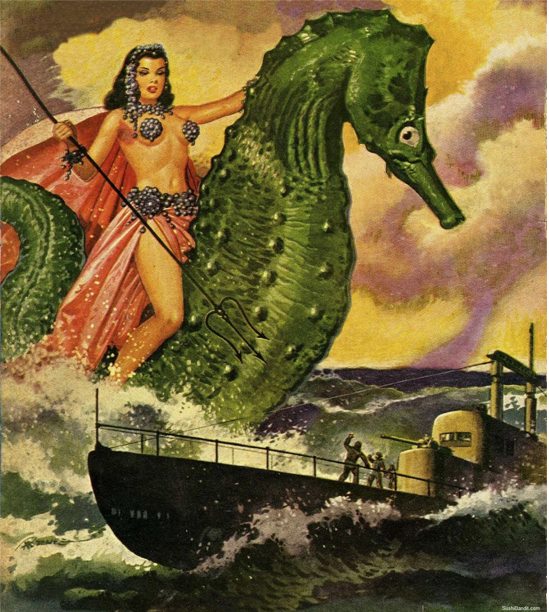
And when Obama was done, and we were hoping we could return to breathing safely in the atmosphere that was quickly overheating and being filled with doodoo smells, the angry and stupid people elected an orange guy (seen above with the green guy he tried to help destroy the world.)

And now I cannot watch the news without getting steamed, or crying over pictures of dead children in Ukraine. And all of this Voodoo doodoo is deep-rooted in the Republican poopoo, growing in horrific power and doodoo smells since the time of Ronny Ray-gun. (Why can’t Star Wars Anti-Missile Systems take out Russian missiles over Ukraine? Did we not pay enough for them?)
If you are wondering why I do less and less political humor anymore, well… It really stopped being funny.




 Catch a Falling Star
Why Mickey Writes
If you are wondering, “How in the Heck can Mickey write nonsense like that essay he wrote yesterday?”, then please be aware that Mickey is pondering that same question.
Seriously, why would a writer publish personal thoughts and allude to personal tragedies? Especially when they are about things that once upon a time nearly killed him? (Please note that when Mickey starts a sentence with “Seriously” it is probably about to lead to a joke, the same way as when Trump says, “Believe me” we should assume he is telling a lie and knows it.)
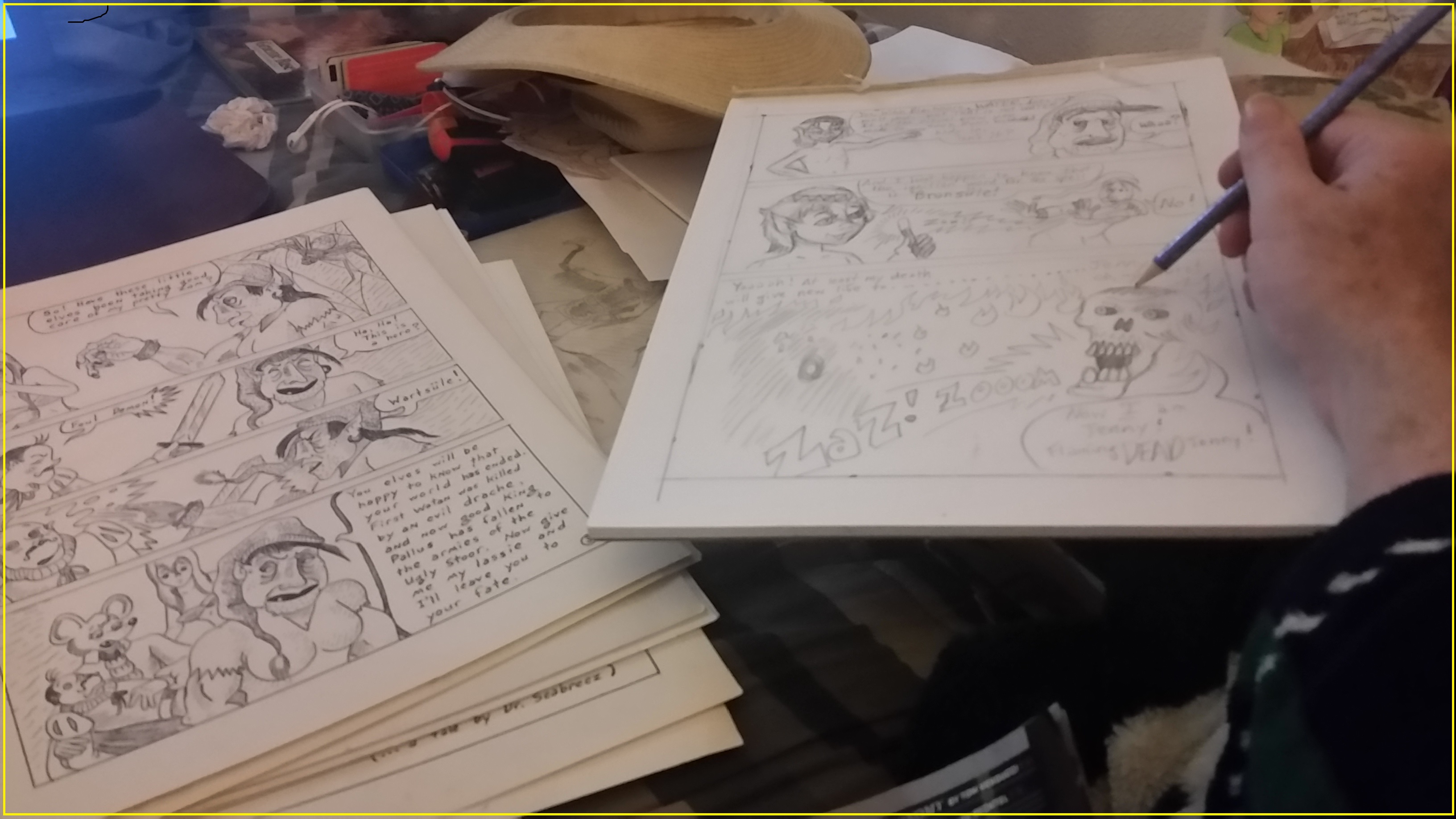
The answer is simply, writers write stuff. They have to. If they didn’t, they wouldn’t be writers.
It is really not something to do to earn fame and fortune. Fame and fortune happen to rare individuals like J. K. Rowling and Steven King… and even Stephanie Meyer, to prove that it is totally random and not based on actual writing talent… except for sometimes.
You write to get your head right about bad things that happen in life. You find that factor in Mark Twain whose infant son died, as well as most of the rest of his family, before him, forcing him to face survivor’s guilt and the notion that life is random and death does not come for you based on any kind of merit system. Charles Dickens wrote about the foibles of his father, on whom he based the David Copperfield character Wilkins Micawber, a man who was overly optimistic and constantly landing in debtor’s prison because of it. He also wrote in his stories about the women he truly loved (who were not, it seems, his wife) one of whom died in his arms while yet a teenager. Dickens’ amused take on the innate foolishness of mankind gave him a chance to powerfully depict great tragedies both large (as in a Tale of Two Cities) and small (as in Oliver Twist). I wrote yesterday’s post based on the connection between the nudity I write about in novels and my own traumatic assault when I was only ten.
You write because you have wisdom, an inner personal truth, that you are convinced needs to be crystallized in words and written down on paper. It isn’t necessarily real truth. Lots of idiots write things and post them in newspapers, blogs, and even books. And it is often true that their inner personal truth is complete hogwash. (But, hey, at least the hogs are cleaner that way.) Still, your wisdom is your own, and it is true for you even if some idiot like Mickey reads it and thinks it is only fit for cleaning hogs.
And you truly do have to write. If I did not write my stupid, worthless novels, all the hundreds of characters in my head would get mad and start kicking the pillars that hold up the structures in my head. I do have structures in my head. My mind is organized in boxes that contain specifically sorted ideas and stories and notions. It is not a festering stew pot where everything is mixed together and either bubbling or boiling with hot places or coagulating in the cold corners. (That is how I picture Donald Trump’s mind. It is certainly not an empty desert like many people think, because deserts don’t explode all over Twitter early in the morning like the stew pot metaphor obviously would.)
And so, I have done it again. I have set down my 500+ words for today and made a complete fool of myself. And why do I do it? Because Mickey is a writer, and so, Mickey writes stuff.
Leave a comment
Filed under artwork, autobiography, commentary, humor, insight, irony, Mark Twain, Mickey, Paffooney, strange and wonderful ideas about life, wisdom, writing humor
Tagged as goofy thoughts on writing