Category Archives: insight

The Gallery of Goofiness

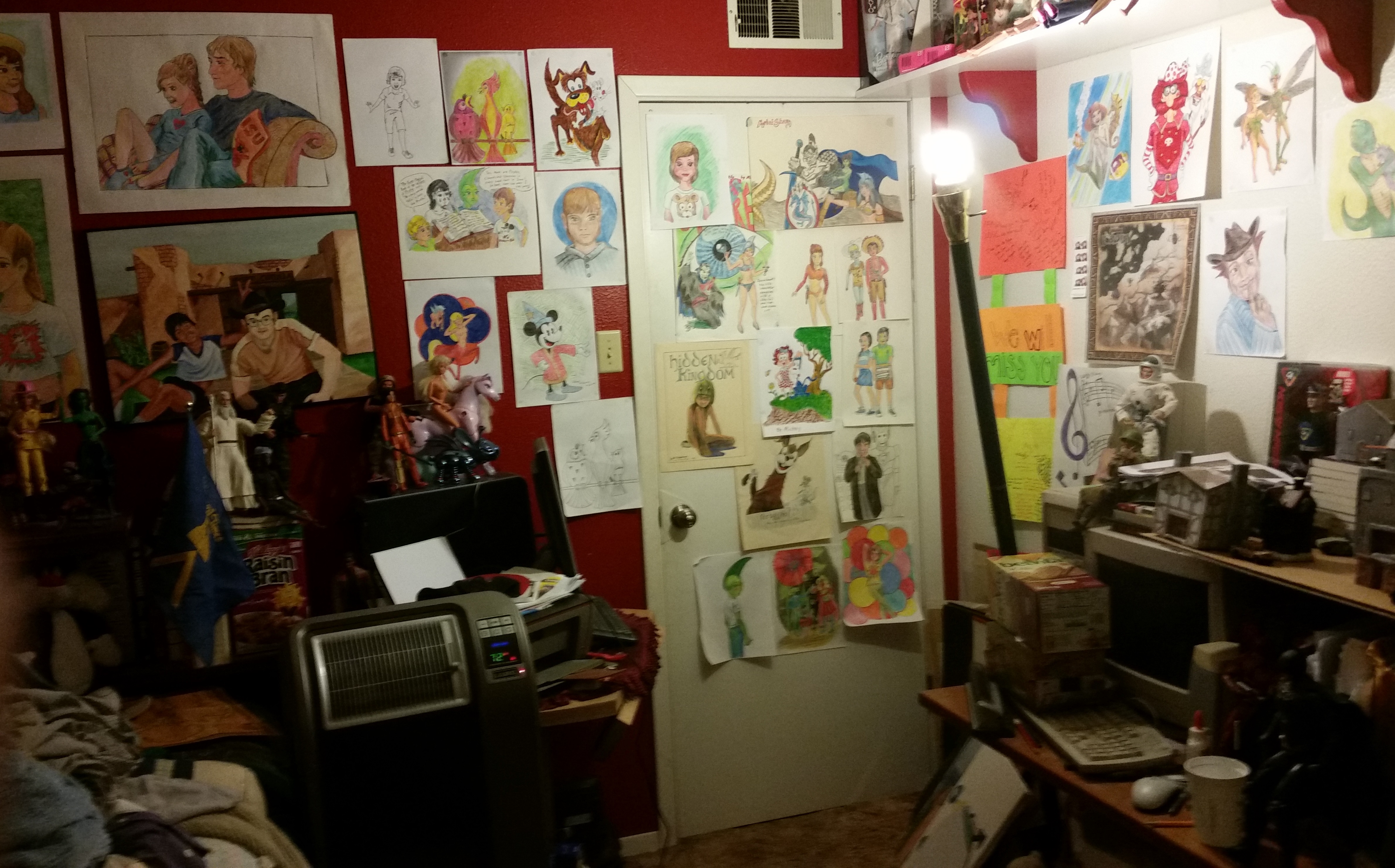
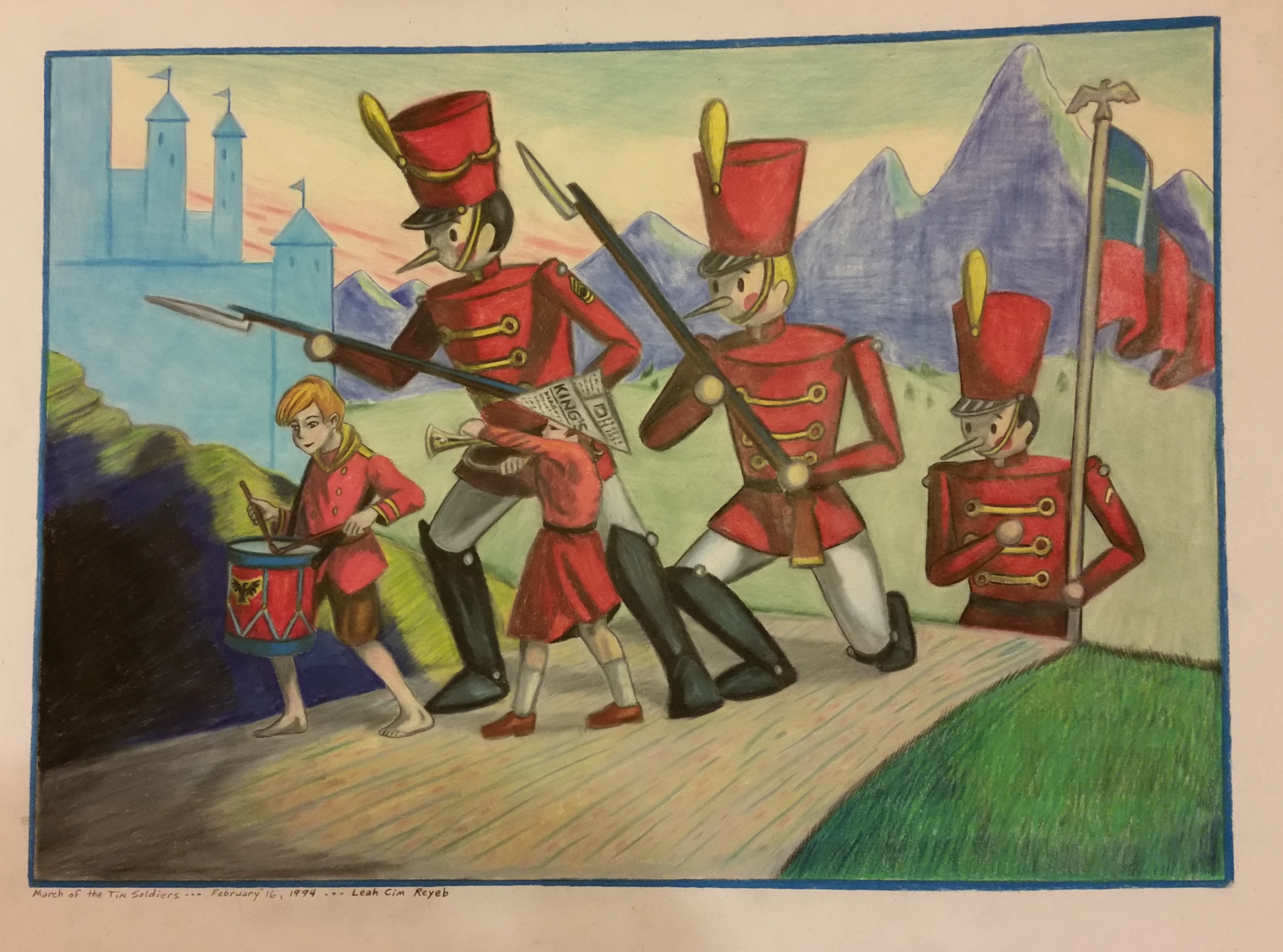
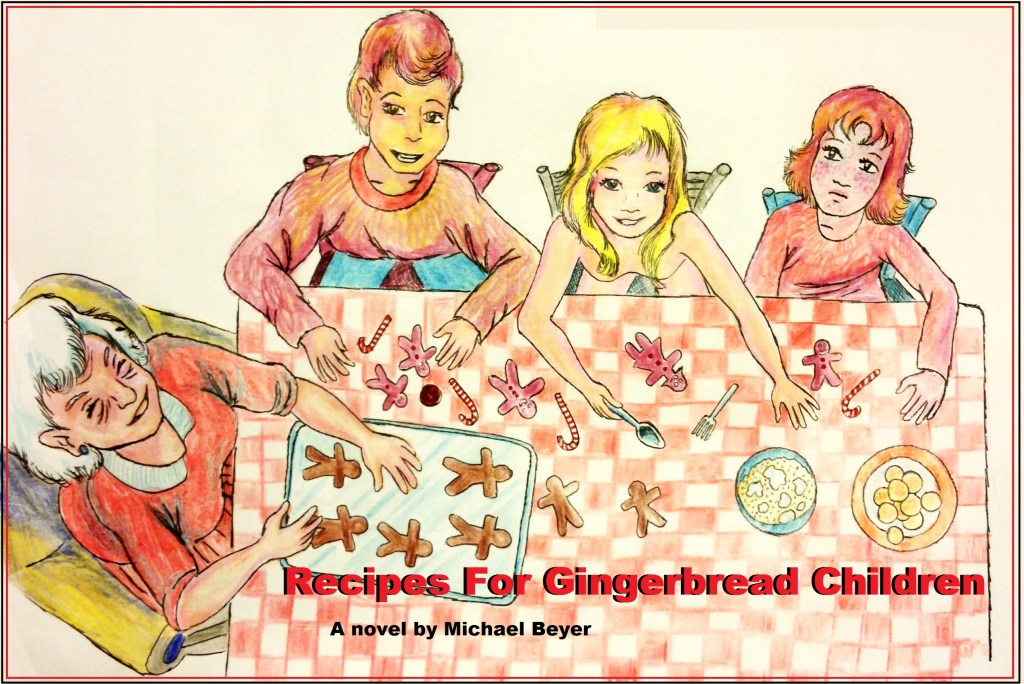
Looking for stuff to organize into a post today led me to realize that I currently exist swimming in a tidal wave of goofy images that I myself have created.

20160104_141546

So, lazy and goofy old me will now show you some of these things.

I don’t even remember why I drew some of these things.

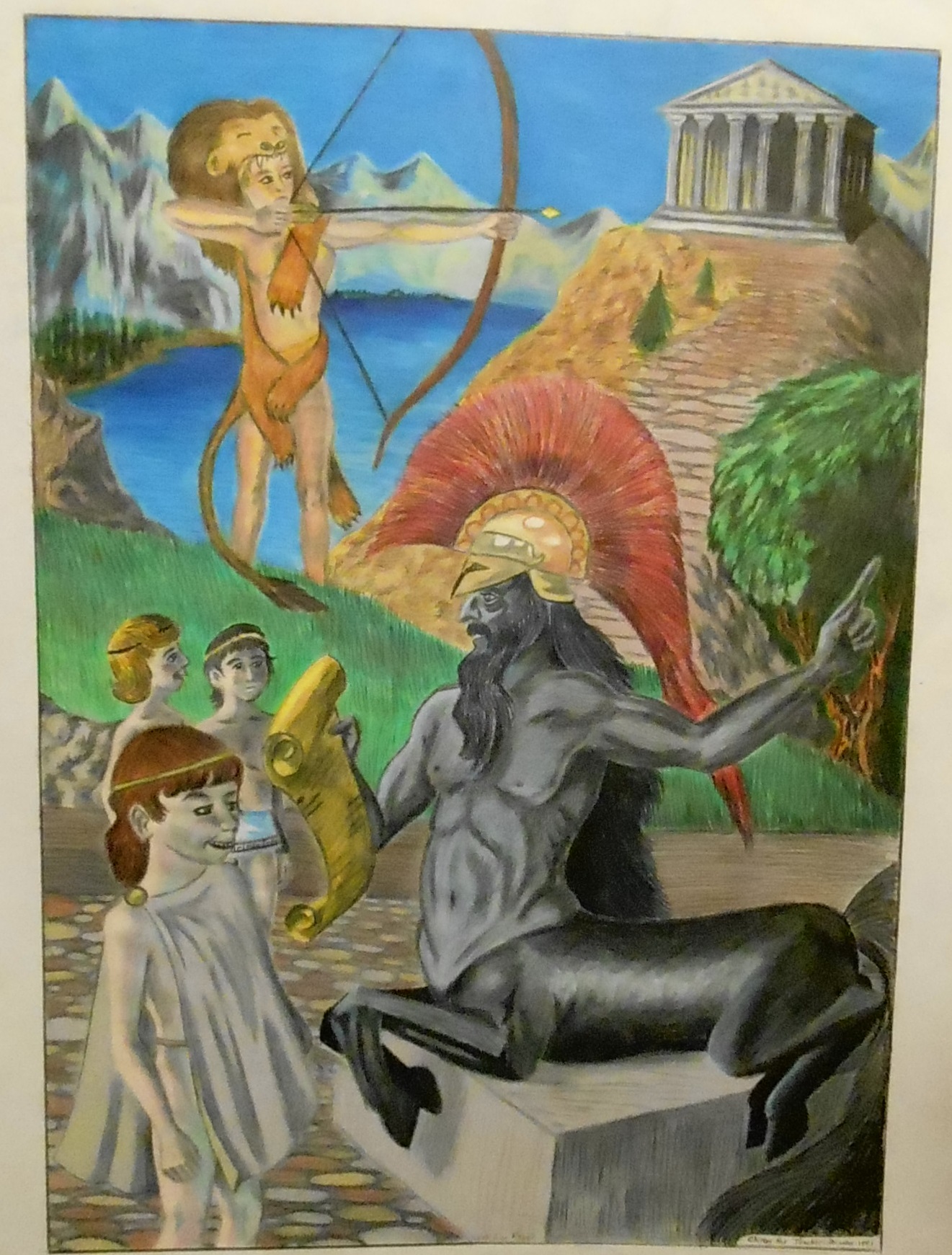
Some of it, is obviously because I was a teacher.

mythos

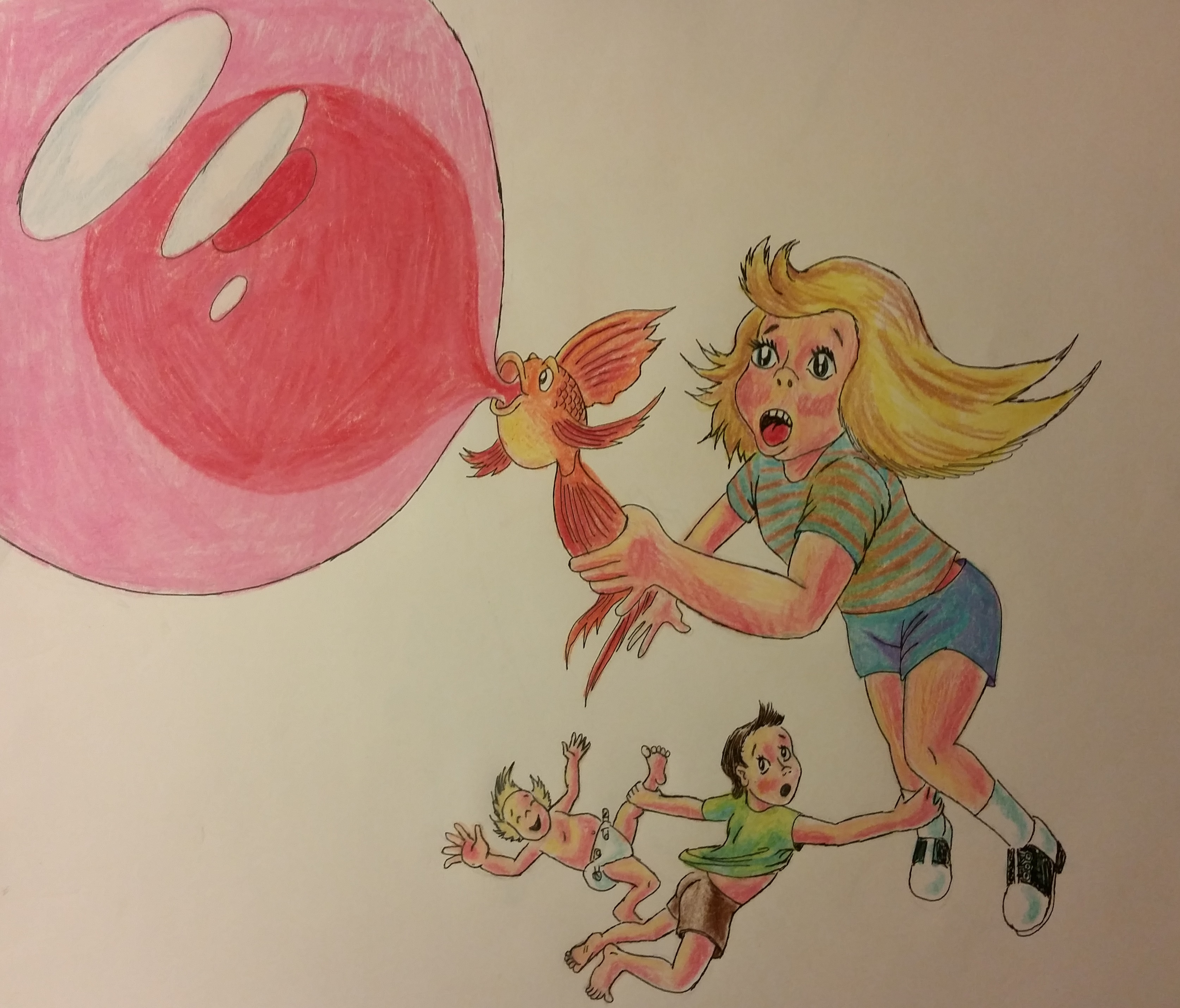
But some of it is merely wacky.

flying-goldfish

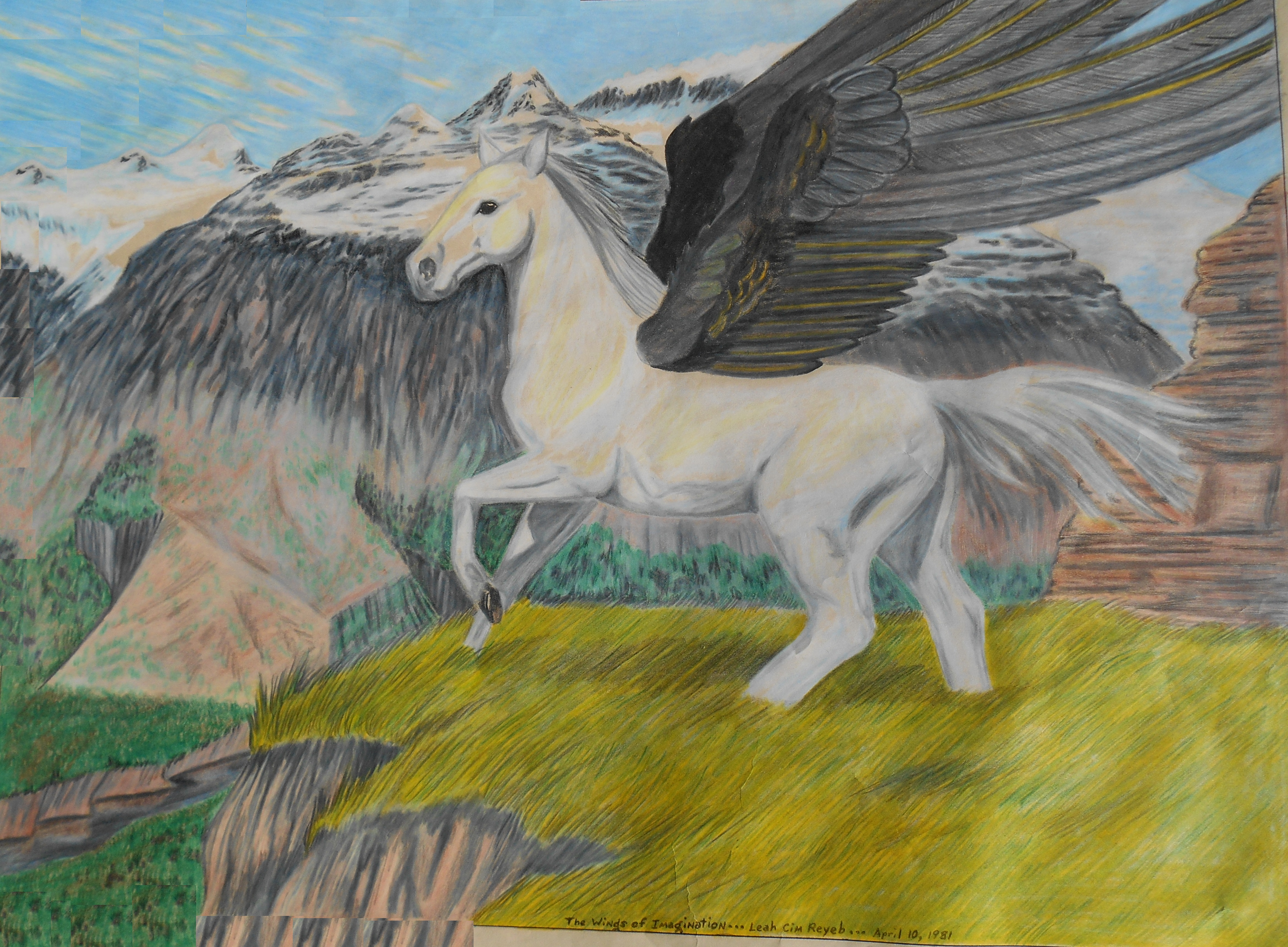
Though some might be considered inspirational.

wings-of-imagination

new-kid

While some of it is just meant to be appealing.

But all of it provides me with an easy post that you can read fast, but still get plenty to think about from.  It is even good for a re-post if I add something newer.


Leave a comment

Filed under artwork, blog posting, colored pencil, goofiness, humor, illustrations, imagination, insight, old art, Paffooney

The Cowboy Code

When I was a boy playing cowboys and Indians with cap pistols and rubber tomahawks, we all knew that cowboys had a code.  The guy in the white hat always shoots straight.  He knows right from wrong.  He only shoots the bad guy.  He even shoots the gun out of the bad guy’s hand if he can.  Westerns are about right and wrong, good and bad, and the unyieldingly good knights of plains.

And boys believe what they see on TV and in the movie theaters.  People who make television shows never lie, do they?  In fact, Wyatt Earp was based on a real guy who really lived and really shot the bad guys at the gosh-darn real OK Corral.

Daniel Boone was a real guy too.  He faced the opening up of new lands full of deadly dangers.  And when Fess Parker played him in 1964, wearing Davy Crockett’s coonskin hat, he walked the earth like a guardian angel, making everyone safe by the end of the episode.  He even knew which Indians were good and which were bad.  Mingo was always on Daniel’s side.  And when they spoke to each other about the dangers they faced, it was never about killing the people they feared.  It was about doing what is was right, about helping the community at Boonesboro to survive.  Being encouraging… looking forward to a more settled future created by following the cowboy frontier code.

So, I am left wondering what ever happened to the cowboy code?  I listen to Republican presidential candidates talking about dipping bullets in pig’s blood to kill Muslims, and building walls against Mexican immigrants, and why our right to carry assault rifles is sacred, and I wonder what happened.  Didn’t they experience the same education from the television versions of the Great American Mythology?  Didn’t they learn the code too?

218_Kristyn2013Neets

I am old enough now to know that cap guns are not real guns and you cannot solve problems by shooting somebody.  But that was never the point of the cowboy code.  We need straight-shooters again in our lives, not to shoot people, but to tell the unvarnished truth.  We need wise people who can tell who are the good Indians and who are the bad   We need them to shoot the weapons out of the bad guys’ hands.  And I know that’s asking for leaders to be larger than life and be more perfect than a man can actually be.  But Daniel Boone was a real man.  Myths and legends start with a fundamental truth.

Leave a comment

Filed under autobiography, commentary, cowboys, humor, insight, philosophy, politics, Uncategorized

The Bottle Imp Implementation

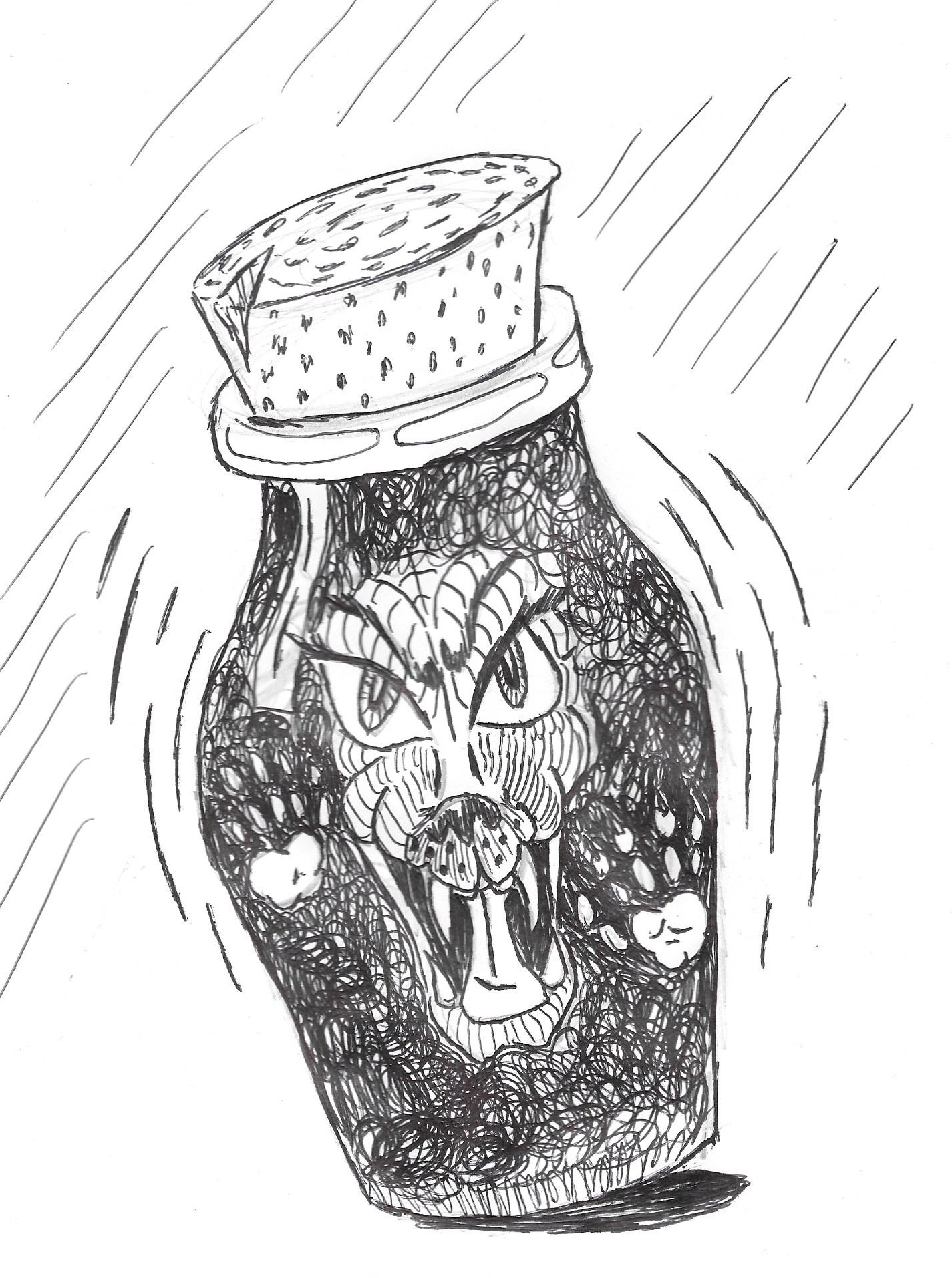
I gave you a list of places where my ideas for fiction come from, and in the end, I failed to explain the thing about the bottle imp. Yes, I do get ideas from the bottle imp. He’s an angry blue boggart with limited spell powers. But he’s also more than 700 years old and has only been trapped in the bottle since 1805. So, he has about 500 years of magical life experience to draw from and answer my idea questions. Admittedly it would be more helpful if he were a smarter imp. His name is Bruce, and his IQ in human terms would only be about 75. But, then, I don’t have to worry about misfired magic. If I asked him to, “Make me a hamburger,” he wouldn’t immediately change me into a fried, ground-beef patty because he is not smart enough to do that high of a level of magic spell.

But he is just barely intelligent enough to tell me a truthful answer if I asked him a question like, “What would happen if I put an alligator’s egg in a robin’s nest as a joke, and the robin family decided it was their own weird-looking egg and then tried to hatch it?” The answer would be truthful according to his vast knowledge of swamp pranks. And it would also be funny because he’s too dumb to know better. In fact, he told me about a mother robin who worked so diligently at hatching an alligator egg that a baby alligator was hatched. She convinced it that it was actually a bird. And when it came time for the baby birds to learn to fly, the baby alligator couldn’t do it… until she talked it into flapping madly with all four legs. Then, a mother’s love and faith in her child got an alligator airborne.

Yeah, that hasn’t proved to be a very useful story idea. I put it into a story I was writing during my seven years in high school, and then lost the manuscript. (I was a teacher, not a hard-to-graduate student.) But it was proof that you can get your writing ideas from a bottle imp.

So, if you decide to use bottle imps as an idea source for fiction, the next step is to find and acquire the right sort of bottle imp. I got mine from Smellbone, the rat-faced necromancer. I bought it for an American quarter and three Canadian loonies more than a dozen years ago. I found it at his Arcana and Horse-Radish Burger Emporium in Montreal. But I am not sure how that information helps you. Smellbone died in a firey magical-transformation accident involving an angry Wall-Street financier and a dill pickle. The whole Emporium went to cinders in an hour.

If you are going to try to capture the bottle imp yourself, which I strongly do not recommend, you are going to need a magical spell-resistant butterfly net, a solid glass jar, bottle, or brass urn. A garlic-soaked cork to fit the bottle. A spell scroll ready to cast containing at least one fairy-shrink spell. And an extremely limited amount of time to actually think about what you are doing.

Now I have told you how I get writing ideas from a bottle imp. Aren’t you glad I did not include this idea in the post about where ideas come from? After all, I am a fiction writer. I get my jollies from telling lies in story form. And bottle imps, especially angry blue bottle imps named Bruce, or Charlie, or Bill, are more trouble than they are worth. They can curse you with magical spells of infinite silliness and undercut your serious nature for a lifetime.

Leave a comment

Filed under conspiracy theory, fairies, goofiness, goofy thoughts, humor, insight, Paffooney, strange and wonderful ideas about life, writing

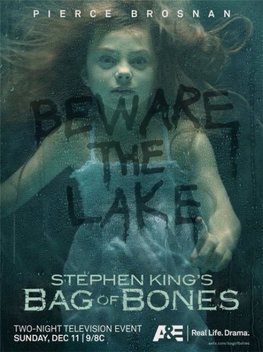
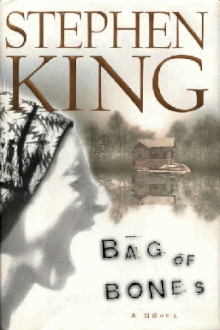
Reading Bag of Bones

This is not a book review. I did finish reading this book in a 3-hour-end-of-the-book reading orgy, spending an hour last night, and two more early in the morning before the rest of my family was awake.

This is certainly not a book review. But I did read a Stephen King book, 1998’s Bag of Bones, which I picked up from the dollar sale shelves at Half Price Books. And I did love the story.

………………………………………………………………………This is not a book review. Instead, I want to talk about what a novelist can learn and reflect on by meta-cogitating over what this book reveals about King’s work habits and style and author’s voice.

Mike Noonan, the protagonist, is a novelist who writes books that routinely land in the numbers 10 through 15 slots in the New York Times Bestseller List. Obviously, this first-person narrative is coming directly out of King’s own writing experience. But, remember, this is not a book review. I am discussing what I have learned about how King puts a story together. 

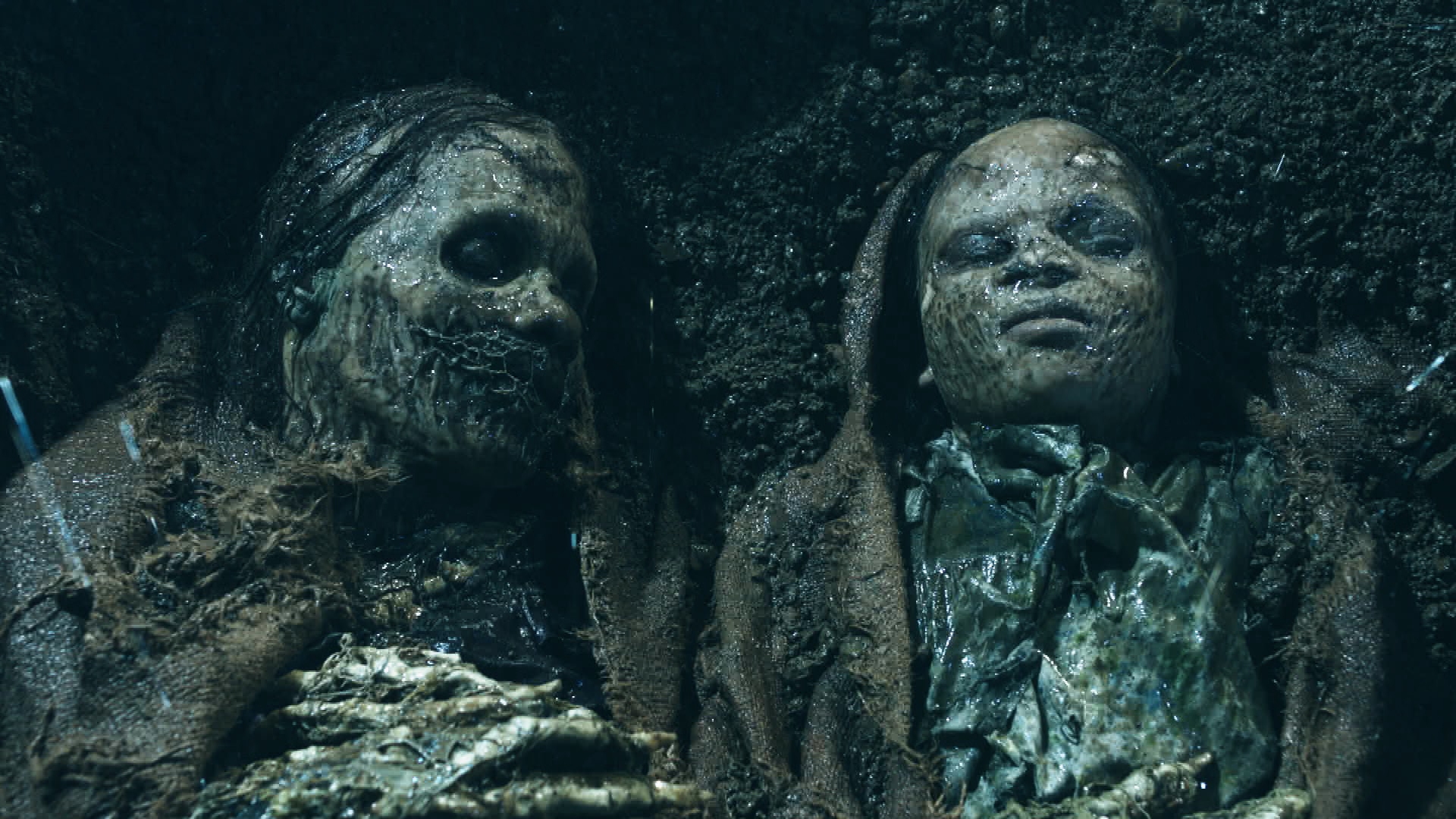
King sets a back-story for this novel that digs deep into the geographica and historica of the city in Maine where the story is set. The literal bag of bones revealed in the book’s climax is almost a hundred years old. And he takes a compellingly realistic tour back in time to the turn of the Twentieth Century more than once to reveal who the undead characters are and why they do what they do. One thing that makes a writer, a novelist, truly solid is his ability to set the scene, to grow the story out of the background in the most organic and realistic way possible. But this is not a book review. I am saying that King always does this with his books. And if you wish to write at that level, you must do that too. I know I am sincerely trying.

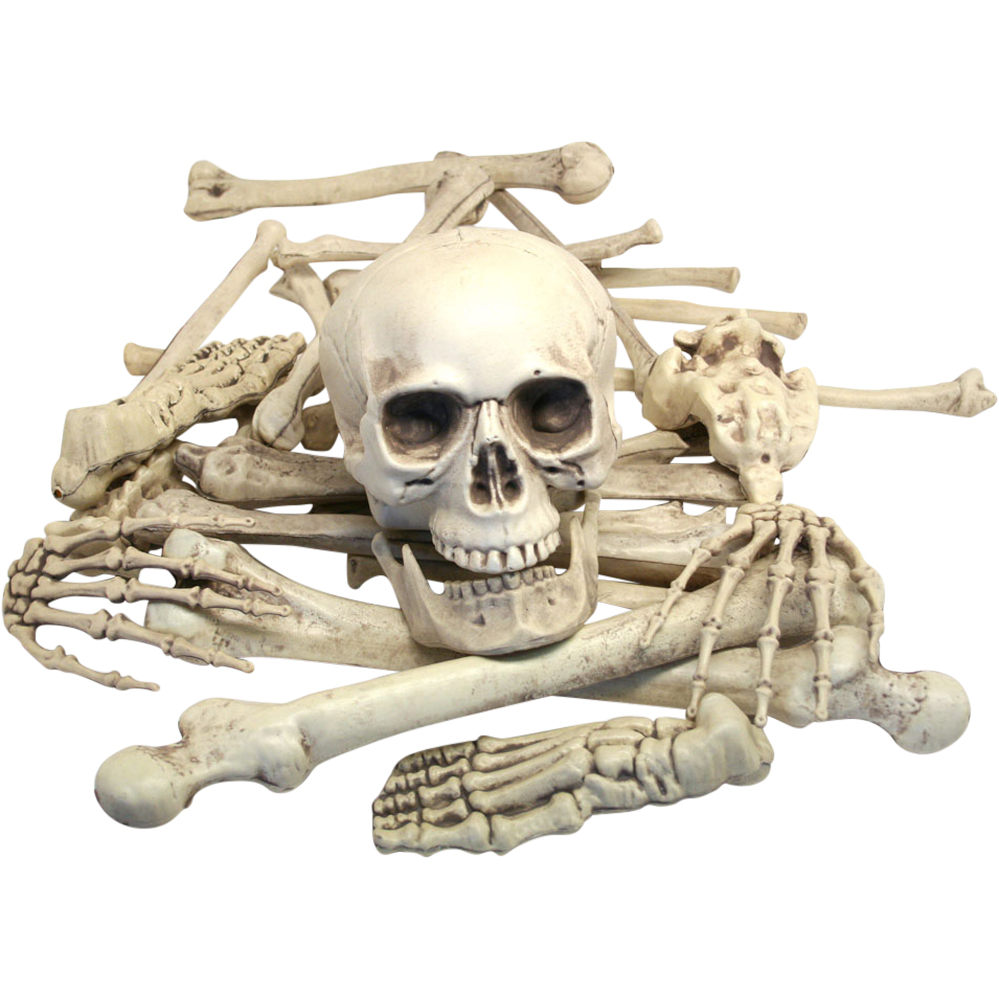
At the end of the story, he clearly tells the reader that he learned from Thomas Hardy that “the most brilliantly drawn character in a novel is but a bag of bones”. So, he is definitely aware that a character is a construct that has to be crafted from raw materials. It takes a master craftsman to build one with the right words to make it live and breathe on the page. He does it masterfully in this book with several characters. The protagonist, the beautiful young love interest, the love interest’s charming three-year-old daughter who is nearly slain in a horrific manner at the end of the book… The living villain is a well-crafted bag of bones, as is the ghost, the actual bag of bones in the story. But this is not a book review. Most of his books, at least the ones I have read, have the same sort of masterful characters.

There is so much more to be learned about novel writing from this book. He literally shows you how ideas are captured, how they are developed into stories, how you overcome “writer’s block”, and Noonan’s book he is writing within this book is even used as an example of how to poetically advance the plot. But this is not a book review. You should read this book. It is a very good and scary piece of work. But you should read it because it shows us how to write and do it like a master.

Leave a comment

Filed under horror writing, insight, inspiration, NOVEL WRITING, writing teacher

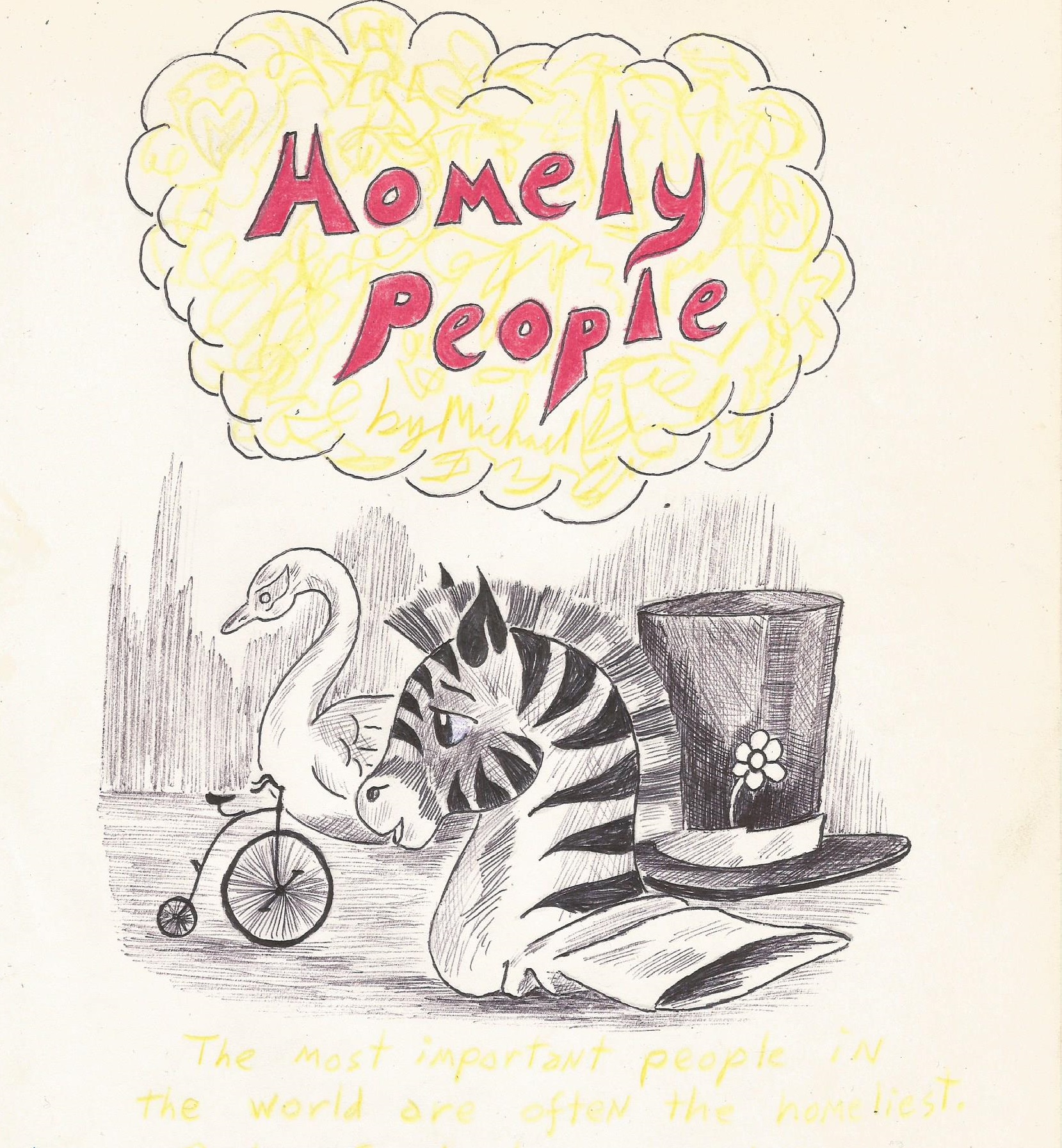
Homely People

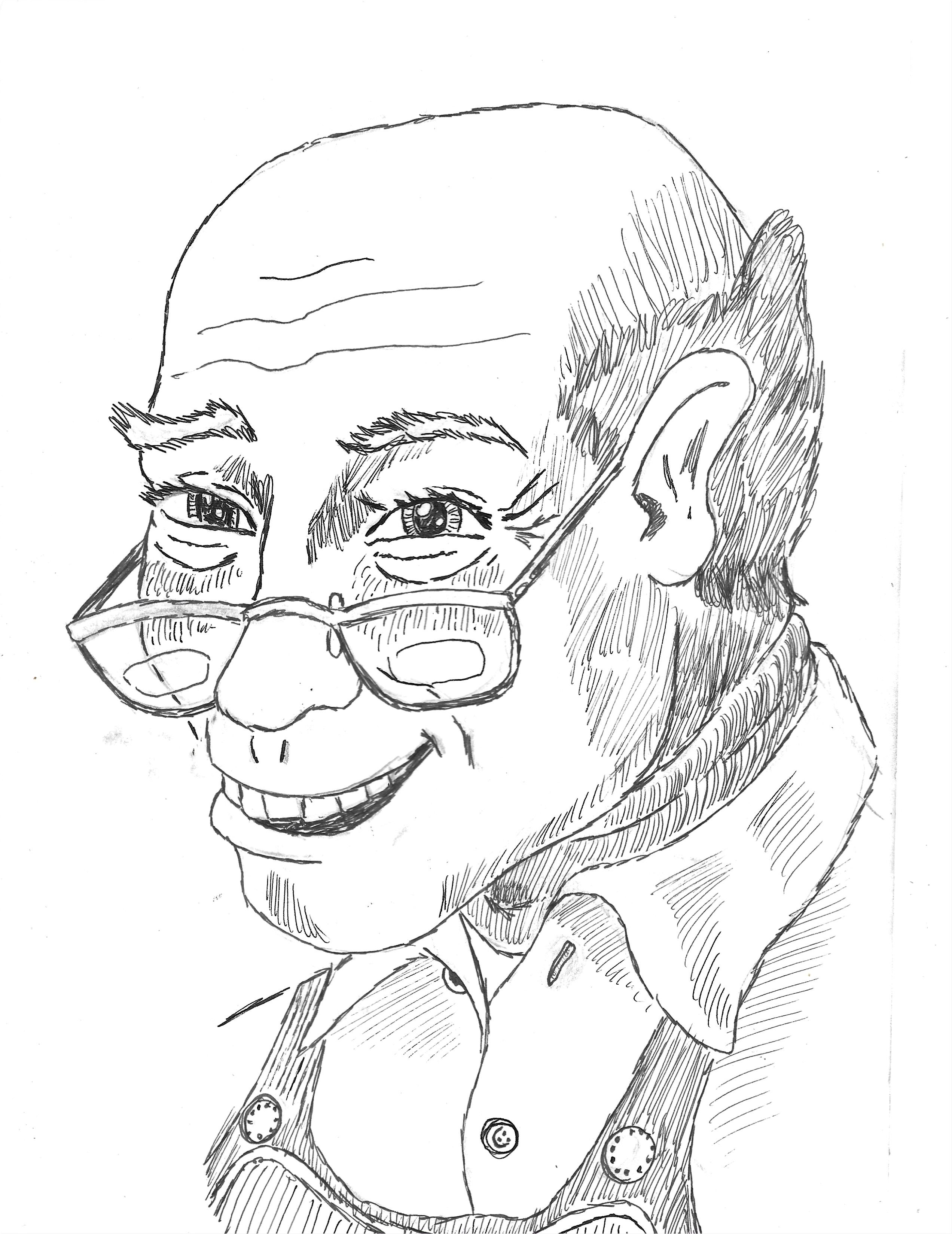
toon1zxz2

I prefer to write about, think about, and draw pictures of homely people. But don’t mistake me.  I am not talking about ugly people.    Our former President, the giant blood sausage with a bird’s nest on top that we have put in charge of making us all feel sick to our stomachs every day, demonstrates what ugly means.  Ugly is not just weird and interesting to look at, it is also repellent behavior that makes physical flaws take a back seat… no, a rumble seat in the trailer behind by comparison.

I am talking about the ordinary people back home.  The ones that may be sitting by your own fireplace on a cold day trying to warm their hands after throwing snowballs outside.  And, of course, that snowball that hit Maggie Doozman in the side of the face and knocked her glasses off, made you laugh for an instant, until you realized she was crying, and Kirk Longhatter didn’t even apologize for throwing so hard, so you went over and picked her glasses up for her and handed them to her, and she smiled at you through the tears.  That is the kind of homely I mean.

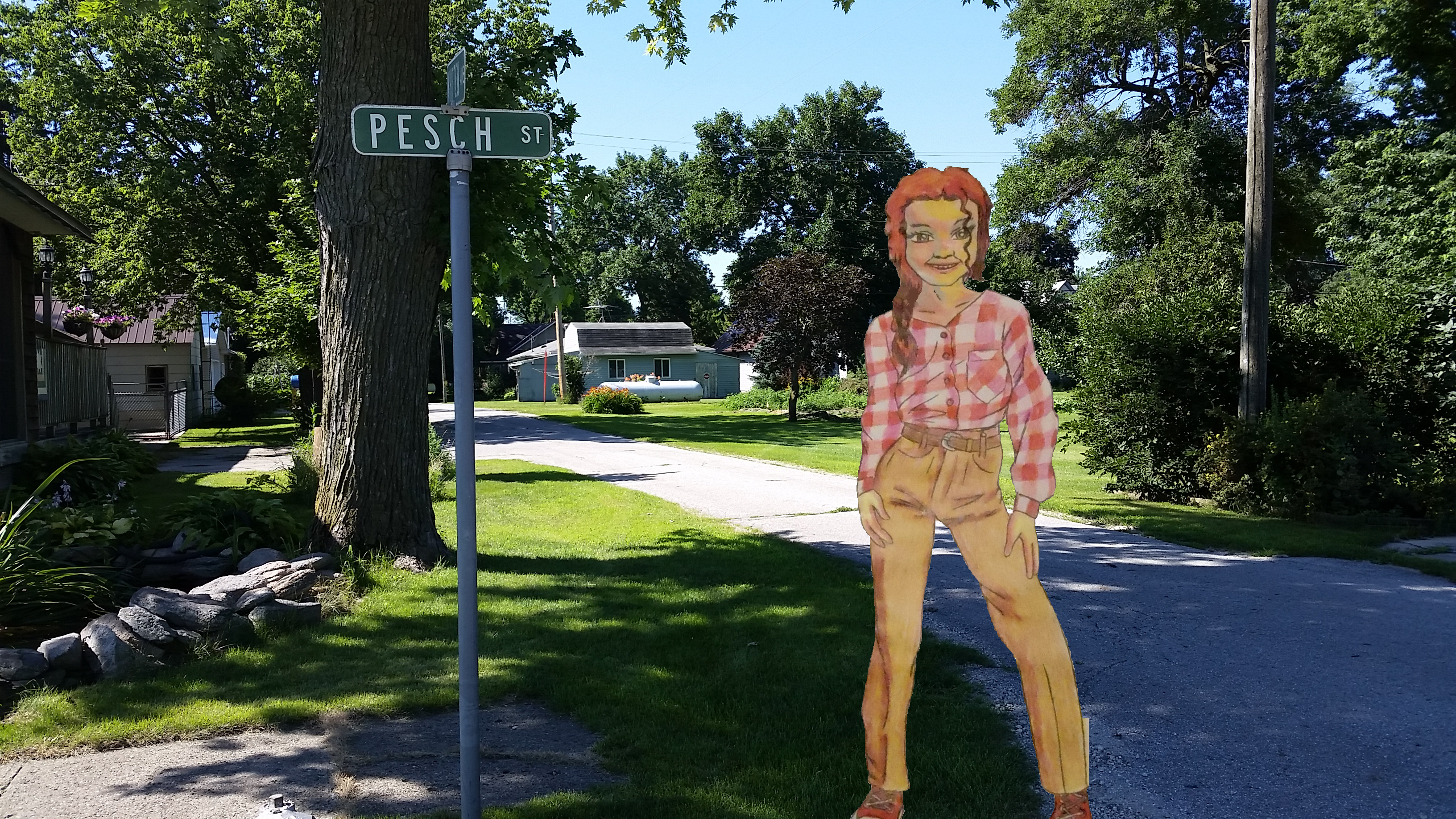
Pesch Street

There is a lot that is beautiful in homely people. Sure, maybe not a classically beautiful Elizabeth Taylor face or a Gregory Peck lantern jaw.  Maybe not even a shapely behind or a graceful step when walking across the street.  But ordinary beauty.  Kindness.  Humility.  Determination in the face of long odds.  Good-natured jokery.  A touch of childish silliness.  A moon face that actually shines when a smile lights it up.  That is beauty that can be found in homely people.

You’ve probably figured out by now that this post is just an excuse to show off some goofy old off-kilter portraits I did.  But that doesn’t change the fact.  I do love homely people.

This slideshow requires JavaScript.

1 Comment

Filed under artwork, autobiography, cartoons, characters, commentary, compassion, humor, insight, Iowa, Paffooney, strange and wonderful ideas about life

The Philosophy of Bad Poetry

I do write poetry. But I must admit, I am not a serious poet.  I am a humorist at heart, so I tend to write only goofy non-serious poems like this one;

rBVaI1l96JSATTHgAB44A7RQi8s488

So here is a poem that rhymes but has too much “but-but-but” in it.  A poem about pants should not have too many “buts” in it.  One butt per pair, please.  So this is an example of spectacularly bad poetry.  Why do we need bad poetry?  Because it’s funny.  And it serves as a contrast to the best that poetry has to offer.

As a teacher I remember requiring students to memorize and recite Robert Frost’s poem, “The Road Not Taken”.  Now this sort of assignment is a rich source of humorous stories for another day.  Kids struggle to memorize things.  Kids hate to get up in front of the class and speak with everybody looking at them.  You get a sort of ant-under-a- magnifying-glass-in-the-sun sort of effect.  But in order to truly get the assignment right and get the A+,  you have to make that poem your own.  You have to live it, understand it, and when you reach that fork in the road in your own personal yellow wood, you have to understand what Frost was saying in that moment.  That is the life experience poetry has a responsibility to give you.

roads-diverging

Hopefully I gave that experience to at least a few of my students.

Bad poetry makes you more willing to twirl your fingers of understanding in the fine strands of good poetry’s hair.  (Please excuse that horrible metaphor.  I do write bad poetry, after all.)

But all poetry is the same thing.  Poetry is “the shortest, clearest, best way to see and touch the honest bones of the universe through the use of words.”  And I know that definition is really bad.  But it wasn’t written on this planet.  (Danged old Space Goons!)  Still, knowing that poetry comes from such a fundamental place in your heart, you realize that even bad poetry has value.  So, I will continue writing seriously bad poetry in the funniest way possible.  And all of you real poets who happen to read this, take heart, I am making your poetry look better by comparison.

Leave a comment

Filed under humor, insight, irony, philosophy, poem, poetry, Uncategorized

Exploring the Mind of Mickey

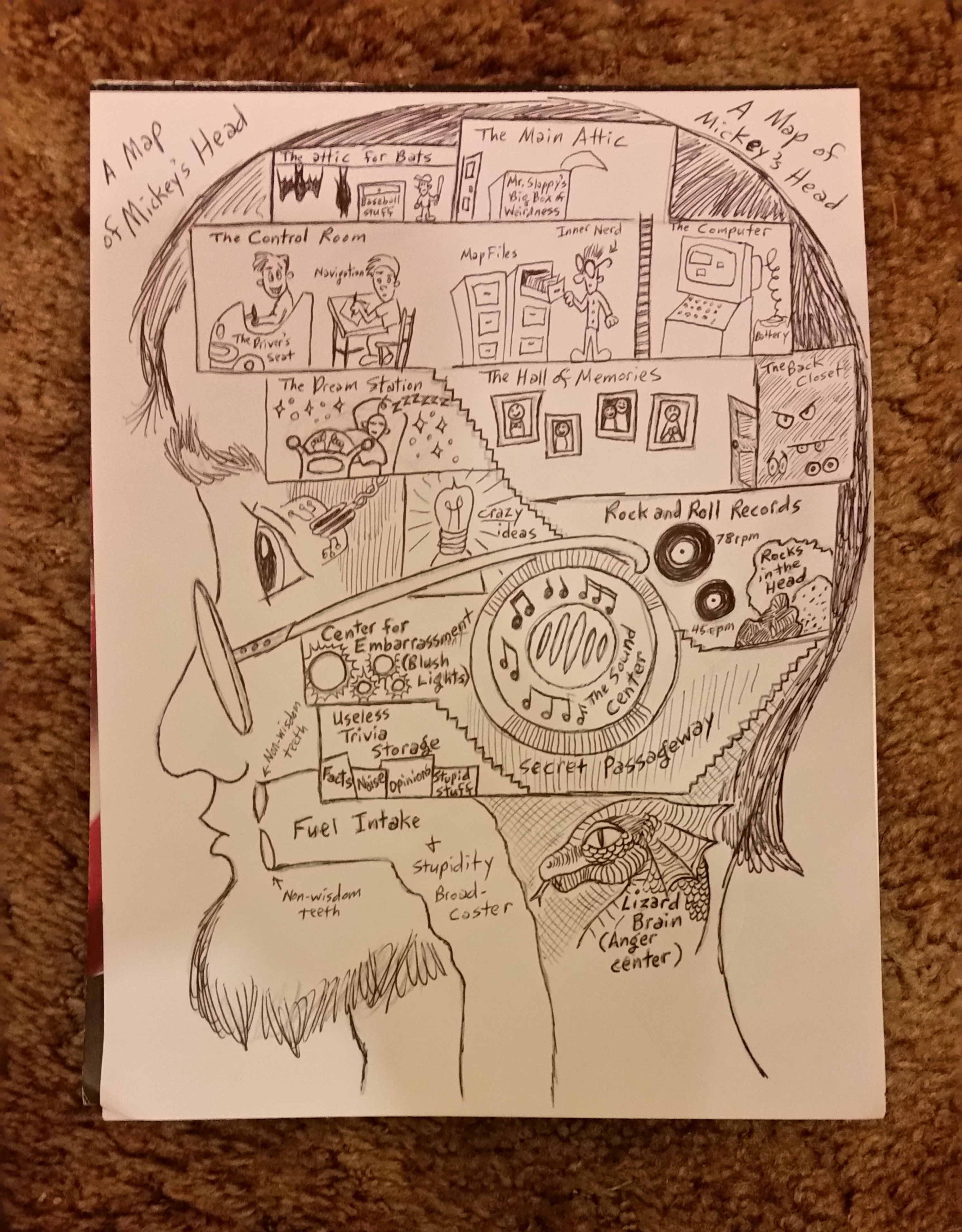
20160127_205542

One really weird thing that teachers do is think about thinking.  I mean, how can a person actually teach someone else how to think and how to learn if they don’t themselves understand the underlying processes?  Now that I have retired from teaching and spend all my time feeling sorry for myself, I thought I would try thinking about thinking one more time at least.  Hey, just because I am retired, it doesn’t mean I can’t still do some of the weird things I used to do as a teacher, right?

This time I made a map to aid me in my quest to follow the twists and turns of how Mickey thinks and how Mickey learns.  Don’t worry, though.  I didn’t actually cut Mickey’s head in half to be able to make this map.  I used the magical tool of imagination.  Some folks might call it story-telling… or bald-face lying.

Now, a brain surgeon would be concerned that my brain maps out in boxes.  He would identify it as a seriously deformed brain.  It is not supposed to be all rectangular spaces and stairs.  It probably indicates a severe medical need for corrective surgery… or possibly complete amputation.  But we are not going to concern ourselves with trying to save Mickey from himself right now.  That is far too complex a topic to tackle in a 500-word daily post.  We are just discussing the basics of operation.

You see the three little guys in the control room?  They are an indication that not only did I steal an idea from the Disney/Pixar Movie Inside Out, but I apparently have too few guys doing the job up there compared to the movie version.  (It probably makes sense though that a young girl like the one in the movie has a much more sensible configuration in her brain than someone who was a middle school teacher for 24 years.  Seriously, that job can do a bit of damage.)  The three little guys are not actually Moe, Curly, and Larry, though that wouldn’t be far from descriptive accuracy.  They are Impulsive Ignatz, currently in the driver’s seat (or else I wouldn’t be writing this), Proper Percy the Planner, and Pompositous Felixian Checkerbob, the fact-checker and perfectionist (also labeled the inner nerd… I am told not everyone has one of these).  They are the three little guys that run around in frantic circles in my head trying to deal with a constant flow of input and output, trying to make sense of everything, and routinely failing miserably.

I shouldn’t forget the other two little guys in my head, Sleepytime Tim in the Dream Center, and little Batty up in the attic.  I have no earthly idea how either of them function, or what in the heck they are supposed to do.  But there they are.  The other three run up and down stairs all day, locating magic mushrooms and random knowledge in the many file cabinets, record collections, book stacks, and odd greasy containers that are stored all around in the many nooks and crannies of Mickey’s mind.  They collect stuff through the eyes and ears, and it is also their responsibility to chuck things out through the stupidity broadcaster at various inopportune times.  It is also a good idea for them to avoid the lizard brain of the limbic system in the basement.  It is easily angered and might eat them.

So now you should be able to fully understand how Mickey thinks.  (Or not… a qualifier I was forced to put in by Checkerbob.)

Leave a comment

Filed under humor, insight, mental health, Paffooney, Uncategorized

Mr. Happy

I know that I am probably the last person you would think of to ask for advice on how to be happy. I am a crotchety old coot, a former middle-school English teacher, a grumpy old-enough-to-be-a-grandpa non-grandpa, an atheist, a nudist, and a conspiracy theorist. You would expect someone like me to be out in his yard in his underwear yelling at pigeons for pooping on his car more than they do his wife’s car. Be that as it may, I am also basically happy.

You know what happy looks like, surely. After Christmas day is over you see two kinds of kids. One kind is miserable and grumbling in his or her room about their Christmas gift that they didn’t get, in spite of the five expensive toys they did get. Yeah, that one’s never going to be happy. Then there’s the other kind, the one happily breaking or playing with the few cheap toys their parents could afford, using more of their own imagination than the imagination the toy companies pay someone to put into their TV or YouTube toy commercials. That one is going to be somebody you can rely on for years to come. That’s the kind of kid I like to think I was. Of course, I’m probably wrong about that too. Being a middle-school teacher gives you plenty of opportunity to learn the lesson that you are actually wrong about everything in life, and like Socrates, you know absolutely nothing for sure about anything.

Years upon years of being a public school teacher, the butt of comedians’ best school-memory jokes, the target of Republican spending cuts for saving enough money to give massive tax cuts to billionaires, and having to be every kind of professional for every kind of kid, no matter how ugly and unlovable they are, teaches you where true happiness comes from.

A. You have to learn to love the job you are trying to do. And…

B. You need to do the job you love with every resource you can squeeze out of your poor, battery-powered soul.

I did that. I did the job all the way from deluded and idealistic days of youth to cynical and caustic old age hanging onto your job by the fingernails until you have to choose between dying in front of the whole classroom of horrified kiddos you have learned to love, or going kicking and screaming into retirement to maybe live a bit longer than you would have if you had stayed at your work station in the idiot-to-income-earner factory for young minds.

Being satisfied with the career you chose and the success or failure you made of it is not the only factor in being happy. Teachers don’t earn much compared to corporate informational presenters who do the same job for a lot more money in front of a lot less hostile audiences far fewer times a day. So, it helps if you can manage to need less stuff in life. After all, stuff costs lots of money. Especially stuff you don’t really need.

That is why being a nudist and not having to worry about how much you spend on clothes helps a lot with your basic level of happiness and peace of mind. Also, lots of vitamin D soaked up through your nude all-togetherness produces happy-hormones in the brain.

Being an avowed pessimist is good for being happier in life as well. After all, the pessimist is always prepared for the worst to happen. And since the worst rarely is what actually happens, the pessimist is never shocked and dismayed and is frequently pleasantly surprised.

And so, here is Mr. Happy’s secret to a long and happy life;

  1. Tell yourself that the job you have to do is the job you love to do often enough that you actually begin to believe it.
  2. Do that job you love as hard and as well as it is possible for you to do.
  3. Love the people you work for and the people you work with, even if you have to pretend really hard until it becomes real to you too.
  4. Be satisfied with the stuff you need, and try to need as little as possible. The man whose paycheck is bigger than his bills is happier than the man whose paycheck only pays for a portion of the interest on his wife’s credit cards.
  5. Wear fewer clothes. You don’t need them in a quickly warming world. And you should love the skin you’re in.
  6. Expect the worst possible outcome from everything in life, and then there is nowhere to go but upwards.

2 Comments

Filed under artwork, autobiography, happiness, humor, insight, inspiration, Paffooney, philosophy

A Mr. Holland Moment

Life is making music.  We hum, we sing to ourselves, movie music plays in our head as the soundtrack to our daily life. At least, it does if we stop for a moment and dare to listen.   We make music in many different ways.  Some play guitar.  Some are piano players.  And some of us are only player pianos.  Some of us make music by writing a themed paragraph like this one.  Others make an engine sing in the automotive shop.  Still others plant gardens and make flowers or tomatoes grow.  I chose teaching kids to read and write.  The music still swells in my ears four years after retiring.

The 1995 movie, Mr. Holland’s Opus, is about a musician who thinks he is going to write a magnificent classical orchestra opus while teaching music at a public high school to bring in money and allow him time to compose and be with his young wife as they start a new family.

But teaching is not, of course, what he thought it was.  He has to learn the hard way that it is not an easy thing to open up the closed little clam shells that are the minds of students and put music in.  You have to learn who they are as people first.  You have to learn to care about what goes on in their lives, and how the world around them makes them feel… and react to what you have to teach.  Mr. Holland has to learn to pull them into music appreciation using rock and roll and music they like to listen to, teaching them to understand the sparkles and beats and elements that make it up and can be found in all music throughout their lives.  They can even begin to find those things in classical music, and appreciate why it has taken hold of our attention for centuries.

And teaching is not easy.  You have to make sacrifices.  Big dreams, such as a magnum opus called “An American Symphony”, have to be put on the shelf until later.  You have children, and you find that parenting isn’t easy either.  Mr. Holland’s son is deaf and can never actually hear the music that his father writes from the center of his soul.  And the issue of the importance of what you have to teach becomes something you have to fight for.  Budget cuts and lack of funding cripples teachers in every field, especially if you teach the arts.  Principals don’t often appreciate the value of the life lessons you have to give.  Being in high school band doesn’t get you a high paying job later.

But in the end, at the climax of the movie, the students all come back to honor Mr. Holland.  They provide a public performance of his magnum opus, his life’s work.  And the movie ends with a feeling that it was all worth it, because what he built was eternal, and will be there long after the last note of his music is completely forgotten.  It is in the lives and loves and memories of his students, and they will pass it on.

But this post isn’t a movie review.  This post is about my movie, my music.  I was a teacher in the same way Mr. Holland was.  I learned the same lessons about being a teacher as he did.  I had the same struggles to learn to reach kids.  And my Mr. Holland moment wasn’t anywhere near as big and as loud as Mr. Holland’s.  His was performed on a stage in front of the whole school and alumni.  His won Richard Dreyfus an Academy Award for Best Actor.  But his was only fictional.

Mine was real.  It happened in a portable building on the Naaman Forest High School campus.  The students and the teacher in the classroom next door threw a surprise party for me.  They made a lot of food to share, almost all of which I couldn’t eat because of diabetes.  And they told me how much they would miss me, and that they would never forget me.  And I had promised myself I would never cry about having to retire.  But I broke my promise.  In fact, I am crying now ten years later.  But they are not tears of sadness.  My masterwork has now reached its last, bitter-sweet notes.  The crescendos have all faded.  But the music of our lives will still keep playing.  And not even death can silence it completely.

1 Comment

Filed under artwork, autobiography, commentary, happiness, insight, kids, movie review, teaching

Who Do You Listen To?

There was a time when you could turn on the TV news and listen to what you were fairly confident was actually news.  Walter Cronkite on CBS always seemed to really “Tell it like it is.”  He never seemed to put a spin on anything.  No one doubted anything he said when he reported space missions from NASA or the assassination of JFK.  You never had to wonder, “What is Cronkite’s real agenda?”   His agenda was always to tell me the news of the day.
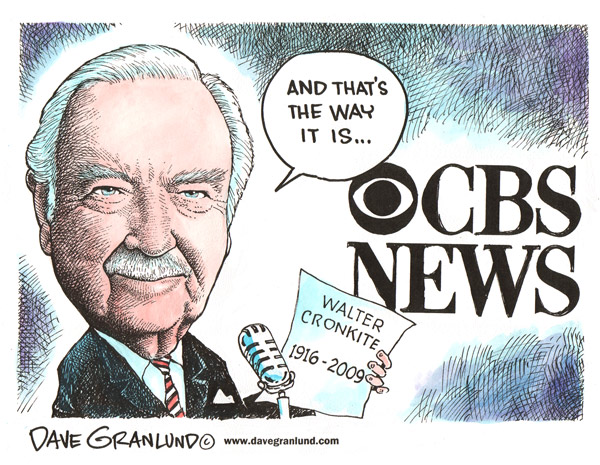
color-cronkite-trib-web

The question of politics and ideas was always one of, “Which flavor tastes best in my own personal opinion?”  Because I was weirdly and excessively smart as a kid, I often listened to some of the smartest people accessible to a black-and-white RCA television set.
1438481192428-cached

1814127_orig

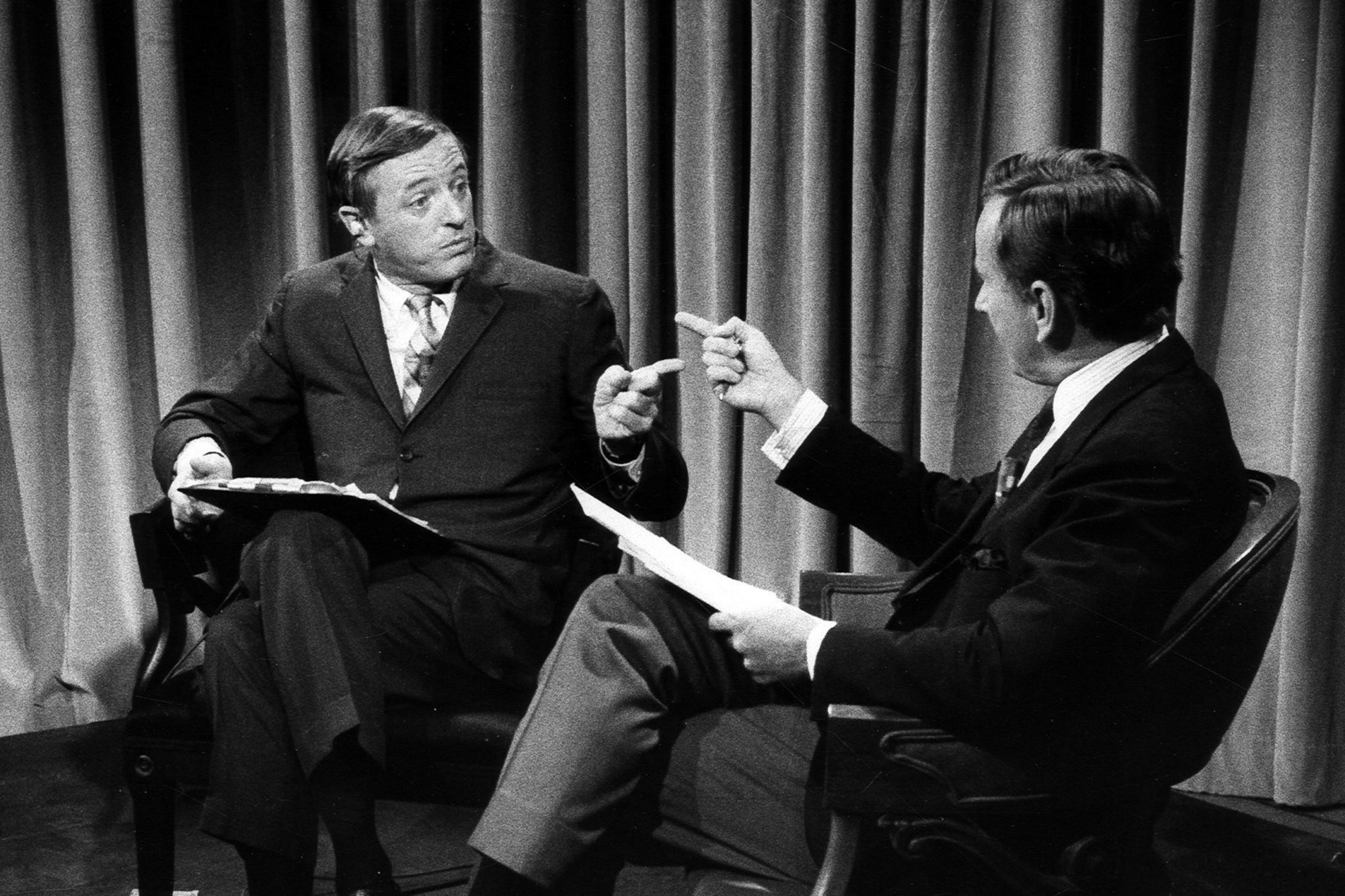
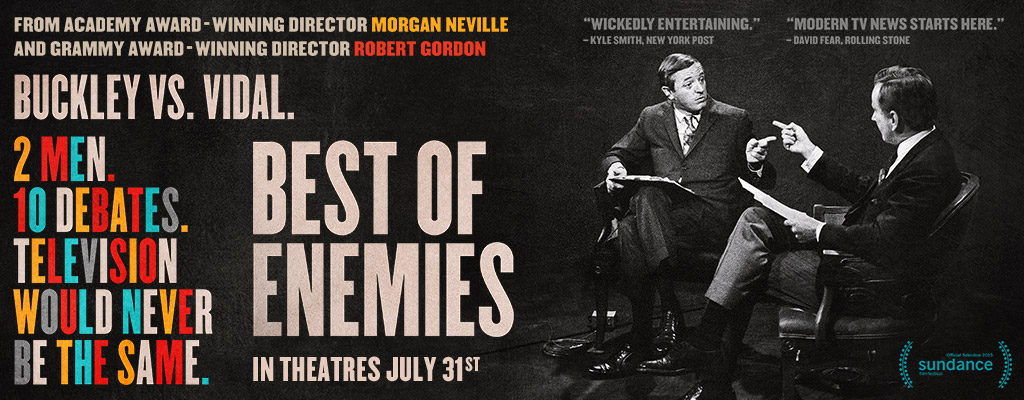
William F. Buckley Jr. and Gore Vidal were both identifiably smarter than me.  I loved to listen to them argue.  They were equally matched.  They respected each other’s intellect, but they hated each other with a passion.  Buckley was a Fascist-leaning conservative ball of hatred with a giant ego.  Vidal was a self-contradictory Commie-pinko bastard child of liberal chaos  with  an equally giant ego.  I never agreed with either of them on anything, but their debates taught me so much about life and politics that I became a dyed-in-the-wool moderate because of them.  They were the key evidence backing up the theory that you needed two sides in the political argument to hammer out good ideas of solid worth.  And, though I didn’t trust either side of the argument fully, I always trusted that both were basing their ideas on facts.

George Will

When I was young I identified as a Republican like my father, and thought George Will was a reasonable opinion-leader.  After all, a man who loves baseball can’t be a bad guy.

Then along came Richard Nixon and the faith-shaking lies of Watergate.  The media began to be cast as the villain as they continued to show the violence and horrors of Vietnam on TV and tell us about campus unrest and the terrible outcomes of things like the Kent State Massacre.  The President suggested routinely that the media was not using facts as much as it was using opinions to turn people away from the Nixon administration’s answer to the problems of life in the USA.  I tried to continue believing in the Republican president right up until he resigned and flew away in that helicopter with his metaphorical tail between his legs (I am trying to suggest he was a cowardly dog, not that I want to make a lewd joke about poor Dick Nixon… or is that Little Dick Nixon, the man who let me down?)

And then along comes Ronald Reagan, the man acting as a “Great President” because he was a veteran actor and knew how to play the part.  And with him came Fox News.

Roger Ailes, a former adviser to Nixon, got together with media mogul Rupert Murdoch, a man who would commit any crime necessary to sell more newspapers, and created a news channel that would pump out conservative-leaning propaganda that would leave Joseph Goebbels envious.  I make it a rule to only listen to them and their views on anything when I feel the need to get one-foot-hopping, fire-spitting mad about something.  So, since, I am a relatively happy person in spite of a long, hard life, you can understand why I almost never watch Fox News.  They are truly skilled at making me mad and unhappy.  And I suspect they do the same for everyone.  They deal in outrage more than well-thought-out ideas.
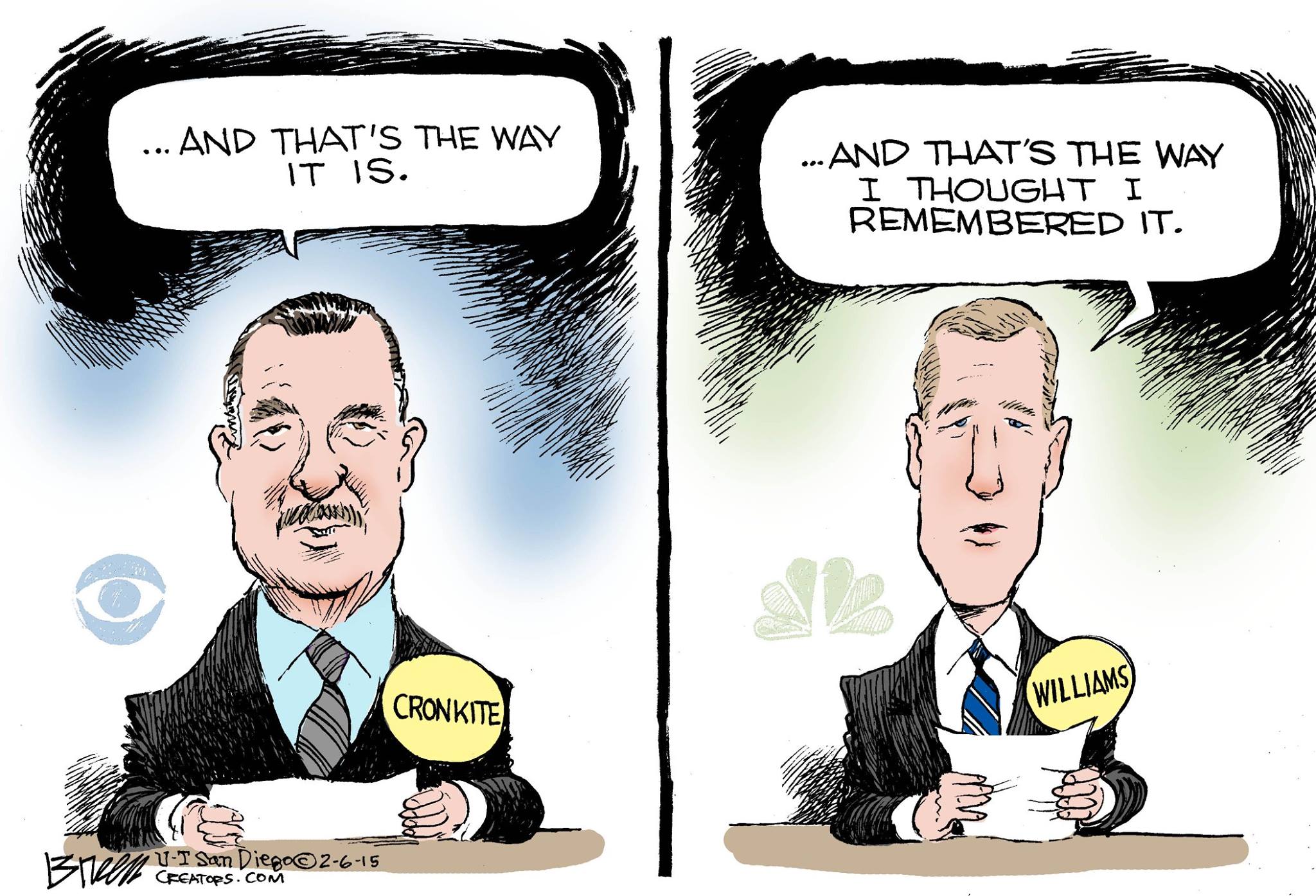
and

News media came under a cloud that obscured the border between facts and partisan opinions.  And conservatives seemed to have a monopoly on the shouty-pouty angry news.  So, I began to wonder where to turn for a well-reasoned and possibly more liberal discussion of what was politically and ethically real.  I found it in the most surprising of places.

jon-stewart-stephen-colbert-late-show-rnc

I turned to the “Excuse me, this is the news” crews on Comedy Central where Jon Stewart and Stephen Colbert were busy remaking news reporting as a form of comedy entertainment.  It is hard work to take real news and turn it into go-for-the-chuckles statements of fact that make you go, “Hmm, that’s right, isn’t it?”  Stewart and Colbert consistently examine how other news organizations  hurl, vomit forth, and spin the news, and by so doing, they help you examine the sources, get at the truth, and find the dissonance in the songs everyone else is singing.  And these are very smart men.  As I said, the intellectual work they do is very difficult, harder than merely telling it like it is.  I know because I have tried to do the same myself.  And is it really “fake news”?  It seems to me like it is carefully filtered news, with the poisons of propaganda either surgically removed, or neutralized with antidotes of reason and understanding.

So, Mickey listens to comedians to get his news.  Is that where you expected this article to end up?  If not, where do you get your news?

Leave a comment

Filed under angry rant, commentary, conspiracy theory, humor, insight, politics, review of television, strange and wonderful ideas about life