

Born in 1931 and lasting in this crazy, mixed-up world until the year 2000, Don Martin was a mixy, crazed-up cartoonist for Mad Magazine who would come to be billed as “Mad Magazine’s Maddest Artist.” His greatest work was done during his Mad years, from 1956 (the year I was born… not a coincidence, I firmly believe) until his retirement in 1988. And I learned a lot from him by reading his trippy toons in Mad from my childhood until my early teacher-hood.

His style is uniquely recognizable and easily identifiable. Nobody cartoons a Foon-man like Don Martin.
The googly eyes are always popped in surprise. The tongue is often out and twirling. Knees and elbows always have amazingly knobbly knobs. Feet have an extra hinge in them that God never thought of when he had Adam on the drawing board.
And then there is the way that Martin uses sound effects. Yes, cartoons in print don’t make literal sounds, but the incredible series of squeedonks and doinks that Martin uses create a cacophony of craziness in the mind’s ear.
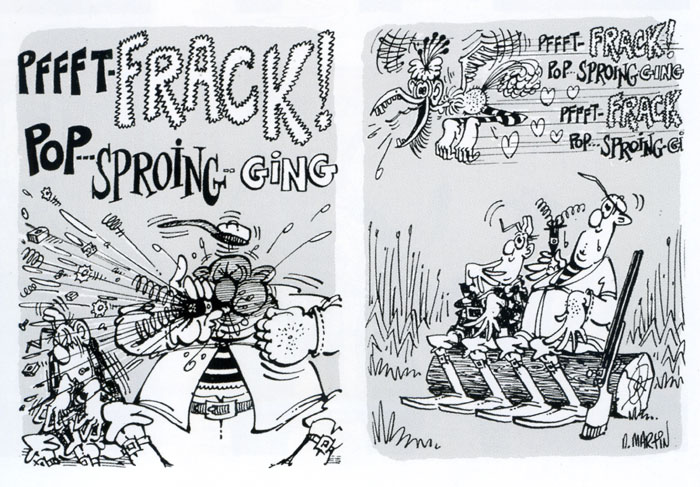
And there is a certain musicality in the rhyming of the character names he uses. Fester Bestertester was a common foil for slapstick mayhem, and Fonebone would later stand revealed by his full name, Freenbeen I. Fonebone.

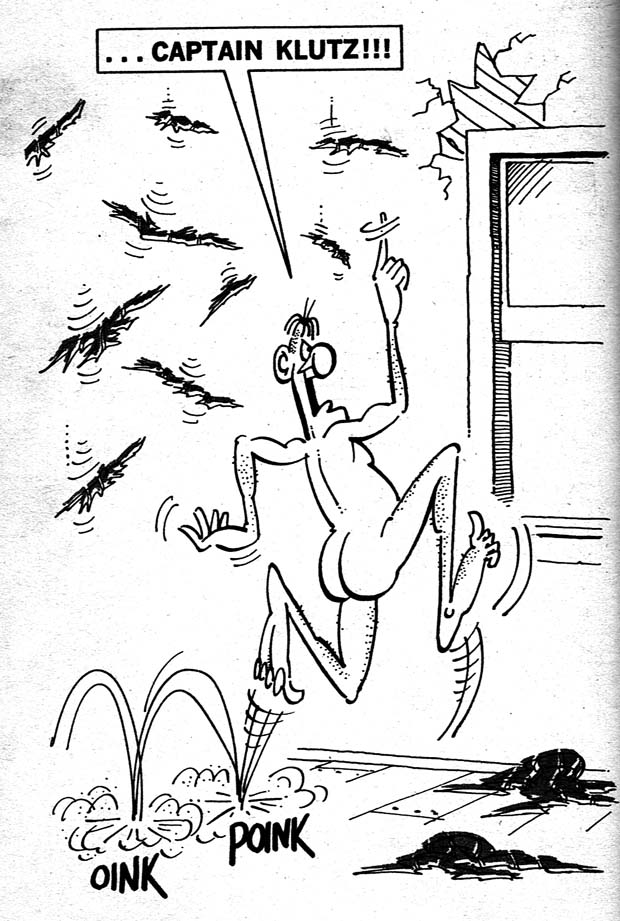
And, of course, one of his most amazingly adventurous ne’er-do-well slapstick characters was the immeasurable Captain Klutz!
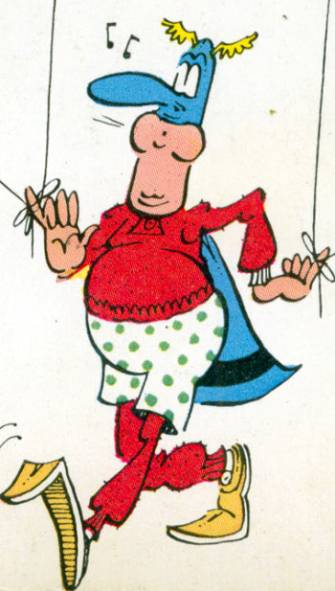
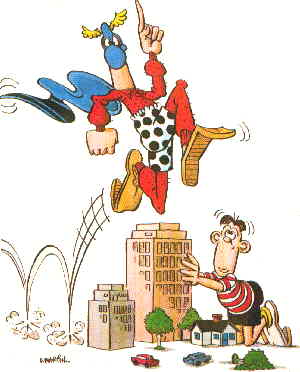
Here, there, and everywhere… on the outside he wears his underwear… it’s the incredible, insteadable, and completely not edible… Captain Klutz!

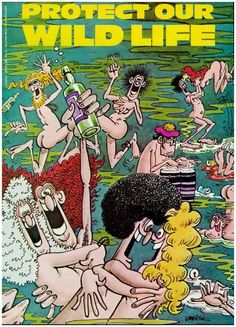
If you cannot tell it from this tribute, I deeply love the comic genius who was Don Martin, Mad Magazine’s Maddest Artist. Like me he was obsessed with nudists and drawing anatomy. Like me he was not above making up words with ridiculous-sounding syllables. And like me he was also a purple-furred gorilla in a human suit… wait! No, he wasn’t, but he did invent Gorilla-Suit Day, where people in gorilla suits might randomly attack you as you go about your daily life, or gorillas in people suits, or… keep your eye on the banana in the following cartoon.

So, even though I told you about Bruce Timm and Wally Wood and other toon artists long before I got around to telling you about Don Martin, that doesn’t mean I love them more. Don Martin is wacky after my own heart, and the reason I spent so much time immersed in Mad Magazine back in the 60’s, 70’s, and 80’s.







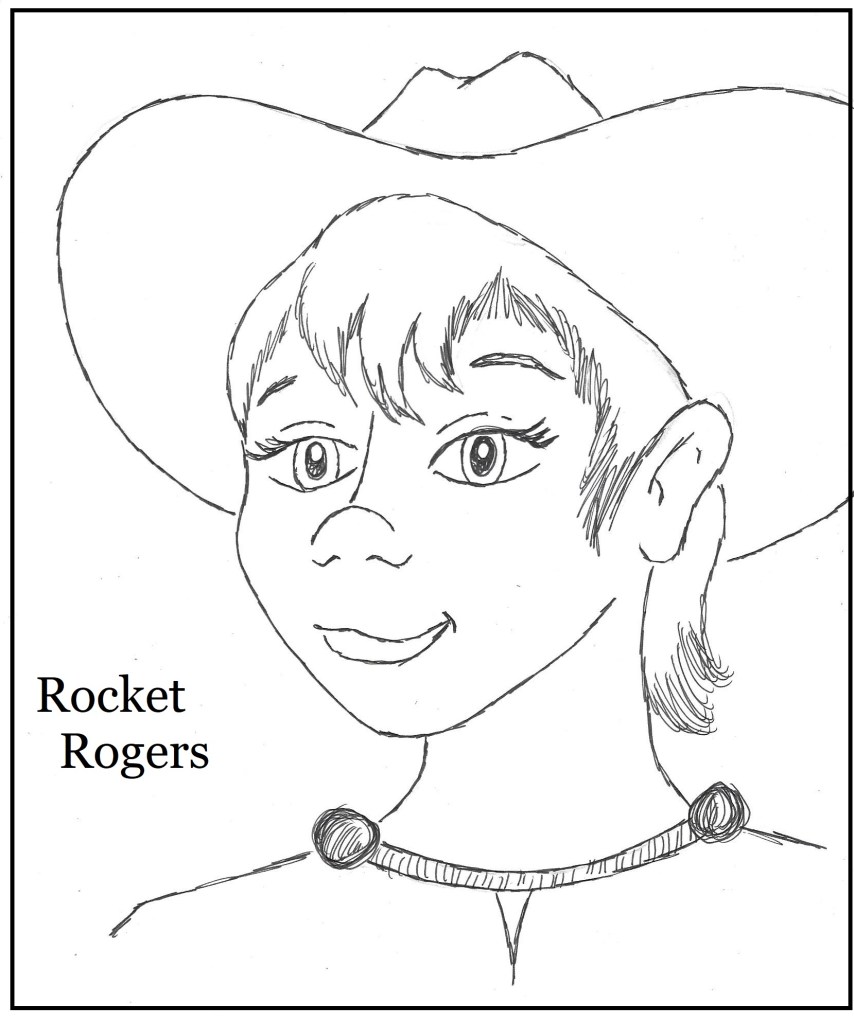

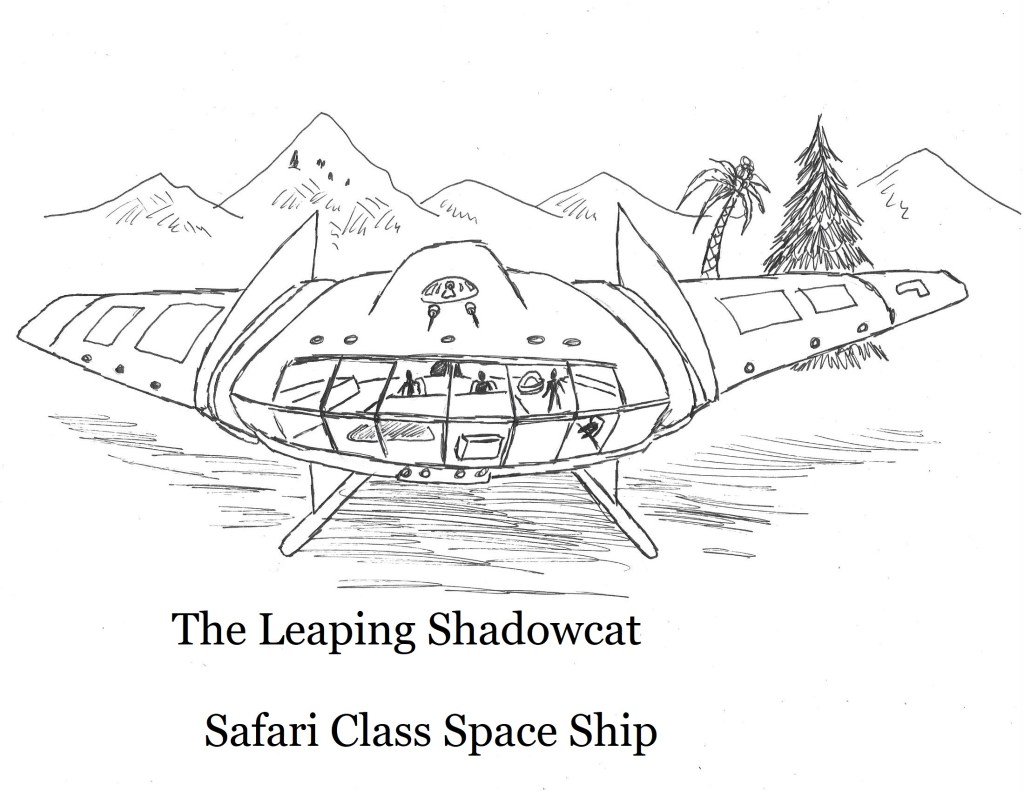
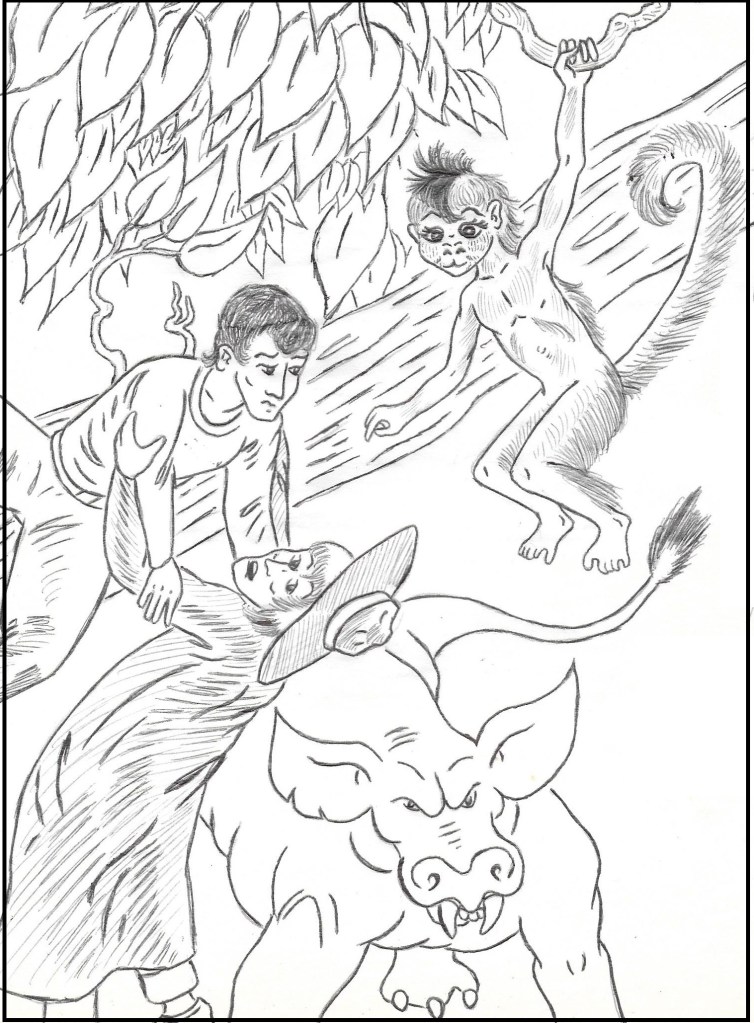
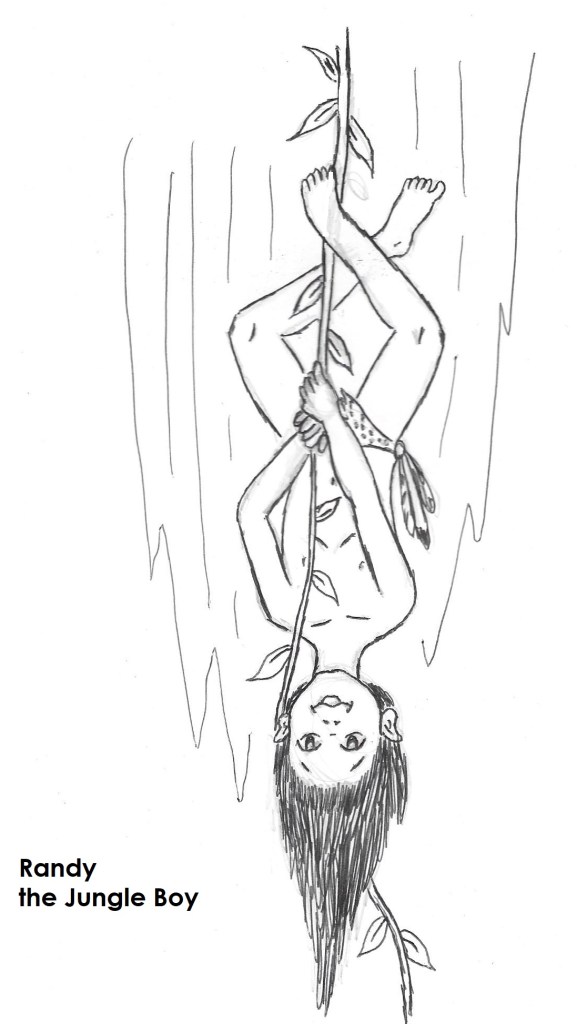
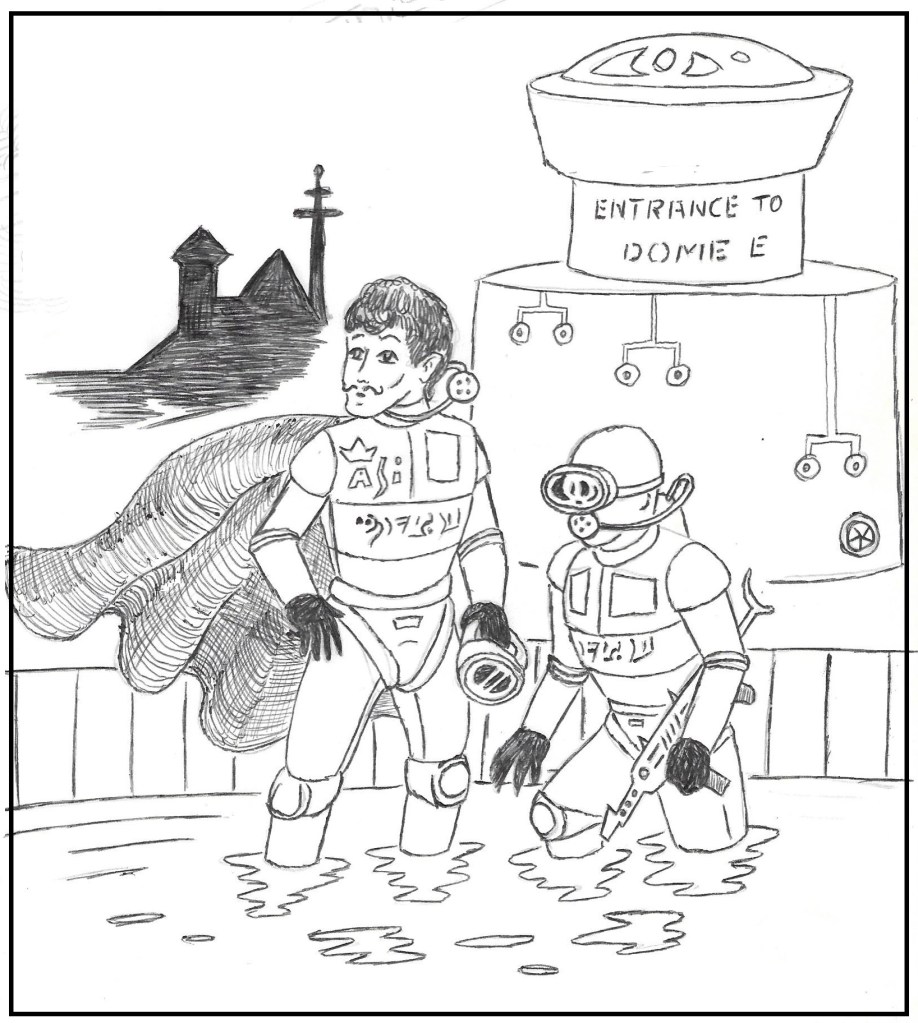
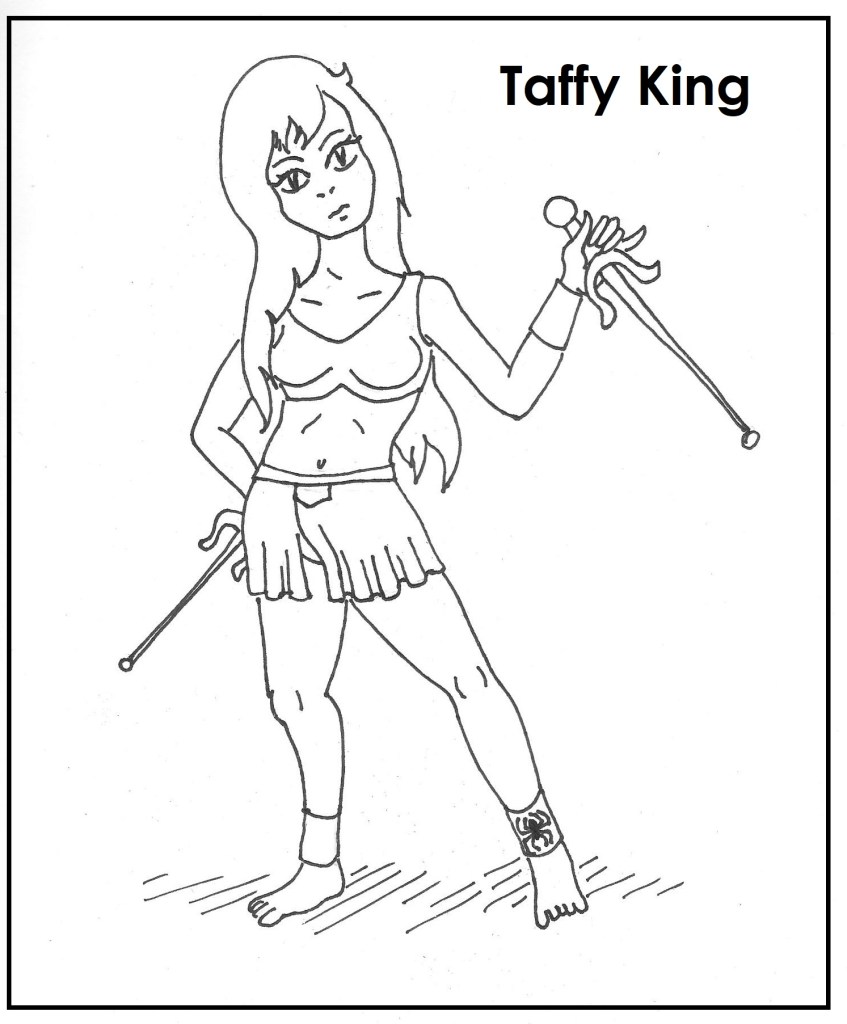
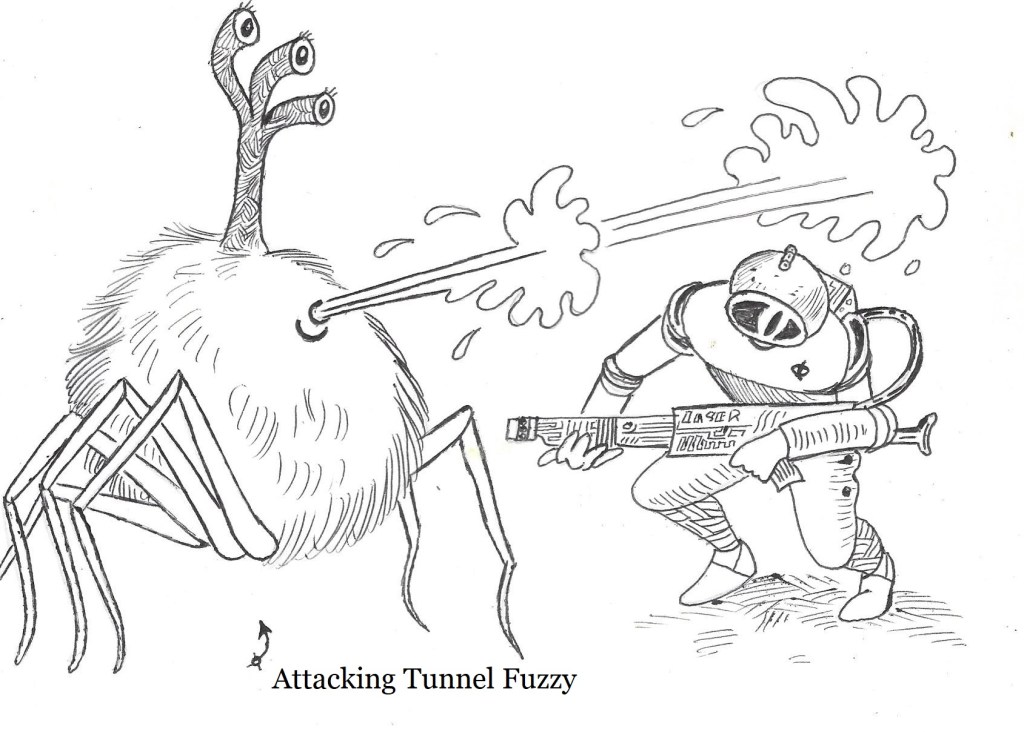
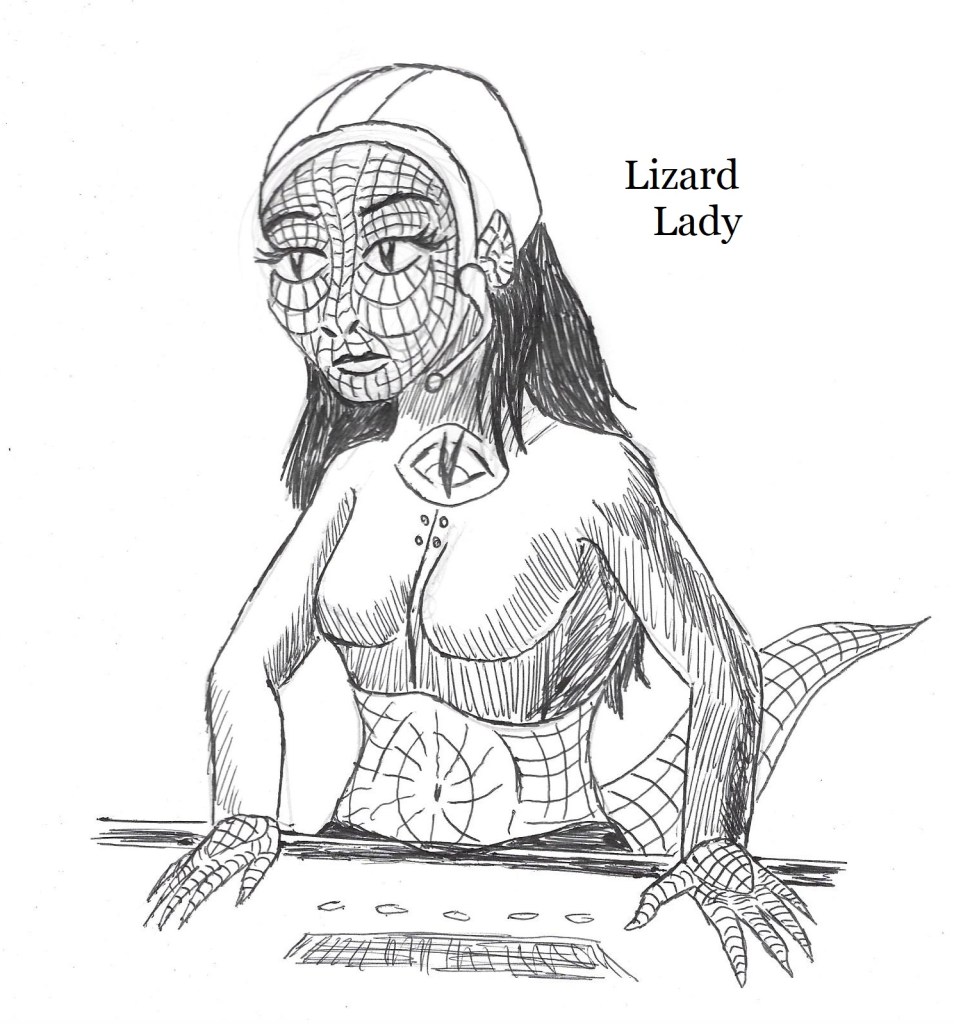
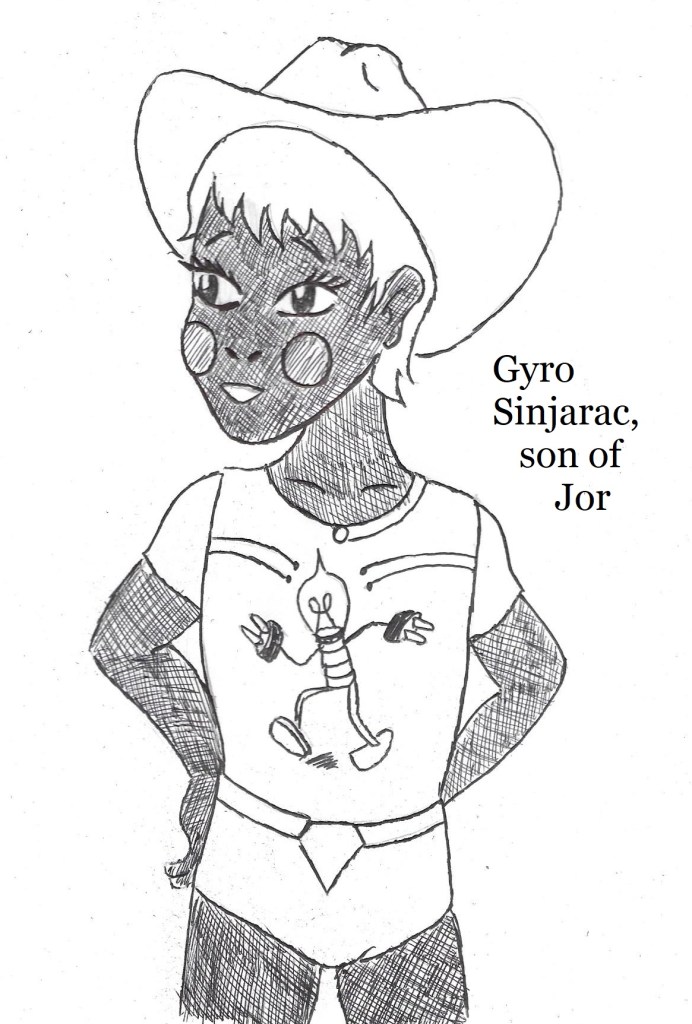
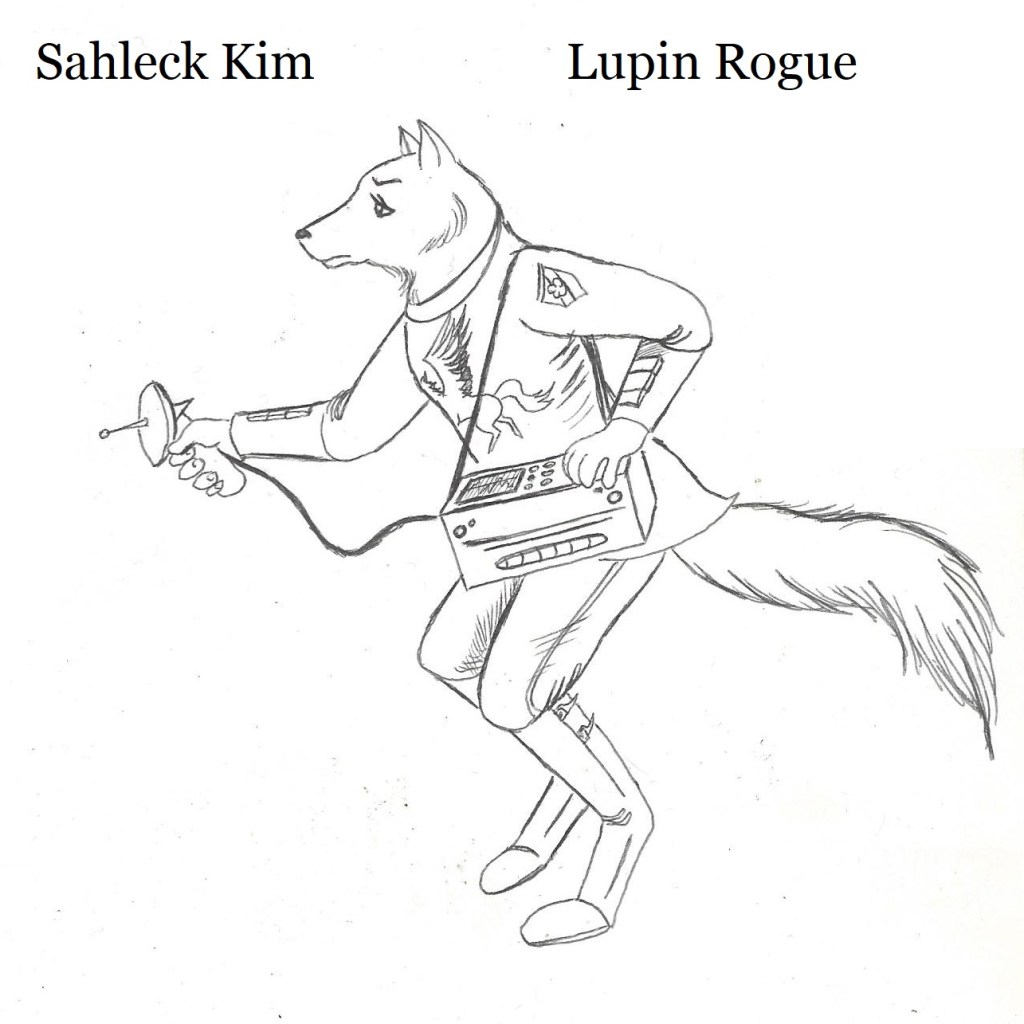
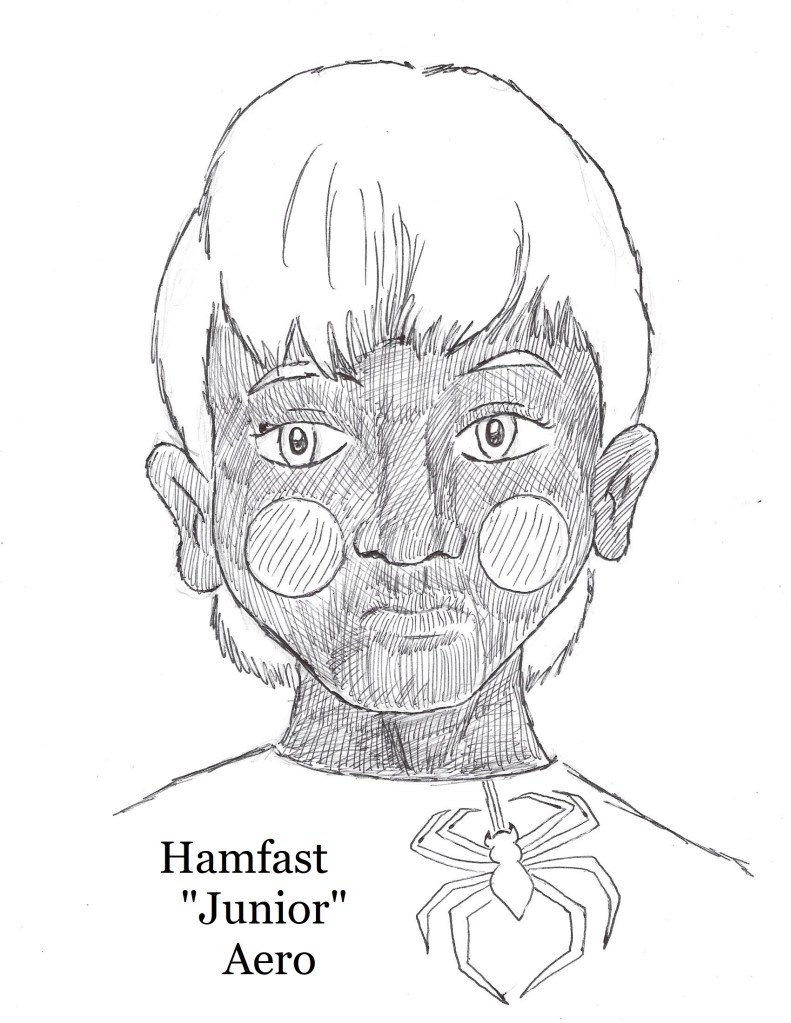

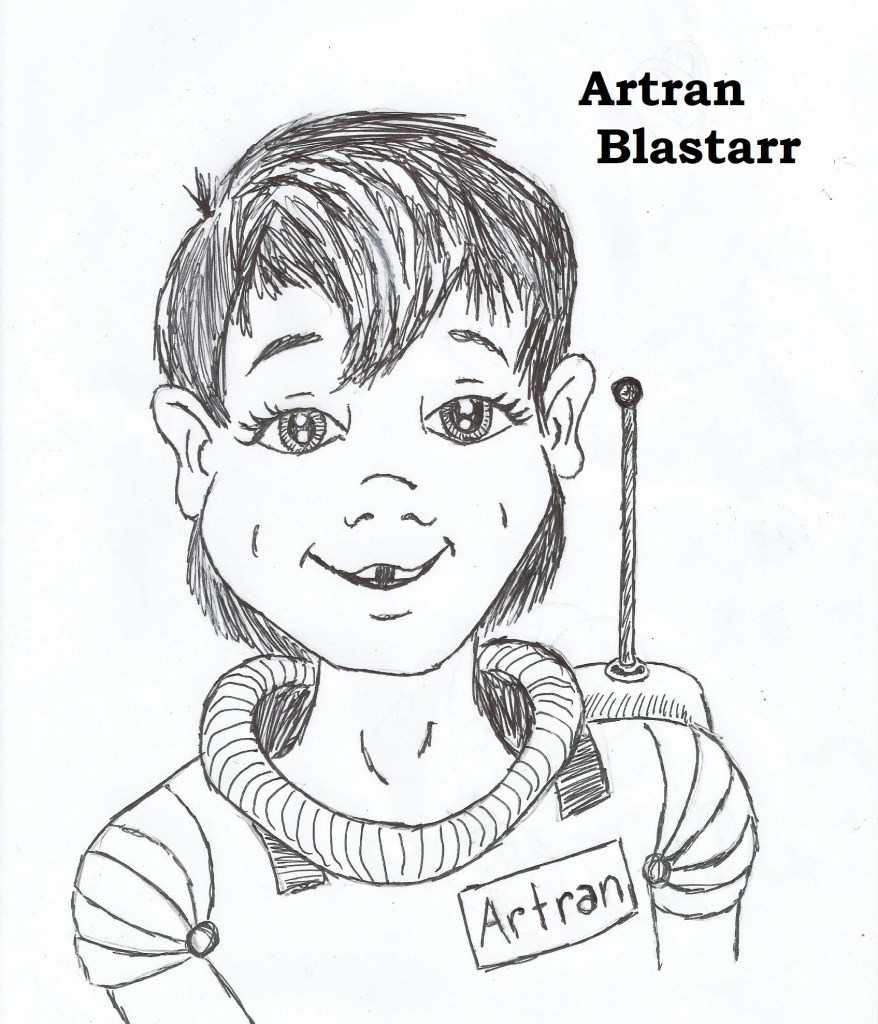






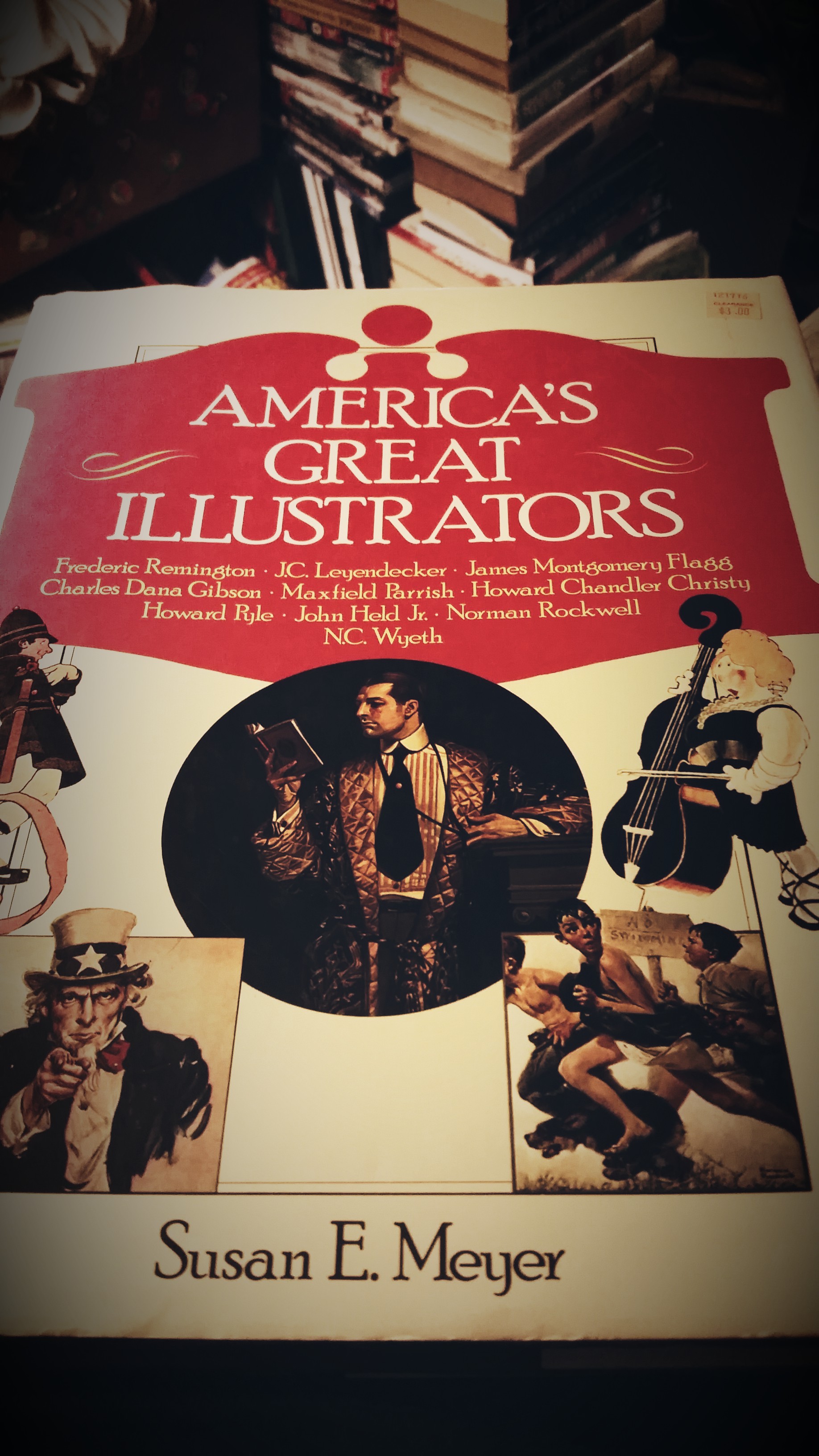
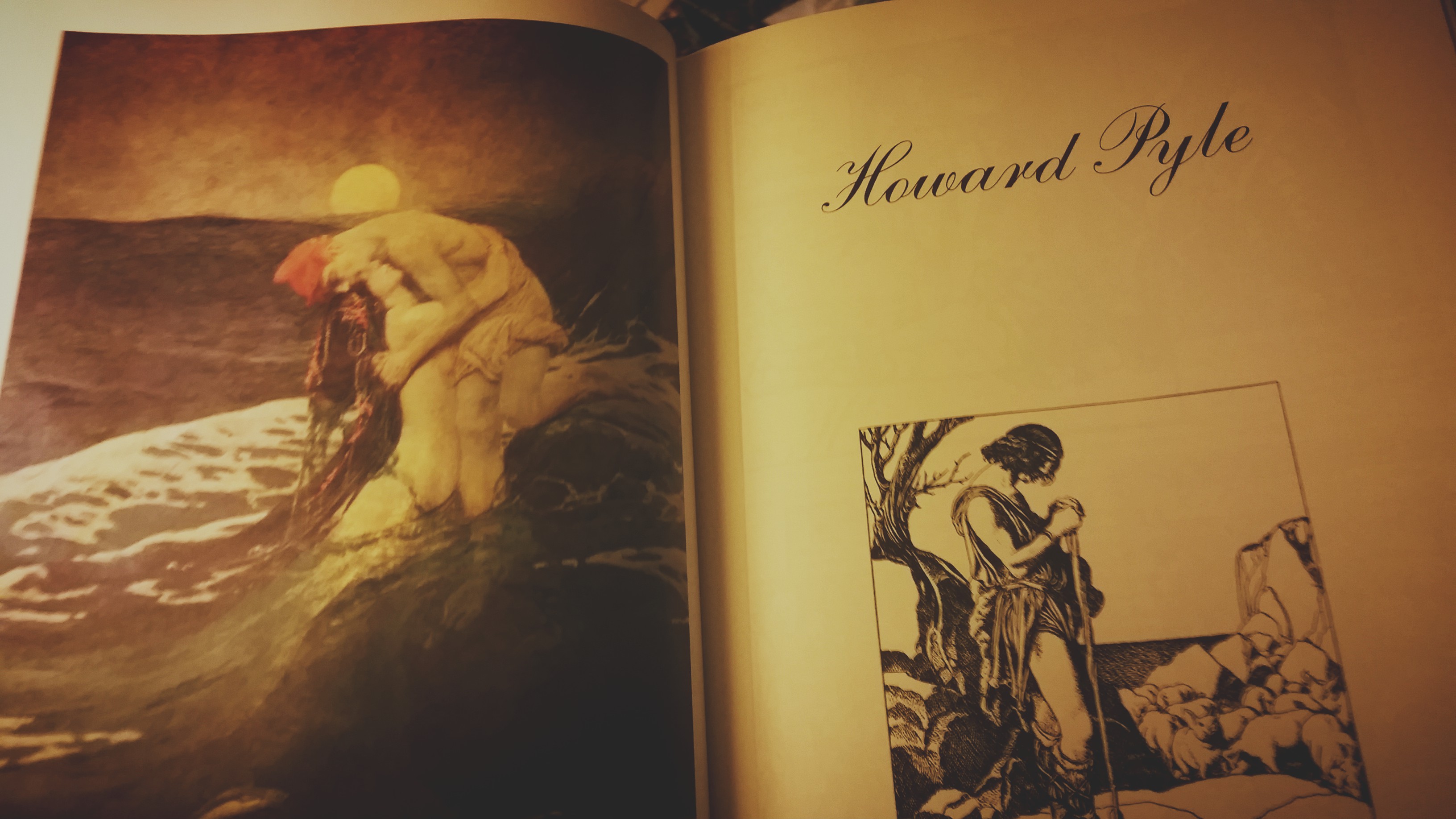
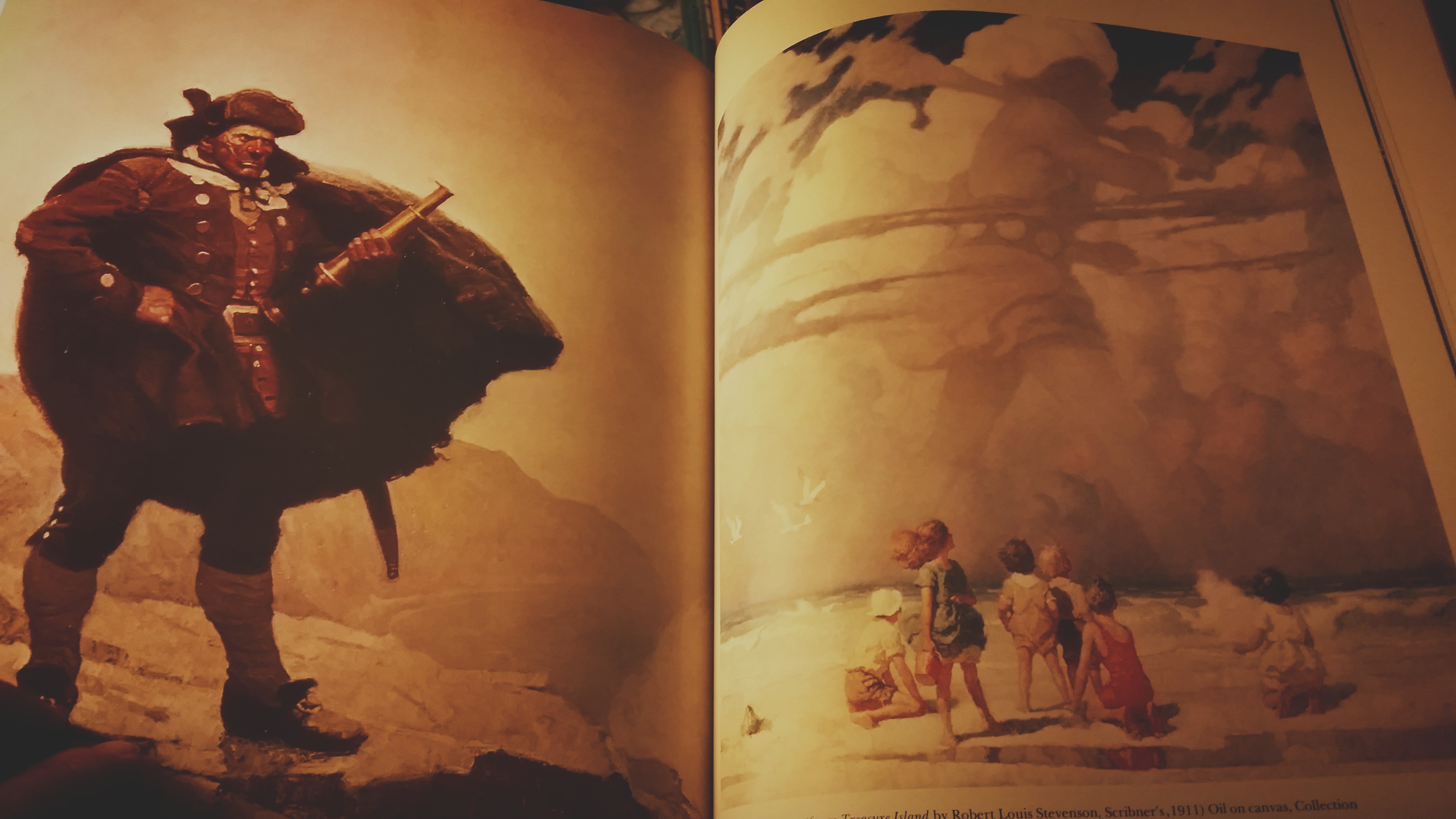
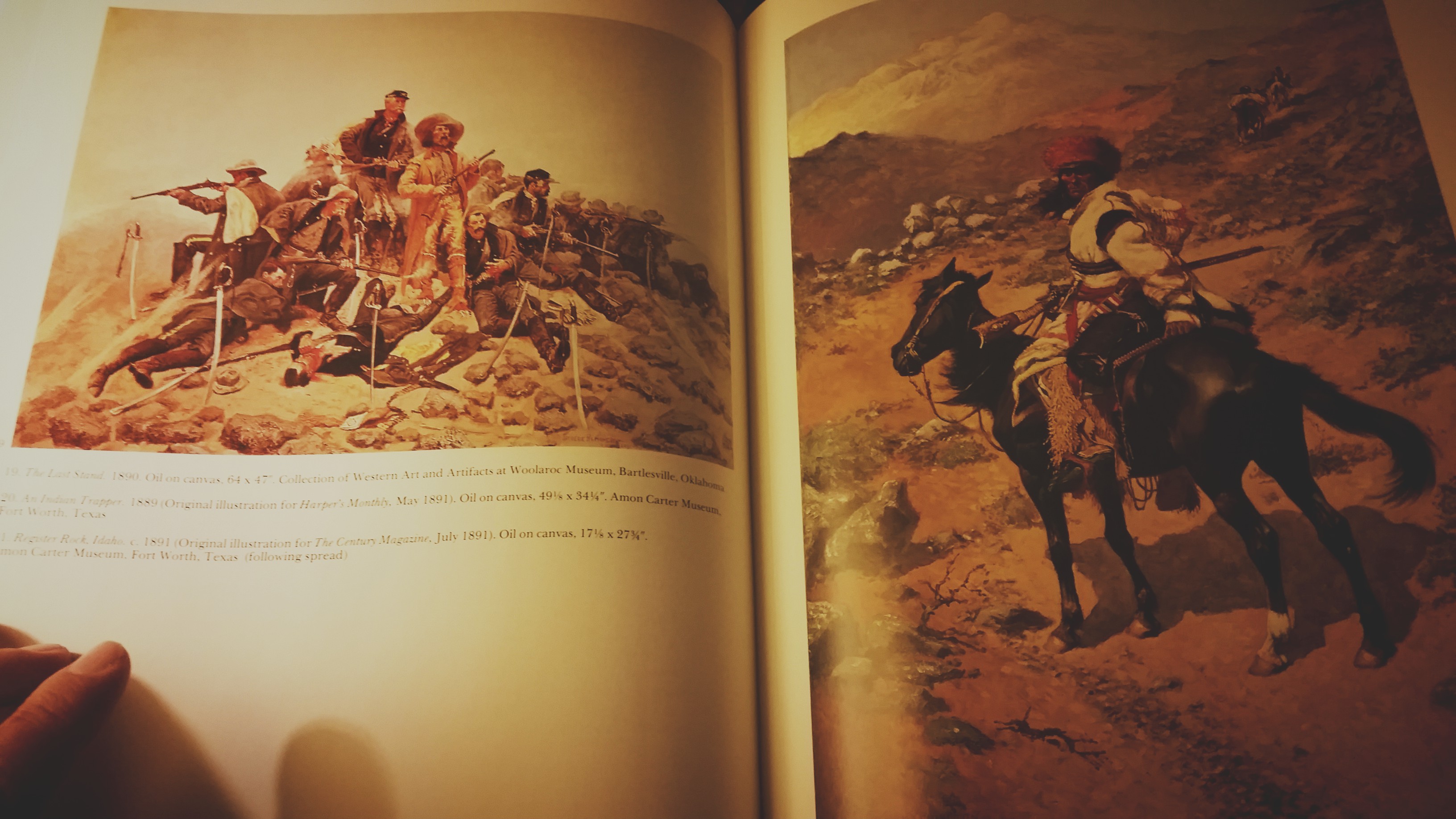


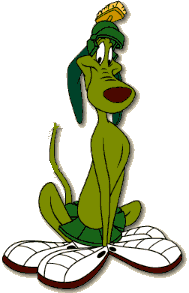


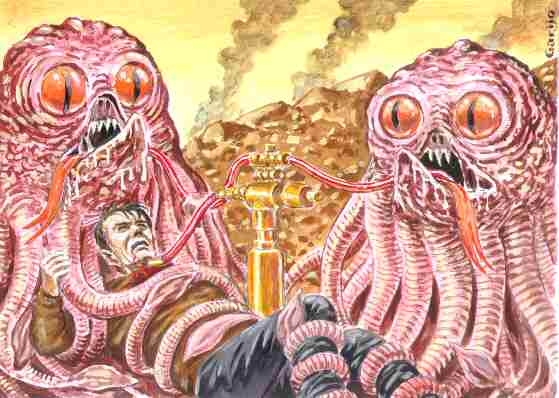
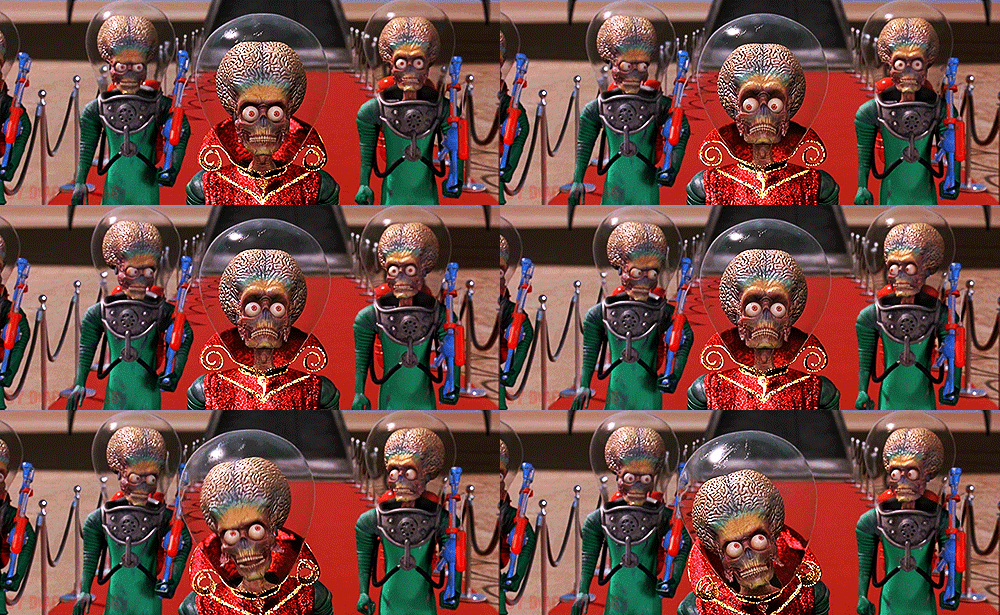
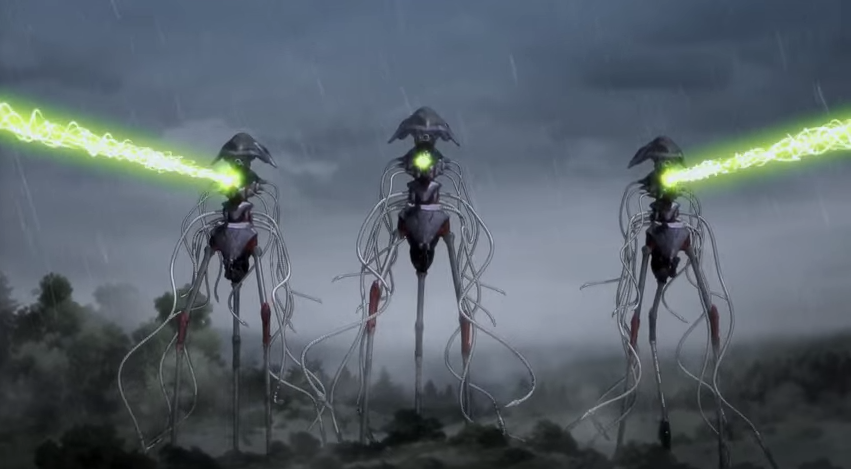






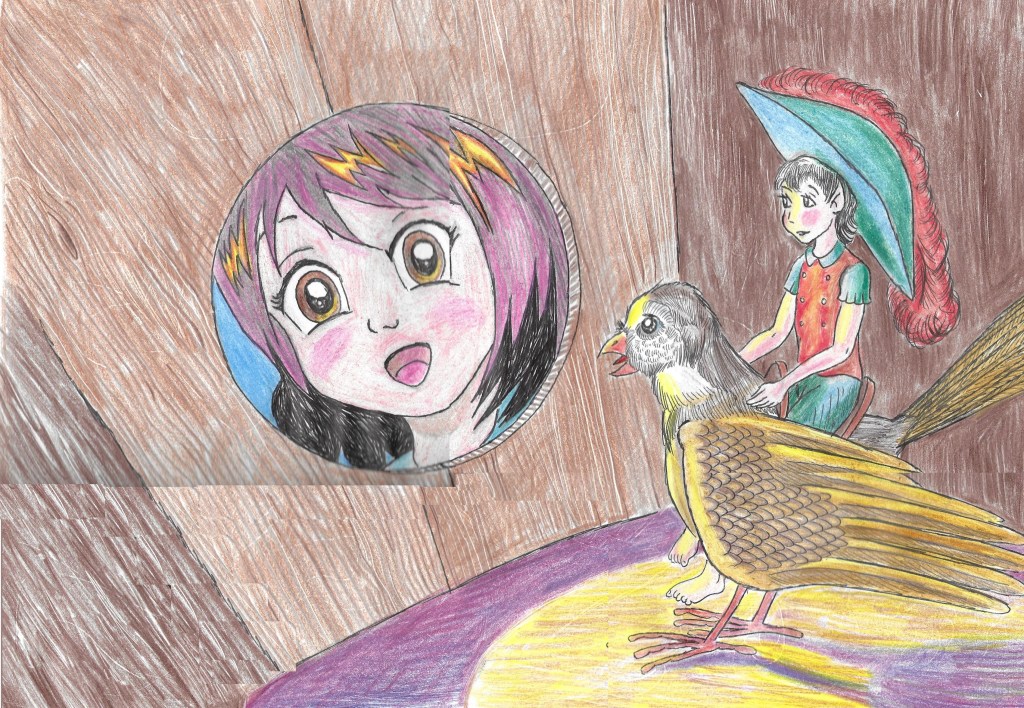
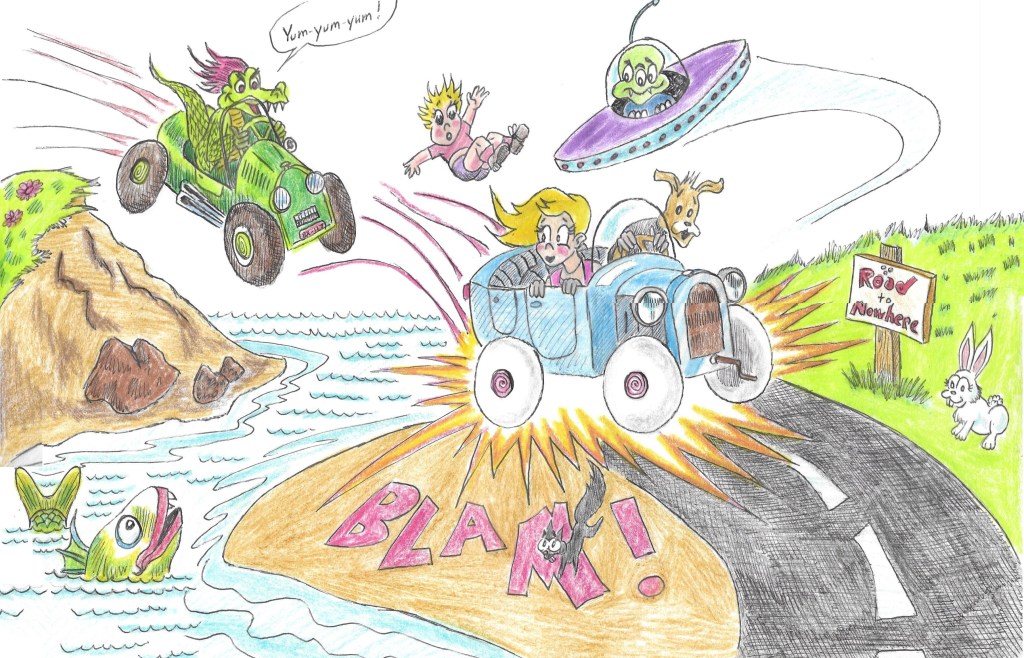
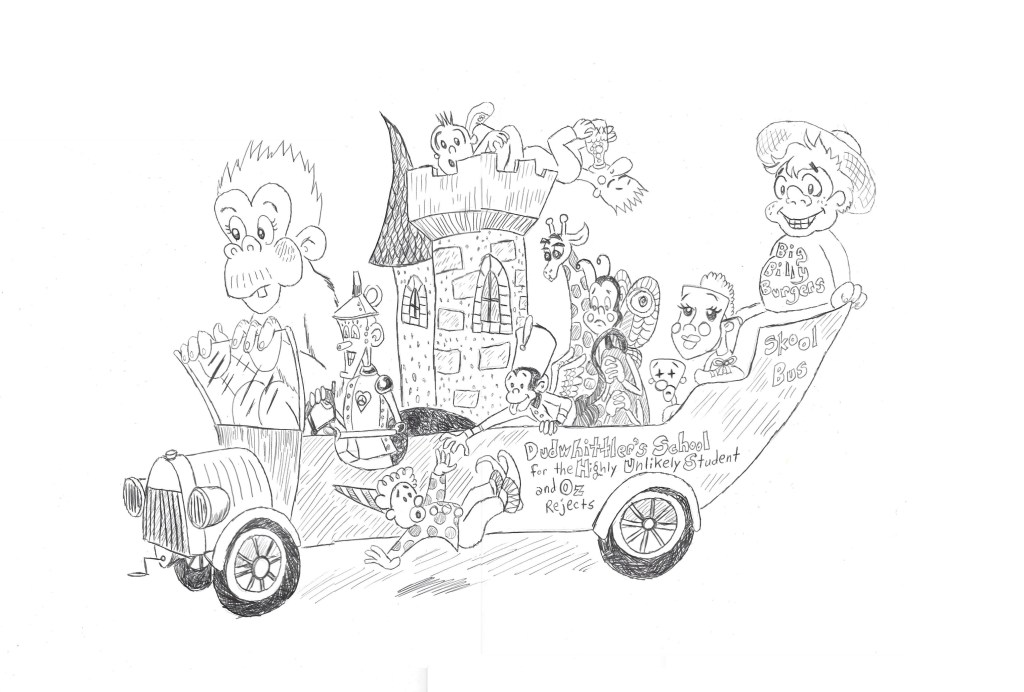
 Catch a Falling Star
My Bookish Journey (Finale)
Like every real, honest-to-God writer, I am on a journey. Like all the good ones and the great ones, I am compelled to find it…
“What is it?” you ask.
“I don’t know,” I answer. “But I’ll know it when I see it.”
“The answer?” you ask. “The secret to everything? Life, the universe, and everything? The equation that unifies all the theories that physicists instinctively know are all one thing? The treasure that pays for everything?”
Yes. That. The subject of the next book. The next idea. Life after death. The most important answer.
And I honestly believe that once found, then you die. Life is over. You have your meaning and purpose. You are fulfilled. Basically, I am writing and thinking and philosophizing to find the justification I need to accept the end of everything.
And you know what? The scariest thing about this post is that I never intended to write these particular words when I started typing. I was going to complain about the book-review process. It makes me think that, perhaps, I will type one more sentence and then drop dead. But maybe not. I don’t think I’ve found it yet.
The thing I am looking for, however, is not an evil thing. It is merely the end of the story. The need no longer to tell another tale.
When a book closes, it doesn’t cease to exist. My life is like that. It will end. Heck, the entire universe may come to an end, though not in our time. And it will still exist beyond that time. The story will just be over. And other stories that were being told will continue. And new ones by new authors will begin. That is how infinity happens.
I think, though, that the ultimate end of the Bookish Journey lies with the one that receives the tale, the listener, the reader, or the mind that is also pursuing the goal and thinks that what I have to say about it might prove useful to his or her own quest.
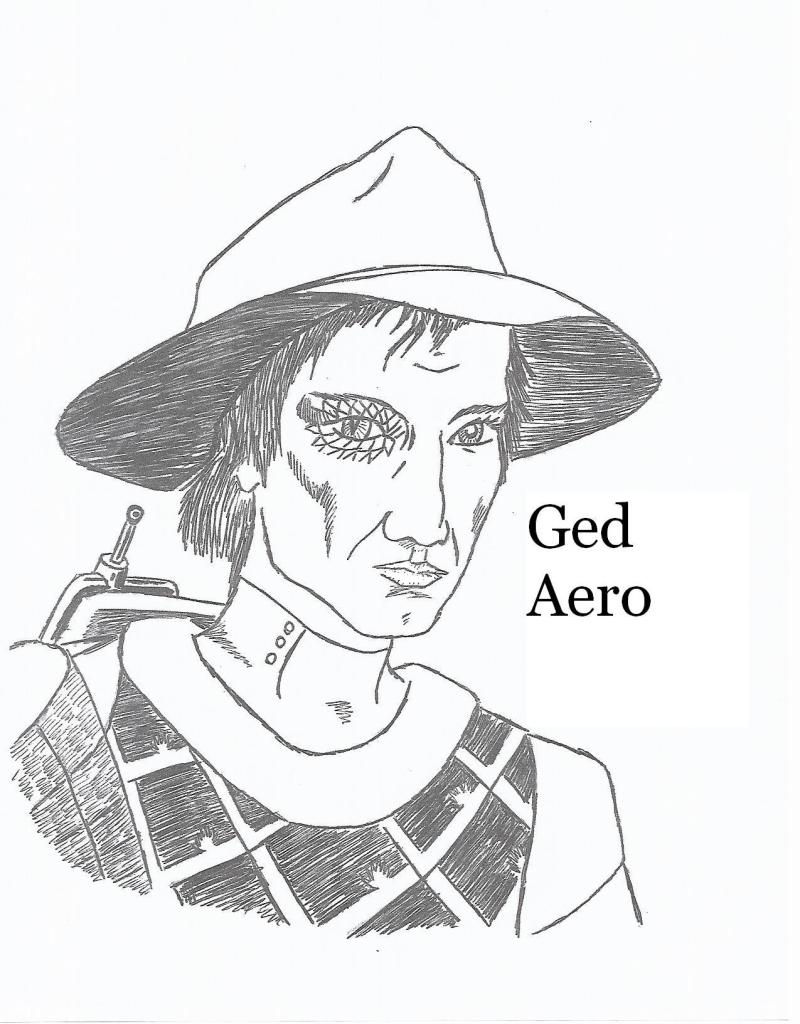
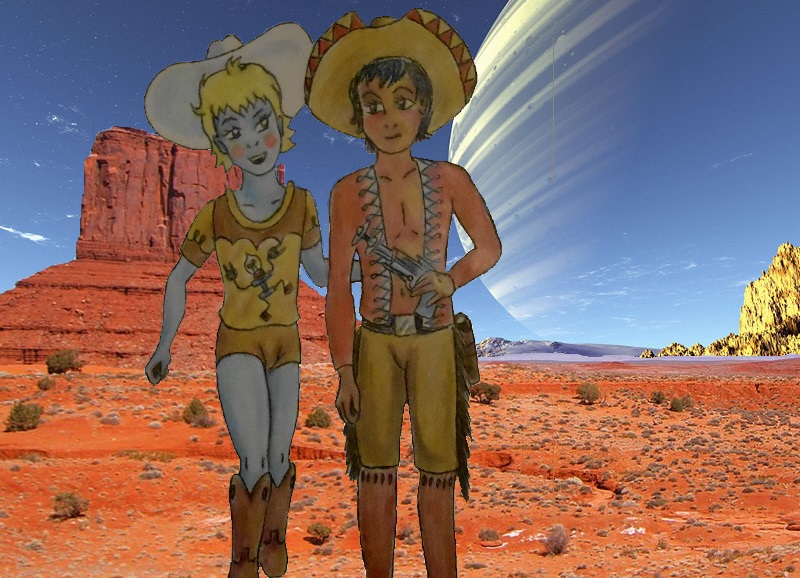
I was going to complain about the book reviewer I hired for Catch a Falling Star who wrote a book review for a book by that name that was written by a lady author who was not even remotely me. And I didn’t get my money back on that one. Instead I got a hastily re-done review composed from details on the book jacket so the reviewer didn’t have to actually read my book to make up for his mistake. I was also going to complain about Pubby who only give reviewers four days to read a book, no matter how long or short it is, and how some reviewers don’t actually read the book. They only look at the other reviews on Amazon and compose something from there. Or the review I just got today, where the reviewer didn’t bother to read or buy the book as he was contracted to do, and then gave me a tepid review on a book with no other reviews to go by, and the Amazon sales report proves no one bought a book. So, it is definitely a middling review on a book that the reviewer didn’t read. Those are things I had intended to talk about today.
But, in the course of this essay, I have discovered that I don’t need to talk about those tedious and unimportant things. What matters really depends on what you, Dear Reader, got from this post. The ultimate McGuffin is in your hands. Be careful what you do with it. I believe neither of us is really ready to drop dead.
Leave a comment
Filed under book review, commentary, humor, illustrations, novel writing, Paffooney, publishing, reading, strange and wonderful ideas about life, writing
Tagged as book review, book reviews, book-blog, books, reading, writing