Category Archives: art criticism

A $3.00 Treasure Trove

C360_2016-12-21-17-27-40-934.jpg

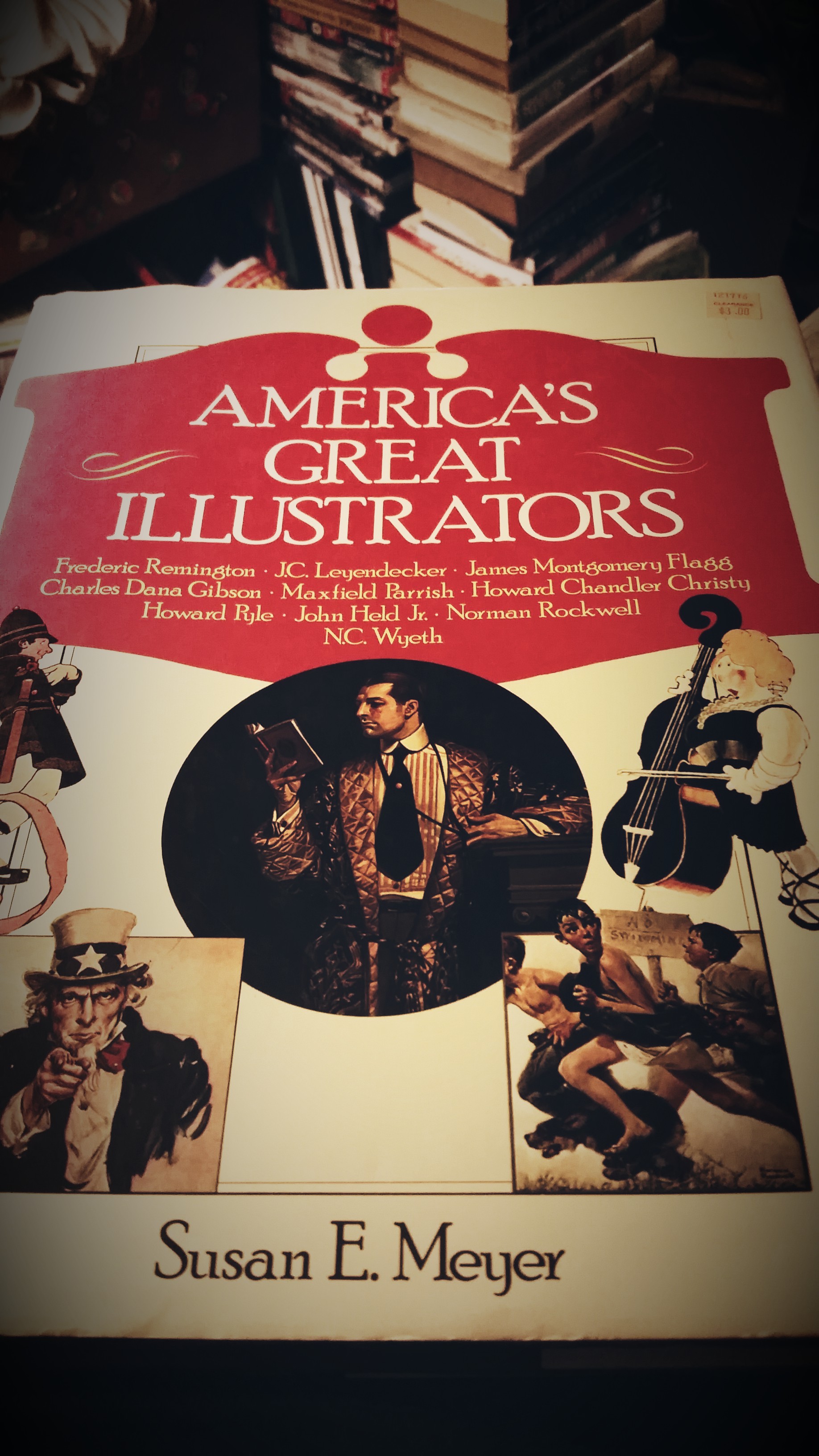
If you cruise the bargain sections in an old used book store like Half-Price Books, eventually you are going to find something priceless.  This book I am showing you is that very thing for me.

It was copyrighted in 1978.  The inscription inside the front cover says this was a Father’s Day gift on June 19th, 1988.  Someone named Gary gifted it to someone named Claude in Burleson, Texas.  It was probably a cherished book until someone passed away and the book changed hands in an estate sale.
c360_2016-12-21-17-26-52-638

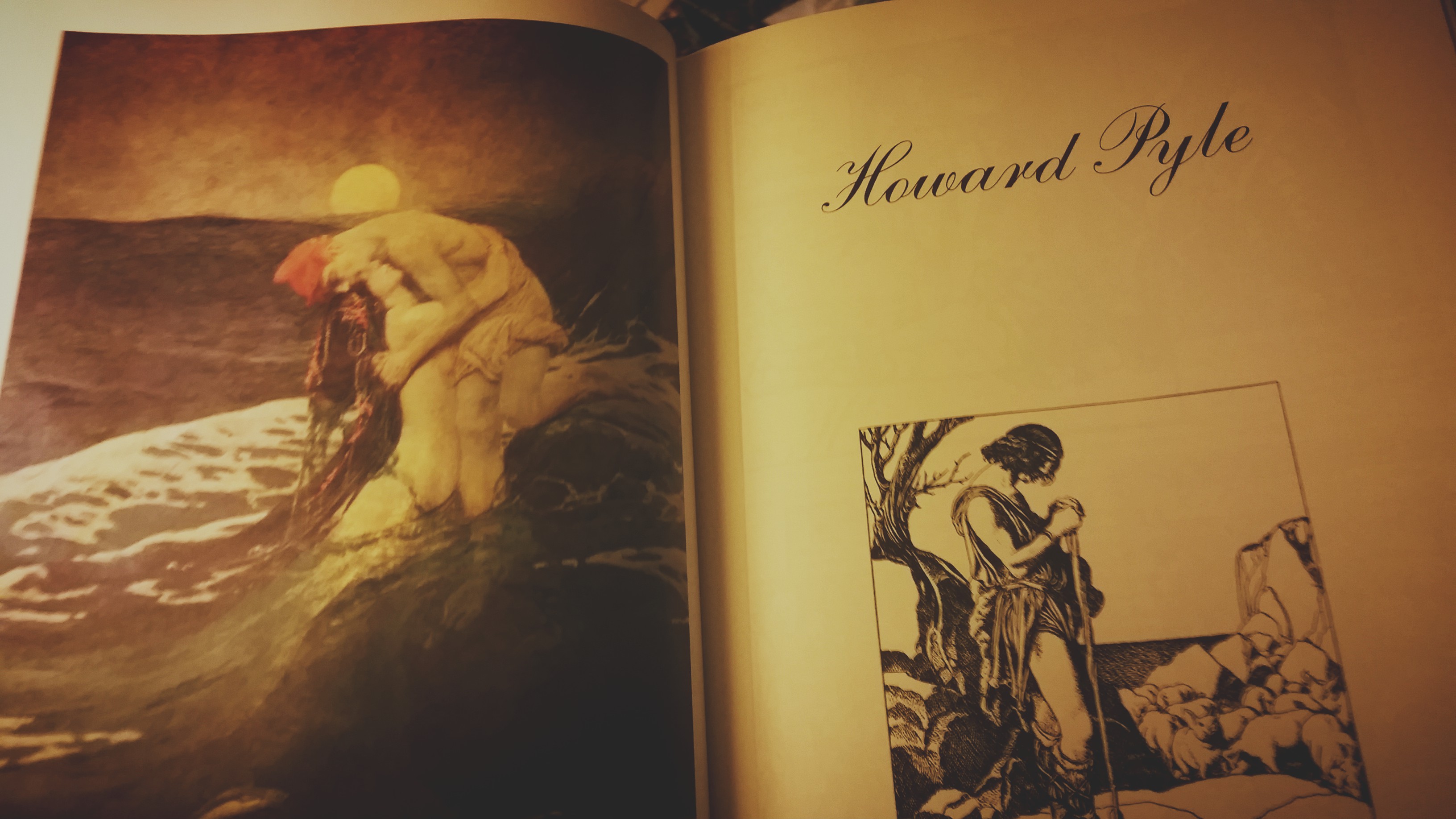
Howard Pyle

The book chronicles the height of the publishing era when being able to print books and reproduce artworks began entertaining the masses.  Always before painters and great artists worked for a patron for the purpose of decorating their home in a way that displayed their great wealth.  But from the 1880’s to the rise of cinema, magazines and books kept the masses entertained, helped more people to become literate than ever before, and created the stories that made our shared culture and life experiences grow stronger and ever more inventive.  The book focuses on the best of the best among a new breed of artist… the illustrators.

These are the ones the book details;

Howard Pyle, N.C. Wyeth, Frederick Remington, Maxfield Parrish, J.C. Leyendecker, Norman Rockwell, Charles Dana Gibson, Howard Chandler Christy, James Montgomery Flagg, and John Held Jr.
c360_2016-12-21-17-26-08-244

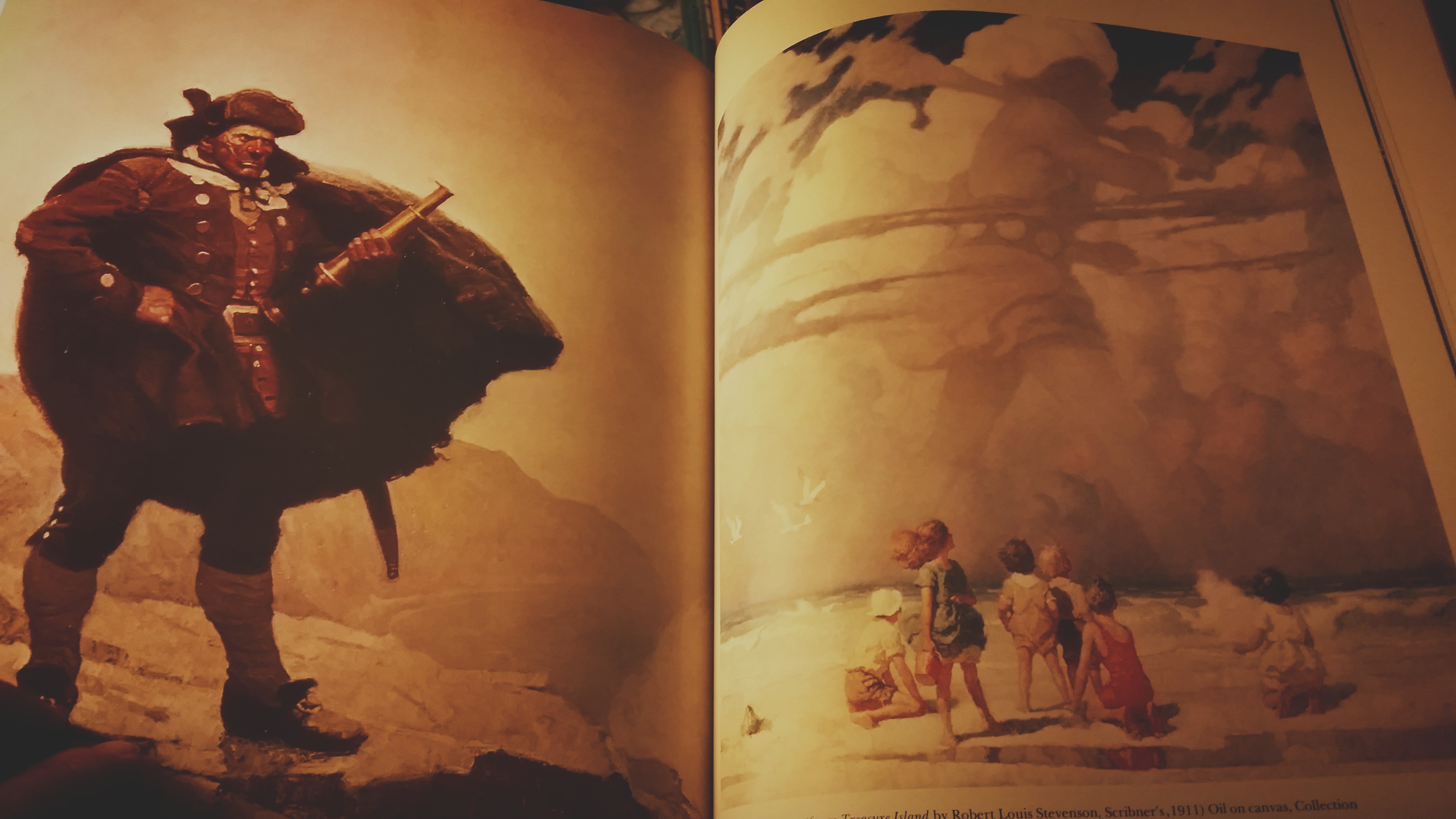
N.C. Wyeth

Wyeth was most famous as a book illustrator for Treasure Island, Kidnapped, other books by Robert Louis Stevenson, Mark Twain,  and a famous volume of tales about Robin Hood.
c360_2016-12-21-17-25-30-575

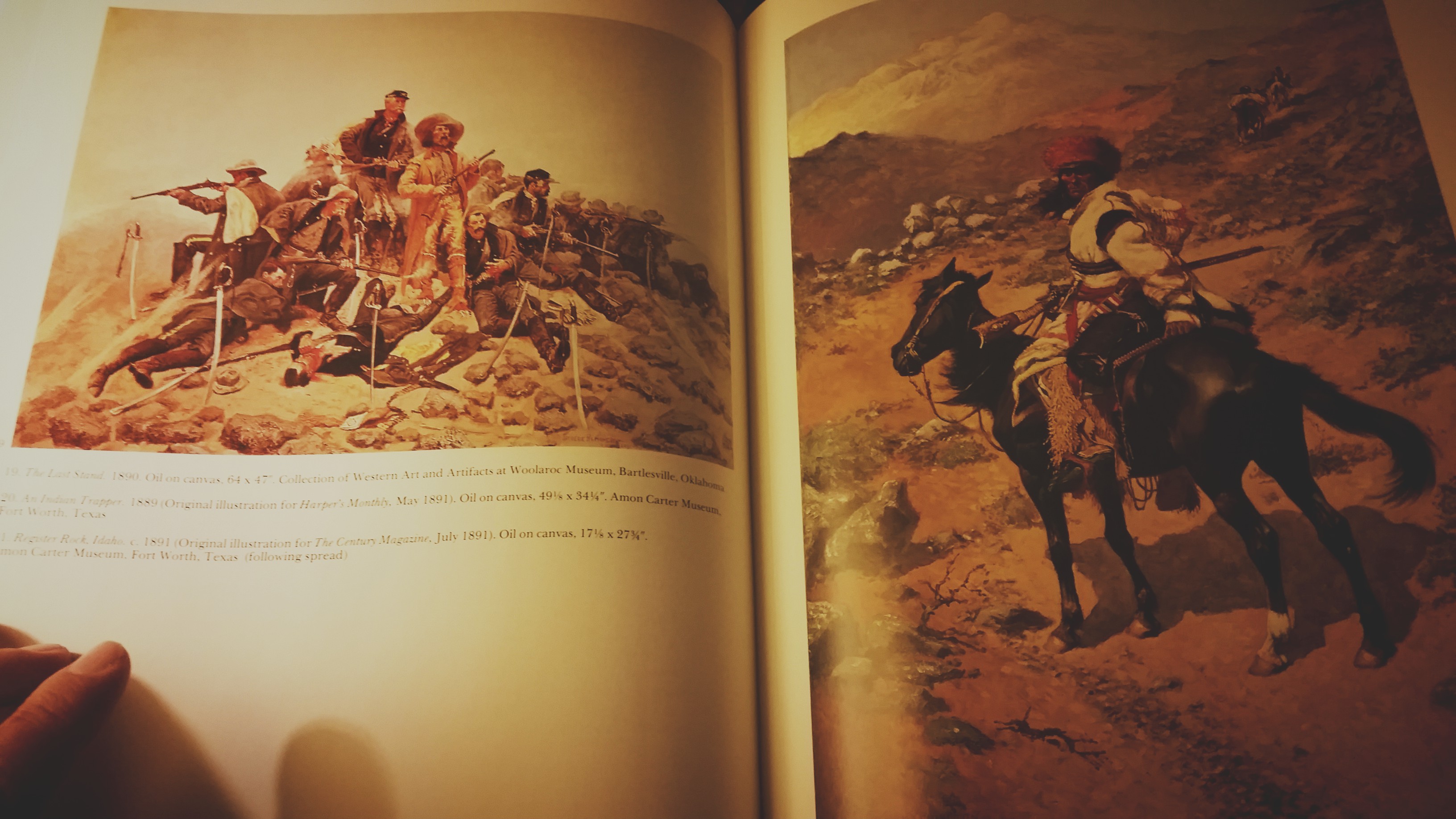
Frederick Remington

Remington is a name you probably know as a maker of Western art.  He was a famous painter of cowboys and Indians and the American frontier.
c360_2016-12-21-17-25-11-104

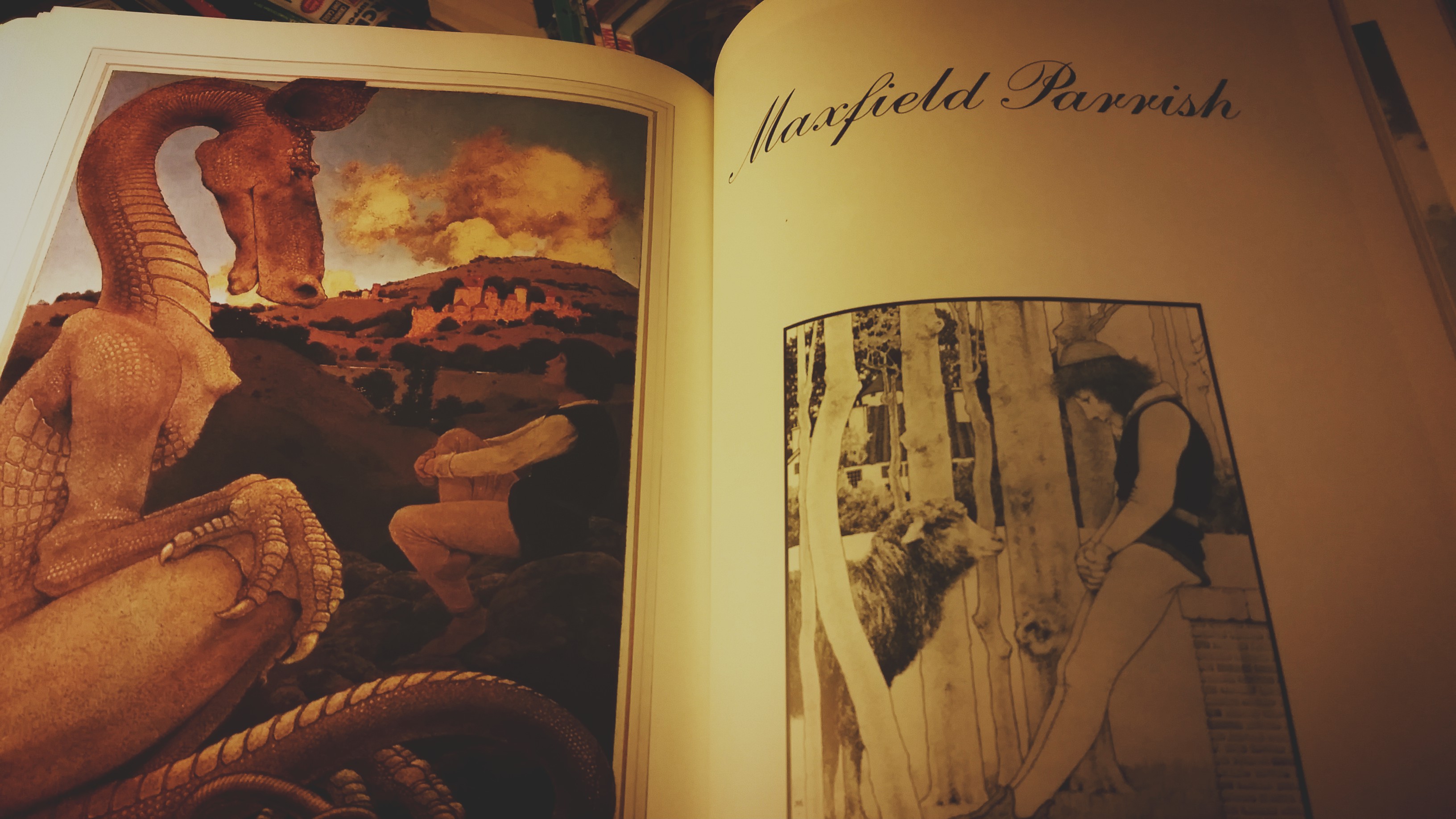
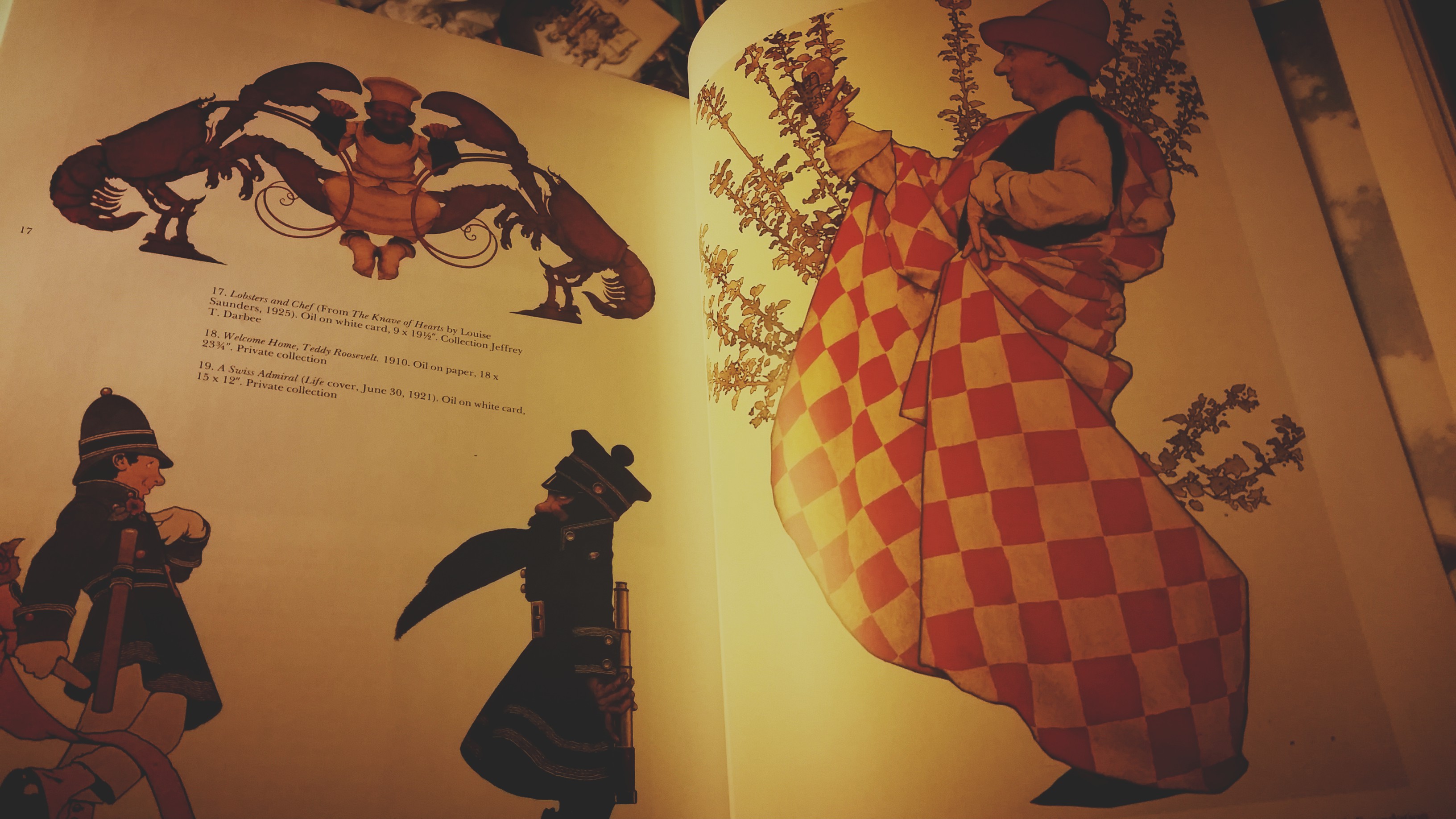
Maxfield Parrish

Maxfield Parrish is my all-time favorite painter.  His work is something I gushed about in previous posts because I own other books about his fanciful works painted in Maxfield Parrish blue.
c360_2016-12-21-17-24-36-579

Also Maxfield Parrish


c360_2016-12-21-17-24-09-869

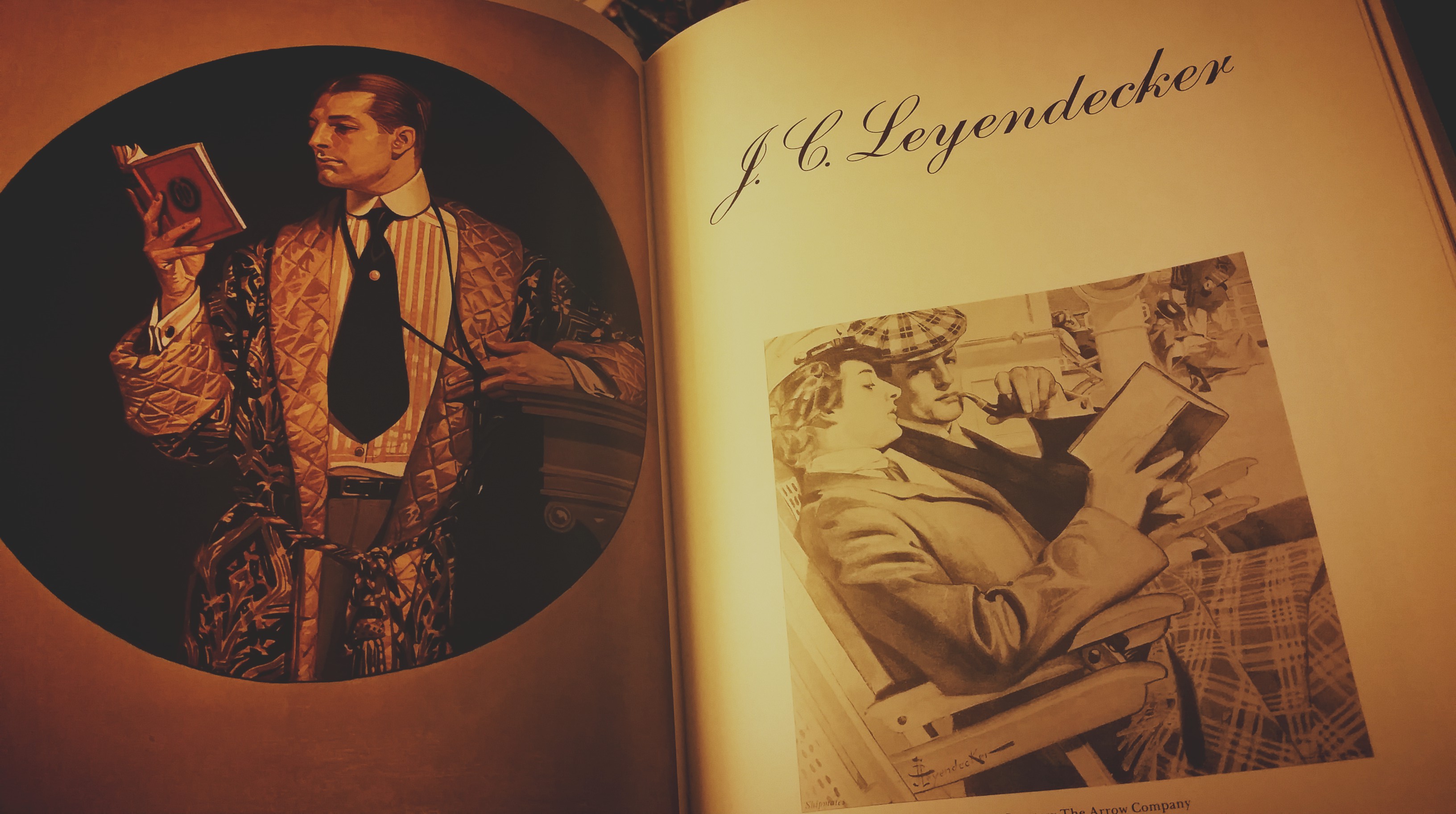
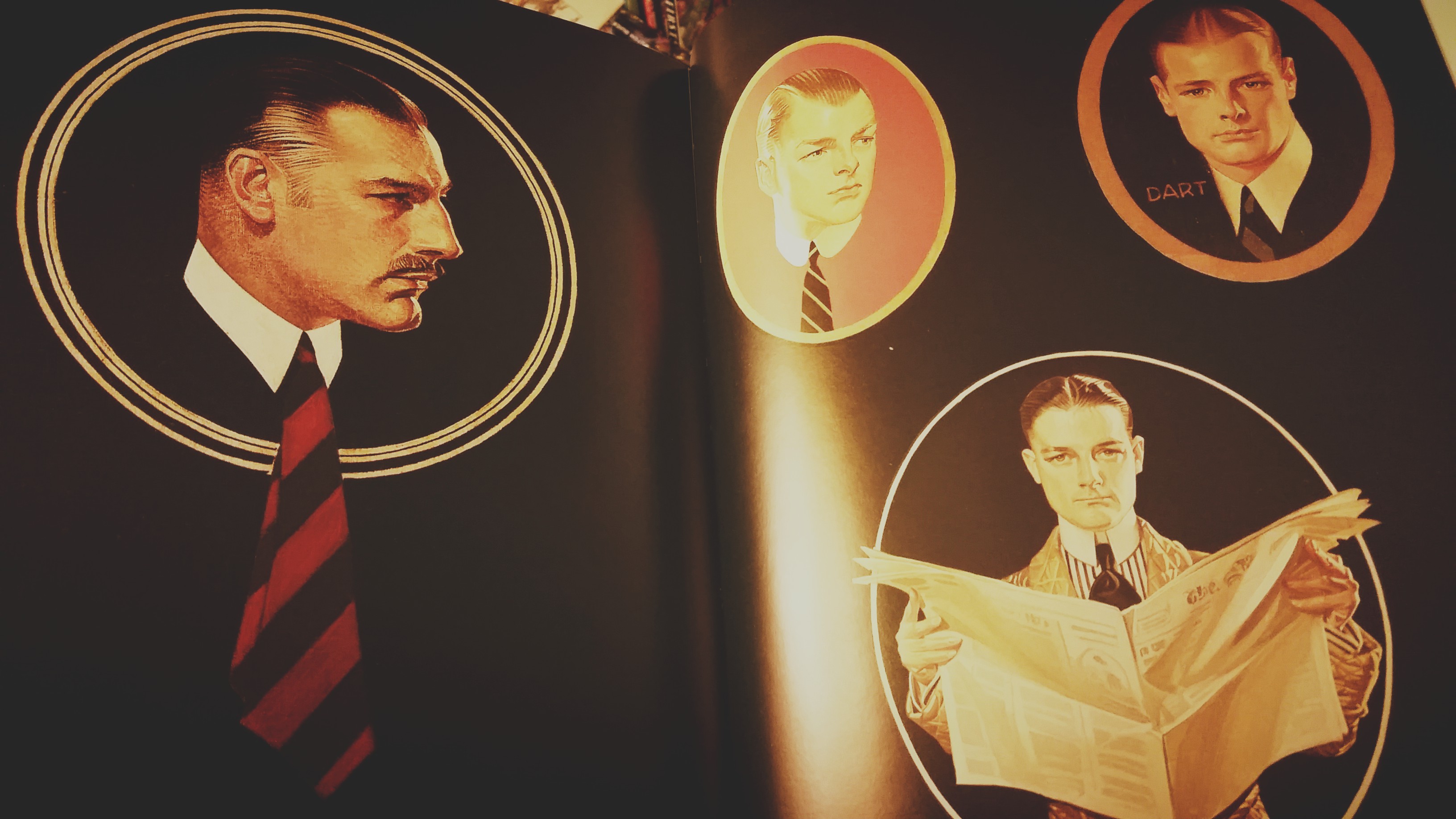
J.C. Leyendecker

You will probably recognize Leyendecker’s work in magazine and advertising illustration as the standard of the Roaring 20’s.  His paintings set a style that swept American culture for more than a decade, and still affects how we dress to this very day.
 

c360_2016-12-21-17-23-44-163

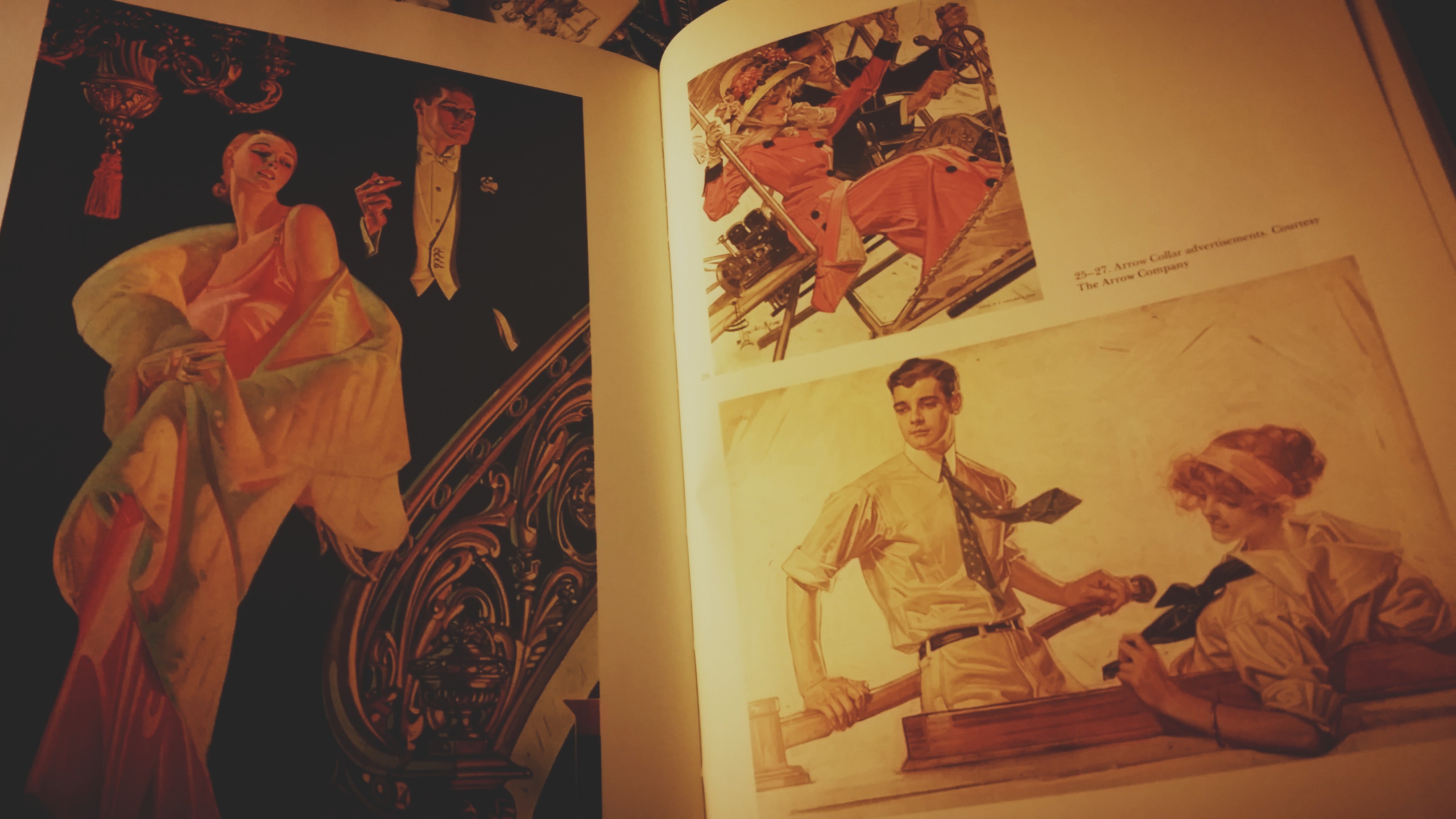
More Leyendecker


c360_2016-12-21-17-23-26-011

Even more from Leyendecker


c360_2016-12-21-17-22-58-983

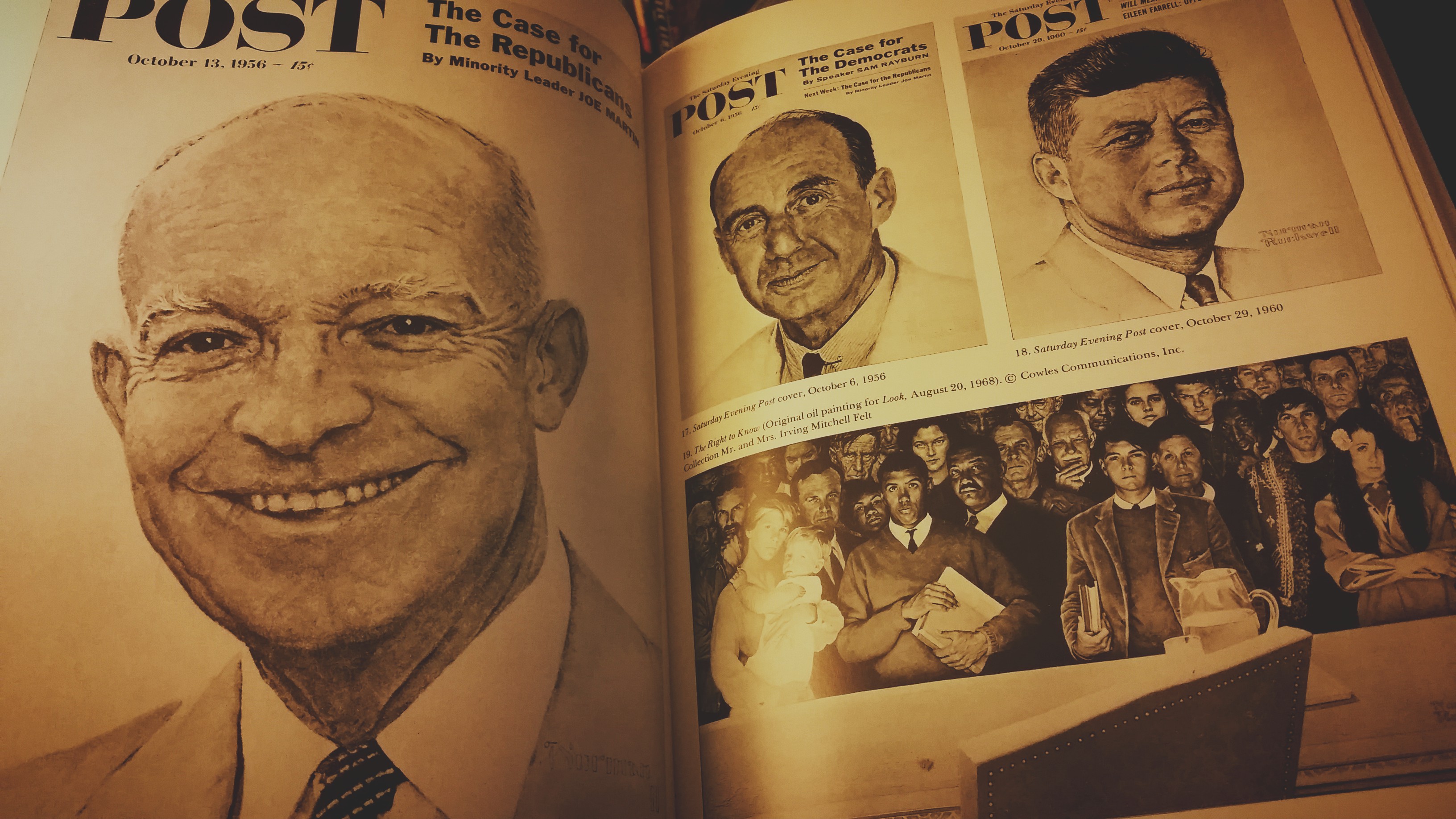
Norman Rockwell

Norman Rockwell and his work for The Saturday Evening Post is still familiar to practically everyone who reads and looks at the illustrations.  As you can see he was a master of folksy realism and could do a portrait better than practically anyone.
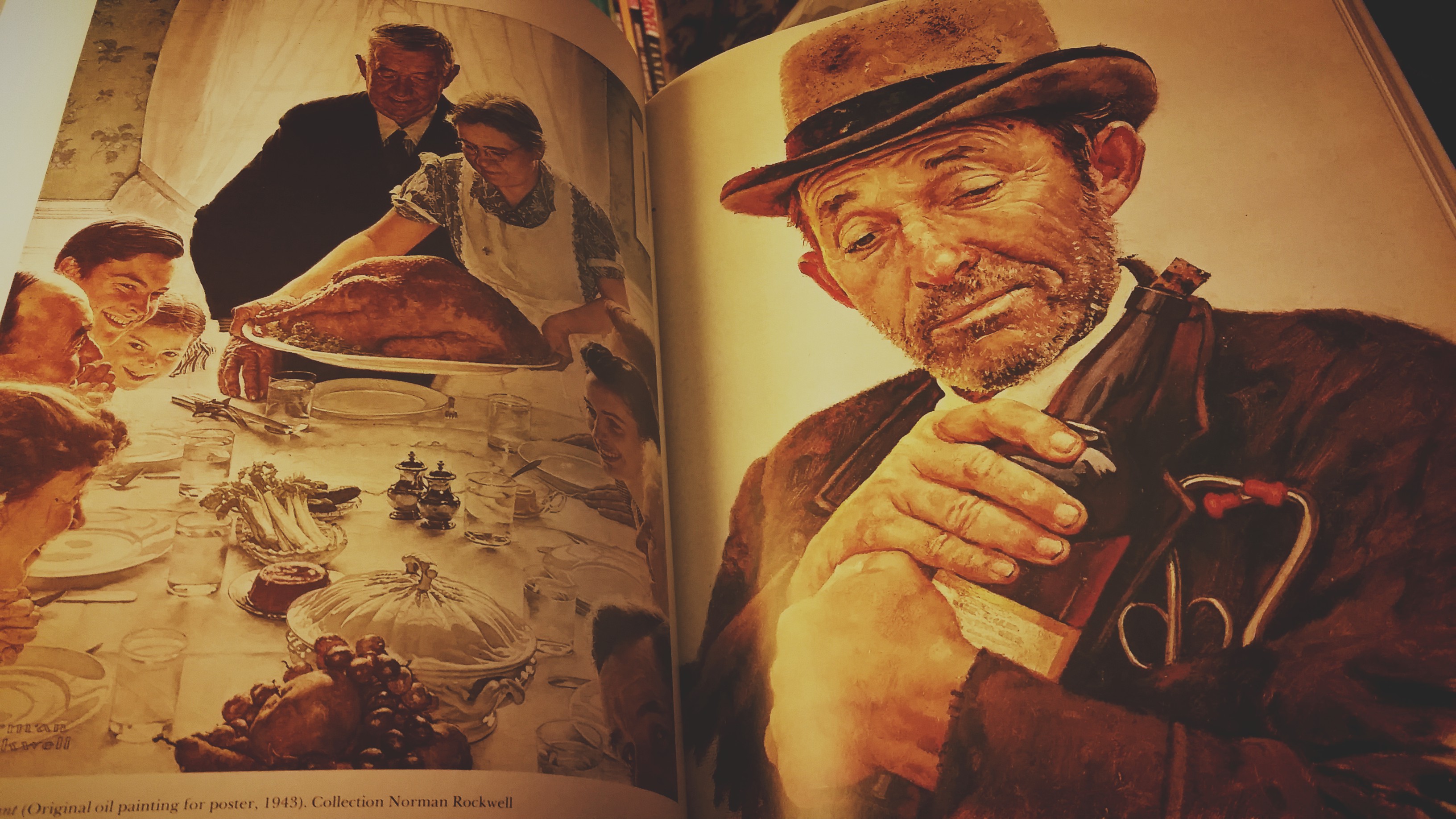
 

c360_2016-12-21-17-22-02-082

Also Rockwell

I have also written about Norman Rockwell before too.  I have half a dozen books that include his works.  My wife is from the Philippines and she knew about him before I ever said a word to her about him.
c360_2016-12-21-17-21-38-237

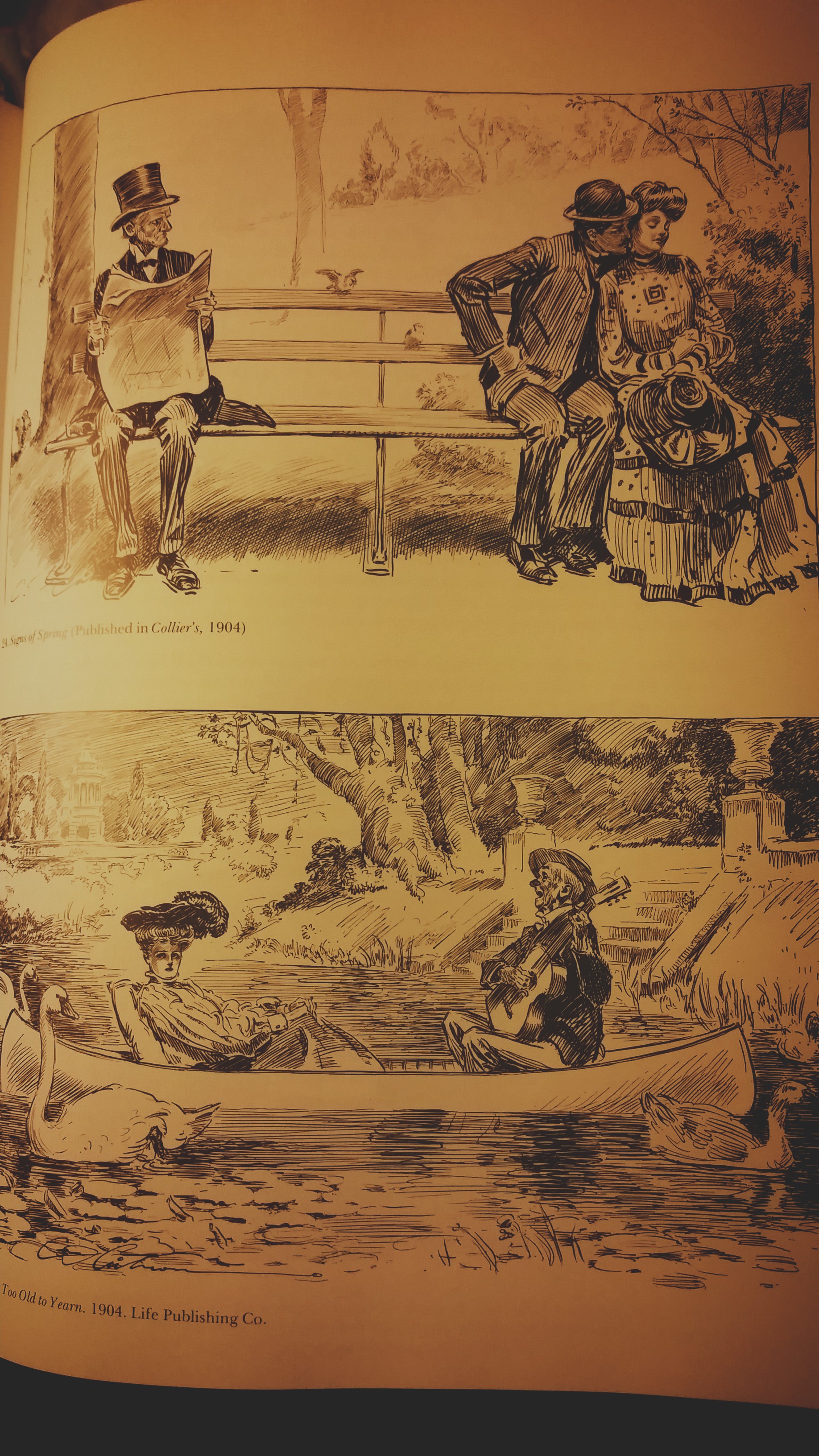
Charles Dana Gibson

As you can plainly see, Gibson was a master of pen and ink.  His work for Collier’s and other magazines thrills in simple black and white.  More cartoonists than just little ol’ me obsess about how he did what he did.
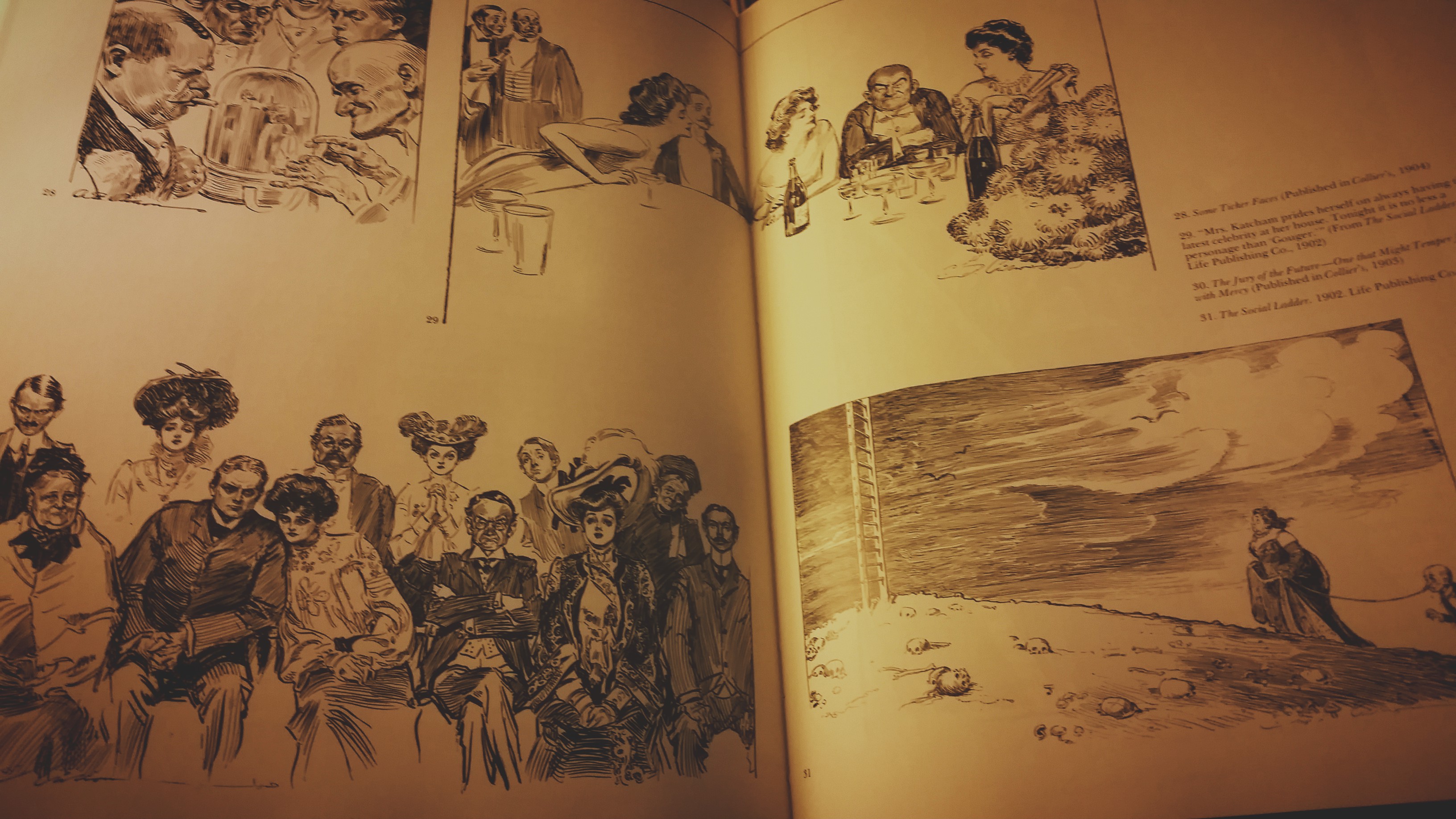
c360_2016-12-21-17-21-14-634

Also Gibson


c360_2016-12-21-17-20-49-992

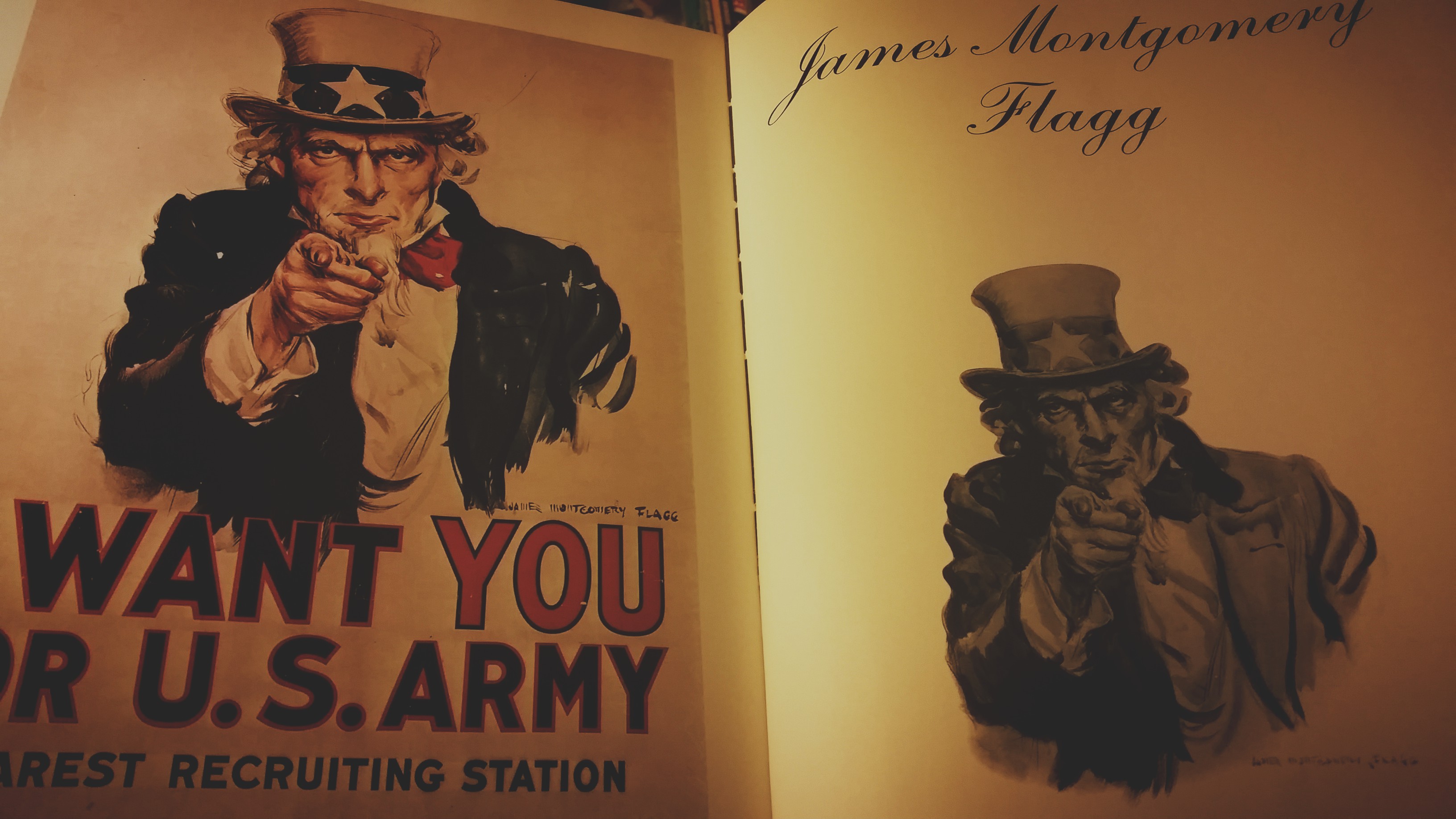
James Montgomery Flagg… with a name like that, who else could it be?
 

c360_2016-12-21-17-20-06-847

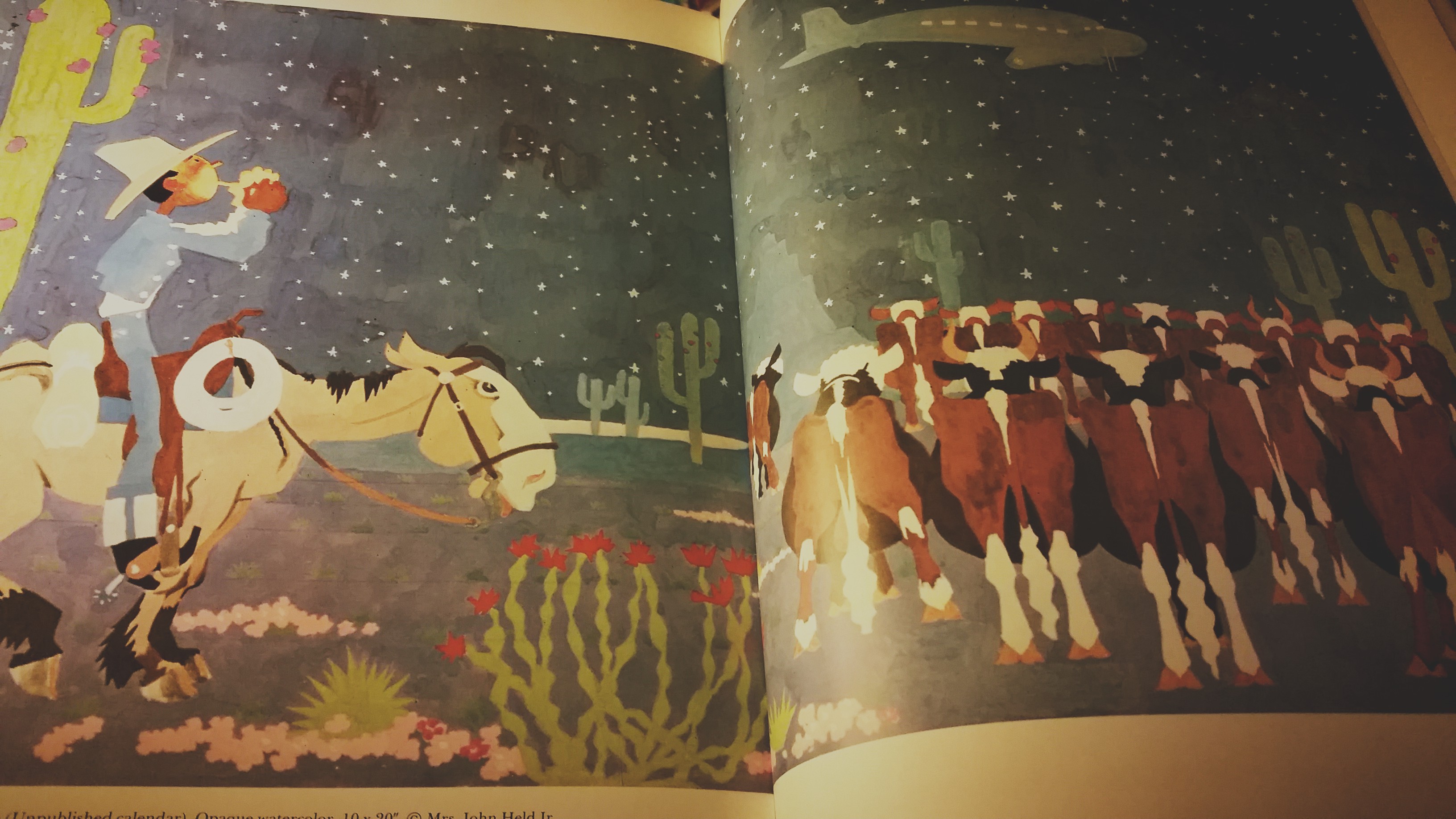
John Held Jr.

The work of Held is stylistically different than all the rest in easily noticeable ways.  He’s the guy that made all the big-headed Pinocchio-looking people in the 1920’s.  You may have seen his work before, though you probably never knew his name.

This bit of someone else’s treasure hoard will now become a part of my own dragon’s treasure, staying by my bedside for quite a while, while I continue to suck the marrow from each of its bones.  I love this book.  It is mine, and you can’t have it… unless you find your own copy in a used bookstore somewhere.
Leave a comment

Filed under art criticism, art my Grandpa loved, book reports, book review, humor, illustrations, imagination, oil painting, old art, old books, pen and ink, Uncategorized

Homely Art – Amos Sewell

Still being under the weather and filled with sinus head-pain, I decided to go back to a subject I love so much that the post will simply write itself.  You know I love Norman Rockwell and his art, and I fervently believe that kind of mass media oil-painting does not put him in a lesser category than Rembrandt or Michelangelo or Raphael or any other painter with a ninja turtle namesake.   He is a genius, and though he is not a realist in so many ways, his work is more truthful than practically any other kind of painting.  If you are taken by surprise and didn’t know I had this passionate obsession, maybe you should go back and look at this post;   Norman Rockwell

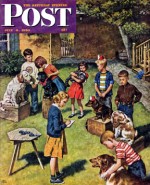
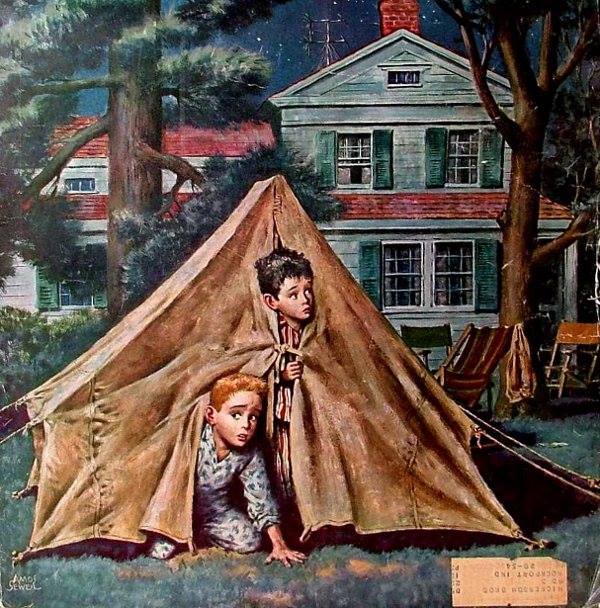
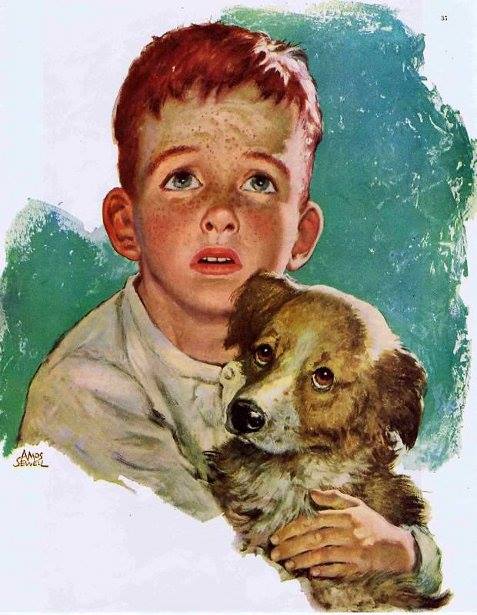
Now that I got that out of my system, here is another Saturday Evening Post artist that is often confused with Rockwell.  His name is Amos Sewell.

11873526_1032725256739973_4919654303824590046_n

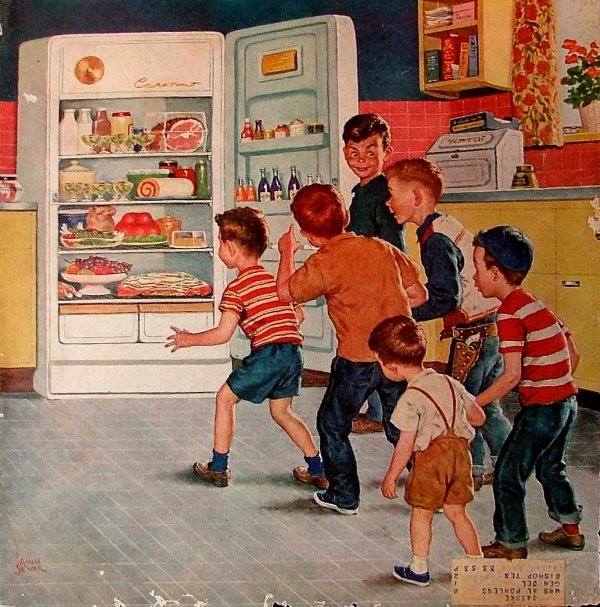
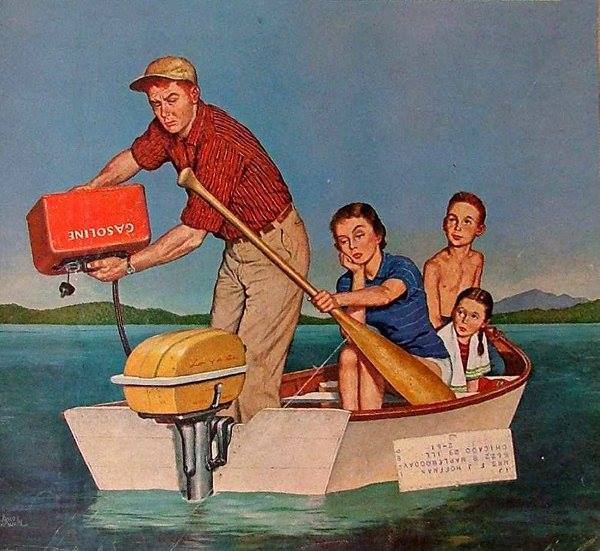
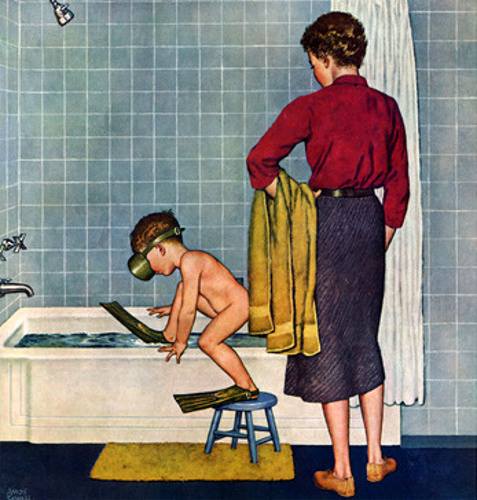
Sewell was an amateur tennis player who was talented enough to win tournaments.  He was an employee of Wells Fargo who was headed towards anything but an art career until he decided to make a leap of faith in 1930.  He started as an illustrator for Street and Smith pulp fiction, and soon caught the notice of the big-time magazine markets for his art.  He published art for Saturday Evening Post,   Country Gentlemen Magazine, and Women’s Day.

11855684_1032724350073397_6985701137057034931_n

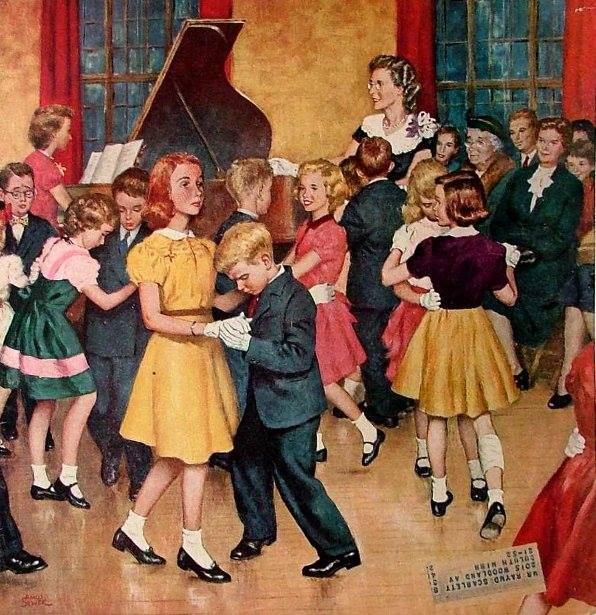
Like Rockwell, he was able to find the funny in everyday scenes, like the dance party to the right.  That young man at center stage is trying so hard not to step on the feet of the red-headed girl, that you want to laugh, but can’t because it’s obvious how embarrassed he would be, and the charm of the picture leads you to shun the thought of interrupting.  The scene is so real the boy would hear you laughing as you looked at the Post cover.

11870904_1032728563406309_3782150834774591970_n

11866457_1032728726739626_9033099913708919775_n

11889619_1032728970072935_2637789351554720524_n

More expert on this kind of art than I am is the Facebook site that I first got turned on to Sewell by.  Children in Art History

They can also be found on WordPress.  Children in Art History (WordPress)

9500708_72dpi_nocallout-150x185

11889413_1032724710073361_2181902444339379253_n

There is no doubt that Amos Sewell belongs in the same pantheon of artists as Norman Rockwell, Thomas Kinkade, or Paul Detlafsen.  They are all artists who achieve in their work exactly what I have always striven for.  I want to be able to hold the mirror up to our world the way they did.  I want to capture both the fantasy and the reality in the subject of everyday family life.  I also want to share this work with you because I cannot stand the idea that such artistic ambrosia could one day be forgotten in archives where no one ever looks at it and feels the message in their heart.

Leave a comment

Filed under art criticism, homely art, humor

The World is a B-Movie

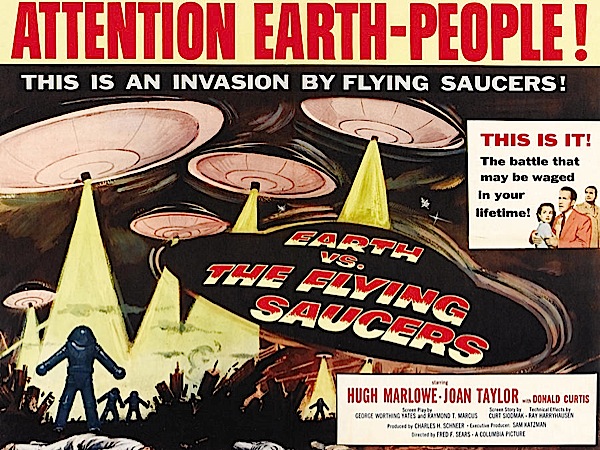
Yes, I am saying the world I live in is a low-budget commercial movie made without literary or artistic pretensions. You know, the kind where movie makers learn their craft, taking big risks with smaller consequences, and making the world of their picture reflect their heart rather than the producer’s lust for money.

Mostly what I am talking about are the movies I remember from late-night Saturday TV in black and white (regardless of whether or not the movie was made in Technicolor) and the less-risky as well as more-likely-good Saturday matinees on Channel 3. Movies made in the 1950s, 1960s, and early 1970s. They were perfect, of course, for the forbidden Midnight Movie on the show called Gravesend Manor. I had to sneak downstairs to watch it on Saturday nights with the volume turned way down low. (Not that Mom and Dad didn’t know. Well, maybe they didn’t know how many of those I watched completely naked… maybe.)

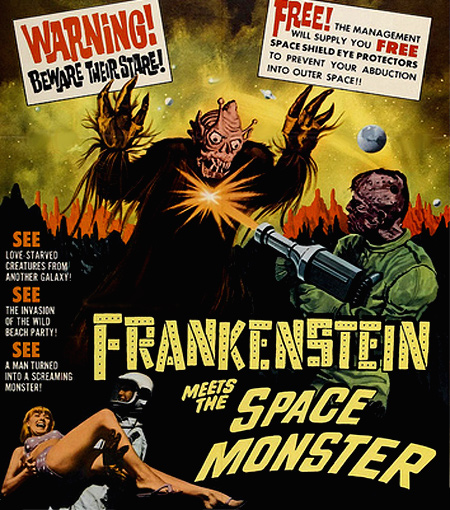
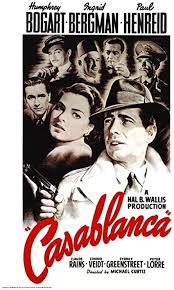
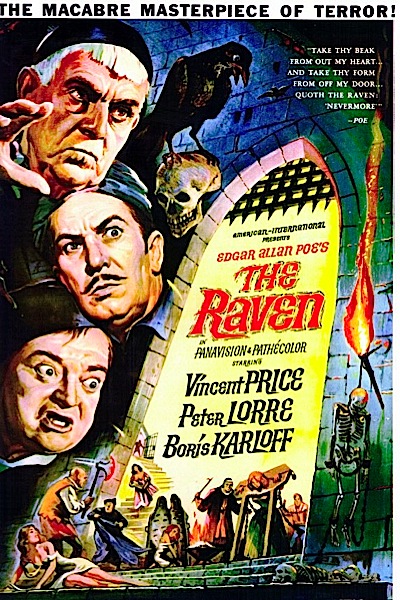
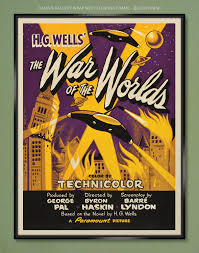
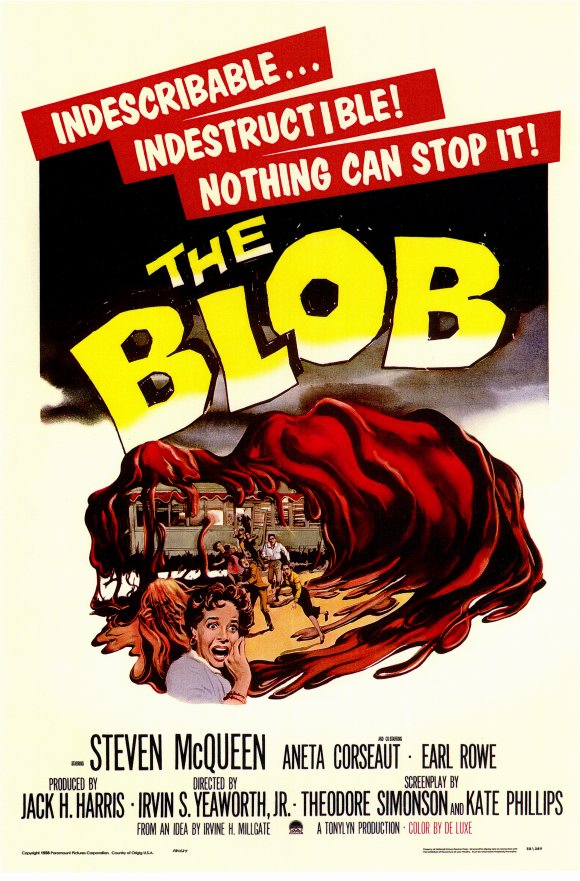
I watched this one when I was twelve, late night on an October Saturday. I had a bed-sheet with me to pull over my head at the scariest parts. Frankenstein was a crashed astronaut brought back to life by the magic of space radiation. He was uglier than sin, but still the hero of the movie, saving the Earth from invading guys in gorilla suits and scary masks (none of which looked like the movie poster.)

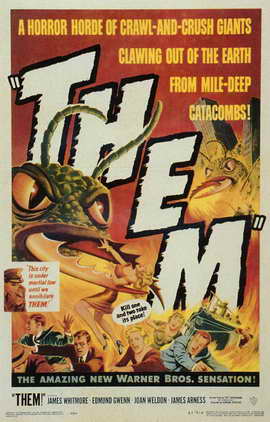
This one, starring James Whitmore, a really good B-Movie actor, was about giant ants coming up from the sewers and the underground to eat the city.

I would end up watching it again twenty years later when I was wearing clothes and not alone in the dark house lit only by a black-and-white TV screen.

I realized on the second viewing that it was actually a pretty good movie in spite of cheesy special effects. And I realized too that I had learned from James Whitmore’s hero character that, in times of crisis, you have to run towards the trouble rather than away from it, a thing that I used several times in my teaching career with fights and tornadoes and even rattlesnakes visiting the school campus looking to eat a seventh-grader or something (though it was a bad idea for the snake even if it had been successful.)

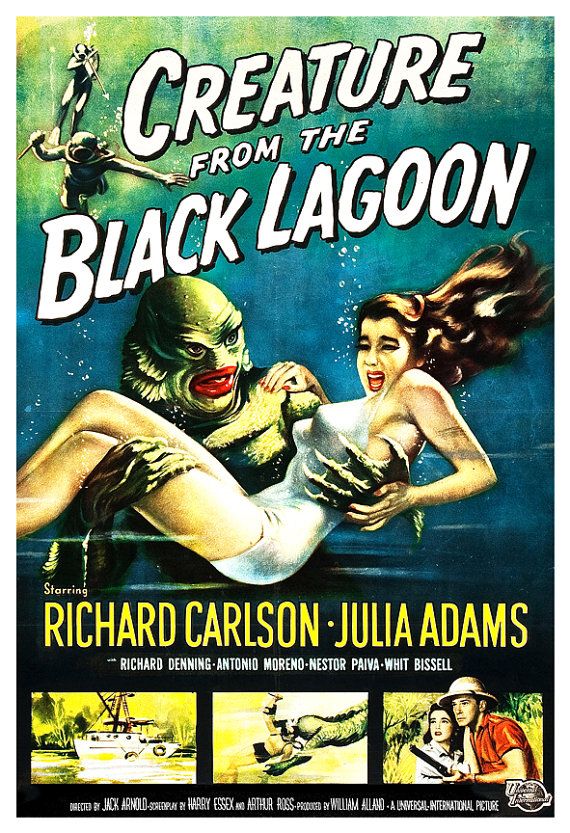
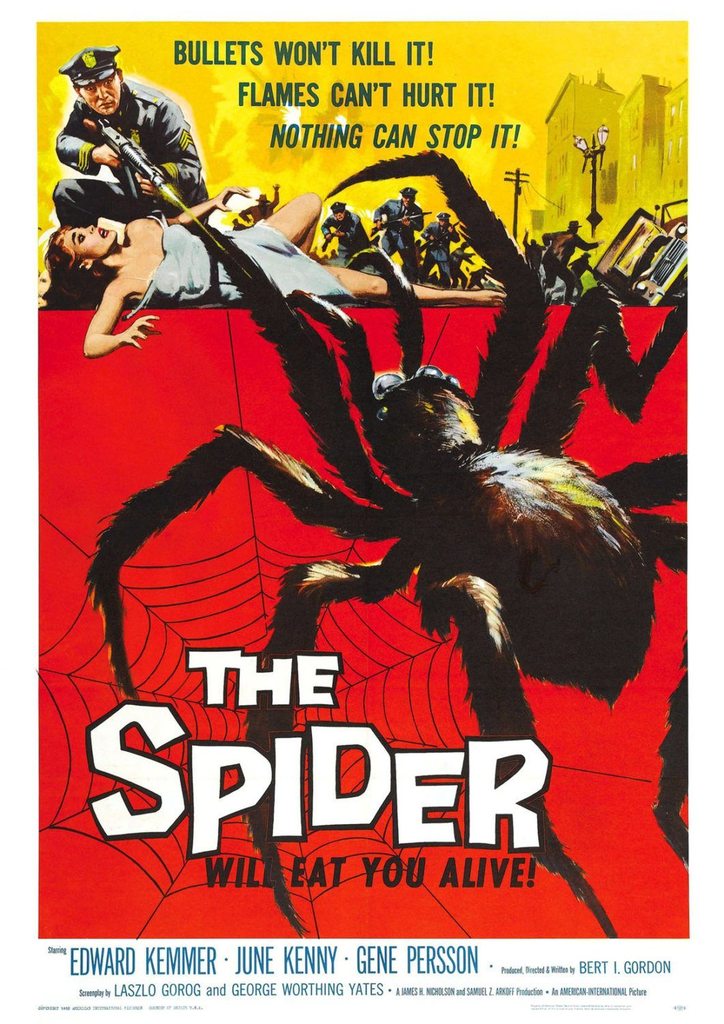
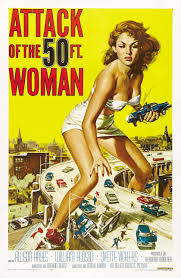
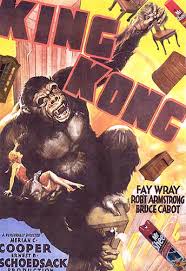
This one, of course, taught me that monsters liked to carry off pretty girls in bikinis. And not just on the poster, either. But it was the hero that got the girl, not the monster. This movie taught me that it sucks to be the monster. Though it also taught me that it was a good movie to take your pajamas off for and watch naked when you are thirteen.

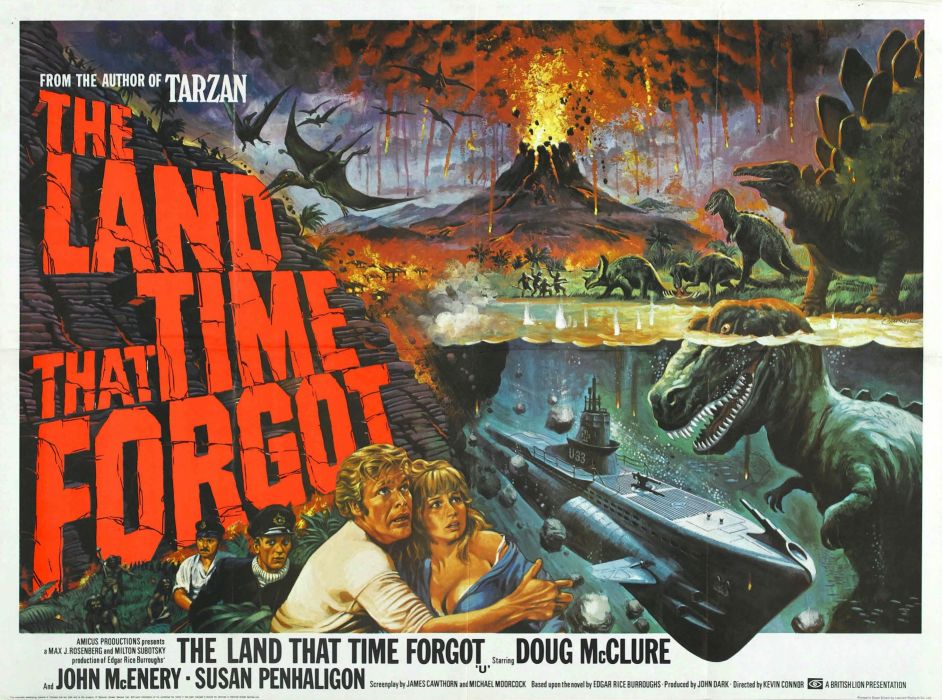
But not all B-movies had to be watched late night on Saturdays. This movie was one of the first ones that I got to go to the movie theater to see by myself. (My sisters and little brother were still too young and got nightmares too easily to see such a movie.) It came out when I was in my teens and Mom and Dad began thinking of me as an adult once… or even possibly twice in a month.

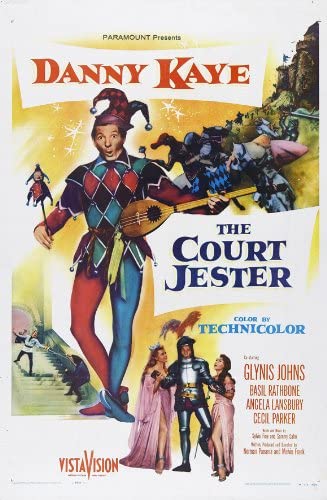
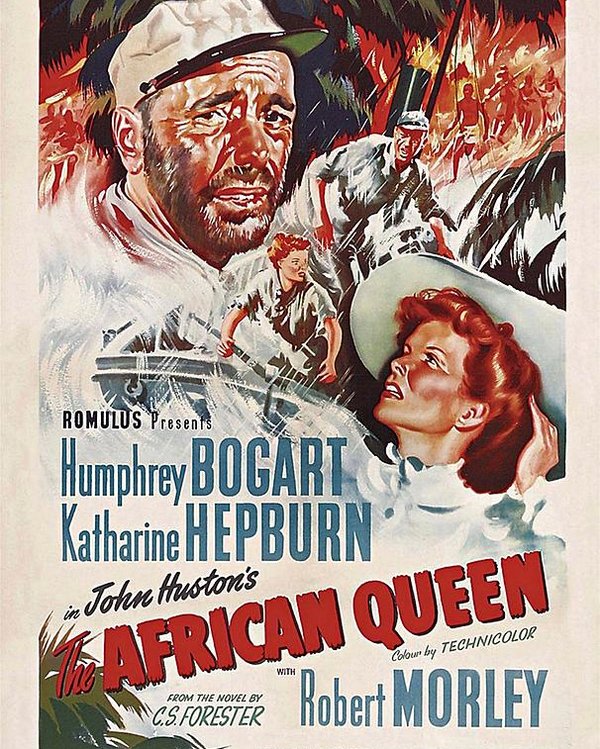
And not all B-movies were monster movies, gangster movies, and westerns. Some, like a lot of Danny Kaye’s movies, were movies my Dad and my grandparents were more than happy to watch with me. I saw this one in both black-and-white and color. And I learned from this that it was okay to take advantage of happy accidents, like a case of mistaken identity, and using your wits, your creative singing ability, and your inexplicable good luck to win the day for everybody but the bad guys armed only with your good sense of humor.

And some of the best movies I have ever seen, judging by what I learned about movies as literature from Professor Loring Silet in his Modern Film Class at Iowa State University, are by their nature B-movies.

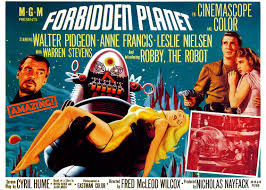
I am using movie posters in this blog post only from movies I have personally seen. (And I admit that not all of them are strictly “good” movies according to Professor Silet, but I like them all.)

Feel free to tell me in the comments if you have seen any of these movies yourself. I am open to all opinions, comments, and confessions.

This one is based on Shakespeare’s The Tempest.
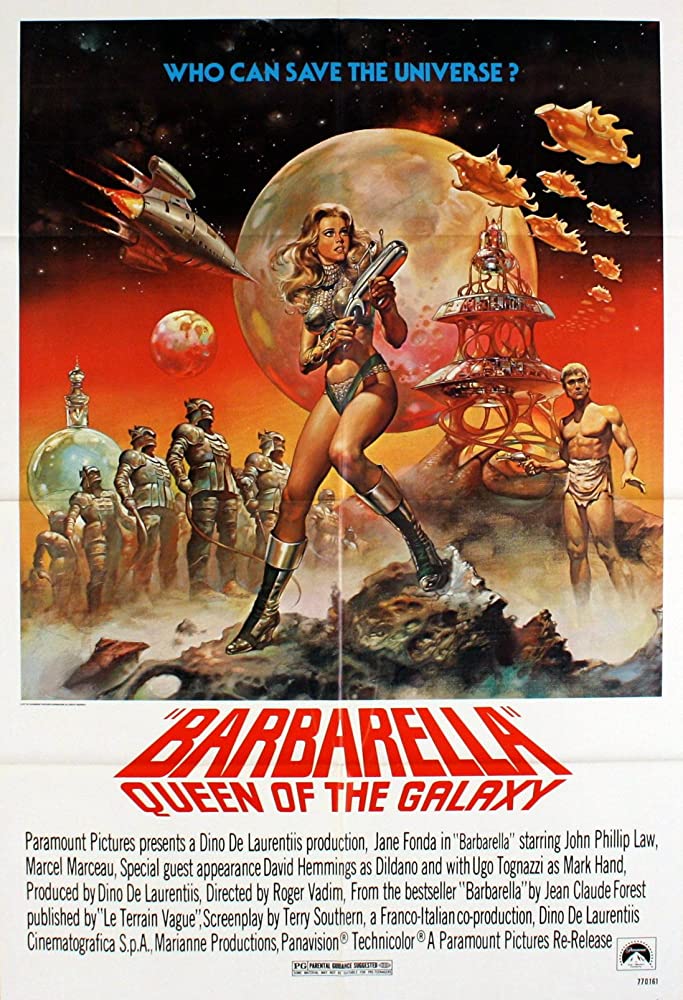
I saw this one in college. You had to be 18 at the time to even buy a ticket.
I actually think that this is one of the best movies ever made. It will always make my own personal top-ten list.

I live in a B-movie world. The production values around me are not the top-dollar ones. But the stories are entertaining. The real-life heroes still run towards the problem. And it still sucks to be the monster. But it has always been worth the price of the ticket. And during my time on Earth here, even in 2020, I plan on staying till the end of the picture. I go nowhere until I see the Best Boy’s name in the end credits. And maybe not even then.

Leave a comment

Filed under art criticism, heroes, humor, monsters, movie review, strange and wonderful ideas about life, TV as literature, TV review

Backlash

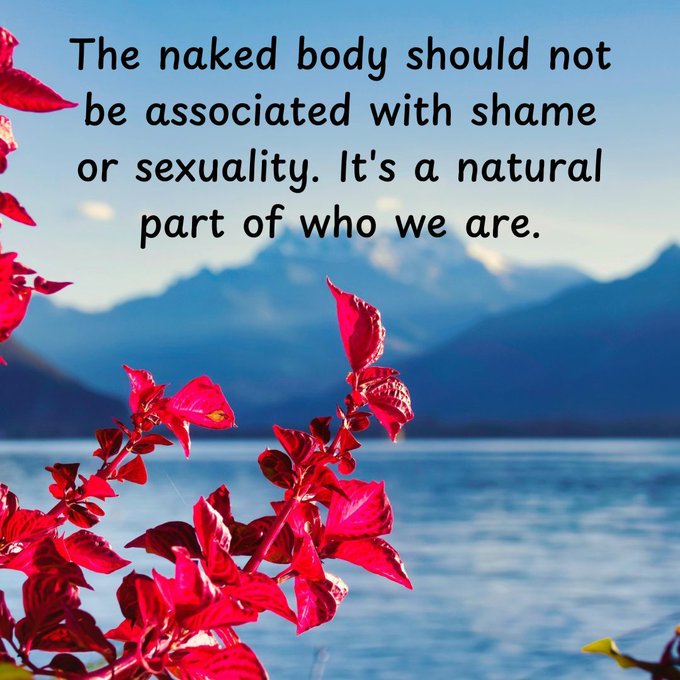
To be perfectly honest, there was a time in my life when I would’ve argued this statement. I was a victim of an older boy when I was ten. Not raped. Sexually tortured. Neither one of us had any sort of orgasm. He subjected me to a lot of pain in a very private area of my body and told me he would hurt me more… or kill me if I screamed for help. Or told anybody afterwards. It made me repress the memory totally for the next twelve years of my life. I burned myself across my lower back repeatedly because of it until I was seventeen. I couldn’t tell anybody why. Not the doctor. Not the coach. Not my own mother. I didn’t remember. When I had suicidal thoughts in high school, I couldn’t explain to the counselor why. But I am lucky that I had friends who talked me out of it, even though they didn’t know this was what they were doing.

I know that this is not a humor post. It probably can’t be made funny. But, ironically, these sad facts are the reason I turned into a nudist in later life. I had to teach myself what it was that happened to me, why it made me hate myself and hate my body, and why not just nudity but sexuality also are not inherently bad things. I had to relearn love, especially for myself.

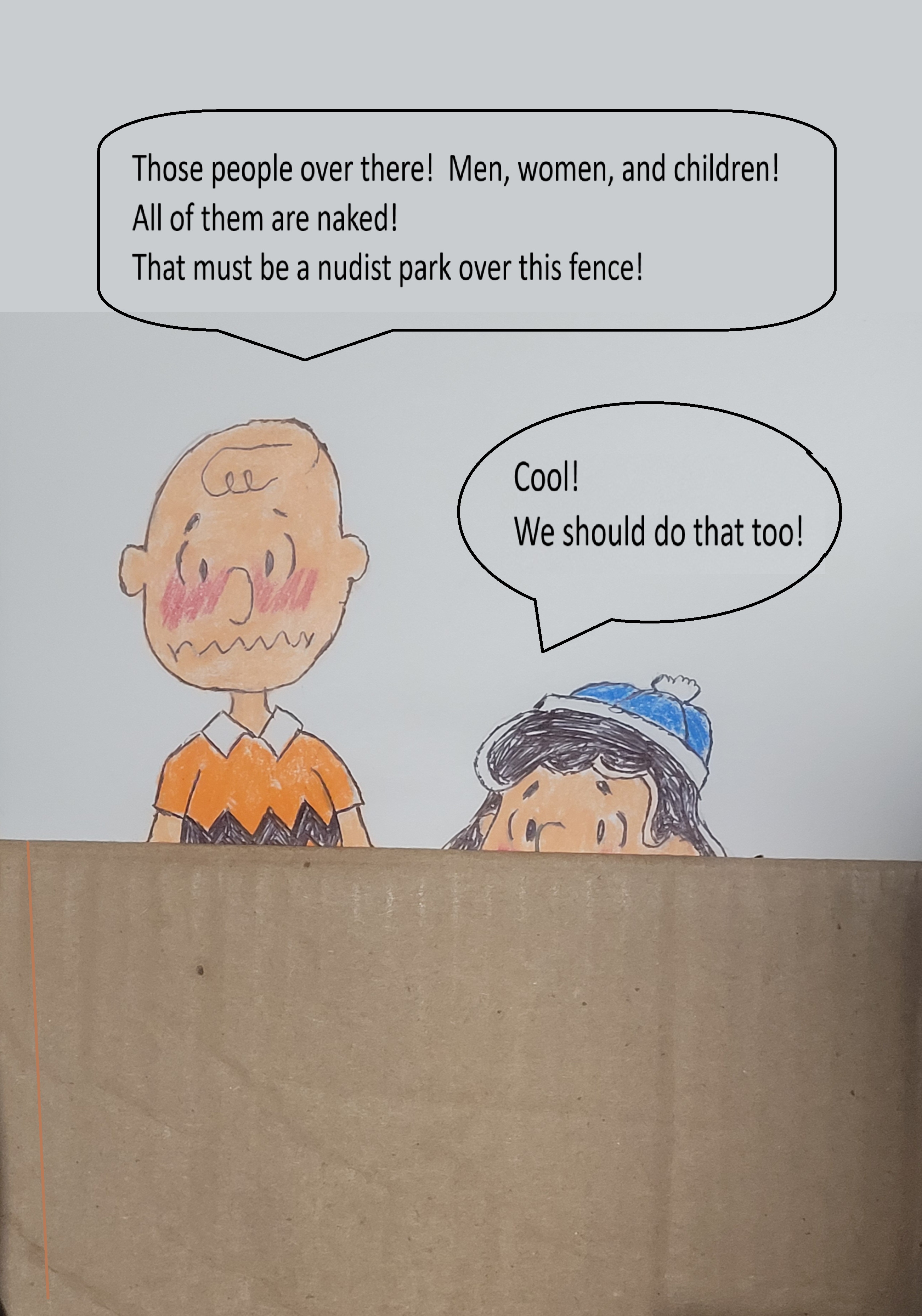
Apologies to Charles Schultz (Though Lucy probably would’ve said the same thing.)

I do look back on these things with a heavy touch of self-effacing humor. My transition from being an uptight coward about my own nudity to becoming someone comfortably nude at a nudist park (and being stared at from a distance by Charley and Lucy) was a very slow and gradual process. It is more fully explained in my non-fiction essay, Naked Thinking. But I have become someone who practices nudism in private at home (my wife and children know but don’t wish to participate.) I write fiction stories that include nudist characters. I also write blog posts like this one.

But my audience tends to be limited by a cultural fact about Americans. They are mostly afraid of and suspicious about being naked in the sight of others. Naturism is not porn. Being naked is not limited to being sexual. I like to draw naked boys and naked men because I like anatomy drawings of all kinds. I draw dogs, bears, and horses without putting pants on them. I am not a homosexual, though I have had homosexual students and friends in the past. I like drawing naked women and girls, but that does not make me a rapist or a child molester. But there are people who see my nude art who automatically register a protest. Facebook will reject this post just because it is about nudity. I don’t even have to show a bare butt, a female breast, or a penis. The words are enough to make Zuckerberg kvetch. I know this because Facebook has removed a number of my nudism essays for these same prudish reasons. WordPress stopped promising me ad revenue (which never came anyway) for these same reasons.

There are people in our society who think nudity is sinful and wrong, and they do not wish to allow me to talk about it, draw pictures about it, or even think about it (which hopefully the software doesn’t yet exist that allows them to regulate that.) The point is I have certain rights to express my thoughts in places like this that are built for it. And there are many like-minded nudists and naturists who think like I do. Learning to love my body instead of hating it helped me eventually get married and father children of my own. And I don’t throw any of my passions in the face of people who don’t want to know about them. You had to make an effort to come here and look at and read this. I didn’t force any of this on you. And in my experience, learning to let go of fears and be naked saved me from self-destruction. Forgive me for repeatedly trying to make that point in a very prudish, finger-wagging world.

Leave a comment

Filed under art criticism, artwork, autobiography, drawing, feeling sorry for myself, nudes, philosophy

Lovely Internet Weirdness

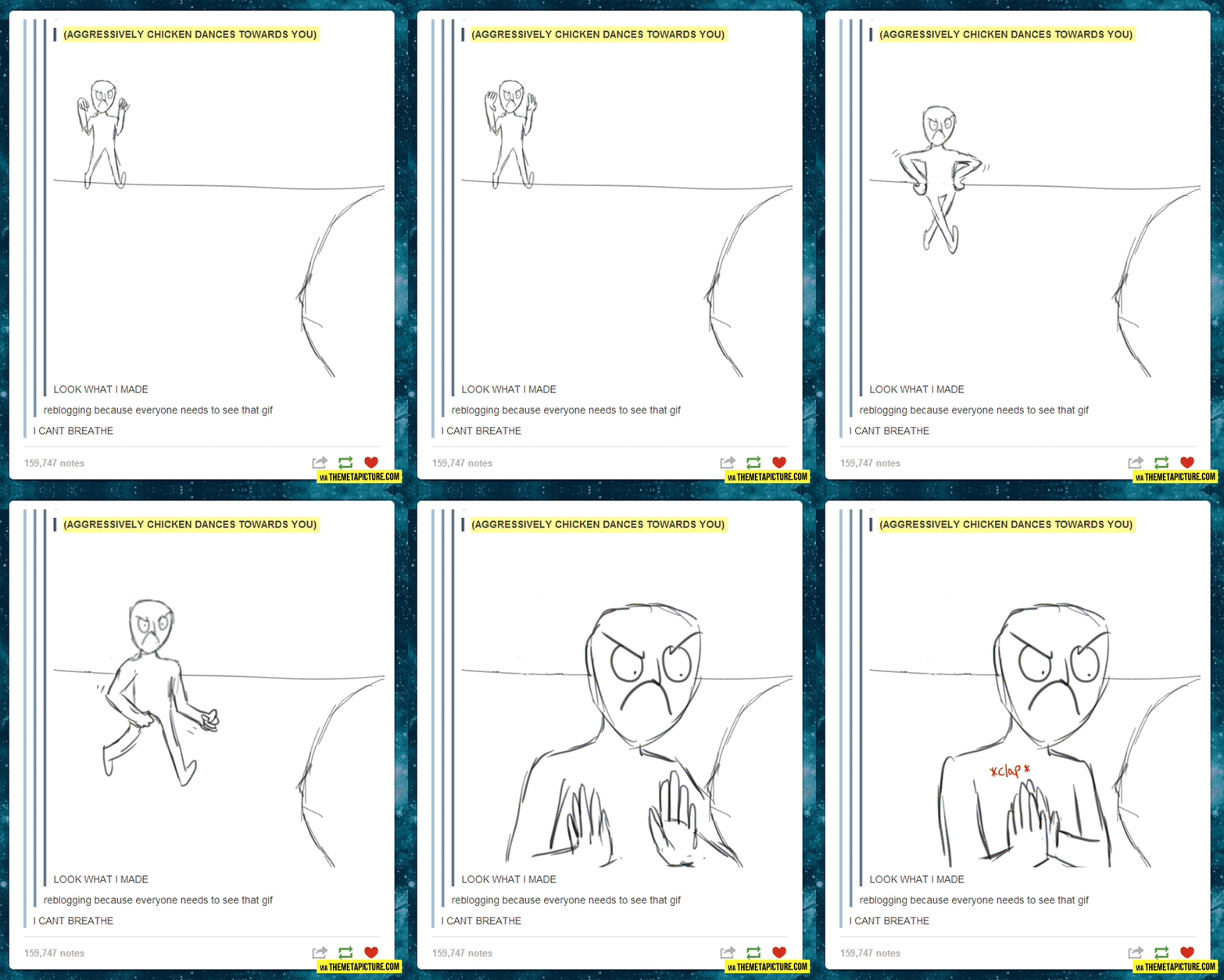
funny-gif-chicken-dance-animation

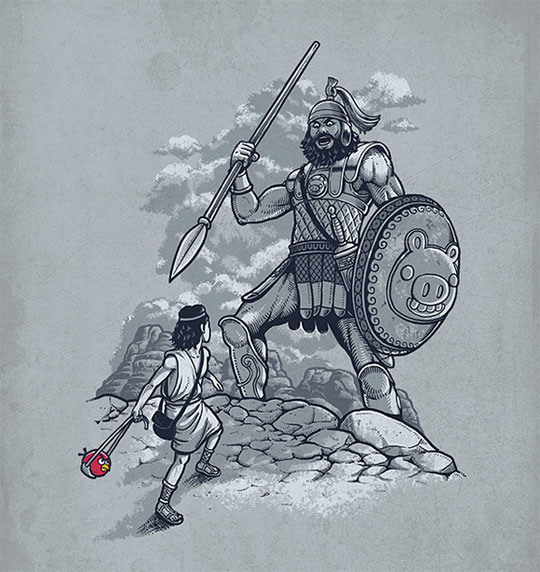
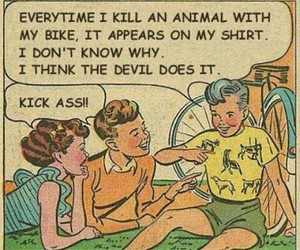
One of the difficulties of being a humorist and trying to connect to people by being funny is that you have to compete for attention.  Cartoonists have an advantage in that they can put something together with pictures and just a few words that you can get easily and quickly and then you laugh.  So the internet is a nightmare maze of short-quick funnies with exceptional levels of weirdness.  I keep track of the weirdness by keeping a weirdo file on my computer and copying things in it that make me go “Whaaaa?”  and then laugh.  Let me share a little of that with you.

1048067_548351245227795_1002178772_o

1003739_558009837595269_90614717_n

funny-David-Goliath-angry-birds-art

best-don-bluth-movies-check-out-these-insane-pieces-of-trivia-about-some-of-your-favorite-non-disney-childhood-movies

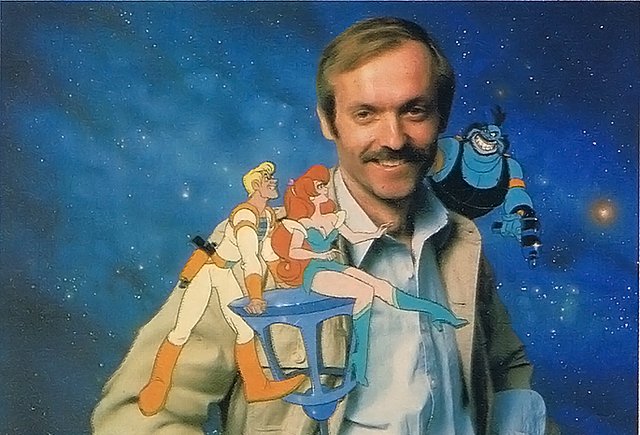
The miracle that is Don Bluth.

superthumb

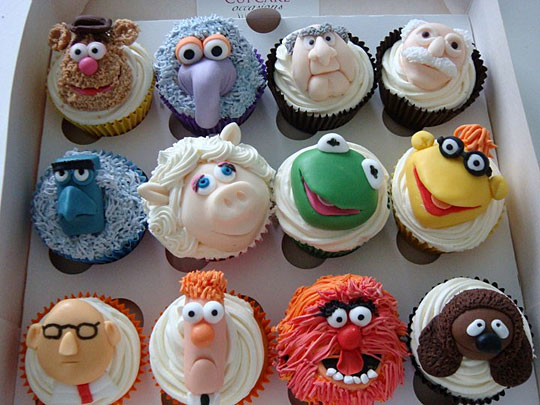
funny-Muppet-Cupcakes

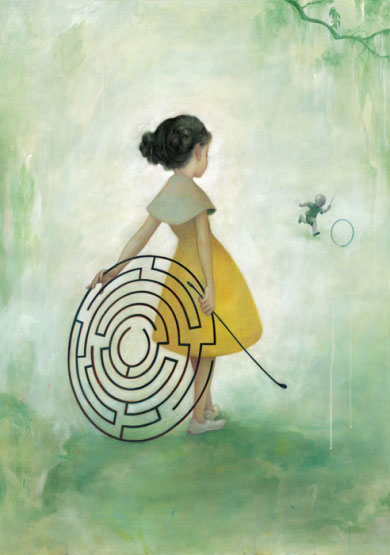
little-girl-maze-art

So, therein lies the challenge I face daily.  How do you compete with Muppet cupcakes?


Leave a comment

Filed under art criticism, artwork, blog posting, collage, goofiness, humor

Homely Art – Part Two – Paul Detlefsen

Detlefsen-Swimming_Hole

Back in about 1968 my Grandma Beyer was seriously scandalized by an artist named Paul Detlefsen.  Detlefsen did a lot of covers for the “Ideals Magazine” that Grandma always had on her coffee tables.  He scandalized her by putting a painting on the cover that showed a young boy taking his pants off, the rear view only, so he could go skinny dipping with a group of naked boys.  Truthfully the picture shown above is by Detelfsen, but it is not the one that offended her.  I have discovered that this painter of old-timey things like blacksmith shops and one-room school houses has painted at least four different versions of “the Old Swimmin’ Hole”.  And Grandma was easily scandalized when we were kids.  She was a very conservative woman who loved Ronald Reagan and his politics most severely and thought that Richard Nixon was a leftist radical.  She didn’t like for people to be naked, except for bath time, and maybe not even then.  She is one of the main reasons, along with this painter whom she adored, that I came to learn later in life that “naked is funny”.horseandbuggydays-print  http://www.freeplaypost.com/PaulDetlefsen_VintageArtPrint_A.htm

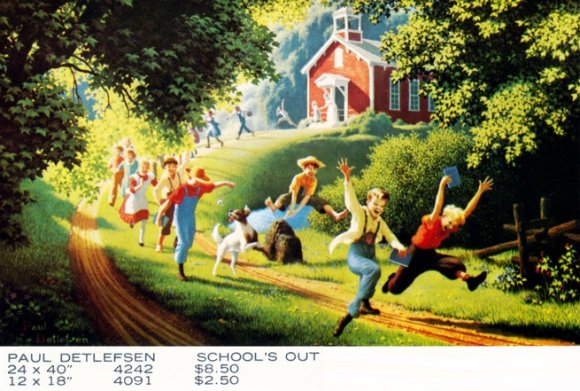
Grandma Beyer also seriously loved puzzles, and besides “Ideals” covers, Paul Detlefsen did a beaucoup of jigsaw puzzles. (Beaucoup means a lot in Texican, I tend to think in Iowegian and talk in Texican and completely forget about the need to translate for those people who don’t know those two foreign tongues)   One of the puzzles we spent hours working on was “Horse and Buggy Days” that I pictured here.  They were the kind of puzzle paintings where every boy was Tom Sawyer and every girl was Becky Thatcher.  And there were a lot of them.  Here is another;

detlefsen

http://www.bigredtoybox.com/cgi-bin/toynfo.pl?detlefsenindex

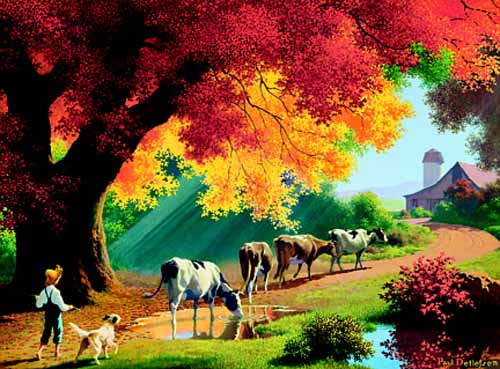
Grandma had this in puzzle form also.  We put the puzzle together, glued it to tag board, and framed it.  It has hung on the wall in a Grandparent’s house, first Grandma Beyer’s and then Grandma Aldrich’s, since the early 1970’s.  My own parents now live in Grandma Aldrich’s house, and that puzzle-painting may be hanging in an upstairs bedroom to this very day.  Detlefsen is not known as a great artist.  He was a humble painter who painted backdrops for films for over 20 years.  In the 1950’s he switched gears and started doing lithographs that were turned into calendars, jigsaw puzzles, laminated table mats, playing cards, and reproductions you could buy in the Ben Franklin Dime Store in Belmond, Iowa and hang on your back porch at home.  I believe I saw his paintings in all these forms in one place or another.  According to Wikipedia (I know, research, right?) “In 1969, UPI estimated that his artwork had been seen by 80 per cent of all Americans.”  That is pretty dang good for a humble painter, better numbers than Pablo Picasso ever saw.  Let me share a few more of his works, and see if you recognize any of these;

db_Paul_Detlefsen_Covered_Bridge1 b01e8afaadde Artist Paul Detlefsen PaulDetlefsen_VintageArtPrint_B11 il_fullxfull.285794883

Leave a comment

Filed under art criticism, art my Grandpa loved, artwork, homely art, oil painting

The Surrealist

Yes, I admit it.  I am a Surrealist.  I also hope that it is not too terrible a thing to be.  Because I truly think that everyone who was raised by television, and lived through the revolution where computers took over human life, is one too.

definition from Merriam-Webster;

Simple Definition of surrealism;

a 20th-century art form in which an artist or writer combines unrelated images or events in a very strange and dreamlike way

Full Definition of surrealism;

the principles, ideals, or practice of producing fantastic or incongruous imagery or effects in art, literature, film, or theater by means of unnatural or irrational juxtapositions and combinations

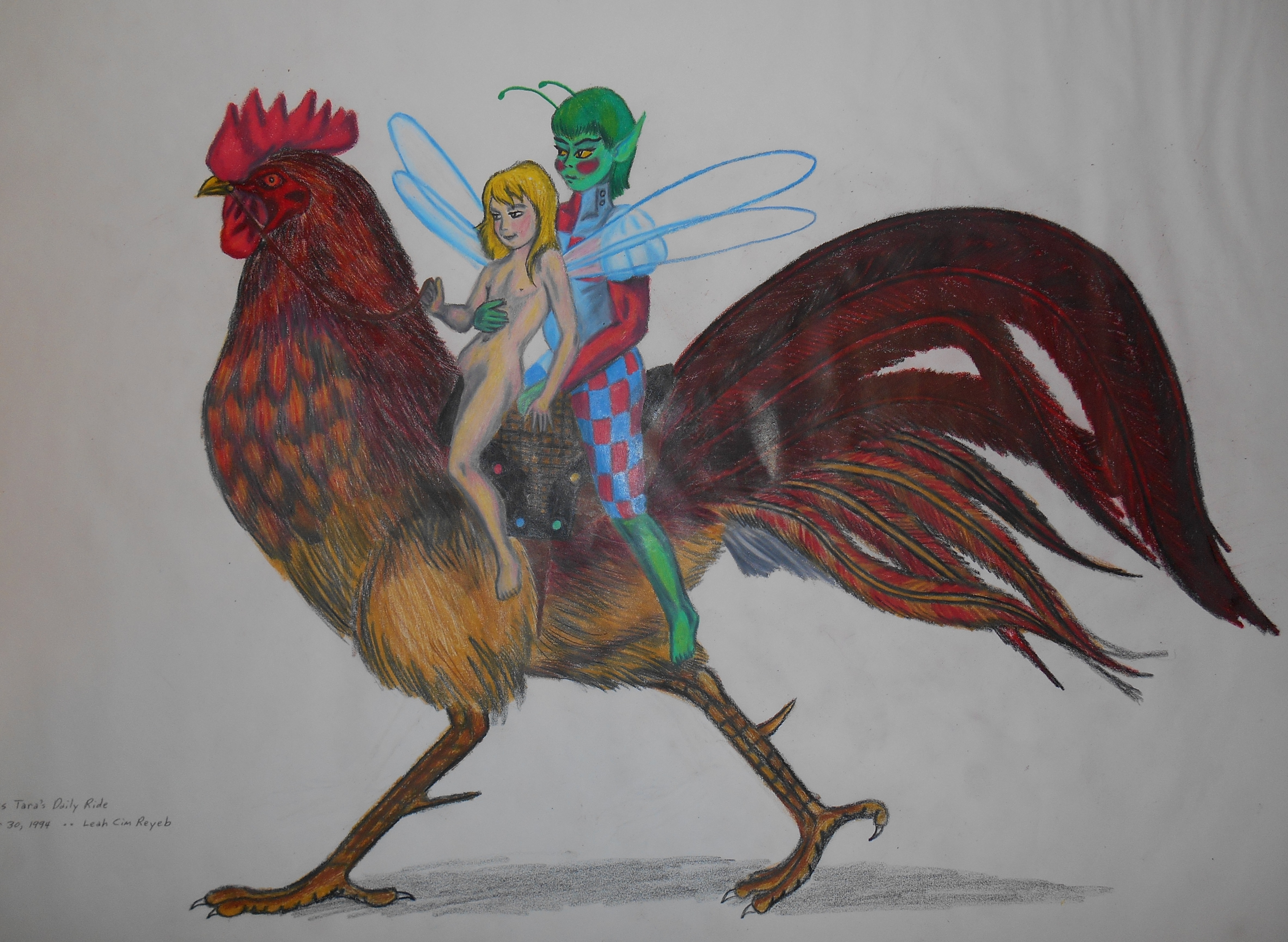
  • rooster riding
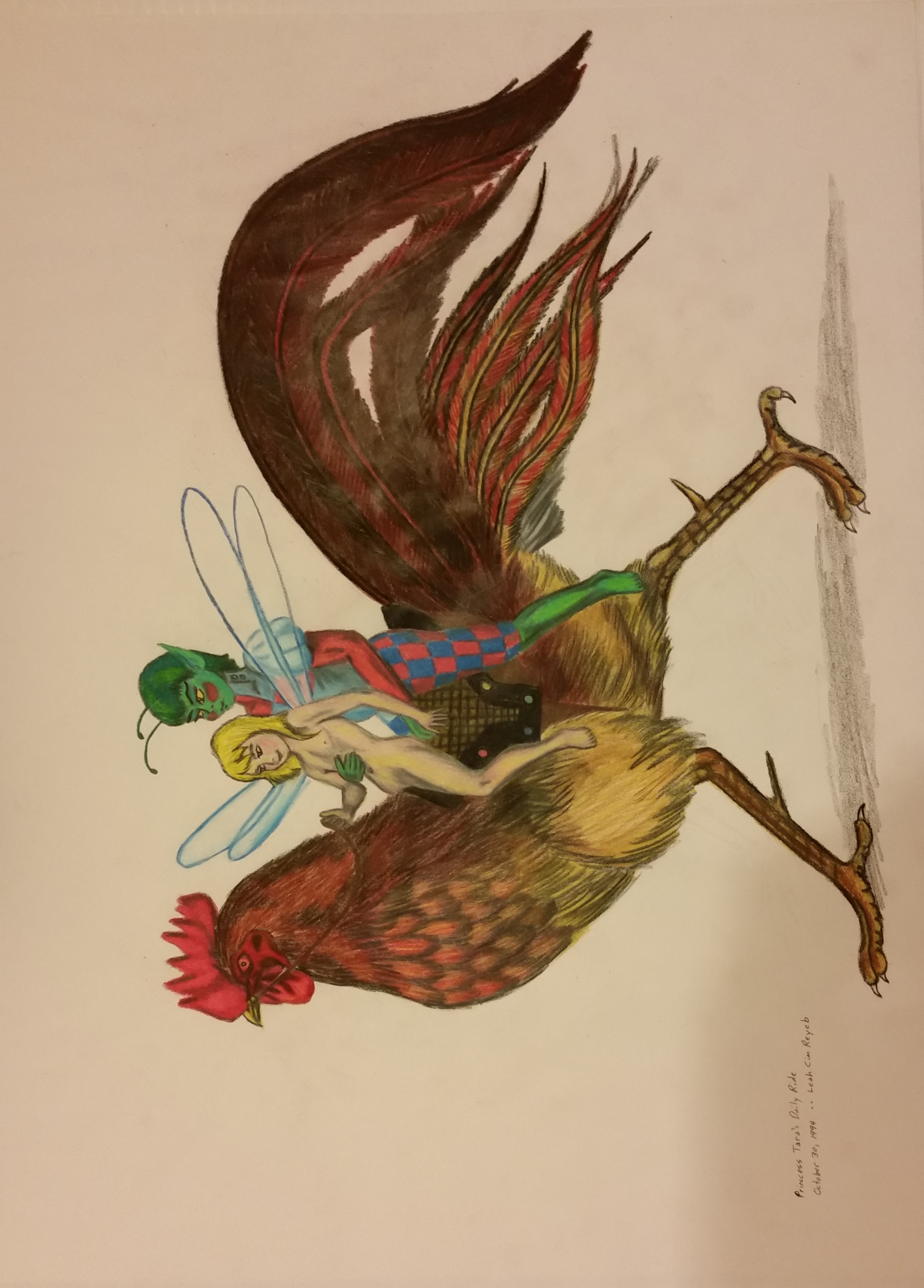
  • There is a certain satisfaction to be had in knowing for certain how to define oneself.  I learned about Surrealism in high school art class back in the early 70’s.  I saw and admired the works of Salvador Dali, Rene Magritte, and Max Ernst.  And I realized that everything I wanted to do in the Realm of Art, whether it was weird paintings, cartoons, comic book art, or bizarre puppet shows… fantasy, science fiction, or humor… it was ALL Surrealism.  Surrealism saturates out culture and our very thinking.    We are drawn to watch baseball by the antics of a giant pantomime chicken.  Our food choices are influenced by a happy red, yellow, and white clown who battles a blobby purple monster and a hamburglar over shakes and French fries.  It is only natural then, that I would want to draw bug-sized fairies who would saddle and ride a red rooster.  I have embraced surrealism as a way of life.
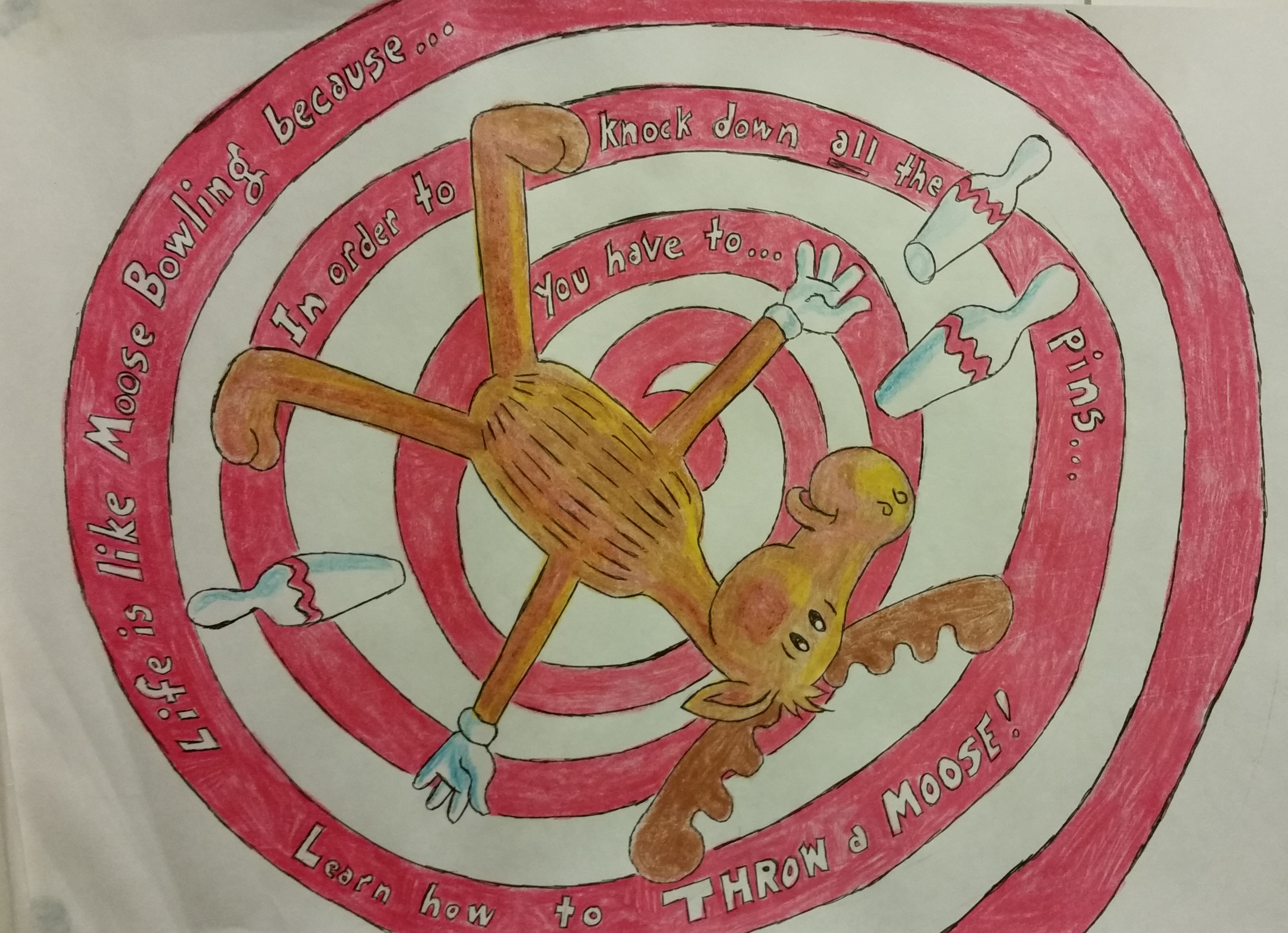
  • 20150910_122142
  • I have no trouble writing a poem about the difficulties of life by writing about a game of bowling where you have to roll a moose down the alley into the pins.
  • Surrealism is all about creating things by lumping all kinds of disparate goodies into the same pot and cooking it up as a stew.  It is important that the stew tastes good in the end, so the mixture has to have large doses of reality and realism in it.  Dali painted melting watches and boneless soft-sculpture people with almost photographic realism.  I am compelled to do that too.
  • And what is humor, after all, if not lumping strange things together into a reality sandwich that makes you laugh because it takes you by surprise?  I don’t shy away from weirdness.  I embrace it.  It makes life all the funnier.
  • And why did I put bullet points on everything in this post?  Because it allows me to mash bits of wit and wisdom together in a weird way that only seems to have no connection, one to the other, and only seems to make no sense.
  • princess on rooster
  • Sometimes we just have to look at things sideways.
  • I was recently accused of being eclectic in my posting topics by one regular commentator.  I could wear that word like a badge of honor.
  • Definition from the Urban Dictionary;
    This describes a combination of many different individual elements of styles, themes, mediums or inspirations pooled from many sources. It can refer to musical tastes, dress sense, interior design…many things.
    She has an ecletic sense of style, today she wears biker boots, pink fishnet stockings, a pencil skirt, a military jacket, a baseball hat, a my little pony t-shirt and a dunlop bag covered in badges from all her favourite bands from ABBA to Kooks
    by Ezmerelda August 28, 2005
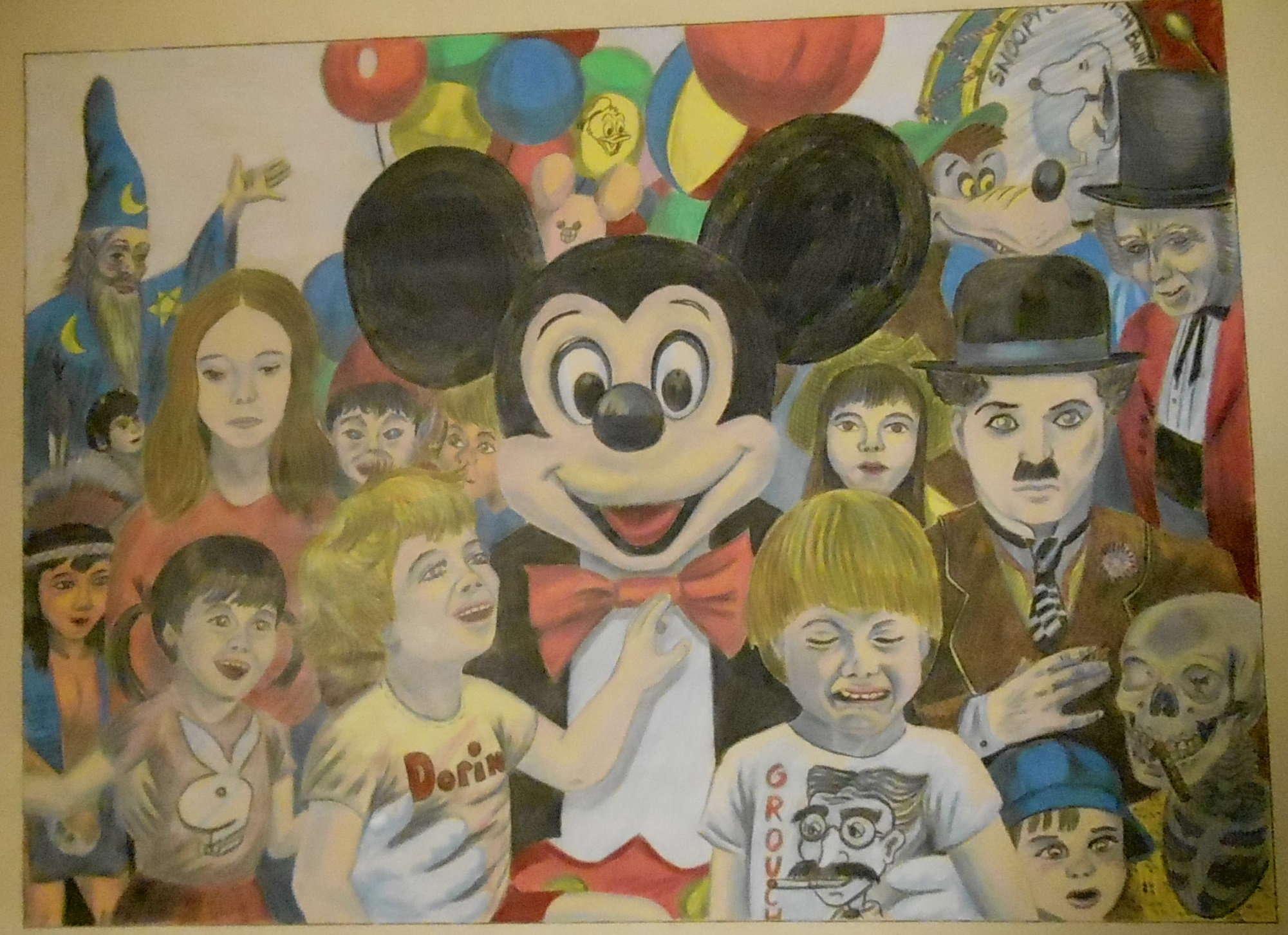
  • So, if I am going to make sense of this whole mess of words and ideas and bizarre images, let me do it with a picture that I think is surreal.
  • Ima mickey

1 Comment

Filed under art criticism, artwork, humor, insight, Paffooney, philosophy, surrealism, Uncategorized

Critiques in Color

20151104_shawn

I recently posted about being synesthetic and discovering how I am different from normal people.  Here is the post if you are interested..   Then I discovered that Kanye West is also synesthetic as he gushed some southern-fried crappie-doo about how wonderful he is as an artist because he sees the colors of his music.  Well, now I don’t want that mental affliction any more.  I don’t wish to be anything like him.  Of course, it has to be incurable, doesn’t it.
20150910_122142

Now I am wasting today’s post on another metacognative thinking-about-thinking style of paragraph pile when I could be rhapsodizing about the humor of Dave Barry or the wisdom of Robert Fulghum, the author of

All I Really Need to Know I Learned in Kindergarten.

Here it is on Amazon.

I could be shamelessly promoting the work of artists whose works I love instead of examining the random filing cabinets in the back rooms of my stupid old head.  But I can’t because I now need to explain myself to myself again.  Self doubt and self examination are features of being an artist.  We reach a point where we have to think about how we do what we do, because if you don’t know where the magic comes from, you might not be able to call on it the next time you need it.

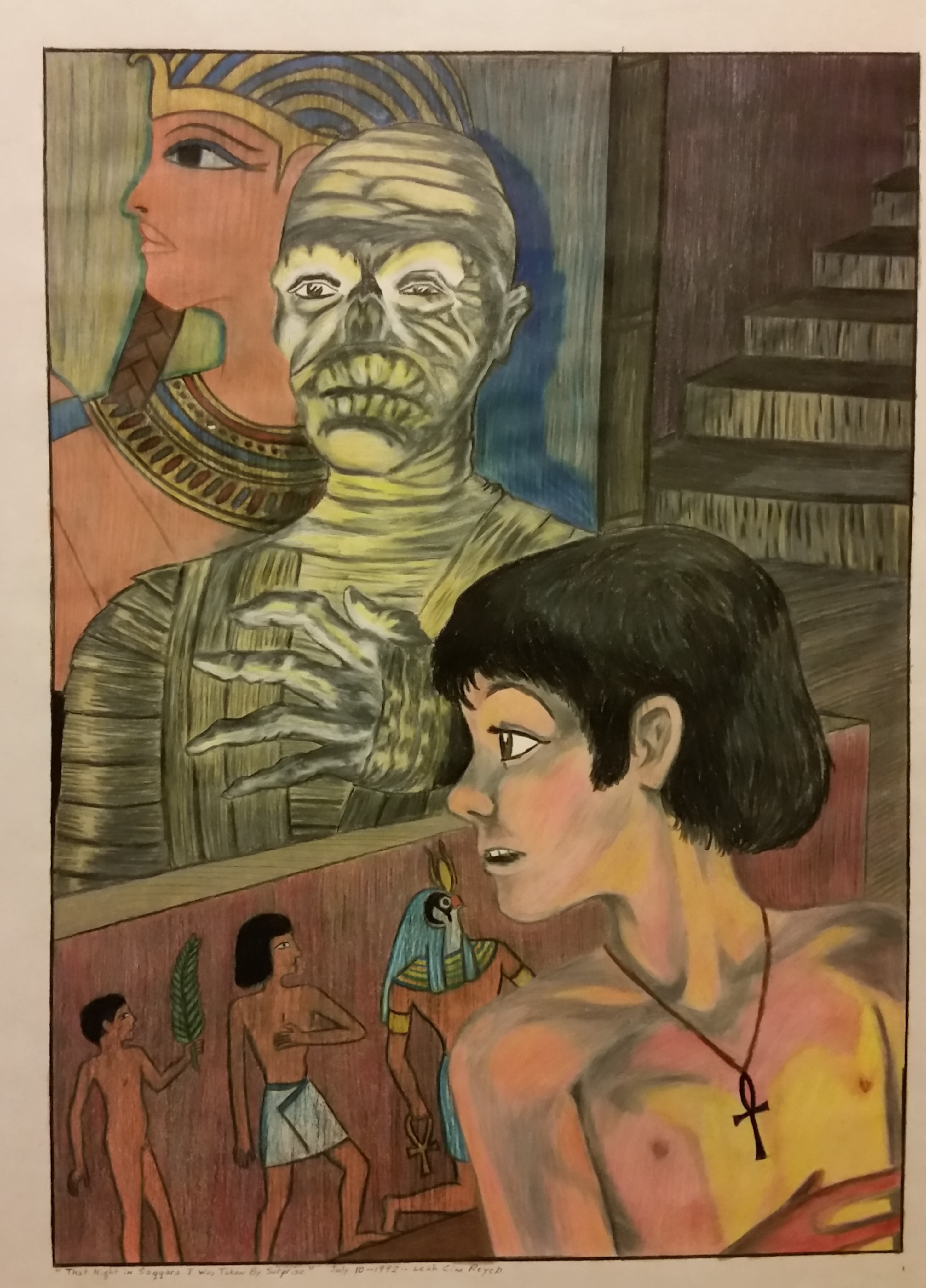
That Night in Saqqara 1

I am a self-taught artist.  I have had art classes in high school and college, but never professional art training.  I know how to manipulate the rule of thirds, directional composition, movement, perspective, and lots of other artsy-craftsy techniques, but it is all a matter of trial and error and an instinct for repeating what works.  I have had a good deal more professional training as a writer.  But I do that mostly by instinct as well.  Trained instinct.  I have reached a point where my art is very complex and detailed.  And I don’t mean to suggest there are no flaws.  In fact, I am capable enough to see huge, glaring mistakes that really skew my original intent and make me feel hopelessly incompetent.  But others who see it and don’t know the inner workings of the process can look past those mistakes and not even see them.  Given enough time to look at my own work with new eyes, I am able to see at least some of what they see.
the Clarkes

Now that I have totally wasted 500-plus words on goofy talking-to-myself, what have I really accomplished beyond boring you to death?  What’s that you say?  You are not dead yet?  Well, that’s probably only because you looked at the pictures and didn’t read any of my sugar-noodle brain-scrapings in loosely paragraph-like form.  And if you did read this awful post by a colorblind artist who doubts his own abilities, you probably didn’t learn anything from it.  But that’s not the point.  The point is, I care about doing this, and I need to do it right.  And I managed to learn something… how to ramble and meander and make something that is either a hot mess… or something that vaguely resembles self-reflective art.
 

Leave a comment

Filed under art criticism, artwork, autobiography, colored pencil, coloring, feeling sorry for myself, humor, magic, Paffooney, strange and wonderful ideas about life, Uncategorized

P.T. Barnum

8127_5791

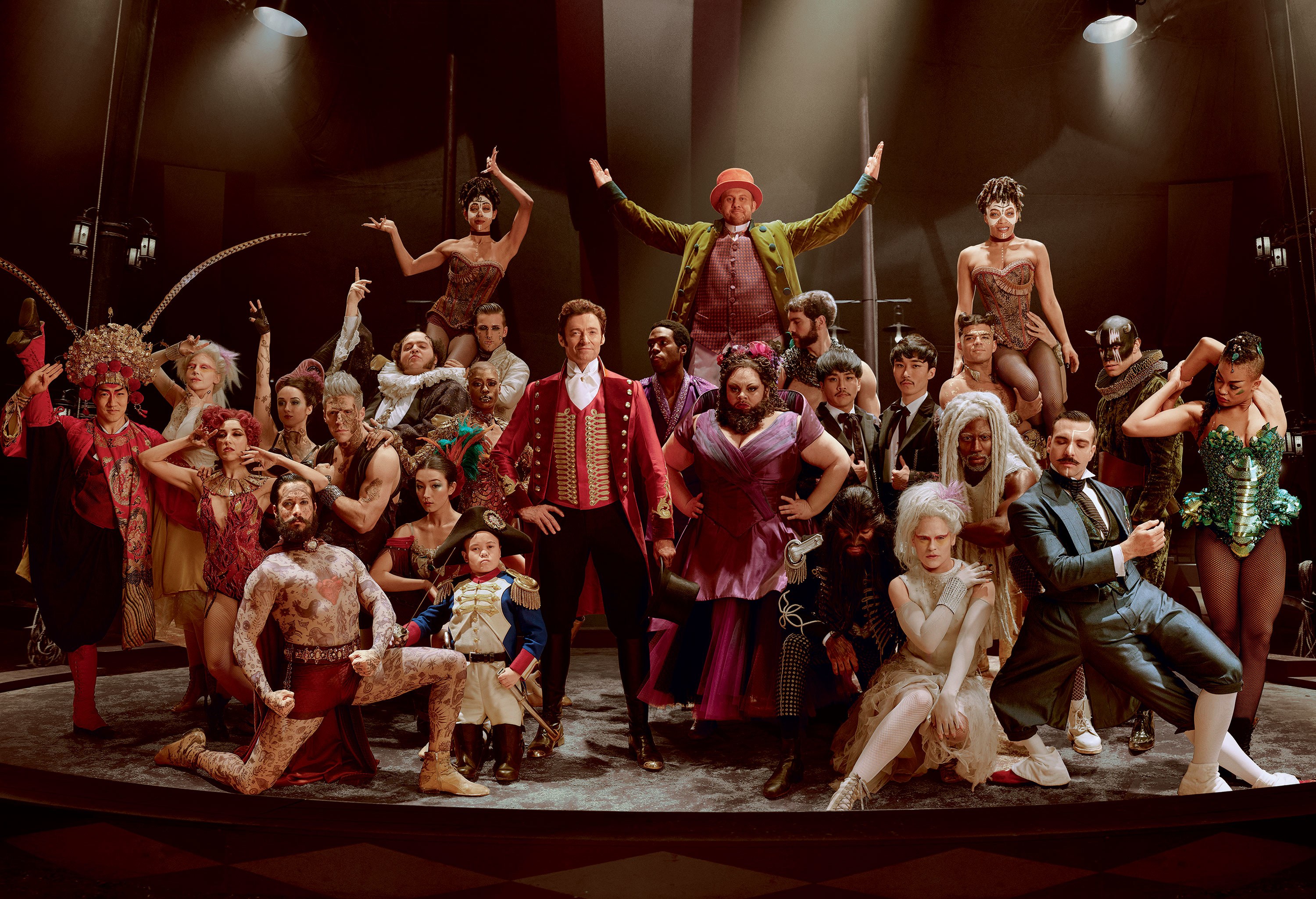
Last night my wife and my daughter the Princess went with me to the movie musical The Greatest Showman at the dollar movie.  I was enchanted.  My wife laughed at me for how much the movie made me cry.  But it was a very touching and timely movie for me because it was about pursuing dreams in spite of economic hardships.  The award-winning songs promote with energy and stunning beauty the notion that you should follow your passion no matter the risk, and that choosing to do so will produce rewards as long as family and love are with you and along for the ride.

The-Greatest-Showman-cast-real-life-people-921995

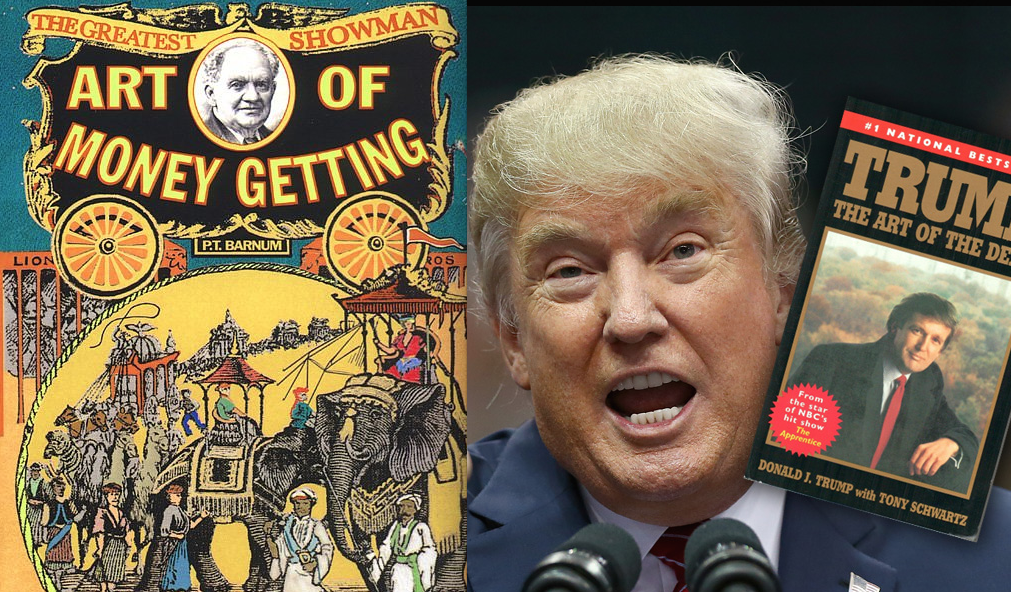
Of course, one has to remember that the whole story is based on the life and work of Phineas Taylor Barnum, a man who is a lot more like Donald Trump than he is Hugh Jackman.  I really doubt he could sing and dance the way the movie portrays him.  And words like “humbug”, “fraud”, and “exploiter” apply to him in a very real way.

Screen Shot 2016-01-10 at 3.36.12 PM

Barnum was actually one of those wheeler dealers who wants to control the story.  He actively found ways to alter the public narrative about himself and used criticism to help promote his money-making shows.  The idea of bad publicity being just as good if not better than good publicity actually makes its presence felt in at least one scene in the movie.  There is ample evidence that more than a little of Barnum’s efforts were aimed at making himself a star.

And although the movie sentimentalizes his exploitation of freaks and special individuals, giving him credit for giving them self esteem and a means to make a good living, that was really only the fictional Barnum created by Barnum’s own media efforts.

The truth of the matter, though far more fascinating than the movie version of Barnum, does not make for a good musical libretto.  In the movie the theme of special people outcast from the society because of their uniqueness coming together to support each other in a circus is strongly woven into both the story and the music.  The song “This is Me” performed by Keala Settle playing the part of bearded lady Lettie Lutz is a powerful anthem for everyone who feels smaller than they really are because of prejudice, bullying, racism, sexism, or any of the other forms of moronic stupidity that humans are so often guilty of.  I have to admit, the song made me cry even as it filled me with joy.  The musical score of this movie is one that I intend to listen to again and again and again.  It makes the circus seem like an answer to life’s problems.  It is the same feeling that I got the first time, and every time, I ever saw the circus with all its clowns and jugglers, acrobats and lion tamers, bare-back riders and elephants.  And I knew it was all illusion.  All humbug.  But it was pure joy worth the price of the ticket never-the-less.

01-the-greatest-showman-hugh-jackman-vogue-september-issue-2017

The movie was only rated 56% fresh on Rotten Tomatoes.  But I rarely pay attention to things like that.  This musical goes into the category with The Sound of Music, The Music Man, Oklahoma!, and Mary Poppins of musicals I can’t live without.  Never mind the greedy little man that it is based on.  This movie is about big dreams and even bigger achievements.  And it is well worth the price.

Leave a comment

Filed under art criticism, Celebration, heroes, movie review, strange and wonderful ideas about life

Meaningless Corrections and Correct Implications

A lot of critical art viewers will randomly tell me that using AI Art programs is plagiarism because these programs have been trained on people’s posted artwork without permission or acknowledgment. I agree that that is not fair. I also think that is not how I use AI programs. The above picture used Picsart AI Photo Editor and AI Mirror in its creation. The Harlequin Girl is drawn from a model I saw on Instagram, a human dancer in a costume that is similar to my drawing. I used AI Mirror to make my imperfect drawing look better than I can do with arthritic fingers. I used the uncorrected version here with the problem hands so you could see the kind of things you have to go back and draw over with digital art tools. I used Picsart to turn her into what is called a “sticker” that I could place upon a background. I used a colored mandala that I got from Tapcolor Digital Coloring Book as a background. Before I put the sticker on top, I added the butterfly and altered the round design elements into flowers.

This is how I use AI Mirror to improve my artwork. The picture above is nothing but a pencil drawing inked and guidelines erased. If you look at it carefully you can see how I skewed the eyes when I inked the pencil drawing. One on the left is the roundness I wanted. The right one has a lower eyelid that cuts too narrowly to make the eyes look mismatched. So, I ran the photo of the finished pen and ink drawing through AI Mirror allowing it to make changes up to 50 %. Below you can see the best result. It took eight tries to get the eye match I wanted.

You can see that the program made changes to more than just the eyes. It took much of the 50% to adjust the background, adding art tools that I had in previous photos of the drawing board used in similar pictures I used AI Mirror on. It also changed the hairstyle, and since it didn’t like the ladybug theme of the dress, changed it for white roses which I have used in similar pictures repeatedly. I did go back and add whiteness to the roses to make it look a little cooler.

This one above is intended to be a surrealist interpretation of a piece of music. Of course, the AI Mirror program and the Picsart program are both overly sensitive to copyright and trademark. That’s why it intentionally screws up the sheet music and the words on the t-shirt of the drawing I did for the girl sticker. It doesn’t reproduce things that could potentially be trademarked. And the flower stems the girl held in my drawing got turned into a short black stick and a sword? There were multiple things I needed to correct as I continued to change it to make it fit my vision for the piece.

This isn’t a final version either, but it is closer. It still needs to have the sheet music tamed to look more like ordinary sheet music. The main character’s bikini bottom shows up in a way that proves that making it two-color black and brown needed to be more contrasting to the shadow color on her legs. And the nudity of her companion was my idea, but I will have to make the further correction of not sending this post to Facebook. Facebook is ready to sanction me for showing bare breasts in their news feeds.

I am now done complaining about the nagging little things that annoy me about the AI art process. But I do the drawings that I present as my work. I am not plagiarizing anything. And I thoroughly enjoy this whole process.

Leave a comment

Filed under art criticism, art editing, artwork, Uncategorized