
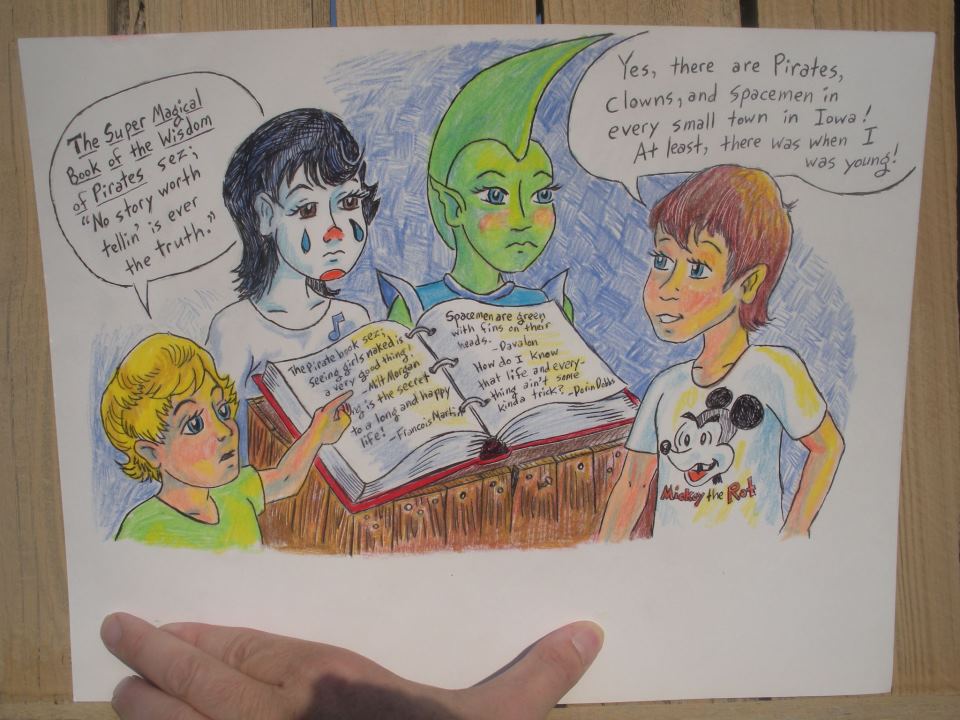
Before you go into panic mode, let me clearly state: No college or high school was actually foolish enough to invite Mickey to give the commencement address to its graduates. So, don’t worry about a generation of our youth actually taking to heart the advice Mickey is about to give and ruining our world for the next twenty years. This is just the insane drivel that Mickey would say if some superintendent, principal, or college dean were actually stupid enough to ask.

The most impressive commencement speech I remember from my life in education was given in 1974 by my favorite high school English teacher, Mr. Sorum. He was a gifted speaker and told a mean joke whenever a joke was needed to make the point.
He talked for forty-five minutes about “Taking the next bite of the hot dog.”
Of course, he was talking about a metaphor where the hot dog was a life of being a good citizen and living in service to the greater good. High school graduation, in this speech, was the first bite of the hot dog. Some of us were listening to what Mr. Sorum was actually saying. My second bite of the hot dog was to get an English degree from Iowa State University. My third bite was a teaching degree from the University of Iowa. The fourth was choosing a life of service by being a public school English teacher. So, I followed his advice.
Most of my class, though, took that speech to mean life was all about eating hot dogs. Was I wrong? Do I need to rethink my life?

If I am going to give advice to today’s graduates, the advice I would have to give is, “For God’s sakes, don’t choose to be a public school teacher! Do you have any idea how hard that job is for how little reward (practically none of it in money?)”
So, what advice do I have for actually doing something with your life that helps with the common good?
The most important one; “After you go to the bathroom, flush! Gol dangit! And afterwards, wash your danged hands!“
You wouldn’t believe what kind of bacteriological nightmares are being placed in your hand daily if you have a job where you are supposed to regularly shake hands.
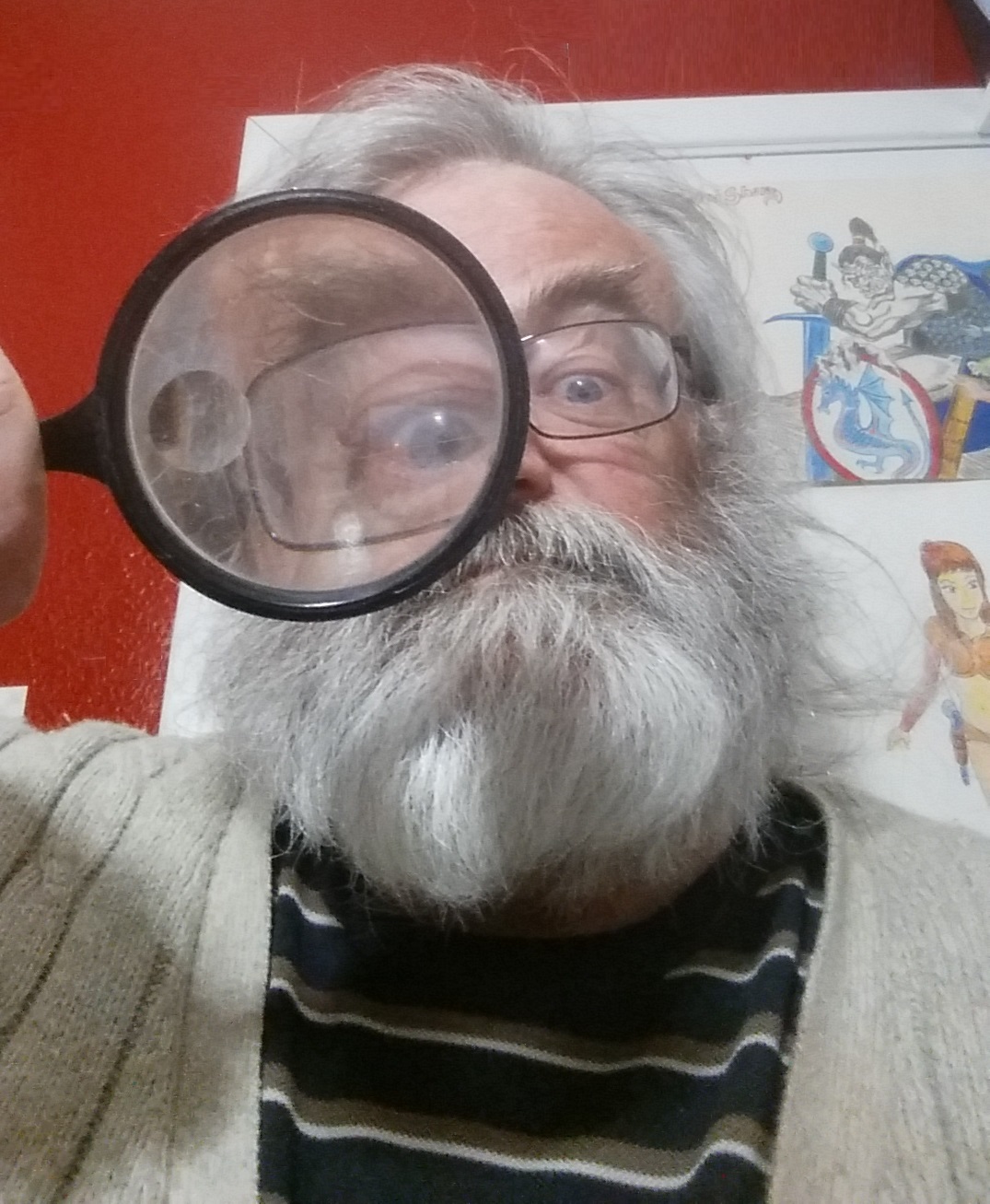
Another key recommendation;; “Stop being so gosh-darned ugly!”
Of course, you know that this is not a matter of whether you have a pretty face or you scare rats in dark rooms. This is a matter of behavior. A matter of how many people you hate and treat with scorn and injustice, as well as who you routinely hate, and why you hate them. Hating anyone for any reason is not good for their health and is even worse for yours.
And a final thought about how to improve the world; “Figure out what and who you love in this world. Everyone needs to have something and someone to love and work at sharing your life energy with.” People need other people and they need a purpose, even if they have to forge that purpose out of cardboard, imagination, and thin air.
If, by chance, you can already handle all of these things that idiot Mickey is lecturing you about, especially if these things come naturally to you, then totally ignore that first dumb thing Mickey said. Think seriously about becoming a teacher. What you have we desperately need more of. And with your expertise passed on to others, we might just be able to make more of it.












Stuff That Works
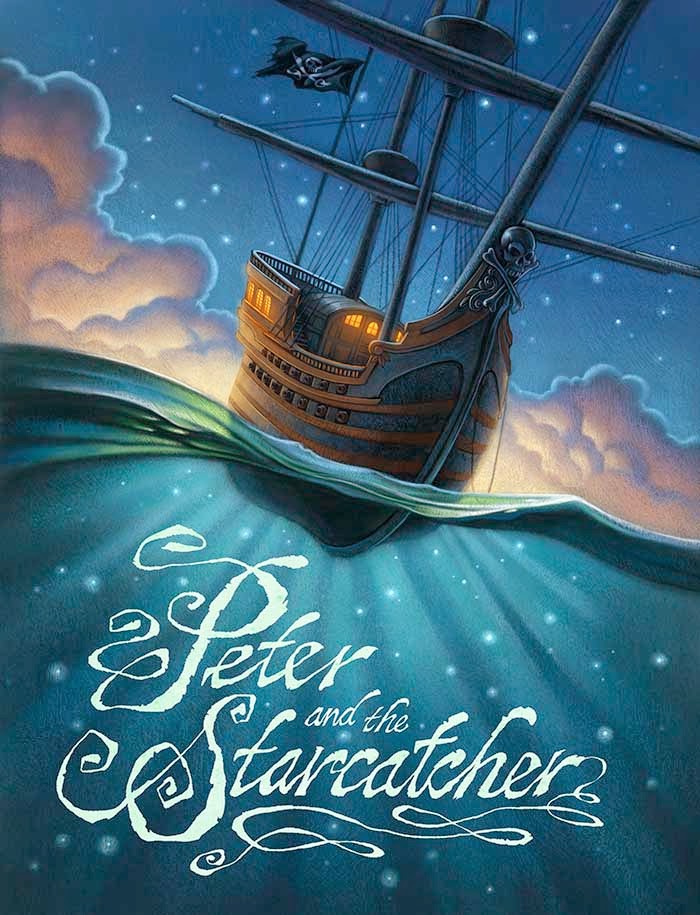
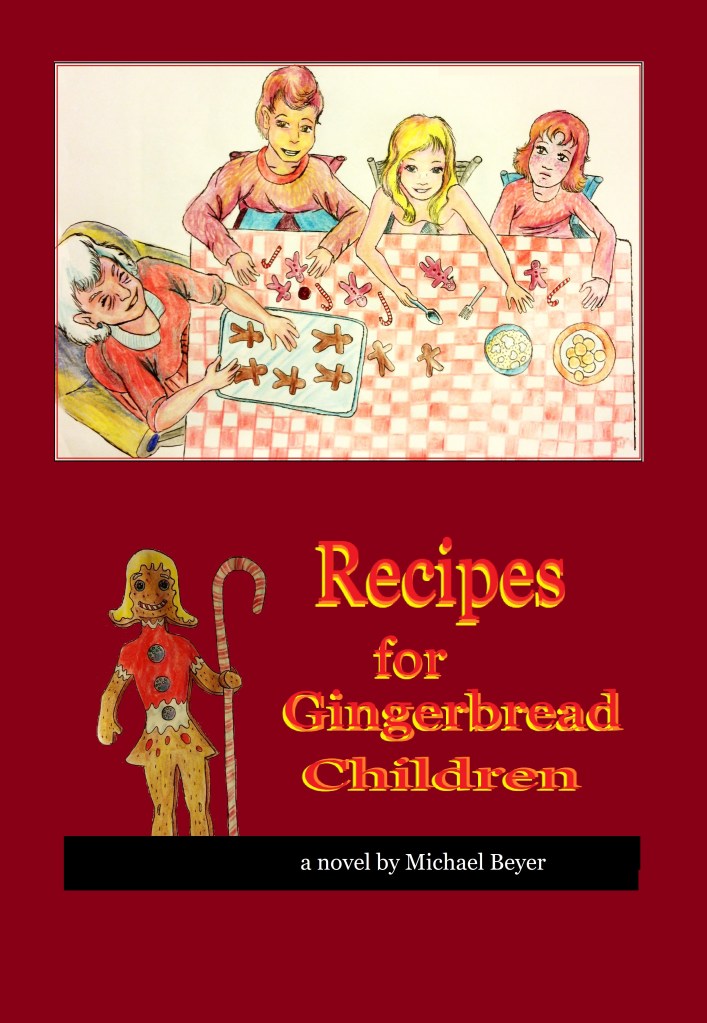
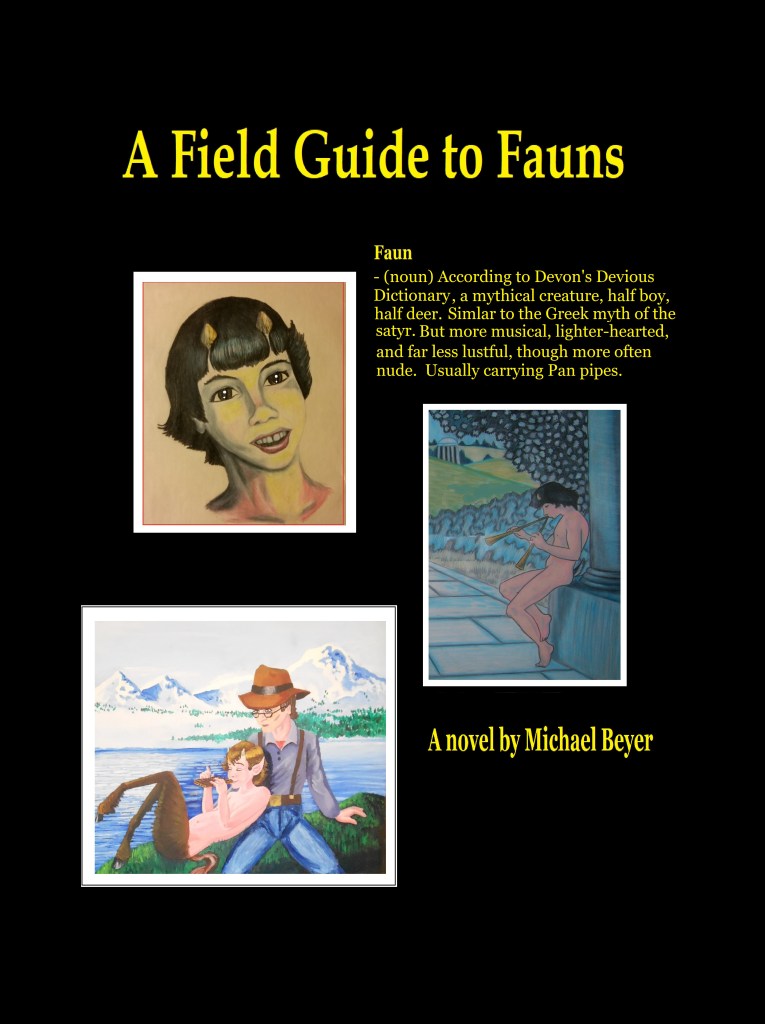
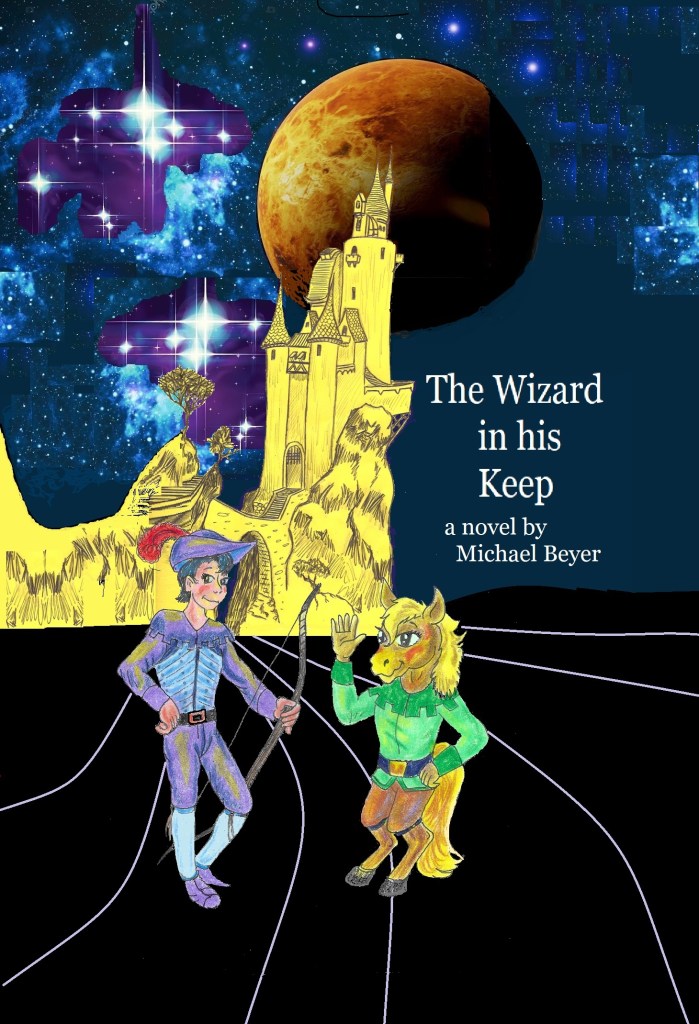
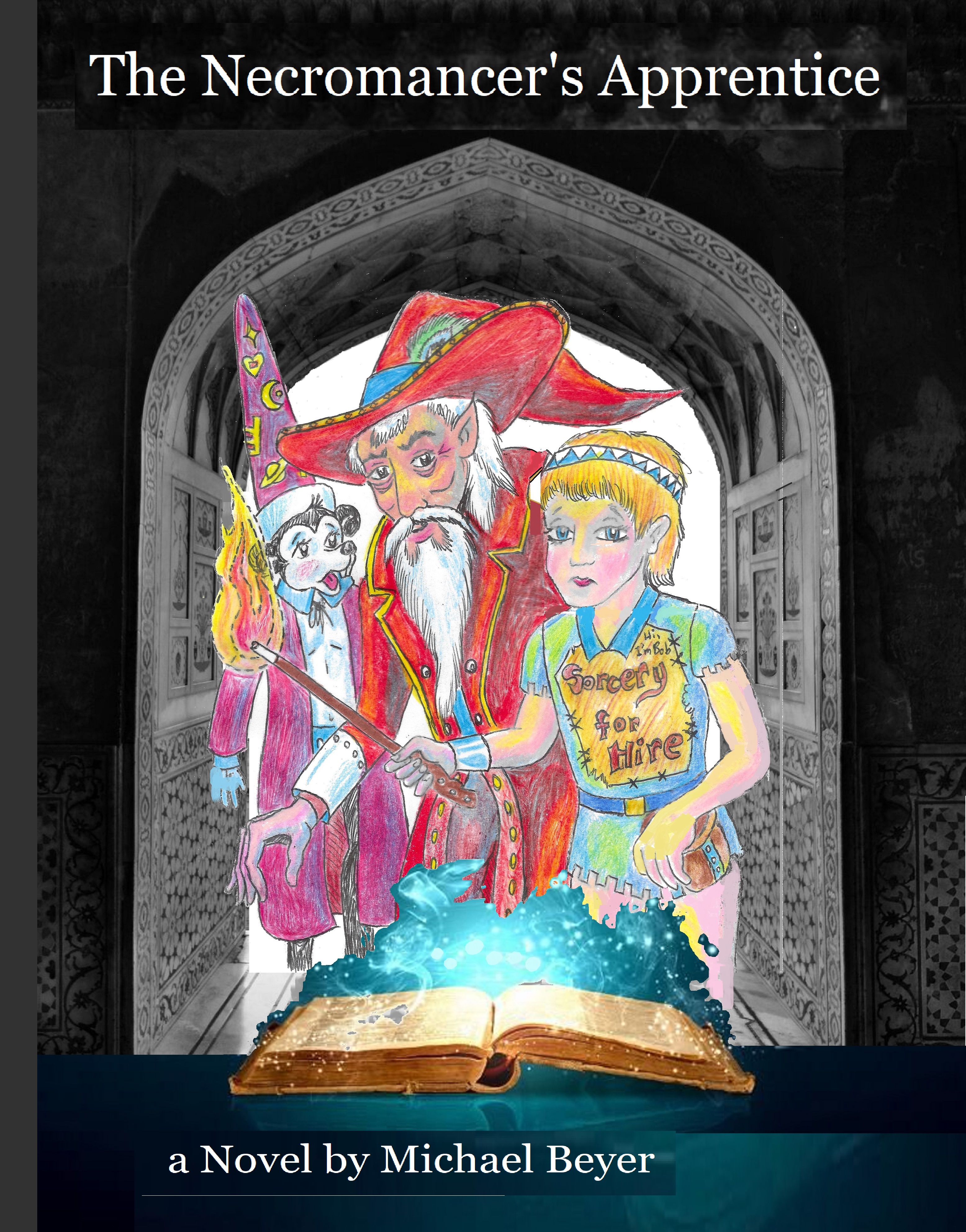
What makes people visit your blog and maybe even click “like”? I should tell you up front, I have no idea how best to navigate the crazy internet. I want to. I have a book to promote. I have ideas and experiences to share. I am a writer and I would like to make something more than excessive heartache out of being one. But how you actually go about it is still a mystery.
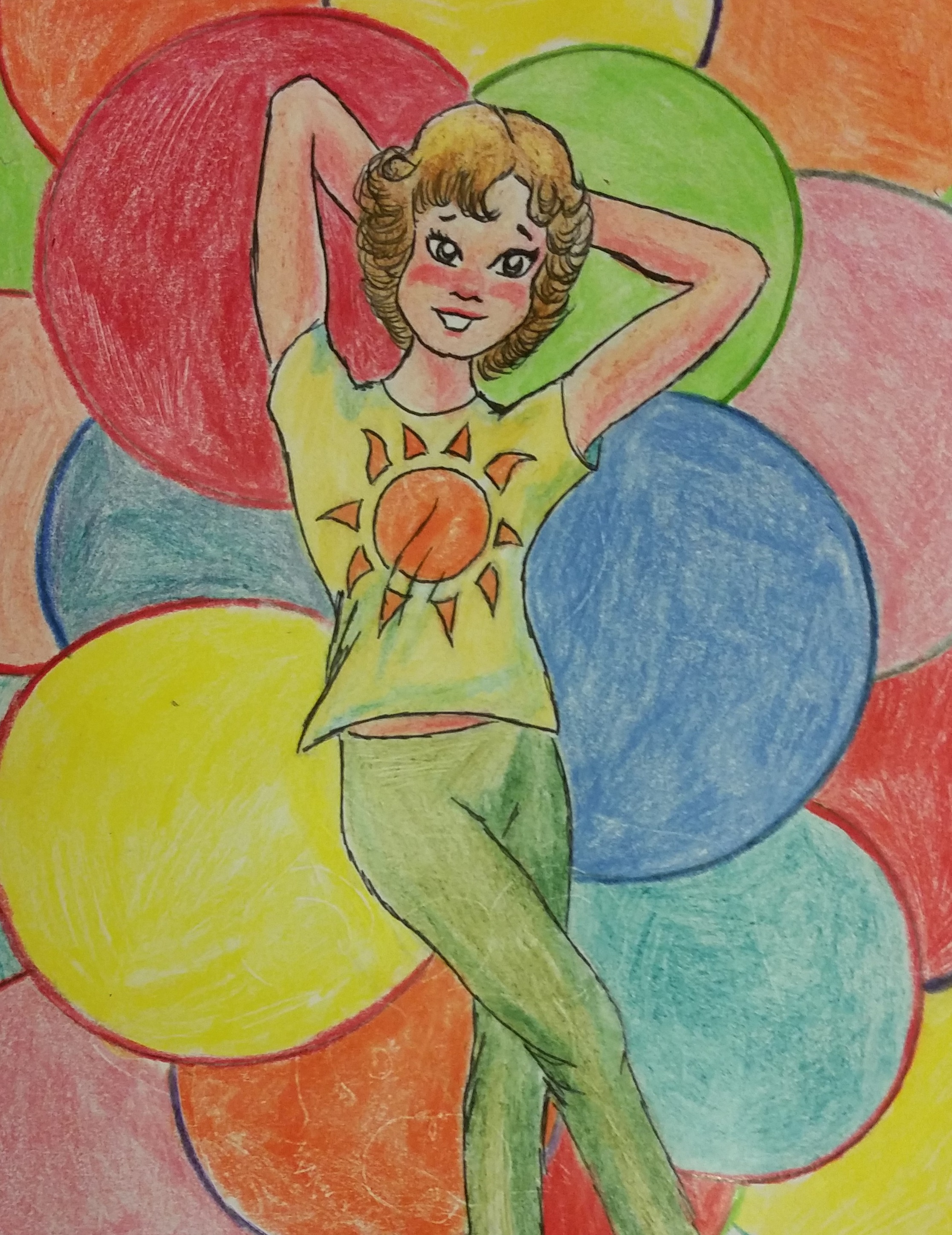
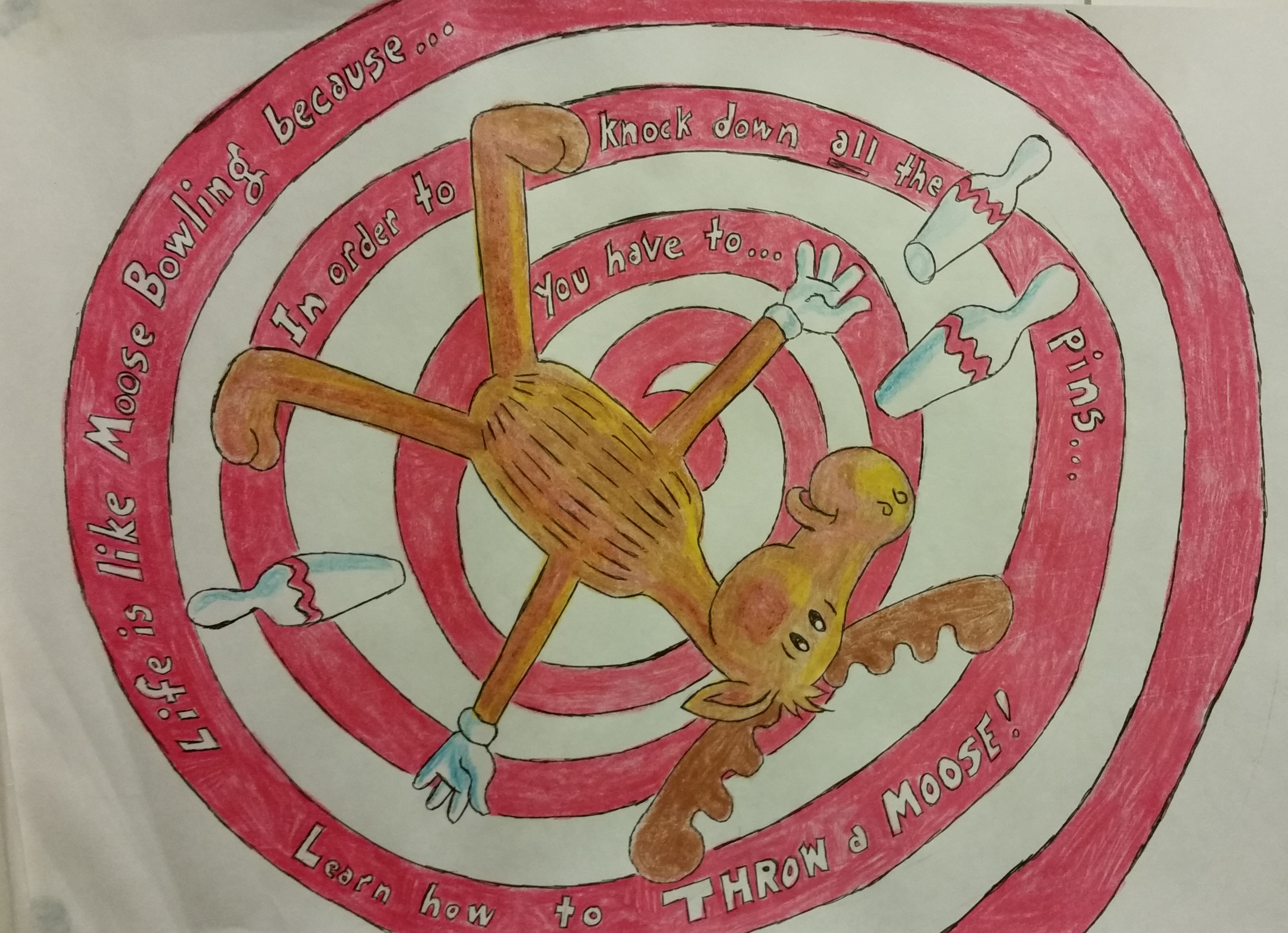
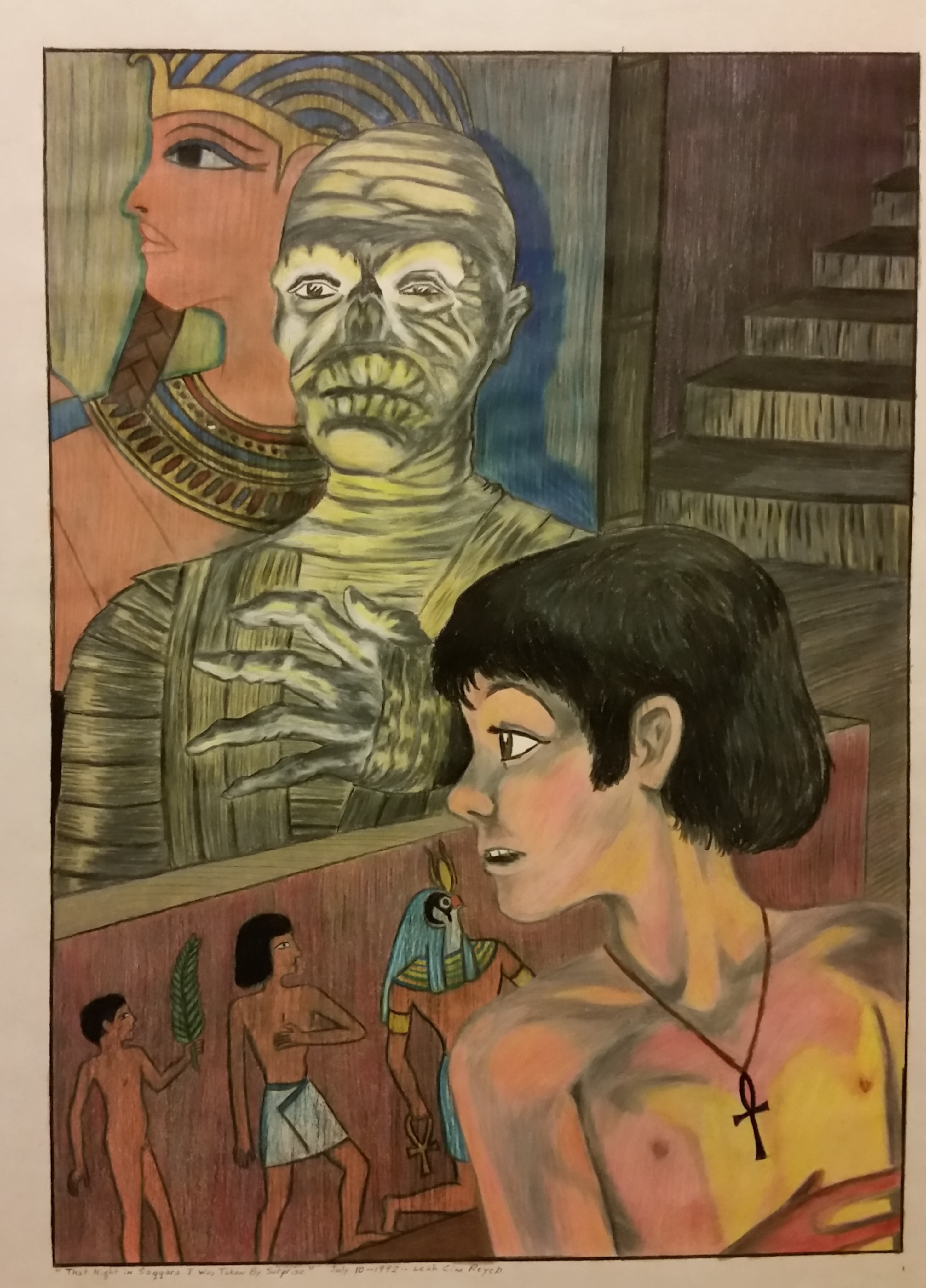
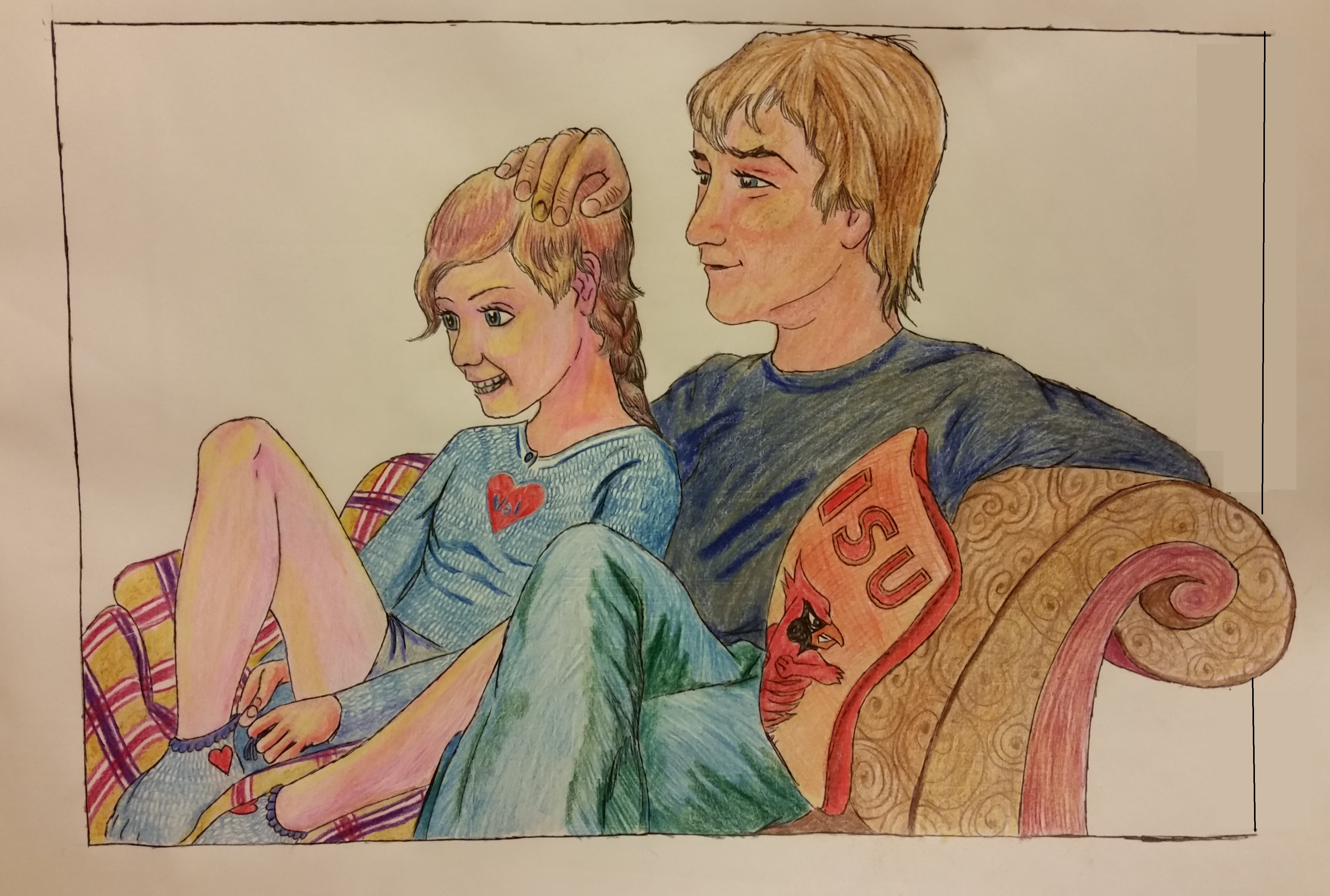
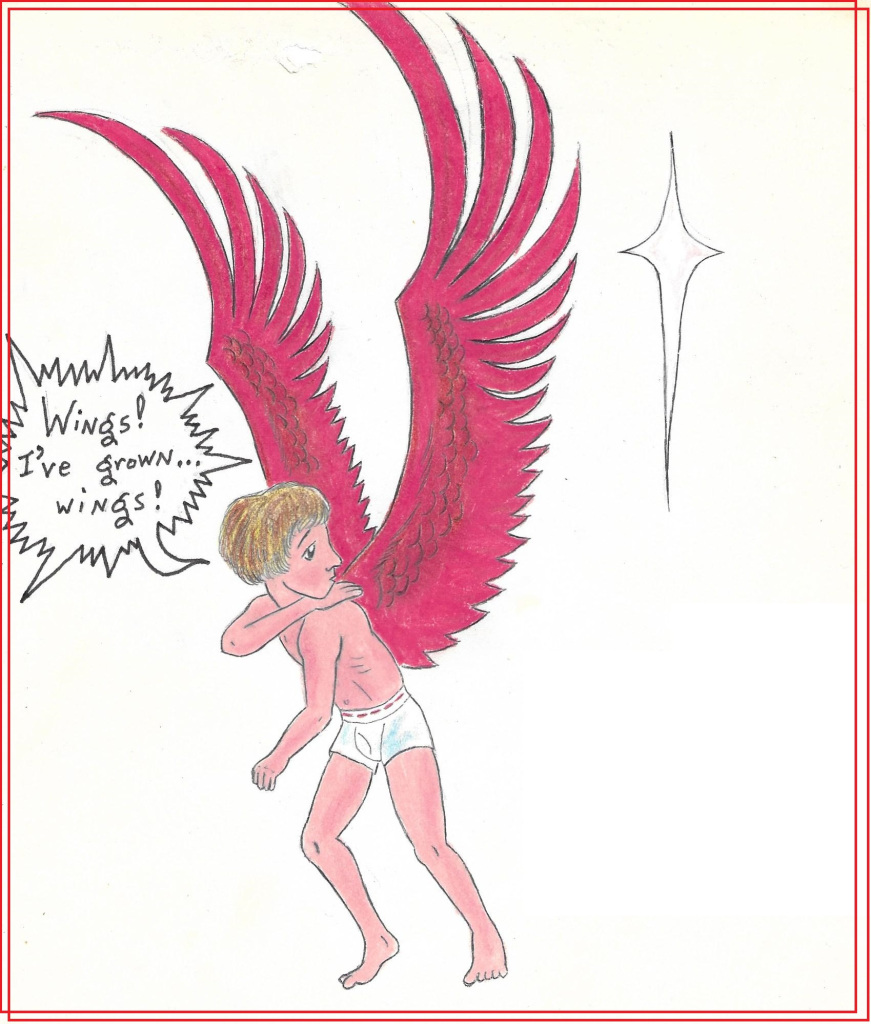
I know what I surf the internet for. I like artwork, especially original artwork. That is why I try to post as much of my own stuff as I can. I am an amateur artist, self-taught with a little bit of college art classes, contact with real artists, and a lot of TV Bob Ross. I surf to find other artists whose stuff catches my eye. I post about artists like Loish, Maxfield Parrish, Paul Detlafsen, and Norman Rockwell. I go to sites like DeviantArt (Example at this link) and follow artists like James Brown and Shannon Maer on Facebook. I help promote their work by sharing as often as I can. Do I worry about copyright violation with my artwork? No. I am long past the point of making a profitable career as an artist. I like having people see my work and if someone decides to claim they are the artist instead of me, I have the real originals and even some pictures of work in progress. The Big Eyes thing will not happen to me.
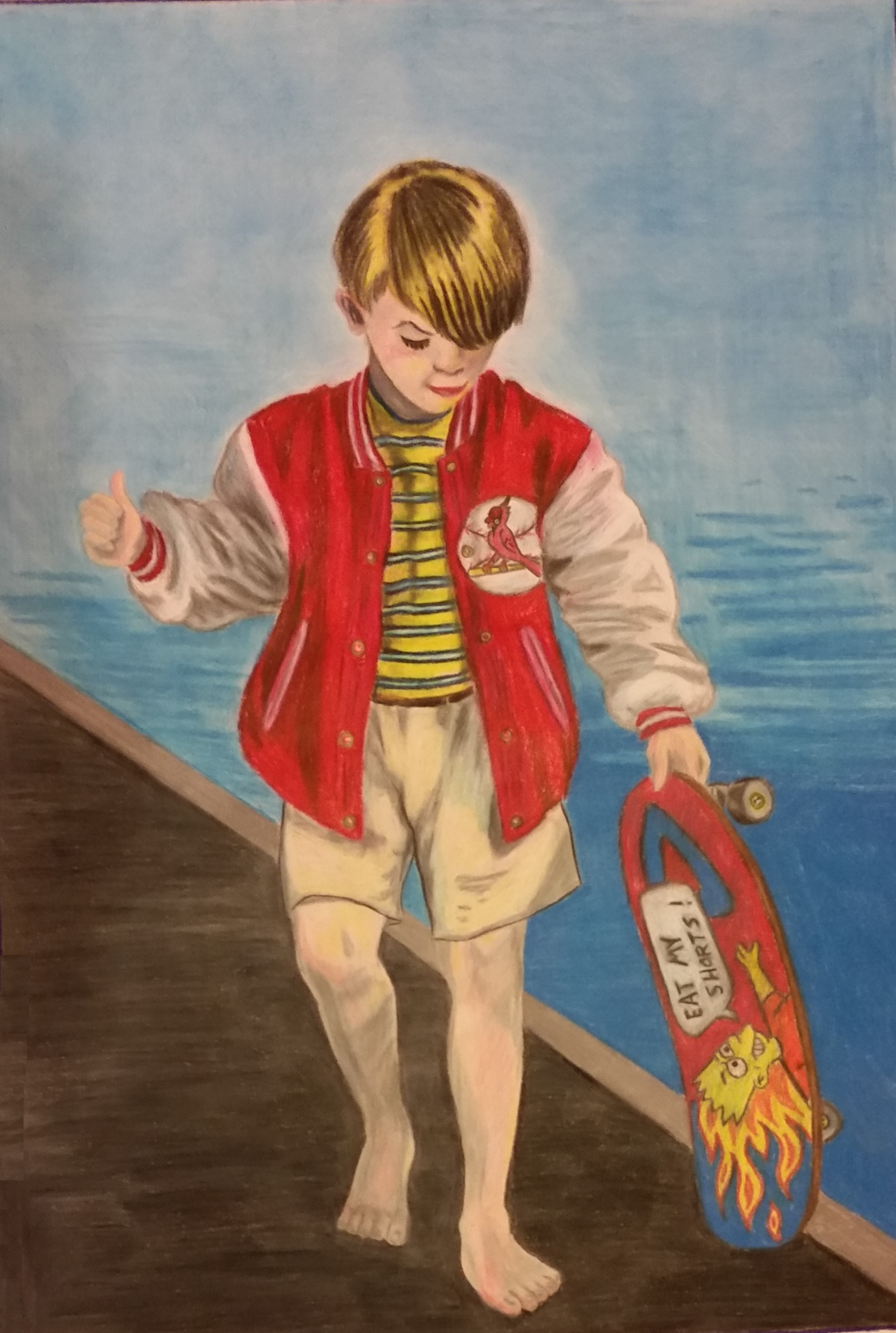
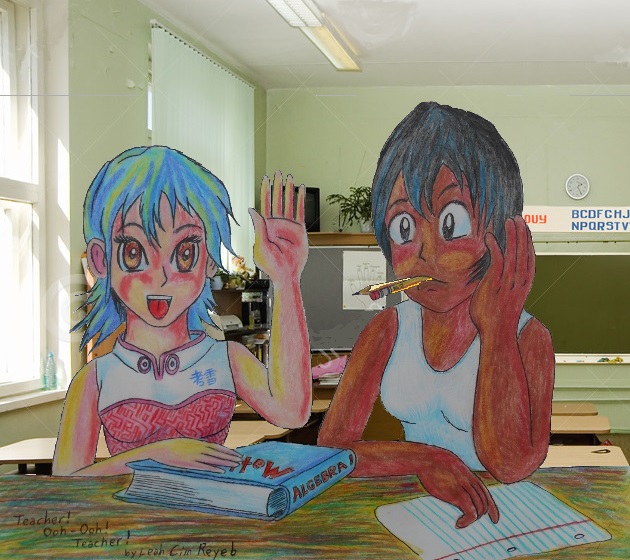
So sharing pictures seems to matter. I got lots of hits from the monster picture post because I used a lot of monster-movie images that people normally search for on the internet. Pictures of pretty girls work too. It doesn’t seem to matter if I drew them or if they are a picture of a relative, those pictures pull people in too.
Pictures of photogenic nieces aid my blogging popularity in a rather noticeable way.
Yes, I do believe I have just intimated that Minnie Mouse is my niece, a daughter of my sister-in-law. Lying is part of blogging. You have to put spin on things and make people understand the things they want to understand more than you need them to see what is really true in the empirical sense.
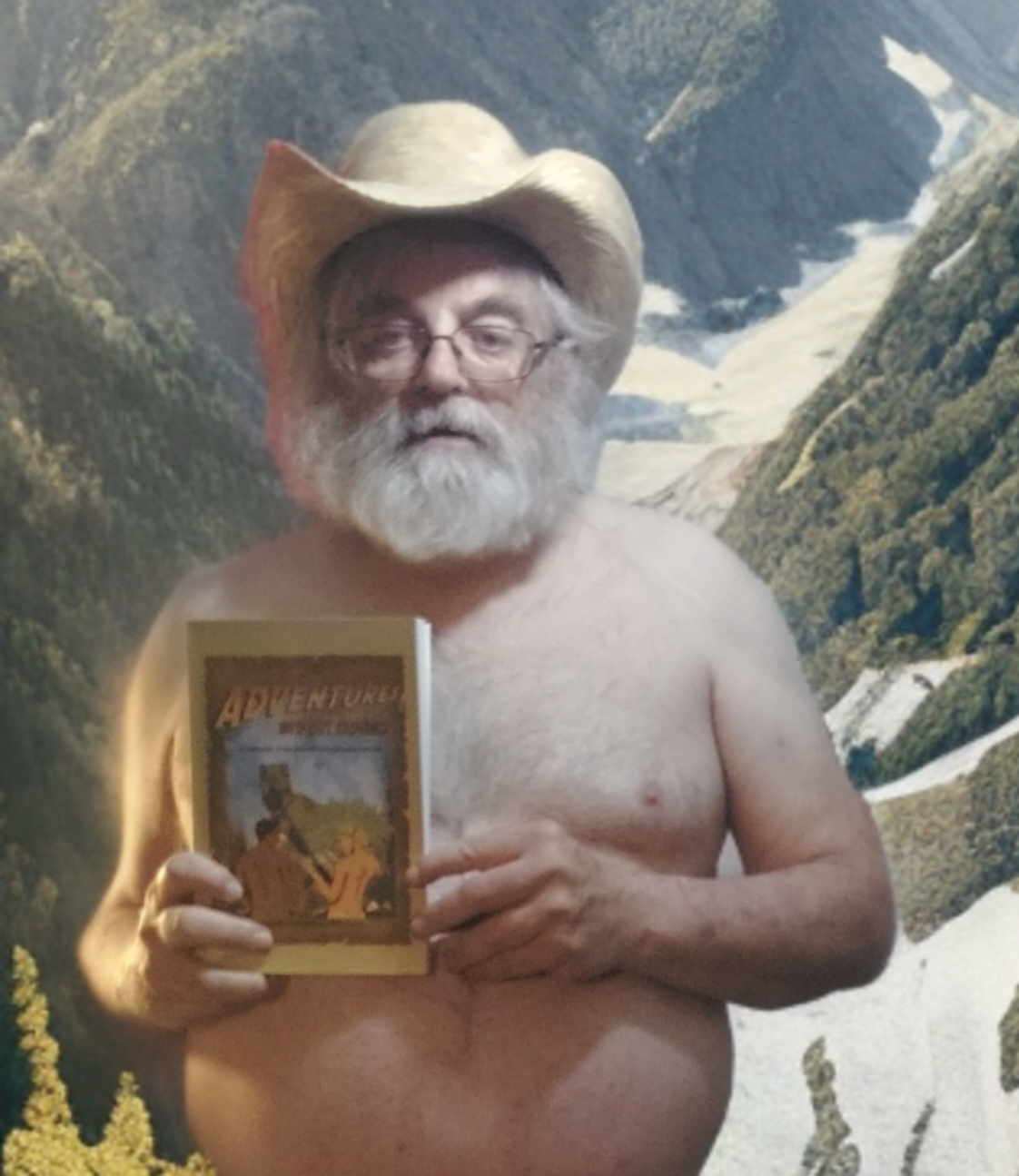
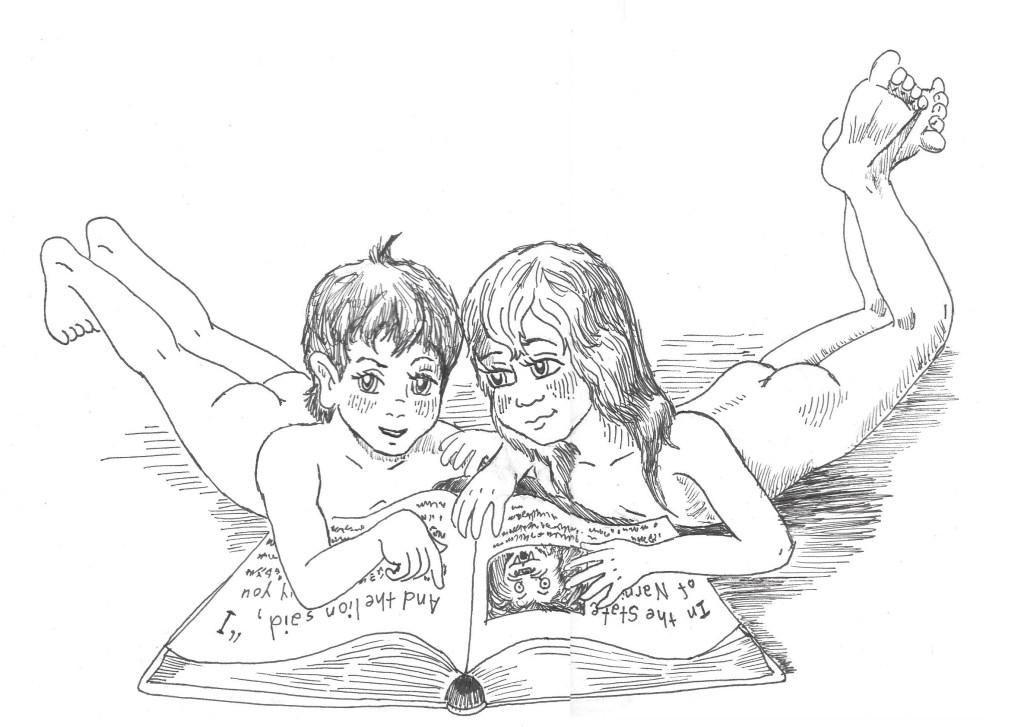
Being able to put the words “nude” or “naked” in titles or in the tags brings in more views too. Those words get lots of hits on search engines and some of the people who visit my blog looking for that actually read what’s posted. Just because an idea is a little bit naughty, it doesn’t mean only perverts and bad people respond to it.
This is a picture of Rowan Atkinson as Mr. Bean. It is NOT a picture of me.
And it doesn’t hurt to be a little funny now and then. Humor is something I look for in the posts of others. I try to be funny in my posts too… though whether they are hah-hah funny or merely eeuw! funny is debatable. Much of my humor is only intended to raise a smirk or half a smile. I am most satisfied when I make you think, “heh, that’s right, isn’t it.”
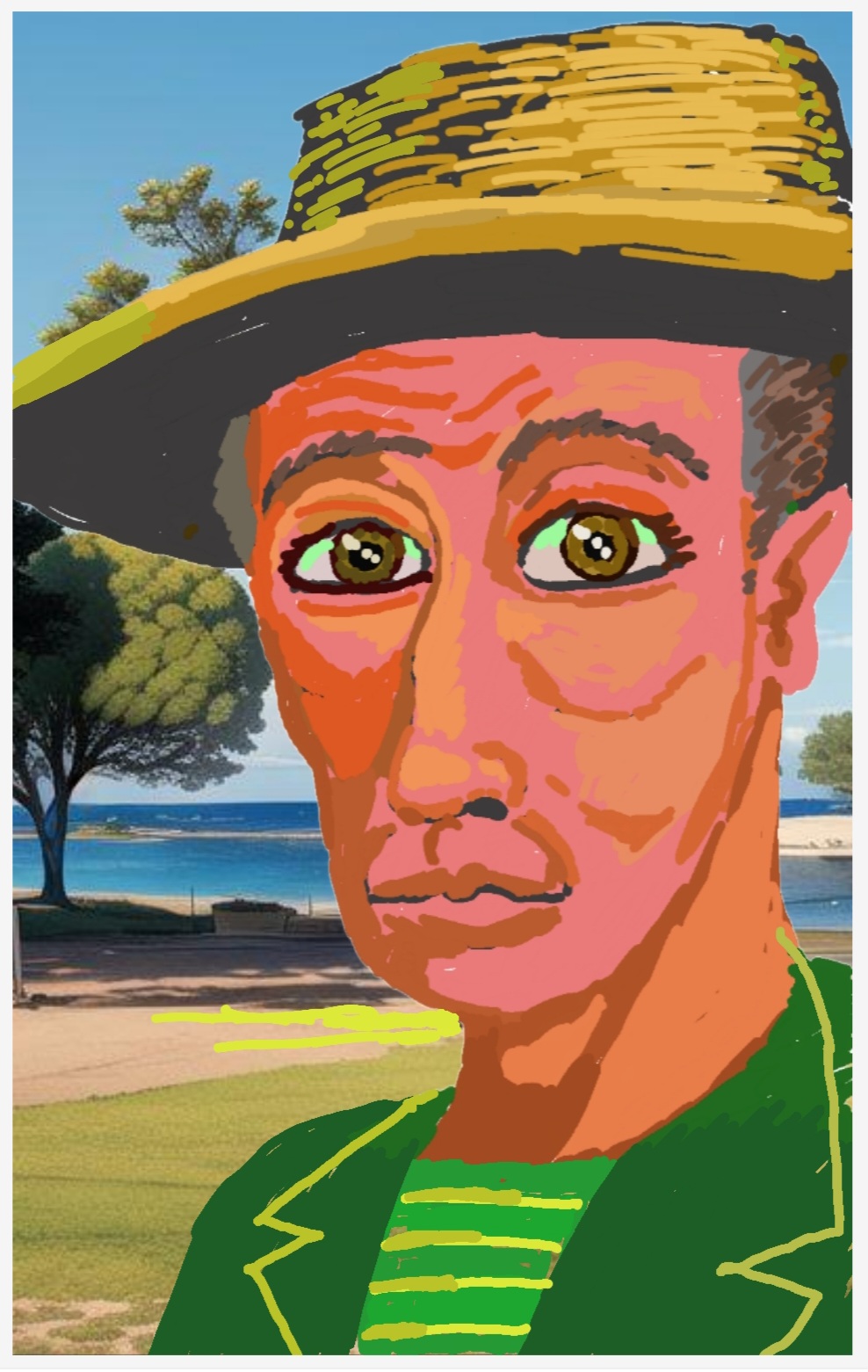
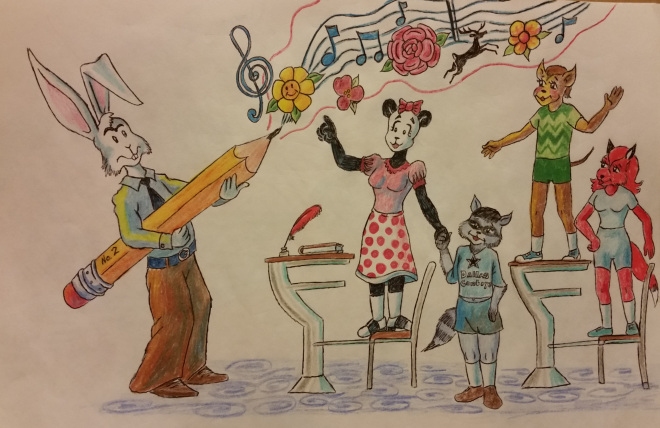
This is Millis, not me. He was an actual rabbit that was turned humanoid by a scientist’s experiment with alien technology.
So why is this post called Stuff That Works if, as I am claiming, I really don’t know anything about how blogging works? I may have been a little less than truthful when I made claims. Or maybe I was claiming with a little bit of “tongue in cheek”? I hope I have demonstrated that I do know how. The thing I have yet to wrestle with is WHY. So now I have to get busy and work on that.
Leave a comment
Filed under artwork, autobiography, blog posting, commentary, humor, nudes, Paffooney, surrealism
Tagged as artwork, blog, blogging, goofiness, humor, life, nudes, paffooney, philosophy, writing