Tag Archives: music

A Tongue in Cheek Thanksgiving

If you plan to talk about Trump at Thanksgiving Dinner, Lorita is ordered to hit you with her stick.

“China is already dropping more of its planned importation of corn and beans from America, buying more from Brazil and a lot less from us. Why, you ask? Ouch! I didn’t say his name, Lorita! You didn’t have to hit me that hard!”

“Our family farm may be at risk. We lose income from renting the land to local farmers and we won’t have enough to pay down the loan we took to pay for buying out our brother. The Pumpkinhead has screwed us over with his stupid tariff plans.”

“Excuse me, who is this Pumpkinhead guy?”

“That’s what Uncle Mickey calls the former and future president, Lorita, dear.”

Whack!

“Ouch! I never actually said the name Trump, Lorita!”

Whack! Whack!

“Well, Michael, it was your idea.”

“Yeah… the back of my head is regretting it. I thought we gave that girl a hollow whacking stick.”

“She’s ‘been building arm strength by weaving together Christmas wreaths at Butch’s Christmas tree farm.”

“Oh. Well that’s wonderful that you have a job, Sweetie. But you don’t have to hit me so hard if I accidentally say Trump’s name.”

Whack! Whack! Whack!

“Why did you hit me three times?”

“It’s the third time you said his name.”

“Actually, Sweetie, he only said the name twice.”

Whack! Whack!

“Did I get it right that time?”

“Yes, Sweetie. But you have given me brain damage.”

“Shall I kiss it, Uncle Mickey?”

“Yes, please. That makes it better.”

Smooch!

Okay, I confess it. This is all made up for laughs because the Pumpkinhead has done enough to make me mad. In truth, we did not get to go to the farm in Iowa for Thanksgiving Dinner at my Sister Mary’s place. My daughter is sick and confined to the house with flu here in the Dallas suburbs. My wife is still in the Philippines burying her mother. And Lorita is entirely imaginary. But some day we will look back on the end of the world and have a fond laugh… and maybe a wistful cry.

Leave a comment

Filed under Uncategorized

Just In Case You Haven’t Seen It…

My sisters and I as kids loved old movie musicals with dancing in them probably as much as any genre.  This video making the rounds on Facebook is something I have seen posted and re-posted and have personally watched at least five times already.  I have shared it twice on Facebook, and it continually gets re-shared, especially by friends my age or older.  Why does something like this go viral?  Well, Bruno Mars is a popular young Michael Jackson clone with an amazing musicality that appeals to all ages.  And the video is beautifully edited so that all the dancers from old movie musicals are actually in sync and appear to be dancing to the beat.  But the game-breaker for me is the fact that the dancers are all the old stars that used to fascinate me with their dance moves on PBS back in the 1970’s when old movie musicals got played on Friday, Saturday, and sometimes Sunday evenings.  I recognize Fred Astair, Gene Kelly, Buddy Ebsen, Donald O’Connor, Ginger Rogers, Judy Garland, Cyd Charisse, Mickey Rooney, Groucho Marx, the Ritz Brothers, and many more from the movies I loved like Anchors Away, Singing in the Rain, New York New York, and so many others I can’t even begin to name them all.  This mash-up brings back a whole lost world for me and gives me joy.  It connects the past with the energy of the present.  It gives me something to long for, to sigh for, and to fondly recall.  I want to see all those movies again.  But it wouldn’t be the same without my sisters there.

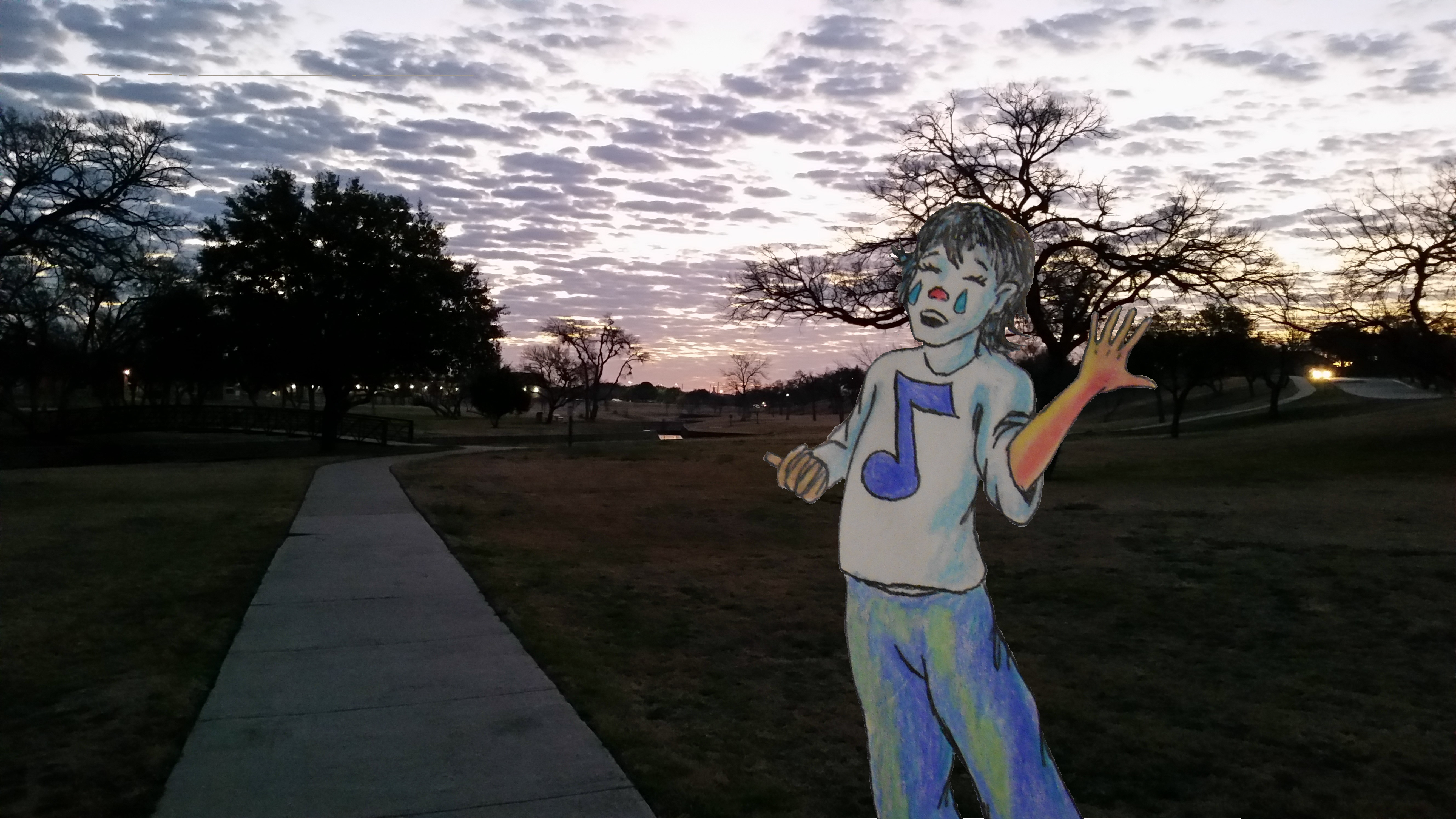
Blue Dawn

One has to wonder if all the time we spent on entertainment during our lifetime was a lost cause or not.  I have a rich tapestry of memories of other people’s lives, gained through movies, television, and books.  But has that enhanced my life?  Or has it taken away from my life’s work?  I know work puts food on the table and makes continued life possible.  But it also has to define the value of our lives.  I have never, though, lived a moment as a teacher when something I learned from movies or a book has actually interfered with delivering instruction.  And I can name innumerable times, looking back, when being able to recall entertainment experiences led to a unique teachable moment.  Those things can actually be the most important things we teach.  And what an entertainer in any medium manages to communicate to me validates their life’s work.

This flash mob concert makes me weep for joy every time I watch it.  It makes me realize what marvelous fulfillment there is in the act of committing a work of art.  How must poor demented and deaf Beethoven be soaring in spirit to have his work take so many people by surprise like this?  It gives me chills to think about that kind of immortality even though the composer is long since dead.  He is still giving astonishing gifts to little girls who put a coin in a hat.

You don’t even have to be Beethoven-levels of famous to create moments that will live forever in the memory of the universe.  I have watched this video of street performers across the world so many times I have it memorized and can sing along.  I have shared this video so many times that I expect others to tell me, “Just stop it already!”  But they never do.  We learn the value of art by being an audience… by being consumers of art.  And it gives me hope as well for my own artistic endeavors.  Making money is not the point.  Sharing my work with others… even long after my own personal time on earth is up… is the precious thing.  I am reminded of the culmination of the long and glorious career of Charlie Chaplin.  And the movie clip that gets circulated so often now after another tragedy like the one in Paris.  I dare you to listen to this speech and not be moved… to hear it out and not learn something important.

Thank you for letting me waste your time today.  I intended to commit no further evil in the world today, than to let you share a few of the things that everybody seems to be finding beautiful and worth the effort of sharing.

Leave a comment

Filed under humor, memes, Paffooney, sharing from YouTube, Uncategorized

The Silent Sonata

creativity

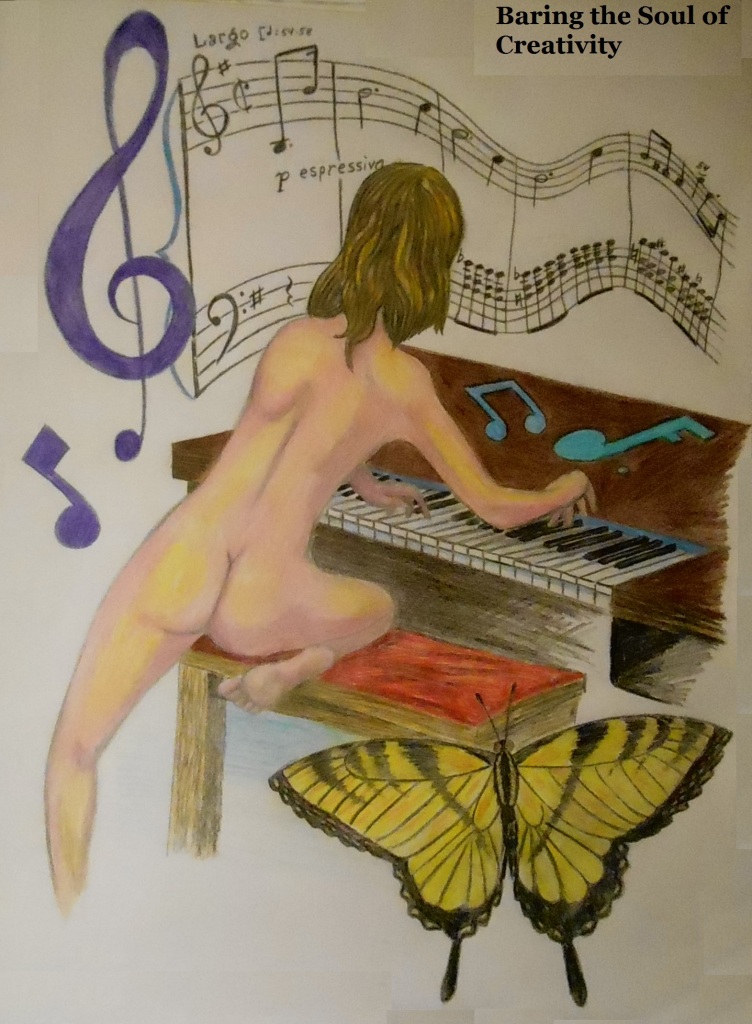
Being a writer is a life of music that happens only in your head.  You hear voices constantly.  They pulse rhythmically with insights and ideas that have to be written down and remembered.  Otherwise  the music turns clashing-cymbals dark and depressing.  Monday I wrote a deeply personal thank you to the Methodist minister who saved my life when I was a boy.  I posted a YouTube music video by the acapella group Pentatonix with that essay in a vain attempt to give you an idea of the music in my head when I composed that very difficult piece to give myself a measure of peace.

filch

I realize that I am not writing poetry here.  Poetry can so easily slip into melody and music because of rhythm and meter and rhyme.  And yet, words to me are always about singing, about performing, about doing tricks with metaphor and meaning, rhythm, convoluted sentence structure, and other sneaky things that snake-oil salesman do to get you to think what you are hearing is precisely what you needed to hear.  The Sonata of Silence…  did you notice the alliteration of the silvery letter “S” in that title?  The beat of the syllables?  Da-daah-da a da-da?  The way a mere suggestion of music can bring symphonic sounds to your ear of imagination as you read?  The way a simple metaphor, writing is music, can be wrapped into an essay like a single refrain in a symphonic piece?

psoriasis

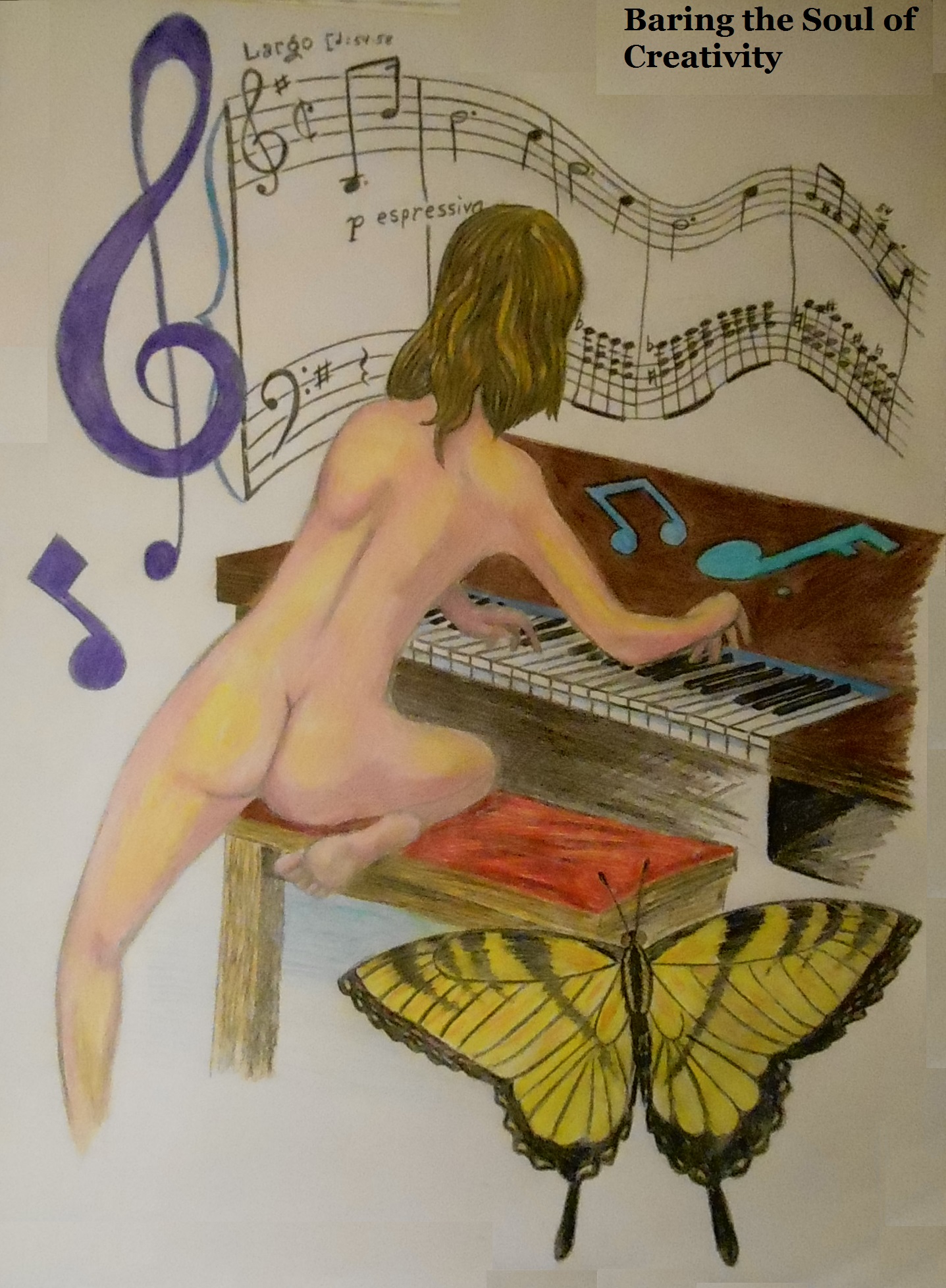
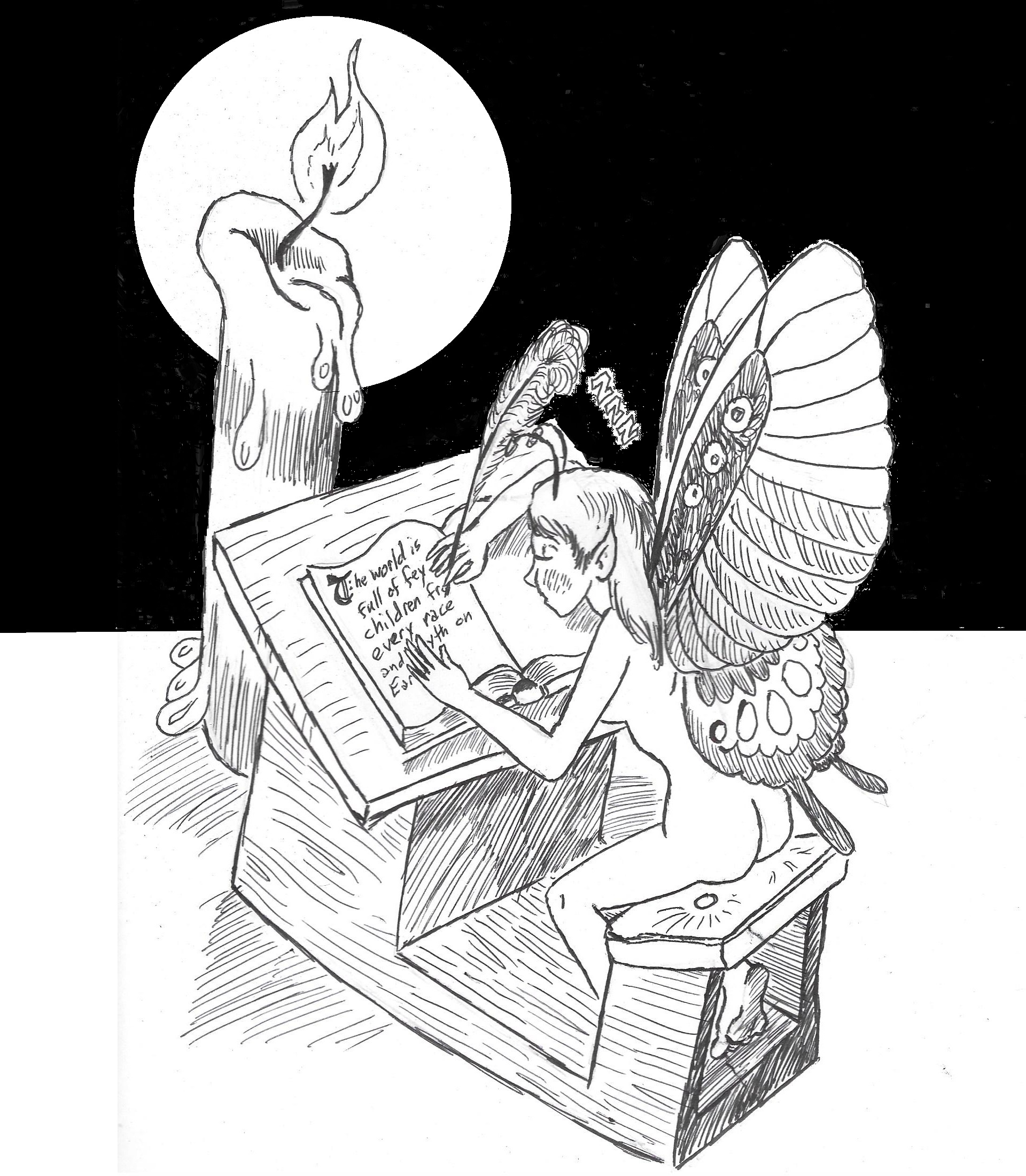
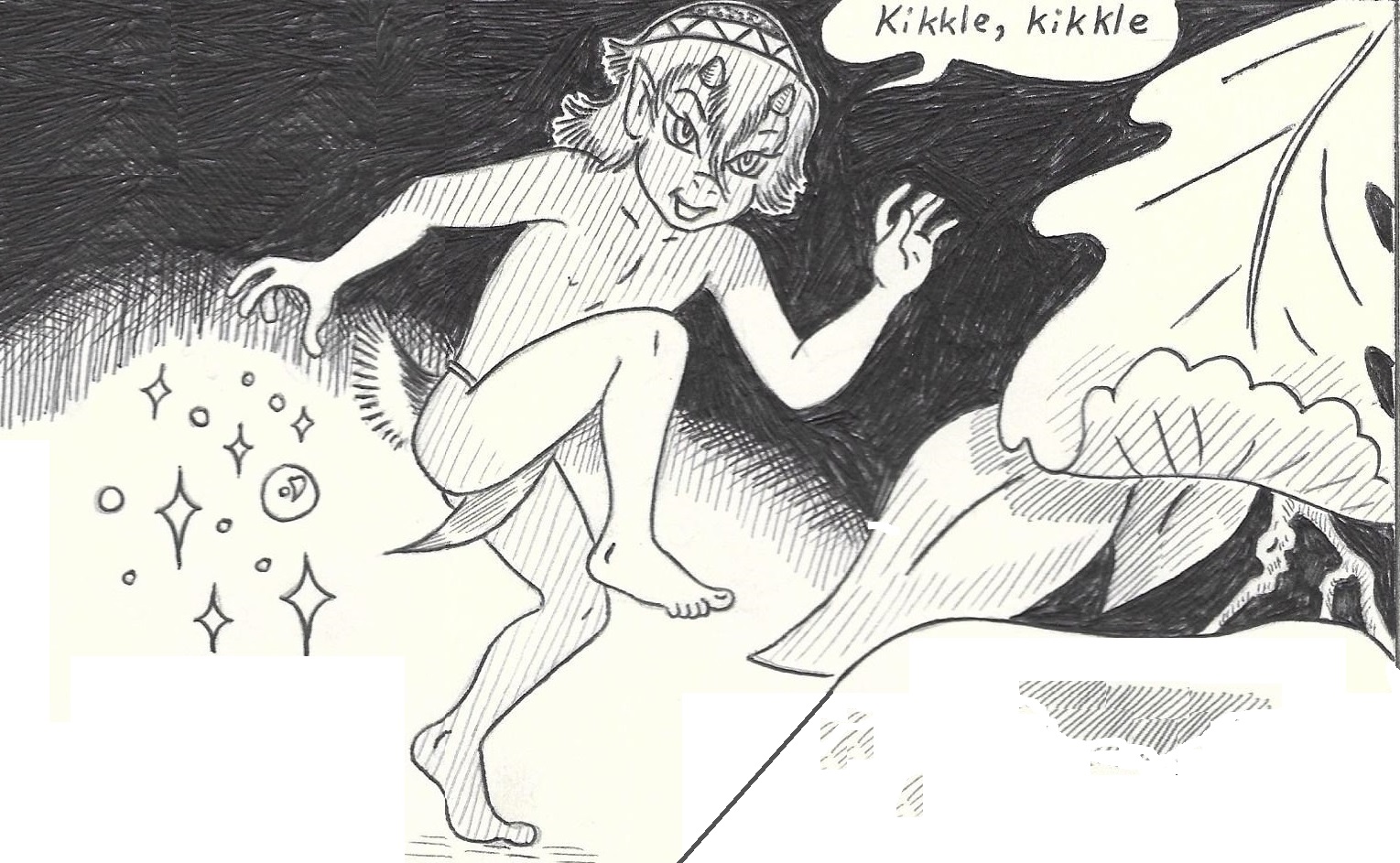
A sonata is a musical exercise in three or four movements that is basically instrumental in nature.  You may have noticed that the movements are loosely defined here by the accompanying pictures, of which there are three.  And it is silent only in the way that the instruments I am using themselves make no noise in the physical world.  The only sounds as I type these words are the hum of an old air conditioner and the whirr of my electric fan.  Yet my mind is filled with crescendos of violins and cellos, bold brass, and soft woodwinds.  The voice saying these words aloud only in my head is me.  Not the me you hear when I talk or the me I can hear on recordings of my own voice, but rather the me that I always hear from the inside.  And the voice is not so much “saying” as “singing”.

Writing makes music.  The writer can hear it.  The reader can too.  And whether I croon it to make you cry, or trill it to make you laugh, I am playing the instrument.  And so, the final notes of the sonata are these.  Be happy.  Be well.  And listen for the music.

Leave a comment

Filed under imagination, insight, inspiration, music, Paffooney, strange and wonderful ideas about life

Eine Kleine Nachtmusik

It is, of course, one of the most powerful, masterful, and best-known pieces of music ever written.

Mozart completed the “little serenade” in Vienna in 1787, but it wasn’t published until 1827, long after Mozart’s untimely death.

The Serenade is incorrectly translated into English as “A Little Night Music”. But this is and always has been the way I prefer to think of it. A creation of Mozart written shortly before he hopped aboard the ferryman’s boat and rode off into the eternal night. It is the artifact that proves the art of the master who even has the word “art” as a part of his name. A little music to play on after the master is gone to prove his universal connection to the great silent symphony that is everything in the universe singing silently together.

It is basically what I myself am laboring now to do. I have been dancing along the edge of the abyss of poverty, suffering, and death since I left my teaching job in 2014. I will soon be taking my own trip into night aboard the ferryman’s dreaded boat. And I feel the need to put my own art out there in novel and cartoon form before that happens.

I am not saying that I am a master on the level of a Mozart. My name is not Mickart. But I do have a “key’ in the name Mickey. And it will hopefully unlock something worthwhile for my family and all those I loved and leave behind me. And hopefully, it will provide a little night music to help soothe the next in line behind me at the ferryman’s dock.

Leave a comment

Filed under artwork, cartoons, classical music, commentary, feeling sorry for myself, Hidden Kingdom, magic, metaphor, music, Paffooney

O Mio Babbino Caro

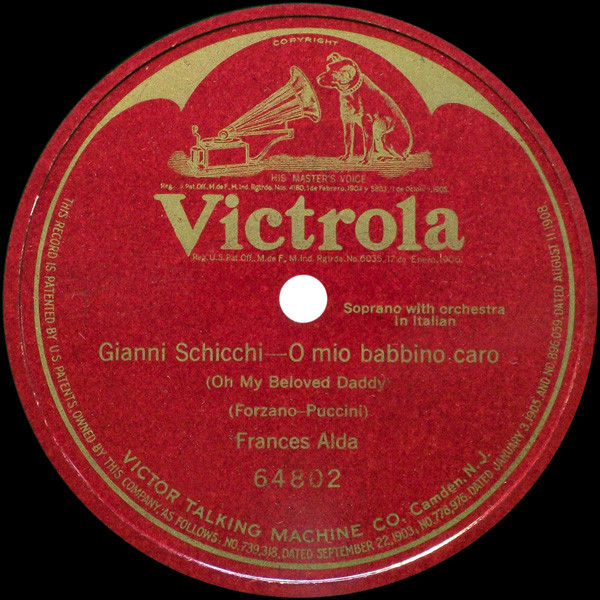
R-4036541-1353123762-4914.jpeg

This beautiful song, an operatic aria by Puccini, is from the comic opera Gianni Schicchi.  But, more important than that is what the song actually means in context.

In the opera, Gianni Schicchi is a con man intent on swindling a family out of their inheritance and knowing all along that he will be destined to go to hell when he dies.  The family is gathered for the reading of the rich man’s will, which is, because this is a comic opera, lost for the time being.  Their main concern is for the money, which rumor has it has all been willed to the church.  But one among them is actually worthy of inheriting the money, Rinuccio the son of the rich man’s cousin.  And, as luck would have it, as it always does in comedies, Rinuccio is the one who, during the manic and desperate search for the will, actually finds it.  And assuming he comes out well in the will, he secures a promise from his mother that if he inherits money, he can marry Schicchi’s beautiful daughter Laurretta whom he truly loves.

But when he reads the will, he is devastated.  The money all goes to a monastery.  He begs Schicchi to help him convince the family that he should marry Laurretta anyway.  This Gianni Schicchi tries and finds it harder than turning water into wine.  So Schicchi is about to give up when Lauretta finally speaks up for herself through the song,

O Mio Babbino Caro (My Beloved Father)

At this point Schicchi is moved by the beautiful song and even more beautiful love his daughter has surprised him with.  He not only agrees to help, but executes a bizarre plan, hiding the rich man’s body and pretending to be him come back to life to rewrite the will.  Now the will favors Rinuccio, and over the protests of the family, he inherits the money and marries his true love, Schicchi’s daughter.  The opera ends with Schicchi singing his case to the audience, telling them in song that going to hell is worth it to aid true love.

m570024353_1

And this, then, is the truth of O Mio Babbino Caro.

Love, expressed through the surprise of hidden talent suddenly revealed, is the most persuasive argument there is.

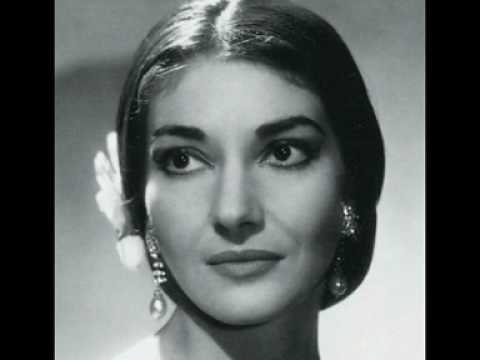
Whether it is the love in the music suddenly discovered in the overwhelming voice of a little girl like Jackie Evancho or Amira Willighagen, or the late great Maria Callas who also sang the role, or even the singer of Puccini’s greatest work who is yet to perform it and make silly old men like me weep for beauty’s sake, the song is the most persuasive argument there is in favor of true love.

hqdefault (2)

That is a thing I desperately want to capture in the novel I am writing now, Sing Sad Songs.  Love expressed in music.  Love that reverses loss.  Love that heals all things.  And Love that moves all people.  The love that is masterfully sung in O Mio Babbino Caro.

Francois spotlight

That book is now published and available on Amazon.

Leave a comment

Filed under art criticism, classical music, daughters, humor, music, Paffooney, strange and wonderful ideas about life

What the Heck is this Blog About?

I read a lot of other people’s blogs for a lot of reasons.  As an old writing teacher and retired Grammar Nazi, I love to see where writers are on the talent spectrum.  I have read everything from the philosophy of Camus and Kant to the beginning writing of ESL kids who are illiterate in two languages.  I view it like a vast flower garden of varied posies where even the weeds can be considered beautiful.  And like rare species of flower, I notice that many of the best blossoms out there in the blogosphere are consistent with their coloring and patterns.  In other words, they have a theme.

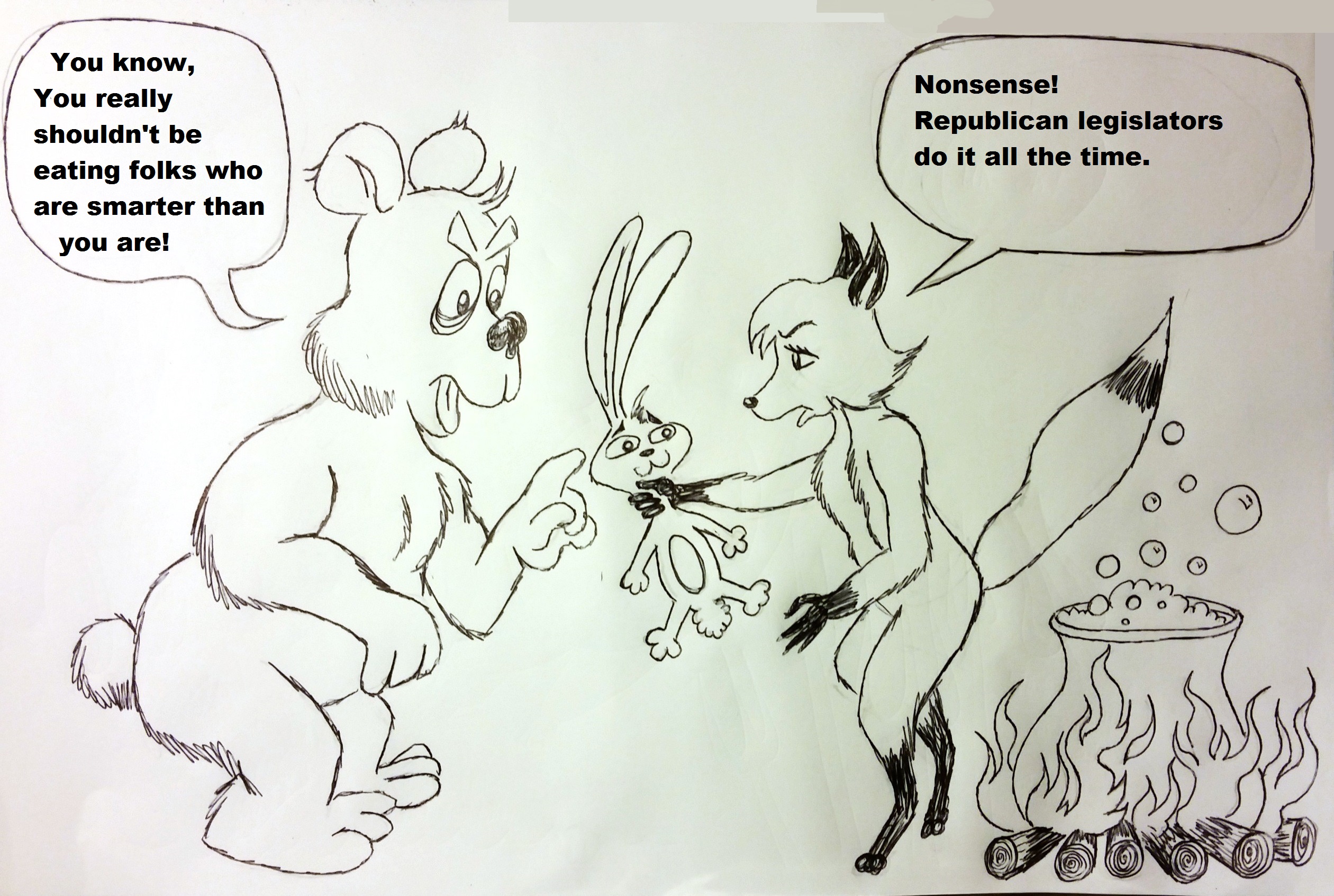
Fox logic

So, do I have an over-all theme for my blog?  It isn’t purely poetical like some of the poetry blogs I like to read.  I really only write comically bad poetry.  It has photos in it, but it isn’t anything like some of the photography blogs I follow.  They actually know how to photograph stuff and make it look perfect and pretty.  It is not strictly an art blog.  I do a lot of drawing and cartooning and inflict it upon you in this blog.  But I am not a professional artist and can’t hold a candle to some of the painters and artists I follow and sometimes even post about.  I enjoy calling Trump President Pumpkinhead, but I can’t say that my blog is a political humor blog, or that I am even passable as a humorous political commentator.

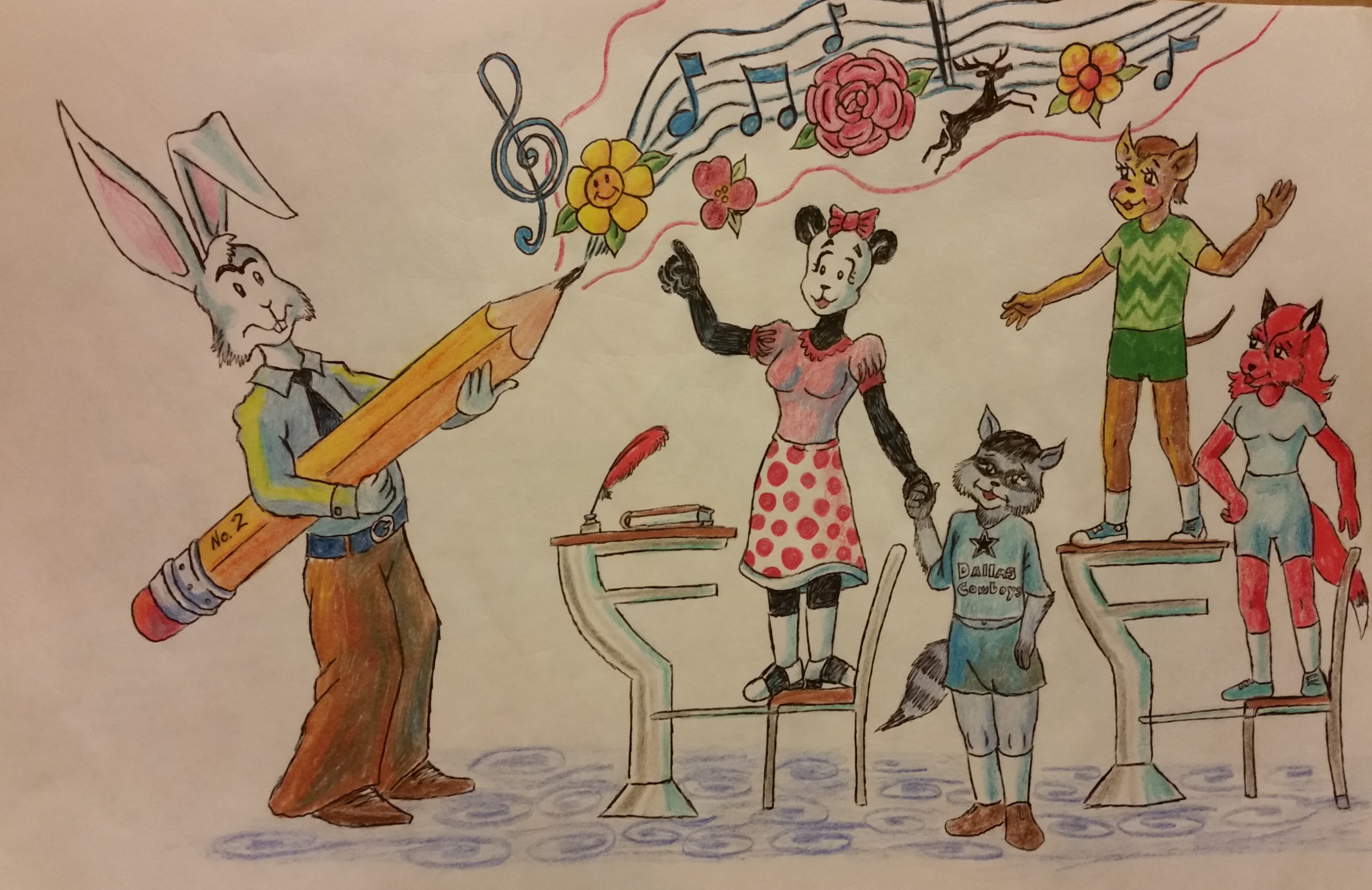
One thing that I can definitely say is that I was once a teacher.  I was one of those organizers and explainers who stand in front of diverse groups of kids five days a week for six shows a day and try to make them understand a little something.  Something wise.  Something wonderful.  Something new.  Look at the video above if you haven’t already watched it.  Not only does it give you a sense of the power of holding the big pencil, it teaches you something you probably didn’t realize before with so much more than mere words.

20150807_135323

But can I say this is an education blog?  No.  It is far too silly and pointless to be that.  If you want a real education blog, you have to look for someone like Diane Ravitch’s blog.  Education is a more serious and sober topic than Mickey.

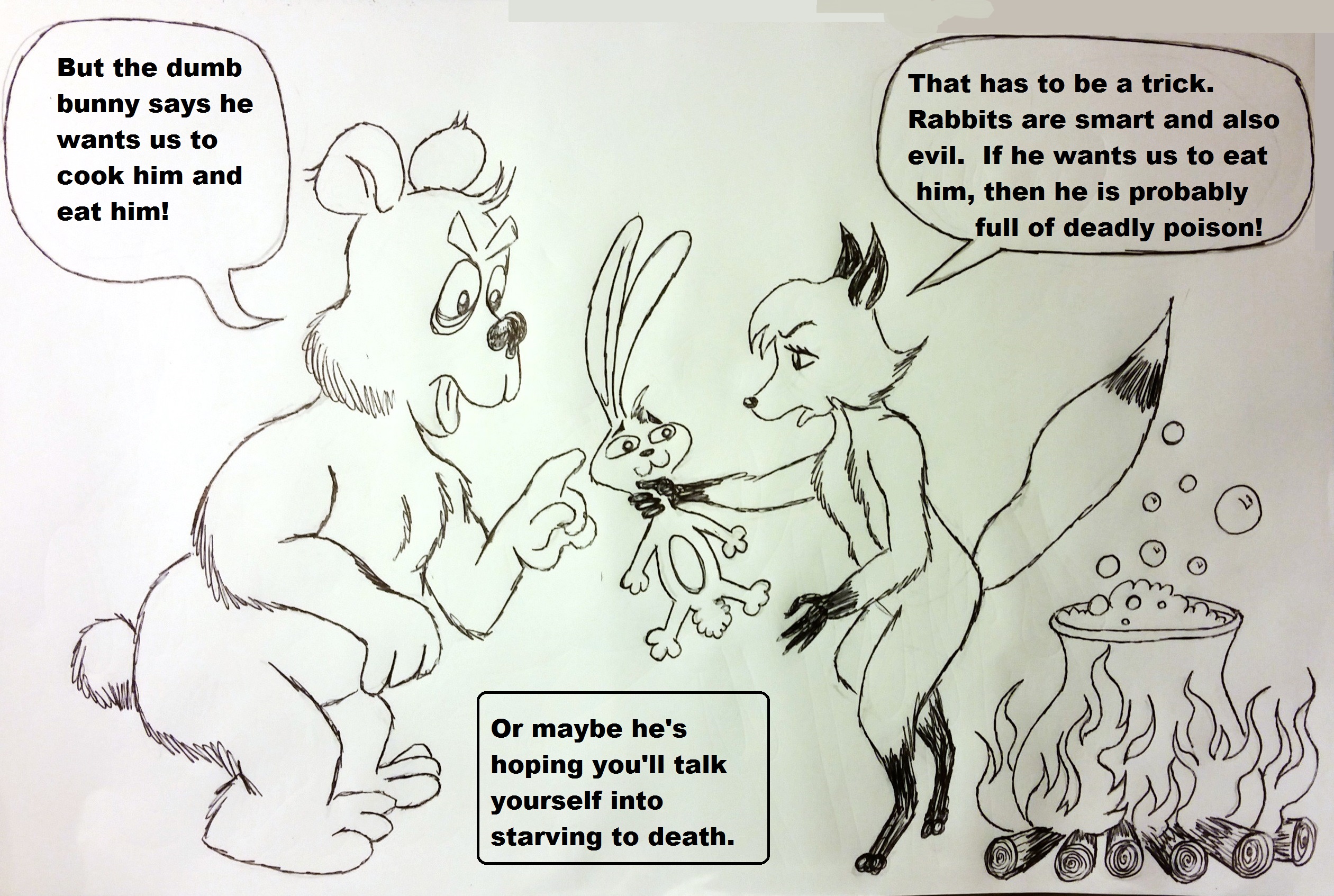
By the way, were you worried about the poor bunny in that first cartoon getting eaten by the fox and the bear?  Well, maybe this point from that conversation can put your mind at ease.

Fox logic 2

Mickey is tricky and gets good mileage out of his cartoons.

You may have gotten the idea that I like Bobby McFerrin by this point in my post.  It is true.  Pure genius and raw creative talent fascinate me.  Is that the end point of my journey to an answer about what the heck this blog is about?  Perhaps.  As good an answer as any.  But I think the question is still open for debate.  It is the journey from thought through many thoughts to theme that make it all fun.  And I don’t anticipate that journey actually ending anytime soon.


Leave a comment

Filed under humor, insight, inspiration, music, Paffooney, self portrait, strange and wonderful ideas about life, word games, wordplay, writing, writing teacher

Toccata and Fugue in D Minor

Johann Sebastian Bach may or may not have written his organ masterpiece, Toccata and Fugue in D Minor in 1704. All we know for sure is that the combined efforts of Johannes Ringk, who saved it in manuscript form in the 1830’s, and Felix Mendelssohn who performed it and made it a hit you could dance to during the Bach Revival in 1840 made it possible to still hear its sublime music today. Okay, maybe not dance to exactly… But without the two of them, the piece might have been lost to us in obscurity.

The Toccata part is a composition that uses fast fingerings and a sprightly beat to make happy hippie type music that is really quite trippy. The Fugue part (pronounced Fyoog, not Fuggwee which I learned to my horror in grade school music class) is a part where one part of the tune echoes another part of the tune and one part becomes the other part and then reflects it all back again. I know that’s needlessly confusing, but at least I know what I mean. That is not always a given when I am writing quickly like a Toccata.

I have posted two different versions for you to listen to in this musical metaphor nonsensical posticle… err… Popsicle… err… maybe just post. One is the kinda creepy organ version like you might find in a Hammer Films monster movie in the 1970’s. The other is the light and fluffy violin version from Disney’s Fantasia. I don’t really expect you to listen to both, but listening to one or the other would at least give you a tonal hint about what the ever-loving foolishness I am writing in this post is really all about.

You see, I find sober thoughts in this 313-year-old piece of music that I apply to the arc of my life to give it meaning in musical measure.

Toccata and Fugue

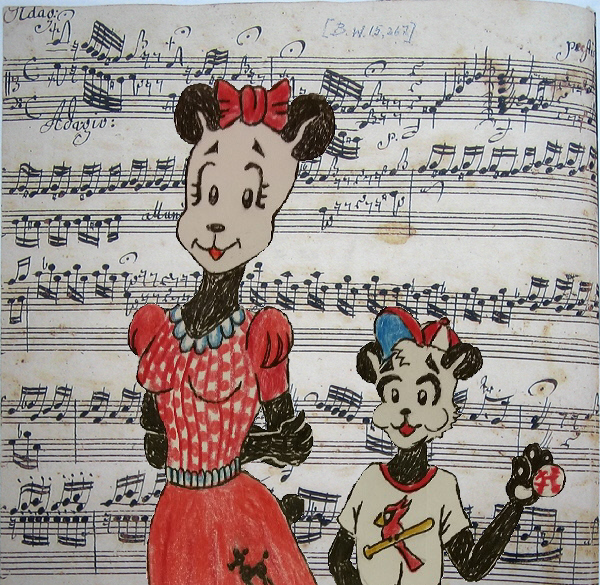
This is the Paffooney of this piece, a picture of my wife in her cartoon panda incarnation, along with the panda persona of my number two son. The background of this Paffooney is the actual Ringk manuscript that allowed Bach’s masterwork not to be lost for all time.

My life was always a musical composition, though I never really learned piano other than to pick out favorite tunes by ear. But the Bach Toccata and Fugue begins thusly;

The Toccata begins with a single-voice flourish in the upper ranges of the keyboard, doubled at the octave. It then spirals toward the bottom, where a diminished seventh chord appears (which actually implies a dominant chord with a minor 9th against a tonic pedal), built one note at a time. This resolves into a D major chord.

I interpret that in prose thusly;

Life was bright and full of promise when I was a child… men going to the moon, me learning to draw and paint, and being smarter than the average child to the point of being hated for my smart-asserry and tortured accordingly. I was sexually assaulted by an older boy and spiraled towards the bottom where I was diminished for a time and mired in a seventh chord of depression and despair. But that resolved into a D major chord when the realization dawned that I could teach and help others to learn the music of life.

And then the Fugue begins in earnest. I set the melody and led my students to repeat and reflect it back again. Over and over, rising like a storm and skipping like a happy child through the tulips that blossom as the showers pass. Winding and unwinding in equal measure, my life progressed to a creaky old age. But the notes of regret in the conclusion are few. The reflections of happinesses gained are legion. I have lived a life I do not regret. I may not have my music saved in the same way Johann Sebastian did, but I am proud of the whole of it. And whether by organ or by violin, it will translate to the next life, and will continue to repeat. What more can a doofus who thinks teaching and drawing and telling stories are a form of music ask for from life?

Leave a comment

Filed under Uncategorized

Talking to Girls

Communicating with a wife is complicated.  In fact, I couldn’t do the whole writer-think thing about that topic without writing a book.  But I can successfully ruminate for about 500 words on the that awkward first encounter, the first time I ever was embarrassed in front of a non-sister girl.

Sherry_n

In grade school I met my first crush in kindergarten.  Alicia Stewart was a honey-sweet little brown-haired girl with a bow in her hair.  I was a boy.  I was not allowed to like girls.  Hating them was the only thing that made sense to my friends and I.  But, secretly, I didn’t hate Alicia.  In fact, if I was ever to be doomed to be married when I grew up, I would’ve only accepted that horrible fate if it was with her.  And in my small town school I saw her practically every school day.  In fact, in Miss Malkin’s music class on Tuesdays and Thursdays I sat right next to her in Miss Malkin’s seating chart for six years.

Mike n Blue B&W

In Miss Malkin’s music class we always did musical stuff like listening to classical records, singing songs for the yearly musical review concert (we did the songs from the musical The Music Man one year… you don’t get more musicky than that), and we did square dancing.  Yeah, you heard that right.  Square dancing.  You had to have a girl for a partner.  And one year, Miss Malkin decided it would be cute to have the boys ask the girls to be their partners.  Now, as boys… in top secret boy-conversations, we had generally agreed that if such a problem would ever occur, Alicia Stewart was the only acceptable choice.  We all hated girls.  But we all were secretly in love with Alicia.  She was girl-hating-boy approved.  When I was twelve, there was another girl that was making me uncomfortable too.  Marla Carter was nine when I was twelve.  She had big brown eyes and dimples.  Her face was somehow heart-shaped, and only Alicia could make my palms sweat any worse than she did.  But in top secret boy-conversations it was ruled that she was a booger-eating little girl and totally toxic.  Well, I didn’t totally agree, but I was still subject to all girl-hating directives.

“Okay,” Miss Malkin said, “the boys will now pick their partners… one at a time in alphabetical order.”

My last name began with the letter “B”, but my best friend Mark had a last name starting with “A”.

“I pick Alicia,” Mark said.

My heart sank.  I had my pick of any girl besides Alicia.  Marla was standing about four feet away from me, her hands folded together behind her back, looking at me with those puppy-dog eyes.  My throat was too dry to speak.

“Um, ah… I can’t pick anyone…” I croaked.  “You pick it, I will dance with it.”

“Now, don’t be like that, Michael.  Get on with it!” Miss Malkin commanded.  Everyone loved the music teacher, and so everyone obeyed her.  I had to submit.

I looked at Marla, dug my toe into the floorboards, and said, “I choose my cousin Diane.”

Talking to girls has always been a matter of embarrassment.  The words are always awkward and shaped not by my brain, but by my bowels.  This fact has always been a hindrance to my dealings with the female species, but it has been an unending source of potential for writing  humor.

Leave a comment

Filed under autobiography, humor, Paffooney, pen and ink, Uncategorized

Metaphor and Meaning

Image


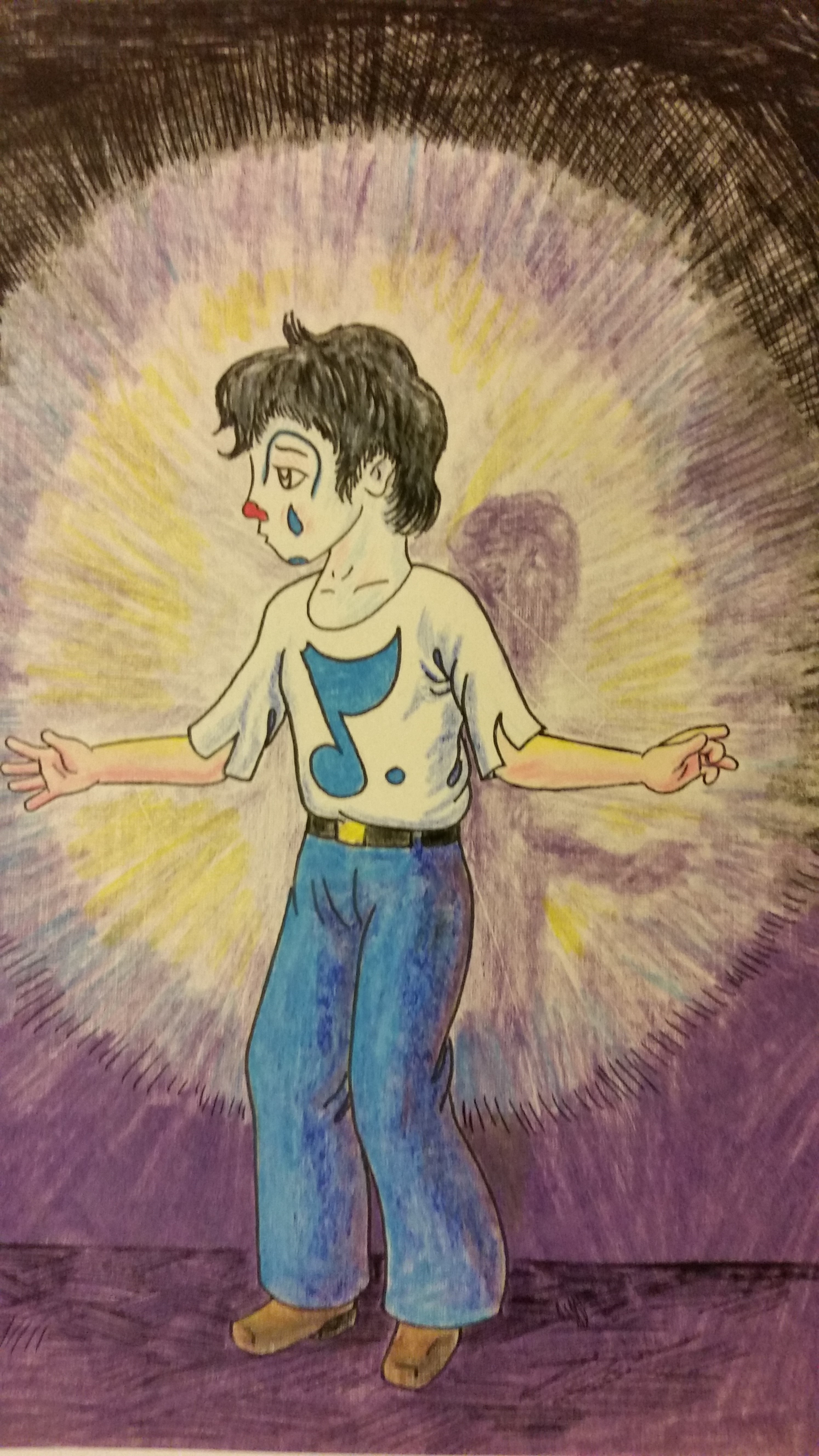
In this week’s Paffooney remix, I have pictured the little boy crooner Francois Martin on the main street of Norwall.  Why have I done such a foolish thing?  Why have I drawn a boy singing silently a song that only I can hear in my silly old head?  In fact, why do I label them Cantos instead of Chapters?  Of course, the answer to these rhetorical questions is metaphorical.  I look at my writing as being poetry, or, more accurately, as music rather than mere prose.  It is a metaphor central to my being, writing is putting the inner music of my mind down on paper.

Here is a secret to powerful writing.  Connect ideas with metaphors.  A metaphor is a direct comparison of two unlike things to create an analogy, an echo of an idea that gives resonance to a notion.  Sorry, I’m an English teacher.  It’s in my genes.  But metaphors can serve as the essential connections, as glue to put paragraphs and scenes together.

Let me show you a metaphor.  Here is a short poem, the natural environment where many metaphors live;

                                                The Cookie

Once I had a cookie… But every time I took a bite, It became smaller and smaller…

                With each bite I had less and less cookie left.

But when it was gone, the sweet taste of it…

                Lingered on… as memory.


The central metaphor of this poem is comparing the cookie to my life.  I am getting older.  I have six incurable diseases, some of them life threatening.  I have been thinking about mortality a lot lately.  So what is the point of the poem?  That even when the last bite is taken, and there is no more cookie… when I am dead, there is the memory of me.  Not my memory.  The memory of me in the minds of my family, my children, my students, and other people who have come to know me.  That memory makes whatever goodness that is in me worth living for.

Okay, a metaphor explained is kinda like a bug that’s been dissected for a science fair.  Its innards are revealed and labeled.  The beauty is gone.  It’s kinda icky.

What works better, is a metaphor that the readers can readily grasp on their own.  The beauty has to be discovered, not dissected and explained.  Let me try again;


                                                The Boy and the Boat

                The boy looked to the horizon where wild and wooly white-caps roiled upon the sea.

                “Lord help me,” he said, “the sea is so large, and my boat is so small…”


I can hear what you are thinking.  “That’s too simple and ordinary.  If it’s a metaphor, then it’s a really stupid one.”  Well, I heard someone thinking that, even if it was not you.

Let me add a bit of information to help you connect things as I do.  When I was ten years old, a fifteen-year-old neighbor boy sexually assaulted me.  I told no one.  I was so devasted by the event that I repressed the memory until I reached the age of twenty two.  In high school, my suicidal thoughts and darkest depressions were caused by this event even though I couldn’t even recall.  To this day I have not explained to mother and father what happened.  I can only bring myself to tell you now because my abuser died of heart failure last summer.  It was a life event of overwhelming darkness, pain, and soul scorching.  Now look at “The Boy and the Boat” again.  Has the meaning changed for you the way it does for me?

Now, I know that the last paragraph was a totally unfair use of harsh reality to make a point about metaphor and meaning.  So let me give you one last poem… a sillier one.  You can make of it whatever you will;


                                                The Grin

The wrinkly, bewhiskered old man

Had a smile like a plate of moldy spaghetti

In the afternoon sun.


2 Comments

Filed under Uncategorized

A Mr. Holland Moment

Life is making music.  We hum, we sing to ourselves, movie music plays in our head as the soundtrack to our daily life. At least, it does if we stop for a moment and dare to listen.   We make music in many different ways.  Some play guitar.  Some are piano players.  And some of us are only player pianos.  Some of us make music by writing a themed paragraph like this one.  Others make an engine sing in the automotive shop.  Still others plant gardens and make flowers or tomatoes grow.  I chose teaching kids to read and write.  The music still swells in my ears four years after retiring.

The 1995 movie, Mr. Holland’s Opus, is about a musician who thinks he is going to write a magnificent classical orchestra opus while teaching music at a public high school to bring in money and allow him time to compose and be with his young wife as they start a new family.

But teaching is not, of course, what he thought it was.  He has to learn the hard way that it is not an easy thing to open up the closed little clam shells that are the minds of students and put music in.  You have to learn who they are as people first.  You have to learn to care about what goes on in their lives, and how the world around them makes them feel… and react to what you have to teach.  Mr. Holland has to learn to pull them into music appreciation using rock and roll and music they like to listen to, teaching them to understand the sparkles and beats and elements that make it up and can be found in all music throughout their lives.  They can even begin to find those things in classical music, and appreciate why it has taken hold of our attention for centuries.

And teaching is not easy.  You have to make sacrifices.  Big dreams, such as a magnum opus called “An American Symphony”, have to be put on the shelf until later.  You have children, and you find that parenting isn’t easy either.  Mr. Holland’s son is deaf and can never actually hear the music that his father writes from the center of his soul.  And the issue of the importance of what you have to teach becomes something you have to fight for.  Budget cuts and lack of funding cripples teachers in every field, especially if you teach the arts.  Principals don’t often appreciate the value of the life lessons you have to give.  Being in high school band doesn’t get you a high paying job later.

But in the end, at the climax of the movie, the students all come back to honor Mr. Holland.  They provide a public performance of his magnum opus, his life’s work.  And the movie ends with a feeling that it was all worth it, because what he built was eternal, and will be there long after the last note of his music is completely forgotten.  It is in the lives and loves and memories of his students, and they will pass it on.

But this post isn’t a movie review.  This post is about my movie, my music.  I was a teacher in the same way Mr. Holland was.  I learned the same lessons about being a teacher as he did.  I had the same struggles to learn to reach kids.  And my Mr. Holland moment wasn’t anywhere near as big and as loud as Mr. Holland’s.  His was performed on a stage in front of the whole school and alumni.  His won Richard Dreyfus an Academy Award for Best Actor.  But his was only fictional.

Mine was real.  It happened in a portable building on the Naaman Forest High School campus.  The students and the teacher in the classroom next door threw a surprise party for me.  They made a lot of food to share, almost all of which I couldn’t eat because of diabetes.  And they told me how much they would miss me, and that they would never forget me.  And I had promised myself I would never cry about having to retire.  But I broke my promise.  In fact, I am crying now ten years later.  But they are not tears of sadness.  My masterwork has now reached its last, bitter-sweet notes.  The crescendos have all faded.  But the music of our lives will still keep playing.  And not even death can silence it completely.

1 Comment

Filed under artwork, autobiography, commentary, happiness, insight, kids, movie review, teaching