
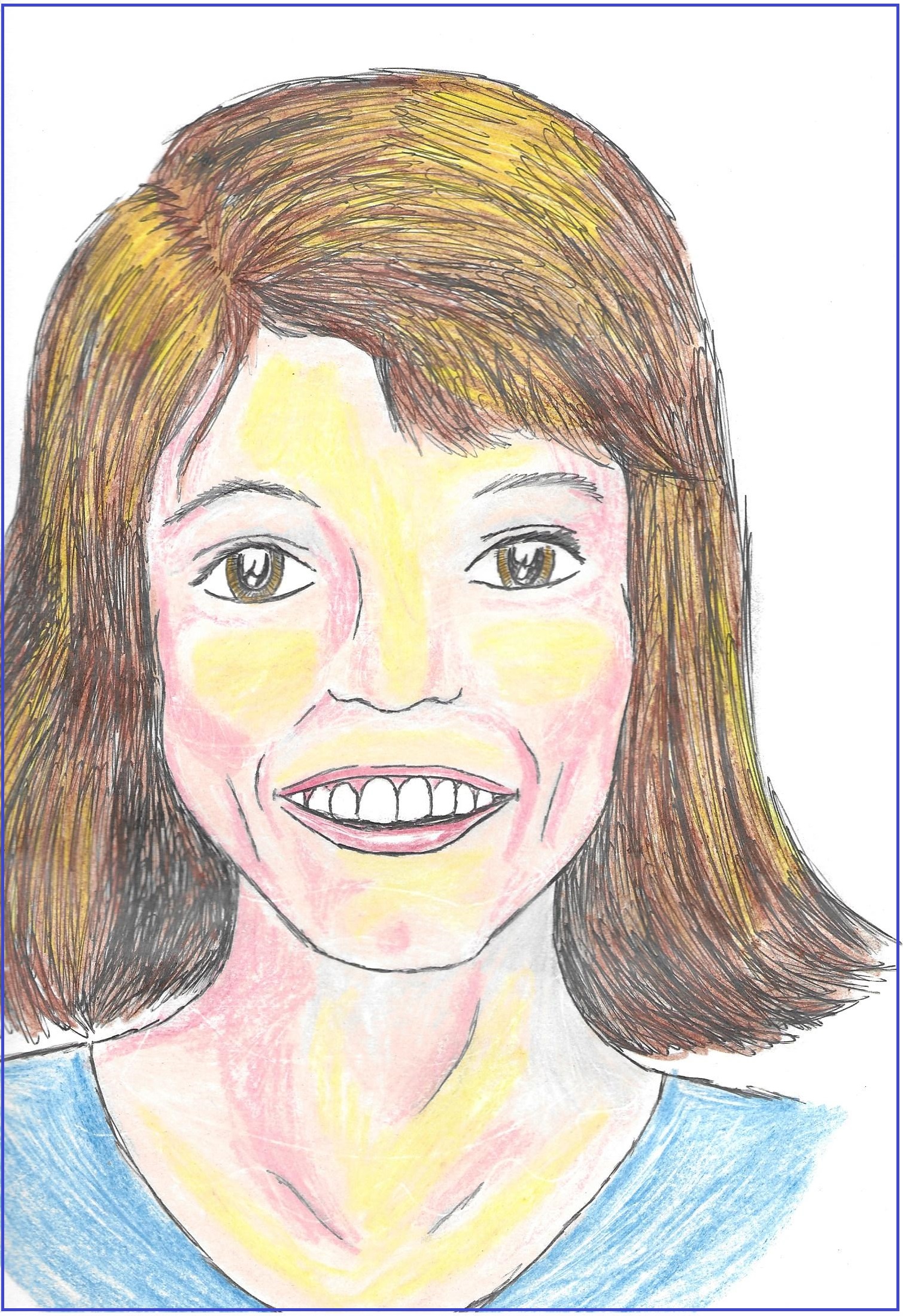
Communicating with a wife is complicated. In fact, I couldn’t do the whole writer-think thing about that topic without writing a book. But I can successfully ruminate for about 500 words on the that awkward first encounter, the first time I ever was embarrassed in front of a non-sister girl.
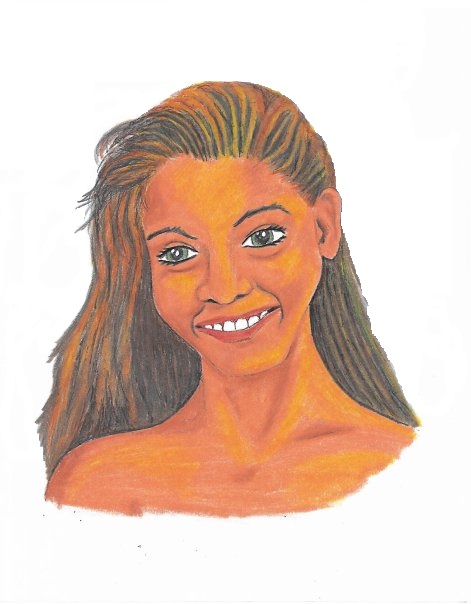
In grade school I met my first crush in kindergarten. Alicia Stewart was a honey-sweet little brown-haired girl with a bow in her hair. I was a boy. I was not allowed to like girls. Hating them was the only thing that made sense to my friends and I. But, secretly, I didn’t hate Alicia. In fact, if I was ever to be doomed to be married when I grew up, I would’ve only accepted that horrible fate if it was with her. And in my small town school I saw her practically every school day. In fact, in Miss Malkin’s music class on Tuesdays and Thursdays I sat right next to her in Miss Malkin’s seating chart for six years.
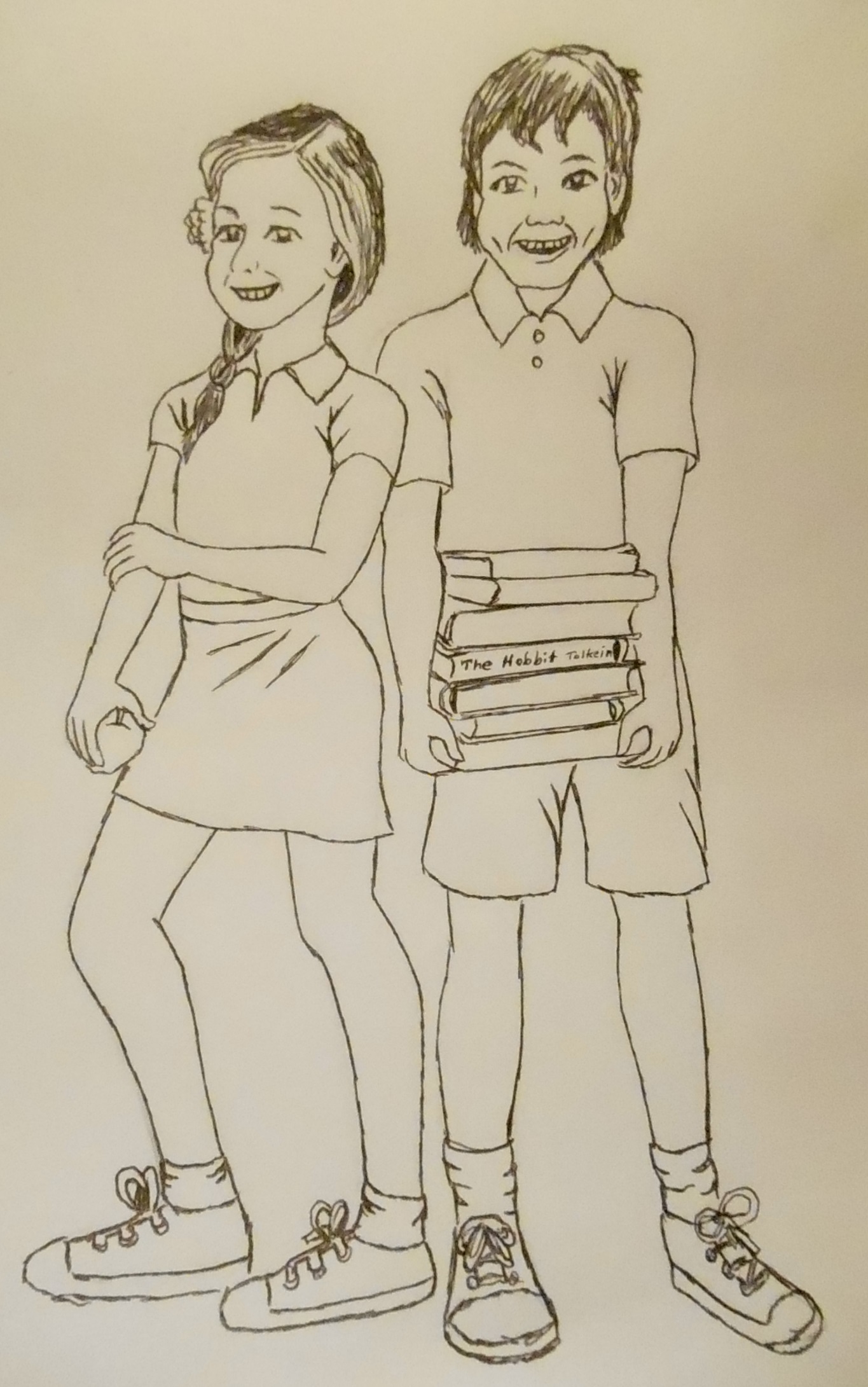
In Miss Malkin’s music class we always did musical stuff like listening to classical records, singing songs for the yearly musical review concert (we did the songs from the musical The Music Man one year… you don’t get more musicky than that), and we did square dancing. Yeah, you heard that right. Square dancing. You had to have a girl for a partner. And one year, Miss Malkin decided it would be cute to have the boys ask the girls to be their partners. Now, as boys… in top secret boy-conversations, we had generally agreed that if such a problem would ever occur, Alicia Stewart was the only acceptable choice. We all hated girls. But we all were secretly in love with Alicia. She was girl-hating-boy approved. When I was twelve, there was another girl that was making me uncomfortable too. Marla Carter was nine when I was twelve. She had big brown eyes and dimples. Her face was somehow heart-shaped, and only Alicia could make my palms sweat any worse than she did. But in top secret boy-conversations it was ruled that she was a booger-eating little girl and totally toxic. Well, I didn’t totally agree, but I was still subject to all girl-hating directives.
“Okay,” Miss Malkin said, “the boys will now pick their partners… one at a time in alphabetical order.”
My last name began with the letter “B”, but my best friend Mark had a last name starting with “A”.
“I pick Alicia,” Mark said.
My heart sank. I had my pick of any girl besides Alicia. Marla was standing about four feet away from me, her hands folded together behind her back, looking at me with those puppy-dog eyes. My throat was too dry to speak.
“Um, ah… I can’t pick anyone…” I croaked. “You pick it, I will dance with it.”
“Now, don’t be like that, Michael. Get on with it!” Miss Malkin commanded. Everyone loved the music teacher, and so everyone obeyed her. I had to submit.
I looked at Marla, dug my toe into the floorboards, and said, “I choose my cousin Diane.”
Talking to girls has always been a matter of embarrassment. The words are always awkward and shaped not by my brain, but by my bowels. This fact has always been a hindrance to my dealings with the female species, but it has been an unending source of potential for writing humor.
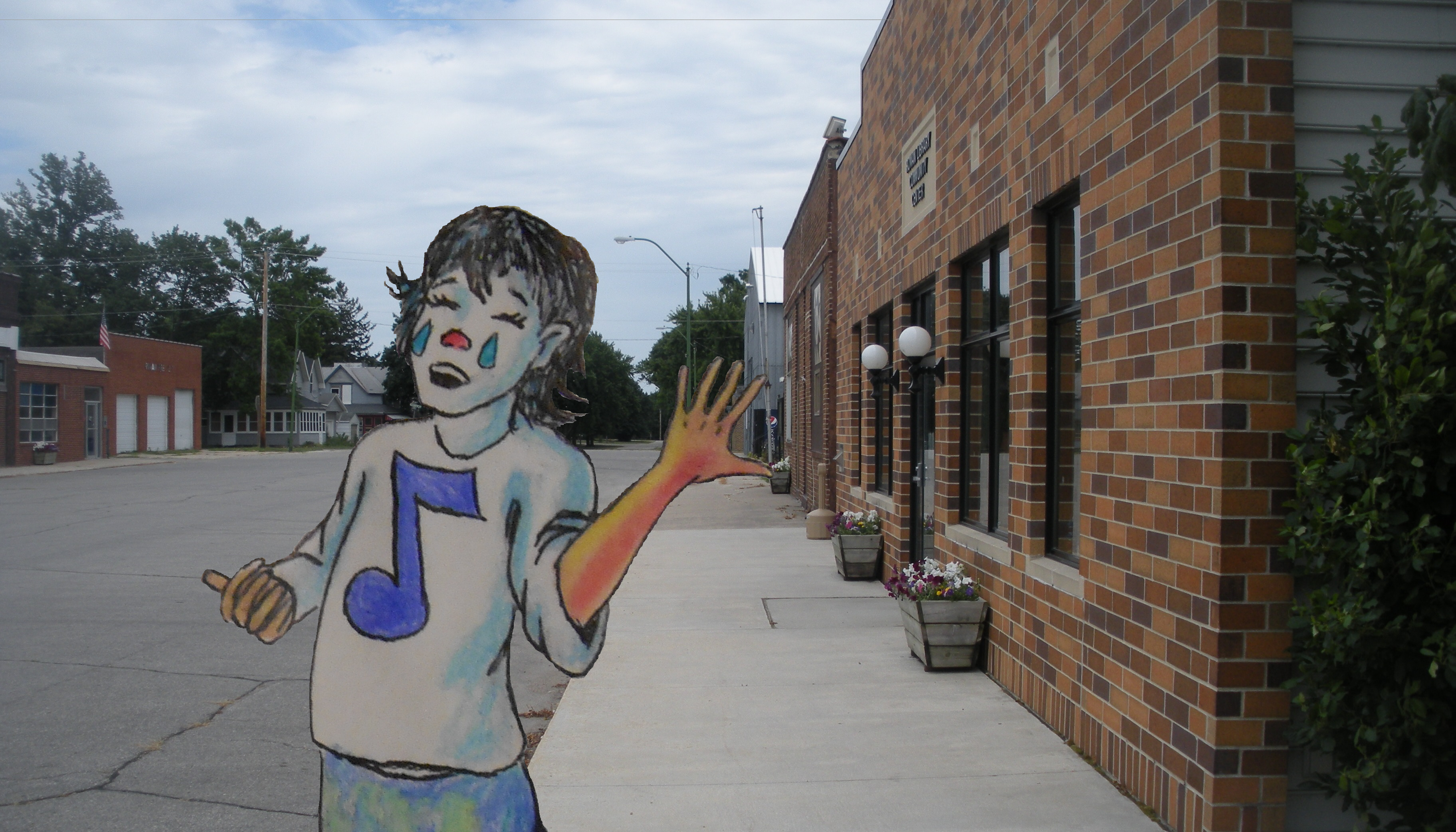






A Mr. Holland Moment
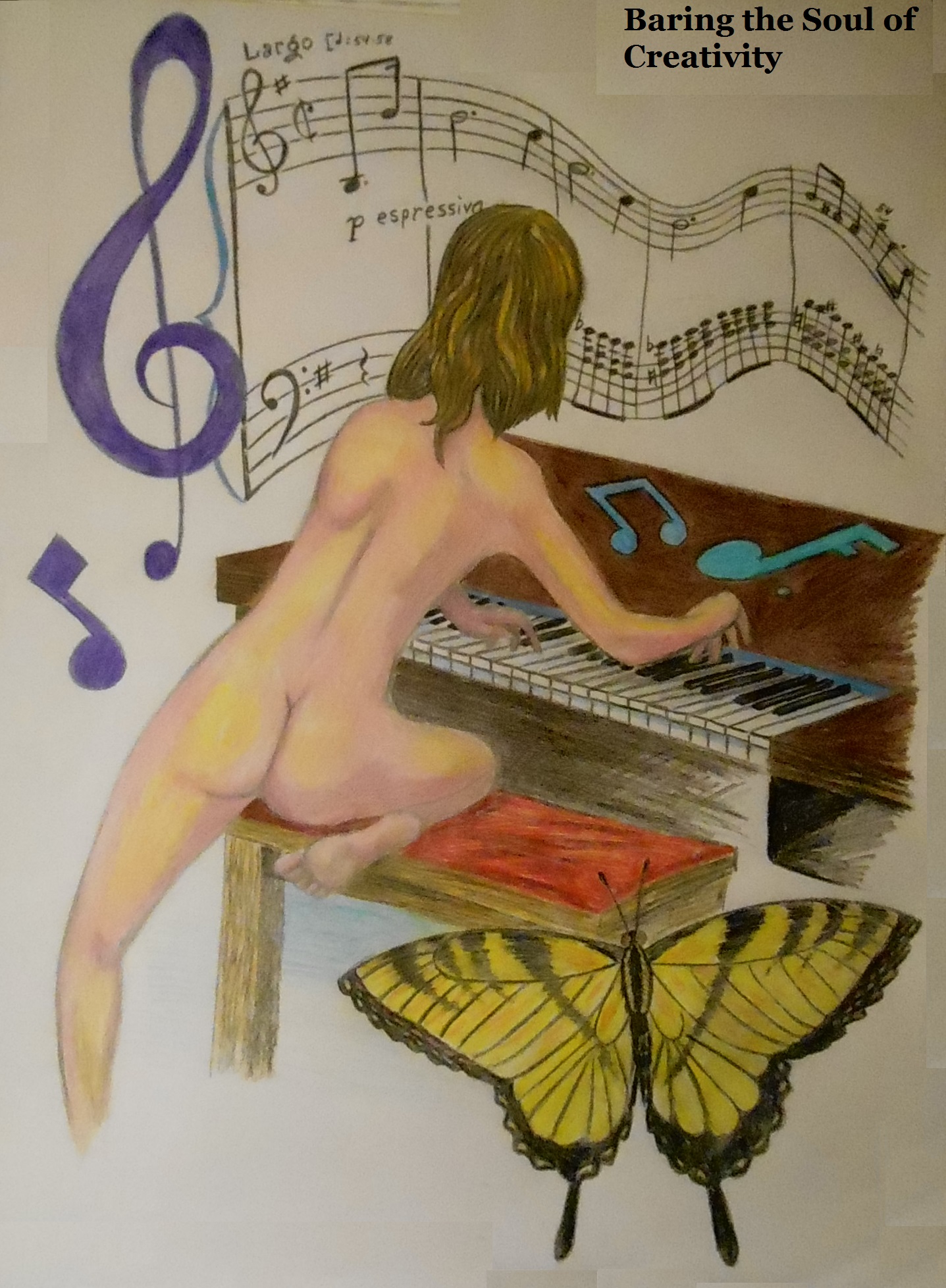
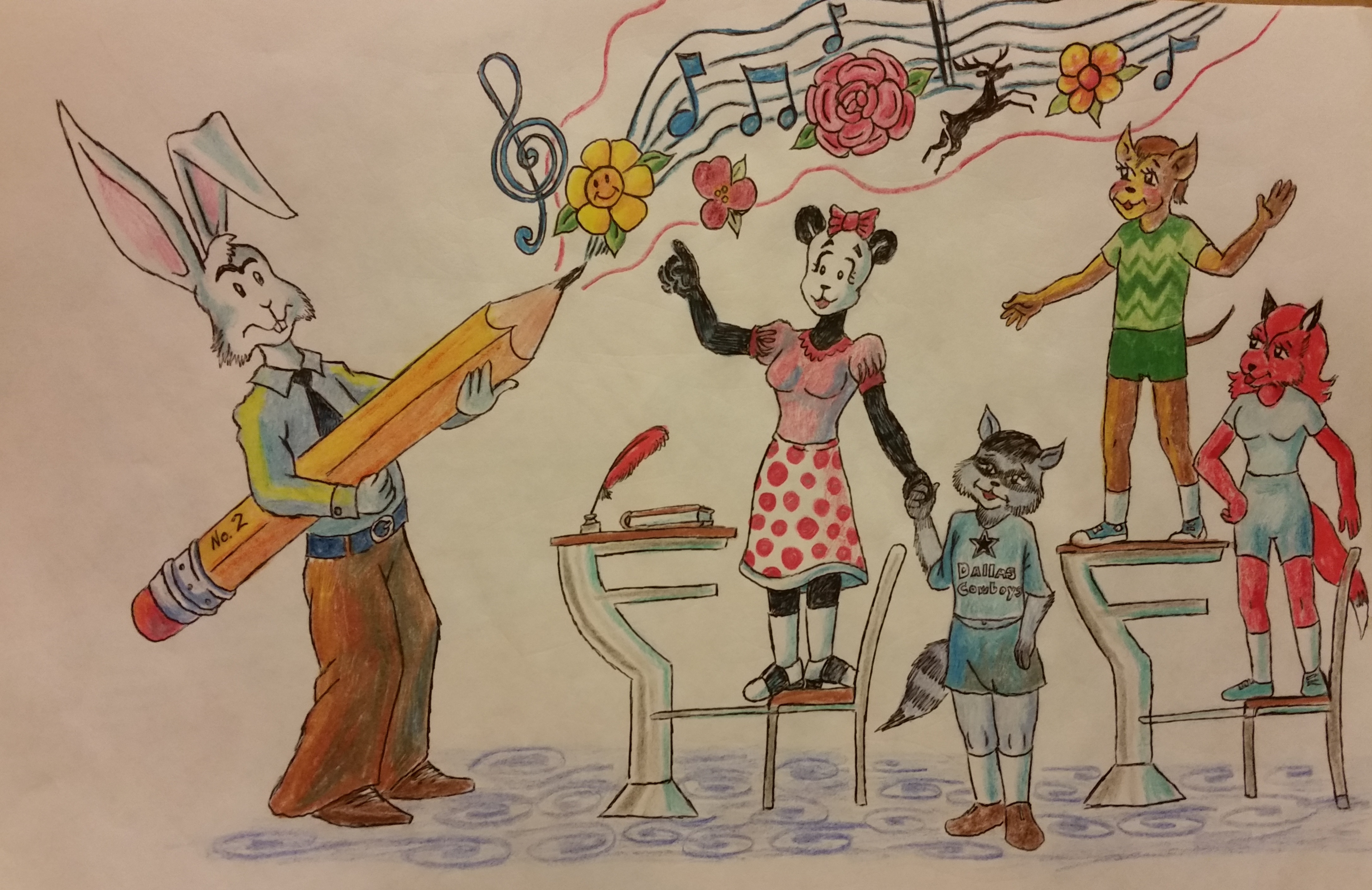
Life is making music. We hum, we sing to ourselves, movie music plays in our head as the soundtrack to our daily life. At least, it does if we stop for a moment and dare to listen. We make music in many different ways. Some play guitar. Some are piano players. And some of us are only player pianos. Some of us make music by writing a themed paragraph like this one. Others make an engine sing in the automotive shop. Still others plant gardens and make flowers or tomatoes grow. I chose teaching kids to read and write. The music still swells in my ears four years after retiring.
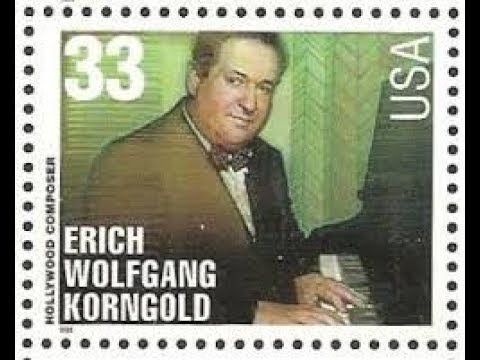
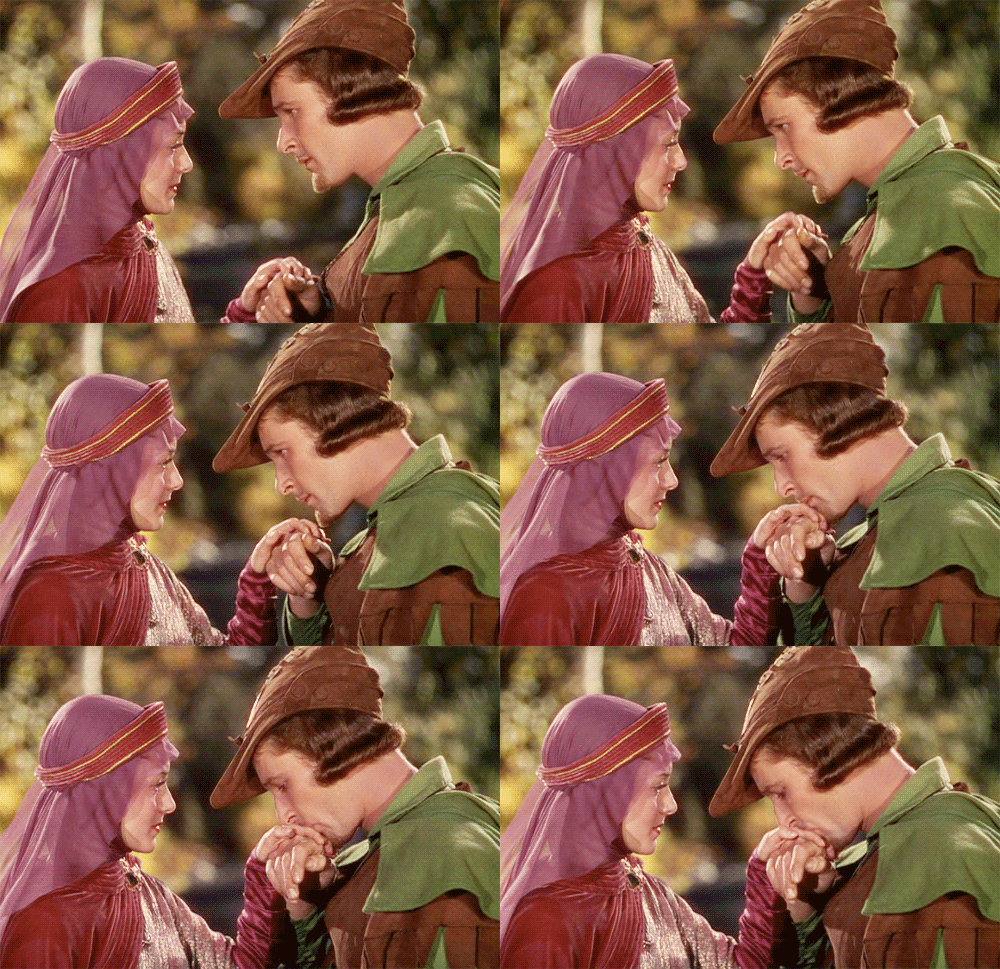
The 1995 movie, Mr. Holland’s Opus, is about a musician who thinks he is going to write a magnificent classical orchestra opus while teaching music at a public high school to bring in money and allow him time to compose and be with his young wife as they start a new family.
But teaching is not, of course, what he thought it was. He has to learn the hard way that it is not an easy thing to open up the closed little clam shells that are the minds of students and put music in. You have to learn who they are as people first. You have to learn to care about what goes on in their lives, and how the world around them makes them feel… and react to what you have to teach. Mr. Holland has to learn to pull them into music appreciation using rock and roll and music they like to listen to, teaching them to understand the sparkles and beats and elements that make it up and can be found in all music throughout their lives. They can even begin to find those things in classical music, and appreciate why it has taken hold of our attention for centuries.
And teaching is not easy. You have to make sacrifices. Big dreams, such as a magnum opus called “An American Symphony”, have to be put on the shelf until later. You have children, and you find that parenting isn’t easy either. Mr. Holland’s son is deaf and can never actually hear the music that his father writes from the center of his soul. And the issue of the importance of what you have to teach becomes something you have to fight for. Budget cuts and lack of funding cripples teachers in every field, especially if you teach the arts. Principals don’t often appreciate the value of the life lessons you have to give. Being in high school band doesn’t get you a high paying job later.
But in the end, at the climax of the movie, the students all come back to honor Mr. Holland. They provide a public performance of his magnum opus, his life’s work. And the movie ends with a feeling that it was all worth it, because what he built was eternal, and will be there long after the last note of his music is completely forgotten. It is in the lives and loves and memories of his students, and they will pass it on.
But this post isn’t a movie review. This post is about my movie, my music. I was a teacher in the same way Mr. Holland was. I learned the same lessons about being a teacher as he did. I had the same struggles to learn to reach kids. And my Mr. Holland moment wasn’t anywhere near as big and as loud as Mr. Holland’s. His was performed on a stage in front of the whole school and alumni. His won Richard Dreyfus an Academy Award for Best Actor. But his was only fictional.
Mine was real. It happened in a portable building on the Naaman Forest High School campus. The students and the teacher in the classroom next door threw a surprise party for me. They made a lot of food to share, almost all of which I couldn’t eat because of diabetes. And they told me how much they would miss me, and that they would never forget me. And I had promised myself I would never cry about having to retire. But I broke my promise. In fact, I am crying now ten years later. But they are not tears of sadness. My masterwork has now reached its last, bitter-sweet notes. The crescendos have all faded. But the music of our lives will still keep playing. And not even death can silence it completely.
1 Comment
Filed under artwork, autobiography, commentary, happiness, insight, kids, movie review, teaching
Tagged as education, music, music-education, teachers, teaching